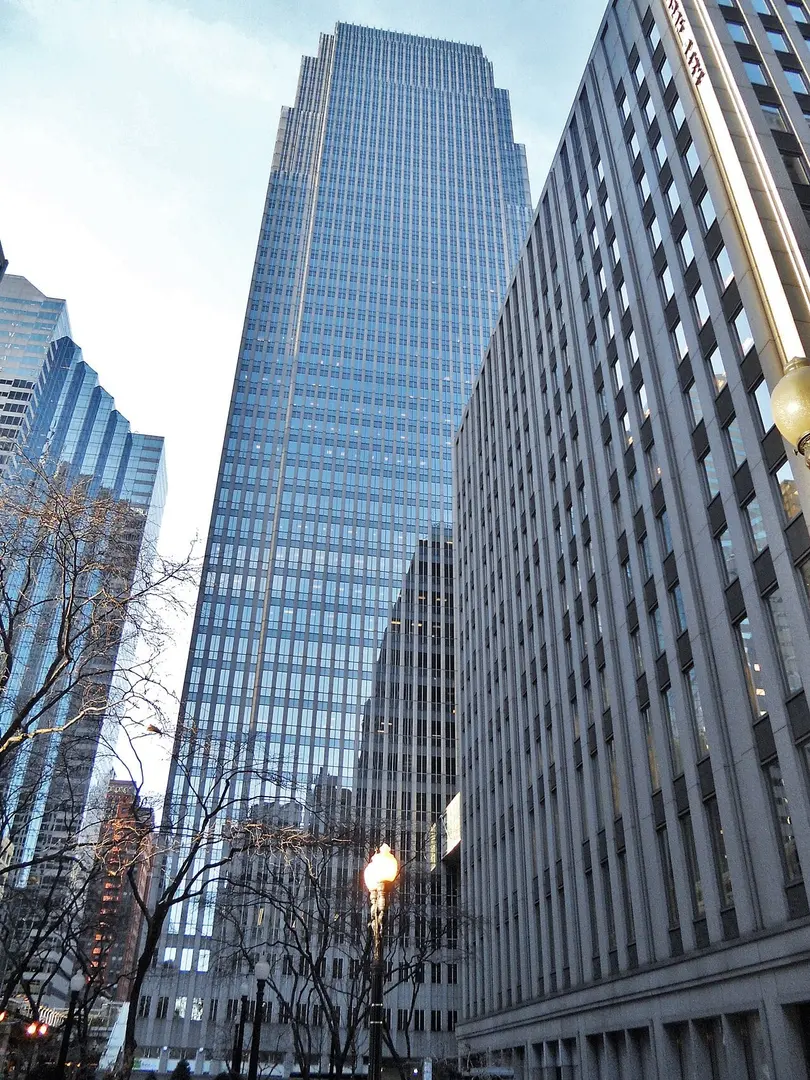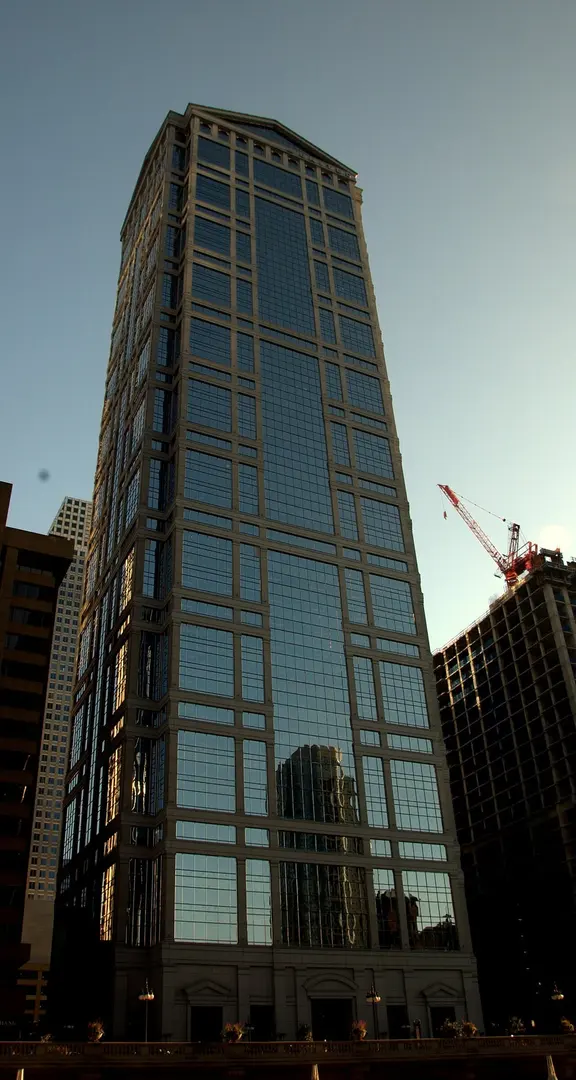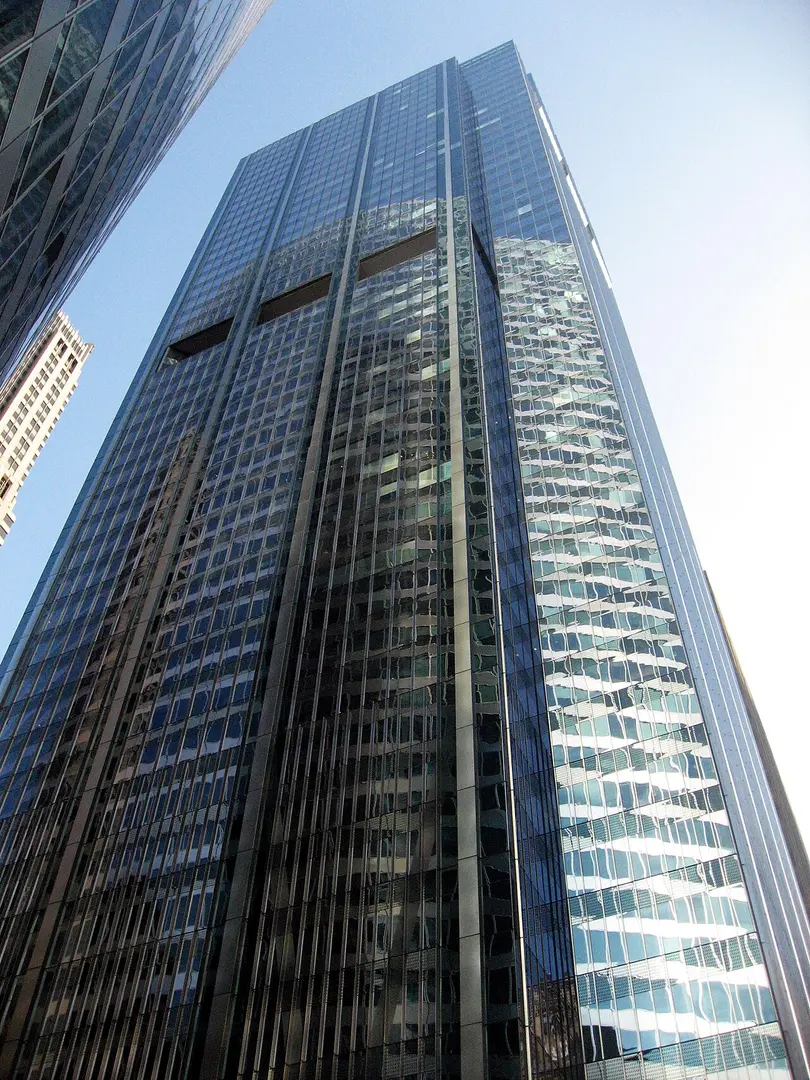
111 South Wacker Drive
Chicago
architecture
local gems
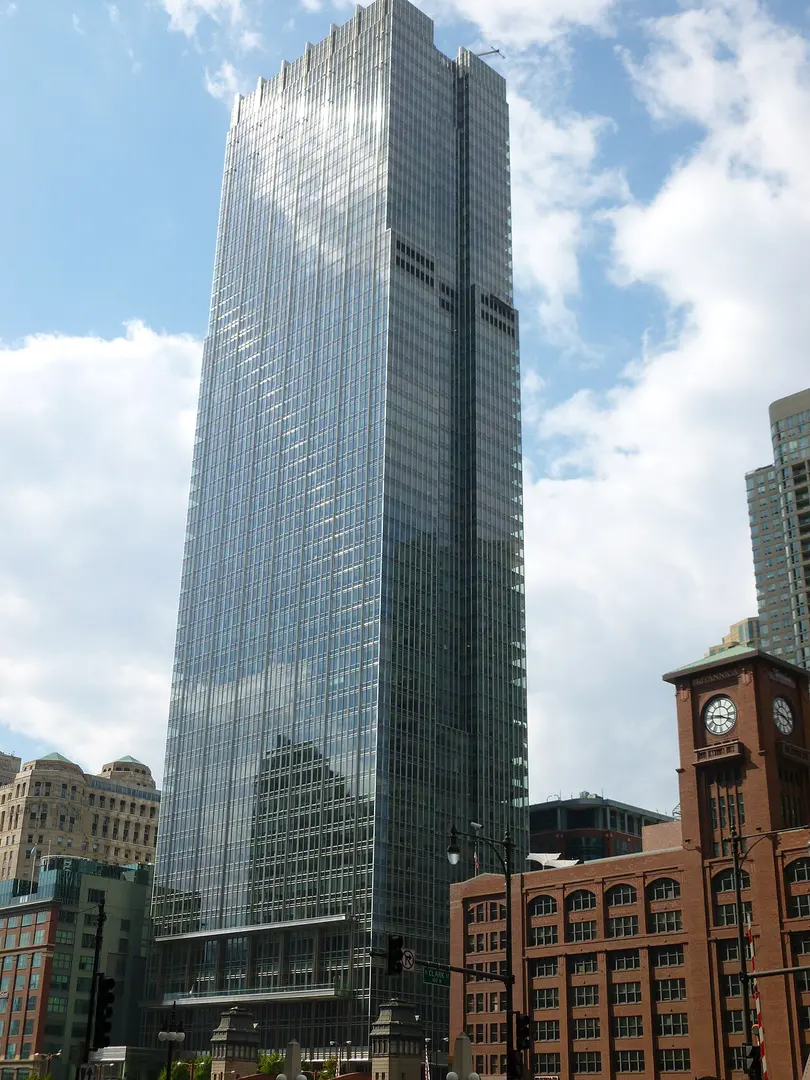
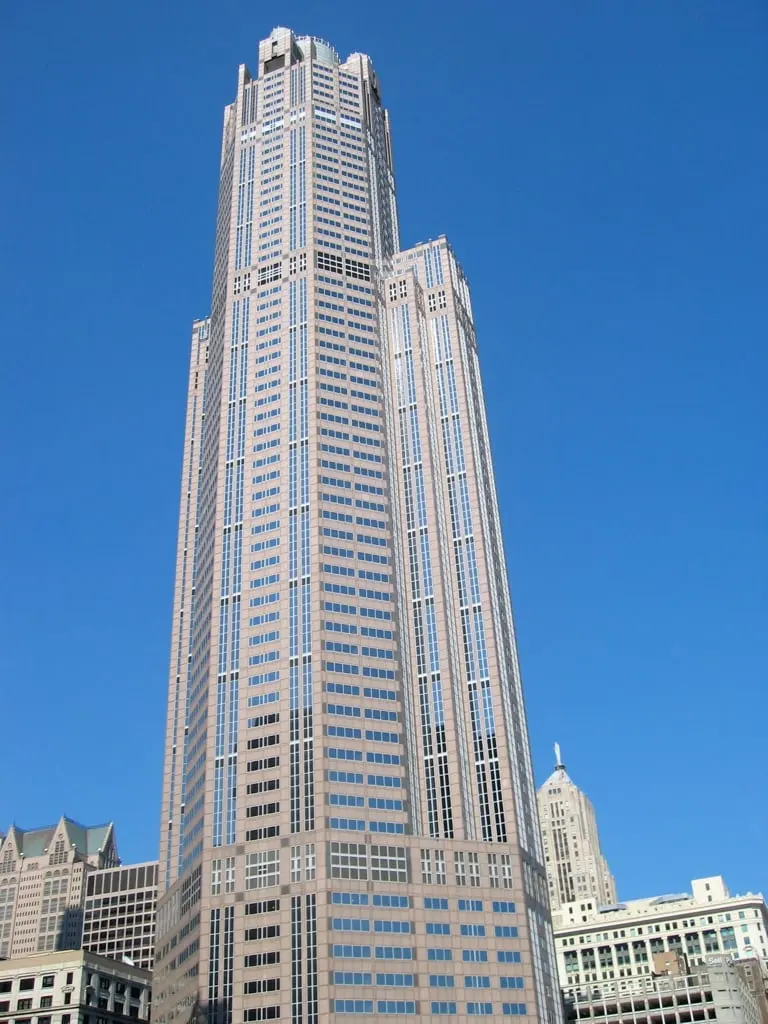
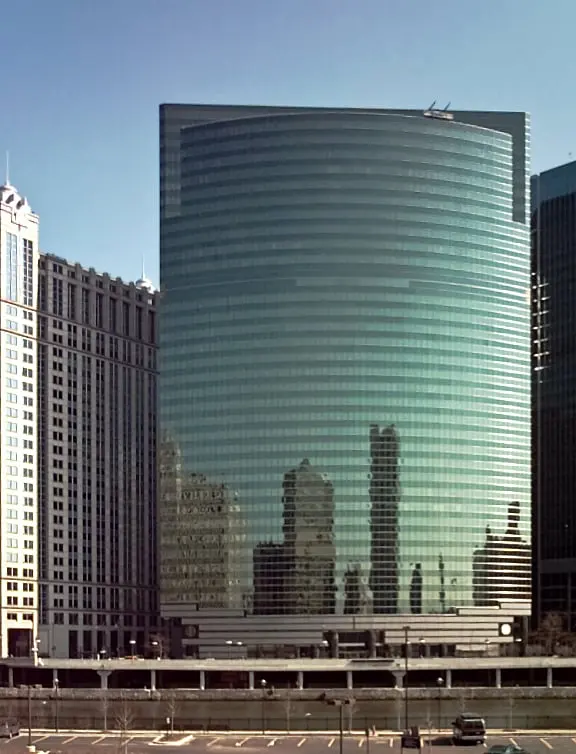
Chicago rewards those who look beyond the obvious with places that feel genuinely local. The sweeping curve of 333 Wacker Drive stands alongside neighbors like 77 West Wacker Drive and 311 South Wacker Drive as quiet architectural landmarks worth a slow walk. The 360 Chicago observation deck reframes the skyline from the inside out. Chess Records Studio connects the city to its deep musical roots, while Brookfield Zoo Chicago and the Bohemian National Cemetery reflect the layered neighborhoods that make up the real city. The Allstate Arena and the graceful BP Bridge round out a side of Chicago that goes well beyond the guidebook staples.
23 places · Chicago, United States · Editorially curated
Chicago
Chicago
Chicago
Chicago
Chicago
Chicago
Chicago
Chicago
Chicago
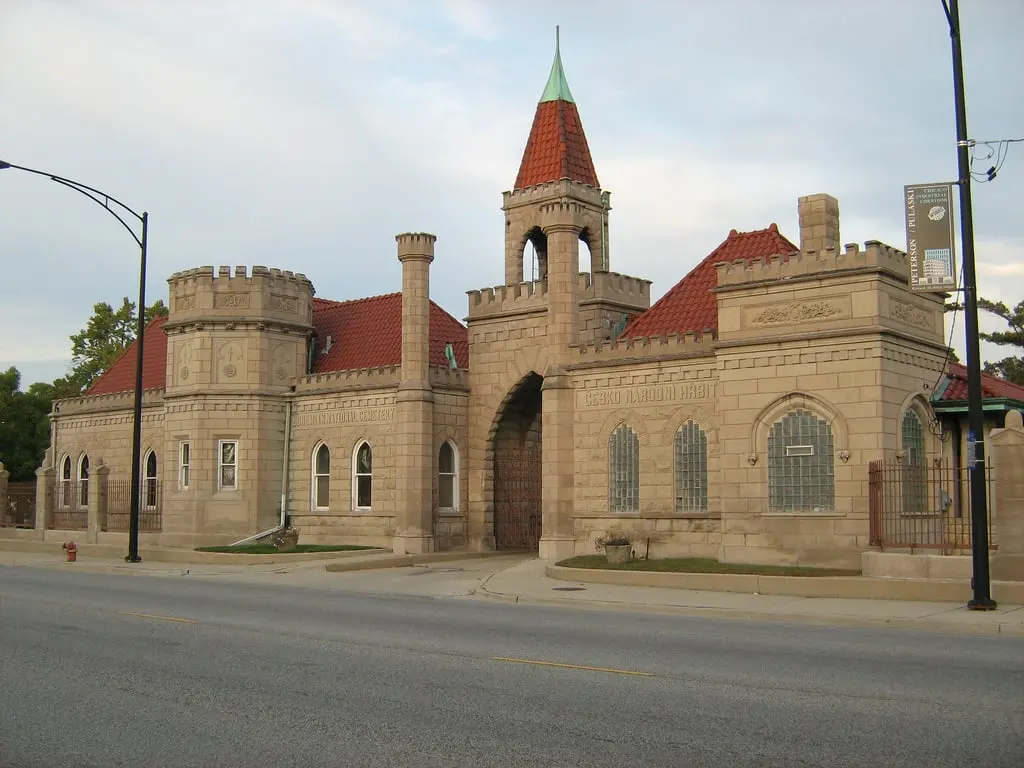
The Bohemian National Cemetery, located in northern Chicago on Pulaski Road, is one of the most significant burial grounds of the Czech and Slovak immigrant community in the United States. Founded in 1877, it served as the final resting place for generations of Bohemian immigrants who shaped Chicago's neighborhoods during the great waves of European migration. The sprawling grounds are filled with elaborately carved monuments, family mausoleums, and statues that reflect both the craftsmanship and cultural pride of this community. Politicians, artists, tradespeople, and laborers all rest here side by side. Today the cemetery functions as an open-air museum of Bohemian-American heritage and attracts genealogists, historians, and curious visitors from around the world.
Chicago
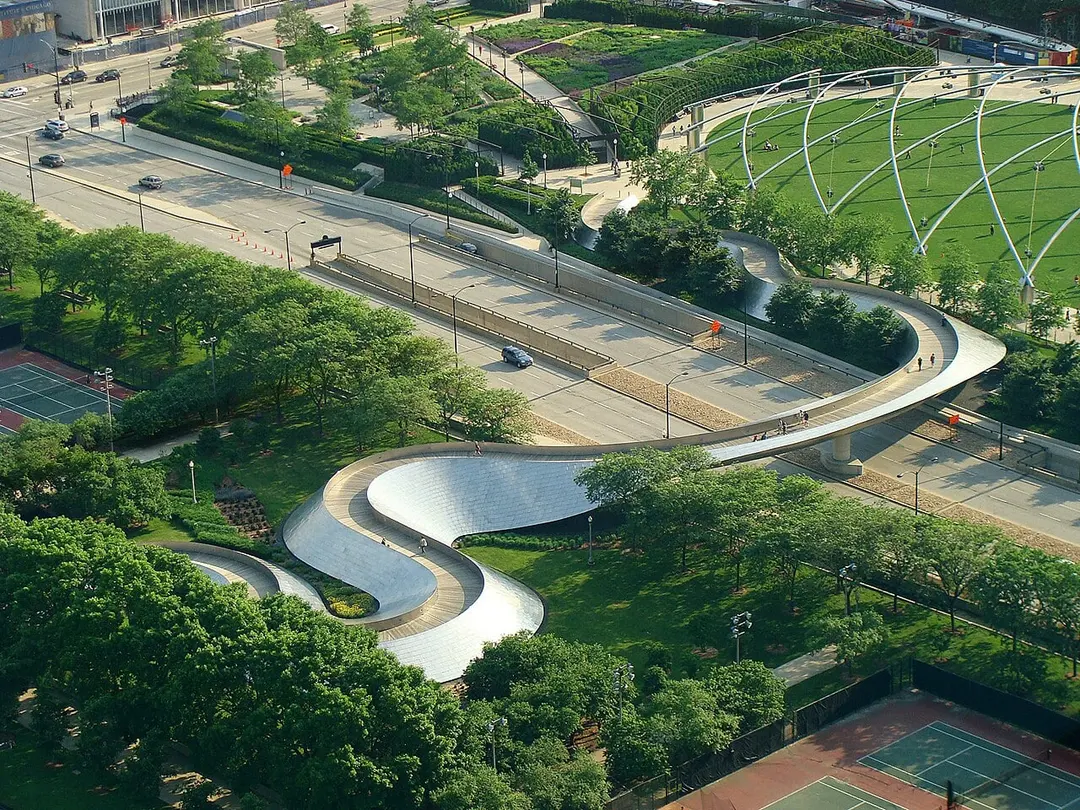
The BP Pedestrian Bridge in Chicago's Loop is more than a walkway — it's architecture you can stroll through. Designed by Pritzker Prize-winner Frank Gehry alongside the adjacent Jay Pritzker Pavilion, the bridge opened with the rest of Millennium Park on 16 July 2004. It arcs gently over Columbus Drive, linking Daley Bicentennial Plaza to Millennium Park on a slightly curving ramp. Its most striking feature is the snaking stainless-steel cladding that shifts from silver to copper tones depending on the light. The gentle gradient makes it fully accessible, and the leisurely crossing offers unobstructed views of Grant Park and the city skyline — making it one of Chicago's most pleasant short walks.
Chicago
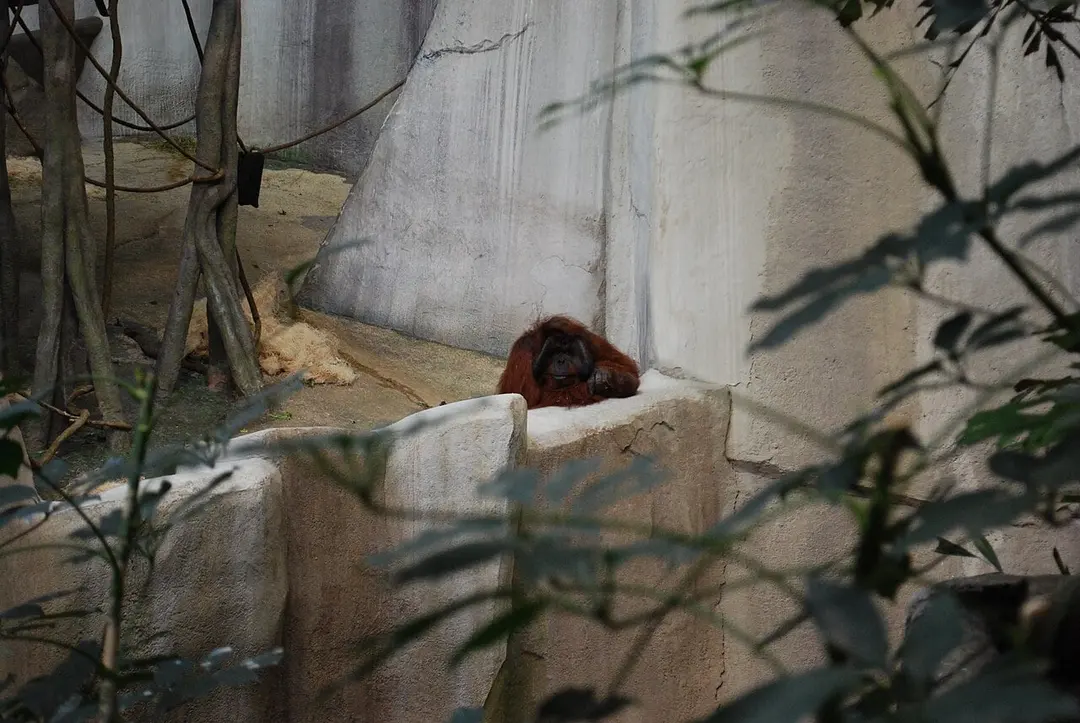
Brookfield Zoo in Brookfield, a suburb of Chicago, is one of the most important zoos in the United States. Spread across more than 57 hectares, it is home to over 424 animals in more than 280 species — from big cats and marine mammals to reptiles and tropical birds. Founded in 1921 and opened in 1934, the zoo was a pioneer of modern zoo design, adopting moats instead of cages early on to create more natural habitats. Beyond the animal experience, the sprawling park with themed areas and special exhibitions offers a rich programme for families, school groups, and nature enthusiasts. Free admission to the outdoor areas makes it an attractive destination for spontaneous visits.
Chicago
Chess Records was one of the most influential record labels in the history of American popular music. Founded in 1950 by Leonard and Phil Chess in Chicago, Illinois, the label became the birthplace of Chicago Blues, Rhythm & Blues, and early Rock 'n' Roll. In the studio on South Michigan Avenue, legends such as Muddy Waters, Chuck Berry, Howlin' Wolf, Bo Diddley, and Etta James recorded their defining work. The recordings made there shaped the sound of an entire era and influenced generations of musicians worldwide — including the Rolling Stones and the Beatles, who cited Chess artists as their greatest inspirations. Today the historic building houses the Blues Heaven Foundation Museum, keeping the memory of Chess Records and its artists alive. The site is considered hallowed ground in American music history.
Chicago
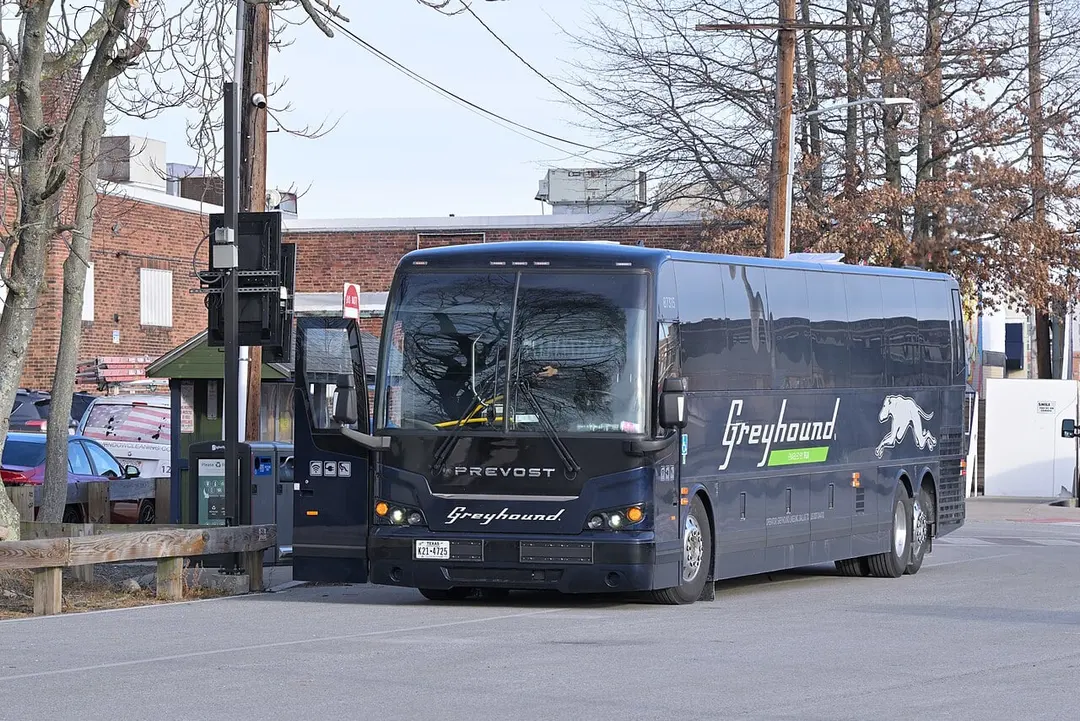
Chicago's Greyhound Terminal is the main hub of the Greyhound Lines intercity bus network in the Windy City. Greyhound, the largest long-distance bus network in the United States with headquarters in Dallas, connects hundreds of cities across the Midwest and beyond from this point. The terminal dates to 1914 and reflects the history of American mass transit in the 20th century. It continues to serve thousands of travelers daily seeking affordable cross-country travel — a place embodying the democratic spirit of American mobility.
Chicago
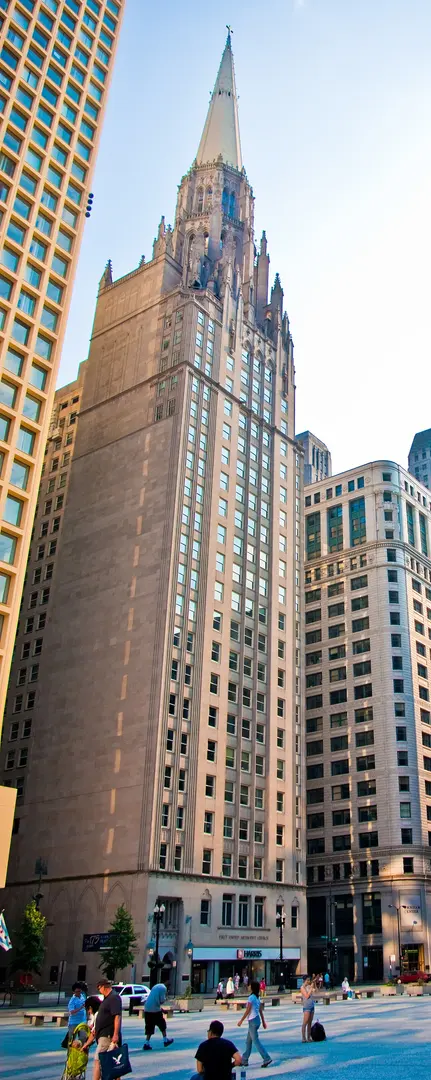
The Chicago Temple is one of the most unusual buildings in the Loop district — a neo-Gothic church spire crowning a 29-story office tower. Designed by Holabird & Roche between 1922 and 1923 for the Methodist Episcopal Congregation, the city's oldest church community, the building stands 169 meters tall. At the time of its completion, it was the tallest church building in the world. The eighth-floor chapel and the sky-chapel beneath the spire are open to visitors. Today the Chicago Temple balances an active congregation with its role as an architectural landmark in the heart of downtown.
Chicago
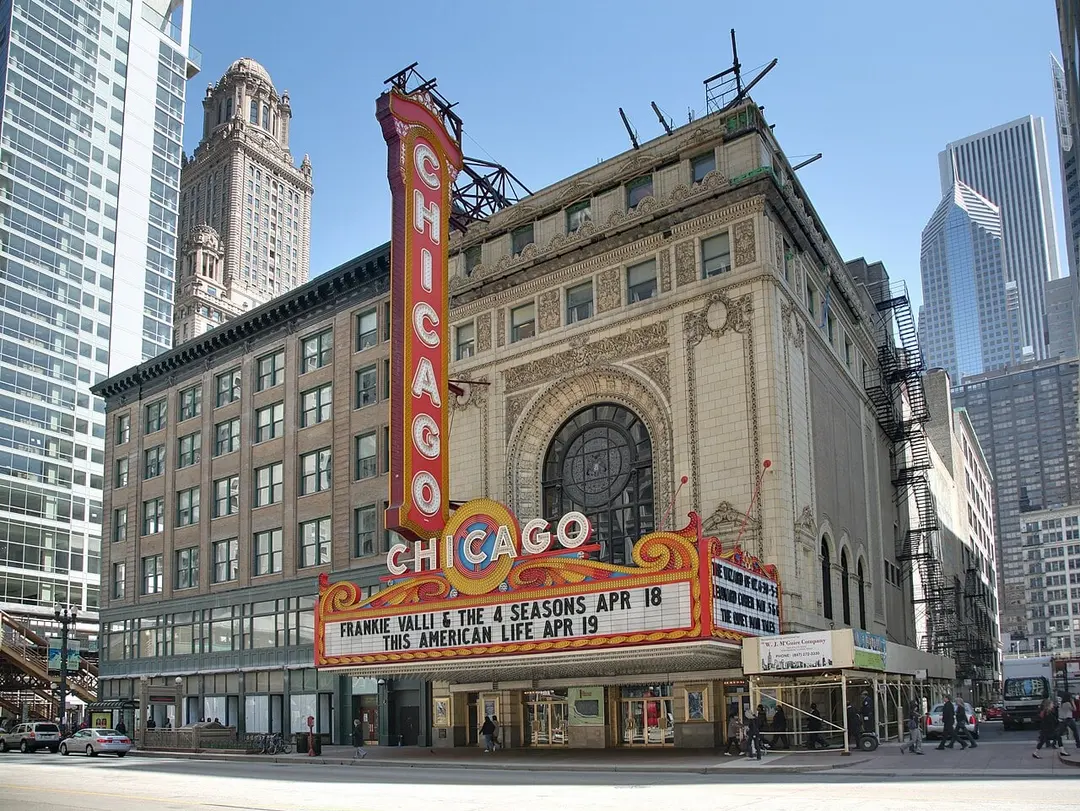
The Chicago Theatre opened in 1921 and ranks among the most opulent surviving movie palaces in the United States. Designed by Rapp & Rapp in French Baroque style, it originally seated more than 3,000 patrons. The six-story lobby with marble staircases and gilded ceilings was one of the most elaborate cinema foyers of its era. After a period of decline the venue was restored in the 1980s and now operates as a concert and event hall. The glowing red marquee sign on State Street remains one of the most recognizable landmarks in Chicago.
Chicago
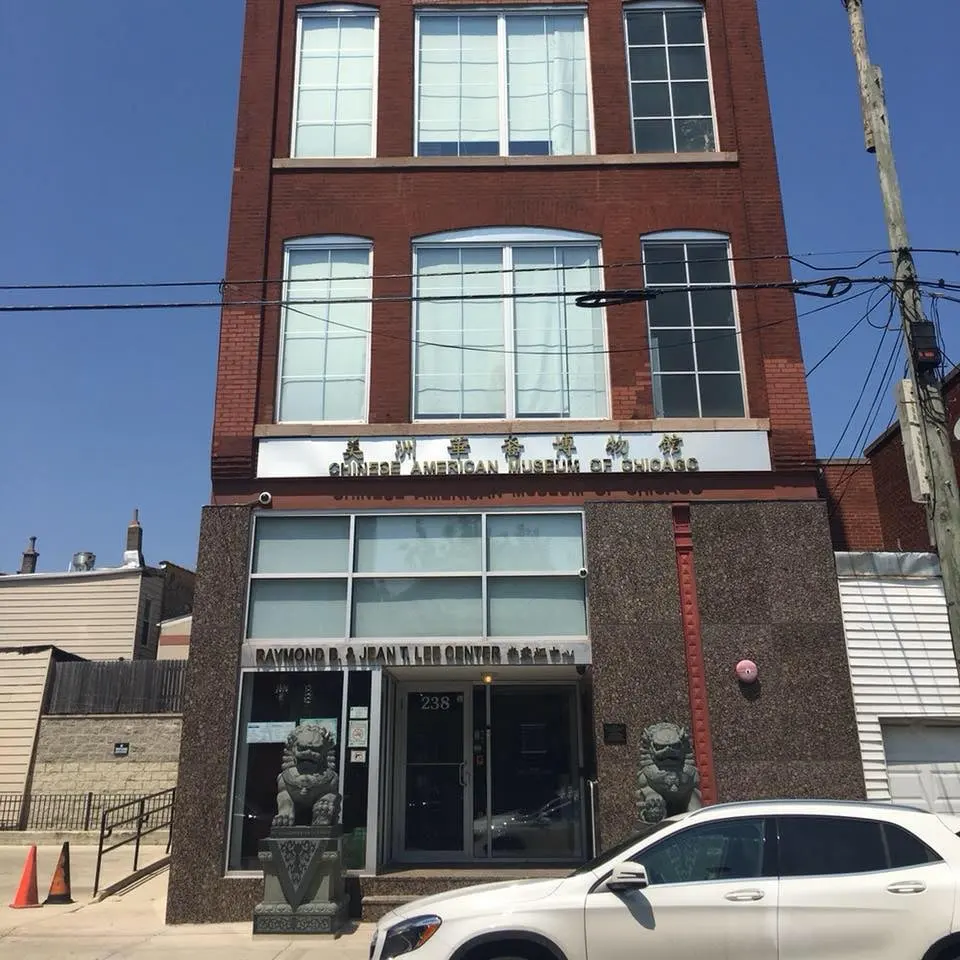
The Chinese American Museum of Chicago documents the history and present of the Chinese community in the United States, with a particular focus on the Midwest. It opened in May 2005 in Chicago's Chinatown, was temporarily closed after a devastating fire in 2008, and reopened following extensive renovations in 2010. Exhibitions range from early labour migration and the discriminatory Chinese Exclusion Acts to contemporary art and community initiatives. The museum positions itself as a cultural bridge — serving both the Chinese-American diaspora exploring its roots and any visitor curious about Chicago's ethnic diversity.
Chicago
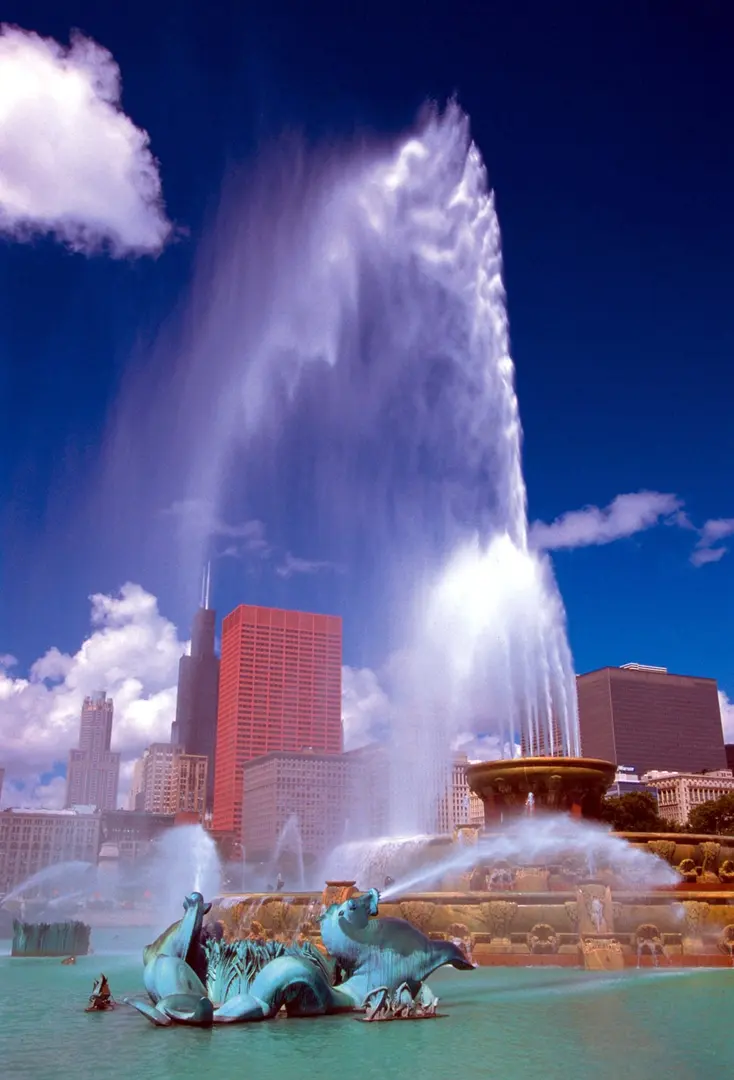
Buckingham Fountain in Grant Park is one of Chicago's most recognisable landmarks and is considered one of the world's largest decorative fountains. Dedicated in 1927 in honour of Kate Sturges Buckingham, it was designed by architect Edward H. Bennett inspired by the Latona Fountain at Versailles. The central water column shoots up to 46 metres into the air, surrounded by four symbolic sea horses. From May to October, the fountain is illuminated each evening and puts on an hourly water and light show — a spectacle that draws thousands of visitors. Set within the expansive Grant Park right on the shores of Lake Michigan, it offers one of Chicago's finest urban views.
Chicago
Cloud Gate — colloquially known as "The Bean" — is a polished stainless-steel sculpture by British-Indian artist Anish Kapoor at the heart of Millennium Park in Chicago. The bean-shaped sculpture measures 20 by 13 metres, weighs 110 tons and has no visible seams. Its mirror-polished surface reflects Chicago's skyline and the sky in a distorted, captivating manner that draws crowds of visitors. Beneath the sculpture's belly is a concave opening that bends the reflection further. Cloud Gate was officially unveiled in 2006 and has since become one of the most photographed attractions in the United States.
Chicago
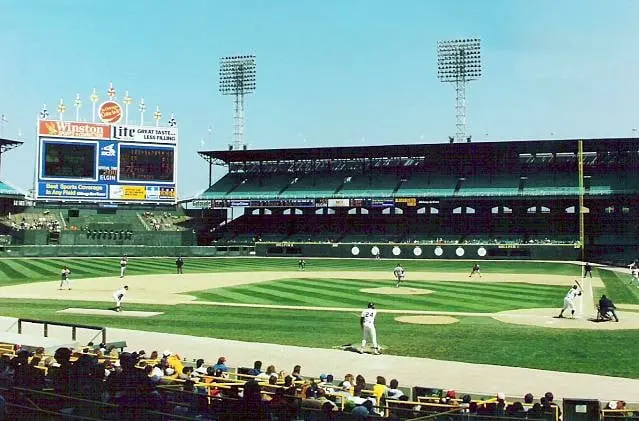
In a parking lot in Chicago's Armour Square neighborhood, a marker embedded in the asphalt pinpoints the exact location of home plate at the original Comiskey Park. From 1910 to 1990, Comiskey Park was the home of the Chicago White Sox, one of the storied franchises of the American League. It was the site of the infamous Black Sox scandal in 1919, when eight players were accused of intentionally losing the World Series. The stadium was demolished in 1991 as the White Sox moved to a new ballpark next door — now Guaranteed Rate Field. The home plate marker is a pilgrimage spot for Sox fans and a poignant reminder of how much history a parking lot can hold.
Chicago
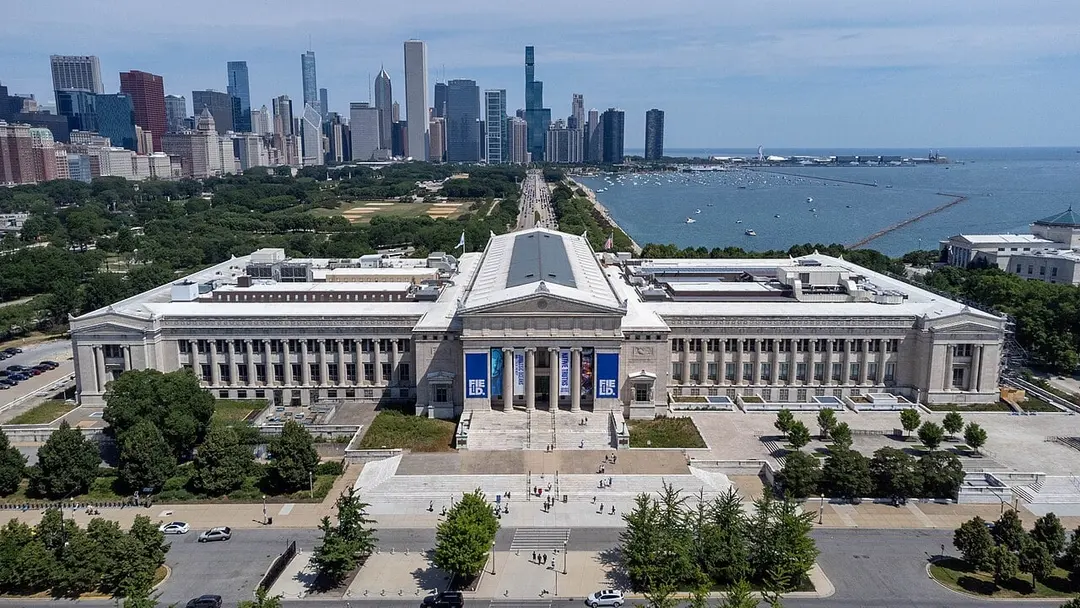
The Field Museum of Natural History in Chicago is one of the largest and most significant natural history museums in the world. Founded for the 1893 World's Columbian Exposition, it now occupies a magnificent neoclassical building on the shores of Lake Michigan in Grant Park. Across five floors and more than 85,000 square meters, it houses over 40 million objects — including Sue, the most complete known Tyrannosaurus rex skeleton, Egyptian mummies, the reconstructed Inside Ancient Egypt gallery, and exhibits on the natural history of the Earth. More than 500 full-time employees and an annual budget of over $50 million make it one of the world's most professionally run museums. Completing a full tour in a single day is considered nearly impossible.
Chicago
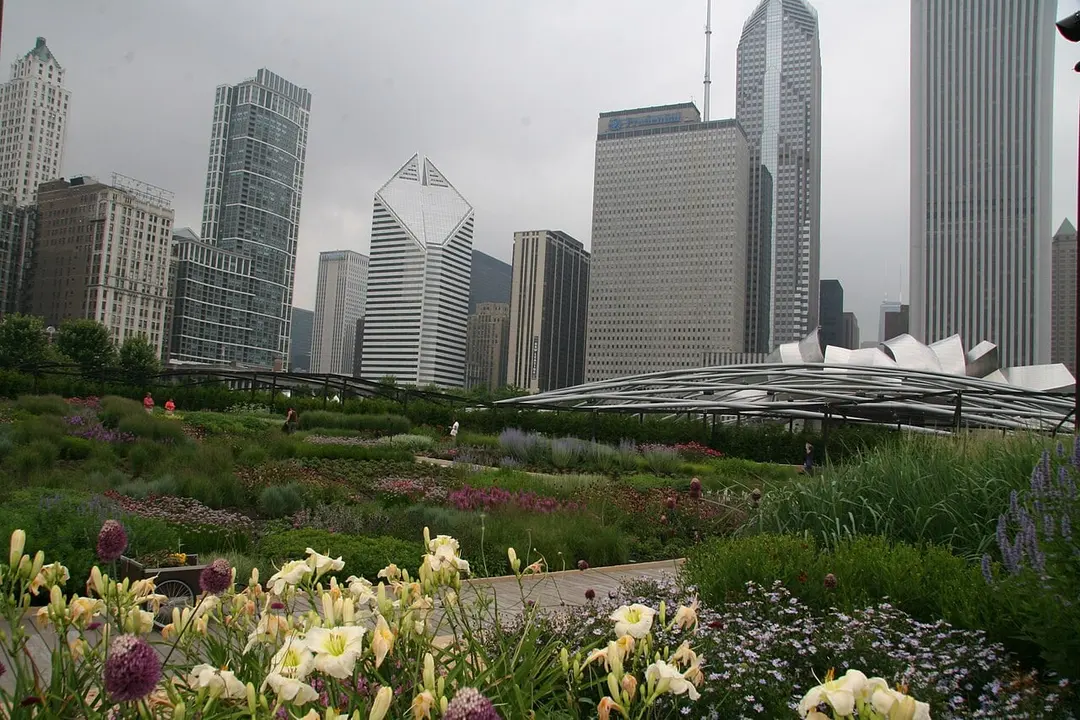
Lurie Garden is a 2.5-acre garden at the southern end of Chicago's Millennium Park. Designed by landscape architect Kathryn Gustafson, garden designer Piet Oudolf and artist Robert Israel, it opened in July 2004. It sits atop one of the world's largest green roofs, seven meters above an underground parking garage. Oudolf's signature blend of perennial plants, native prairie grasses and bulbs creates an ever-changing seasonal tapestry. A bright shoulder and a dark shoulder represent Chicago's journey from wild prairie to great city.
Chicago
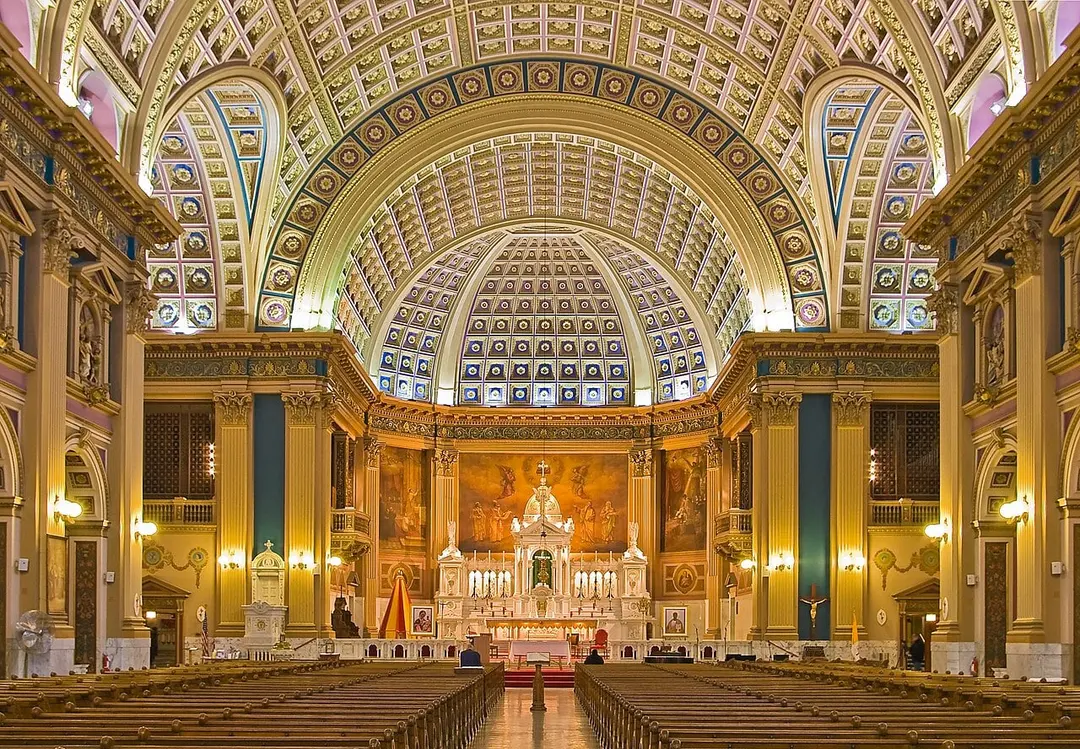
Our Lady of Sorrows Basilica (Mater Dolorosa) stands in the western part of Chicago and was built in 1874. It belongs to the Archdiocese of Chicago and holds the title of minor basilica. The church is especially well known as the home of the National Shrine of Saint Peregrine Laziosi, a Franciscan friar venerated since the Middle Ages as the patron saint of cancer sufferers. Thousands of pilgrims visit each year to pray at his shrine. Together with the Basilica of Saint Hyacinth and Queen of All Saints, it is one of only three minor basilicas in the state of Illinois. The neo-Gothic architecture and reverent atmosphere make a visit a deeply memorable experience.
Chicago
The Church of Scientology is a religious organization founded in 1953 by L. Ron Hubbard. The Church of Scientology International (CSI) is headquartered in Hollywood, Los Angeles, at 6331 Hollywood Boulevard. Scientology describes itself as an applied religious philosophy based on techniques for spiritual self-improvement. The organization is controversial in many countries; in Germany it is monitored by domestic intelligence services and not recognized as a religious community. The Hollywood buildings are prominent and publicly accessible.
Keep exploring
Rate places with a swipe — TravelType learns from your tags what you love and curates your own map. Private until you choose to share.