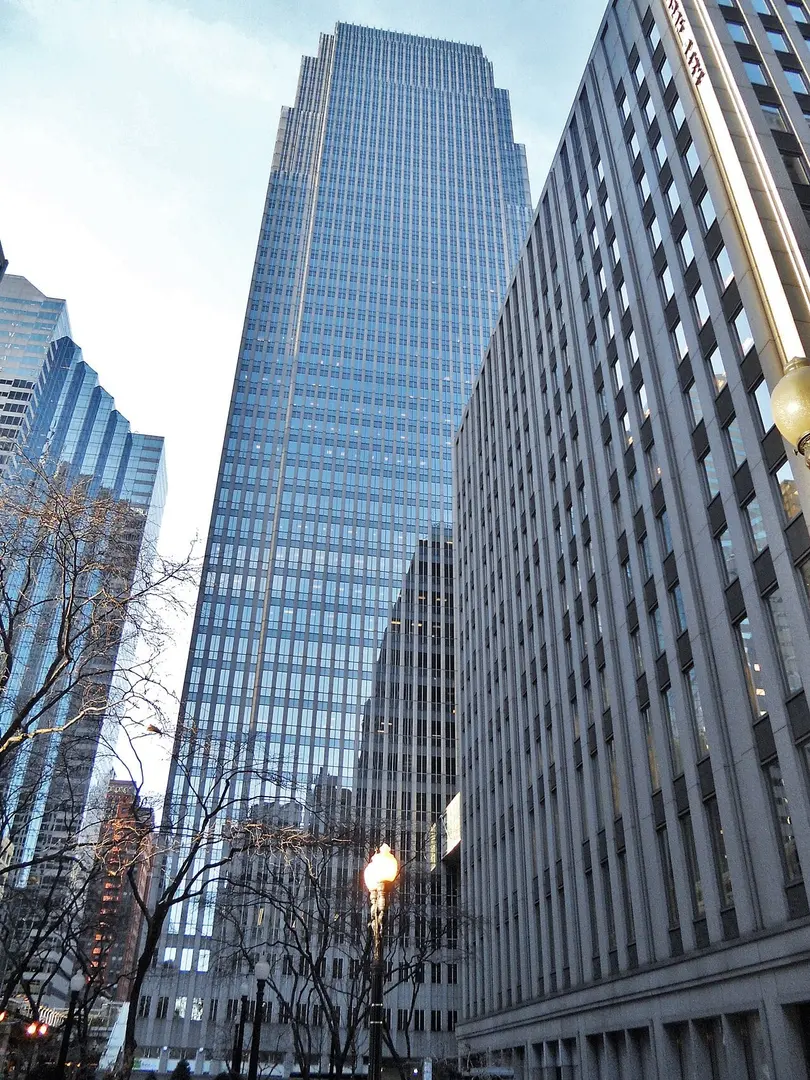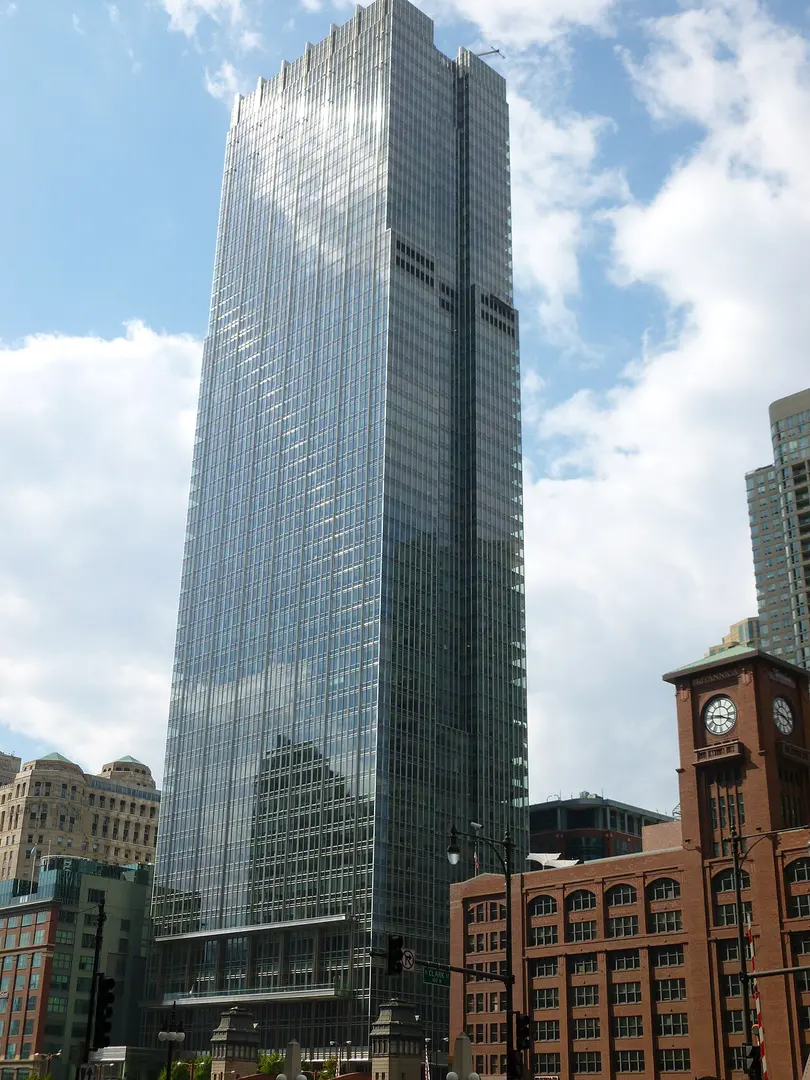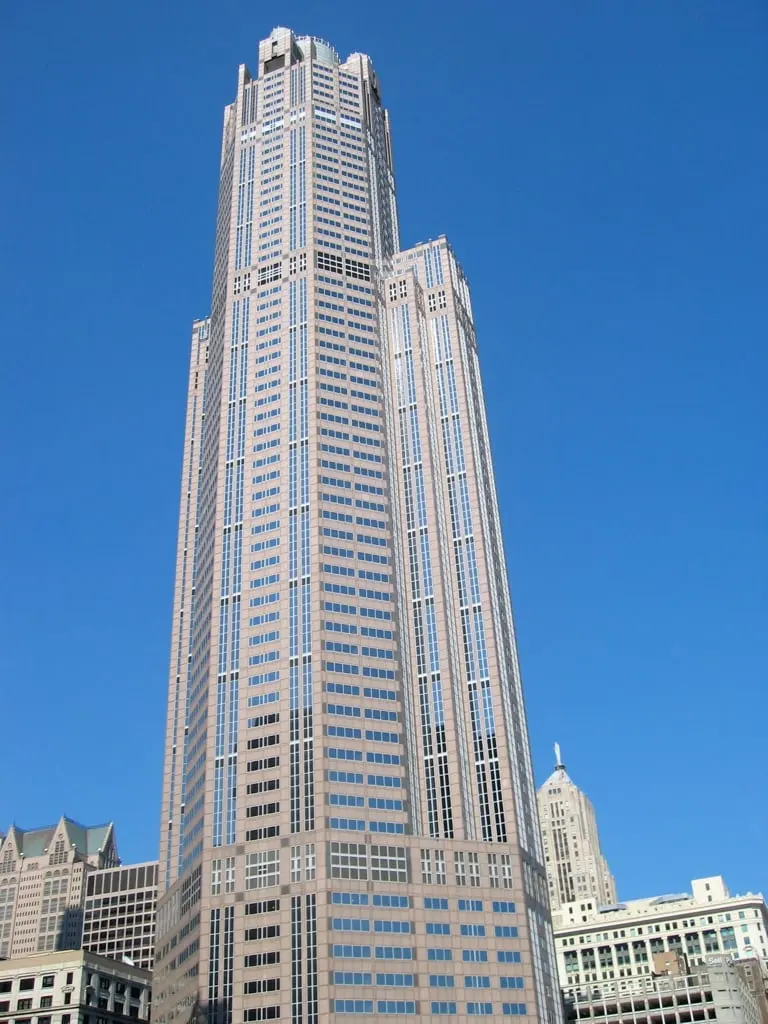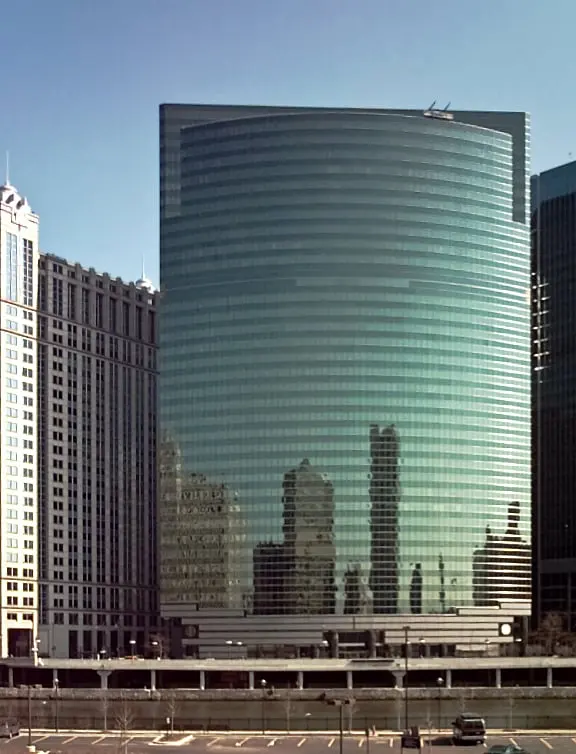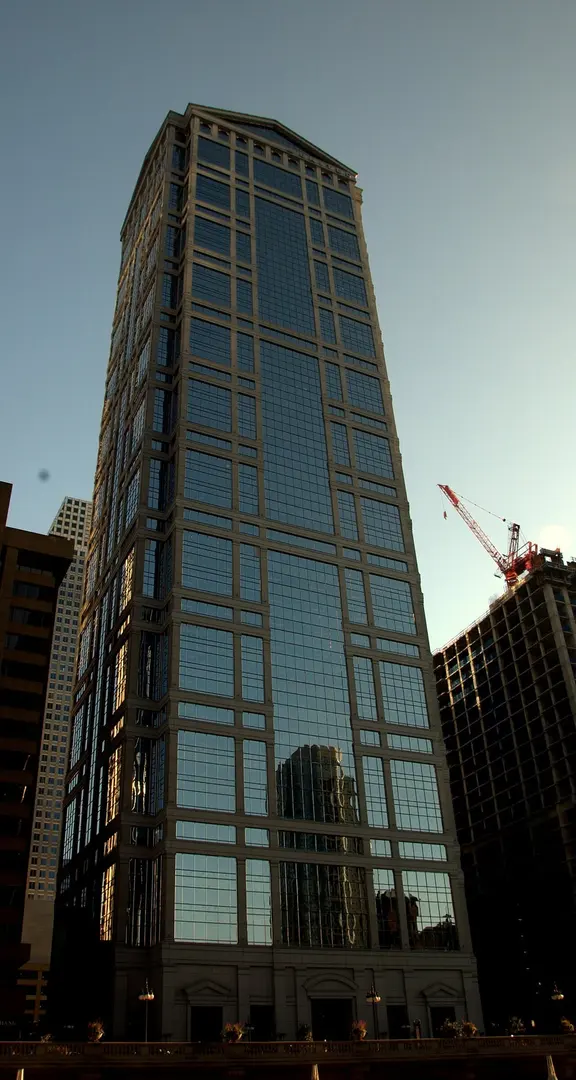
111 South Wacker Drive
Chicago
local gems
architecture
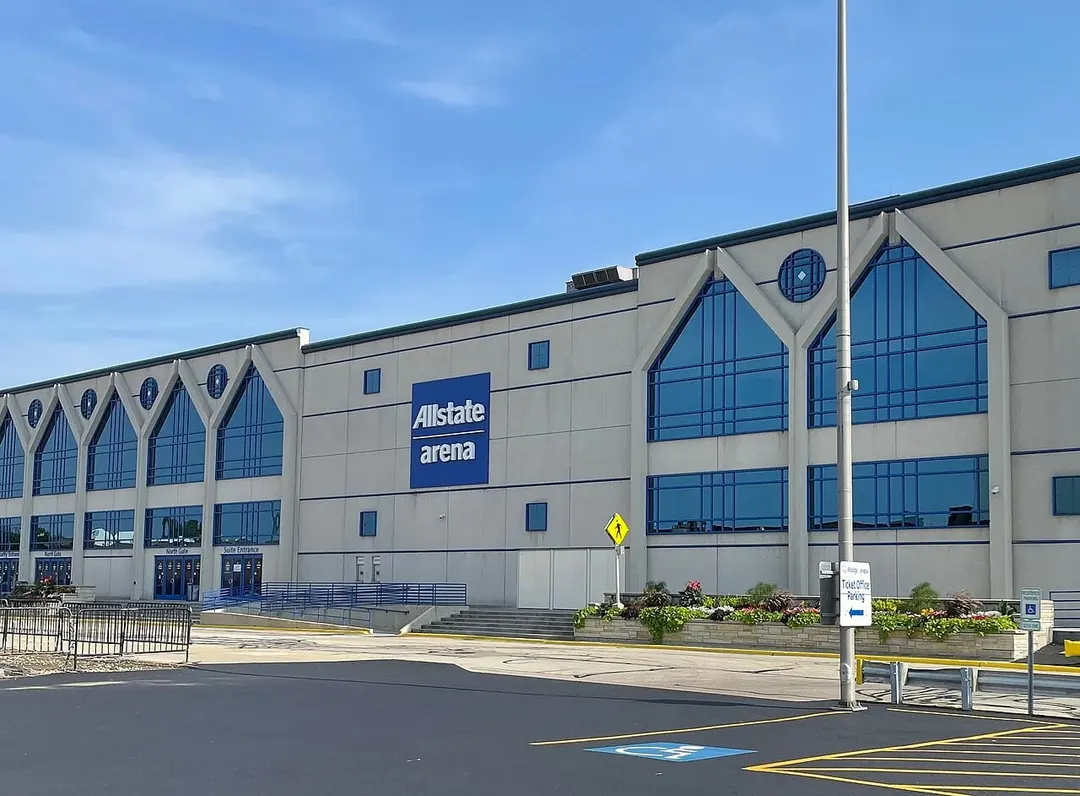
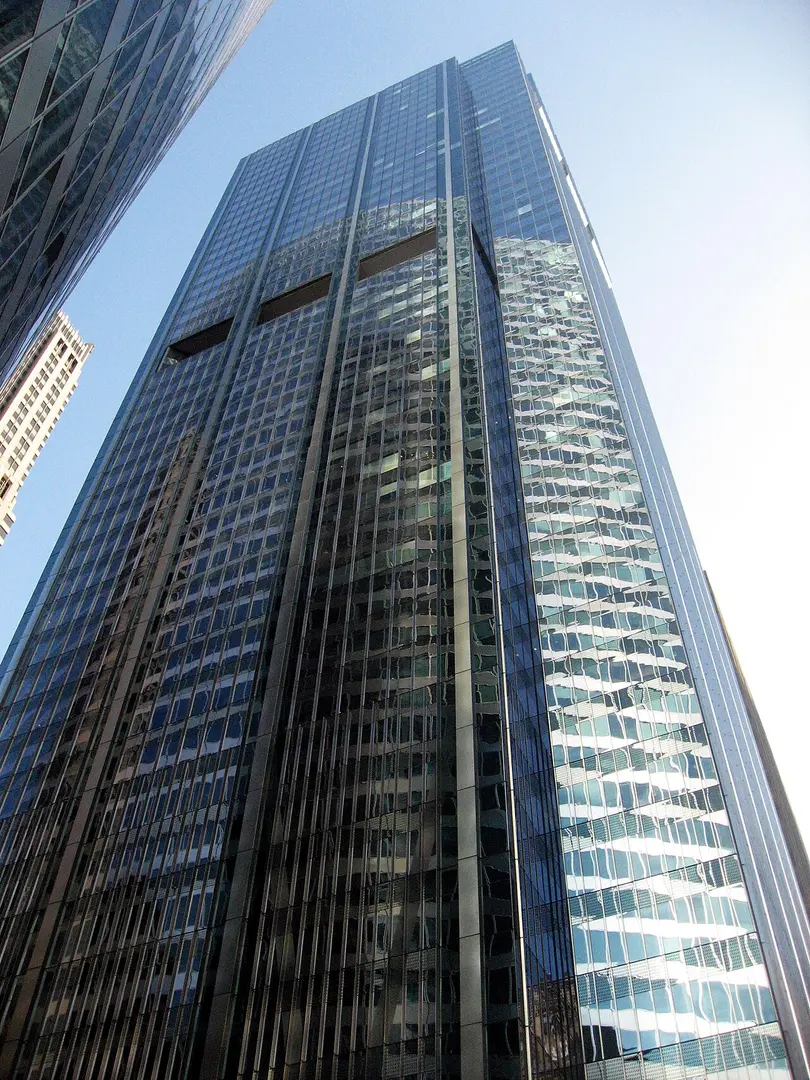
Chicago, on the southwestern shore of Lake Michigan, is widely regarded as one of the most important cities for modern high-rise architecture. This page brings together buildings that define the Loop skyline and the Chicago River corridor — from the curved glass facades of 333 Wacker Drive and 77 West Wacker Drive to the towers at 111 South Wacker Drive, 181 West Madison Street, 300 North LaSalle, and 311 South Wacker Drive. The selection broadens to include the sinuous BP Bridge in Millennium Park, the historic Canal Street Railroad Bridge, the Neo-Gothic Basilica of St. Hyacinth, the observation deck at 360 Chicago, Allstate Arena, and the Chicago Greyhound Terminal.
21 places · Chicago, United States · Editorially curated
Chicago
Chicago
Chicago
Chicago
Chicago
Chicago
Chicago
Chicago
Chicago
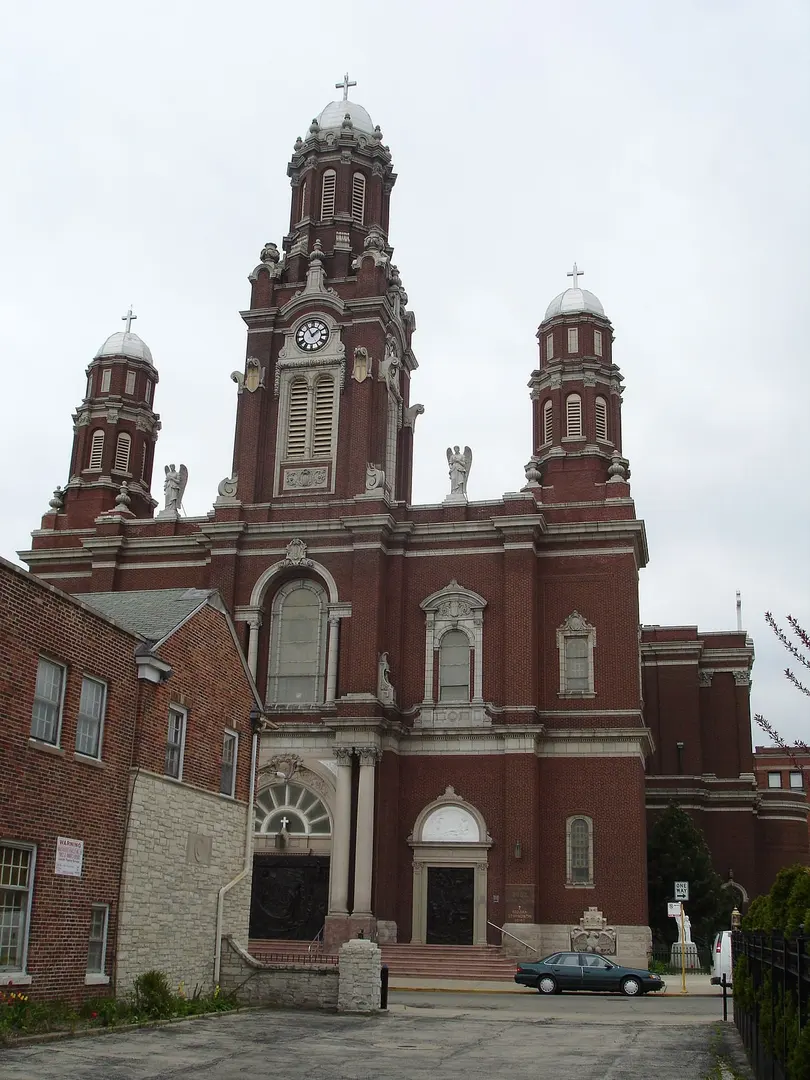
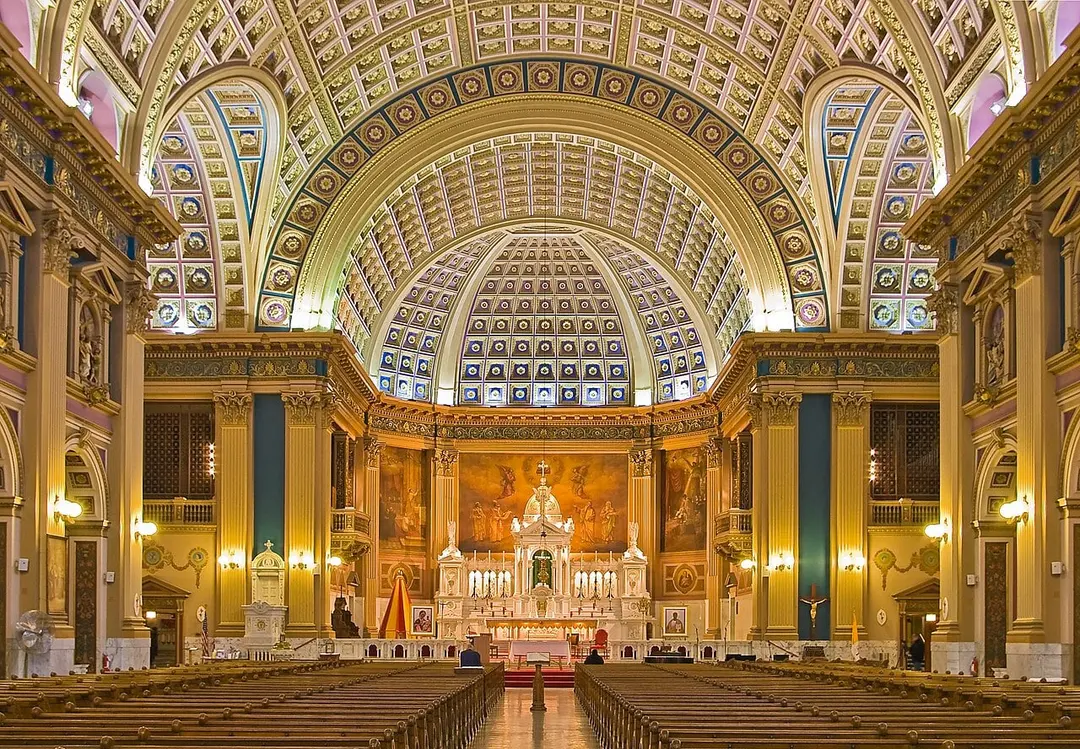
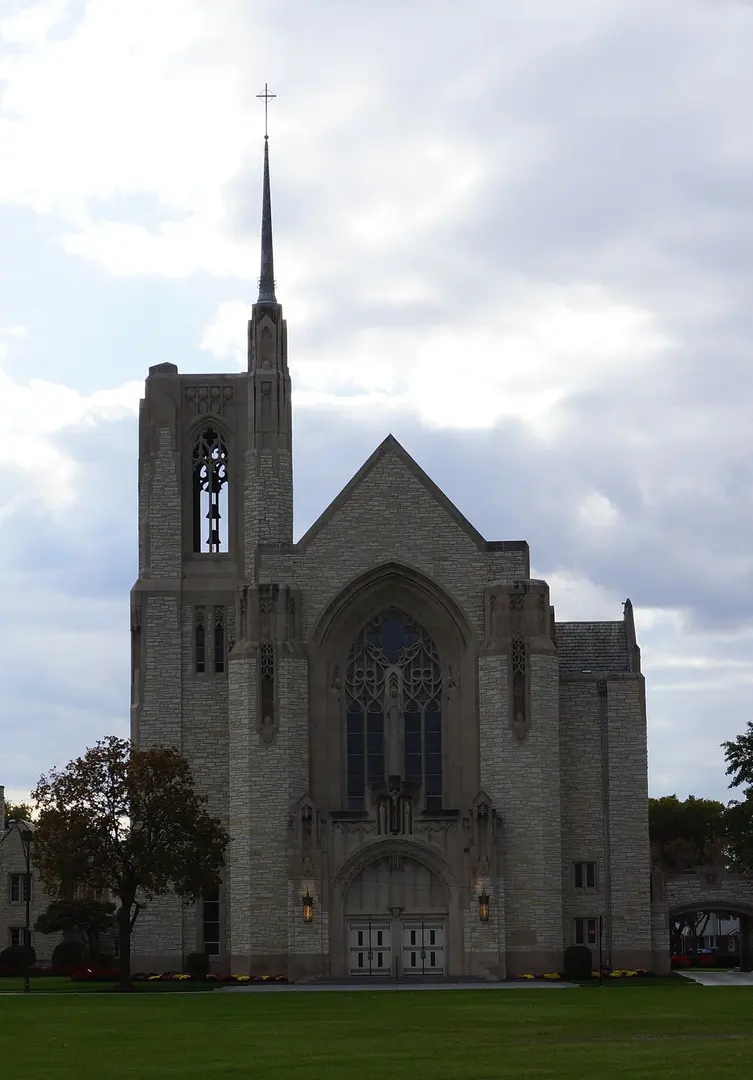
Rising above Chicago's Avondale neighborhood, the Basilica of St. Hyacinth stands as a proud monument to Polish immigrant heritage. Built in 1921 in the classicist "Polish Cathedral Style," it blends soaring domes, intricate interior murals, and a magnificent organ into a unified architectural statement of the early 20th century. The design draws on Polish cathedral traditions and transplants them into the American Midwest. Designated a minor basilica by the Archdiocese of Chicago, it remains an active parish holding services in both Polish and English, a living anchor for the Polish-American community.
Chicago
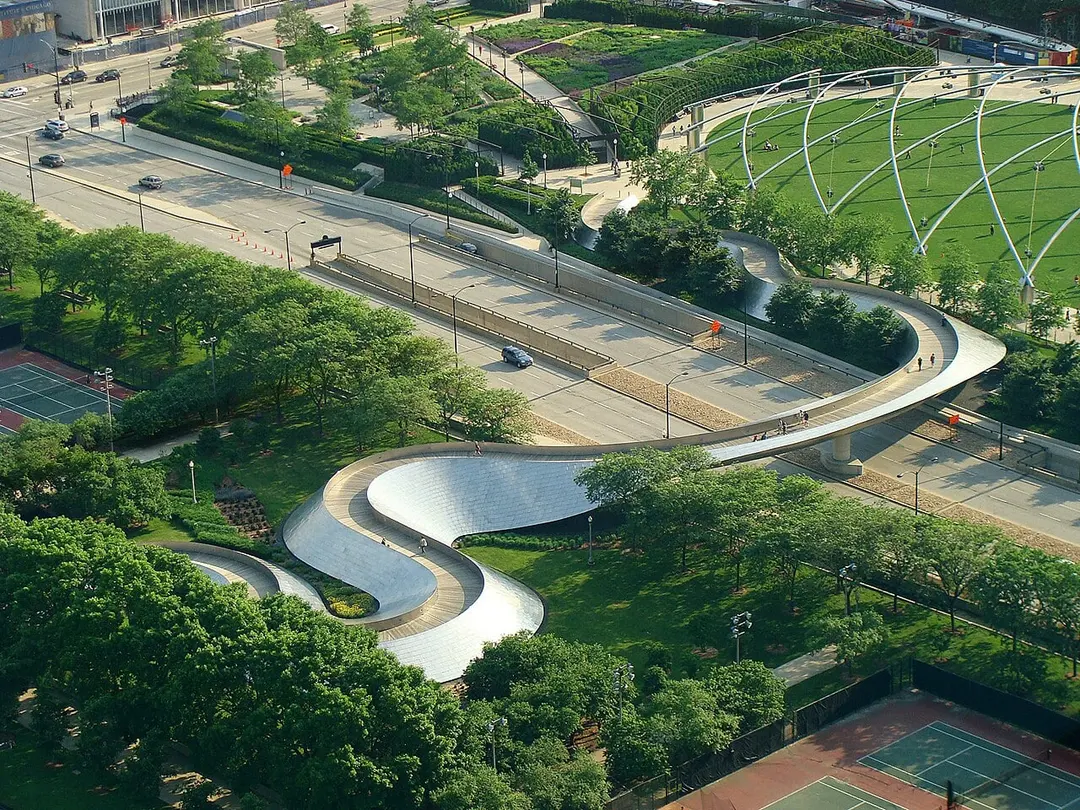
The BP Pedestrian Bridge in Chicago's Loop is more than a walkway — it's architecture you can stroll through. Designed by Pritzker Prize-winner Frank Gehry alongside the adjacent Jay Pritzker Pavilion, the bridge opened with the rest of Millennium Park on 16 July 2004. It arcs gently over Columbus Drive, linking Daley Bicentennial Plaza to Millennium Park on a slightly curving ramp. Its most striking feature is the snaking stainless-steel cladding that shifts from silver to copper tones depending on the light. The gentle gradient makes it fully accessible, and the leisurely crossing offers unobstructed views of Grant Park and the city skyline — making it one of Chicago's most pleasant short walks.
Chicago
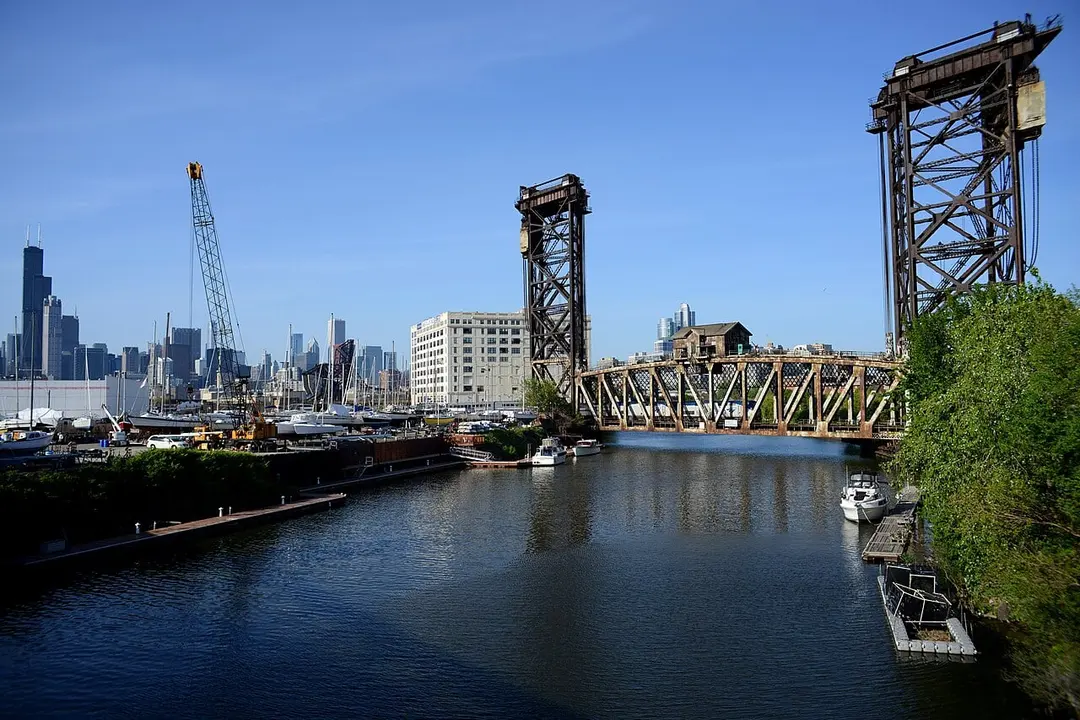
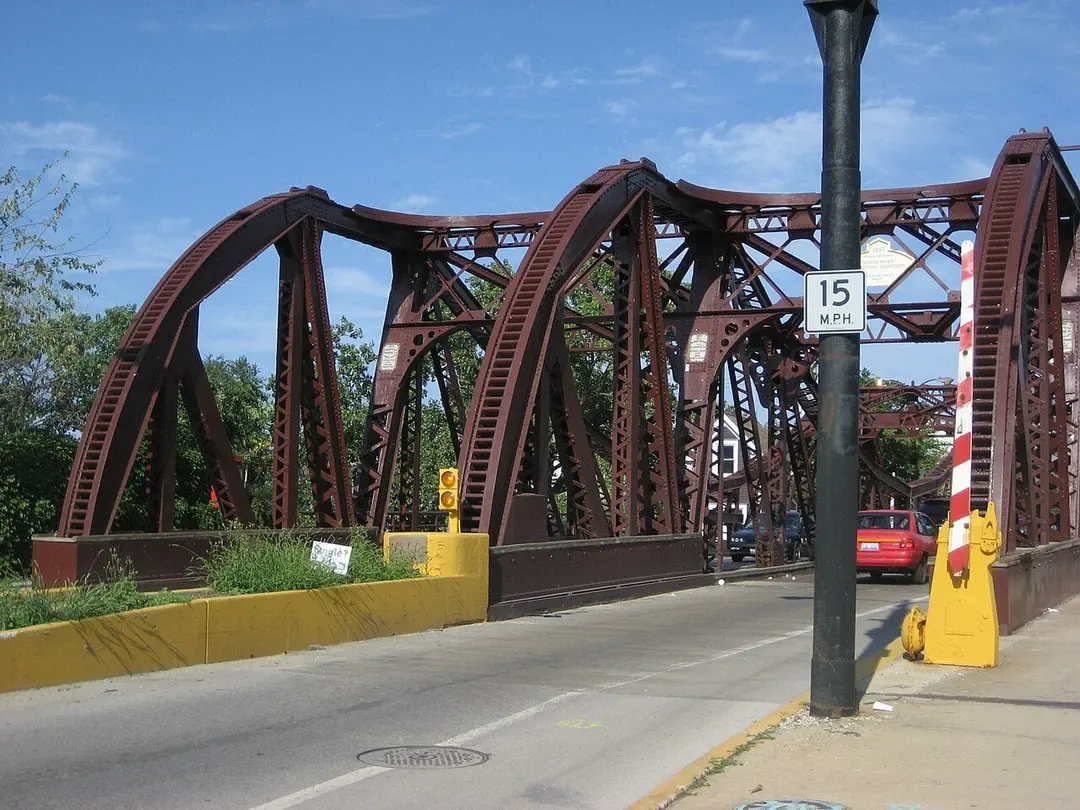
The Canal Street Railroad Bridge, also known as the Pennsylvania Railroad Bridge, spans the south branch of the Chicago River and stands as a rare witness to Chicago's early railroad era. Built in 1914, its 1,500-ton main span was the heaviest lift bridge in the United States at the time of its completion. As the only lift bridge of its kind over the Chicago River, it remains a singular feat of engineering. Designated a Chicago Landmark in 2007, it is no longer in active rail service but offers enthusiasts of Chicago's infrastructure history a remarkable glimpse into the city's industrial past.
Chicago
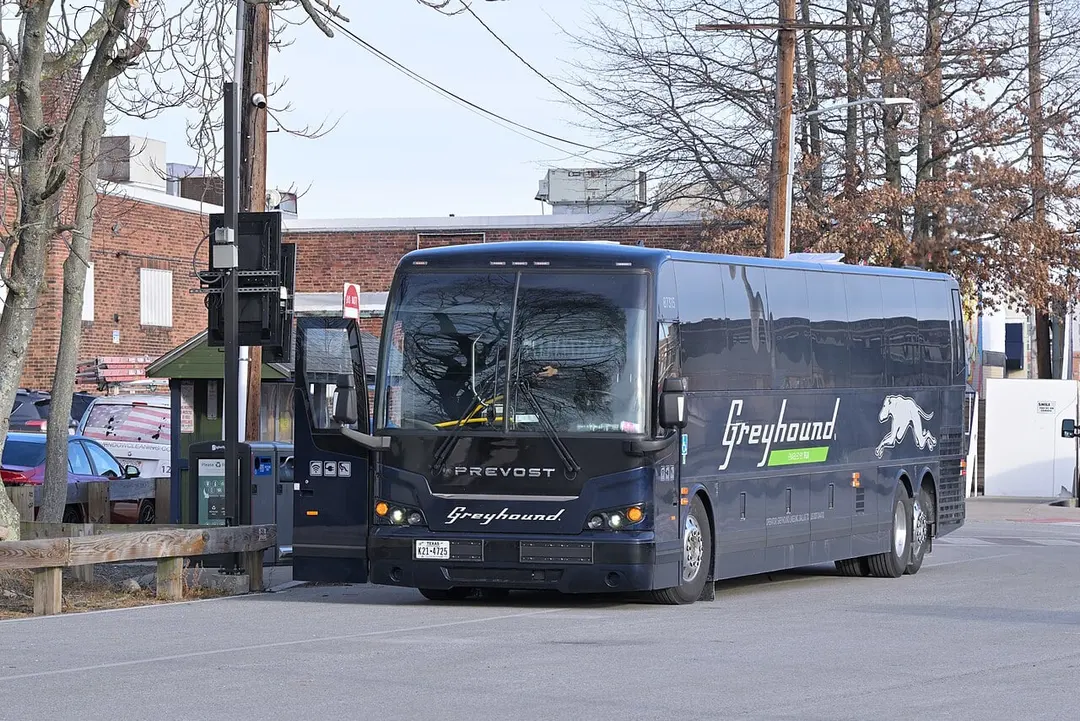
Chicago's Greyhound Terminal is the main hub of the Greyhound Lines intercity bus network in the Windy City. Greyhound, the largest long-distance bus network in the United States with headquarters in Dallas, connects hundreds of cities across the Midwest and beyond from this point. The terminal dates to 1914 and reflects the history of American mass transit in the 20th century. It continues to serve thousands of travelers daily seeking affordable cross-country travel — a place embodying the democratic spirit of American mobility.
Chicago
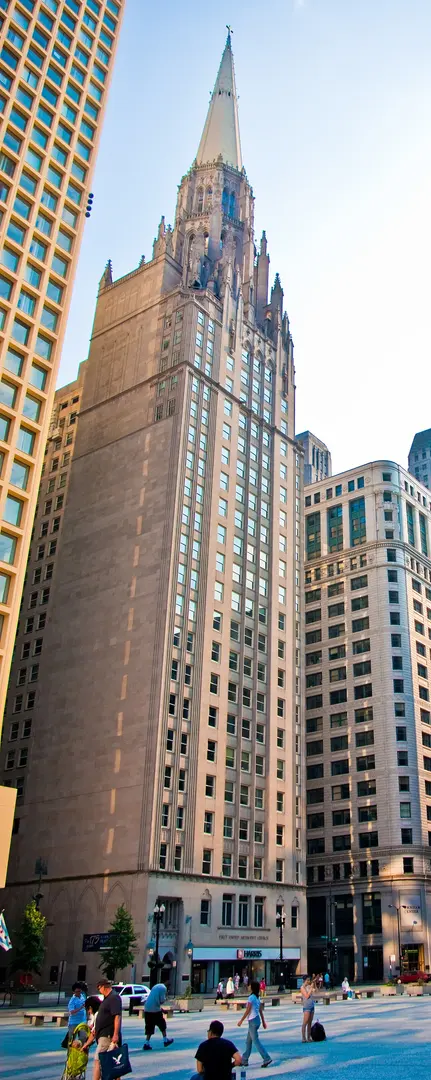
The Chicago Temple is one of the most unusual buildings in the Loop district — a neo-Gothic church spire crowning a 29-story office tower. Designed by Holabird & Roche between 1922 and 1923 for the Methodist Episcopal Congregation, the city's oldest church community, the building stands 169 meters tall. At the time of its completion, it was the tallest church building in the world. The eighth-floor chapel and the sky-chapel beneath the spire are open to visitors. Today the Chicago Temple balances an active congregation with its role as an architectural landmark in the heart of downtown.
Chicago
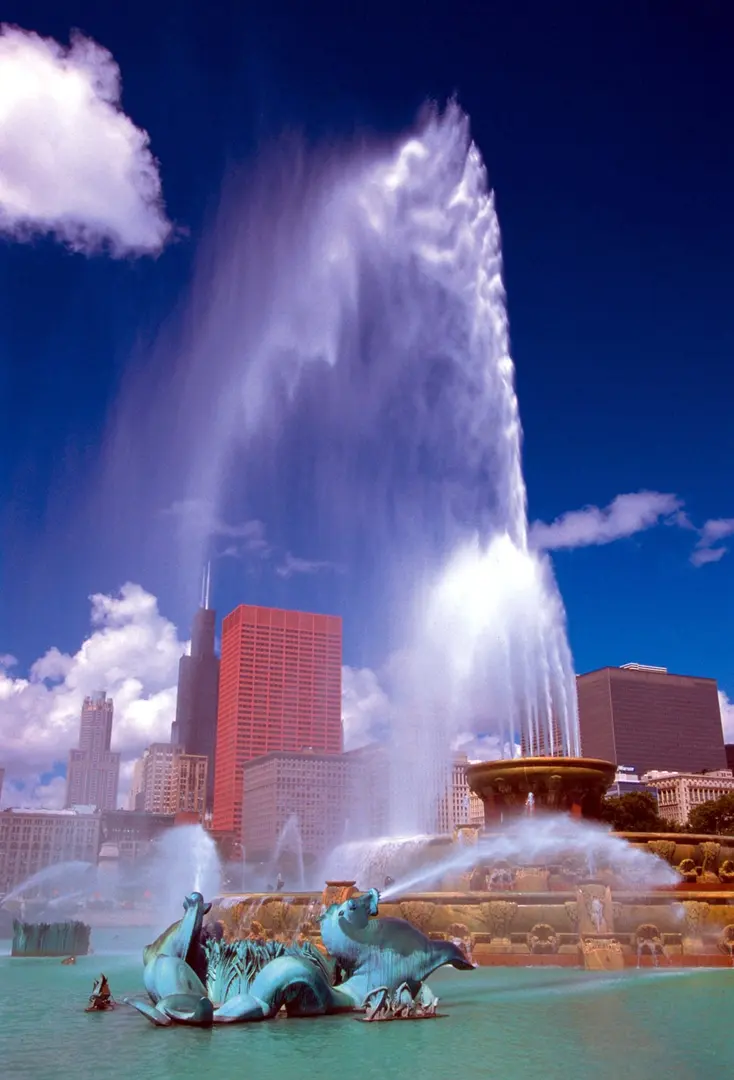
Buckingham Fountain in Grant Park is one of Chicago's most recognisable landmarks and is considered one of the world's largest decorative fountains. Dedicated in 1927 in honour of Kate Sturges Buckingham, it was designed by architect Edward H. Bennett inspired by the Latona Fountain at Versailles. The central water column shoots up to 46 metres into the air, surrounded by four symbolic sea horses. From May to October, the fountain is illuminated each evening and puts on an hourly water and light show — a spectacle that draws thousands of visitors. Set within the expansive Grant Park right on the shores of Lake Michigan, it offers one of Chicago's finest urban views.
Chicago
The Cortland Street Drawbridge spans the North Branch of the Chicago River in the Lincoln Park neighborhood. Originally known as the Clybourn Place Drawbridge, it was the first bascule bridge of its type built in Chicago — a design that became so emblematic of the city that Chicago today has more movable bridges than any other city in the world. The American Society of Civil Engineers (ASCE) has designated it a Historic Civil Engineering Landmark. The bridge still opens regularly for river traffic, offering a dramatic view of the Chicago skyline that draws crowds of onlookers.
Chicago
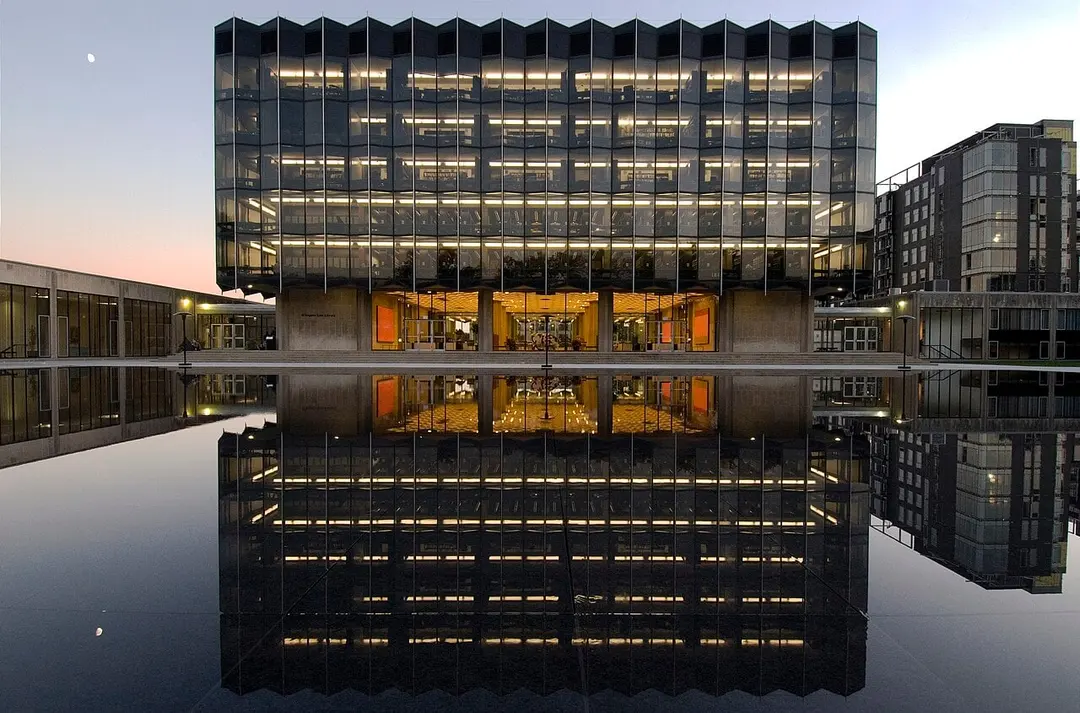
The D'Angelo Law Library serves as the dedicated research library of the University of Chicago Law School, one of the most prestigious law faculties in the United States. Founded in 1902, it holds an extensive collection of legal literature, primary sources, and historical legal documents. The library building reflects the campus's broader architectural tradition of Collegiate Gothic design. Beyond supporting students and faculty, the library offers a quiet retreat for serious scholarly work within one of Chicago's landmark academic institutions.
Chicago
The Divine World International Church in Chicago is connected to the Society of the Divine Word (SVD), a Catholic missionary order founded in 1875 in Steyl, in what is now Venlo, the Netherlands. The SVD is one of the largest international missionary societies, active in over 80 countries. The Chicago parish reflects the intercultural character of the order, bringing together faithful from diverse backgrounds to worship together. The church serves as a spiritual centre and gathering place for a varied urban community in the heart of Chicago.
Chicago
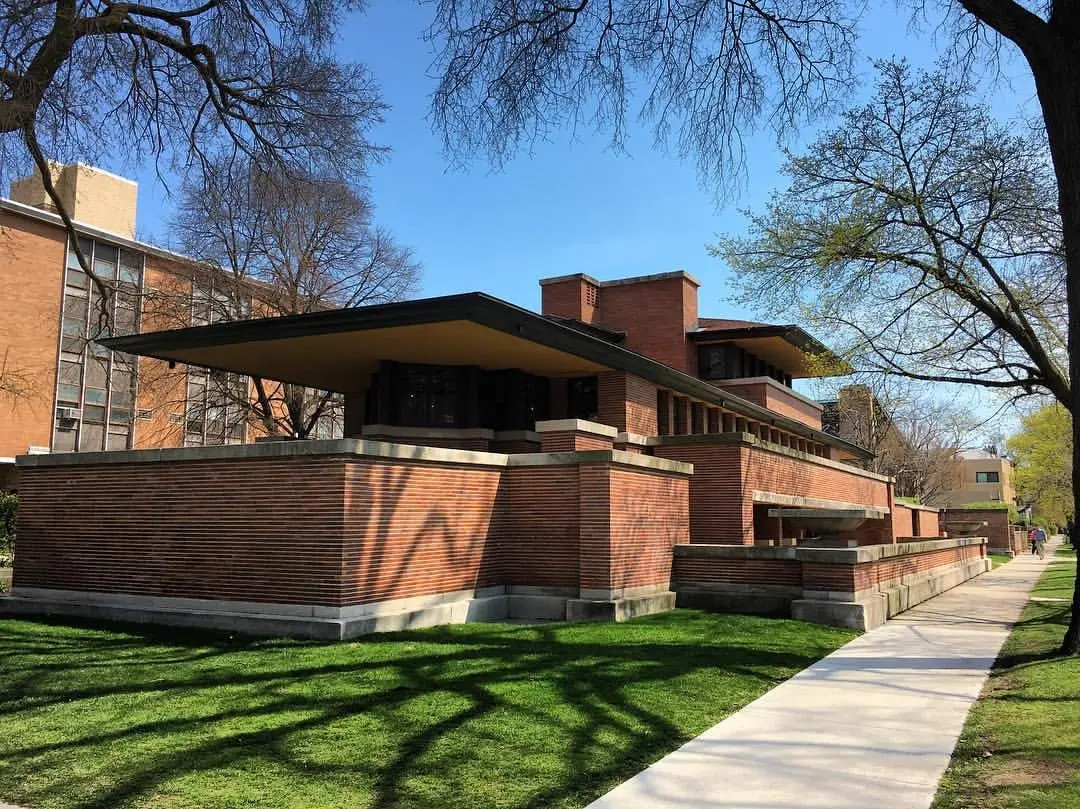
The Robie House in Chicago's Hyde Park neighborhood is considered the most complete example of the Prairie Style developed by architect Frank Lloyd Wright in the early 20th century. Designed in 1908 and built between 1909 and 1910, it breaks radically with European architectural tradition: long horizontal lines, wide overhanging roofs, open floor plans, and a seamless transition between interior and exterior all reflect the vast flatness of the American prairie. The house revolutionized thinking about modern domestic space and influenced generations of architects worldwide. Now owned by the University of Chicago, it is a UNESCO World Heritage Site open for guided tours.
Chicago
Our Lady of Sorrows Basilica (Mater Dolorosa) stands in the western part of Chicago and was built in 1874. It belongs to the Archdiocese of Chicago and holds the title of minor basilica. The church is especially well known as the home of the National Shrine of Saint Peregrine Laziosi, a Franciscan friar venerated since the Middle Ages as the patron saint of cancer sufferers. Thousands of pilgrims visit each year to pray at his shrine. Together with the Basilica of Saint Hyacinth and Queen of All Saints, it is one of only three minor basilicas in the state of Illinois. The neo-Gothic architecture and reverent atmosphere make a visit a deeply memorable experience.
Chicago
The Queen of All Saints Basilica stands as a striking example of Gothic church architecture in Chicago's quiet Sauganash neighborhood on the North Side. Consecrated in 1924 and designed by architect Henry John Schlacks, the church features soaring twin towers, ornate stained-glass windows, and a beautifully proportioned nave. As a Basilica minor, it holds a distinction shared by only three churches in the Archdiocese of Chicago — a designation granted by the Vatican in recognition of its liturgical and architectural significance. Today it remains an active parish church that draws visitors interested in both religious contemplation and exceptional historic architecture.
Chicago
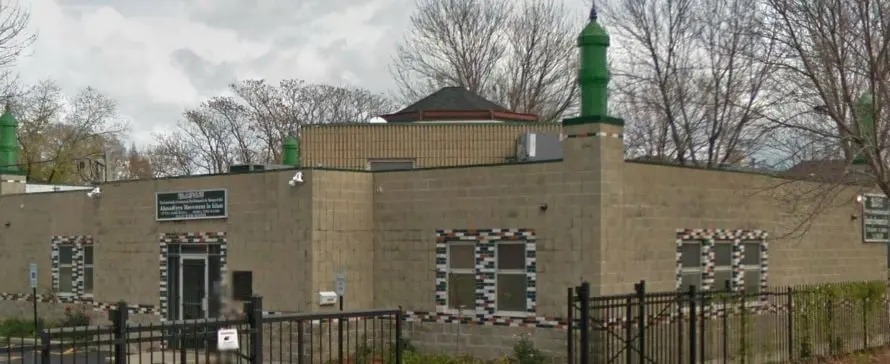
The Al Sadiq Mosque in Chicago's Bronzeville neighborhood is considered the oldest standing mosque in the United States. Built in 1922 with donations from the Ahmadiyya movement in India, the majority of its early worshippers were African American converts – a notable intersection between a South Asian religious movement and Chicago's Black community. The building stands in Bronzeville, a historic center of African American life closely tied to the Great Migration from the South. The mosque remains in active use today.
Keep exploring
Rate places with a swipe — TravelType learns from your tags what you love and curates your own map. Private until you choose to share.