Alalakh
ArchaeologyExcavation SiteAntiquity+2
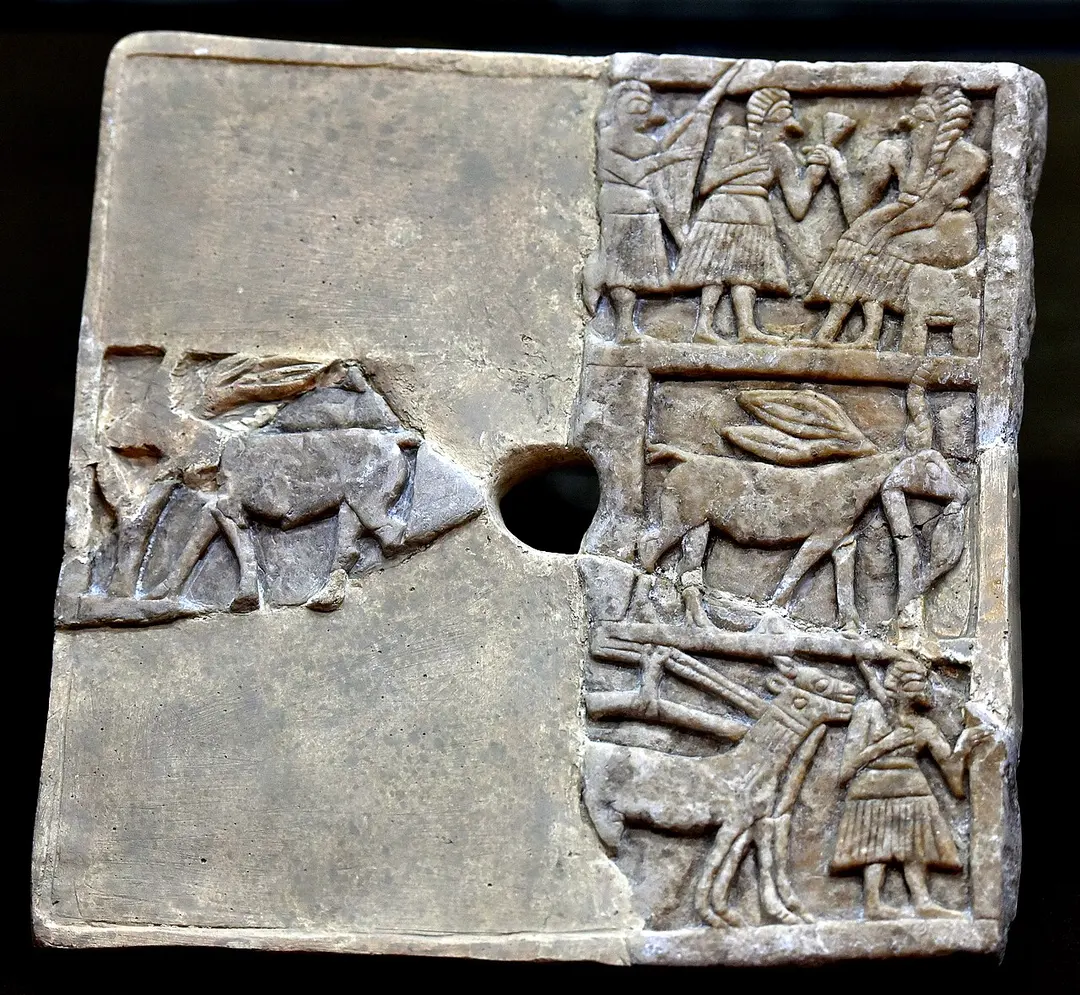
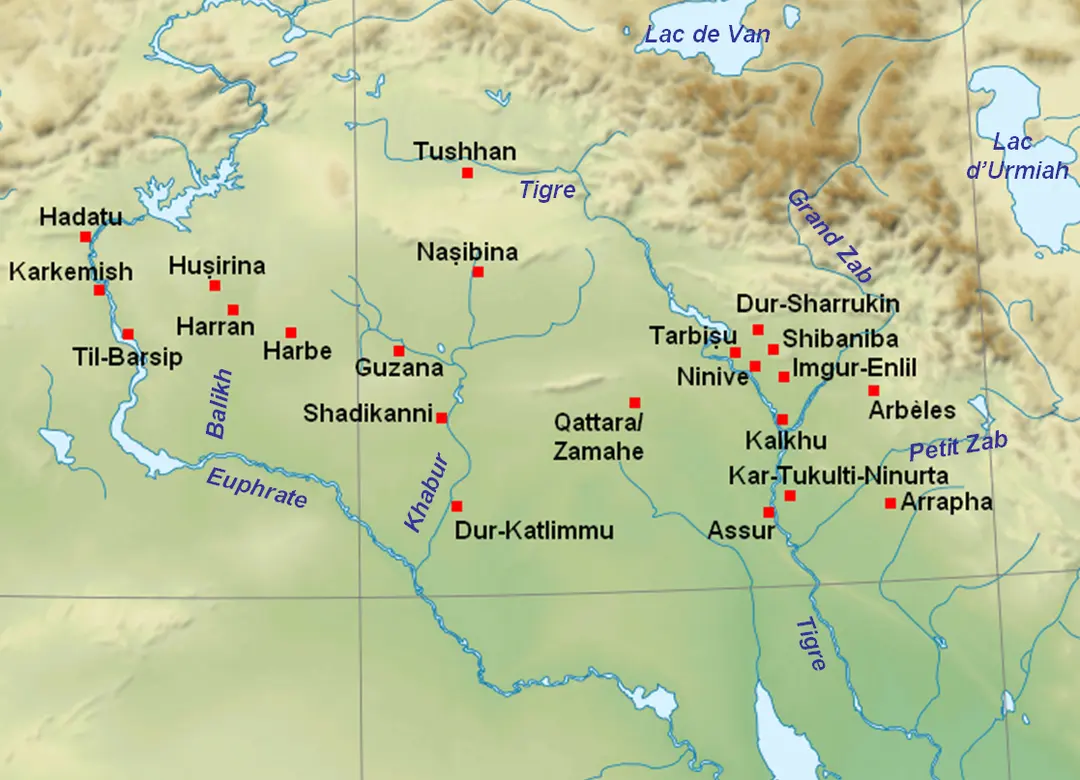
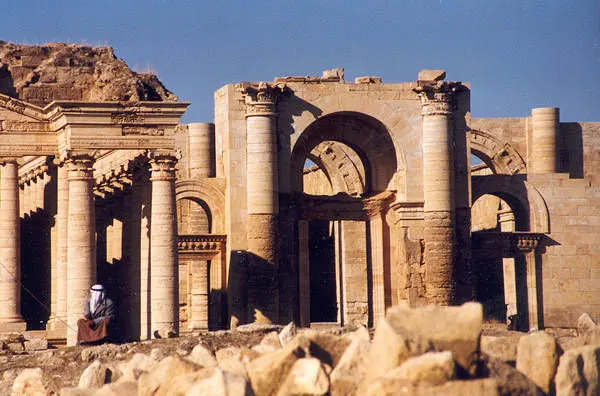
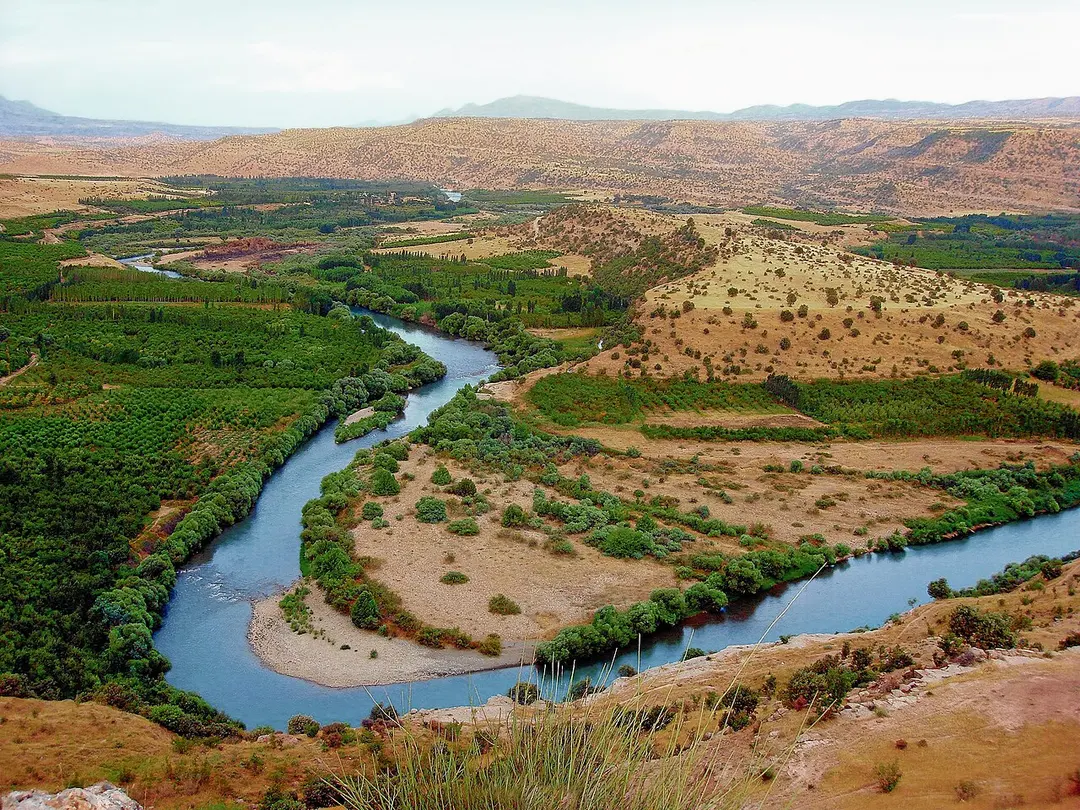
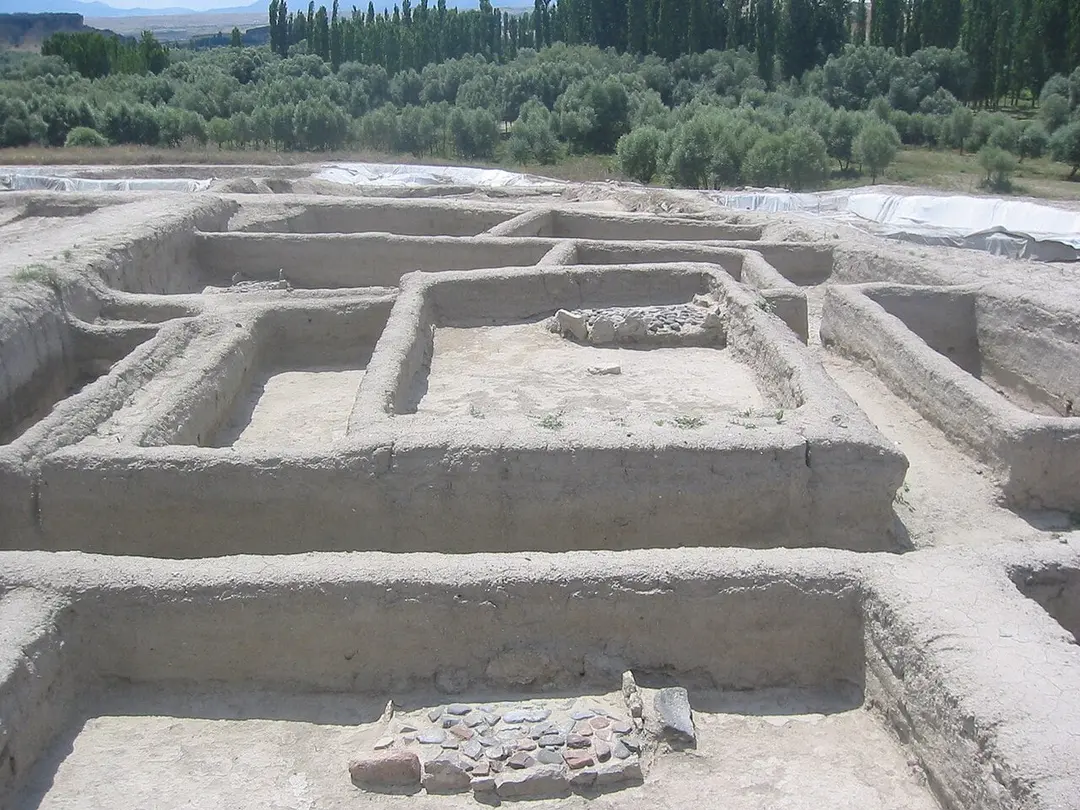
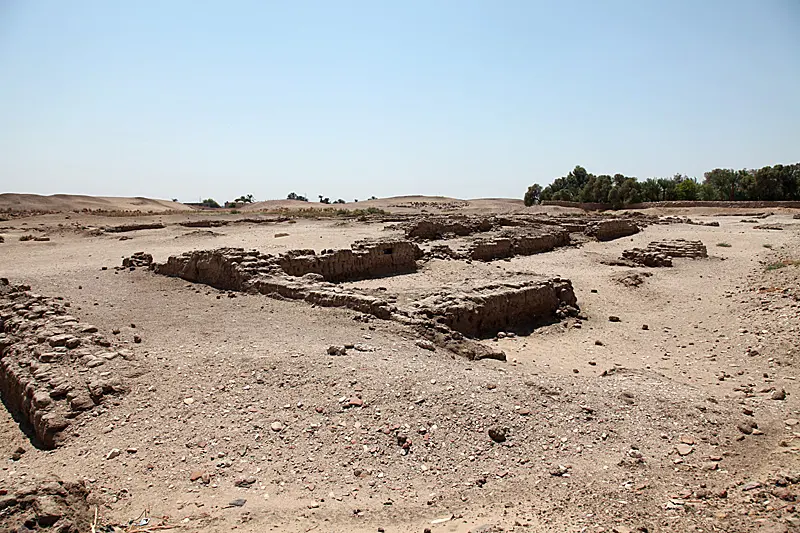
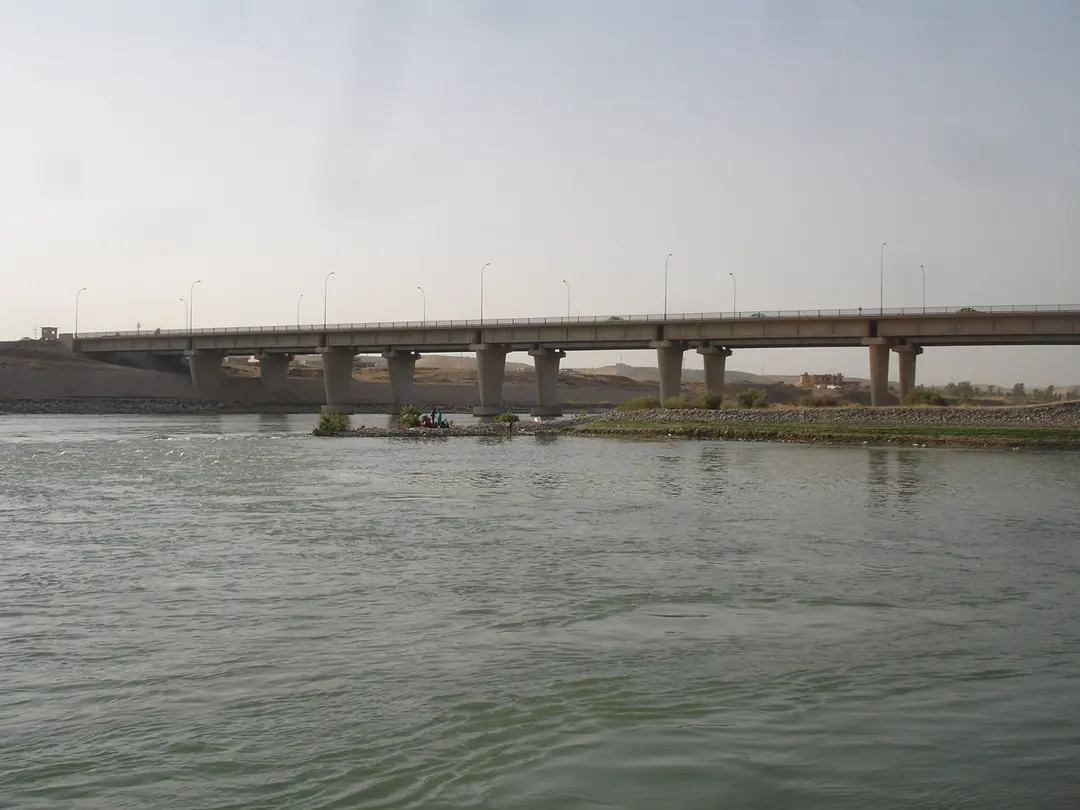
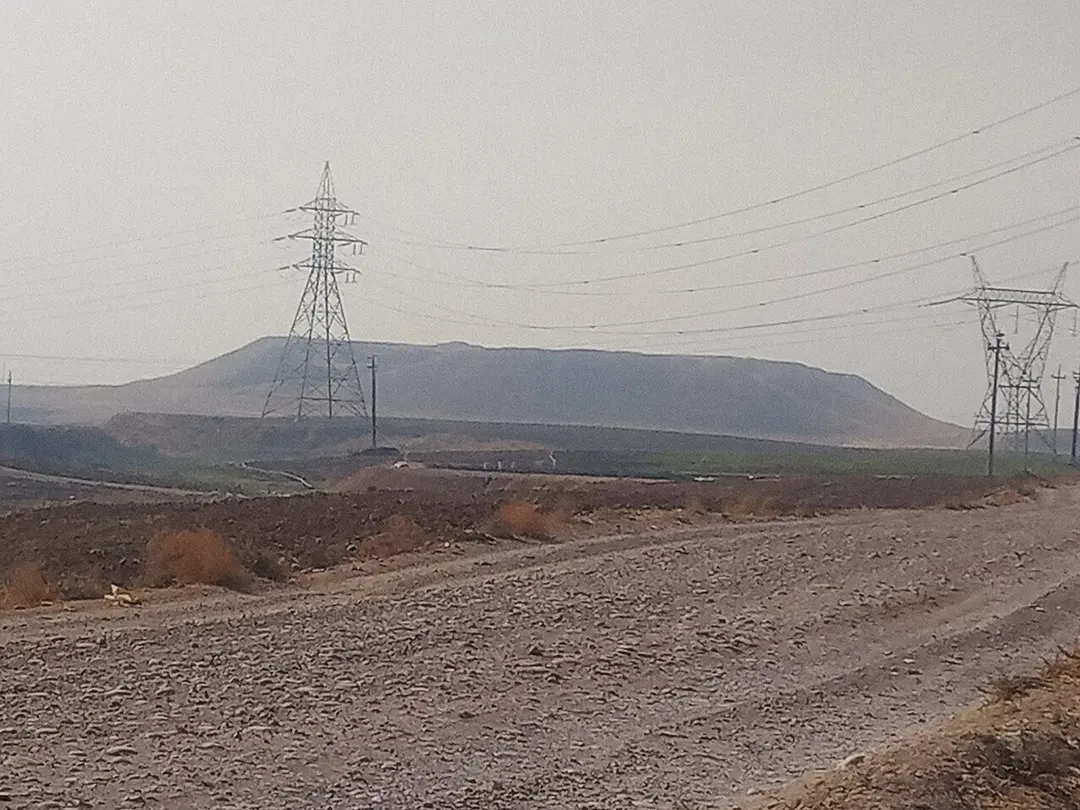
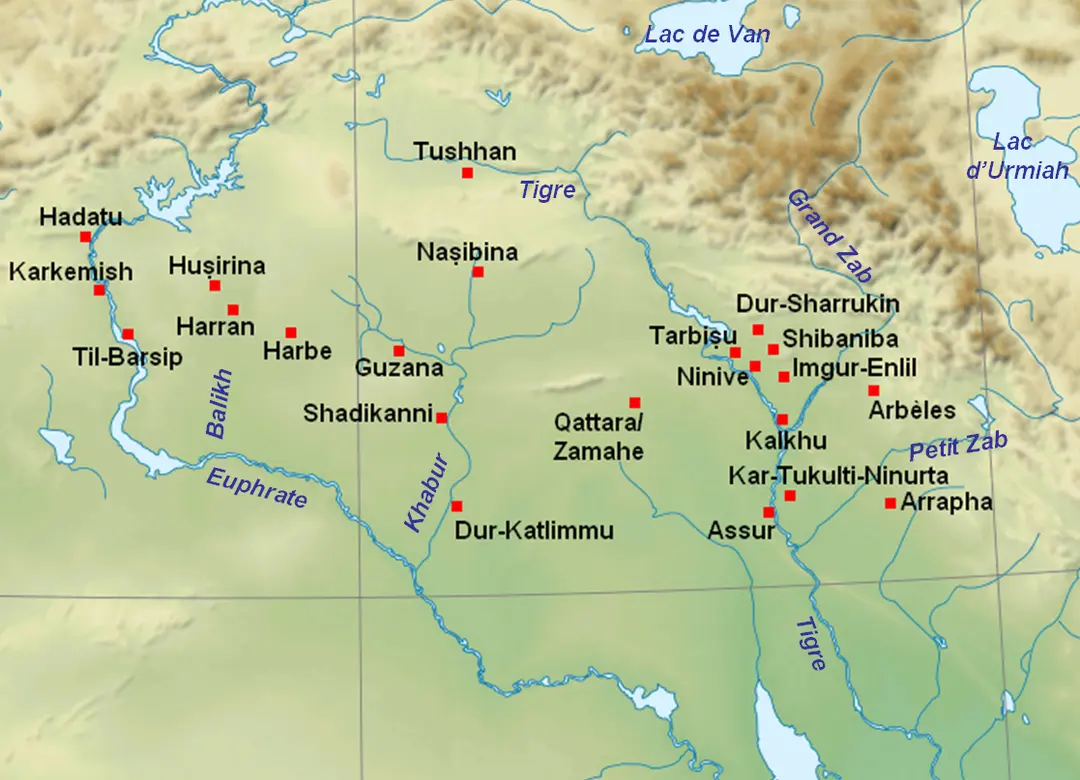
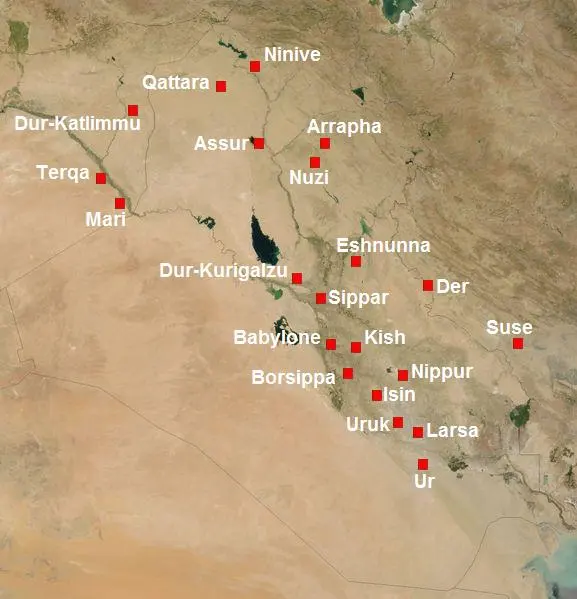
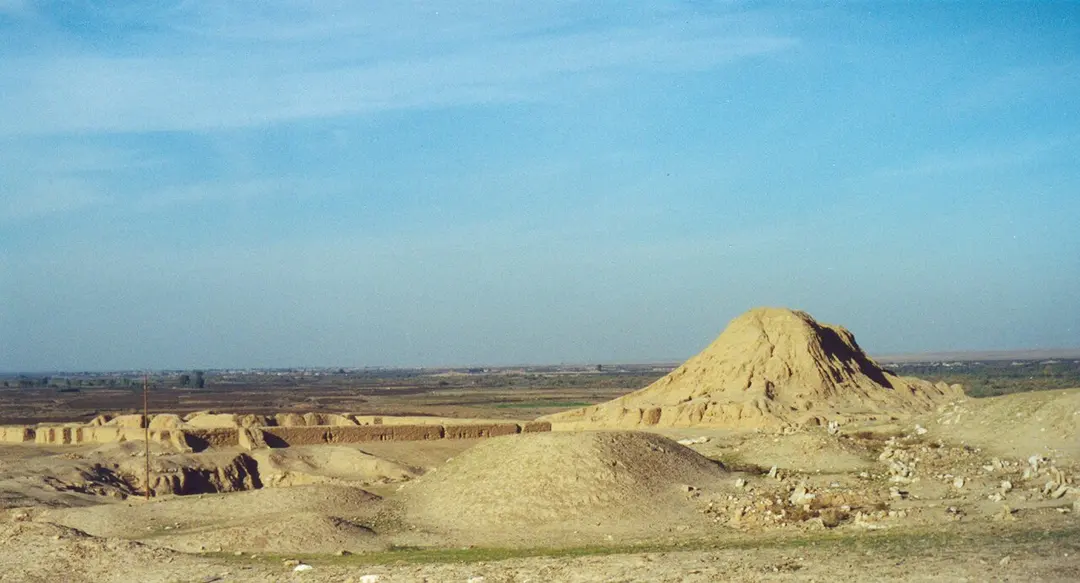
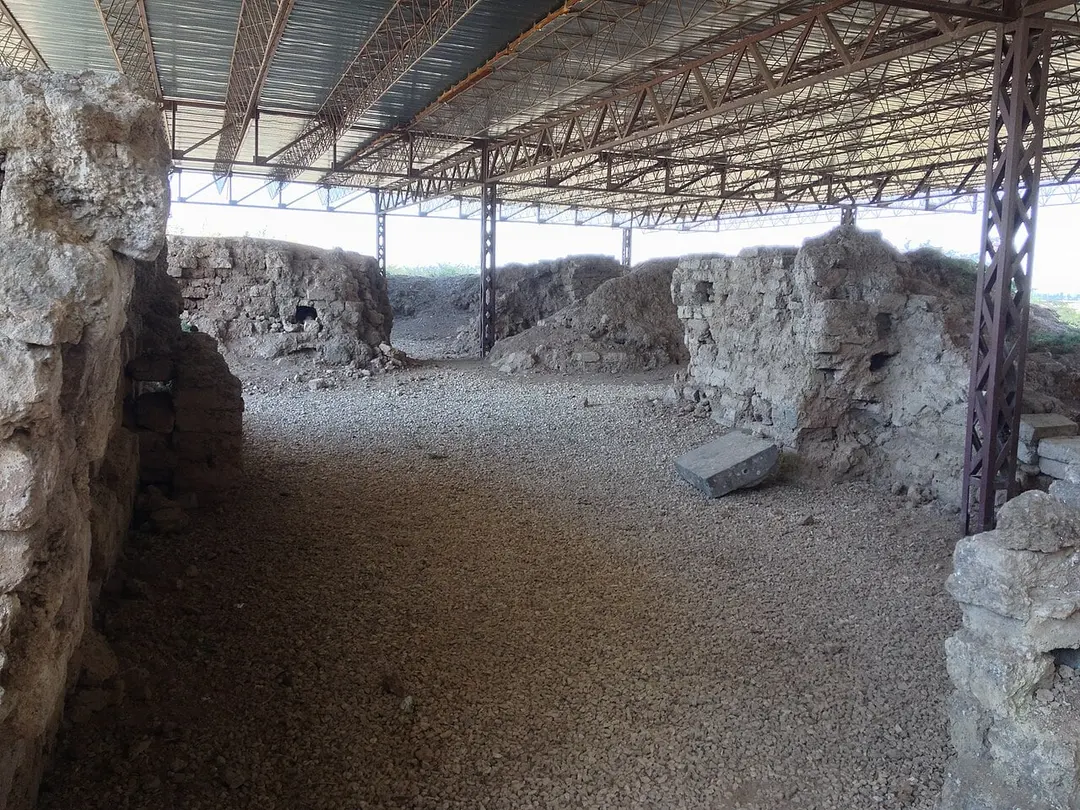
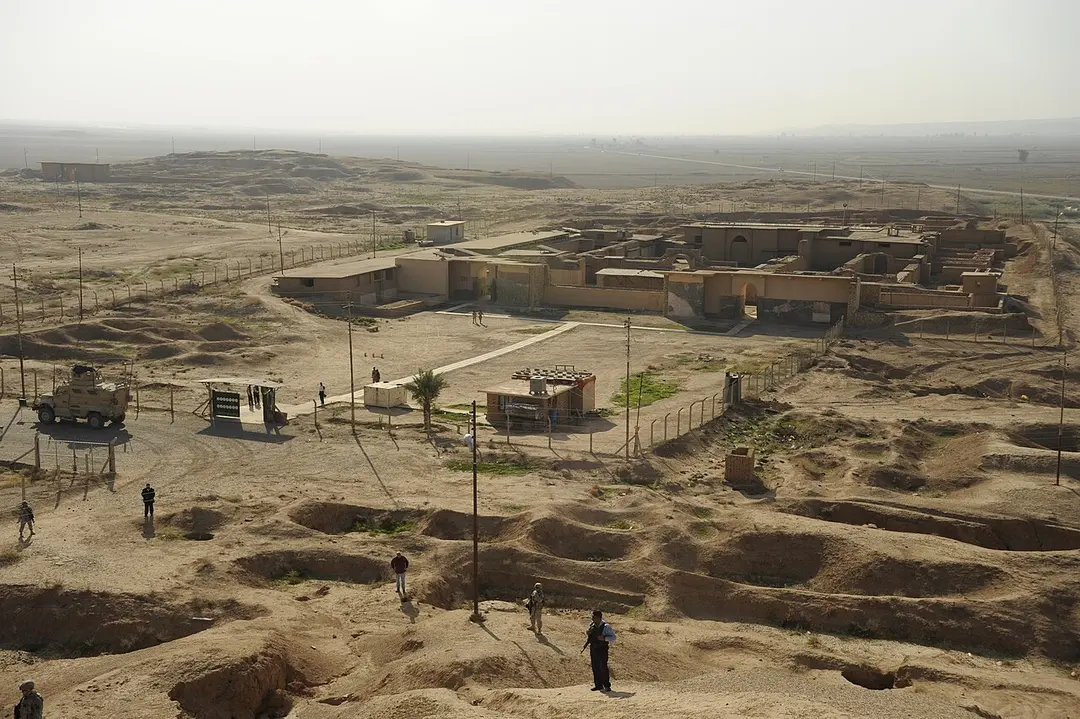
Assur, on the western bank of the Tigris in what is now northern Iraq, was the original capital and sacred city of the Assyrians — a civilization that shaped the entire ancient Near East. Settlement here dates back at least to the mid-third millennium BCE, making it one of the longest-inhabited urban sites in human history. Remarkably, the city lent its name both to the Assyrian people and to their chief state deity, a conflation of place and divinity rare even in the ancient world. UNESCO inscribed the site as a World Heritage Site in 2003, simultaneously listing it as endangered because seasonal flooding from the Mosul Dam threatens its mudbrick remains. Early 20th-century German excavations led by Walter Andrae unearthed temple complexes, city walls, and royal tombs that became foundational texts of modern Assyriology.
Sign in to rate this place.
Sign inBaqubah
Assur
Assur
Mosul
Oenoanda
Anshan Persia
Assur
Assur
Assur
Assur
Assur
Assur
Assur
Assur
Assur
Assur
Assur
Assur
Assur
Assur
Assur
Assur
Mosul
Mosul
Mosul
Mosul
Mosul
Mosul
Mosul