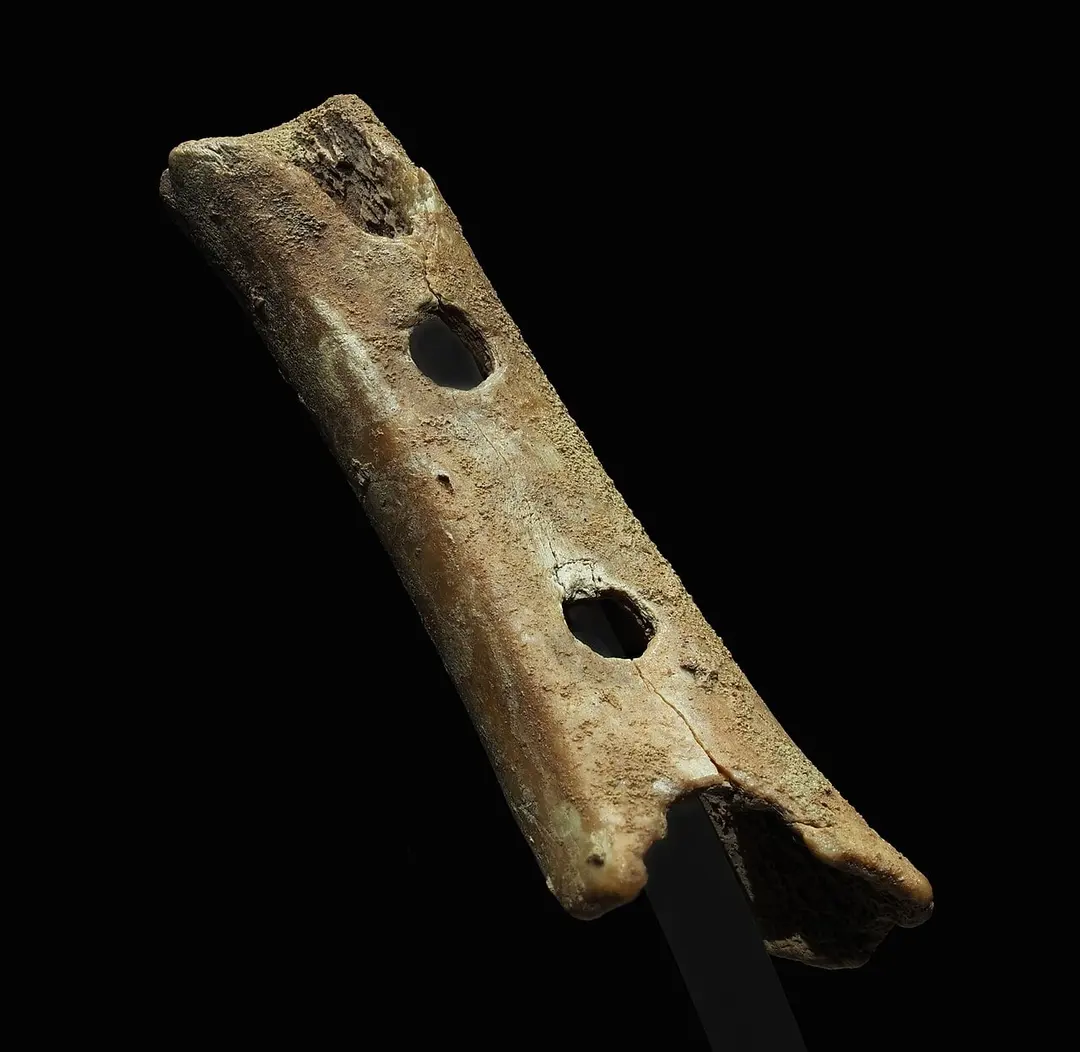
Arheološki park Divje Babe
Stone AgeArchaeologyExcavation Site+6
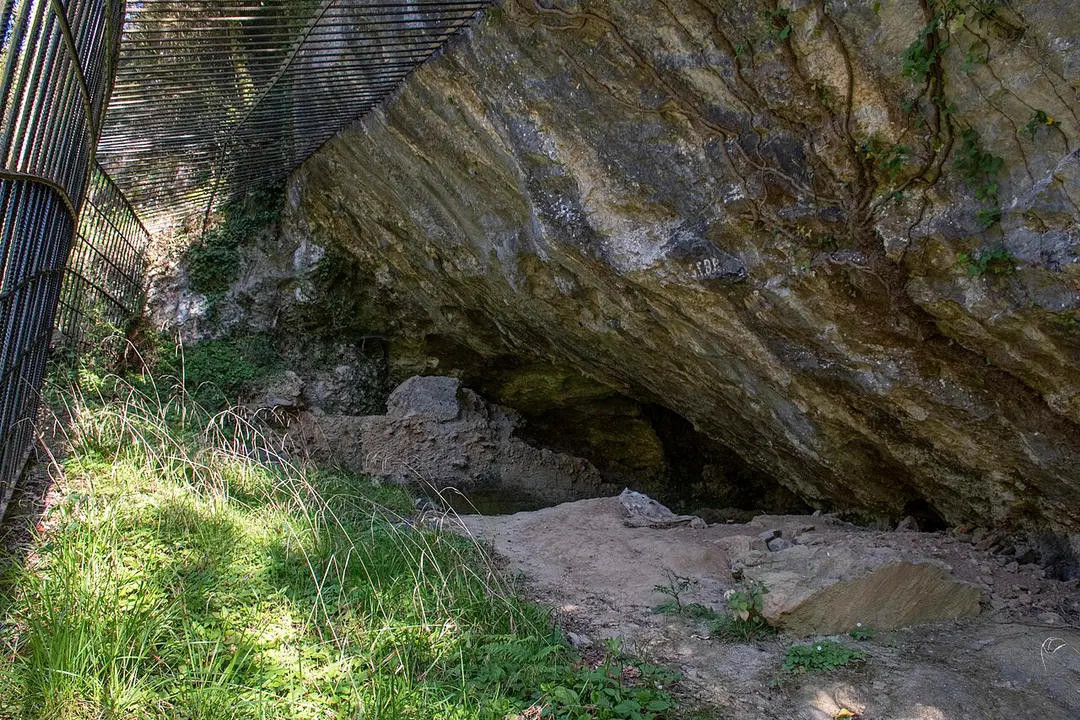
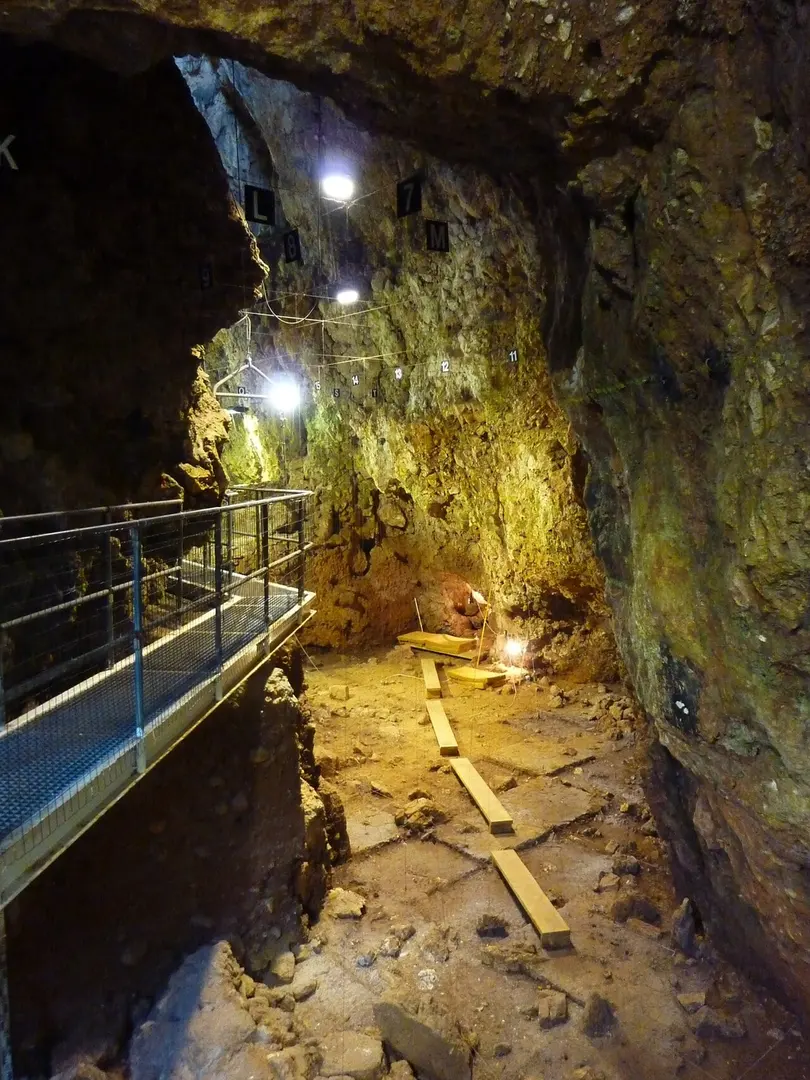
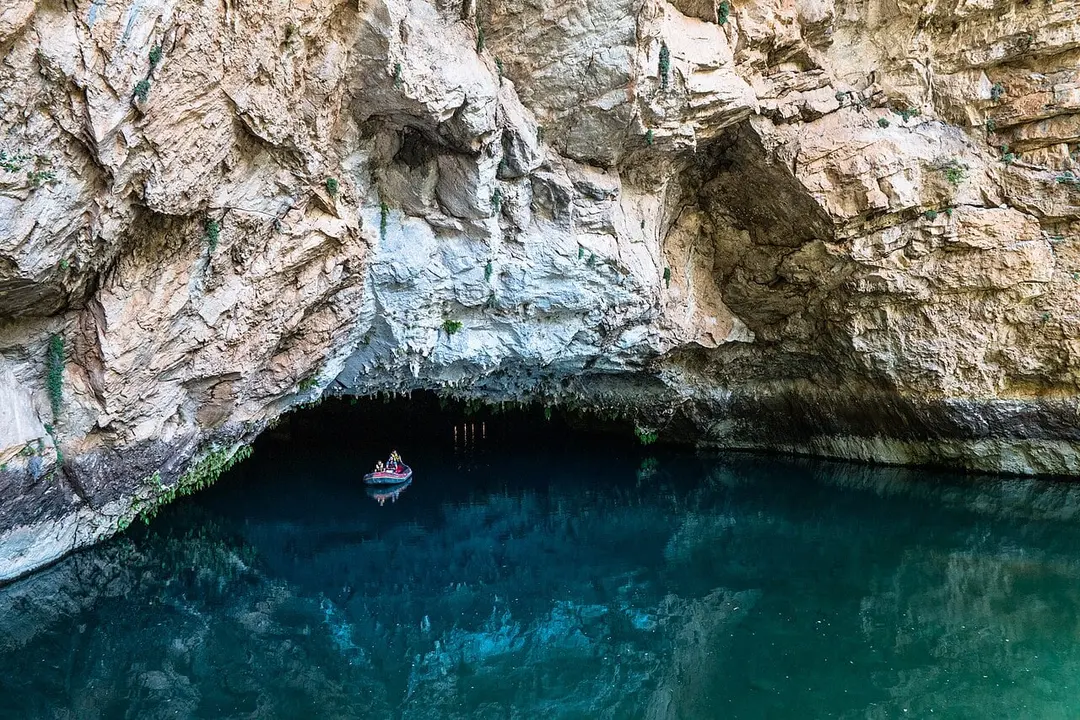
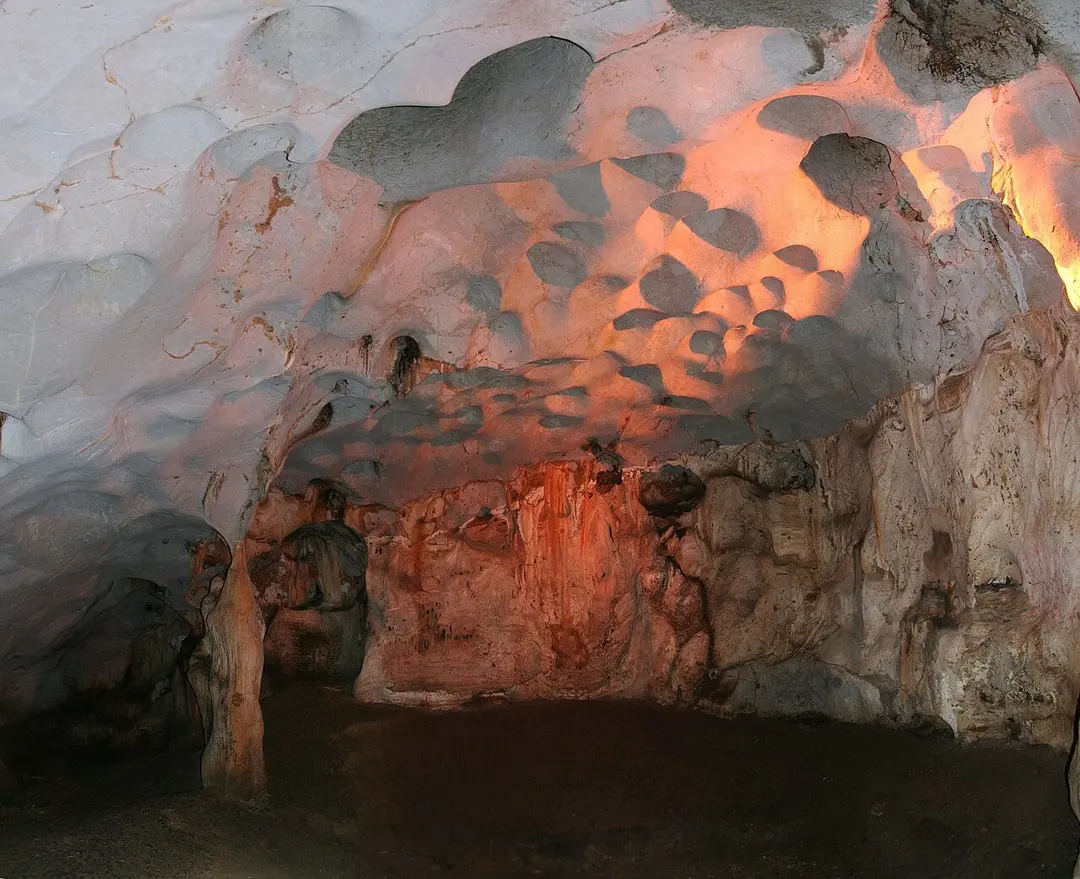
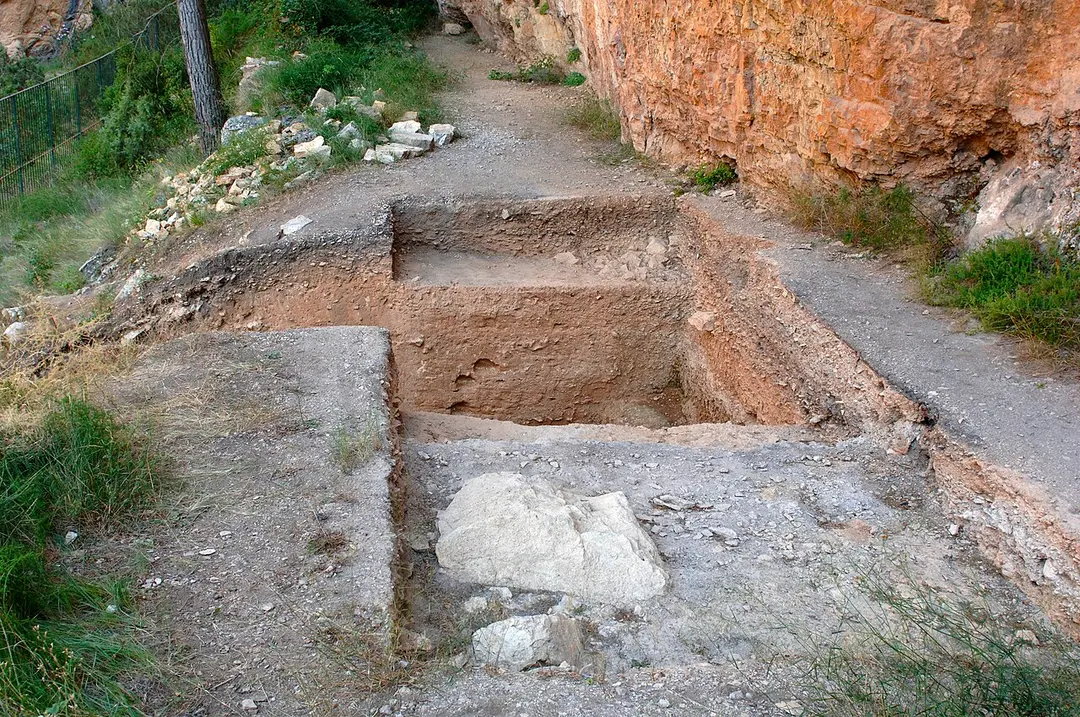
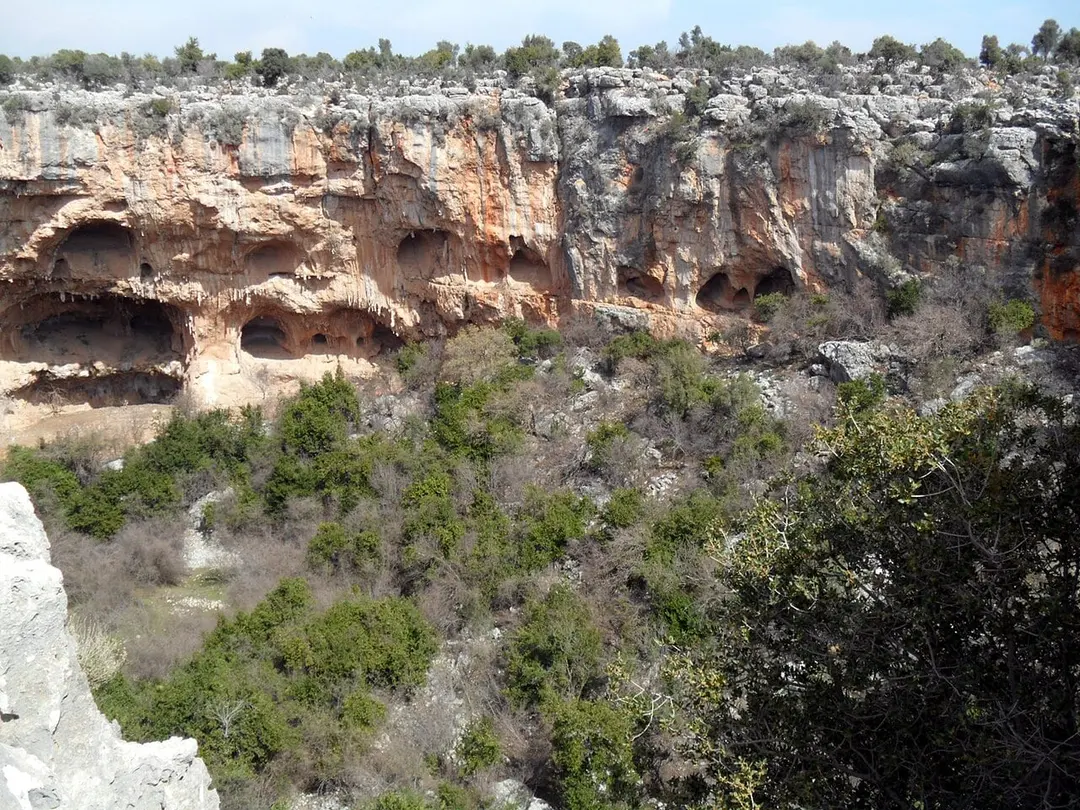
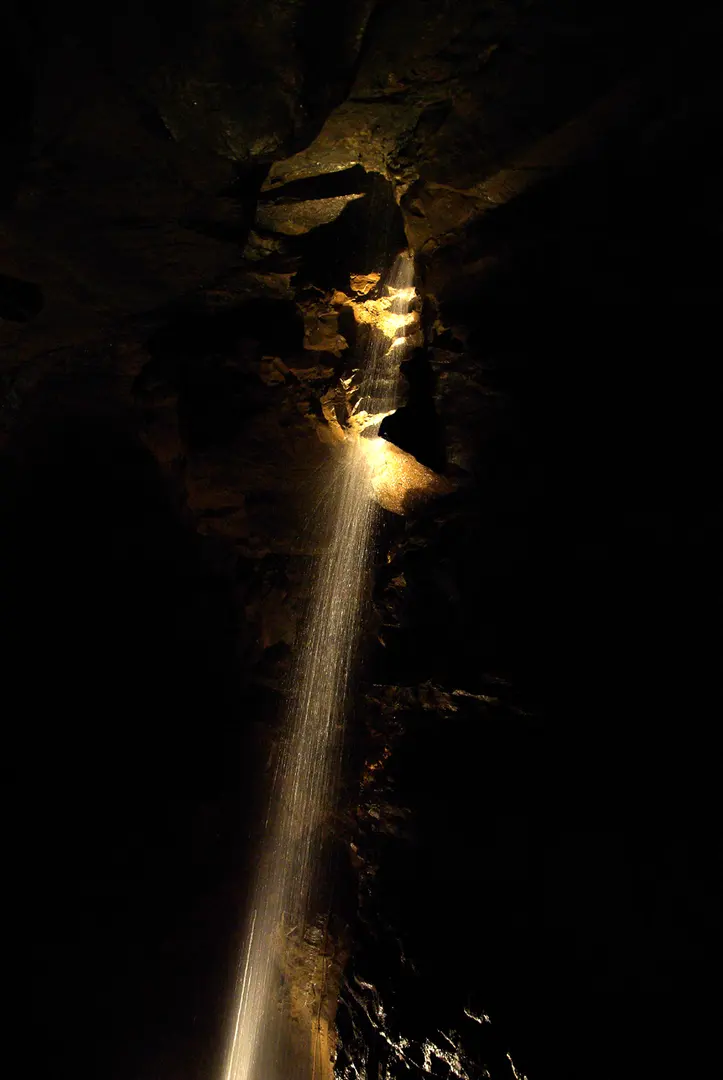
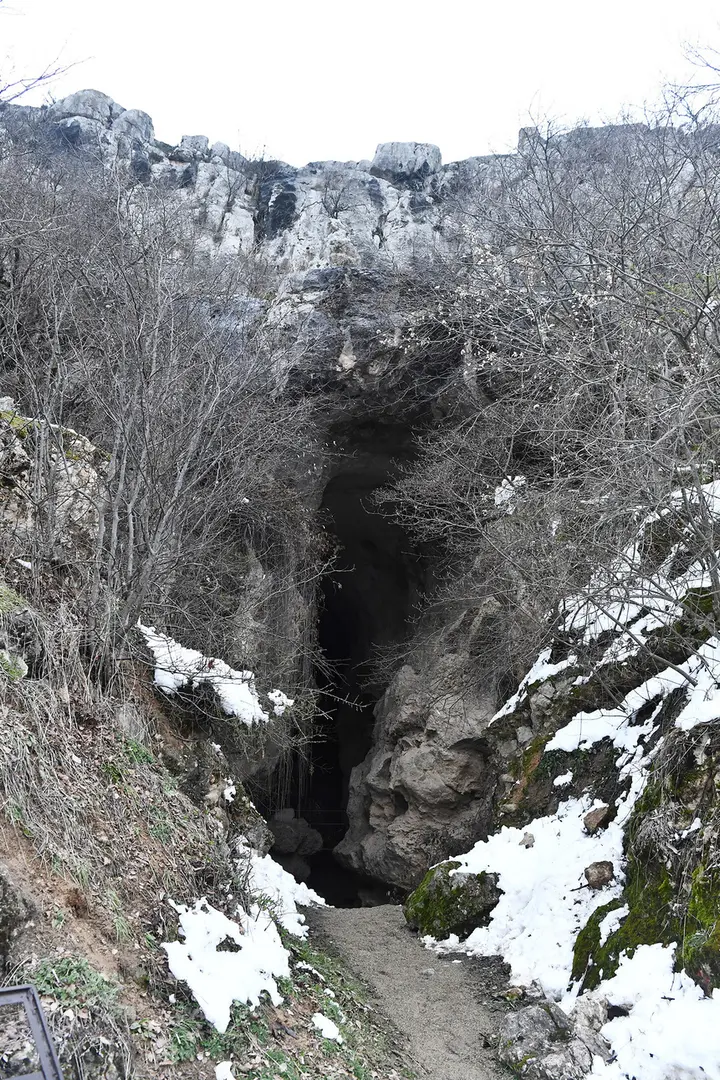
Azykh Cave is a six-chamber karst system located roughly 3 km northeast of the village of Tugh in Nagorno-Karabakh, recognized as one of the oldest proto-human dwelling sites in Eurasia. Soviet archaeologists led by Mammadali Huseinov began systematic excavations in the 1960s, uncovering multiple Palaeolithic occupation layers. The pivotal discovery came in 1968: a jawbone resembling that of a Neanderthal, estimated at over 300,000 years old, making it one of the earliest hominin skeletal remains found anywhere on the Eurasian continent. The find coined the term 'Azykh Man' and placed the site firmly on the map of international prehistoric research. Today the cave is designated a natural-historical reserve, though access may be restricted due to the region's politically sensitive status.
Sign in to rate this place.
Sign inFuzuli
Fuzuli
Khankendi
Khankendi
Seleucia
Fuzuli
Fuzuli
Fuzuli
Fuzuli
Fuzuli
Fuzuli
Fuzuli
Fuzuli
Fuzuli
Fuzuli
Fuzuli
Fuzuli
Fuzuli
Fuzuli
Fuzuli
Fuzuli
Khankendi
Khankendi
Khankendi
Khojavend
Khankendi
Khankendi
Khankendi
Khankendi
Khankendi
Khankendi