TravelType

culture

Culture in Barcelona

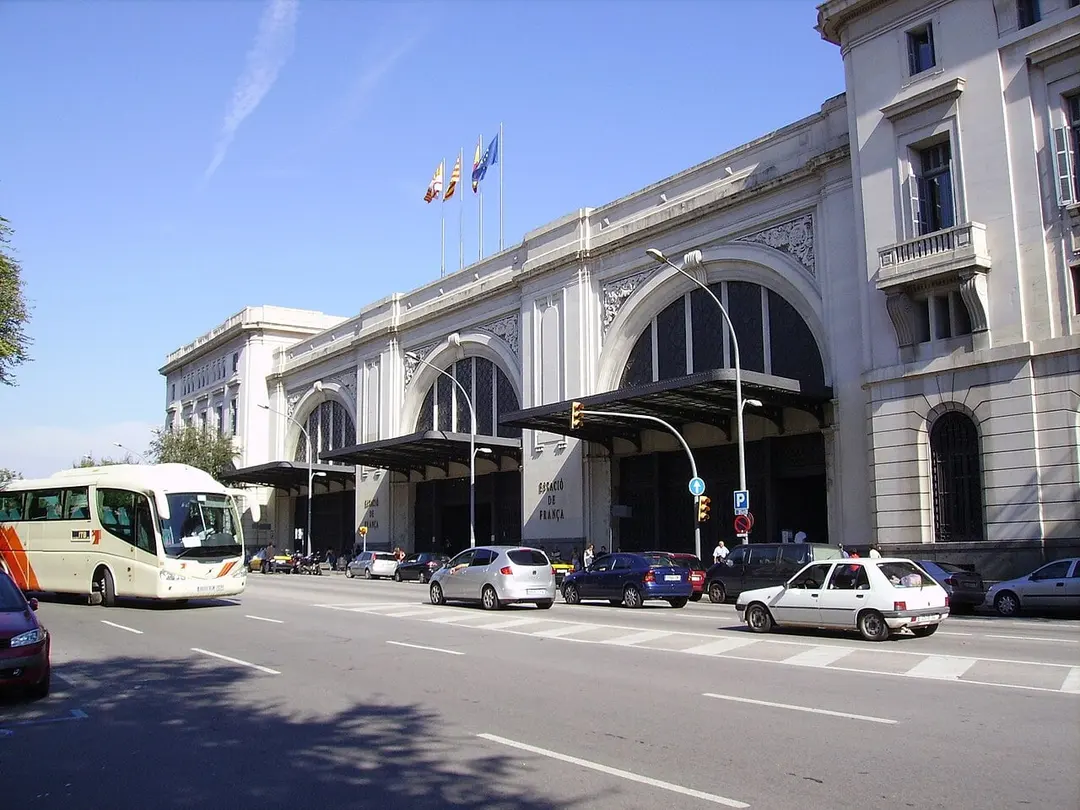
Barcelona's cultural scene spans prehistory to the present day. The Sagrada Família and Batlló House are landmarks of Antoni Gaudí's singular architecture, and his former residence is open to visitors as the Casa Museu Gaudí. The Biblioteca de Catalunya safeguards the region's literary heritage, while the Capellades Paper Mill Museum and the Abric Romaní archaeological site reach further back into human history. Public sculptures such as Miró's Dona i Ocell and Lichtenstein's Barcelona's Head shape the city's open spaces. The FC Barcelona Museum, the Barcelona-Estació de França, and Aiguafreda Town Hall round out this layered cultural portrait.

21 places · Barcelona, Spain · Editorially curated

  • Sagrada Família

    Sagrada Família

    Barcelona

    architecture

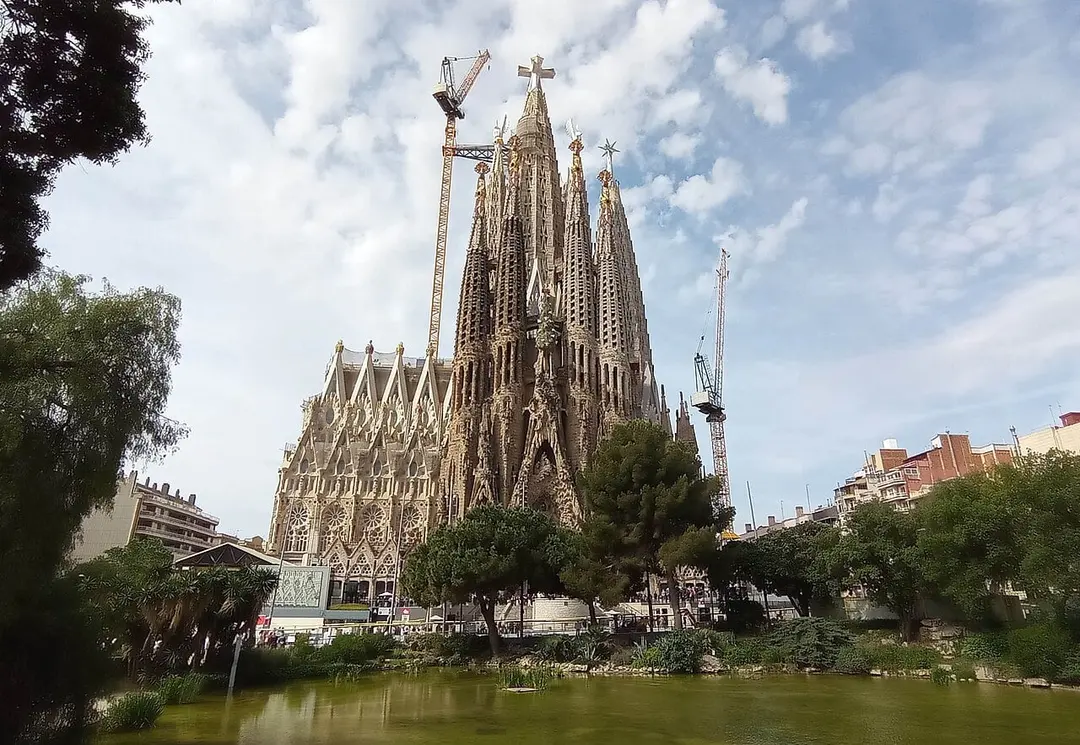
    The Sagrada Família is the undisputed masterpiece of Catalan architect Antoni Gaudí and one of the most recognisable buildings on Earth. Since work on the crypt began in 1882, a basilica has been rising in Barcelona's Eixample district whose organic, nature-inspired forms defy easy categorisation. Gaudí took over as project lead in 1883 and devoted the final decades of his life to it — when he died in 1926, only a fraction was complete. Construction has continued ever since, funded by visitor admissions. The central tower now rises above all historic steeples in Barcelona, and completion is planned for 2035. Consecrated as a basilica since 2010, parts of the site are also UNESCO World Heritage listed.
  • Abric Romaní

    Abric Romaní

    Barcelona

    historylocal gemsknowledge

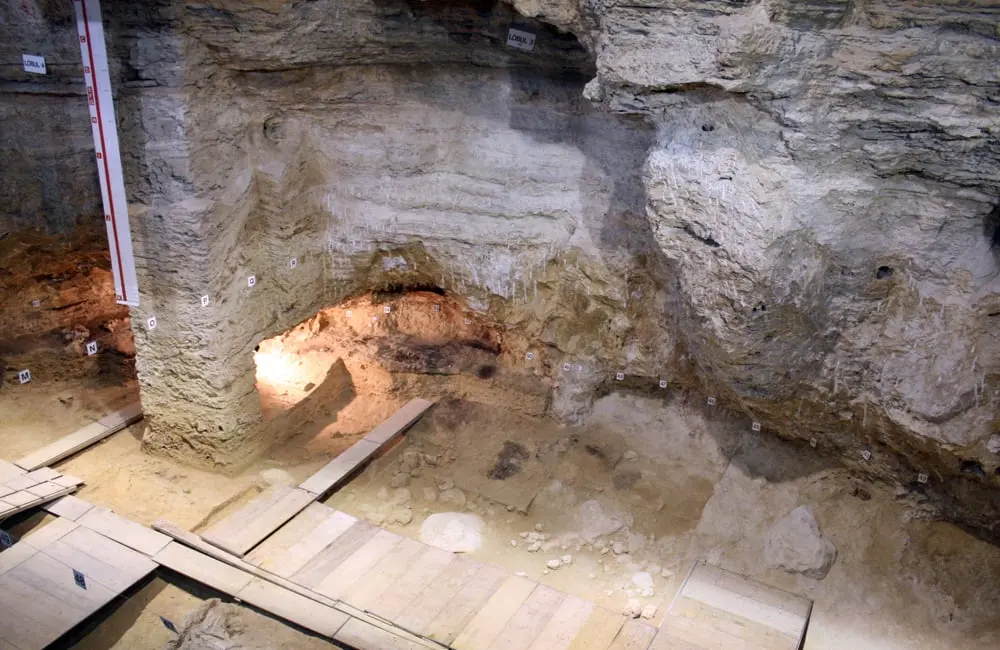
    Abric Romaní is one of Europe's most significant Neanderthal sites, located in Capellades about 50km from Barcelona. Dating from 70,000 to 39,000 years ago, Neanderthals sheltered under this rock overhang above the Noya river for millennia. Uniquely, organic materials — including worked wood — survived, providing rare evidence of Neanderthal woodworking found almost nowhere else in the world. Discovered in 1909 by Amador Romaní. The youngest layer contains Aurignacian artefacts marking the arrival of anatomically modern humans around 39,000 BP.

  • Aiguafreda Town Hall

    Aiguafreda Town Hall

    Barcelona

    local gems

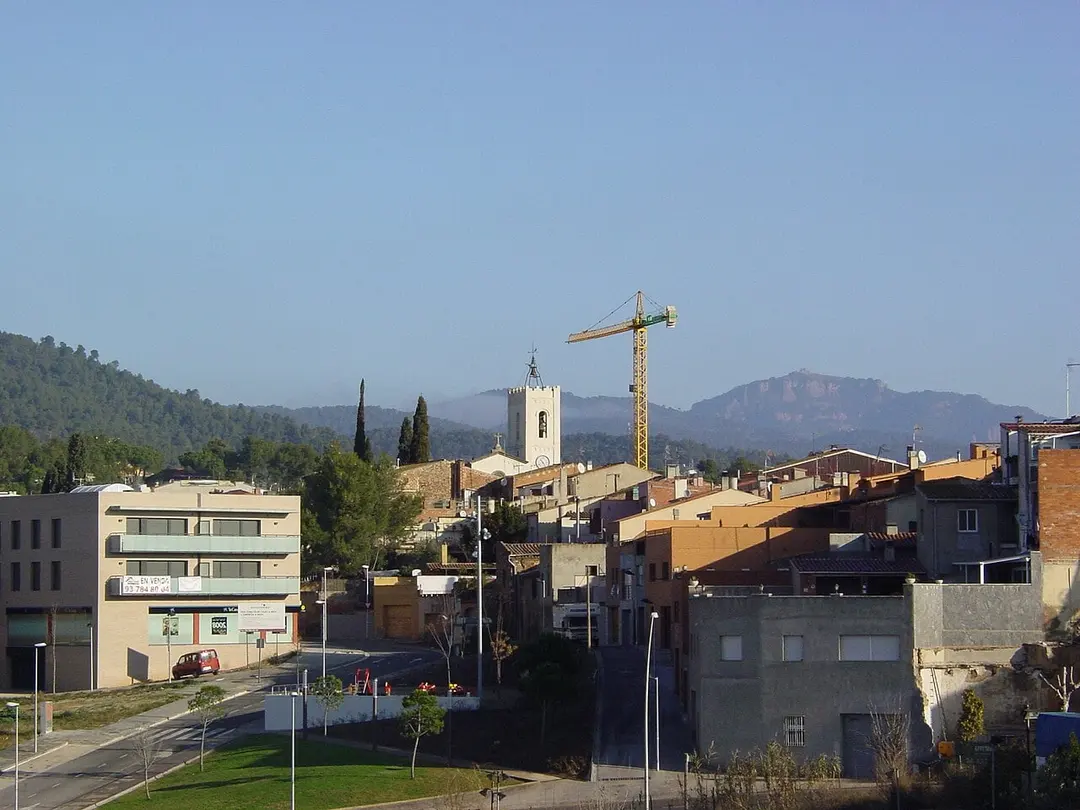
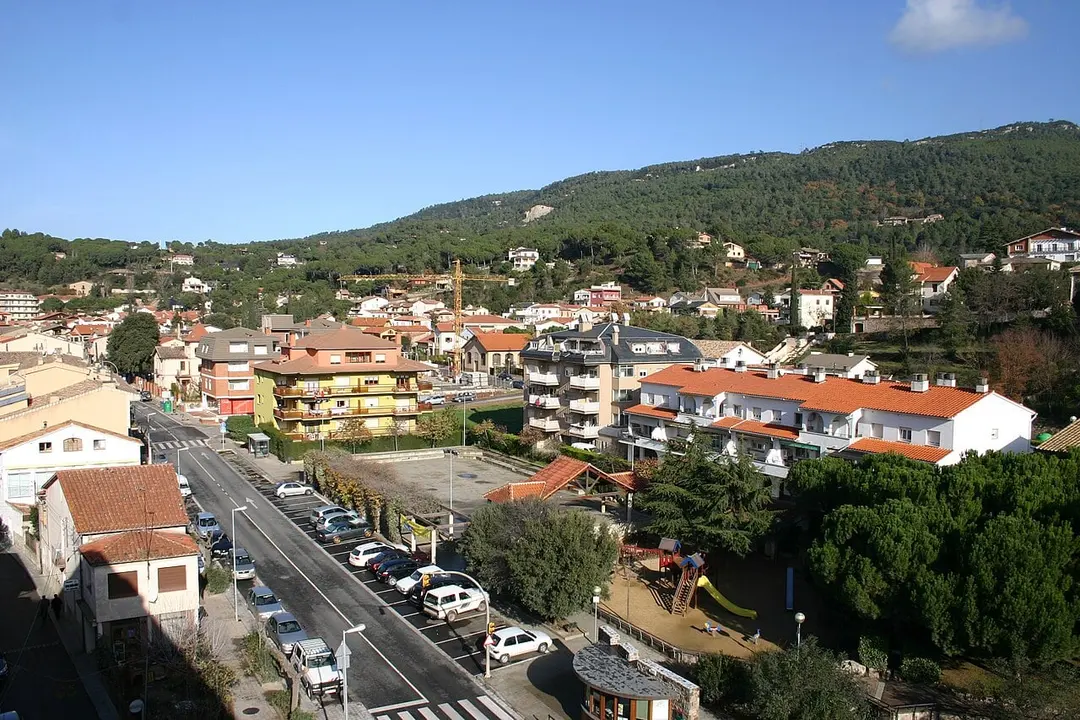
    The town hall of Aiguafreda serves this small Catalan municipality in the Vallès Oriental comarca, about 50km northeast of Barcelona near the Montseny massif.

  • Barcelona's Head

    Barcelona's Head

    Barcelona

    naturehistory

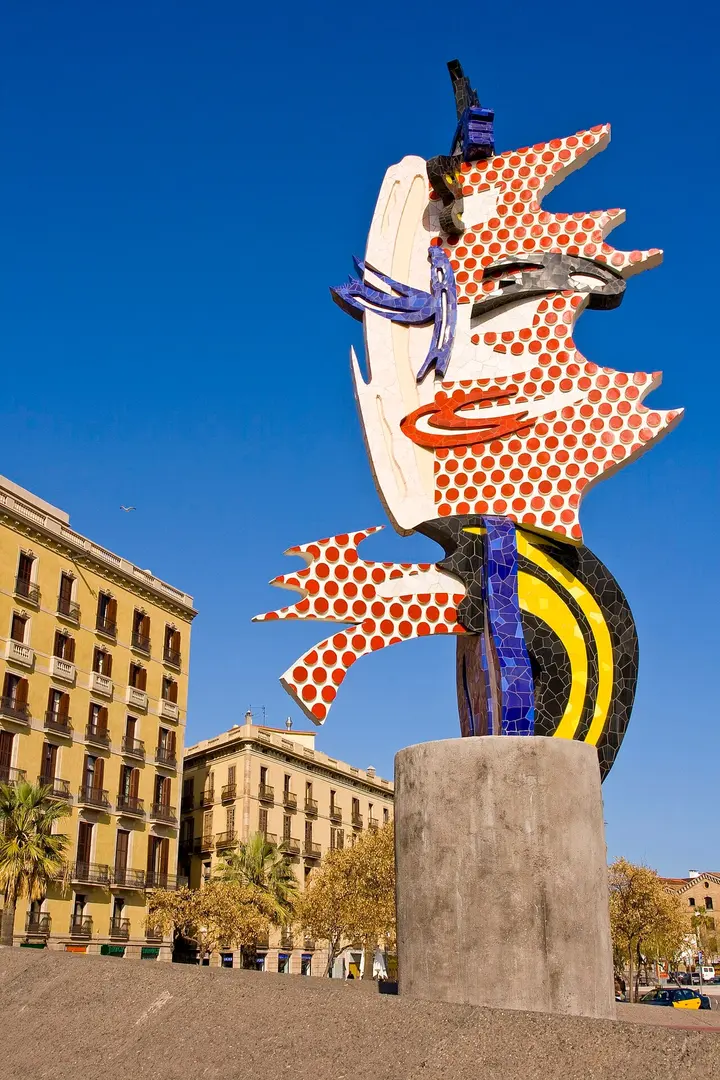
    La Cara de Barcelona — Barcelona's Head — is a 15-meter mosaic sculpture at the foot of the Barceloneta district, right at the harbor's edge. It was created by American Pop Art pioneer Roy Lichtenstein for the 1992 Summer Olympics, which transformed Barcelona into a world-class city. Lichtenstein translated his trademark comic-strip style — bold outlines, primary colors, dot-grid patterns — into three-dimensional ceramic form. The sculpture was executed by artist Diego Delgado Rajado. Today it stands as one of the most recognizable landmarks on the route between the beach and the old town, attracting art lovers and casual strollers alike.

  • Batlló House

    Batlló House

    Barcelona

    architecture

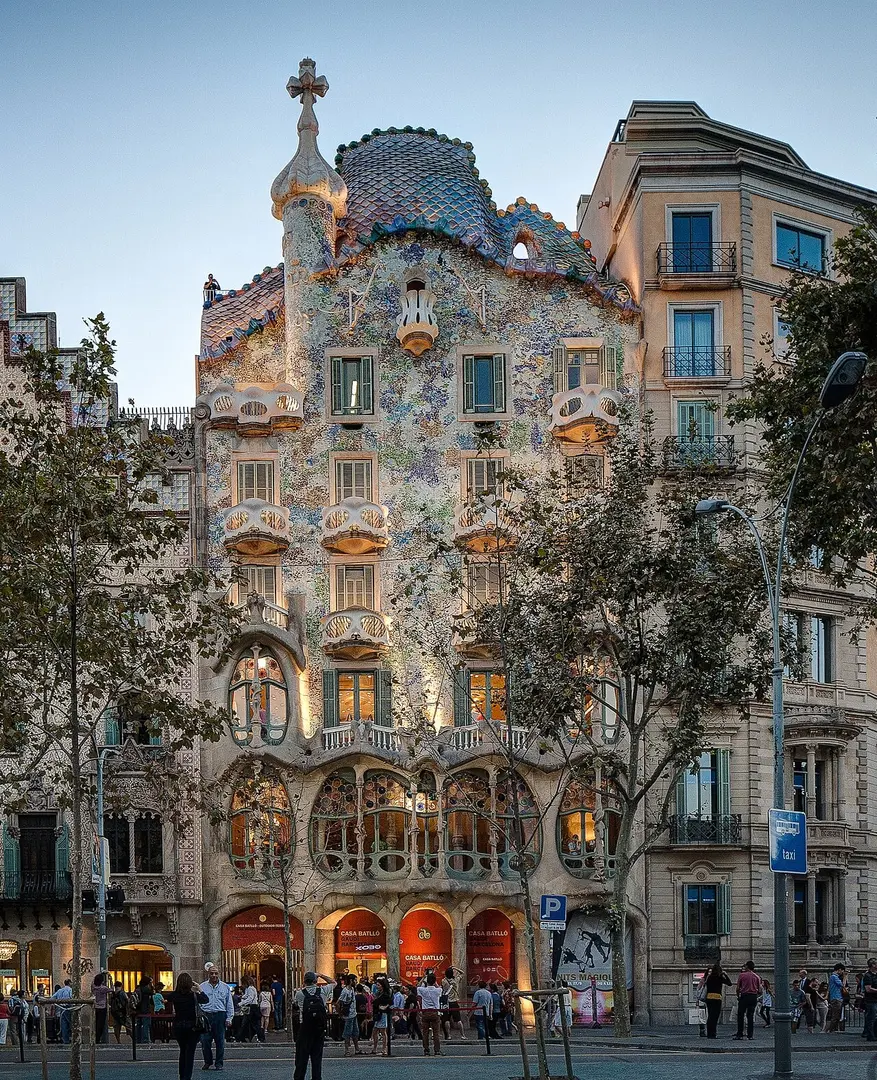
    Casa Batlló on Barcelona's Passeig de Gràcia is one of Antoni Gaudí's most captivating creations and a pinnacle of Catalan Modernisme. Originally built in 1877, industrialist Josep Batlló commissioned Gaudí to completely redesign it between 1904 and 1906. The undulating facade of colorful ceramic shards, the dragon-like roof structure, and the organically flowing interiors brought the building worldwide fame. Since 2005, Casa Batlló has been part of the UNESCO World Heritage site covering Gaudí's works. Today it is one of Barcelona's most visited landmarks.

  • Biblioteca de Catalunya

    Biblioteca de Catalunya

    Barcelona

    architecturehistoryknowledge

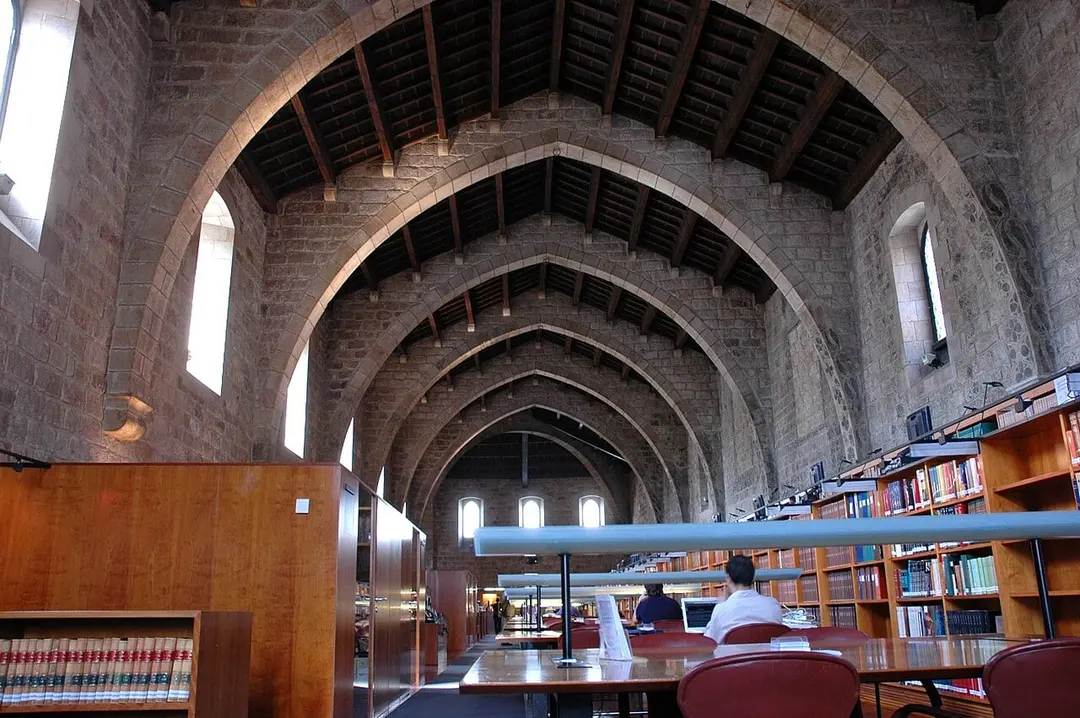
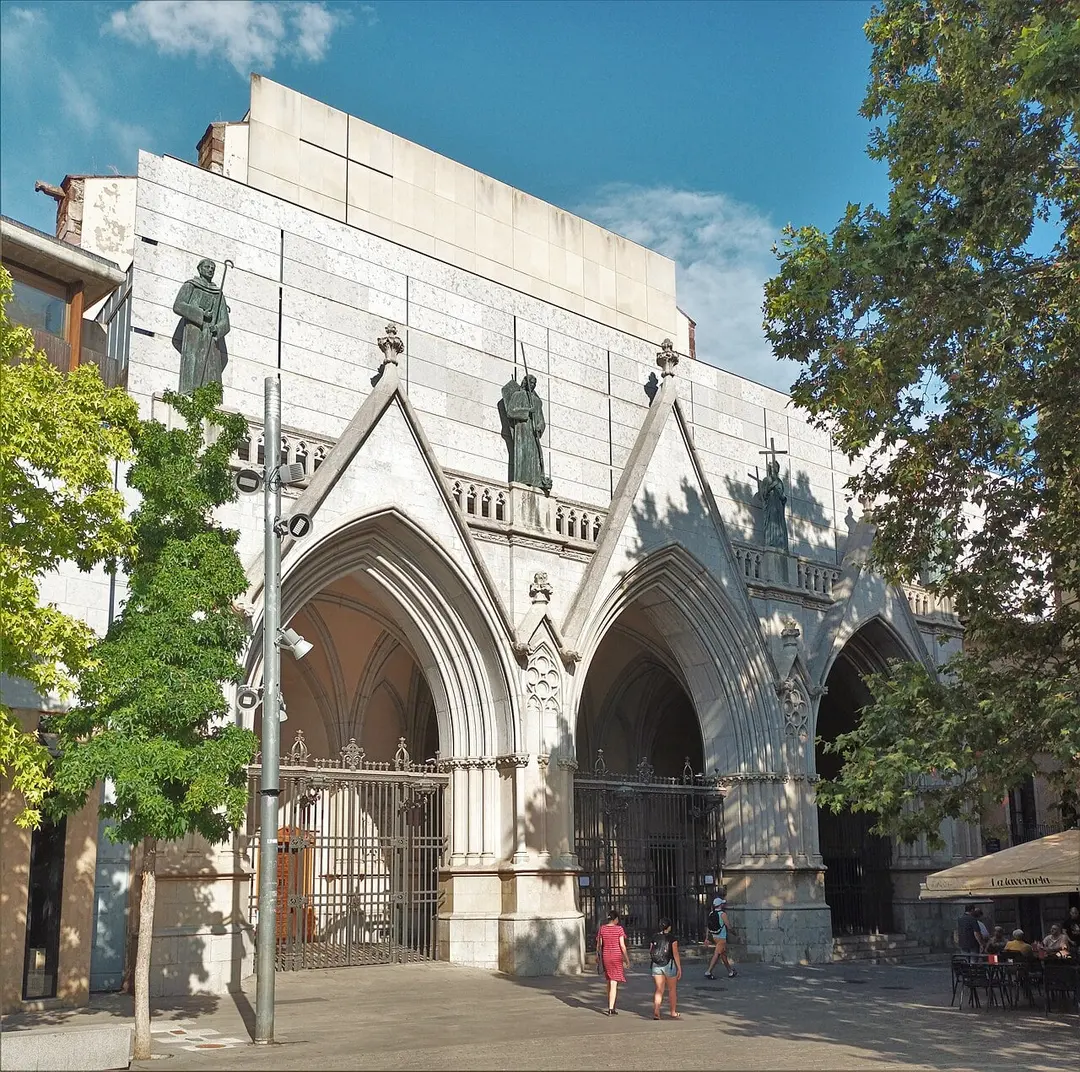
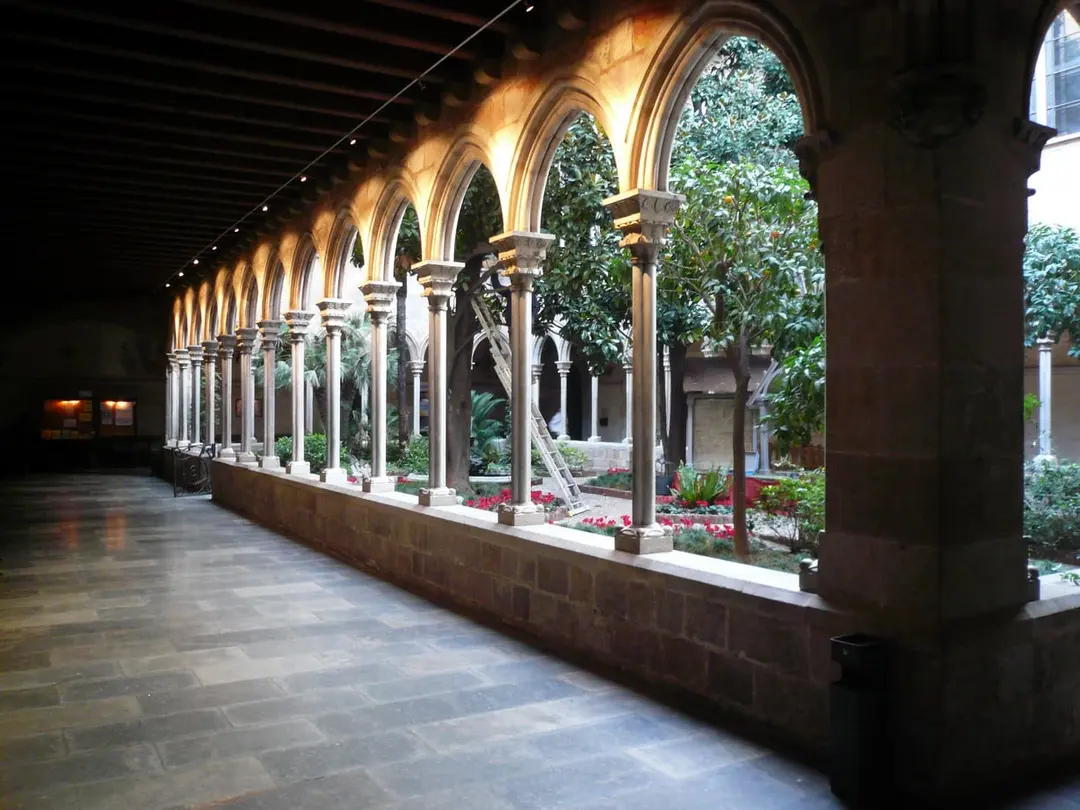
    The Biblioteca de Catalunya is Catalonia's national library — the institutional memory of one of Europe's oldest living languages. Founded in 1907, it is housed in the former Hospital de la Santa Creu, a 15th-century Gothic complex in the El Raval neighbourhood of Barcelona. The building is as compelling as the collection: stone arcades, a sunlit courtyard, and magnificent reading rooms where scholars and curious visitors work side by side. Holdings run to millions of documents in Catalan — manuscripts, maps, scores, photographs, and printed works spanning centuries of Catalan and Balearic culture. Regular free exhibitions make the library accessible to all, not just researchers.

  • Casa Museu Gaudí

    Casa Museu Gaudí

    Barcelona

    architecturenaturelocal gems+1

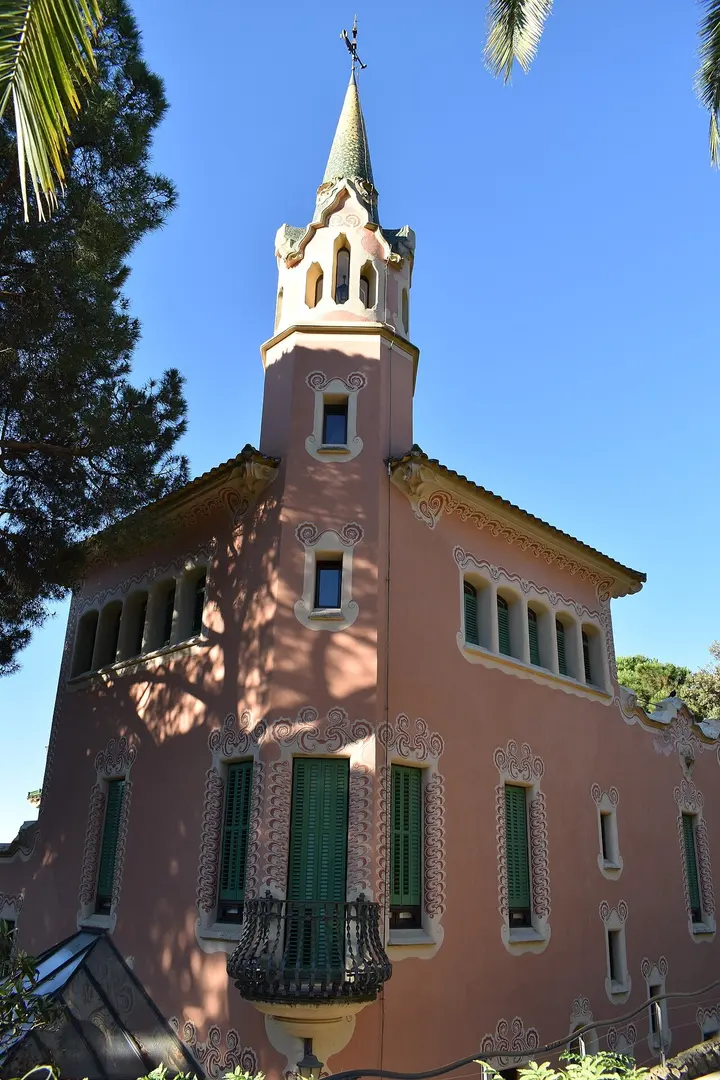
    Tucked inside Park Güell above Barcelona, the Casa Museu Gaudí is the modest pink villa where Antoni Gaudí lived from 1906 until shortly before his death in 1926. Designed by his collaborator Francesc Berenguer, the house today holds Gaudí's personal furniture, sketches, devotional objects, and models of his greatest works. Visiting after seeing the Sagrada Família or Casa Batlló makes the contrast striking: the man behind Barcelona's most extravagant buildings lived with remarkable simplicity. The museum opened in 1963 and remains one of the quietest spots in an otherwise busy park. A visit combines architecture, biography, and a welcome pause from the Park Güell crowds.

  • Cathedral of the Holy Spirit (Terrassa)

    Cathedral of the Holy Spirit (Terrassa)

    Barcelona

    architecture

    The Cathedral of the Holy Spirit is the bishop's church of the Diocese of Terrassa, established in 2004, in an industrial city about 30 kilometers northwest of Barcelona. The building, which incorporates parts of an older church from 1574, bears the title of basilica minor since its elevation to a cathedral and is protected as Catalan cultural heritage. As Catalonia's youngest diocese, Terrassa reflects the modern Church's approach to urbanized regions. The cathedral offers a quiet refuge within the bustling city.

  • Dona i Ocell

    Dona i Ocell

    Barcelona

    architecturenatureromance

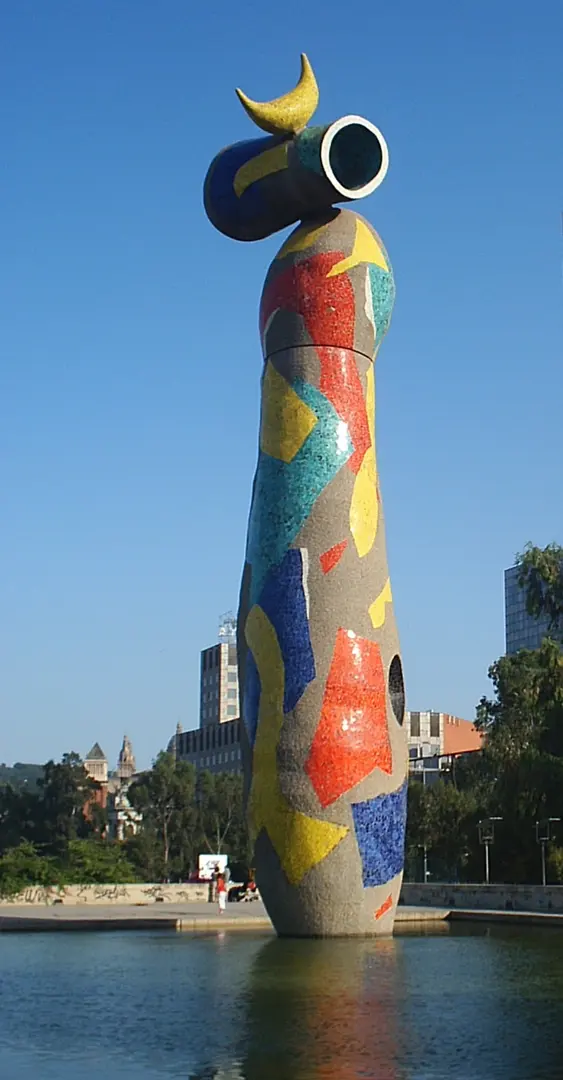
    Standing 22 metres tall in the Parque Joan Miró in the Eixample district, Dona i Ocell — Woman and Bird — was Joan Miró's final monumental statement, completed in 1983 shortly before his death. He created it in close collaboration with ceramicist Joan Gardy Artigas, covering the entire surface with vibrantly glazed ceramic tiles that echo Miró's signature palette of bold primary colours and playful biomorphic forms. The park itself was built on the site of a former slaughterhouse and opened in the years following Franco's dictatorship, symbolising Barcelona's cultural rebirth. Entry to the park and the sculpture is free.

  • FC Barcelona Museum

    FC Barcelona Museum

    Barcelona

    outdoor activitieslocal gemsknowledge

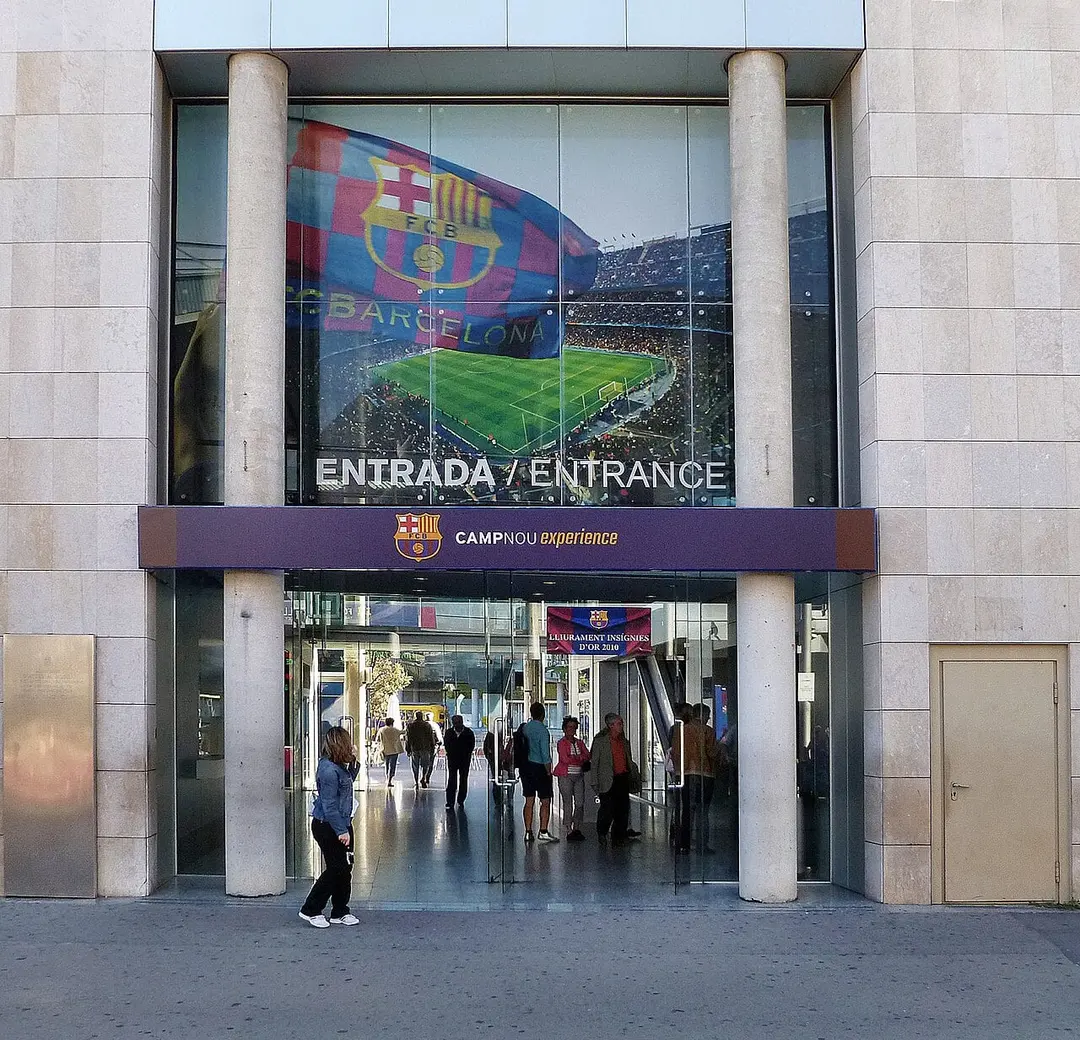
    The FC Barcelona Museum at Camp Nou is one of Spain's most visited museums and Europe's most popular sports museum. Opened in 1984, it documents the full history of the club from its founding in 1899 to the present day — from early Catalan championships to Champions League triumphs and world titles. Its centerpiece is the vast collection of trophies and awards won by all of the club's sections, including football, basketball, and handball. Interactive areas let visitors immerse themselves in club history, while stadium tours open up the legendary pitch and stands. The museum is part of the Barça Experience complex and is a must-see for families and football fans from around the world.

  • Fundació Joan Miró

    Fundació Joan Miró

    Barcelona

    architecturenature

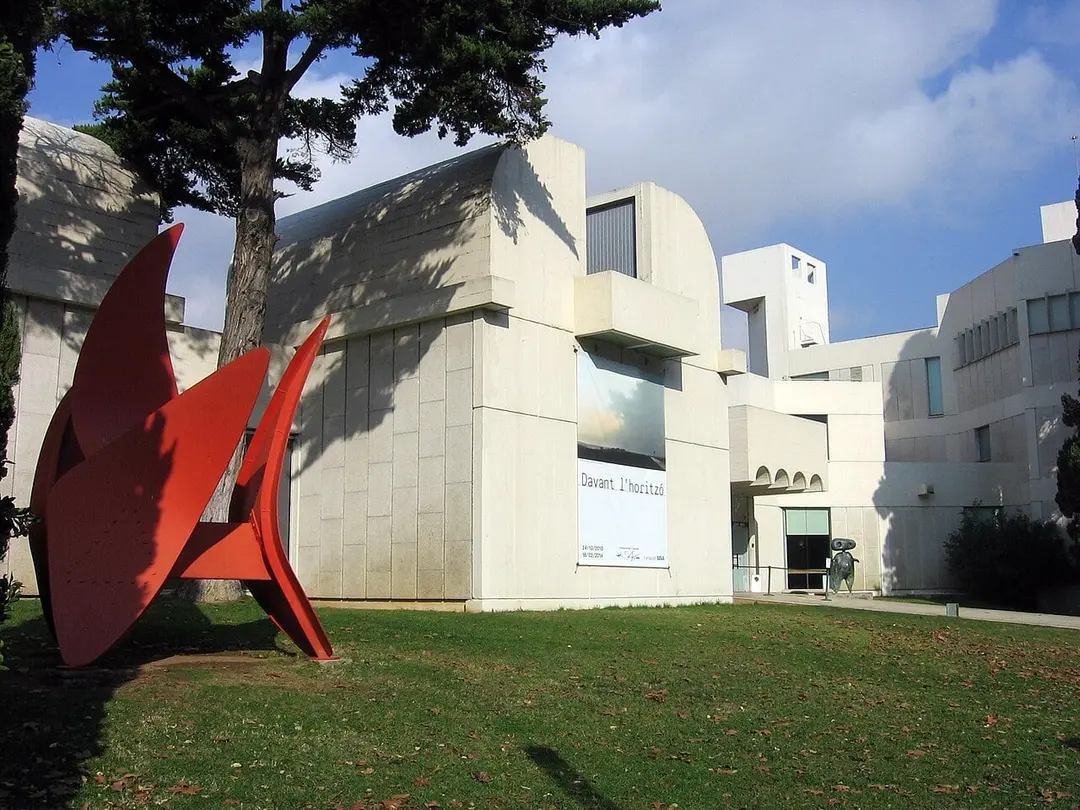
    The Fundació Joan Miró is a museum of modern art dedicated to the Catalan artist Joan Miró, set on the Montjuïc hill in Barcelona. Founded by Miró himself in 1975, shortly before the end of the Franco dictatorship, it was conceived as a living cultural centre rather than a static collection. The light-filled building was designed by Miró's close friend, architect Josep Lluís Sert — a masterwork of rationalist architecture with white walls and courtyards that perfectly frame the artist's work. The collection spans over 14,000 pieces including paintings, sculptures, prints, and textiles, alongside rotating exhibitions of contemporary art.

  • Gran Teatre del Liceu

    Gran Teatre del Liceu

    Barcelona

    local gems

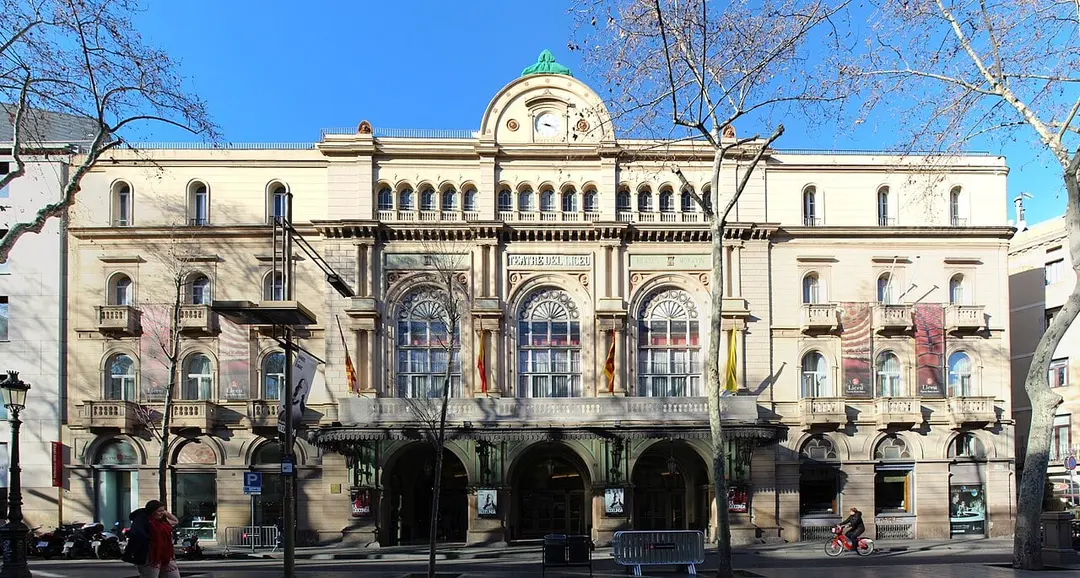
    The Gran Teatre del Liceu is Barcelona's largest and most prestigious opera house and one of the most important in Europe. It sits directly on the famous Ramblas in the heart of the Catalan capital. The house opened in 1847 and has since lived through a turbulent history — surviving fires, bombings and political upheavals. A devastating fire in 1994 destroyed nearly the entire auditorium; the faithful reconstruction was completed in 1999. Today the Liceu offers around 2,300 seats and one of the finest opera programmes on the Iberian Peninsula, from Verdi and Wagner to contemporary world premieres. A guided tour of the magnificent historic building is well worth the time even without a performance.

  • La Pedrera - Casa Milà

    La Pedrera - Casa Milà

    Barcelona

    architecturelocal gemsgreat views

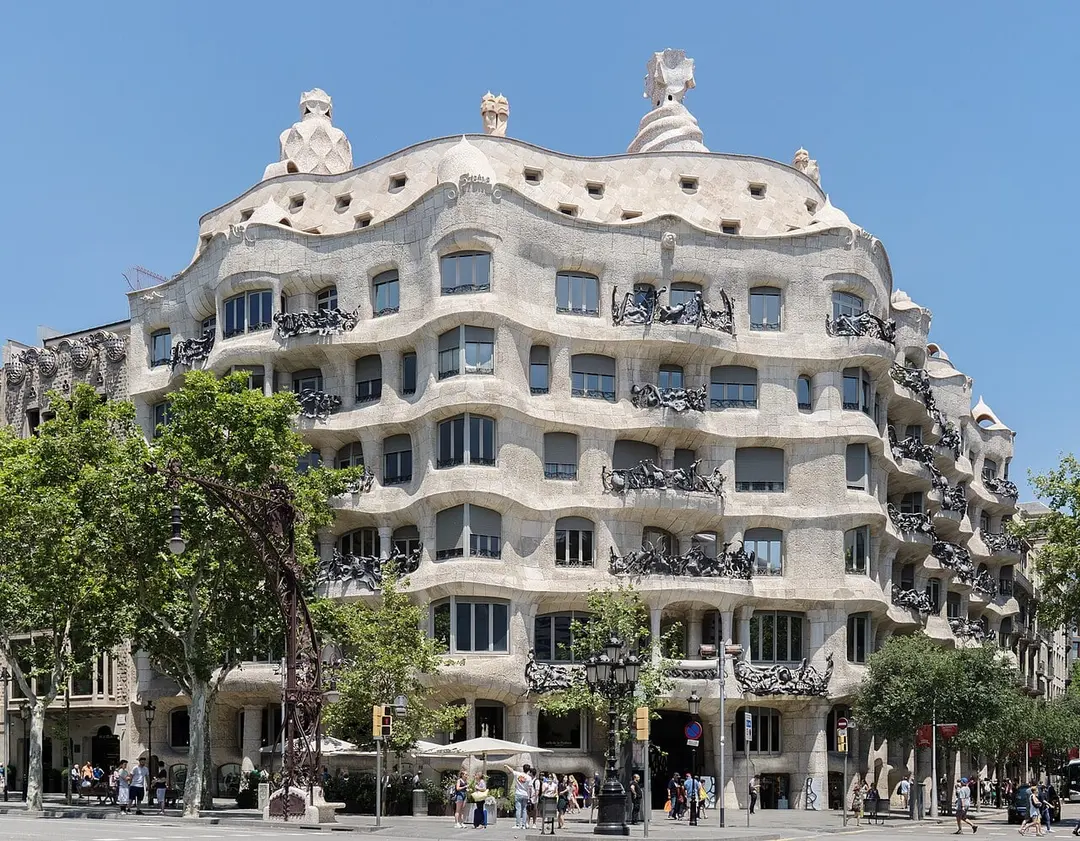
    Casa Milà, affectionately nicknamed "La Pedrera" (the quarry) by the people of Barcelona, is the last major residential building designed by Antoni Gaudí. Built between 1906 and 1912 for the Milà family at the corner of Passeig de Gràcia and Carrer de Provença, the building broke radically with every convention of its time. The undulating stone facade without a single straight element, the wrought-iron balconies that seem to grow organically from the building, and above all the surreal rooftop terrace with its spiral chimneys and warrior-helmet ventilation towers made La Pedrera one of the boldest buildings of the 20th century. Inside, the attic floor with its parabolic brick vaults showcases Gaudí's structural ingenuity. Since 1984 the building has been a UNESCO World Heritage Site. The rooftop is accessible to visitors and offers one of Barcelona's most extraordinary panoramic views.

  • Magic Fountain of Montjuïc

    Magic Fountain of Montjuïc

    Barcelona

    architecturefamily outings

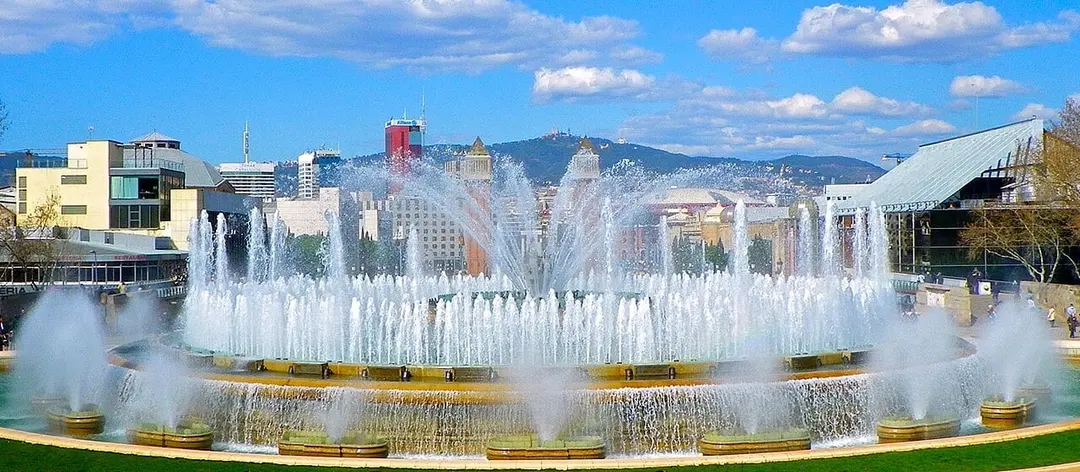
    The Font Màgica — Magic Fountain — stands at the southern end of Avinguda Maria Cristina in Barcelona's Montjuïc district. Built for the 1929 International Exposition, it was an engineering marvel of its time: synchronised water jets choreographed with coloured light and music. Today it still enchants visitors with free evening shows in which fountains glow in around 50 colour shades set to orchestral and pop soundtracks. The backdrop of the illuminated Palau Nacional makes it one of the most romantic evening spots in the city, drawing millions of visitors each year.

  • Montjuïc Castle

    Montjuïc Castle

    Barcelona

    architectureknowledge

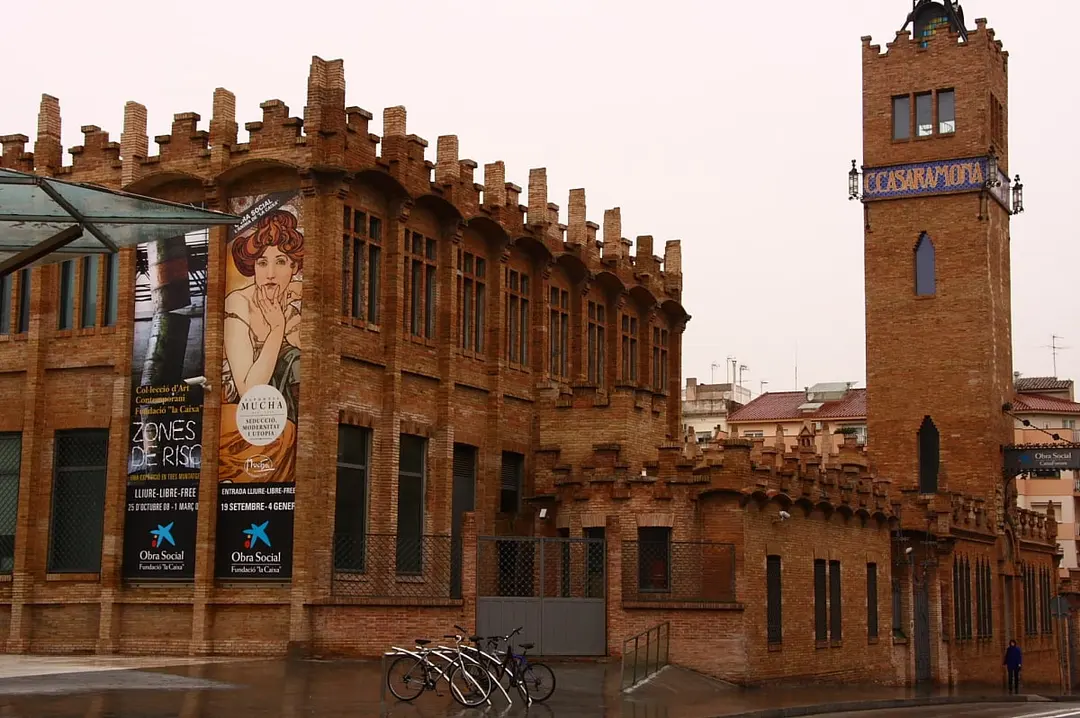
    CaixaForum Barcelona blends art, music and civic debate inside walls that once hummed with machinery. The former Modernisme textile factory Fàbrica Casaramona, designed by architect Josep Puig i Cadafalch around 1910, was already celebrated as an architectural gem when it operated. After decades of disuse, Japanese architect Arata Isozaki brought it back to life in 2002, adding a floating steel entrance canopy that bridges historic brick and contemporary gallery spaces. Today the Fundació "la Caixa" fills it with rotating exhibitions of contemporary art, concerts, film screenings and workshops — all at a refreshingly accessible price.

  • Montserrat Monastery

    Montserrat Monastery

    Barcelona

    architecturemystery

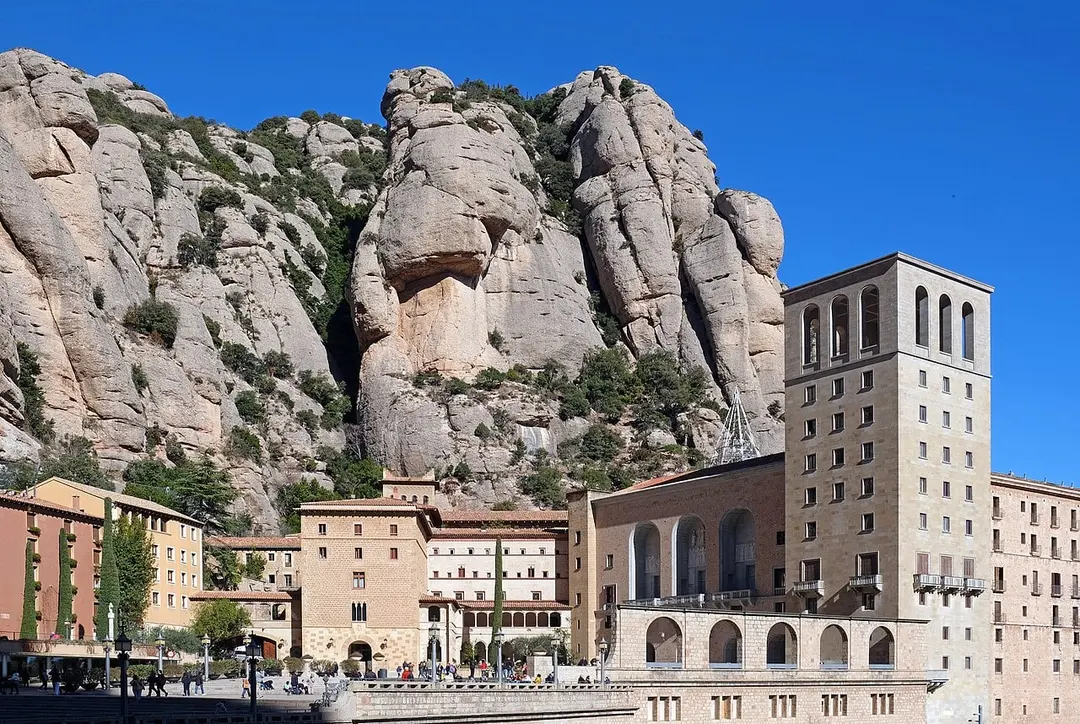
    The Benedictine abbey of Santa Maria de Montserrat sits at 721 metres elevation in the jagged Montserrat massif, about 40 kilometres northwest of Barcelona. It is one of Spain most important pilgrimage destinations and a central symbol of Catalan identity that extends well beyond the Catholic Church. At the heart of the monastery is La Moreneta — a black wooden image of the Virgin Mary from the 12th century, venerated by hundreds of thousands of pilgrims each year. Around 70 Benedictine monks live here according to the Rule of St. Benedict. The spectacular setting among craggy rock formations offers sweeping panoramic views and great hiking trails on the mountain.

  • Palau Sant Jordi

    Palau Sant Jordi

    Barcelona

    architecturenaturehistory+1

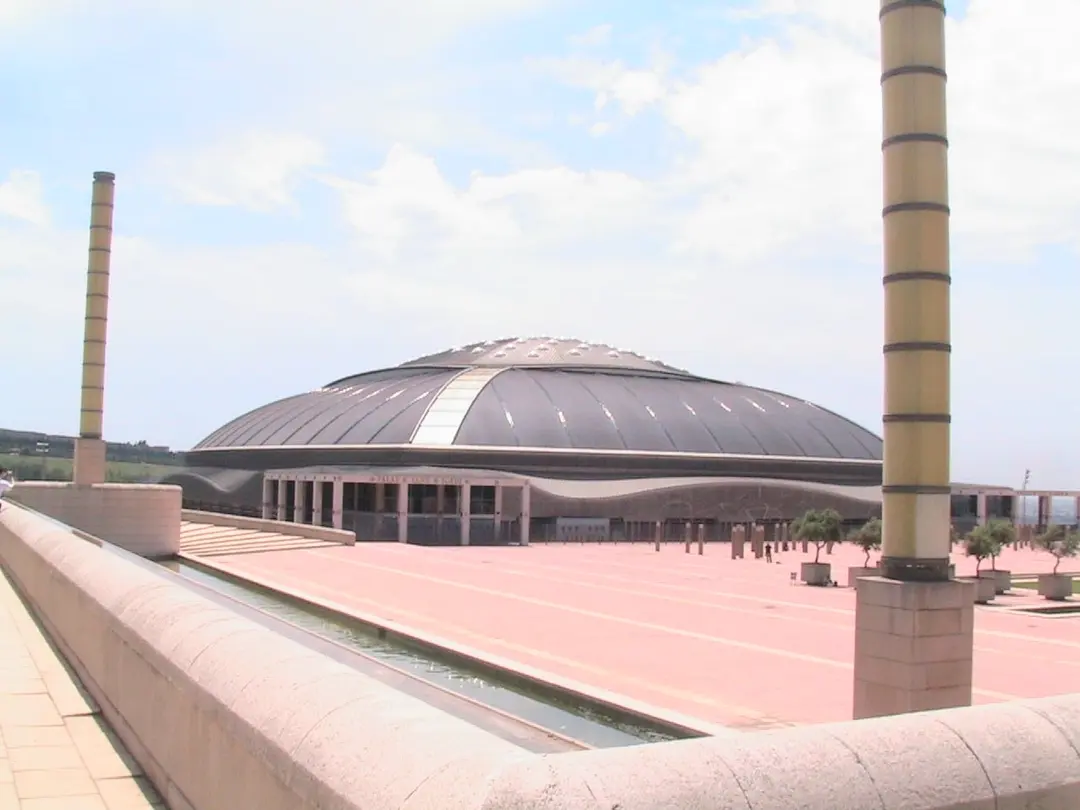
    The Palau Sant Jordi is a multipurpose arena on Montjuïc in Barcelona, inaugurated in 1990 for the 1992 Olympic Games. Japanese architect Arata Isozaki designed the sweeping steel dome, which from the outside resembles a low hill and inside seats up to 17,960 spectators. Today it is Barcelona's largest indoor arena, hosting international concerts, sporting events, and congresses. The building is considered a masterpiece of contemporary sports architecture and is classified as a cultural asset of Catalonia.

  • The Kiss of Death

    The Kiss of Death

    Barcelona

    architecturelocal gemsmystery

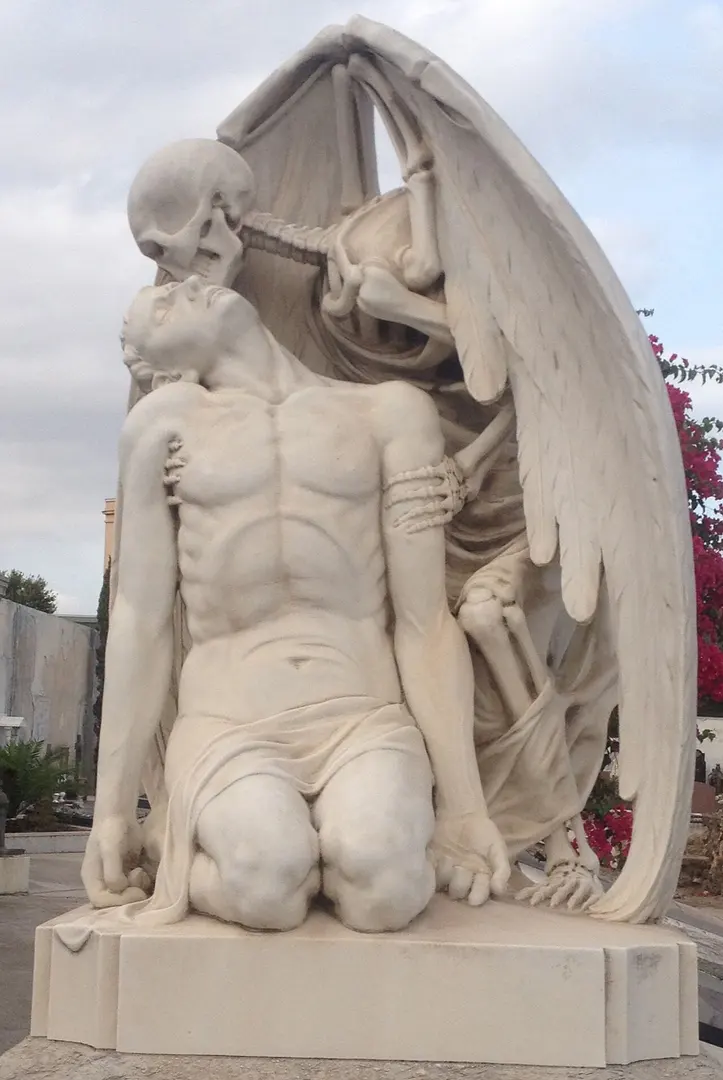
    "El petó de la mort" – "The Kiss of Death" – is the most celebrated sculpture in the Cementiri del Poblenou, one of Barcelona's oldest cemeteries. The marble relief depicts a winged angel of death pressing a final kiss to a young man's forehead. Created in 1930 by sculptor Jaume Barba, commissioned by the family of the young Josep Llaudet i Soler who died early, the work fuses Catalan symbolism with the aesthetic sensibility of the early 20th century. Today the sculpture draws pilgrims of art and cemetery enthusiasts from around the world, and is considered one of the most striking funerary monuments in Europe.

Keep exploring

These places are just the beginning.

Rate places with a swipe — TravelType learns from your tags what you love and curates your own map. Private until you choose to share.

Create your profile