TravelType

local gems

Local gems in Barcelona

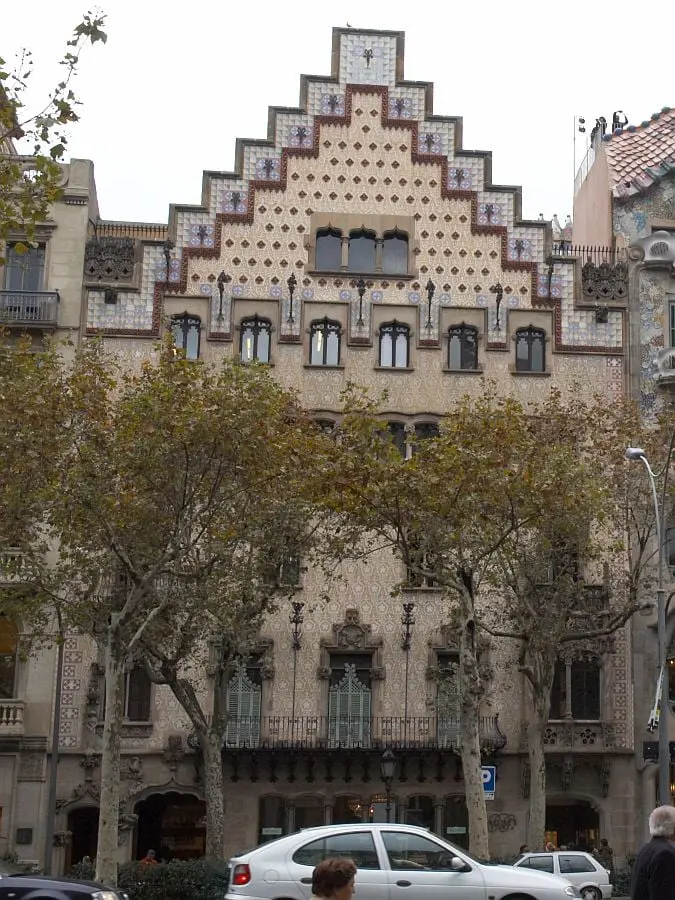
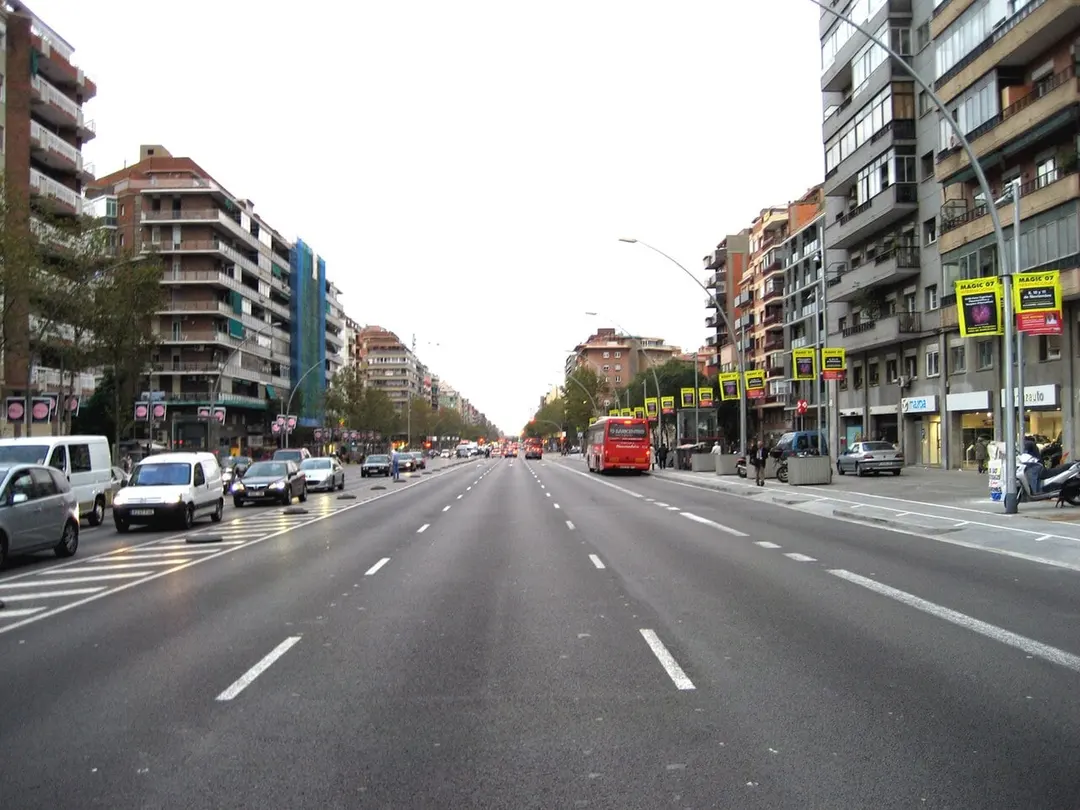
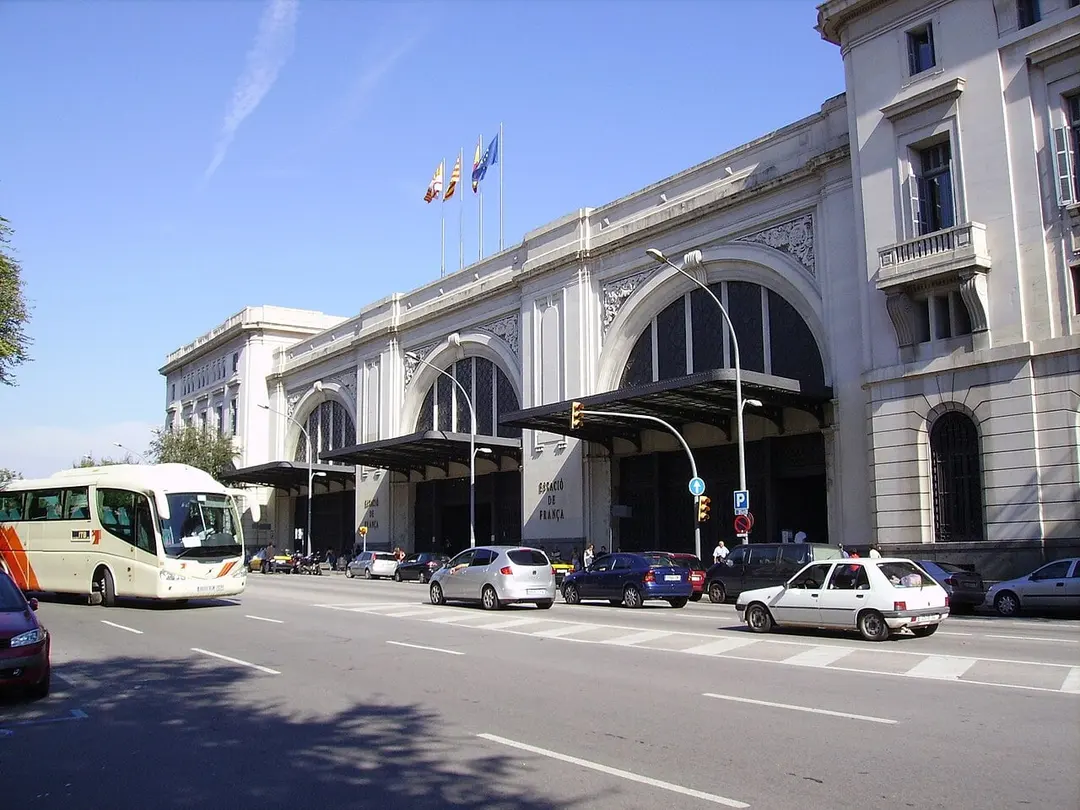
Barcelona, Spain, rewards those who look beyond the obvious. Casa Calvet and Amatller House reflect the breadth of Modernisme architecture, while Casa Lleó Morera is frequently overlooked by visitors. The Arc de Triomf opens onto a quieter stretch of the city, and Avinguda Meridiana cuts through neighbourhoods rarely on tourist itineraries. Along the waterfront, Barceloneta and the Bogatell beach offer distinct atmospheres at either end of the shore. A short trip out of the city leads to the prehistoric rock shelter of Abric Romaní, and back in town the Estació de França station is a quietly grand piece of the city's railway heritage.

29 places · Barcelona, Spain · Editorially curated

  • Abric Romaní

    Abric Romaní

    Barcelona

    culturehistoryknowledge

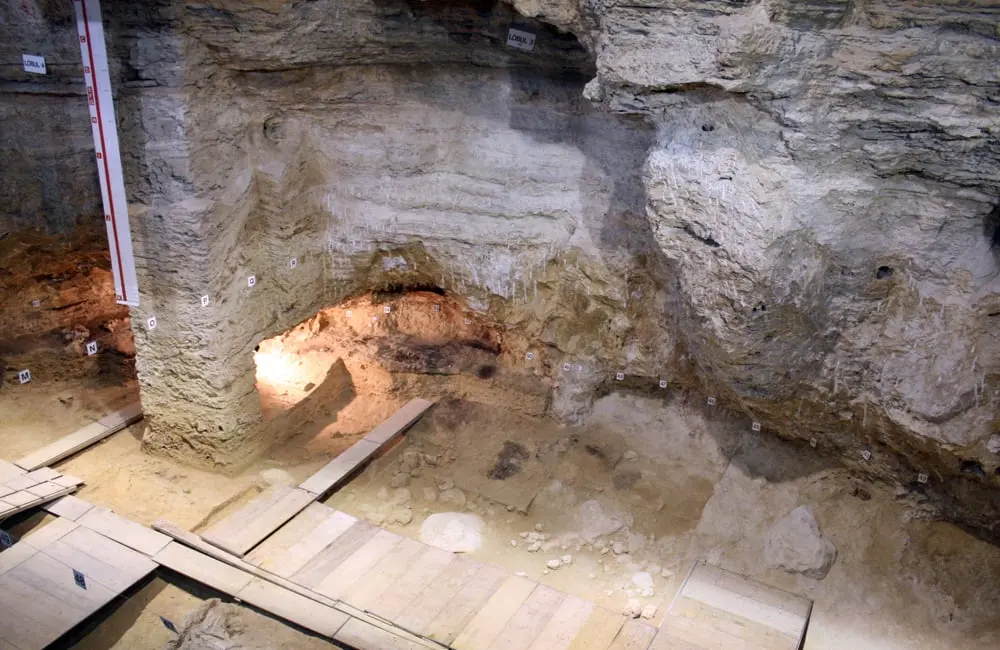
    Abric Romaní is one of Europe's most significant Neanderthal sites, located in Capellades about 50km from Barcelona. Dating from 70,000 to 39,000 years ago, Neanderthals sheltered under this rock overhang above the Noya river for millennia. Uniquely, organic materials — including worked wood — survived, providing rare evidence of Neanderthal woodworking found almost nowhere else in the world. Discovered in 1909 by Amador Romaní. The youngest layer contains Aurignacian artefacts marking the arrival of anatomically modern humans around 39,000 BP.
  • Aiguafreda Town Hall

    Aiguafreda Town Hall

    Barcelona

    culture

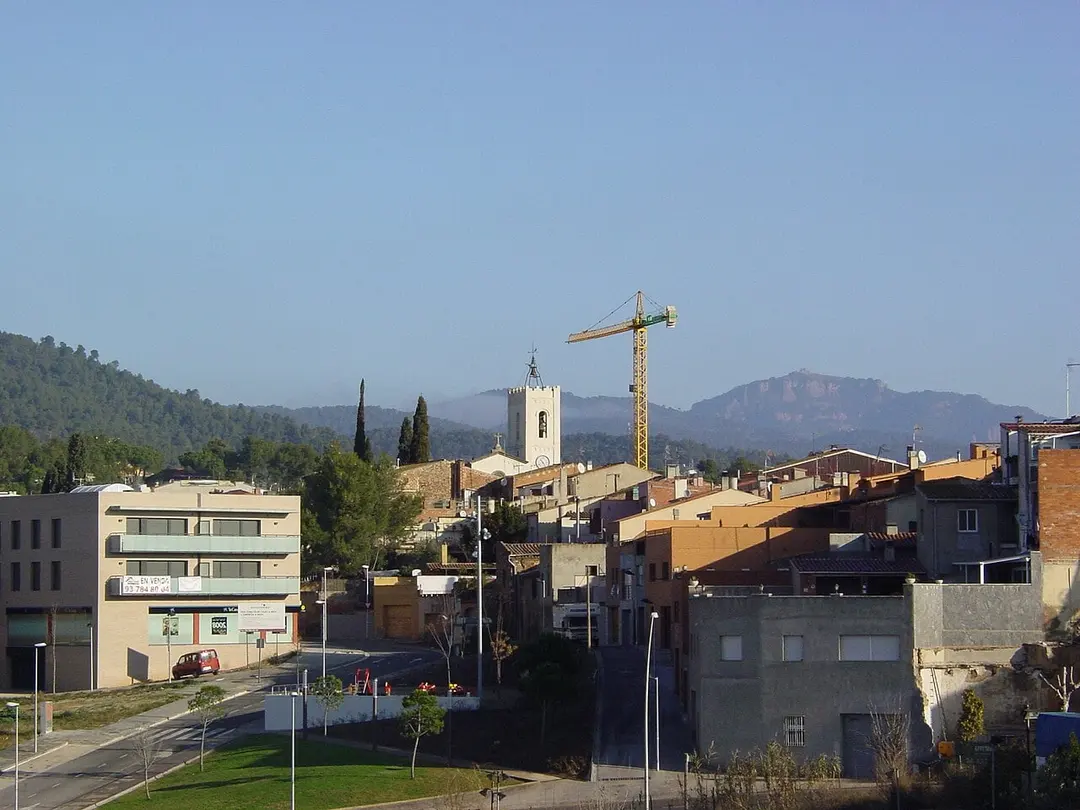
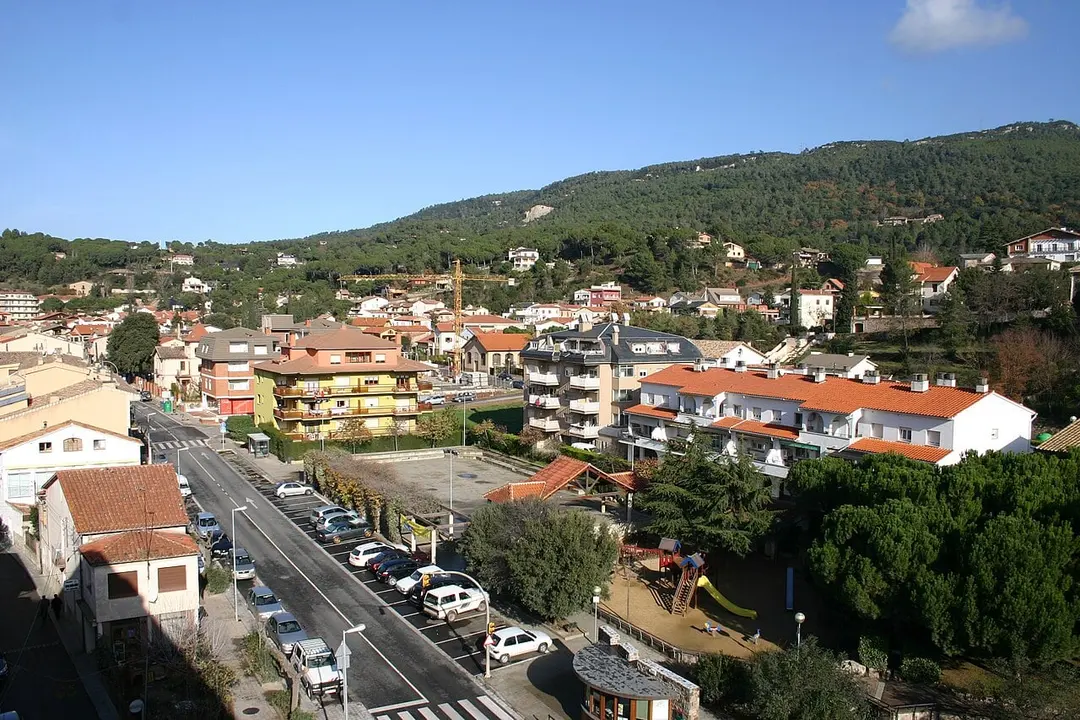
    The town hall of Aiguafreda serves this small Catalan municipality in the Vallès Oriental comarca, about 50km northeast of Barcelona near the Montseny massif.

  • Amatller House

    Amatller House

    Barcelona

    architecture

    Casa Amatller on Passeig de Gràcia is one of the masterworks of Catalan Modernisme and, together with Casa Batlló and Casa Lleó Morera, forms the famous "Block of Discord." Originally built in 1875, the building was completely transformed between 1898 and 1900 by architect Josep Puig i Cadafalch on commission from chocolate manufacturer Antoni Amatller. Puig i Cadafalch combined Flemish-inspired Gothic gables with Moorish tilework and sculptural facade elements into a strikingly original whole. The ground floor today houses the Instituto Amatller d'Art Hispànic and a boutique that keeps the family's chocolate history alive.

  • Casa Calvet

    Casa Calvet

    Barcelona

    architectureknowledge

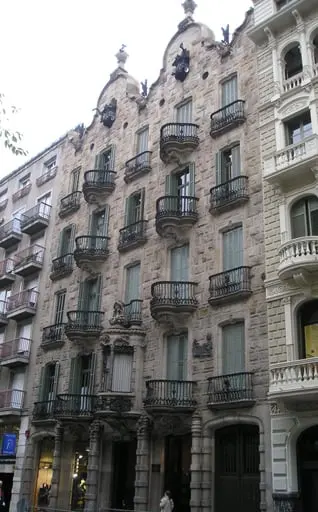
    Casa Calvet is one of Antoni Gaudí's earliest major works in Barcelona, completed in 1898 for textile manufacturer Pedro Mártir Calvet. Located at Carrer de Casp 48 in the Eixample district, it is widely considered Gaudí's most conventional building — with a symmetrical façade, classical proportions and restrained ornamentation compared to his later exuberant style. Yet his signature remains: natural stone detailing, Baroque references linked to the patron's homeland, and characteristically sculpted door handles and bannisters inside. In 1900, the city of Barcelona awarded it the prize for the finest building of the year.

  • Casa Lleó Morera

    Casa Lleó Morera

    Barcelona

    architecturehistory

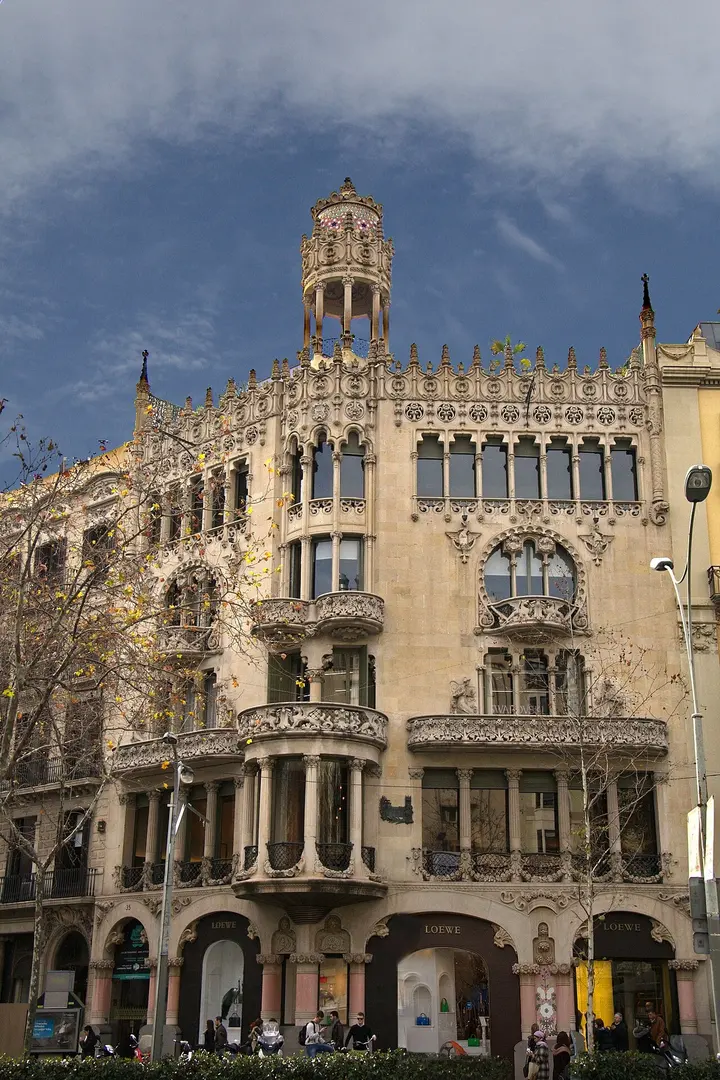
    Casa Lleó Morera at Passeig de Gràcia 35 is one of the masterworks of Catalan Modernisme and the product of a sweeping redesign by architect Lluís Domènech i Montaner. The owner, Francesca Morera i Ortiz, commissioned the transformation of an older building from 1902 in the Art Nouveau style; after her death in 1904, her son Albert Lleó i Morera continued the works to their completion in 1905. The building is part of the celebrated Manzana de la Discordia — the Block of Discord — alongside the Casa Amatller (Puig i Cadafalch) and the Casa Batlló (Gaudí). Domènech i Montaner covered the facade with sweeping ceramic mosaics, floral motifs, animal reliefs, and glazed bay windows of extraordinary delicacy. The building is considered one of his most accomplished works and is today listed as a heritage monument.

  • Casa Museu Gaudí

    Casa Museu Gaudí

    Barcelona

    architectureculturenature+1

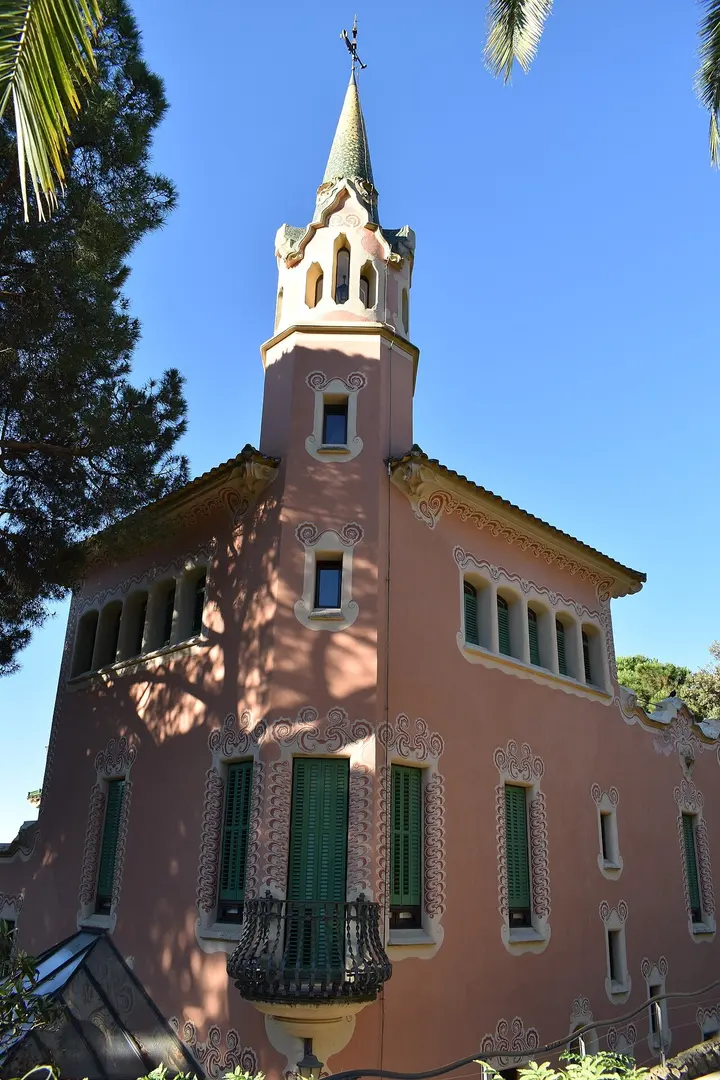
    Tucked inside Park Güell above Barcelona, the Casa Museu Gaudí is the modest pink villa where Antoni Gaudí lived from 1906 until shortly before his death in 1926. Designed by his collaborator Francesc Berenguer, the house today holds Gaudí's personal furniture, sketches, devotional objects, and models of his greatest works. Visiting after seeing the Sagrada Família or Casa Batlló makes the contrast striking: the man behind Barcelona's most extravagant buildings lived with remarkable simplicity. The museum opened in 1963 and remains one of the quietest spots in an otherwise busy park. A visit combines architecture, biography, and a welcome pause from the Park Güell crowds.

  • Casa Vicens

    Casa Vicens

    Barcelona

    architecture

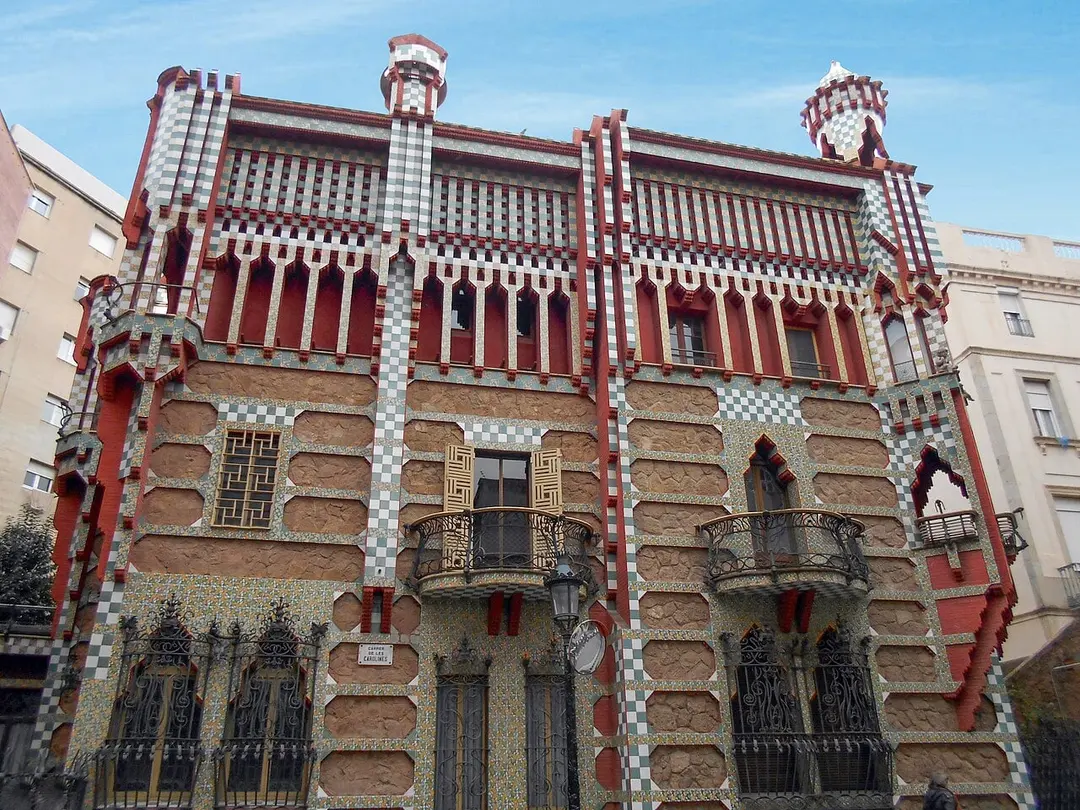
    Casa Vicens in Barcelona's Gràcia neighborhood is Antoni Gaudí's first major building and one of his least-known masterpieces. Built between 1883 and 1885 as a summer house for ceramics manufacturer Manuel Vicens i Montaner, the building already contains the seeds of the mature Gaudí style: a playful mixing of Oriental, Moorish, and Catalan influences, an exuberant use of colorful ceramic tiles, and the organic forms that would reach their pinnacle in the Sagrada Família. Casa Vicens has been a UNESCO World Heritage Site since 2005 as part of the ensemble of Antoni Gaudí's works. Open to the public since 2017, it allows visitors to trace the origins of Gaudí's fascinating world — well away from the city's most crowded attractions.

  • Estadi Johan Cruyff

    Estadi Johan Cruyff

    Barcelona

    outdoor activities

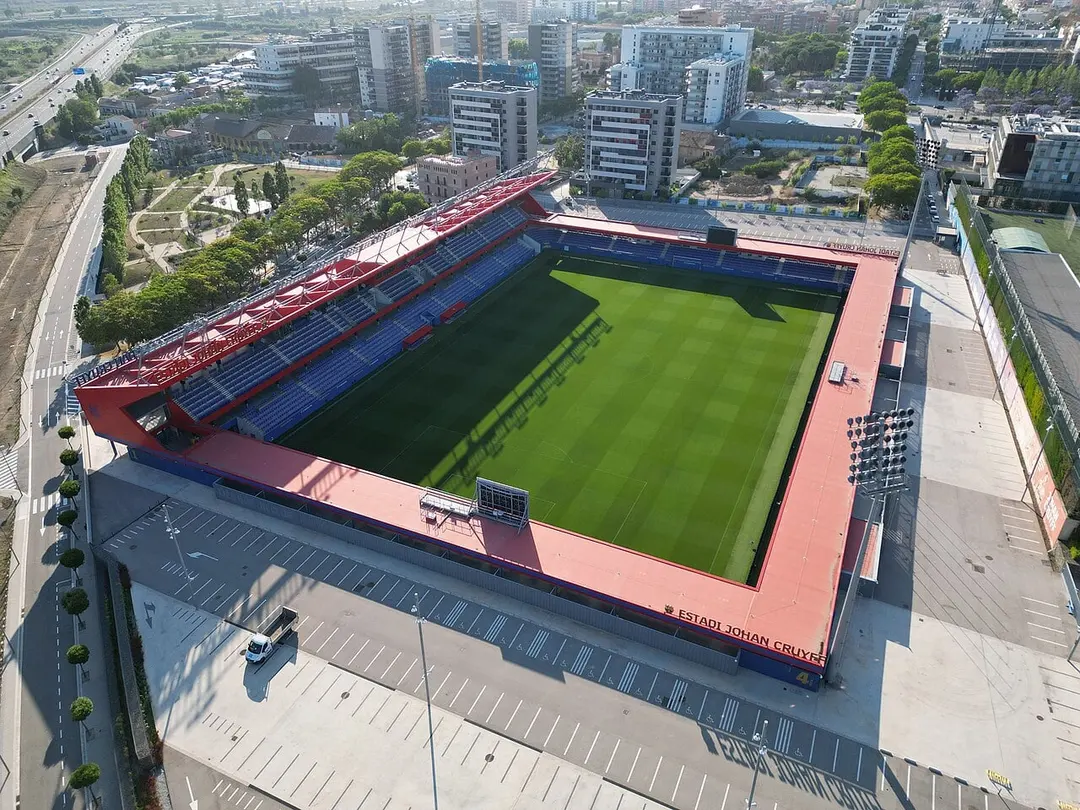
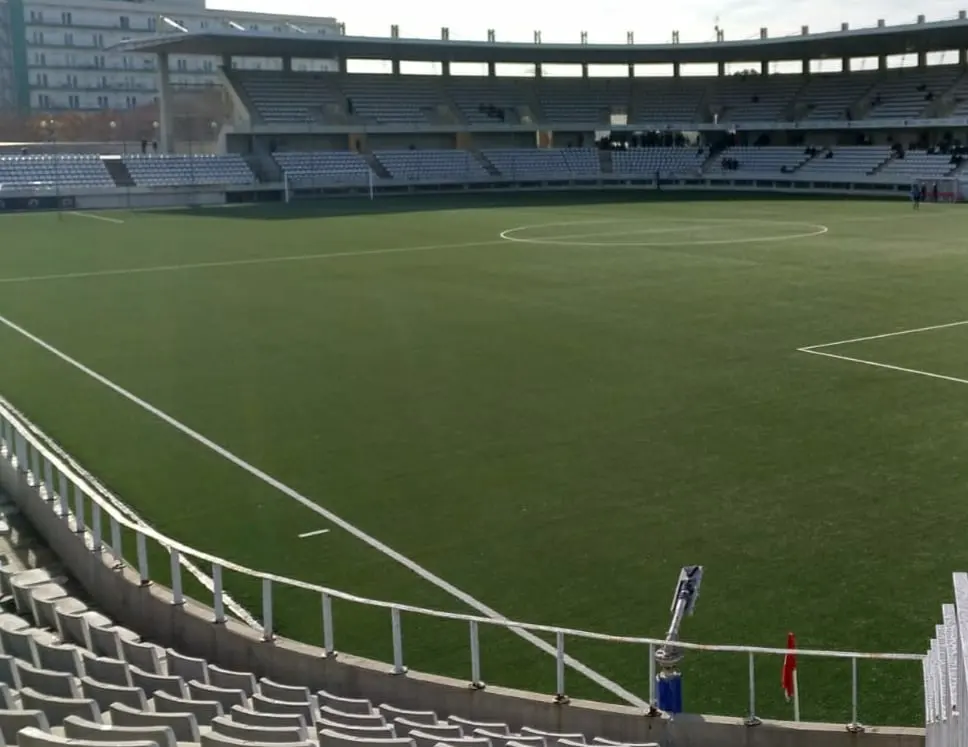
    Estadi Johan Cruyff sits in Sant Joan Despí, a suburb of Barcelona, on FC Barcelona's Ciutat Esportiva Joan Gamper training ground. Opened in 2017, the stadium was named in honour of Dutch football legend Johan Cruyff — the decision was made in late March 2017 to mark the first anniversary of his death. The venue serves as the home ground for FC Barcelona's reserve side (Barça Atlètic), their youth academy teams and the women's first team. It is not a tourist stadium in the traditional sense, but for fans who want to get closer to the day-to-day life of one of the world's biggest clubs, it offers an authentic alternative to a sold-out Camp Nou — including the chance to watch young talents in an intimate, atmospheric arena.

  • FC Barcelona Museum

    FC Barcelona Museum

    Barcelona

    cultureoutdoor activitiesknowledge

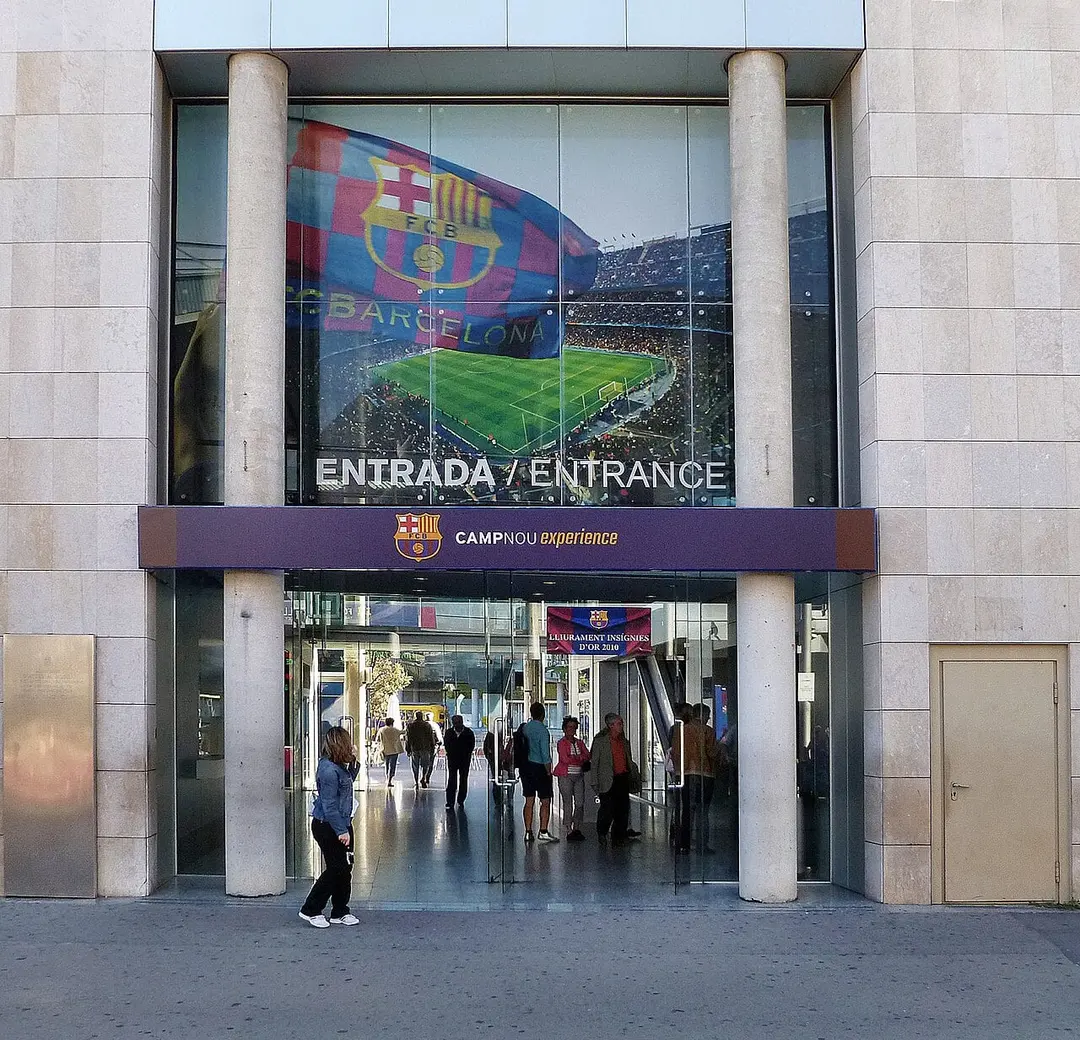
    The FC Barcelona Museum at Camp Nou is one of Spain's most visited museums and Europe's most popular sports museum. Opened in 1984, it documents the full history of the club from its founding in 1899 to the present day — from early Catalan championships to Champions League triumphs and world titles. Its centerpiece is the vast collection of trophies and awards won by all of the club's sections, including football, basketball, and handball. Interactive areas let visitors immerse themselves in club history, while stadium tours open up the legendary pitch and stands. The museum is part of the Barça Experience complex and is a must-see for families and football fans from around the world.

  • Font de Canaletes

    Font de Canaletes

    Barcelona

    architecturemystery

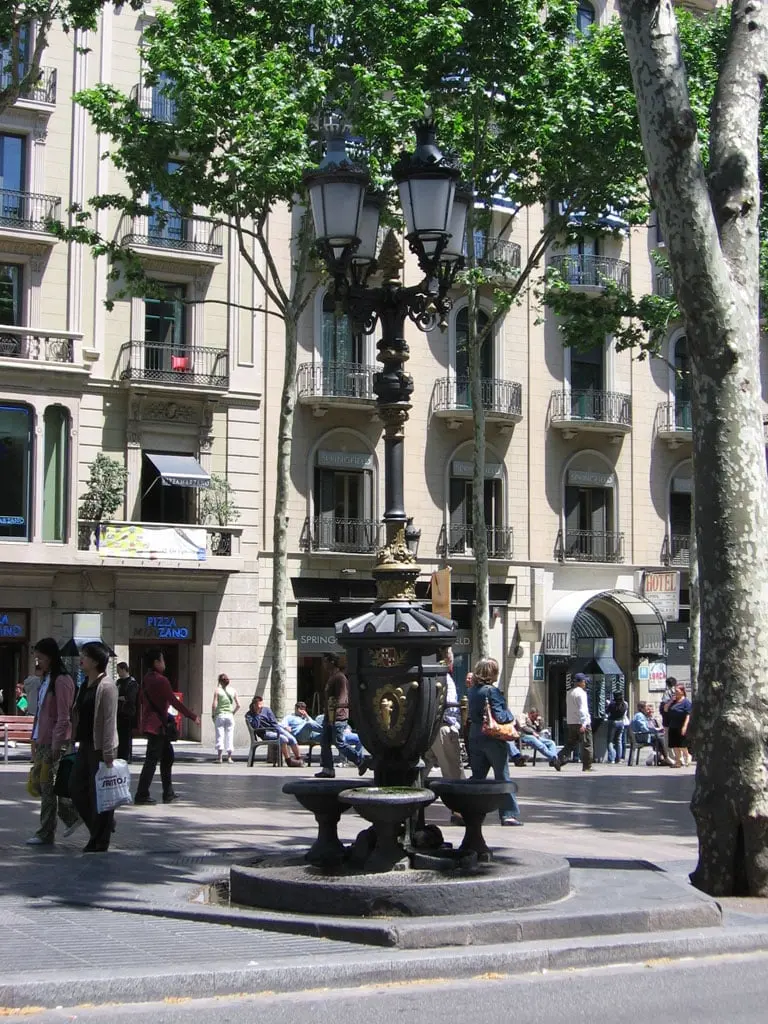
    Standing at the top of La Rambla near Plaça de Catalunya, the Font de Canaletes is a modest cast-iron fountain with four taps and a lamp on top, inaugurated in 1860. It takes its name from the Canaletes, medieval water conduits that once ran along the northern city wall of Barcelona. For centuries the fountain''s water was considered especially pure, and an old legend holds that anyone who drinks from it is bound to return to Barcelona. In the 20th century this legend became intertwined with FC Barcelona. Since the 1930s, Culés — Barça supporters — have gathered here after victories to celebrate, sing, and drink together. The fountain has become far more than a piece of Victorian street furniture: it is a living symbol of Barcelona''s collective identity and the city''s deep bond with its football club.

  • Gran Teatre del Liceu

    Gran Teatre del Liceu

    Barcelona

    culture

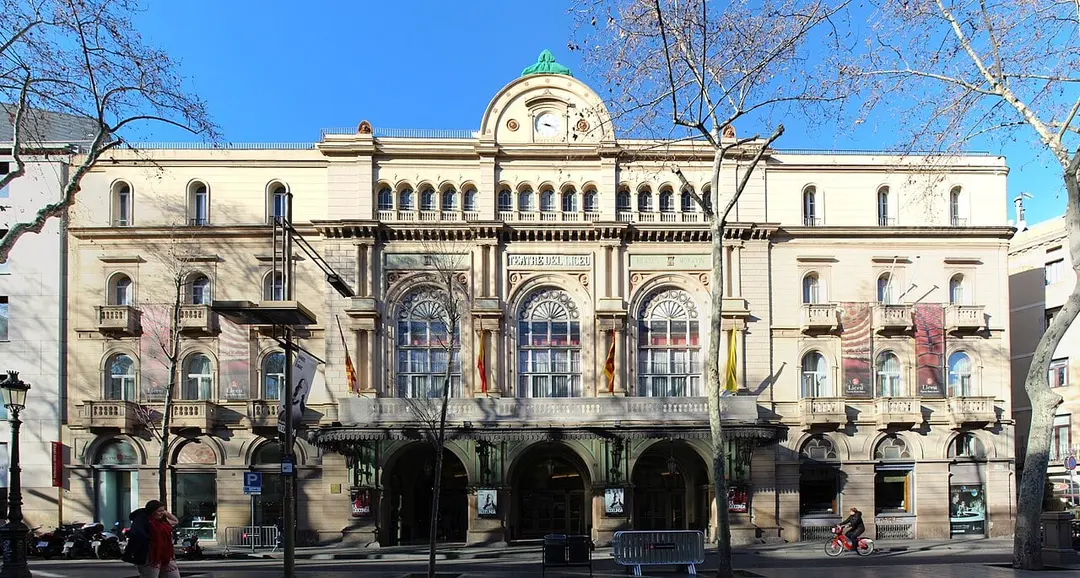
    The Gran Teatre del Liceu is Barcelona's largest and most prestigious opera house and one of the most important in Europe. It sits directly on the famous Ramblas in the heart of the Catalan capital. The house opened in 1847 and has since lived through a turbulent history — surviving fires, bombings and political upheavals. A devastating fire in 1994 destroyed nearly the entire auditorium; the faithful reconstruction was completed in 1999. Today the Liceu offers around 2,300 seats and one of the finest opera programmes on the Iberian Peninsula, from Verdi and Wagner to contemporary world premieres. A guided tour of the magnificent historic building is well worth the time even without a performance.

  • La Pedrera - Casa Milà

    La Pedrera - Casa Milà

    Barcelona

    architectureculturegreat views

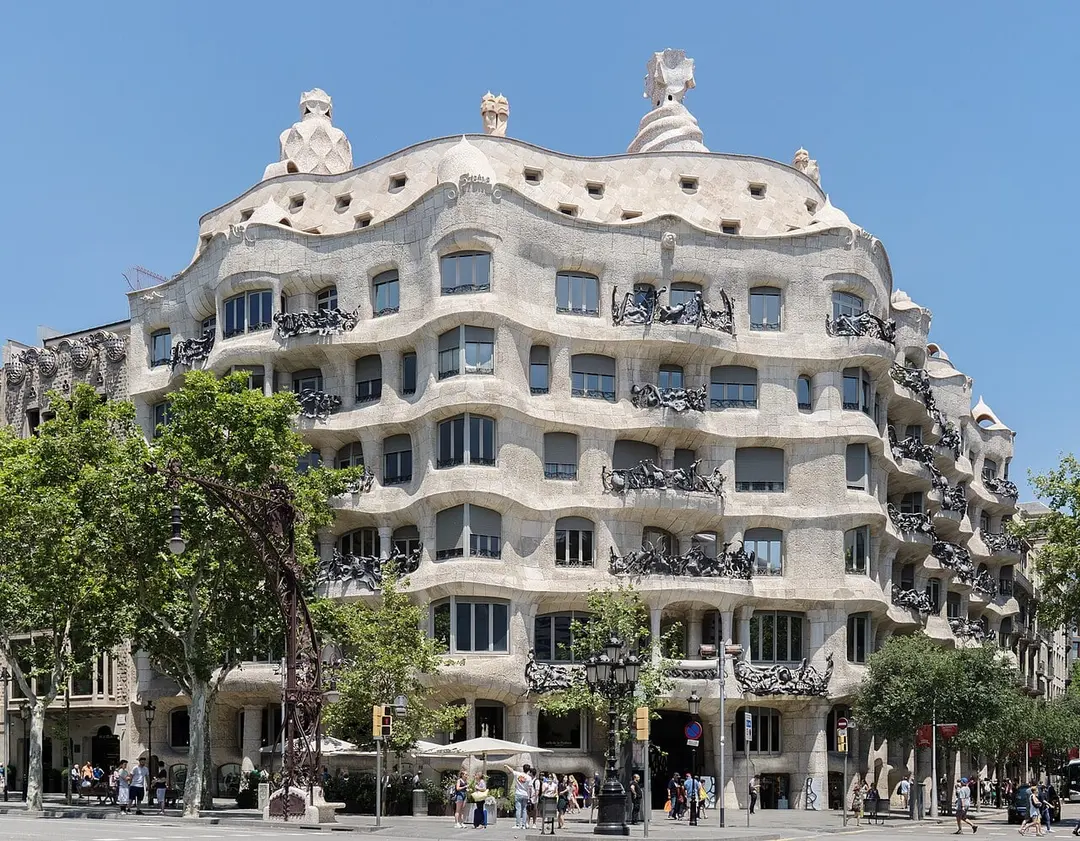
    Casa Milà, affectionately nicknamed "La Pedrera" (the quarry) by the people of Barcelona, is the last major residential building designed by Antoni Gaudí. Built between 1906 and 1912 for the Milà family at the corner of Passeig de Gràcia and Carrer de Provença, the building broke radically with every convention of its time. The undulating stone facade without a single straight element, the wrought-iron balconies that seem to grow organically from the building, and above all the surreal rooftop terrace with its spiral chimneys and warrior-helmet ventilation towers made La Pedrera one of the boldest buildings of the 20th century. Inside, the attic floor with its parabolic brick vaults showcases Gaudí's structural ingenuity. Since 1984 the building has been a UNESCO World Heritage Site. The rooftop is accessible to visitors and offers one of Barcelona's most extraordinary panoramic views.

  • Llotja de Mar

    Llotja de Mar

    Barcelona

    architecturehistory

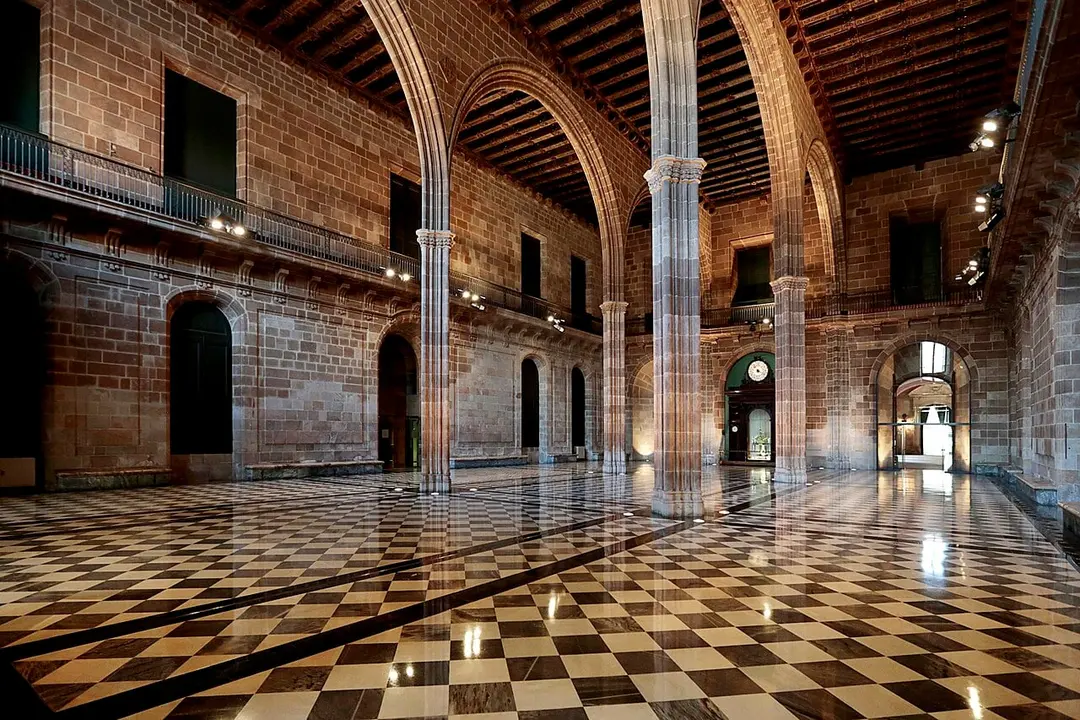
    The Llotja de Mar on Passeig d'Isabel II in Barcelona's La Ribera neighbourhood is one of the most significant civil Gothic buildings in the Mediterranean. Its Gothic core – the magnificent Saló de Contractacions – dates from around 1400 and served as a medieval commercial exchange for Mediterranean merchants. The exterior was remodelled in the 18th century in neoclassical style, creating a rare architectural layering of two eras. The Llotja is also notable as a former art school – Pablo Picasso studied here as a young man. The building now houses the Barcelona Chamber of Commerce.

  • Nova Creu Alta

    Nova Creu Alta

    Barcelona

    outdoor activities

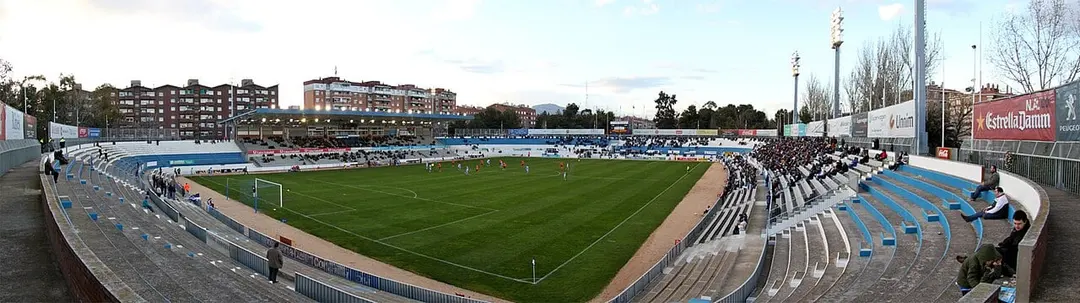
    The Estadi Municipal de la Nova Creu Alta is the home ground of CE Sabadell in the industrial city of the same name north of Barcelona. Opened in 1967 and with a capacity of nearly 12,000, the stadium gained a moment of international attention when it hosted group-stage football matches during the 1992 Barcelona Olympics. CE Sabadell is one of the historically significant clubs in Catalan football, with several top-flight seasons to its name. For fans of football culture beyond big-budget clubs and overcrowded tourist stadiums, the Nova Creu Alta offers an honest, atmospheric experience.

  • Santa Maria del Mar

    Santa Maria del Mar

    Barcelona

    architecture

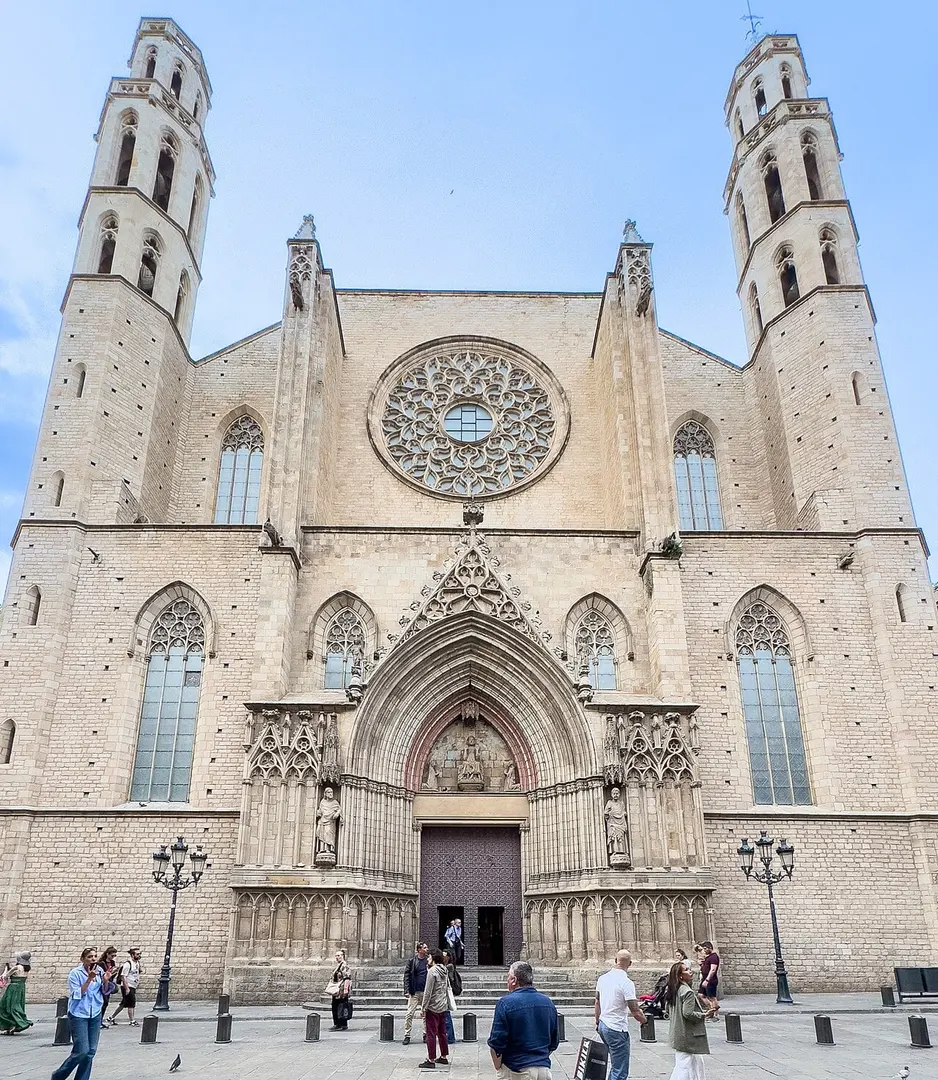
    Santa Maria del Mar is widely regarded as the finest Gothic church in Barcelona and one of the purest examples of Catalan Gothic architecture in existence. Built between 1329 and 1383 in the merchants' quarter of La Ribera, it reflects the era when Barcelona commanded trade across the western Mediterranean. Unusually for a medieval building of this scale, the entire church was completed in just 54 years — giving it a stylistic coherence rarely found in great cathedrals. The three nearly equal-width naves, slender octagonal pillars, and large stained-glass windows create a sense of soaring lightness. The church gained a global audience through Ildefonso Falcones's novel "Cathedral of the Sea." Today it stands at the heart of the vibrant El Born neighbourhood, as alive as ever.

  • Temple of Augustus Barcelona

    Temple of Augustus Barcelona

    Barcelona

    architecturehistoryknowledge+1

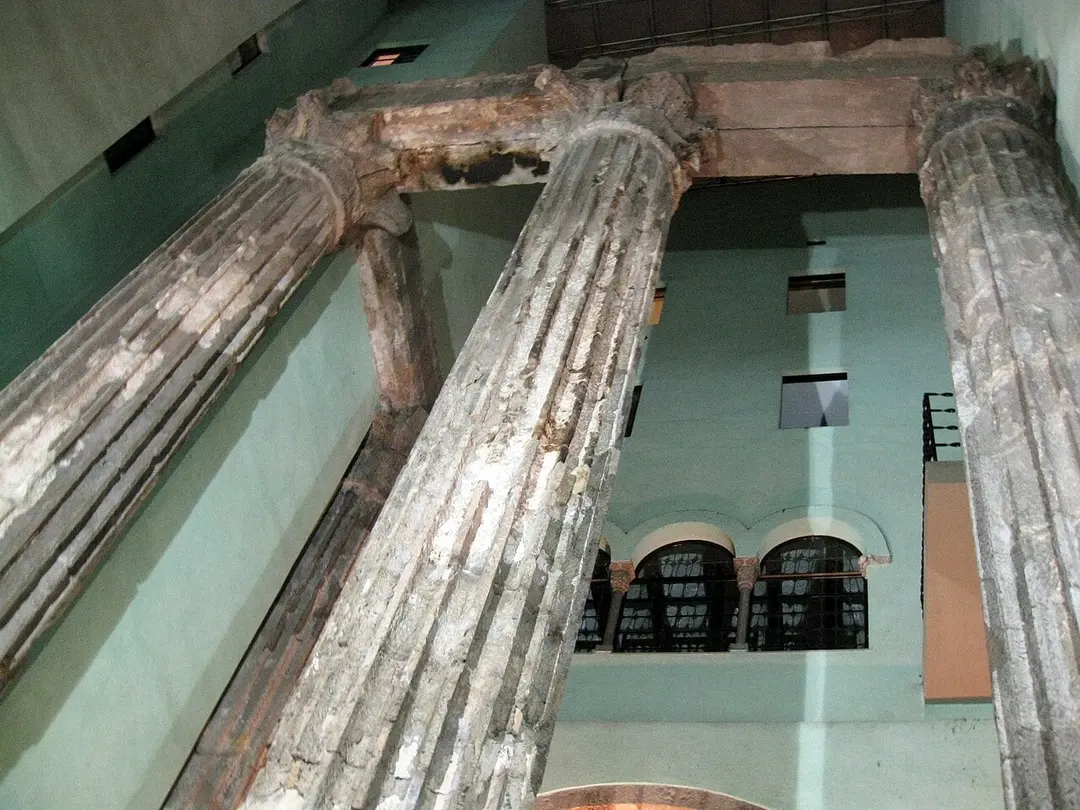
    The Temple of Augustus in Barcelona is the most impressive surviving remnant of the Roman colony of Barcino. Four intact Corinthian columns dating from the 1st century BCE stood on the highest point of Mont Taber at the centre of the ancient city, probably dedicated to Emperor Augustus. Hidden inside the courtyard of the Centre Excursionista de Catalunya in the Gothic Quarter, the columns are only accessible through an inconspicuous doorway.

  • The Kiss of Death

    The Kiss of Death

    Barcelona

    architectureculturemystery

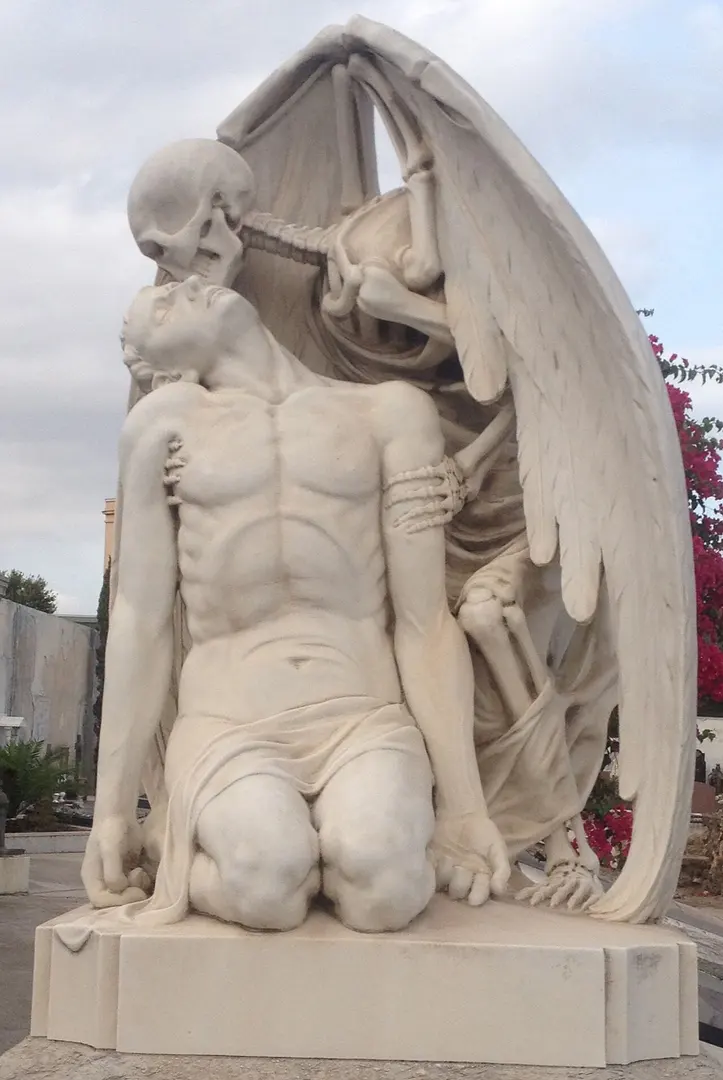
    "El petó de la mort" – "The Kiss of Death" – is the most celebrated sculpture in the Cementiri del Poblenou, one of Barcelona's oldest cemeteries. The marble relief depicts a winged angel of death pressing a final kiss to a young man's forehead. Created in 1930 by sculptor Jaume Barba, commissioned by the family of the young Josep Llaudet i Soler who died early, the work fuses Catalan symbolism with the aesthetic sensibility of the early 20th century. Today the sculpture draws pilgrims of art and cemetery enthusiasts from around the world, and is considered one of the most striking funerary monuments in Europe.

  • Tibidabo

    Tibidabo

    Barcelona

    natureoutdoor activitiesgreat views

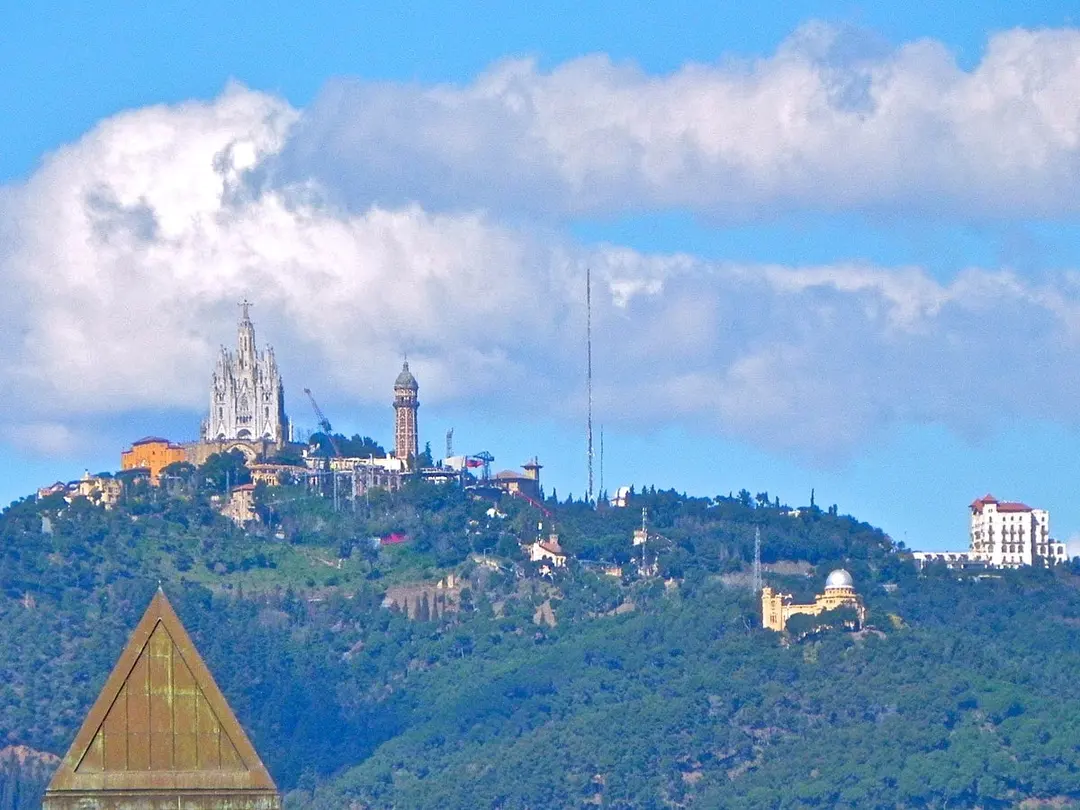
    Tibidabo, at 512 metres, is the highest peak of the Serra de Collserola, the mountain range that frames Barcelona to the northwest. From the summit, one of the most spectacular panoramas of the Catalan capital opens up: on a clear day the view stretches across the entire city to the Mediterranean Sea and the islands beyond. Since the late nineteenth century Tibidabo has been a popular excursion destination — the historic amusement park at the summit, one of the oldest still in operation in the world, attracts families and nostalgia seekers alike. The neo-Gothic church Sagrat Cor crowns the hilltop and is visible from far across the city. The journey up via the historic Avenida del Tibidabo and the old Tramvia Blau tram is already part of the experience.

  • Estadi Municipal de l'Hospitalet

    Estadi Municipal de l'Hospitalet

    Barcelona

    outdoor activities

    The Estadi Municipal de Futbol de L'Hospitalet is located in the Feixa Llarga district of L'Hospitalet de Llobregat, a densely built city immediately southwest of Barcelona. The stadium holds around 6,700 spectators and serves as the home ground of CE L'Hospitalet. Opened in 1999, it sits about 700 metres from the Hospital de Bellvitge metro stop. L'Hospitalet is Catalonia's second-largest city but largely unknown to tourists – the stadium is the kind of place only locals and away supporters tend to visit.

Keep exploring

These places are just the beginning.

Rate places with a swipe — TravelType learns from your tags what you love and curates your own map. Private until you choose to share.

Create your profile