TravelType

knowledge

Knowledge & learning in Barcelona

Barcelona, the capital of Catalonia, offers many entry points into history and knowledge. The Biblioteca de Catalunya holds extensive collections central to Catalan cultural heritage, while the Temple of Augustus, standing in the heart of the old city, reflects its Roman origins. The Casa Museu Gaudí, within Park Güell, provides insight into the architect's life and working world. The prehistoric rock shelter Abric Romaní, in the broader region, extends the city's historical reach into deep antiquity. The FC Barcelona Museum documents the club's sporting history, and sites such as Montjuïc Castle and Casa Calvet add further layers to Barcelona's rich intellectual and architectural story.

9 places · Barcelona, Spain · Editorially curated

  • Abric Romaní

    Abric Romaní

    Barcelona

    culturehistorylocal gems

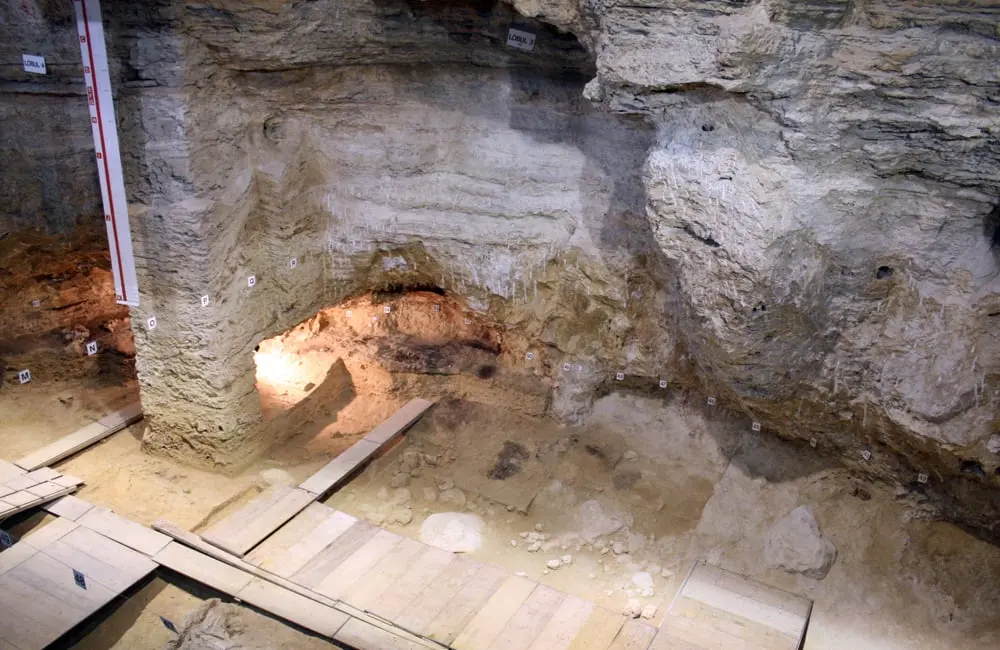
    Abric Romaní is one of Europe's most significant Neanderthal sites, located in Capellades about 50km from Barcelona. Dating from 70,000 to 39,000 years ago, Neanderthals sheltered under this rock overhang above the Noya river for millennia. Uniquely, organic materials — including worked wood — survived, providing rare evidence of Neanderthal woodworking found almost nowhere else in the world. Discovered in 1909 by Amador Romaní. The youngest layer contains Aurignacian artefacts marking the arrival of anatomically modern humans around 39,000 BP.
  • Biblioteca de Catalunya

    Biblioteca de Catalunya

    Barcelona

    architectureculturehistory

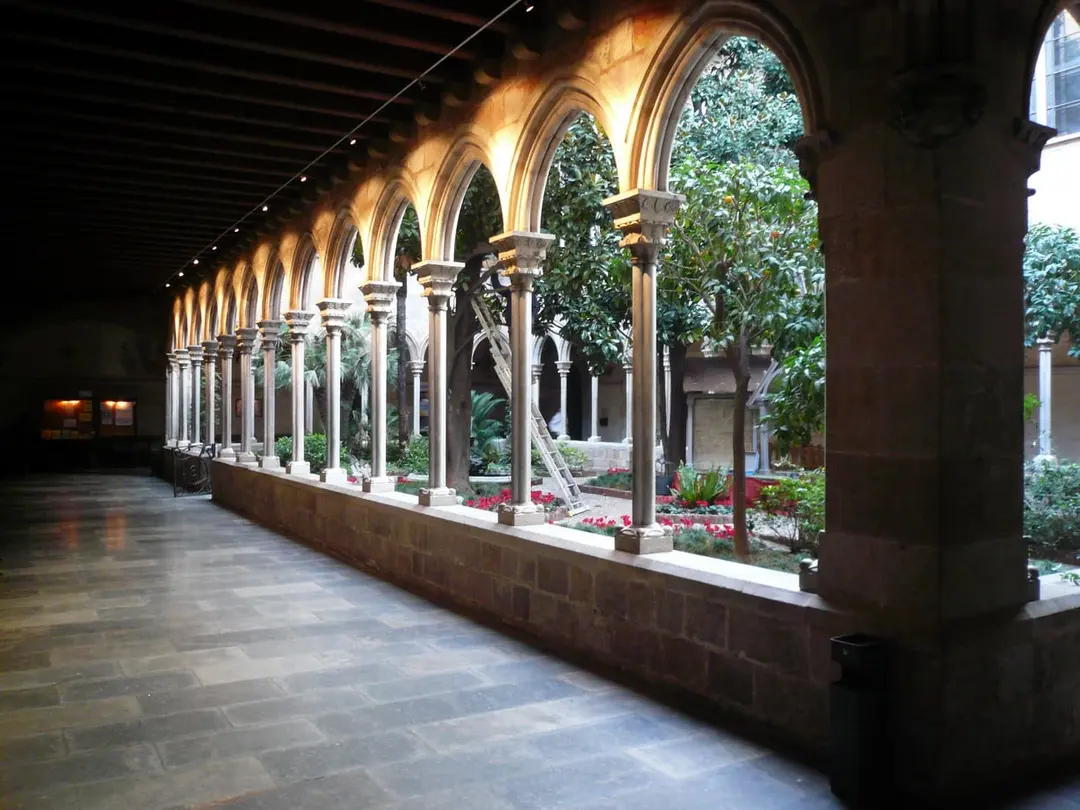
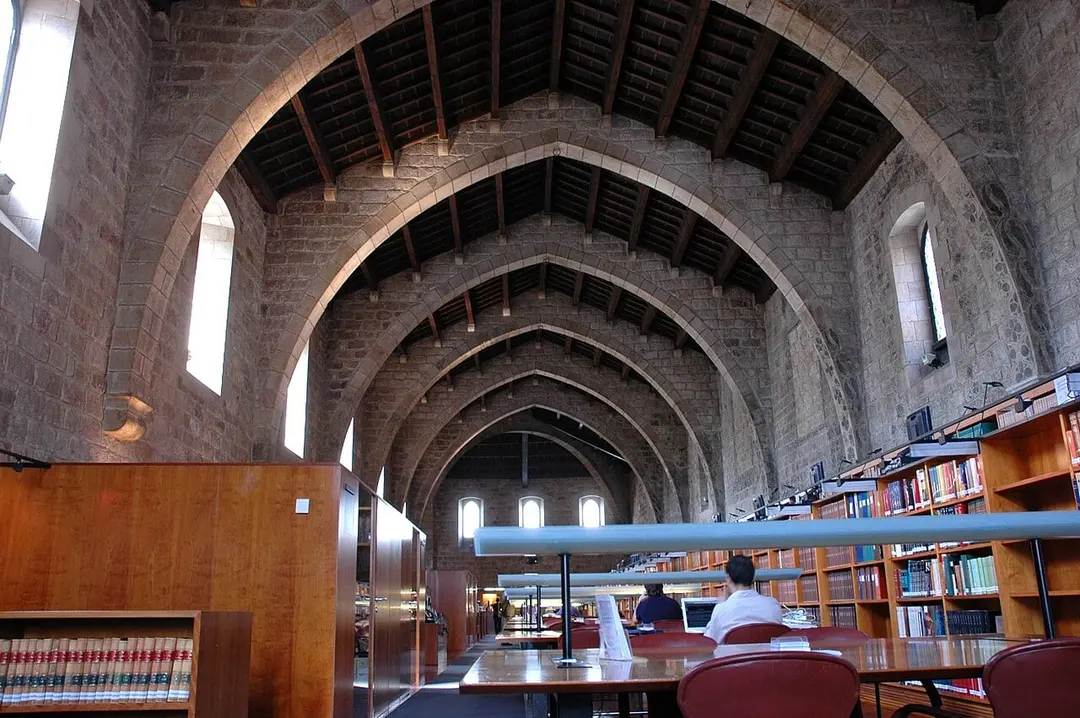
    The Biblioteca de Catalunya is Catalonia's national library — the institutional memory of one of Europe's oldest living languages. Founded in 1907, it is housed in the former Hospital de la Santa Creu, a 15th-century Gothic complex in the El Raval neighbourhood of Barcelona. The building is as compelling as the collection: stone arcades, a sunlit courtyard, and magnificent reading rooms where scholars and curious visitors work side by side. Holdings run to millions of documents in Catalan — manuscripts, maps, scores, photographs, and printed works spanning centuries of Catalan and Balearic culture. Regular free exhibitions make the library accessible to all, not just researchers.

  • Casa Calvet

    Casa Calvet

    Barcelona

    architecturelocal gems

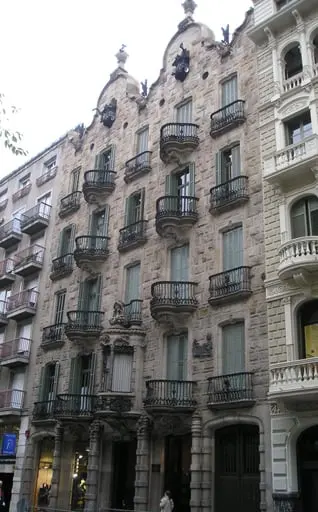
    Casa Calvet is one of Antoni Gaudí's earliest major works in Barcelona, completed in 1898 for textile manufacturer Pedro Mártir Calvet. Located at Carrer de Casp 48 in the Eixample district, it is widely considered Gaudí's most conventional building — with a symmetrical façade, classical proportions and restrained ornamentation compared to his later exuberant style. Yet his signature remains: natural stone detailing, Baroque references linked to the patron's homeland, and characteristically sculpted door handles and bannisters inside. In 1900, the city of Barcelona awarded it the prize for the finest building of the year.

  • Casa Museu Gaudí

    Casa Museu Gaudí

    Barcelona

    architectureculturenature+1

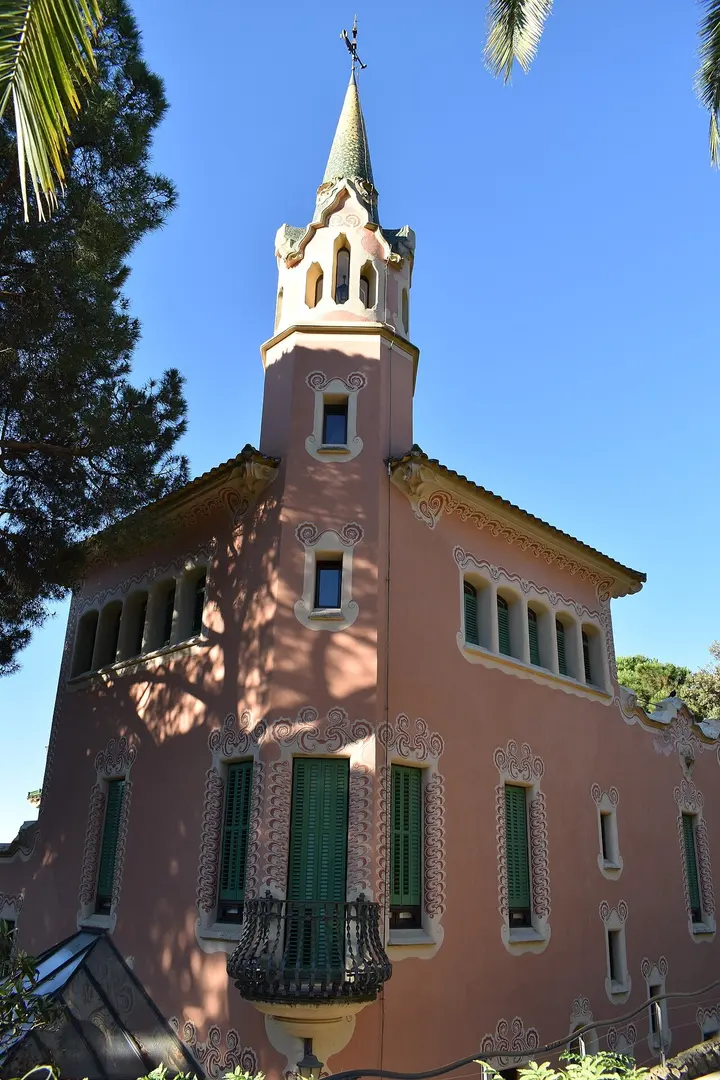
    Tucked inside Park Güell above Barcelona, the Casa Museu Gaudí is the modest pink villa where Antoni Gaudí lived from 1906 until shortly before his death in 1926. Designed by his collaborator Francesc Berenguer, the house today holds Gaudí's personal furniture, sketches, devotional objects, and models of his greatest works. Visiting after seeing the Sagrada Família or Casa Batlló makes the contrast striking: the man behind Barcelona's most extravagant buildings lived with remarkable simplicity. The museum opened in 1963 and remains one of the quietest spots in an otherwise busy park. A visit combines architecture, biography, and a welcome pause from the Park Güell crowds.

  • FC Barcelona Museum

    FC Barcelona Museum

    Barcelona

    cultureoutdoor activitieslocal gems

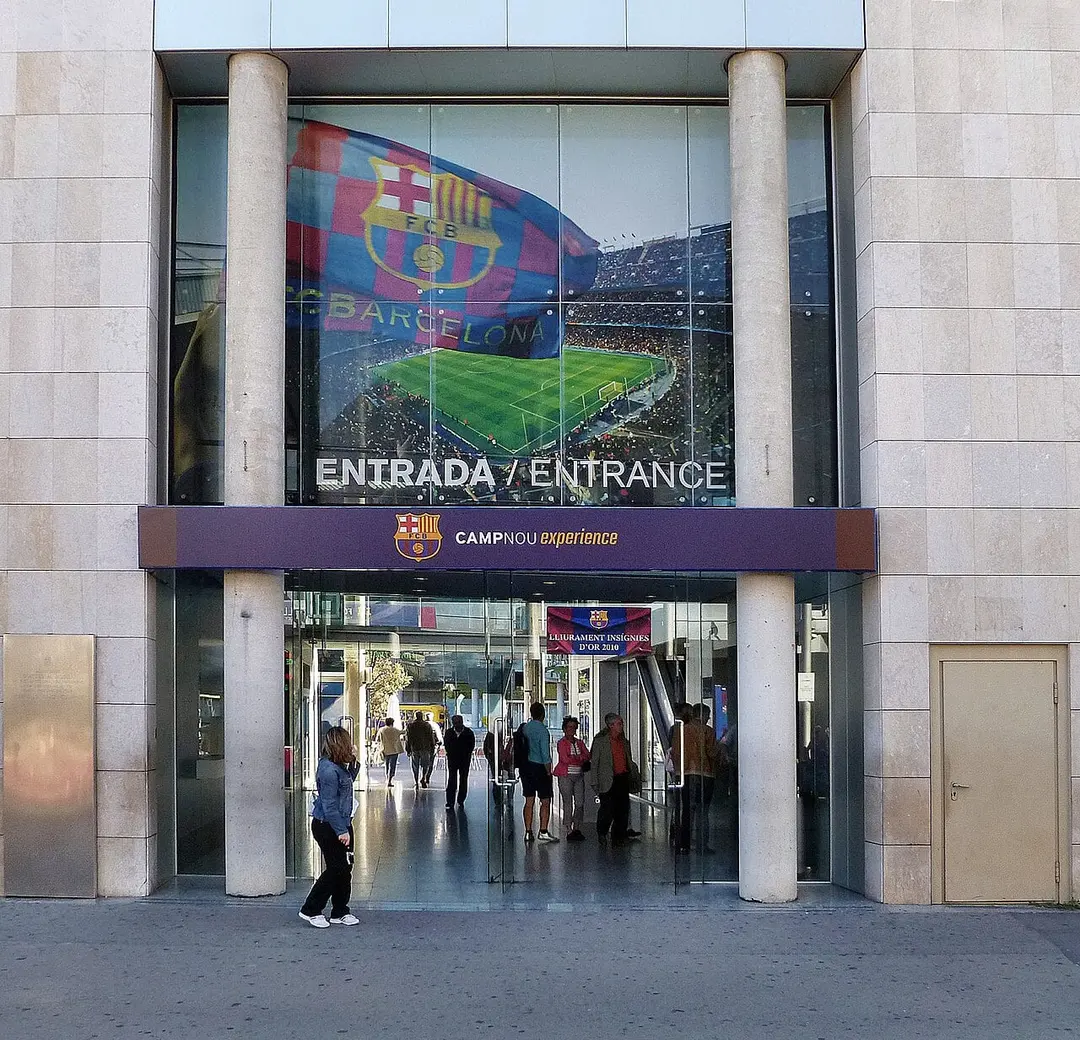
    The FC Barcelona Museum at Camp Nou is one of Spain's most visited museums and Europe's most popular sports museum. Opened in 1984, it documents the full history of the club from its founding in 1899 to the present day — from early Catalan championships to Champions League triumphs and world titles. Its centerpiece is the vast collection of trophies and awards won by all of the club's sections, including football, basketball, and handball. Interactive areas let visitors immerse themselves in club history, while stadium tours open up the legendary pitch and stands. The museum is part of the Barça Experience complex and is a must-see for families and football fans from around the world.

  • Montjuïc Castle

    Montjuïc Castle

    Barcelona

    architectureculture

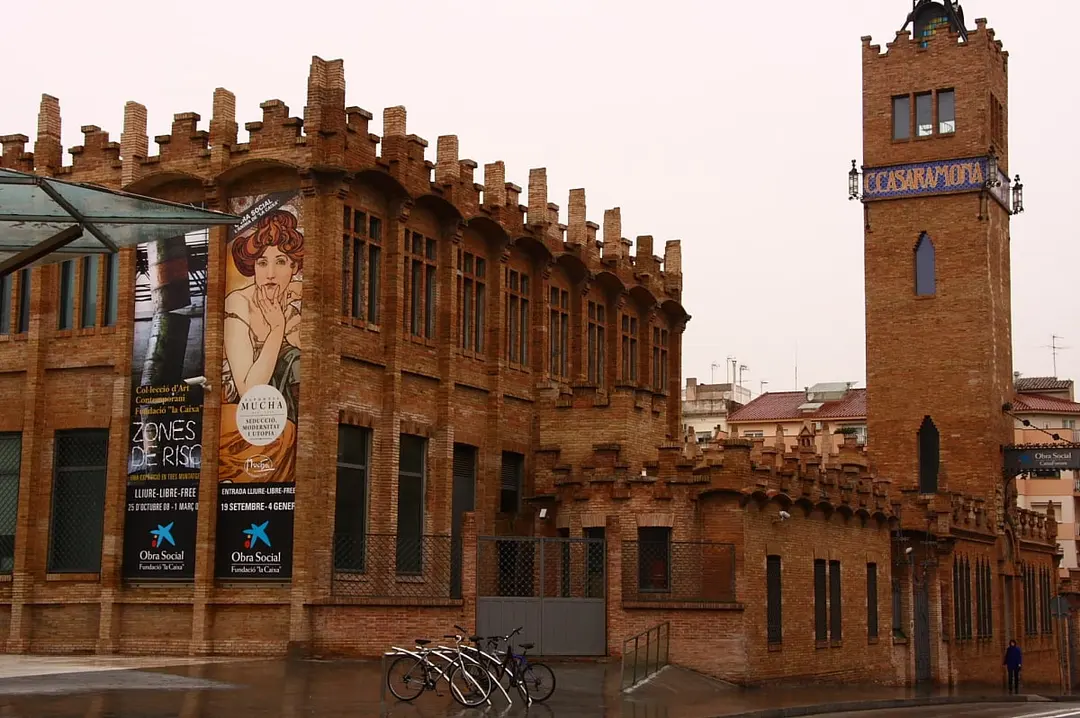
    CaixaForum Barcelona blends art, music and civic debate inside walls that once hummed with machinery. The former Modernisme textile factory Fàbrica Casaramona, designed by architect Josep Puig i Cadafalch around 1910, was already celebrated as an architectural gem when it operated. After decades of disuse, Japanese architect Arata Isozaki brought it back to life in 2002, adding a floating steel entrance canopy that bridges historic brick and contemporary gallery spaces. Today the Fundació "la Caixa" fills it with rotating exhibitions of contemporary art, concerts, film screenings and workshops — all at a refreshingly accessible price.

  • Temple of Augustus Barcelona

    Temple of Augustus Barcelona

    Barcelona

    architecturehistorylocal gems+1

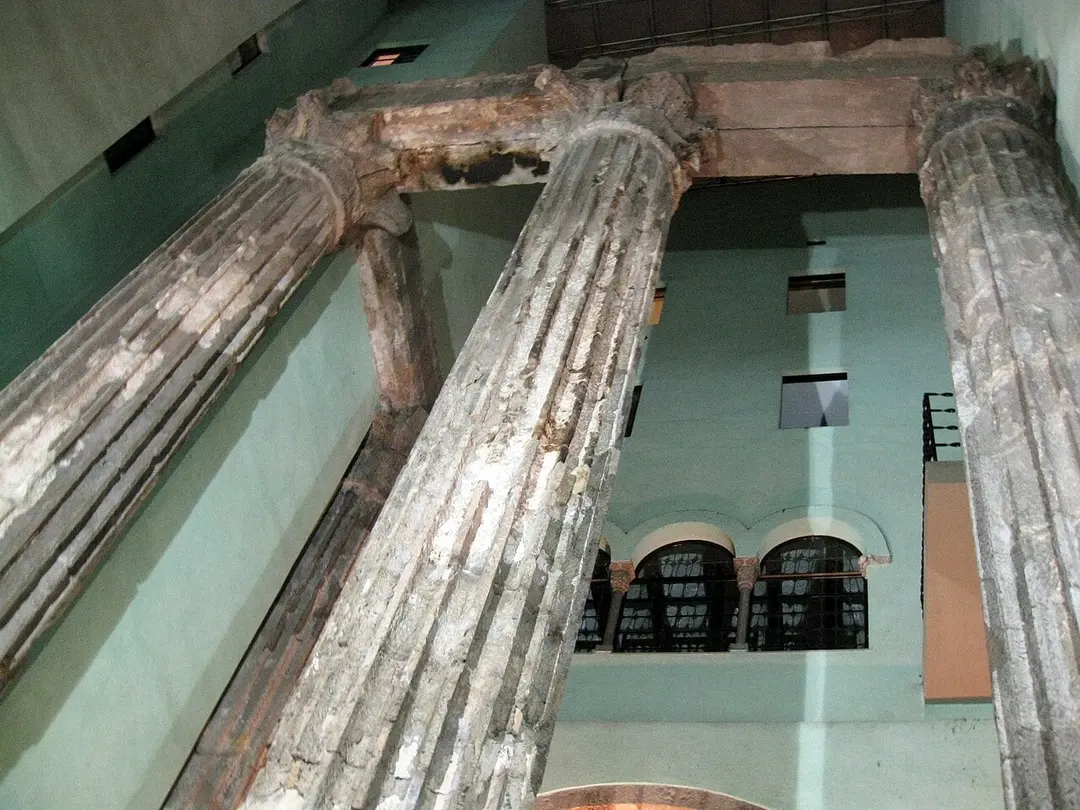
    The Temple of Augustus in Barcelona is the most impressive surviving remnant of the Roman colony of Barcino. Four intact Corinthian columns dating from the 1st century BCE stood on the highest point of Mont Taber at the centre of the ancient city, probably dedicated to Emperor Augustus. Hidden inside the courtyard of the Centre Excursionista de Catalunya in the Gothic Quarter, the columns are only accessible through an inconspicuous doorway.

Keep exploring

These places are just the beginning.

Rate places with a swipe — TravelType learns from your tags what you love and curates your own map. Private until you choose to share.

Create your profile