TravelType

architecture

Architecture in Barcelona

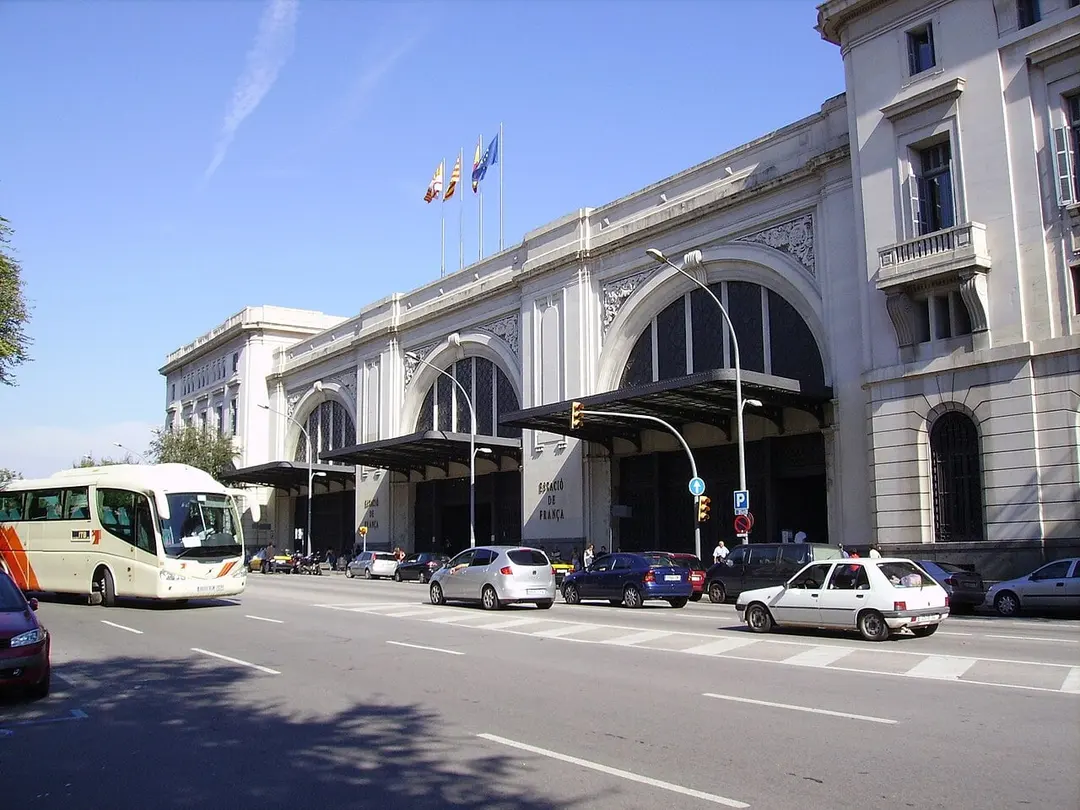
Barcelona's architecture spans centuries and styles. The medieval vaults of the Biblioteca de Catalunya and the Cathedral of Santa Eulalia anchor the city's Gothic heritage, while the Modernisme movement left a remarkable mark in the form of Casa Batlló, Casa Lleó Morera, Amatller House, Casa Calvet, and Casa Vicens — all shaped by the creative energy of that era. Antoni Gaudí's presence is felt across the city, from the Casa Museu Gaudí to the still-evolving Sagrada Família. The iron canopies of the Estació de França, the Capuchin Convent of Sarrià, and the Cathedral of the Holy Spirit in Terrassa further round out this layered architectural landscape.

28 places · Barcelona, Spain · Editorially curated

  • Sagrada Família

    Sagrada Família

    Barcelona

    culture

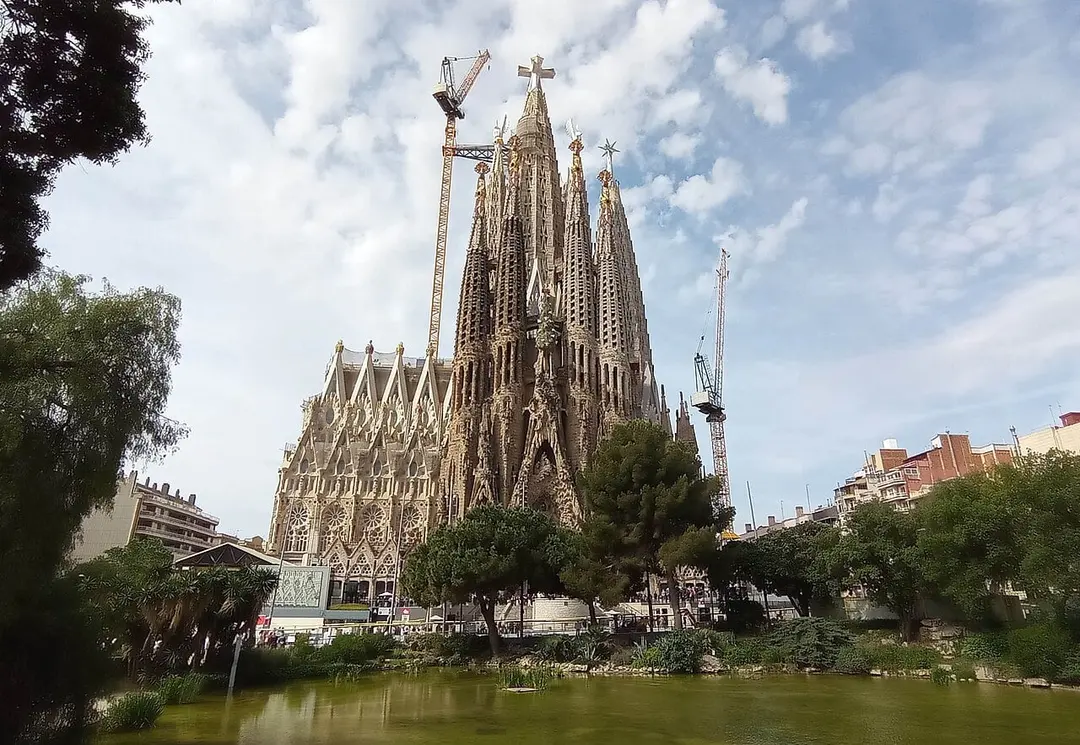
    The Sagrada Família is the undisputed masterpiece of Catalan architect Antoni Gaudí and one of the most recognisable buildings on Earth. Since work on the crypt began in 1882, a basilica has been rising in Barcelona's Eixample district whose organic, nature-inspired forms defy easy categorisation. Gaudí took over as project lead in 1883 and devoted the final decades of his life to it — when he died in 1926, only a fraction was complete. Construction has continued ever since, funded by visitor admissions. The central tower now rises above all historic steeples in Barcelona, and completion is planned for 2035. Consecrated as a basilica since 2010, parts of the site are also UNESCO World Heritage listed.
  • Amatller House

    Amatller House

    Barcelona

    local gems

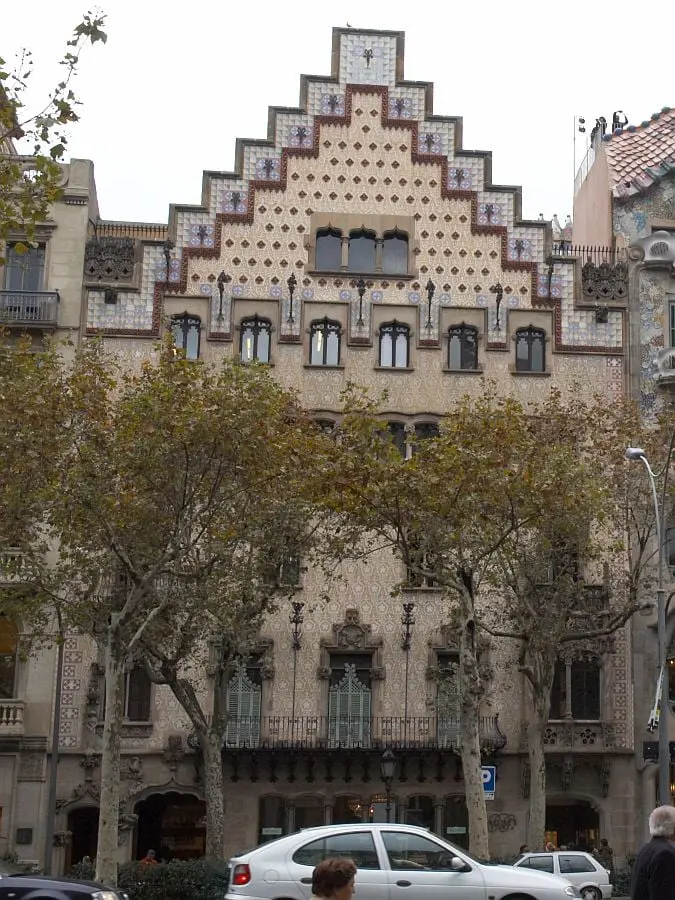
    Casa Amatller on Passeig de Gràcia is one of the masterworks of Catalan Modernisme and, together with Casa Batlló and Casa Lleó Morera, forms the famous "Block of Discord." Originally built in 1875, the building was completely transformed between 1898 and 1900 by architect Josep Puig i Cadafalch on commission from chocolate manufacturer Antoni Amatller. Puig i Cadafalch combined Flemish-inspired Gothic gables with Moorish tilework and sculptural facade elements into a strikingly original whole. The ground floor today houses the Instituto Amatller d'Art Hispànic and a boutique that keeps the family's chocolate history alive.

  • Batlló House

    Batlló House

    Barcelona

    culture

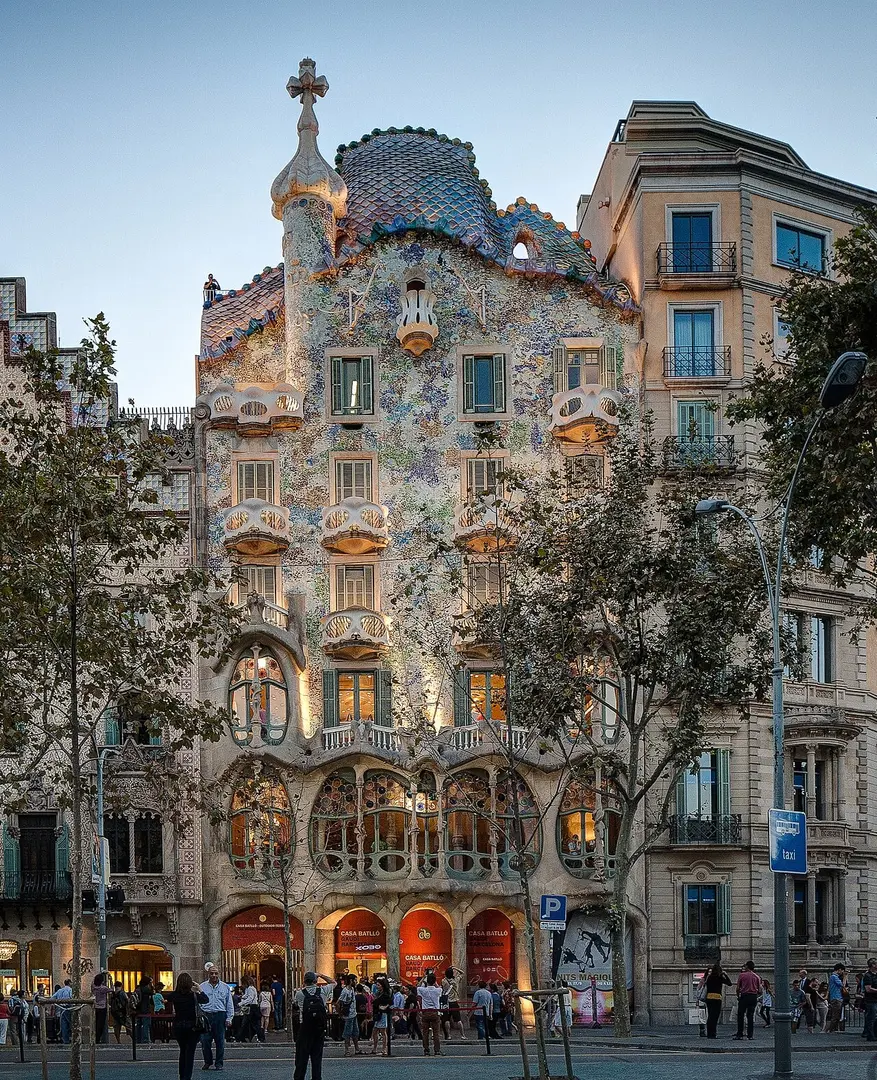
    Casa Batlló on Barcelona's Passeig de Gràcia is one of Antoni Gaudí's most captivating creations and a pinnacle of Catalan Modernisme. Originally built in 1877, industrialist Josep Batlló commissioned Gaudí to completely redesign it between 1904 and 1906. The undulating facade of colorful ceramic shards, the dragon-like roof structure, and the organically flowing interiors brought the building worldwide fame. Since 2005, Casa Batlló has been part of the UNESCO World Heritage site covering Gaudí's works. Today it is one of Barcelona's most visited landmarks.

  • Biblioteca de Catalunya

    Biblioteca de Catalunya

    Barcelona

    culturehistoryknowledge

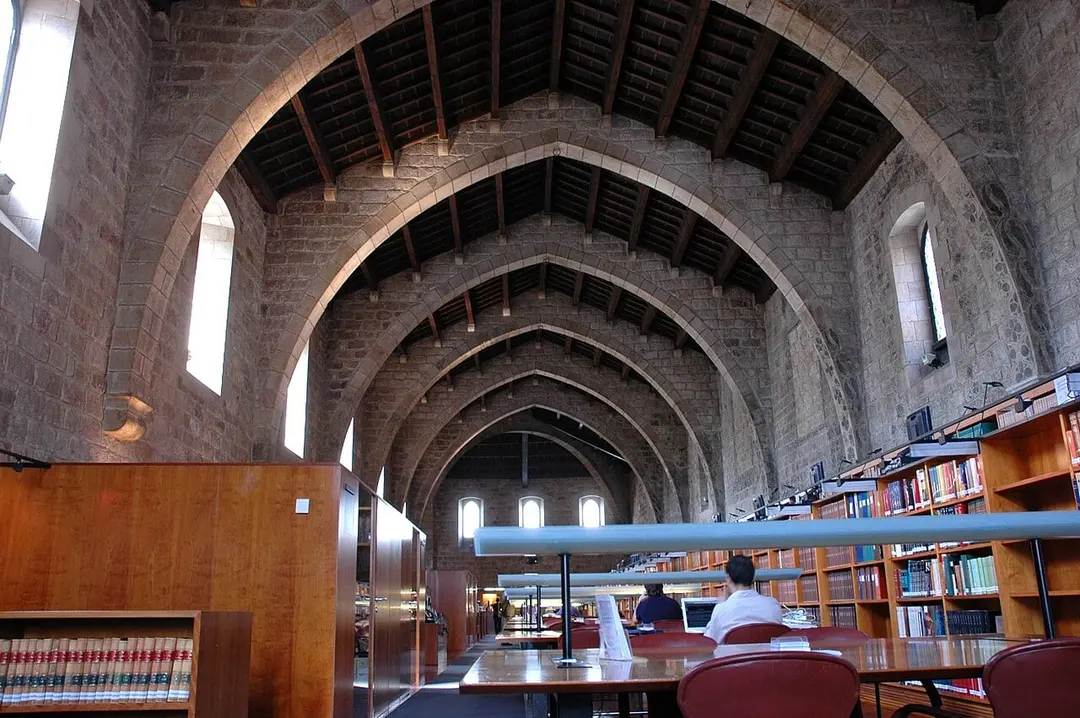
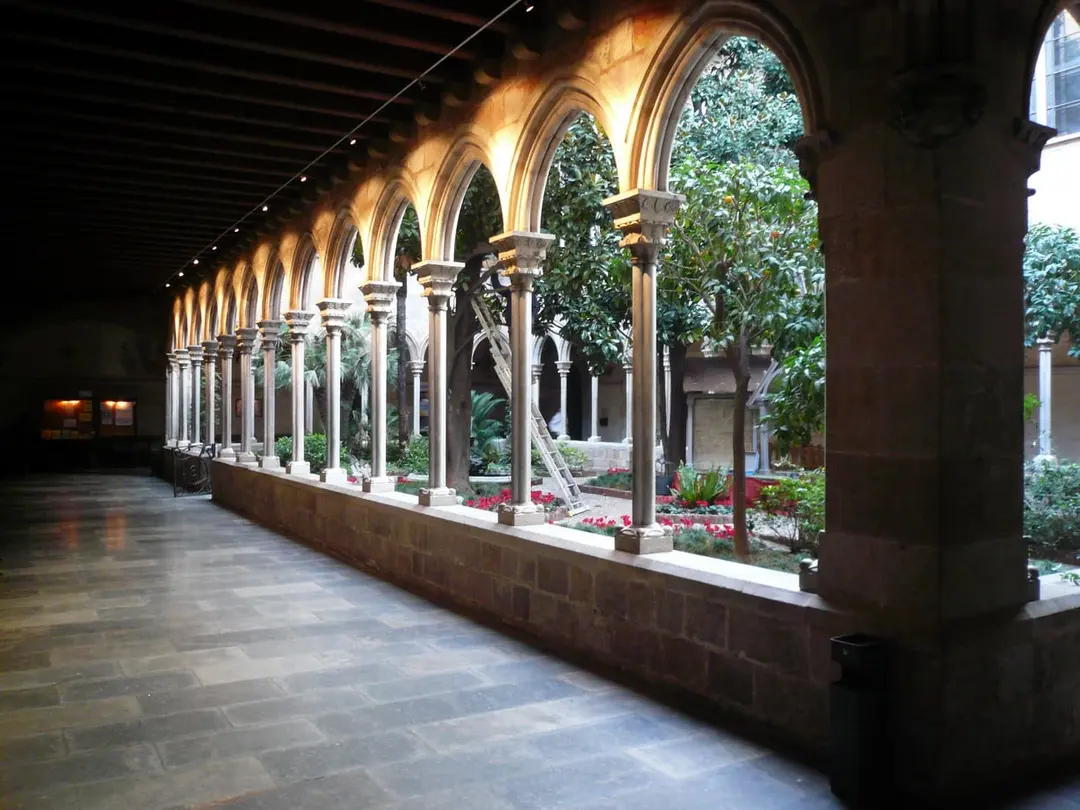
    The Biblioteca de Catalunya is Catalonia's national library — the institutional memory of one of Europe's oldest living languages. Founded in 1907, it is housed in the former Hospital de la Santa Creu, a 15th-century Gothic complex in the El Raval neighbourhood of Barcelona. The building is as compelling as the collection: stone arcades, a sunlit courtyard, and magnificent reading rooms where scholars and curious visitors work side by side. Holdings run to millions of documents in Catalan — manuscripts, maps, scores, photographs, and printed works spanning centuries of Catalan and Balearic culture. Regular free exhibitions make the library accessible to all, not just researchers.

  • Capuchin Convent of Sarrià

    Capuchin Convent of Sarrià

    Barcelona

    history

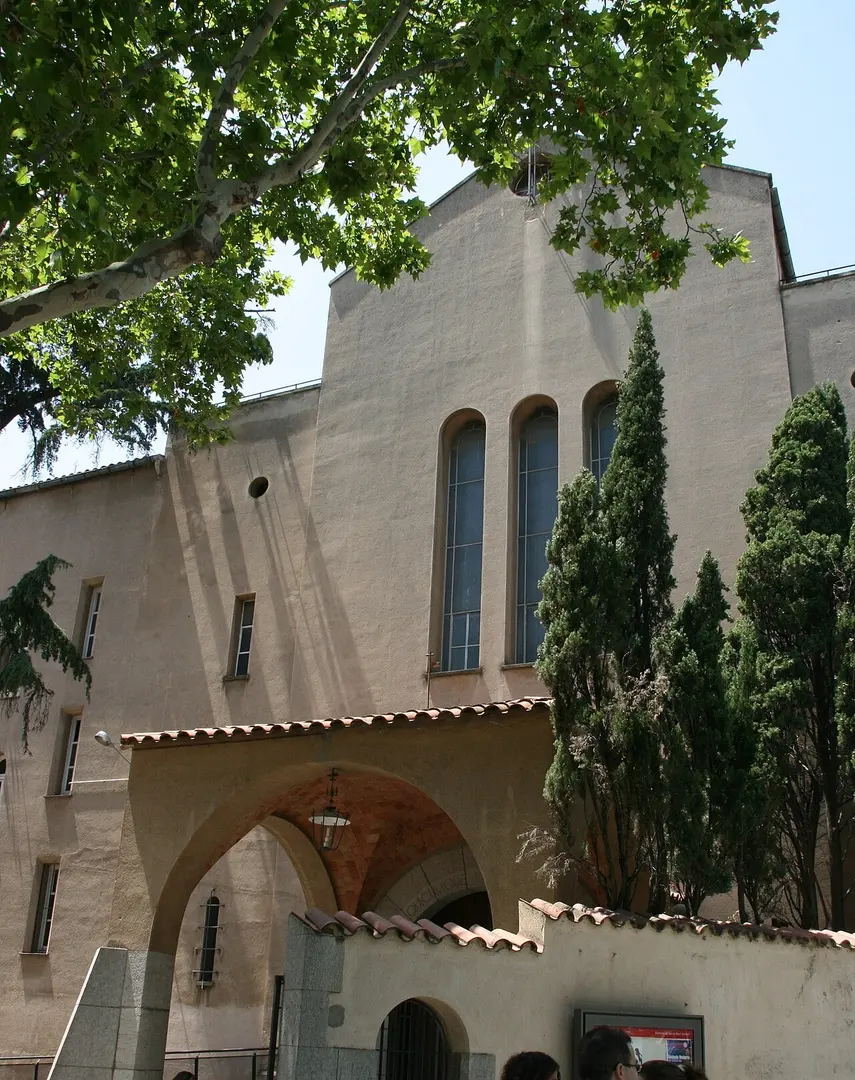
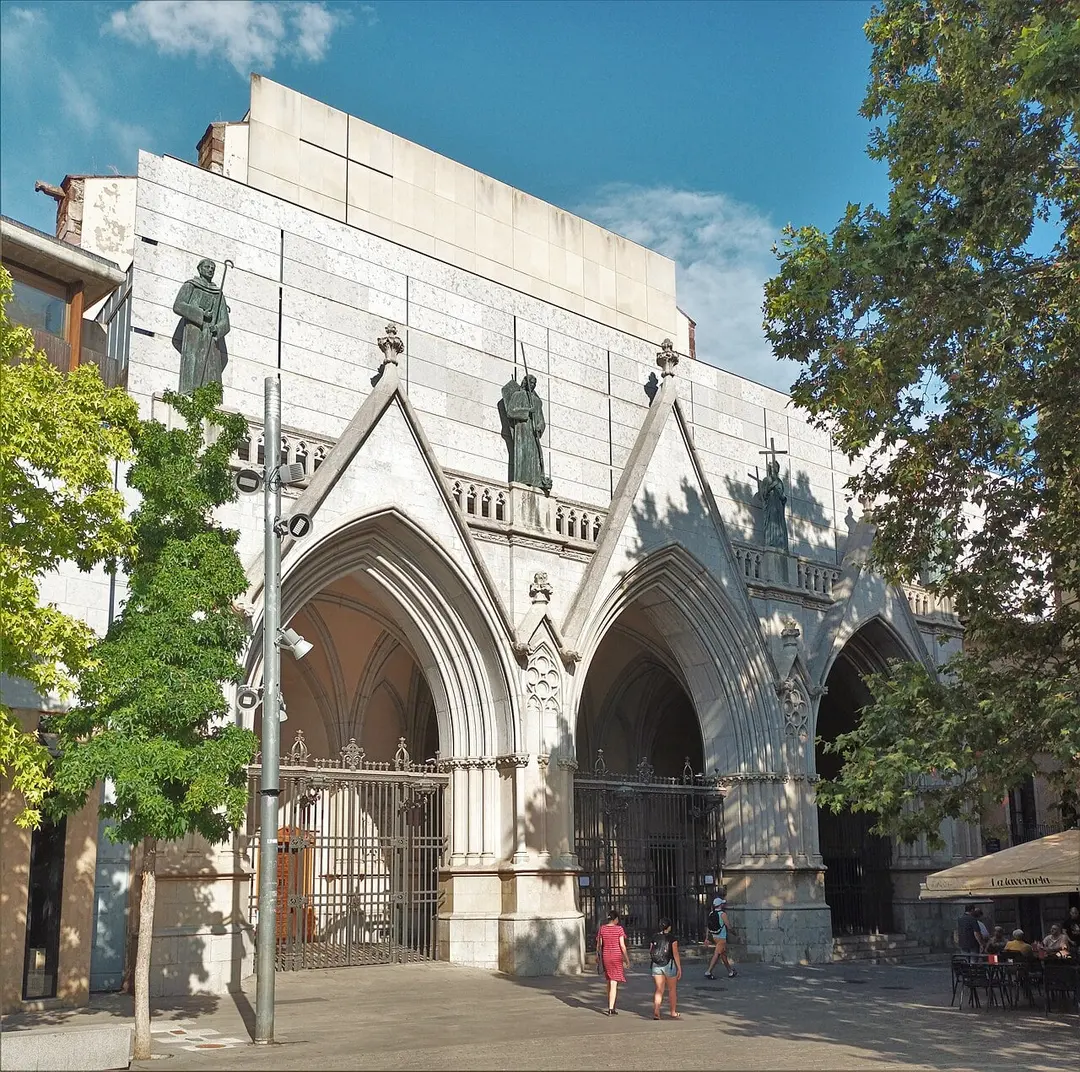
    The Capuchin Convent of Sarrià is one of Barcelona's oldest religious houses. Founded in 1578 in what was then the independent village of Sarrià — at the insistence of the Consell de Cent and in defiance of King Philip II — the convent's very origins reflect the strong civic pride of the Catalan bourgeoisie against the Crown. The Capuchins, a Franciscan mendicant order known for their austere way of life, have maintained a presence here through centuries of political upheaval, secularisations, and wars. Sarrià itself was only incorporated into Barcelona in 1921, leaving the convent today surrounded by one of the city's quietest and greenest neighbourhoods. The site blends religious history with the unhurried village atmosphere that Sarrià has managed to preserve.

  • Casa Calvet

    Casa Calvet

    Barcelona

    local gemsknowledge

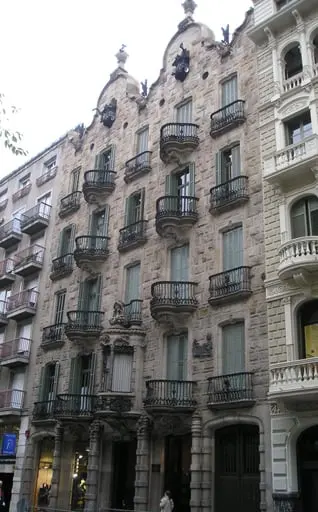
    Casa Calvet is one of Antoni Gaudí's earliest major works in Barcelona, completed in 1898 for textile manufacturer Pedro Mártir Calvet. Located at Carrer de Casp 48 in the Eixample district, it is widely considered Gaudí's most conventional building — with a symmetrical façade, classical proportions and restrained ornamentation compared to his later exuberant style. Yet his signature remains: natural stone detailing, Baroque references linked to the patron's homeland, and characteristically sculpted door handles and bannisters inside. In 1900, the city of Barcelona awarded it the prize for the finest building of the year.

  • Casa Lleó Morera

    Casa Lleó Morera

    Barcelona

    historylocal gems

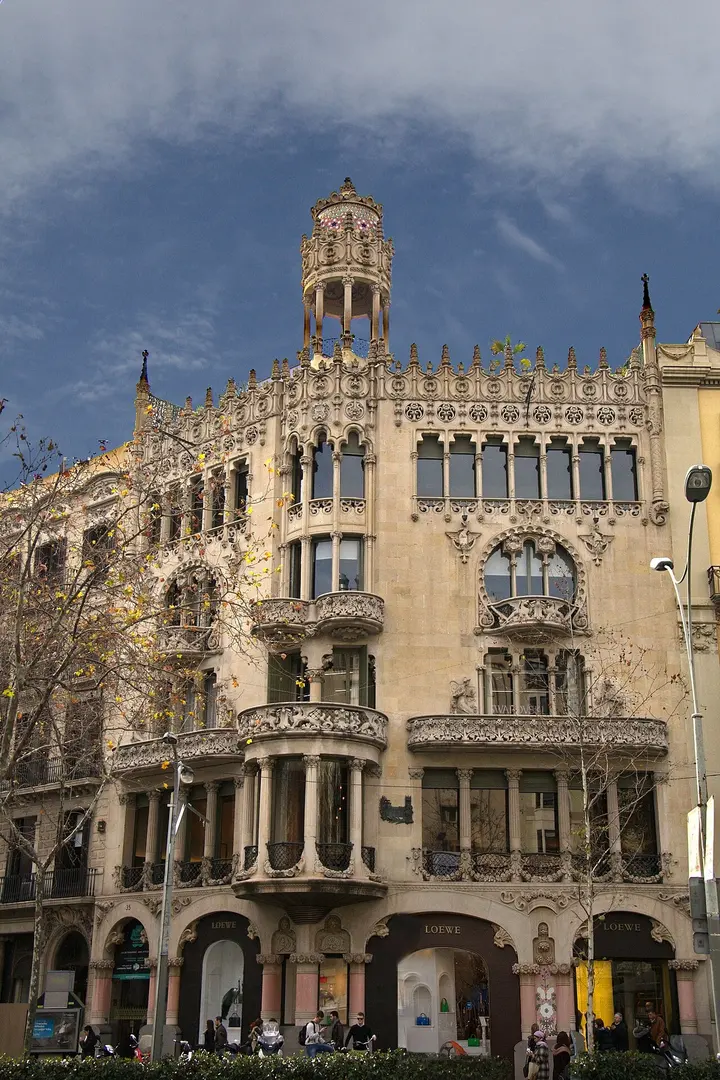
    Casa Lleó Morera at Passeig de Gràcia 35 is one of the masterworks of Catalan Modernisme and the product of a sweeping redesign by architect Lluís Domènech i Montaner. The owner, Francesca Morera i Ortiz, commissioned the transformation of an older building from 1902 in the Art Nouveau style; after her death in 1904, her son Albert Lleó i Morera continued the works to their completion in 1905. The building is part of the celebrated Manzana de la Discordia — the Block of Discord — alongside the Casa Amatller (Puig i Cadafalch) and the Casa Batlló (Gaudí). Domènech i Montaner covered the facade with sweeping ceramic mosaics, floral motifs, animal reliefs, and glazed bay windows of extraordinary delicacy. The building is considered one of his most accomplished works and is today listed as a heritage monument.

  • Casa Museu Gaudí

    Casa Museu Gaudí

    Barcelona

    culturenaturelocal gems+1

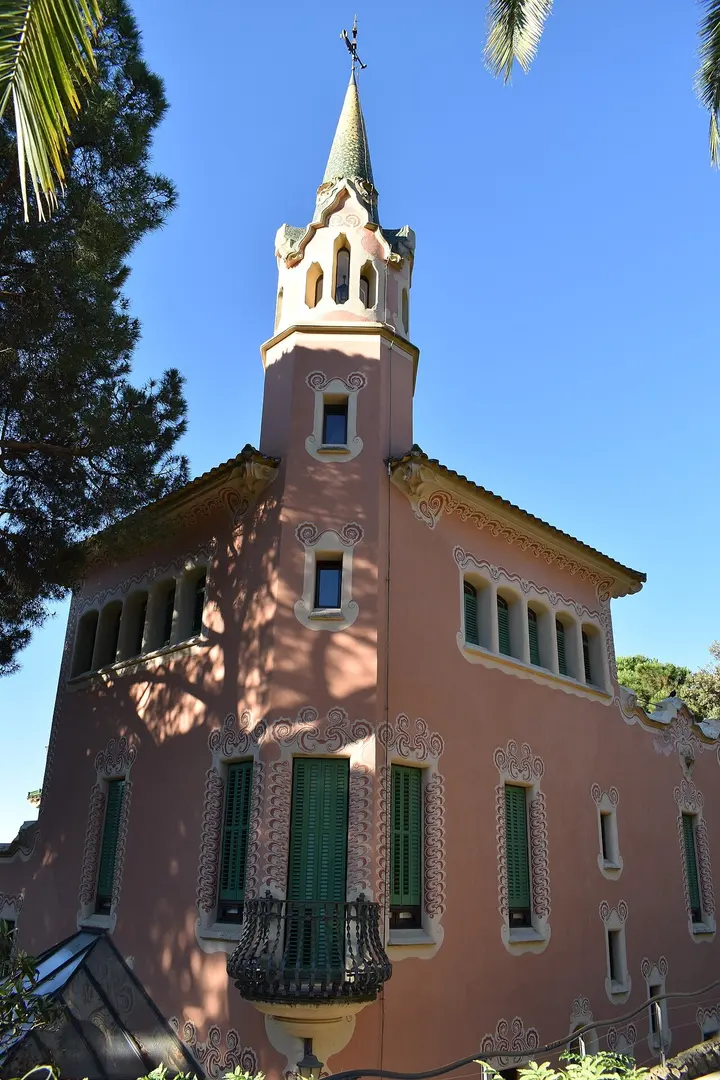
    Tucked inside Park Güell above Barcelona, the Casa Museu Gaudí is the modest pink villa where Antoni Gaudí lived from 1906 until shortly before his death in 1926. Designed by his collaborator Francesc Berenguer, the house today holds Gaudí's personal furniture, sketches, devotional objects, and models of his greatest works. Visiting after seeing the Sagrada Família or Casa Batlló makes the contrast striking: the man behind Barcelona's most extravagant buildings lived with remarkable simplicity. The museum opened in 1963 and remains one of the quietest spots in an otherwise busy park. A visit combines architecture, biography, and a welcome pause from the Park Güell crowds.

  • Casa Vicens

    Casa Vicens

    Barcelona

    local gems

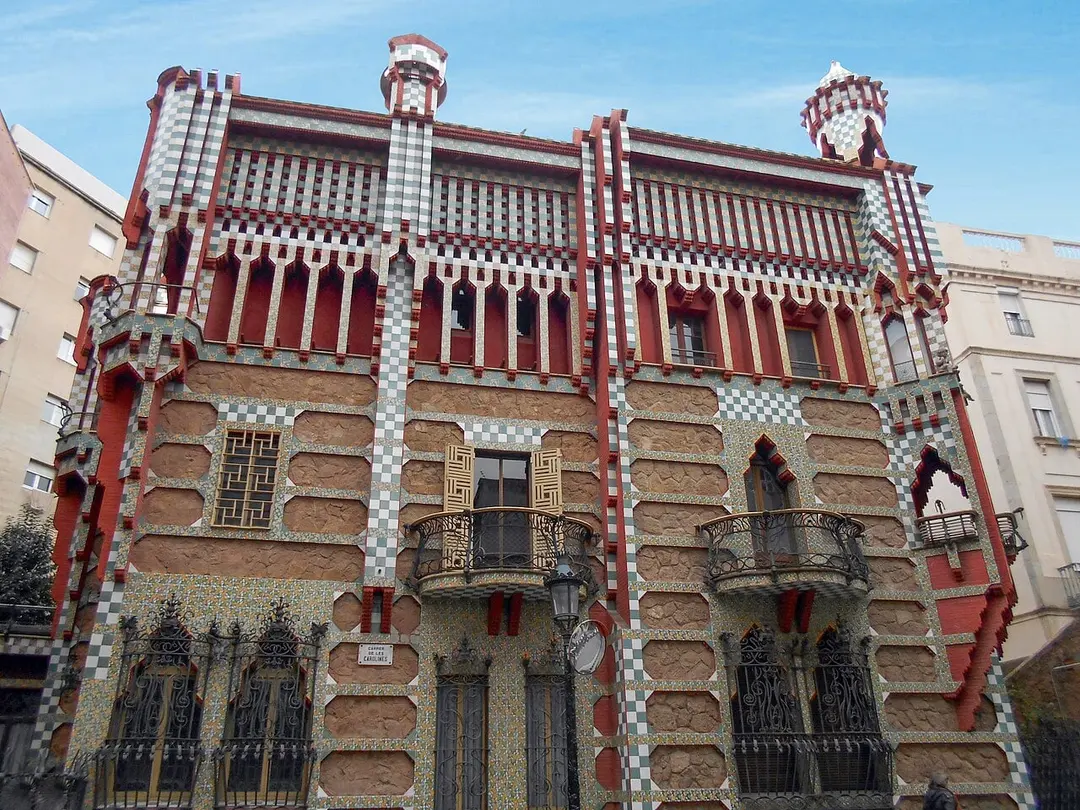
    Casa Vicens in Barcelona's Gràcia neighborhood is Antoni Gaudí's first major building and one of his least-known masterpieces. Built between 1883 and 1885 as a summer house for ceramics manufacturer Manuel Vicens i Montaner, the building already contains the seeds of the mature Gaudí style: a playful mixing of Oriental, Moorish, and Catalan influences, an exuberant use of colorful ceramic tiles, and the organic forms that would reach their pinnacle in the Sagrada Família. Casa Vicens has been a UNESCO World Heritage Site since 2005 as part of the ensemble of Antoni Gaudí's works. Open to the public since 2017, it allows visitors to trace the origins of Gaudí's fascinating world — well away from the city's most crowded attractions.

  • Cathedral of Santa Eulalia

    Cathedral of Santa Eulalia

    Barcelona

    history

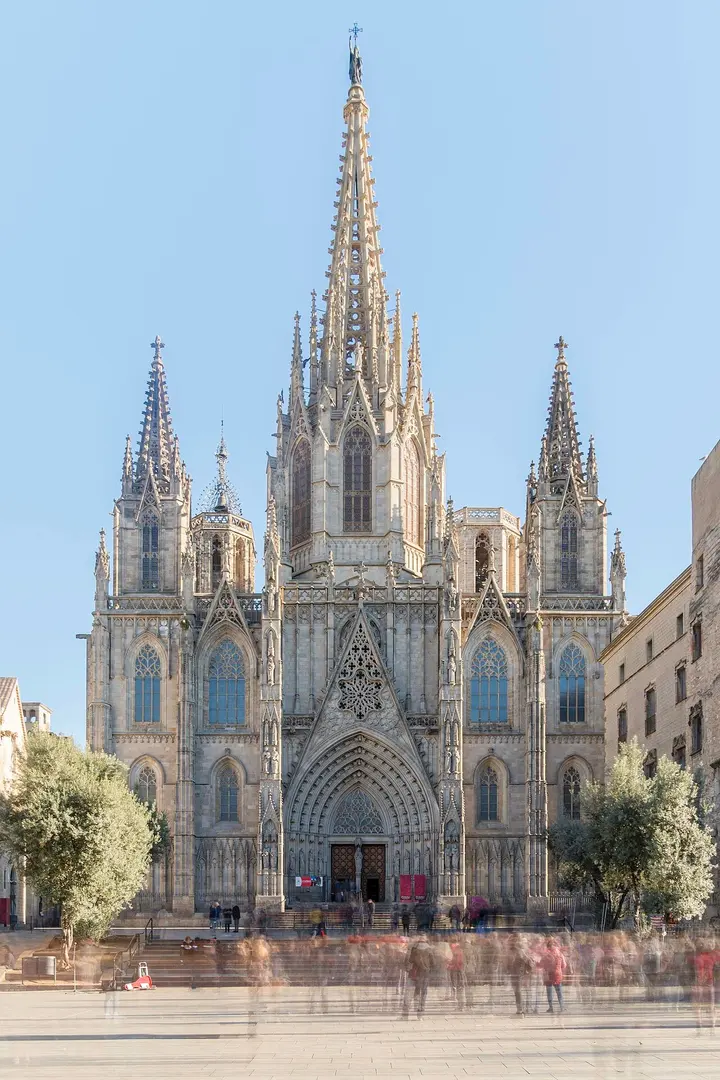
    The Cathedral of the Holy Cross and Saint Eulalia, known simply as Barcelona Cathedral, is the spiritual and historical heart of the Catalan capital. Located on Pla de la Seu square in the Barri Gòtic, its construction began in 1298 in the Gothic style and continued into the 15th century. It is the third church on the same site — its predecessors were a Romanesque cathedral and an early Christian basilica from Visigothic times. A particular highlight is the leafy cloister housing 13 white geese in memory of Saint Eulalia. The neo-Gothic main spire was completed only in 1913.

  • Cathedral of the Holy Spirit (Terrassa)

    Cathedral of the Holy Spirit (Terrassa)

    Barcelona

    culture

    The Cathedral of the Holy Spirit is the bishop's church of the Diocese of Terrassa, established in 2004, in an industrial city about 30 kilometers northwest of Barcelona. The building, which incorporates parts of an older church from 1574, bears the title of basilica minor since its elevation to a cathedral and is protected as Catalan cultural heritage. As Catalonia's youngest diocese, Terrassa reflects the modern Church's approach to urbanized regions. The cathedral offers a quiet refuge within the bustling city.

  • Dona i Ocell

    Dona i Ocell

    Barcelona

    culturenatureromance

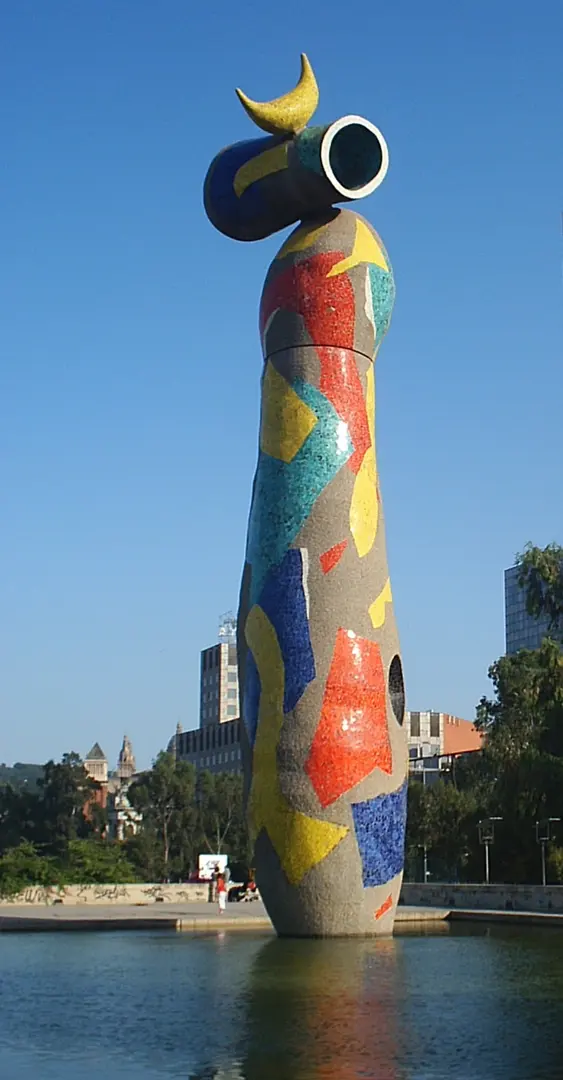
    Standing 22 metres tall in the Parque Joan Miró in the Eixample district, Dona i Ocell — Woman and Bird — was Joan Miró's final monumental statement, completed in 1983 shortly before his death. He created it in close collaboration with ceramicist Joan Gardy Artigas, covering the entire surface with vibrantly glazed ceramic tiles that echo Miró's signature palette of bold primary colours and playful biomorphic forms. The park itself was built on the site of a former slaughterhouse and opened in the years following Franco's dictatorship, symbolising Barcelona's cultural rebirth. Entry to the park and the sculpture is free.

  • Església de Sant Pau del Camp

    Església de Sant Pau del Camp

    Barcelona

    history

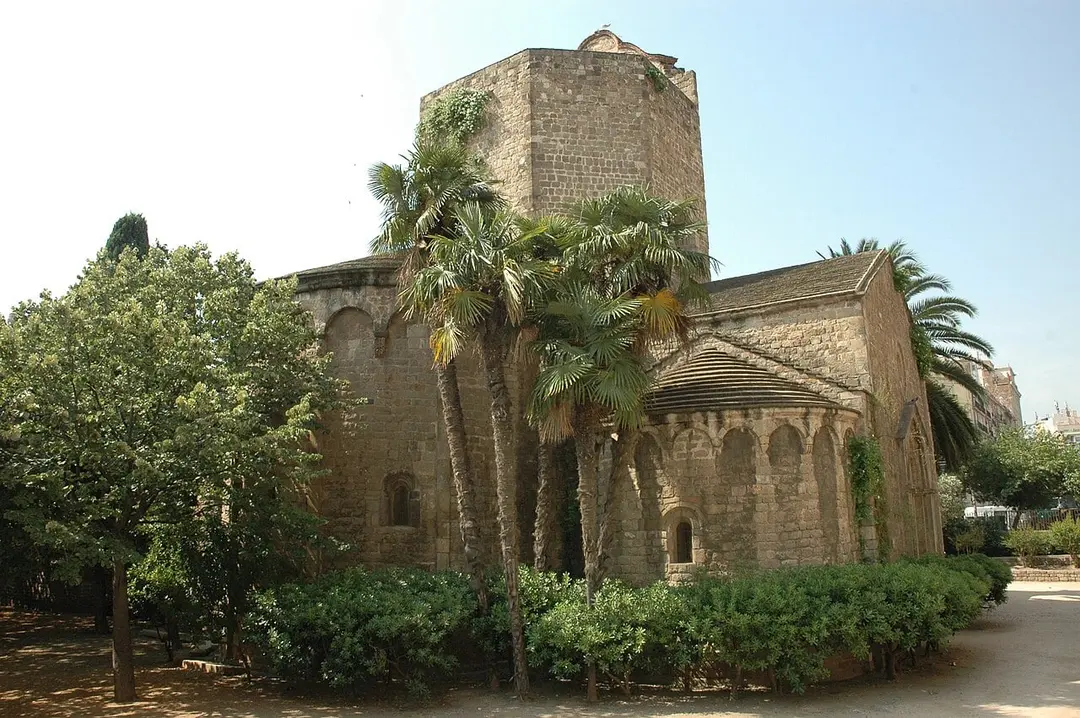
    The Església de Sant Pau del Camp is considered Barcelona's oldest surviving church and a rare example of Romanesque architecture within the Catalan metropolis. The Benedictine monastery was founded around the year 1000 — with first mentions reaching back to the 9th century — and lies today in the El Raval district, surrounded by narrow lanes. Its name, "Saint Paul in the Fields," recalls that the church once stood far outside the medieval city walls. The cruciform floor plan, the ornate capitals of the small cloister, and the plain interior still convey the stillness of an early medieval monastery.

  • Font de Canaletes

    Font de Canaletes

    Barcelona

    local gemsmystery

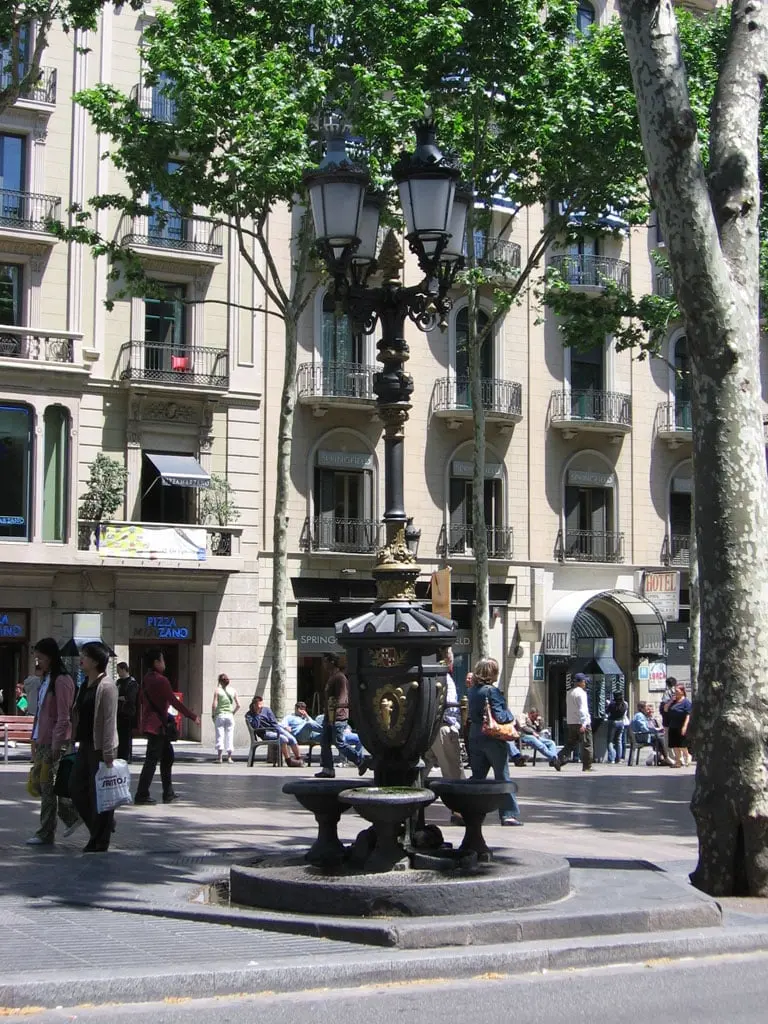
    Standing at the top of La Rambla near Plaça de Catalunya, the Font de Canaletes is a modest cast-iron fountain with four taps and a lamp on top, inaugurated in 1860. It takes its name from the Canaletes, medieval water conduits that once ran along the northern city wall of Barcelona. For centuries the fountain''s water was considered especially pure, and an old legend holds that anyone who drinks from it is bound to return to Barcelona. In the 20th century this legend became intertwined with FC Barcelona. Since the 1930s, Culés — Barça supporters — have gathered here after victories to celebrate, sing, and drink together. The fountain has become far more than a piece of Victorian street furniture: it is a living symbol of Barcelona''s collective identity and the city''s deep bond with its football club.

  • Fundació Joan Miró

    Fundació Joan Miró

    Barcelona

    culturenature

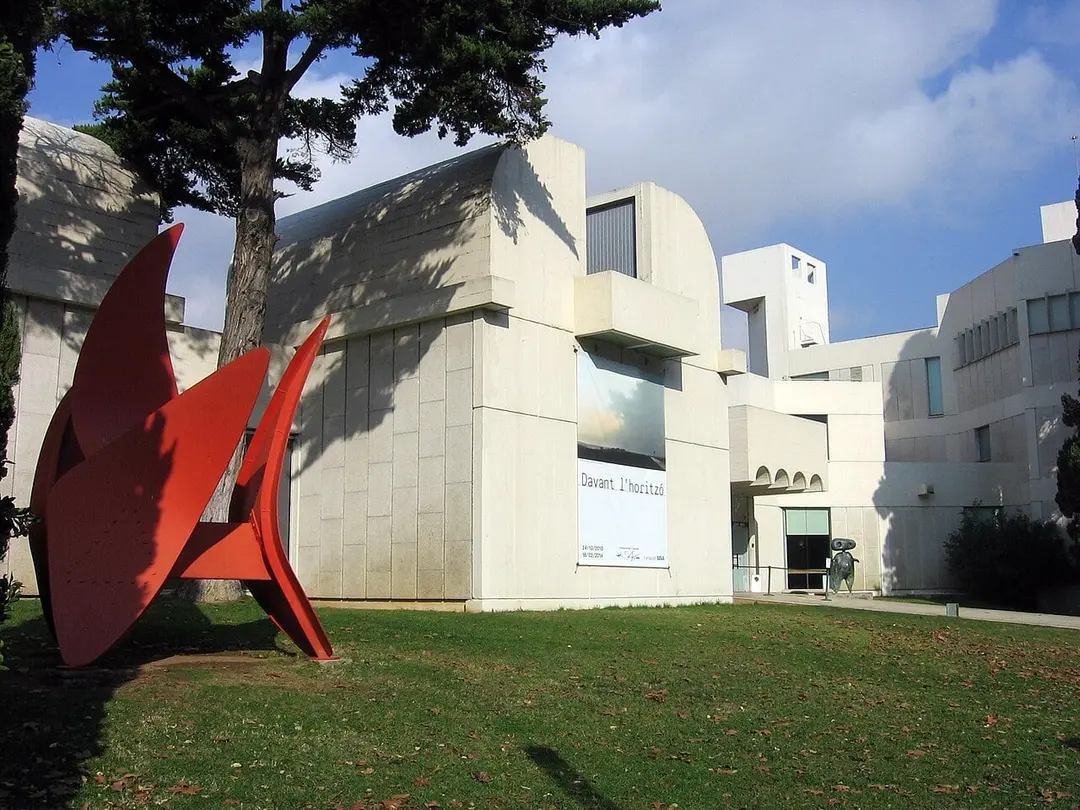
    The Fundació Joan Miró is a museum of modern art dedicated to the Catalan artist Joan Miró, set on the Montjuïc hill in Barcelona. Founded by Miró himself in 1975, shortly before the end of the Franco dictatorship, it was conceived as a living cultural centre rather than a static collection. The light-filled building was designed by Miró's close friend, architect Josep Lluís Sert — a masterwork of rationalist architecture with white walls and courtyards that perfectly frame the artist's work. The collection spans over 14,000 pieces including paintings, sculptures, prints, and textiles, alongside rotating exhibitions of contemporary art.

  • La Pedrera - Casa Milà

    La Pedrera - Casa Milà

    Barcelona

    culturelocal gemsgreat views

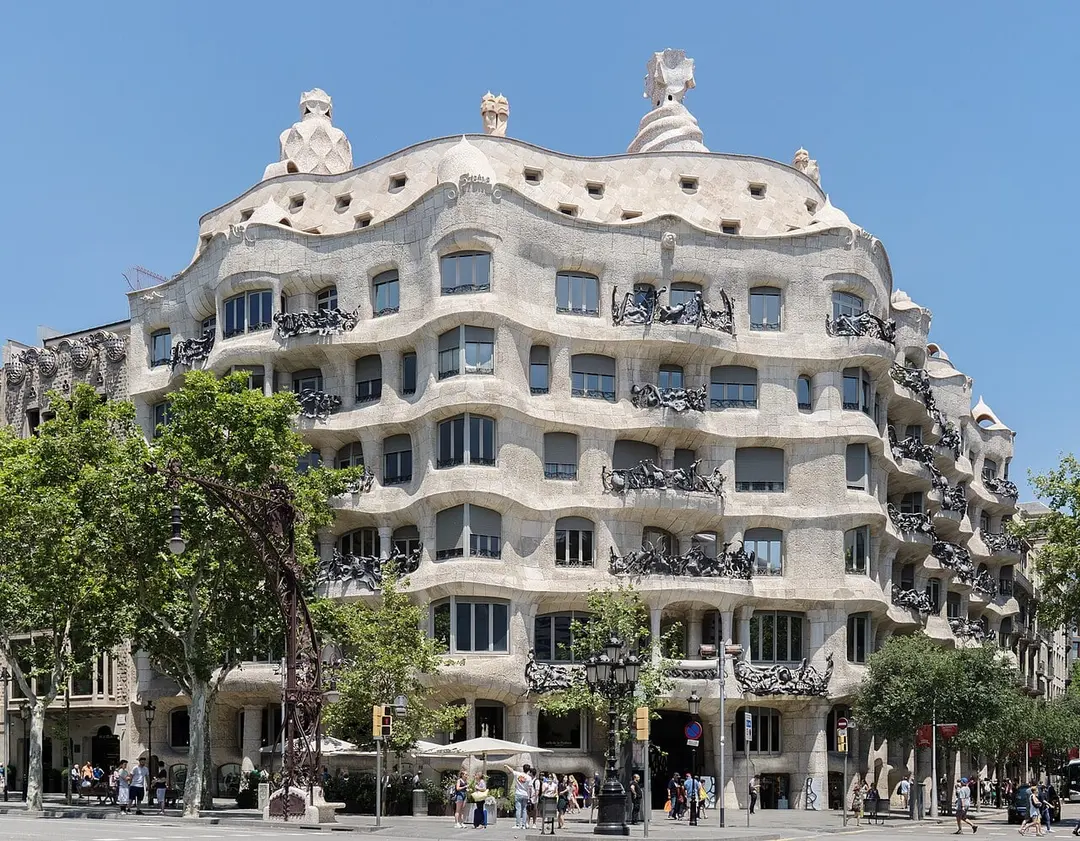
    Casa Milà, affectionately nicknamed "La Pedrera" (the quarry) by the people of Barcelona, is the last major residential building designed by Antoni Gaudí. Built between 1906 and 1912 for the Milà family at the corner of Passeig de Gràcia and Carrer de Provença, the building broke radically with every convention of its time. The undulating stone facade without a single straight element, the wrought-iron balconies that seem to grow organically from the building, and above all the surreal rooftop terrace with its spiral chimneys and warrior-helmet ventilation towers made La Pedrera one of the boldest buildings of the 20th century. Inside, the attic floor with its parabolic brick vaults showcases Gaudí's structural ingenuity. Since 1984 the building has been a UNESCO World Heritage Site. The rooftop is accessible to visitors and offers one of Barcelona's most extraordinary panoramic views.

  • Llotja de Mar

    Llotja de Mar

    Barcelona

    historylocal gems

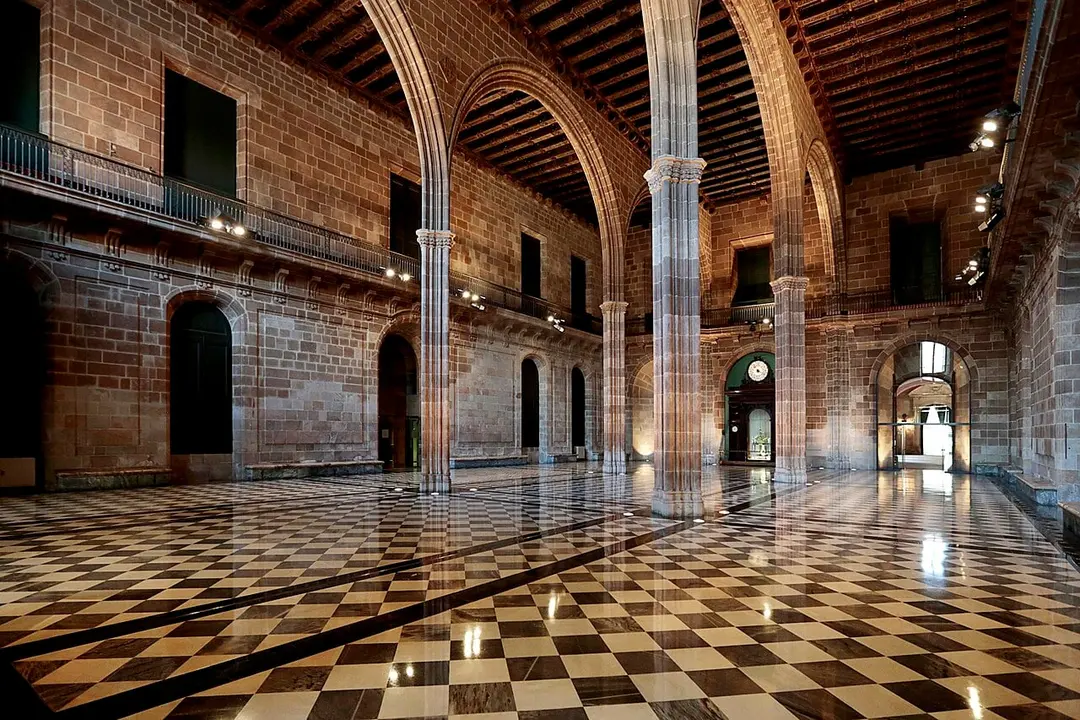
    The Llotja de Mar on Passeig d'Isabel II in Barcelona's La Ribera neighbourhood is one of the most significant civil Gothic buildings in the Mediterranean. Its Gothic core – the magnificent Saló de Contractacions – dates from around 1400 and served as a medieval commercial exchange for Mediterranean merchants. The exterior was remodelled in the 18th century in neoclassical style, creating a rare architectural layering of two eras. The Llotja is also notable as a former art school – Pablo Picasso studied here as a young man. The building now houses the Barcelona Chamber of Commerce.

  • Magic Fountain of Montjuïc

    Magic Fountain of Montjuïc

    Barcelona

    culturefamily outings

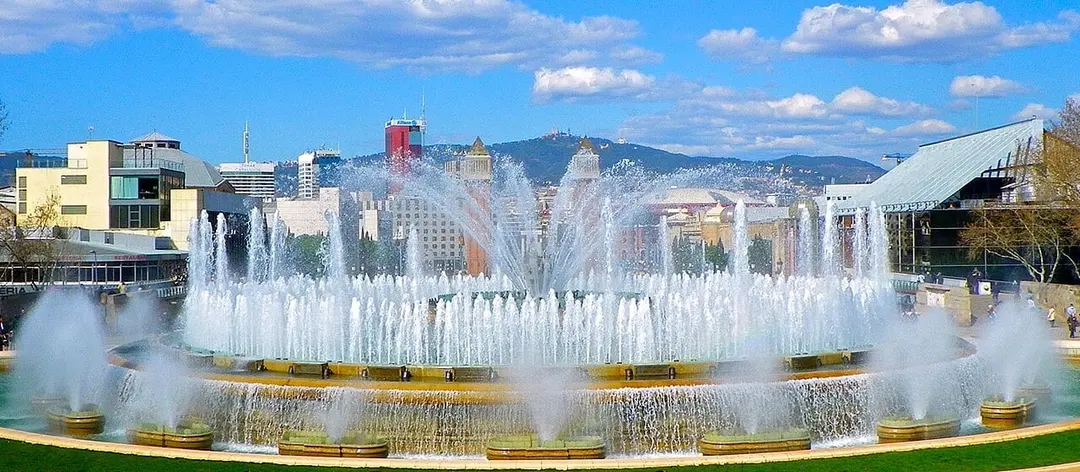
    The Font Màgica — Magic Fountain — stands at the southern end of Avinguda Maria Cristina in Barcelona's Montjuïc district. Built for the 1929 International Exposition, it was an engineering marvel of its time: synchronised water jets choreographed with coloured light and music. Today it still enchants visitors with free evening shows in which fountains glow in around 50 colour shades set to orchestral and pop soundtracks. The backdrop of the illuminated Palau Nacional makes it one of the most romantic evening spots in the city, drawing millions of visitors each year.

  • Montjuïc Castle

    Montjuïc Castle

    Barcelona

    cultureknowledge

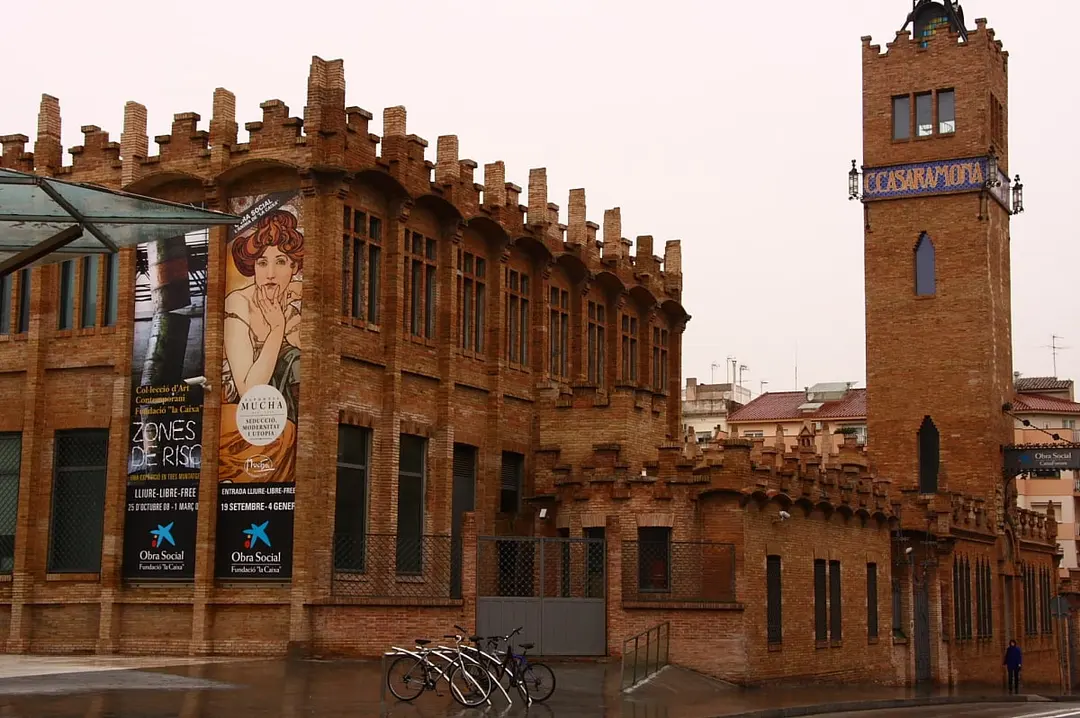
    CaixaForum Barcelona blends art, music and civic debate inside walls that once hummed with machinery. The former Modernisme textile factory Fàbrica Casaramona, designed by architect Josep Puig i Cadafalch around 1910, was already celebrated as an architectural gem when it operated. After decades of disuse, Japanese architect Arata Isozaki brought it back to life in 2002, adding a floating steel entrance canopy that bridges historic brick and contemporary gallery spaces. Today the Fundació "la Caixa" fills it with rotating exhibitions of contemporary art, concerts, film screenings and workshops — all at a refreshingly accessible price.

  • Montserrat Monastery

    Montserrat Monastery

    Barcelona

    culturemystery

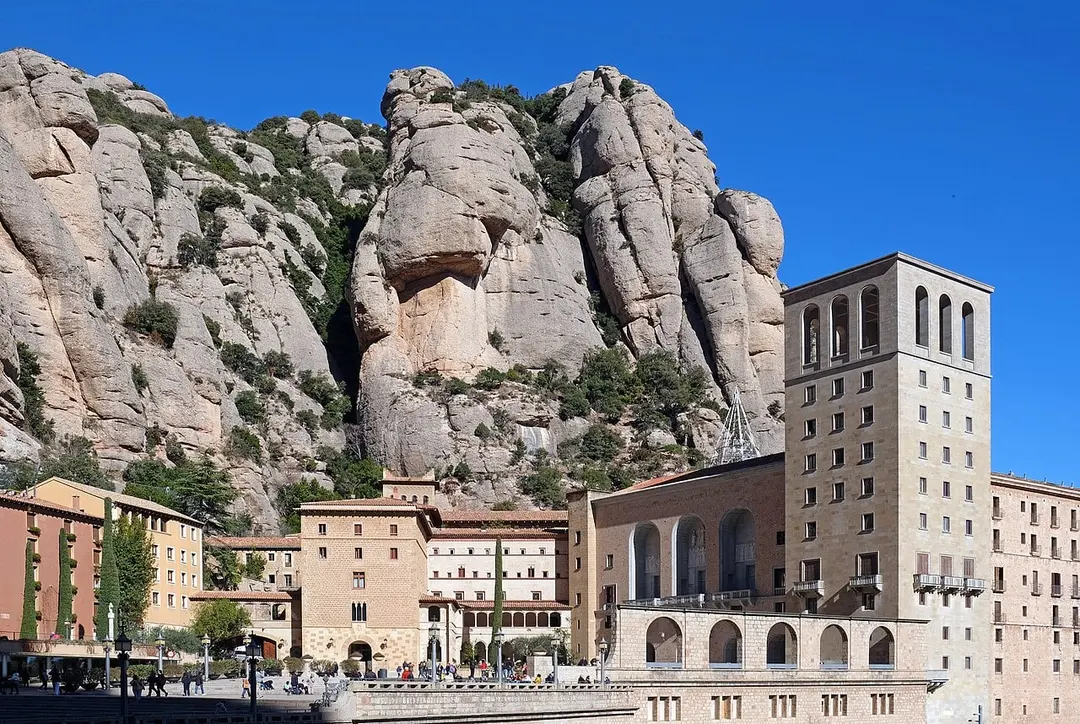
    The Benedictine abbey of Santa Maria de Montserrat sits at 721 metres elevation in the jagged Montserrat massif, about 40 kilometres northwest of Barcelona. It is one of Spain most important pilgrimage destinations and a central symbol of Catalan identity that extends well beyond the Catholic Church. At the heart of the monastery is La Moreneta — a black wooden image of the Virgin Mary from the 12th century, venerated by hundreds of thousands of pilgrims each year. Around 70 Benedictine monks live here according to the Rule of St. Benedict. The spectacular setting among craggy rock formations offers sweeping panoramic views and great hiking trails on the mountain.

  • Palau Sant Jordi

    Palau Sant Jordi

    Barcelona

    culturenaturehistory+1

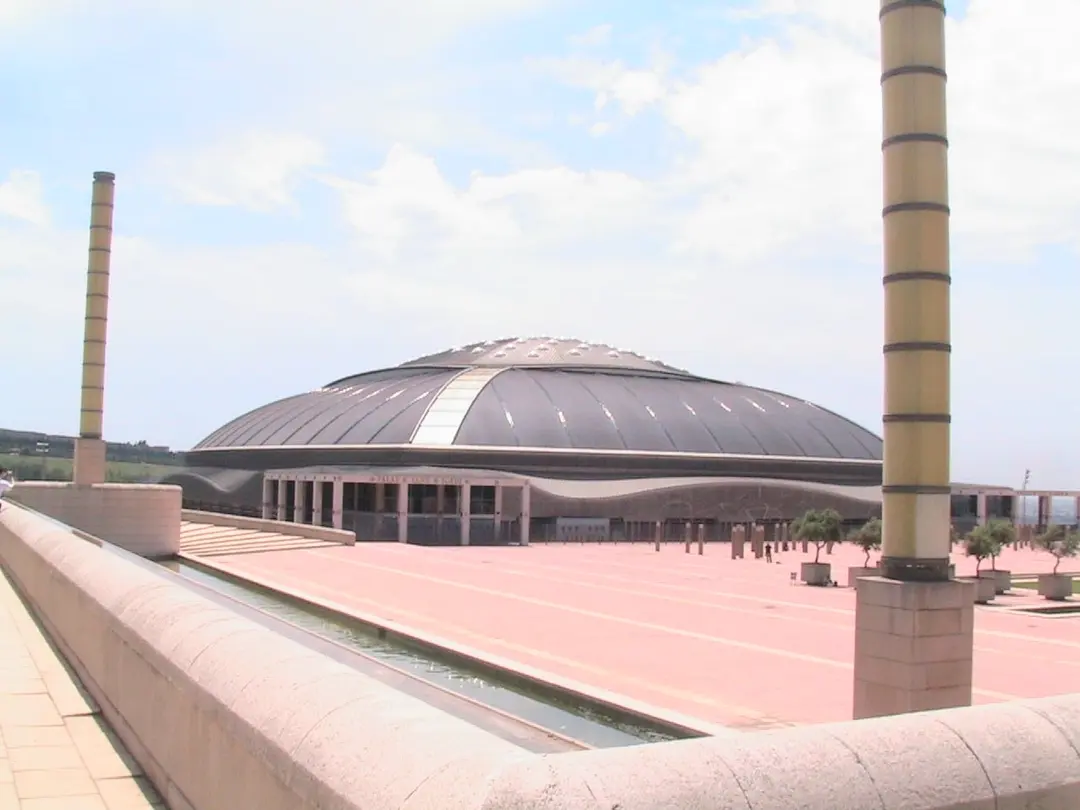
    The Palau Sant Jordi is a multipurpose arena on Montjuïc in Barcelona, inaugurated in 1990 for the 1992 Olympic Games. Japanese architect Arata Isozaki designed the sweeping steel dome, which from the outside resembles a low hill and inside seats up to 17,960 spectators. Today it is Barcelona's largest indoor arena, hosting international concerts, sporting events, and congresses. The building is considered a masterpiece of contemporary sports architecture and is classified as a cultural asset of Catalonia.

  • Santa Maria del Mar

    Santa Maria del Mar

    Barcelona

    local gems

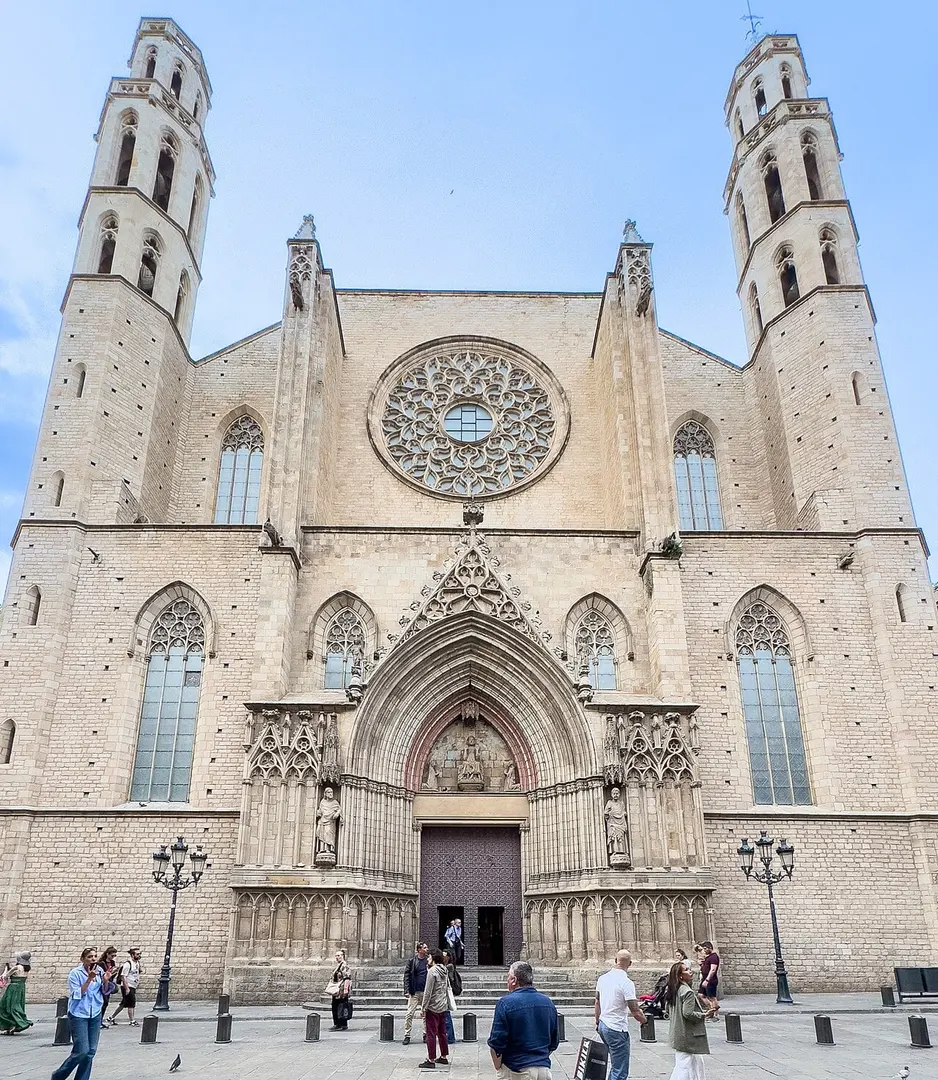
    Santa Maria del Mar is widely regarded as the finest Gothic church in Barcelona and one of the purest examples of Catalan Gothic architecture in existence. Built between 1329 and 1383 in the merchants' quarter of La Ribera, it reflects the era when Barcelona commanded trade across the western Mediterranean. Unusually for a medieval building of this scale, the entire church was completed in just 54 years — giving it a stylistic coherence rarely found in great cathedrals. The three nearly equal-width naves, slender octagonal pillars, and large stained-glass windows create a sense of soaring lightness. The church gained a global audience through Ildefonso Falcones's novel "Cathedral of the Sea." Today it stands at the heart of the vibrant El Born neighbourhood, as alive as ever.

  • Temple of Augustus Barcelona

    Temple of Augustus Barcelona

    Barcelona

    historylocal gemsknowledge+1

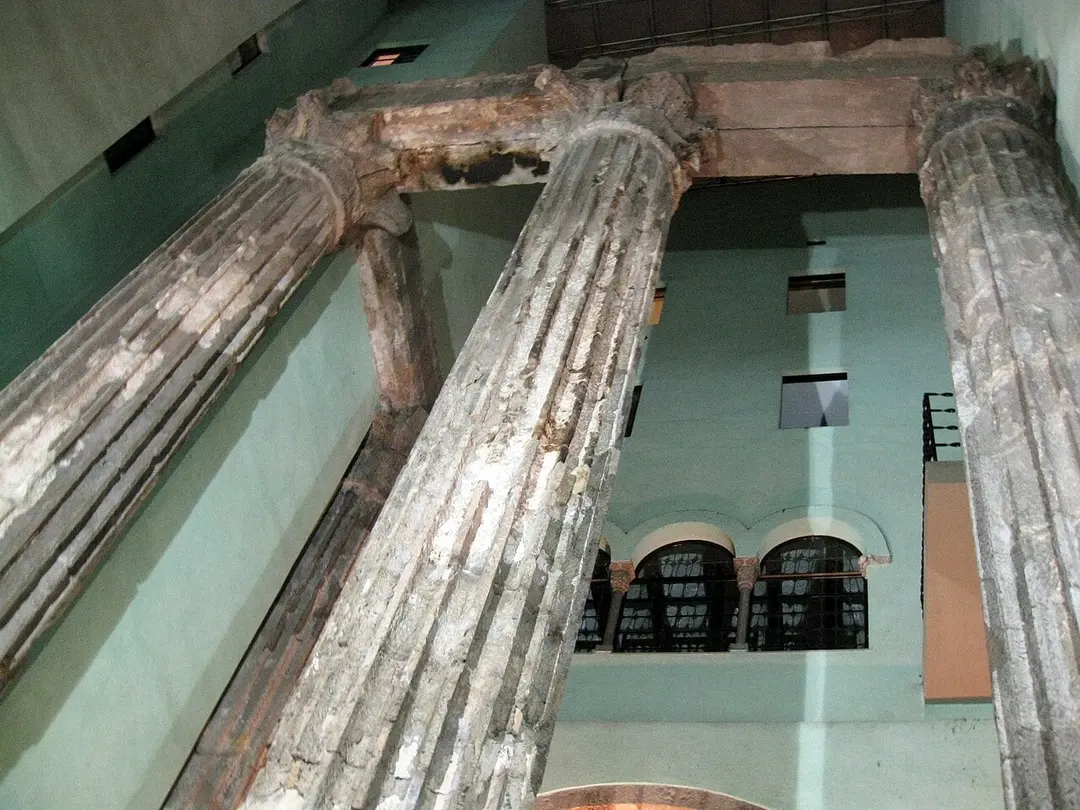
    The Temple of Augustus in Barcelona is the most impressive surviving remnant of the Roman colony of Barcino. Four intact Corinthian columns dating from the 1st century BCE stood on the highest point of Mont Taber at the centre of the ancient city, probably dedicated to Emperor Augustus. Hidden inside the courtyard of the Centre Excursionista de Catalunya in the Gothic Quarter, the columns are only accessible through an inconspicuous doorway.

  • The Kiss of Death

    The Kiss of Death

    Barcelona

    culturelocal gemsmystery

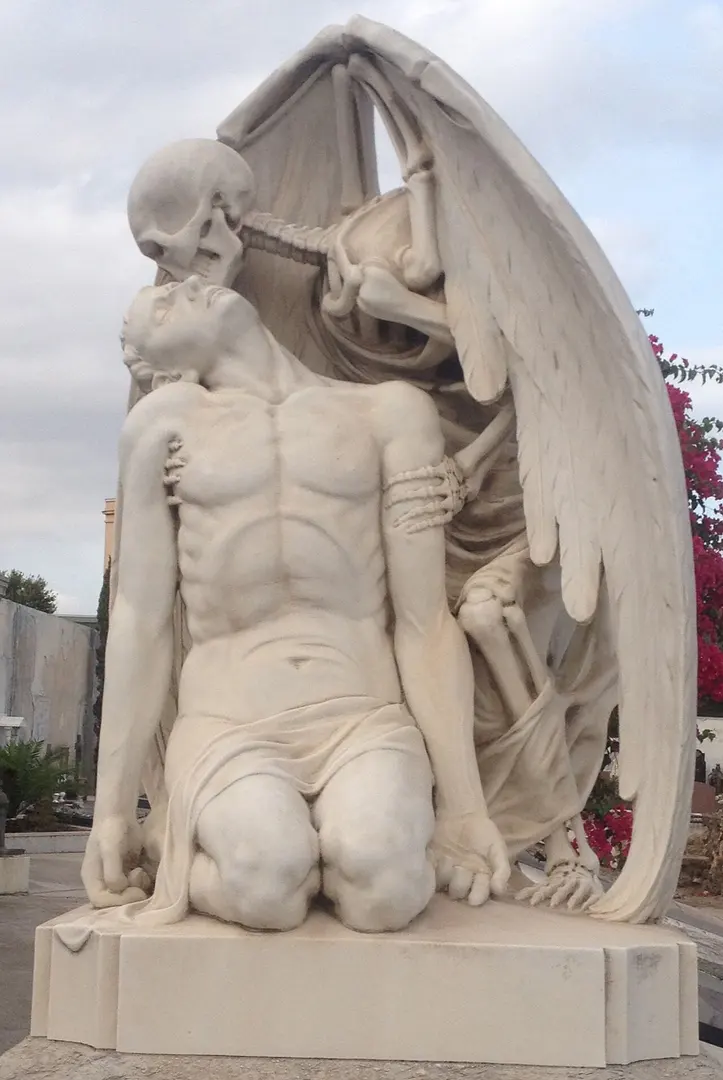
    "El petó de la mort" – "The Kiss of Death" – is the most celebrated sculpture in the Cementiri del Poblenou, one of Barcelona's oldest cemeteries. The marble relief depicts a winged angel of death pressing a final kiss to a young man's forehead. Created in 1930 by sculptor Jaume Barba, commissioned by the family of the young Josep Llaudet i Soler who died early, the work fuses Catalan symbolism with the aesthetic sensibility of the early 20th century. Today the sculpture draws pilgrims of art and cemetery enthusiasts from around the world, and is considered one of the most striking funerary monuments in Europe.

Keep exploring

These places are just the beginning.

Rate places with a swipe — TravelType learns from your tags what you love and curates your own map. Private until you choose to share.

Create your profile