TravelType

history

History in Barcelona

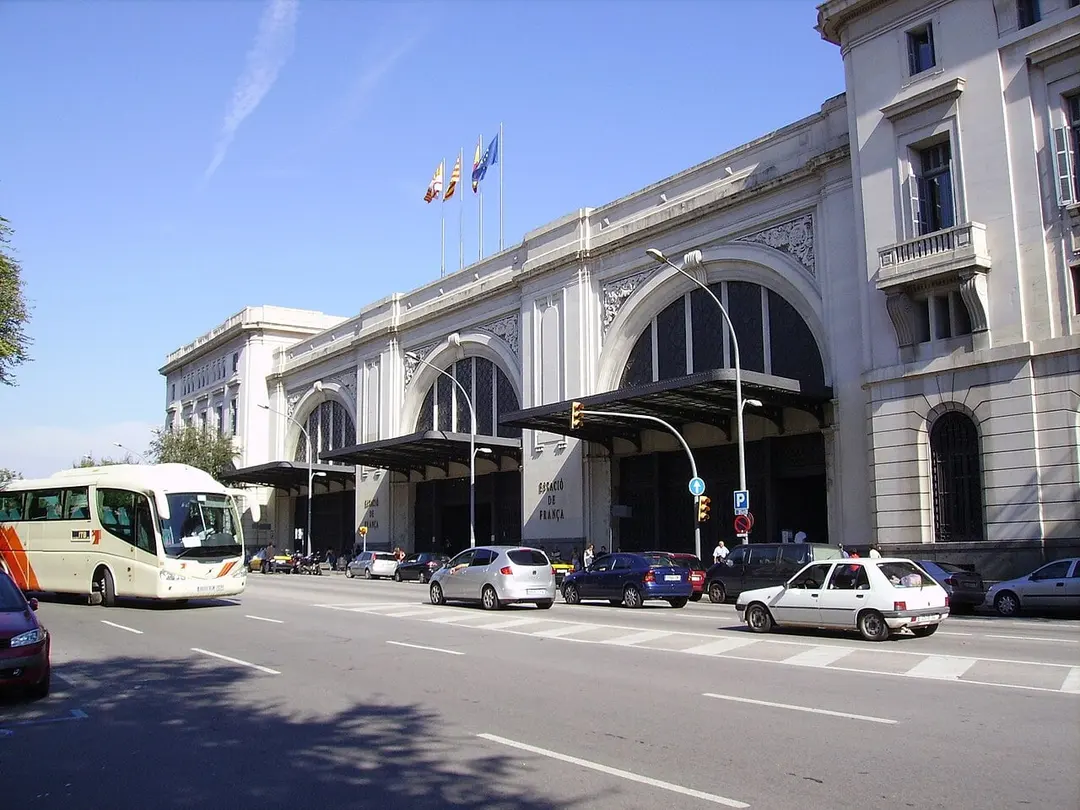
Barcelona's history spans an extraordinary range of periods. The Abric Romaní points to prehistoric human presence, while the Església de Sant Pau del Camp is among the city's oldest surviving religious buildings. The Cathedral of Santa Eulàlia and the Biblioteca de Catalunya reflect the medieval and early modern layers of the old city. Later chapters appear in the Capuchin Convent of Sarrià, Casa Lleó Morera, and the grand Estació de França. Sites such as El Fossar de la Pedrera, Les Quatre Columnes, Ciutadella, Lesseps, and Barcelona's Head each mark distinct moments in the city's more recent past, making the urban fabric itself a record of time.

15 places · Barcelona, Spain · Editorially curated

  • Abric Romaní

    Abric Romaní

    Barcelona

    culturelocal gemsknowledge

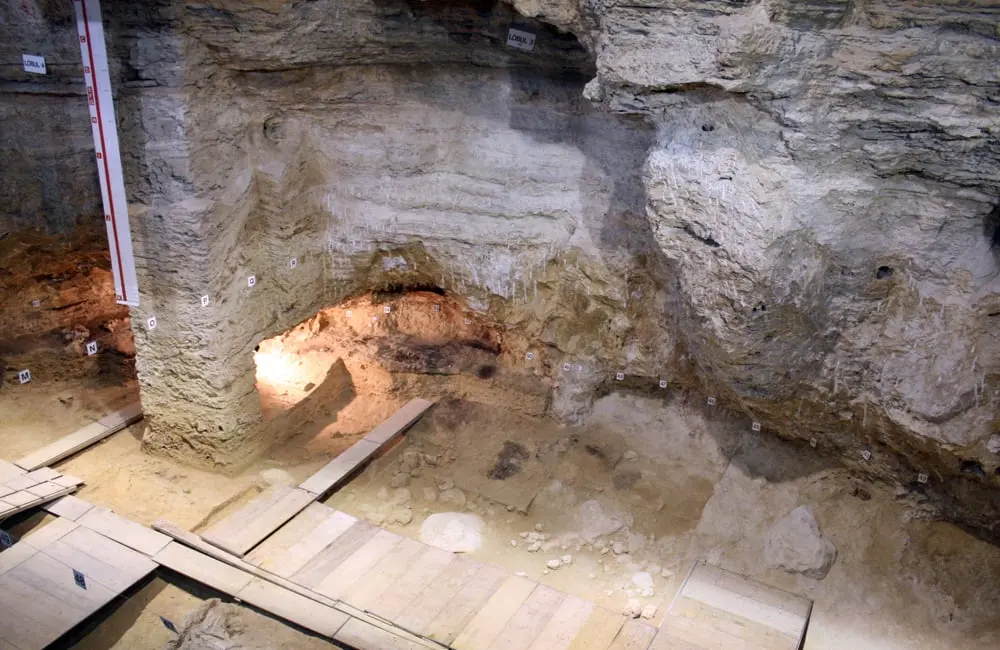
    Abric Romaní is one of Europe's most significant Neanderthal sites, located in Capellades about 50km from Barcelona. Dating from 70,000 to 39,000 years ago, Neanderthals sheltered under this rock overhang above the Noya river for millennia. Uniquely, organic materials — including worked wood — survived, providing rare evidence of Neanderthal woodworking found almost nowhere else in the world. Discovered in 1909 by Amador Romaní. The youngest layer contains Aurignacian artefacts marking the arrival of anatomically modern humans around 39,000 BP.
  • Barcelona's Head

    Barcelona's Head

    Barcelona

    culturenature

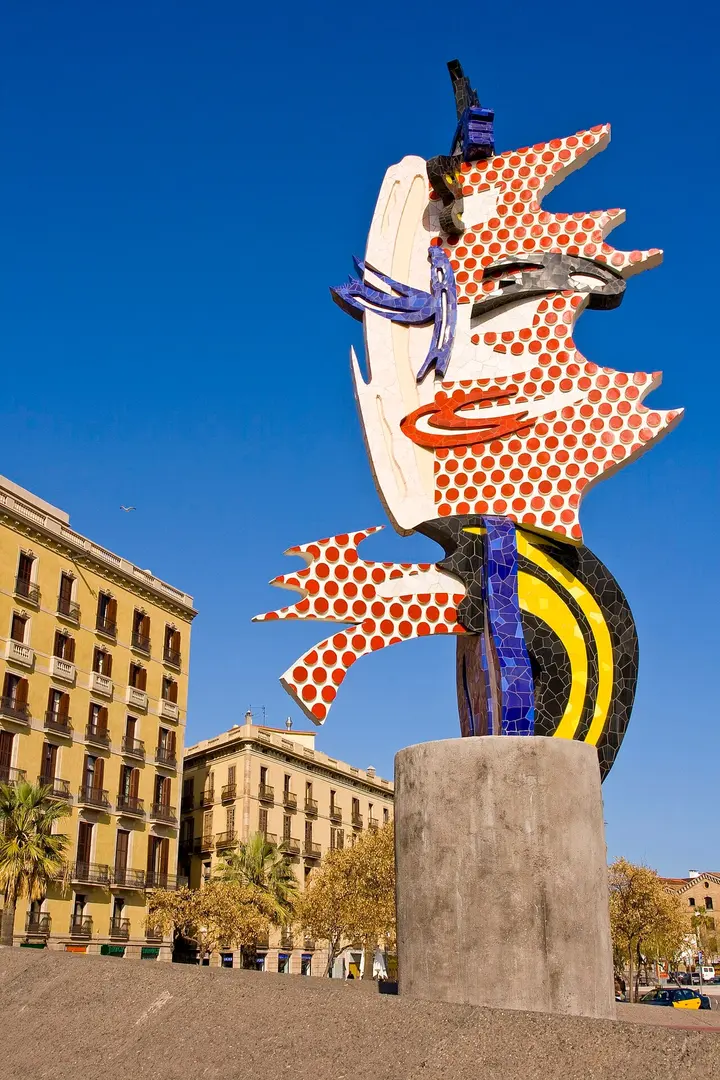
    La Cara de Barcelona — Barcelona's Head — is a 15-meter mosaic sculpture at the foot of the Barceloneta district, right at the harbor's edge. It was created by American Pop Art pioneer Roy Lichtenstein for the 1992 Summer Olympics, which transformed Barcelona into a world-class city. Lichtenstein translated his trademark comic-strip style — bold outlines, primary colors, dot-grid patterns — into three-dimensional ceramic form. The sculpture was executed by artist Diego Delgado Rajado. Today it stands as one of the most recognizable landmarks on the route between the beach and the old town, attracting art lovers and casual strollers alike.

  • Biblioteca de Catalunya

    Biblioteca de Catalunya

    Barcelona

    architecturecultureknowledge

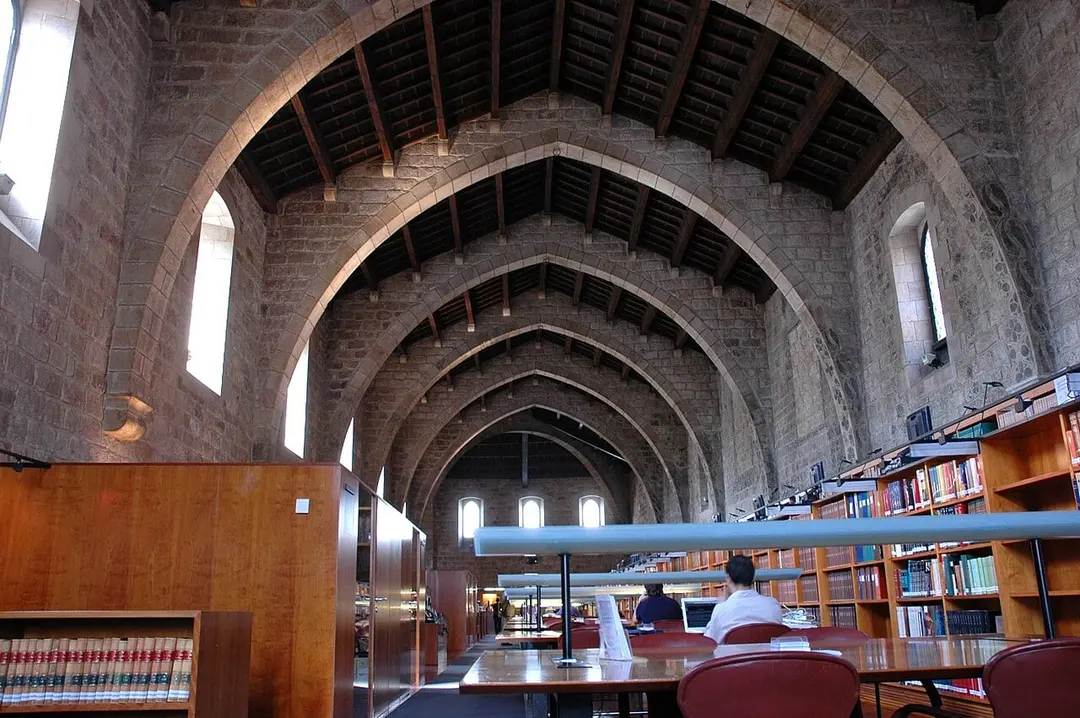
    The Biblioteca de Catalunya is Catalonia's national library — the institutional memory of one of Europe's oldest living languages. Founded in 1907, it is housed in the former Hospital de la Santa Creu, a 15th-century Gothic complex in the El Raval neighbourhood of Barcelona. The building is as compelling as the collection: stone arcades, a sunlit courtyard, and magnificent reading rooms where scholars and curious visitors work side by side. Holdings run to millions of documents in Catalan — manuscripts, maps, scores, photographs, and printed works spanning centuries of Catalan and Balearic culture. Regular free exhibitions make the library accessible to all, not just researchers.

  • Capuchin Convent of Sarrià

    Capuchin Convent of Sarrià

    Barcelona

    architecture

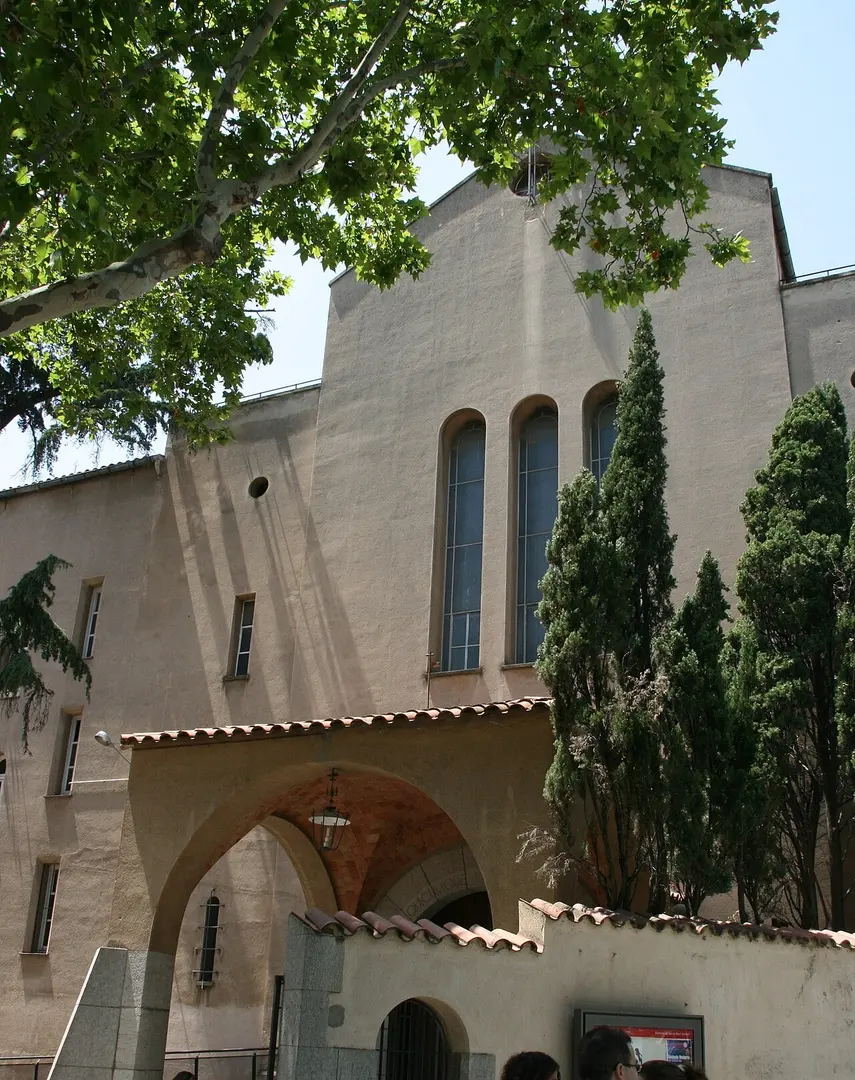
    The Capuchin Convent of Sarrià is one of Barcelona's oldest religious houses. Founded in 1578 in what was then the independent village of Sarrià — at the insistence of the Consell de Cent and in defiance of King Philip II — the convent's very origins reflect the strong civic pride of the Catalan bourgeoisie against the Crown. The Capuchins, a Franciscan mendicant order known for their austere way of life, have maintained a presence here through centuries of political upheaval, secularisations, and wars. Sarrià itself was only incorporated into Barcelona in 1921, leaving the convent today surrounded by one of the city's quietest and greenest neighbourhoods. The site blends religious history with the unhurried village atmosphere that Sarrià has managed to preserve.

  • Casa Lleó Morera

    Casa Lleó Morera

    Barcelona

    architecturelocal gems

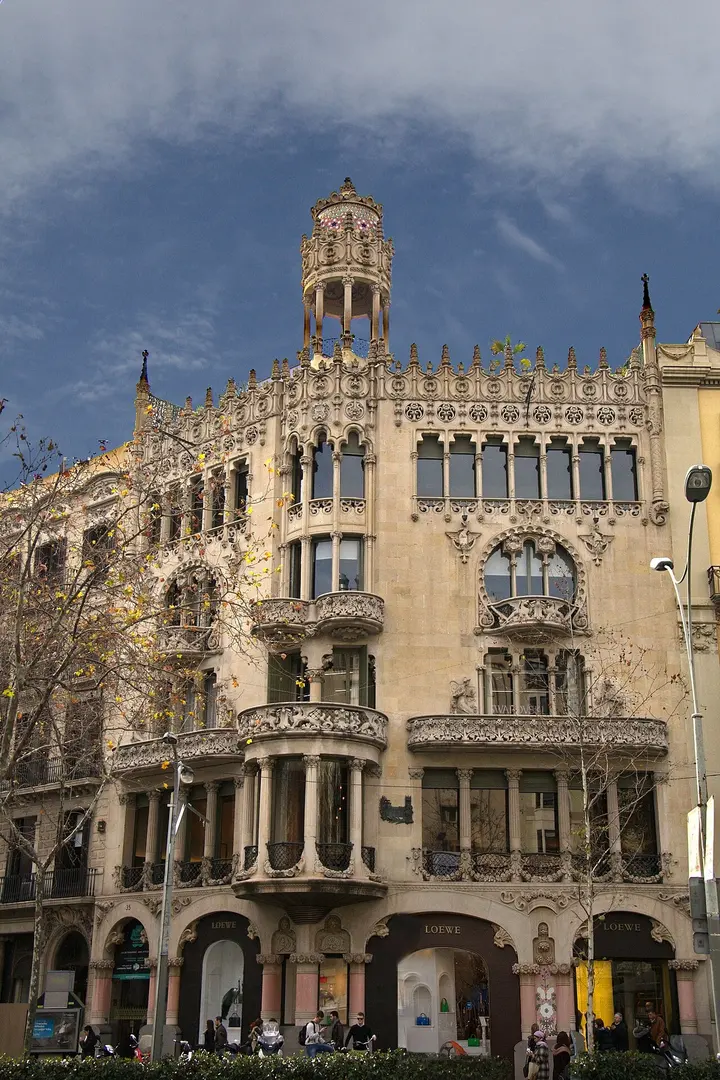
    Casa Lleó Morera at Passeig de Gràcia 35 is one of the masterworks of Catalan Modernisme and the product of a sweeping redesign by architect Lluís Domènech i Montaner. The owner, Francesca Morera i Ortiz, commissioned the transformation of an older building from 1902 in the Art Nouveau style; after her death in 1904, her son Albert Lleó i Morera continued the works to their completion in 1905. The building is part of the celebrated Manzana de la Discordia — the Block of Discord — alongside the Casa Amatller (Puig i Cadafalch) and the Casa Batlló (Gaudí). Domènech i Montaner covered the facade with sweeping ceramic mosaics, floral motifs, animal reliefs, and glazed bay windows of extraordinary delicacy. The building is considered one of his most accomplished works and is today listed as a heritage monument.

  • Cathedral of Santa Eulalia

    Cathedral of Santa Eulalia

    Barcelona

    architecture

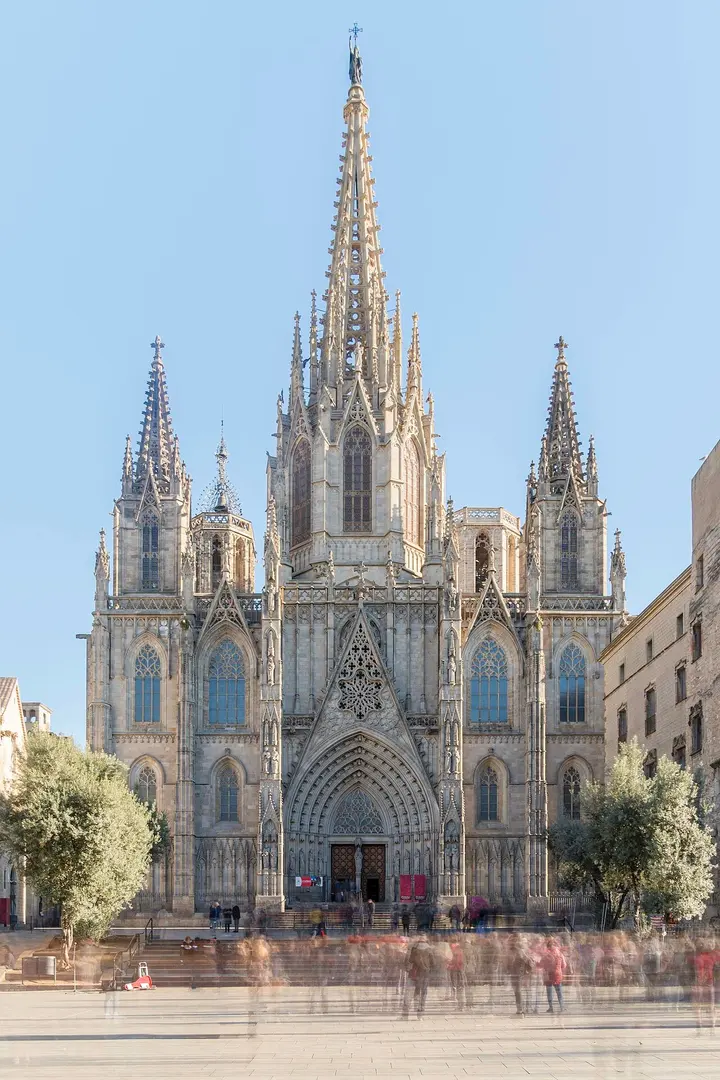
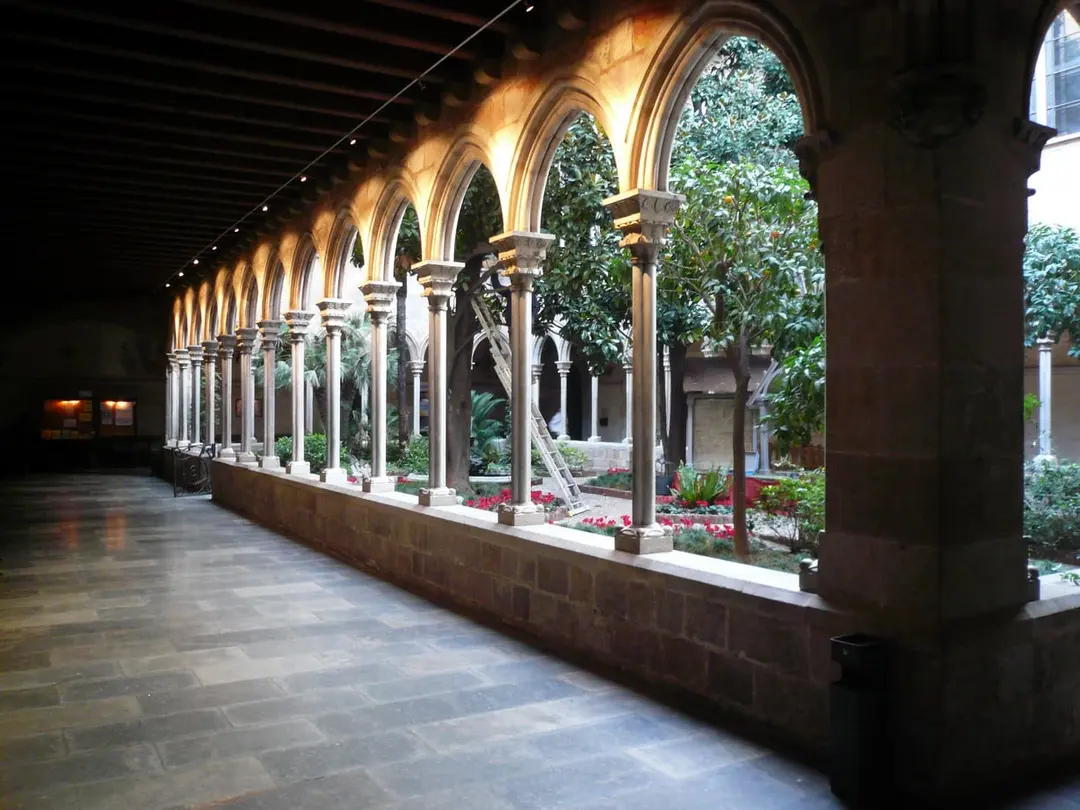
    The Cathedral of the Holy Cross and Saint Eulalia, known simply as Barcelona Cathedral, is the spiritual and historical heart of the Catalan capital. Located on Pla de la Seu square in the Barri Gòtic, its construction began in 1298 in the Gothic style and continued into the 15th century. It is the third church on the same site — its predecessors were a Romanesque cathedral and an early Christian basilica from Visigothic times. A particular highlight is the leafy cloister housing 13 white geese in memory of Saint Eulalia. The neo-Gothic main spire was completed only in 1913.

  • El Fossar de la Pedrera

    El Fossar de la Pedrera

    Barcelona

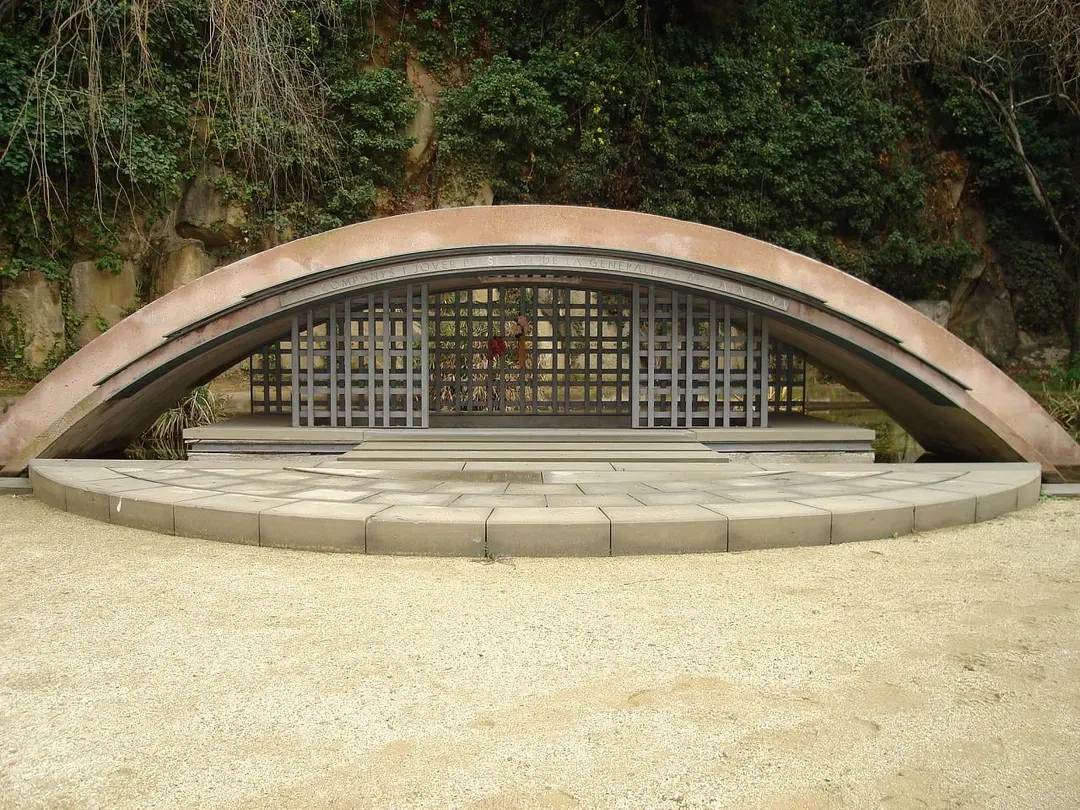
    El Fossar de la Pedrera – "the quarry pit" – is a memorial site within Barcelona's Montjuïc cemetery. It commemorates around 4,000 victims of the White Terror who were shot and buried in a mass grave during and after the Spanish Civil War. Among them was the Catalan president Lluís Companys, executed by Franco's regime in 1940. Inaugurated in 1985, the site is not a conventional cemetery but a quiet, landscaped memorial space inscribed with symbols and texts of the anti-fascist resistance. For many Catalans, it remains a place of profound emotional and historical significance.

  • Església de Sant Pau del Camp

    Església de Sant Pau del Camp

    Barcelona

    architecture

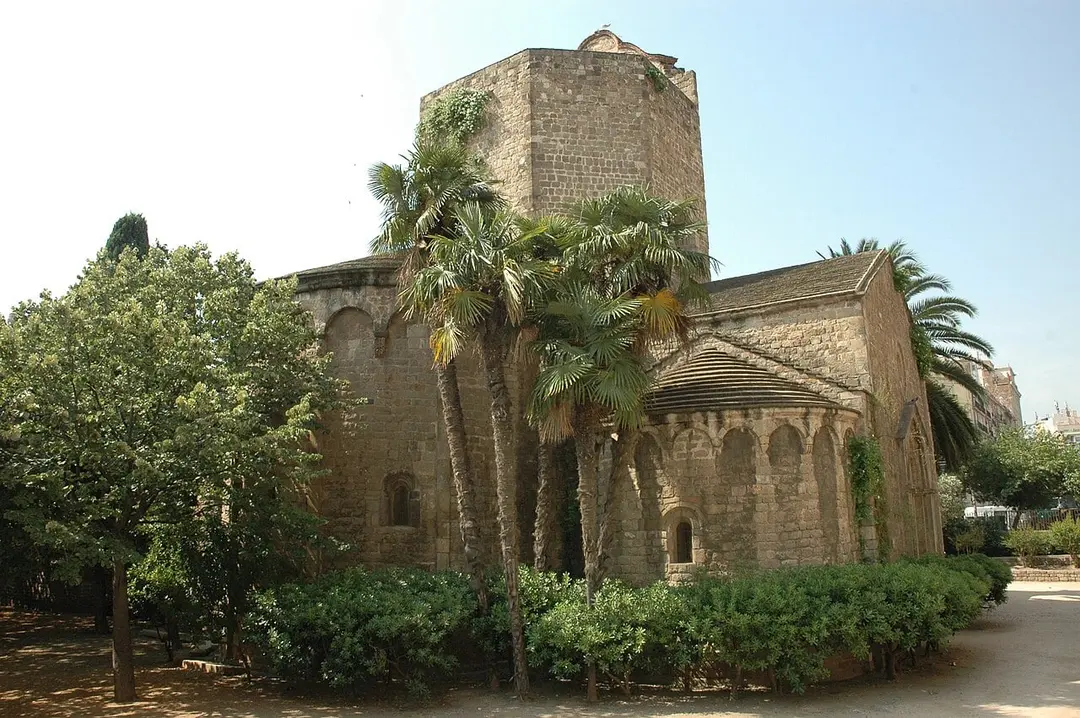
    The Església de Sant Pau del Camp is considered Barcelona's oldest surviving church and a rare example of Romanesque architecture within the Catalan metropolis. The Benedictine monastery was founded around the year 1000 — with first mentions reaching back to the 9th century — and lies today in the El Raval district, surrounded by narrow lanes. Its name, "Saint Paul in the Fields," recalls that the church once stood far outside the medieval city walls. The cruciform floor plan, the ornate capitals of the small cloister, and the plain interior still convey the stillness of an early medieval monastery.

  • Llotja de Mar

    Llotja de Mar

    Barcelona

    architecturelocal gems

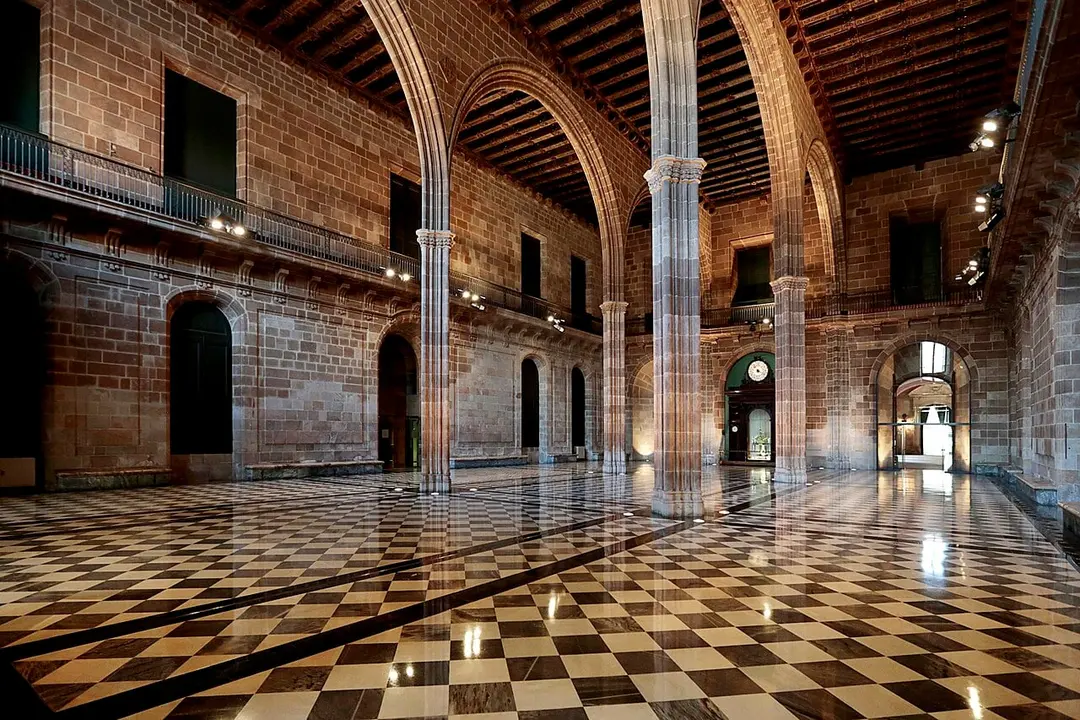
    The Llotja de Mar on Passeig d'Isabel II in Barcelona's La Ribera neighbourhood is one of the most significant civil Gothic buildings in the Mediterranean. Its Gothic core – the magnificent Saló de Contractacions – dates from around 1400 and served as a medieval commercial exchange for Mediterranean merchants. The exterior was remodelled in the 18th century in neoclassical style, creating a rare architectural layering of two eras. The Llotja is also notable as a former art school – Pablo Picasso studied here as a young man. The building now houses the Barcelona Chamber of Commerce.

  • Palau Sant Jordi

    Palau Sant Jordi

    Barcelona

    architectureculturenature+1

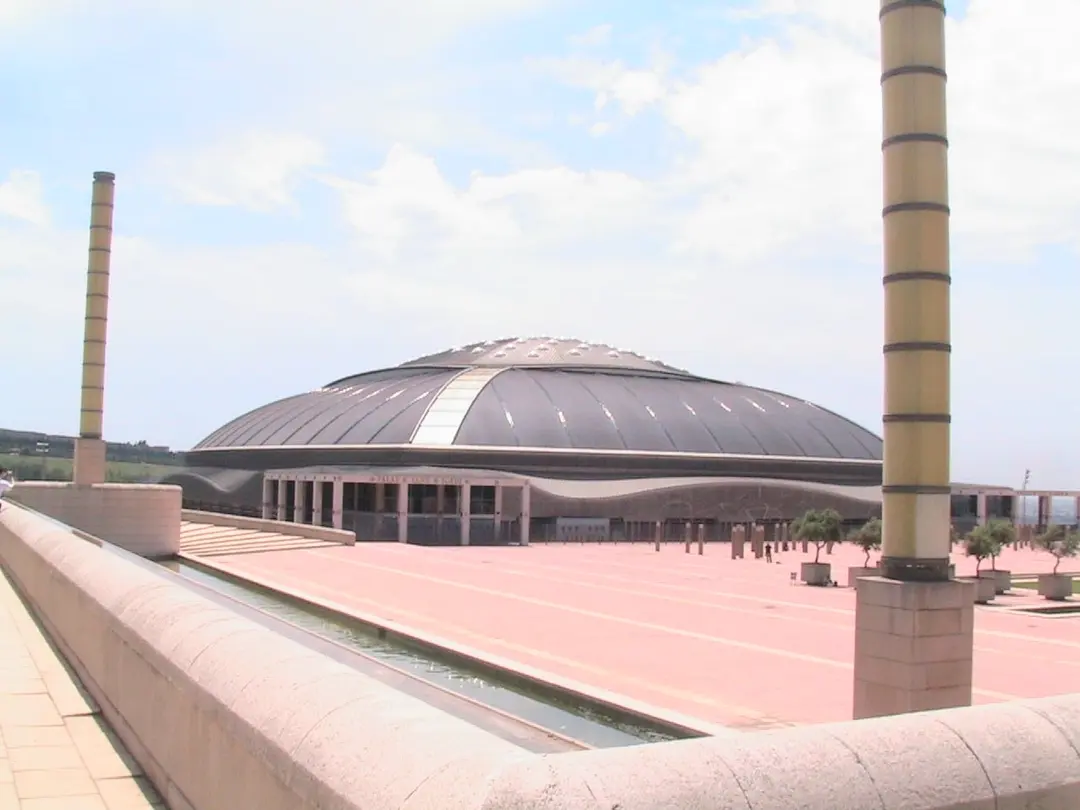
    The Palau Sant Jordi is a multipurpose arena on Montjuïc in Barcelona, inaugurated in 1990 for the 1992 Olympic Games. Japanese architect Arata Isozaki designed the sweeping steel dome, which from the outside resembles a low hill and inside seats up to 17,960 spectators. Today it is Barcelona's largest indoor arena, hosting international concerts, sporting events, and congresses. The building is considered a masterpiece of contemporary sports architecture and is classified as a cultural asset of Catalonia.

  • Temple of Augustus Barcelona

    Temple of Augustus Barcelona

    Barcelona

    architecturelocal gemsknowledge+1

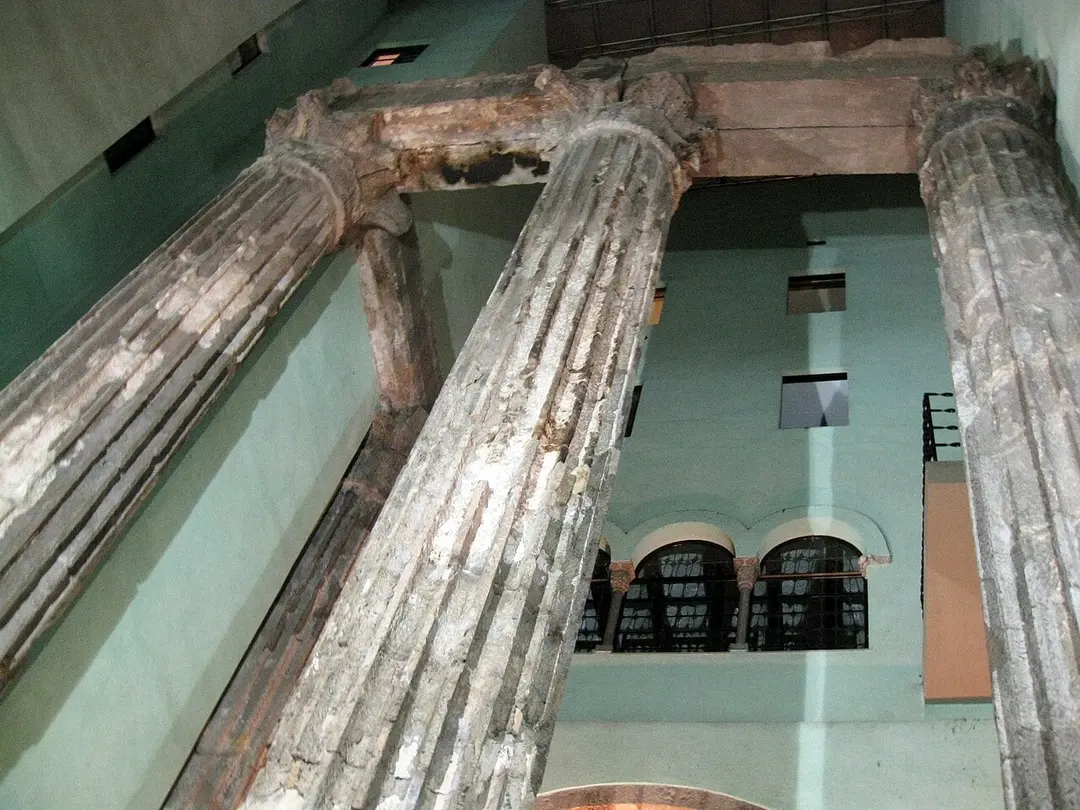
    The Temple of Augustus in Barcelona is the most impressive surviving remnant of the Roman colony of Barcino. Four intact Corinthian columns dating from the 1st century BCE stood on the highest point of Mont Taber at the centre of the ancient city, probably dedicated to Emperor Augustus. Hidden inside the courtyard of the Centre Excursionista de Catalunya in the Gothic Quarter, the columns are only accessible through an inconspicuous doorway.

Keep exploring

These places are just the beginning.

Rate places with a swipe — TravelType learns from your tags what you love and curates your own map. Private until you choose to share.

Create your profile