Google · Silviu Dobrică
Pairi Daiza
Brussels
architecturenaturehistory+4
culture
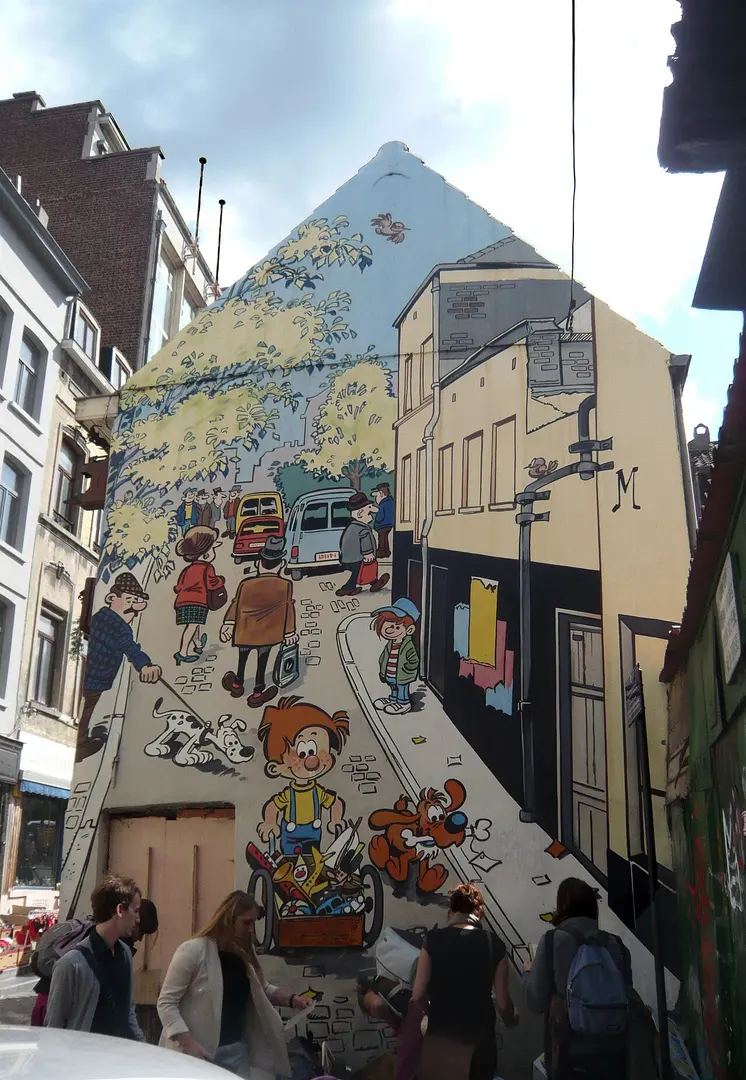
Brussels, Belgium's capital, offers a rich and layered cultural scene that extends well into the surrounding region. The Belgian Comic Strip Center celebrates the country's celebrated tradition of comic art, including beloved characters like Boule et Bill. The AfricaMuseum explores African heritage and history, while the Atomium remains one of the city's most distinctive landmarks. Nearby, Arenberg Castle in Leuven, the medieval Beersel Castle, the Basilica of Our Lady of Scherpenheuvel, and the Belfry of Ghent reflect the broader historical depth of Belgium. The Bourla Theatre and Brabo Fountain round out a diverse and rewarding cultural offering.
37 places · Brussels, Belgium · Editorially curated
Brussels
Brussels
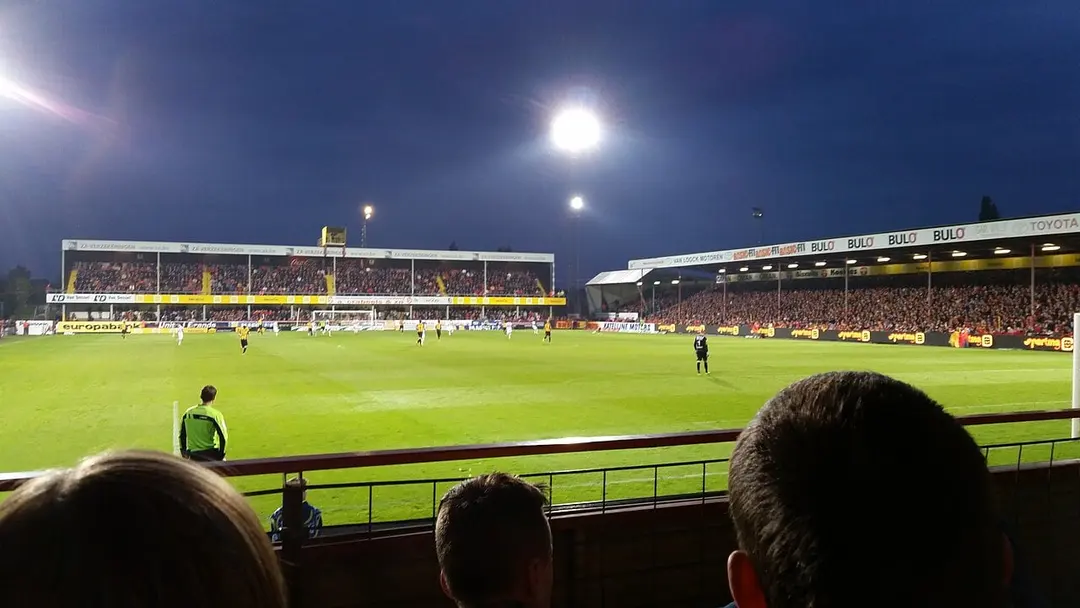
The AFAS Stadium, also known as Achter de Kazerne — meaning "behind the barracks" — is the home ground of Belgian football club KV Mechelen in the city of Mechelen, Antwerp Province. With around 16,672 seats, it is a mid-sized stadium in the Belgian Jupiler Pro League. The name derives from the stadium's historic location behind a former military base. In 2019, the stadium underwent extensive modernization to meet modern league requirements. KV Mechelen is a club with deep traditions, having won two Belgian championships (1943, 1989) and the UEFA Cup in 1988. The stadium offers visitors a passionate home atmosphere in one of Belgium's oldest cities.
Brussels
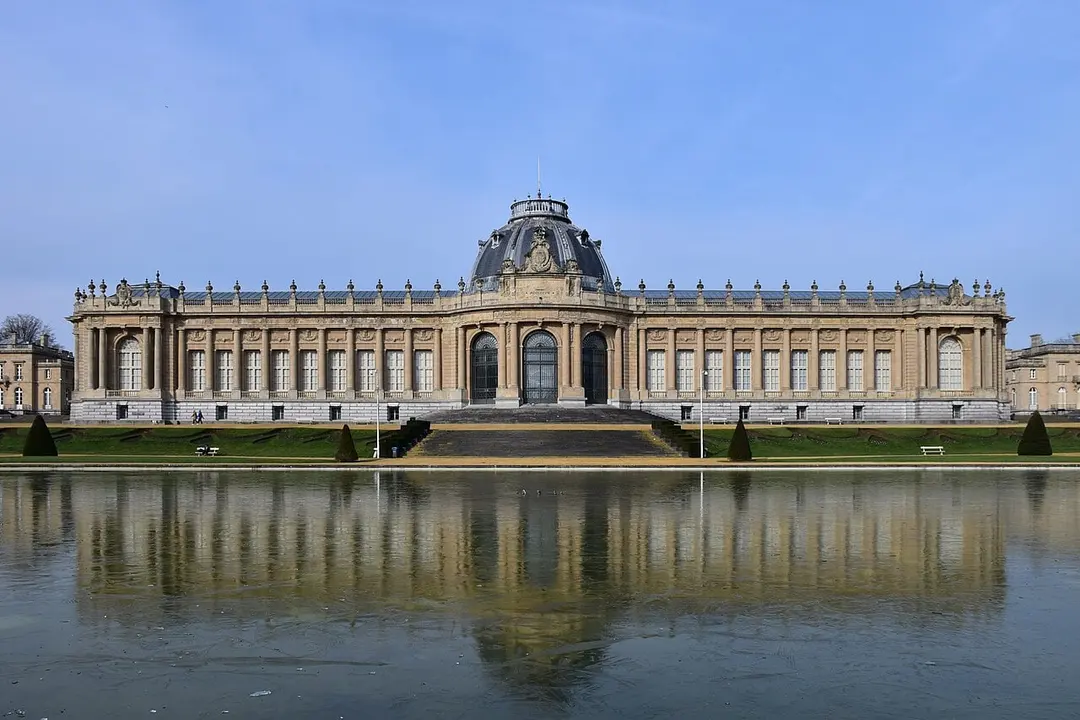
The Royal Museum for Central Africa in Tervuren near Brussels is one of the world's largest museums dedicated to Africa. Originally built in 1898 by King Leopold II to showcase his Congo Free State at the 1897 World's Fair, it carried an unexamined colonial narrative for decades. After an extensive renovation, it reopened in 2018 as the AfricaMuseum with critically reworked collections that put Belgium's colonial history at the forefront. The grand Wilhelmine-style palace building set in an expansive château park draws visitors for its architecture alone.
Brussels
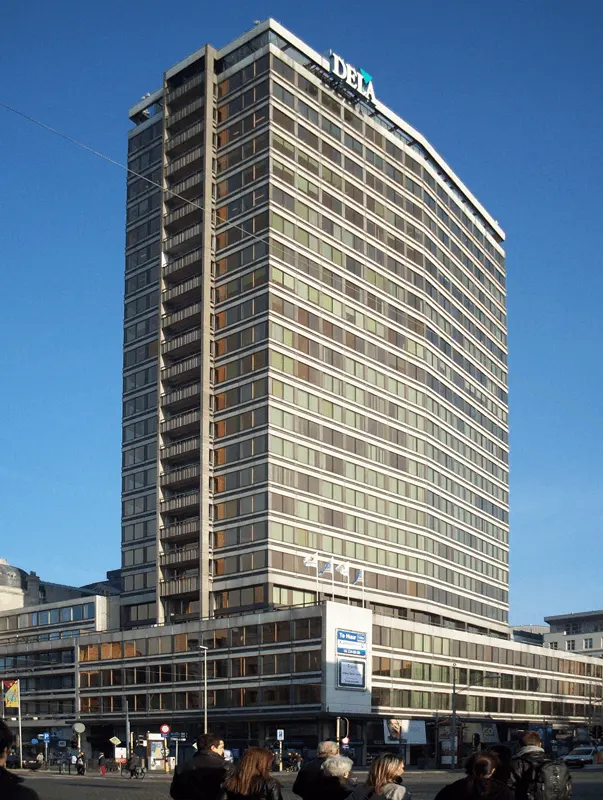
Antwerp Tower is an office and residential high-rise in the heart of Antwerp, originally built in 1974 as an office tower standing 87 metres tall. Following a major renovation in 2019–2021 in which two double-height floors were added, it now reaches 100.70 metres, making it the tallest residential building in the city. The building stands on De Keyserlei, the lively boulevard between the central station and the Meir shopping street – one of Europe's busiest city entrances. As a prominent element of the Antwerp skyline, the tower combines the austere post-war modernism of its original design with a contemporary mixed-use role.
Brussels
Brussels
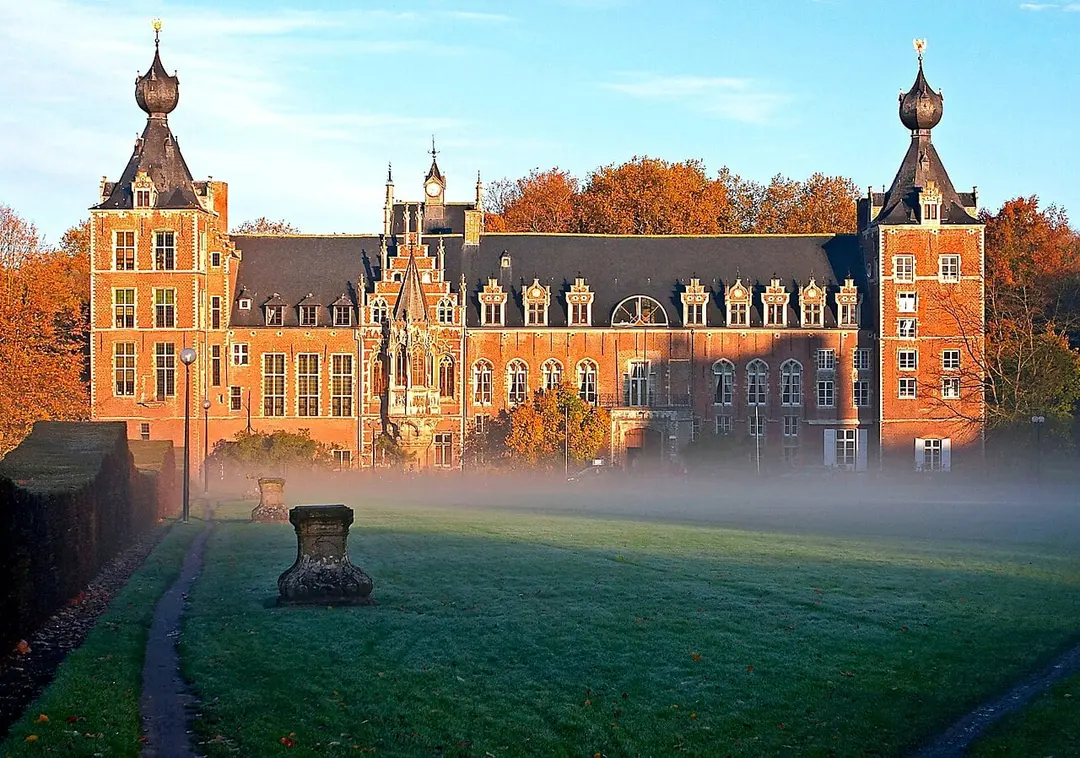
Arenberg Castle stands in Heverlee, a district of the Belgian university city of Leuven. The current building dates largely from the 16th century and is a fine example of Flemish Renaissance architecture: brick walls paired with sandstone window frames, two imposing corner towers bearing German eagles, with later additions in Late Gothic and Neo-Gothic styles. Today the castle belongs to KU Leuven and houses the Faculty of Engineering Science. The combination of a historic aristocratic seat and a living campus makes it an unusual destination.
Brussels
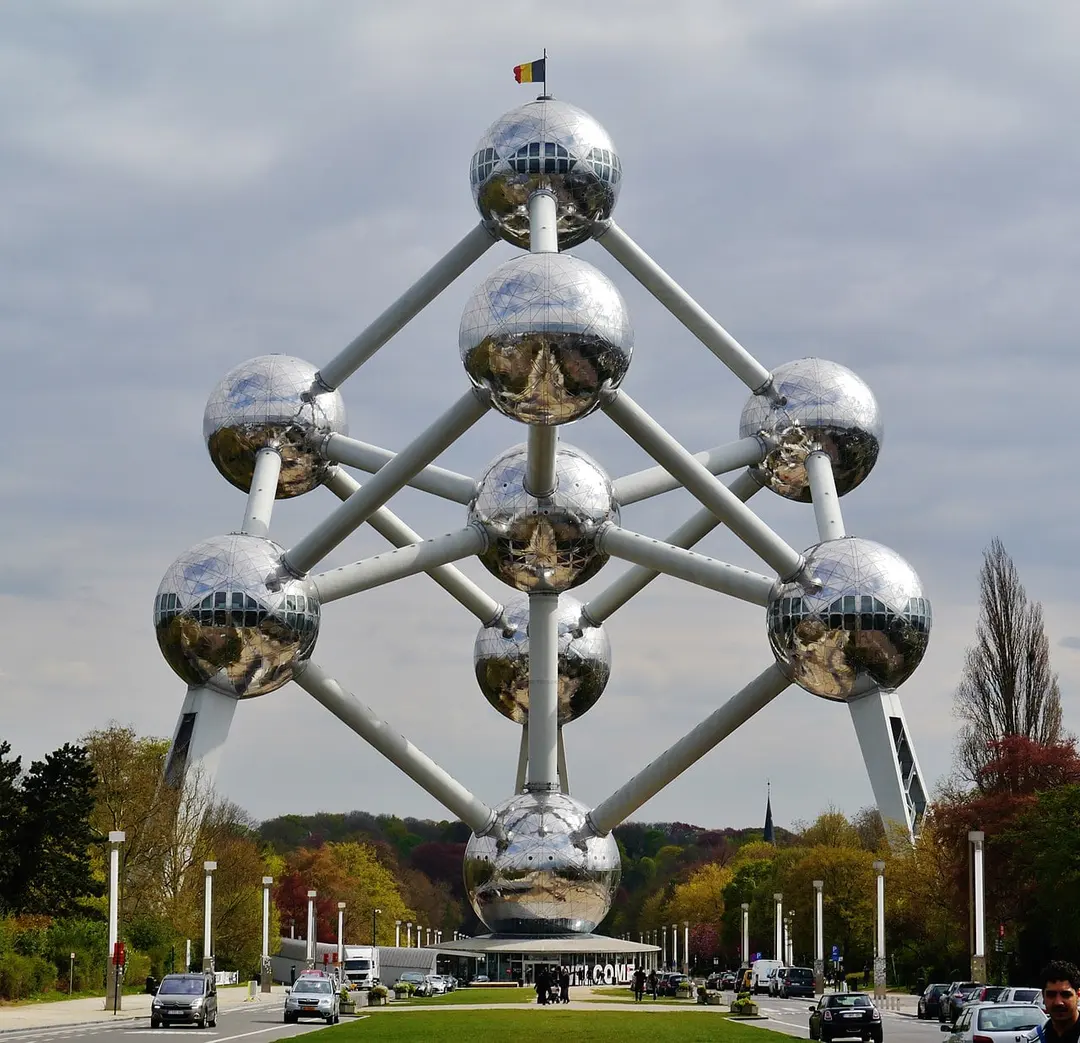
The Atomium is Brussels' most recognisable landmark, built as the centrepiece of the 1958 World's Fair. Engineer André Waterkeyn's design represents an iron crystal unit cell magnified 165 billion times: nine spheres connected by tubes, rising 102 metres. Originally conceived as a temporary structure, it is now a protected monument. Visitors can enter the spheres, which house exhibition spaces, a children's area, and a restaurant with panoramic views across the city. It stands in the Laeken district near the Royal Greenhouses and the Atomium Park.
Brussels
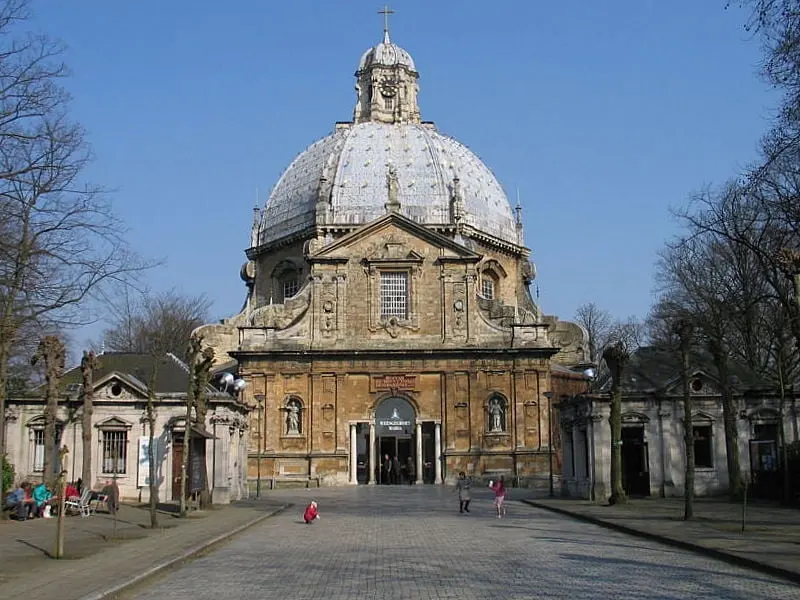
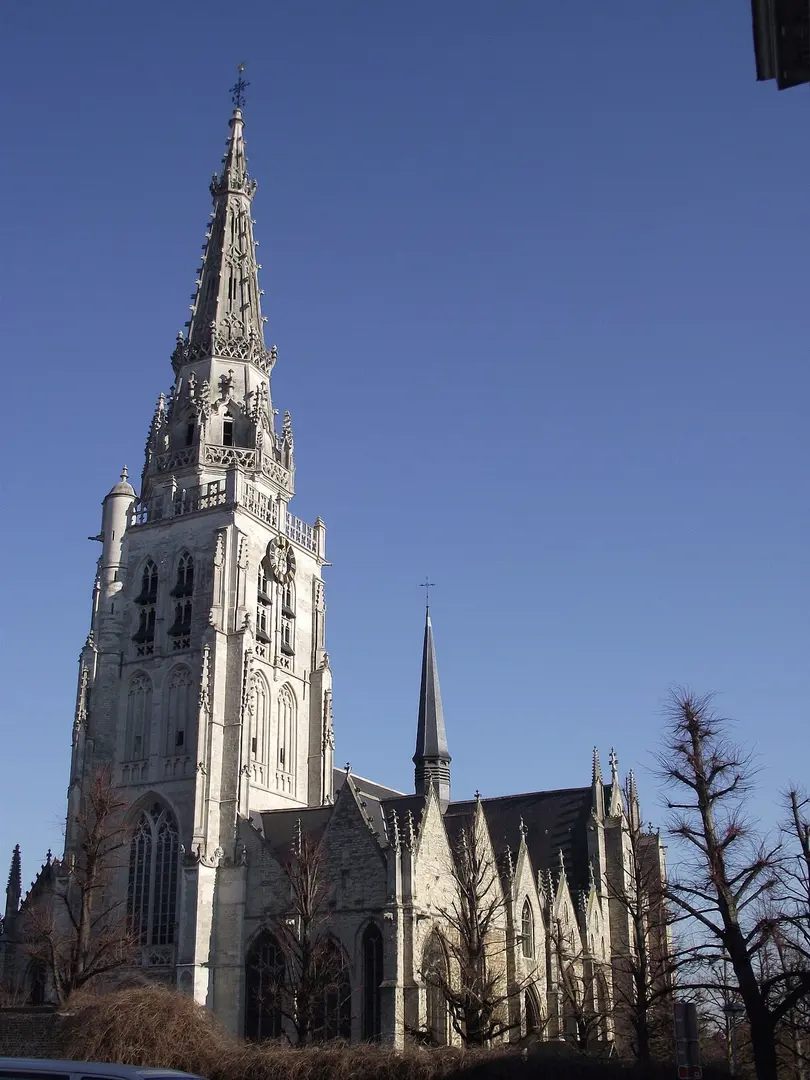
The Basilica of Our Lady of Scherpenheuvel in Scherpenheuvel-Zichem is reputedly Belgium's most frequently visited pilgrimage site. The circular church — an architectural rarity in northern Europe — was built from 1609 under the patronage of Archdukes Albert and Isabella and stands as a key work of Flemish Counter-Reformation architecture. Consecrated in 1627 and raised to a minor basilica in 1922, the church centres on a Gothic statue of Mary around which the pilgrimage cult grew. Hundreds of thousands of pilgrims visit each year, with particularly large gatherings during the November novena.
Brussels
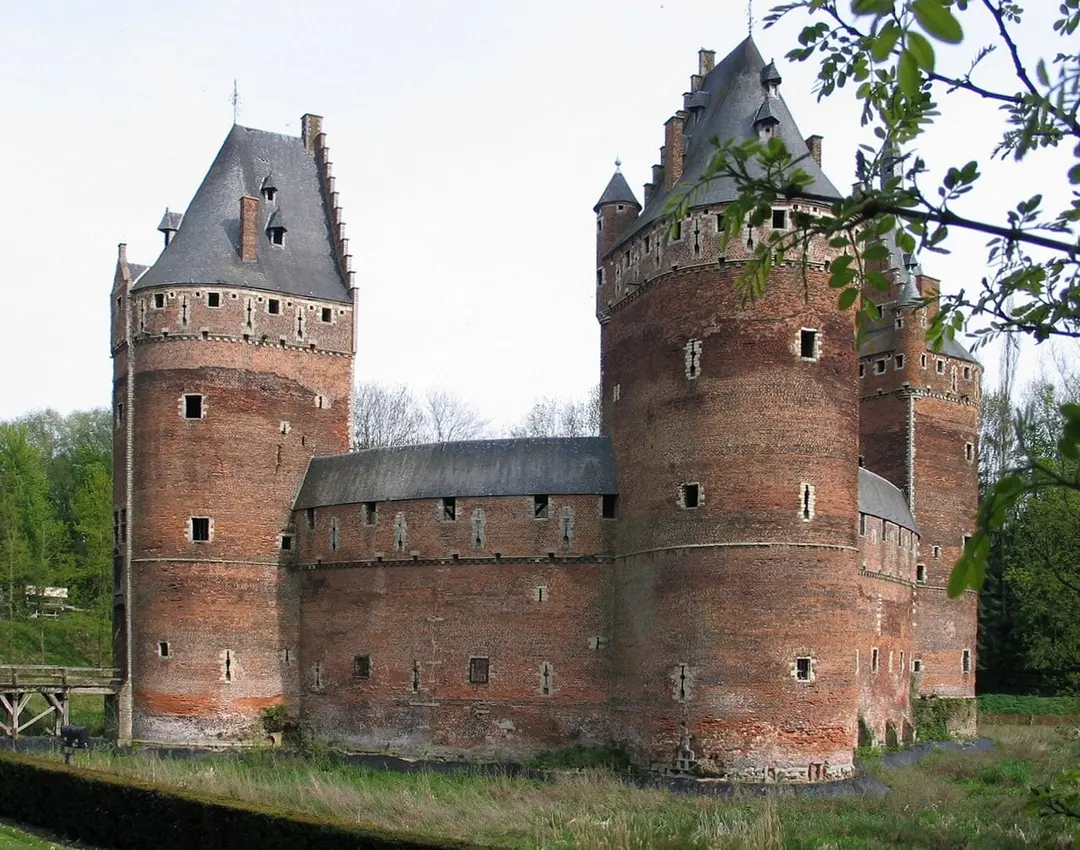
Beersel Castle is one of Belgium's best-preserved medieval castles, located in the municipality of Beersel south of Brussels. Dating to 1300 under the Duchy of Brabant, the water castle features three large circular brick towers around a circular enceinte, an unusual choice of material for fortifications of that era. Sacked twice and restored in 1491 and 1617, the castle underwent a thorough 20th-century restoration between 1928 and 1939. It is open to visitors and remains a striking example of Flemish medieval military architecture.
Brussels
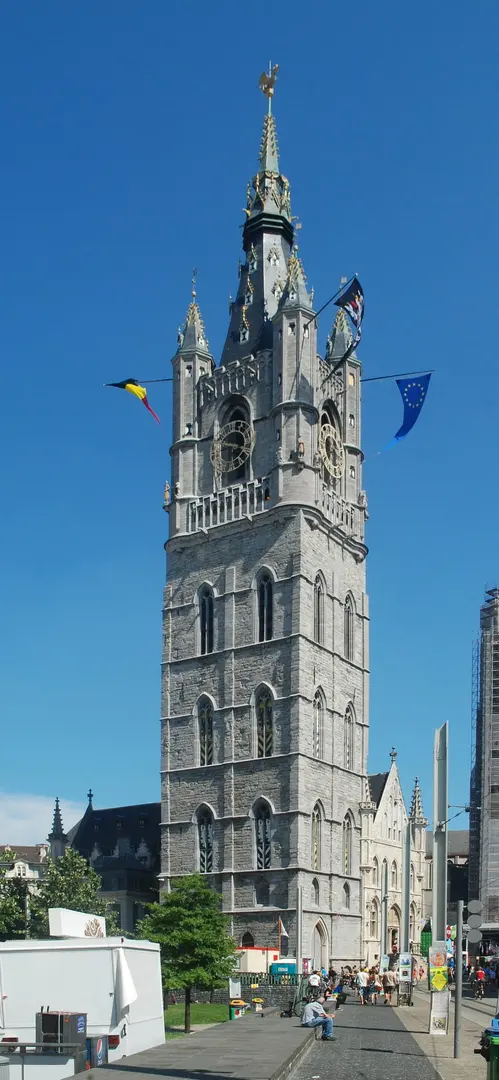
The Belfry of Ghent, at 91 metres, is the tallest belfry in Belgium and part of the UNESCO World Heritage Site comprising the Belfries of Belgium and France. It stands in the heart of Ghent's old city centre, flanked by Saint Bavo's Cathedral and Saint Nicholas' Church — together forming the famous Ghent Three Towers, one of Belgium's most iconic skylines. Construction began in 1313 and continued over centuries; the dragon weathervane at its peak is a symbol of Ghent's civic freedoms. Inside, an exhibition tells the story of urban autonomy and the city's powerful guilds.
Brussels
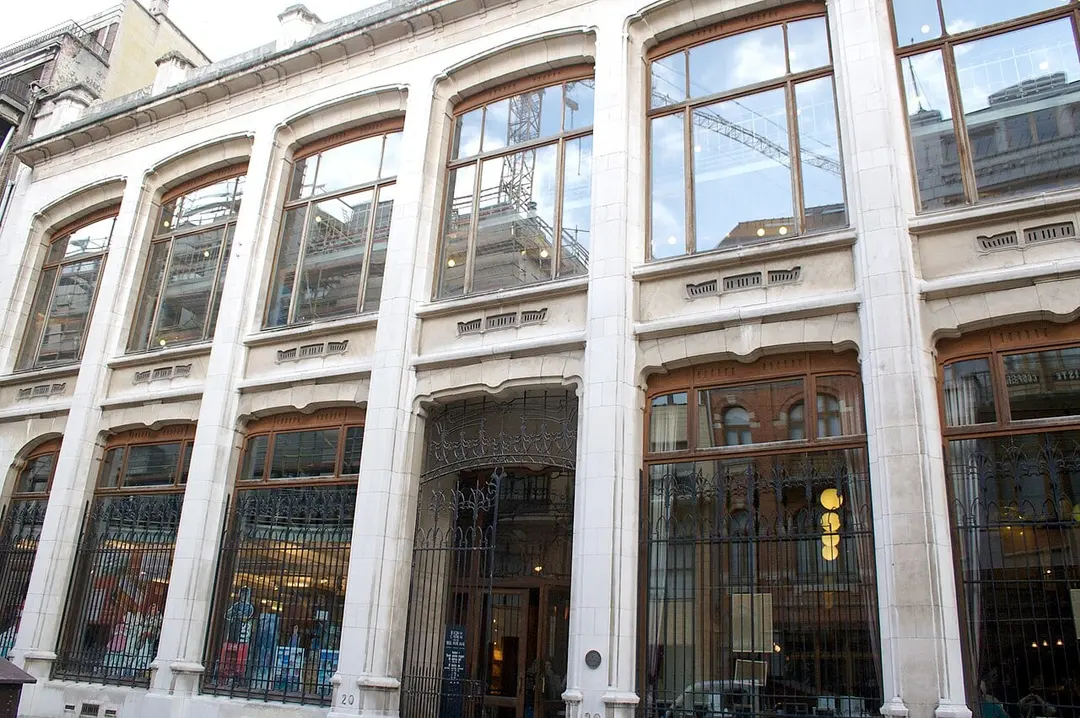
The Belgian Comic Strip Center in Brussels is the national museum for Belgian comics and a pilgrimage site for fans of Tintin, The Smurfs, and Lucky Luke. It is housed in an elegant 1906 Art Nouveau building designed by master architect Victor Horta — the hall alone is worth the visit. Since 1989, the museum has spread across multiple floors tracing the history of Belgian comics from their origins to the present day, with original artwork and rotating special exhibitions. Belgium is considered the birthplace of European comics, and this museum celebrates that with genuine enthusiasm.
Brussels
Brussels
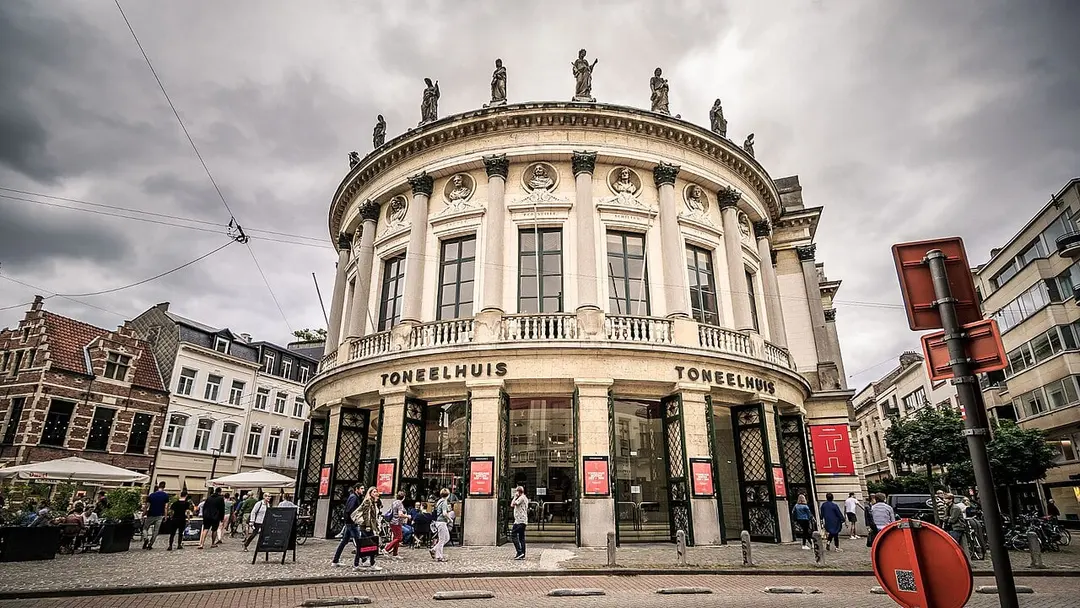
The Bourla Theatre is a neoclassical theatre in central Antwerp, designed by city architect Pierre Bourla. Construction began in 1829 but was interrupted by the Belgian Revolution; the theatre finally opened in 1834 on the site of the former Tapissierspand tapestry market. With seating for around 900, it opened under French ownership as the Grand Théâtre before eventually becoming a Flemish institution. Today it is home to Het Toneelhuis, a major Flemish theatre company formed from the merger of two older ensembles, and is protected as Belgian cultural heritage.
Brussels
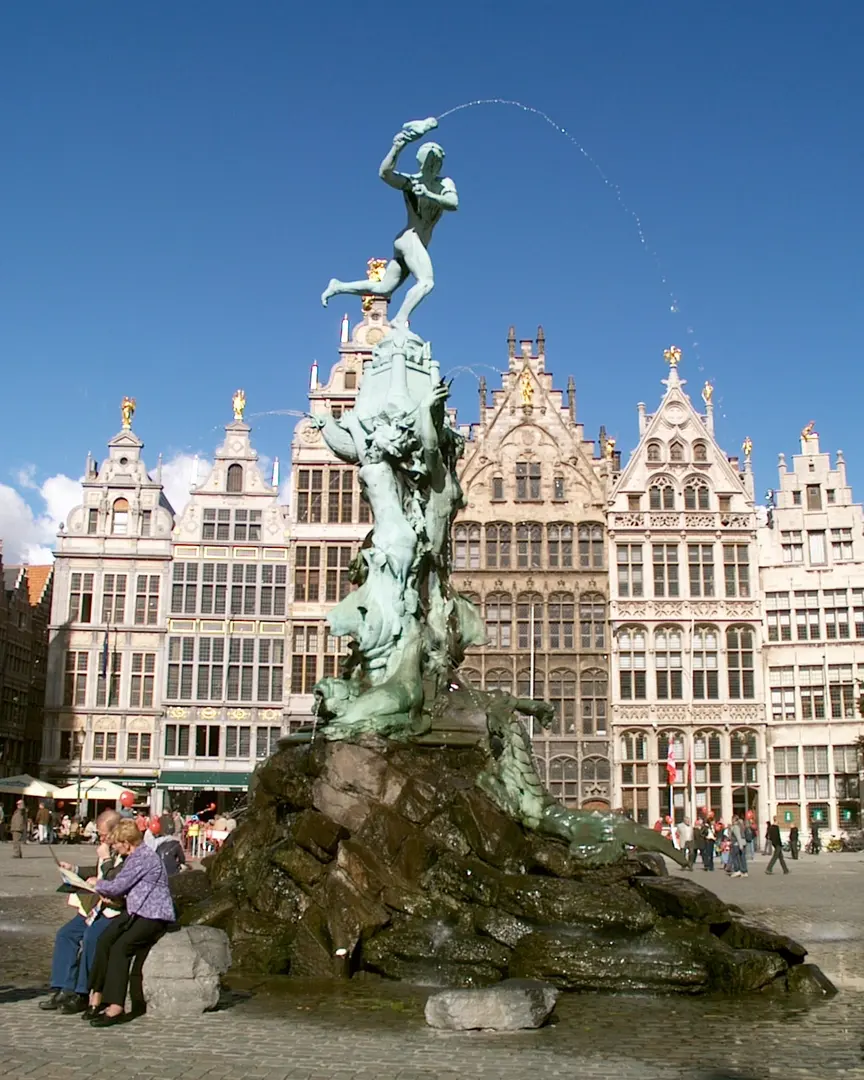
The Brabo Fountain stands on the Grote Markt in Antwerp, directly in front of City Hall. The bronze sculpture was created in 1887 by Antwerp sculptor Jef Lambeaux and depicts Silvius Brabo at the moment he throws the severed hand of the giant Druon Antigoon into the river Scheldt — the legend to which the city's name is traced. Stylistically the work draws on elements of Italian Mannerism. Today the fountain is one of the most photographed spots in Antwerp and an unavoidable part of daily life on the Grote Markt.
Brussels
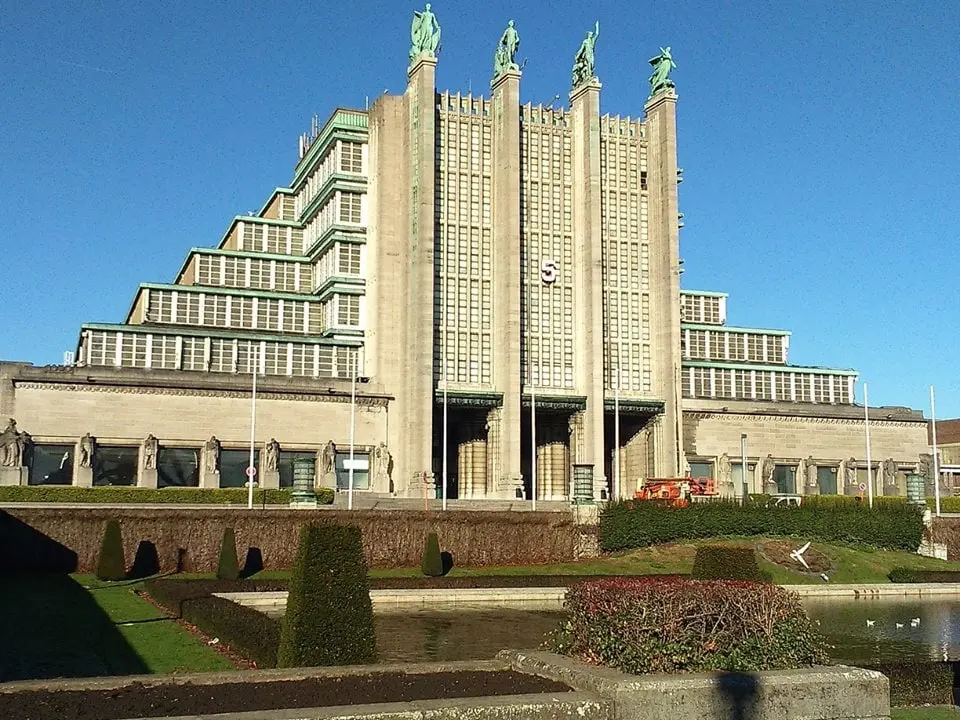
Brussels Expo on the Heysel Plateau in the Brussels district of Laeken is the largest exhibition centre in the Benelux region. Twelve halls with a combined 115,000 m² of floor space host Belgium's most important national and international trade fairs and events. The site is closely linked to the 1958 World Expo, for which the adjacent Atomium was also built. The halls reflect the evolution of modern construction techniques through the 20th century – from Art Deco elements of the 1930s to functional post-war buildings.
Brussels
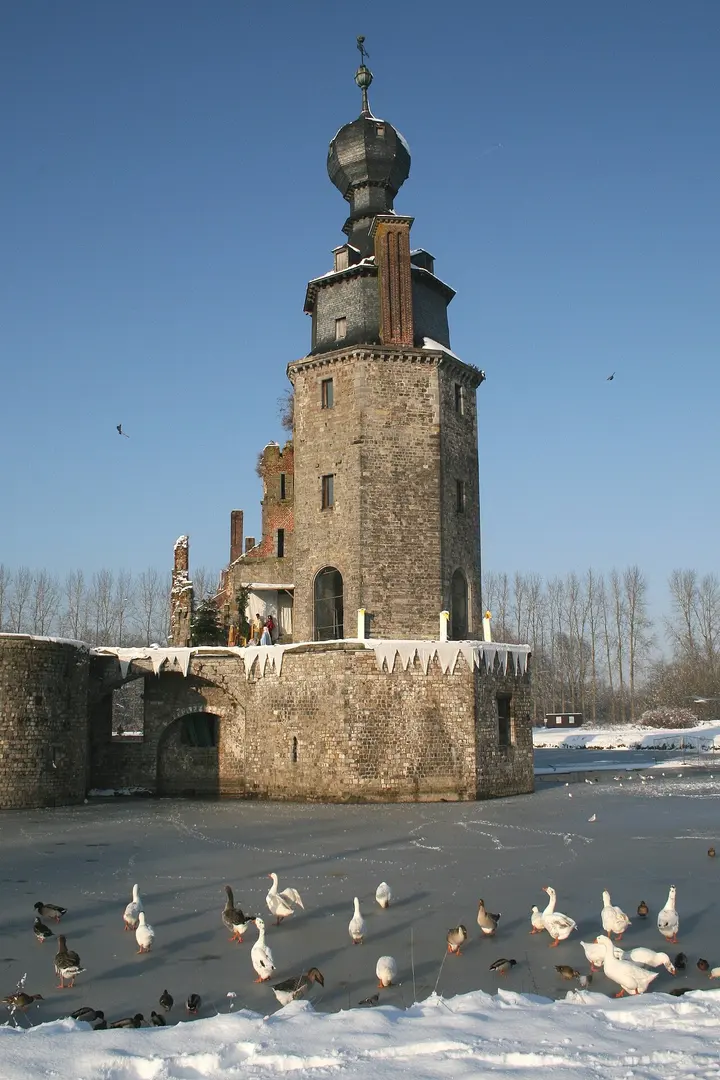
Château d'Havré is a ruined castle in the village of Havré, part of the city of Mons in the Walloon province of Hainaut, Belgium. Dating from 1226, it passed through the hands of noble families including Enghien, Harcourt, and Croÿ, and was repeatedly besieged, damaged, and rebuilt. Most of its surviving fabric dates from the 14th to 17th centuries; the current form emerged from extensive reconstruction in the late 16th century. Listed as a protected monument since 1936, both the buildings and the castle garden are open to visitors.
Brussels
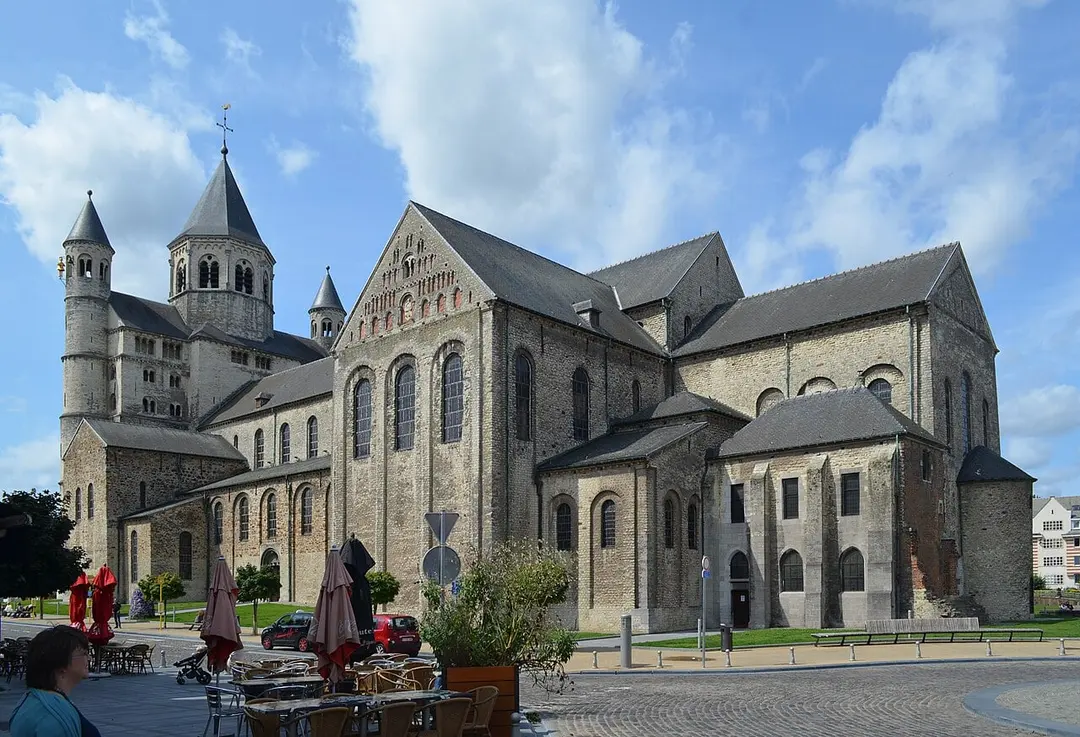
The Collegiate Church of Sainte-Gertrude in Nivelles is one of the most significant Romanesque churches in Belgium. Construction began shortly after the year 1000 — possibly from 1020 as a replacement for an earlier structure — and the church was consecrated in 1046. It is listed as a Walloon heritage monument and one of the defining landmarks of the Brabant Wallon region. The church is dedicated to Saint Gertrude of Nivelles, patron saint of cats and travellers. Her tomb inside the church made Nivelles a pilgrimage destination for centuries. The building was badly damaged in the Second World War and painstakingly restored. Today the collegiate church is the focal point of Nivelles town centre, easily reachable from Brussels.
Brussels
The Collegiate Church of Saints Peter and Guido is a Roman Catholic church in the historic centre of Anderlecht, a municipality southwest of Brussels. Built in the Brabantine Gothic style in the 14th century, it was originally the seat of a college of canons who celebrated its liturgy. The church is co-dedicated to Saint Guido of Anderlecht, an 11th-century saint venerated for his poverty and pilgrimages, and the patron saint of the municipality. Located directly above the Saint-Guidon metro station, it functions as the main parish church of Anderlecht.
Brussels
The Cromwell tank was Britain's primary cruiser tank in the Second World War, deployed from 1944 in Normandy and later in the Netherlands and Belgium. As the first British armored vehicle to combine high speed with adequate armor, it achieved this through the proven Rolls-Royce Meteor engine — derived from the Merlin aircraft engine. A preserved example stands in Belgium as an outdoor exhibit. The vehicle commemorates the liberation battles in the region and the role of British armored units during the Western campaigns of 1944–45. For visitors interested in military history, the tank offers a direct encounter with wartime engineering: the characteristic low profile and compact turret make the Cromwell recognizable from a distance.
Brussels
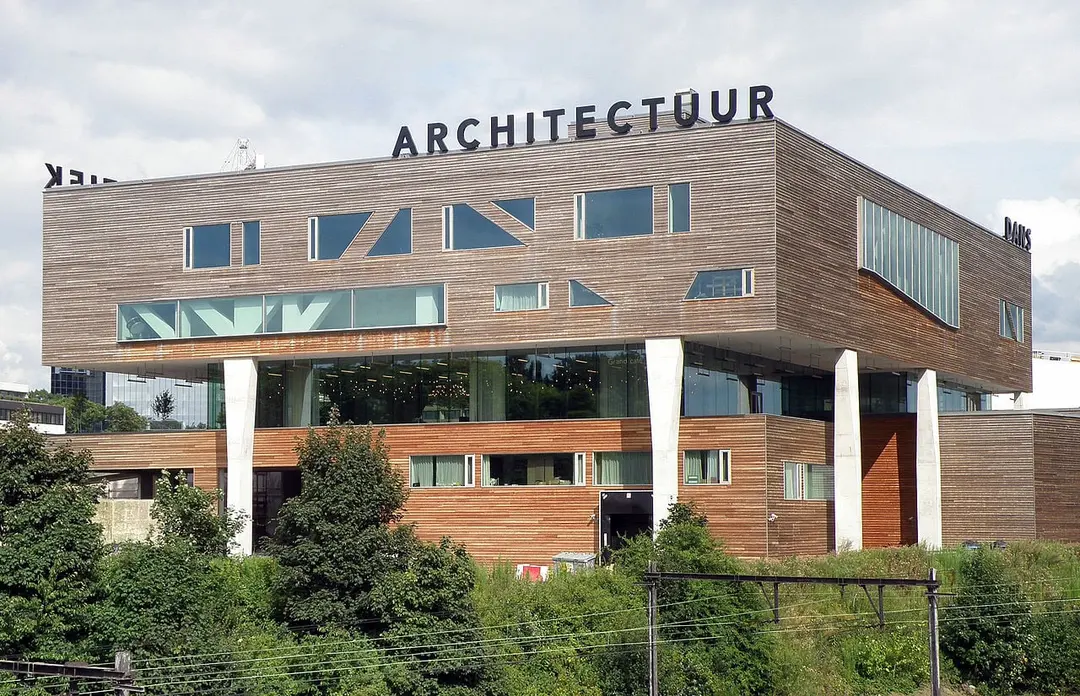
deSingel is the international arts centre of the Flemish Community of Belgium, located on Desguinlei in Antwerp. The complex houses multiple stages, concert halls and exhibition spaces with programming spanning contemporary music, dance, theatre and architecture. Under one roof it hosts the Royal Conservatory of Antwerp, the Flemish Architecture Institute and the Study Centre for Flemish Music. Opened in 1975, it has built a reputation as a laboratory for avant-garde work, rarely drifting toward mainstream repertoire. Anyone exploring Antwerp culturally beyond the old city centre will find it worth a visit.
Brussels
Brussels
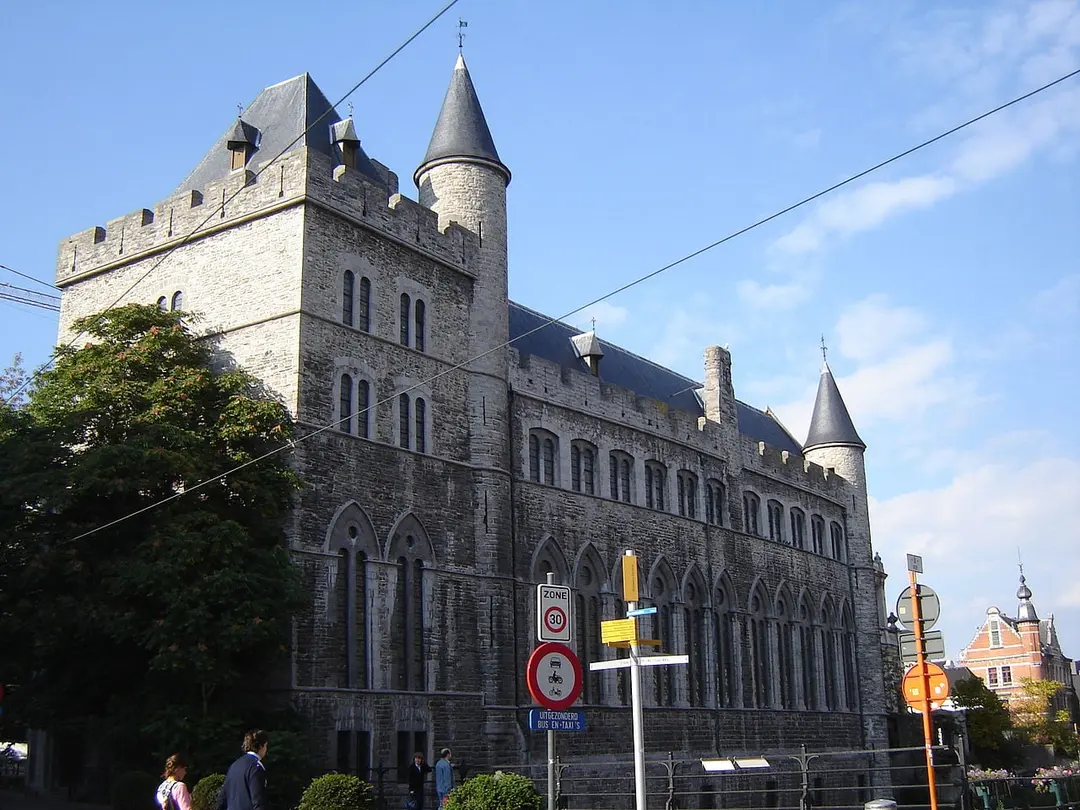
The Geeraard de Duivelsteen — literally "Gerard's Devil's Stone" — is a medieval fortress complex in the heart of Ghent and one of the oldest surviving secular stone buildings in Belgium. Its oldest section, built of large sandstone blocks, dates from the early 13th century and was constructed for Geeraard Vilain, a local knight nicknamed "de Duivel" (the Devil) on account of his dark complexion. Over the centuries the multi-wing complex served as a monastery, asylum, barracks, and prison. Today it houses the State Archive of the city of Ghent. Seen from the street, the massive facade with its tall lancet windows offers a striking and unexpected window into Ghent's deeper history.
Brussels
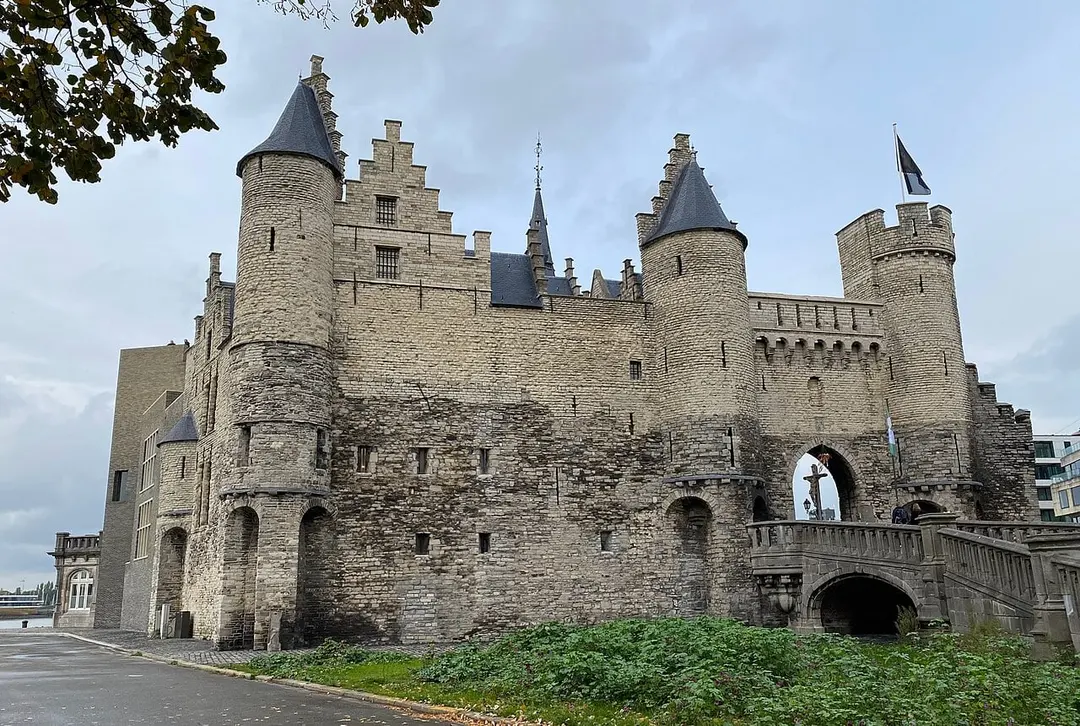
Het Steen — the Stone or the Castle — is Antwerp's oldest surviving building, standing directly on the right bank of the Scheldt. The fortification was built between 1200 and 1225 as the gateway to a larger ducal castle; the rest was demolished in the 19th century, but Het Steen survived. Over the centuries it served as a prison, then a museum. The restored structure draws visitors who want to feel the oldest layer of Antwerp along the river.
Brussels
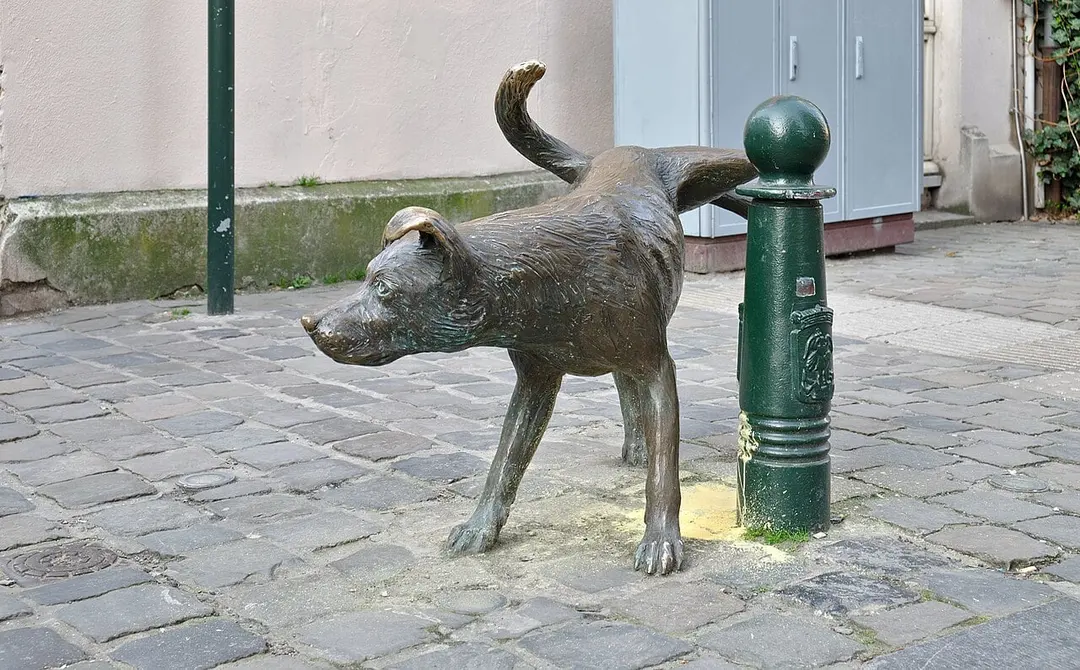
Het Zinneke is a bronze sculpture installed in 1999 in central Brussels, depicting a dog urinating against a street bollard. Created by sculptor Tom Frantzen, it was conceived as a deliberate companion to the world-famous Manneken Pis fountain figure (1619) and its female counterpart Jeanneke Pis (1985) — together forming a folk trilogy of Brussels humour. The word "Zinneke" is a mildly derogatory Brussels dialect term for a scruffy mongrel dog and symbolises the city's mixed, multilingual identity. The sculpture stands at the corner of Rue des Chartreux and Rue du Vieux-Marché aux Grains, and serves as a small, charming monument to the typical Belgian "zwanze" — the self-deprecating folk humour of the Bruxellois.
Brussels
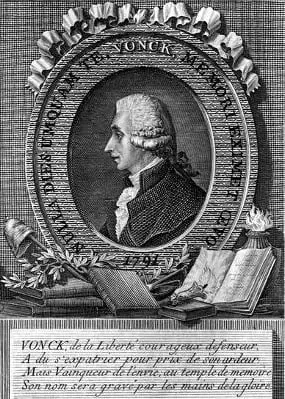
Jan Frans Vonck was a Flemish lawyer and one of the key leaders of the Brabant Revolution of 1789–1790, which briefly led to the founding of the United States of Belgium. Leading the Vonckists – the radical faction inspired by the French Revolution – he advocated for abolishing the feudal privilege system and establishing a more centralised government, directly opposing the conservative Statists. Vonck is regarded as a forerunner of modern Belgian liberalism, and his ideas have had a lasting influence on the country's political culture. Today his legacy is commemorated through monuments and street names across Belgium.
Brussels
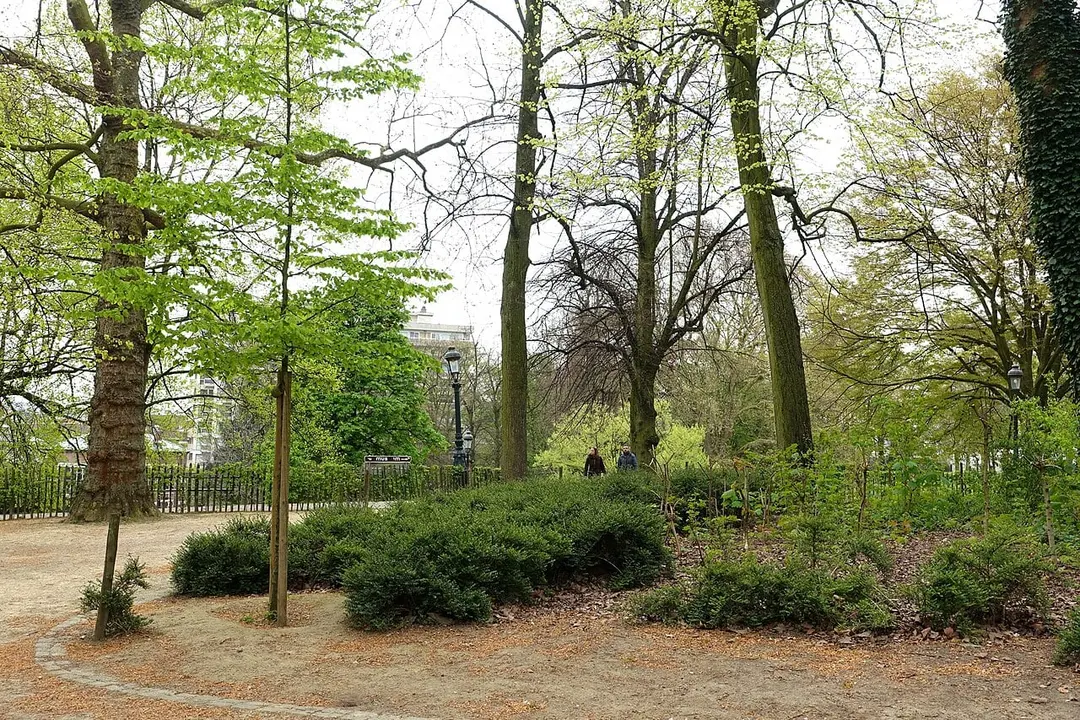
Leopold Park is a 6.4-hectare urban park in Brussels' European Quarter, nestled in the Maelbeek valley. Laid out around 1880 and listed as a protected monument, it is directly adjacent to the Museum of Natural Sciences and the Paul-Henri Spaak building of the European Parliament. With its pond, mature trees, and quiet paths, it is a popular retreat for EU institution staff and local residents alike.
Brussels
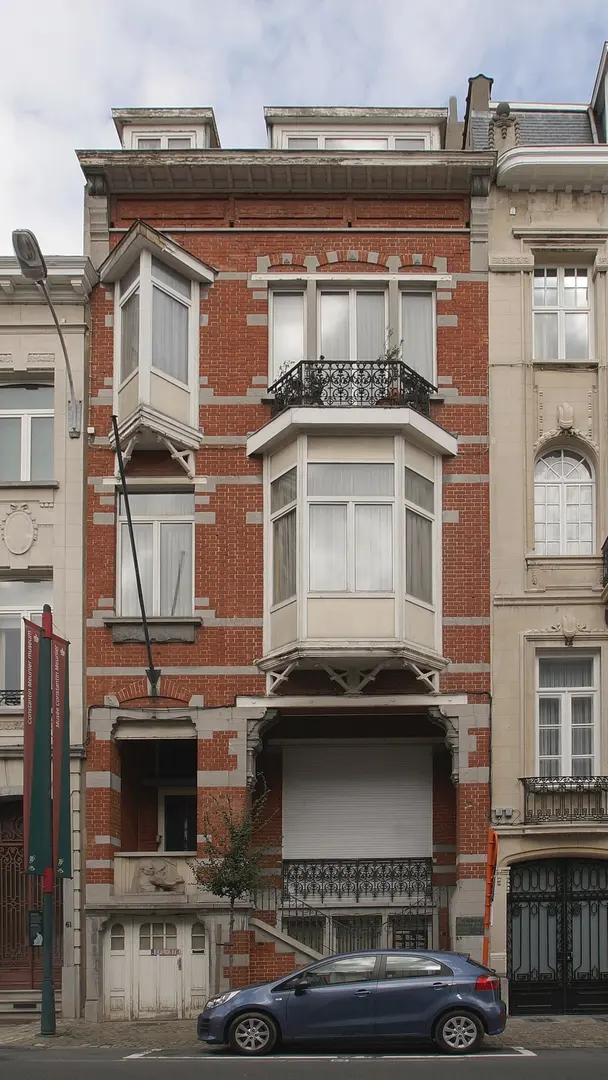
The Meunier Museum in Ixelles, Brussels, is dedicated to the Belgian sculptor and painter Constantin Meunier (1831–1905), a leading figure of social realism. Housed in Meunier's former private studio, it shows a cross-section of his work: sculptures and paintings depicting workers, miners and dock labourers of 19th-century industrial society with dignity and empathy. Part of the Royal Museums of Fine Arts of Belgium, it is one of the most atmospheric artist's house museums in the country.
Brussels
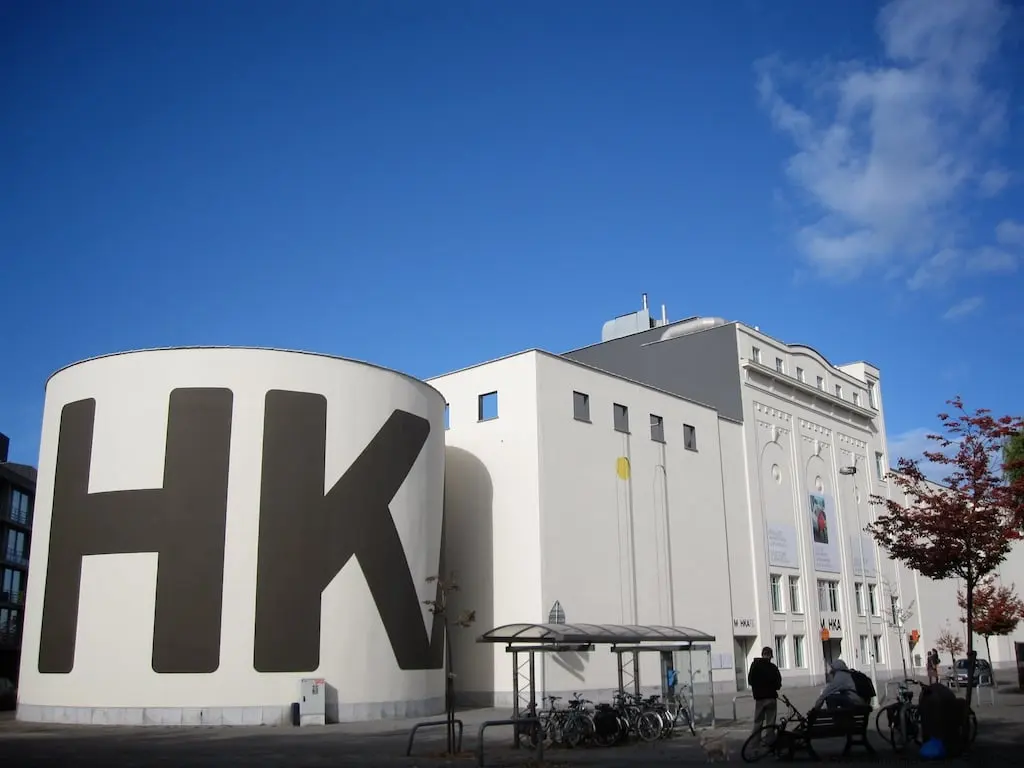
M HKA is Antwerp museum of contemporary art and, since its founding in 1985, one of the most important venues for current art in Belgium. The museum is housed in an imposing former grain silo in Antwerp harbour — a successful example of industrial repurposing. The collection includes significant Belgian and international contemporary art positions. The museum sees itself as an open platform for experiment and discourse. Its location in the evolving harbour district gives visits a distinctive urban atmosphere.
Brussels
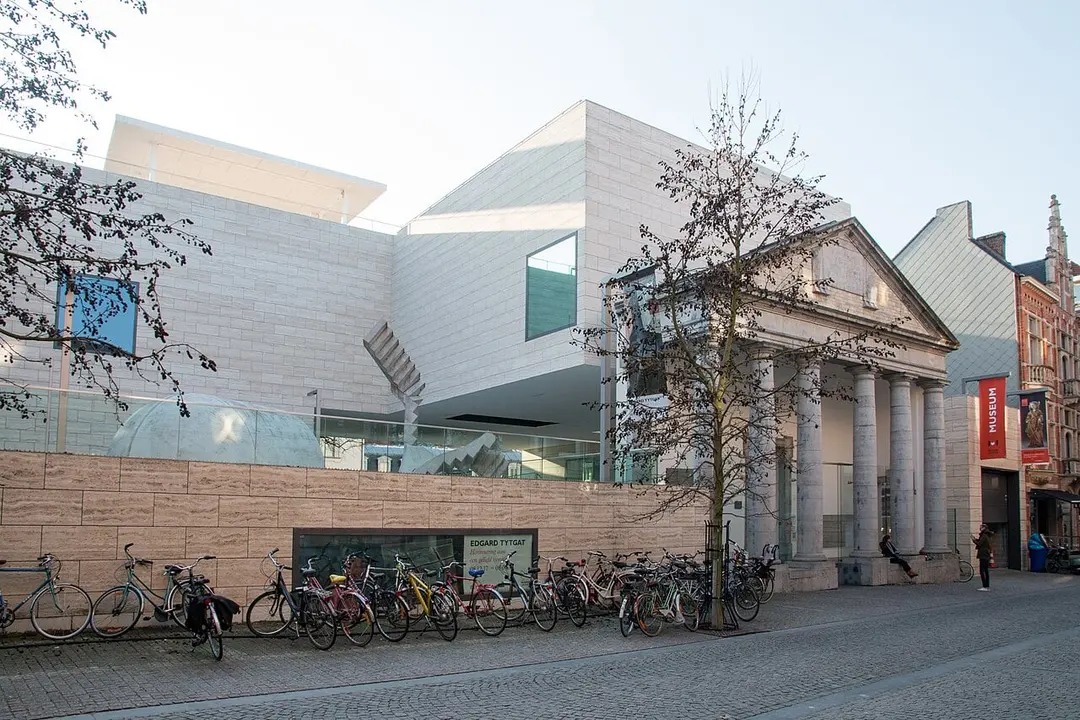
M – Museum Leuven is the city museum of the Belgian university city of Leuven and spans several floors tracing the art of the Brabant region from the Middle Ages to the present. The collection comprises around 46,000 works: from late-Gothic panel paintings and sculptures to 16th-century Flemish masters such as Jan Rombouts the Elder, through to 19th-century works by Constantin Meunier and Jef Lambeaux. The modern museum opened in 2009 and is tightly woven into Leuven historic city centre. Regular temporary exhibitions complement the permanent collection.
Brussels
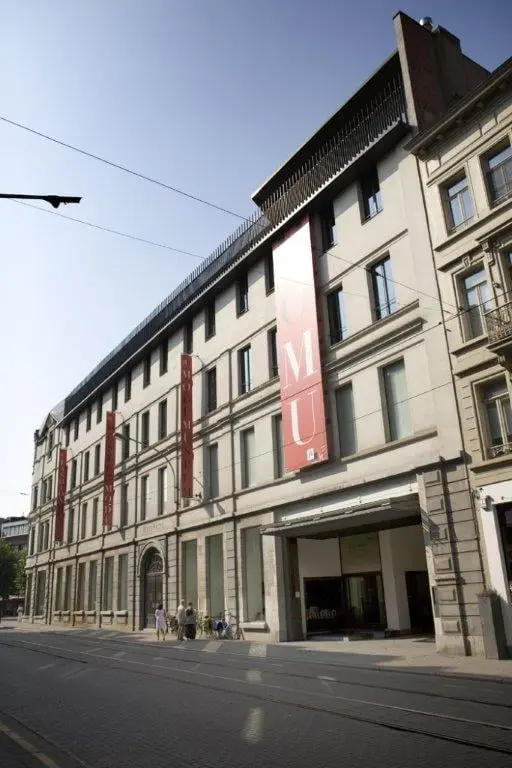
MoMu is the fashion museum of the City of Antwerp and one of the world's leading destinations for contemporary Belgian fashion. It collects, researches and exhibits works by Belgian fashion designers, particularly the Antwerp Six – a group of graduates from the Royal Academy of Fine Arts who revolutionized the international fashion world in the 1980s. After an extensive renovation in 2021, the museum now spans around 2,000 m² of exhibition space. Current exhibitions connect fashion with art, society and history. For anyone who sees fashion as cultural expression, MoMu is an essential stop in Antwerp.
Keep exploring
Rate places with a swipe — TravelType learns from your tags what you love and curates your own map. Private until you choose to share.