Google · Silviu Dobrică
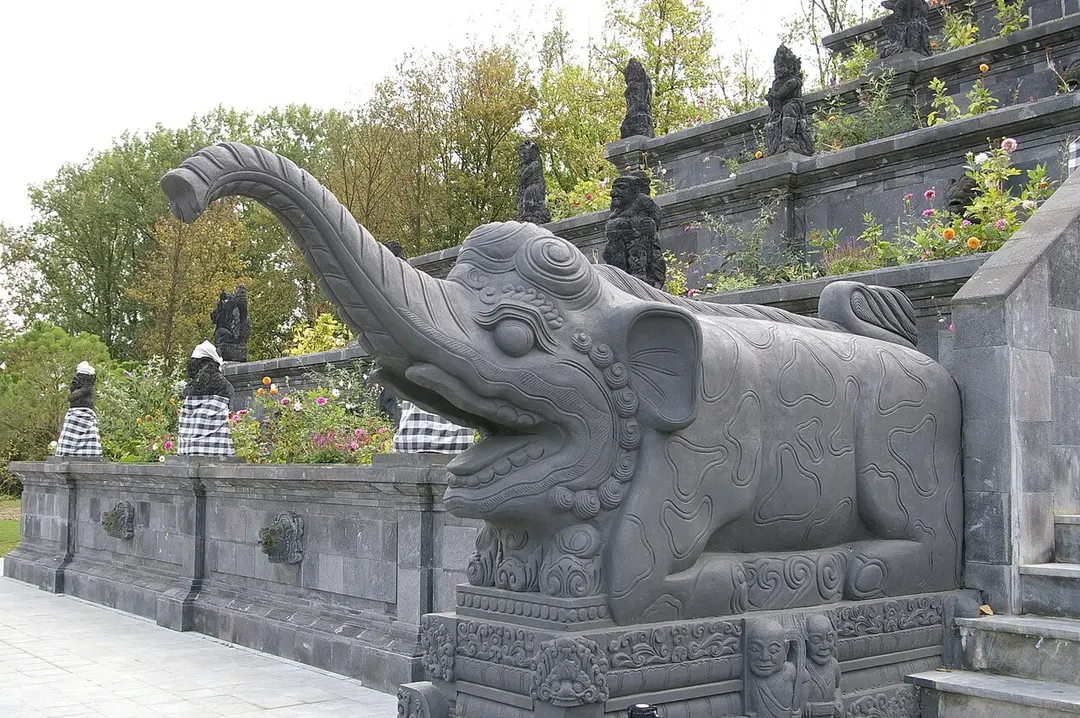
Pairi Daiza
Brussels
architectureculturehistory+4
nature
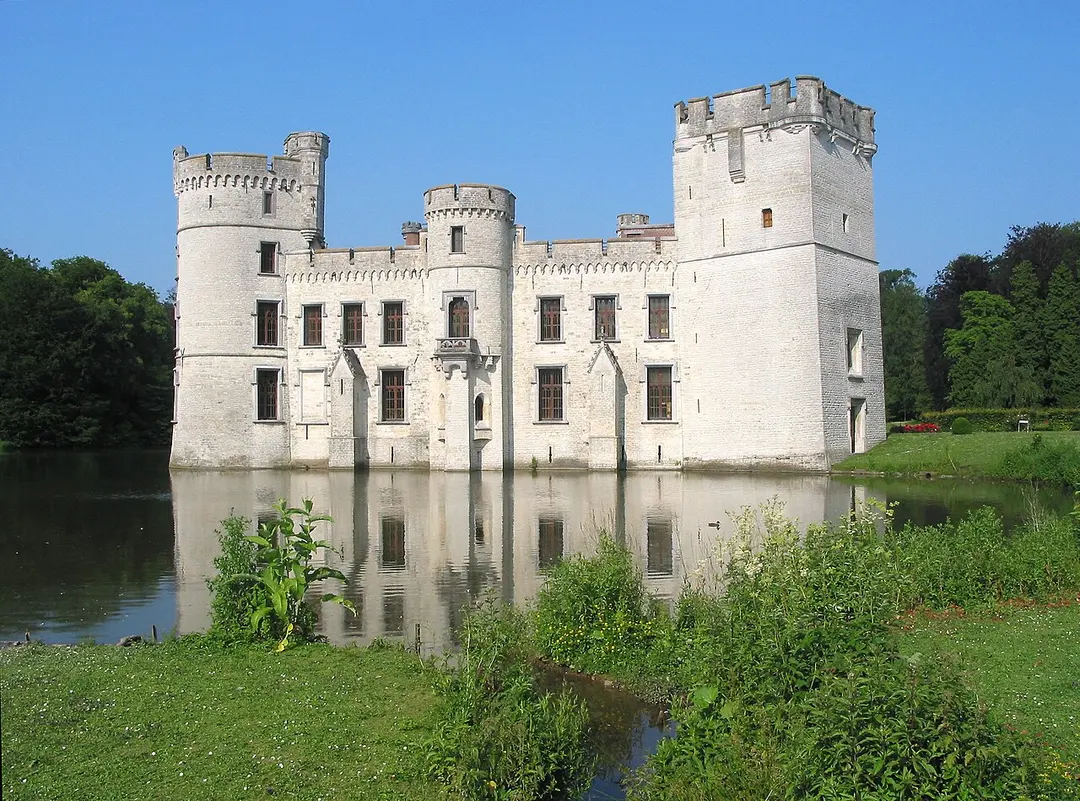
Nature in and around Brussels takes many forms. Josaphat Park and Jubelpark offer green breathing spaces within the city, while Blauwbos – Den Dotter and Bosberg are good starting points for walking in more open surroundings. Further afield, places like Domain Breivelde and Averbode Abbey sit within landscapes worth exploring in their own right. Historic estate settings — among them Kasteel Cleydael, Kasteel Cortewalle, Kasteel d'Ursel, Château d'Havré and Castle of the Counts — are framed by parkland and waterways, making them natural complements to an outdoor itinerary in the region.
12 places · Brussels, Belgium · Editorially curated
Brussels
Brussels
Brussels
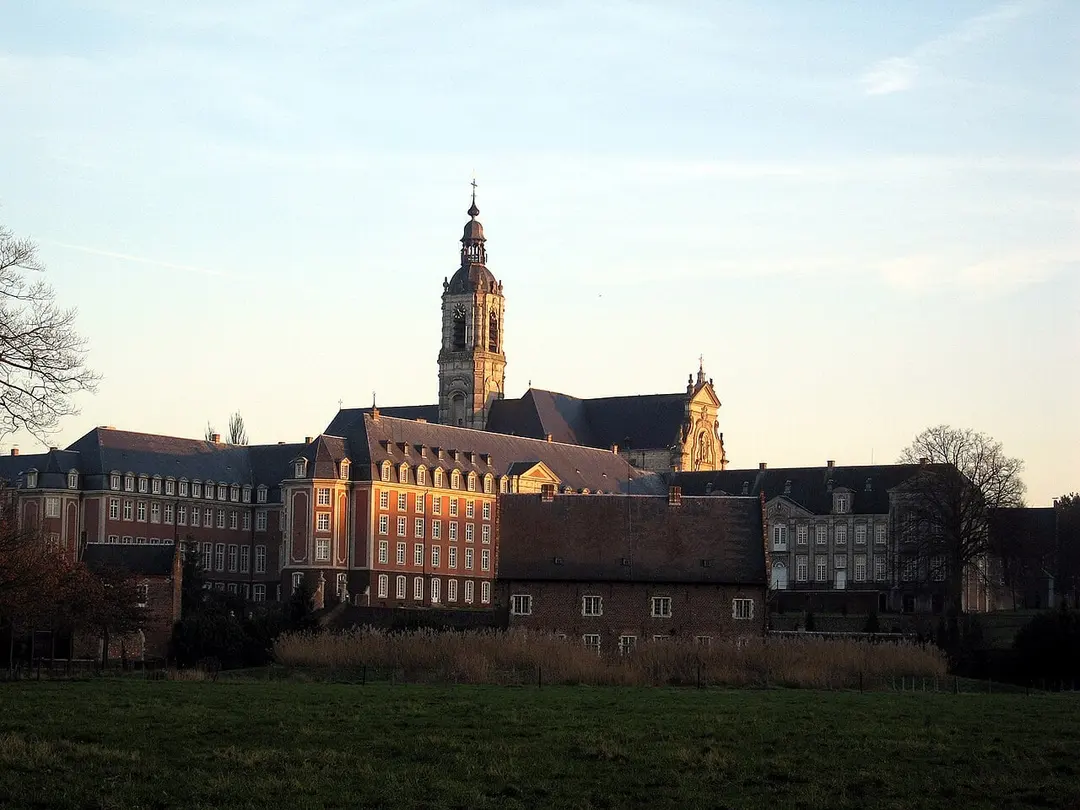
Averbode Abbey in the Flemish municipality of Scherpenheuvel-Zichem is one of Belgium's most significant Premonstratensian abbeys. Founded around 1134, it was suppressed during the French Revolution in 1797 and re-established in 1834. The abbey church is a striking synthesis of Baroque and Gothic with Renaissance ornamental details — built between 1664 and 1672 from local iron sandstone to designs by Antwerp architect Jan Van den Eynde II. During the 20th century, the abbey's press was one of Belgium's leading children's book publishers. The working monastery still welcomes visitors seeking quiet reflection today.
Brussels
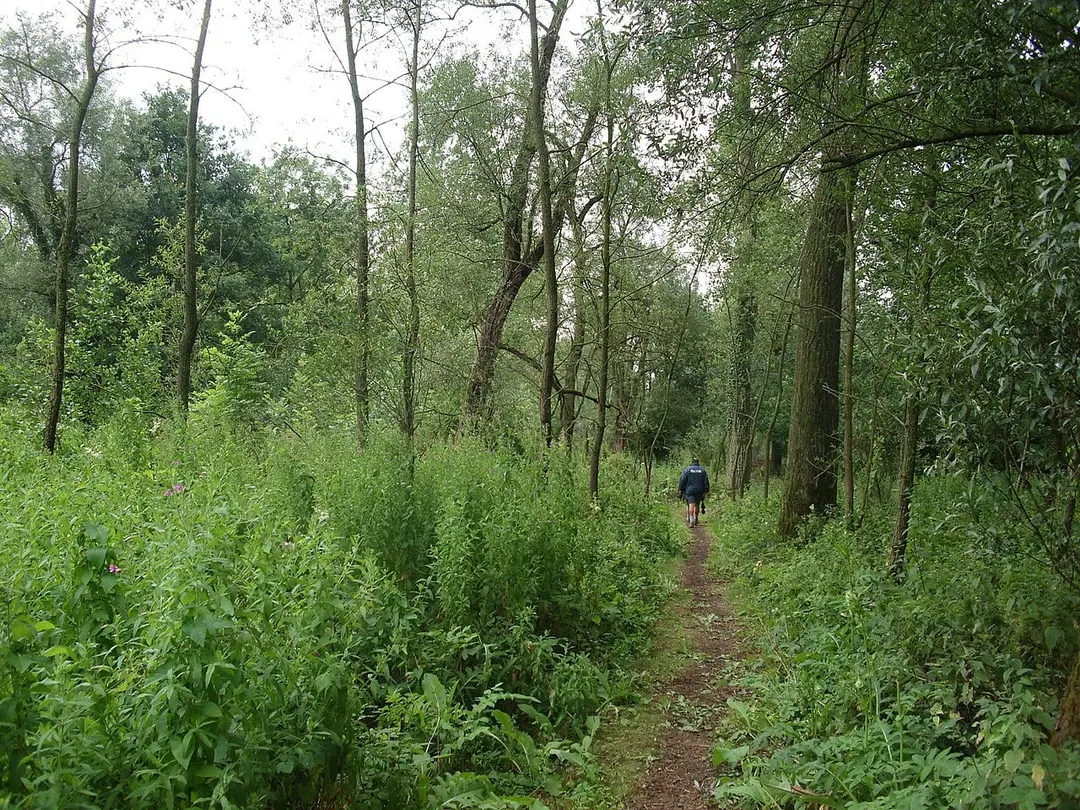
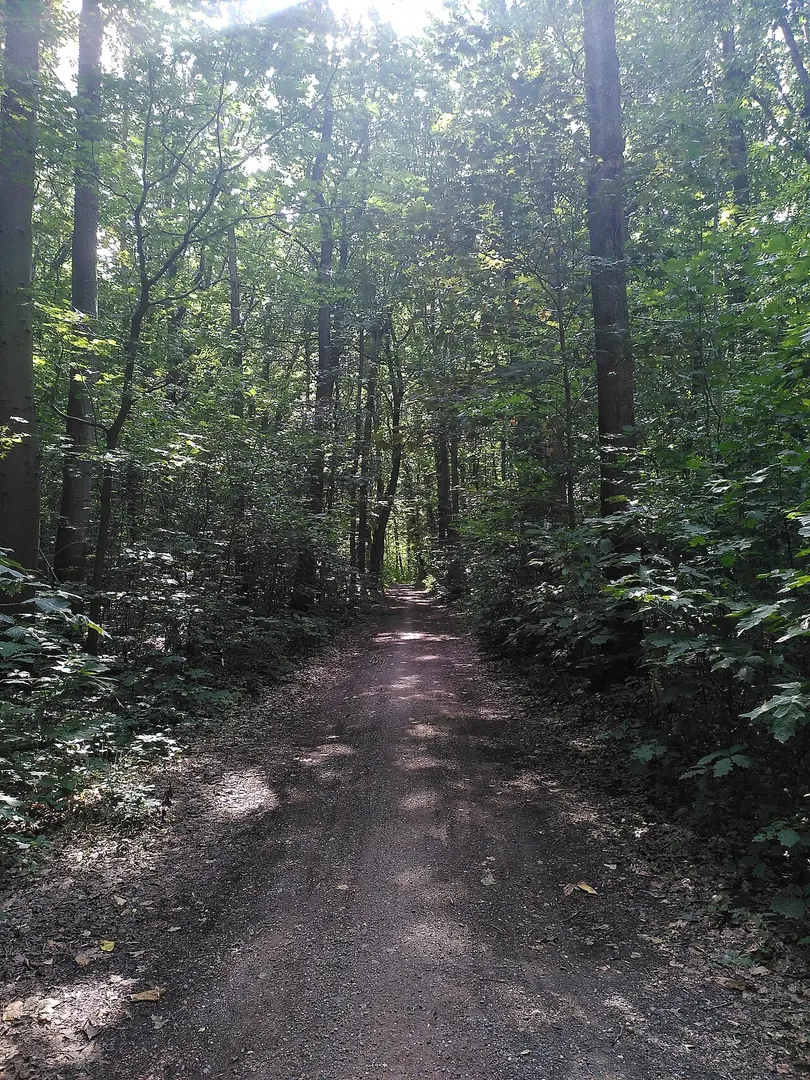
Den Dotter is a nature reserve of about 205 hectares in the sub-municipalities of Aaigem and Heldergem in the East Flemish Denderstreek region of Belgium. The area is characterised by marshland and wet meadows traversed by the Molenbeek-Ter Erpenbeek stream, which is known for its historic mills along the route. The area is largely uninhabited and provides habitat for many bird species and typical wetland flora. The name Blauwbos refers to a wooded section within the reserve. It is a quiet destination for nature lovers and birdwatchers away from Belgium's main tourist centres.
Brussels
The Bosberg is a 105-metre hill in the Flemish Ardennes near Geraardsbergen in Belgium. For many years it served as the final significant climb of the Tour of Flanders before the sprint finish, giving it near-mythical status in cycling circles. Belgian rider Edwig van Hooydonck was so associated with his decisive attacks here that he earned the nickname Edwig van Bosberg. The upper part of the climb is paved with cobblestones, adding to the drama. Route changes in recent years have moved the decisive moments to other hills like Oude Kwaremont and Paterberg, but cycling enthusiasts still make the pilgrimage to the Bosberg.
Brussels
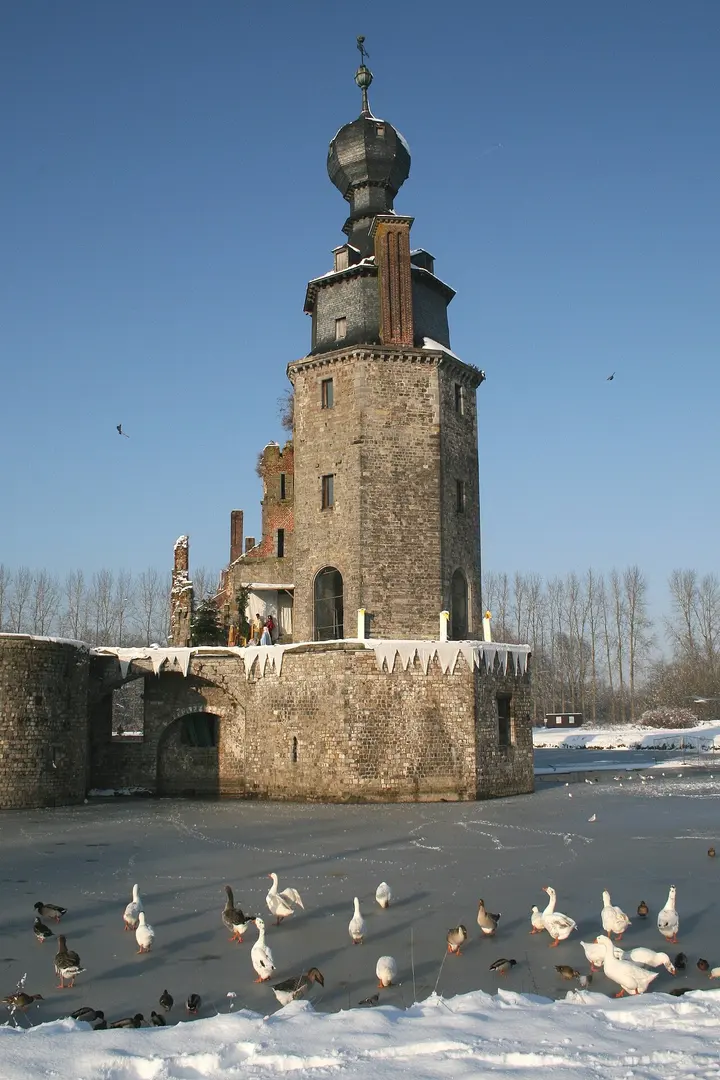
Château d'Havré is a ruined castle in the village of Havré, part of the city of Mons in the Walloon province of Hainaut, Belgium. Dating from 1226, it passed through the hands of noble families including Enghien, Harcourt, and Croÿ, and was repeatedly besieged, damaged, and rebuilt. Most of its surviving fabric dates from the 14th to 17th centuries; the current form emerged from extensive reconstruction in the late 16th century. Listed as a protected monument since 1936, both the buildings and the castle garden are open to visitors.
Brussels
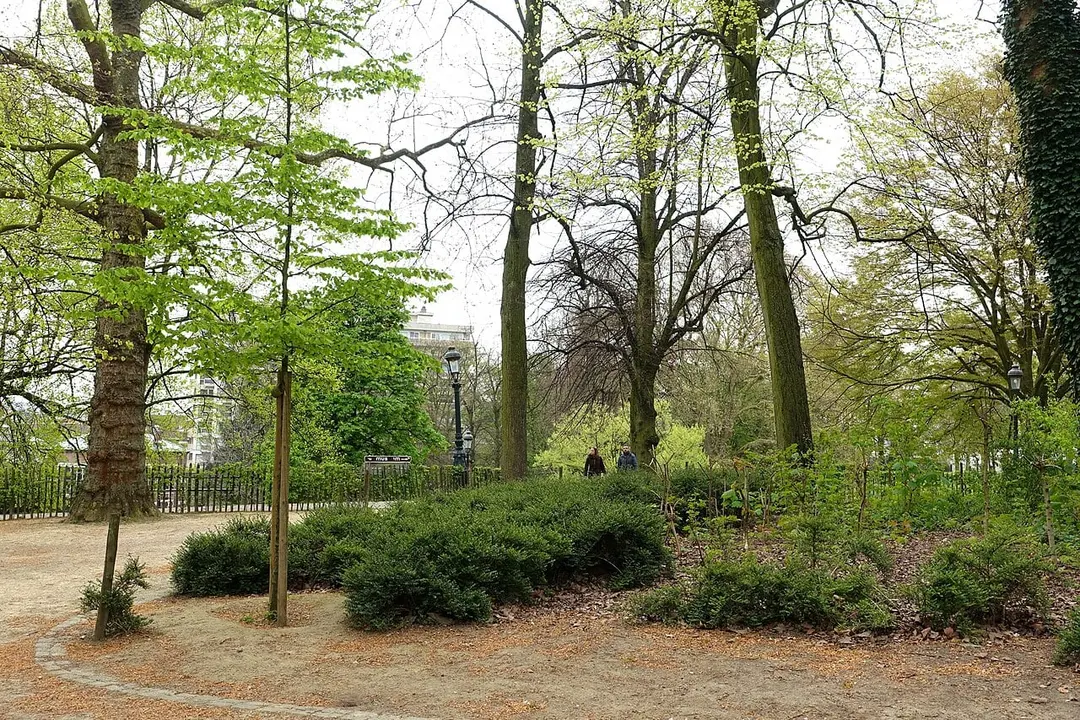
Leopold Park is a 6.4-hectare urban park in Brussels' European Quarter, nestled in the Maelbeek valley. Laid out around 1880 and listed as a protected monument, it is directly adjacent to the Museum of Natural Sciences and the Paul-Henri Spaak building of the European Parliament. With its pond, mature trees, and quiet paths, it is a popular retreat for EU institution staff and local residents alike.
Brussels
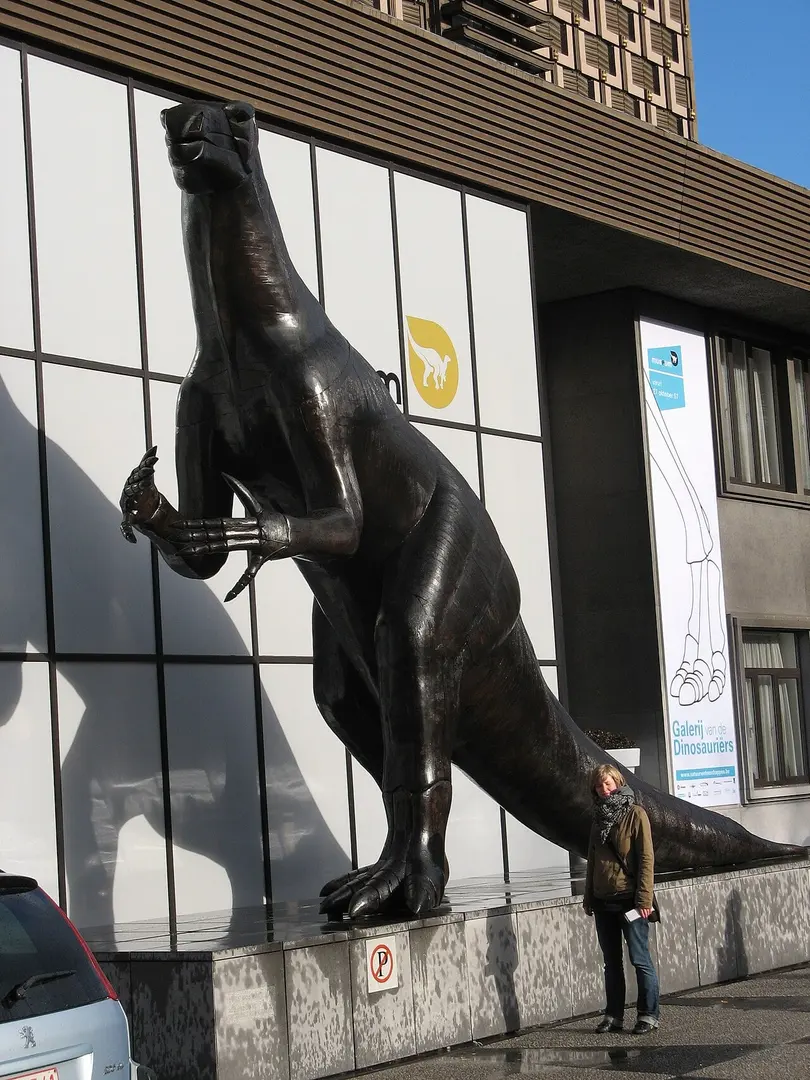
The Museum of Natural Sciences in Brussels' Parc Léopold is one of Europe's most important natural history museums. Part of the Royal Belgian Institute of Natural Sciences, it displays sections of a collection totalling around 37 million objects. The museum is internationally renowned for its Iguanodon hall: in 1878, a sensational find of 38 complete Iguanodon skeletons was made in Bernissart, Belgium — the resulting display remains one of the most impressive dinosaur exhibitions in the world. The museum combines public exhibitions with active scientific research as part of Belgium's federal science policy.
Brussels
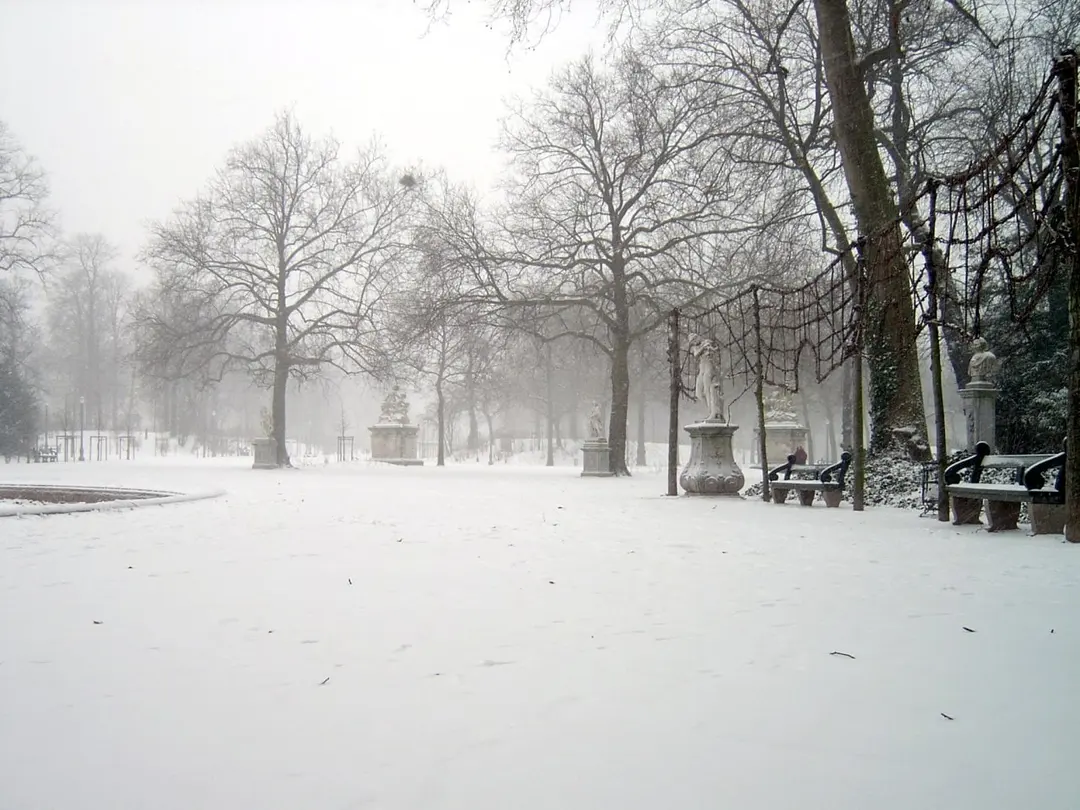
The Warandepark, also known as the Royal Park of Brussels, is at 13 ha the largest urban park in the centre of the Belgian capital. It was laid out between 1776 and 1783 in a neoclassical style – designed by French architect Gilles-Barnabé Guimard together with Austrian landscape gardener Joachim Zinner. The park formed the centrepiece of an ambitious urban project by the Austrian Habsburgs, which also included the Place Royale. Today royal palaces and the Belgian Parliament surround the rectangular grounds, which were the city's first public park.
Brussels
Brussels
Brussels
Keep exploring
Rate places with a swipe — TravelType learns from your tags what you love and curates your own map. Private until you choose to share.