TravelType

culture

Culture in Dublin

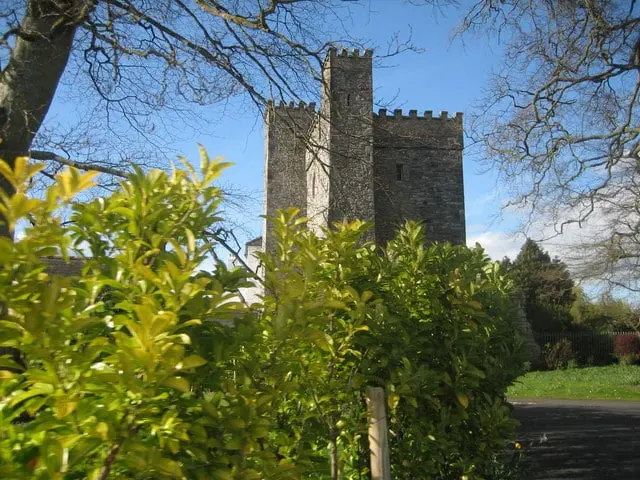
Dublin brings together thousands of years of Irish culture within a surprisingly compact area. The Chester Beatty Library holds rare manuscripts and artefacts from across the globe, while the Book of Kells offers a close encounter with medieval illuminated art. The Abbey Theatre has long been central to Irish dramatic and literary life. Venturing further back, Brú na Bóinne and the Ballyedmonduff Wedge Tomb speak to prehistoric times. Castle ruins including Ashtown Castle, Barberstown Castle, Carrickmines Castle, and Castleknock Castle mark centuries of shifting history. For contemporary events, the 3Arena Dublin serves as a major entertainment venue.

21 places · Dublin, Ireland · Editorially curated

  • 3Arena Dublin

    3Arena Dublin

    Dublin

    historylocal gems

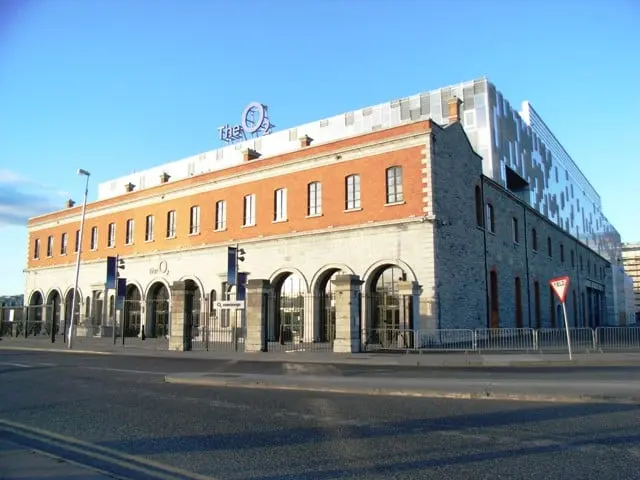
    The 3Arena is Dublin's largest indoor concert venue, sitting right on North Wall Quay in the lively Docklands district. With a capacity of around 13,000, it consistently ranks among Europe's busiest arenas by ticket sales. Originally a warehouse building, it was converted into "The O2" arena in 2008 and rebranded 3Arena in 2014 after Three Ireland's takeover. The venue hosts world-class acts in pop, rock, comedy and musical theatre, and its waterfront location makes it easily accessible from central Dublin.
  • Abbey Theatre

    Abbey Theatre

    Dublin

    history

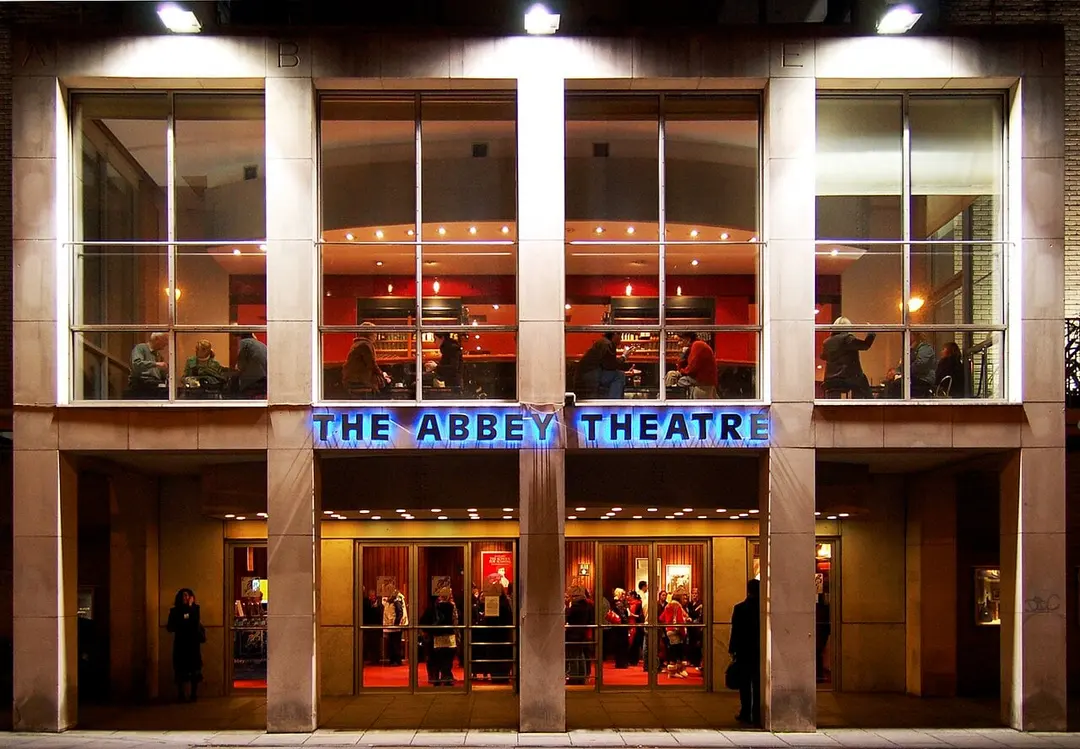
    The Abbey Theatre is Ireland's national theatre, founded in Dublin in 1904 by W.B. Yeats and Lady Gregory to give Irish writers a platform during a time of fierce cultural debate. Premieres of plays by J.M. Synge and Seán O'Casey caused public uproar — the audience once rioted over The Playboy of the Western World. After a fire in 1951 destroyed the original building, it moved to the Queen's Theatre until the current building opened in 1966. The Abbey was the first state-subsidized theatre in the English-speaking world and remains central to Irish cultural life.

  • Ashtown Castle (Dublin)

    Ashtown Castle (Dublin)

    Dublin

    architecturenaturehistory

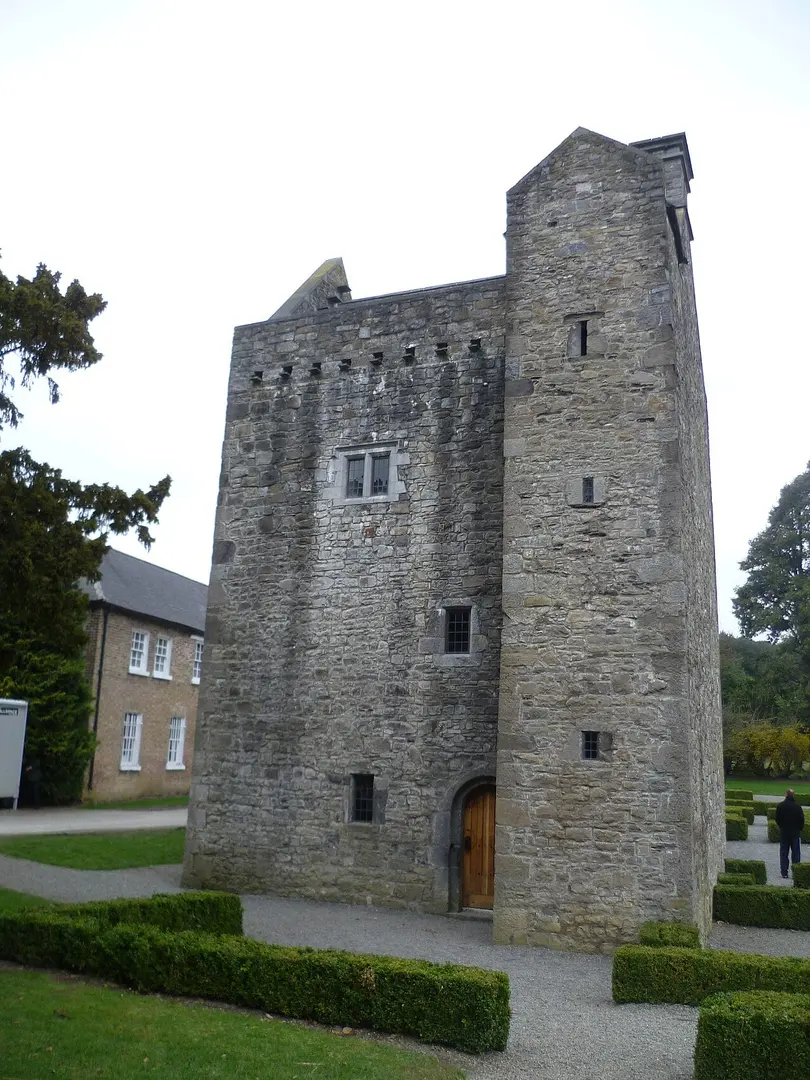
    Ashtown Castle is a medieval tower house within the Phoenix Park in Dublin — the largest enclosed park in any European capital city. Built around 1430, it is one of the few surviving medieval structures in Ireland still located within a major city. For centuries it lay hidden behind the Papal Nunciature building and was only rediscovered during demolition works in the 1980s. Today it is a protected monument open to visitors, set within the expansive green of Phoenix Park.

  • Ballyedmonduff Wedge Tomb

    Ballyedmonduff Wedge Tomb

    Dublin

    historylocal gems

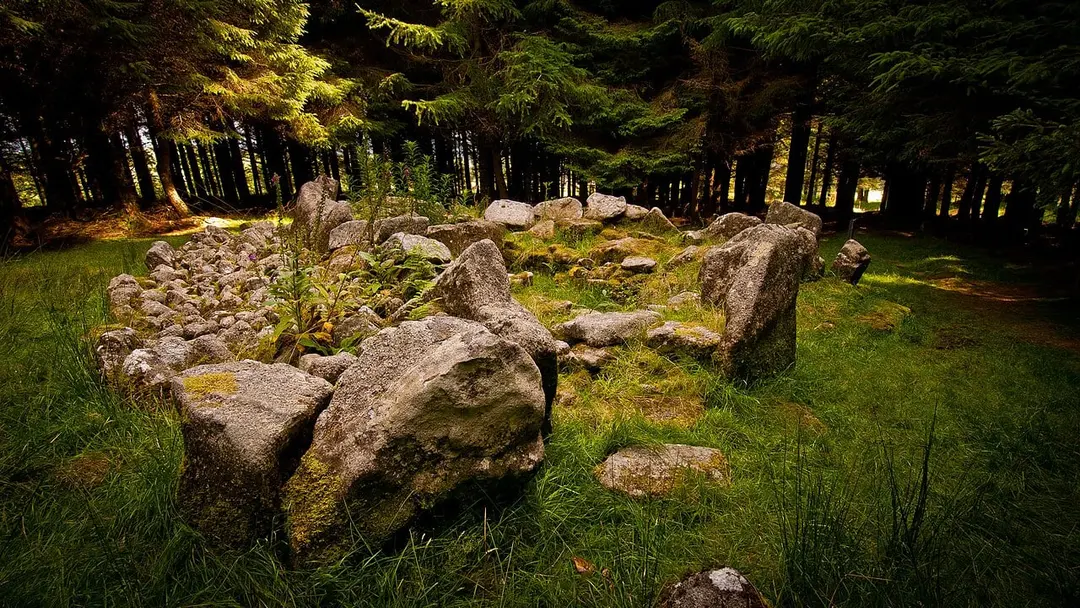
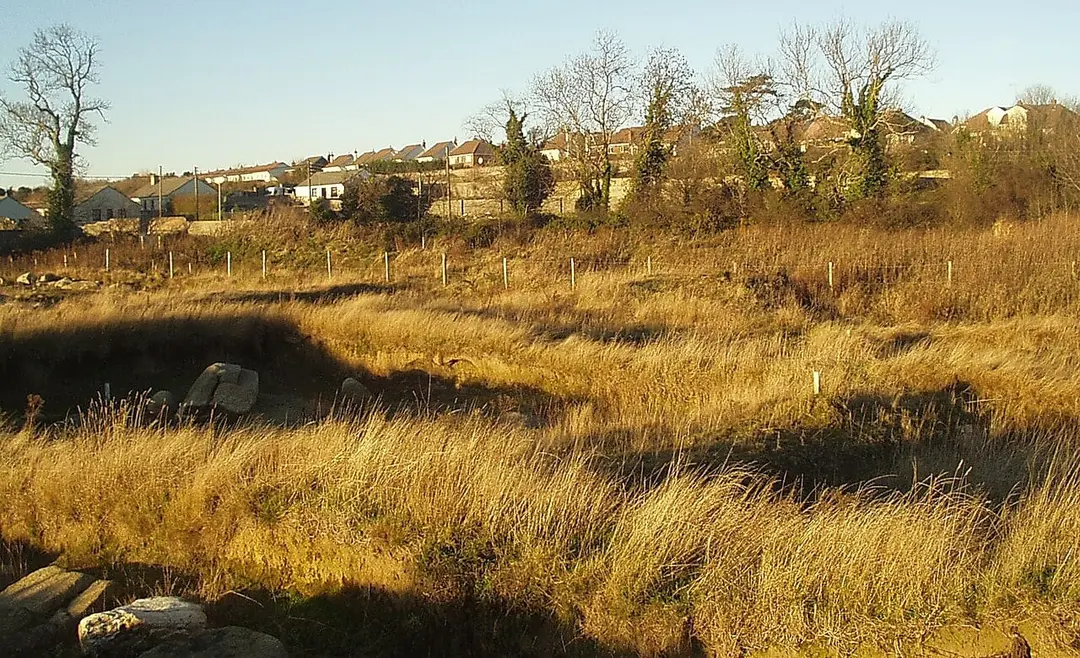
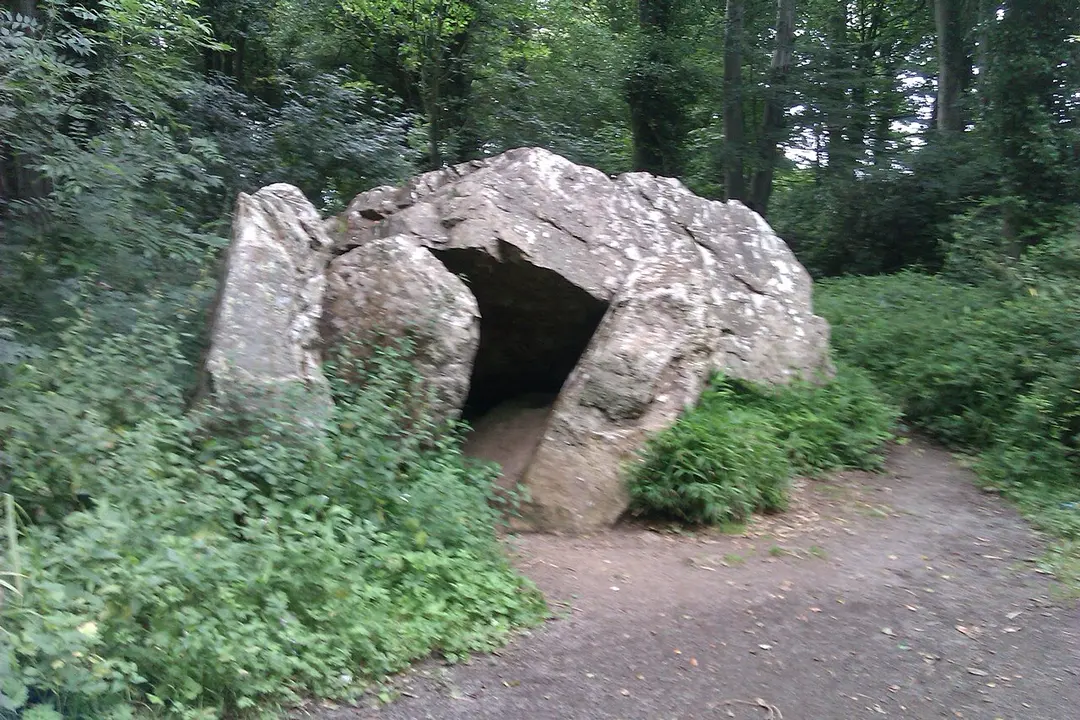
    The Ballyedmonduff Wedge Tomb is a megalithic burial monument from the late Neolithic or early Bronze Age, situated on a hillside of Two Rock Mountain in a forest north of Glencullen in southern County Dublin. Wedge tombs are concentrated in the western half of Ireland, making Ballyedmonduff one of the easternmost examples of its type. The site is a protected National Monument of Ireland. It offers a quiet place in the woods where thousands of years of human burial culture materialise, well away from the main tourist routes.

  • Book of Kells

    Book of Kells

    Dublin

    history

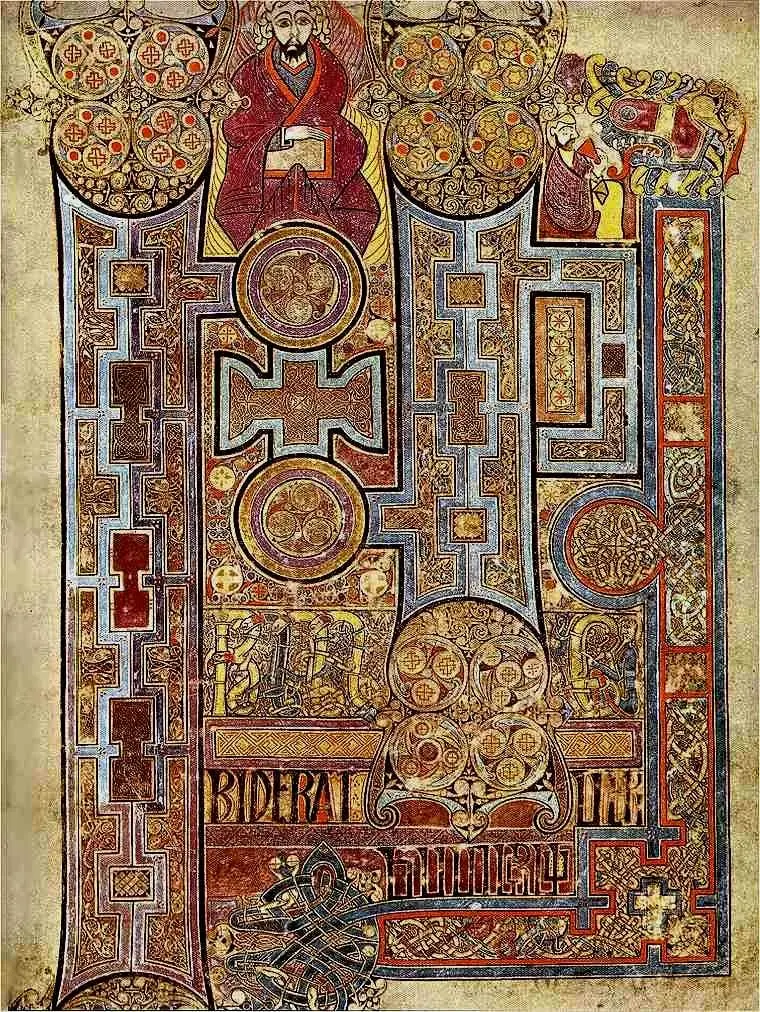
    The Book of Kells is one of the most important manuscripts in the Western world: a lavishly illuminated Latin Gospel book created around 800 AD in a Celtic monastery, likely on the Scottish island of Iona. The four Gospels are transcribed in careful calligraphy and decorated with extraordinarily intricate ornaments, animals, and human figures. It has been inscribed on the UNESCO Memory of the World Register since 2011. The original is housed in the Old Library of Trinity College Dublin, where it is on permanent display — one of Ireland's most visited attractions.

  • Brú na Bóinne

    Brú na Bóinne

    Dublin

    historymystery

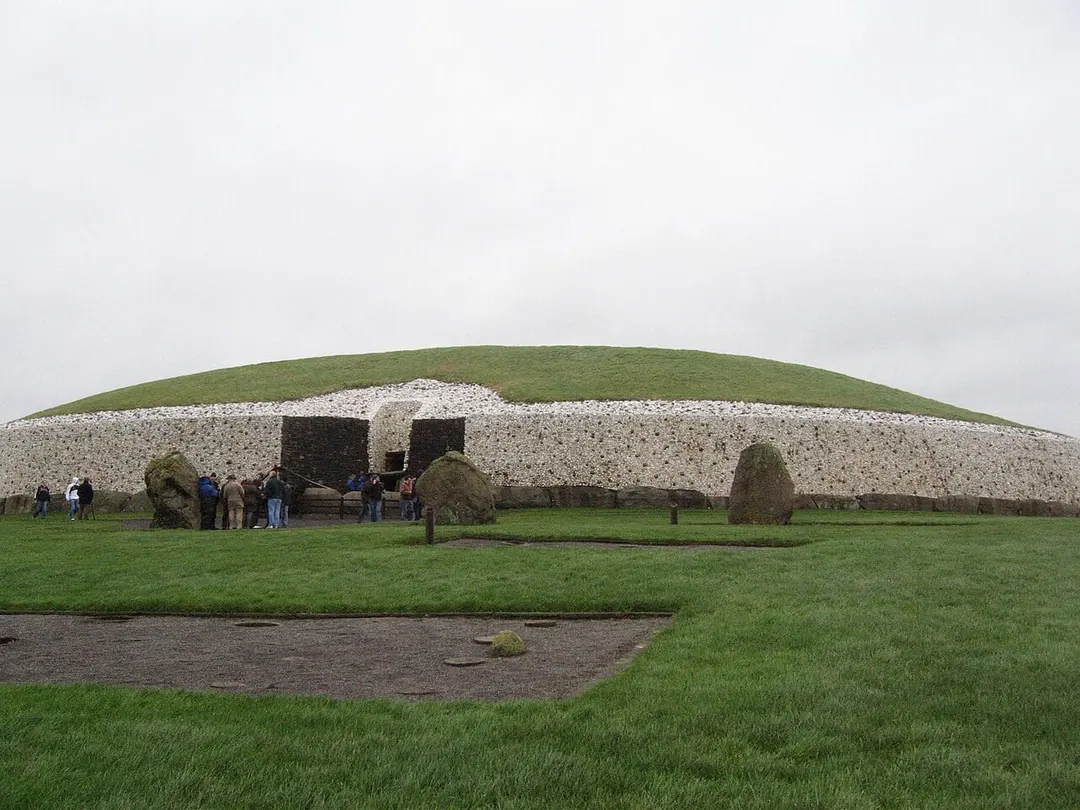
    Brú na Bóinne, the palace of the Boyne, is one of the world's most significant Neolithic landscapes. Located in County Meath north of Dublin, it encompasses over 90 monuments including the iconic passage tombs of Newgrange, Knowth, and Dowth, built between 3500 and 2500 BC – predating both Stonehenge and the Egyptian pyramids. The site holds Europe's largest collection of megalithic art: spirals, lozenges, and wave patterns whose meaning remains debated. Most famously, Newgrange is astronomically aligned so that the first light of the winter solstice illuminates its inner chamber through a precisely placed roof-box. The entire complex has been a UNESCO World Heritage Site since 1993.

  • Carrickmines Castle

    Carrickmines Castle

    Dublin

    architecturehistory

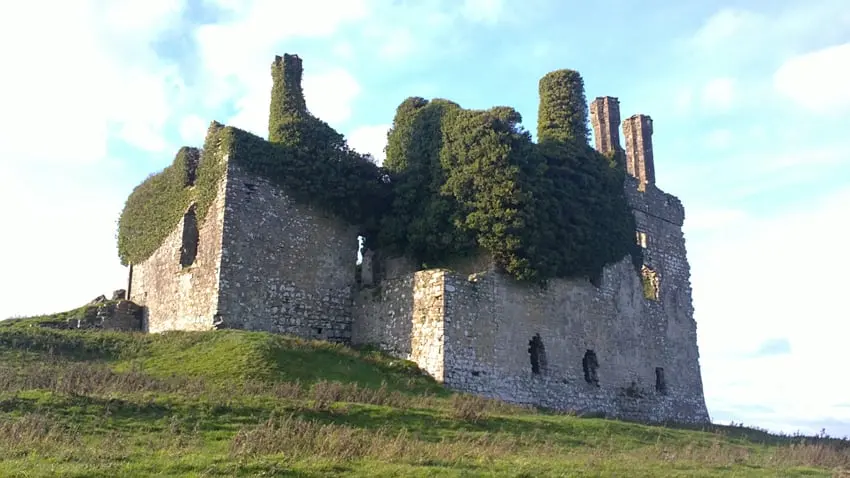
    Carrickmines Castle was a medieval fortress in south County Dublin, built to defend the English Pale – the fortified zone of English control around Dublin. Its ruins lay directly in the path of the M50 motorway, sparking a fierce public controversy in 2003–2005 as archaeologists and heritage campaigners fought unsuccessfully to halt construction. Sections of the medieval walls and defensive structures were ultimately preserved within or beneath the M50 roundabouts. The Carrickmines case became a landmark example of the tension between infrastructure development and archaeological heritage in Ireland.

  • Castleknock Castle

    Castleknock Castle

    Dublin

    architecturehistoryfamily outings+1

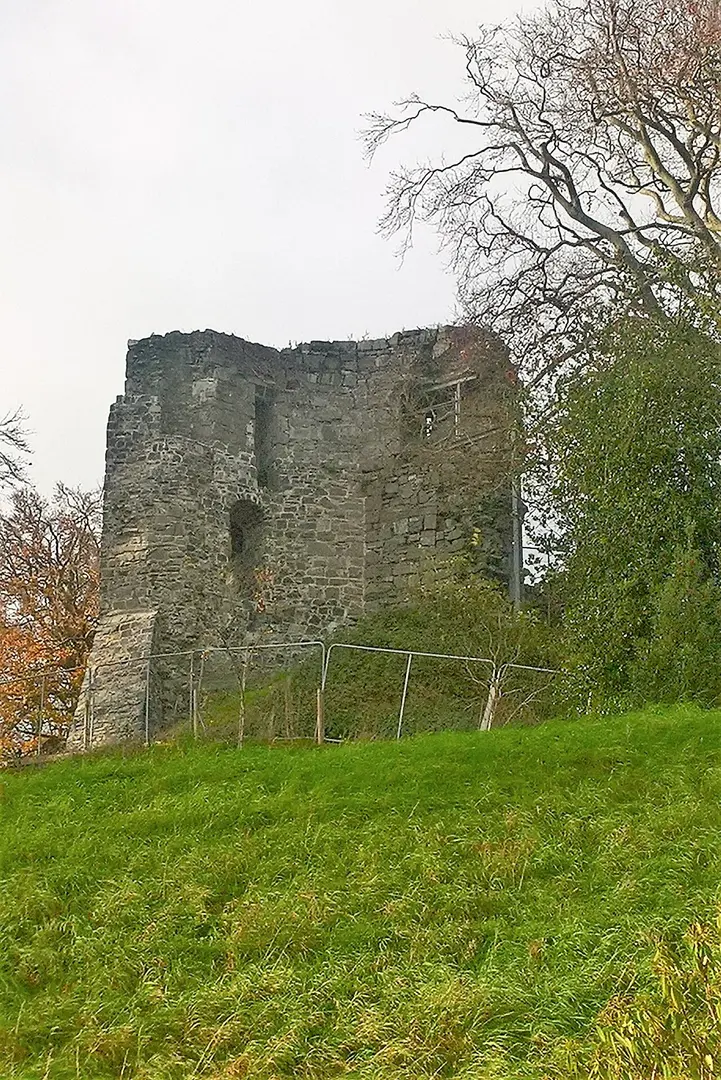
    Castleknock Castle is the ruin of a Norman fortification on the grounds of Castleknock College, a Catholic boarding school on the western outskirts of Dublin. The castle dates back to the aftermath of the 12th-century Norman invasion of Ireland. Its Irish name, Caisleán Cnucha, echoes medieval texts that mention the hill as Cnoc or Cnucha. The remains are today embedded within the school grounds and largely inaccessible to the general public.

  • Castleruddery Motte

    Castleruddery Motte

    Dublin

    architecturehistorylocal gems

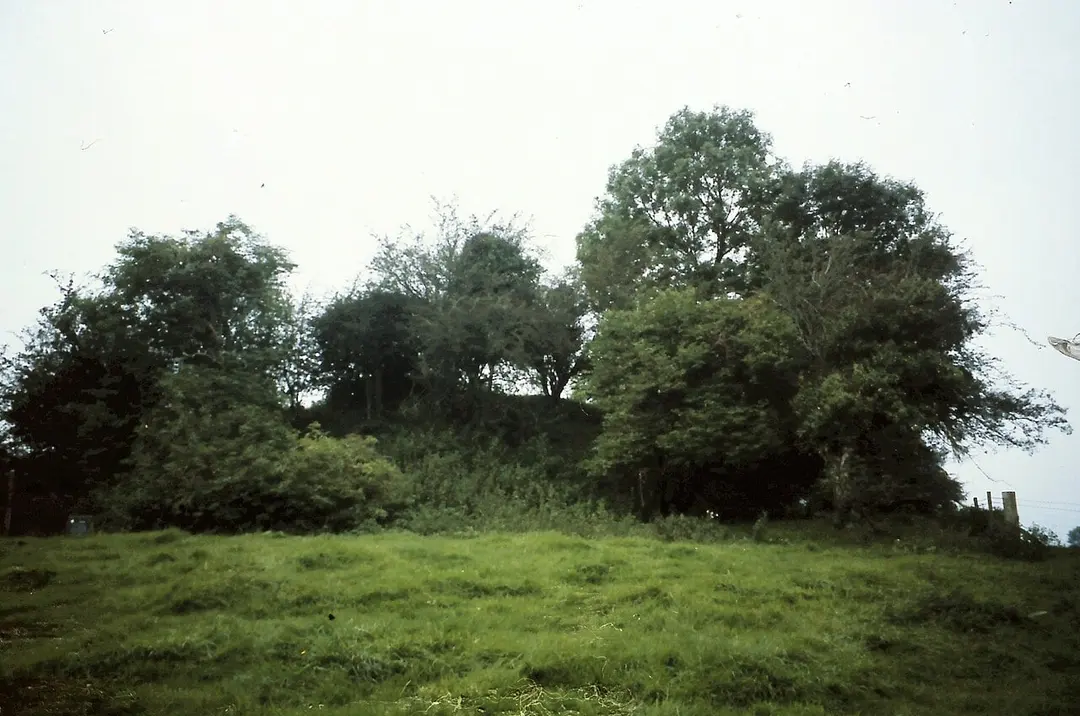
    Castleruddery Motte is a medieval earthwork in County Wicklow, Ireland, situated about 2 km east-northeast of Stratford-on-Slaney. Mottes like this one – artificially raised mounds that once supported a timber castle – were the signature fortification of the Norman invaders of Ireland. The mound sits on a hillside near the River Slaney and is designated a National Monument of Ireland. There are no standing ruins, but the mound itself is well preserved, conveying how the Normans imposed control over the Irish landscape through elevated strongholds.

  • Croke Park

    Croke Park

    Dublin

    architecturehistoryoutdoor activities

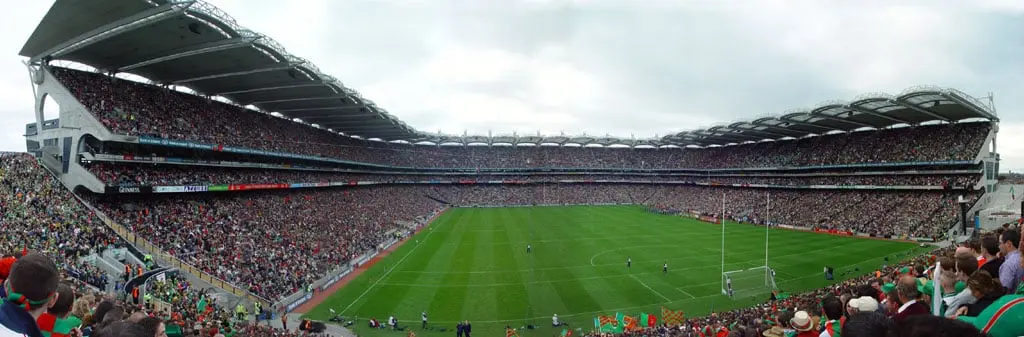
    Croke Park is the heartbeat of Irish sport – a massive stadium in Dublin's Drumcondra district with a capacity of 82,300, making it one of the largest in Europe. It serves as the headquarters of the Gaelic Athletic Association (GAA) and the home of traditional Irish sports such as Gaelic Football, Hurling, and Camogie. Named after Archbishop Thomas Croke, an early patron of Irish national sports, the stadium is deeply embedded in Irish cultural identity. From 2007 to 2009, it served as the temporary home for Irish rugby and football internationals while Lansdowne Road was redeveloped. Today, beyond sporting events, Croke Park offers stadium tours and houses the GAA Museum.

  • Deansgrange Cemetery

    Deansgrange Cemetery

    Dublin

    naturehistory

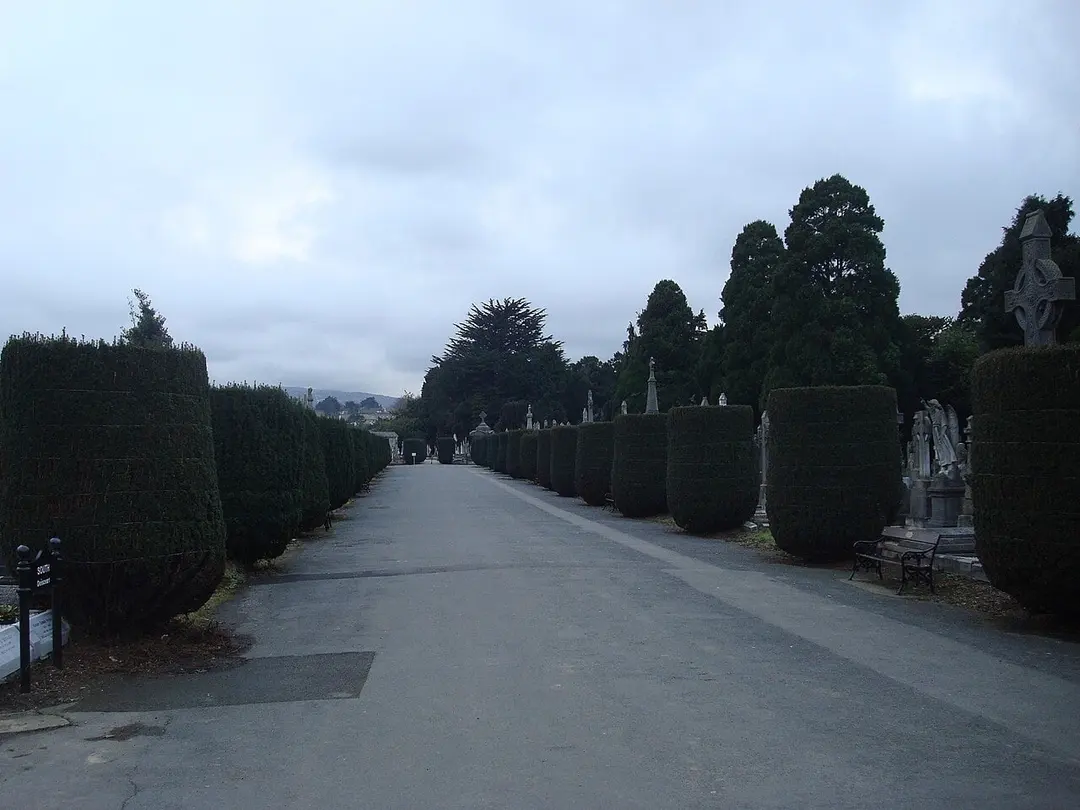
    Deansgrange Cemetery is one of the largest burial grounds in the Dublin area, opened in 1865 across 70 acres (28 hectares) in the suburb of Deansgrange, Dún Laoghaire-Rathdown. Since its opening, over 150,000 people have been buried here — making it comparable in scale to Glasnevin Cemetery and Mount Jerome. The grounds contain a rich mix of Victorian and Edwardian headstones, family vaults, and more modern sections, reflecting over 160 years of Dublin's social and religious history. Both Catholic and Protestant sections exist side by side, and the cemetery remains in active use today while functioning as a place of quiet reflection.

  • Dublinia

    Dublinia

    Dublin

    historyfamily outings

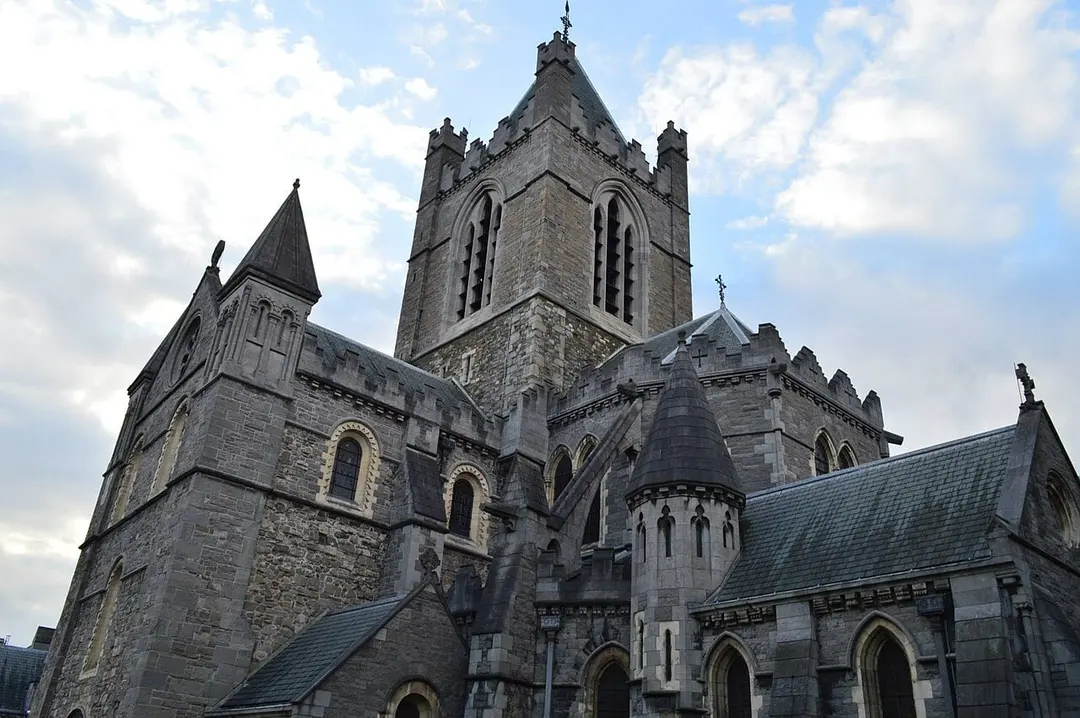
    Dublinia is an interactive history museum in Dublin dedicated to the city's Viking origins and medieval development. It occupies the Synod Hall, a Victorian Gothic building adjoining Christ Church Cathedral and connected to it by a covered bridge. Opened in 1993, the museum features reconstructed Viking and medieval street scenes, archaeological finds from Dublin's Hiberno-Norse foundations, and hands-on exhibits covering everyday life in the medieval city. A viewing tower at the top offers panoramic views over the historic center. Dublinia is particularly popular with families, as much of the exhibition is designed for active participation.

  • Dublin Mosque

    Dublin Mosque

    Dublin

    architecture

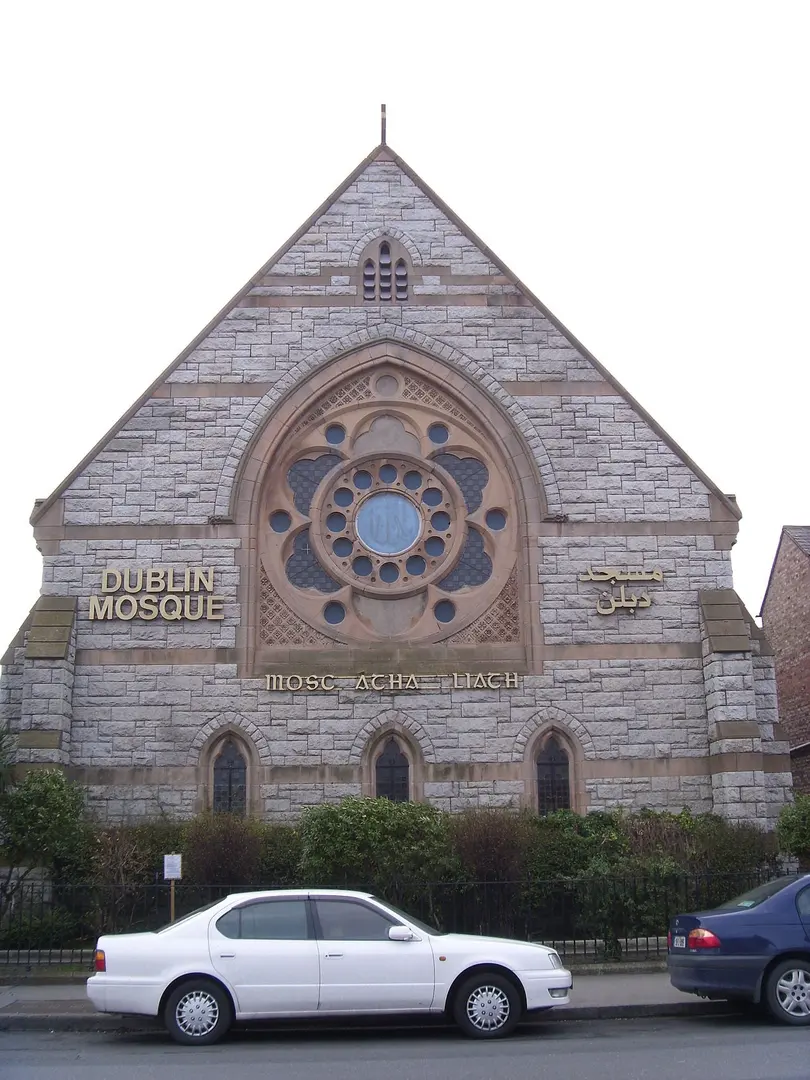
    The Dublin Mosque on South Circular Road is Ireland's oldest and most prominent mosque, serving simultaneously as the headquarters of the Islamic Foundation of Ireland. Founded in 1983, it reflects the growing Muslim community in the Irish capital. The building was originally constructed for another purpose and later converted for religious use — as was common for many early community centers in European cities without a native Islamic architectural tradition. The mosque is known in Dublin for being accessible to visitors outside prayer times. Today the Islamic Foundation of Ireland is active here in religious education and interfaith dialogue. The mosque represents the multi-religious reality of a Dublin that has changed considerably since the 1980s.

  • Dunsink Observatory

    Dunsink Observatory

    Dublin

    architectureknowledge

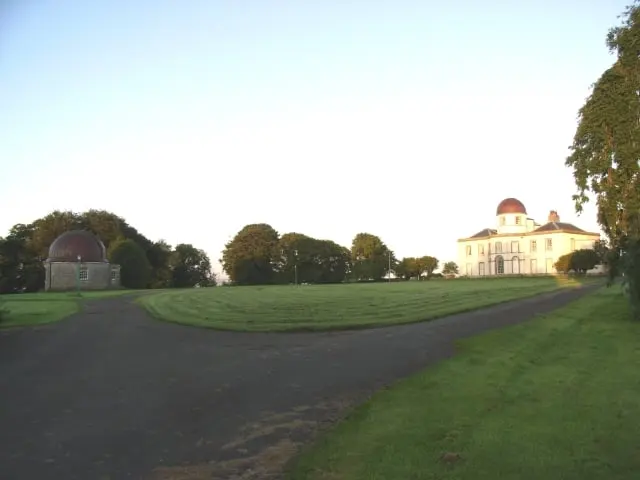
    Dunsink Observatory is Ireland's oldest scientific institution – founded in 1785, it sits 8 km northwest of Dublin's city centre. The neoclassical building served generations of astronomers and is closely associated with mathematician William Rowan Hamilton, who worked here for decades and discovered quaternions in 1843. The observatory now belongs to the Dublin Institute for Advanced Studies. On select days it opens to the public, offering guided tours and evening stargazing sessions – a quiet piece of scientific history on the edge of the modern city.

  • EPIC The Irish Emigration Museum

    EPIC The Irish Emigration Museum

    Dublin

    local gems

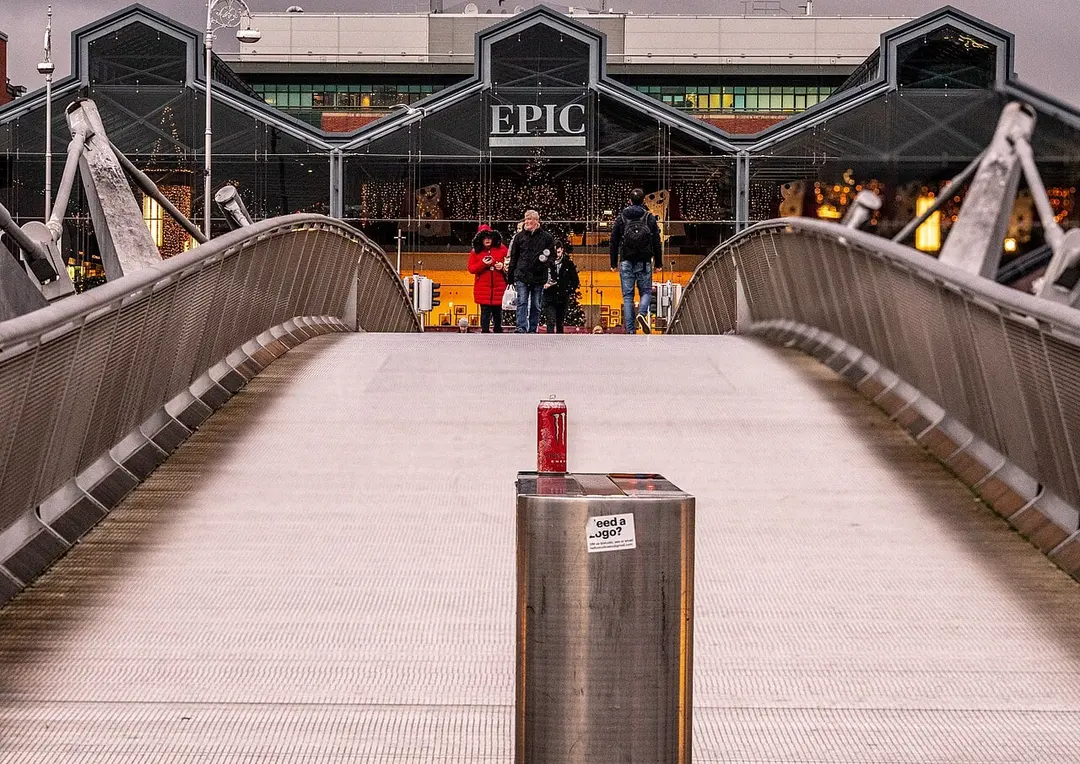
    EPIC tells the story of Irish emigration and diaspora, one of the defining chapters in Irish history. Located in the historic CHQ Building in Dublin's Docklands, one of the last surviving 19th-century warehouses in the area, the museum uses interactive displays to trace how millions of Irish people left their homeland and shaped communities across the world, from the United States and Australia to Argentina. EPIC won the World Travel Awards title of Europe's Leading Tourist Attraction in 2019, 2020 and 2021.

  • Fishamble Street

    Fishamble Street

    Dublin

    historylocal gems

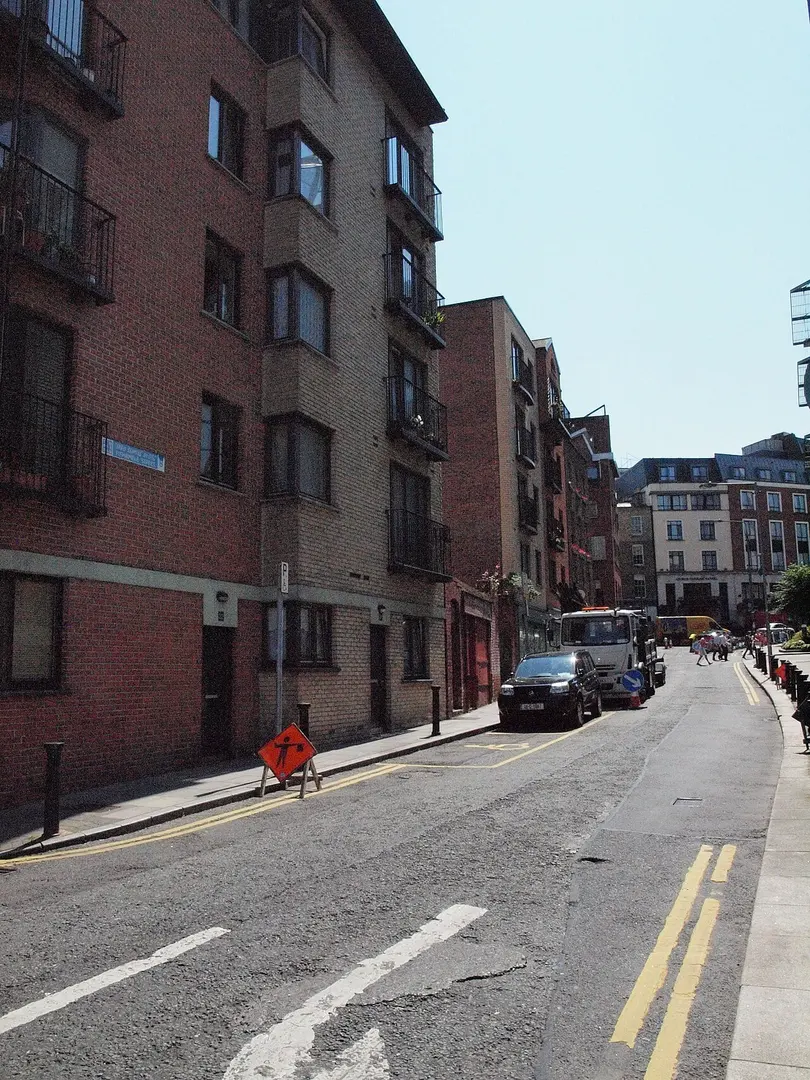
    Fishamble Street is a narrow lane about 180 metres long in Dublin's oldest historic core, running within the line of the former medieval city walls and marking the western edge of the Temple Bar district. Its name comes from a fish market that operated here in the Middle Ages. Music enthusiasts know it as the site where George Frideric Handel conducted the world premiere of his Messiah in 1742, a fact commemorated by a plaque on the street today.

  • Manderley Castle

    Manderley Castle

    Dublin

    architecturenaturegreat views

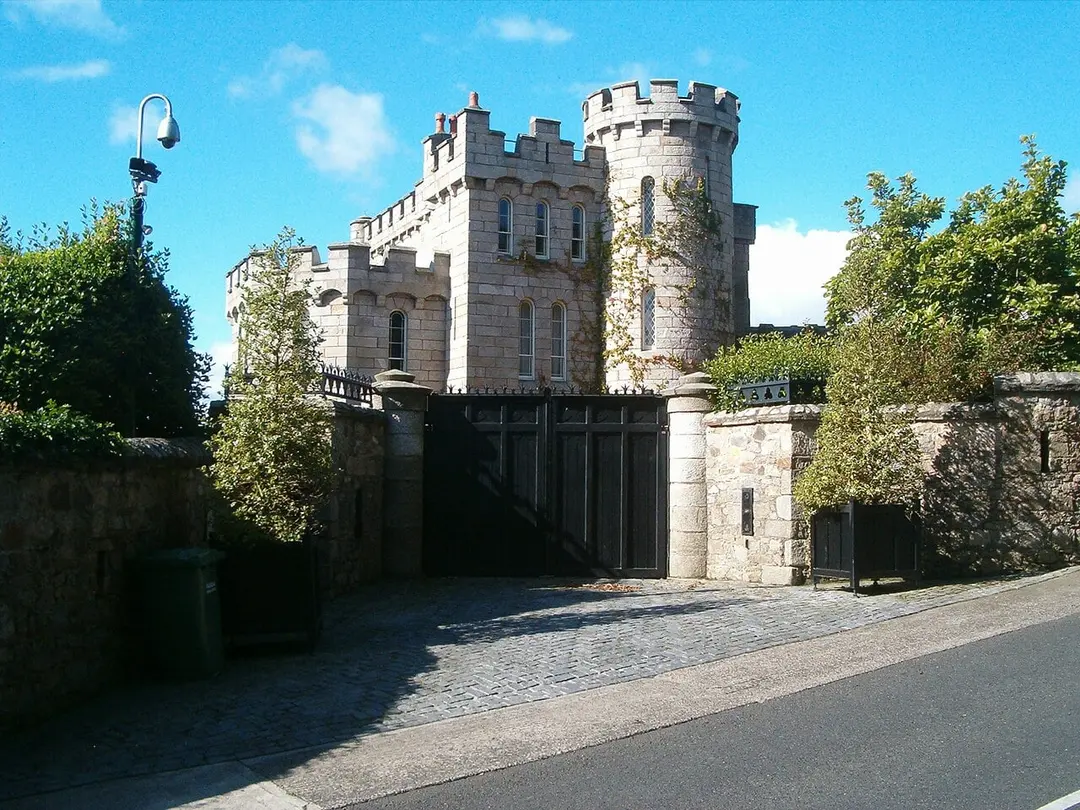
    Manderley Castle is an impressive neo-Gothic mansion in Killiney, south of Dublin, built around 1840 in Victorian style. The sprawling estate sits on a hillside above Killiney Bay with stunning views over the Irish Sea. Formerly known as Victoria Castle and Ayesha Castle, it has been owned by Irish musician Enya since 1997, who lives here in relative seclusion. While the interior is not open to the public, the fairytale exterior with its towers and battlements draws curious visitors from around the world. The estate sits close to Killiney Hill, from where you can enjoy one of the finest panoramic views on Ireland's east coast.

  • Dublin Lockout 1913

    Dublin Lockout 1913

    Dublin

    historyknowledge

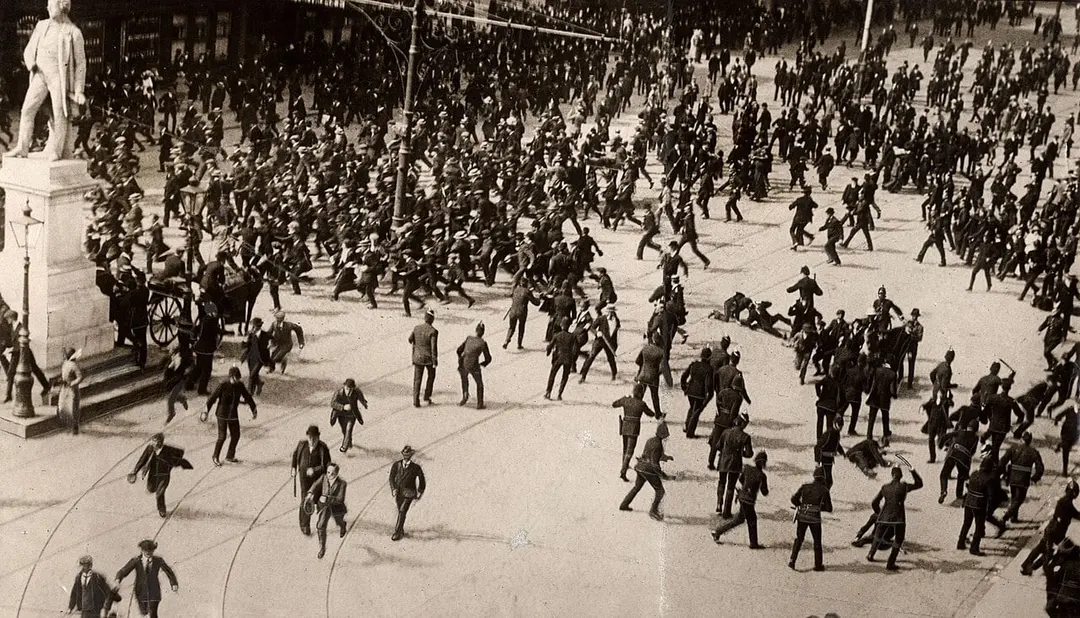
    The Dublin Lockout of 1913 stands as the most significant industrial dispute in Irish history. Over 300 Dublin employers locked out around 20,000 workers to crush the rising trade union movement led by Jim Larkin. The conflict ran from August 1913 to January 1914, leaving deep marks on Irish society. Particularly dramatic was the Bloody Sunday of 31 August 1913, when police violently broke up a protest rally. Today the Lockout is seen as a turning point for the Irish labour movement and the founding moment of modern workers' rights on the island.

Keep exploring

These places are just the beginning.

Rate places with a swipe — TravelType learns from your tags what you love and curates your own map. Private until you choose to share.

Create your profile