Aideen's Dolmen
Dublin
culturenaturehistory+2
knowledge
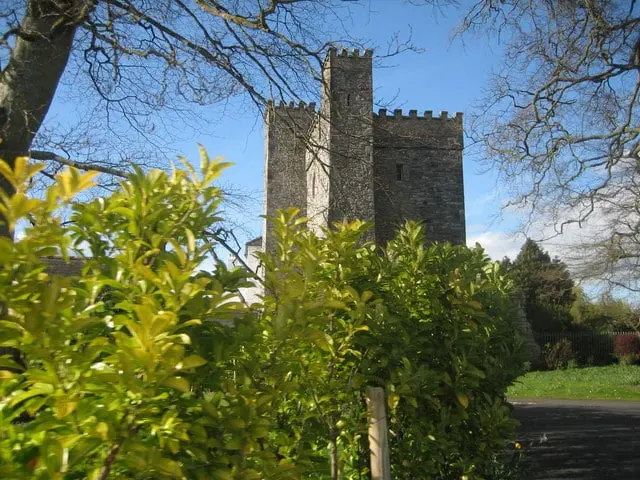
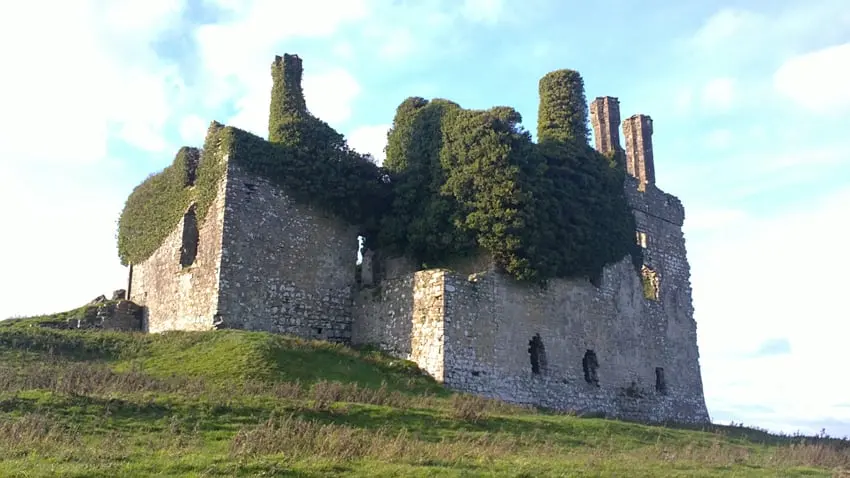
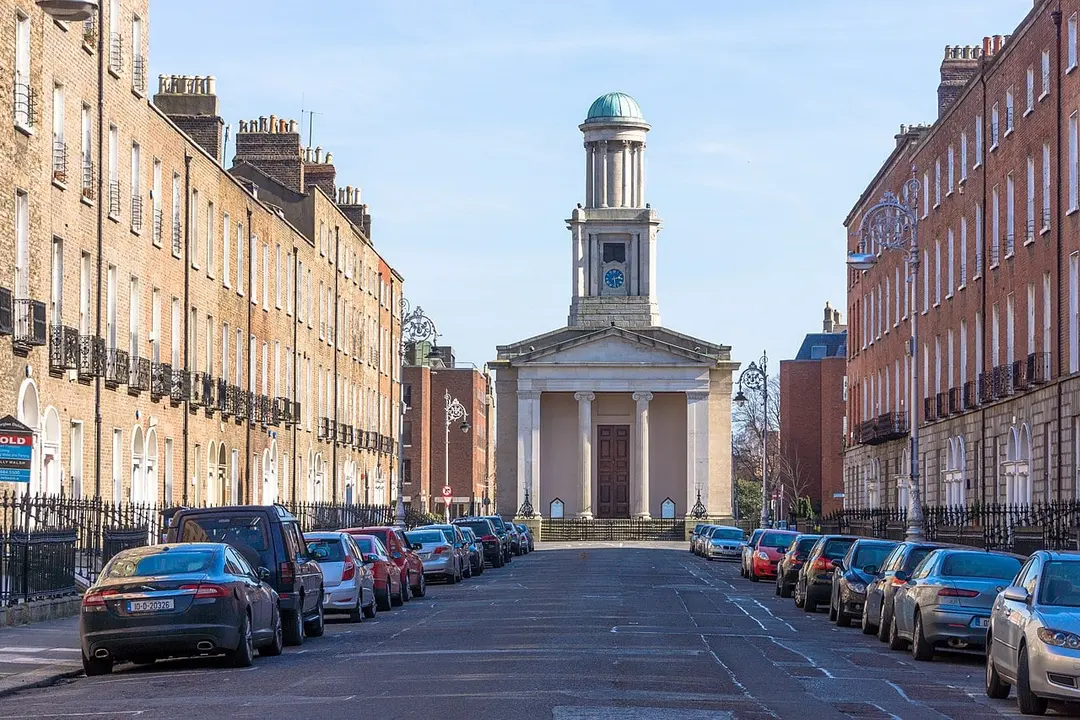
Dublin and its wider county hold layers of knowledge stretching from prehistory to the modern era. The passage tomb at Dowth, the mound of Dumha na nGiall in the Boyne Valley, and the coastal promontory fort at Drumanagh speak to how early communities understood landscape, time and territory. Dunsink Observatory marks a later tradition of scientific inquiry. Barberstown Castle and Carbury Castle document the structures of medieval power and social order. The Dublin Lockout of 1913 reflects a turning point in labour consciousness and collective knowledge, while St. Stephen's Church stands as a record of built community history.
8 places · Dublin, Ireland · Editorially curated
Dublin
Dublin
Dublin
Dublin
Dowth is a Neolithic passage tomb in the Boyne Valley, County Meath, Ireland, roughly five kilometres from Newgrange. Dating to around 3200 BC, it is one of three major passage tombs in the Brú na Bóinne complex alongside Newgrange and Knowth. As an Irish National Monument it receives far fewer visitors than Newgrange yet preserves equally impressive megalithic artwork. Notably, the tomb is aligned to the winter solstice sunset, when light penetrates the passage into the inner chamber.
Dublin
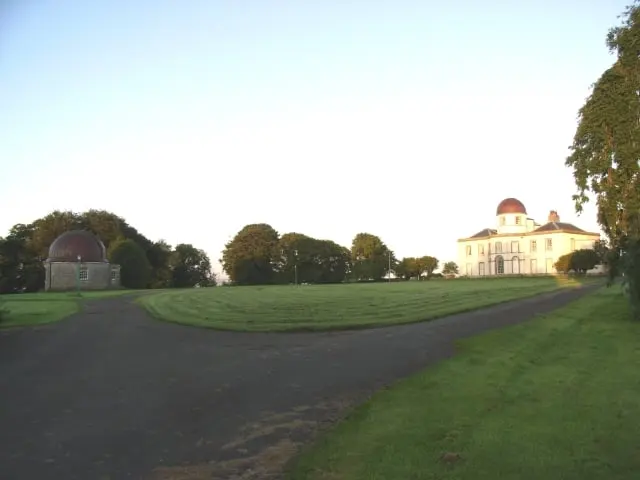
Dunsink Observatory is Ireland's oldest scientific institution – founded in 1785, it sits 8 km northwest of Dublin's city centre. The neoclassical building served generations of astronomers and is closely associated with mathematician William Rowan Hamilton, who worked here for decades and discovered quaternions in 1843. The observatory now belongs to the Dublin Institute for Advanced Studies. On select days it opens to the public, offering guided tours and evening stargazing sessions – a quiet piece of scientific history on the edge of the modern city.
Dublin
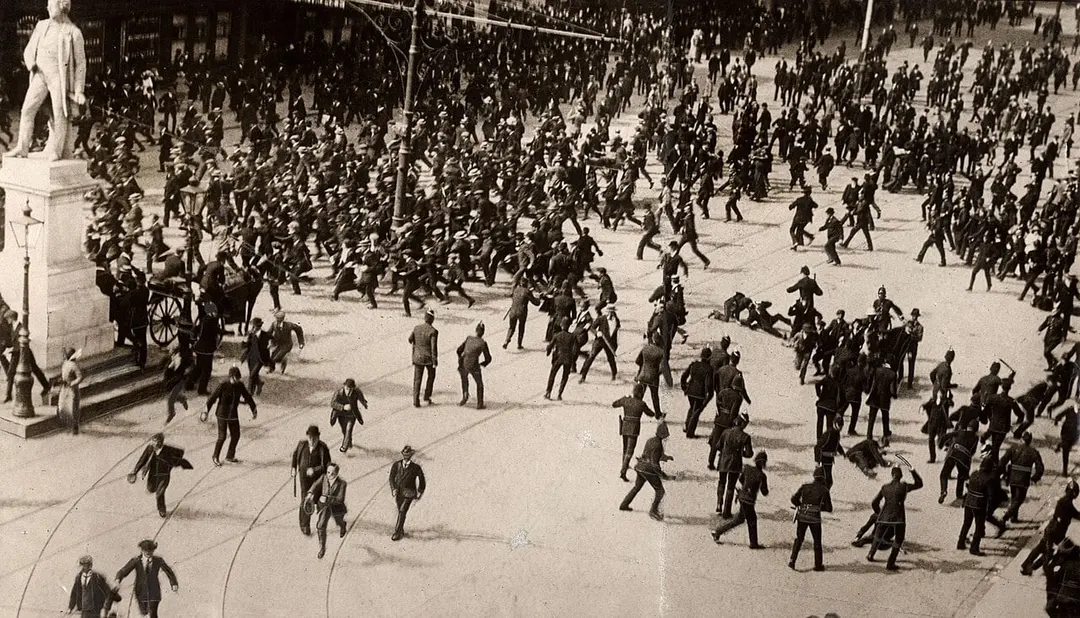
The Dublin Lockout of 1913 stands as the most significant industrial dispute in Irish history. Over 300 Dublin employers locked out around 20,000 workers to crush the rising trade union movement led by Jim Larkin. The conflict ran from August 1913 to January 1914, leaving deep marks on Irish society. Particularly dramatic was the Bloody Sunday of 31 August 1913, when police violently broke up a protest rally. Today the Lockout is seen as a turning point for the Irish labour movement and the founding moment of modern workers' rights on the island.
Dublin
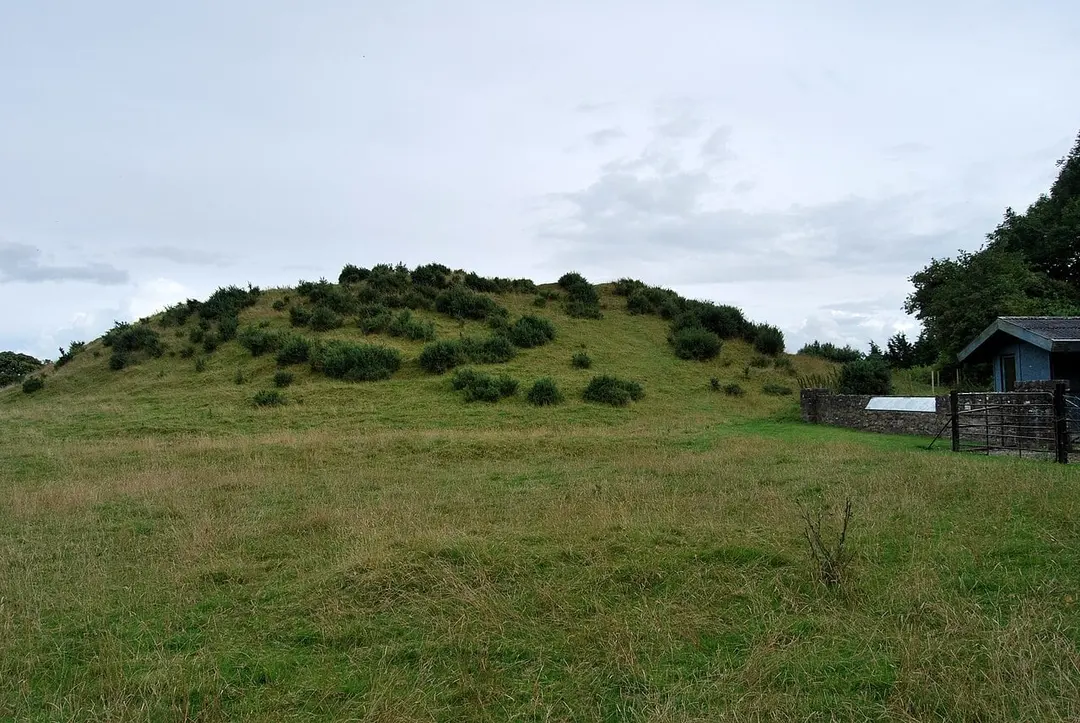
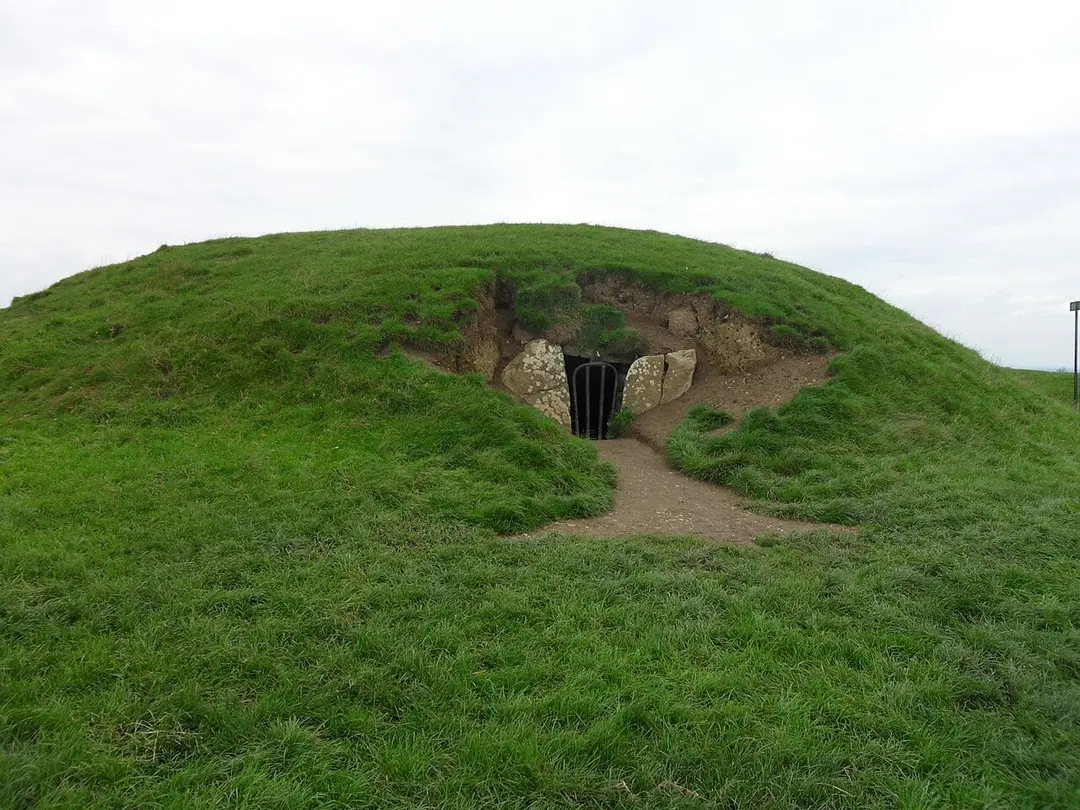
Dumha na nGiall – Irish for "Mound of the Hostages" – is the oldest monument on the Hill of Tara in County Meath and one of Ireland's most significant passage tombs. The circular mound, roughly 15 metres across and three metres high, was built between 3350 and 2800 BC following the same type as Newgrange: a short passage leads to a chamber illuminated by the rising sun on just two days of the year. Around 300 skeletal remains have been recovered here, including Bronze Age burials added centuries after the original construction. The name likely comes from a medieval practice of holding hostages on the hill – a late layer of meaning over a site of ancient ritual.
Dublin
Keep exploring
Rate places with a swipe — TravelType learns from your tags what you love and curates your own map. Private until you choose to share.