Aideen's Dolmen
Dublin
culturenaturehistory+2
mystery
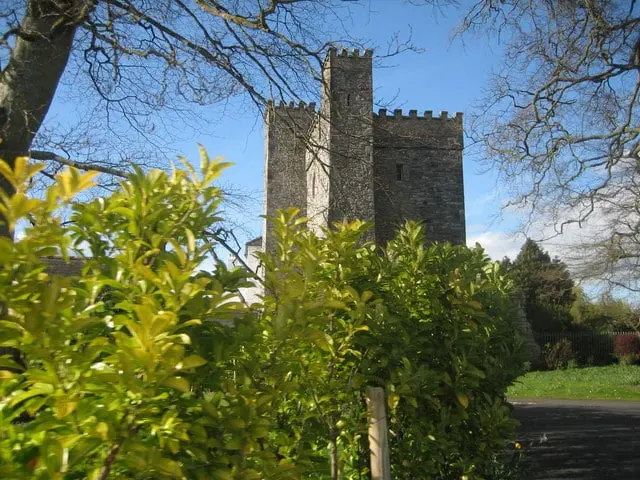
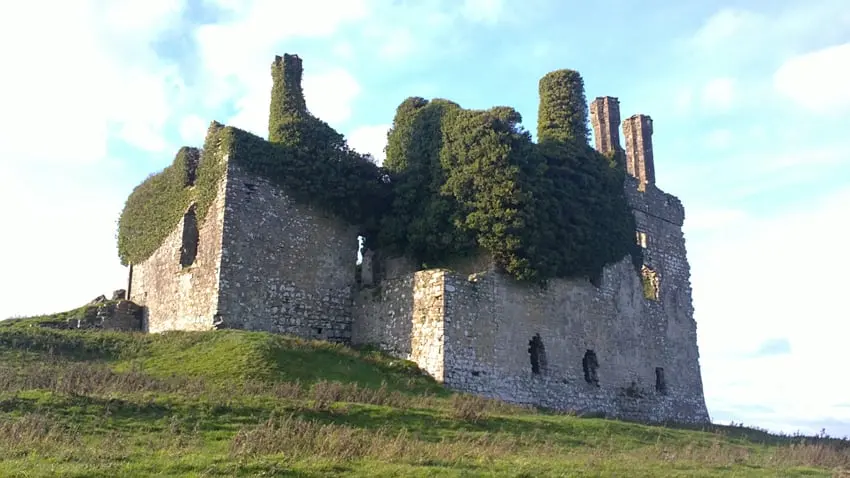
The area around Dublin holds sites that carry thousands of years of human history and ancient myth. The passage tomb complex of Brú na Bóinne and the neighbouring mound at Dowth speak to a world that predates written record, while Castleruddery Stone Circle and Dumha na nGiall leave quiet enigmas etched into the landscape. Medieval ruins such as Barberstown Castle, Carbury Castle, and the long-vanished Baggotrath Castle recall powers that have faded with time. The hillfort of Dún Ailinne and the windswept cliffs of Bray Head complete this portrait of a region steeped in the unexplained.
10 places · Dublin, Ireland · Editorially curated
Dublin
Dublin
Dublin
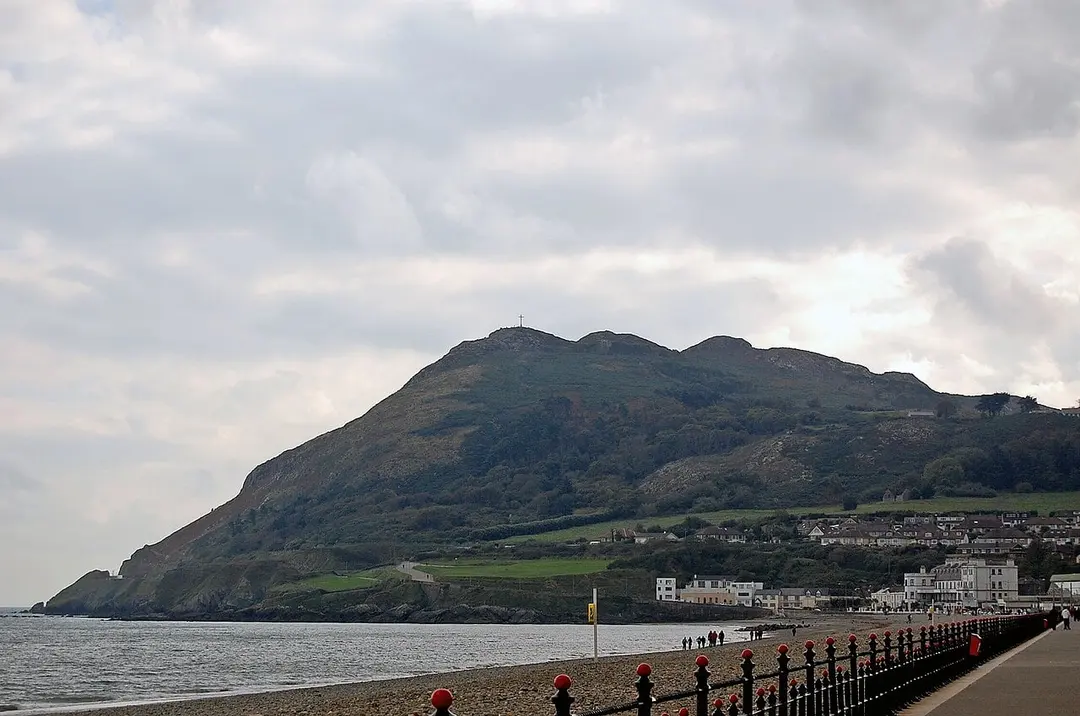
Bray Head is a 241-metre hill and coastal headland in northern County Wicklow, between the towns of Bray and Greystones. Part of the Wicklow Mountains, it is a popular walking spot with broad views over the Irish Sea. A concrete cross at the summit was placed during the 1950 Holy Year; every Good Friday, hundreds of locals make a traditional procession to the top, marking the Stations of the Cross. At the eastern base of the headland lies "Europe's First" — the first geocache ever hidden in Europe — giving Bray Head a dedicated following among geocaching enthusiasts.
Dublin
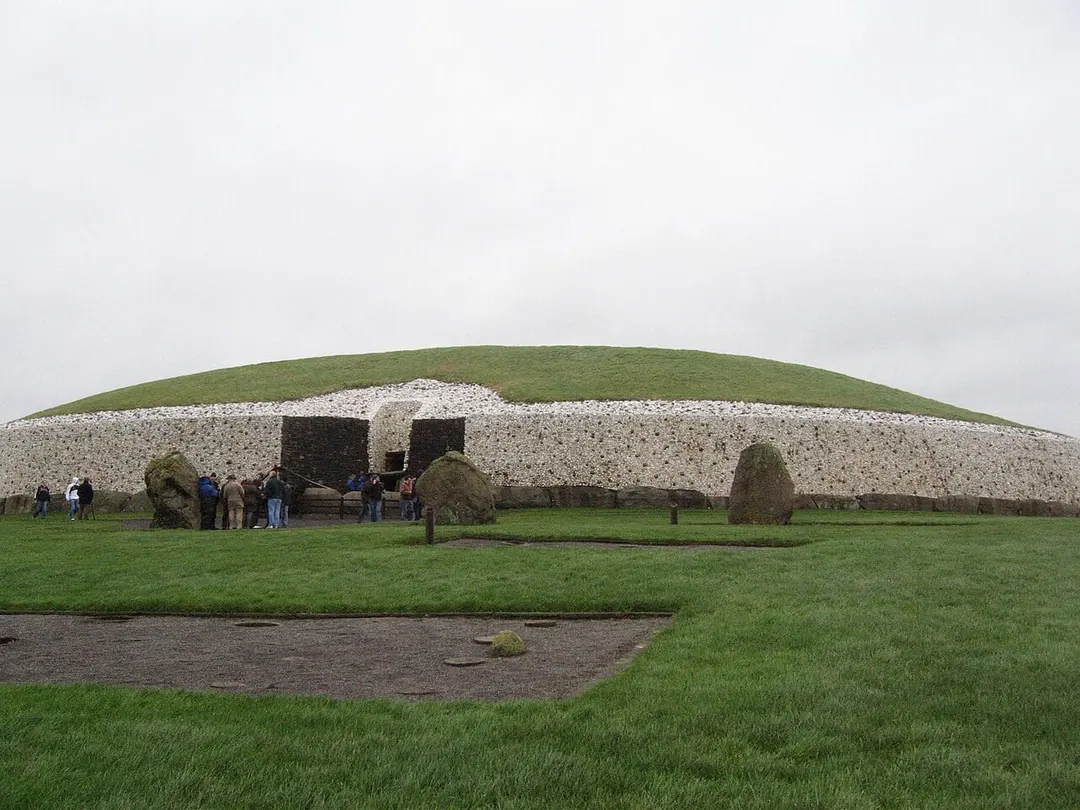
Brú na Bóinne, the palace of the Boyne, is one of the world's most significant Neolithic landscapes. Located in County Meath north of Dublin, it encompasses over 90 monuments including the iconic passage tombs of Newgrange, Knowth, and Dowth, built between 3500 and 2500 BC – predating both Stonehenge and the Egyptian pyramids. The site holds Europe's largest collection of megalithic art: spirals, lozenges, and wave patterns whose meaning remains debated. Most famously, Newgrange is astronomically aligned so that the first light of the winter solstice illuminates its inner chamber through a precisely placed roof-box. The entire complex has been a UNESCO World Heritage Site since 1993.
Dublin
Dublin
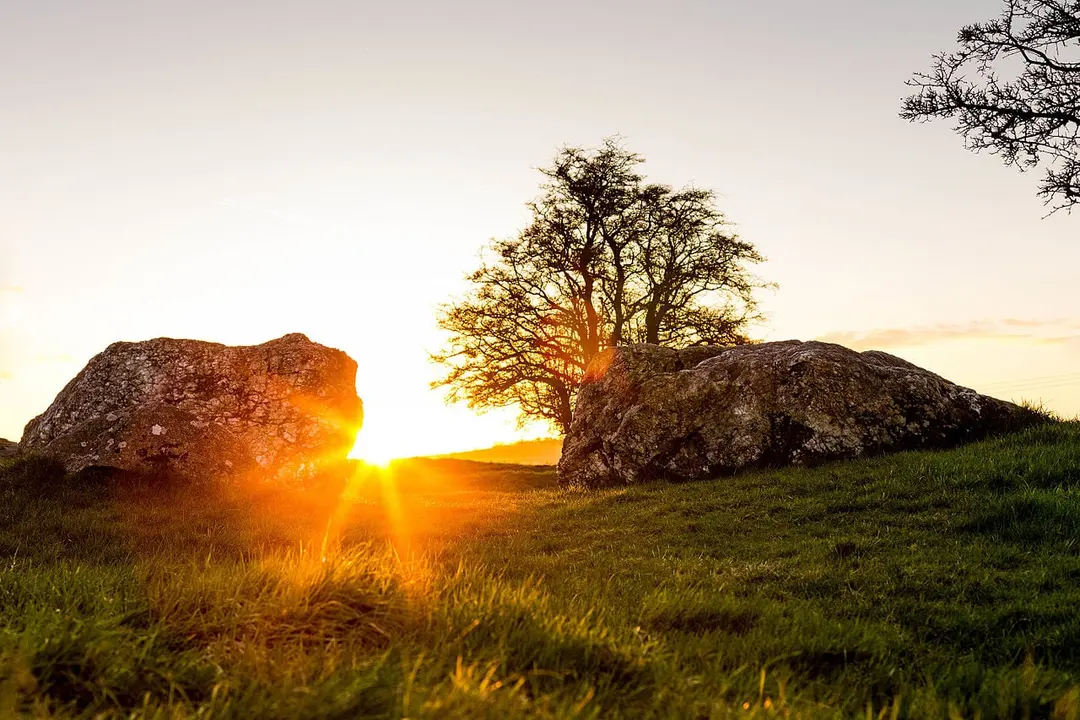
Castleruddery Stone Circle is located in County Wicklow, Ireland, near the River Slaney west of Baltinglass. It is a relatively small recumbent stone circle and henge from the Late Neolithic period — an era when such circular enclosures were built in small numbers across Ireland for ritual purposes. The site is protected as a National Monument of Ireland. Two large quartzite boulders mark the entrance. Lying off the main tourist routes in a quiet rural landscape, it offers a chance to experience a prehistoric site without crowds.
Dublin
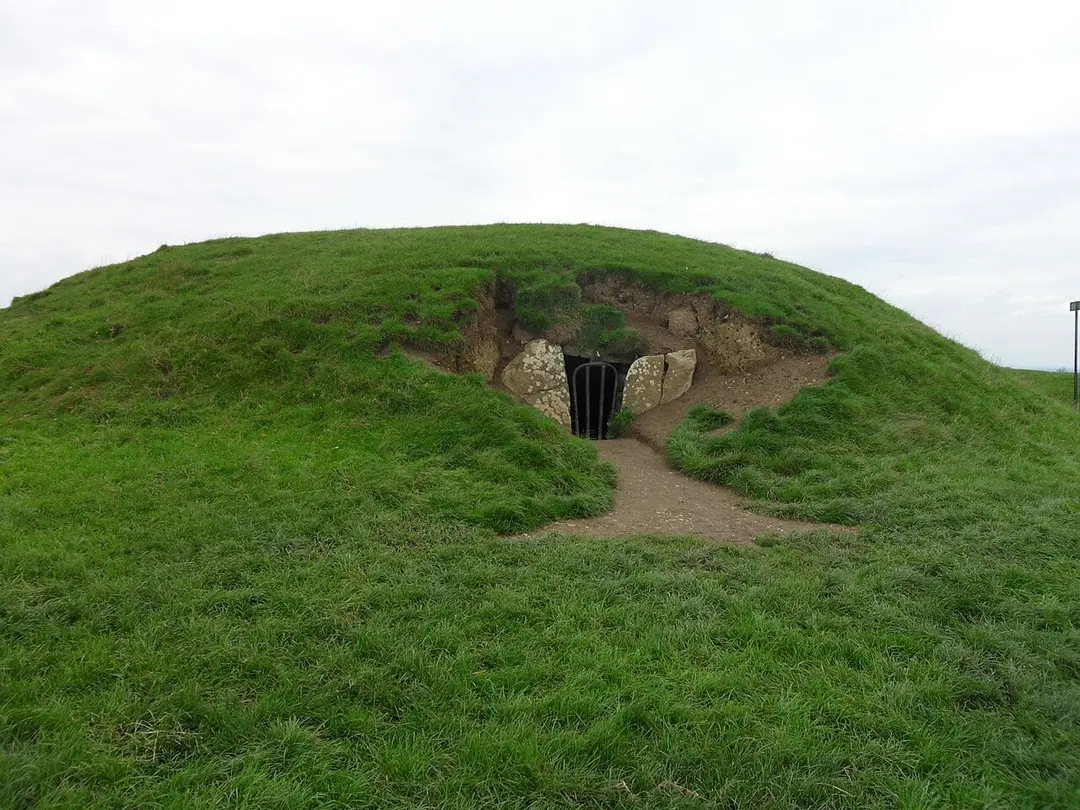
Dowth is a Neolithic passage tomb in the Boyne Valley, County Meath, Ireland, roughly five kilometres from Newgrange. Dating to around 3200 BC, it is one of three major passage tombs in the Brú na Bóinne complex alongside Newgrange and Knowth. As an Irish National Monument it receives far fewer visitors than Newgrange yet preserves equally impressive megalithic artwork. Notably, the tomb is aligned to the winter solstice sunset, when light penetrates the passage into the inner chamber.
Dublin
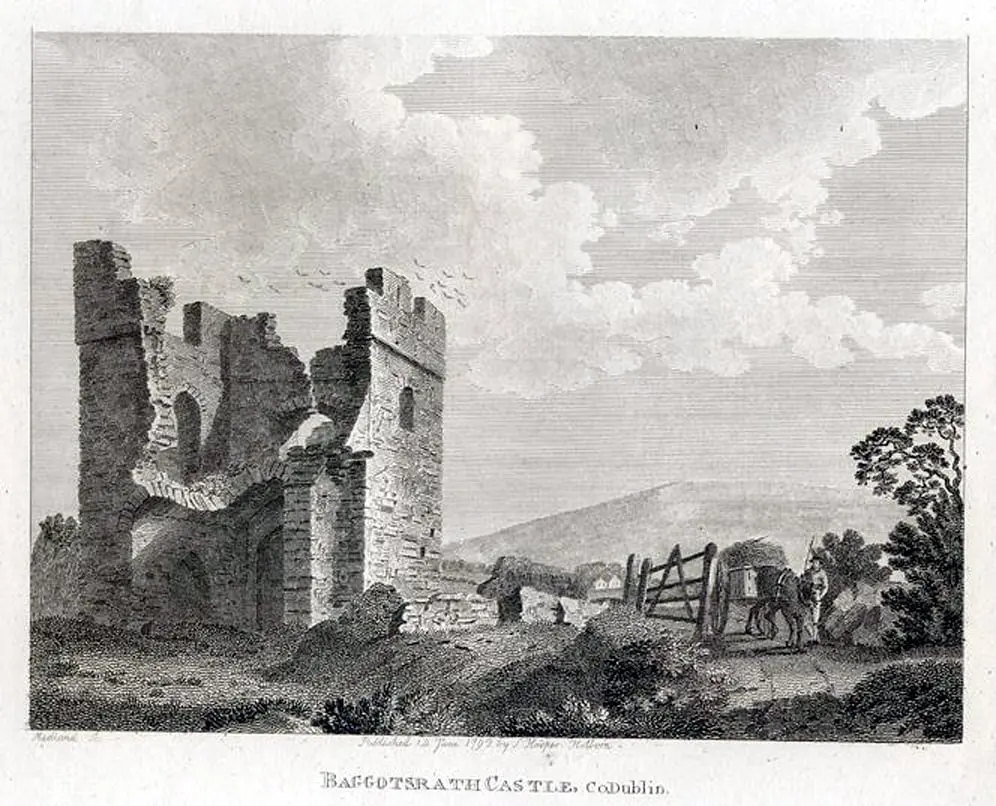
Baggotrath Castle was a medieval fortification on what is now Baggot Street Upper in central Dublin — one of the city's busiest thoroughfares. Built by the Bagod family in the late 13th century, the castle gave both itself and the street their name. For centuries the property was held by the Fitzwilliam family before being demolished as the city expanded. Nothing of the castle survives today, but its location is part of Dublin's historical memory — walking along Baggot Street means walking over the foundations of Norman-era history.
Dublin
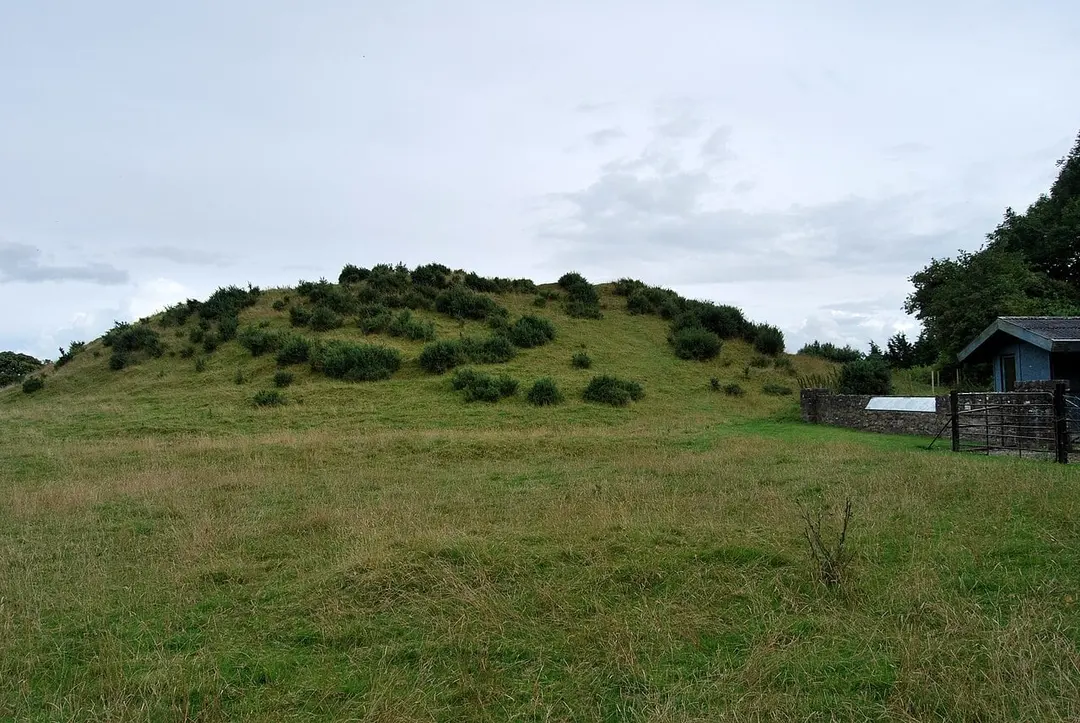
Dumha na nGiall – Irish for "Mound of the Hostages" – is the oldest monument on the Hill of Tara in County Meath and one of Ireland's most significant passage tombs. The circular mound, roughly 15 metres across and three metres high, was built between 3350 and 2800 BC following the same type as Newgrange: a short passage leads to a chamber illuminated by the rising sun on just two days of the year. Around 300 skeletal remains have been recovered here, including Bronze Age burials added centuries after the original construction. The name likely comes from a medieval practice of holding hostages on the hill – a late layer of meaning over a site of ancient ritual.
Dublin
Dún Ailinne is one of the three largest prehistoric enclosures in Ireland, set on the hill of Knockaulin in County Kildare, southwest of Kilcullen. The circular earthwork covers roughly 13 hectares and dates to the Iron Age, though it remained in use through the medieval period. From the surface there is almost nothing to see – no standing stones or walls, just gentle undulations in the grass. Archaeological excavations revealed circular timber structures associated with ceremonial gatherings of the Leinster kings. In Irish mythology the hill was the seat of the kings of Leinster. Visiting requires imagination, but rewards with unusual quiet.
Keep exploring
Rate places with a swipe — TravelType learns from your tags what you love and curates your own map. Private until you choose to share.