TravelType

local gems

Local gems in Dublin

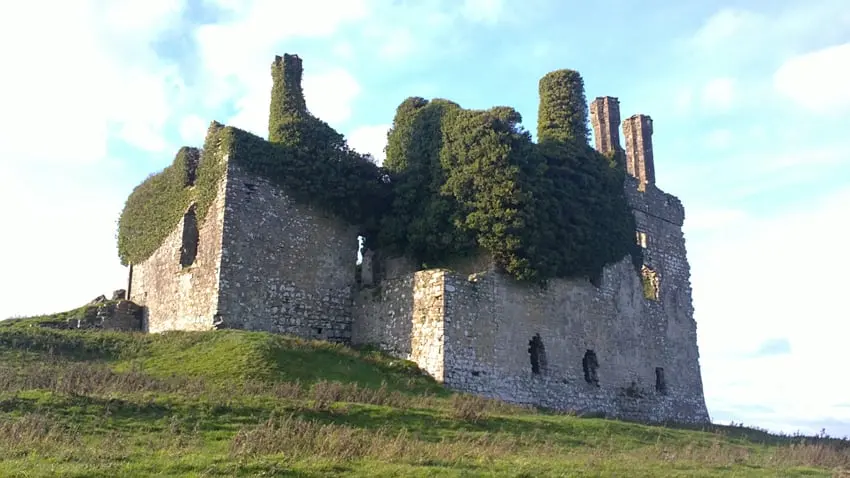
Dublin rewards those willing to look beyond the obvious. The tranquil Blessington Street Basin offers a quiet retreat in the city's north inner suburbs, while Busáras stands as an underappreciated gem of mid-century Irish architecture. Venture further and you find the Baily Lighthouse perched on the Howth headland, the ancient Ballyedmonduff Wedge Tomb hidden in the Dublin Mountains, and the atmospheric ruins of Castleknock Castle, Carbury Castle, Barberstown Castle, and Barretstown Castle. The Butt Bridge provides a lesser-celebrated river crossing with fine Liffey views, and the city's live-event scene extends from the 3Arena and Aviva Stadium to the Carlisle Grounds in Bray.

23 places · Dublin, Ireland · Editorially curated

  • 3Arena Dublin

    3Arena Dublin

    Dublin

    culturehistory

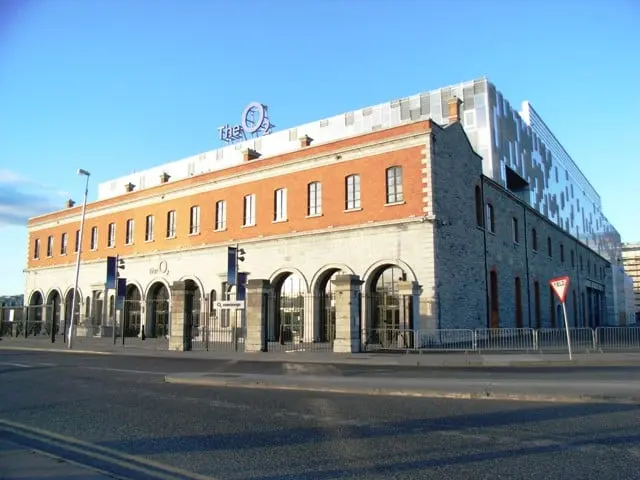
    The 3Arena is Dublin's largest indoor concert venue, sitting right on North Wall Quay in the lively Docklands district. With a capacity of around 13,000, it consistently ranks among Europe's busiest arenas by ticket sales. Originally a warehouse building, it was converted into "The O2" arena in 2008 and rebranded 3Arena in 2014 after Three Ireland's takeover. The venue hosts world-class acts in pop, rock, comedy and musical theatre, and its waterfront location makes it easily accessible from central Dublin.
  • Aviva Stadium Dublin

    Aviva Stadium Dublin

    Dublin

    outdoor activities

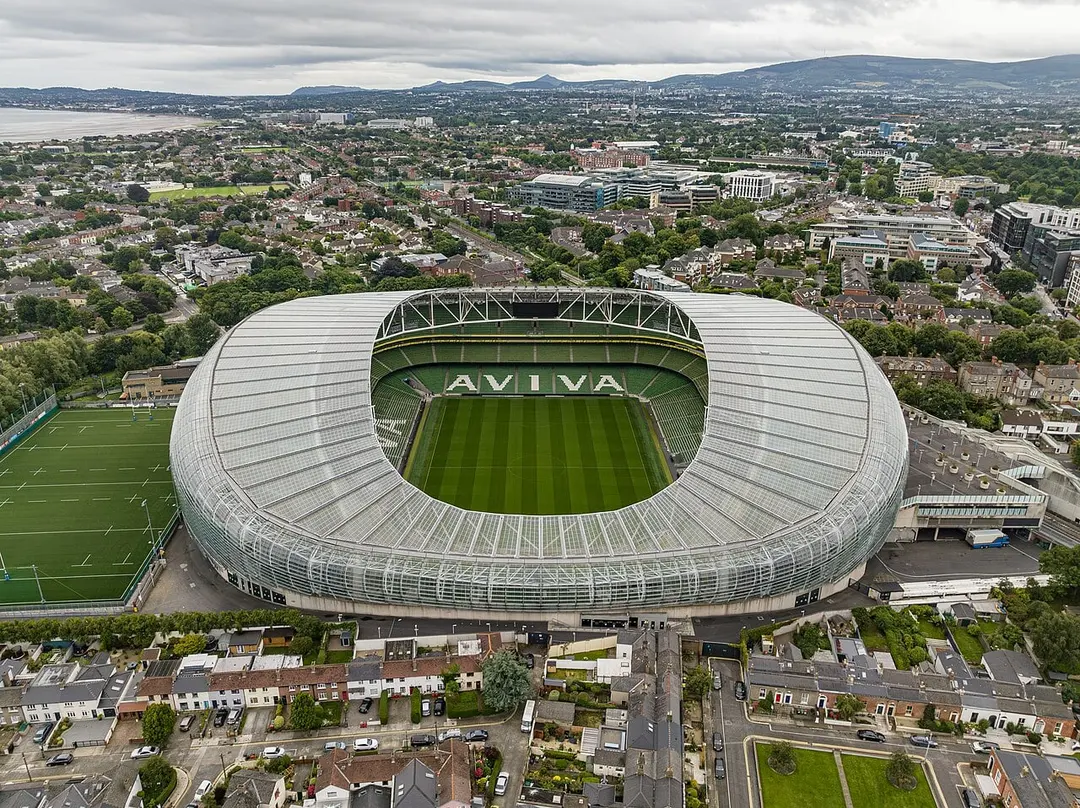
    Aviva Stadium in Dublin's Ballsbridge neighbourhood is the shared home of Ireland's rugby union and football national teams. With a capacity of around 51,700, it is one of the most modern stadiums in the British Isles. Built on the historic site of Lansdowne Road Stadium, which was demolished in 2007, the new arena opened in 2010 and is named after insurance group Aviva, which holds the naming rights. Nestled tightly within the upmarket D4 residential area, it creates a uniquely intimate atmosphere on match days.

  • Baily Lighthouse

    Baily Lighthouse

    Dublin

    architecturenaturehistory+1

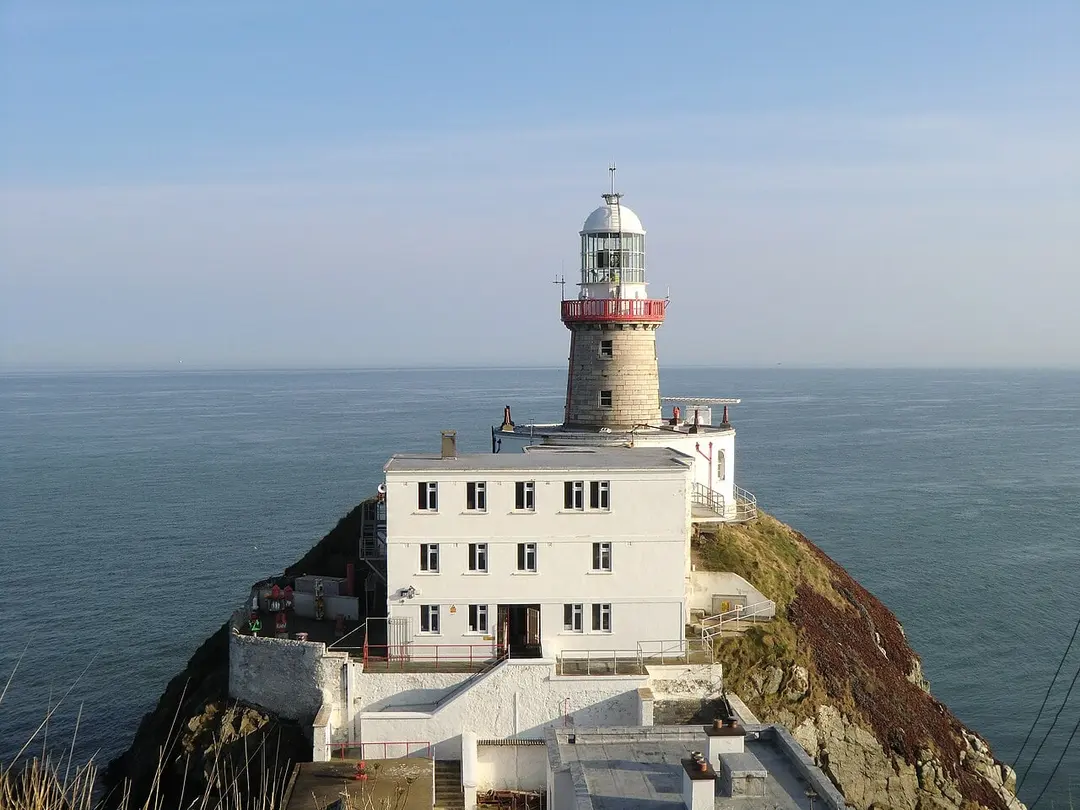
    The Baily Lighthouse stands on the Howth Head peninsula, about 15 kilometres east of Dublin, marking the southeastern tip of the headland and the northern boundary of Dublin Bay. Dating back to 1814, it is maintained by the Commissioners of Irish Lights. Its distinctive white tower is visible from far out at sea. The coastal path leading to the lighthouse offers sweeping views over the Irish Sea towards the Wicklow Mountains. The lighthouse grounds are not publicly accessible, but the clifftop viewpoint near it is regarded as one of the finest panoramic spots around Dublin.

  • Ballyedmonduff Wedge Tomb

    Ballyedmonduff Wedge Tomb

    Dublin

    culturehistory

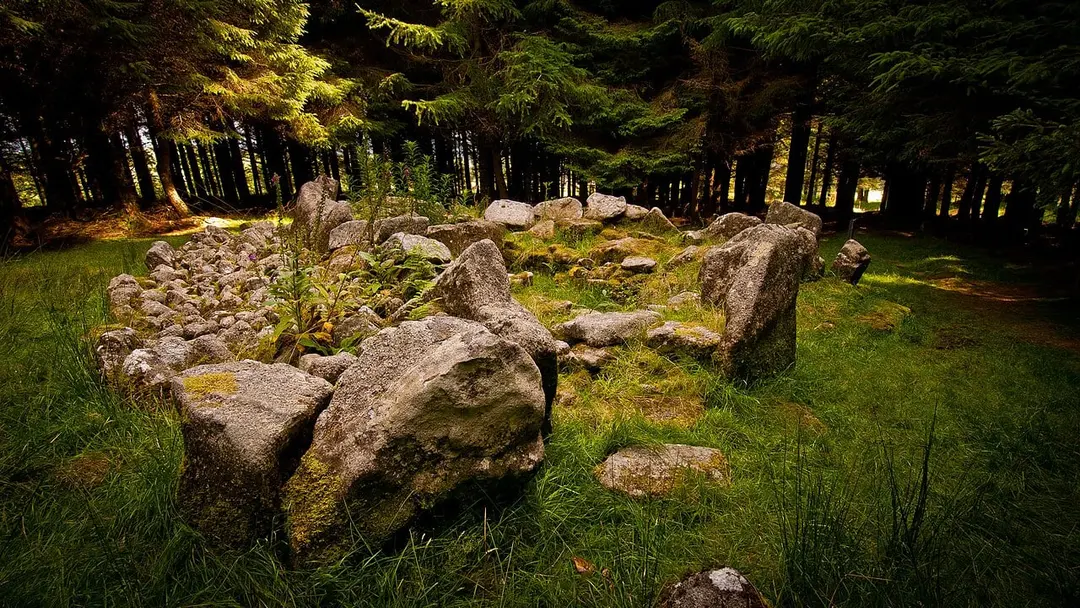
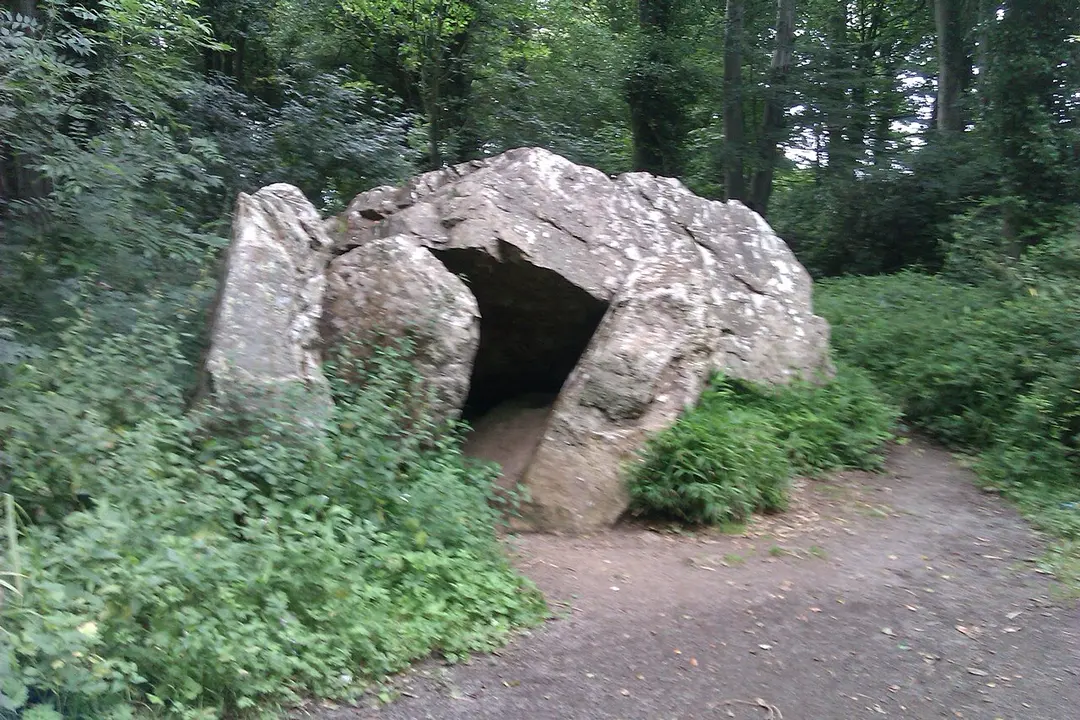
    The Ballyedmonduff Wedge Tomb is a megalithic burial monument from the late Neolithic or early Bronze Age, situated on a hillside of Two Rock Mountain in a forest north of Glencullen in southern County Dublin. Wedge tombs are concentrated in the western half of Ireland, making Ballyedmonduff one of the easternmost examples of its type. The site is a protected National Monument of Ireland. It offers a quiet place in the woods where thousands of years of human burial culture materialise, well away from the main tourist routes.

  • Barretstown Castle

    Barretstown Castle

    Dublin

    architecturehistoryfamily outings

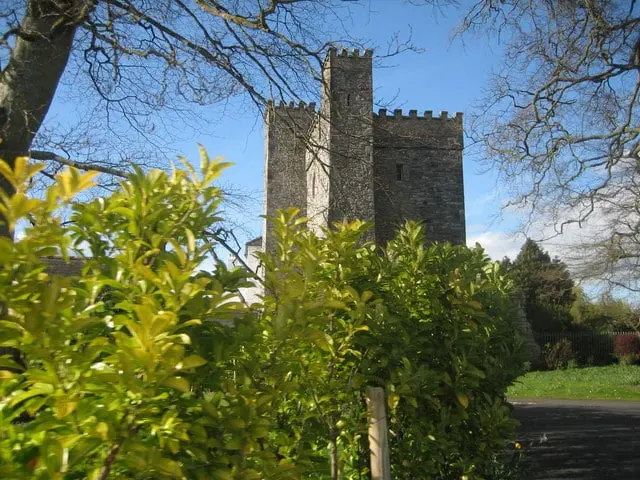
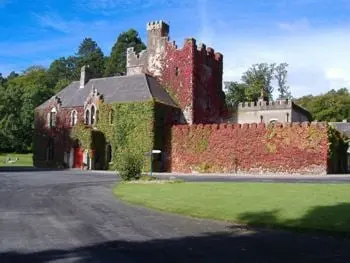
    Barretstown Castle is a castle north of Ballymore Eustace in County Kildare, Ireland. It stands on the foundations of a late 12th-century Anglo-Norman fortification, carrying centuries of Irish history in its stones. Today Barretstown Castle is best known for the Barretstown Camp – a holiday camp for seriously ill children run on the extensive castle grounds. It was founded by American actor Paul Newman. The combination of historic castle architecture and a social mission makes Barretstown Castle an unusual destination in the Irish countryside.

  • Blessington Street Basin

    Blessington Street Basin

    Dublin

    naturehistory

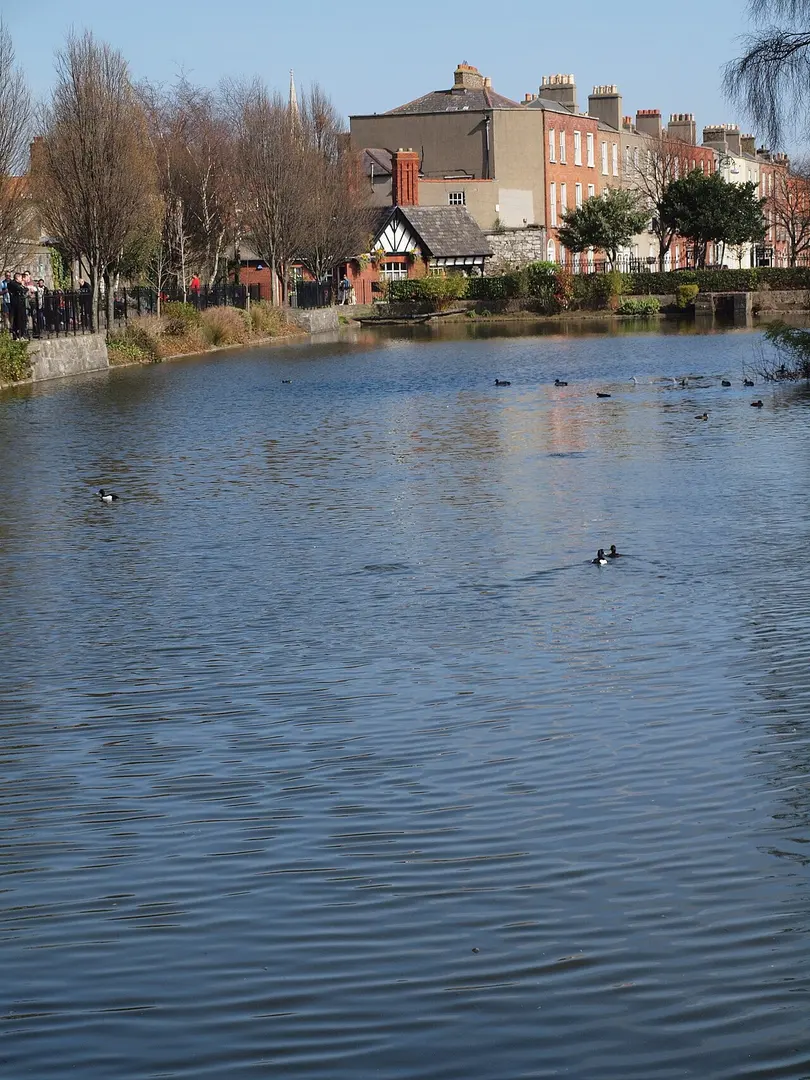
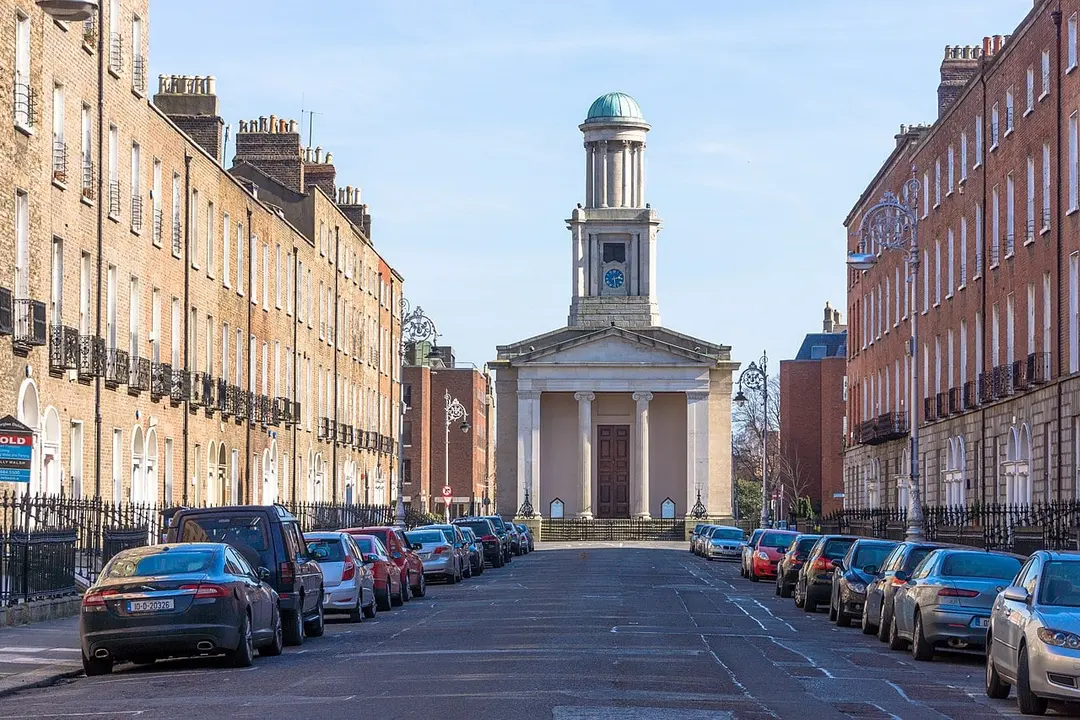
    Blessington Street Basin is a former drinking water reservoir in northern Dublin, which supplied the north city from 1810 until the 1970s. The grounds around the water were laid out as a public park as early as 1891, and following a full renovation in 1994 it is now one of the most tranquil green spaces in central Dublin. A small lake surrounded by trees, ducks, swans, and benches offers calm in the middle of a dense residential neighbourhood. For those who want to see a quieter side of Dublin, this is a serene counterpoint to the busy tourist centre.

  • Busáras

    Busáras

    Dublin

    architecturehistory

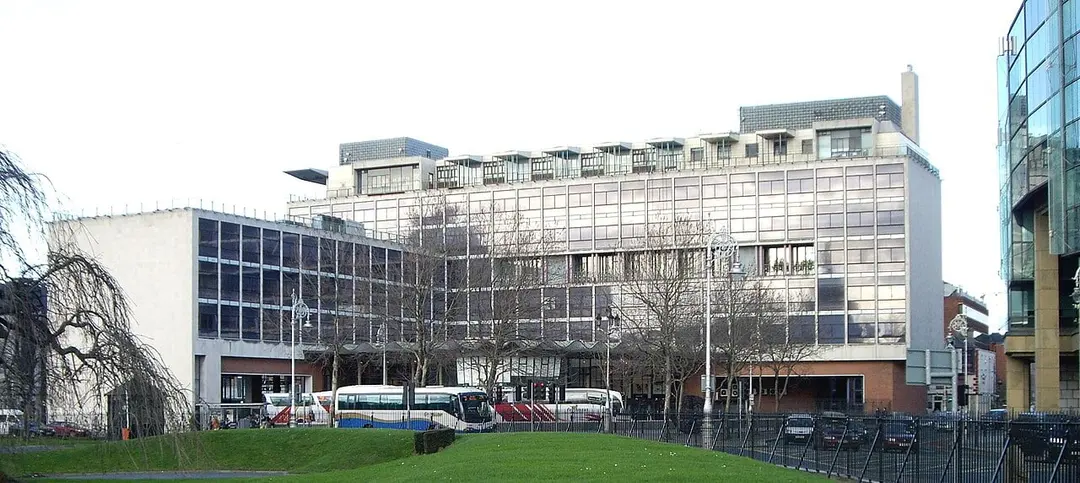
    Busáras is Dublin central intercity bus station and the headquarters of Bus Éireann. The building was constructed between 1946 and 1953 in the International Modern style and stands on Store Street near Connolly Station. It is officially named after Seán Mac Diarmada — one of the leaders of the 1916 Easter Rising — and is a protected landmark. The ground floor serves intercity buses to all regions of Ireland, while the upper floors house the Irish Department of Social Protection. Busáras is also a stop on the Luas Red Line.

  • Butt Bridge Dublin

    Butt Bridge Dublin

    Dublin

    architecturehistory

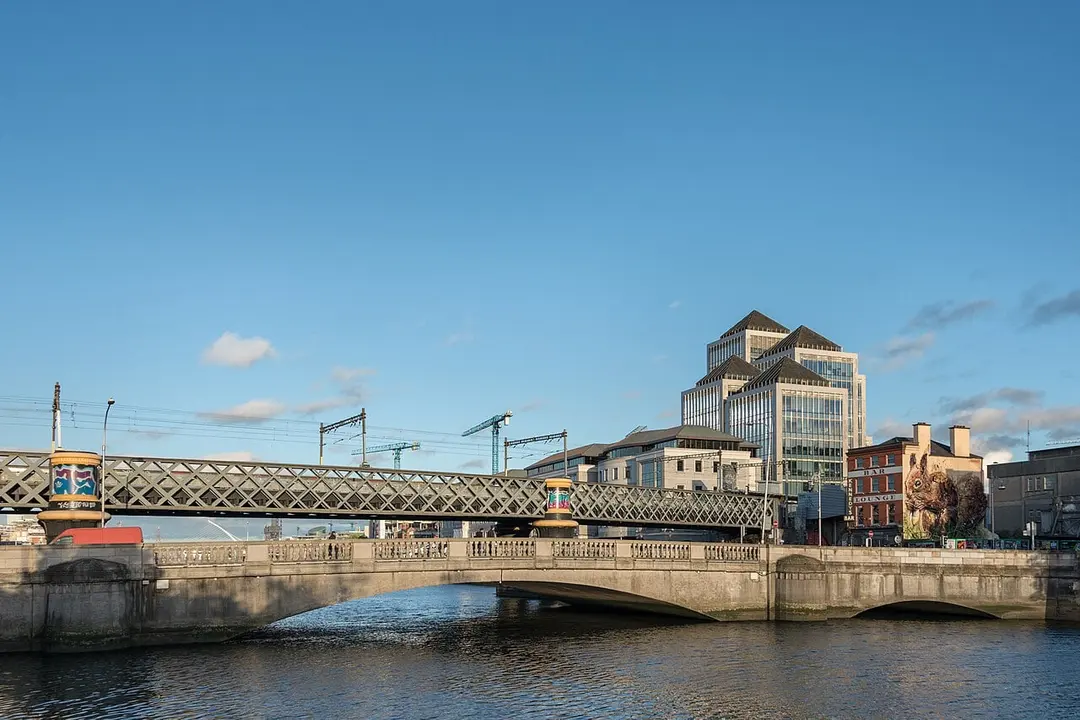
    Butt Bridge spans the River Liffey in central Dublin, connecting Georges Quay to Beresford Place and the north quays beside Liberty Hall. It is named after Isaac Butt, the 19th-century Irish lawyer, economist, and politician who founded the Irish Home Rule movement. The bridge is one of the most heavily used Liffey crossings and a workaday part of Dublin city life. It attracts less architectural attention than the nearby Ha'penny Bridge or Samuel Beckett Bridge, but its namesake gives it quiet historical weight in the story of Irish self-determination.

  • Carlisle Grounds

    Carlisle Grounds

    Dublin

    naturehistoryoutdoor activities

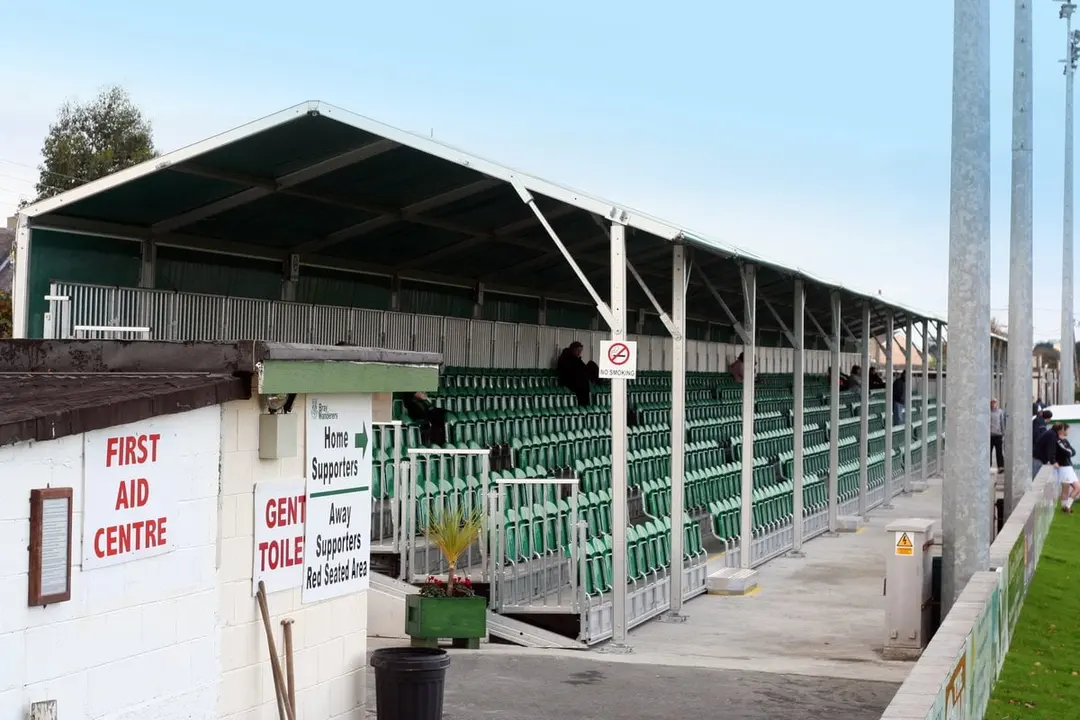
    Carlisle Grounds in Bray, County Wicklow, is one of the oldest football grounds in the world, opened in 1862. Situated just behind Bray DART station, it is home to Bray Wanderers AFC and is considered the oldest active ground of any club in the Football Association of Ireland. What makes it unique is its seaside setting — from some stands you can glimpse the Irish Sea. Occasional international fixtures, including Ireland rugby league games, are also held here.

  • Castleknock Castle

    Castleknock Castle

    Dublin

    architectureculturehistory+1

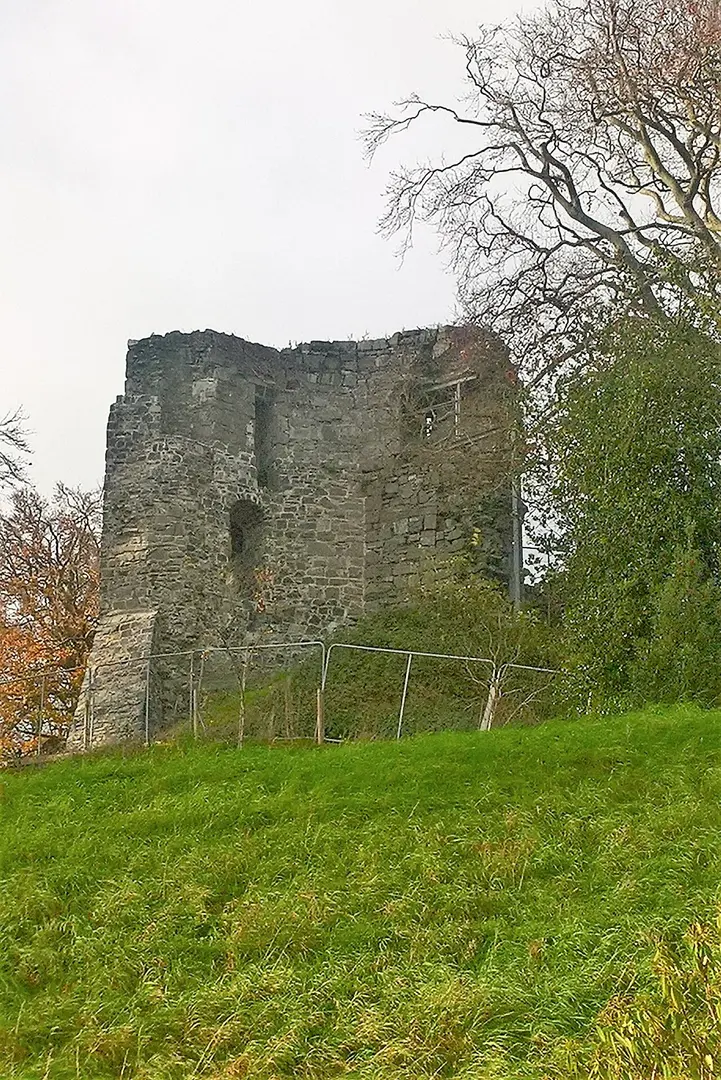
    Castleknock Castle is the ruin of a Norman fortification on the grounds of Castleknock College, a Catholic boarding school on the western outskirts of Dublin. The castle dates back to the aftermath of the 12th-century Norman invasion of Ireland. Its Irish name, Caisleán Cnucha, echoes medieval texts that mention the hill as Cnoc or Cnucha. The remains are today embedded within the school grounds and largely inaccessible to the general public.

  • Castleruddery Motte

    Castleruddery Motte

    Dublin

    architectureculturehistory

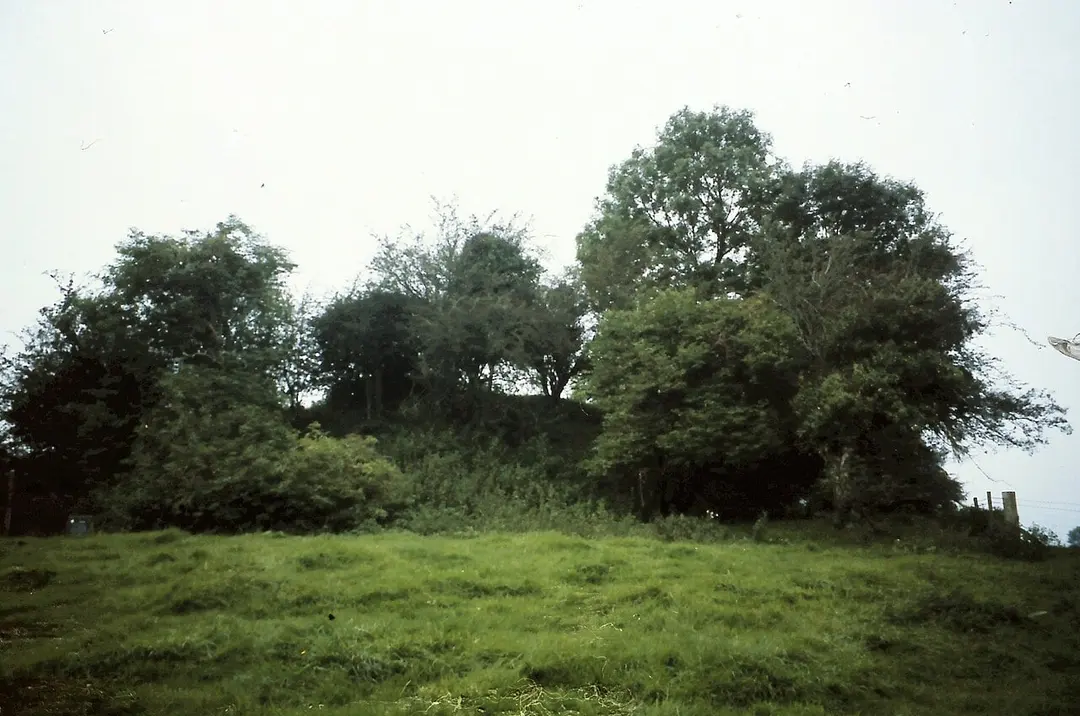
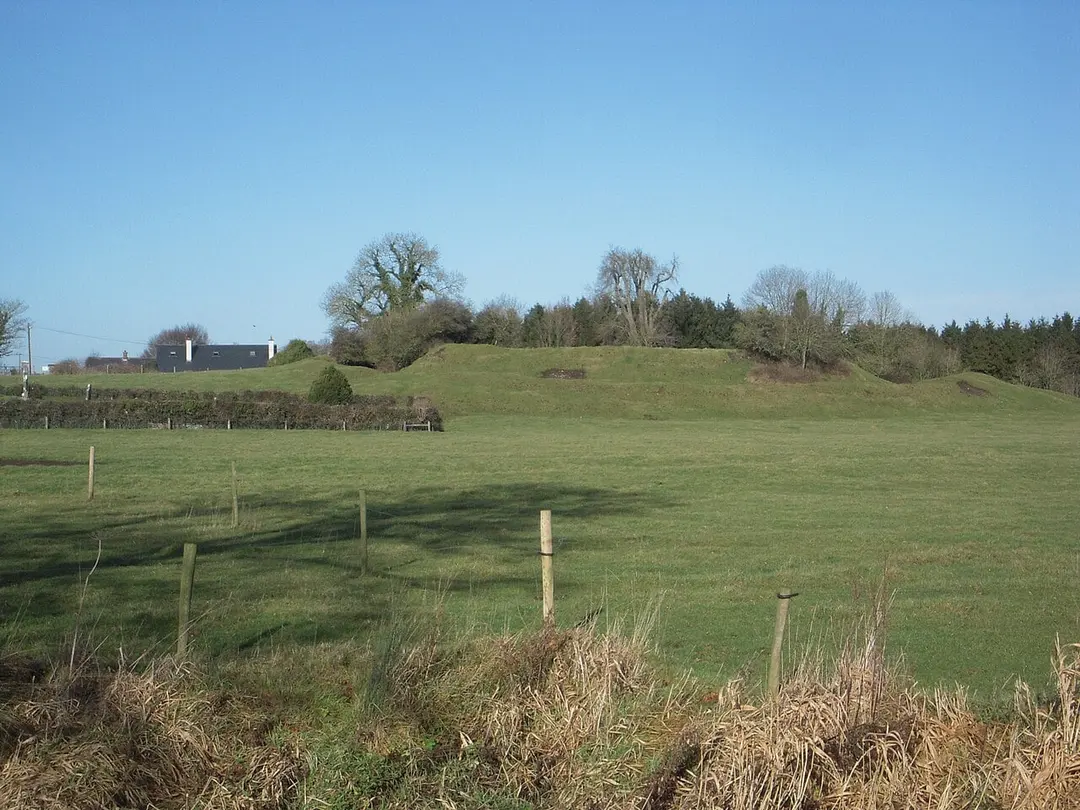
    Castleruddery Motte is a medieval earthwork in County Wicklow, Ireland, situated about 2 km east-northeast of Stratford-on-Slaney. Mottes like this one – artificially raised mounds that once supported a timber castle – were the signature fortification of the Norman invaders of Ireland. The mound sits on a hillside near the River Slaney and is designated a National Monument of Ireland. There are no standing ruins, but the mound itself is well preserved, conveying how the Normans imposed control over the Irish landscape through elevated strongholds.

  • Castleruddery Stone Circle

    Castleruddery Stone Circle

    Dublin

    historymystery

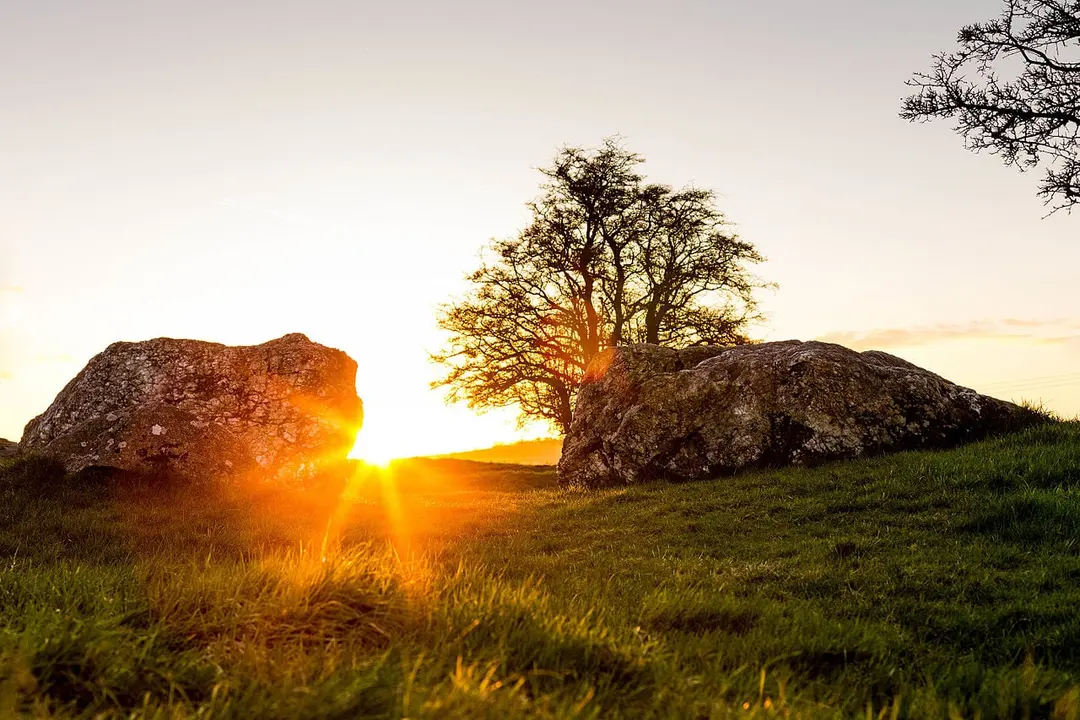
    Castleruddery Stone Circle is located in County Wicklow, Ireland, near the River Slaney west of Baltinglass. It is a relatively small recumbent stone circle and henge from the Late Neolithic period — an era when such circular enclosures were built in small numbers across Ireland for ritual purposes. The site is protected as a National Monument of Ireland. Two large quartzite boulders mark the entrance. Lying off the main tourist routes in a quiet rural landscape, it offers a chance to experience a prehistoric site without crowds.

  • Christ Church Cathedral

    Christ Church Cathedral

    Dublin

    architecturehistory

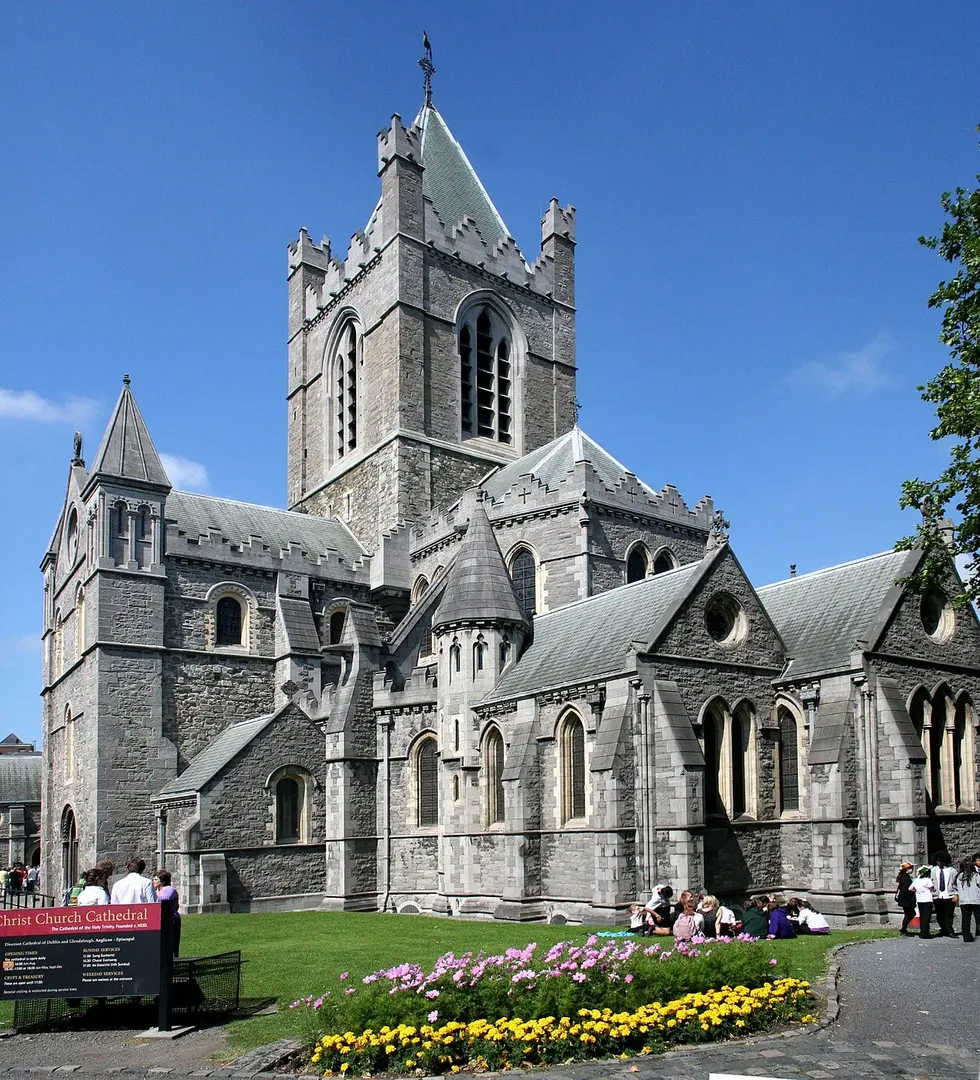
    Christ Church Cathedral is the older of Dublin's two medieval cathedrals, with origins around 1031 when the Viking king Sitriuc Silkenbeard founded a wooden church on the site. The present stone structure was built in the 12th and 13th centuries and heavily restored in the Victorian era. The cathedral serves as the seat of the Archbishop of Dublin in the Church of Ireland (Anglican). Its crypt — one of the oldest surviving in Ireland — holds historical artefacts including the mummified remains of a cat and a mouse famously found wedged inside an organ pipe. Christ Church stands in Dublin's historic core, close to Dublin Castle and within easy walking distance of the Temple Bar quarter.

  • Conolly's Folly

    Conolly's Folly

    Dublin

    architecturehistory

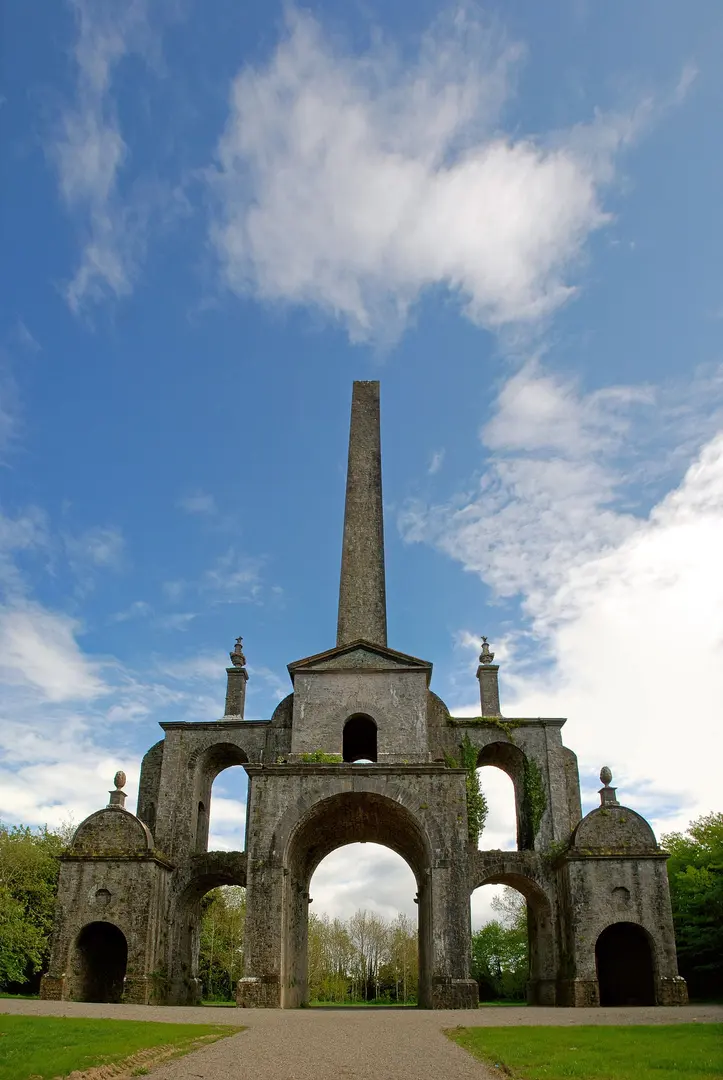
    Conolly's Folly, also known as The Obelisk, is a Georgian structure near Celbridge, Leixlip and Maynooth in County Kildare, Ireland. Built in the mid-18th century by the Conolly family, owners of the Castletown Estate, it was reportedly constructed to provide employment for labourers during a famine. The arched structure topped with an obelisk is a classic example of a folly – a building with no practical purpose. Restored by the Irish Georgian Society, it is now a national monument in state care.

  • EPIC The Irish Emigration Museum

    EPIC The Irish Emigration Museum

    Dublin

    culture

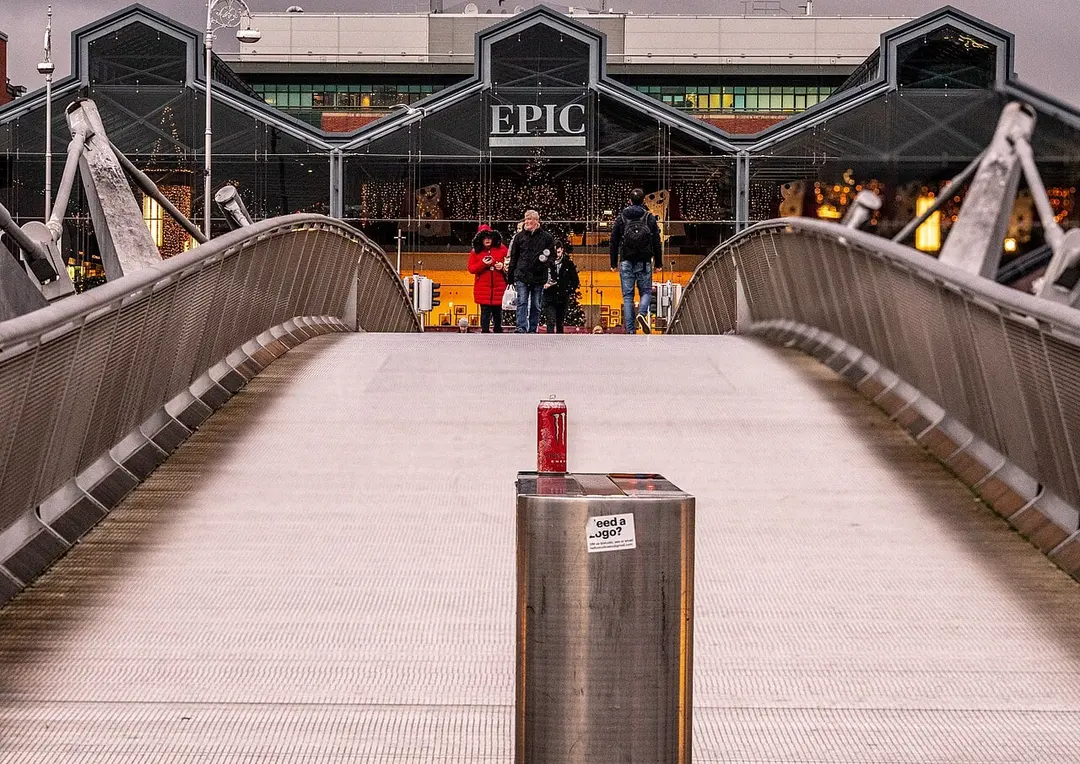
    EPIC tells the story of Irish emigration and diaspora, one of the defining chapters in Irish history. Located in the historic CHQ Building in Dublin's Docklands, one of the last surviving 19th-century warehouses in the area, the museum uses interactive displays to trace how millions of Irish people left their homeland and shaped communities across the world, from the United States and Australia to Argentina. EPIC won the World Travel Awards title of Europe's Leading Tourist Attraction in 2019, 2020 and 2021.

  • Fishamble Street

    Fishamble Street

    Dublin

    culturehistory

    Fishamble Street is a narrow lane about 180 metres long in Dublin's oldest historic core, running within the line of the former medieval city walls and marking the western edge of the Temple Bar district. Its name comes from a fish market that operated here in the Middle Ages. Music enthusiasts know it as the site where George Frideric Handel conducted the world premiere of his Messiah in 1742, a fact commemorated by a plaque on the street today.

  • General Post Office Dublin

    General Post Office Dublin

    Dublin

    architecturehistory

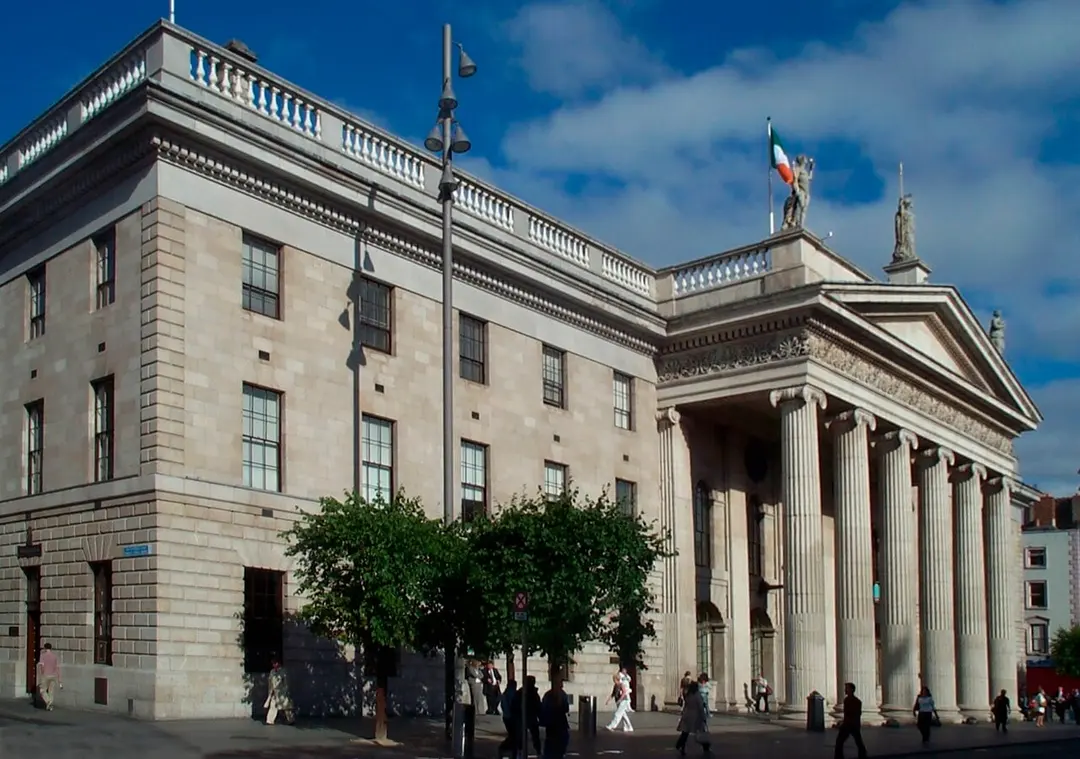
    The General Post Office on O'Connell Street is Dublin's most iconic building and a central symbol of Irish history. Built in 1814 in neoclassical style — the last great Georgian public building erected in the capital — it still functions as the main post office today. Its fame, however, comes above all from Easter Monday 1916, when Irish independence fighters seized the building as headquarters of the Easter Rising against British rule and proclaimed the Republic from its steps. Bullet holes and fire damage from the subsequent battle are still visible on the facade. Inside, a large bronze statue of Cú Chulainn commemorates those who fell in the uprising. The GPO is not merely a post office but a national memorial — an essential stop for every visitor to Ireland.

  • Anna Livia Bridge

    Anna Livia Bridge

    Dublin

    architecturenature

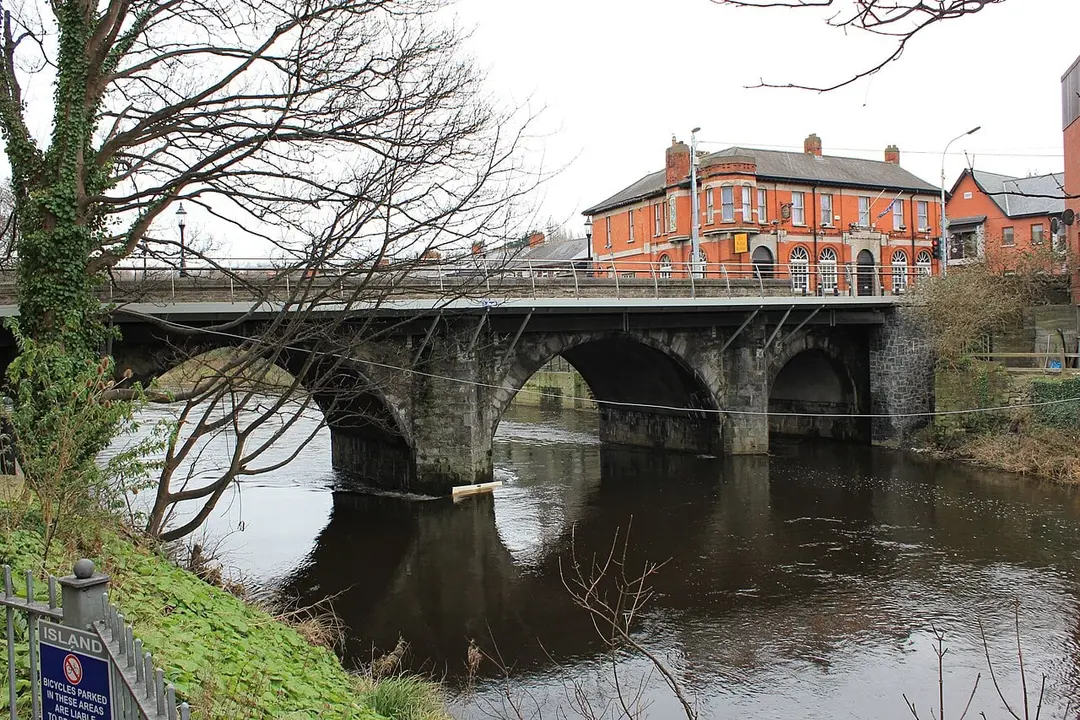
    The Anna Livia Bridge — formerly Chapelizod Bridge — is a historic stone arch bridge in the village of Chapelizod within Dublin's city limits, spanning the River Liffey. It once carried the main road from Dublin to Lucan. The name Anna Livia comes from the river's personification in James Joyce's "Finnegans Wake." Through traffic no longer uses the bridge since a bypass was built to the south. The quiet village of Chapelizod, with its views of the bridge and the Liffey, offers a peaceful contrast to central Dublin and rewards visitors who like to explore beyond the usual tourist routes.

  • Danestown Fort

    Danestown Fort

    Dublin

    history

    Danestown Fort is an early medieval ringfort (rath) in County Meath, Ireland, situated approximately 700 metres south-east of Kentstown on the south bank of the Nanny River. The inner platform measures around 50 metres in diameter and stands over 4 metres above the surrounding landscape, enclosed by a fosse and an outer bank. Ringforts of this type were the standard settlement form in early medieval Ireland, serving as farmsteads, defensive enclosures, or status markers. Danestown Fort is a protected National Monument of Ireland.

  • Durhamstown Castle

    Durhamstown Castle

    Dublin

    architecturehistory

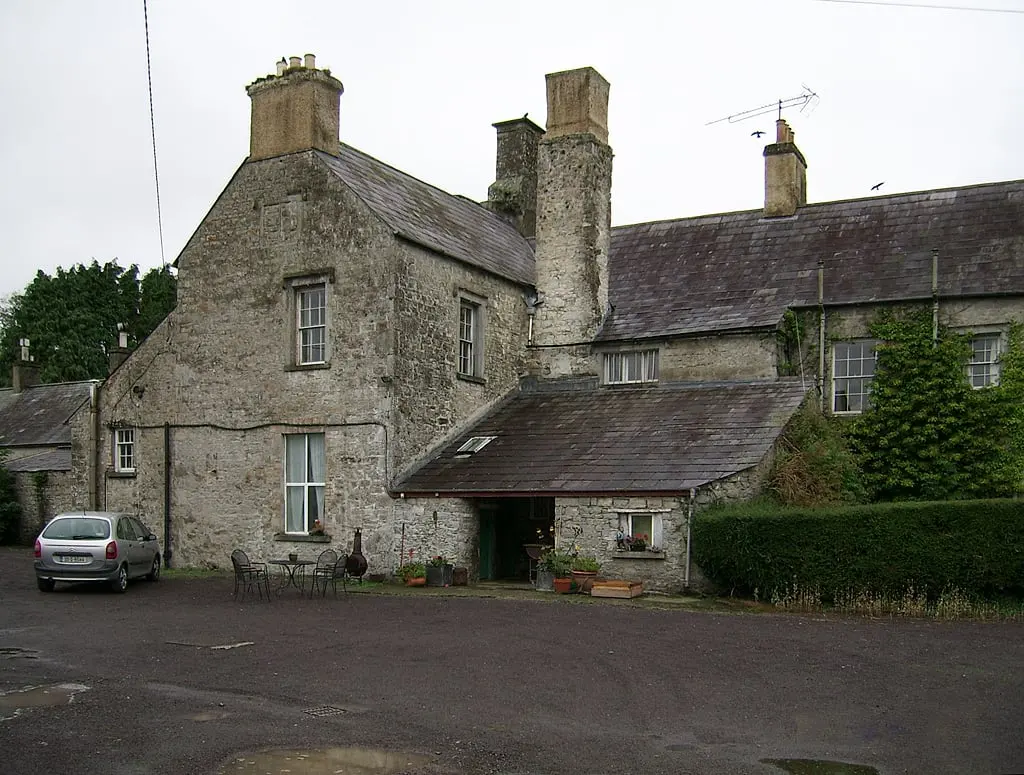
    Durhamstown Castle is a tower house in County Meath, built around 1420 and inhabited continuously ever since. It takes its name from a family called Dorream, recorded here in 1511. Today the building operates as a guest house and restaurant, which means visitors can sleep and eat in a structure that has been in use since the late medieval period. County Meath has an unusual density of historic sites, and Durhamstown is the kind of place encountered almost by chance – low-key in appearance but genuine in its history.

Keep exploring

These places are just the beginning.

Rate places with a swipe — TravelType learns from your tags what you love and curates your own map. Private until you choose to share.

Create your profile