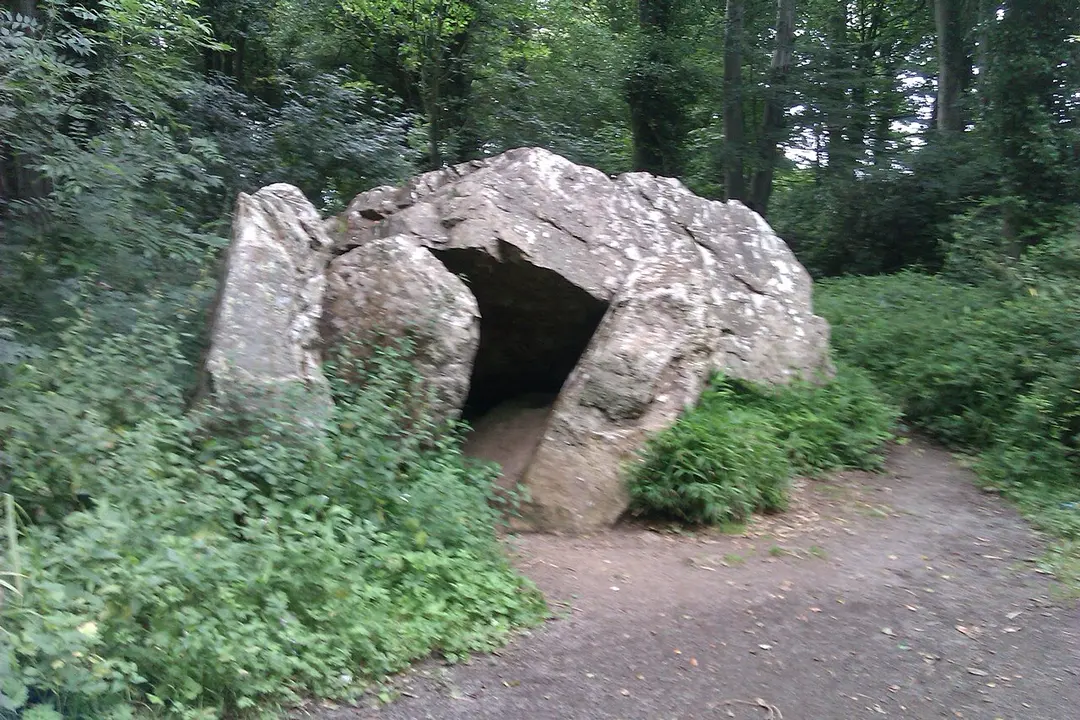
Aideen's Dolmen
Dublin
culturehistorylocal gems+2
nature
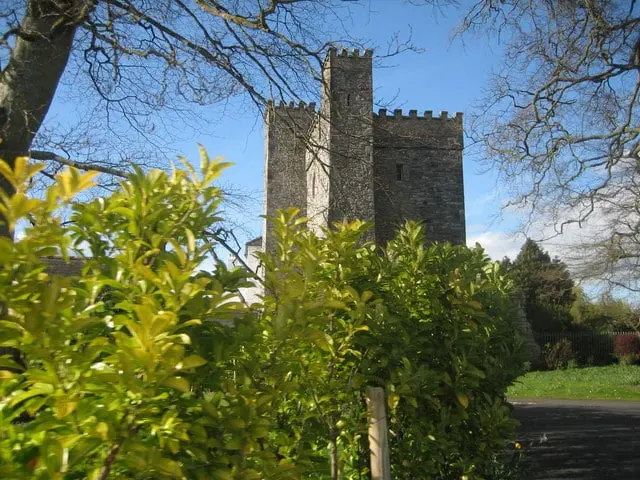
Dublin and its surroundings offer a surprising amount of green space and natural scenery. The coastline around Bray Head and the Baily Lighthouse provides quiet walks with views over the Irish Sea, while Blessington Street Basin serves as a calm retreat within the city itself. Historic properties such as Ardgillan Castle, Ashtown Castle, and Barberstown Castle are set within generous parkland, and Bective Abbey sits nestled in gentle river-valley landscape. Castletown House likewise comes with expansive grounds. Even spots like Carlisle Grounds and Deansgrange Cemetery contribute a leafy, peaceful character to the wider Dublin area.
15 places · Dublin, Ireland · Editorially curated
Dublin
Dublin
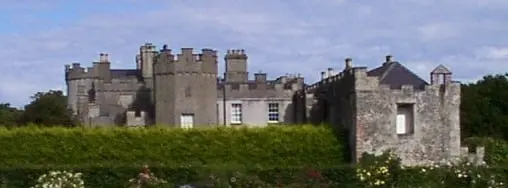
Ardgillan Castle is a Georgian country house near Balbriggan in County Dublin, Ireland, set within a sprawling 200-acre public park managed by Fingal County Council. Built in the 18th century, the house overlooks the Irish Sea and is surrounded by formal rose gardens, wooded trails, and open meadows. The castle itself hosts guided tours and events, while the park is freely accessible year-round. It sits comfortably between Dublin city and the County Meath border, making it a popular destination for families and walkers from the greater Dublin area.
Dublin
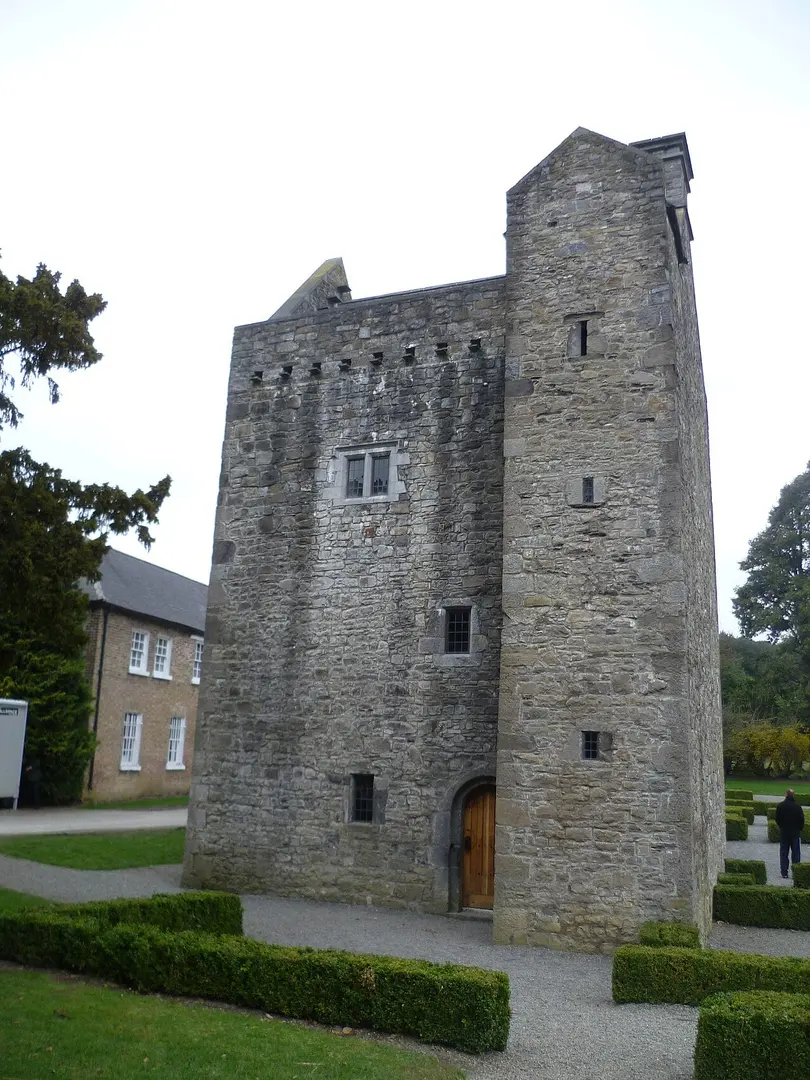
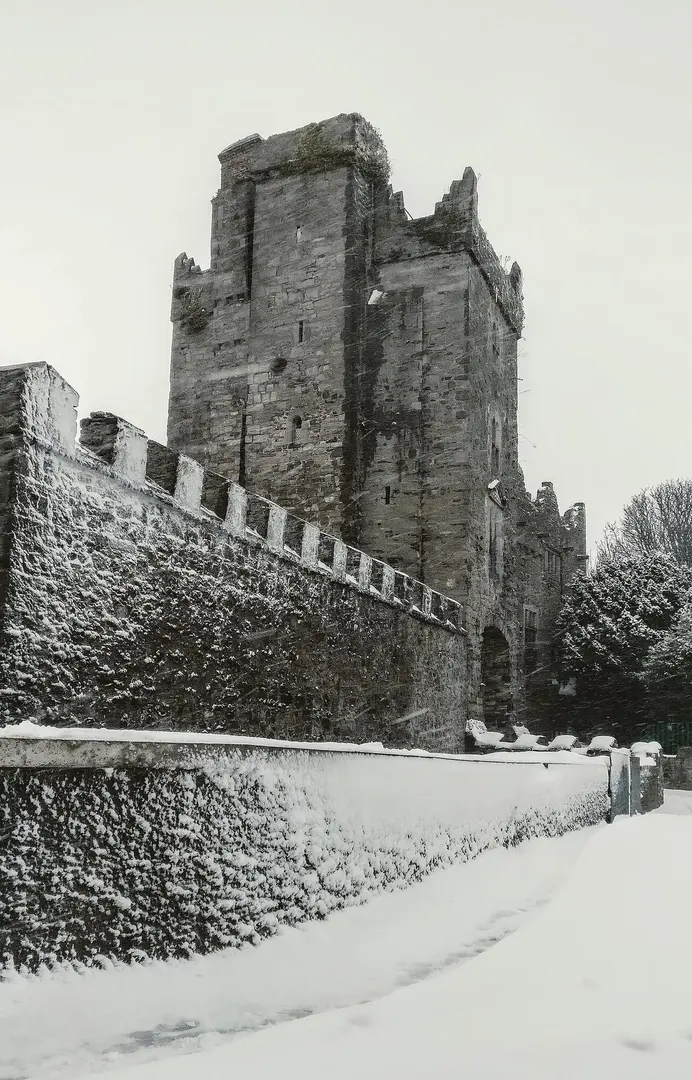
Ashtown Castle is a medieval tower house within the Phoenix Park in Dublin — the largest enclosed park in any European capital city. Built around 1430, it is one of the few surviving medieval structures in Ireland still located within a major city. For centuries it lay hidden behind the Papal Nunciature building and was only rediscovered during demolition works in the 1980s. Today it is a protected monument open to visitors, set within the expansive green of Phoenix Park.
Dublin
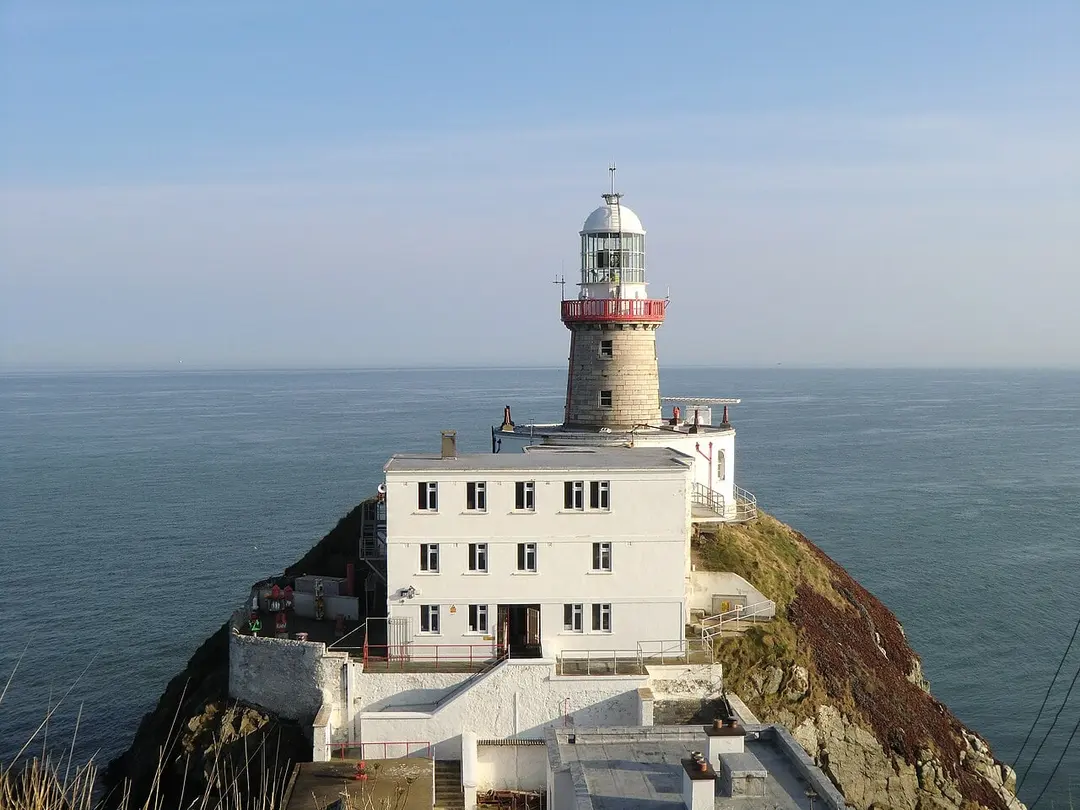
The Baily Lighthouse stands on the Howth Head peninsula, about 15 kilometres east of Dublin, marking the southeastern tip of the headland and the northern boundary of Dublin Bay. Dating back to 1814, it is maintained by the Commissioners of Irish Lights. Its distinctive white tower is visible from far out at sea. The coastal path leading to the lighthouse offers sweeping views over the Irish Sea towards the Wicklow Mountains. The lighthouse grounds are not publicly accessible, but the clifftop viewpoint near it is regarded as one of the finest panoramic spots around Dublin.
Dublin
Dublin
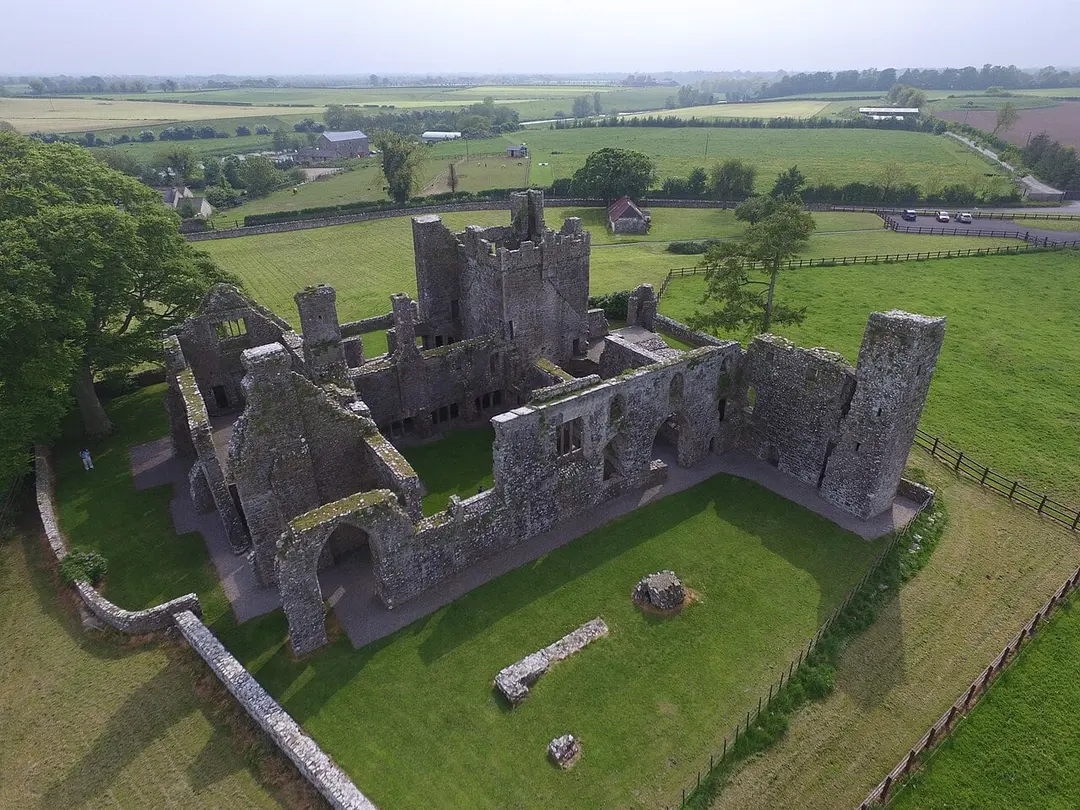
Bective Abbey is a medieval Cistercian ruin on the River Boyne in County Meath, Ireland, about 7.5 kilometres from Trim. Founded in 1147, it was the first daughter house of Mellifont Abbey — Ireland's very first Cistercian monastery. In the 14th century, the body of Hugh de Lacy, one of Ireland's most powerful Norman lords, lay in state at the abbey — triggering a political dispute between the monastery and the Archbishop of Armagh. The well-preserved cloister remains and towers date from the 14th and 15th centuries. Today the ruin is a free-to-visit Irish National Monument. It sits in a quiet river landscape and, away from tourist crowds, offers a contemplative window into Irish monastic history.
Dublin
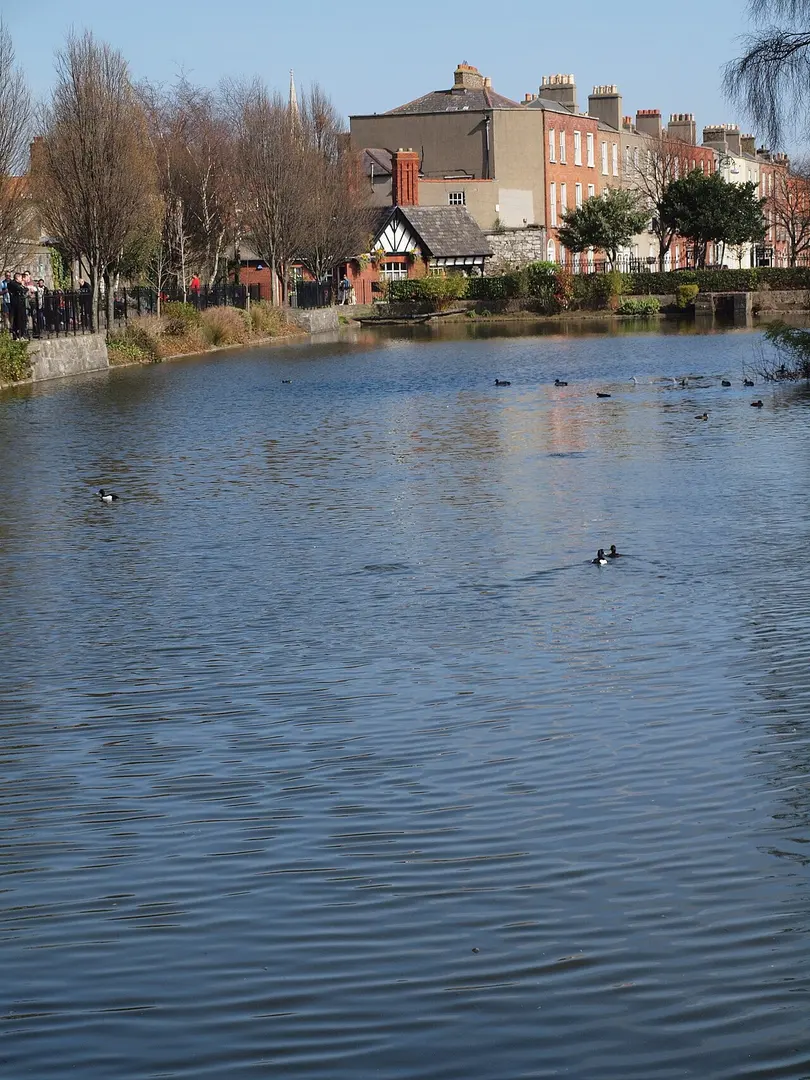
Blessington Street Basin is a former drinking water reservoir in northern Dublin, which supplied the north city from 1810 until the 1970s. The grounds around the water were laid out as a public park as early as 1891, and following a full renovation in 1994 it is now one of the most tranquil green spaces in central Dublin. A small lake surrounded by trees, ducks, swans, and benches offers calm in the middle of a dense residential neighbourhood. For those who want to see a quieter side of Dublin, this is a serene counterpoint to the busy tourist centre.
Dublin
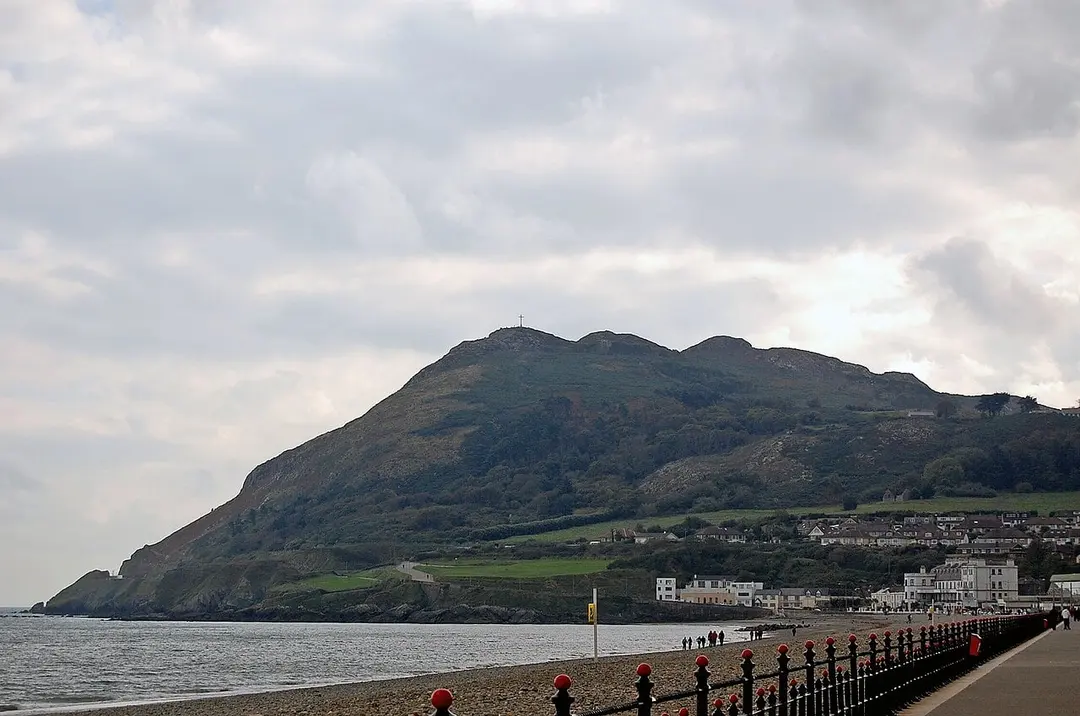
Bray Head is a 241-metre hill and coastal headland in northern County Wicklow, between the towns of Bray and Greystones. Part of the Wicklow Mountains, it is a popular walking spot with broad views over the Irish Sea. A concrete cross at the summit was placed during the 1950 Holy Year; every Good Friday, hundreds of locals make a traditional procession to the top, marking the Stations of the Cross. At the eastern base of the headland lies "Europe's First" — the first geocache ever hidden in Europe — giving Bray Head a dedicated following among geocaching enthusiasts.
Dublin
Dublin
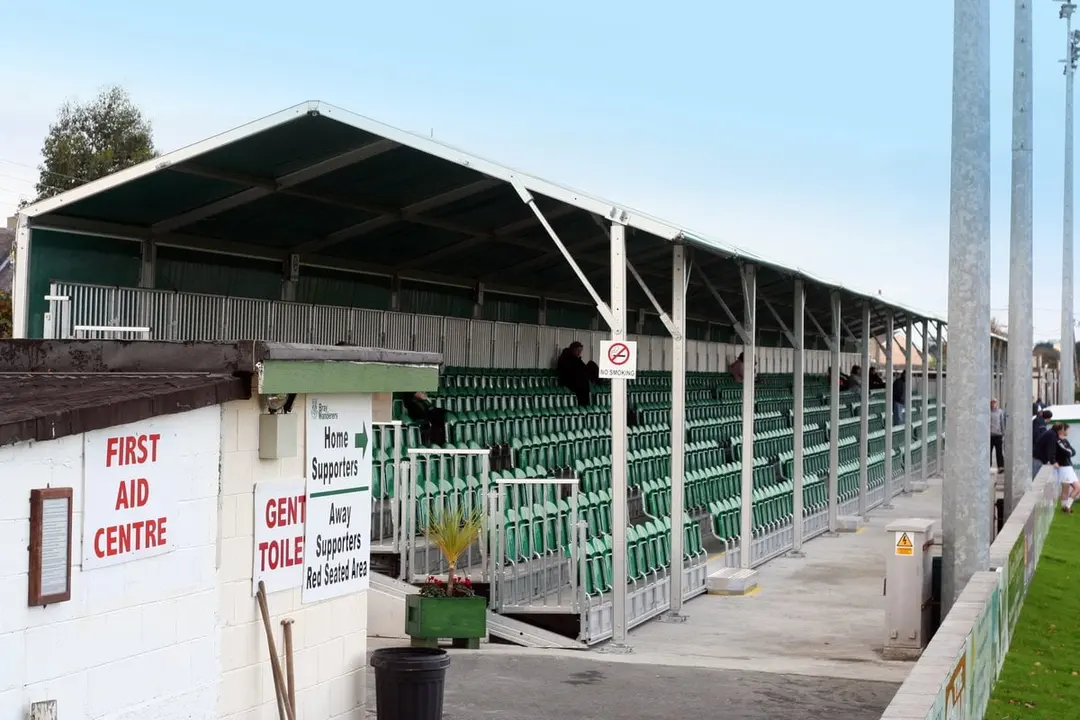
Carlisle Grounds in Bray, County Wicklow, is one of the oldest football grounds in the world, opened in 1862. Situated just behind Bray DART station, it is home to Bray Wanderers AFC and is considered the oldest active ground of any club in the Football Association of Ireland. What makes it unique is its seaside setting — from some stands you can glimpse the Irish Sea. Occasional international fixtures, including Ireland rugby league games, are also held here.
Dublin
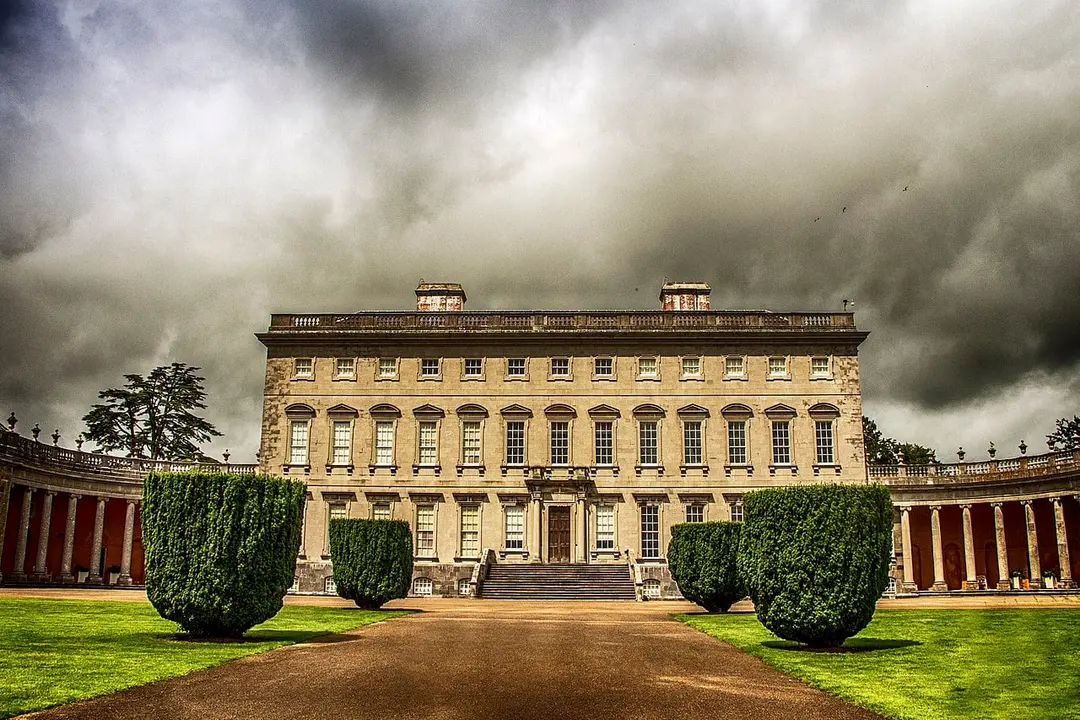
Castletown House in Celbridge, County Kildare, is the largest Palladian mansion in Ireland, built in 1722 for William Conolly, Speaker of the Irish House of Commons and the wealthiest man in Ireland at the time. The building follows a classic Palladian layout with a central block flanked by curved colonnades and wings. Among its notable outbuildings are The Wonderful Barn and Conolly''s Folly – a decorative baroque ruin Conolly had built during a famine to provide employment for local workers. Now owned by the Irish Georgian Society, the house is open to the public.
Dublin
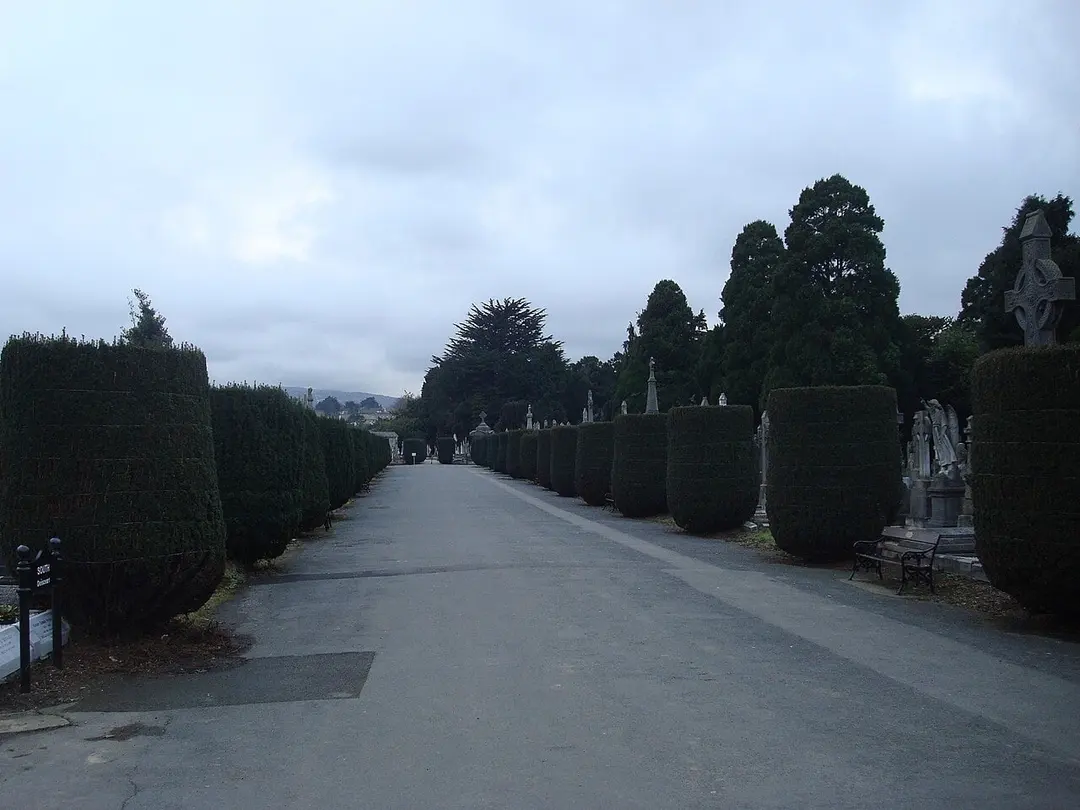
Deansgrange Cemetery is one of the largest burial grounds in the Dublin area, opened in 1865 across 70 acres (28 hectares) in the suburb of Deansgrange, Dún Laoghaire-Rathdown. Since its opening, over 150,000 people have been buried here — making it comparable in scale to Glasnevin Cemetery and Mount Jerome. The grounds contain a rich mix of Victorian and Edwardian headstones, family vaults, and more modern sections, reflecting over 160 years of Dublin's social and religious history. Both Catholic and Protestant sections exist side by side, and the cemetery remains in active use today while functioning as a place of quiet reflection.
Dublin
Drimnagh Castle is a Norman castle in the Dublin suburb of Drimnagh and the only remaining castle in Ireland with a continuously flooded moat. Water is fed from a tributary of the River Camac, keeping the moat filled as it has been since the Middle Ages. Built to a Norman design, the castle has been continuously inhabited since the early 13th century – an unusual record of survival in a country where many medieval structures fell to ruin. The interior includes a restored great hall with an open timber roof. Visitors who arrive expecting a grand castle and find a quiet suburban setting will be surprised by how intact and self-contained it feels.
Dublin
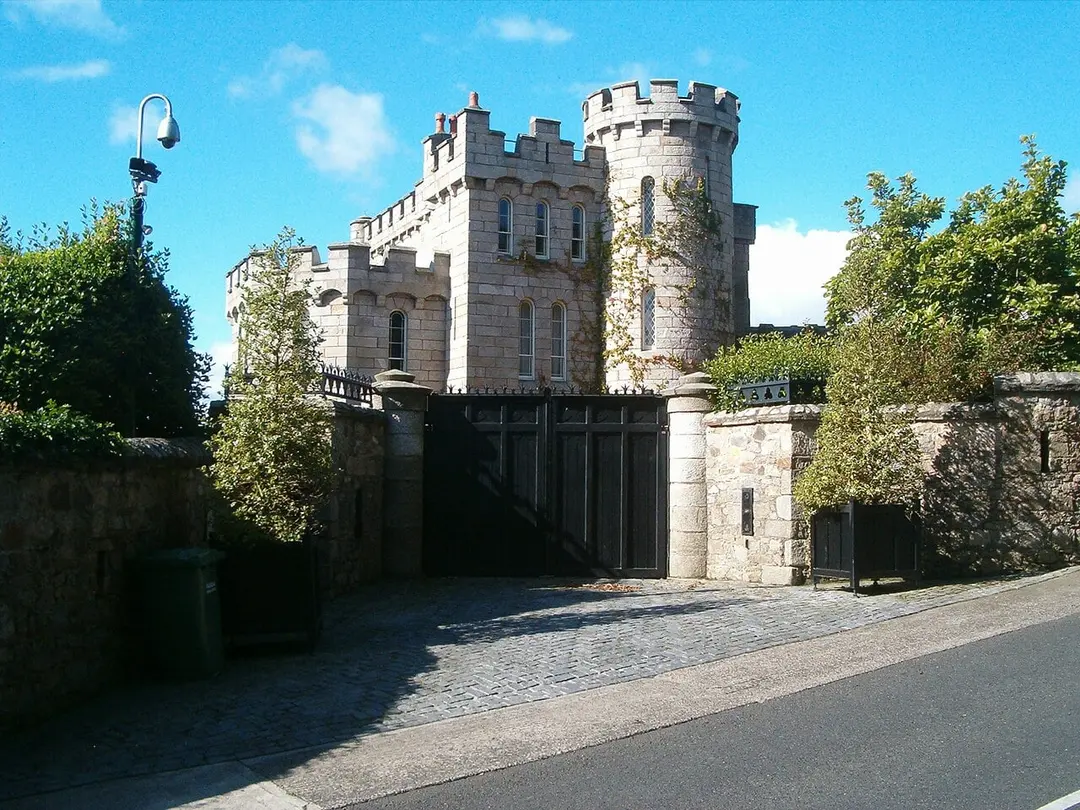
Manderley Castle is an impressive neo-Gothic mansion in Killiney, south of Dublin, built around 1840 in Victorian style. The sprawling estate sits on a hillside above Killiney Bay with stunning views over the Irish Sea. Formerly known as Victoria Castle and Ayesha Castle, it has been owned by Irish musician Enya since 1997, who lives here in relative seclusion. While the interior is not open to the public, the fairytale exterior with its towers and battlements draws curious visitors from around the world. The estate sits close to Killiney Hill, from where you can enjoy one of the finest panoramic views on Ireland's east coast.
Dublin
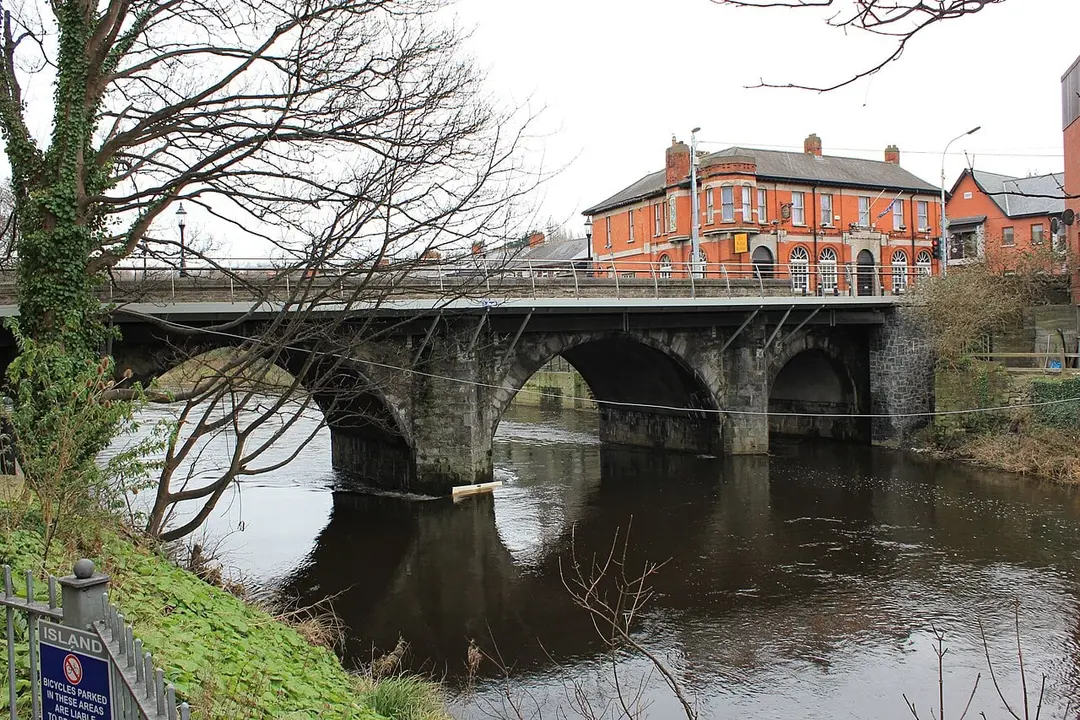
The Anna Livia Bridge — formerly Chapelizod Bridge — is a historic stone arch bridge in the village of Chapelizod within Dublin's city limits, spanning the River Liffey. It once carried the main road from Dublin to Lucan. The name Anna Livia comes from the river's personification in James Joyce's "Finnegans Wake." Through traffic no longer uses the bridge since a bypass was built to the south. The quiet village of Chapelizod, with its views of the bridge and the Liffey, offers a peaceful contrast to central Dublin and rewards visitors who like to explore beyond the usual tourist routes.
Keep exploring
Rate places with a swipe — TravelType learns from your tags what you love and curates your own map. Private until you choose to share.