TravelType

knowledge

Knowledge & learning in Stockholm

Stockholm offers a surprisingly broad range of places where knowledge takes tangible form. The Bergianska trädgården and the Biological Museum open windows onto the natural world, while the Swedish Army Museum chronicles the country's military past. The Ågesta Reactor, Sweden's first nuclear reactor, and the Ytterby mine — where several chemical elements were discovered — trace the city's scientific and technological legacy. The Grave Monument of Samuel Klingenstierna and Olof von Dalin honours two prominent eighteenth-century scholars. Rounding out the picture are the Frescatibiblioteket, ABBA: The Museum, the Stockholm Toy Museum, Blanche Theatre, and the historic Danviksbron bridge.

11 places · Stockholm, Sweden · Editorially curated

  • ABBA: The Museum

    ABBA: The Museum

    Stockholm

    culturelocal gems

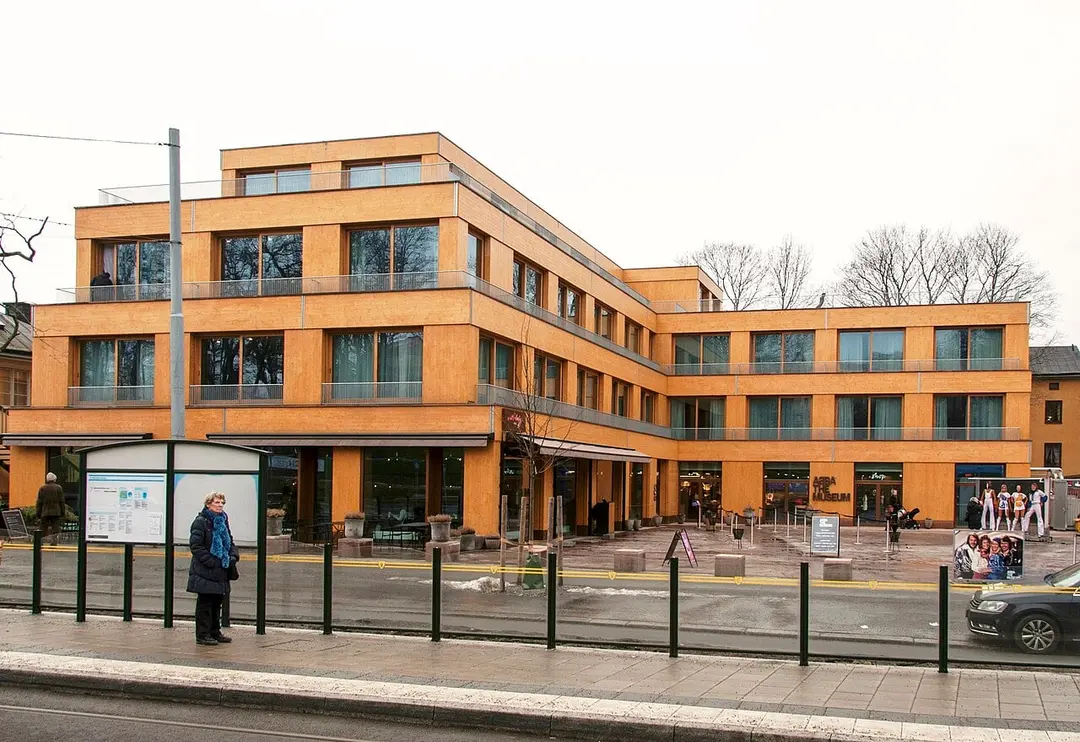
    ABBA The Museum opened on Djurgården in Stockholm in May 2013 as an interactive exhibition dedicated to Sweden's most successful pop act. Visitors can appear on stage alongside ABBA holograms, try on the iconic costumes, and perform in a virtual studio setting. Part of the Swedish Music Hall of Fame, the museum attracts up to a million visitors per year. Nothing is static — the entire experience is built around participation.
  • Ågesta Reactor

    Ågesta Reactor

    Stockholm

    architecturehistory

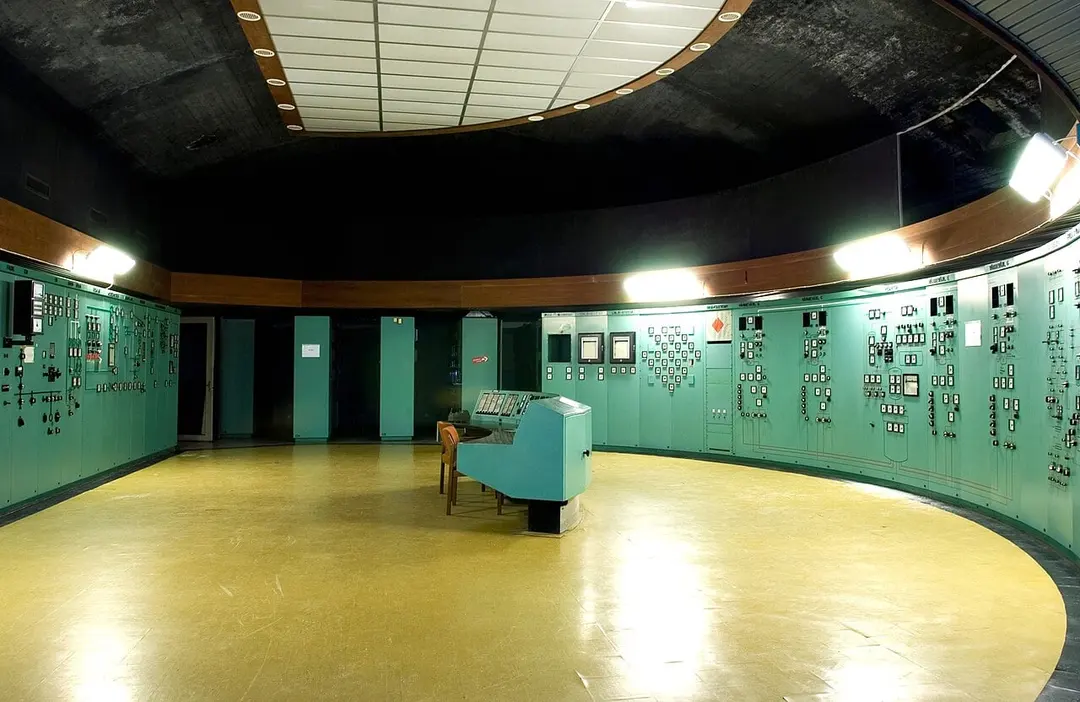
    Buried deep in the granite bedrock beneath a hill in Ågesta, a southern suburb of Stockholm, the Ågesta Reactor was Sweden''s first commercial nuclear power plant. Construction began in 1957; the entire facility was blasted into solid rock — both for safety and because the surrounding granite served as natural shielding. Between 1964 and 1974 the reactor primarily supplied district heating to the Stockholm suburb of Farsta, with a small amount of electricity as a secondary output. This dual-use model was a pioneering experiment in civilian nuclear power at the time. After shutdown in 1974, decommissioning continued into the 1980s; the underground chambers still exist beneath the hillside. The site is not publicly accessible, but it stands as a quiet relic of a largely forgotten chapter in Swedish engineering history.

  • Bergianska trädgården

    Bergianska trädgården

    Stockholm

    natureromance

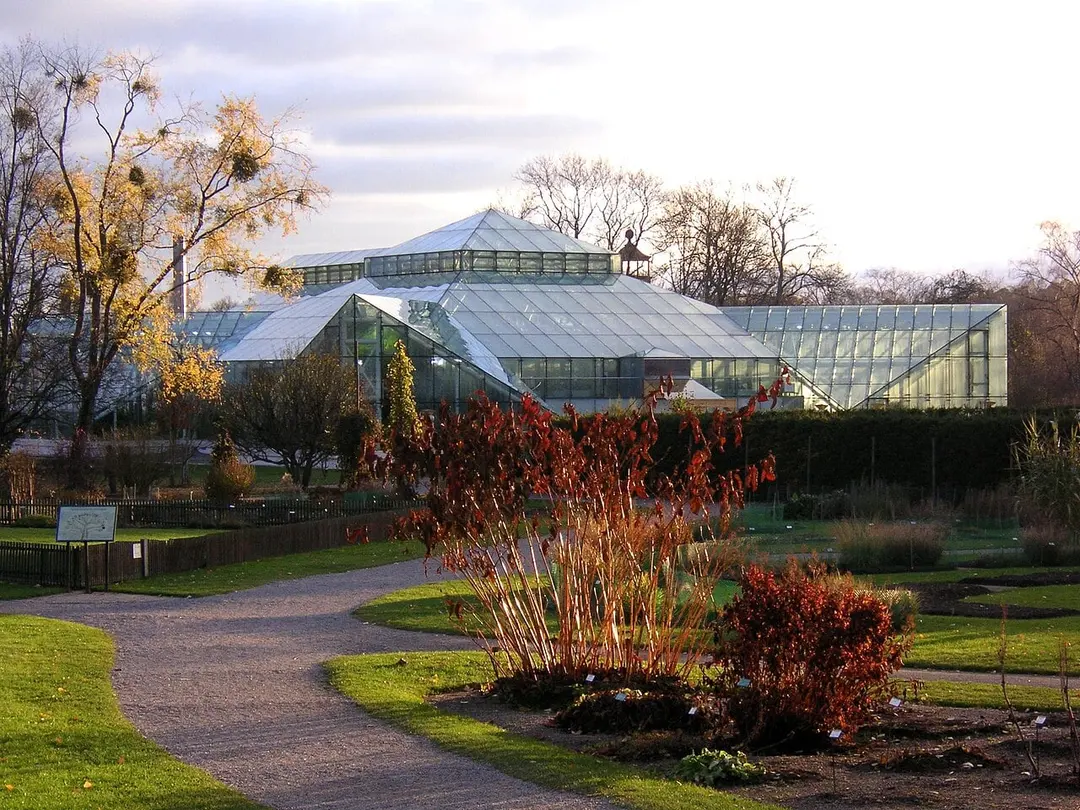
    Bergianska trädgården is Stockholm's botanical garden, set on the shore of Lake Brunnsviken in the university district of Frescati in northern Djurgården. Founded through the Bergius Foundation and listed as a heritage monument since 1993, the garden is best known for its Victorian glasshouse, the Victoriahuset, where massive Victoria amazonica water lilies grow leaves up to two metres in diameter. The wider garden holds extensive collections of native and exotic plants, including a stately avenue of ancient oaks. The calm lakeside setting and proximity to Stockholm University make it one of the city's most relaxed destinations — a favourite for those who prefer botany to crowds.

  • Biological museum

    Biological museum

    Stockholm

    architecturenaturefamily outings+1

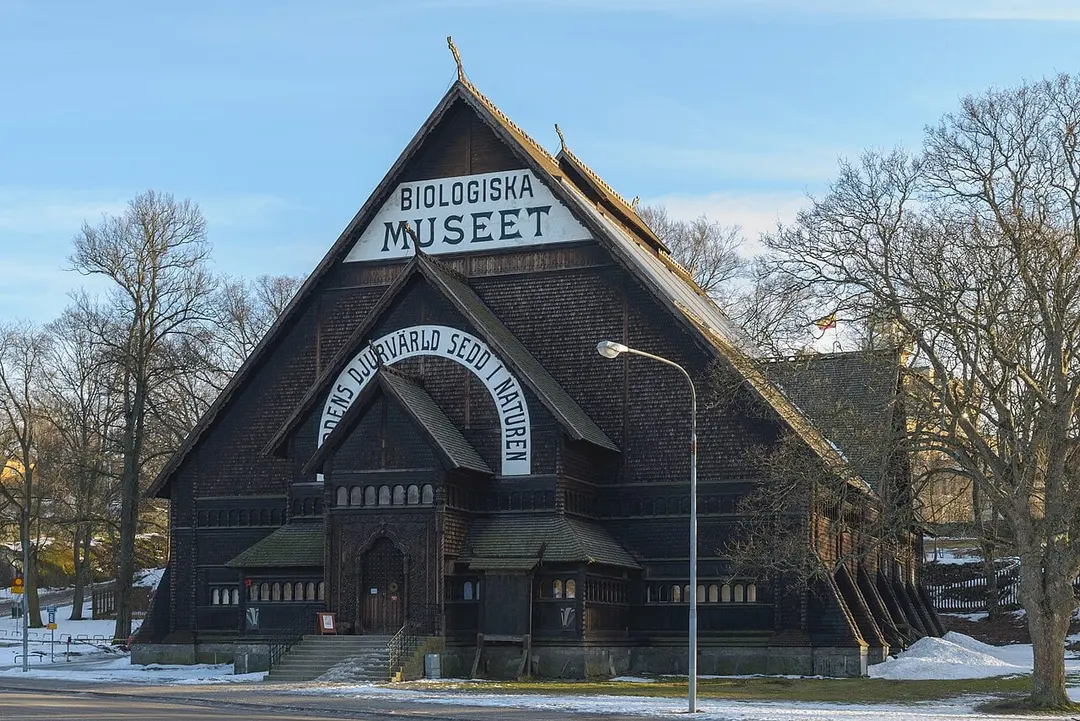
    Tucked away on Stockholm's museum island of Djurgården, the Biological Museum is a charming relic of 19th-century natural science. Opened in 1893, it presents Scandinavian mammals and birds as taxidermy specimens set within large-scale dioramas — panoramic scenes recreating forest, mountain, and coastal habitats. The technique was cutting-edge museum pedagogy at the time and gives the place an endearing Victorian atmosphere. The building itself, designed by Agi Lindegren in a Nordic wooden style, is listed and blends beautifully into Djurgården's parkland. It flies under the radar compared to Stockholm's larger museums, making it a genuine hidden gem for families, nature lovers, and curious travellers.

  • Blanche Theatre

    Blanche Theatre

    Stockholm

    culture

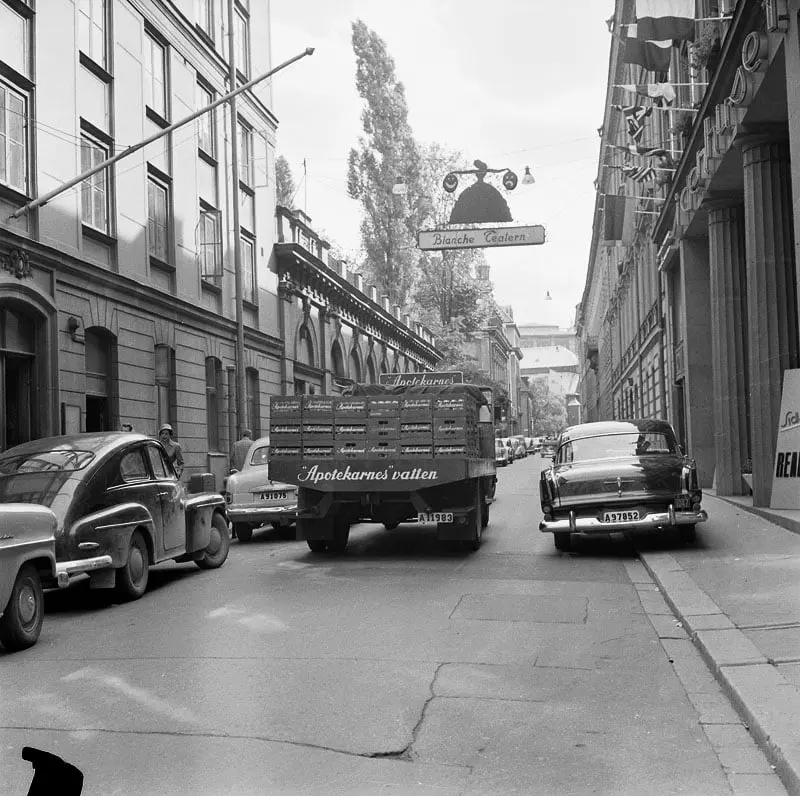
    Blancheteatern was a private theatre on Västra Trädgardsgatan in the heart of Stockholm. It was one of the venues that shaped the theatrical and cultural life of the Swedish capital during the nineteenth and early twentieth centuries. As a privately run house it differed from state-subsidised theatres by maintaining an independent repertoire with a close connection to Stockholm's bourgeois audiences. Today the name recalls an era when theatre was a central social institution and Stockholm's inner city was served by a dense network of cultural venues. The location on Västra Trädgardsgatan sits near the historic old town area close to Kungsträdgården.

  • Danviksbron

    Danviksbron

    Stockholm

    naturehistorygreat views

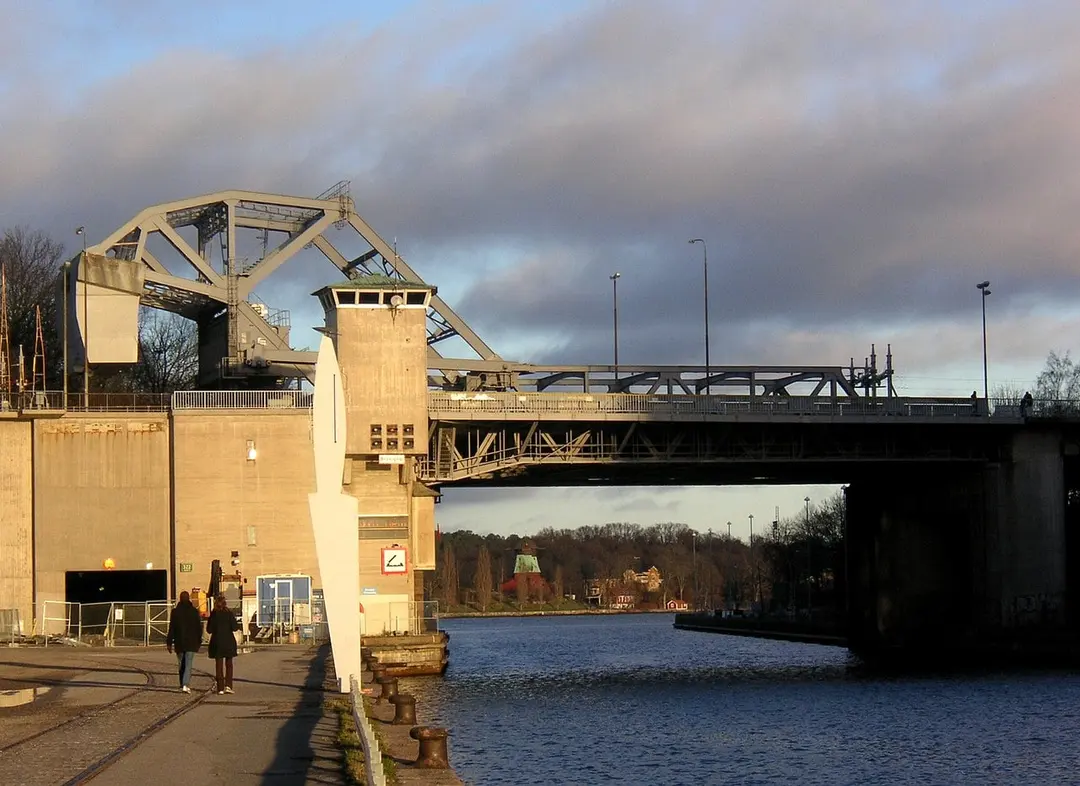
    Danviksbron has linked Stockholm's Södermalm district with Nacka since 1922, spanning the Hammarbyleden waterway in the eastern part of the Swedish capital. The bridge is a functional part of everyday Stockholm life, offering pedestrians and cyclists pleasant views over the surrounding waters and neighbourhoods. In the early twentieth century it played an important role in the industrial development of the eastern districts. Today it carries residents across the water daily, with quiet panoramas of canals and the Stockholm archipelago visible from its span. A modest but distinctive fixture in the Stockholm cityscape.

  • Frescatibiblioteket

    Frescatibiblioteket

    Stockholm

    architecturelocal gems

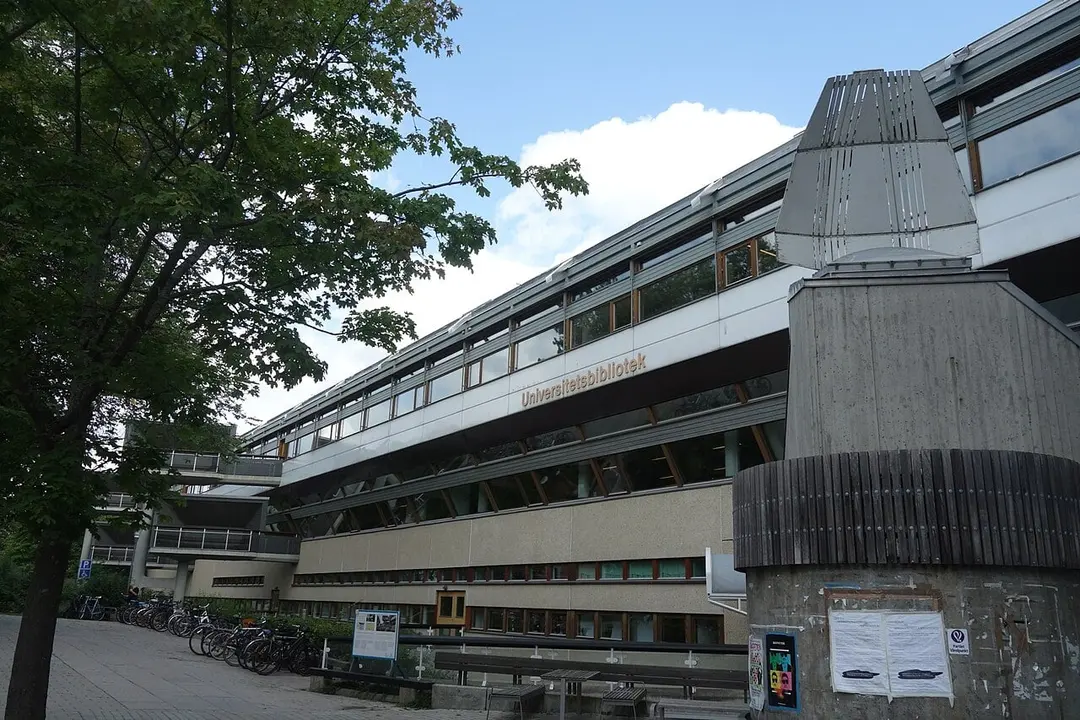
    Frescatibiblioteket is the main library of Stockholm University and one of Sweden's largest academic libraries. It sits on the Frescati campus in northern Stockholm, one of the greenest university grounds in Europe. The library manages millions of volumes and digital resources, and recorded nearly 1.8 million visits in 2014 alone — a testament to how vibrant campus life is here. For knowledge-seekers or anyone looking for a quiet, inspiring place to read or work away from the tourist trail, Frescatibiblioteket is a worthwhile stop.

  • Grave Monument of Samuel Klingenstierna and Olof von Dalin

    Grave Monument of Samuel Klingenstierna and Olof von Dalin

    Stockholm

    history

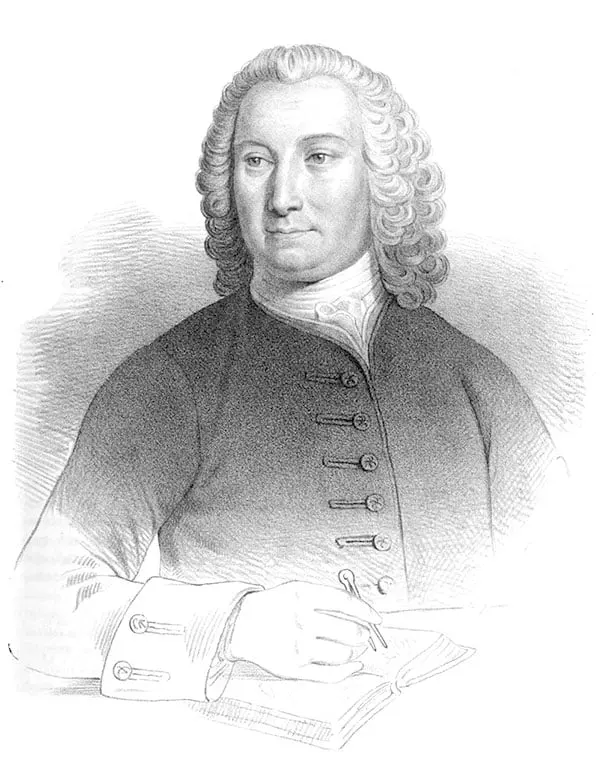
    This grave monument in Stockholm commemorates two significant Swedish figures of the 18th century: Samuel Klingenstierna, physicist and mathematician who made important contributions to optics, and Olof von Dalin, poet and historian. The monument reflects Stockholm's tradition of honouring its intellectual greats in public space. Klingenstierna's scientific work influenced Isaac Newton, who cited him in his work on optics; Dalin is considered a founder of modern Swedish prose. The shared monument links two worlds — natural science and literature — and points to the close intertwining of Enlightenment thought and culture in 18th-century Sweden.

  • Leksaksmuseet – Stockholm Toy Museum

    Leksaksmuseet – Stockholm Toy Museum

    Stockholm

    culturefamily outings

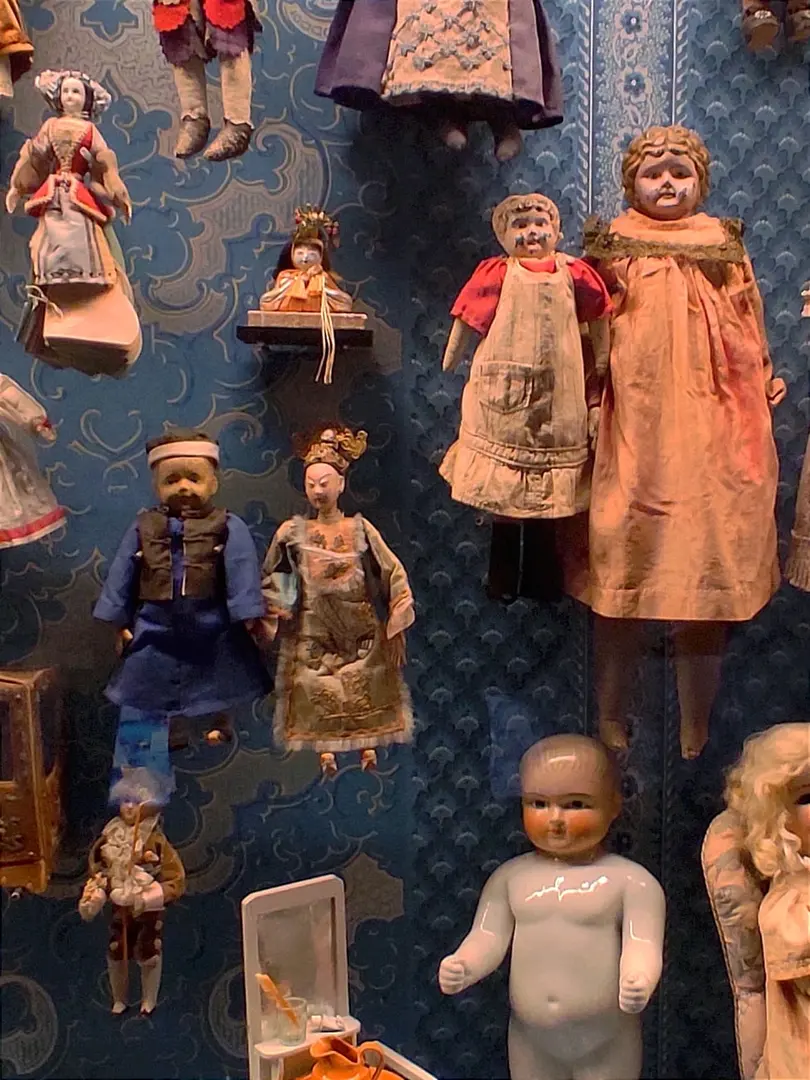
    Leksaksmuseet is Stockholm's toy museum, first opened in 1980 at Mariatorget in Södermalm. It has since relocated to new premises at Saltsjö-Pir in Nacka. A highlight is the model railway collection of the Railway Society (Järnvägssällskapet). The museum focuses on 20th-century toys, with a particular emphasis on technical playthings. It is a popular destination for families and nostalgia enthusiasts alike.

  • Swedish Army Museum

    Swedish Army Museum

    Stockholm

    historylocal gems

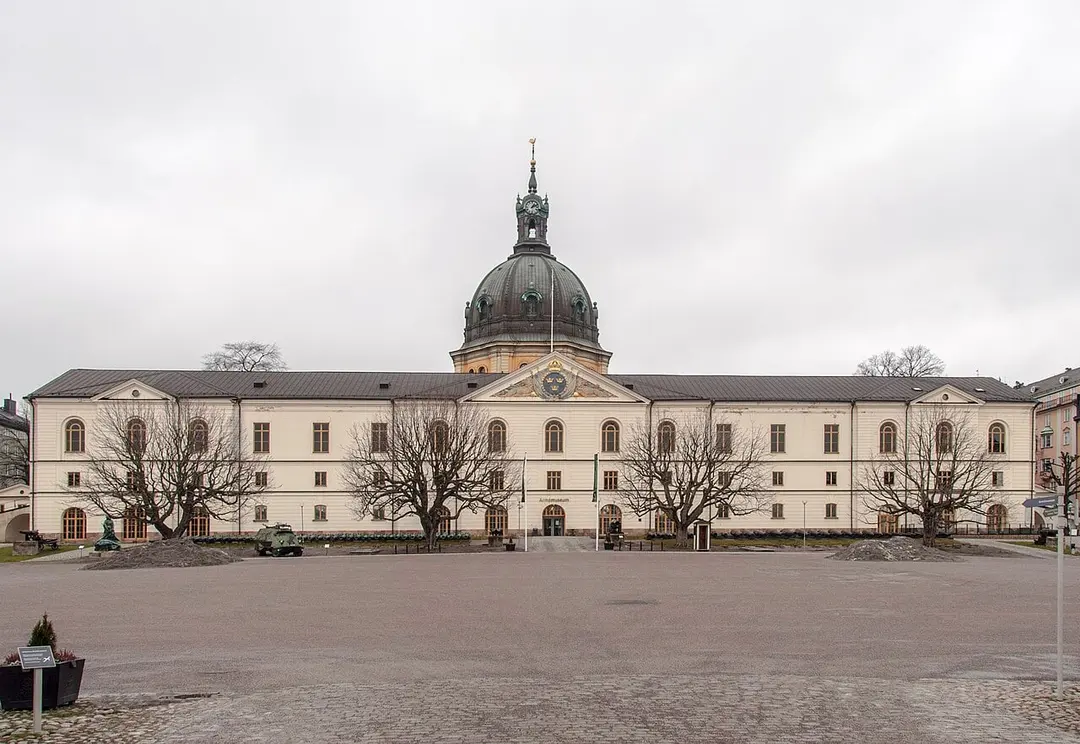
    The Swedish Army Museum (Armemuseum) in Stockholm is dedicated to Swedish military history from the Viking Age to the present. Founded in 1879 and located in the eastern city centre, its collection covers uniforms, weapons, equipment, and charts Sweden's role in major European conflicts and the development of the Swedish armed forces.

  • Ytterby mine

    Ytterby mine

    Stockholm

    naturehistory

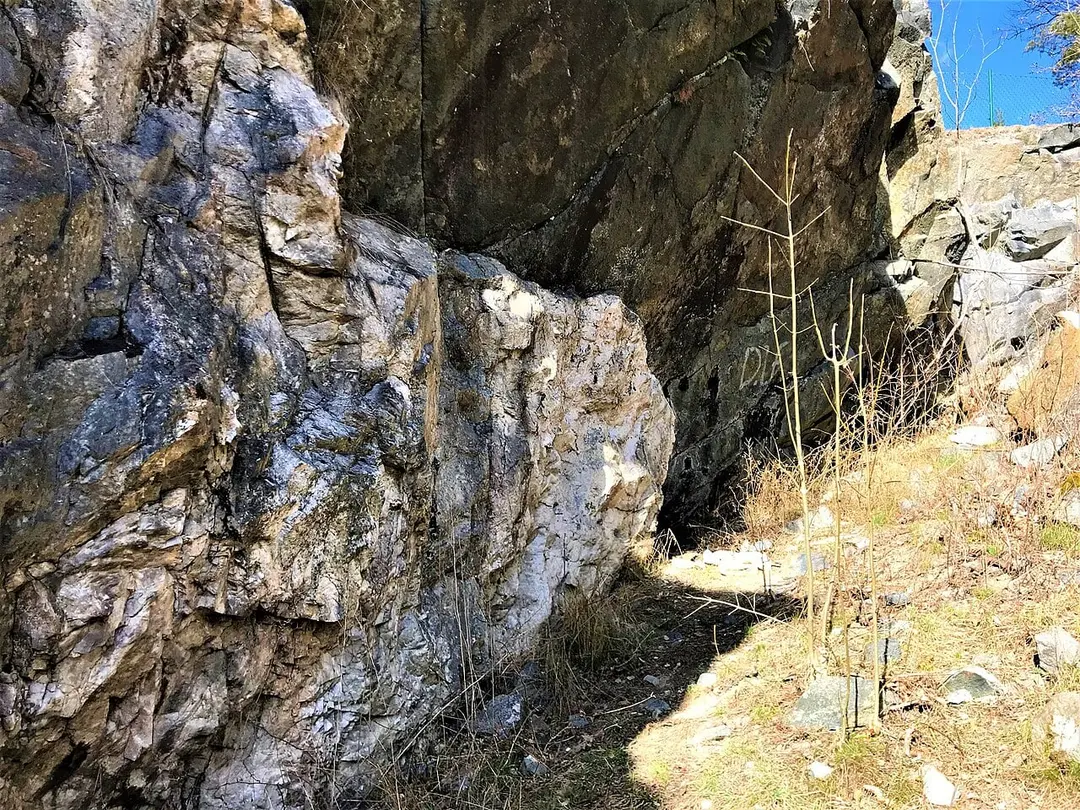
    The Ytterby mine on the island of Resarö in the Stockholm archipelago is one of the most significant sites in the history of chemistry. Over the course of the 18th and 19th centuries, no fewer than four chemical elements were discovered here: yttrium, erbium, terbium and ytterbium — all four named after the tiny village of Ytterby. The mine operated from 1756 primarily for quartz and feldspar; the unusual mineral richness of the rock attracted chemists from across Europe. Johan Gadolin analysed material extracted here in 1794 and identified the first rare-earth metal. The mine is now decommissioned but accessible as a heritage site and is a popular pilgrimage destination for chemists, mineralogists and history enthusiasts. A visit combines nature — the peaceful archipelago landscape — with a piece of scientific history of global significance.

Keep exploring

These places are just the beginning.

Rate places with a swipe — TravelType learns from your tags what you love and curates your own map. Private until you choose to share.

Create your profile