TravelType

architecture

Architecture in Stockholm

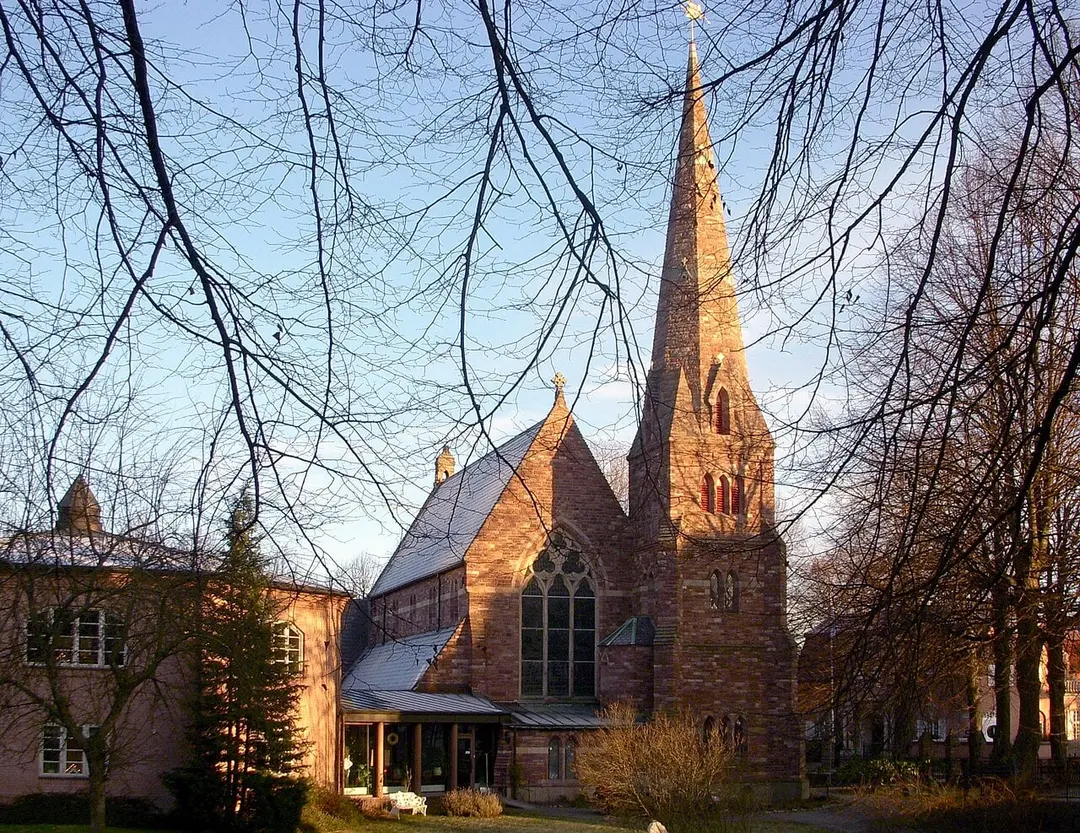
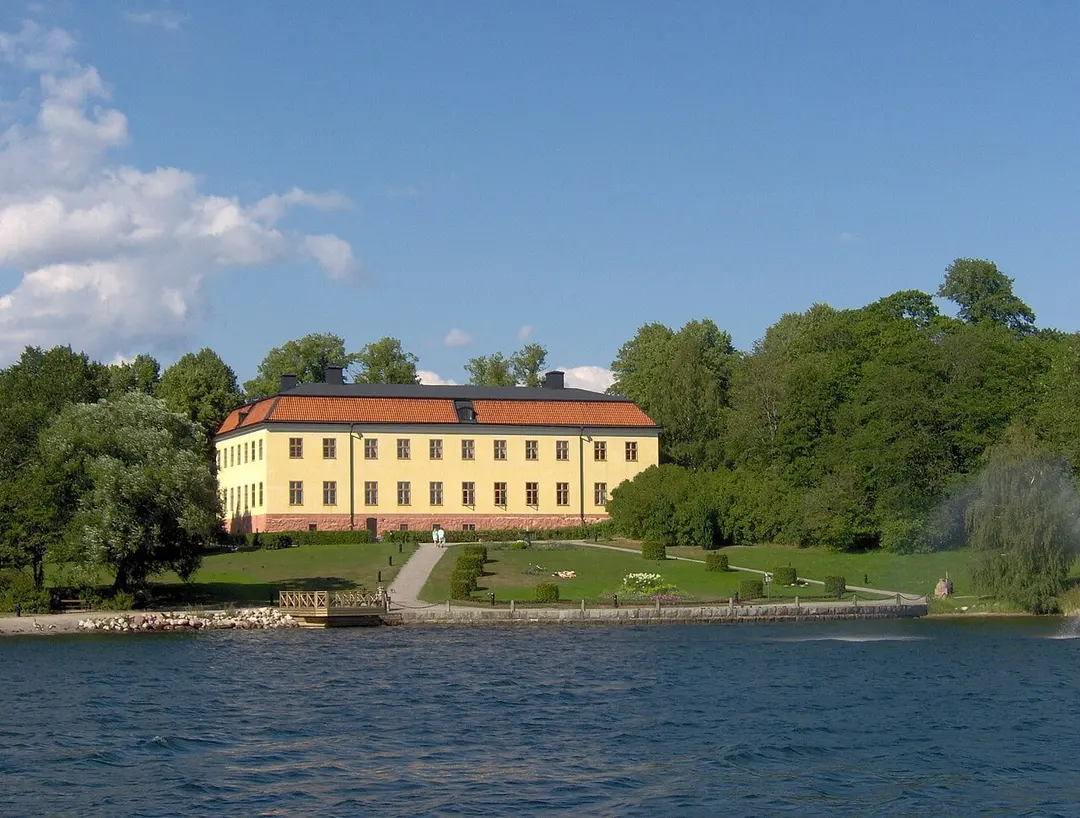
Stockholm's architecture ranges across many centuries and building types. The Adolf Fredrik Church and Axel Oxenstierna Palace reflect the city's baroque heritage, while the medieval remains of Alsnö hus and the manor of Åkeshovs slott reach even further back. Contrasting layers appear in the National Romantic style of the Biological Museum, the modernist concert hall Berwaldhallen, and the permanently moored tall ship Af Chapman. Årsta Castle, Bonde Palace, and the Ågesta Reactor complex round out a cityscape where residential palaces, civic halls, and industrial landmarks sit in close proximity.

38 places · Stockholm, Sweden · Editorially curated

  • 3Arena Stockholm

    3Arena Stockholm

    Stockholm

    culturehistoryoutdoor activities+2

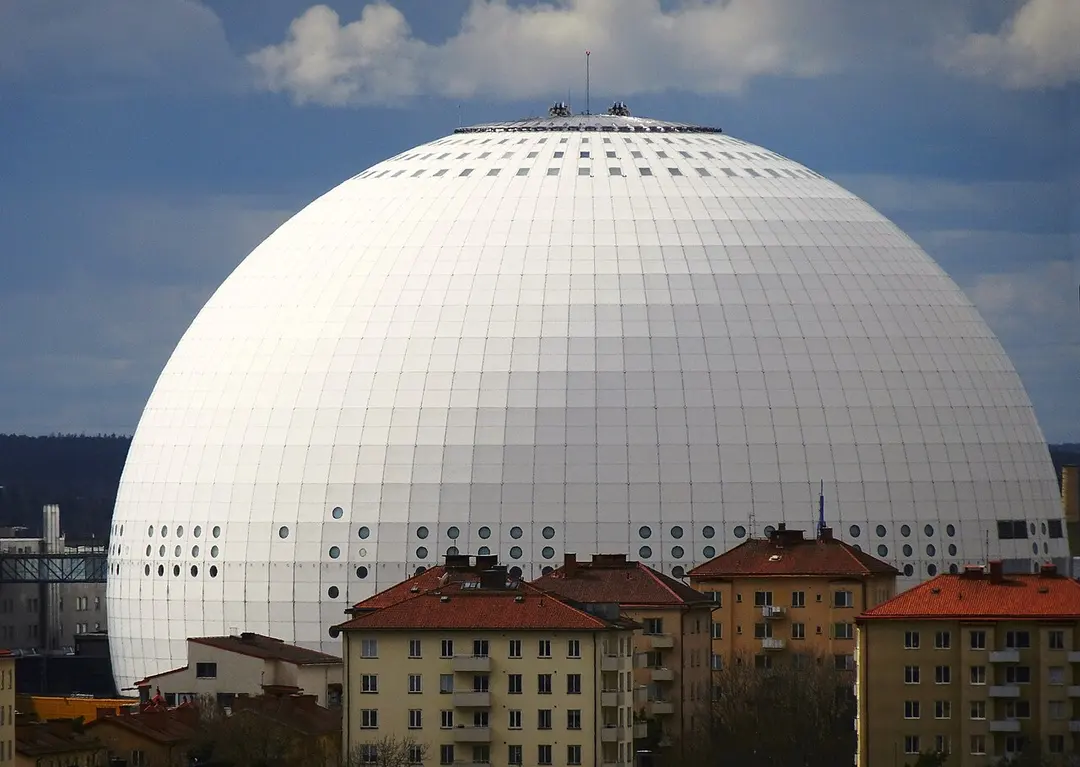
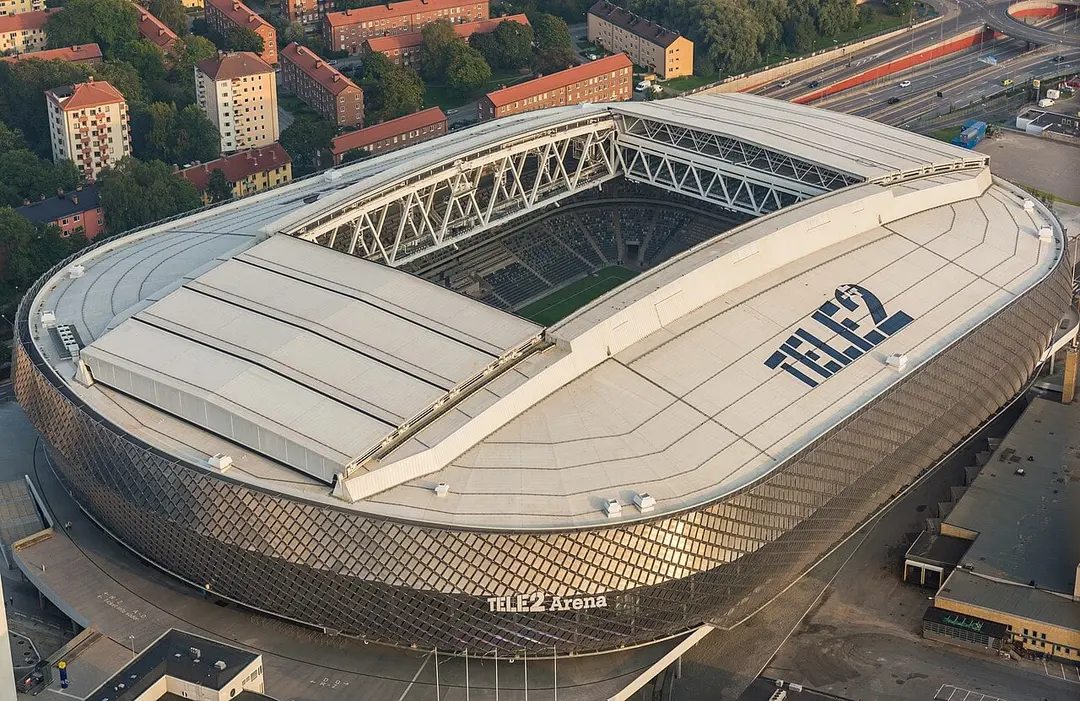
    3Arena is a retractable-roof multi-purpose arena in Johanneshov, opened 2013. Capacity up to 45,000 for concerts and 35,000 for football — Sweden's largest venue. Home ground for Djurgårdens IF and Hammarby IF, meeting FIFA and UEFA standards for international fixtures.
  • Adolf Fredrik Church

    Adolf Fredrik Church

    Stockholm

    culturelocal gems

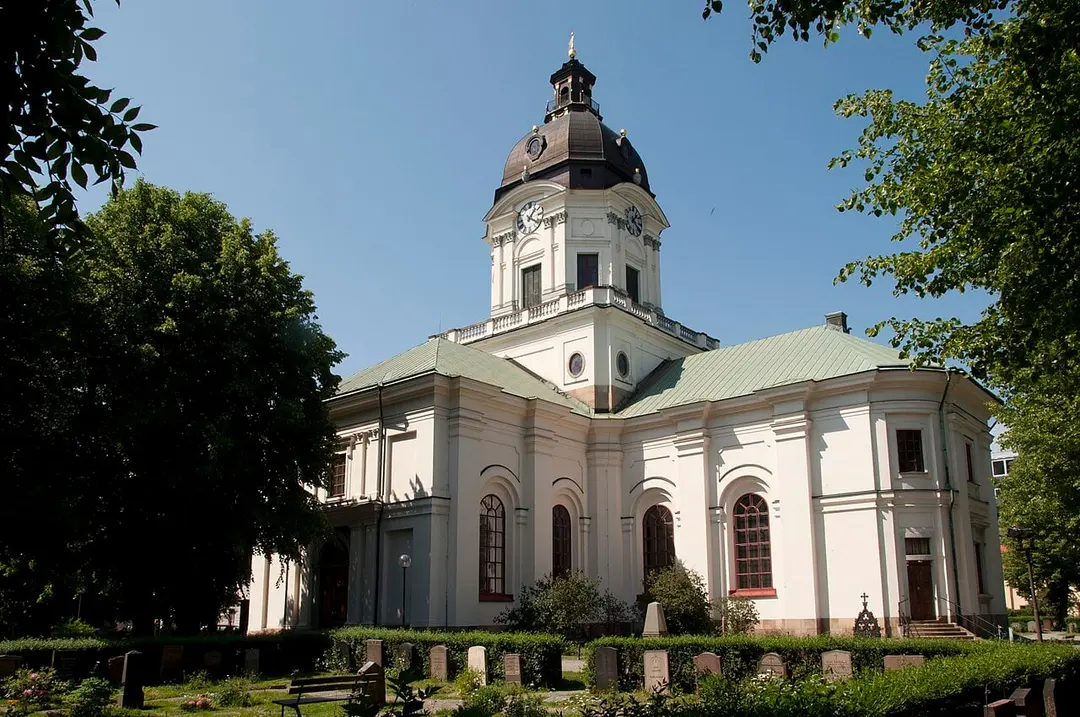
    Adolf Fredrik Church is a listed neoclassical church in Stockholm's Norrmalm district, built 1768–1774 to designs by Carl Fredrik Adelcrantz. It bears the name of King Adolf Frederick of Sweden, replacing a 17th-century wooden chapel. Remarkably, the church houses the remains of René Descartes — the philosopher died in Stockholm in 1650 and his remains were transferred here in 1666. Today it serves as an active congregation church with regular concerts.

  • Af Chapman

    Af Chapman

    Stockholm

    historylocal gems

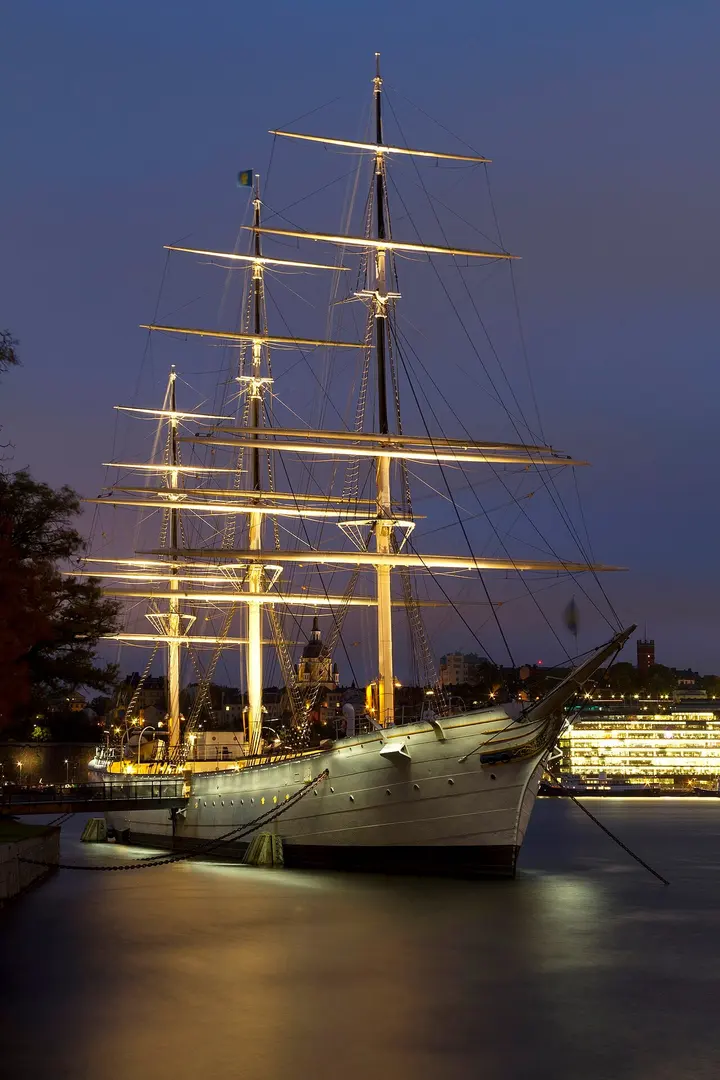
    The Af Chapman is an 1888 iron full-rigged ship — the world's third-oldest surviving iron full-rigger — moored off the islet of Skeppsholmen in central Stockholm. Originally built in Britain as the Dunboyne, it changed names and owners multiple times before becoming Swedish state property in 1949. Today it functions as one of Scandinavia's most distinctive youth hostels: guests sleep in former sailors' bunks aboard the historic vessel, with views across to Stockholm's Old Town.

  • Ågesta Reactor

    Ågesta Reactor

    Stockholm

    historyknowledge

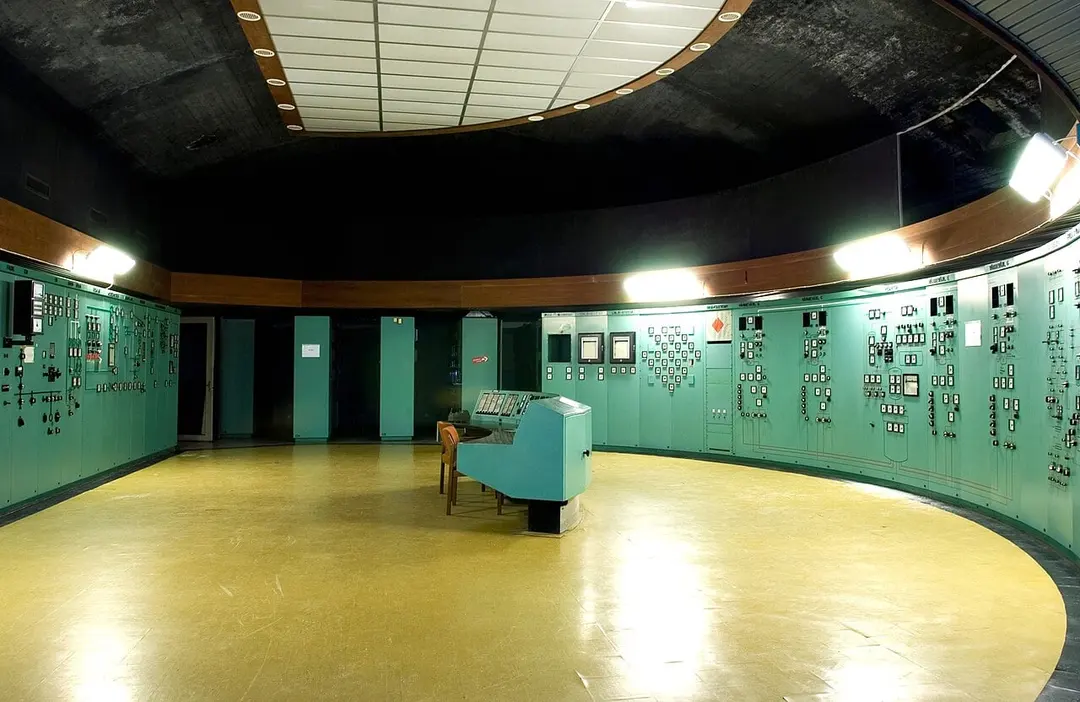
    Buried deep in the granite bedrock beneath a hill in Ågesta, a southern suburb of Stockholm, the Ågesta Reactor was Sweden''s first commercial nuclear power plant. Construction began in 1957; the entire facility was blasted into solid rock — both for safety and because the surrounding granite served as natural shielding. Between 1964 and 1974 the reactor primarily supplied district heating to the Stockholm suburb of Farsta, with a small amount of electricity as a secondary output. This dual-use model was a pioneering experiment in civilian nuclear power at the time. After shutdown in 1974, decommissioning continued into the 1980s; the underground chambers still exist beneath the hillside. The site is not publicly accessible, but it stands as a quiet relic of a largely forgotten chapter in Swedish engineering history.

  • Alsnö hus

    Alsnö hus

    Stockholm

    culturenaturehistory

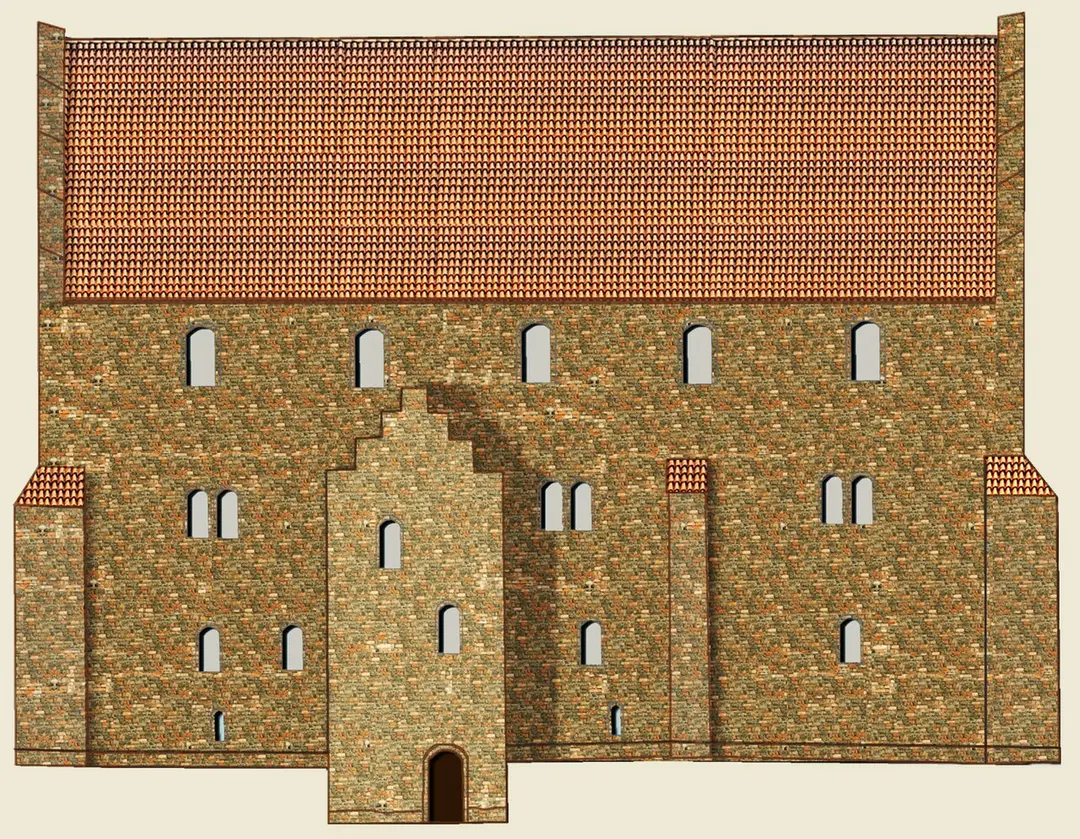
    Alsnoe hus is the ruin of a 13th-century royal palace on the island of Adelsoen in Lake Maelaren, northwest of Stockholm. Its name lives on in Swedish legal history: the Statute of Alsnoe (1280) was issued here, exempting the nobility from taxes and shaping Sweden's feudal social order. The ruin forms part of Hovgaarden, which together with neighbouring Birka — a major Viking trading centre — has been a UNESCO World Heritage Site since 1993.

  • Axel Oxenstierna Palace

    Axel Oxenstierna Palace

    Stockholm

    culturehistorylocal gems

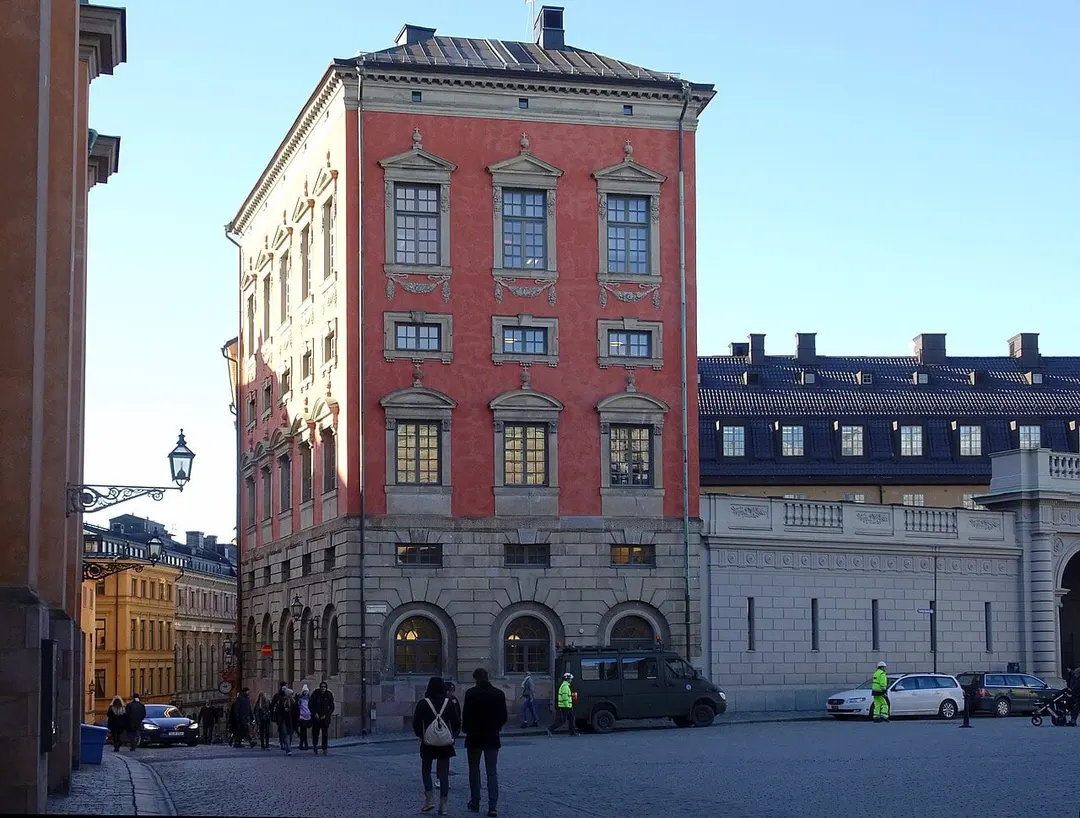
    The palace of Chancellor Axel Oxenstierna in Gamla Stan, Stockholm's Old Town, is one of Sweden's most significant Baroque buildings, designed by Jean de la Vallée and built 1653-1668. Oxenstierna was one of the most powerful statesmen of the 17th century, serving as de facto regent of Sweden during the minority of Queen Christina. Listed as a protected building, it now houses the Stockholm City Archive.

  • Bältesspaennarna (The Belt Wrestlers)

    Bältesspaennarna (The Belt Wrestlers)

    Stockholm

    culturemystery

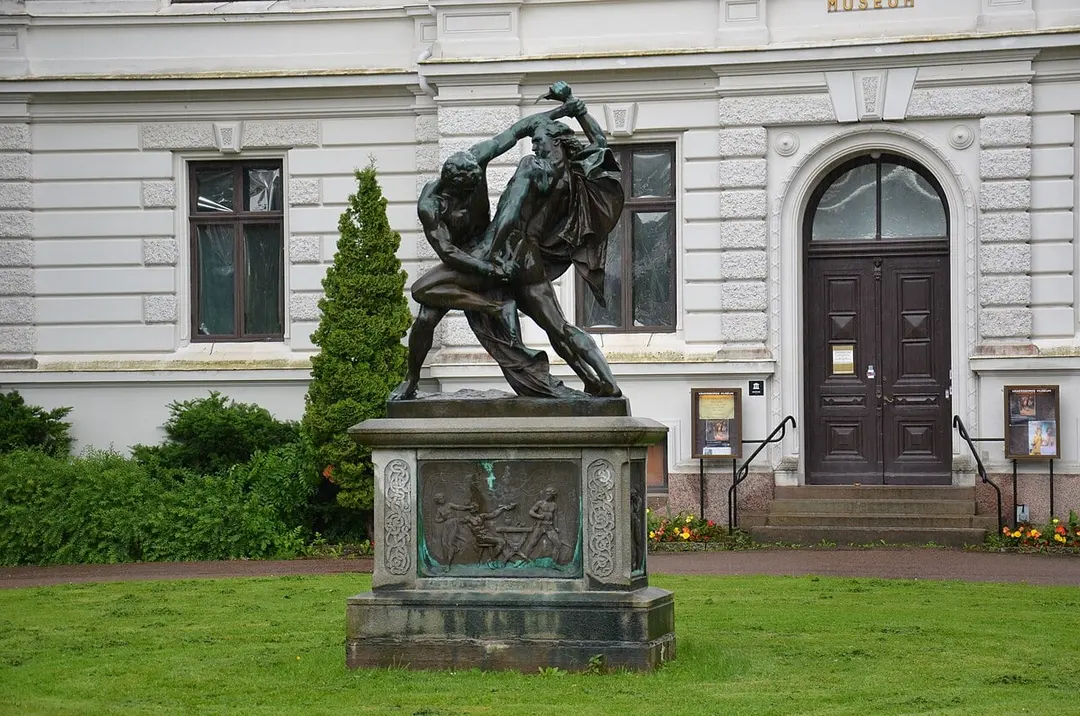
    Bältesspaennarna, meaning "The Belt Wrestlers" or "The Knife Fighters," is a celebrated national romantic bronze sculpture by Swedish sculptor Johan Peter Molin, created in the mid-19th century. It depicts two men engaged in the mythical contest of belt-wrestling — an archaic test of strength that Molin's era romanticised as a symbol of Nordic honour and vigour. The sculpture became Molin's international breakthrough and was well known across Europe for a time. Multiple casts exist, including one in front of the National Museum in Stockholm. It embodies the 19th century's romantic fascination with Nordic myth and heroic masculinity.

  • Berwaldhallen

    Berwaldhallen

    Stockholm

    culture

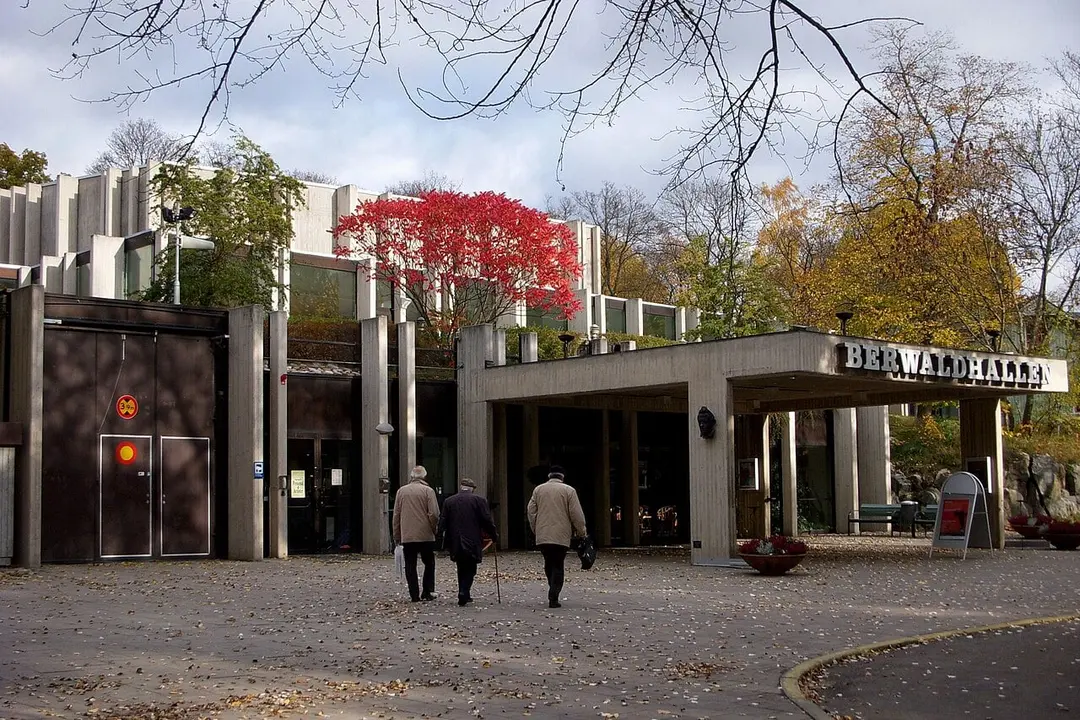
    Berwaldhallen is Stockholm's premier concert hall and the permanent home of the Swedish Radio Symphony Orchestra. Opened in 1979 in the upscale Östermalm district, it was named after Franz Berwald, one of Sweden's greatest 19th-century composers and a figure largely rediscovered by modern audiences. The hall is prized by musicians and recording engineers alike for its exceptional acoustics, which suit both intimate chamber performances and full orchestral programmes. Beyond classical concerts, Berwaldhallen hosts jazz, world music, and contemporary festivals — making it a vibrant cultural hub rather than a museum piece. For visitors who want to experience Stockholm's living cultural scene, an evening here is hard to beat.

  • Biological museum

    Biological museum

    Stockholm

    naturefamily outingslocal gems+1

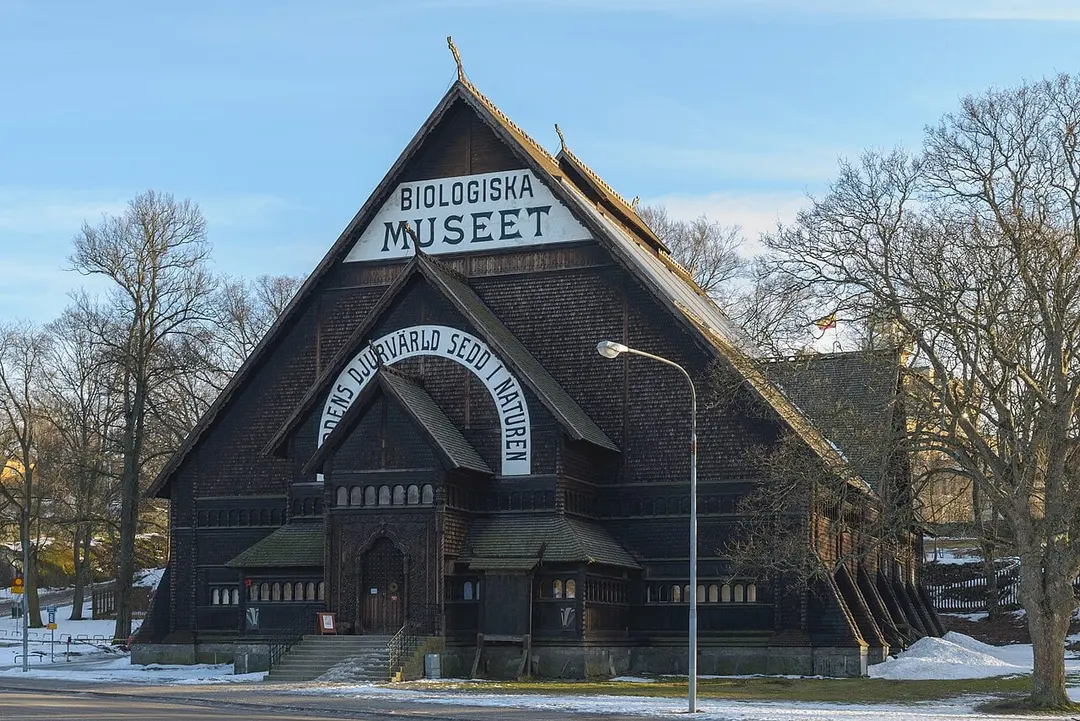
    Tucked away on Stockholm's museum island of Djurgården, the Biological Museum is a charming relic of 19th-century natural science. Opened in 1893, it presents Scandinavian mammals and birds as taxidermy specimens set within large-scale dioramas — panoramic scenes recreating forest, mountain, and coastal habitats. The technique was cutting-edge museum pedagogy at the time and gives the place an endearing Victorian atmosphere. The building itself, designed by Agi Lindegren in a Nordic wooden style, is listed and blends beautifully into Djurgården's parkland. It flies under the radar compared to Stockholm's larger museums, making it a genuine hidden gem for families, nature lovers, and curious travellers.

  • Bonde Palace

    Bonde Palace

    Stockholm

    history

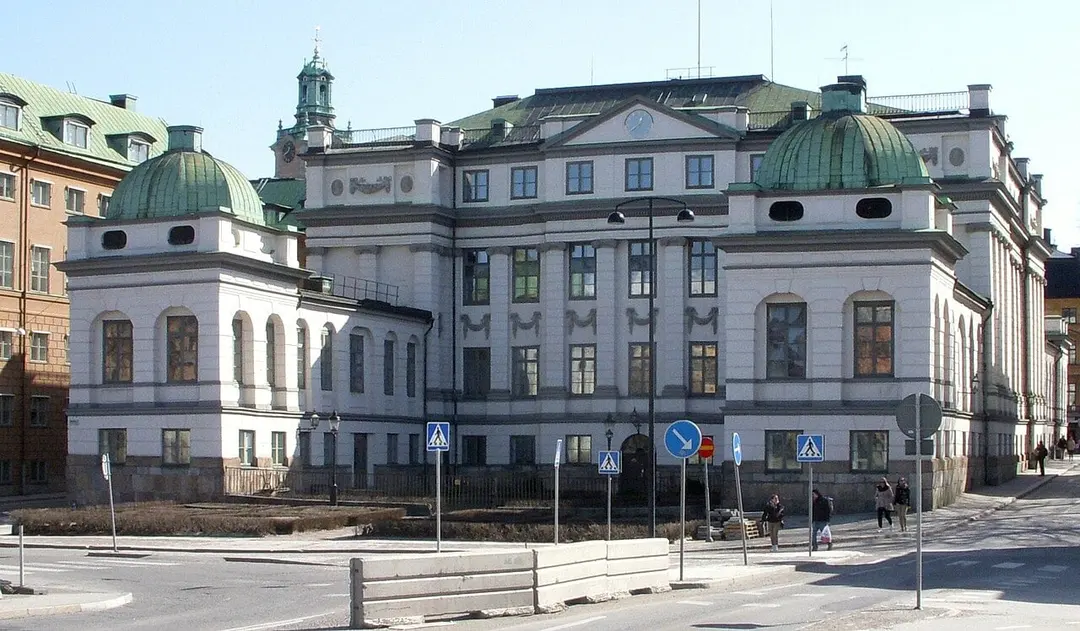
    Bonde Palace is one of the oldest surviving noble mansions in Stockholm, still shaping the face of the Old Town Gamla Stan. Built between 1662 and 1673 for the powerful Lord High Treasurer Gustaf Bonde, it exemplifies early Swedish Baroque architecture in its restrained elegance. Architect Jean de la Vallée designed a building that balances representation with residential comfort. After a varied history that included serving as the seat of the Swedish Supreme Court, it now houses the Kammarrätten, one of Sweden's courts of appeal. Its historic facade can be admired from the cobblestones of Gamla Stan.

  • Centralbron

    Centralbron

    Stockholm

    local gems

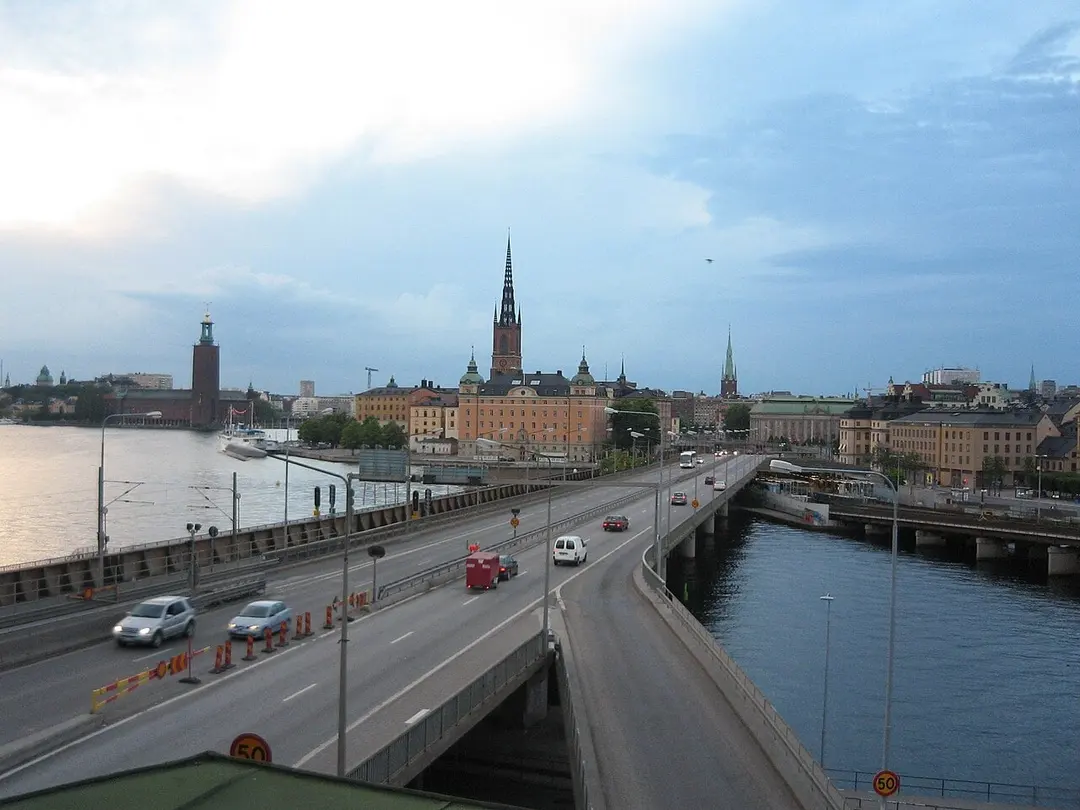
    Centralbron is Stockholm's main central road bridge, completed in 1959 to link Norrmalm — where the main railway station stands — with Södermalm across the islands of Gamla Stan and Riddarholmen. The six-lane crossing spans the Ström, the narrow channel connecting Lake Mälaren to the Baltic. While primarily a traffic artery rather than a destination, the bridge offers striking views of Gamla Stan's roofline, Riddarfjärden, and the City Hall — views that pedestrians and cyclists can catch in passing. Centralbron is a functional piece of mid-century urban infrastructure that shapes how the city feels and moves.

  • Church of St Peter and St Sigfrid

    Church of St Peter and St Sigfrid

    Stockholm

    local gems

    The Church of St Peter and St Sigfrid in Stockholm's upscale Östermalm district is Sweden's only Anglican parish church. Founded in 1866, it belongs to the Diocese in Europe of the Church of England and holds all its services in English. The quietly neo-classical building sits modestly among its brick-built neighbours. The congregation is genuinely international: British expats, embassy staff, tourists, and Stockholm Anglophiles all find a home here. For English-speaking visitors passing through the city, it often comes as a pleasant surprise — a small piece of familiar ground in the middle of a Swedish-speaking city.

  • Djurgårdsbron

    Djurgårdsbron

    Stockholm

    historyoutdoor activitieslocal gems+1

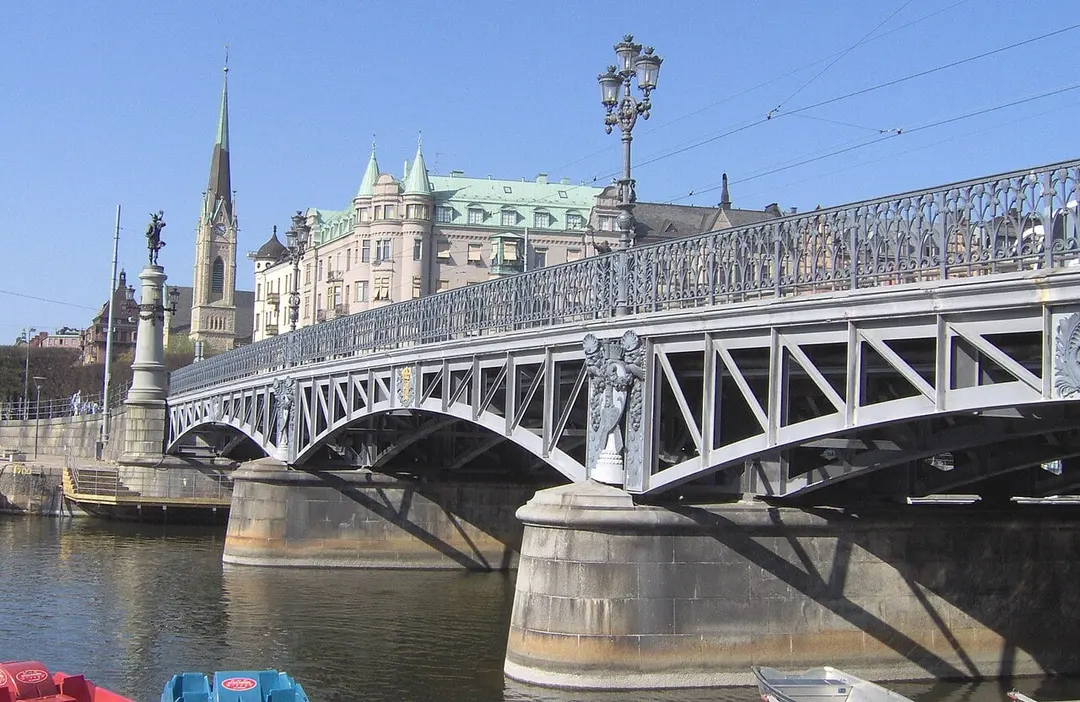
    Djurgårdsbron is an elegant 1897 bridge connecting central Stockholm with the Djurgården peninsula. It marks the western gateway to the Djurgårdsbrunnsviken inlet and is decorated with four gilded statues representing Norse gods and historical Swedish figures. Originally built for horse-drawn trams, it is now part of Stockholm's most popular pedestrian and cycling route, leading to the Vasa Museum, Skansen, and the ABBA Museum. The view from the bridge railing across the water towards Gamla Stan is one of the city's finest short vistas — no queue, no admission, just a walk across. A simple but genuinely beautiful part of any Stockholm itinerary.

  • Edsberg's Palace

    Edsberg's Palace

    Stockholm

    nature

    Edsberg Palace sits in the Stockholm suburb of Sollentuna and stands as an elegant example of Swedish Rococo architecture. The present building was constructed in 1760, replacing an earlier manor house from the early 17th century. The three-winged palace with its curved facades and characteristic mansard roof overlooks a terraced garden – an ensemble that powerfully embodies the refined aesthetic of the 18th century. Today the estate operates as a hotel and conference venue, making it a popular destination for weddings and quiet getaways from Stockholm.

  • Engelbrekt Church

    Engelbrekt Church

    Stockholm

    culturelocal gems

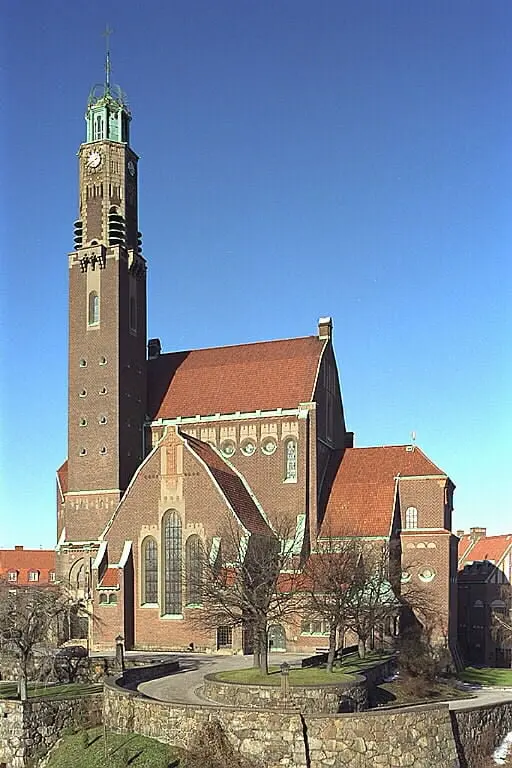
    Crowning the old mill hill in Stockholm's elegant Östermalm district, Engelbrektskyrkan is universally regarded as the masterpiece of architect Lars Israel Wahlman and one of the finest expressions of Swedish Art Nouveau and National Romanticism. Construction began in 1910 and the church was completed in 1914. Its irregular, almost organic silhouette of rough granite masonry topped by a slender tower dominates the surrounding Korsnäbben quarter. Inside, a light-filled hall reveals intricate mosaics, stained glass and superb craftsmanship — a Gesamtkunstwerk that fuses sacred architecture with Nordic artisanry at its finest.

  • Fotografiska

    Fotografiska

    Stockholm

    culturegreat views

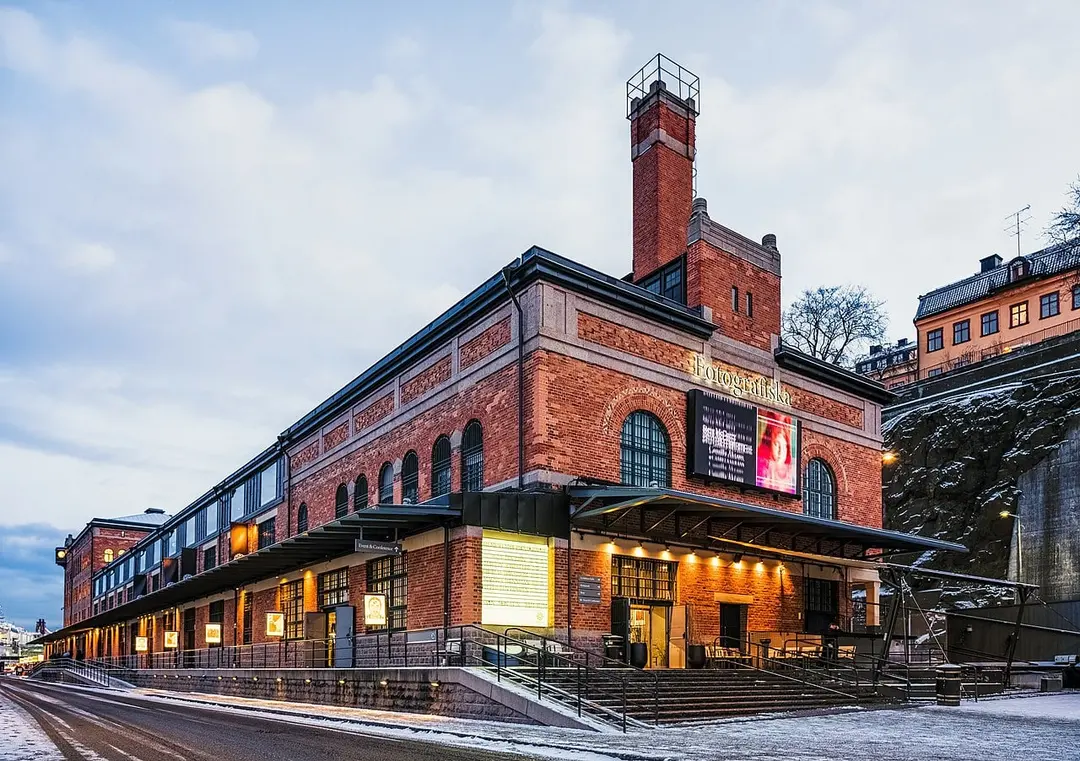
    Housed in one of Stockholm''s finest Art Nouveau buildings — a former customs house on Stadsgårdshamnen — Fotografiska opened in 2010 as a private museum dedicated to contemporary photography. Founders Jan and Per Broman set out to create a space where photography, from photojournalism to fine-art prints, is taken seriously as an art form. The concept succeeded brilliantly: the museum presents four major annual exhibitions by internationally renowned photographers such as Annie Leibovitz, David LaChapelle, and Sebastião Salgado, alongside dozens of smaller shows. The building itself is worth visiting — a brick tower, sweeping windows, and a top-floor restaurant celebrated for its Nordic cuisine and harbour views. Fotografiska has since expanded to New York, London, and Tallinn, but the Stockholm original remains the heart of the brand.

  • Fredriksdalsbron

    Fredriksdalsbron

    Stockholm

    local gems

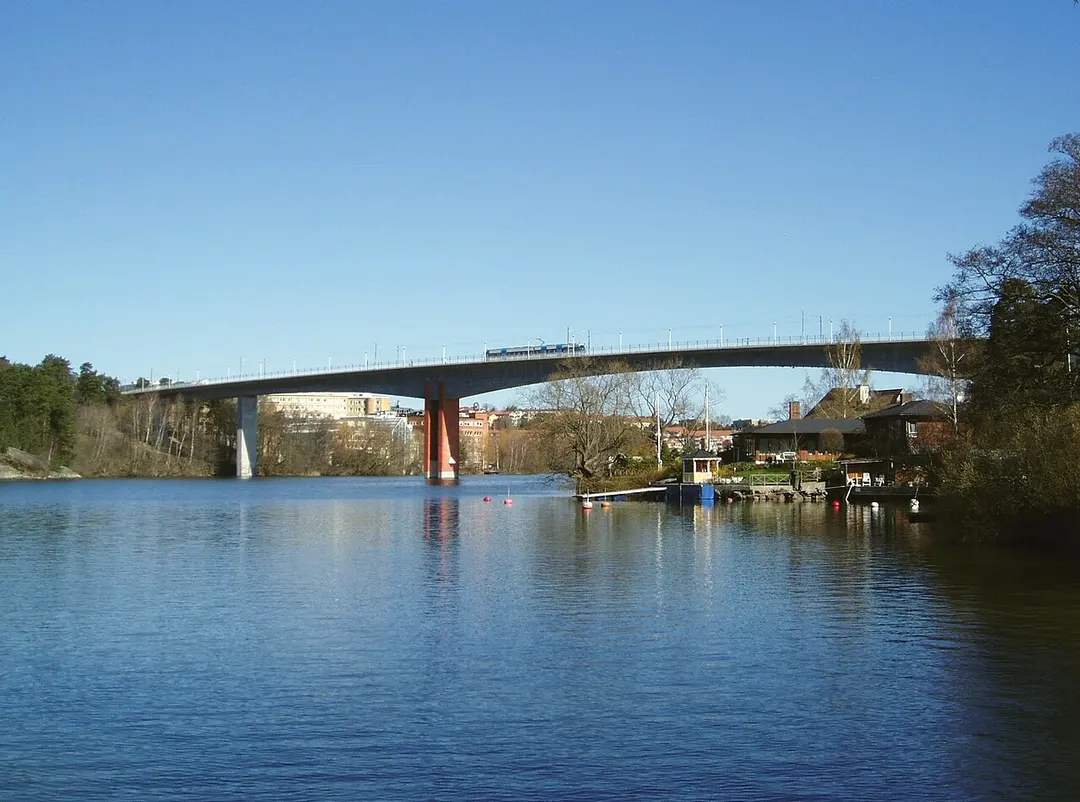
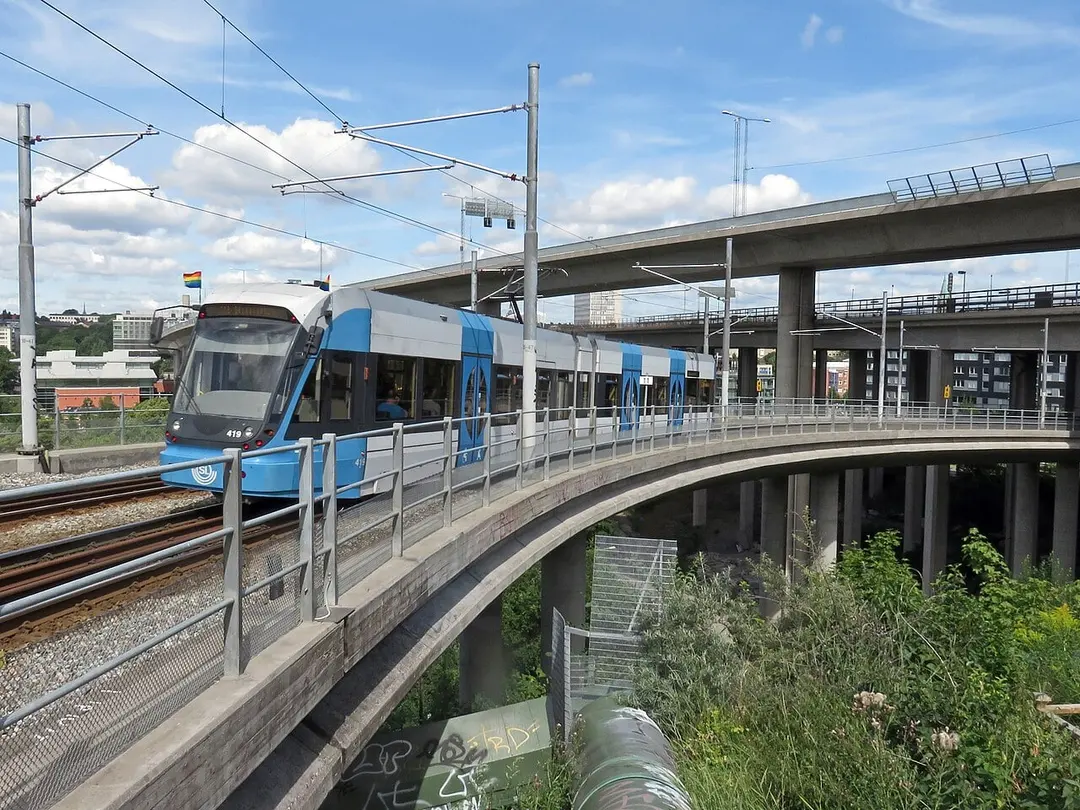
    Fredriksdalsbron is a double-track tram bridge in Stockholm, built in 2002. It forms part of the city's modern tram network, connecting urban districts for public transit. As a functional infrastructure structure rather than a traditional attraction, it is primarily of interest to tram enthusiasts and those curious about urban mobility engineering.

  • Frescatibiblioteket

    Frescatibiblioteket

    Stockholm

    local gemsknowledge

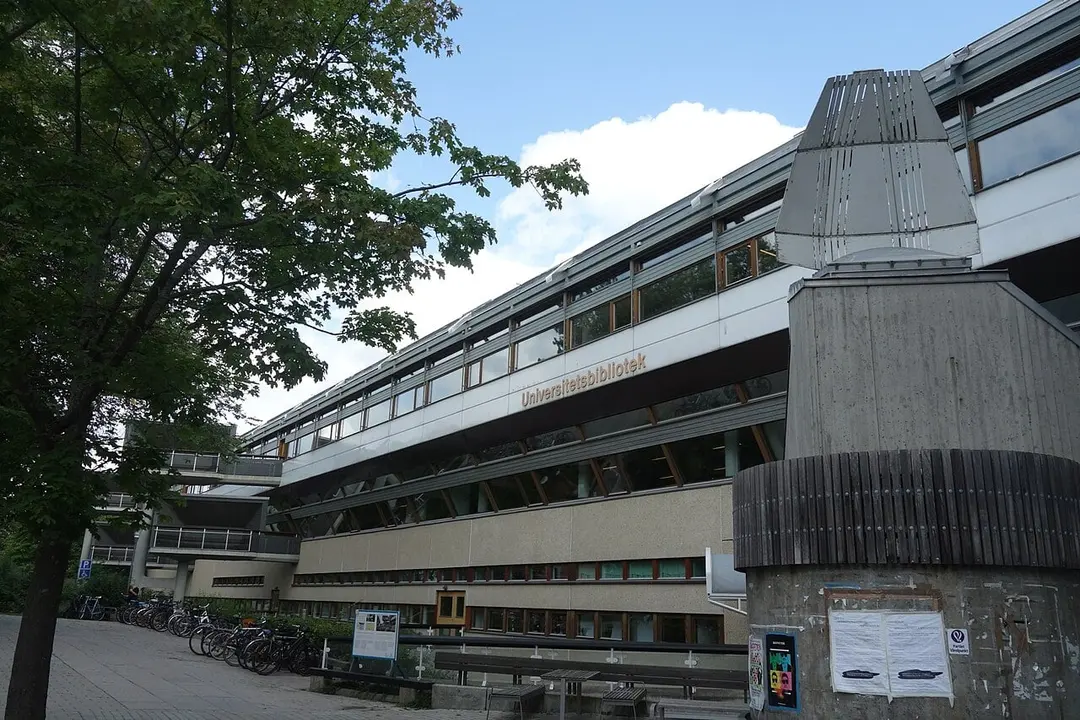
    Frescatibiblioteket is the main library of Stockholm University and one of Sweden's largest academic libraries. It sits on the Frescati campus in northern Stockholm, one of the greenest university grounds in Europe. The library manages millions of volumes and digital resources, and recorded nearly 1.8 million visits in 2014 alone — a testament to how vibrant campus life is here. For knowledge-seekers or anyone looking for a quiet, inspiring place to read or work away from the tourist trail, Frescatibiblioteket is a worthwhile stop.

  • Gamla Stan (Stockholm Old Town)

    Gamla Stan (Stockholm Old Town)

    Stockholm

    culturehistorylocal gems

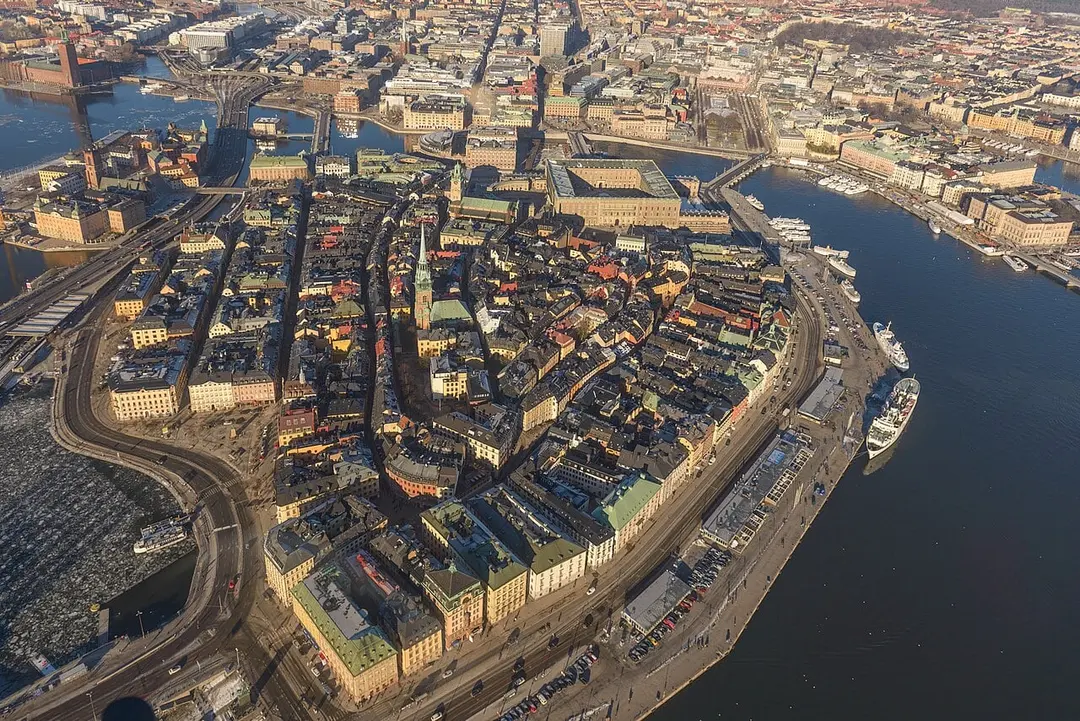
    Gamla Stan is Stockholm's medieval old town on Stadsholmen island — one of the best-preserved medieval city centres in northern Europe. Narrow cobblestone lanes, colourful 17th and 18th-century facades, and the basic medieval street grid of the 13th-century founding city survive largely intact. Highlights include the Royal Palace designed by Nicodemus Tessin, the Storkyrkan cathedral with Bernt Notke's 1489 Gothic equestrian statue of St. George, and the German Church. Lanes like Maerten Trotzigs Graend (90cm wide) lead into unexpected hidden corners.

  • Great Church

    Great Church

    Stockholm

    history

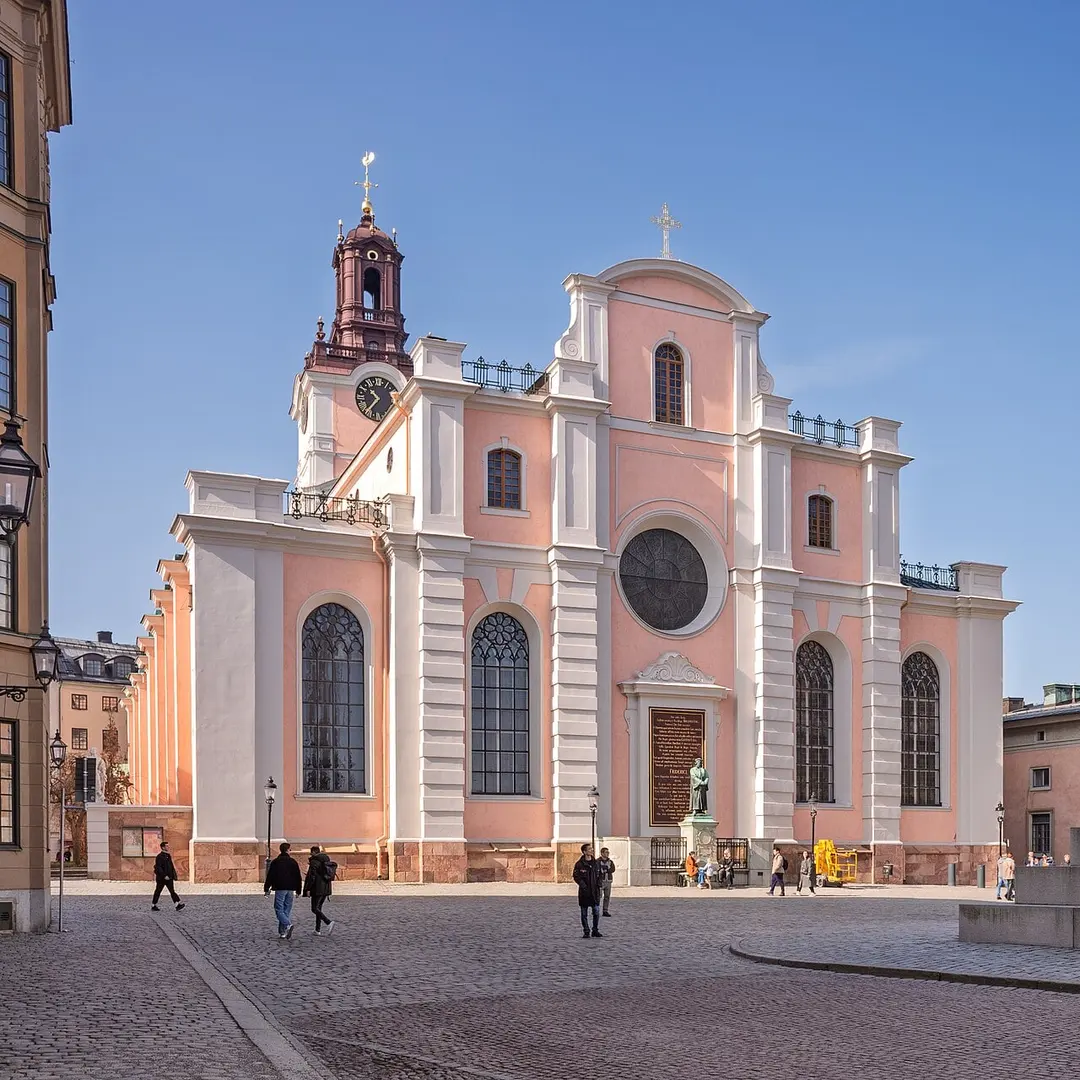
    Storkyrkan – the Great Church, officially Saint Nicholas' Church – is Stockholm's Lutheran cathedral and one of the city's oldest churches. The first church on this site dates back to the 13th century. The present building combines a striking mix of styles: a Baroque facade alongside a preserved Gothic interior. Located right next to the Royal Palace in the historic old town of Gamla Stan, it has been the setting for royal coronations, weddings and state funerals throughout the centuries. The church is also renowned for its late-Gothic sculpture of Saint George and the Dragon from 1489, considered one of Scandinavia's most important works of art.

  • Gustaf Vasa Church

    Gustaf Vasa Church

    Stockholm

    culturelocal gems

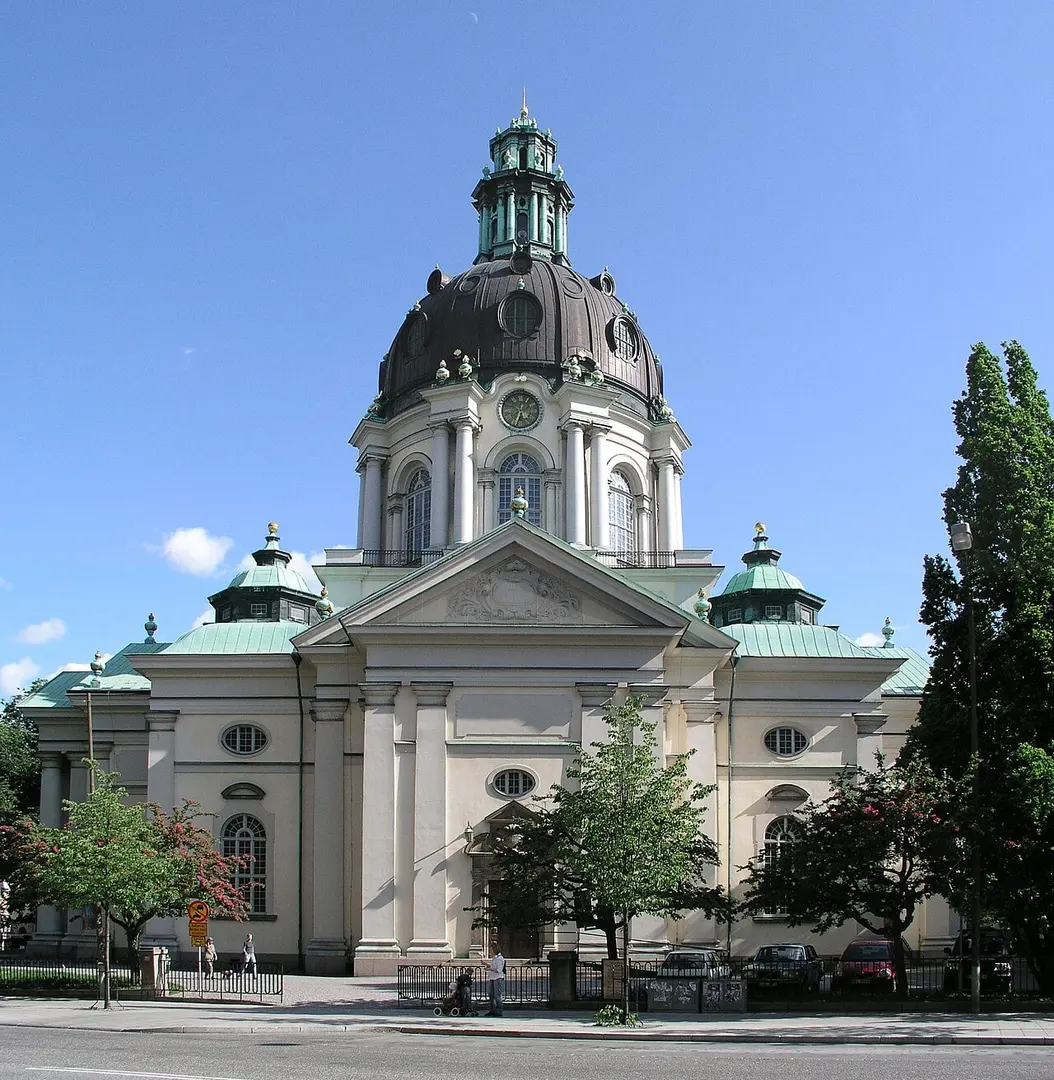
    Gustaf Vasa Church stands at Odenplan in Stockholm's Norrmalm district and is one of Sweden's finest neo-Baroque churches. Consecrated on 10 June 1906, it is named after Gustav I Vasa, the king who led Sweden from the Kalmar Union into Lutheranism. Designed by architect Agi Lindegren, the building impresses with its imposing dome, richly decorated portals and bright interior featuring gilded details and elaborate murals. As a protected Swedish church monument (Kyrkligt kulturminne) it enjoys legal protection. The Odenplan square in front of the church is a lively spot in the heart of Norrmalm, easily reached by metro.

  • Hagaparken

    Hagaparken

    Stockholm

    naturehistory

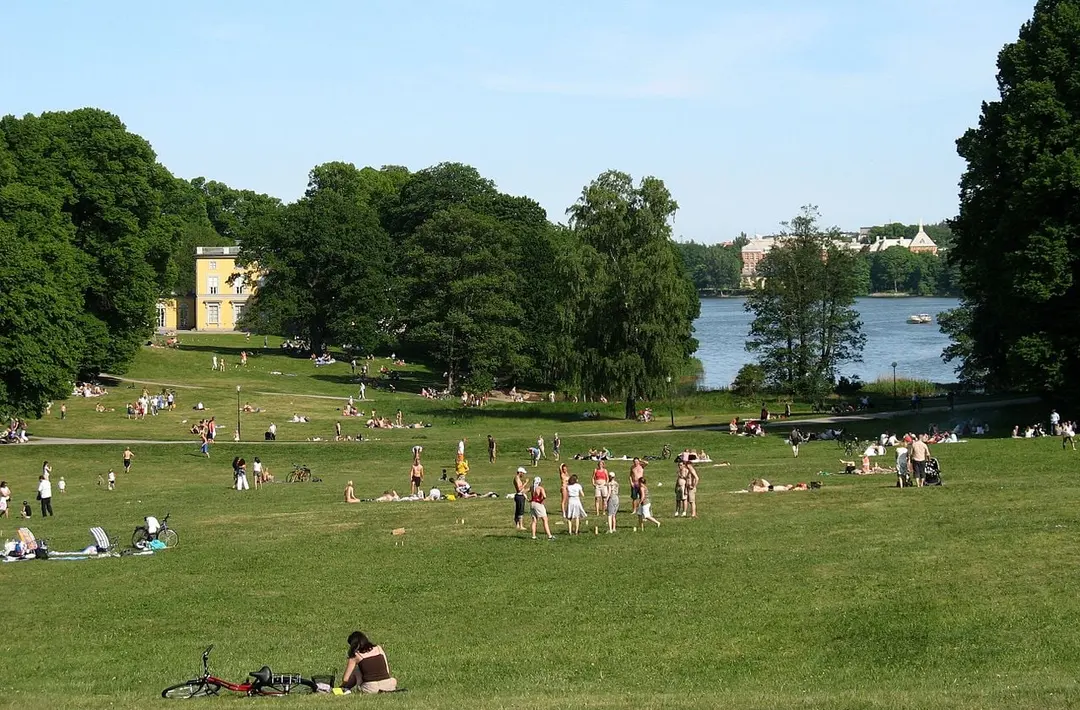
    Hagaparken is one of Sweden's finest royal landscape gardens, situated on the western shore of Lake Brunnsviken just north of Stockholm. Laid out in the late 18th century at the initiative of King Gustav III in the English landscape style, it blends gently rolling meadows, ancient oak avenues, and historic structures including the Copper Tent pavilion, the Butterfly House, and the ruins of an unfinished royal palace. The park contains several small palaces, museums, and Stockholm's oldest country inn. The Royal Burial Ground of Haga holds the graves of Swedish queens and princesses. Today Hagaparken is a beloved green retreat for Stockholmers and draws hundreds of thousands of visitors each year.

  • Hallwyl Museum

    Hallwyl Museum

    Stockholm

    culturelocal gems

    The Hallwyl Museum in central Stockholm is one of Sweden's most extraordinary museums: a late 19th-century city mansion preserved exactly as its owners lived in it. The Hallwylska Palatset was built for Count Wilhelm von Hallwyl and his wife Wilhelmina, a passionate collector who spent decades amassing a vast collection of paintings, silver, weapons, tapestries, and decorative arts. In 1920 she donated the house and its entire contents to the Swedish state, and the museum officially opened in 1938. Today visitors can explore original living rooms, kitchens, and gallery spaces, gaining a remarkable window into the life of a Stockholm aristocratic family around 1900.

Keep exploring

These places are just the beginning.

Rate places with a swipe — TravelType learns from your tags what you love and curates your own map. Private until you choose to share.

Create your profile