TravelType

nature

Nature in Stockholm

Stockholm is built across fourteen islands, and nature is woven into the fabric of the city at every turn. The Bergianska trädgården provides a botanical anchor close to the urban centre, while Hagaparken links open parkland with Haga Palace and the nearby Biological Museum. Castles and palaces such as Drottningholm, Gripsholm, Edsberg's Palace, and Årsta Castle sit within lakeside parks and forested grounds. The ruins of Almare-Stäkets borg and Alsnö hus stand quietly in natural surroundings, and the offshore lighthouse Finngrundet speaks to the city's close relationship with open water. Danviksbron is a reminder of how waterways run through the heart of Stockholm.

12 places · Stockholm, Sweden · Editorially curated

  • Almare-Stäkets borg

    Almare-Stäkets borg

    Stockholm

    historyfamily outings

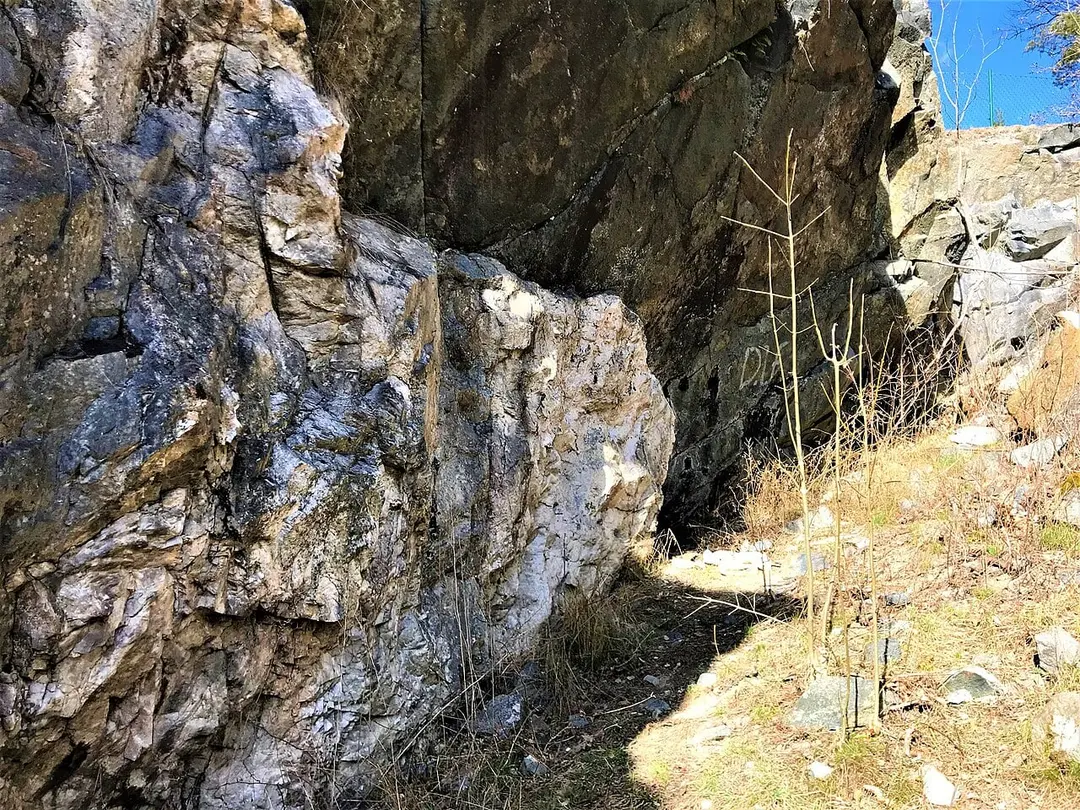
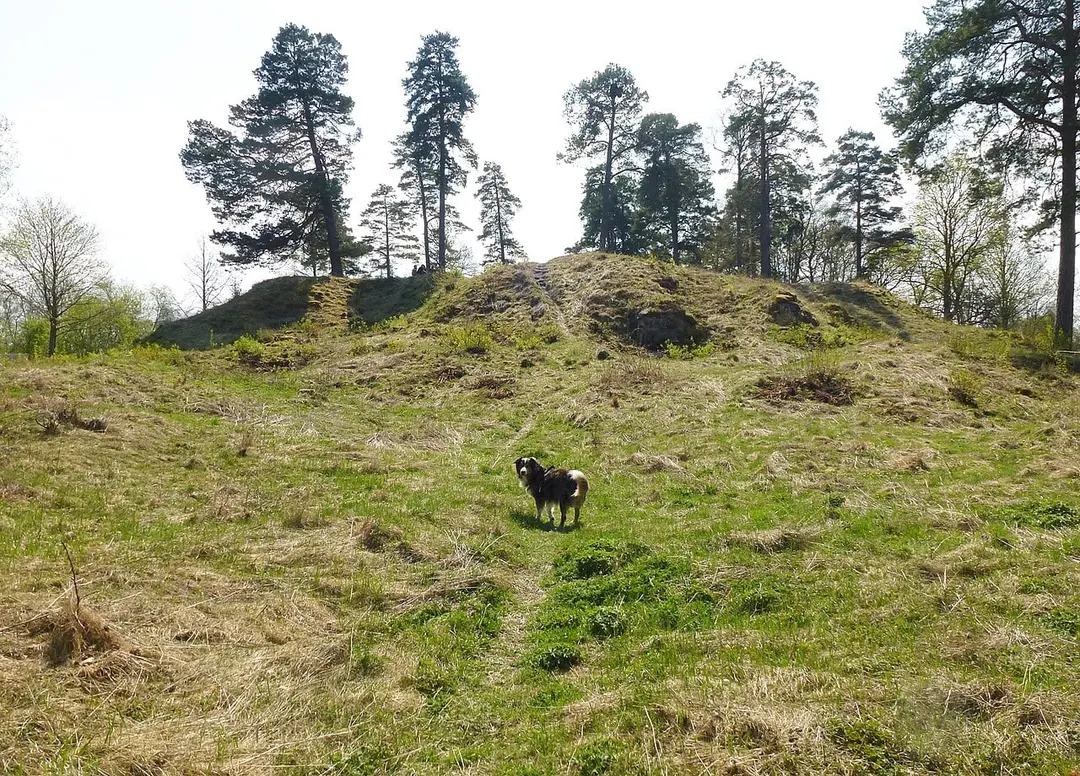
    Almare-Stäket was a medieval fortress on the former island of Stäketsholmen in Lake Mälaren, northeast of Stockholm. Its name derives from an Old Swedish word for stakes driven into shallow water, though whether these served a defensive purpose or supported a fishing settlement remains unknown. The ruins reflect the strategic importance of this waterway position during the Middle Ages. The former island has since merged with the mainland through shifting water levels, and its remains now blend quietly into the scenic lakeland landscape around Stockholm.
  • Alsnö hus

    Alsnö hus

    Stockholm

    architectureculturehistory

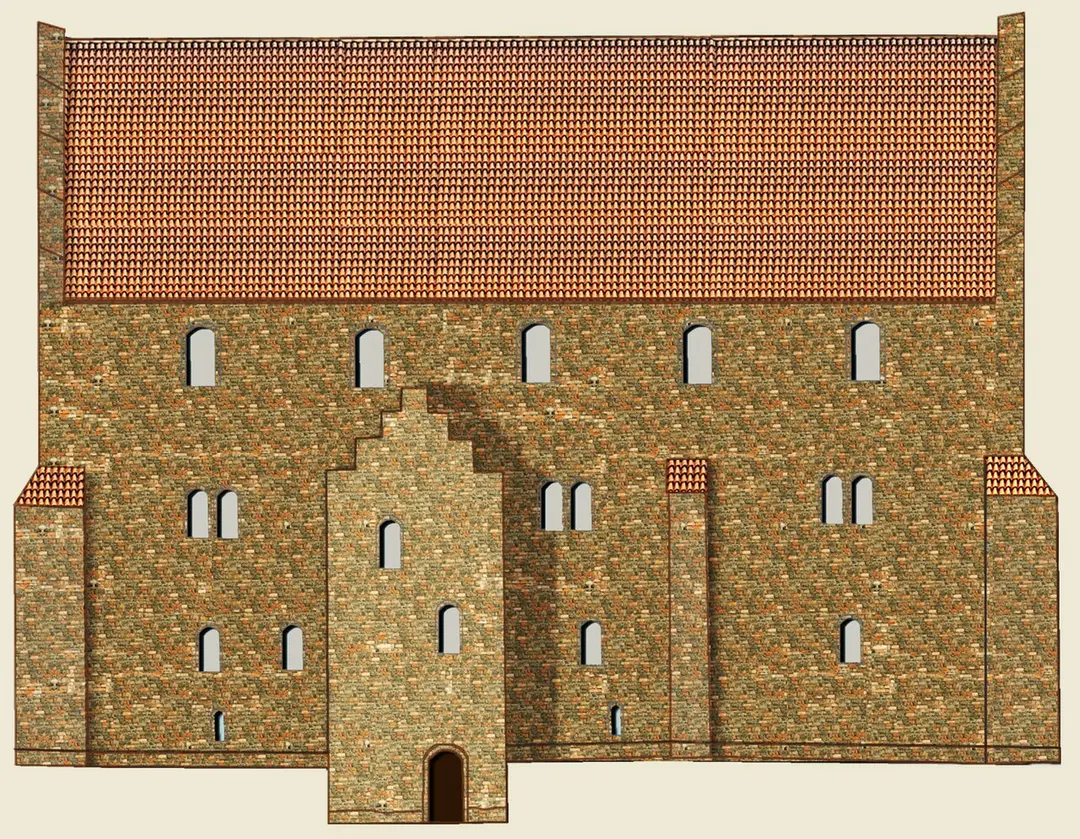
    Alsnoe hus is the ruin of a 13th-century royal palace on the island of Adelsoen in Lake Maelaren, northwest of Stockholm. Its name lives on in Swedish legal history: the Statute of Alsnoe (1280) was issued here, exempting the nobility from taxes and shaping Sweden's feudal social order. The ruin forms part of Hovgaarden, which together with neighbouring Birka — a major Viking trading centre — has been a UNESCO World Heritage Site since 1993.

  • Bergianska trädgården

    Bergianska trädgården

    Stockholm

    knowledgeromance

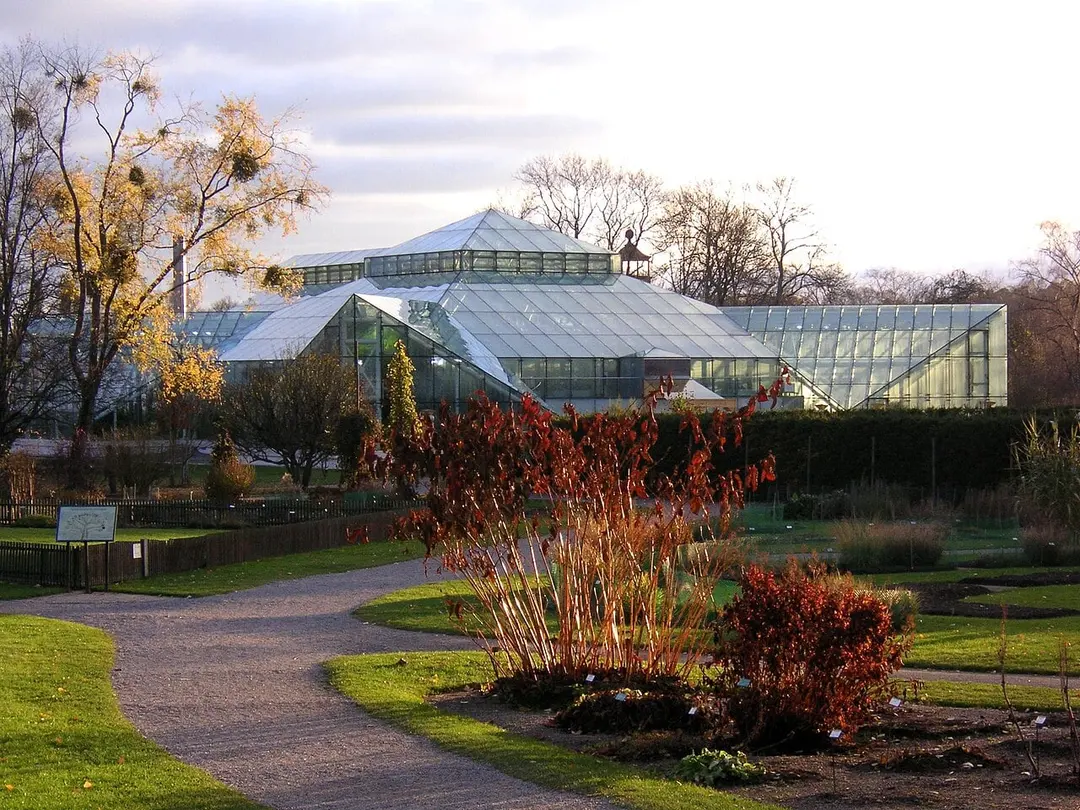
    Bergianska trädgården is Stockholm's botanical garden, set on the shore of Lake Brunnsviken in the university district of Frescati in northern Djurgården. Founded through the Bergius Foundation and listed as a heritage monument since 1993, the garden is best known for its Victorian glasshouse, the Victoriahuset, where massive Victoria amazonica water lilies grow leaves up to two metres in diameter. The wider garden holds extensive collections of native and exotic plants, including a stately avenue of ancient oaks. The calm lakeside setting and proximity to Stockholm University make it one of the city's most relaxed destinations — a favourite for those who prefer botany to crowds.

  • Biological museum

    Biological museum

    Stockholm

    architecturefamily outingslocal gems+1

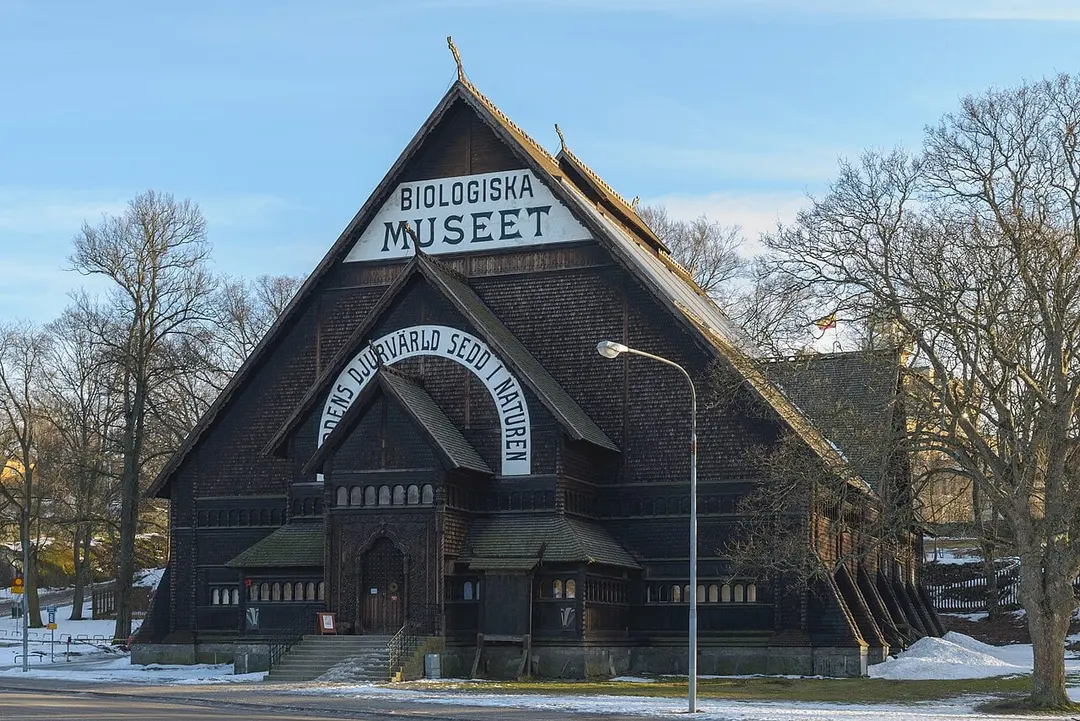
    Tucked away on Stockholm's museum island of Djurgården, the Biological Museum is a charming relic of 19th-century natural science. Opened in 1893, it presents Scandinavian mammals and birds as taxidermy specimens set within large-scale dioramas — panoramic scenes recreating forest, mountain, and coastal habitats. The technique was cutting-edge museum pedagogy at the time and gives the place an endearing Victorian atmosphere. The building itself, designed by Agi Lindegren in a Nordic wooden style, is listed and blends beautifully into Djurgården's parkland. It flies under the radar compared to Stockholm's larger museums, making it a genuine hidden gem for families, nature lovers, and curious travellers.

  • Danviksbron

    Danviksbron

    Stockholm

    historyknowledgegreat views

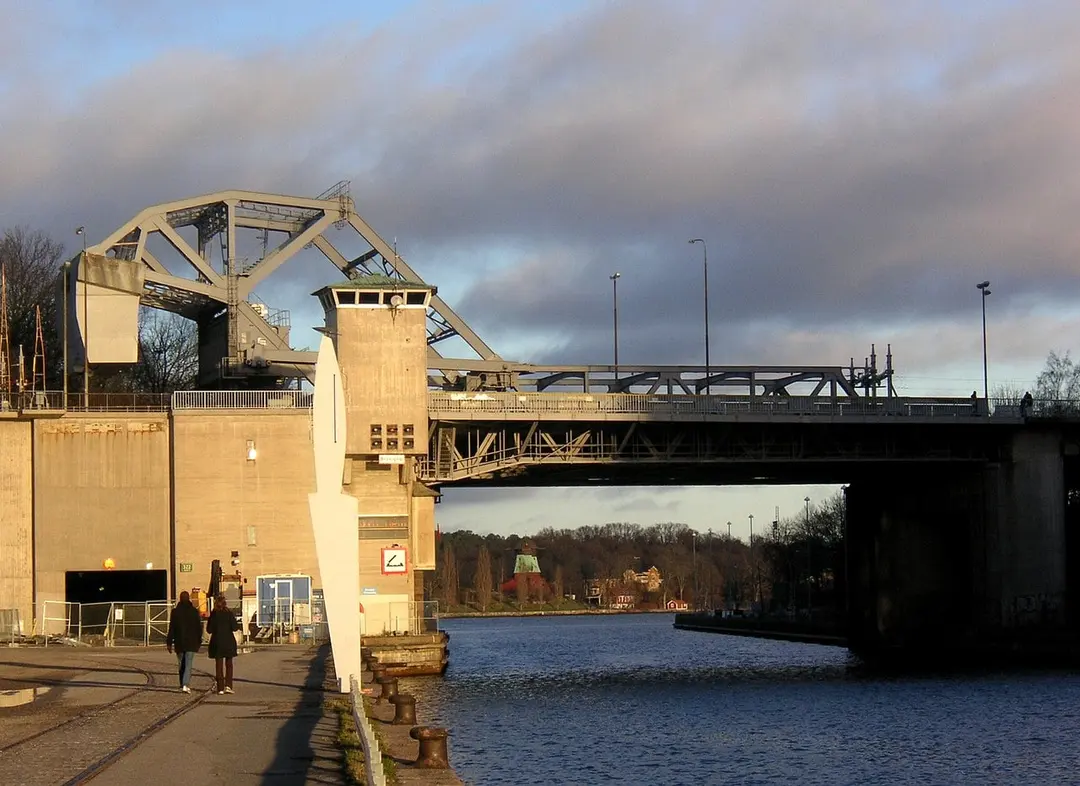
    Danviksbron has linked Stockholm's Södermalm district with Nacka since 1922, spanning the Hammarbyleden waterway in the eastern part of the Swedish capital. The bridge is a functional part of everyday Stockholm life, offering pedestrians and cyclists pleasant views over the surrounding waters and neighbourhoods. In the early twentieth century it played an important role in the industrial development of the eastern districts. Today it carries residents across the water daily, with quiet panoramas of canals and the Stockholm archipelago visible from its span. A modest but distinctive fixture in the Stockholm cityscape.

  • Edsberg's Palace

    Edsberg's Palace

    Stockholm

    architecture

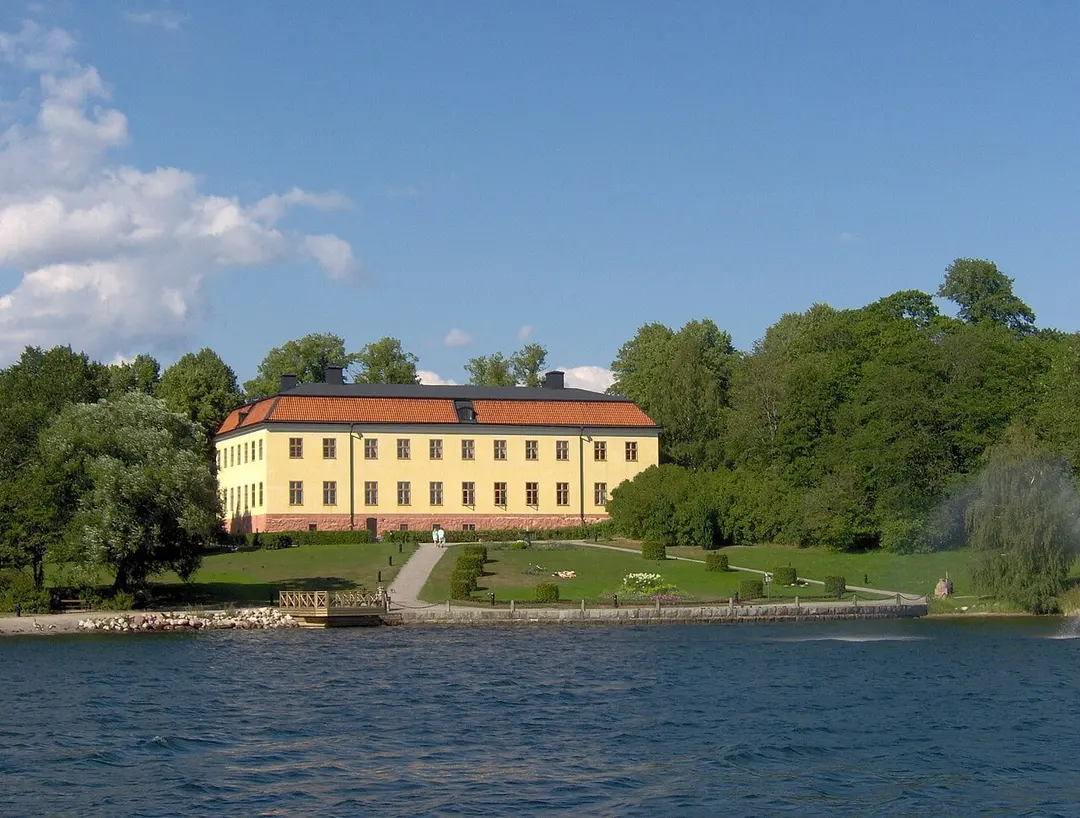
    Edsberg Palace sits in the Stockholm suburb of Sollentuna and stands as an elegant example of Swedish Rococo architecture. The present building was constructed in 1760, replacing an earlier manor house from the early 17th century. The three-winged palace with its curved facades and characteristic mansard roof overlooks a terraced garden – an ensemble that powerfully embodies the refined aesthetic of the 18th century. Today the estate operates as a hotel and conference venue, making it a popular destination for weddings and quiet getaways from Stockholm.

  • Finngrundet

    Finngrundet

    Stockholm

    culturehistory

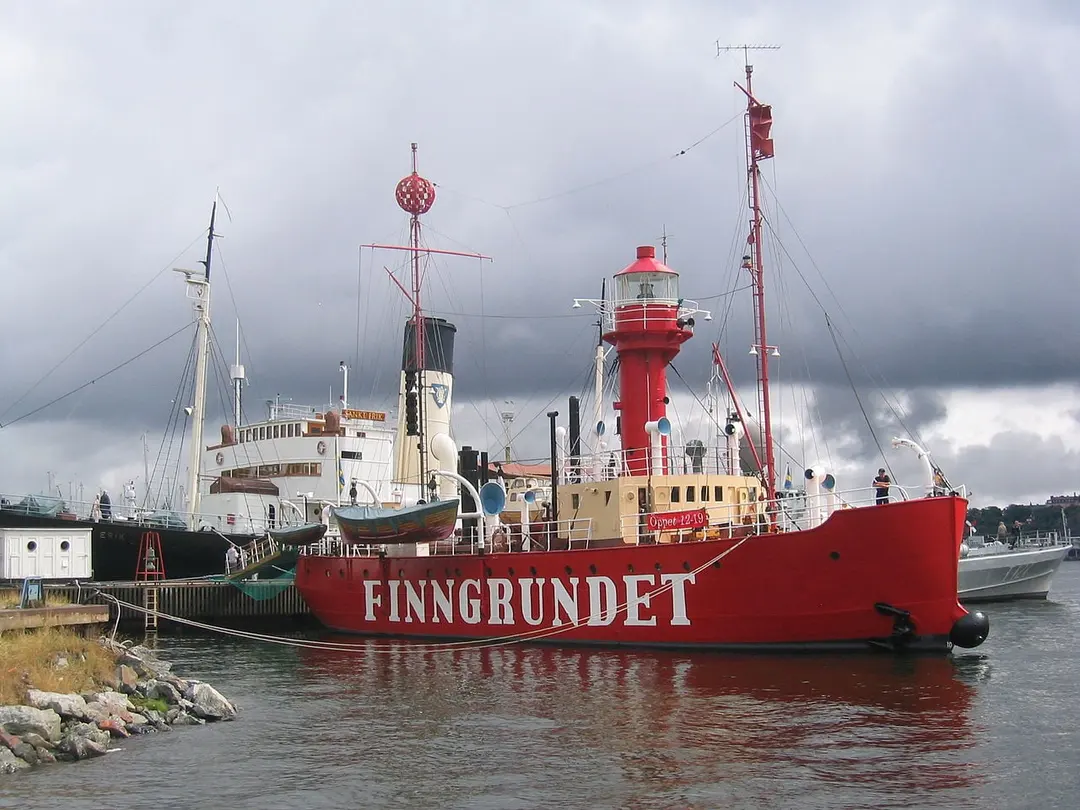
    The Finngrundet is a historic Swedish lightship now preserved as a museum ship in Stockholm. Lightships were anchored at treacherous waters where building a fixed lighthouse was impossible, guiding sailors safely through. Built in 1903, the Finngrundet served for decades in the Swedish archipelago before retirement. Her distinctive red hull and original navigation equipment bring maritime history to life. Visitors can step aboard and discover what it was like for crews who spent months at sea keeping the shipping lanes safe.

  • Haga Palace

    Haga Palace

    Stockholm

    historyfamily outings

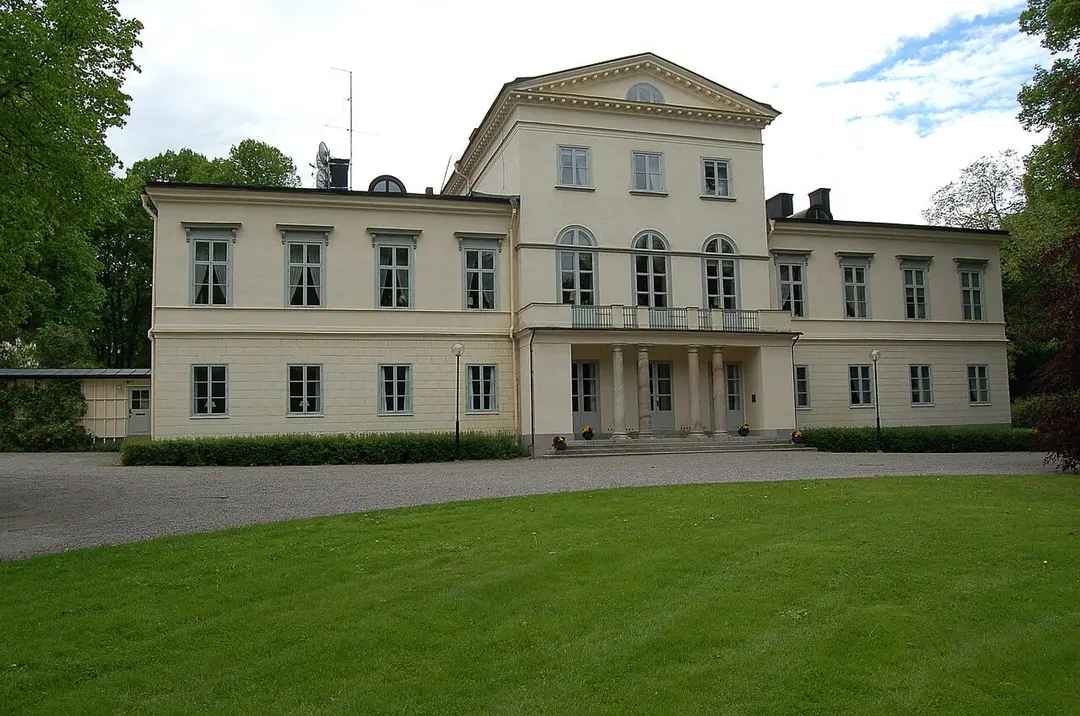
    Haga Palace sits within the eponymous park on the western shore of Lake Brunnsviken, just north of Stockholm. King Gustav III commissioned the English landscape garden in the late 18th century — today it is one of the finest parkland experiences in the region. The palace itself was completed in 1805 and has for generations been the preferred summer residence of the Swedish royal family; Crown Princess Victoria and her family still live here today. The expansive Haga Park surrounds the palace with temples, pavilions, a picturesque palace ruin and Stockholm's oldest country inn. A royal setting open to all — the park is freely accessible and a popular destination for walks and picnics.

  • Hagaparken

    Hagaparken

    Stockholm

    architecturehistory

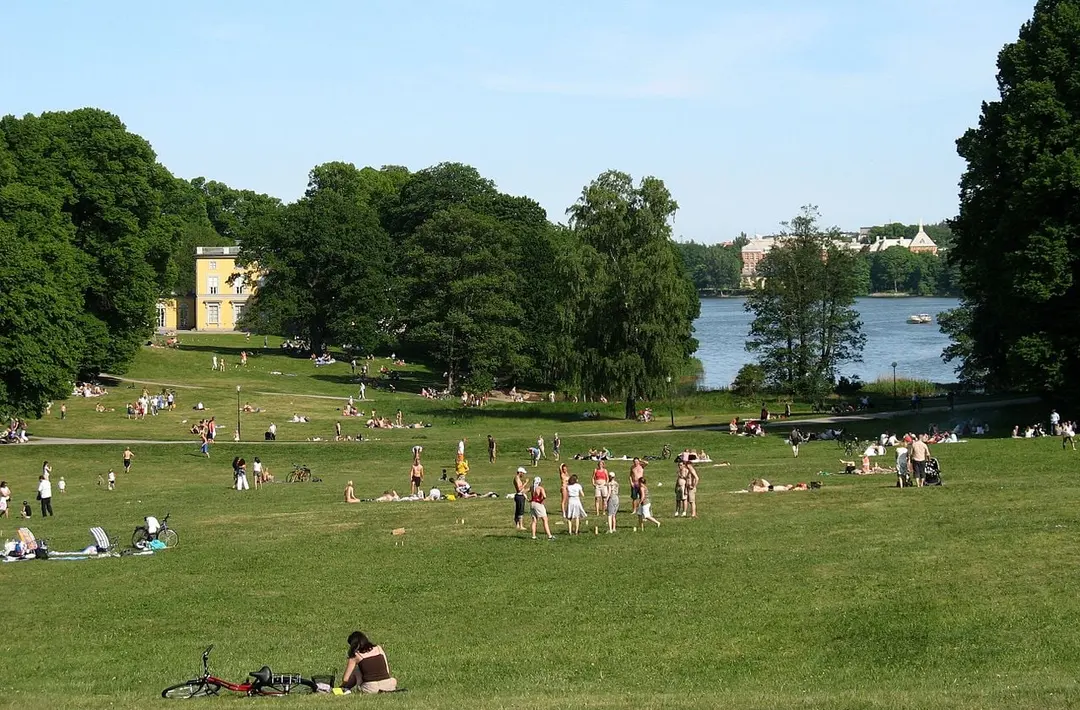
    Hagaparken is one of Sweden's finest royal landscape gardens, situated on the western shore of Lake Brunnsviken just north of Stockholm. Laid out in the late 18th century at the initiative of King Gustav III in the English landscape style, it blends gently rolling meadows, ancient oak avenues, and historic structures including the Copper Tent pavilion, the Butterfly House, and the ruins of an unfinished royal palace. The park contains several small palaces, museums, and Stockholm's oldest country inn. The Royal Burial Ground of Haga holds the graves of Swedish queens and princesses. Today Hagaparken is a beloved green retreat for Stockholmers and draws hundreds of thousands of visitors each year.

  • Mariatorget

    Mariatorget

    Stockholm

    historylocal gems

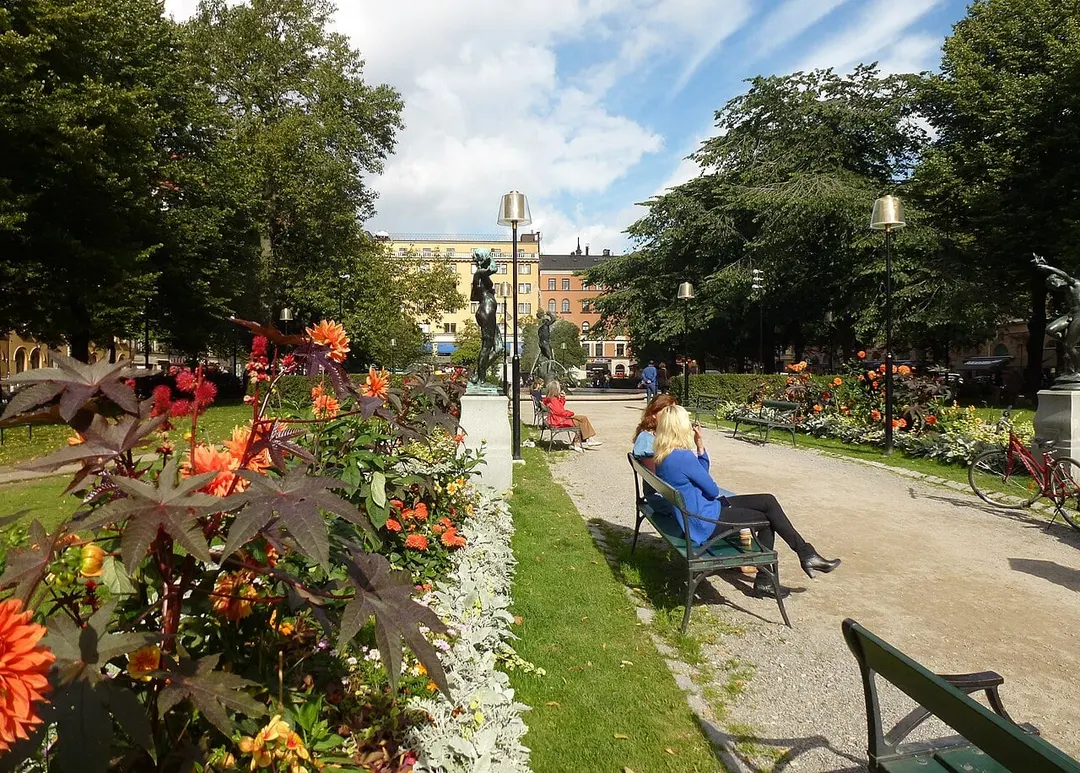
    Mariatorget is a small city park and square in the Södermalm district of Stockholm. Created in the late 1760s, it was originally called Adolf Fredriks torg after King Adolf Frederick. In 1959 it was renamed to avoid confusion with the Adolf Fredrikskyrkan church in Norrmalm. The new name refers to the nearby Maria Magdalena kyrka. Today Mariatorget is a popular neighbourhood gathering spot surrounded by cafes and historic residential buildings.

  • Skansen

    Skansen

    Stockholm

    culturefamily outingslocal gems

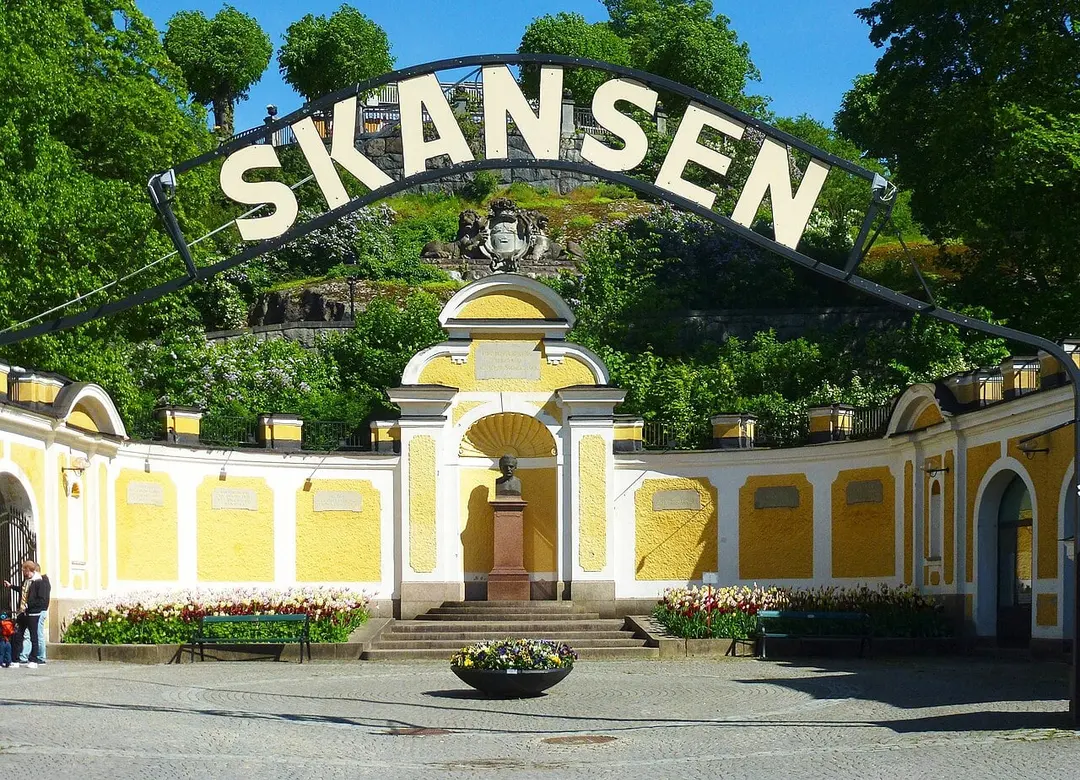
    Skansen is the world's oldest open-air museum, set on the Djurgården peninsula in Stockholm. Founded by Artur Hazelius in 1891 to preserve traditional Swedish rural life before industrialisation swept it away, the sprawling grounds contain more than 150 historic buildings from across Sweden — from medieval farmsteads to 19th-century townhouses. Craftspeople in period costume demonstrate old trades such as glassblowing and pottery. Skansen also houses a small zoo with Nordic animals including moose, brown bear and wolverine. It offers a vivid journey through Swedish history and remains an essential stop on any visit to Stockholm.

  • Ytterby mine

    Ytterby mine

    Stockholm

    historyknowledge

    The Ytterby mine on the island of Resarö in the Stockholm archipelago is one of the most significant sites in the history of chemistry. Over the course of the 18th and 19th centuries, no fewer than four chemical elements were discovered here: yttrium, erbium, terbium and ytterbium — all four named after the tiny village of Ytterby. The mine operated from 1756 primarily for quartz and feldspar; the unusual mineral richness of the rock attracted chemists from across Europe. Johan Gadolin analysed material extracted here in 1794 and identified the first rare-earth metal. The mine is now decommissioned but accessible as a heritage site and is a popular pilgrimage destination for chemists, mineralogists and history enthusiasts. A visit combines nature — the peaceful archipelago landscape — with a piece of scientific history of global significance.

Keep exploring

These places are just the beginning.

Rate places with a swipe — TravelType learns from your tags what you love and curates your own map. Private until you choose to share.

Create your profile