TravelType

culture

Culture in Stockholm

Stockholm, the Swedish capital, offers a wide cultural range. Those drawn to music history can explore ABBA: The Museum, while Berwaldhallen serves as a prominent concert venue for classical performance. Theatre-goers have several options, from Chinateatern and Blanche Theatre to the historic Drottningholm Palace Theatre. Sacred architecture is represented by the Adolf Fredrik Church and Engelbrekt Church, while the Axel Oxenstierna Palace and the medieval Alsnö hus reflect the city's political past. The sculpture Bältesspaennarna and the large-scale 3Arena Stockholm round out a cultural scene that spans centuries and genres.

29 places · Stockholm, Sweden · Editorially curated

  • 3Arena Stockholm

    3Arena Stockholm

    Stockholm

    architecturehistoryoutdoor activities+2

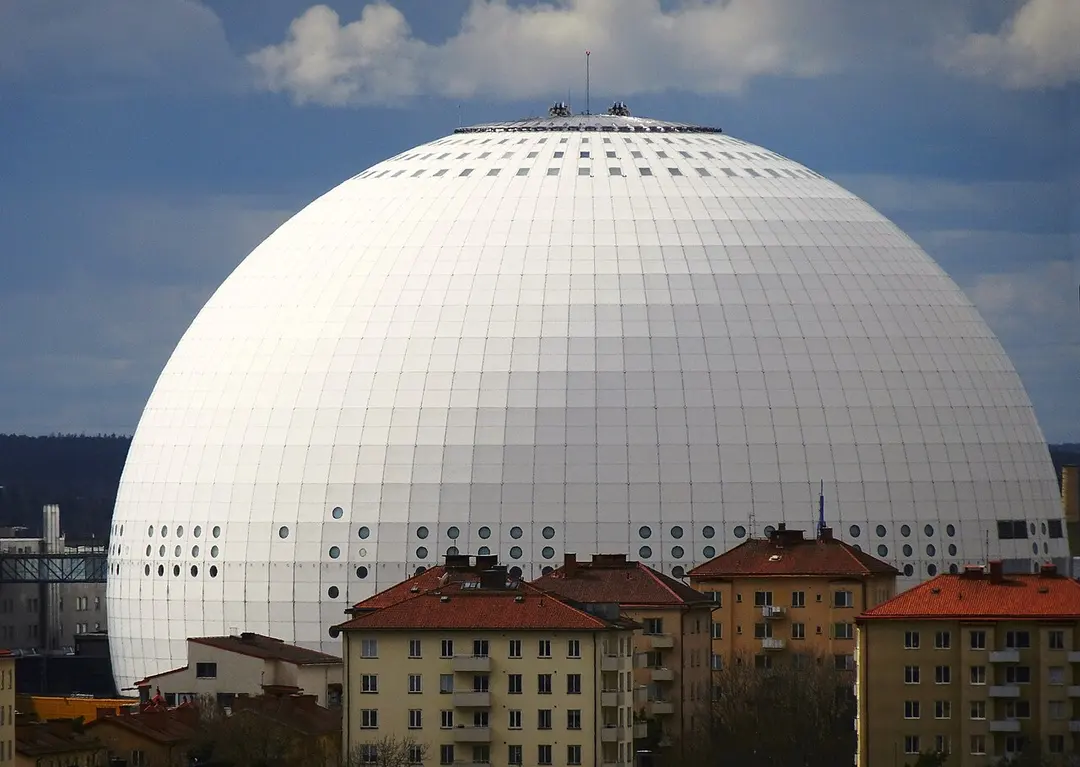
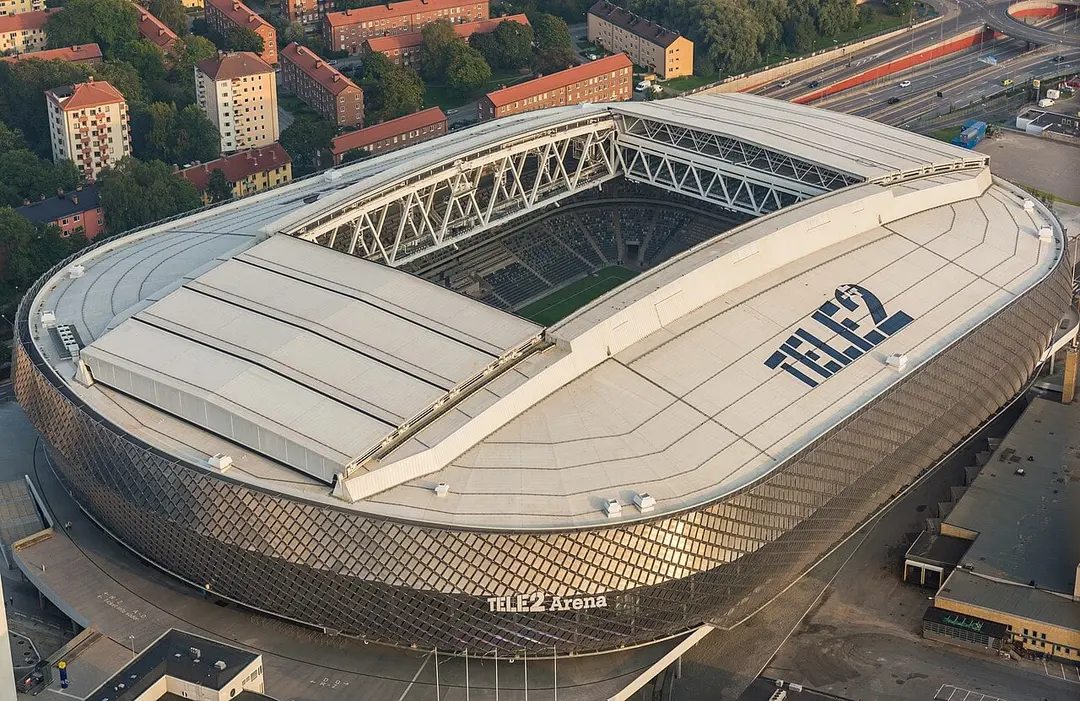
    3Arena is a retractable-roof multi-purpose arena in Johanneshov, opened 2013. Capacity up to 45,000 for concerts and 35,000 for football — Sweden's largest venue. Home ground for Djurgårdens IF and Hammarby IF, meeting FIFA and UEFA standards for international fixtures.

  • ABBA: The Museum

    ABBA: The Museum

    Stockholm

    local gemsknowledge

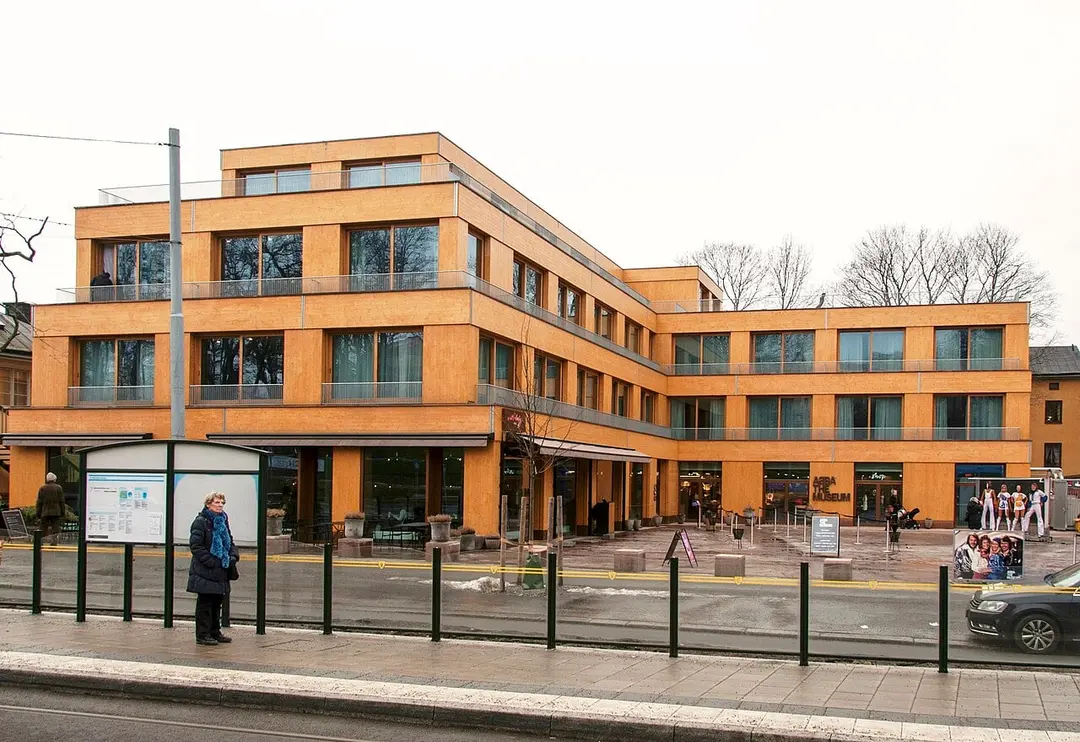
    ABBA The Museum opened on Djurgården in Stockholm in May 2013 as an interactive exhibition dedicated to Sweden's most successful pop act. Visitors can appear on stage alongside ABBA holograms, try on the iconic costumes, and perform in a virtual studio setting. Part of the Swedish Music Hall of Fame, the museum attracts up to a million visitors per year. Nothing is static — the entire experience is built around participation.

  • Adolf Fredrik Church

    Adolf Fredrik Church

    Stockholm

    architecturelocal gems

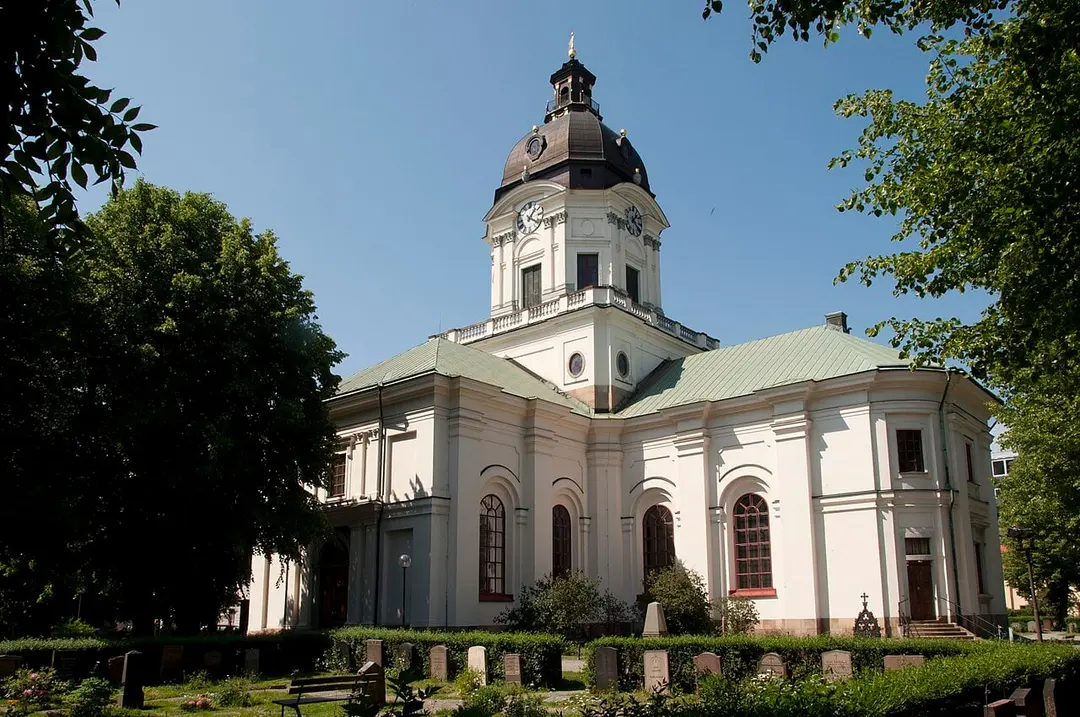
    Adolf Fredrik Church is a listed neoclassical church in Stockholm's Norrmalm district, built 1768–1774 to designs by Carl Fredrik Adelcrantz. It bears the name of King Adolf Frederick of Sweden, replacing a 17th-century wooden chapel. Remarkably, the church houses the remains of René Descartes — the philosopher died in Stockholm in 1650 and his remains were transferred here in 1666. Today it serves as an active congregation church with regular concerts.

  • Alsnö hus

    Alsnö hus

    Stockholm

    architecturenaturehistory

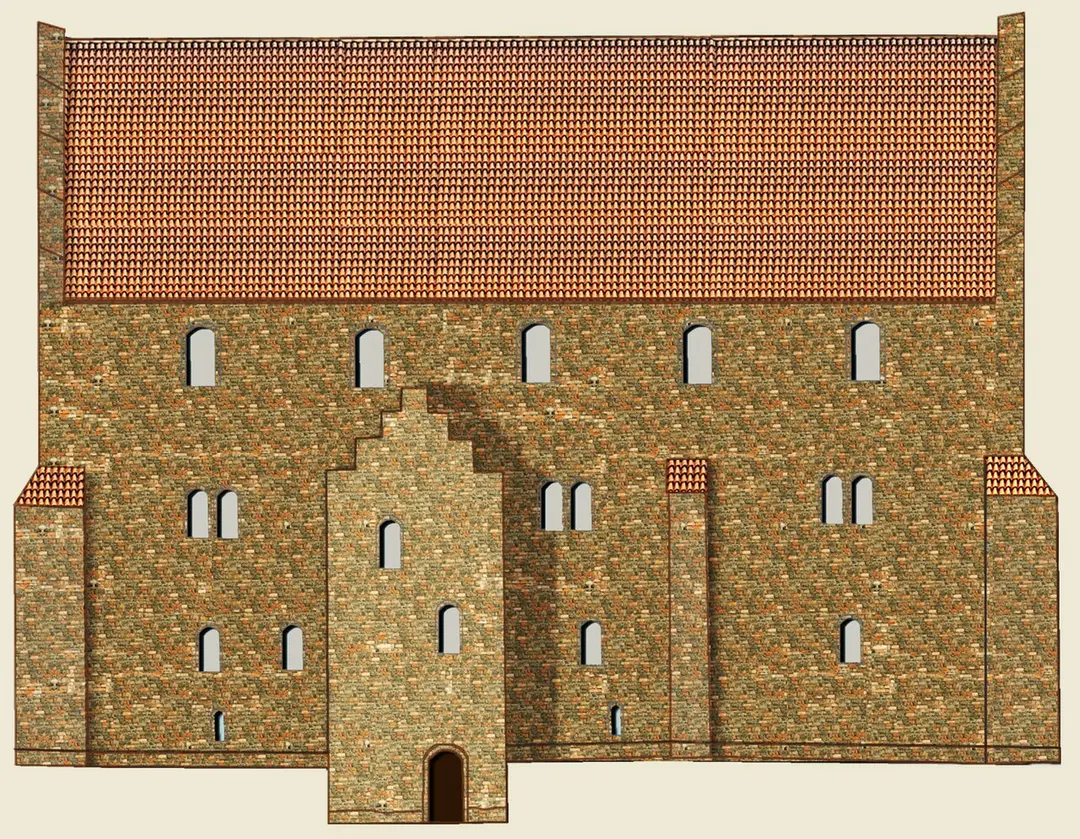
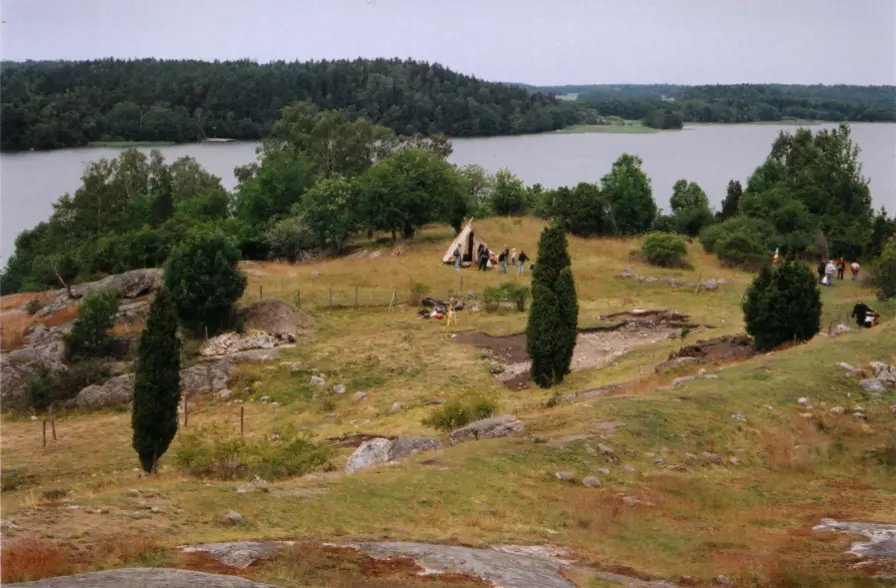
    Alsnoe hus is the ruin of a 13th-century royal palace on the island of Adelsoen in Lake Maelaren, northwest of Stockholm. Its name lives on in Swedish legal history: the Statute of Alsnoe (1280) was issued here, exempting the nobility from taxes and shaping Sweden's feudal social order. The ruin forms part of Hovgaarden, which together with neighbouring Birka — a major Viking trading centre — has been a UNESCO World Heritage Site since 1993.

  • Axel Oxenstierna Palace

    Axel Oxenstierna Palace

    Stockholm

    architecturehistorylocal gems

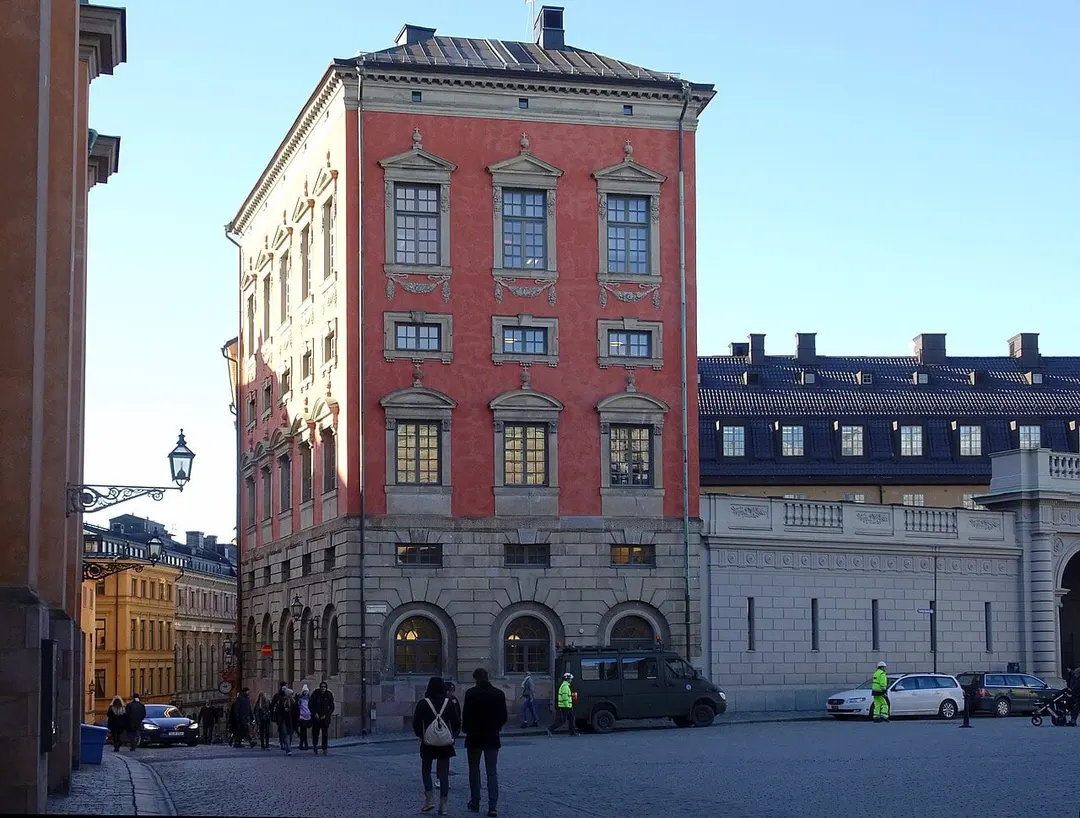
    The palace of Chancellor Axel Oxenstierna in Gamla Stan, Stockholm's Old Town, is one of Sweden's most significant Baroque buildings, designed by Jean de la Vallée and built 1653-1668. Oxenstierna was one of the most powerful statesmen of the 17th century, serving as de facto regent of Sweden during the minority of Queen Christina. Listed as a protected building, it now houses the Stockholm City Archive.

  • Bältesspaennarna (The Belt Wrestlers)

    Bältesspaennarna (The Belt Wrestlers)

    Stockholm

    architecturemystery

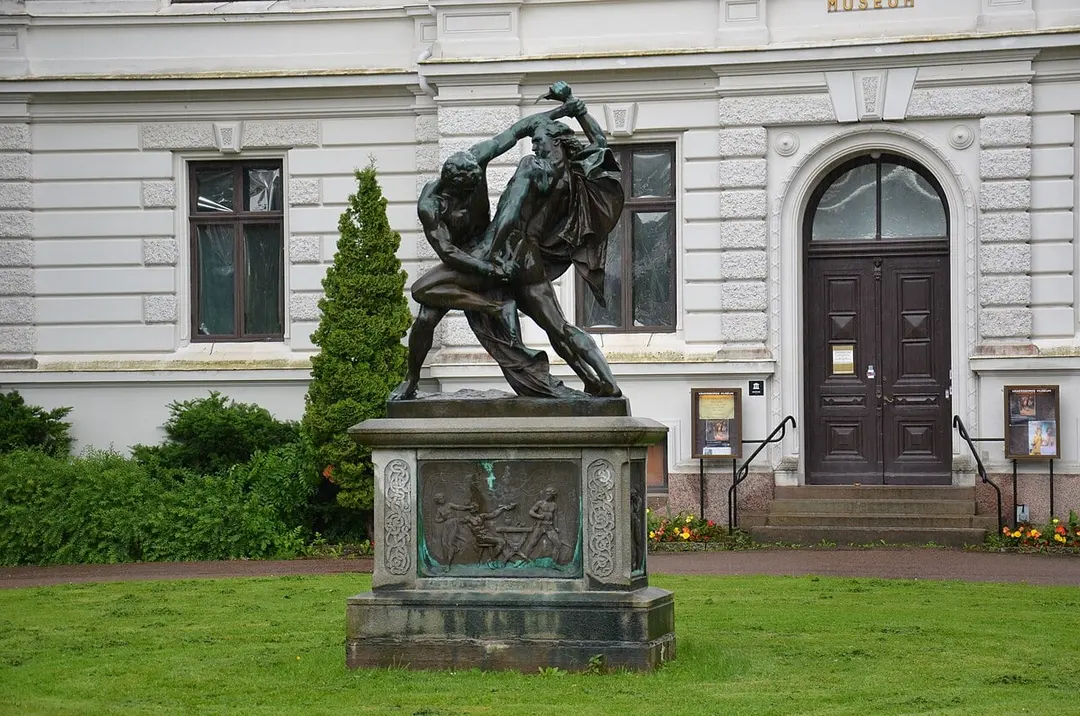
    Bältesspaennarna, meaning "The Belt Wrestlers" or "The Knife Fighters," is a celebrated national romantic bronze sculpture by Swedish sculptor Johan Peter Molin, created in the mid-19th century. It depicts two men engaged in the mythical contest of belt-wrestling — an archaic test of strength that Molin's era romanticised as a symbol of Nordic honour and vigour. The sculpture became Molin's international breakthrough and was well known across Europe for a time. Multiple casts exist, including one in front of the National Museum in Stockholm. It embodies the 19th century's romantic fascination with Nordic myth and heroic masculinity.

  • Berwaldhallen

    Berwaldhallen

    Stockholm

    architecture

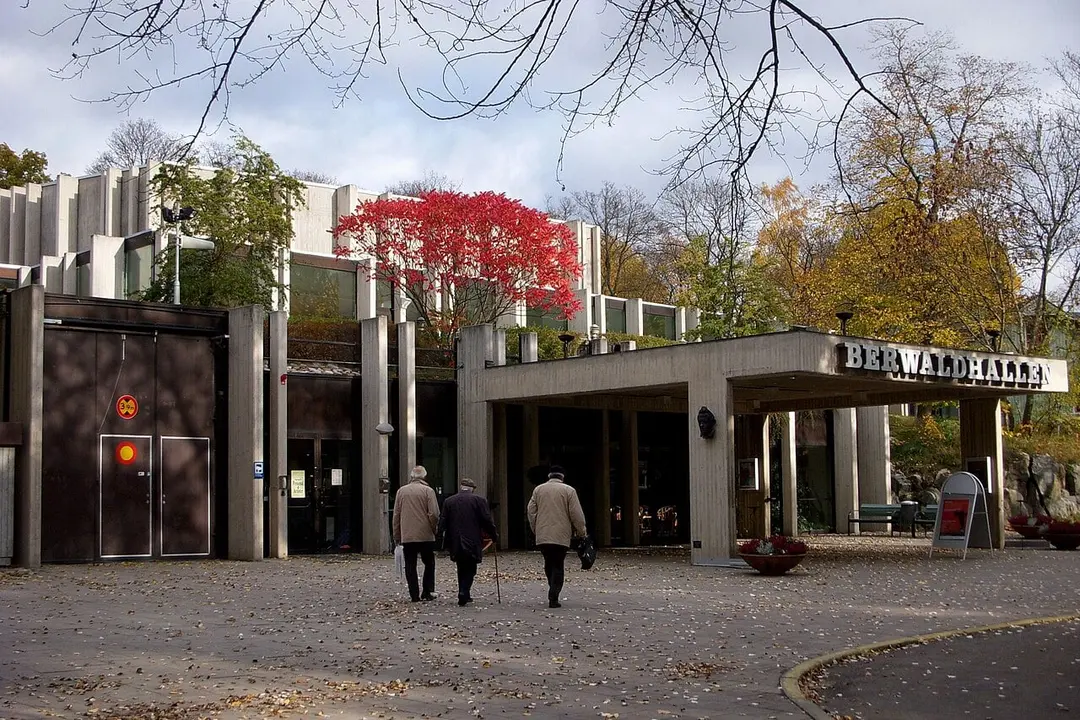
    Berwaldhallen is Stockholm's premier concert hall and the permanent home of the Swedish Radio Symphony Orchestra. Opened in 1979 in the upscale Östermalm district, it was named after Franz Berwald, one of Sweden's greatest 19th-century composers and a figure largely rediscovered by modern audiences. The hall is prized by musicians and recording engineers alike for its exceptional acoustics, which suit both intimate chamber performances and full orchestral programmes. Beyond classical concerts, Berwaldhallen hosts jazz, world music, and contemporary festivals — making it a vibrant cultural hub rather than a museum piece. For visitors who want to experience Stockholm's living cultural scene, an evening here is hard to beat.

  • Birka and Hovgården

    Birka and Hovgården

    Stockholm

    historyoutdoor activities

    Birka and Hovgården are two archaeological sites on the neighboring islands of Björkö and Adelsön in Sweden's Lake Mälaren, jointly inscribed as a UNESCO World Heritage Site in 1993. Between the 8th and 10th centuries, Birka was Scandinavia's most important trading center — a bustling hub where merchants from northern Europe, the Frankish realm, and even the Arab world converged. The burial grounds, numbering over 3,000 mounds, reveal the extraordinary reach of Viking trade networks. Hovgården on neighboring Adelsö served as a royal seat, representing the political power behind the thriving commerce. Together the two sites narrate the two centuries during which the Vikings shaped Europe economically and politically. Today Birka is accessible by ferry from Stockholm, offering guided tours, a museum, and vivid reconstructions of Viking life.
  • Blanche Theatre

    Blanche Theatre

    Stockholm

    knowledge

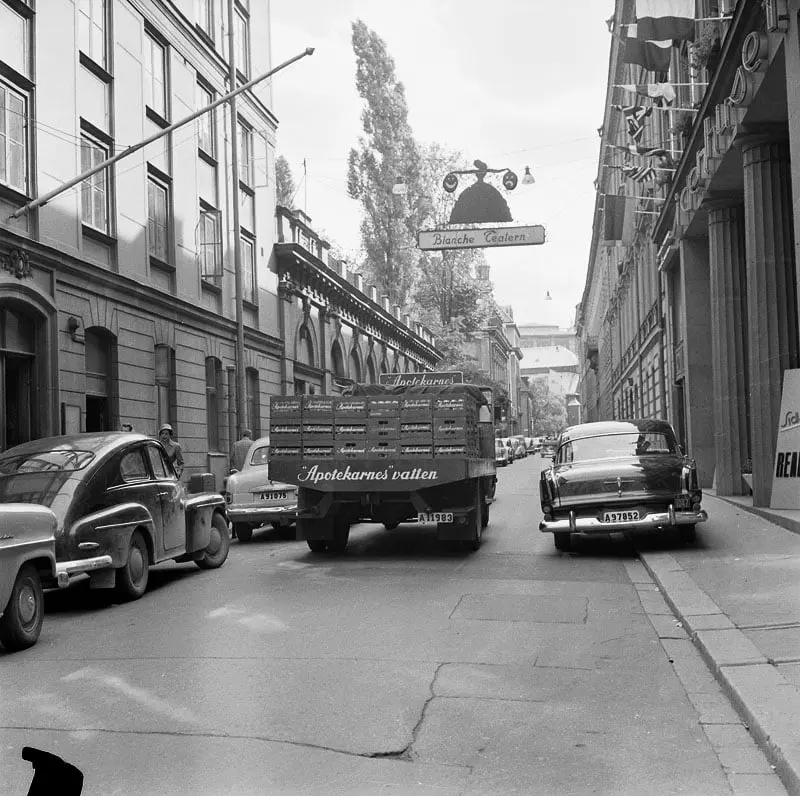
    Blancheteatern was a private theatre on Västra Trädgardsgatan in the heart of Stockholm. It was one of the venues that shaped the theatrical and cultural life of the Swedish capital during the nineteenth and early twentieth centuries. As a privately run house it differed from state-subsidised theatres by maintaining an independent repertoire with a close connection to Stockholm's bourgeois audiences. Today the name recalls an era when theatre was a central social institution and Stockholm's inner city was served by a dense network of cultural venues. The location on Västra Trädgardsgatan sits near the historic old town area close to Kungsträdgården.

  • Chinateatern

    Chinateatern

    Stockholm

    local gems

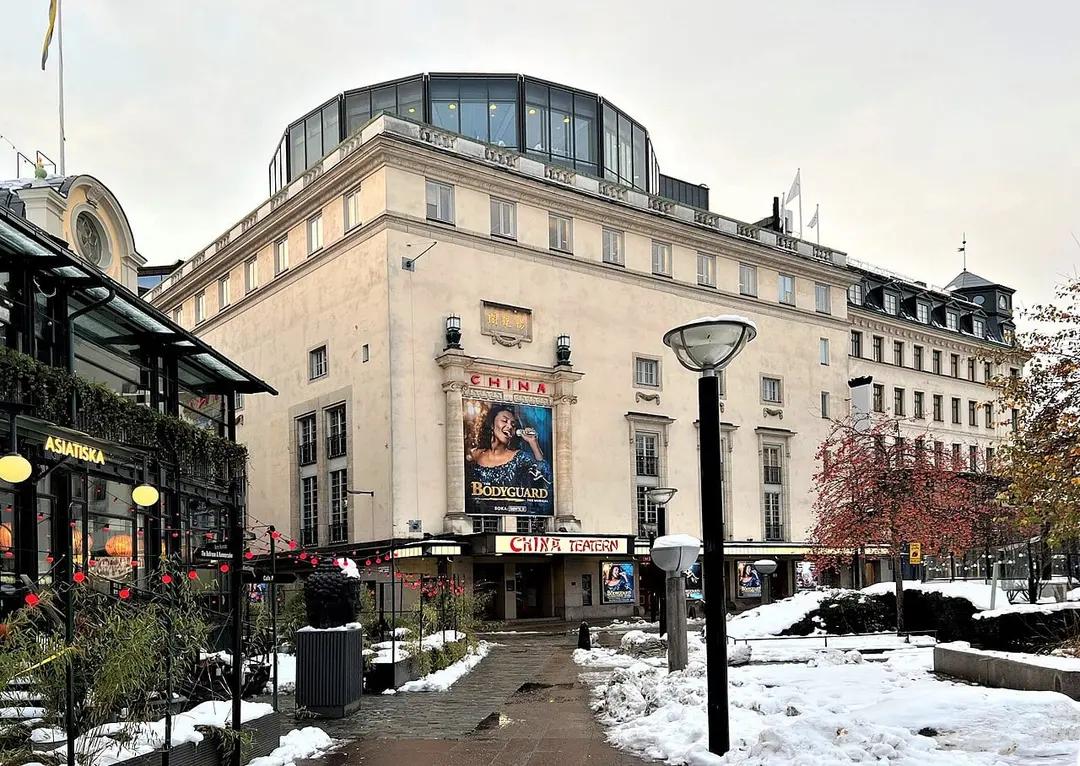
    Standing at Berzelii Park in central Stockholm since 1928, Chinateatern is one of Scandinavia's great entertainment venues. Its name derives from the original Chinese-inspired decor of the facade, though the interior has been updated many times over the decades. The theatre has produced some of the region's most celebrated revue shows and is considered a landmark of Swedish performance culture. Today it focuses mainly on musicals and touring productions, hosting international shows alongside homegrown Swedish entertainment. Located close to the Royal Opera and Nybroplan, a visit to Chinateatern offers an evening of polished, mainstream theatre in central Stockholm.

  • Engelbrekt Church

    Engelbrekt Church

    Stockholm

    architecturelocal gems

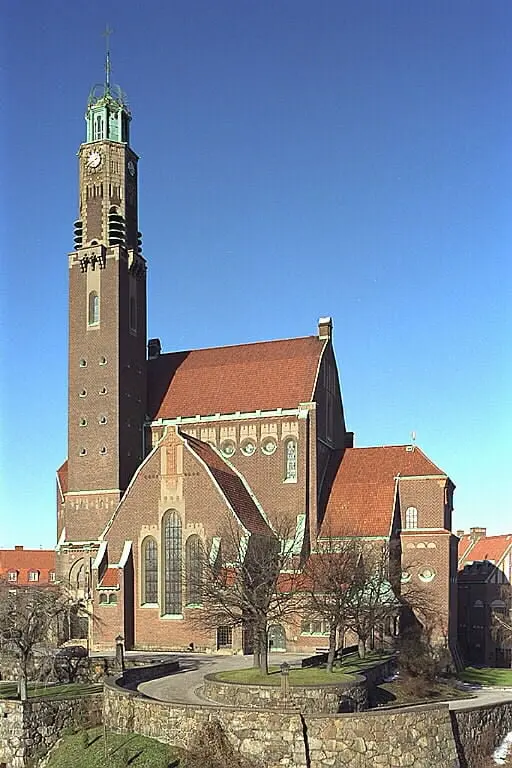
    Crowning the old mill hill in Stockholm's elegant Östermalm district, Engelbrektskyrkan is universally regarded as the masterpiece of architect Lars Israel Wahlman and one of the finest expressions of Swedish Art Nouveau and National Romanticism. Construction began in 1910 and the church was completed in 1914. Its irregular, almost organic silhouette of rough granite masonry topped by a slender tower dominates the surrounding Korsnäbben quarter. Inside, a light-filled hall reveals intricate mosaics, stained glass and superb craftsmanship — a Gesamtkunstwerk that fuses sacred architecture with Nordic artisanry at its finest.

  • Finngrundet

    Finngrundet

    Stockholm

    naturehistory

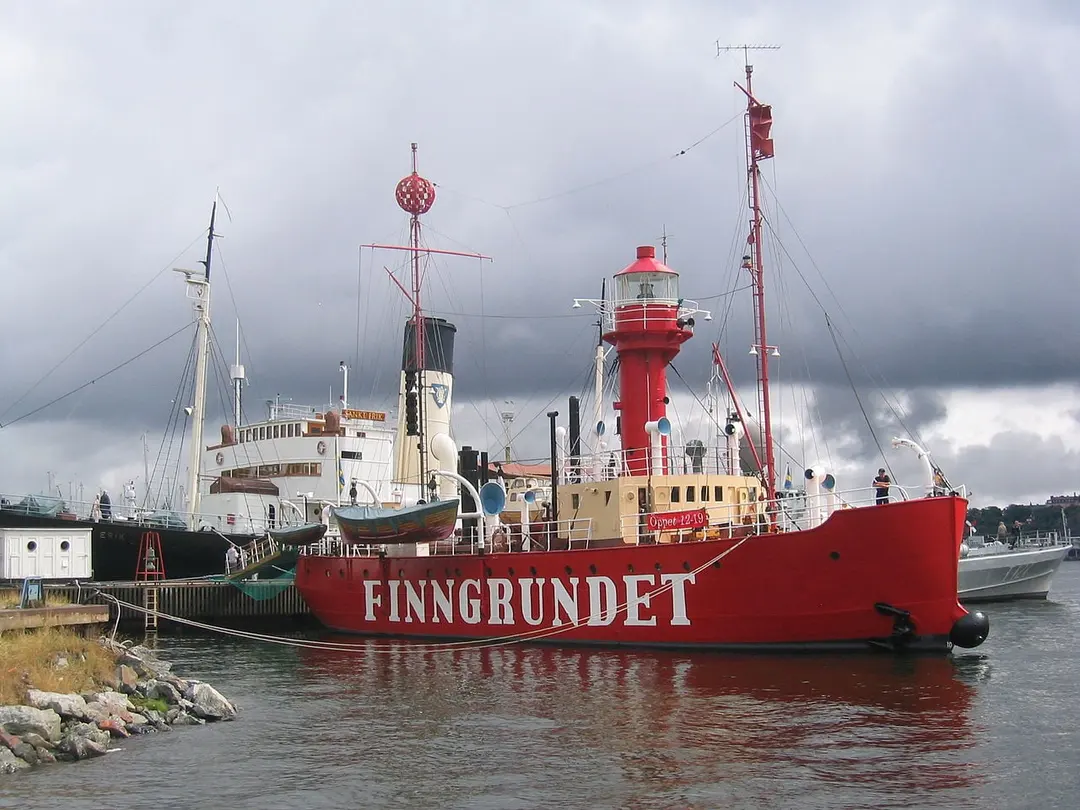
    The Finngrundet is a historic Swedish lightship now preserved as a museum ship in Stockholm. Lightships were anchored at treacherous waters where building a fixed lighthouse was impossible, guiding sailors safely through. Built in 1903, the Finngrundet served for decades in the Swedish archipelago before retirement. Her distinctive red hull and original navigation equipment bring maritime history to life. Visitors can step aboard and discover what it was like for crews who spent months at sea keeping the shipping lanes safe.

  • Folkoperan

    Folkoperan

    Stockholm

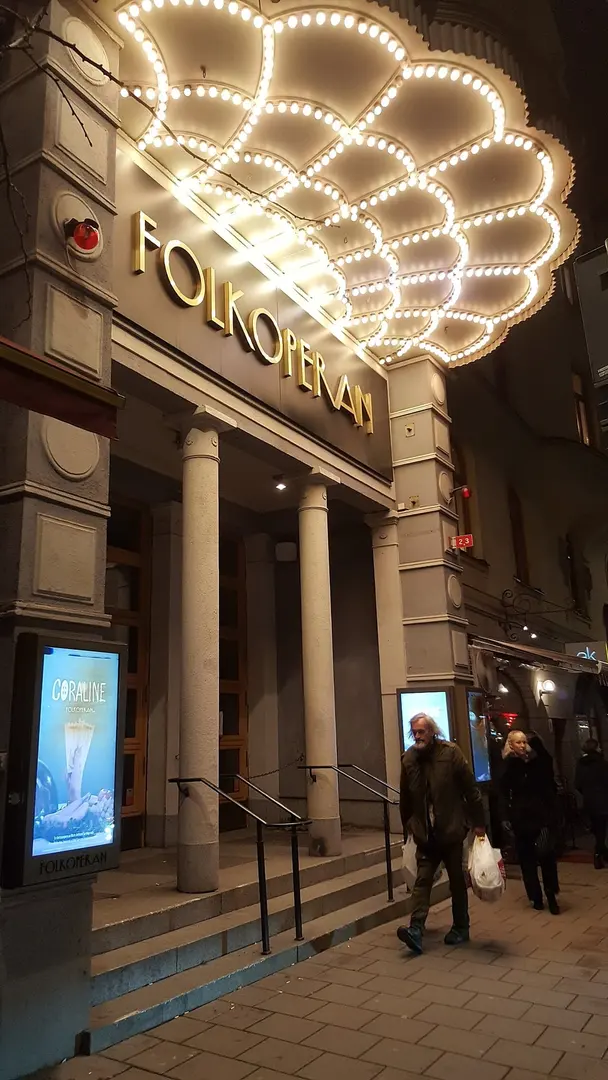
    Folkoperan in Stockholm was founded in 1976 as a deliberate counterpart to the venerable Kungliga Operan (Royal Opera), with the mission of making opera more accessible, vibrant, and immediate — reaching audiences beyond the traditional high-culture circuit. Through innovative productions, contemporary adaptations of classic works, and a programme that embraces musical theatre and new compositions, it has established itself as a distinct voice in Stockholm's cultural life. Located in the Södermalm district, the venue is celebrated for its intimate atmosphere where performers and audiences connect in a direct, unmediated way.

  • Fotografiska

    Fotografiska

    Stockholm

    architecturegreat views

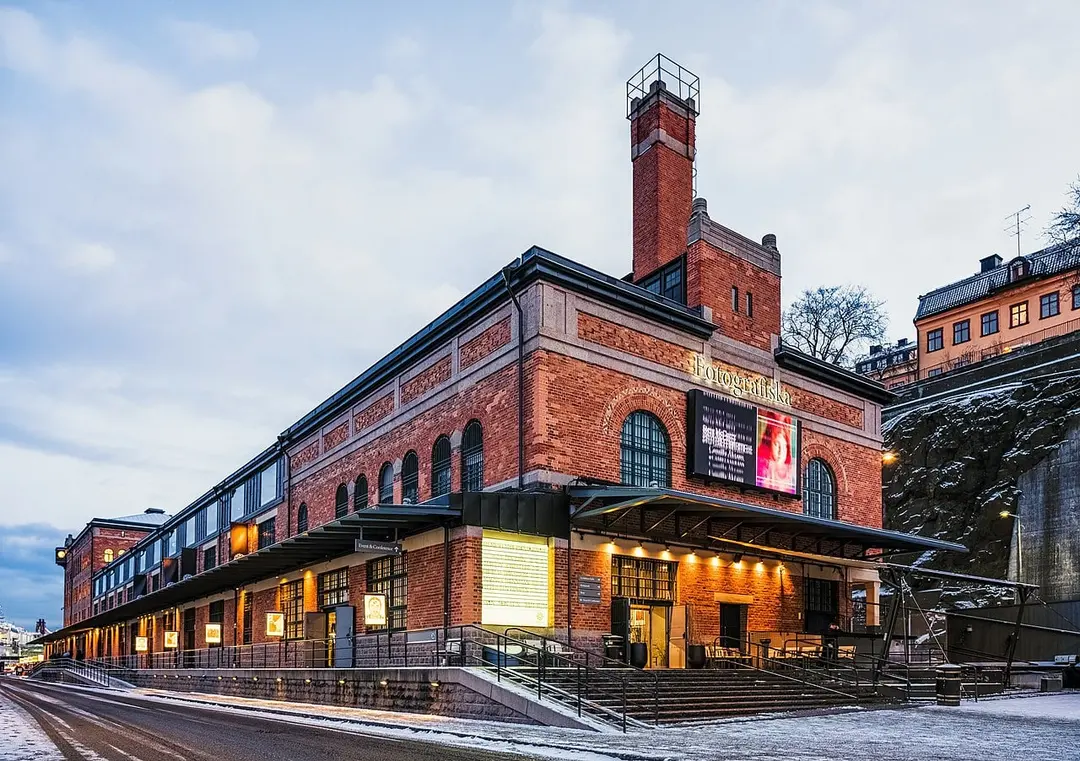
    Housed in one of Stockholm''s finest Art Nouveau buildings — a former customs house on Stadsgårdshamnen — Fotografiska opened in 2010 as a private museum dedicated to contemporary photography. Founders Jan and Per Broman set out to create a space where photography, from photojournalism to fine-art prints, is taken seriously as an art form. The concept succeeded brilliantly: the museum presents four major annual exhibitions by internationally renowned photographers such as Annie Leibovitz, David LaChapelle, and Sebastião Salgado, alongside dozens of smaller shows. The building itself is worth visiting — a brick tower, sweeping windows, and a top-floor restaurant celebrated for its Nordic cuisine and harbour views. Fotografiska has since expanded to New York, London, and Tallinn, but the Stockholm original remains the heart of the brand.

  • Gamla Stan (Stockholm Old Town)

    Gamla Stan (Stockholm Old Town)

    Stockholm

    architecturehistorylocal gems

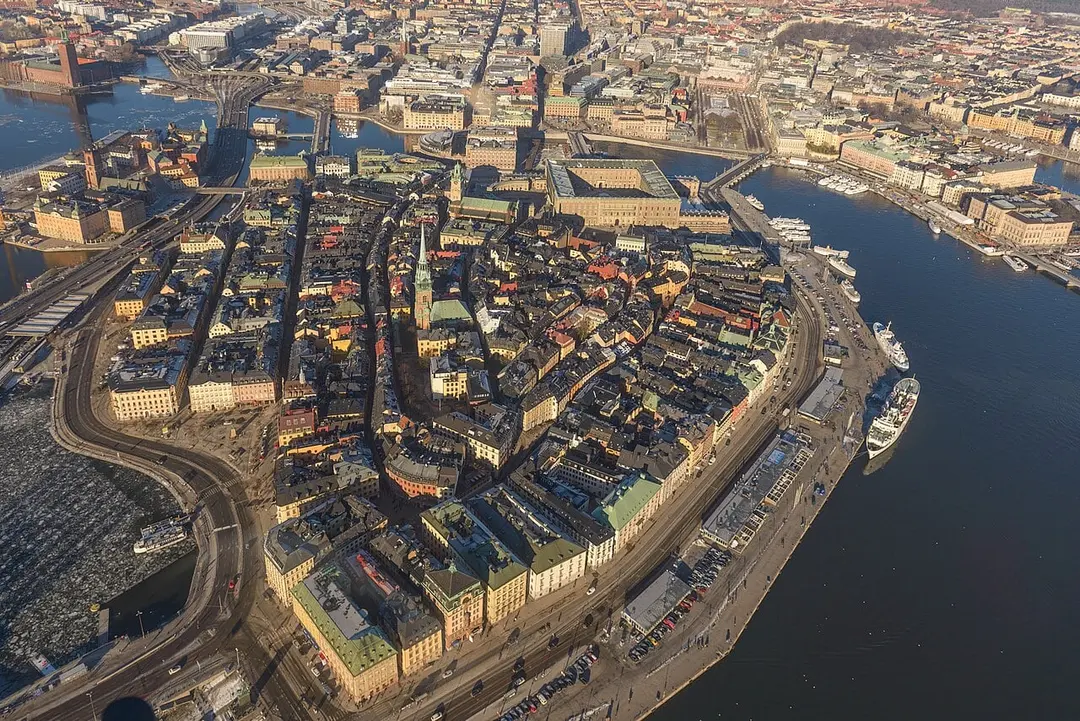
    Gamla Stan is Stockholm's medieval old town on Stadsholmen island — one of the best-preserved medieval city centres in northern Europe. Narrow cobblestone lanes, colourful 17th and 18th-century facades, and the basic medieval street grid of the 13th-century founding city survive largely intact. Highlights include the Royal Palace designed by Nicodemus Tessin, the Storkyrkan cathedral with Bernt Notke's 1489 Gothic equestrian statue of St. George, and the German Church. Lanes like Maerten Trotzigs Graend (90cm wide) lead into unexpected hidden corners.

  • Göta Lejon

    Göta Lejon

    Stockholm

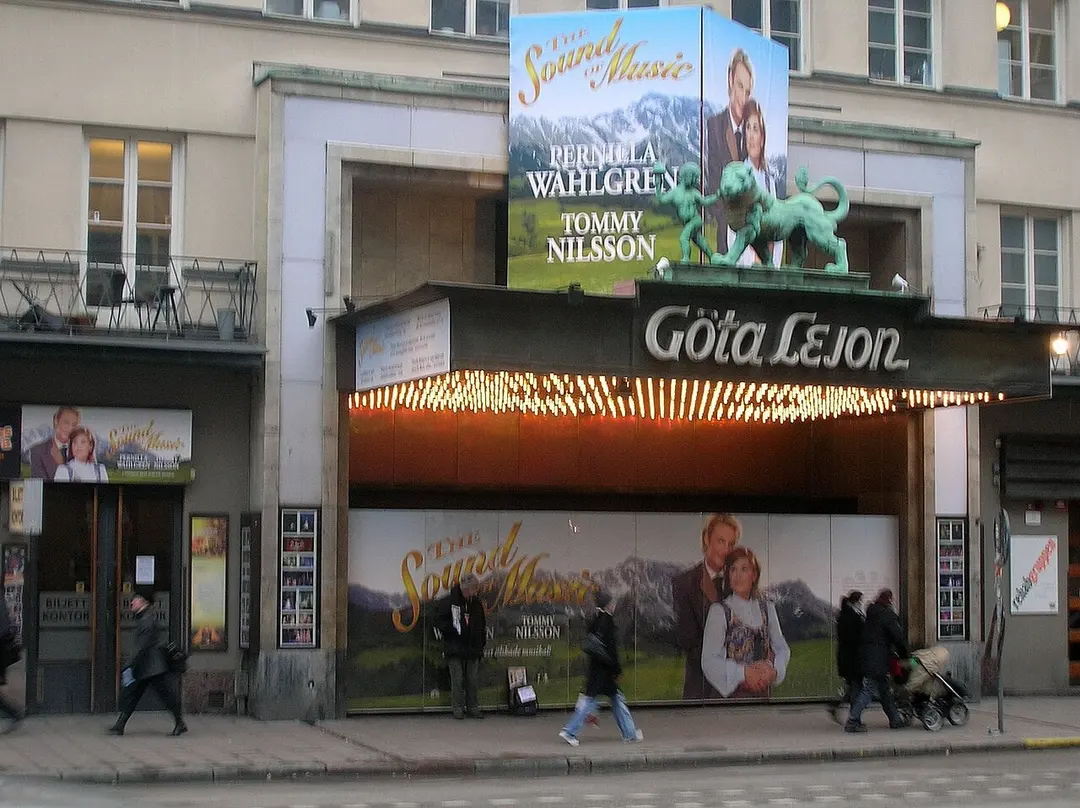
    Göta Lejon, located on Götgatan in Stockholm's Södermalm district, is one of Sweden's oldest continuously operating theatres. Originally built as a grand cinema palace, the venue gradually transformed into a theatre stage presenting a wide range of performances – from musicals and comedy shows to entertainment spectacles. The stunning facade and the historic interior with sweeping balconies and warm lighting set the stage for a memorable evening from the moment you walk through the door. Today Göta Lejon remains a cornerstone of Stockholm's cultural scene, drawing audiences who appreciate quality and variety.

  • Gröna Lund

    Gröna Lund

    Stockholm

    outdoor activitieslocal gemsgreat views

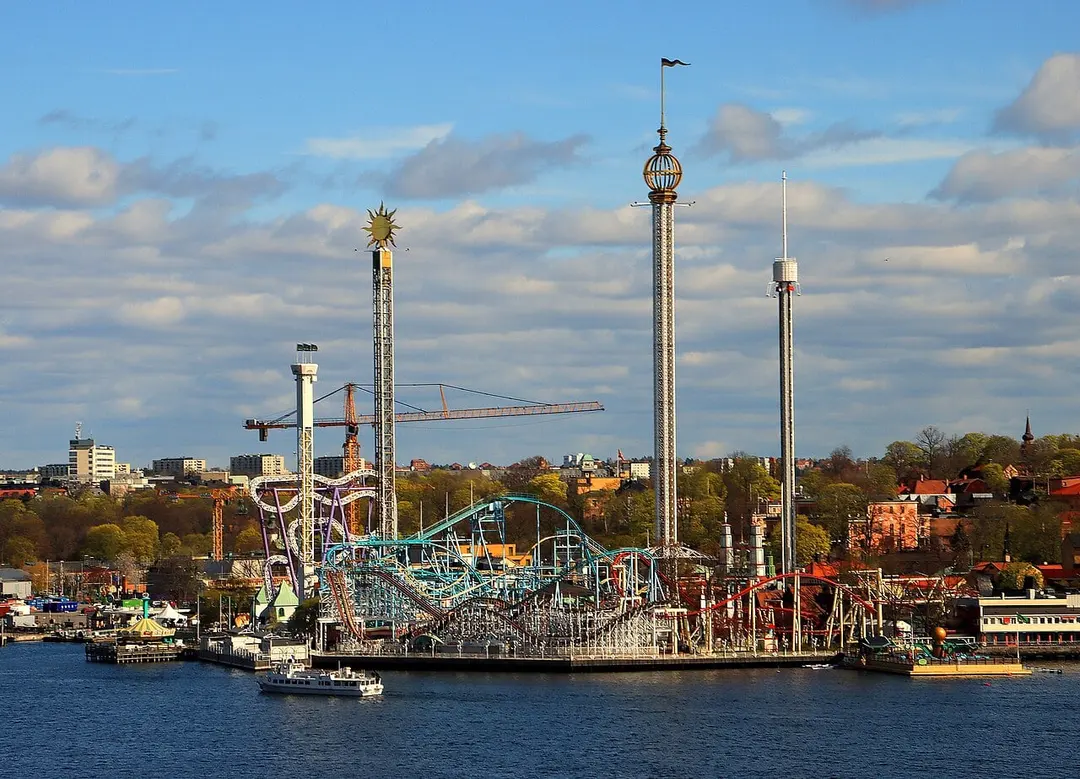
    Nestled on the Djurgården peninsula between the open-air museum Skansen and the waters of the Stockholm archipelago, Gröna Lund is one of the oldest operating amusement parks in the world. Since 1883 it has drawn Stockholmers and visitors alike, beginning as a modest fairground of carousels and street performers and growing into one of Scandinavia''s liveliest leisure destinations. Hemmed in by water on almost all sides, the park cannot expand — so classic wooden roller coasters, modern thrill rides, and an open-air concert arena are packed into a remarkably compact space. The concert stage, facing out over the harbour, has hosted ABBA, Led Zeppelin, and Bob Marley; today it presents international acts across every genre throughout the summer season from April to September. Gröna Lund is free to enter — rides and concerts are paid separately — making it equally attractive for families by day and night owls after dark.

  • Gustaf Vasa Church

    Gustaf Vasa Church

    Stockholm

    architecturelocal gems

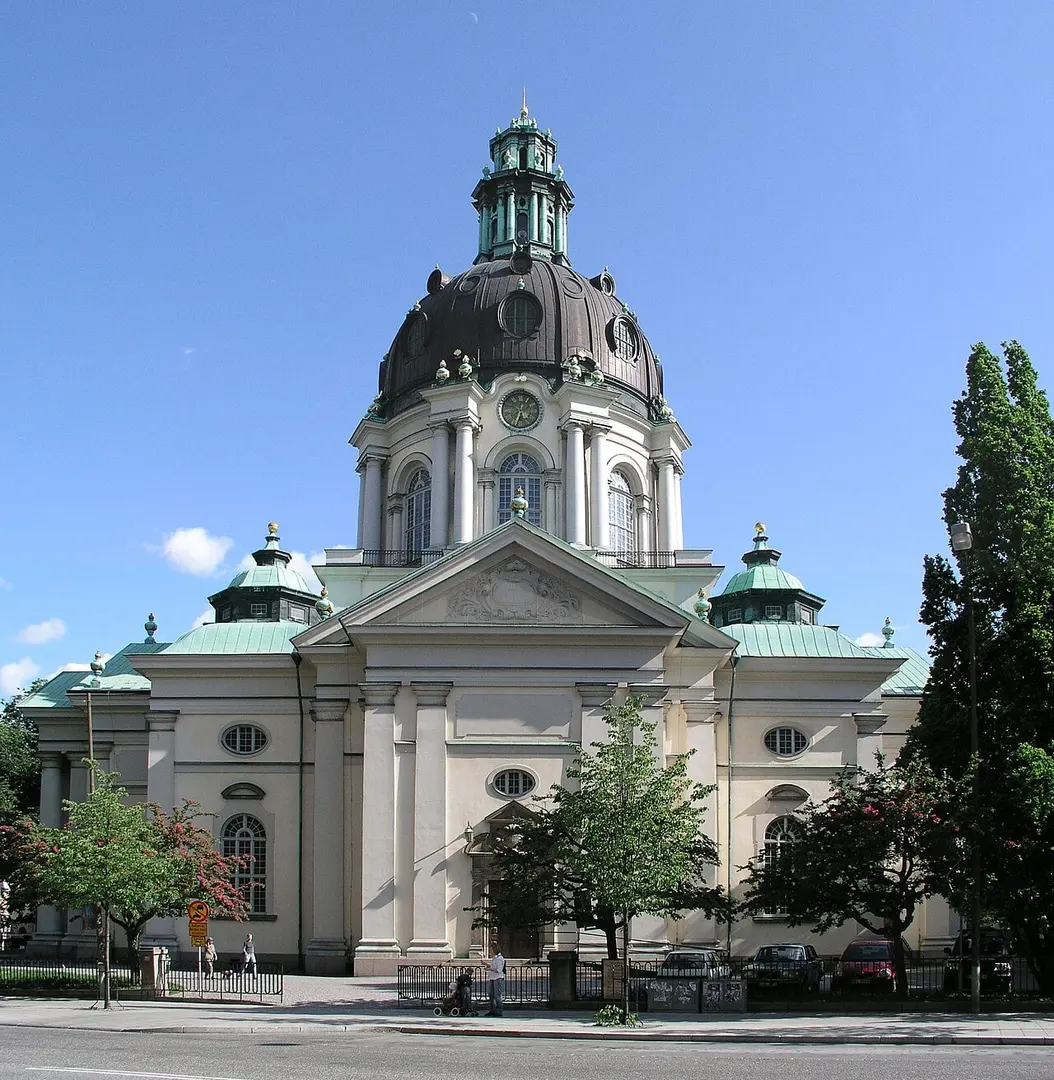
    Gustaf Vasa Church stands at Odenplan in Stockholm's Norrmalm district and is one of Sweden's finest neo-Baroque churches. Consecrated on 10 June 1906, it is named after Gustav I Vasa, the king who led Sweden from the Kalmar Union into Lutheranism. Designed by architect Agi Lindegren, the building impresses with its imposing dome, richly decorated portals and bright interior featuring gilded details and elaborate murals. As a protected Swedish church monument (Kyrkligt kulturminne) it enjoys legal protection. The Odenplan square in front of the church is a lively spot in the heart of Norrmalm, easily reached by metro.

  • Hallwyl Museum

    Hallwyl Museum

    Stockholm

    architecturelocal gems

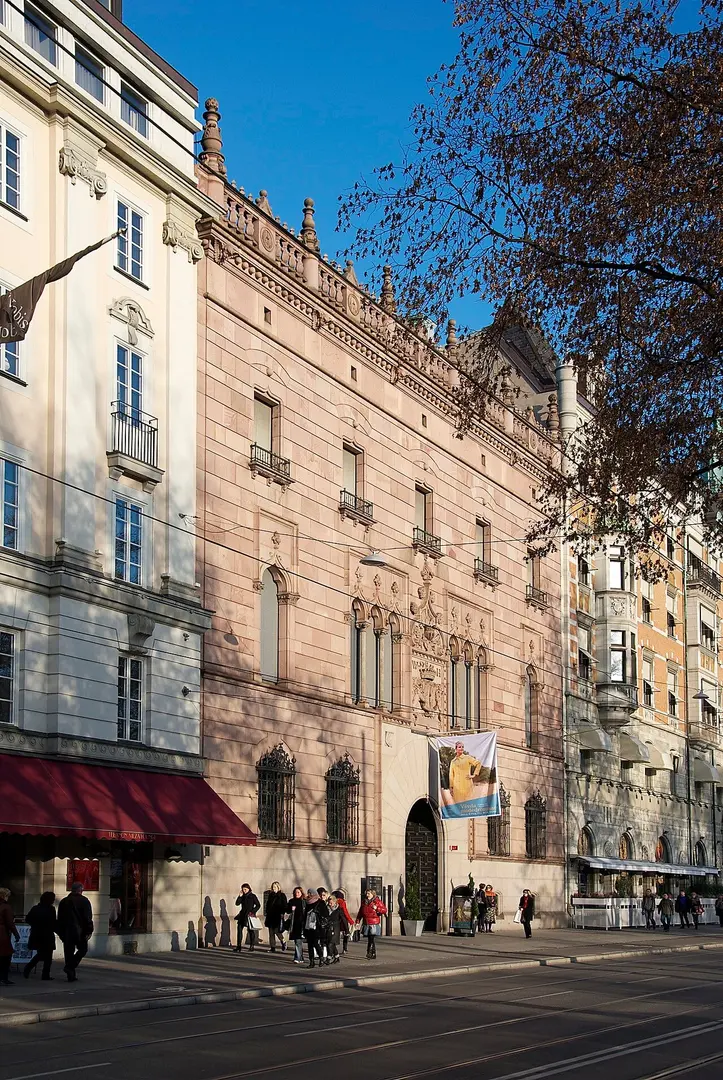
    The Hallwyl Museum in central Stockholm is one of Sweden's most extraordinary museums: a late 19th-century city mansion preserved exactly as its owners lived in it. The Hallwylska Palatset was built for Count Wilhelm von Hallwyl and his wife Wilhelmina, a passionate collector who spent decades amassing a vast collection of paintings, silver, weapons, tapestries, and decorative arts. In 1920 she donated the house and its entire contents to the Swedish state, and the museum officially opened in 1938. Today visitors can explore original living rooms, kitchens, and gallery spaces, gaining a remarkable window into the life of a Stockholm aristocratic family around 1900.

  • Hedvig Eleonora Church

    Hedvig Eleonora Church

    Stockholm

    historylocal gems

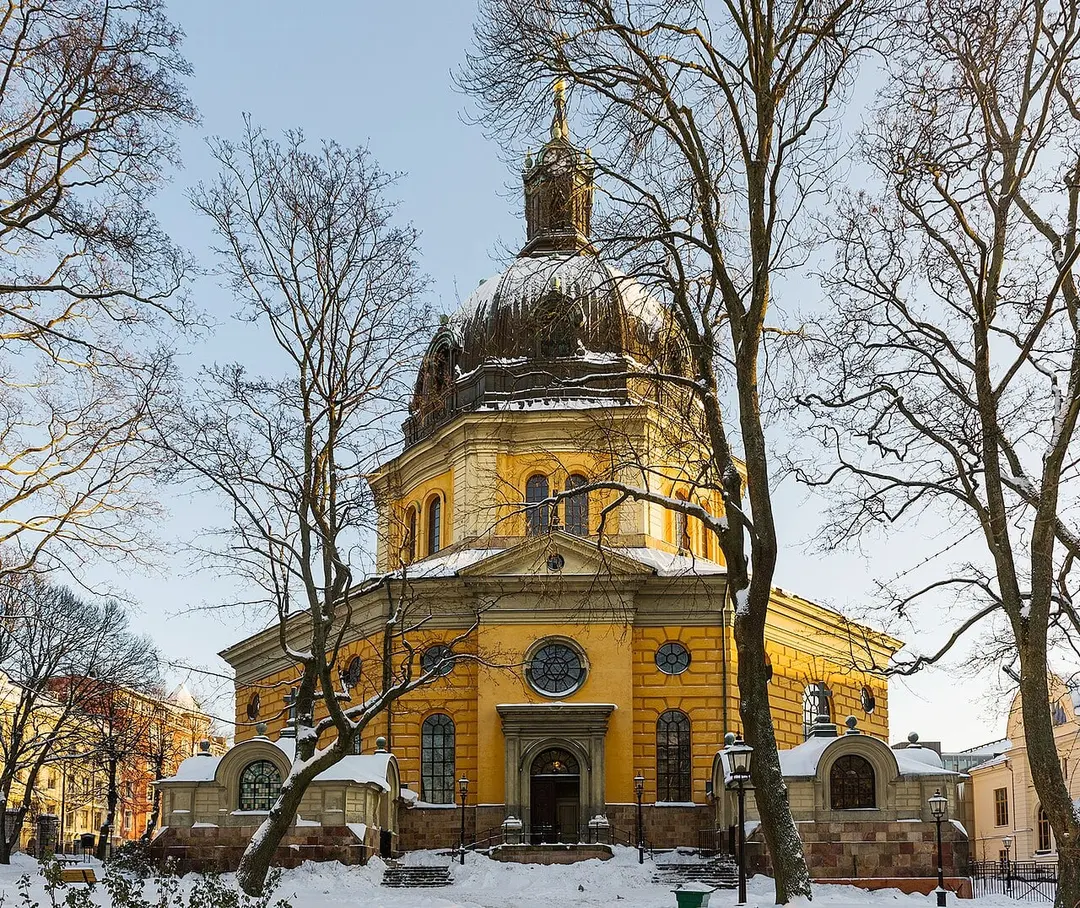
    Hedvig Eleonora Church rises in the elegant Stockholm neighbourhood of Östermalm and is one of the finest Baroque churches in Sweden. It was named after Queen Hedvig Eleonora of Schleswig-Holstein-Gottorf, consort of King Charles X Gustav — a dedication that lent the building a particular royal dignity from the outset. Construction began in the seventeenth century, but the current form with its imposing dome and bright interior dates mainly from the early eighteenth century; the consecration took place in 1737. Listed as a Kyrkligt kulturminne under Swedish law, it ranks among Stockholm's most significant church buildings. The gilded interior and luminous space make a visit worthwhile well beyond a Sunday service.

  • Järnpojke – The Iron Boy

    Järnpojke – The Iron Boy

    Stockholm

    mystery

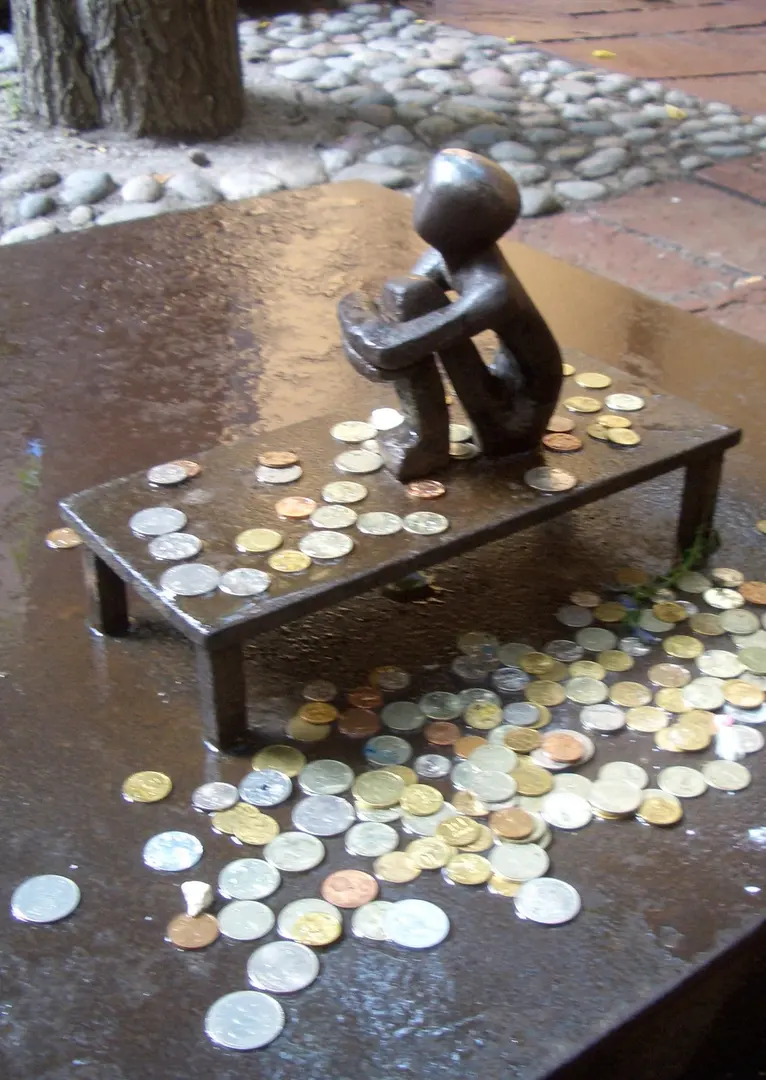
    Järnpojke (Iron Boy) is Stockholm's smallest public sculpture – just 15 centimetres tall, seated on a stone plinth in the Gamla stan old town. Created in 1967 by artist Liss Eriksson, it depicts a small boy gazing thoughtfully at the moon. Despite its tiny size, the figure has gathered a lively city legend: residents of the old town place woollen caps on the boy in winter and knit him scarves. Visitors actively seek him out and leave coins or small gifts. A delicate, touching spot in the middle of one of Europe's finest medieval old towns.

  • Leksaksmuseet – Stockholm Toy Museum

    Leksaksmuseet – Stockholm Toy Museum

    Stockholm

    family outingsknowledge

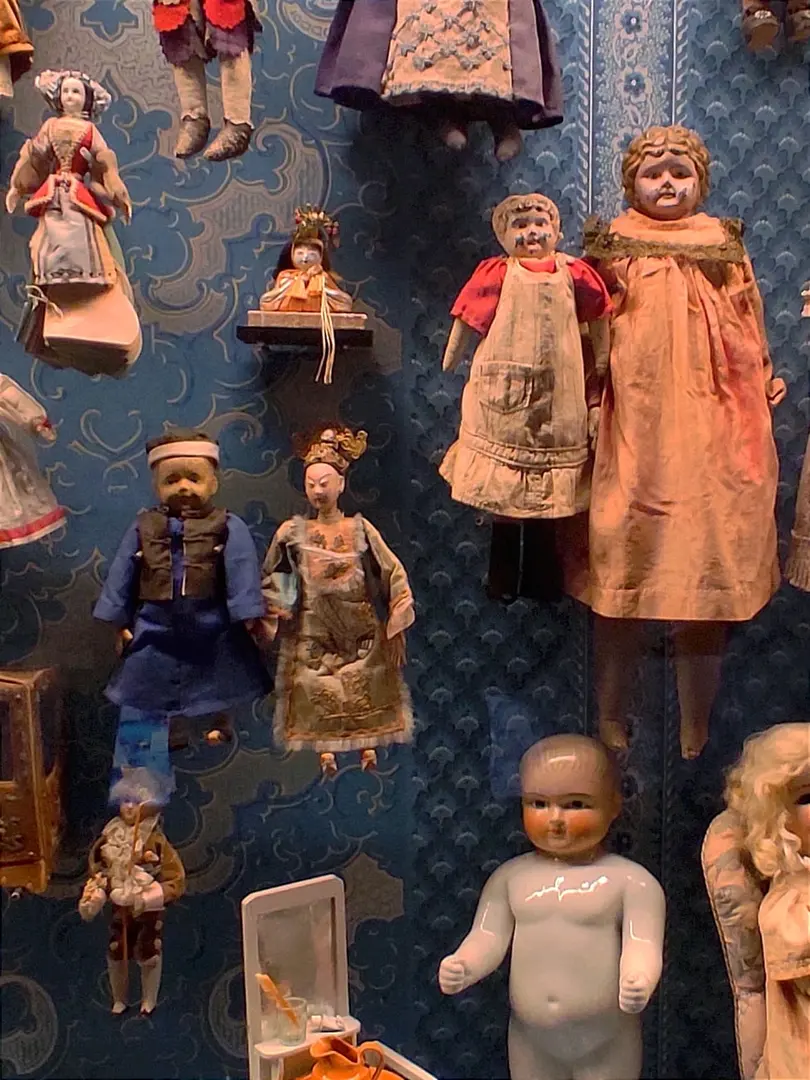
    Leksaksmuseet is Stockholm's toy museum, first opened in 1980 at Mariatorget in Södermalm. It has since relocated to new premises at Saltsjö-Pir in Nacka. A highlight is the model railway collection of the Railway Society (Järnvägssällskapet). The museum focuses on 20th-century toys, with a particular emphasis on technical playthings. It is a popular destination for families and nostalgia enthusiasts alike.

  • Museum of Ethnography

    Museum of Ethnography

    Stockholm

    history

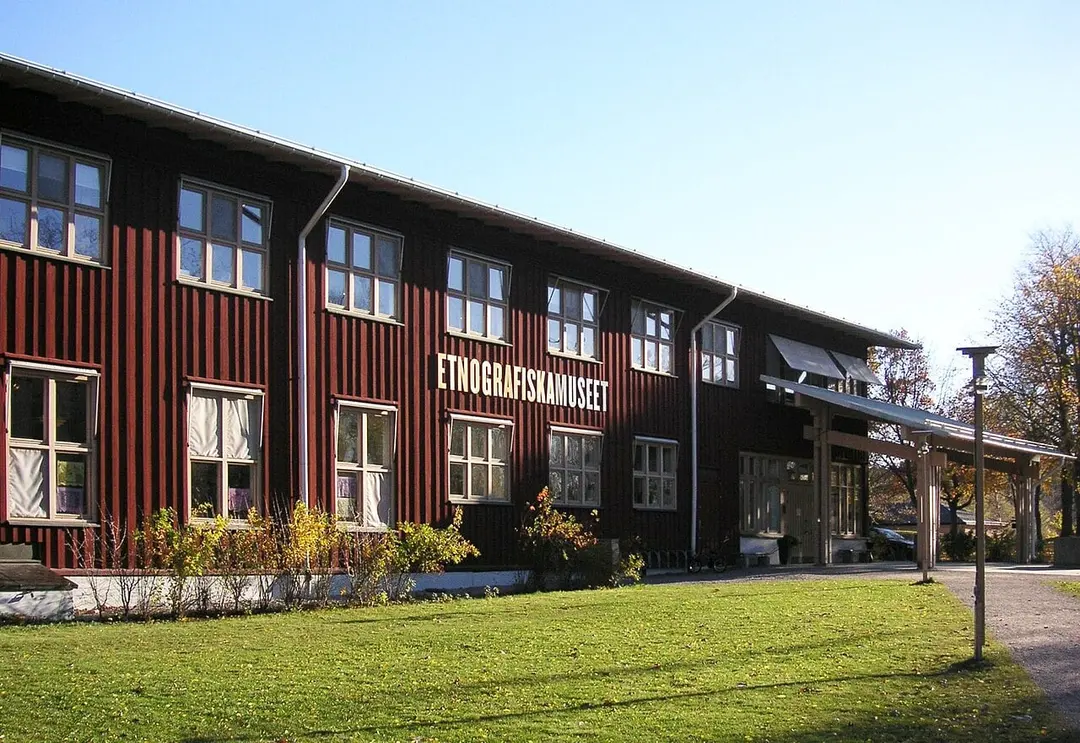
    The Museum of Ethnography in Stockholm — Etnografiska museet in Swedish — is one of Scandinavia's foremost museums dedicated to non-European cultures. Founded around 1900, its collection spans approximately 220,000 objects from China, Japan, Korea, South and Southeast Asia, Oceania, Africa, and the Americas. The museum is also the home of the Sven Hedin Foundation, preserving the legacy of Sweden's most celebrated explorer. Rotating temporary exhibitions explore themes of cross-cultural encounter, migration, and global interconnectedness, making it a dynamic venue for curiosity and reflection.

  • Royal Dramatic Theatre

    Royal Dramatic Theatre

    Stockholm

    architecturelocal gems

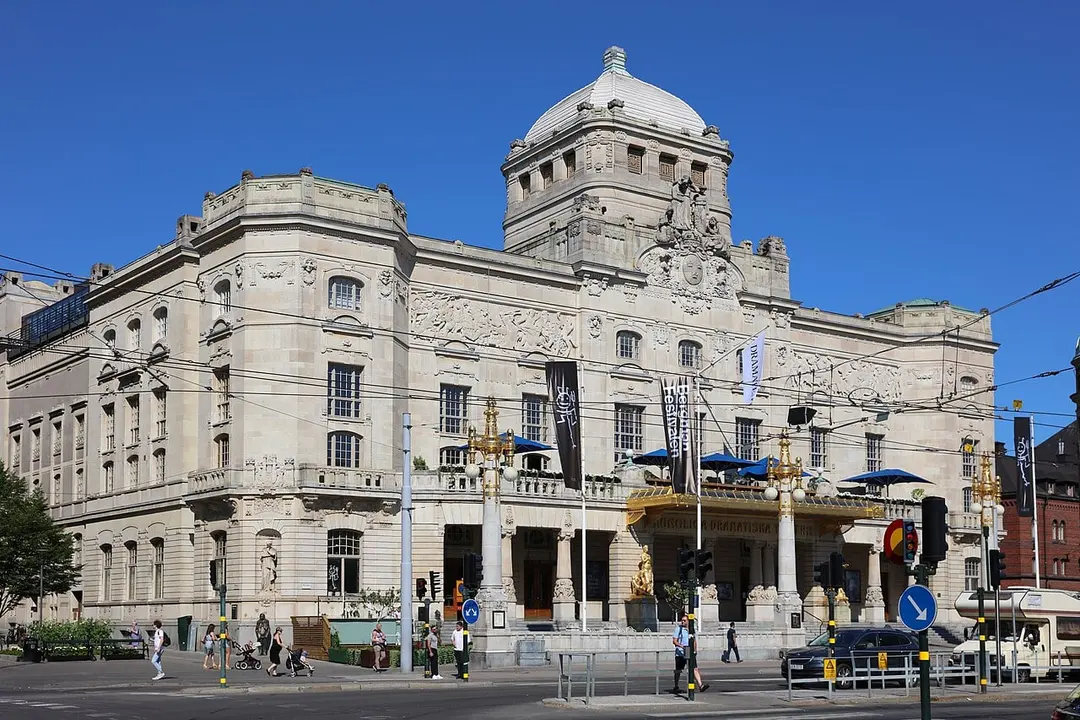
    Kungliga Dramatiska Teatern, known as Dramaten, is Sweden's national theatre and one of the most celebrated stages in Scandinavia. Across eight stages, around one thousand performances are given each year — ranging from Strindberg classics to contemporary international works. The magnificent Art Nouveau building at Nybroplan, opened in 1908, is one of the most beautiful theatre buildings in Europe and worth a visit in its own right. Ingmar Bergman directed here for many years, shaping the theatre's international reputation. Today Dramaten is a familiar institution for Stockholmers and a destination for theatre lovers from around the world who want to experience Scandinavian drama at its finest.

  • Skansen

    Skansen

    Stockholm

    naturefamily outingslocal gems

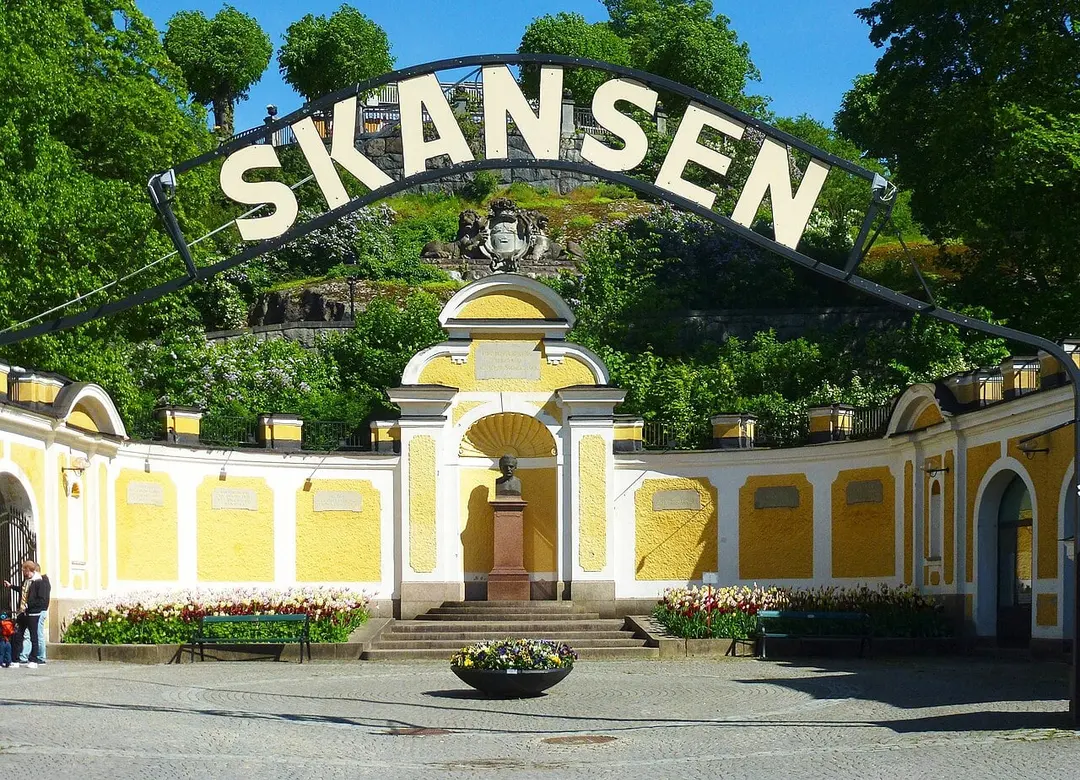
    Skansen is the world's oldest open-air museum, set on the Djurgården peninsula in Stockholm. Founded by Artur Hazelius in 1891 to preserve traditional Swedish rural life before industrialisation swept it away, the sprawling grounds contain more than 150 historic buildings from across Sweden — from medieval farmsteads to 19th-century townhouses. Craftspeople in period costume demonstrate old trades such as glassblowing and pottery. Skansen also houses a small zoo with Nordic animals including moose, brown bear and wolverine. It offers a vivid journey through Swedish history and remains an essential stop on any visit to Stockholm.

  • Stockholm Concert Hall

    Stockholm Concert Hall

    Stockholm

    architecturehistory

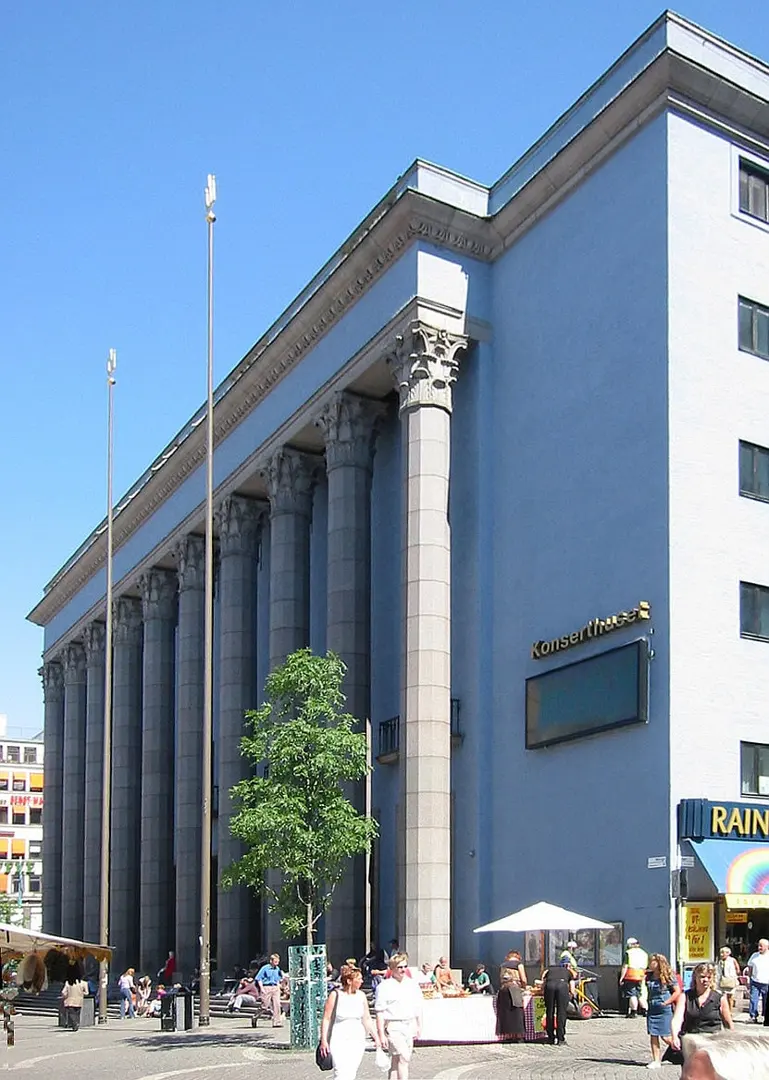
    The Stockholm Concert Hall at Hoetorget is the main orchestral venue in the Swedish capital and home to the Royal Stockholm Philharmonic Orchestra. Designed by Ivar Tengbom and inaugurated in 1926, the neoclassical building features a distinctive blue facade with Ionic columns. Its main auditorium holds approximately 1,800 people and is regarded as one of the finest concert halls in Northern Europe. The hall is also known as the annual venue for the Nobel Prize Award Ceremony in the sciences and economics.

  • Stockholm Court House

    Stockholm Court House

    Stockholm

    architecturelocal gems

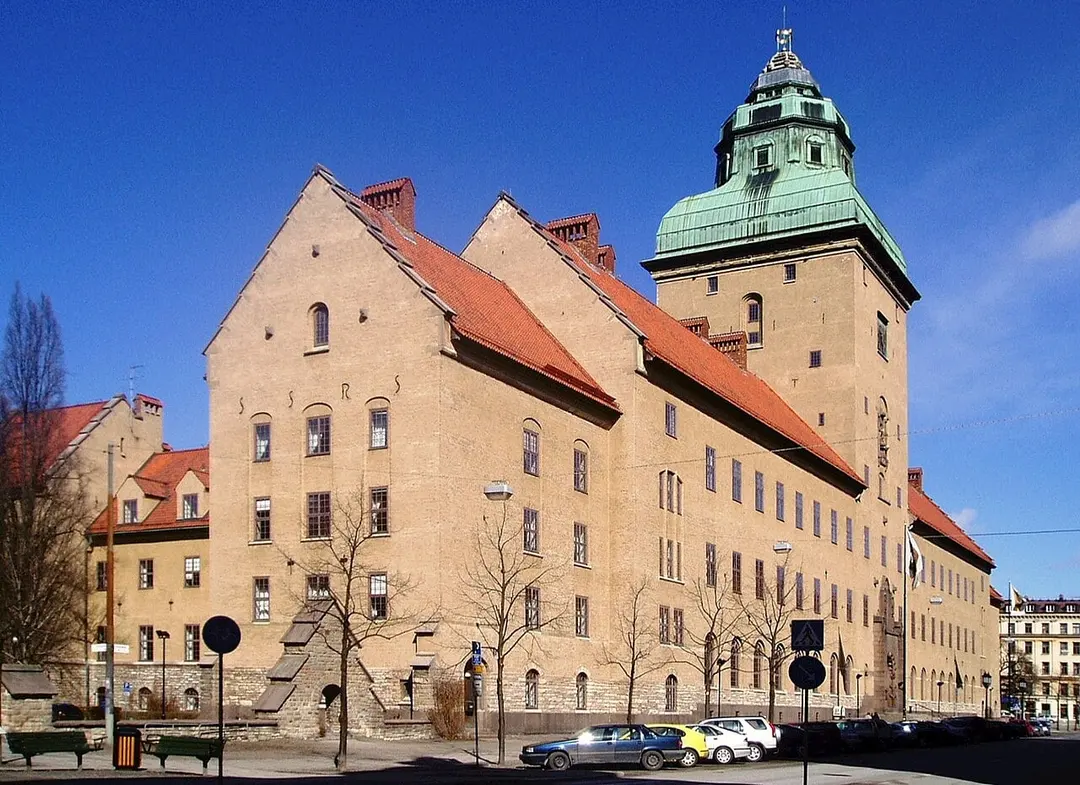
    Stockholm's Court House — Stockholms rådhus — is an imposing building on the island of Kungsholmen in the heart of the Swedish capital. Since 1915 it has served as the district court for Stockholm and the neighbouring municipality of Lidingö. The building impresses with its classicist facade and is protected as a listed cultural monument. Standing directly on the waterfront, it sits seamlessly within Kungsholmen's rich architectural heritage, the same island that is home to the world-famous Stockholm City Hall. Legal decisions shaping the lives of Stockholm residents continue to be made here every day.

  • Swedish History Museum

    Swedish History Museum

    Stockholm

    history

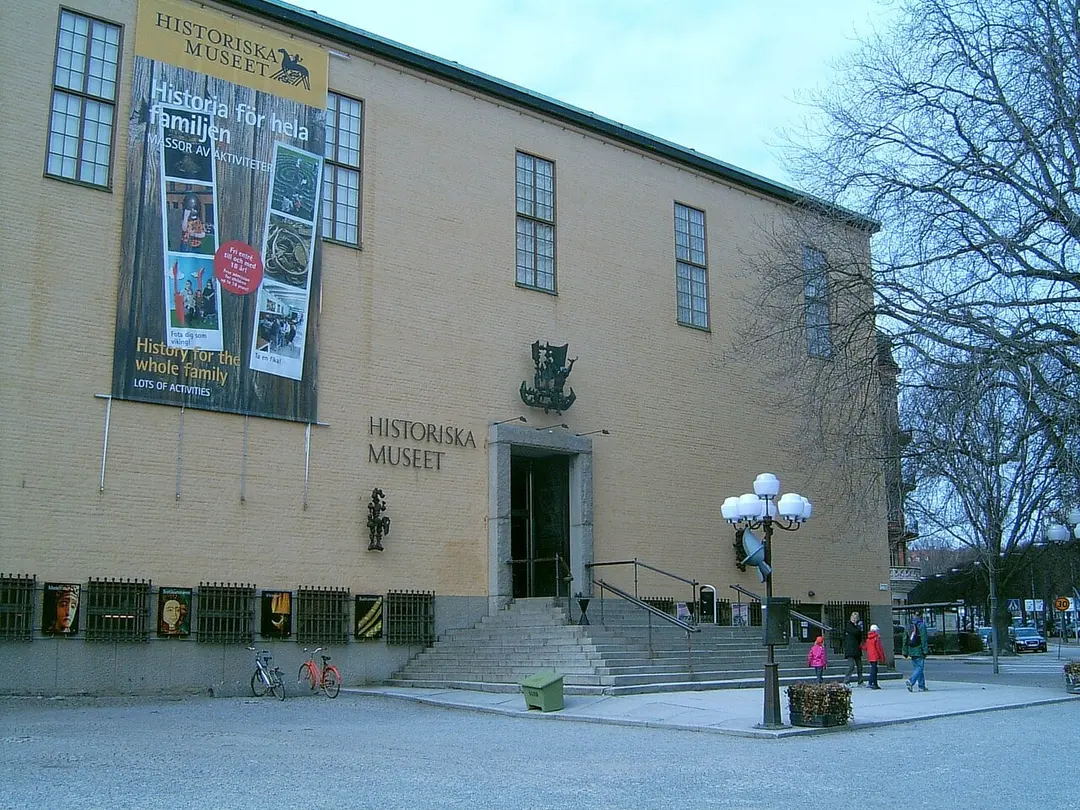
    The Swedish History Museum in Stockholm is Sweden's national museum of archaeology and ancient history — with over 20 million artefacts spanning prehistory, the Viking Age, and the Middle Ages, it holds one of Scandinavia's most significant collections. Founded in 1866 and housed in its current Östermalm building since 1943, the museum's undisputed highlight is the underground Gold Room: more than 3,000 golden and silver objects from millennia of Swedish history gleam under atmospheric lighting — neck rings, bracteates, and migration-era treasures displayed with quiet drama. The permanent exhibition sweeps from the Stone Age through the Vikings to the Middle Ages, making Swedish history vivid and tangible.

Keep exploring

These places are just the beginning.

Rate places with a swipe — TravelType learns from your tags what you love and curates your own map. Private until you choose to share.

Create your profile