TravelType

history

History in Stockholm

Stockholm, Sweden's capital where Lake Mälaren meets the Baltic, layers its history across an remarkable range of sites. Medieval fortifications such as Almare-Stäkets borg and the early royal seat of Alsnö hus predate the city's rise to prominence, while the Axel Oxenstierna Palace and Bonde Palace reflect the era of Swedish great-power politics. Drottningholm Palace and Årsta Castle represent courtly architecture across different centuries. The historic bridges Danviksbron and Djurgårdsbron, the Romanesque Bromma Church, and the moored tall ship Af Chapman each mark a different thread of the city's past. The decommissioned Ågesta Reactor extends that story into the atomic age.

35 places · Stockholm, Sweden · Editorially curated

  • 3Arena Stockholm

    3Arena Stockholm

    Stockholm

    architecturecultureoutdoor activities+2

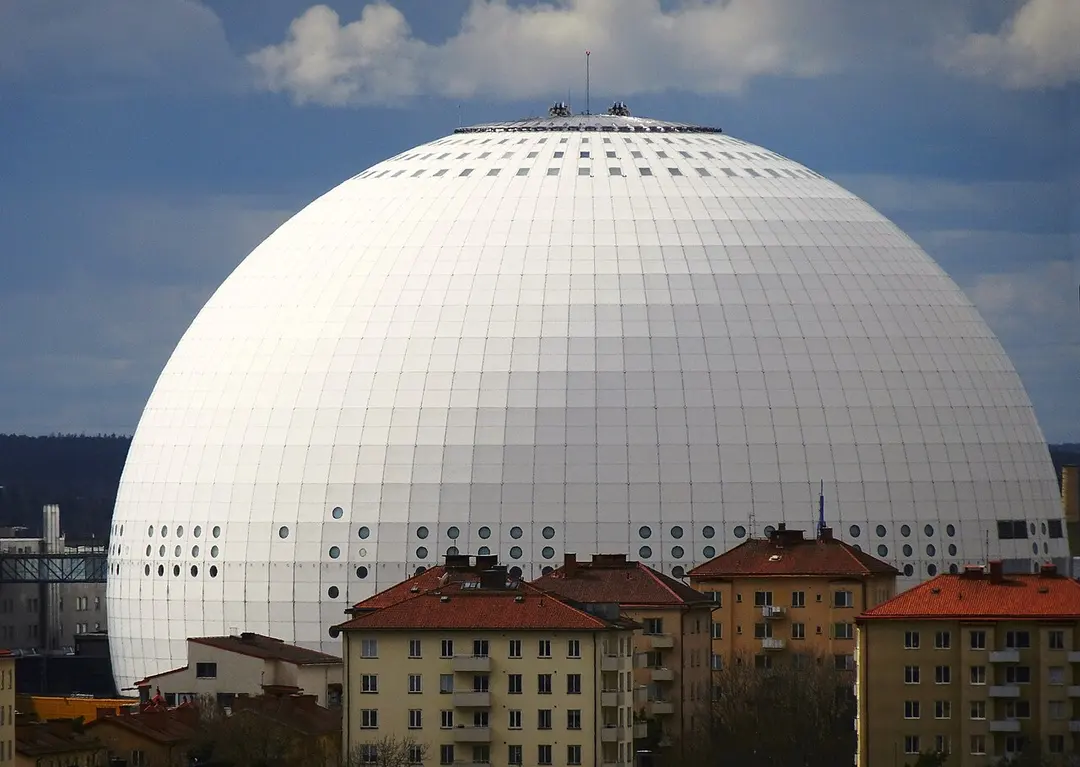
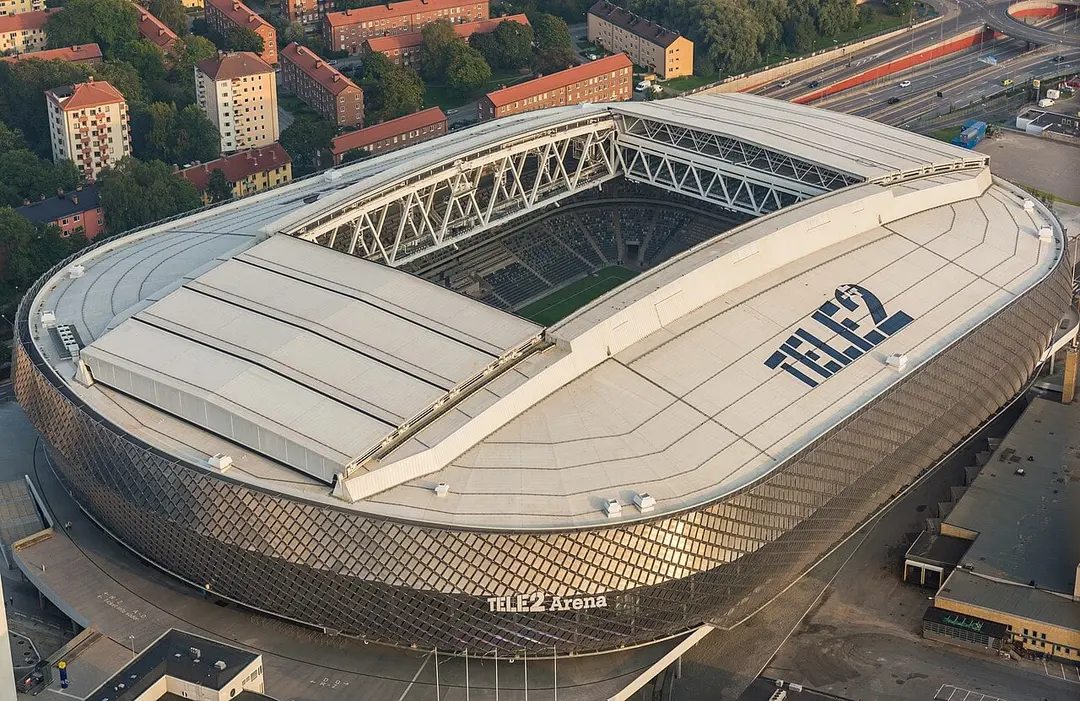
    3Arena is a retractable-roof multi-purpose arena in Johanneshov, opened 2013. Capacity up to 45,000 for concerts and 35,000 for football — Sweden's largest venue. Home ground for Djurgårdens IF and Hammarby IF, meeting FIFA and UEFA standards for international fixtures.

  • Af Chapman

    Af Chapman

    Stockholm

    architecturelocal gems

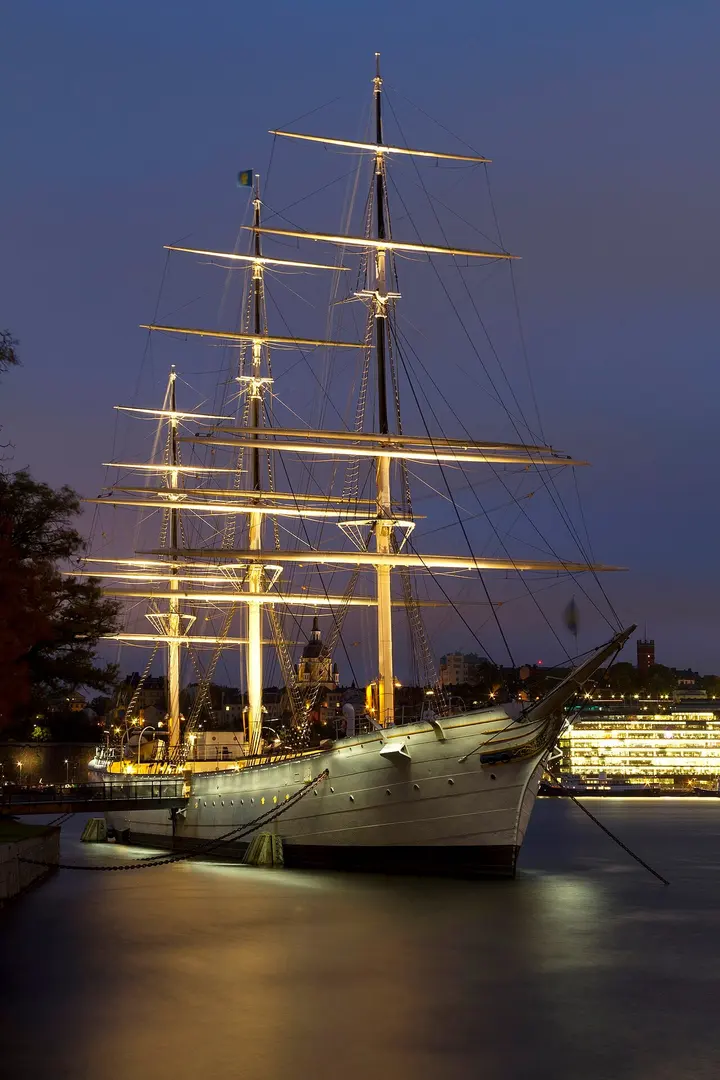
    The Af Chapman is an 1888 iron full-rigged ship — the world's third-oldest surviving iron full-rigger — moored off the islet of Skeppsholmen in central Stockholm. Originally built in Britain as the Dunboyne, it changed names and owners multiple times before becoming Swedish state property in 1949. Today it functions as one of Scandinavia's most distinctive youth hostels: guests sleep in former sailors' bunks aboard the historic vessel, with views across to Stockholm's Old Town.

  • Ågesta Reactor

    Ågesta Reactor

    Stockholm

    architectureknowledge

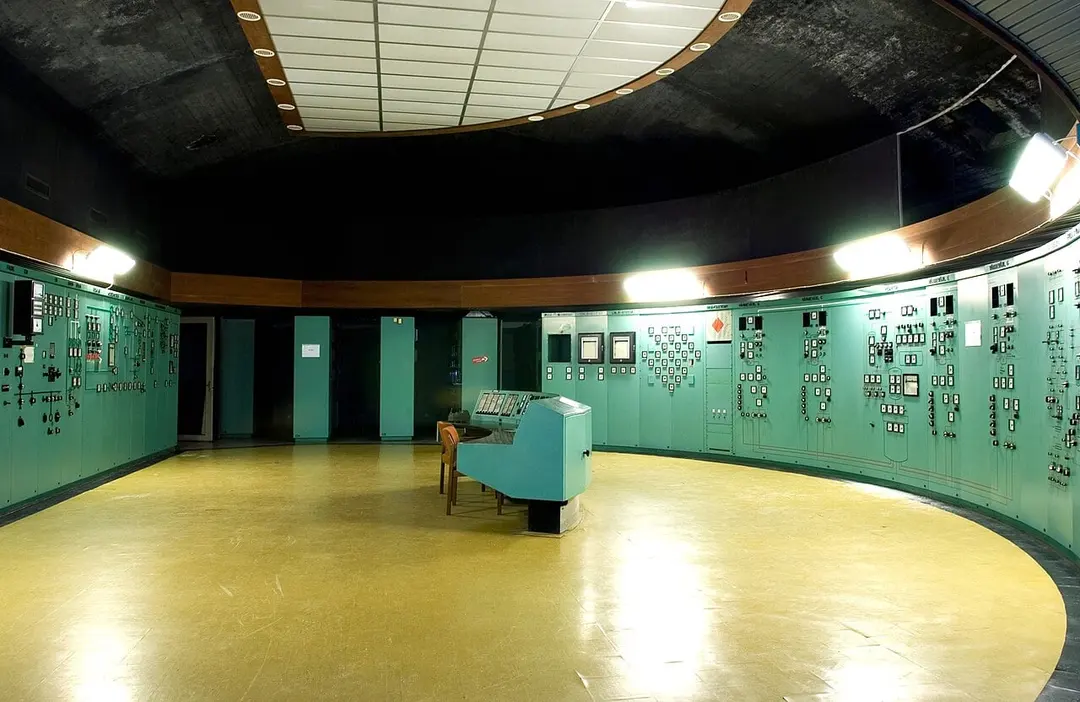
    Buried deep in the granite bedrock beneath a hill in Ågesta, a southern suburb of Stockholm, the Ågesta Reactor was Sweden''s first commercial nuclear power plant. Construction began in 1957; the entire facility was blasted into solid rock — both for safety and because the surrounding granite served as natural shielding. Between 1964 and 1974 the reactor primarily supplied district heating to the Stockholm suburb of Farsta, with a small amount of electricity as a secondary output. This dual-use model was a pioneering experiment in civilian nuclear power at the time. After shutdown in 1974, decommissioning continued into the 1980s; the underground chambers still exist beneath the hillside. The site is not publicly accessible, but it stands as a quiet relic of a largely forgotten chapter in Swedish engineering history.

  • Almare-Stäkets borg

    Almare-Stäkets borg

    Stockholm

    naturefamily outings

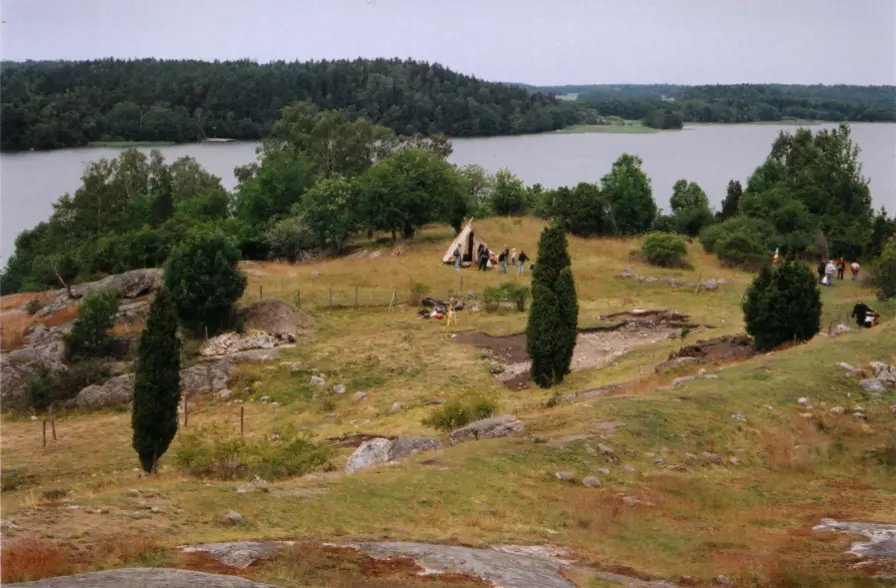
    Almare-Stäket was a medieval fortress on the former island of Stäketsholmen in Lake Mälaren, northeast of Stockholm. Its name derives from an Old Swedish word for stakes driven into shallow water, though whether these served a defensive purpose or supported a fishing settlement remains unknown. The ruins reflect the strategic importance of this waterway position during the Middle Ages. The former island has since merged with the mainland through shifting water levels, and its remains now blend quietly into the scenic lakeland landscape around Stockholm.

  • Alsnö hus

    Alsnö hus

    Stockholm

    architectureculturenature

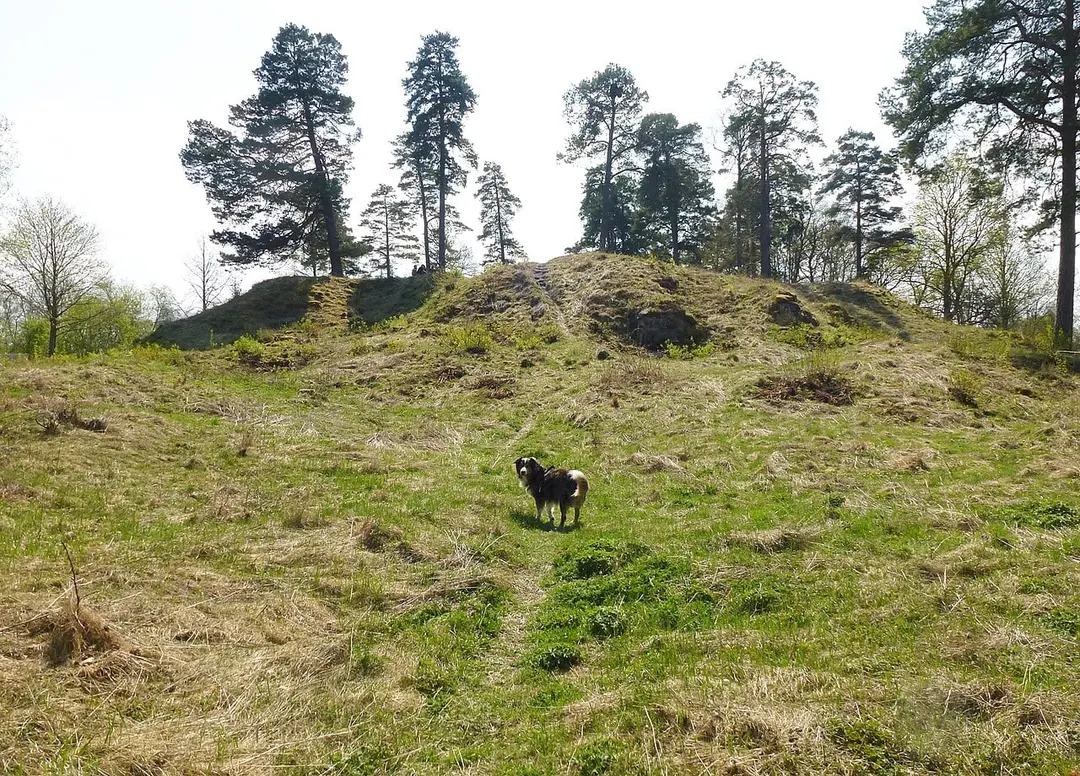
    Alsnoe hus is the ruin of a 13th-century royal palace on the island of Adelsoen in Lake Maelaren, northwest of Stockholm. Its name lives on in Swedish legal history: the Statute of Alsnoe (1280) was issued here, exempting the nobility from taxes and shaping Sweden's feudal social order. The ruin forms part of Hovgaarden, which together with neighbouring Birka — a major Viking trading centre — has been a UNESCO World Heritage Site since 1993.

  • Axel Oxenstierna Palace

    Axel Oxenstierna Palace

    Stockholm

    architectureculturelocal gems

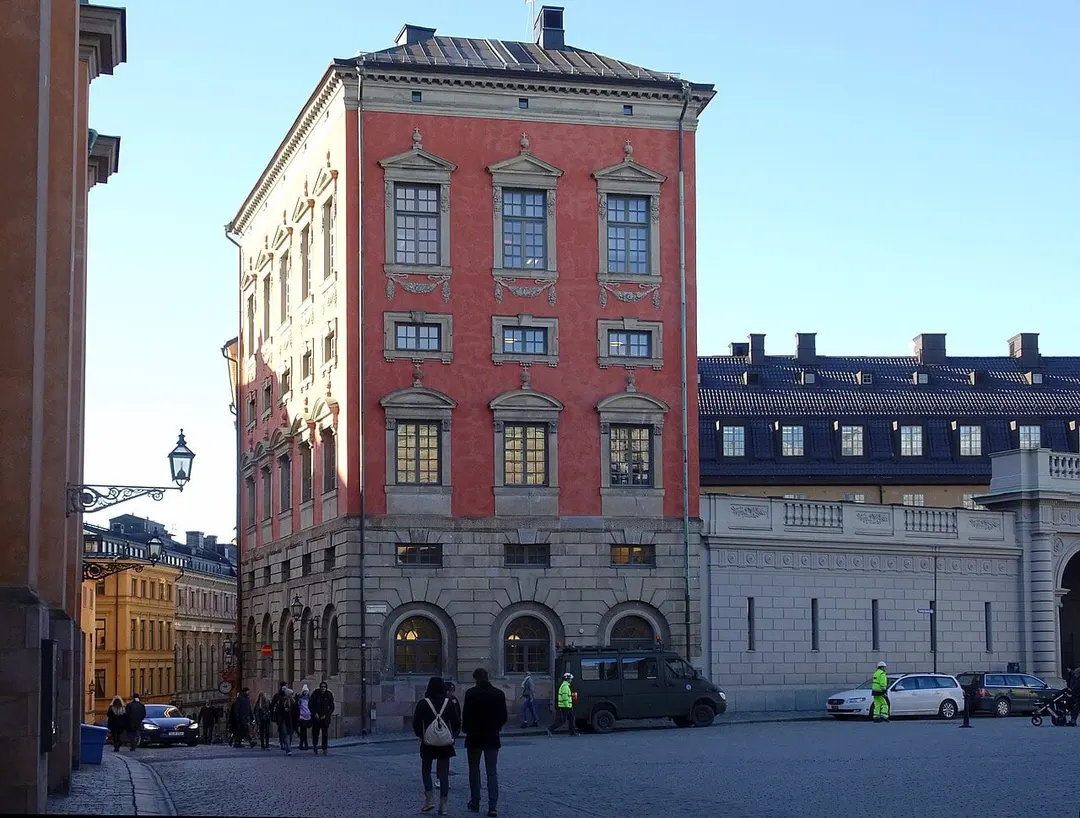
    The palace of Chancellor Axel Oxenstierna in Gamla Stan, Stockholm's Old Town, is one of Sweden's most significant Baroque buildings, designed by Jean de la Vallée and built 1653-1668. Oxenstierna was one of the most powerful statesmen of the 17th century, serving as de facto regent of Sweden during the minority of Queen Christina. Listed as a protected building, it now houses the Stockholm City Archive.

  • Birka and Hovgården

    Birka and Hovgården

    Stockholm

    cultureoutdoor activities

    Birka and Hovgården are two archaeological sites on the neighboring islands of Björkö and Adelsön in Sweden's Lake Mälaren, jointly inscribed as a UNESCO World Heritage Site in 1993. Between the 8th and 10th centuries, Birka was Scandinavia's most important trading center — a bustling hub where merchants from northern Europe, the Frankish realm, and even the Arab world converged. The burial grounds, numbering over 3,000 mounds, reveal the extraordinary reach of Viking trade networks. Hovgården on neighboring Adelsö served as a royal seat, representing the political power behind the thriving commerce. Together the two sites narrate the two centuries during which the Vikings shaped Europe economically and politically. Today Birka is accessible by ferry from Stockholm, offering guided tours, a museum, and vivid reconstructions of Viking life.
  • Bonde Palace

    Bonde Palace

    Stockholm

    architecture

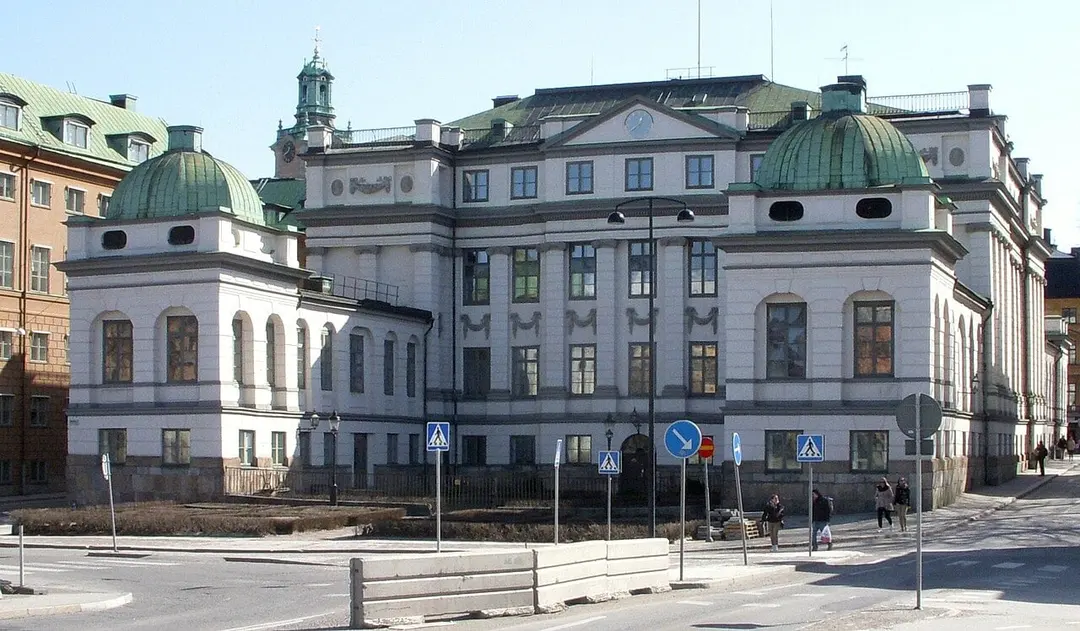
    Bonde Palace is one of the oldest surviving noble mansions in Stockholm, still shaping the face of the Old Town Gamla Stan. Built between 1662 and 1673 for the powerful Lord High Treasurer Gustaf Bonde, it exemplifies early Swedish Baroque architecture in its restrained elegance. Architect Jean de la Vallée designed a building that balances representation with residential comfort. After a varied history that included serving as the seat of the Swedish Supreme Court, it now houses the Kammarrätten, one of Sweden's courts of appeal. Its historic facade can be admired from the cobblestones of Gamla Stan.

  • Danviksbron

    Danviksbron

    Stockholm

    natureknowledgegreat views

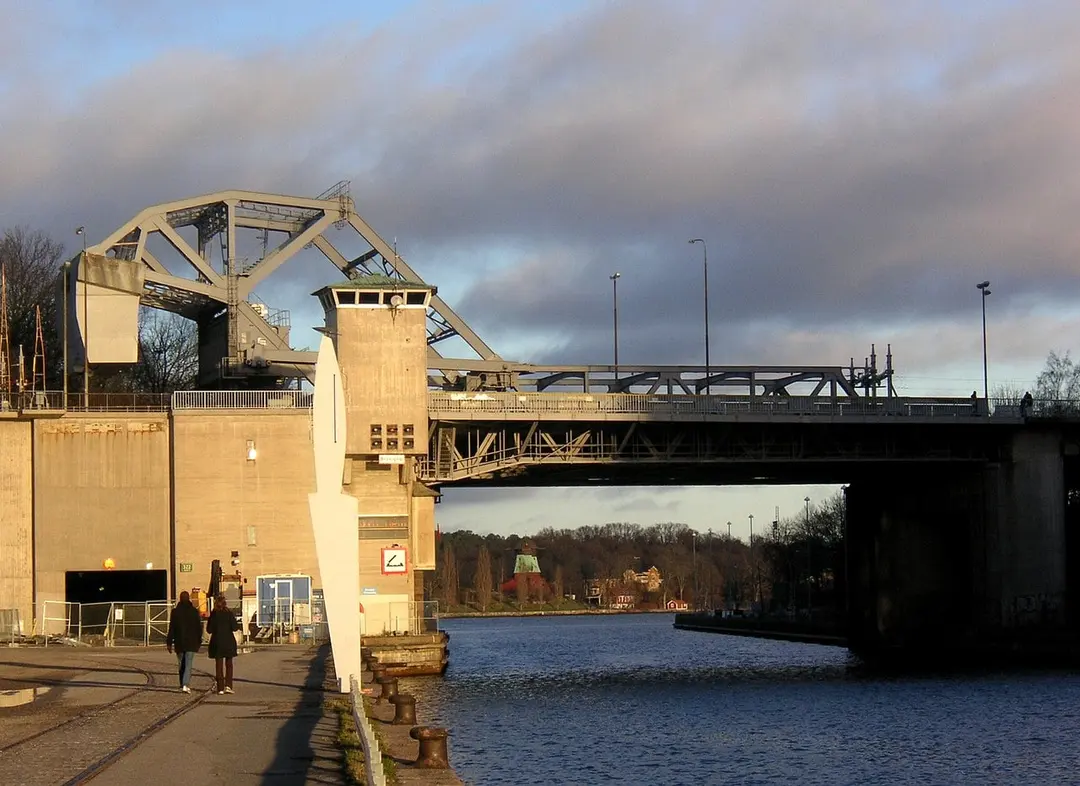
    Danviksbron has linked Stockholm's Södermalm district with Nacka since 1922, spanning the Hammarbyleden waterway in the eastern part of the Swedish capital. The bridge is a functional part of everyday Stockholm life, offering pedestrians and cyclists pleasant views over the surrounding waters and neighbourhoods. In the early twentieth century it played an important role in the industrial development of the eastern districts. Today it carries residents across the water daily, with quiet panoramas of canals and the Stockholm archipelago visible from its span. A modest but distinctive fixture in the Stockholm cityscape.

  • Djurgårdsbron

    Djurgårdsbron

    Stockholm

    architectureoutdoor activitieslocal gems+1

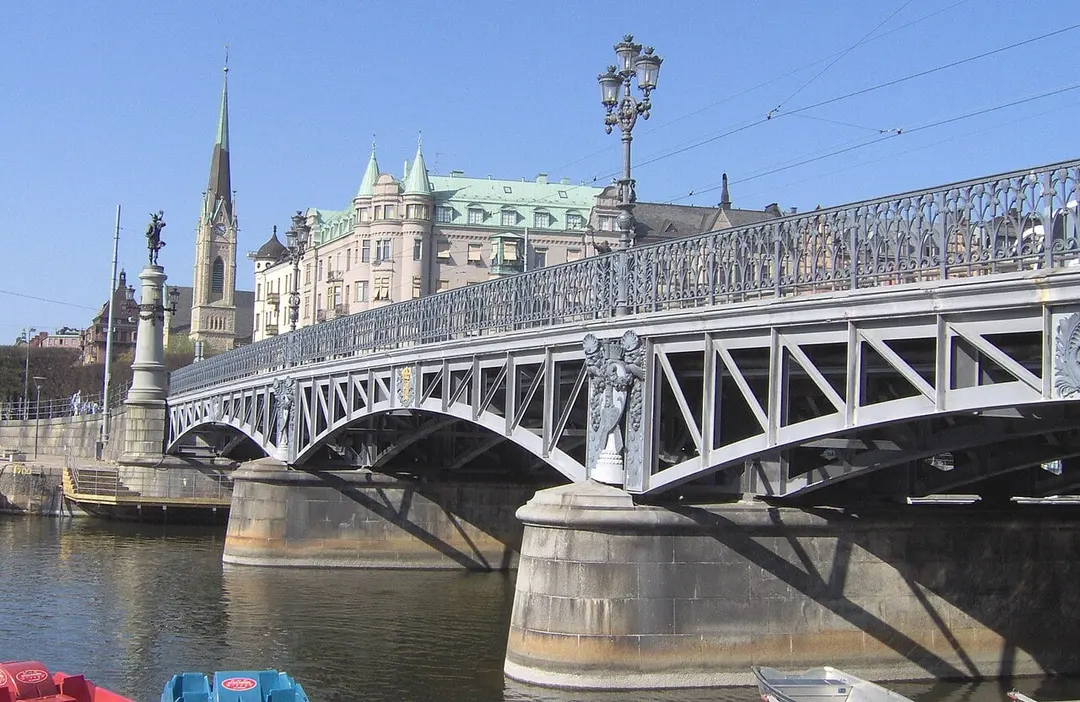
    Djurgårdsbron is an elegant 1897 bridge connecting central Stockholm with the Djurgården peninsula. It marks the western gateway to the Djurgårdsbrunnsviken inlet and is decorated with four gilded statues representing Norse gods and historical Swedish figures. Originally built for horse-drawn trams, it is now part of Stockholm's most popular pedestrian and cycling route, leading to the Vasa Museum, Skansen, and the ABBA Museum. The view from the bridge railing across the water towards Gamla Stan is one of the city's finest short vistas — no queue, no admission, just a walk across. A simple but genuinely beautiful part of any Stockholm itinerary.

  • Finngrundet

    Finngrundet

    Stockholm

    culturenature

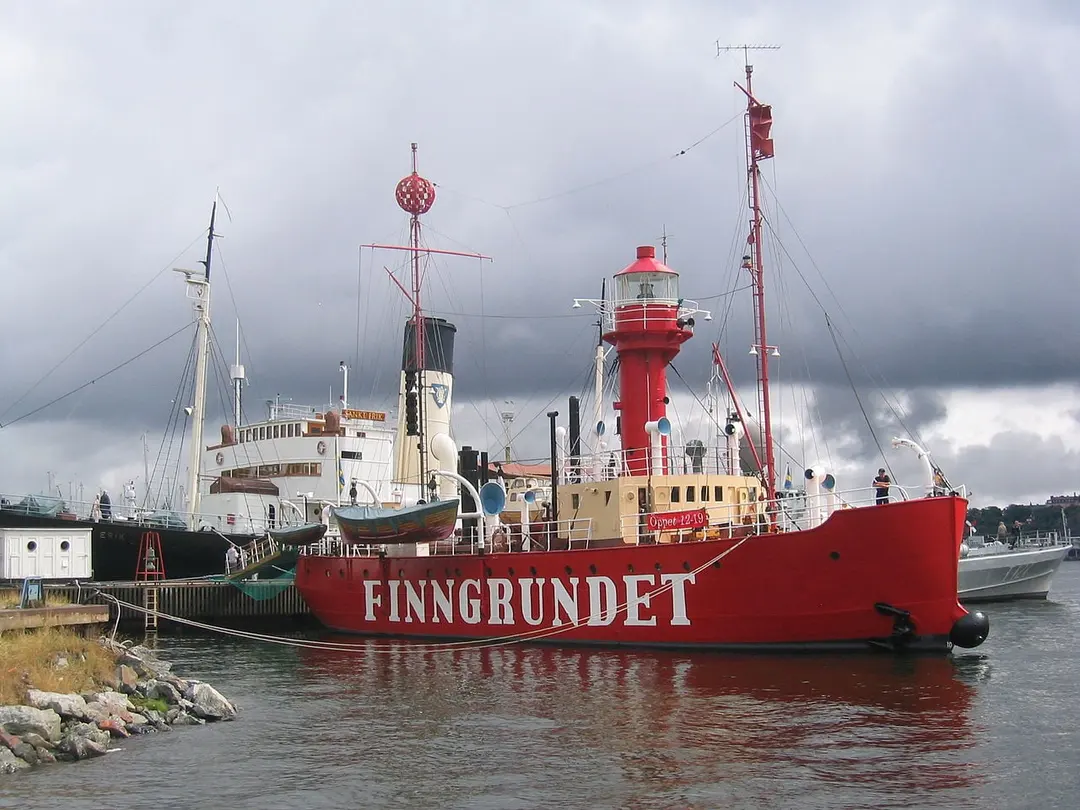
    The Finngrundet is a historic Swedish lightship now preserved as a museum ship in Stockholm. Lightships were anchored at treacherous waters where building a fixed lighthouse was impossible, guiding sailors safely through. Built in 1903, the Finngrundet served for decades in the Swedish archipelago before retirement. Her distinctive red hull and original navigation equipment bring maritime history to life. Visitors can step aboard and discover what it was like for crews who spent months at sea keeping the shipping lanes safe.

  • Gamla Stan (Stockholm Old Town)

    Gamla Stan (Stockholm Old Town)

    Stockholm

    architectureculturelocal gems

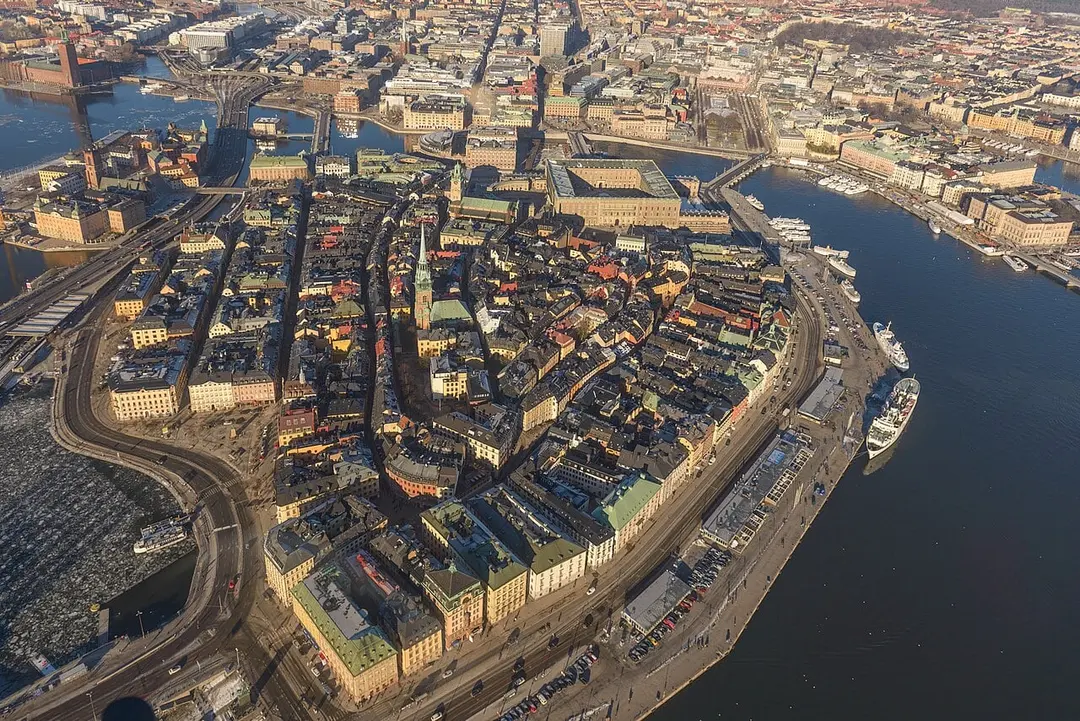
    Gamla Stan is Stockholm's medieval old town on Stadsholmen island — one of the best-preserved medieval city centres in northern Europe. Narrow cobblestone lanes, colourful 17th and 18th-century facades, and the basic medieval street grid of the 13th-century founding city survive largely intact. Highlights include the Royal Palace designed by Nicodemus Tessin, the Storkyrkan cathedral with Bernt Notke's 1489 Gothic equestrian statue of St. George, and the German Church. Lanes like Maerten Trotzigs Graend (90cm wide) lead into unexpected hidden corners.

  • Grave Monument of Samuel Klingenstierna and Olof von Dalin

    Grave Monument of Samuel Klingenstierna and Olof von Dalin

    Stockholm

    knowledge

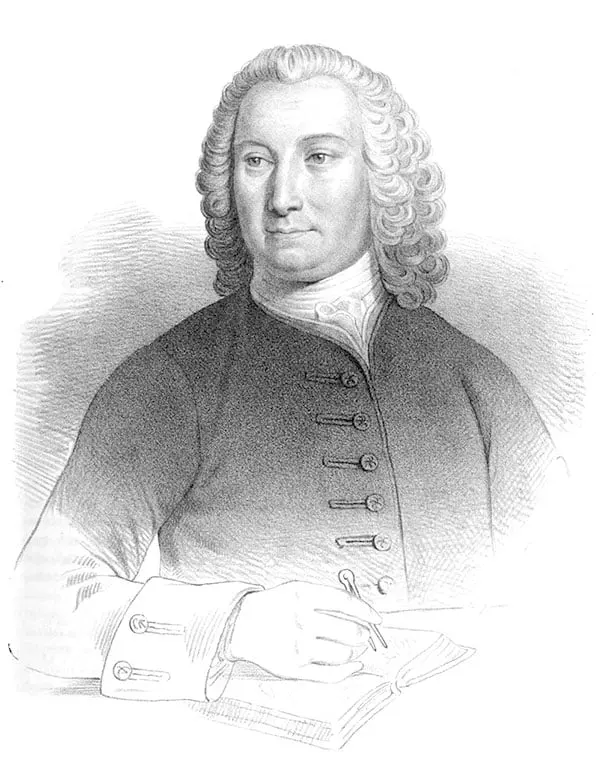
    This grave monument in Stockholm commemorates two significant Swedish figures of the 18th century: Samuel Klingenstierna, physicist and mathematician who made important contributions to optics, and Olof von Dalin, poet and historian. The monument reflects Stockholm's tradition of honouring its intellectual greats in public space. Klingenstierna's scientific work influenced Isaac Newton, who cited him in his work on optics; Dalin is considered a founder of modern Swedish prose. The shared monument links two worlds — natural science and literature — and points to the close intertwining of Enlightenment thought and culture in 18th-century Sweden.

  • Great Church

    Great Church

    Stockholm

    architecture

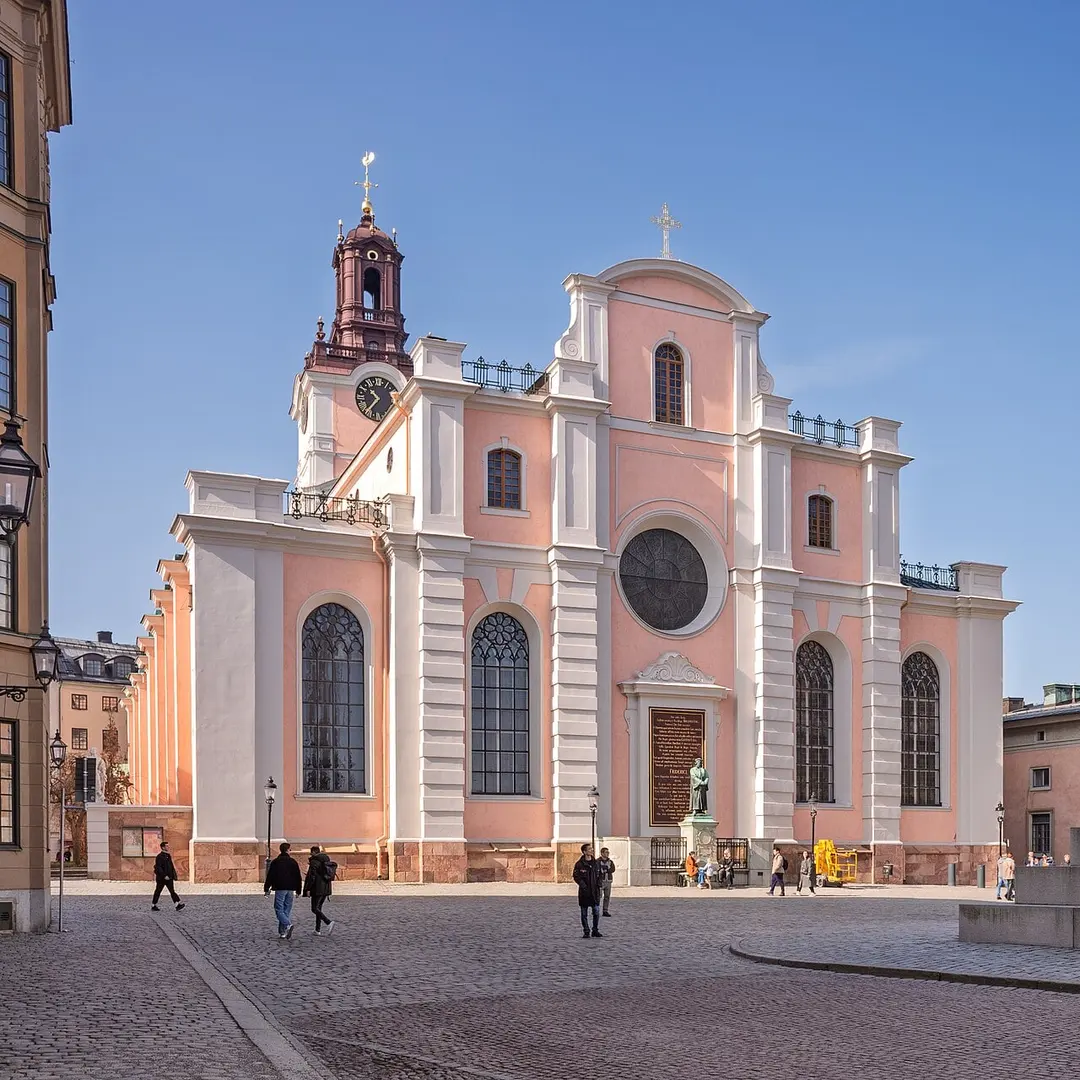
    Storkyrkan – the Great Church, officially Saint Nicholas' Church – is Stockholm's Lutheran cathedral and one of the city's oldest churches. The first church on this site dates back to the 13th century. The present building combines a striking mix of styles: a Baroque facade alongside a preserved Gothic interior. Located right next to the Royal Palace in the historic old town of Gamla Stan, it has been the setting for royal coronations, weddings and state funerals throughout the centuries. The church is also renowned for its late-Gothic sculpture of Saint George and the Dragon from 1489, considered one of Scandinavia's most important works of art.

  • Haga Palace

    Haga Palace

    Stockholm

    naturefamily outings

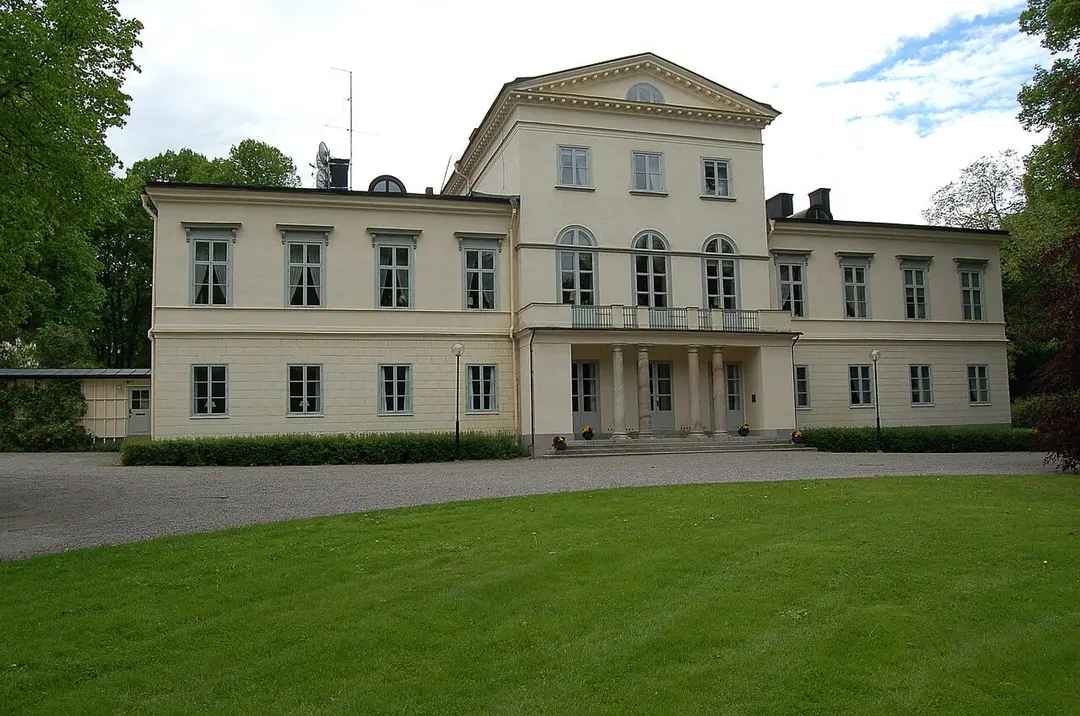
    Haga Palace sits within the eponymous park on the western shore of Lake Brunnsviken, just north of Stockholm. King Gustav III commissioned the English landscape garden in the late 18th century — today it is one of the finest parkland experiences in the region. The palace itself was completed in 1805 and has for generations been the preferred summer residence of the Swedish royal family; Crown Princess Victoria and her family still live here today. The expansive Haga Park surrounds the palace with temples, pavilions, a picturesque palace ruin and Stockholm's oldest country inn. A royal setting open to all — the park is freely accessible and a popular destination for walks and picnics.

  • Hagaparken

    Hagaparken

    Stockholm

    architecturenature

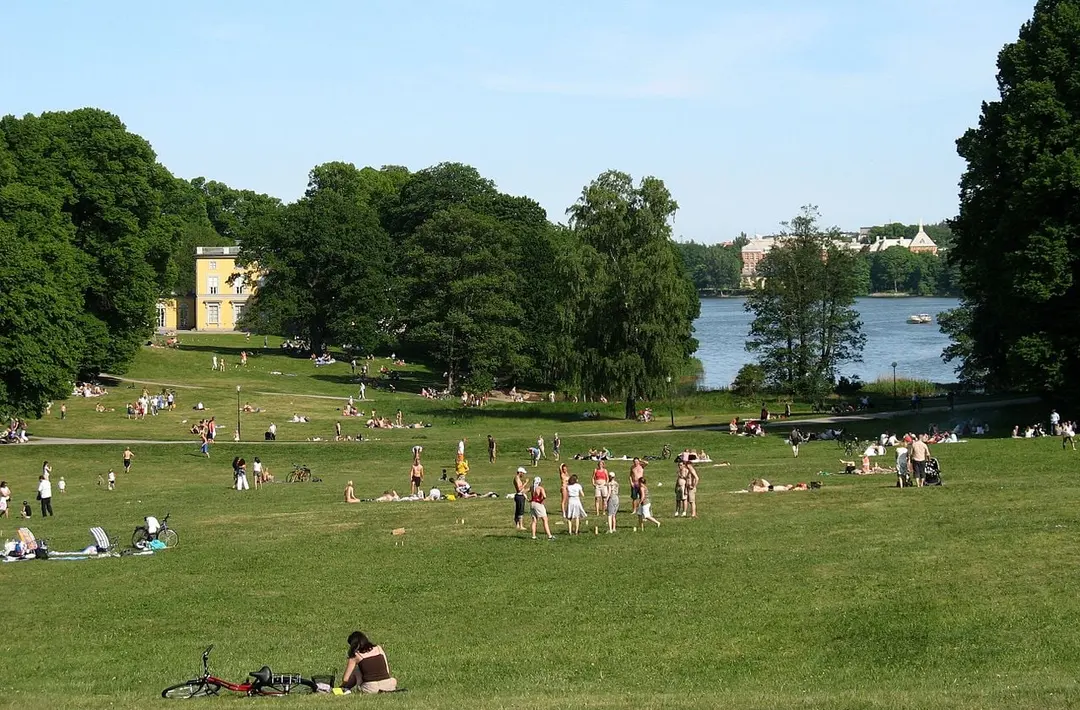
    Hagaparken is one of Sweden's finest royal landscape gardens, situated on the western shore of Lake Brunnsviken just north of Stockholm. Laid out in the late 18th century at the initiative of King Gustav III in the English landscape style, it blends gently rolling meadows, ancient oak avenues, and historic structures including the Copper Tent pavilion, the Butterfly House, and the ruins of an unfinished royal palace. The park contains several small palaces, museums, and Stockholm's oldest country inn. The Royal Burial Ground of Haga holds the graves of Swedish queens and princesses. Today Hagaparken is a beloved green retreat for Stockholmers and draws hundreds of thousands of visitors each year.

  • Hedvig Eleonora Church

    Hedvig Eleonora Church

    Stockholm

    culturelocal gems

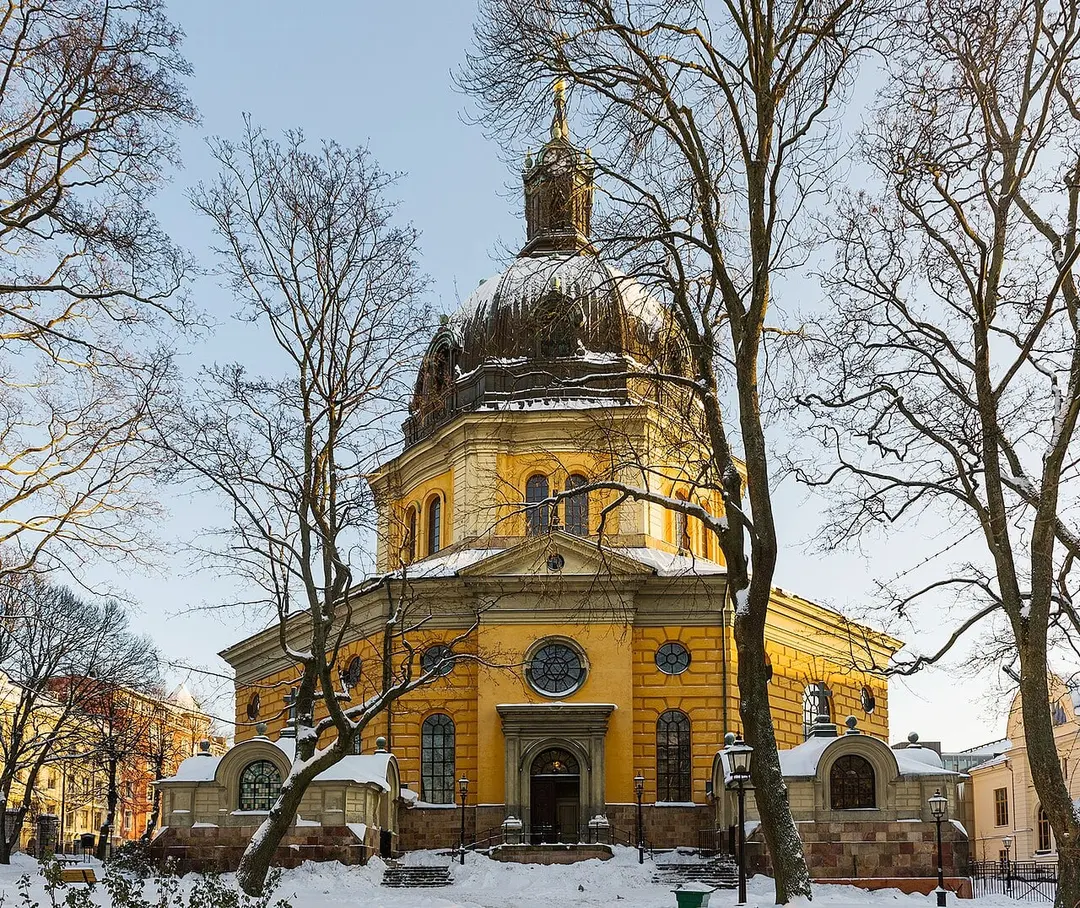
    Hedvig Eleonora Church rises in the elegant Stockholm neighbourhood of Östermalm and is one of the finest Baroque churches in Sweden. It was named after Queen Hedvig Eleonora of Schleswig-Holstein-Gottorf, consort of King Charles X Gustav — a dedication that lent the building a particular royal dignity from the outset. Construction began in the seventeenth century, but the current form with its imposing dome and bright interior dates mainly from the early eighteenth century; the consecration took place in 1737. Listed as a Kyrkligt kulturminne under Swedish law, it ranks among Stockholm's most significant church buildings. The gilded interior and luminous space make a visit worthwhile well beyond a Sunday service.

  • Hereditary Prince Palace

    Hereditary Prince Palace

    Stockholm

    architecturelocal gems

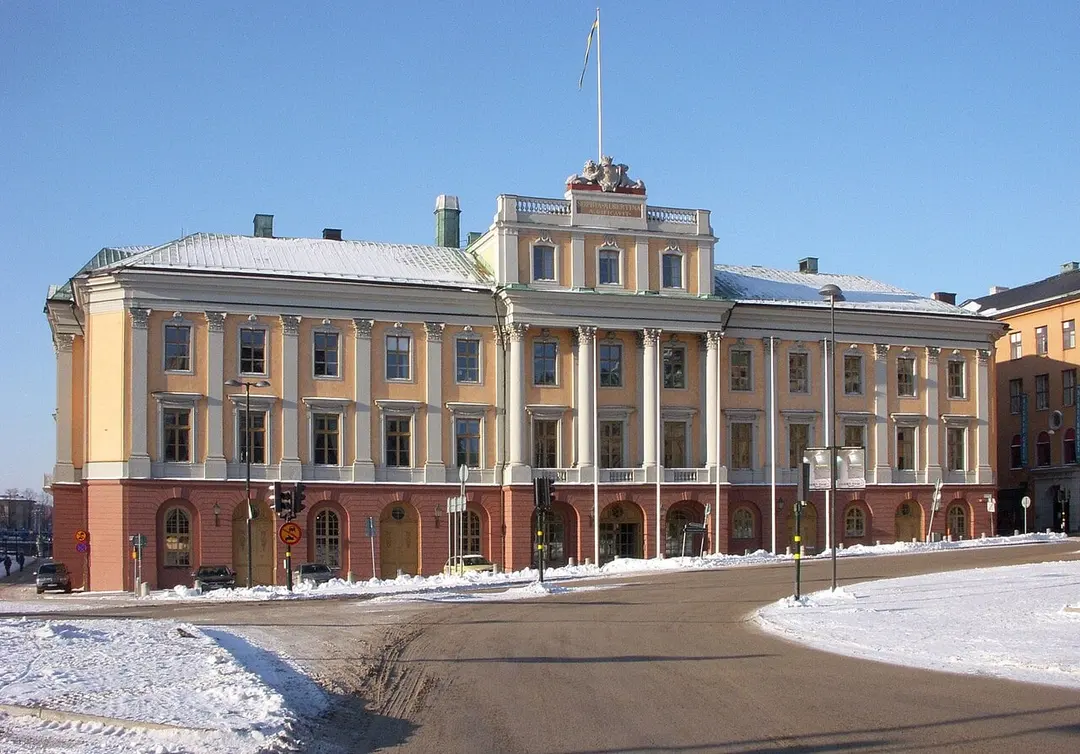
    The Erbfürstenpalais is a neoclassical city palace in Stockholm's Norrmalm district, built in 1794. Originally constructed as a prestigious residence for a member of the Swedish royal family, it now serves as the seat of the Swedish Ministry for Foreign Affairs (Utrikesdepartementet). Its quietly elegant facade fits harmoniously into the historic streetscape of central Stockholm. The building is not open to the public, but it is easily viewed from the outside and makes a worthwhile stop for architecture enthusiasts exploring the area around Gamla Stan and the Kungsträdgården park.

  • Johanneshovsbron

    Johanneshovsbron

    Stockholm

    architecture

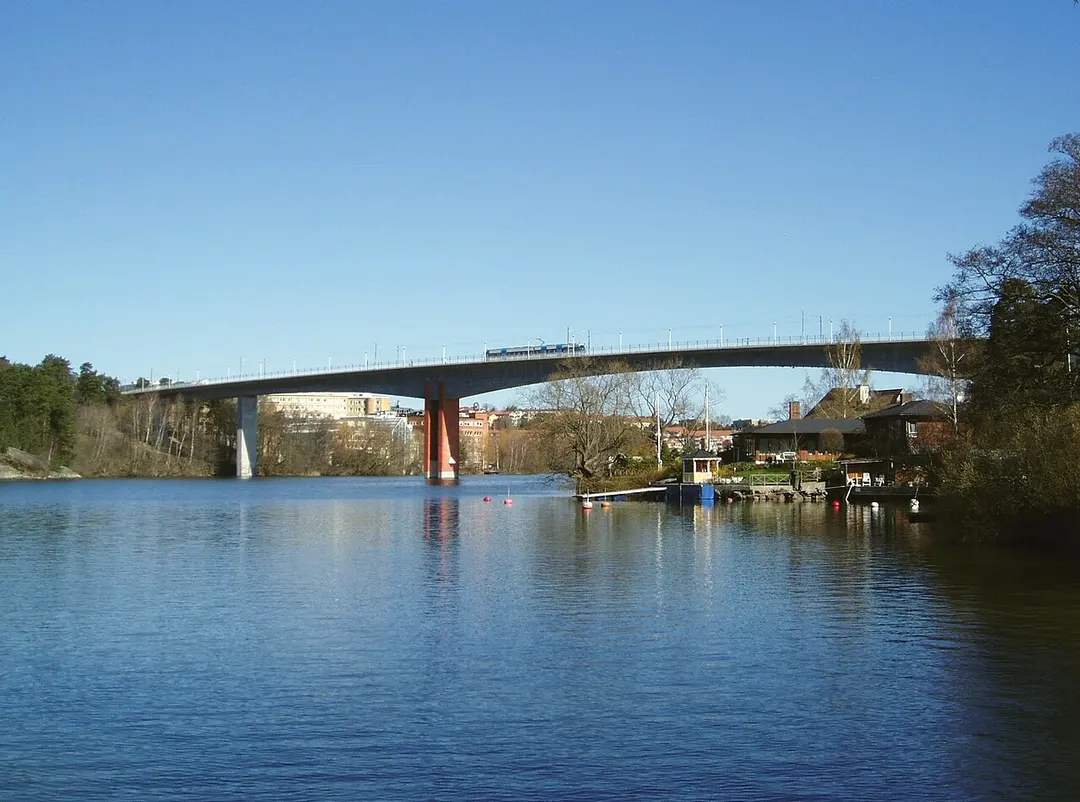
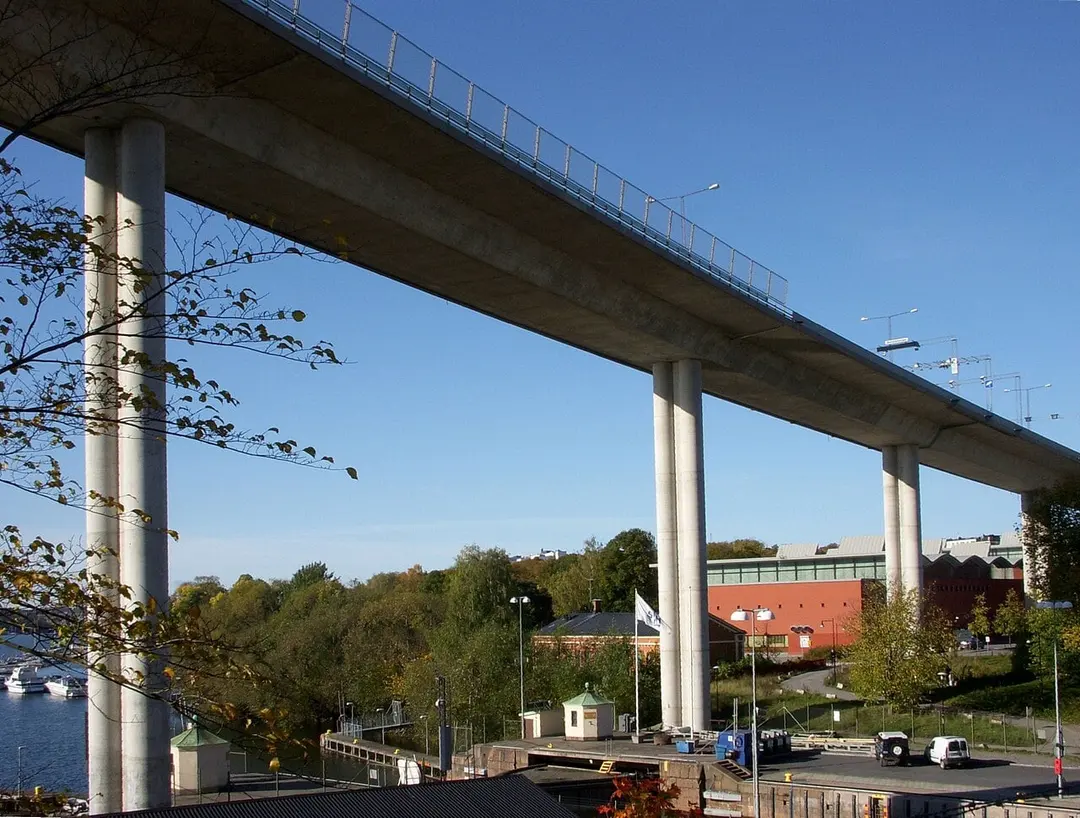
    Johanneshovsbron is a 756-metre road bridge in southern Stockholm, opened in October 1984. It crosses the Hammarby Canal and links the Södermalm district to Johanneshov to the south. A technical note: the bridge passes over three older crossings below it. For cyclists and pedestrians it provides a straightforward passage with views over the canal and surrounding residential areas. As part of a major traffic corridor, it connects to National Road 73 heading southeast out of the city.

  • Katarinahissen Stockholm

    Katarinahissen Stockholm

    Stockholm

    architecturelocal gemsgreat views

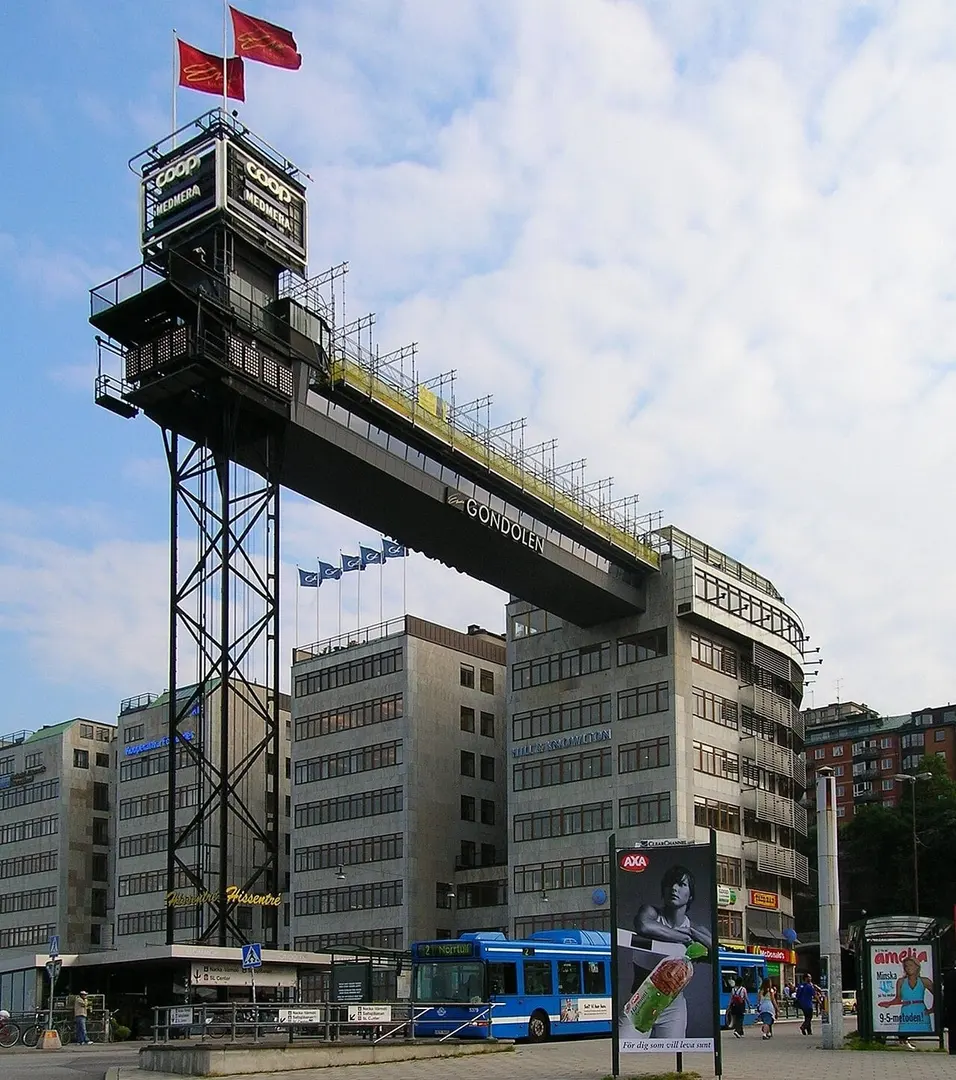
    The Katarinahissen is a public outdoor elevator on Södermalm in Stockholm, connecting the lower Slussen interchange to the heights of Södermalm. The first lift was built in 1881; the current structure dates from the 1936 rebuild of Slussen. After more than a decade out of service, it reopened in October 2023. From the top of the lift there are fine views over Gamla Stan and Stockholm's inner city.

  • Långholmsbron

    Långholmsbron

    Stockholm

    architecturelocal gems

    Långholmsbron is a bridge in central Stockholm connecting the major island of Södermalm to the smaller island of Långholmen. Built in 1931, it serves as an extension of Bergsundsgatan street. The bridge is a typical element of Stockholm's dense archipelago-city fabric, linking residential islands across the water.

  • Mariatorget

    Mariatorget

    Stockholm

    naturelocal gems

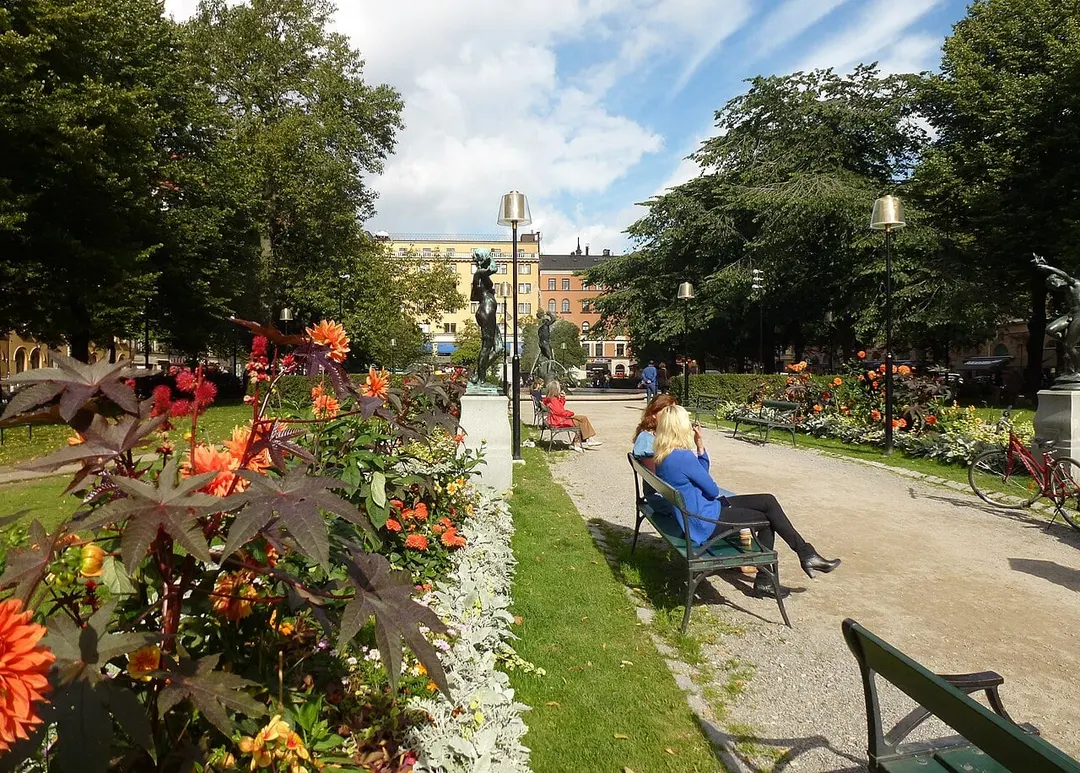
    Mariatorget is a small city park and square in the Södermalm district of Stockholm. Created in the late 1760s, it was originally called Adolf Fredriks torg after King Adolf Frederick. In 1959 it was renamed to avoid confusion with the Adolf Fredrikskyrkan church in Norrmalm. The new name refers to the nearby Maria Magdalena kyrka. Today Mariatorget is a popular neighbourhood gathering spot surrounded by cafes and historic residential buildings.

  • Museum of Ethnography

    Museum of Ethnography

    Stockholm

    culture

    The Museum of Ethnography in Stockholm — Etnografiska museet in Swedish — is one of Scandinavia's foremost museums dedicated to non-European cultures. Founded around 1900, its collection spans approximately 220,000 objects from China, Japan, Korea, South and Southeast Asia, Oceania, Africa, and the Americas. The museum is also the home of the Sven Hedin Foundation, preserving the legacy of Sweden's most celebrated explorer. Rotating temporary exhibitions explore themes of cross-cultural encounter, migration, and global interconnectedness, making it a dynamic venue for curiosity and reflection.

Keep exploring

These places are just the beginning.

Rate places with a swipe — TravelType learns from your tags what you love and curates your own map. Private until you choose to share.

Create your profile