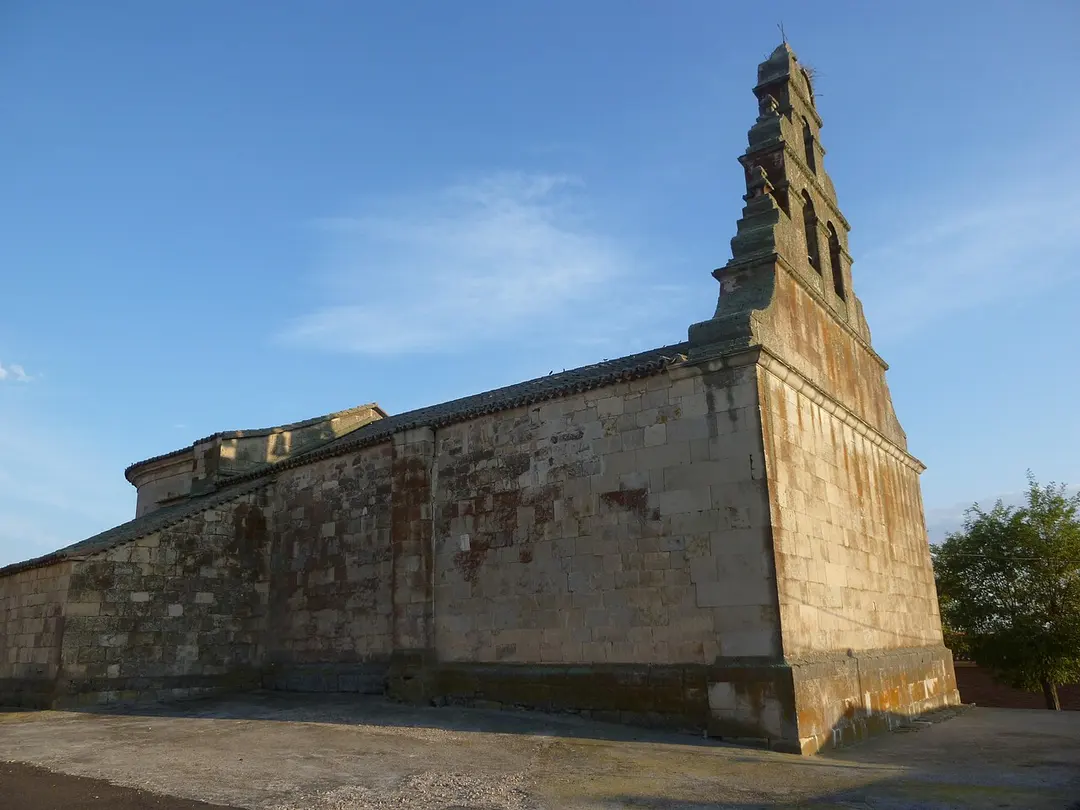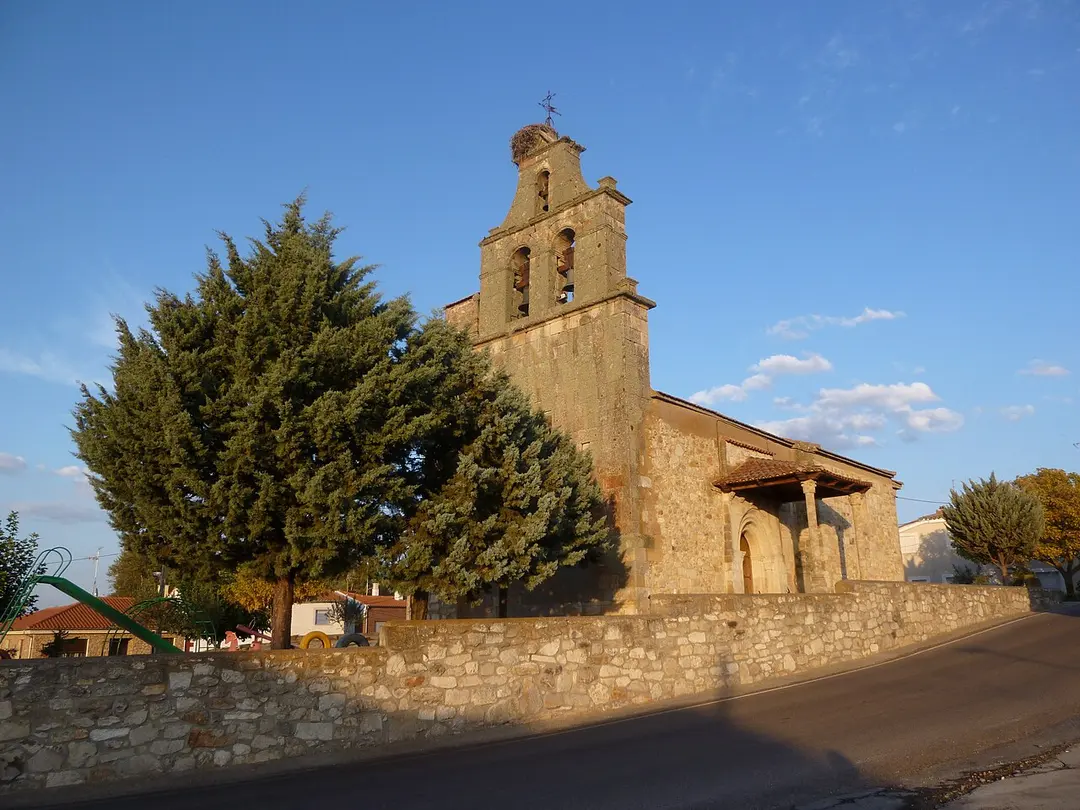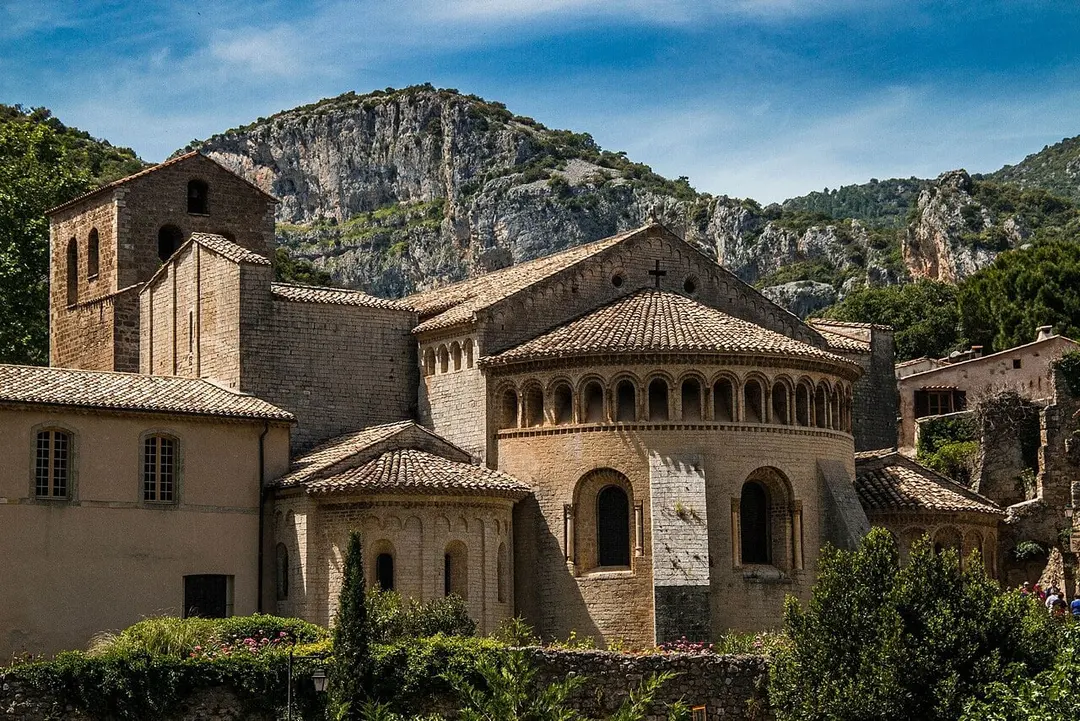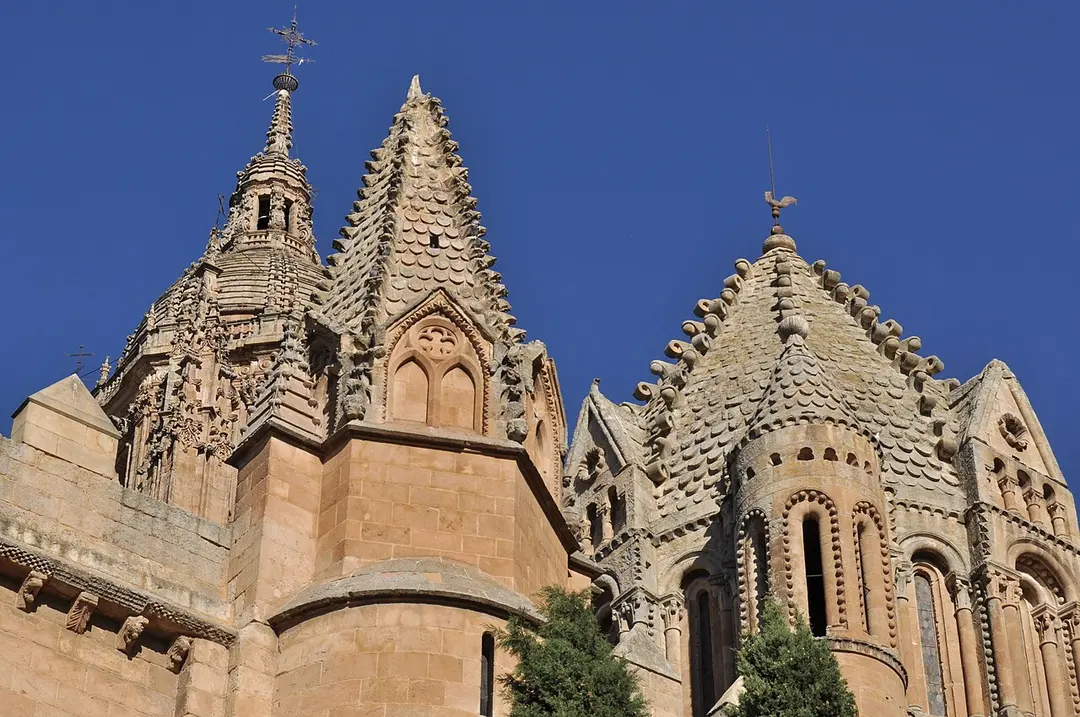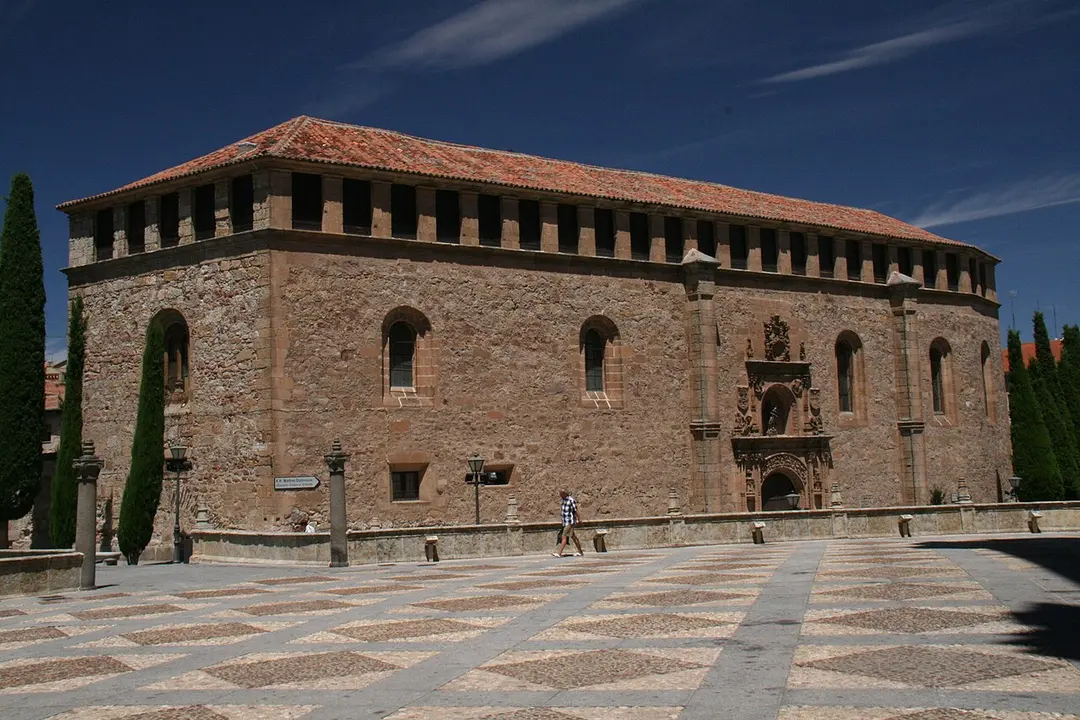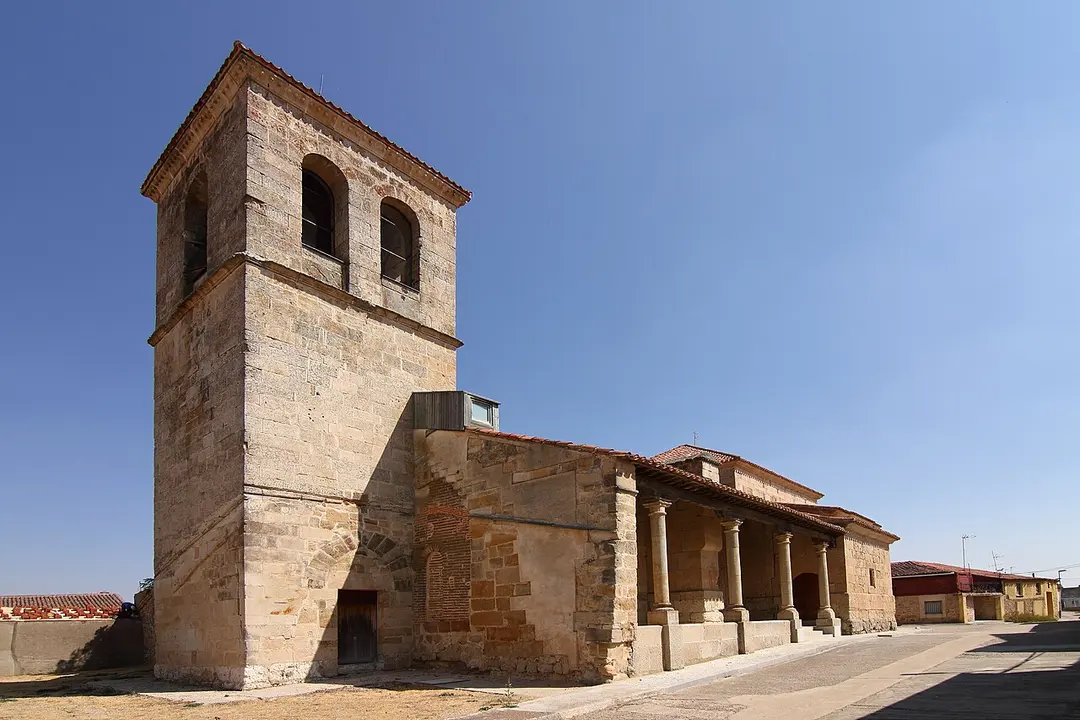
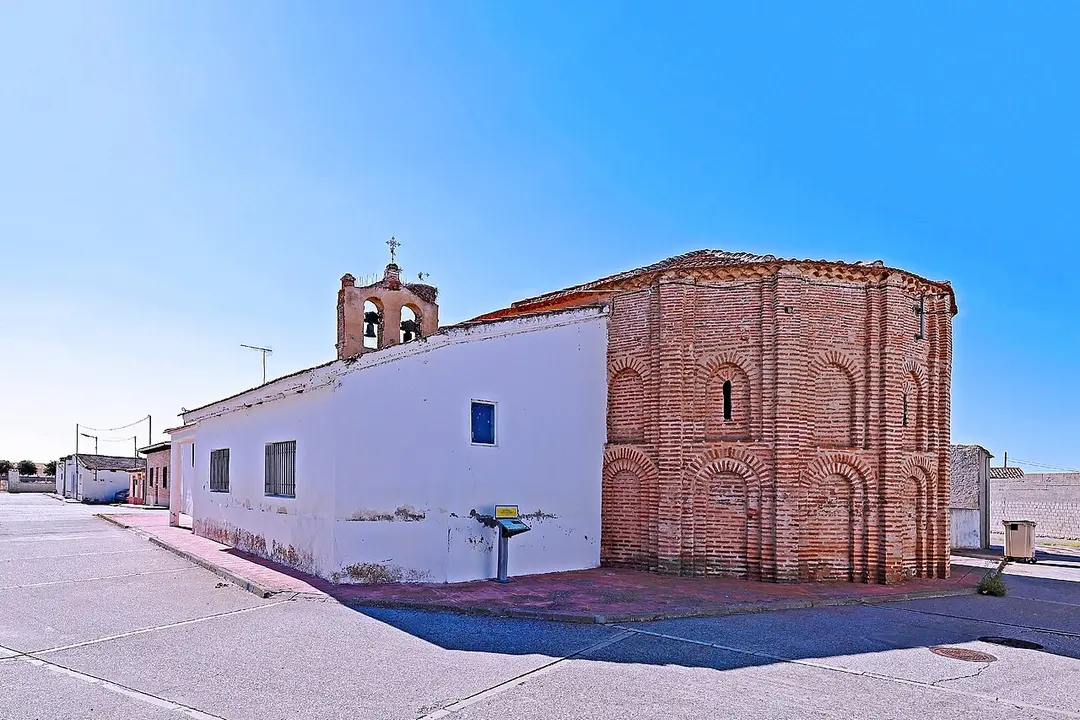
Iglesia de San Pedro Apóstol
Church BuildingCatholicMiddle Ages+1
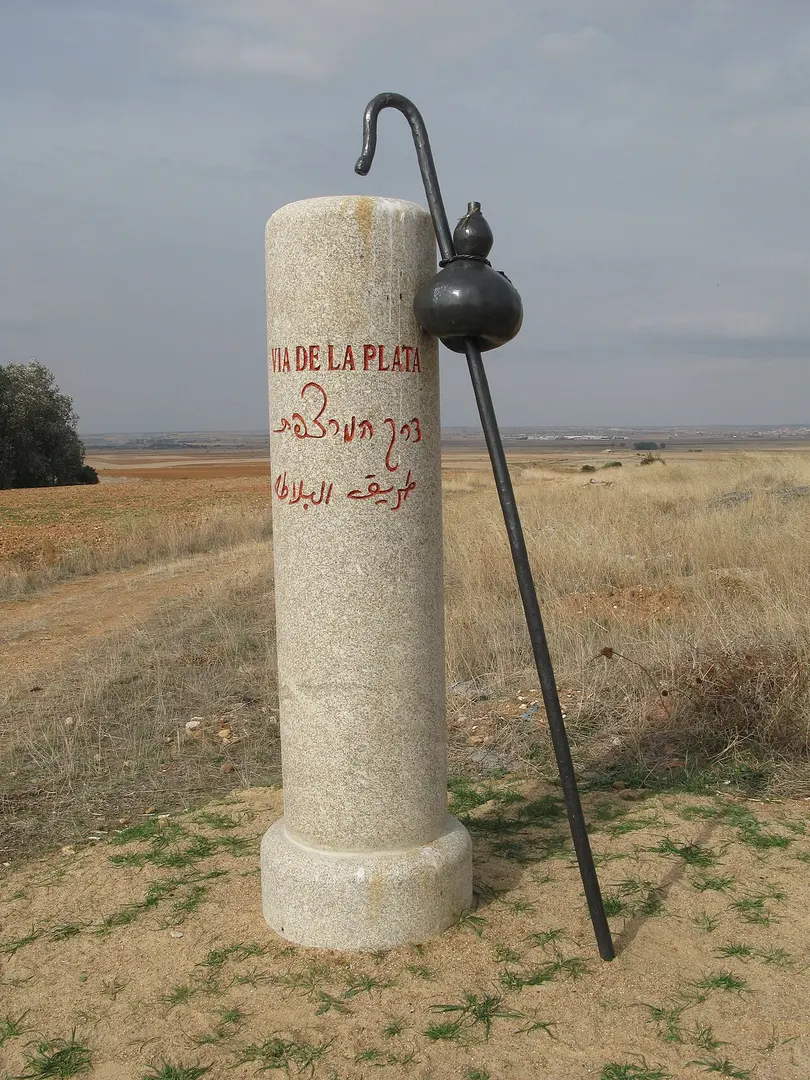
The Vía de la Plata is one of Europe's oldest long-distance roads, stretching roughly 700 kilometres from Sevilla in the south to Astorga in the north of the Iberian Peninsula along a corridor first paved by the Romans as a military and trade artery. Despite its name, 'plata' likely derives not from the Spanish word for silver but from the Arabic 'al-balat', meaning paved road — a reminder of the route's layered Moorish and Roman past. During the Middle Ages it served as a western variant of the Camino de Jacobeo, linking southern cities such as Mérida, Cáceres, and Salamanca to Santiago de Compostela. Now protected as a Bien de Interés Cultural, the route draws walkers and cyclists who seek an alternative to the heavily trafficked Camino Francés: sparse dehesa woodland, open meseta plateau, and far fewer fellow pilgrims define the experience.
Sign in to rate this place.
Sign in