TravelType

architecture

Architecture in Oslo

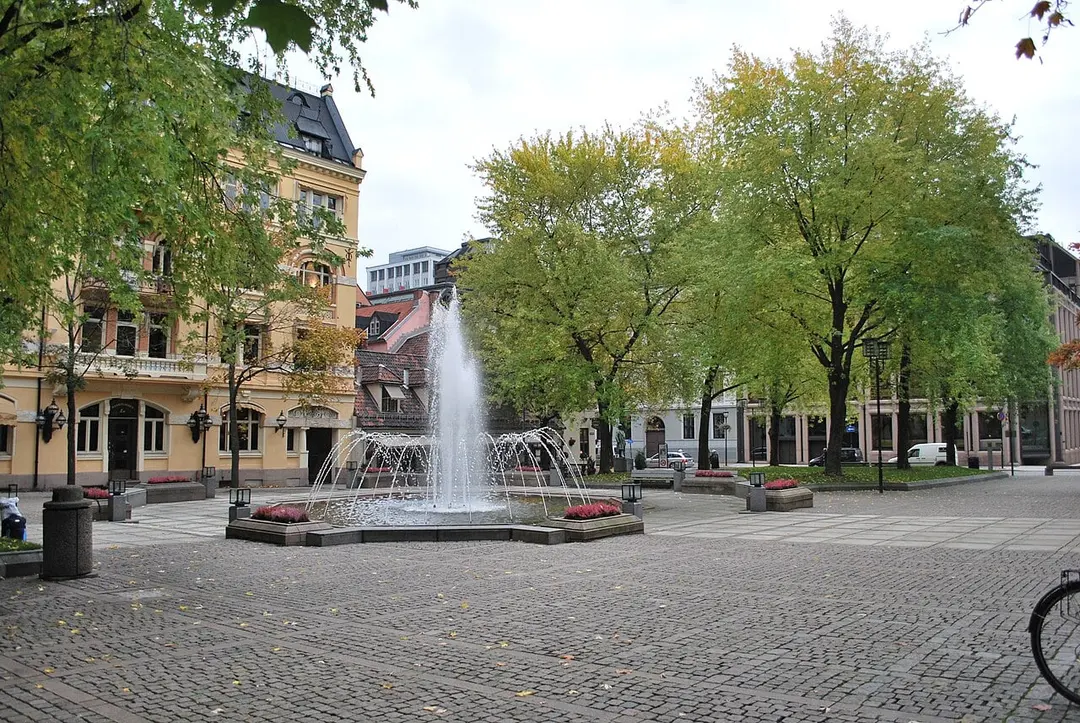
Oslo's built environment spans many centuries. Akershus Fortress, rising above the Oslofjord, represents the city's medieval layer, while bridges such as Åmodt Bridge and Ankerbrua reveal how the urban fabric has been stitched together across the ages. Bankplassen preserves some of the city's older streetscapes, and Deichman Bjørvika offers a striking contemporary counterpoint as a modern public library. Theatres including Det Norske Teatret and Folketeateret reflect how Oslo has long invested in civic cultural buildings. Public spaces like Einar Gerhardsens plass and memorials such as the Cora Sandel Monument show architecture and collective memory intertwined. Figures like Birger Kristian Eriksen and Carl Paul Caspari are woven into this layered story.

17 places · Oslo, Norway · Editorially curated

  • Akershus Fortress

    Akershus Fortress

    Oslo

    culturehistorylocal gems+1

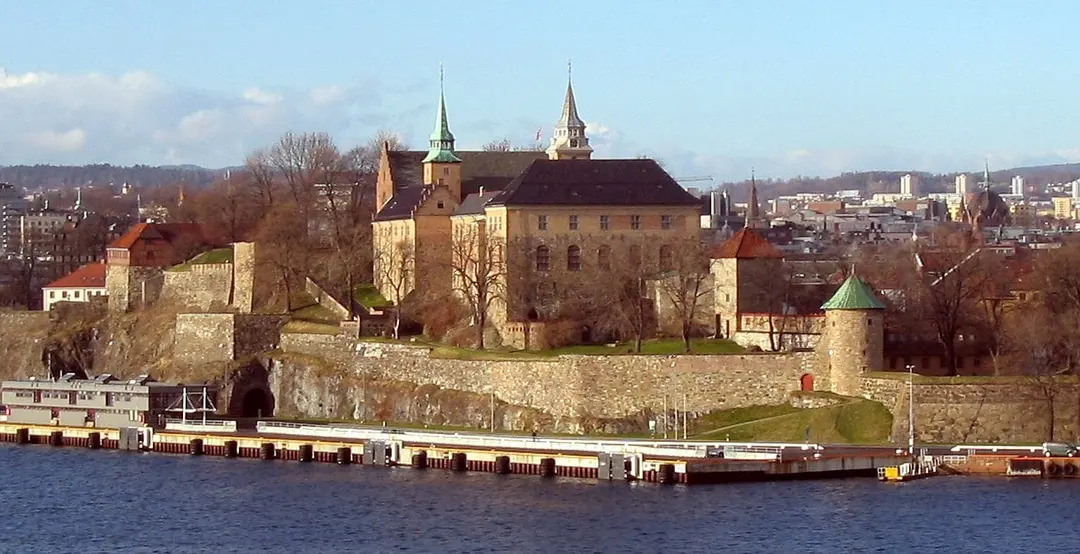
    Akershus Fortress is one of Norway's most important historical monuments and Oslo's most iconic waterfront landmark. Built around 1290 by King Håkon V, it served for centuries as a royal residence, prison, and military base. The imposing complex on the Akersneset peninsula commands sweeping views over the Oslofjord. Throughout its history the fortress was besieged nine times — never successfully — and endured its darkest chapter during the German occupation in World War II. Today, sections of the castle house museums including a Resistance Museum, while the medieval grounds and outer walls are free to explore.
  • Åmodt Bridge

    Åmodt Bridge

    Oslo

    culturenaturehistory+1

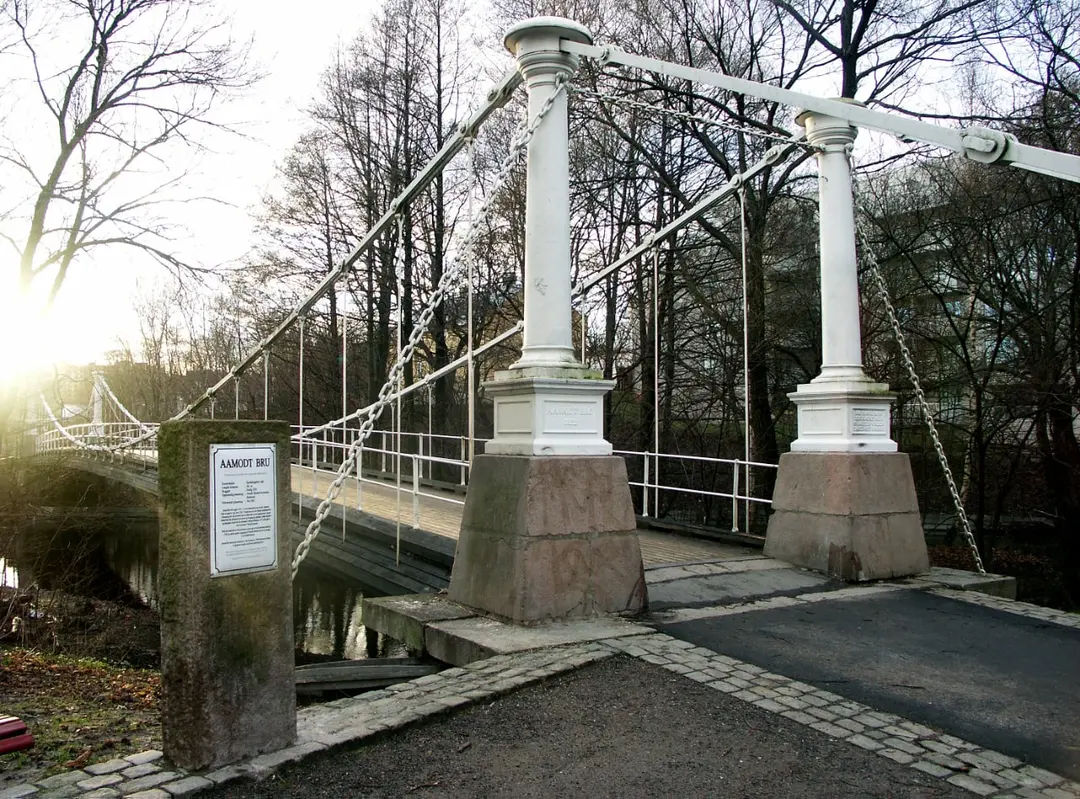
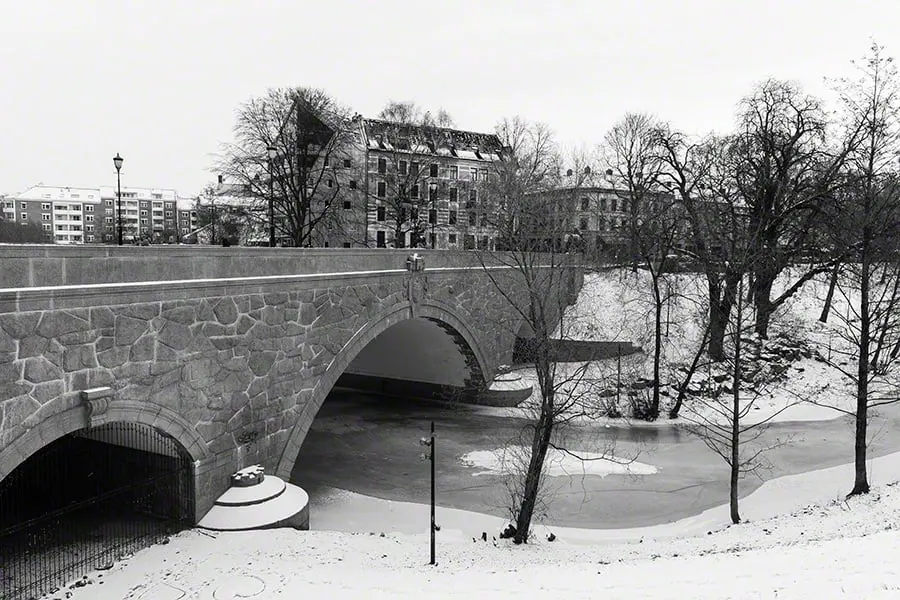
    The Åmodt Bridge is a heritage-listed bridge spanning the Akerselva river in Oslo's Grünerløkka district. The Akerselva was once the engine of Norwegian industrialisation, its banks lined with textile mills and factories that drove Oslo's economic growth. This bridge is a quiet witness to that era and today forms part of the popular Akerselva trail, a riverside walking route that stretches from the fjord all the way into the forests north of the city. Strolling past here means walking through one of urban Northern Europe's finest nature corridors.

  • Ankerbrua

    Ankerbrua

    Oslo

    natureoutdoor activitieslocal gems

    Ankerbrua is a bridge over the Akerselva river in Oslo, one of several characteristic crossings along this beloved urban waterway. The Akerselva connects Oslo's city centre with the greener north and serves as a popular walking route for locals and visitors alike. The bridge sits in a stretch defined by old industrial character and a newer wave of cafés and creative studios. It is not a grand monument, but rather one of those quiet urban connections that hold a neighbourhood together and make everyday Oslo worth exploring.

  • Bankplassen

    Bankplassen

    Oslo

    local gemsknowledge

    Bankplassen is a well-kept public square in the heart of Oslo's Sentrum district. Its name comes from Norges Bank, Norway's central bank, which built several of its key buildings here over the years — including its current headquarters, a neoclassical structure dating to the nineteenth century. The square is framed by historic architecture that reflects Norway's economic rise. Today Bankplassen is a pleasant urban retreat, with cafés and offices nearby. It sits close to the Oslofjord waterfront, making it a calm spot amid the city's busier streets.

  • Birger Kristian Eriksen (1875–1958)

    Birger Kristian Eriksen (1875–1958)

    Oslo

    history

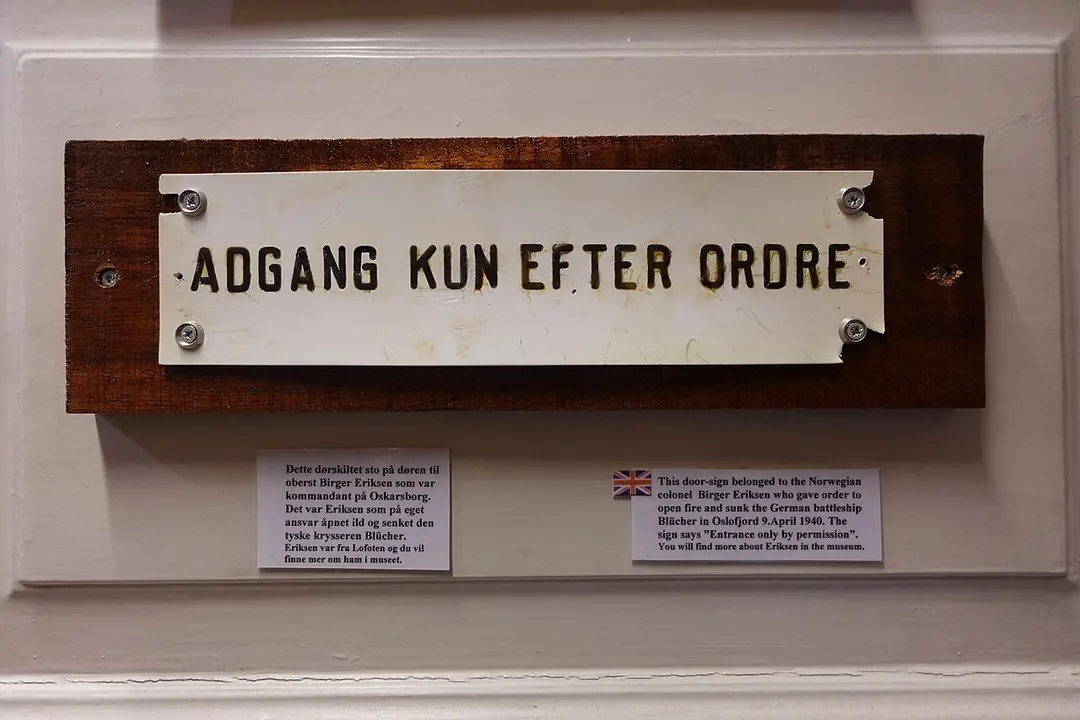
    Birger Kristian Eriksen was a Norwegian career officer who reached the rank of colonel. He lived from 1875 to 1958 and served in the Norwegian armed forces during a period of major national change, including Norwegian independence from Sweden in 1905 and the German occupation during the Second World War. As a memorial or commemorative site in Oslo, this location links Eriksen's memory to the broader history of the city.

  • Carl Paul Caspari (1814–1892)

    Carl Paul Caspari (1814–1892)

    Oslo

    historyknowledge

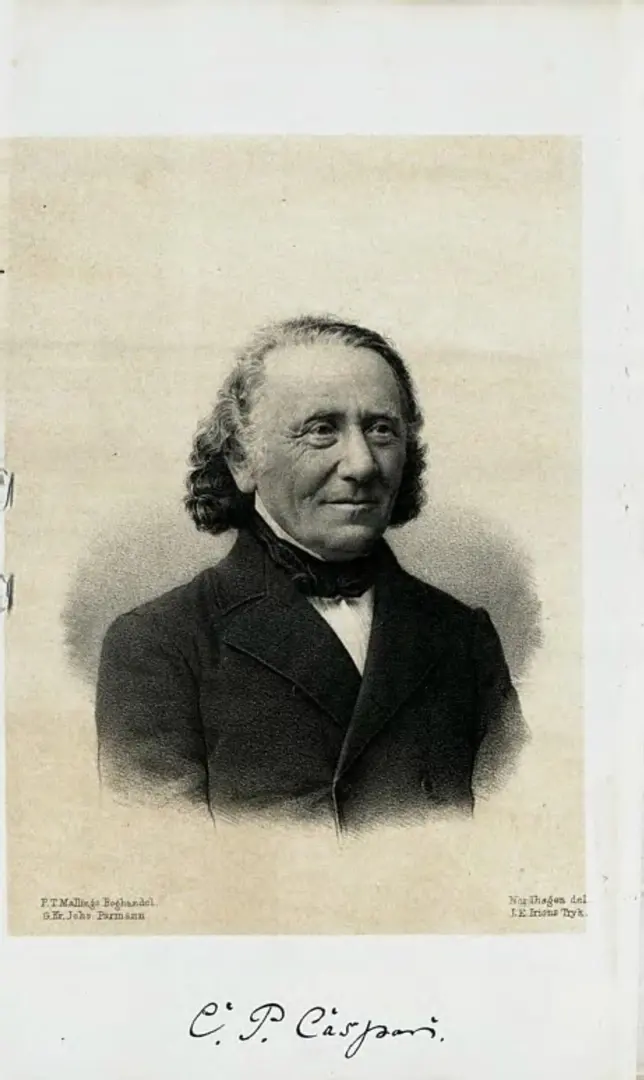
    Carl Paul Caspari was a German-Norwegian evangelical-Lutheran theologian and orientalist of the 19th century. Born in Dessau in 1814, he studied theology and oriental languages, converted from Judaism to Christianity, and in 1857 was appointed professor of Old Testament and oriental languages at the University of Christiania, today's Oslo, where he taught until his death in 1892. Caspari was regarded as one of the foremost Old Testament scholars of his era. The monument in Oslo commemorates a scholar who bridged German and Norwegian intellectual life across the 19th century.

  • Cora Sandel Monument Oslo

    Cora Sandel Monument Oslo

    Oslo

    cultureknowledge

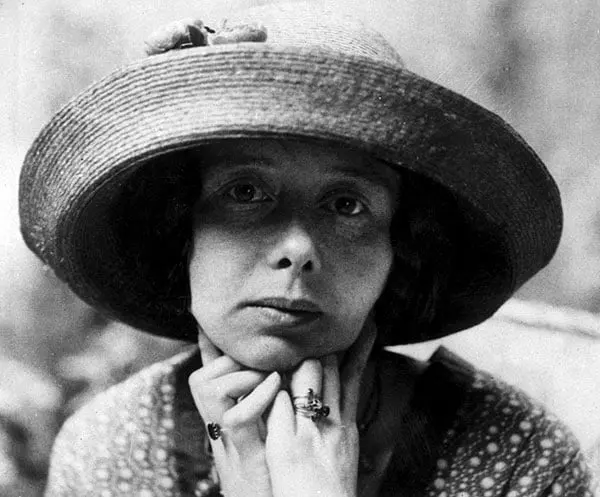
    Cora Sandel was a significant Norwegian author who wrote in Riksmål and is best known for her Alberta trilogy. Born in 1880 in Oslo as Sara Cecilia Görvell Fabricius, she spent many years in France before returning to Norway. Her works vividly portray the lives of Nordic women caught between self-determination and social constraints. The monument dedicated to her in Oslo honors one of the most important voices in 20th-century Norwegian literature, who despite international recognition remains little known in the wider world.

  • Deichman Bjørvika

    Deichman Bjørvika

    Oslo

    culturelocal gemsknowledge

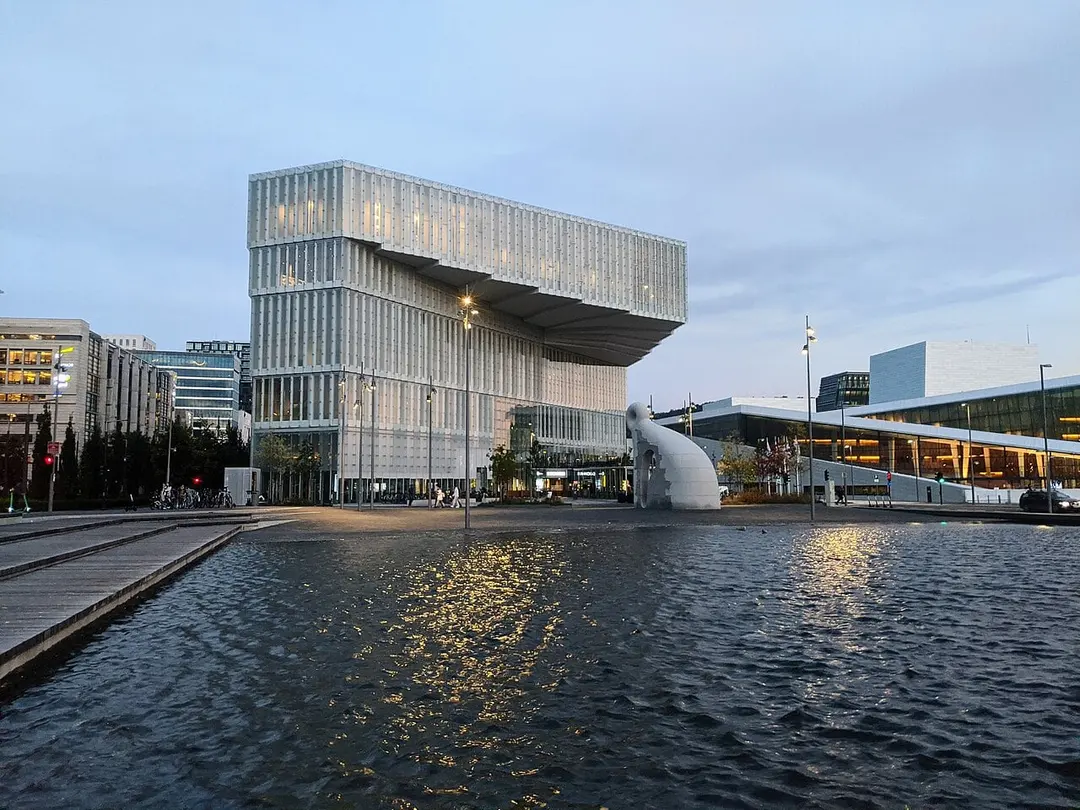
    Deichman Bjørvika is Oslo's new main public library, opened in 2020 directly on the fjord in the regenerated Bjørvika district — steps from the Opera House and the Munch Museum. Designed by Atelier Oslo and Lundhagem, the building is defined by its stepped, green-topped terraces that open towards the fjord. Inside, visitors find around 450,000 items across generous reading rooms, a café, makerspaces, children's play areas, and event spaces. Deichman is one of Norway's oldest public libraries — founded in 1785 — and now serves simultaneously as a modern community hub and cultural institution. Entry is free, and the architecture alone makes it a worthwhile destination in Oslo's evolving waterfront.

  • Det Norske Teatret

    Det Norske Teatret

    Oslo

    culture

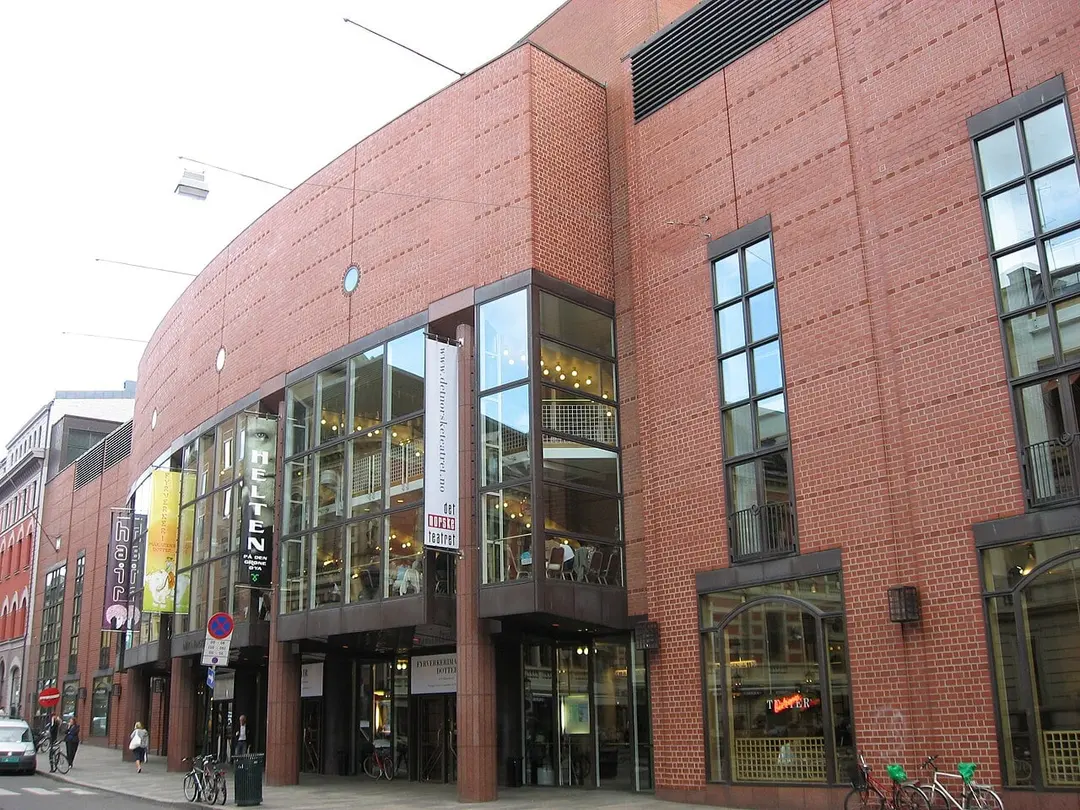
    Det Norske Teatret, founded on 22 November 1912, is Norway's only major theatre dedicated entirely to performing in Nynorsk and regional Norwegian dialects. It was established during a period when the Norwegian language question was a hotly contested political issue, and the theatre took a clear stance: the stage as a home for the less dominant of the two Norwegian written languages. Hulda Garborg, writer and language activist, led the theatre in its early years. Today the theatre operates several stages in central Oslo, attracting audiences from across Norway with programmes ranging from classic Ibsen to contemporary premieres. It remains not just a cultural venue but a living symbol of Norway's linguistic diversity.

  • Drammenshallen

    Drammenshallen

    Oslo

    culture

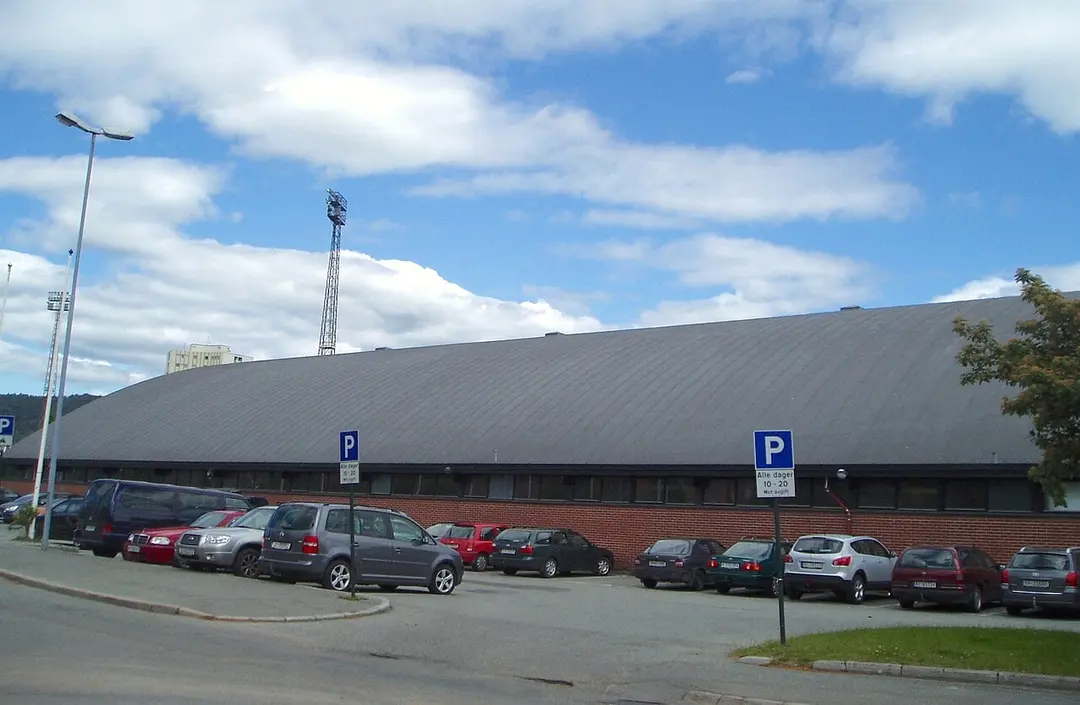
    Drammenshallen is a multi-purpose hall in Drammen, a city around 40 kilometres southwest of Oslo. Since opening in 1978, it has served as the city's central event venue — hosting concerts, sporting events, trade fairs, and cultural programmes. In a city of Drammen's size, such a hall is the heart of cultural life, bringing events to the local community that would otherwise require a trip to the capital. The hall has been a fixture of city life and a cornerstone of Drammen's cultural identity for decades.

  • Einar Gerhardsens plass

    Einar Gerhardsens plass

    Oslo

    culturehistorylocal gems

    Named after Einar Gerhardsen, Norway's most influential post-war prime minister, this square in Oslo's government quarter was scarred into history on 22 July 2011 when a car bomb exploded here, killing eight people. It was the opening act of the deadliest terrorist attack in Norway since World War II, followed by the massacre at Utøya island. Surrounding government buildings were heavily damaged, and several have since been demolished. Memorial markers now stand on the square, which sits at the heart of ongoing discussions about how the government quarter should be rebuilt and remembered.

  • Folketeateret

    Folketeateret

    Oslo

    culturehistorylocal gems

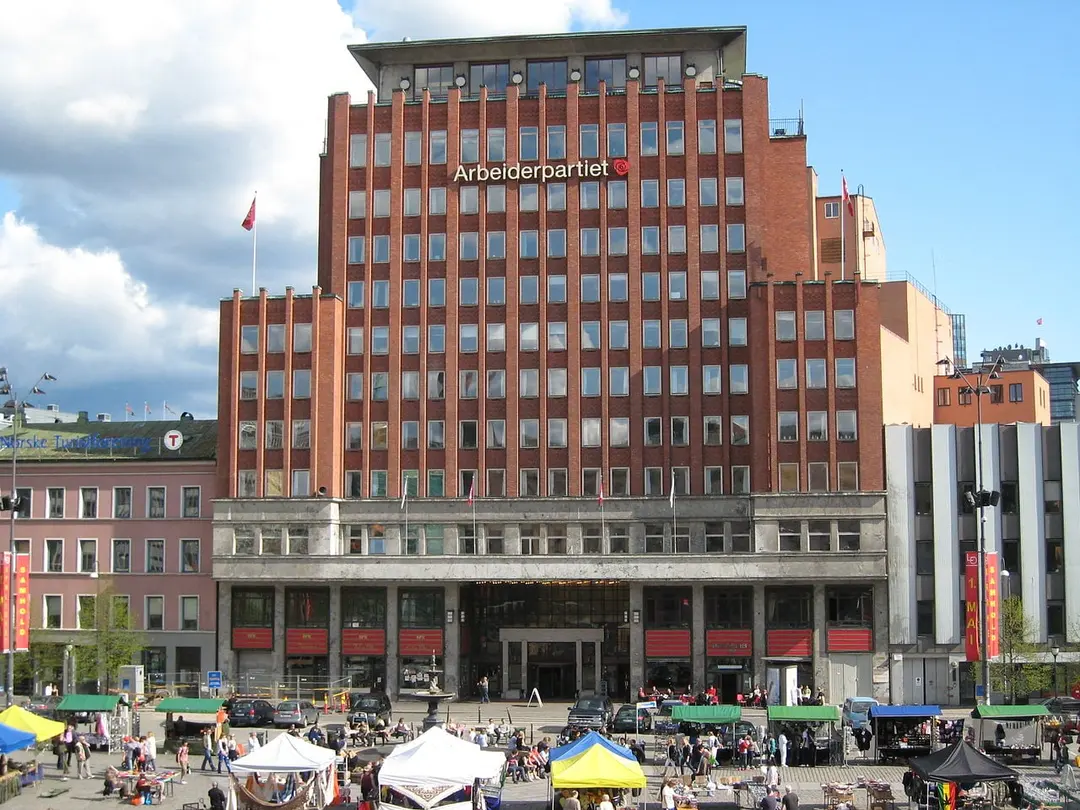
    Folketeaterbygningen is a prominent office and cultural building in the heart of Oslo, situated between the lively Youngstorget square and Storgata. Inaugurated on 2 April 1935, it houses two significant tenants under one roof: the headquarters of the social-democratic Labour Party (Arbeiderpartiet) and the Folketeateret, one of Norway's most important people's theatres. The co-location of political labour movement and popular culture is deliberate — the building embodies the close relationship between Norwegian social democracy and the country's cultural life. It has been a listed heritage building since 2009.

  • Gol Stave Church

    Gol Stave Church

    Oslo

    historyknowledge

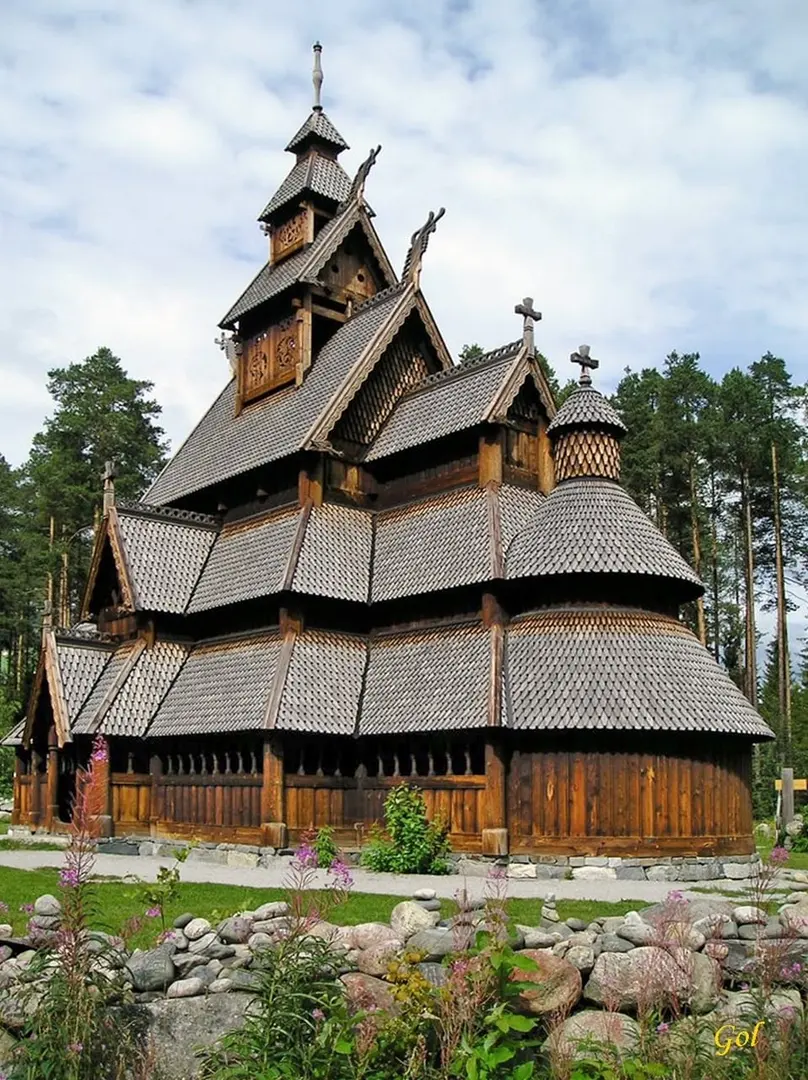
    The Gol Stave Church is one of Norway's oldest surviving stave churches and now stands within the Norsk Folkemuseum in Oslo. Originally built in the 13th century in Gol in the Buskerud region, it was relocated to Oslo in 1884 to preserve it for future generations. Architect Waldemar Hansteen reconstructed it in 1885, modelling it on the well-known Borgund stave church. The 14-mast structure of dark wood, adorned with curving dragon carvings along the rooflines, is a compelling testament to medieval Norwegian craftsmanship. Medieval paintings in the choir and apse lend the interior a profound sense of dignity. A unique piece of Norwegian spirituality and artisanship.

  • Grønland Church

    Grønland Church

    Oslo

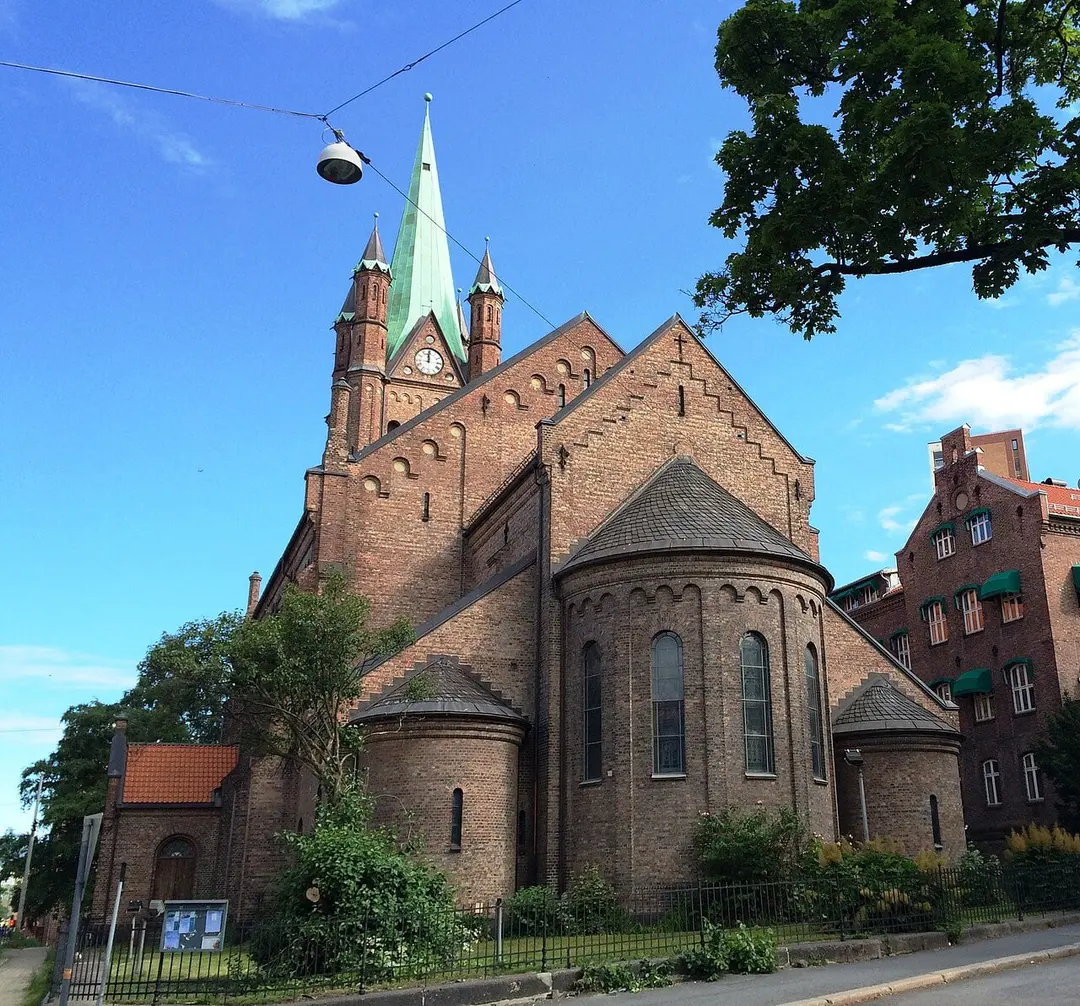
    Grønland kirke stands at Grønlandsleiret 34 in the neighbourhood of the same name, east of Oslo's old city centre, and is one of the capital's most distinctive church buildings. Designed by German-Norwegian architect Wilhelm von Hanno and consecrated in 1869, it presents a sturdy red-brick historicist facade with a slender tower that still defines the local skyline. The Grønland district has evolved in recent decades into one of Oslo's most vibrant and diverse neighbourhoods, and the church provides a calm counterpoint amid its busy streets. It belongs to the Diocese of Oslo within the Evangelical Lutheran Church of Norway and remains active in worship and community life.

  • Kampen kirke

    Kampen kirke

    Oslo

    culture

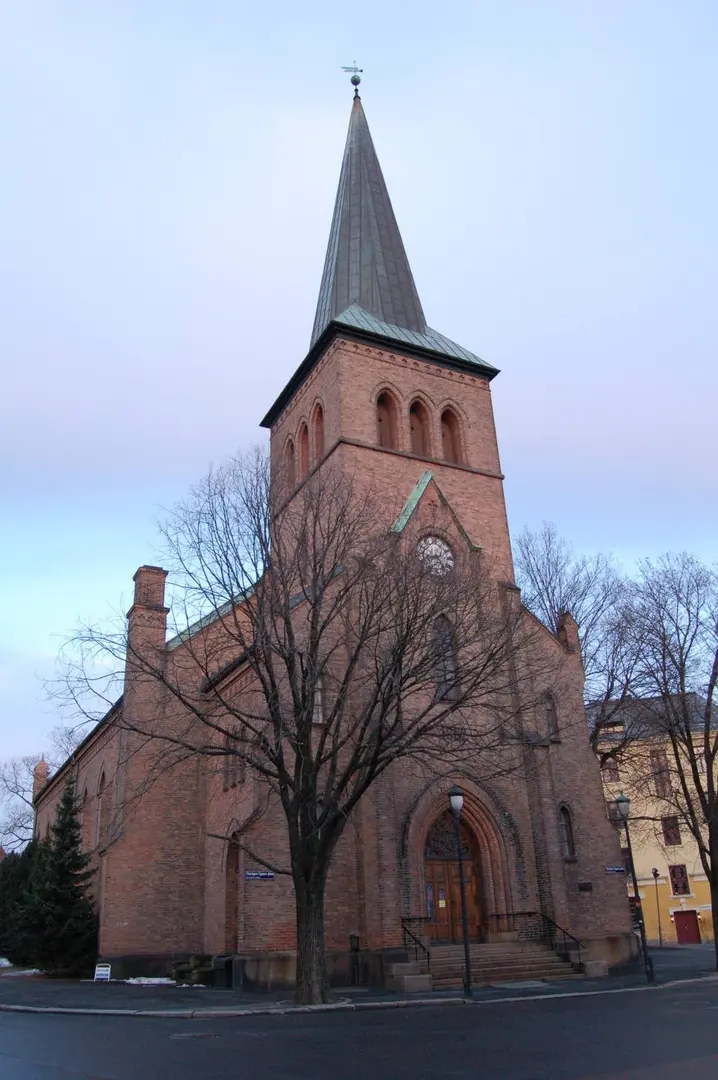
    Kampen Church is a Lutheran parish church in the Kampen district of Oslo, consecrated in 1882. It was built as part of the neighborhood's reconstruction following a devastating fire in 1878. The brick building, typical of late 19th-century Norwegian ecclesiastical architecture, became the spiritual center of a growing working-class community. A new congregation was formally established in 1880, gathering in temporary spaces until the church was completed. Today it continues to serve the neighborhood and remains a landmark in one of Oslo's most historically layered areas.

  • National Theatre Oslo

    National Theatre Oslo

    Oslo

    culture

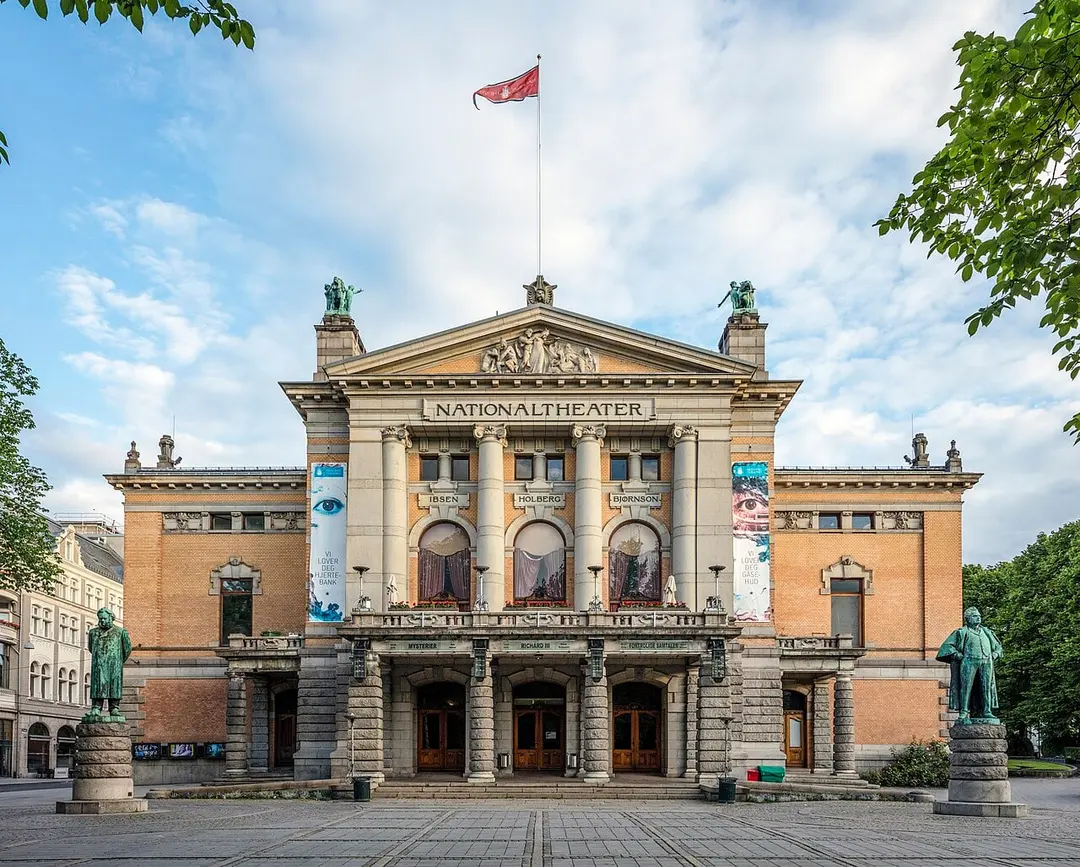
    The National Theatre is Norway's most important spoken-word theater, centrally located in Oslo beside the Studenterlunden park. Designed by architect Henrik Bull and opened in 1899, the building has been listed as a protected monument since 1983. The venue gained international renown through its Ibsen productions — works like "Peer Gynt" and "Hedda Gabler" are mainstays of its repertoire. Bronze statues of Henrik Ibsen and Bjørnstjerne Bjørnson flank the entrance. Today the theater continues to pair classical drama with contemporary works across multiple stages.

  • Old Aker Church

    Old Aker Church

    Oslo

    history

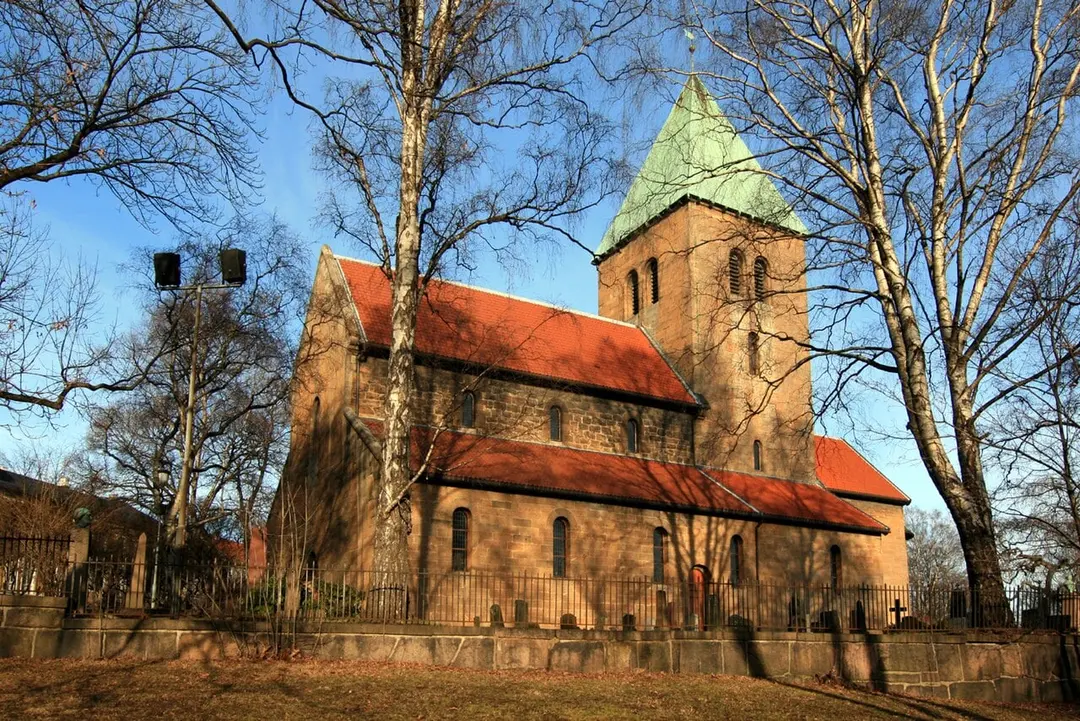
    Gamle Aker kirke is the oldest surviving building in Oslo and one of the oldest standing stone churches in Norway. The Romanesque church was probably begun around 1080, on the initiative of King Olav the Holy. Over the centuries it served as a parish church, fell into near-ruin in the 18th century, and was then painstakingly restored. It sits elevated above the city in a peaceful green setting and remains in active use for Lutheran services, weddings, and concerts.

Keep exploring

These places are just the beginning.

Rate places with a swipe — TravelType learns from your tags what you love and curates your own map. Private until you choose to share.

Create your profile