TravelType

history

History in Oslo

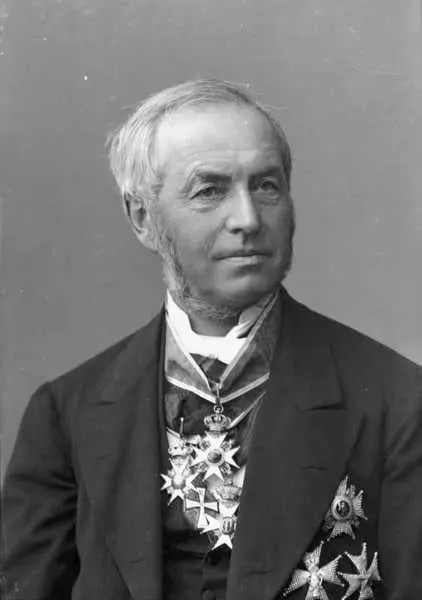
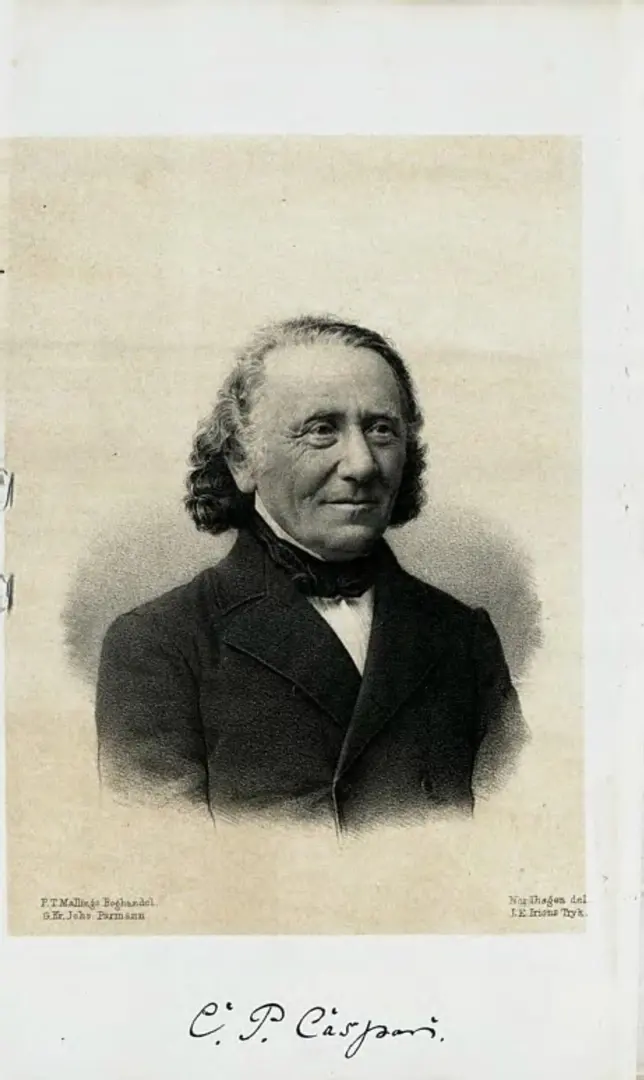
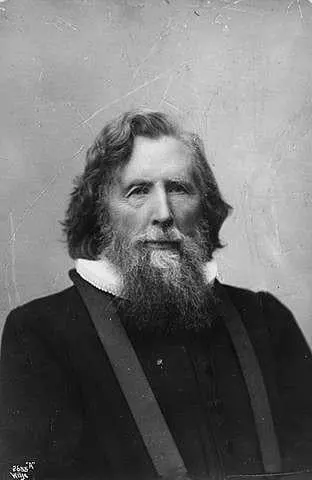
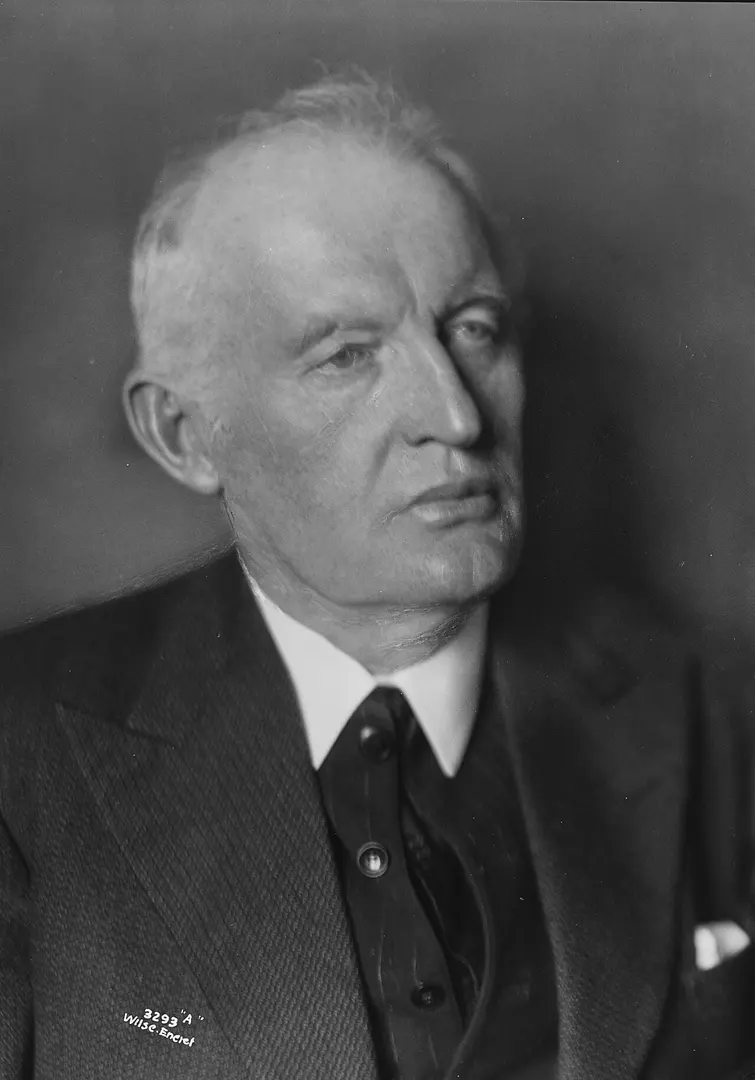
Oslo's history comes into focus through specific places and the people connected to them. Akershus Fortress has stood on the fjord since the medieval period, while Åmodt Bridge offers quieter testimony to early civil engineering. Burial sites of figures such as Edvard Munch, Bjørn and Eileen Bjørnson, and individuals including Carl Abraham Pihl, Carl Paul Caspari, and Christopher Bruun mark the city as a place where cultural, religious, and professional lives left lasting traces. Blaafarveværket speaks to industrial heritage, and Bislett Stadium reflects the city's social and sporting life. Together these sites sketch a layered portrait of Norwegian history in Oslo.

34 places · Oslo, Norway · Editorially curated

  • Akershus Fortress

    Akershus Fortress

    Oslo

    architectureculturelocal gems+1

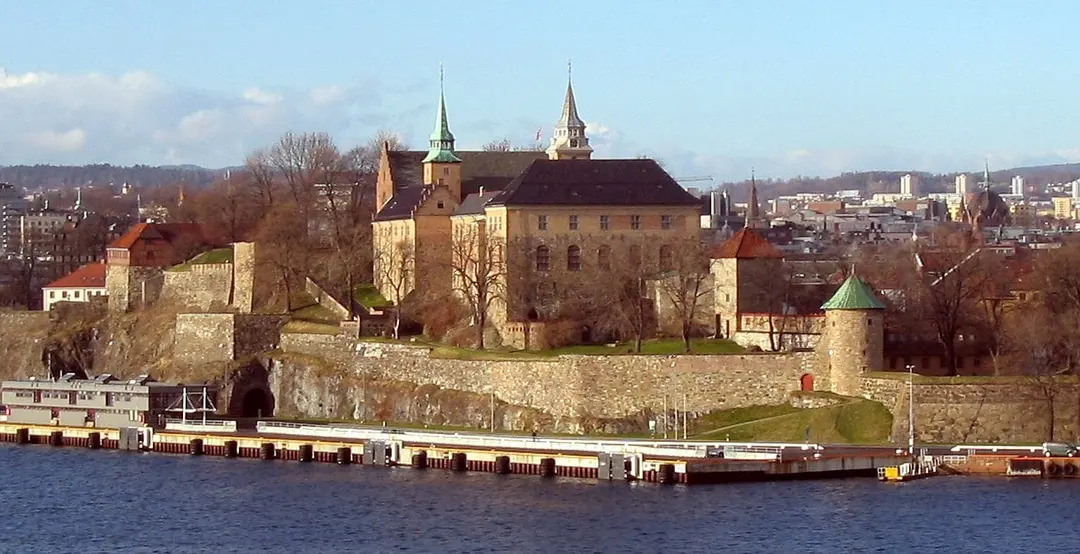
    Akershus Fortress is one of Norway's most important historical monuments and Oslo's most iconic waterfront landmark. Built around 1290 by King Håkon V, it served for centuries as a royal residence, prison, and military base. The imposing complex on the Akersneset peninsula commands sweeping views over the Oslofjord. Throughout its history the fortress was besieged nine times — never successfully — and endured its darkest chapter during the German occupation in World War II. Today, sections of the castle house museums including a Resistance Museum, while the medieval grounds and outer walls are free to explore.
  • Albert Nordengen

    Albert Nordengen

    Oslo

    knowledge

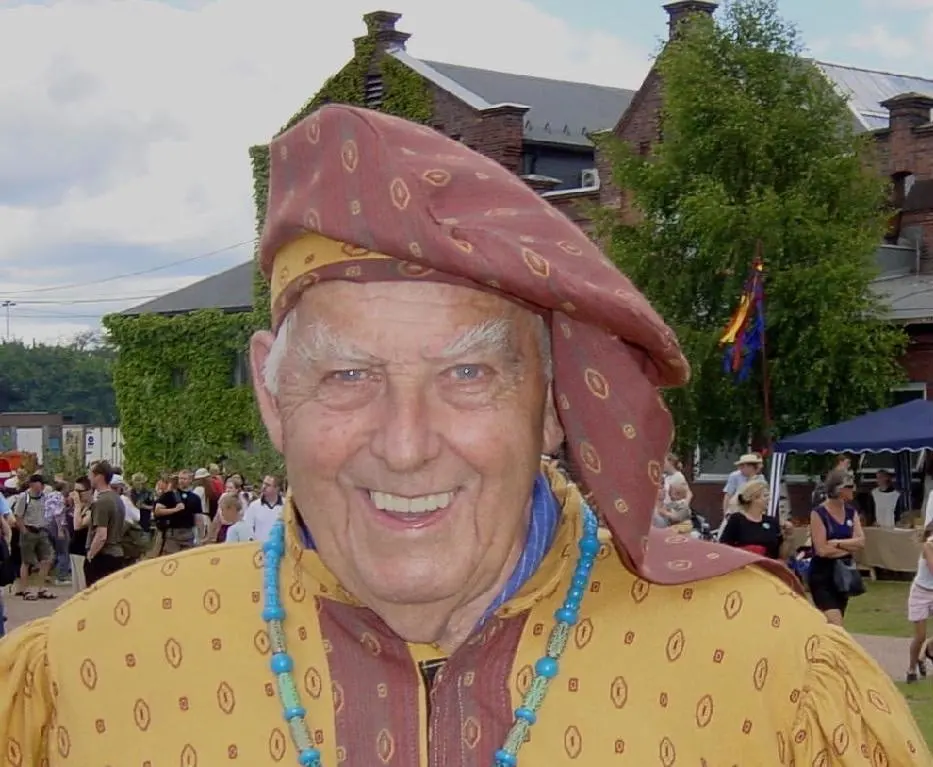
    Albert Nordengen was a Norwegian politician who served as Mayor of Oslo from 1976 to 1990, one of the longest tenures in the city's modern history. His time in office coincided with Oslo's transformation from an industrial harbour city to a modern European capital. Representing the Conservative Party, he oversaw major urban planning decisions that shaped the city's contemporary layout. Though not a monument or building himself, his legacy is woven into the administrative and architectural decisions of late 20th-century Oslo. He represents an important chapter in the city's political memory.

  • Amaldus Nielsen

    Amaldus Nielsen

    Oslo

    cultureknowledge

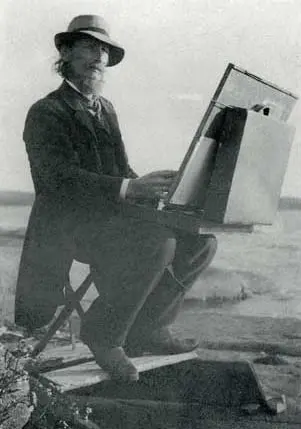
    Amaldus Clarin Nielsen was a notable Norwegian painter of the 19th century, part of a generation of Nordic artists who studied in Düsseldorf and Paris and brought impressionist influences back to Scandinavia. His paintings, often depicting coastal landscapes and atmospheric natural scenes, display a sensitive handling of light characteristic of the period. Today his works can be found in museum collections across Norway, representing an important chapter in Norwegian art history when painters sought and achieved international recognition. His legacy is part of the rich tradition of Norwegian landscape painting.

  • Åmodt Bridge

    Åmodt Bridge

    Oslo

    architectureculturenature+1

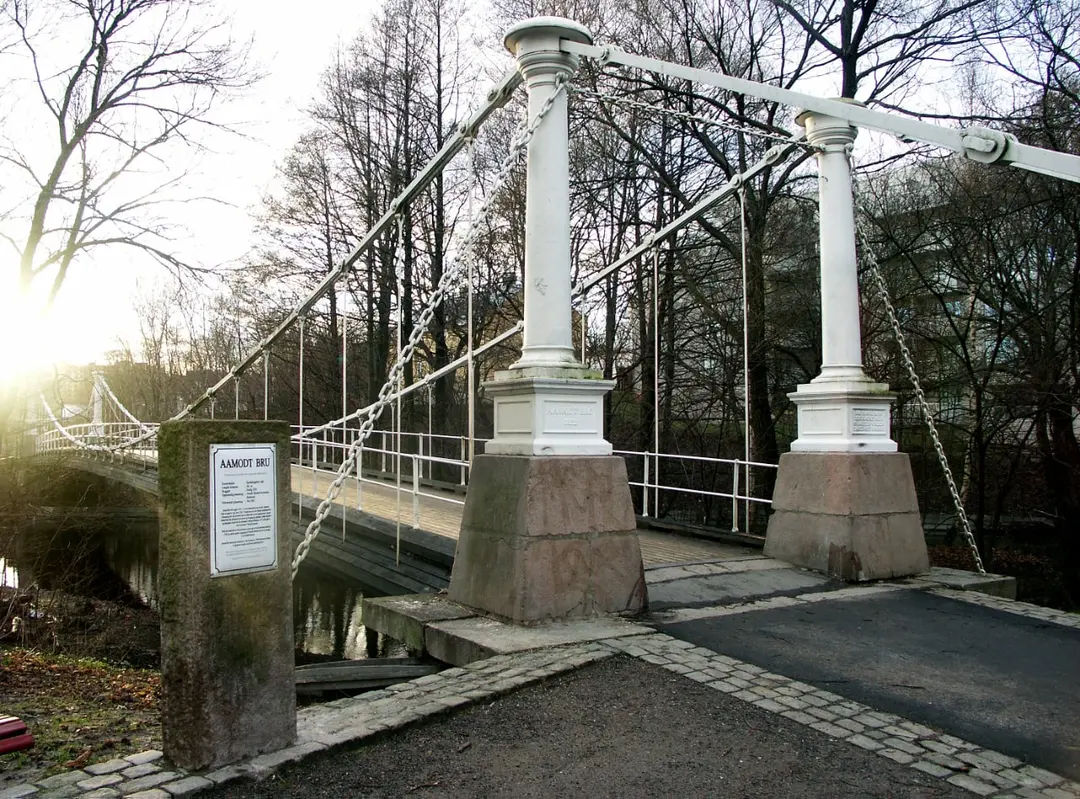
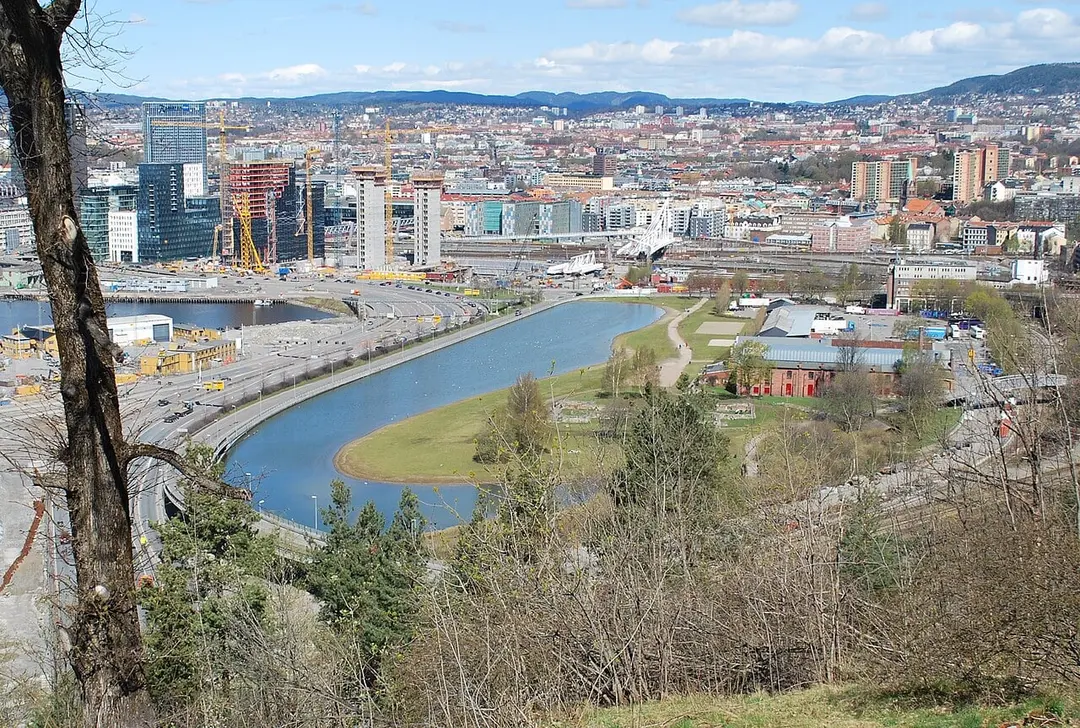
    The Åmodt Bridge is a heritage-listed bridge spanning the Akerselva river in Oslo's Grünerløkka district. The Akerselva was once the engine of Norwegian industrialisation, its banks lined with textile mills and factories that drove Oslo's economic growth. This bridge is a quiet witness to that era and today forms part of the popular Akerselva trail, a riverside walking route that stretches from the fjord all the way into the forests north of the city. Strolling past here means walking through one of urban Northern Europe's finest nature corridors.

  • Birger Kristian Eriksen (1875–1958)

    Birger Kristian Eriksen (1875–1958)

    Oslo

    architecture

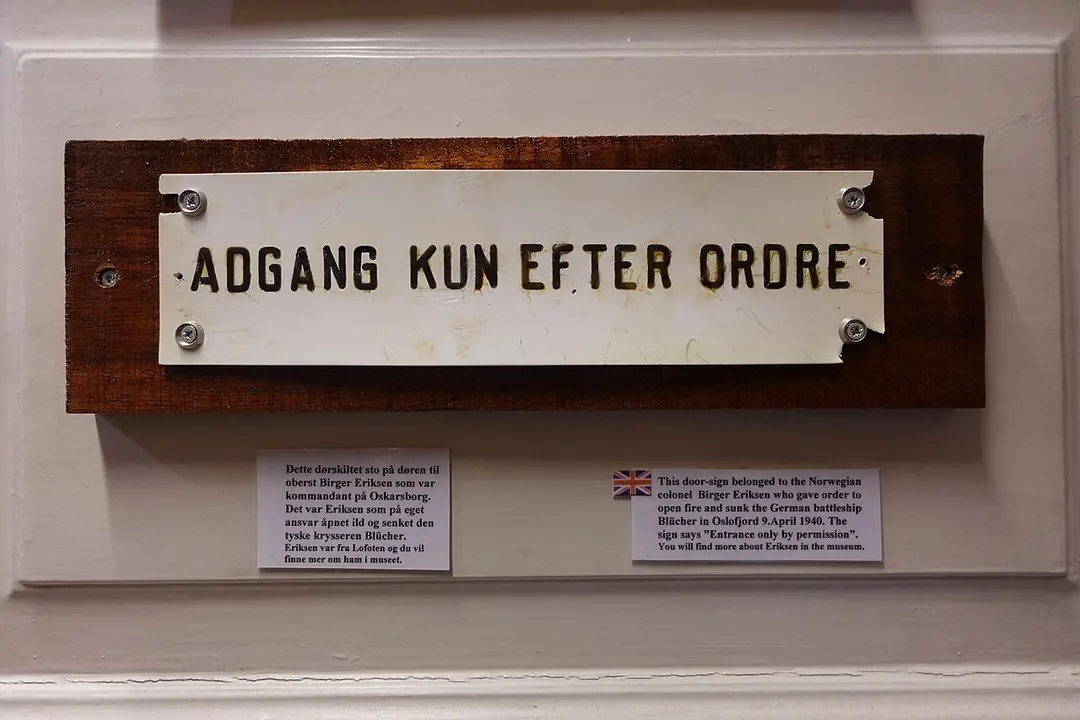
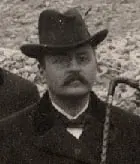
    Birger Kristian Eriksen was a Norwegian career officer who reached the rank of colonel. He lived from 1875 to 1958 and served in the Norwegian armed forces during a period of major national change, including Norwegian independence from Sweden in 1905 and the German occupation during the Second World War. As a memorial or commemorative site in Oslo, this location links Eriksen's memory to the broader history of the city.

  • Bislett Stadium

    Bislett Stadium

    Oslo

    cultureoutdoor activitieslocal gems

    Bislett Stadium in Oslo's Bislett neighborhood is a legend of athletics. Since its opening in 1922, more world records have been set here than at any other stadium on earth — milestones by Emil Zátopek, Gunder Hägg, Sebastian Coe, and many others. The annual Bislett Games are part of the Diamond League series and attract the global elite. The stadium also serves as a home ground for Norwegian football clubs. Its compact, city-center design creates a unique atmosphere: stands that press close to the track, and a crowd that seems to physically propel athletes forward.

  • Bjørn Bjørnson & Eileen Bjørnson – Burial Site

    Bjørn Bjørnson & Eileen Bjørnson – Burial Site

    Oslo

    culturemystery

    Bjørn Bjørnson (1859–1942) was one of Norway's most influential theatre makers: son of Nobel Prize-winning author Bjørnstjerne Bjørnson, he worked as an actor, director, playwright, and theatre director, leading institutions including the National Theatre in Oslo. His daughter Eileen Bjørnson (1884–1944) followed him into the world of theatre. Their shared burial site in Oslo is a quiet place of remembrance for a theatrical dynasty that left a lasting mark on Norwegian cultural life.

  • Blaafarveværket

    Blaafarveværket

    Oslo

    cultureknowledge

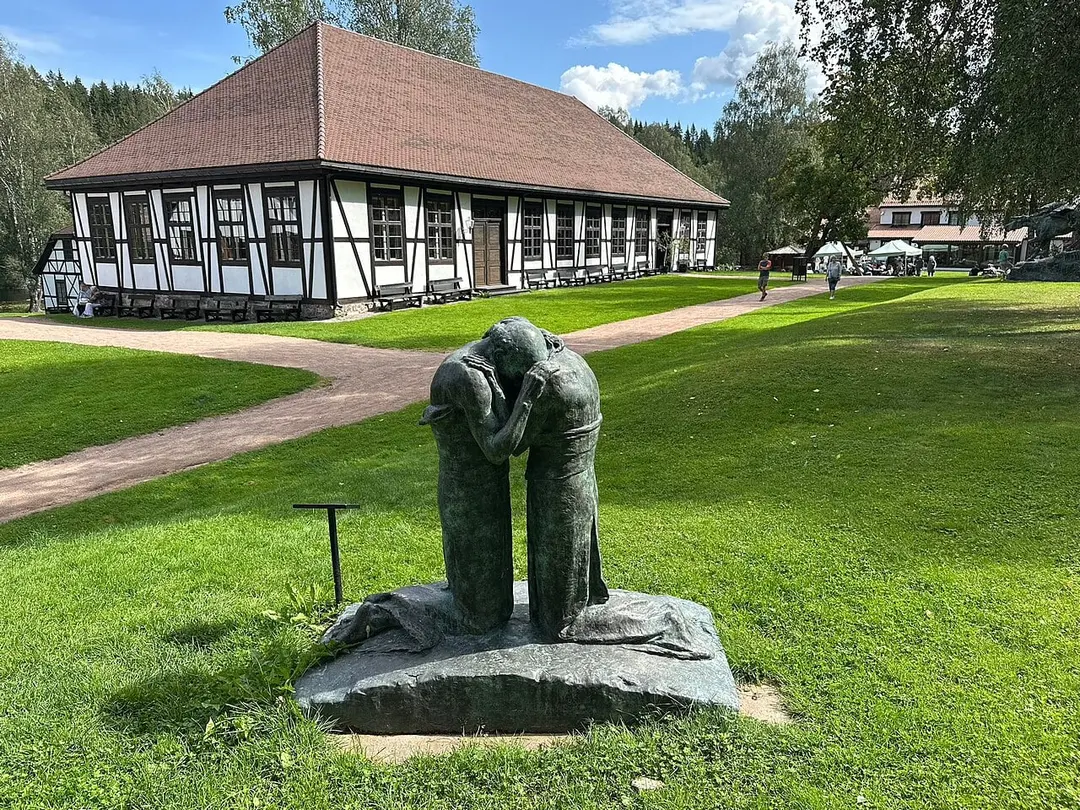
    Blaafarveværket (the Cobalt Works at Modum) was founded in 1773 in Modum, Buskerud province, as a royal manufactory and was Scandinavia's first large-scale chemical enterprise. The works produced cobalt blue — a sought-after pigment used across Europe for porcelain, glass, and paintings — and supplied buyers as far away as China. At the height of production it was one of the largest operations of its kind in the world. As demand for cobalt pigments collapsed in the late nineteenth century, the site was gradually repurposed, eventually becoming a protected cultural monument, open-air museum, and art gallery. Today Blaafarveværket is considered one of Norway's most important cultural heritage sites and welcomes thousands of visitors each year with changing exhibitions and guided historical tours.

  • Carl Abraham Pihl (1825–1897)

    Carl Abraham Pihl (1825–1897)

    Oslo

    knowledge

    Carl Abraham Pihl was Norway's leading railway engineer in the second half of the 19th century. He shaped the development of the Norwegian railway network during an era decisive for the country's modernization and economic opening. His work in Oslo left lasting marks on Norway's infrastructure.

  • Carl Paul Caspari (1814–1892)

    Carl Paul Caspari (1814–1892)

    Oslo

    architectureknowledge

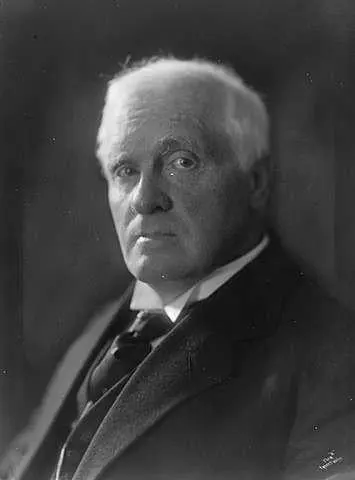
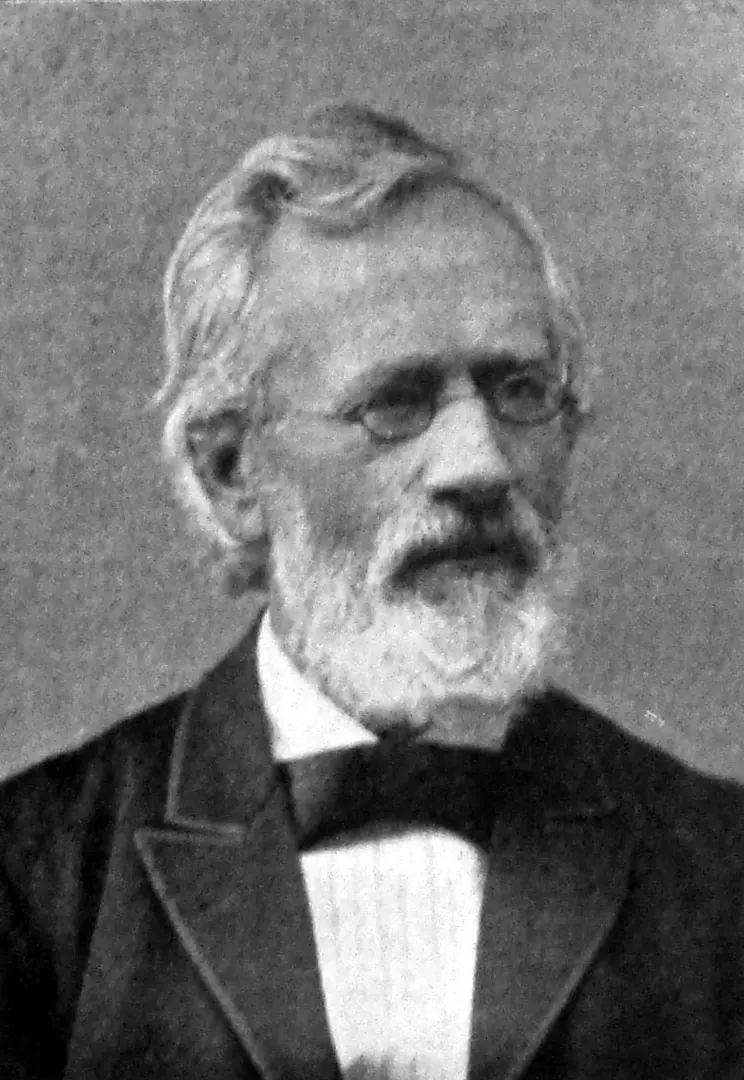
    Carl Paul Caspari was a German-Norwegian evangelical-Lutheran theologian and orientalist of the 19th century. Born in Dessau in 1814, he studied theology and oriental languages, converted from Judaism to Christianity, and in 1857 was appointed professor of Old Testament and oriental languages at the University of Christiania, today's Oslo, where he taught until his death in 1892. Caspari was regarded as one of the foremost Old Testament scholars of his era. The monument in Oslo commemorates a scholar who bridged German and Norwegian intellectual life across the 19th century.

  • Christopher Bruun (1839–1920)

    Christopher Bruun (1839–1920)

    Oslo

    knowledge

    Christopher Arndt Bruun was a Norwegian clergyman and folk school teacher who lived from 1839 to 1920. As a pastor and teacher at a folk high school he contributed to the folk education movement in late 19th-century Norway, which was inspired by the ideas of Danish theologian N. F. S. Grundtvig. Folk high schools of this kind aimed to bring education out of elite institutions and into the hands of ordinary people.

  • Edvard Munch's Grave

    Edvard Munch's Grave

    Oslo

    cultureknowledge

    The grave of Edvard Munch is located at Vår Frelsers gravlund, one of Oslo's oldest and most significant cemeteries. Munch, who died in Oslo in 1944, is considered one of the most influential painters of the modern era — his work shaped Expressionism and left a lasting mark on the art history of the twentieth century. His output encompasses over 1,700 paintings as well as countless prints and drawings, including the iconic work "The Scream". His grave is a simple, dignified resting place visited by art lovers and Munch admirers from around the world. The cemetery itself is a green oasis in the heart of the city and is also the final resting place of other significant figures in Norwegian history.

  • Eidsvolls plass

    Eidsvolls plass

    Oslo

    culturenature

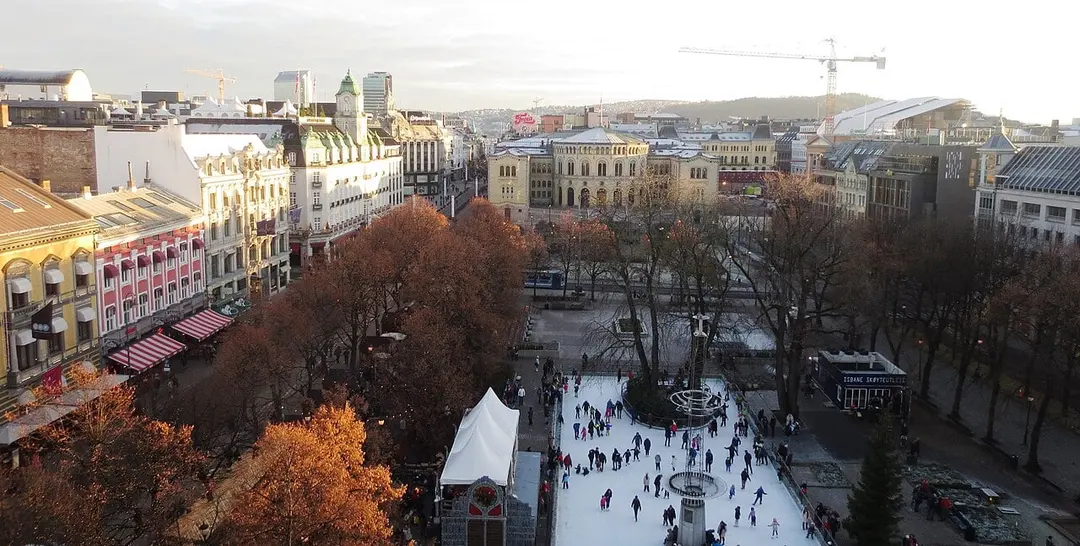
    Eidsvolls plass is a park-like square directly in front of the Storting, Norway's parliament, in the heart of Oslo's Sentrum district. Named after Eidsvoll, the location where the Norwegian constitution was signed in 1814, the square is closely tied to the history of national independence. Several statues of prominent figures from Norwegian history stand across the grounds. The generous green space attracts locals and tourists alike and has long served as a preferred gathering point for political rallies and demonstrations – held in direct view of the parliamentary building.

  • Einar Gerhardsens plass

    Einar Gerhardsens plass

    Oslo

    architectureculturelocal gems

    Named after Einar Gerhardsen, Norway's most influential post-war prime minister, this square in Oslo's government quarter was scarred into history on 22 July 2011 when a car bomb exploded here, killing eight people. It was the opening act of the deadliest terrorist attack in Norway since World War II, followed by the massacre at Utøya island. Surrounding government buildings were heavily damaged, and several have since been demolished. Memorial markers now stand on the square, which sits at the heart of ongoing discussions about how the government quarter should be rebuilt and remembered.

  • Eivind Berggrav Memorial

    Eivind Berggrav Memorial

    Oslo

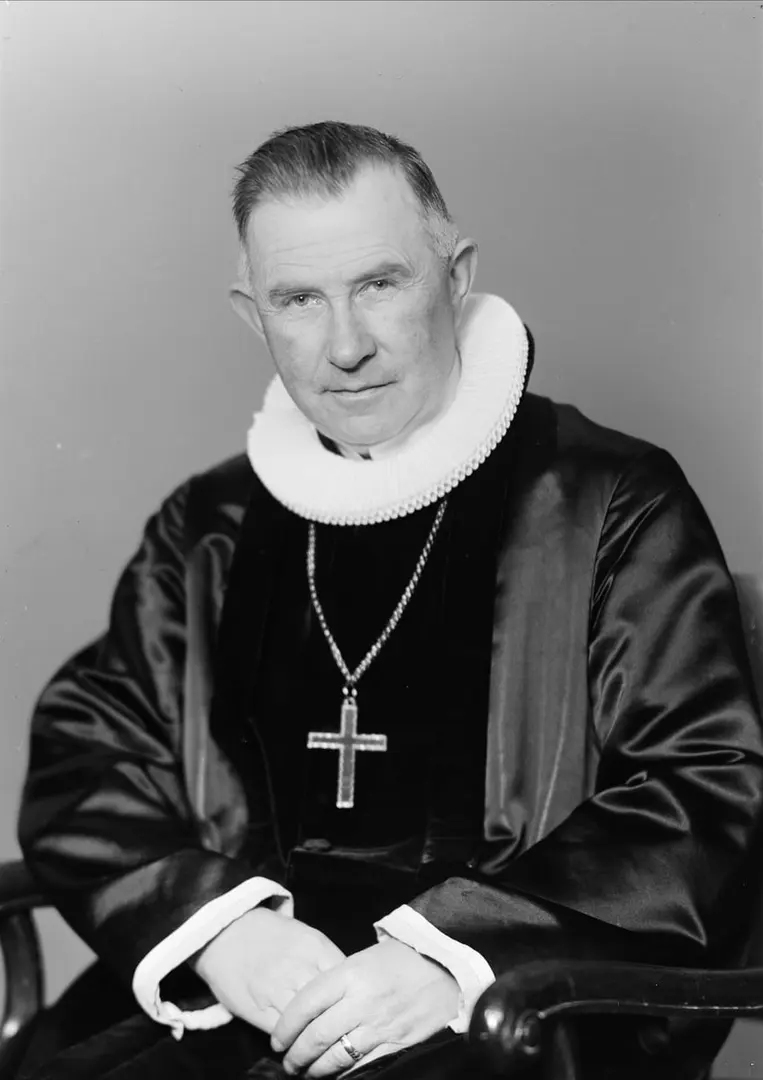
    Eivind Josef Berggrav (1884–1959) served as Bishop of Oslo and became one of Norway's most courageous moral voices during the German occupation in World War II. When Nazi authorities attempted to bring the Norwegian Church under their control, Berggrav publicly refused to comply and resigned his state-recognised church office — an act of civil disobedience that resonated across the country. He spent much of the war under house arrest but remained the central figure of the Norwegian Church Struggle. The memorial in his honour in Oslo commemorates his steadfast resistance to totalitarian power.

  • Fagerborg Church

    Fagerborg Church

    Oslo

    culture

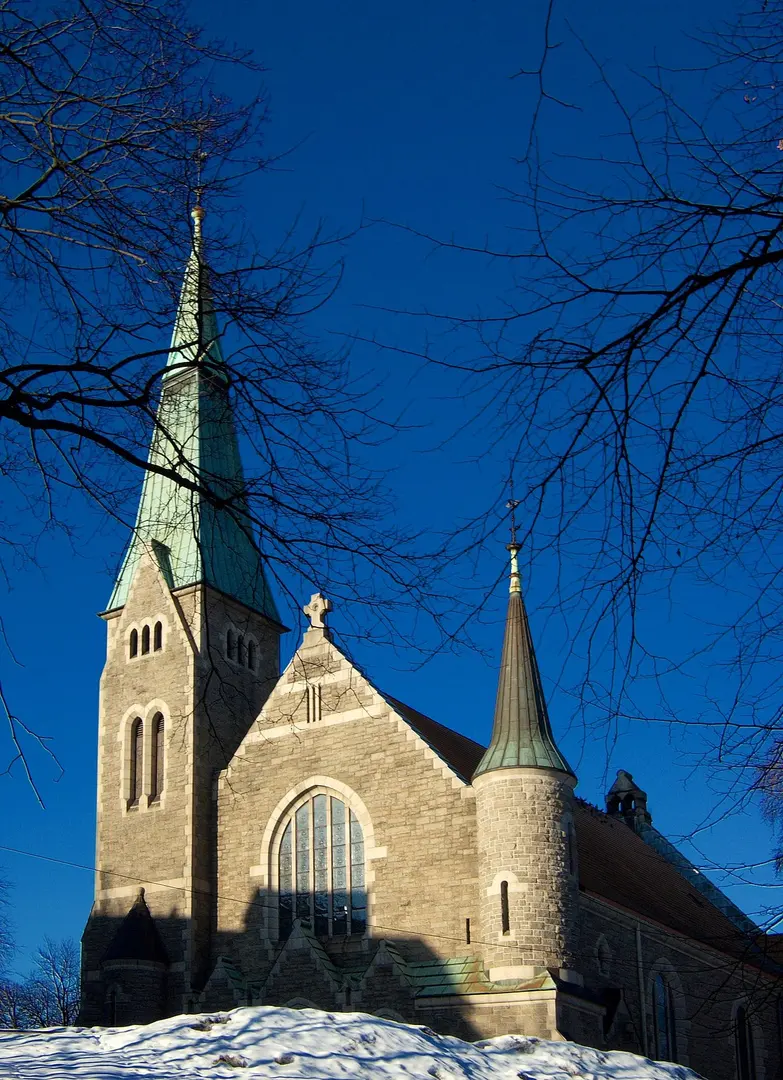
    Fagerborg kirke stands in the Fagerborg district of Oslo, just southwest of Stensparken. This listed building was completed in 1903 and belongs to the Fagerborg parish, founded in 1898, within the Diocese of Oslo of the Evangelical Lutheran Church of Norway. The church is a fine example of Norwegian historicist architecture from the turn of the twentieth century, characterized by its articulated brick exterior. Beyond regular services, it serves as a venue for concerts and community events, making it a living part of western Oslo's neighbourhood life.

  • Fetsund Booms

    Fetsund Booms

    Oslo

    culturenature

    At the mouth of the Glomma River where it meets Lake Øyeren, about 30 kilometres east of Oslo, lies Fetsund Lenser — a remarkable relic of Norway's timber industry. Established in 1861, the site used floating booms called "lenser" to sort and channel thousands of logs per day drifting downstream from the vast Glomma catchment, all without machinery — just water, timber, and human skill. Operations continued until 1985, when log driving on the Glomma was abandoned. Today the site is protected as a national heritage monument and open-air museum, part of the Akershus Museum network. Visitors can explore the historic sorting infrastructure along the riverbank and learn how the timber trade shaped Norwegian rural society for more than a century. The surrounding wetland reserve is also a haven for migratory birds, making it a rewarding stop for nature lovers year-round.

  • Folketeateret

    Folketeateret

    Oslo

    architectureculturelocal gems

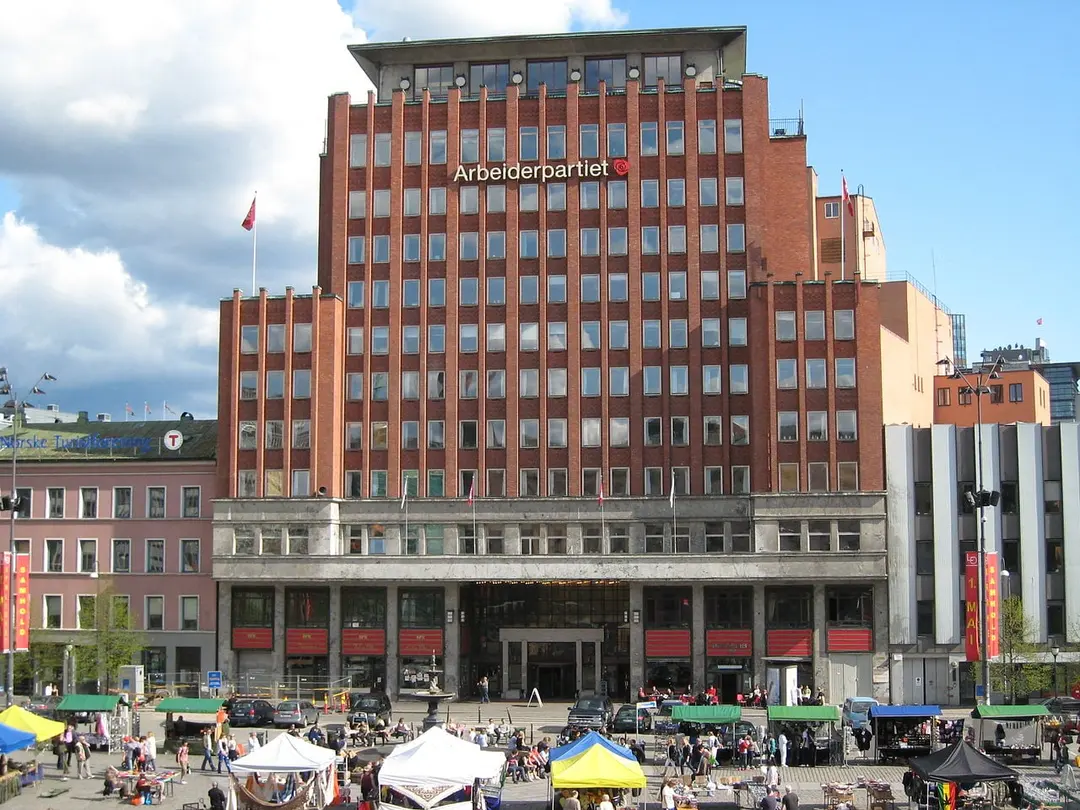
    Folketeaterbygningen is a prominent office and cultural building in the heart of Oslo, situated between the lively Youngstorget square and Storgata. Inaugurated on 2 April 1935, it houses two significant tenants under one roof: the headquarters of the social-democratic Labour Party (Arbeiderpartiet) and the Folketeateret, one of Norway's most important people's theatres. The co-location of political labour movement and popular culture is deliberate — the building embodies the close relationship between Norwegian social democracy and the country's cultural life. It has been a listed heritage building since 2009.

  • Fram Museum

    Fram Museum

    Oslo

    culturenaturelocal gems

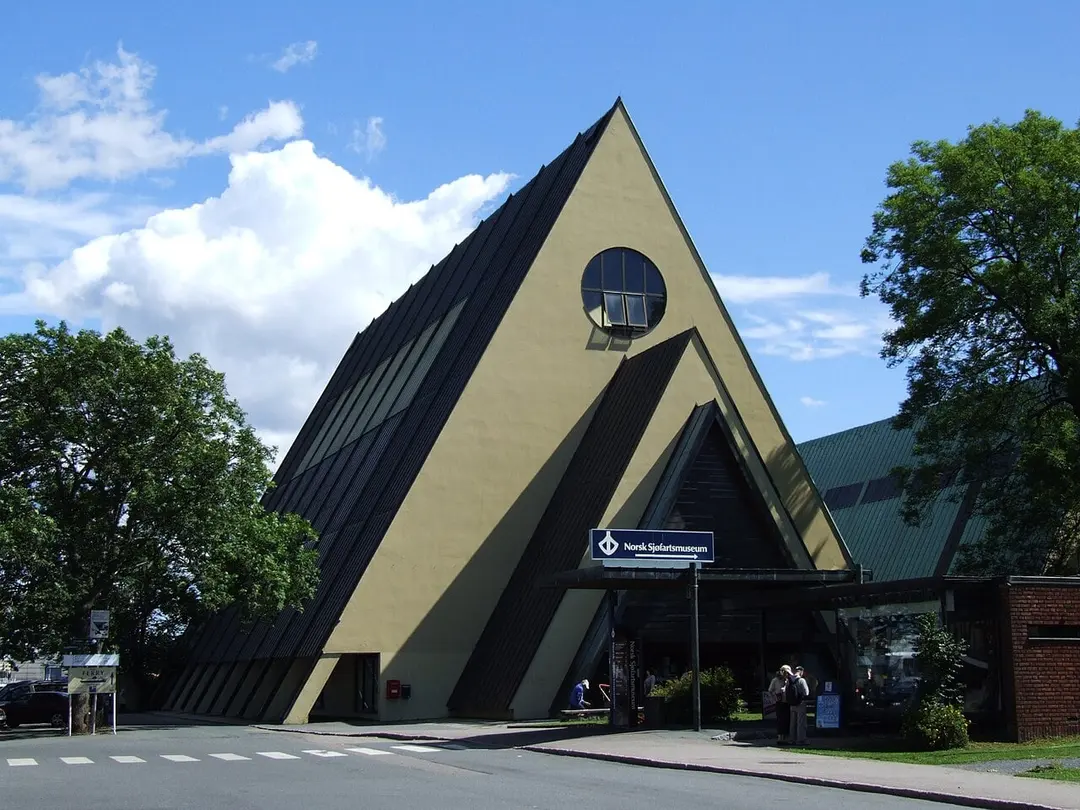
    On the Bygdøy peninsula in Oslo, a short ferry or bus ride from the city centre, the Fram Museum was built around one of the most extraordinary objects ever to sail the seas: the Fram, the strongest wooden ship ever constructed. Built in 1892, the Fram sailed farther north and farther south than any other ship in history — first with Fridtjof Nansen on an Arctic drift across the polar sea, then with Otto Sverdrup to explore the Canadian Arctic islands, and finally in 1910–1912 with Roald Amundsen, who launched the first successful expedition to the South Pole from her decks. The museum, which opened in 1936, lets visitors board the fully preserved ship, walk through the cramped crew quarters, and get close to the original polar equipment. It consistently ranks among Norway''s most visited museums.

  • Gina Krog (1847–1916)

    Gina Krog (1847–1916)

    Oslo

    local gems

    Gina Krog, full name Jørgine Anna Sverdrup Krog, was one of Norway's most important women's rights activists of the 19th and early 20th centuries. She co-founded the Norwegian Association for Women's Rights (Norsk Kvindesagsforening) in 1884 and campaigned tirelessly for women's suffrage throughout her life. In 1907 Norway became one of the first countries in the world to grant women limited voting rights — Krog was instrumental in that achievement. This monument in Oslo honours her legacy as a pioneer of the Nordic women's movement.

  • Gisle Christian Johnson (1822–1894)

    Gisle Christian Johnson (1822–1894)

    Oslo

    mystery

    Gisle Christian Johnson was a prominent Norwegian Lutheran theologian and professor who shaped the pietistic revival movement in 19th-century Norway. Teaching for decades at the University of Christiania (Oslo), he influenced generations of clergy and lay believers. His burial site in Oslo commemorates a figure whose theological legacy extended well beyond academia into Norwegian social and religious life.

  • Gjermundbo find

    Gjermundbo find

    Oslo

    knowledge

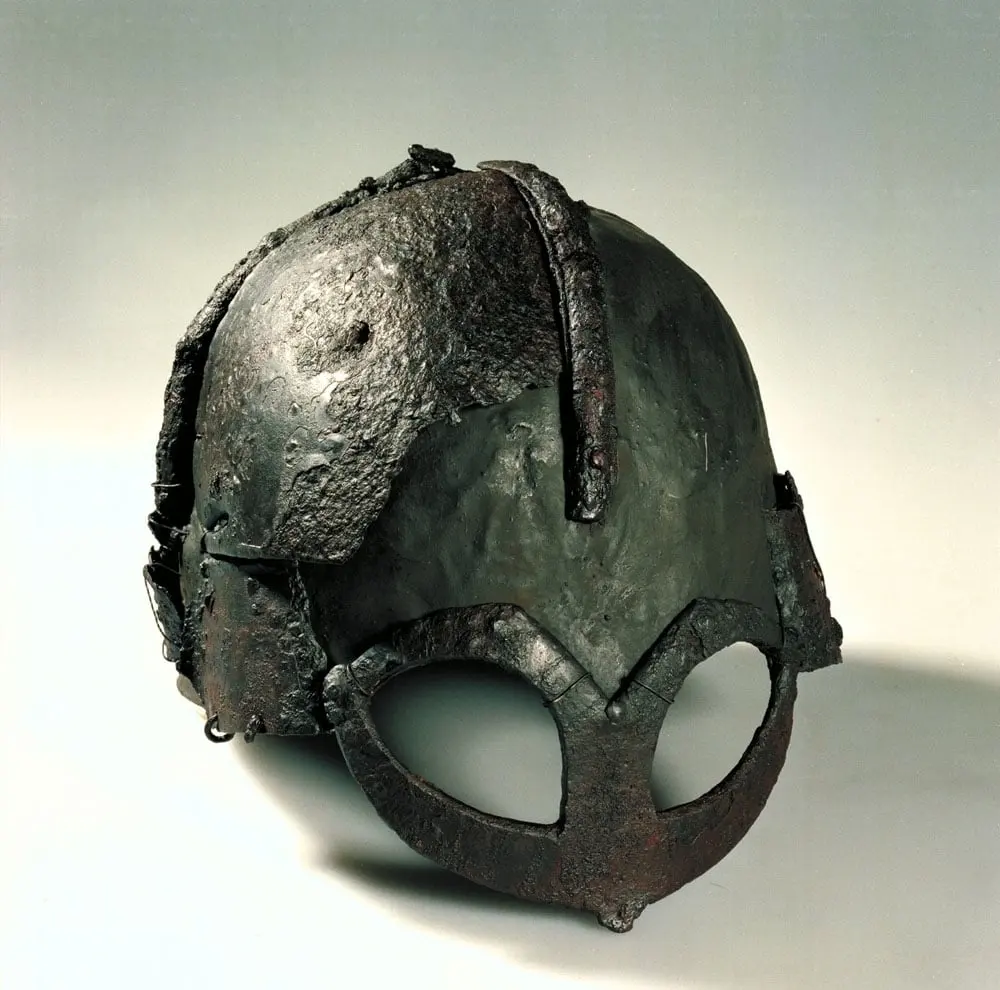
    The Gjermundbu find is one of Norway's most significant Viking Age archaeological discoveries. The helmet it yielded — a spectacle helmet or Nordic ridge helmet — is the only complete Viking helmet in existence, making it an priceless testament to Norse warrior culture from the 10th century. Discovered in 1943 at Gjermundbu in the Ringerike region, the helmet is now held at the University Museum in Oslo. Often wrongly associated with horns, it was in fact plain and functional in design. Part of the Museum of Cultural History collection, it is essential viewing for anyone fascinated by the Viking Age.

  • Gol Stave Church

    Gol Stave Church

    Oslo

    architectureknowledge

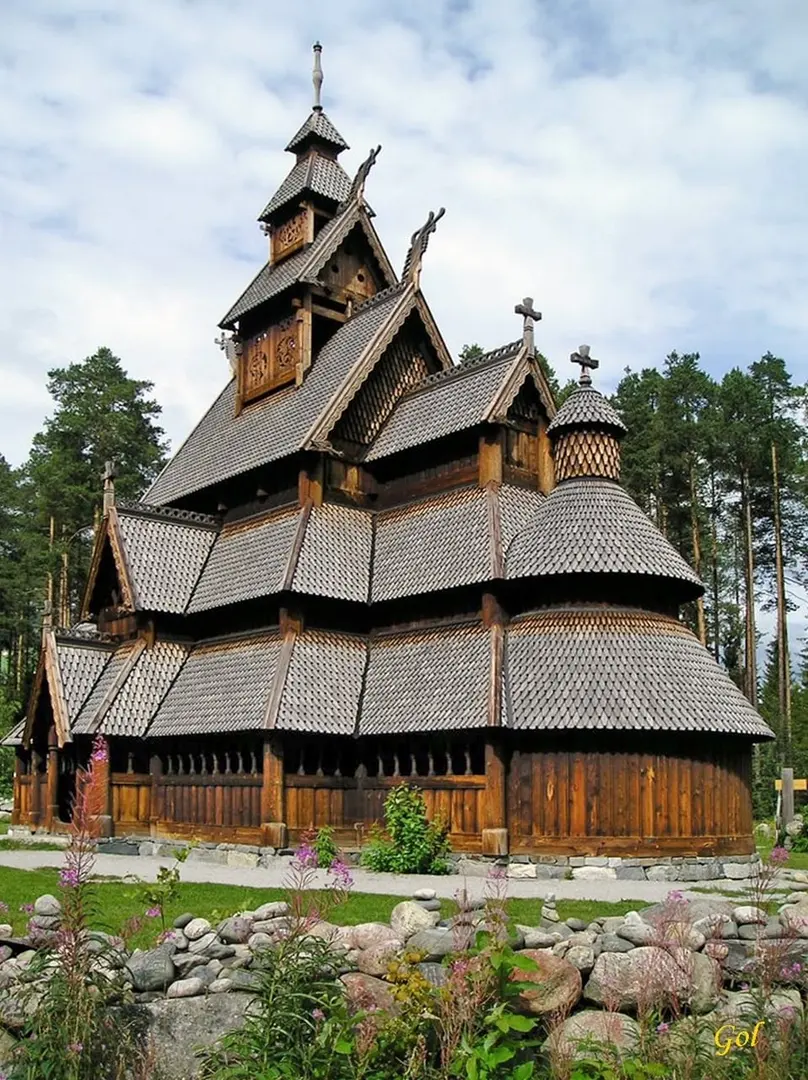
    The Gol Stave Church is one of Norway's oldest surviving stave churches and now stands within the Norsk Folkemuseum in Oslo. Originally built in the 13th century in Gol in the Buskerud region, it was relocated to Oslo in 1884 to preserve it for future generations. Architect Waldemar Hansteen reconstructed it in 1885, modelling it on the well-known Borgund stave church. The 14-mast structure of dark wood, adorned with curving dragon carvings along the rooflines, is a compelling testament to medieval Norwegian craftsmanship. Medieval paintings in the choir and apse lend the interior a profound sense of dignity. A unique piece of Norwegian spirituality and artisanship.

  • Grave of Christian and Oda Krohg

    Grave of Christian and Oda Krohg

    Oslo

    culture

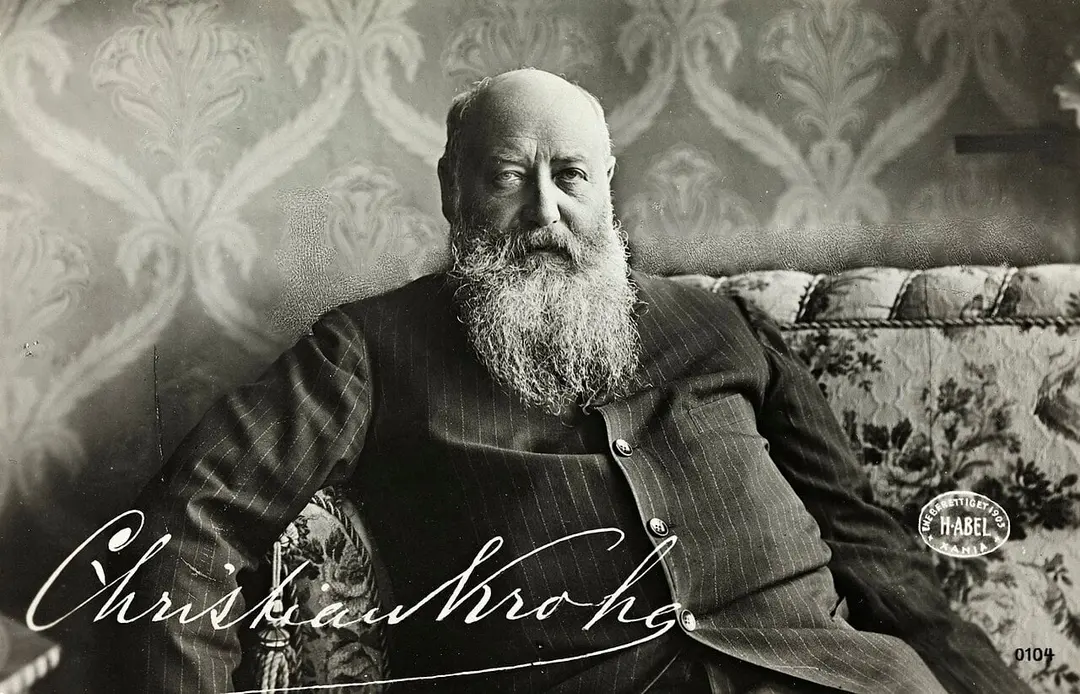
    Christian Krohg (1852–1925) was a leading Norwegian Realist painter, journalist, and member of the Skagen artists' colony in Denmark. His 1886 painting Albertine, depicting prostitution in Kristiania, caused a national scandal and remains one of the defining works of Norwegian art. His wife Oda Krohg (1860–1935) was also a painter and a prominent figure in Oslo's artistic life around the turn of the century. Their shared grave in Oslo is a quiet memorial to two individuals who shaped Scandinavian cultural history.

  • Grave of Erik and Sofie Werenskiold

    Grave of Erik and Sofie Werenskiold

    Oslo

    culture

    Erik Theodor Werenskiold (1855–1938) is one of the most important Norwegian painters and illustrators of the 19th and early 20th centuries. He is particularly celebrated for his drawings accompanying Asbjørnsen and Moe's collection of Norwegian folk tales and his illustrations for Snorre's Kings' Sagas — works that shaped the visual imagination of Norwegian mythology and history for generations. He is buried together with his mother Sofie Werenskiold (1840–1926) at a cemetery in Oslo. The grave offers a quiet memorial to an artist whose imagery remains present in Norwegian schoolbooks and cultural institutions to this day.

  • Grini Museum

    Grini Museum

    Oslo

    culture

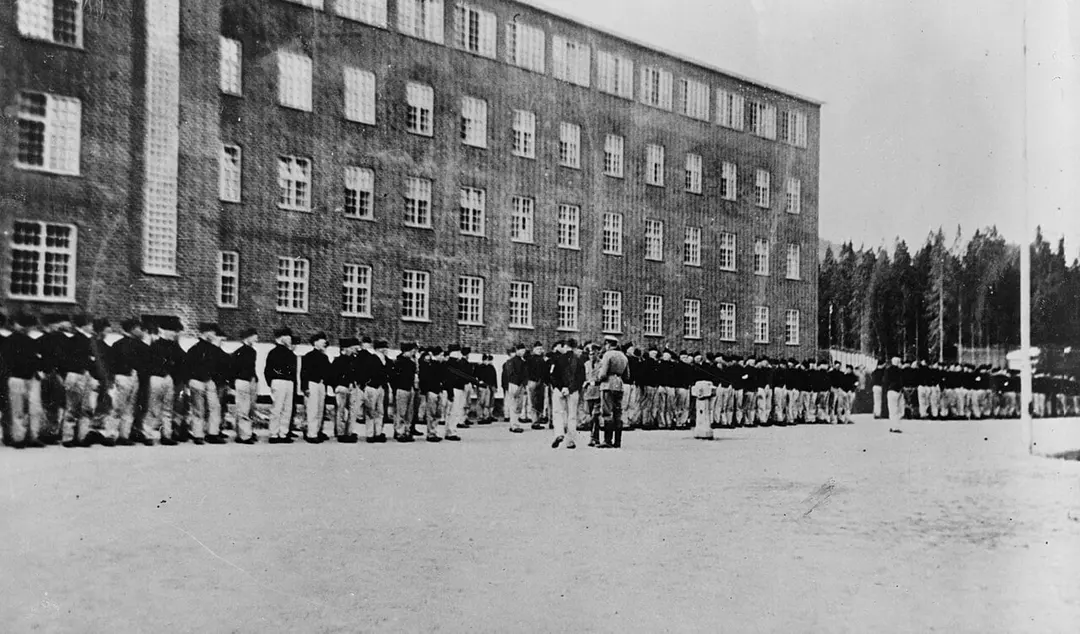
    The Grini Museum in the municipality of Bærum, southwest of Oslo, commemorates the largest Nazi concentration camp on Norwegian soil. The site was originally built in 1939 as a women's prison but was quickly repurposed after Germany's occupation of Norway in 1940. From 14 June 1941 the SS operated a concentration camp here, in which around 19,000 people were imprisoned until the end of the war – including resistance fighters, political prisoners and Jews. The museum documents the fate of the prisoners through original artefacts, photographs and personal testimonies, serving as a sober reminder of the crimes of the occupation era. A visit is an essential part of understanding Norway's wartime history.

  • Gude Family Burial Site

    Gude Family Burial Site

    Oslo

    culturemystery

    This burial site in Oslo commemorates Hans Fredrik Gude (1825–1903), one of Norway's most celebrated 19th-century painters. Associated with the Düsseldorf School, Gude created romantic landscape and marine paintings depicting Norwegian fjords and coastal scenes with an atmospheric quality ahead of his time. His work played a formative role in shaping a distinctly Norwegian visual tradition before the era of National Romanticism. The family grave is a quiet place of remembrance for an artist whose paintings still hang in major Scandinavian museums.

  • Kon-Tiki Museum

    Kon-Tiki Museum

    Oslo

    outdoor activitieslocal gemsknowledge

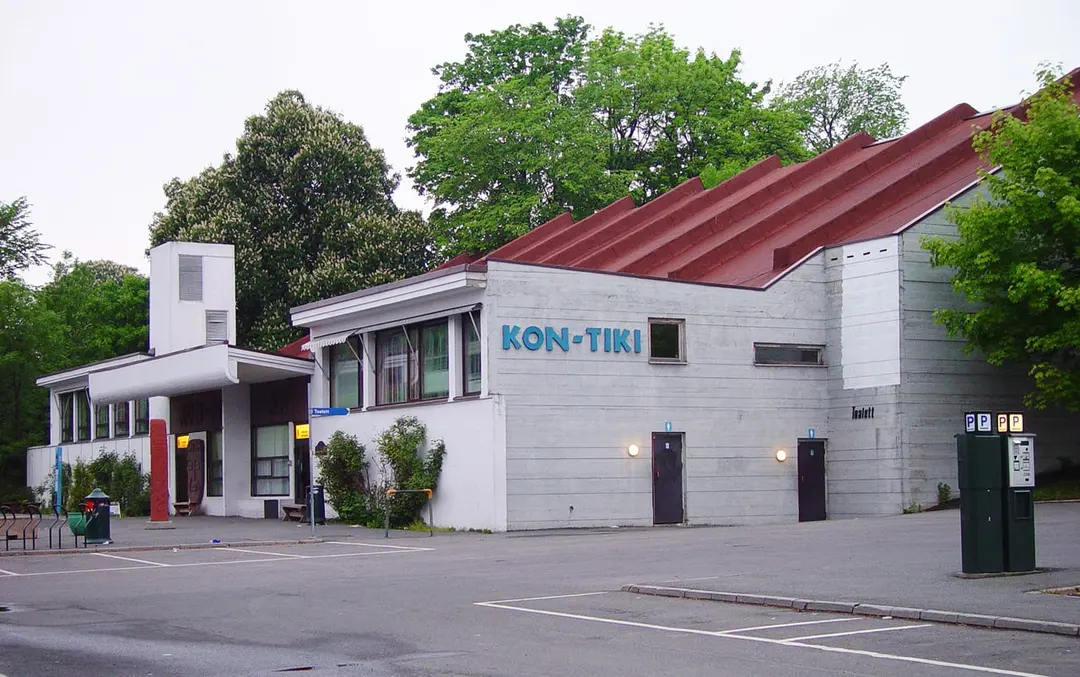
    The Kon-Tiki Museum on Oslo's Bygdøy peninsula displays the original balsa raft from the legendary 1947 Kon-Tiki expedition, on which Thor Heyerdahl crossed the Pacific to support his theory of Polynesian origins. Alongside the raft, the museum — opened in 1949 — holds the papyrus boat Ra II, maps, artefacts, and an extensive library. It stands as a symbol of Norwegian exploratory spirit and is part of Bygdøy's maritime museum mile.

  • Middelalderparken Oslo

    Middelalderparken Oslo

    Oslo

    nature

    Middelalderparken is a 70-hectare green space in Oslo Gamle Oslo district, opened in 2000 on the site of the medieval city core. Beneath its lawns and walkways lie foundations and ruins of the old bishop residence, the royal palace, and the medieval Church of the Virgin Mary from the 12th and 13th centuries. The area is designated an archaeological protection zone with all construction prohibited. Visitors can stroll in the open air while information boards explain the layers of Norwegian urban history. In summer the park hosts events and open-air concerts.

  • Monument to Håkon Løken (1859–1923)

    Monument to Håkon Løken (1859–1923)

    Oslo

    culture

    This monument in Oslo commemorates Håkon Løken, a Norwegian jurist, journalist and politician of the late 19th and early 20th centuries. Løken was a versatile figure in Norwegian public life during the time of the union with Sweden and the subsequent independence of 1905. As a jurist, journalist and politician he embodied the civic intellectual of his era, active across multiple fields of public life simultaneously. The monument, erected in 1923 shortly after his death, reflects the esteem he enjoyed in Oslo. For most visitors it is a chance discovery on a walk — for those who know him, it offers a portrait of Norway's formative years.

Keep exploring

These places are just the beginning.

Rate places with a swipe — TravelType learns from your tags what you love and curates your own map. Private until you choose to share.

Create your profile