TravelType

local gems

Local gems in Oslo

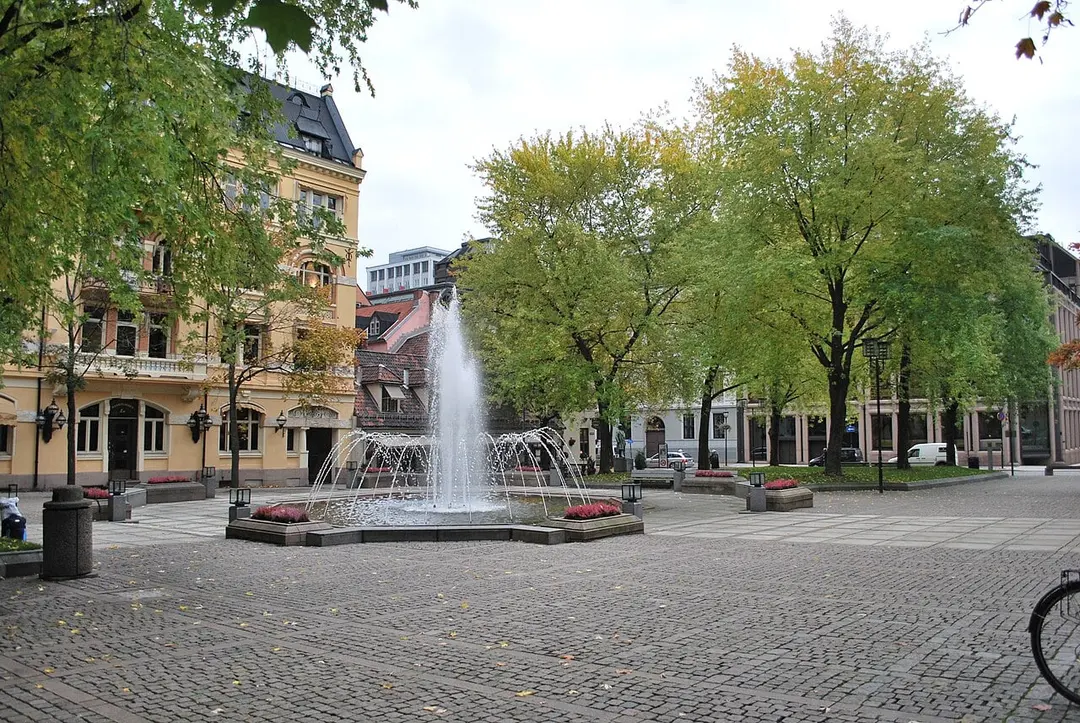
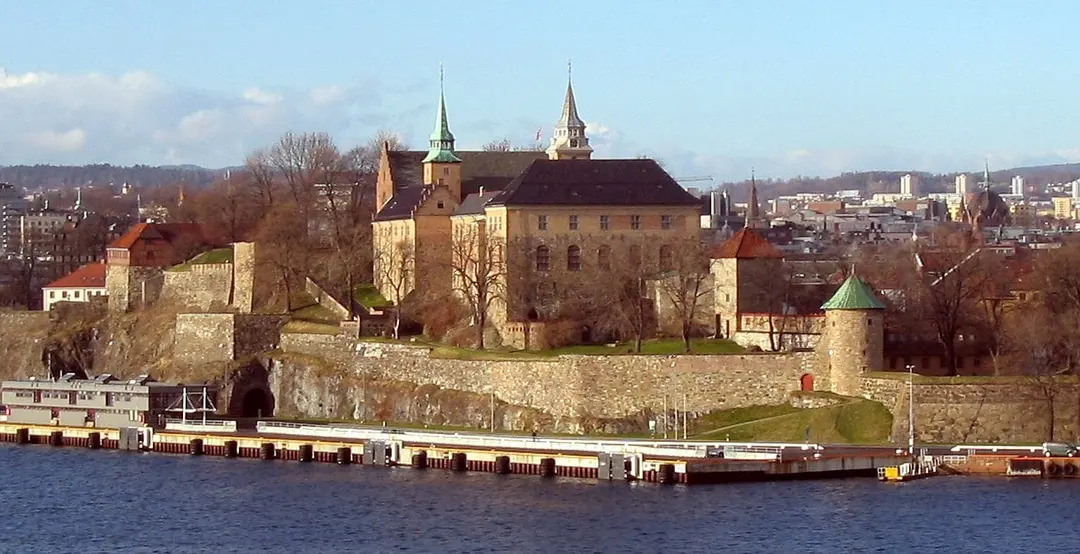
Oslo rewards those who look beyond the obvious. Akershus Fortress rises above the fjord as a quiet counterpoint to the city's modern rhythm, while squares like Alexander Kiellands plass and Einar Gerhardsens plass offer a genuine slice of local life. The park at Birkelunden and the crossing at Ankerbrua are neighbourhood favourites, and Bankplassen provides a calm historical backdrop in the city centre. Deichman Bjørvika and Folketeateret anchor Oslo's cultural scene, Colosseum Kino is a beloved cinema institution, and Bislett Stadium carries decades of sporting memory. The Fram Museum rounds out a city full of layered, unhurried discoveries.

17 places · Oslo, Norway · Editorially curated

  • Akershus Fortress

    Akershus Fortress

    Oslo

    architectureculturehistory+1

    Akershus Fortress is one of Norway's most important historical monuments and Oslo's most iconic waterfront landmark. Built around 1290 by King Håkon V, it served for centuries as a royal residence, prison, and military base. The imposing complex on the Akersneset peninsula commands sweeping views over the Oslofjord. Throughout its history the fortress was besieged nine times — never successfully — and endured its darkest chapter during the German occupation in World War II. Today, sections of the castle house museums including a Resistance Museum, while the medieval grounds and outer walls are free to explore.
  • Alexander Kiellands plass

    Alexander Kiellands plass

    Oslo

    culturenature

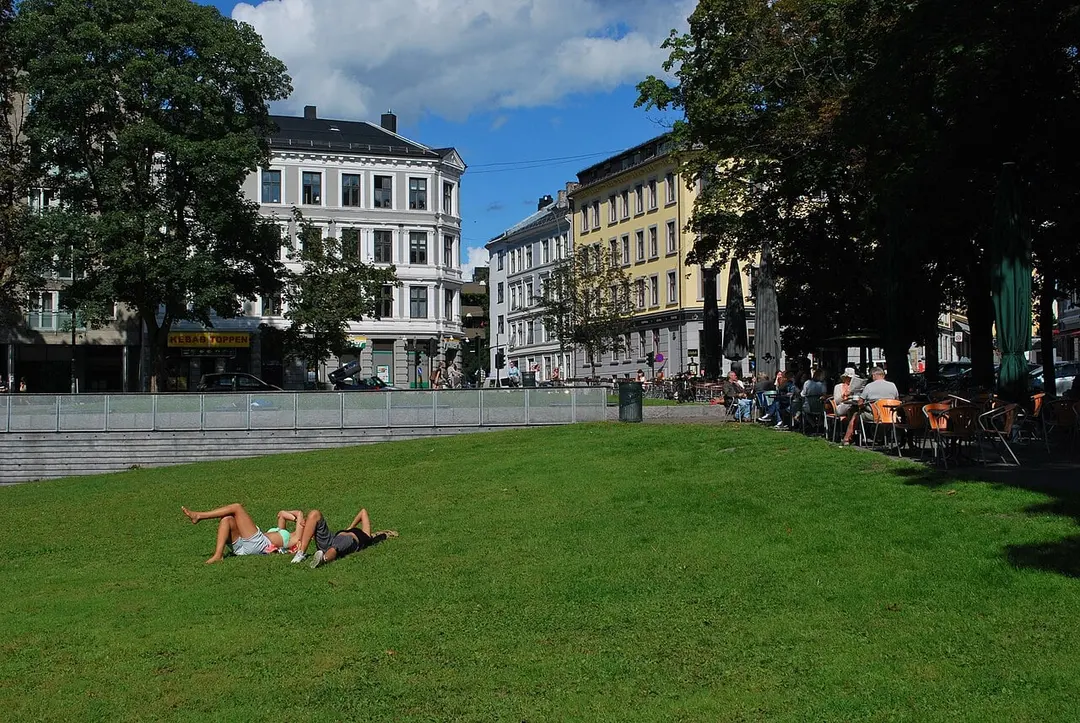
    Alexander Kiellands plass is a lively square and park in the heart of Grünerløkka, one of Oslo's most vibrant and creative neighbourhoods. Named after the celebrated 19th-century Norwegian author Alexander Lange Kielland, known for his socially critical novels, the square today serves as a beloved gathering spot for locals. In summer it buzzes with café goers, families, and occasional market stalls, framed by characterful turn-of-the-century buildings. It captures Oslo's relaxed urban spirit perfectly and is a fine starting point for exploring the neighbourhood's independent shops and food scene.

  • Ankerbrua

    Ankerbrua

    Oslo

    architecturenatureoutdoor activities

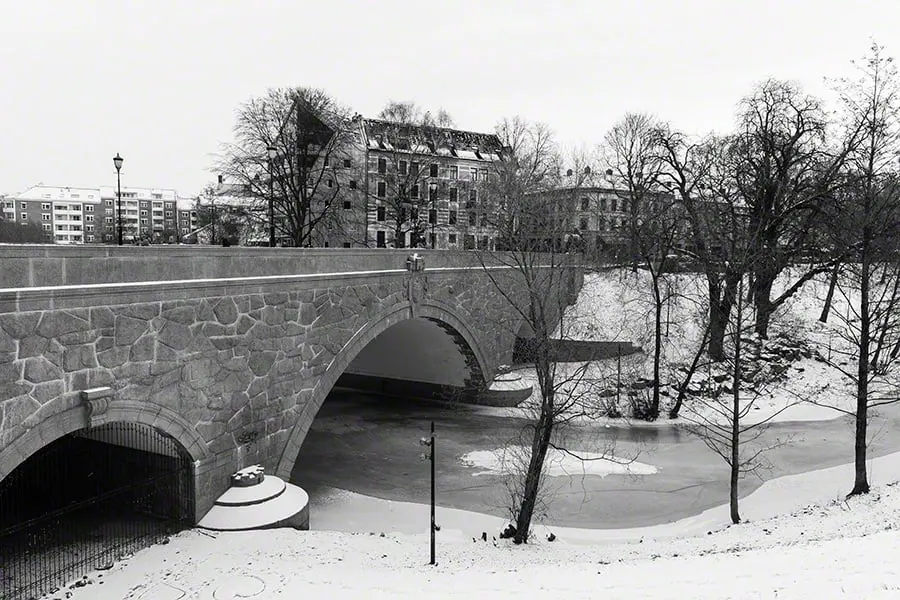
    Ankerbrua is a bridge over the Akerselva river in Oslo, one of several characteristic crossings along this beloved urban waterway. The Akerselva connects Oslo's city centre with the greener north and serves as a popular walking route for locals and visitors alike. The bridge sits in a stretch defined by old industrial character and a newer wave of cafés and creative studios. It is not a grand monument, but rather one of those quiet urban connections that hold a neighbourhood together and make everyday Oslo worth exploring.

  • Bankplassen

    Bankplassen

    Oslo

    architectureknowledge

    Bankplassen is a well-kept public square in the heart of Oslo's Sentrum district. Its name comes from Norges Bank, Norway's central bank, which built several of its key buildings here over the years — including its current headquarters, a neoclassical structure dating to the nineteenth century. The square is framed by historic architecture that reflects Norway's economic rise. Today Bankplassen is a pleasant urban retreat, with cafés and offices nearby. It sits close to the Oslofjord waterfront, making it a calm spot amid the city's busier streets.

  • Birkelunden

    Birkelunden

    Oslo

    culturenatureoutdoor activities

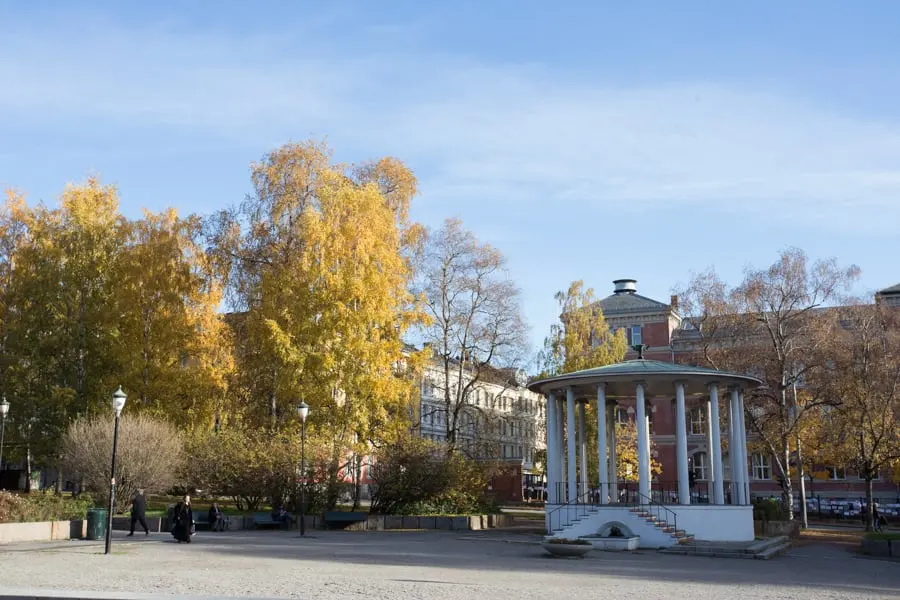
    Birkelunden — meaning "birch grove" — is the leafy heart of Grünerløkka, Oslo's most vibrant inner-city neighbourhood. Shaded by mature birches and chestnut trees, the park offers benches, lawns, and a bandstand that hosts concerts and local festivals in summer. It functions as the neighbourhood's informal living room: families, skateboarders, dog owners, and café-hoppers from the surrounding specialty coffee scene all converge here. If you want to see Oslo beyond the tourist circuits, sitting in Birkelunden for an afternoon gives you an honest, unhurried glimpse of everyday city life.

  • Bislett Stadium

    Bislett Stadium

    Oslo

    culturehistoryoutdoor activities

    Bislett Stadium in Oslo's Bislett neighborhood is a legend of athletics. Since its opening in 1922, more world records have been set here than at any other stadium on earth — milestones by Emil Zátopek, Gunder Hägg, Sebastian Coe, and many others. The annual Bislett Games are part of the Diamond League series and attract the global elite. The stadium also serves as a home ground for Norwegian football clubs. Its compact, city-center design creates a unique atmosphere: stands that press close to the track, and a crowd that seems to physically propel athletes forward.

  • Colosseum Kino

    Colosseum Kino

    Oslo

    culture

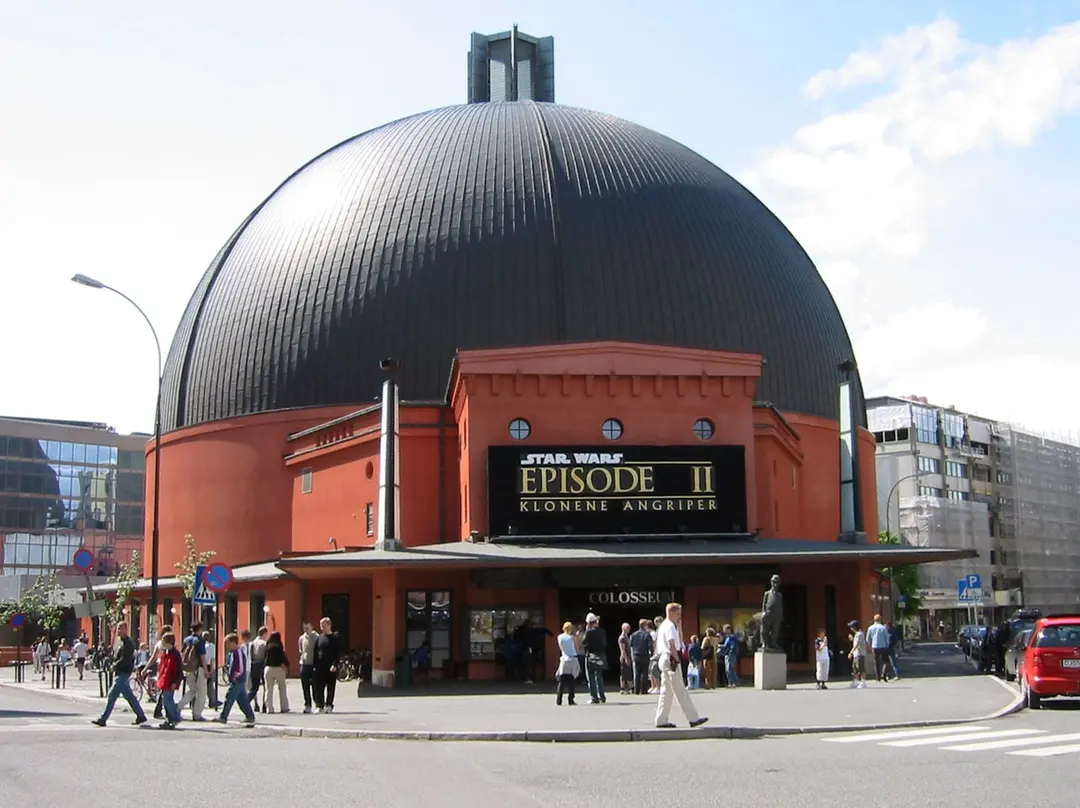
    The Colosseum Cinema in Oslo's Majorstuen district has been a cornerstone of Norwegian film culture since its opening in 1928. Its main auditorium, seating around 800, is the largest cinema screen in Oslo — a proper film palace in the pre-war tradition. Over the decades the Colosseum has hosted countless Norwegian and international film premieres and special events, cementing its status as the city's premier cinema venue. The ornate interior still evokes the glamour of early 20th-century movie houses. For anyone who enjoys cinema as an experience in itself, not just a delivery mechanism for films, the Colosseum is worth seeking out.

  • Consto Stadion (Mjøndalen)

    Consto Stadion (Mjøndalen)

    Oslo

    outdoor activities

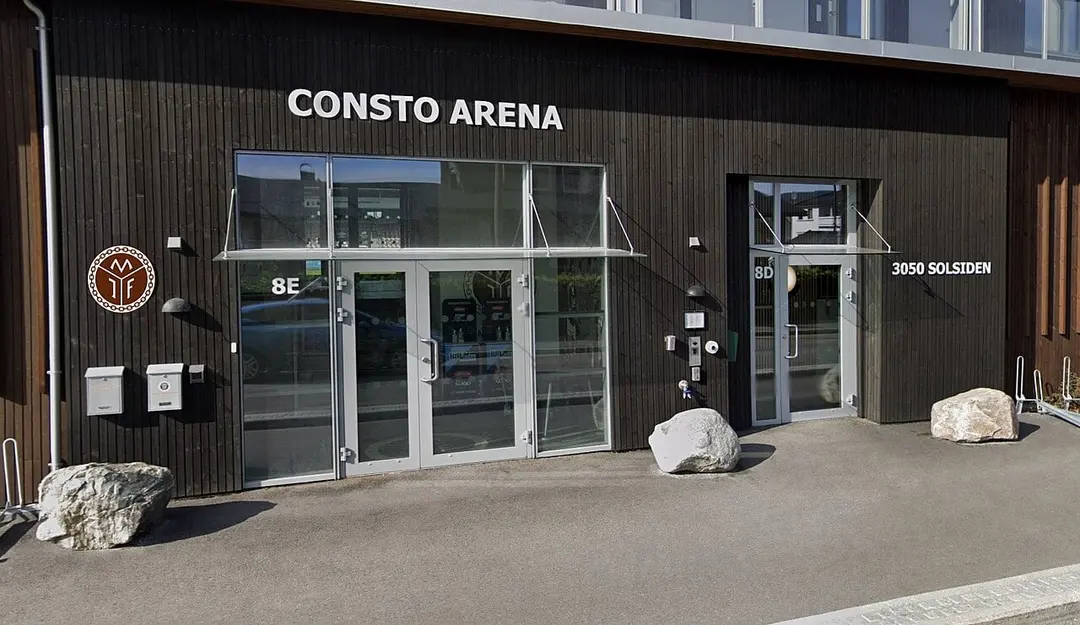
    Consto Stadion — also known as Consto Arena — is the home ground of Mjøndalen IF in the municipality of Drammen, southwest of Oslo. One of Norway's more storied clubs, Mjøndalen IF has competed multiple times in the top flight of Norwegian football. The stadium holds around 8,500 spectators and reflects the grounded, passionate football culture found in Norwegian provincial clubs. Attending a home match here offers an authentic experience of local football far from the big arenas, with a loyal fan base and a close-knit, family atmosphere that bigger stadiums rarely manage to replicate.

  • Deichman Bjørvika

    Deichman Bjørvika

    Oslo

    architecturecultureknowledge

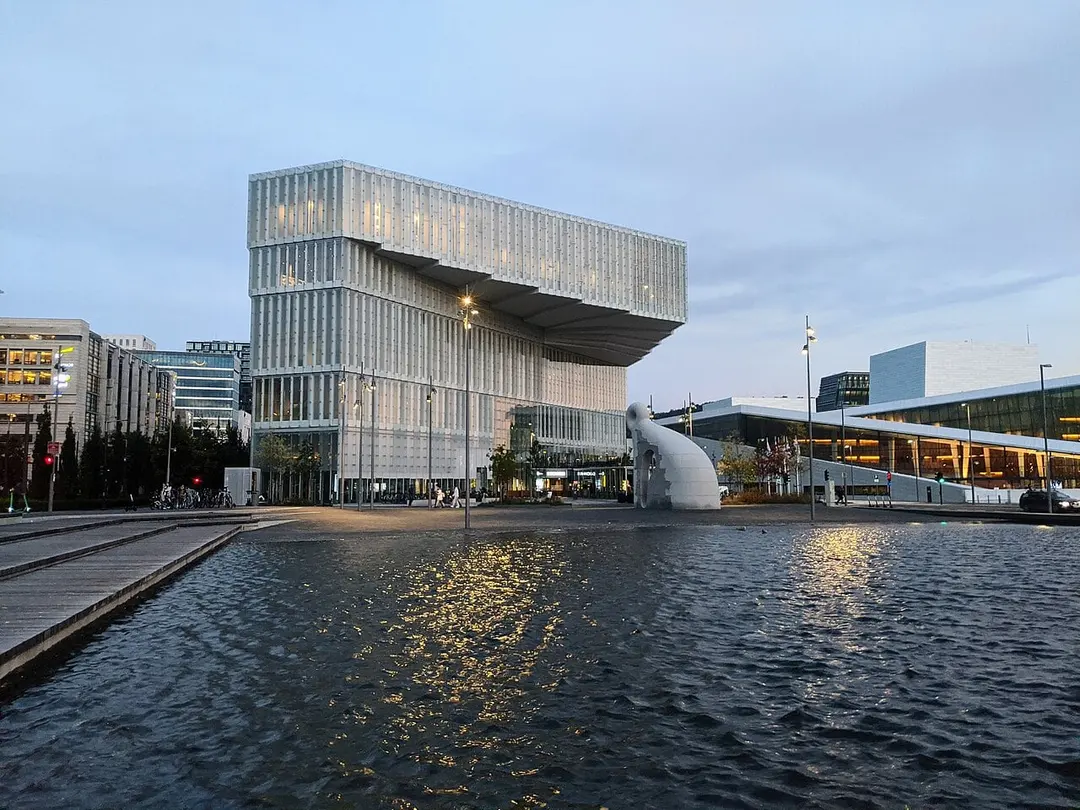
    Deichman Bjørvika is Oslo's new main public library, opened in 2020 directly on the fjord in the regenerated Bjørvika district — steps from the Opera House and the Munch Museum. Designed by Atelier Oslo and Lundhagem, the building is defined by its stepped, green-topped terraces that open towards the fjord. Inside, visitors find around 450,000 items across generous reading rooms, a café, makerspaces, children's play areas, and event spaces. Deichman is one of Norway's oldest public libraries — founded in 1785 — and now serves simultaneously as a modern community hub and cultural institution. Entry is free, and the architecture alone makes it a worthwhile destination in Oslo's evolving waterfront.

  • Einar Gerhardsens plass

    Einar Gerhardsens plass

    Oslo

    architectureculturehistory

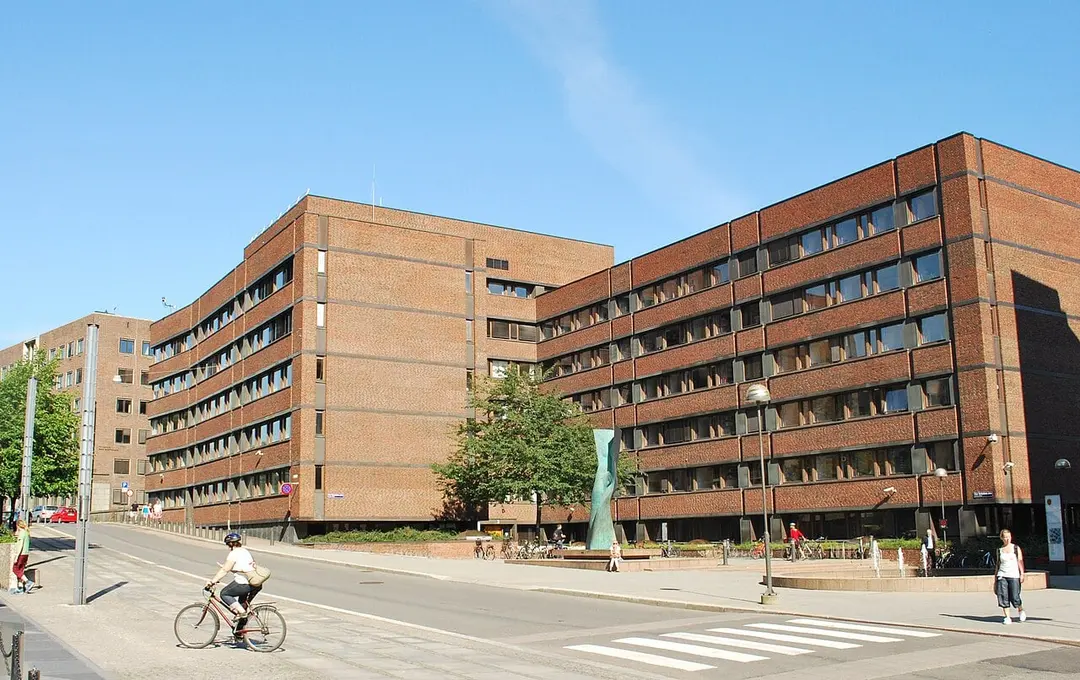
    Named after Einar Gerhardsen, Norway's most influential post-war prime minister, this square in Oslo's government quarter was scarred into history on 22 July 2011 when a car bomb exploded here, killing eight people. It was the opening act of the deadliest terrorist attack in Norway since World War II, followed by the massacre at Utøya island. Surrounding government buildings were heavily damaged, and several have since been demolished. Memorial markers now stand on the square, which sits at the heart of ongoing discussions about how the government quarter should be rebuilt and remembered.

  • Folketeateret

    Folketeateret

    Oslo

    architectureculturehistory

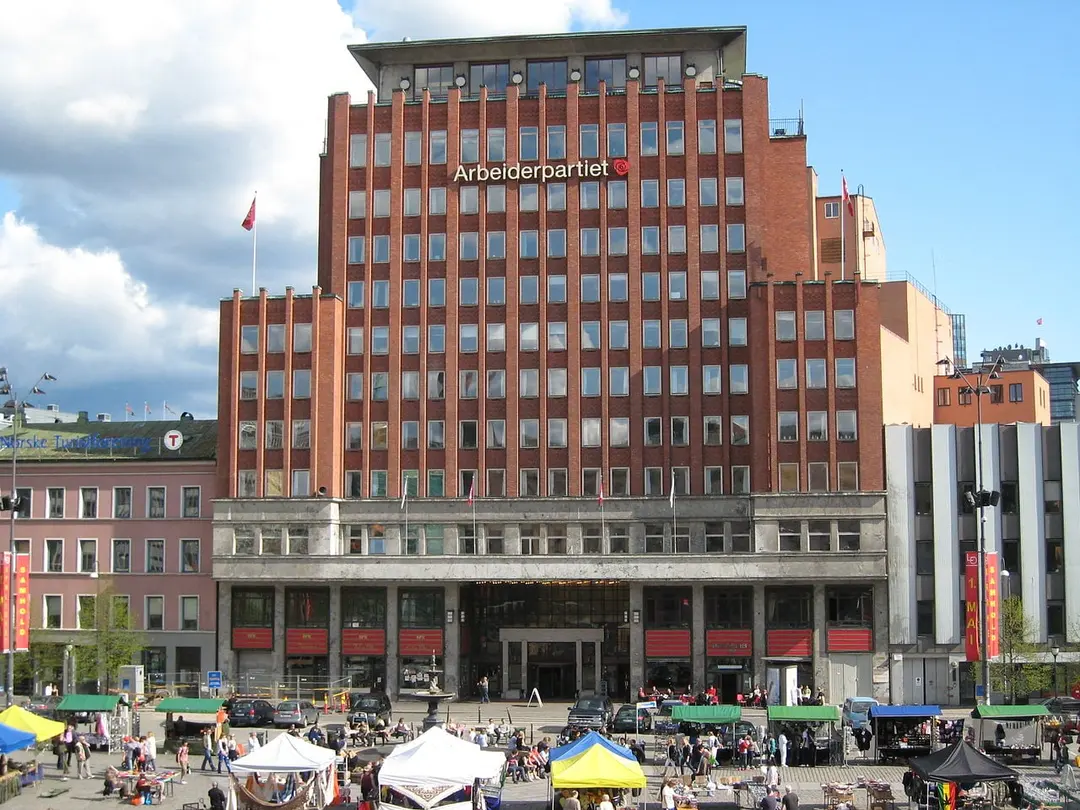
    Folketeaterbygningen is a prominent office and cultural building in the heart of Oslo, situated between the lively Youngstorget square and Storgata. Inaugurated on 2 April 1935, it houses two significant tenants under one roof: the headquarters of the social-democratic Labour Party (Arbeiderpartiet) and the Folketeateret, one of Norway's most important people's theatres. The co-location of political labour movement and popular culture is deliberate — the building embodies the close relationship between Norwegian social democracy and the country's cultural life. It has been a listed heritage building since 2009.

  • Fram Museum

    Fram Museum

    Oslo

    culturenaturehistory

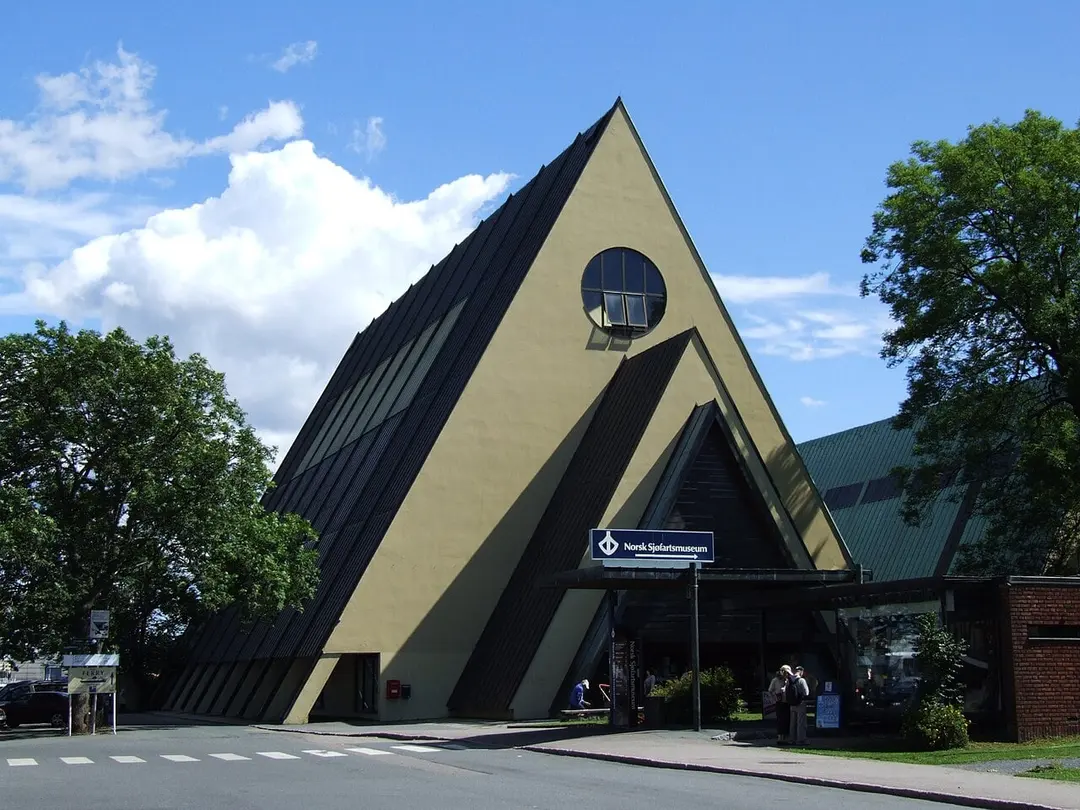
    On the Bygdøy peninsula in Oslo, a short ferry or bus ride from the city centre, the Fram Museum was built around one of the most extraordinary objects ever to sail the seas: the Fram, the strongest wooden ship ever constructed. Built in 1892, the Fram sailed farther north and farther south than any other ship in history — first with Fridtjof Nansen on an Arctic drift across the polar sea, then with Otto Sverdrup to explore the Canadian Arctic islands, and finally in 1910–1912 with Roald Amundsen, who launched the first successful expedition to the South Pole from her decks. The museum, which opened in 1936, lets visitors board the fully preserved ship, walk through the cramped crew quarters, and get close to the original polar equipment. It consistently ranks among Norway''s most visited museums.

  • Gina Krog (1847–1916)

    Gina Krog (1847–1916)

    Oslo

    history

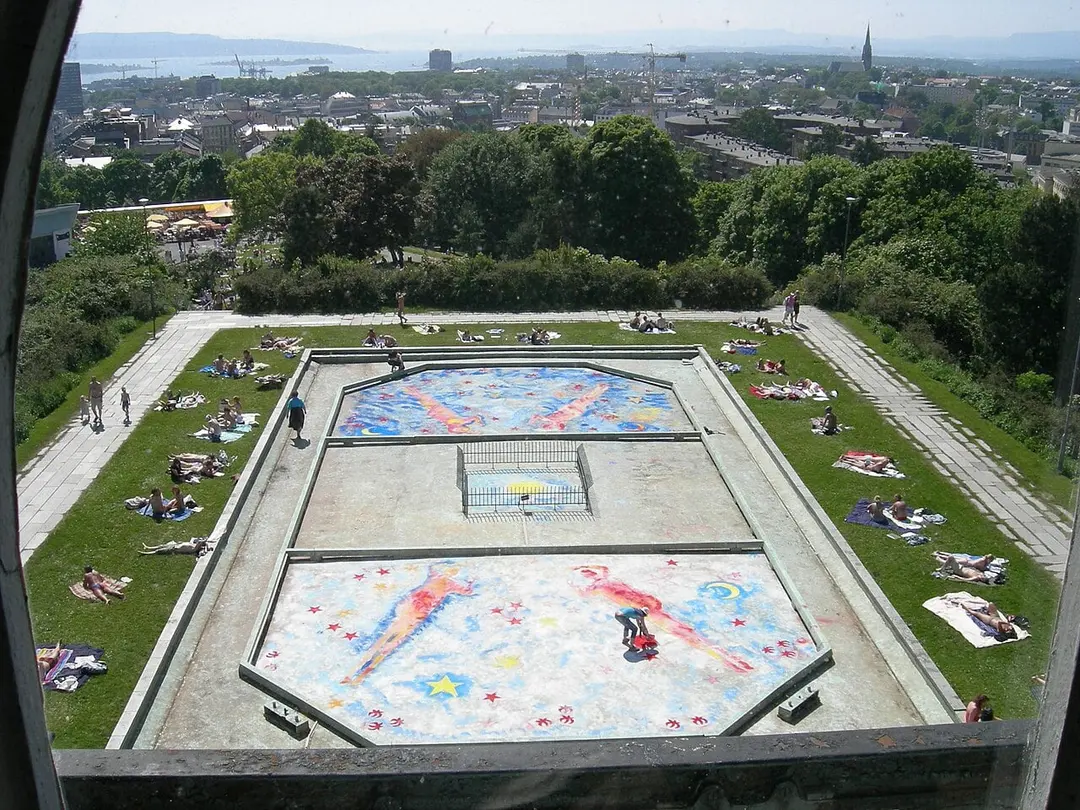
    Gina Krog, full name Jørgine Anna Sverdrup Krog, was one of Norway's most important women's rights activists of the 19th and early 20th centuries. She co-founded the Norwegian Association for Women's Rights (Norsk Kvindesagsforening) in 1884 and campaigned tirelessly for women's suffrage throughout her life. In 1907 Norway became one of the first countries in the world to grant women limited voting rights — Krog was instrumental in that achievement. This monument in Oslo honours her legacy as a pioneer of the Nordic women's movement.

  • Intility Arena Oslo

    Intility Arena Oslo

    Oslo

    outdoor activities

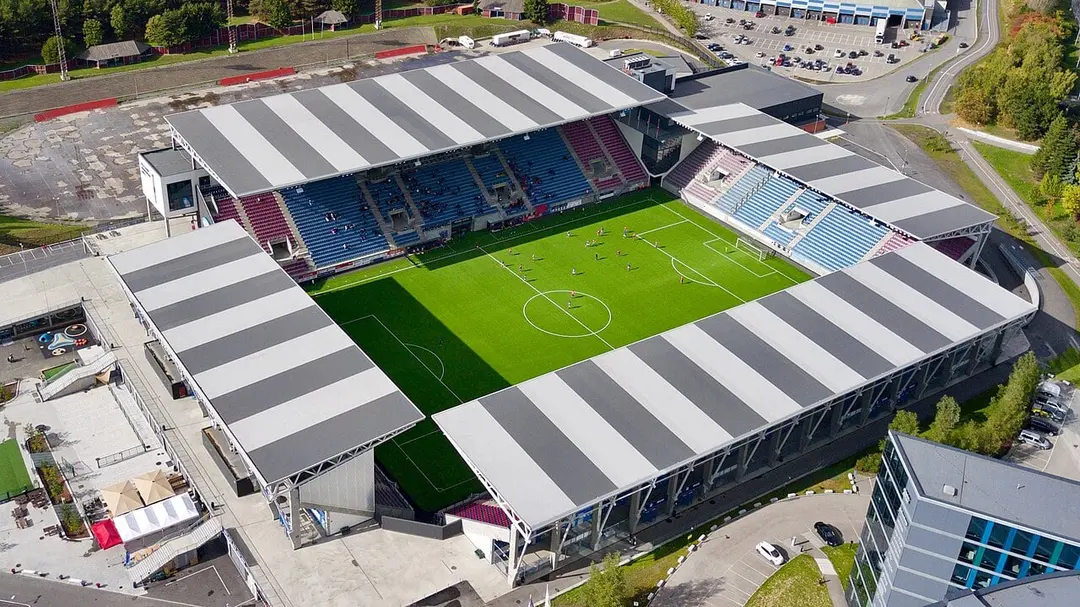
    Intility Arena in Oslo's Valle Hovin district is Norway's most modern football stadium and home to historic club Vålerenga Oslo. Completed in 2010 and owned by the club itself, it holds 16,555 spectators across four stands – including a separate away section and accessible seating. Notably, the arena is shared by both Vålerenga Fotball (men's, Eliteserien) and Vålerenga Fotball Damer (women's, Toppserien). By building their own ground, Vålerenga became one of the first Norwegian clubs to pursue genuine economic independence.

  • Kon-Tiki Museum

    Kon-Tiki Museum

    Oslo

    historyoutdoor activitiesknowledge

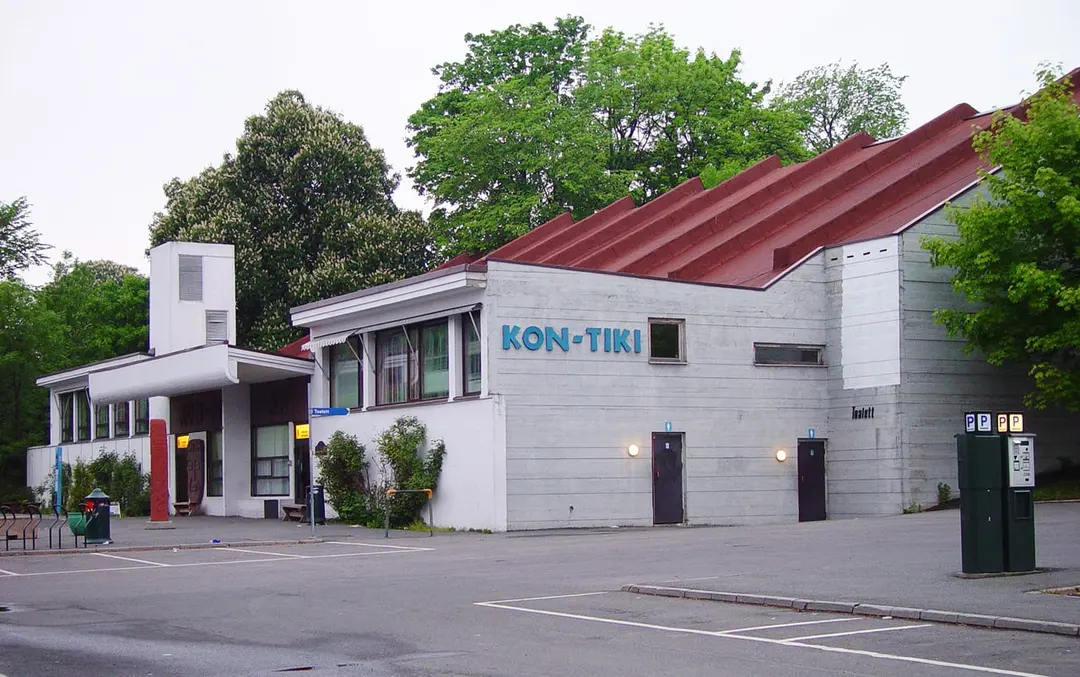
    The Kon-Tiki Museum on Oslo's Bygdøy peninsula displays the original balsa raft from the legendary 1947 Kon-Tiki expedition, on which Thor Heyerdahl crossed the Pacific to support his theory of Polynesian origins. Alongside the raft, the museum — opened in 1949 — holds the papyrus boat Ra II, maps, artefacts, and an extensive library. It stands as a symbol of Norwegian exploratory spirit and is part of Bygdøy's maritime museum mile.

  • MUNCH (Munch Museum Oslo)

    MUNCH (Munch Museum Oslo)

    Oslo

    cultureknowledge

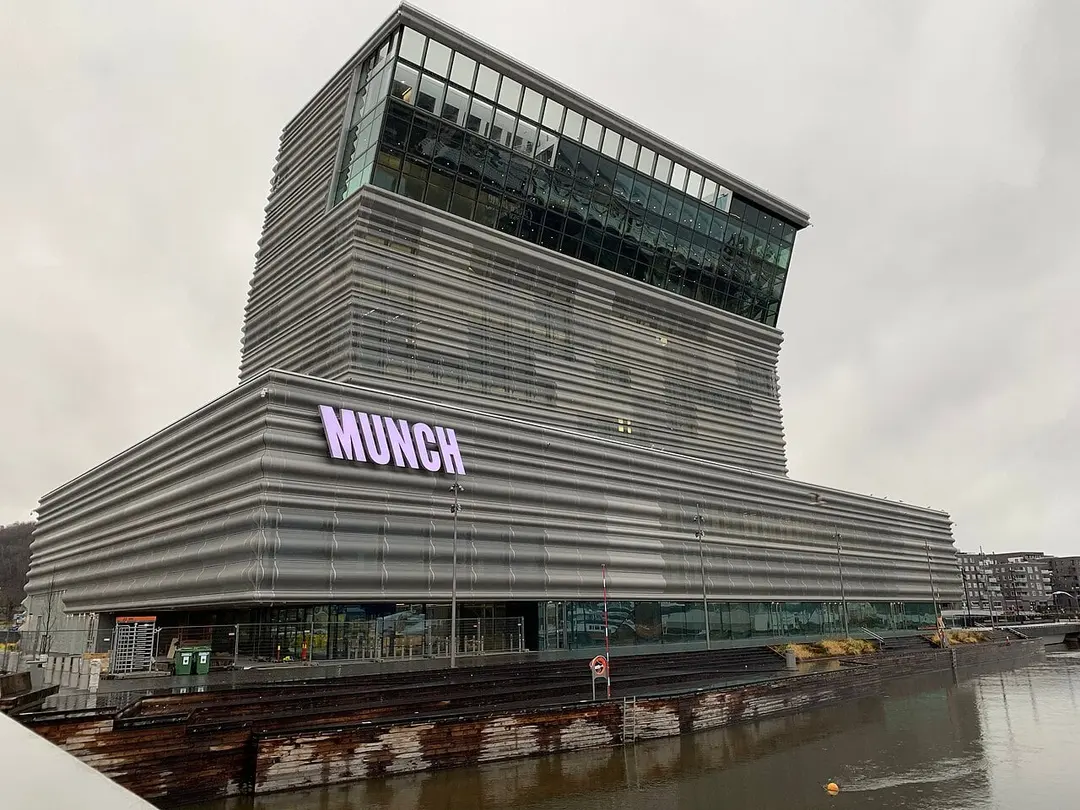
    MUNCH in Oslo is one of the world's largest museums dedicated to a single artist. It holds the bequest of Edvard Munch — approximately 28,000 works that the painter left to the city of Oslo in 1940. Since 2021, the museum has been housed in a striking new building in the Bjørvika waterfront district: a 13-storey tower with a tilted profile rising above the Oslofjord. Beyond The Scream and other iconic works, the museum displays a rotating programme of sketches, prints, and rarely shown early pieces. The building itself, with its views over the Oslo Opera House and the fjord, is an experience in its own right.

Keep exploring

These places are just the beginning.

Rate places with a swipe — TravelType learns from your tags what you love and curates your own map. Private until you choose to share.

Create your profile