TravelType

nature

Nature in Oslo

Oslo weaves urban life and open nature closely together. Frogner Park provides expansive green space within the city, while Middelalderparken Oslo layers history into a riverside setting. Along the Akerselva river, crossings such as Ankerbrua and Åmodt Bridge pass through tree-lined banks and parks. Smaller green squares like Birkelunden, Eidsvolls plass, and Alexander Kiellands plass break up the denser neighbourhoods. Oscarshall palace sits against the fjord shore, and the Fetsund Booms reflect how the region's rivers were once central to everyday life. The Fram Museum speaks to Norway's long fascination with the world's most remote natural environments.

15 places · Oslo, Norway · Editorially curated

  • Alexander Kiellands plass

    Alexander Kiellands plass

    Oslo

    culturelocal gems

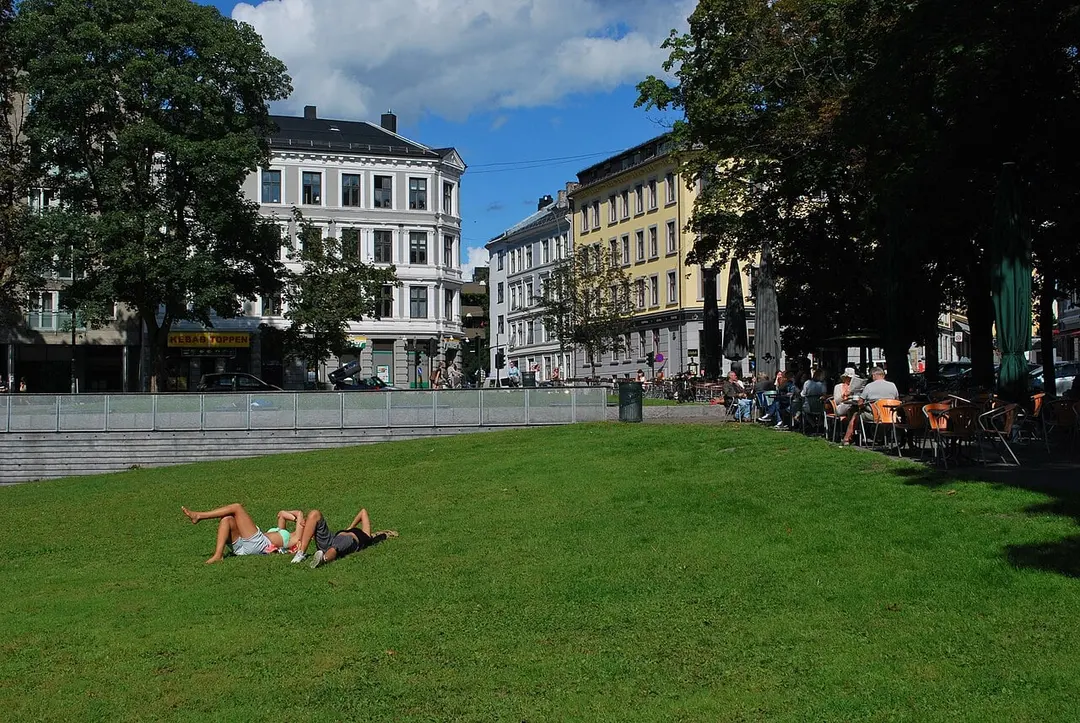
    Alexander Kiellands plass is a lively square and park in the heart of Grünerløkka, one of Oslo's most vibrant and creative neighbourhoods. Named after the celebrated 19th-century Norwegian author Alexander Lange Kielland, known for his socially critical novels, the square today serves as a beloved gathering spot for locals. In summer it buzzes with café goers, families, and occasional market stalls, framed by characterful turn-of-the-century buildings. It captures Oslo's relaxed urban spirit perfectly and is a fine starting point for exploring the neighbourhood's independent shops and food scene.
  • Åmodt Bridge

    Åmodt Bridge

    Oslo

    architectureculturehistory+1

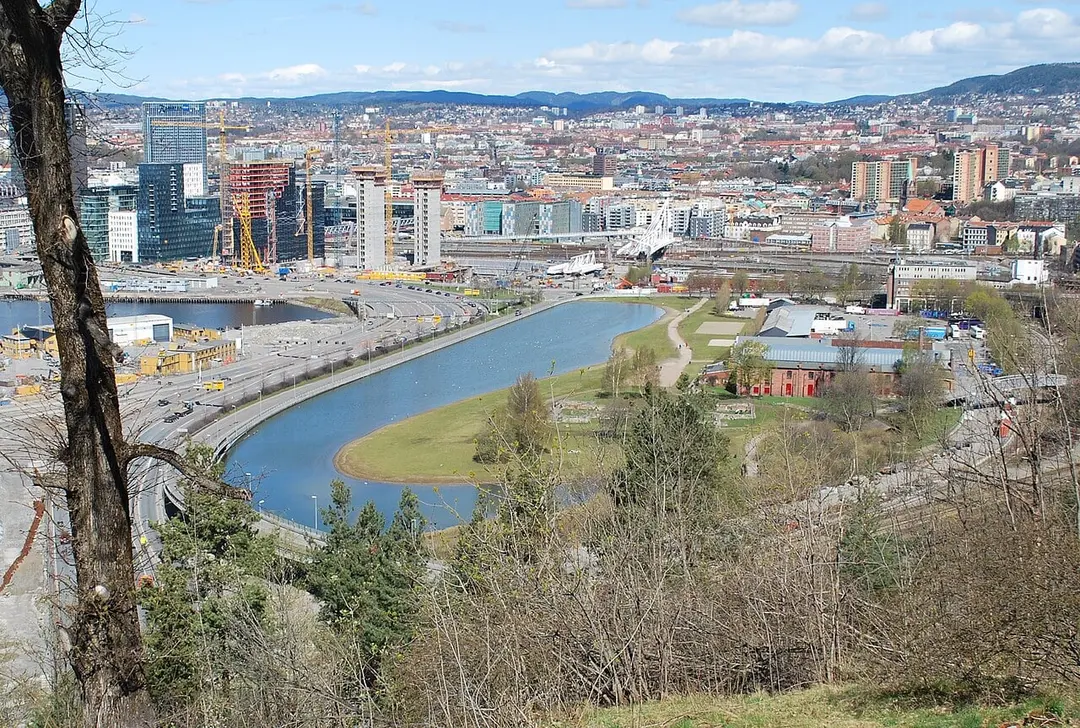
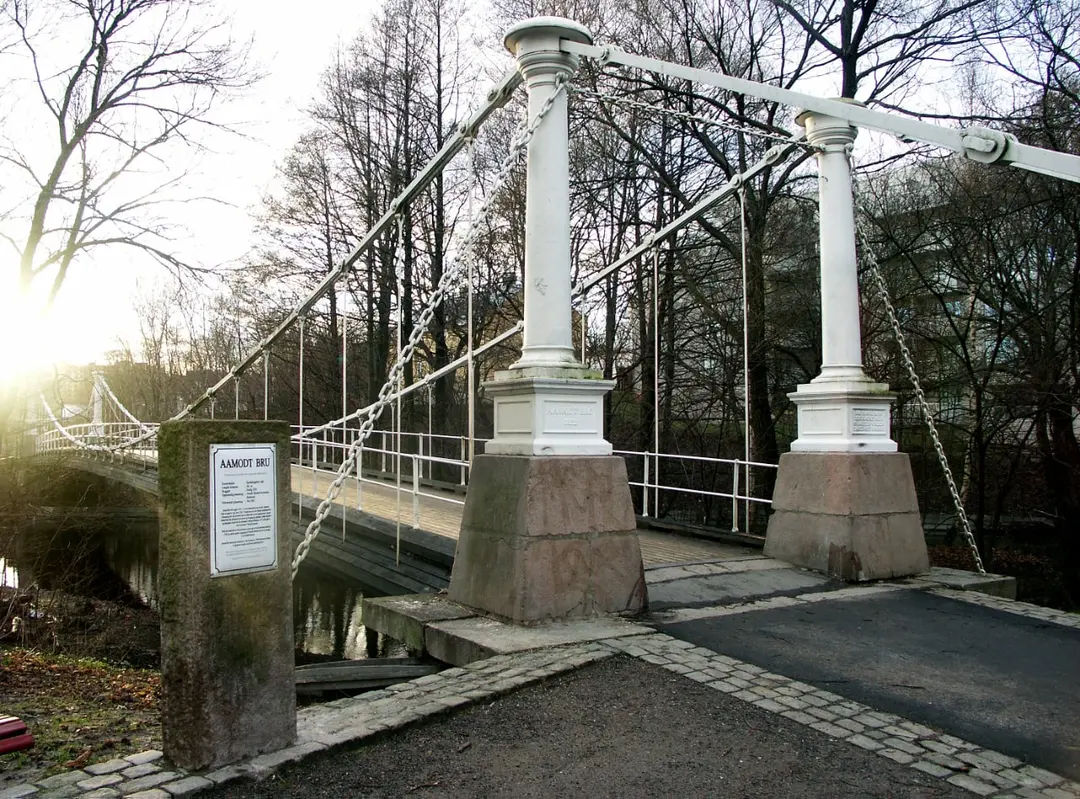
    The Åmodt Bridge is a heritage-listed bridge spanning the Akerselva river in Oslo's Grünerløkka district. The Akerselva was once the engine of Norwegian industrialisation, its banks lined with textile mills and factories that drove Oslo's economic growth. This bridge is a quiet witness to that era and today forms part of the popular Akerselva trail, a riverside walking route that stretches from the fjord all the way into the forests north of the city. Strolling past here means walking through one of urban Northern Europe's finest nature corridors.

  • Ankerbrua

    Ankerbrua

    Oslo

    architectureoutdoor activitieslocal gems

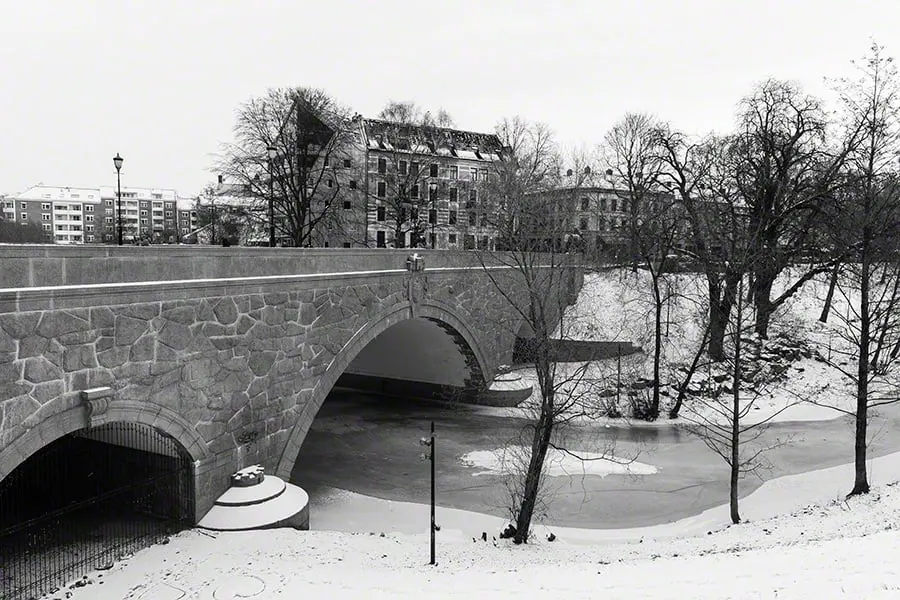
    Ankerbrua is a bridge over the Akerselva river in Oslo, one of several characteristic crossings along this beloved urban waterway. The Akerselva connects Oslo's city centre with the greener north and serves as a popular walking route for locals and visitors alike. The bridge sits in a stretch defined by old industrial character and a newer wave of cafés and creative studios. It is not a grand monument, but rather one of those quiet urban connections that hold a neighbourhood together and make everyday Oslo worth exploring.

  • Birkelunden

    Birkelunden

    Oslo

    cultureoutdoor activitieslocal gems

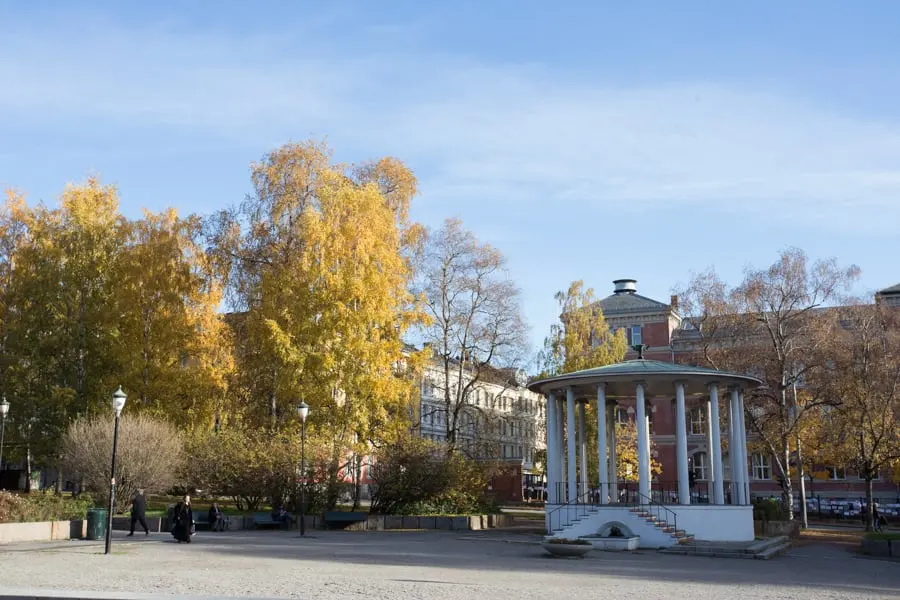
    Birkelunden — meaning "birch grove" — is the leafy heart of Grünerløkka, Oslo's most vibrant inner-city neighbourhood. Shaded by mature birches and chestnut trees, the park offers benches, lawns, and a bandstand that hosts concerts and local festivals in summer. It functions as the neighbourhood's informal living room: families, skateboarders, dog owners, and café-hoppers from the surrounding specialty coffee scene all converge here. If you want to see Oslo beyond the tourist circuits, sitting in Birkelunden for an afternoon gives you an honest, unhurried glimpse of everyday city life.

  • Eidsvolls plass

    Eidsvolls plass

    Oslo

    culturehistory

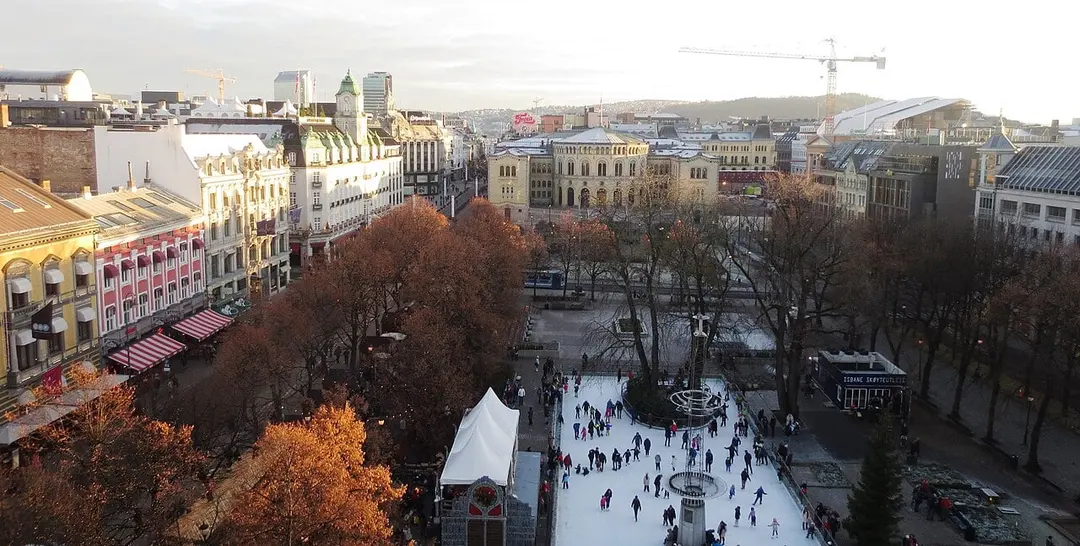
    Eidsvolls plass is a park-like square directly in front of the Storting, Norway's parliament, in the heart of Oslo's Sentrum district. Named after Eidsvoll, the location where the Norwegian constitution was signed in 1814, the square is closely tied to the history of national independence. Several statues of prominent figures from Norwegian history stand across the grounds. The generous green space attracts locals and tourists alike and has long served as a preferred gathering point for political rallies and demonstrations – held in direct view of the parliamentary building.

  • Fetsund Booms

    Fetsund Booms

    Oslo

    culturehistory

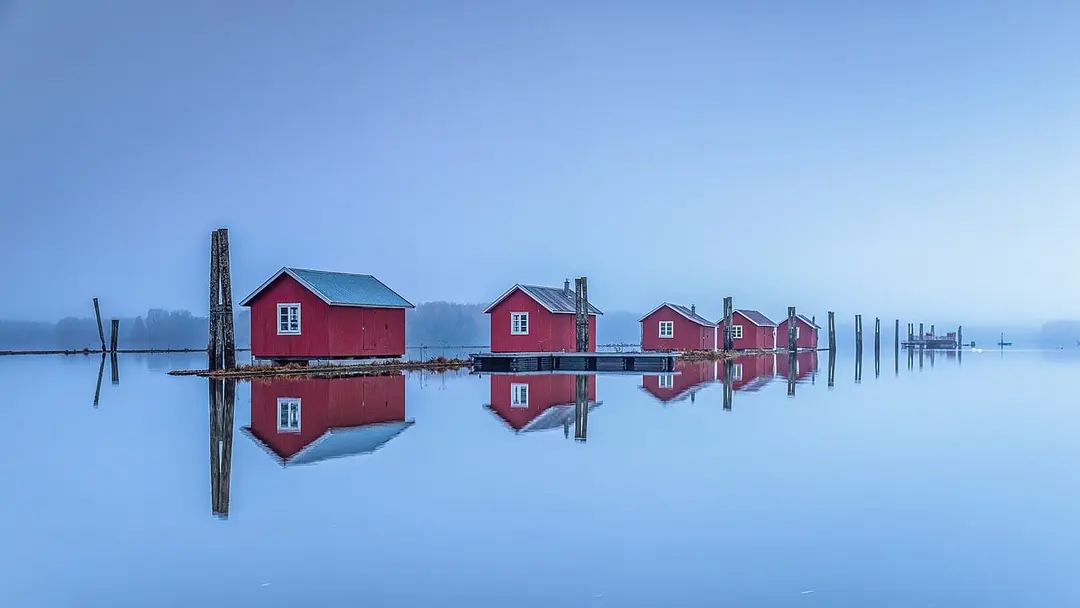
    At the mouth of the Glomma River where it meets Lake Øyeren, about 30 kilometres east of Oslo, lies Fetsund Lenser — a remarkable relic of Norway's timber industry. Established in 1861, the site used floating booms called "lenser" to sort and channel thousands of logs per day drifting downstream from the vast Glomma catchment, all without machinery — just water, timber, and human skill. Operations continued until 1985, when log driving on the Glomma was abandoned. Today the site is protected as a national heritage monument and open-air museum, part of the Akershus Museum network. Visitors can explore the historic sorting infrastructure along the riverbank and learn how the timber trade shaped Norwegian rural society for more than a century. The surrounding wetland reserve is also a haven for migratory birds, making it a rewarding stop for nature lovers year-round.

  • Fram Museum

    Fram Museum

    Oslo

    culturehistorylocal gems

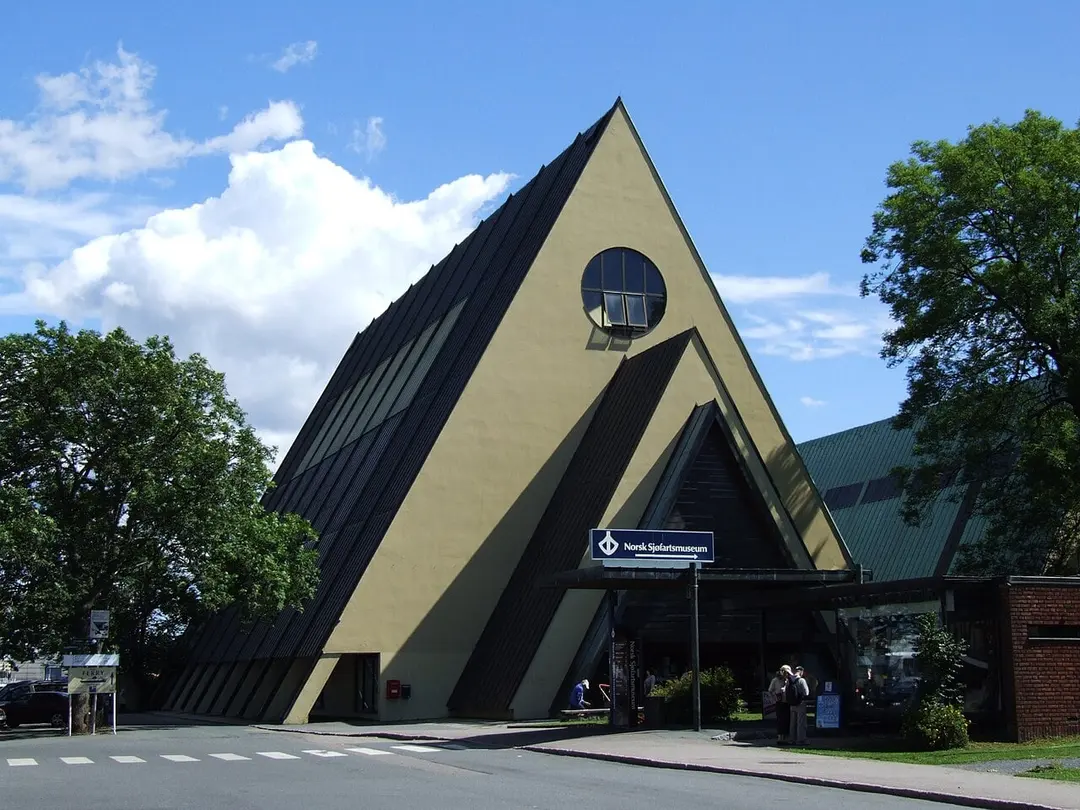
    On the Bygdøy peninsula in Oslo, a short ferry or bus ride from the city centre, the Fram Museum was built around one of the most extraordinary objects ever to sail the seas: the Fram, the strongest wooden ship ever constructed. Built in 1892, the Fram sailed farther north and farther south than any other ship in history — first with Fridtjof Nansen on an Arctic drift across the polar sea, then with Otto Sverdrup to explore the Canadian Arctic islands, and finally in 1910–1912 with Roald Amundsen, who launched the first successful expedition to the South Pole from her decks. The museum, which opened in 1936, lets visitors board the fully preserved ship, walk through the cramped crew quarters, and get close to the original polar equipment. It consistently ranks among Norway''s most visited museums.

  • Frogner Park

    Frogner Park

    Oslo

    culturefamily outings

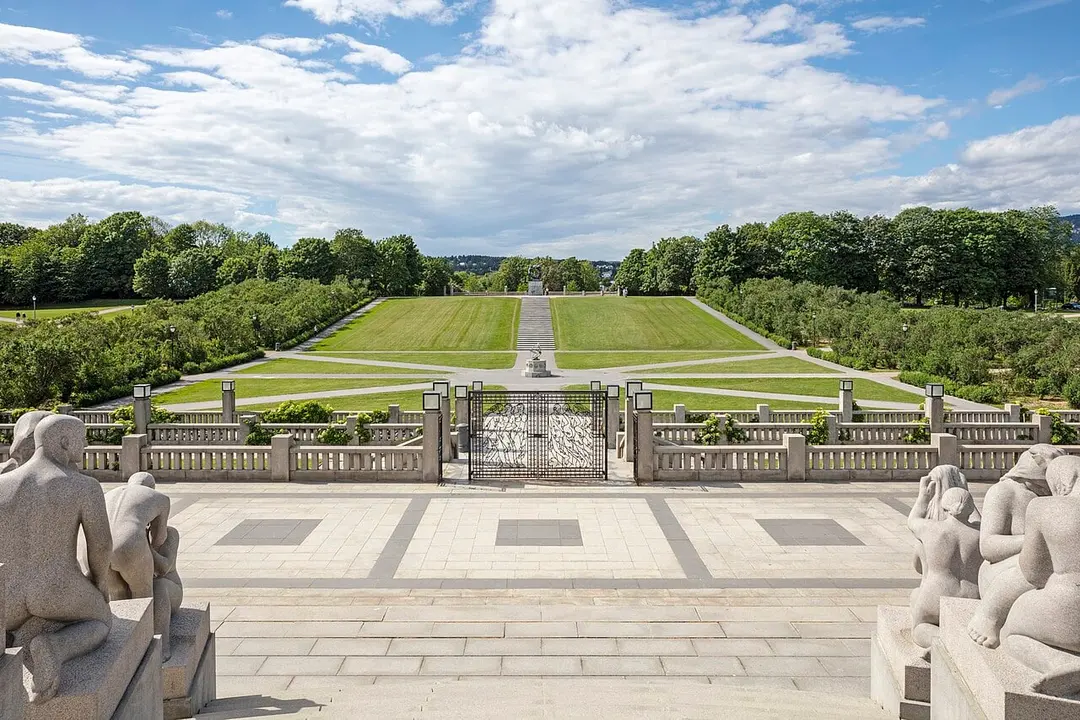
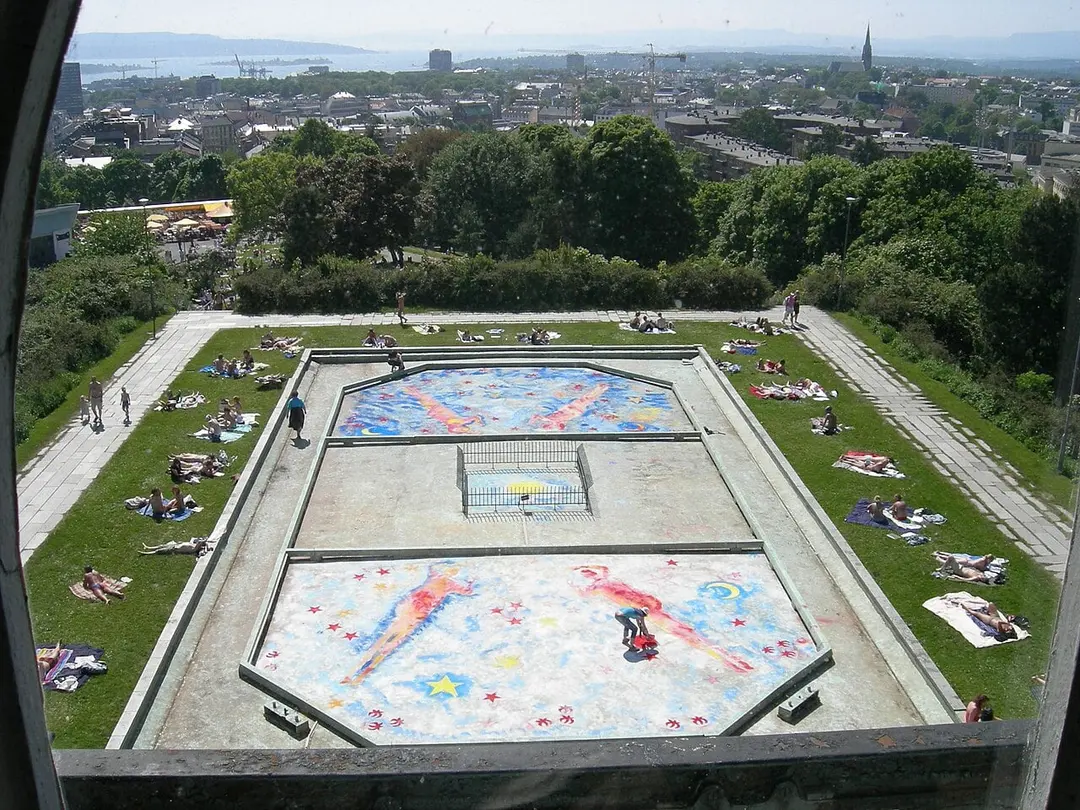
    Frogner Park is Oslo's largest and most famous public park, home to one of the world's most extraordinary outdoor art installations: the Vigeland Sculpture Park. Norwegian sculptor Gustav Vigeland created more than 200 sculptures in bronze, granite and cast iron between 1926 and 1942, all exploring a single theme — the human life cycle from birth to death. The centrepiece is the towering Monolith, a 17-metre granite column covered in intertwined human figures. The park is free to enter year-round and a beloved gathering place for Oslo residents who come to walk, exercise and picnic.

  • Henie-Onstad Art Centre

    Henie-Onstad Art Centre

    Oslo

    culture

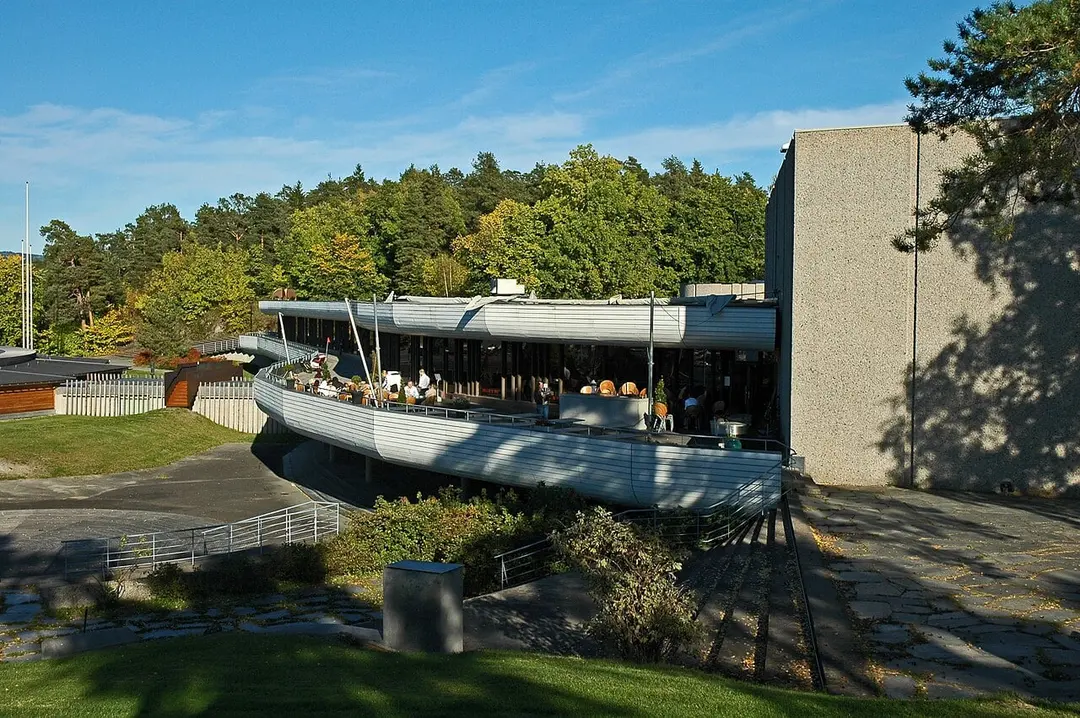
    The Henie Onstad Art Centre (HOK) sits on the Høvikodden peninsula just 15 minutes from Oslo and is one of Norway's leading museums of modern and contemporary art. Founded in 1968 by ice-skating champion and film actress Sonja Henie and her husband Niels Onstad, who donated their extensive private collection to the public, the museum holds over 8,000 works including important pieces by Henri Matisse, Joan Miró, Pablo Picasso, and Norwegian artists. The expansive sculpture park along the fjord coastline is a destination in itself, as is the constantly changing exhibition program. Yayoi Kusama's permanent installation "Hymn of Life" is a highlight.

  • Middelalderparken Oslo

    Middelalderparken Oslo

    Oslo

    history

    Middelalderparken is a 70-hectare green space in Oslo Gamle Oslo district, opened in 2000 on the site of the medieval city core. Beneath its lawns and walkways lie foundations and ruins of the old bishop residence, the royal palace, and the medieval Church of the Virgin Mary from the 12th and 13th centuries. The area is designated an archaeological protection zone with all construction prohibited. Visitors can stroll in the open air while information boards explain the layers of Norwegian urban history. In summer the park hosts events and open-air concerts.

  • University Botanical Garden

    University Botanical Garden

    Oslo

    historyknowledge

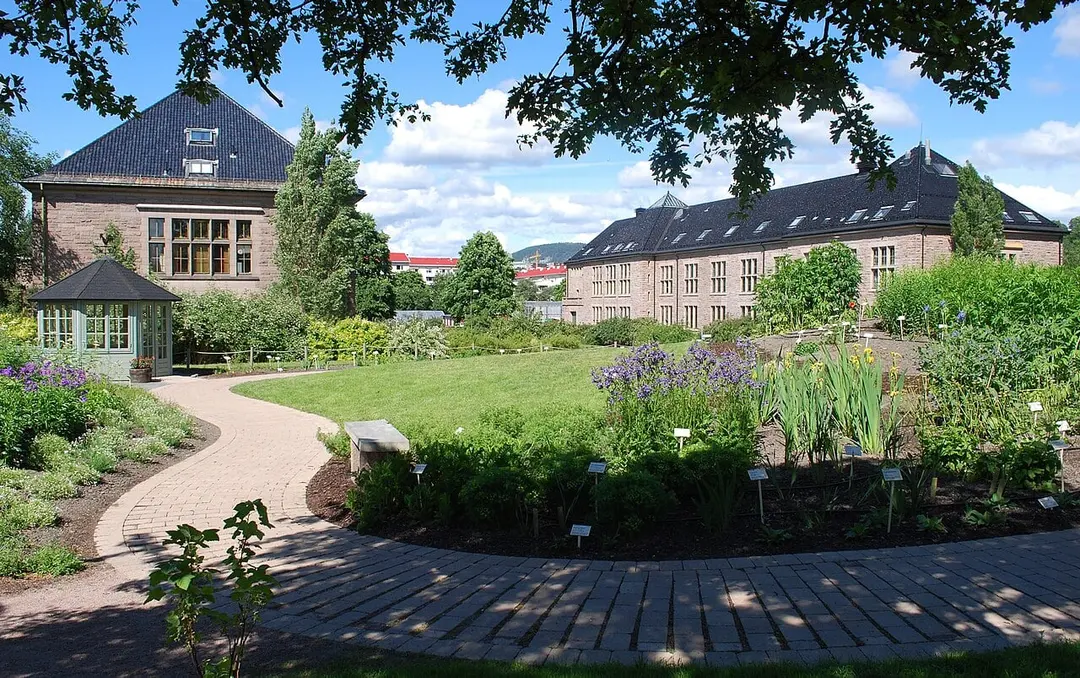
    The Oslo Botanical Garden in the Tøyen neighbourhood is Norway's oldest botanical garden, established in 1814 alongside the founding of the University of Oslo. Spread across a generous site, it hosts thousands of plant species from around the world — from Arctic specimens and alpine plants to tropical greenhouse collections. The garden is part of the University of Oslo and serves an important scientific role as a research and teaching institution. At the same time, it is a popular recreation spot for locals: in summer, flowering beds and peaceful green paths draw visitors, while the glasshouses offer a warm retreat during Scandinavian winters.

  • Kistefos Wood Pulp Mill

    Kistefos Wood Pulp Mill

    Oslo

    culturehistory

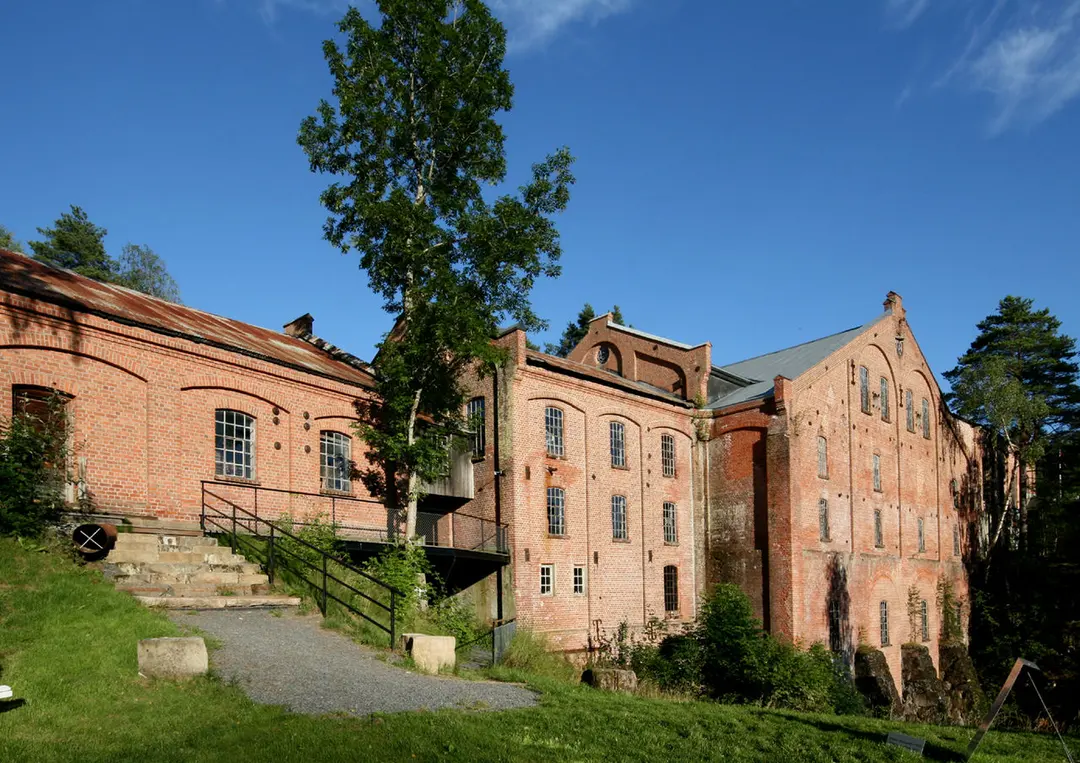
    The Kistefos Wood Pulp Mill is a former groundwood mill and hydroelectric plant on the river Randselva in Jevnaker, Norway. Founded in 1889 and listed in the Riksantikvaren register, the well-preserved industrial buildings give a vivid sense of the Norwegian timber industry in the late 19th century. Today the site forms part of the Kistefos Museum, which combines the industrial heritage with contemporary sculpture art and attracts art lovers and history enthusiasts alike each year. The pairing of industrial history with modern outdoor art makes this ensemble particularly distinctive.

  • Kjerkeberget

    Kjerkeberget

    Oslo

    outdoor activitiesgreat views

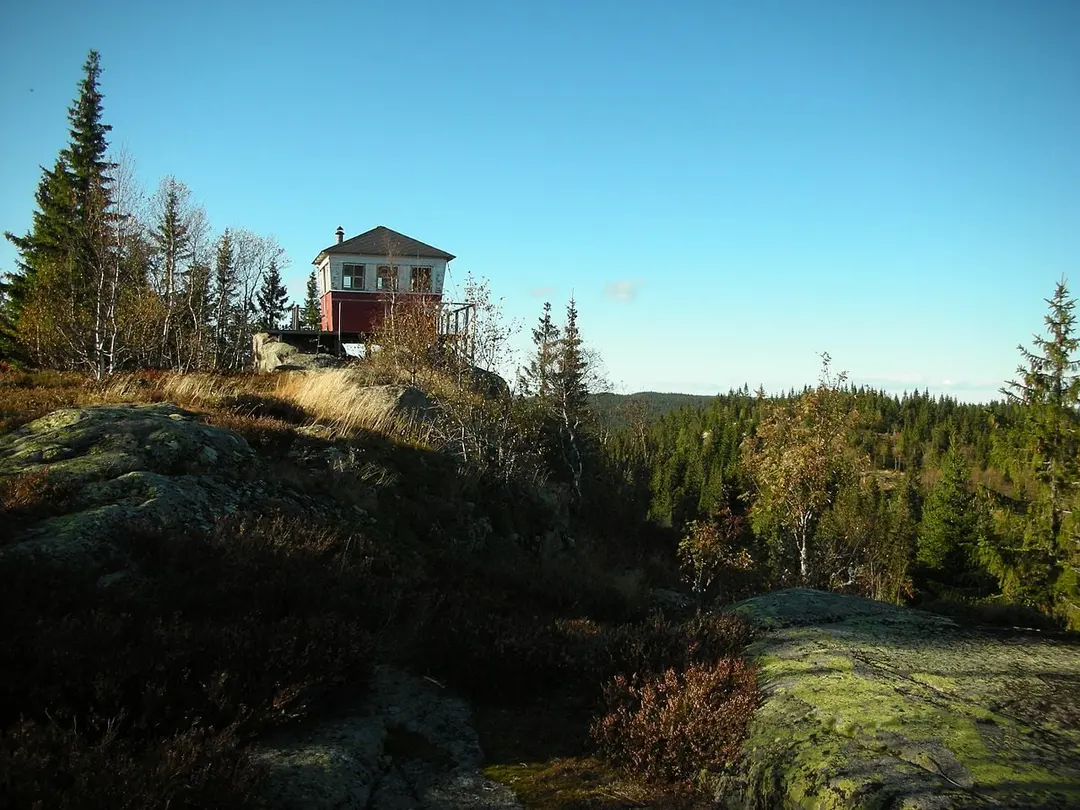
    Kjerkeberget is a 630-metre hill in the Nordmarka nature reserve north of Oslo. Nordmarka is the most important recreational area for the Norwegian capital, offering extensive trails through forests and along lakes. Kjerkeberget provides rewarding views over the wooded hills surrounding Oslo.

Keep exploring

These places are just the beginning.

Rate places with a swipe — TravelType learns from your tags what you love and curates your own map. Private until you choose to share.

Create your profile