TravelType

culture

Culture in Oslo

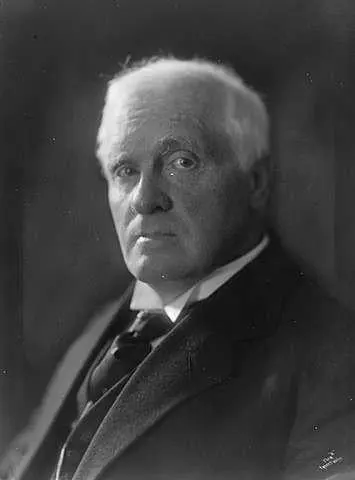
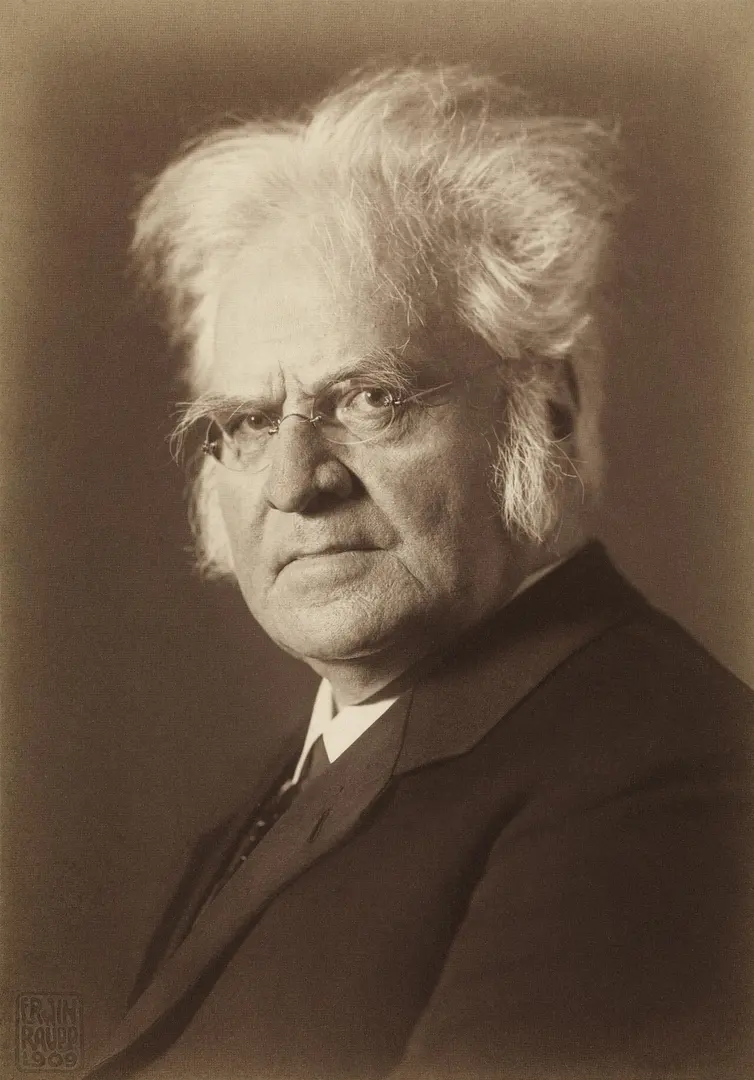
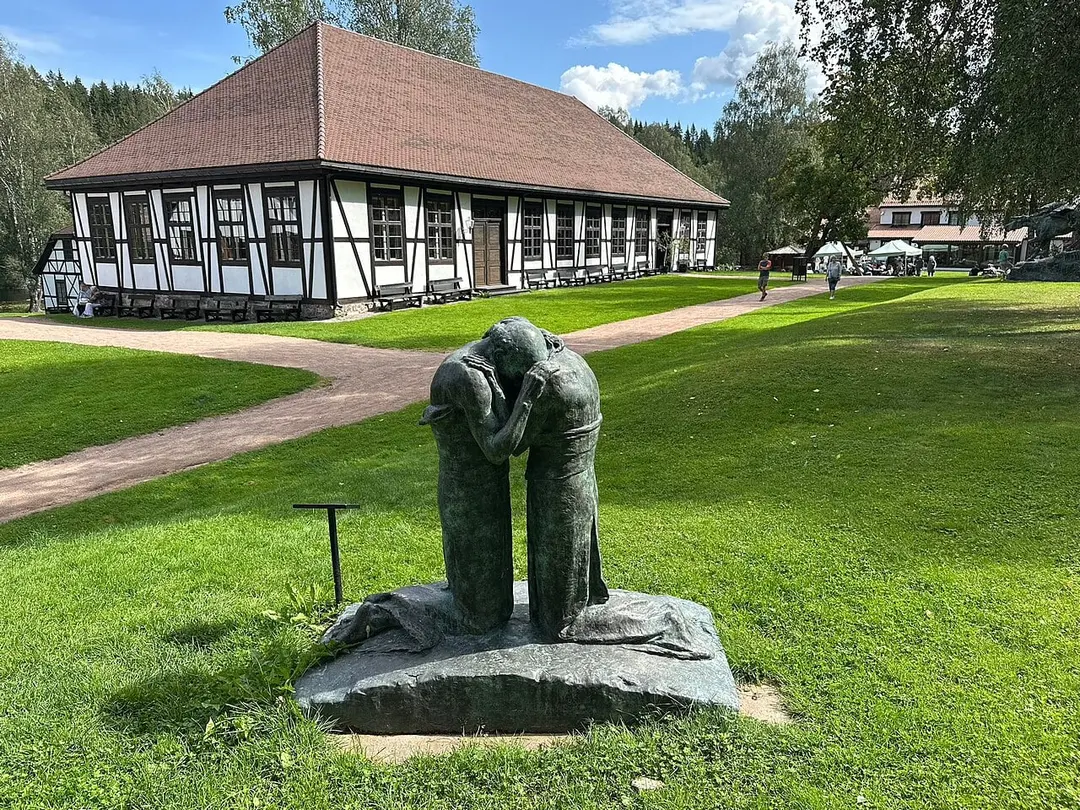
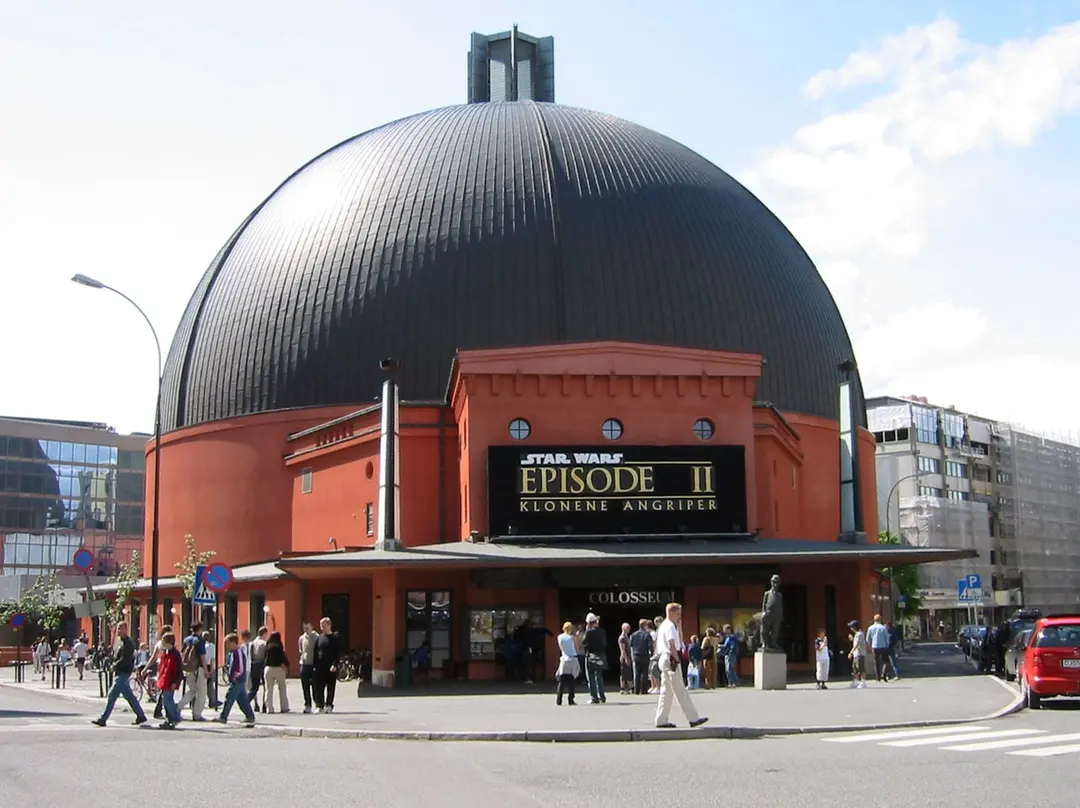
Oslo's culture is anchored in both history and literary tradition. Akershus Fortress has defined the city's waterfront for centuries, while neighbourhood spaces such as Birkelunden and Alexander Kiellands plass reflect everyday cultural life. The city holds tangible connections to major Norwegian writers — Bjørnstjerne Bjørnson, Arne Garborg, and Arnulf Øverland (1889–1968) — through graves, memorials, and commemorative sites. Colosseum Kino represents Oslo's cinema heritage, and Bislett Stadium speaks to its history of public gatherings. Further afield, Blaafarveværket adds a layer of industrial and artistic history to the wider region.

38 places · Oslo, Norway · Editorially curated

  • Akershus Fortress

    Akershus Fortress

    Oslo

    architecturehistorylocal gems+1

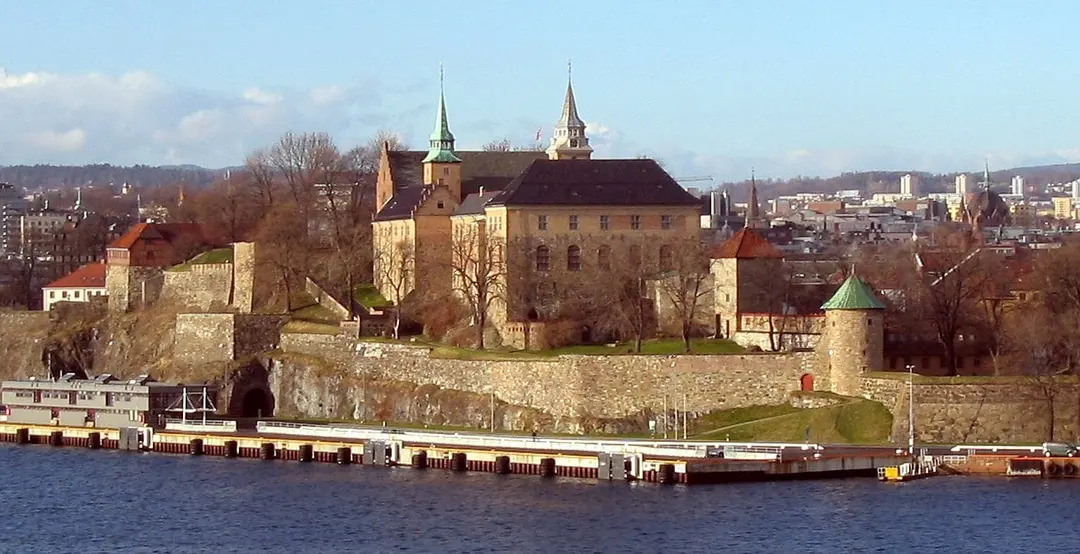
    Akershus Fortress is one of Norway's most important historical monuments and Oslo's most iconic waterfront landmark. Built around 1290 by King Håkon V, it served for centuries as a royal residence, prison, and military base. The imposing complex on the Akersneset peninsula commands sweeping views over the Oslofjord. Throughout its history the fortress was besieged nine times — never successfully — and endured its darkest chapter during the German occupation in World War II. Today, sections of the castle house museums including a Resistance Museum, while the medieval grounds and outer walls are free to explore.
  • Alexander Kiellands plass

    Alexander Kiellands plass

    Oslo

    naturelocal gems

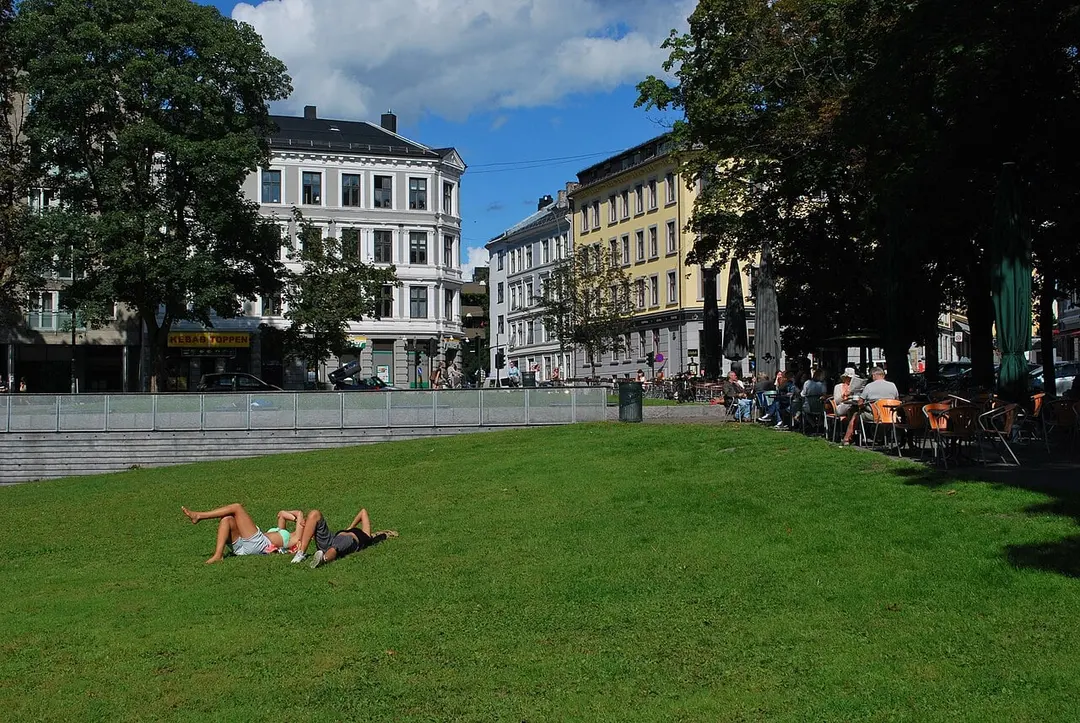
    Alexander Kiellands plass is a lively square and park in the heart of Grünerløkka, one of Oslo's most vibrant and creative neighbourhoods. Named after the celebrated 19th-century Norwegian author Alexander Lange Kielland, known for his socially critical novels, the square today serves as a beloved gathering spot for locals. In summer it buzzes with café goers, families, and occasional market stalls, framed by characterful turn-of-the-century buildings. It captures Oslo's relaxed urban spirit perfectly and is a fine starting point for exploring the neighbourhood's independent shops and food scene.

  • Amaldus Nielsen

    Amaldus Nielsen

    Oslo

    historyknowledge

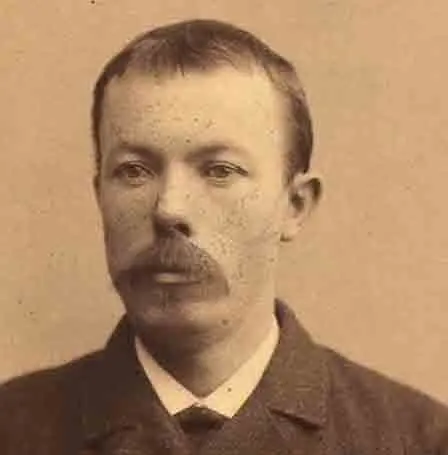
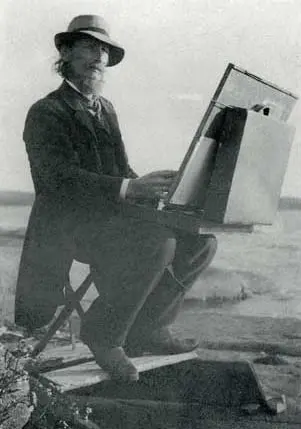
    Amaldus Clarin Nielsen was a notable Norwegian painter of the 19th century, part of a generation of Nordic artists who studied in Düsseldorf and Paris and brought impressionist influences back to Scandinavia. His paintings, often depicting coastal landscapes and atmospheric natural scenes, display a sensitive handling of light characteristic of the period. Today his works can be found in museum collections across Norway, representing an important chapter in Norwegian art history when painters sought and achieved international recognition. His legacy is part of the rich tradition of Norwegian landscape painting.

  • Åmodt Bridge

    Åmodt Bridge

    Oslo

    architecturenaturehistory+1

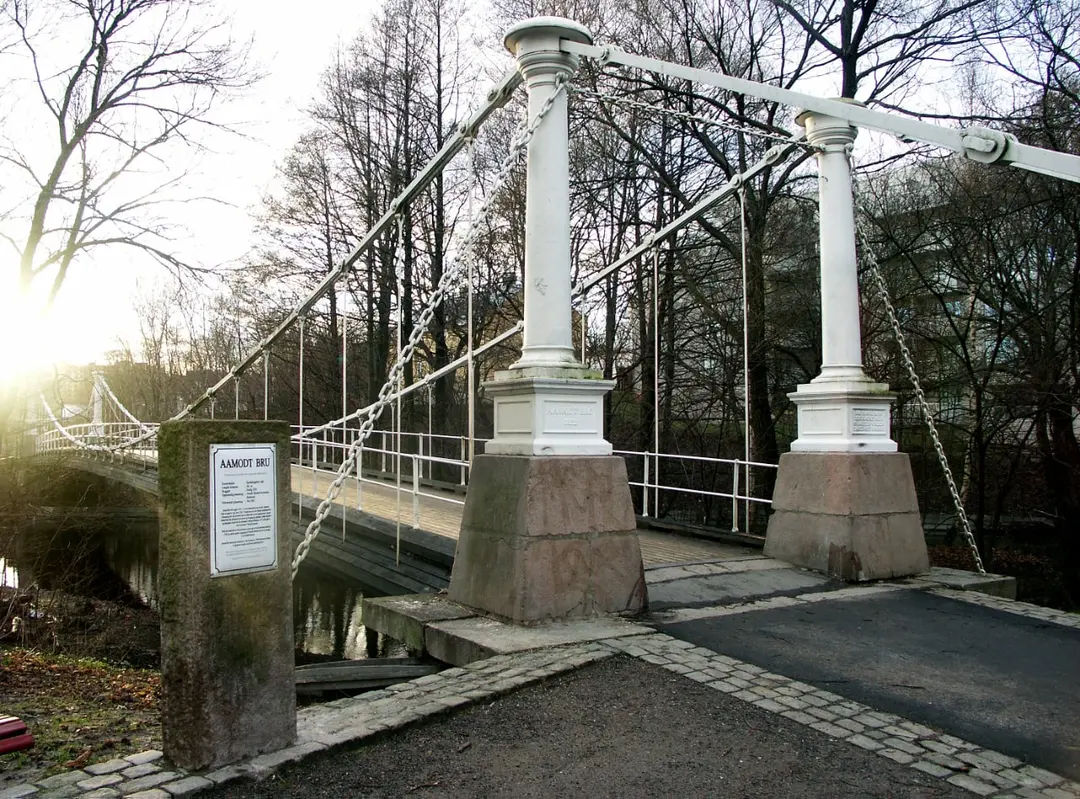
    The Åmodt Bridge is a heritage-listed bridge spanning the Akerselva river in Oslo's Grünerløkka district. The Akerselva was once the engine of Norwegian industrialisation, its banks lined with textile mills and factories that drove Oslo's economic growth. This bridge is a quiet witness to that era and today forms part of the popular Akerselva trail, a riverside walking route that stretches from the fjord all the way into the forests north of the city. Strolling past here means walking through one of urban Northern Europe's finest nature corridors.

  • Arne Garborg

    Arne Garborg

    Oslo

    knowledge

    Arne Garborg was one of the most important Norwegian authors of the late 19th and early 20th centuries. His defining mission was championing Nynorsk — the written form of Norwegian synthesised from rural dialects by Ivar Aasen — as both a literary and political vehicle. Garborg wrote novels, poetry and essays that explored the tension between rural tradition and urban modernity, a theme that continues to resonate in Norwegian culture. He is a key figure in Norwegian language politics and literary history, representing the movement that gave Nynorsk its status as an official written standard.

  • Arnulf Øverland (1889–1968)

    Arnulf Øverland (1889–1968)

    Oslo

    knowledge

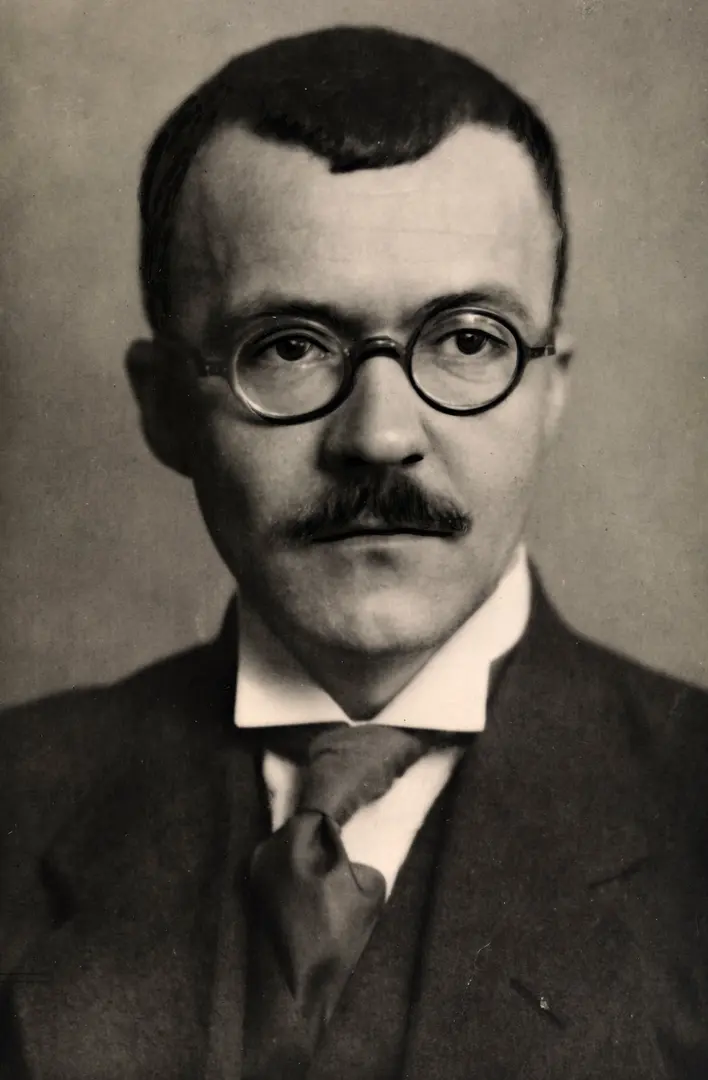
    Arnulf Øverland was one of Norway's most important poets and writers of the 20th century, also active as a painter and translator. He became particularly celebrated for his courageous resistance against Nazism during the German occupation of Norway — he was arrested by the Gestapo in 1941 and deported to Sachsenhausen concentration camp. His poem "Du må ikke sove" (You Must Not Sleep) became an iconic text of the Norwegian resistance movement. After the war, he returned to become one of Norway's most widely read poets. His life represents the intersection of artistic and civic courage.

  • Birkelunden

    Birkelunden

    Oslo

    natureoutdoor activitieslocal gems

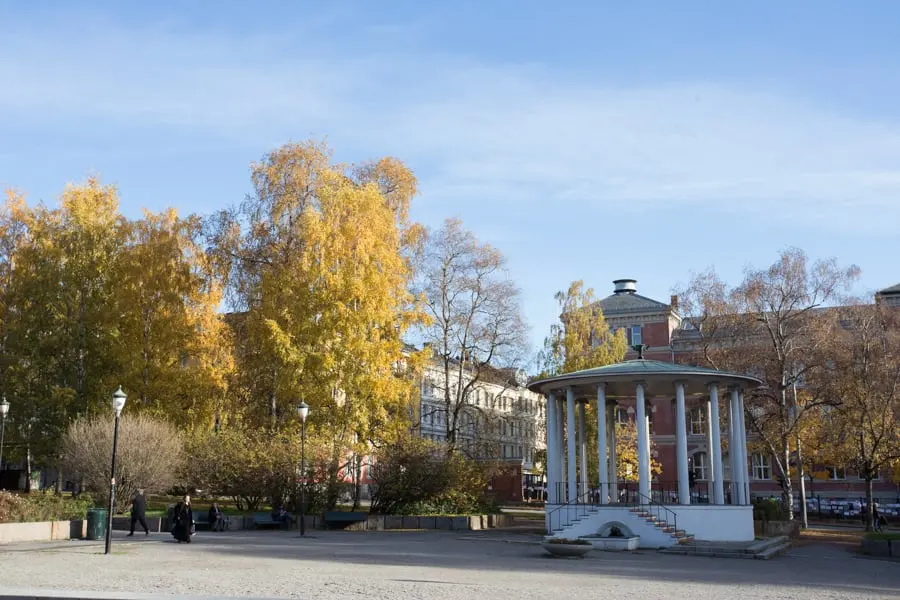
    Birkelunden — meaning "birch grove" — is the leafy heart of Grünerløkka, Oslo's most vibrant inner-city neighbourhood. Shaded by mature birches and chestnut trees, the park offers benches, lawns, and a bandstand that hosts concerts and local festivals in summer. It functions as the neighbourhood's informal living room: families, skateboarders, dog owners, and café-hoppers from the surrounding specialty coffee scene all converge here. If you want to see Oslo beyond the tourist circuits, sitting in Birkelunden for an afternoon gives you an honest, unhurried glimpse of everyday city life.

  • Bislett Stadium

    Bislett Stadium

    Oslo

    historyoutdoor activitieslocal gems

    Bislett Stadium in Oslo's Bislett neighborhood is a legend of athletics. Since its opening in 1922, more world records have been set here than at any other stadium on earth — milestones by Emil Zátopek, Gunder Hägg, Sebastian Coe, and many others. The annual Bislett Games are part of the Diamond League series and attract the global elite. The stadium also serves as a home ground for Norwegian football clubs. Its compact, city-center design creates a unique atmosphere: stands that press close to the track, and a crowd that seems to physically propel athletes forward.

  • Bjørn Bjørnson & Eileen Bjørnson – Burial Site

    Bjørn Bjørnson & Eileen Bjørnson – Burial Site

    Oslo

    historymystery

    Bjørn Bjørnson (1859–1942) was one of Norway's most influential theatre makers: son of Nobel Prize-winning author Bjørnstjerne Bjørnson, he worked as an actor, director, playwright, and theatre director, leading institutions including the National Theatre in Oslo. His daughter Eileen Bjørnson (1884–1944) followed him into the world of theatre. Their shared burial site in Oslo is a quiet place of remembrance for a theatrical dynasty that left a lasting mark on Norwegian cultural life.

  • Bjørnstjerne Bjørnson's Grave

    Bjørnstjerne Bjørnson's Grave

    Oslo

    Bjørnstjerne Martinius Bjørnson was one of the most prominent Norwegian writers of the nineteenth century. In 1903 he became the first Scandinavian to be awarded the Nobel Prize in Literature. He is best remembered for writing the words to Norway's national anthem, "Ja, vi elsker dette landet" (Yes, we love this country). Alongside his literary output Bjørnson was also politically engaged and was a co-founder of the Riksmålsforbundet, an association dedicated to preserving the Norwegian written language. His grave in Oslo is a site of national commemoration where Norwegians and visitors alike pay tribute to a man who shaped Norwegian culture more than almost anyone else.

  • Blaafarveværket

    Blaafarveværket

    Oslo

    historyknowledge

    Blaafarveværket (the Cobalt Works at Modum) was founded in 1773 in Modum, Buskerud province, as a royal manufactory and was Scandinavia's first large-scale chemical enterprise. The works produced cobalt blue — a sought-after pigment used across Europe for porcelain, glass, and paintings — and supplied buyers as far away as China. At the height of production it was one of the largest operations of its kind in the world. As demand for cobalt pigments collapsed in the late nineteenth century, the site was gradually repurposed, eventually becoming a protected cultural monument, open-air museum, and art gallery. Today Blaafarveværket is considered one of Norway's most important cultural heritage sites and welcomes thousands of visitors each year with changing exhibitions and guided historical tours.

  • Colosseum Kino

    Colosseum Kino

    Oslo

    local gems

    The Colosseum Cinema in Oslo's Majorstuen district has been a cornerstone of Norwegian film culture since its opening in 1928. Its main auditorium, seating around 800, is the largest cinema screen in Oslo — a proper film palace in the pre-war tradition. Over the decades the Colosseum has hosted countless Norwegian and international film premieres and special events, cementing its status as the city's premier cinema venue. The ornate interior still evokes the glamour of early 20th-century movie houses. For anyone who enjoys cinema as an experience in itself, not just a delivery mechanism for films, the Colosseum is worth seeking out.

  • Cora Sandel Monument Oslo

    Cora Sandel Monument Oslo

    Oslo

    architectureknowledge

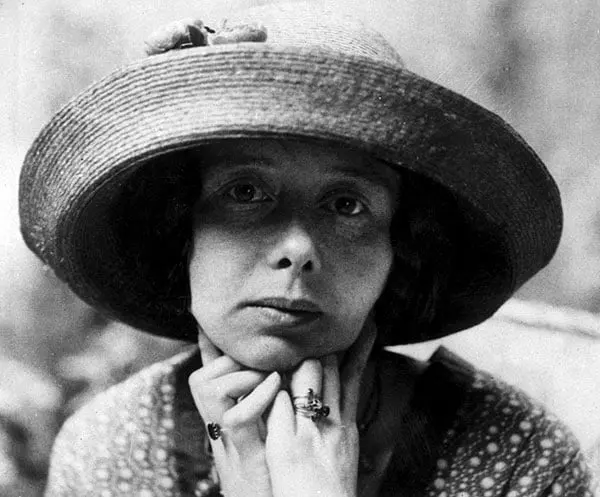
    Cora Sandel was a significant Norwegian author who wrote in Riksmål and is best known for her Alberta trilogy. Born in 1880 in Oslo as Sara Cecilia Görvell Fabricius, she spent many years in France before returning to Norway. Her works vividly portray the lives of Nordic women caught between self-determination and social constraints. The monument dedicated to her in Oslo honors one of the most important voices in 20th-century Norwegian literature, who despite international recognition remains little known in the wider world.

  • Deichman Bjørvika

    Deichman Bjørvika

    Oslo

    architecturelocal gemsknowledge

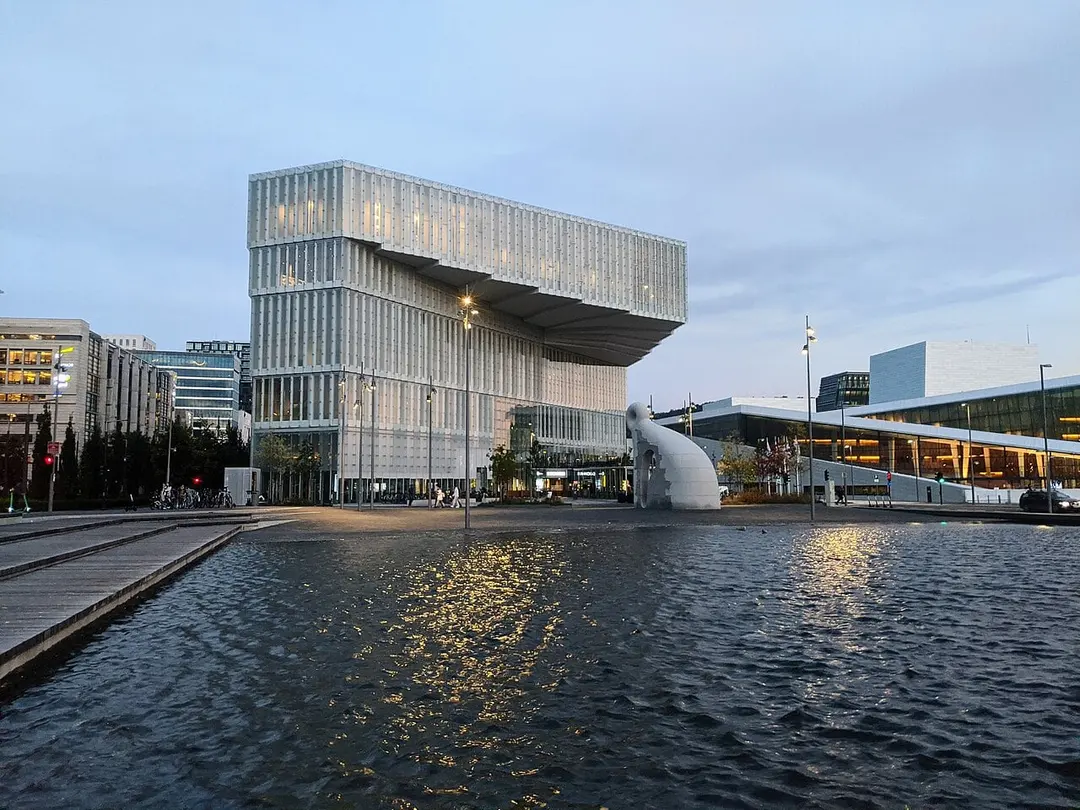
    Deichman Bjørvika is Oslo's new main public library, opened in 2020 directly on the fjord in the regenerated Bjørvika district — steps from the Opera House and the Munch Museum. Designed by Atelier Oslo and Lundhagem, the building is defined by its stepped, green-topped terraces that open towards the fjord. Inside, visitors find around 450,000 items across generous reading rooms, a café, makerspaces, children's play areas, and event spaces. Deichman is one of Norway's oldest public libraries — founded in 1785 — and now serves simultaneously as a modern community hub and cultural institution. Entry is free, and the architecture alone makes it a worthwhile destination in Oslo's evolving waterfront.

  • Det Norske Teatret

    Det Norske Teatret

    Oslo

    architecture

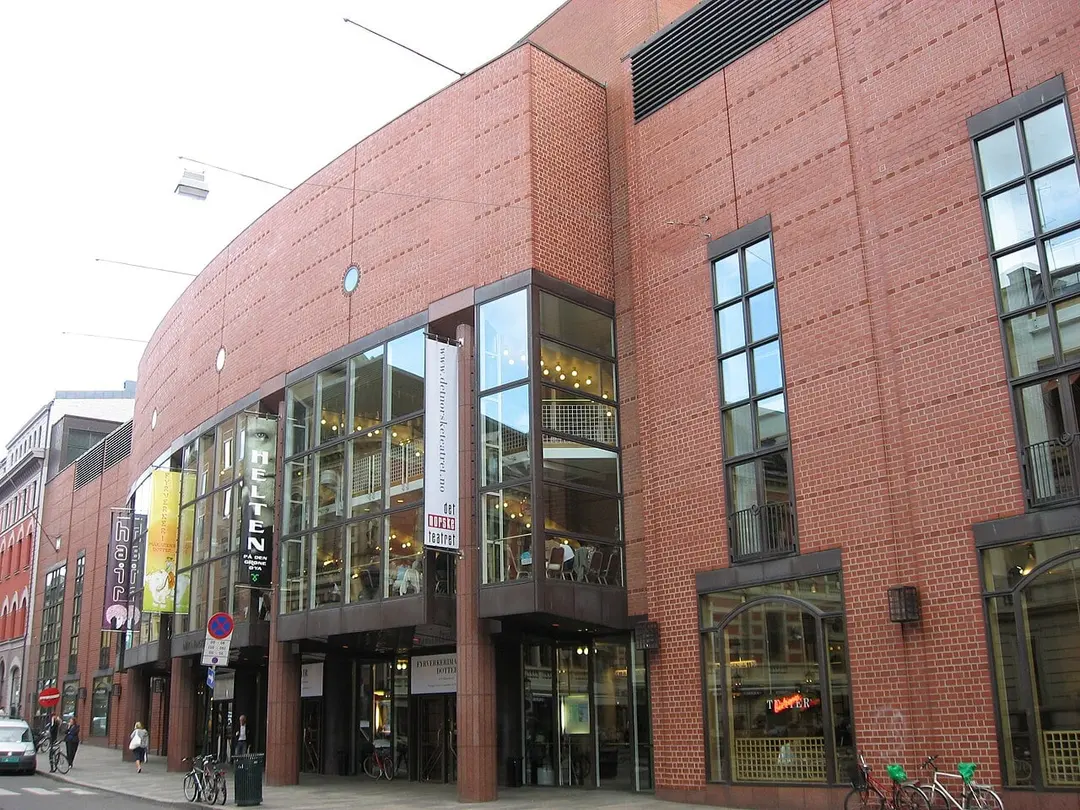
    Det Norske Teatret, founded on 22 November 1912, is Norway's only major theatre dedicated entirely to performing in Nynorsk and regional Norwegian dialects. It was established during a period when the Norwegian language question was a hotly contested political issue, and the theatre took a clear stance: the stage as a home for the less dominant of the two Norwegian written languages. Hulda Garborg, writer and language activist, led the theatre in its early years. Today the theatre operates several stages in central Oslo, attracting audiences from across Norway with programmes ranging from classic Ibsen to contemporary premieres. It remains not just a cultural venue but a living symbol of Norway's linguistic diversity.

  • Drammenshallen

    Drammenshallen

    Oslo

    architecture

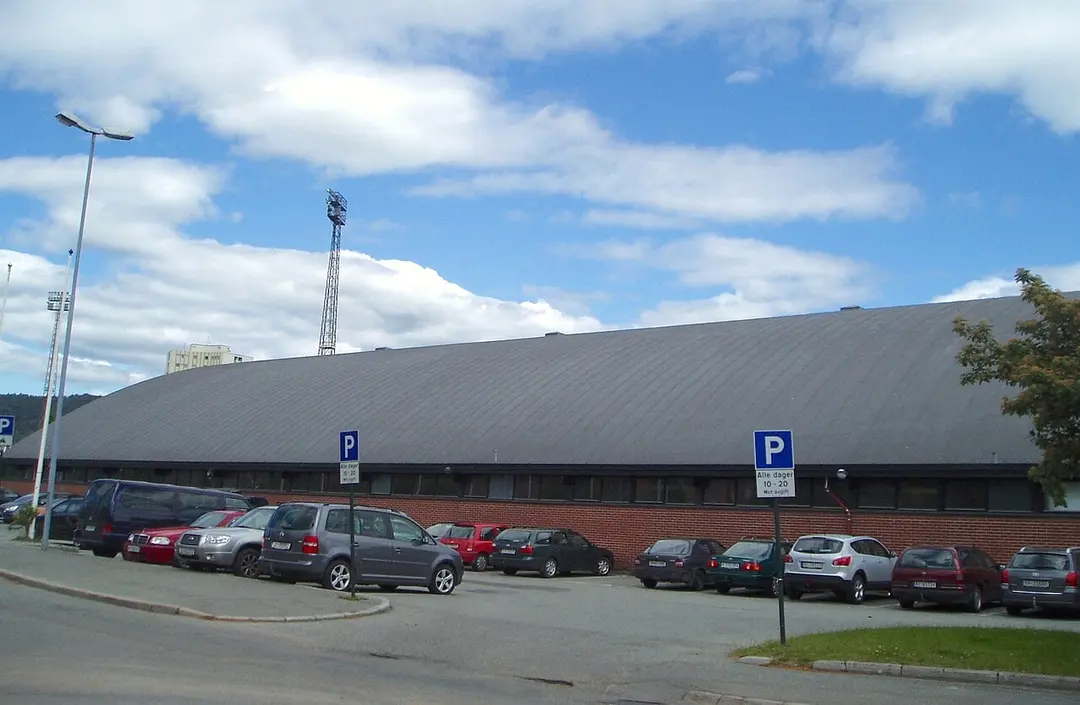
    Drammenshallen is a multi-purpose hall in Drammen, a city around 40 kilometres southwest of Oslo. Since opening in 1978, it has served as the city's central event venue — hosting concerts, sporting events, trade fairs, and cultural programmes. In a city of Drammen's size, such a hall is the heart of cultural life, bringing events to the local community that would otherwise require a trip to the capital. The hall has been a fixture of city life and a cornerstone of Drammen's cultural identity for decades.

  • Edvard Grieg

    Edvard Grieg

    Oslo

    knowledge

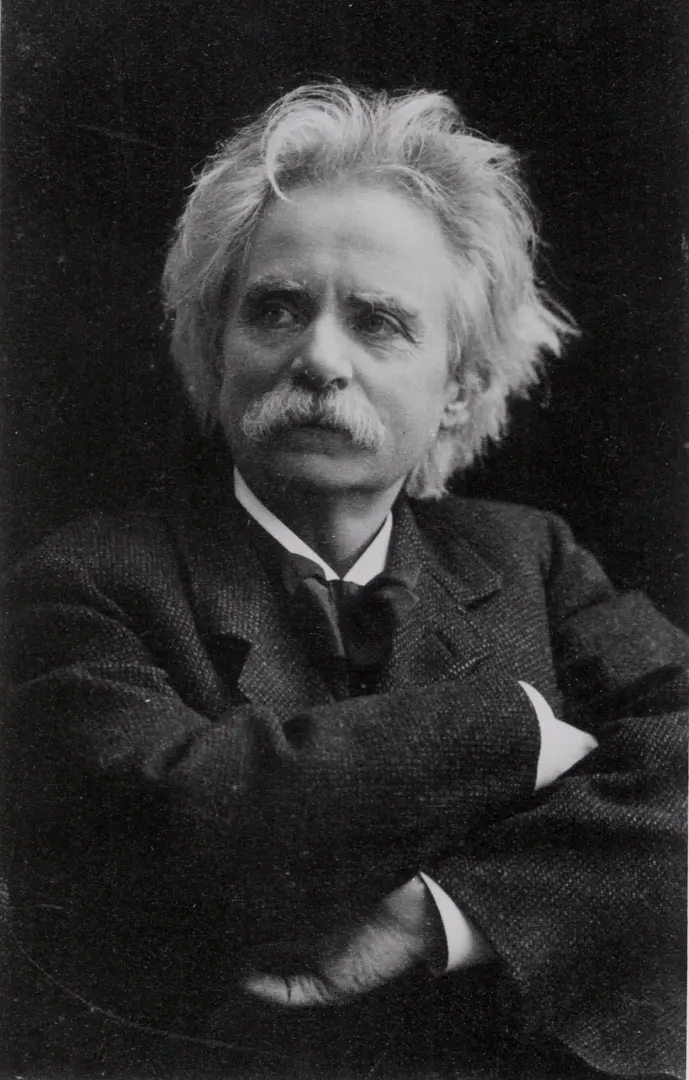
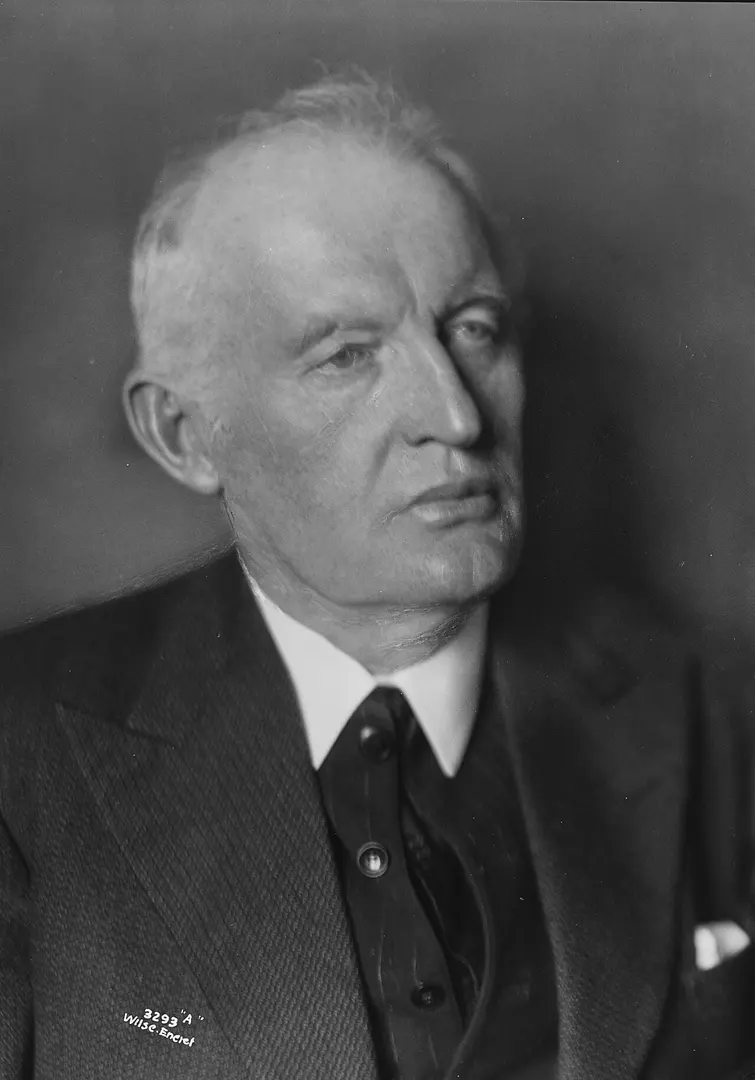
    Edvard Grieg (1843–1907) is Norway's most celebrated composer and one of the leading figures of Romantic-era music. Born in Bergen, he is best known for the Peer Gynt Suites – orchestral works derived from his incidental music to Henrik Ibsen's play of the same name. Grieg's compositions are deeply rooted in Norwegian folk music traditions, giving them a distinctively national character. A statue in Oslo commemorates the national artist. His former home Troldhaugen near Bergen is today a popular museum and concert venue.

  • Edvard Munch's Grave

    Edvard Munch's Grave

    Oslo

    historyknowledge

    The grave of Edvard Munch is located at Vår Frelsers gravlund, one of Oslo's oldest and most significant cemeteries. Munch, who died in Oslo in 1944, is considered one of the most influential painters of the modern era — his work shaped Expressionism and left a lasting mark on the art history of the twentieth century. His output encompasses over 1,700 paintings as well as countless prints and drawings, including the iconic work "The Scream". His grave is a simple, dignified resting place visited by art lovers and Munch admirers from around the world. The cemetery itself is a green oasis in the heart of the city and is also the final resting place of other significant figures in Norwegian history.

  • Eidsvolls plass

    Eidsvolls plass

    Oslo

    naturehistory

    Eidsvolls plass is a park-like square directly in front of the Storting, Norway's parliament, in the heart of Oslo's Sentrum district. Named after Eidsvoll, the location where the Norwegian constitution was signed in 1814, the square is closely tied to the history of national independence. Several statues of prominent figures from Norwegian history stand across the grounds. The generous green space attracts locals and tourists alike and has long served as a preferred gathering point for political rallies and demonstrations – held in direct view of the parliamentary building.

  • Einar Gerhardsens plass

    Einar Gerhardsens plass

    Oslo

    architecturehistorylocal gems

    Named after Einar Gerhardsen, Norway's most influential post-war prime minister, this square in Oslo's government quarter was scarred into history on 22 July 2011 when a car bomb exploded here, killing eight people. It was the opening act of the deadliest terrorist attack in Norway since World War II, followed by the massacre at Utøya island. Surrounding government buildings were heavily damaged, and several have since been demolished. Memorial markers now stand on the square, which sits at the heart of ongoing discussions about how the government quarter should be rebuilt and remembered.

  • Fagerborg Church

    Fagerborg Church

    Oslo

    history

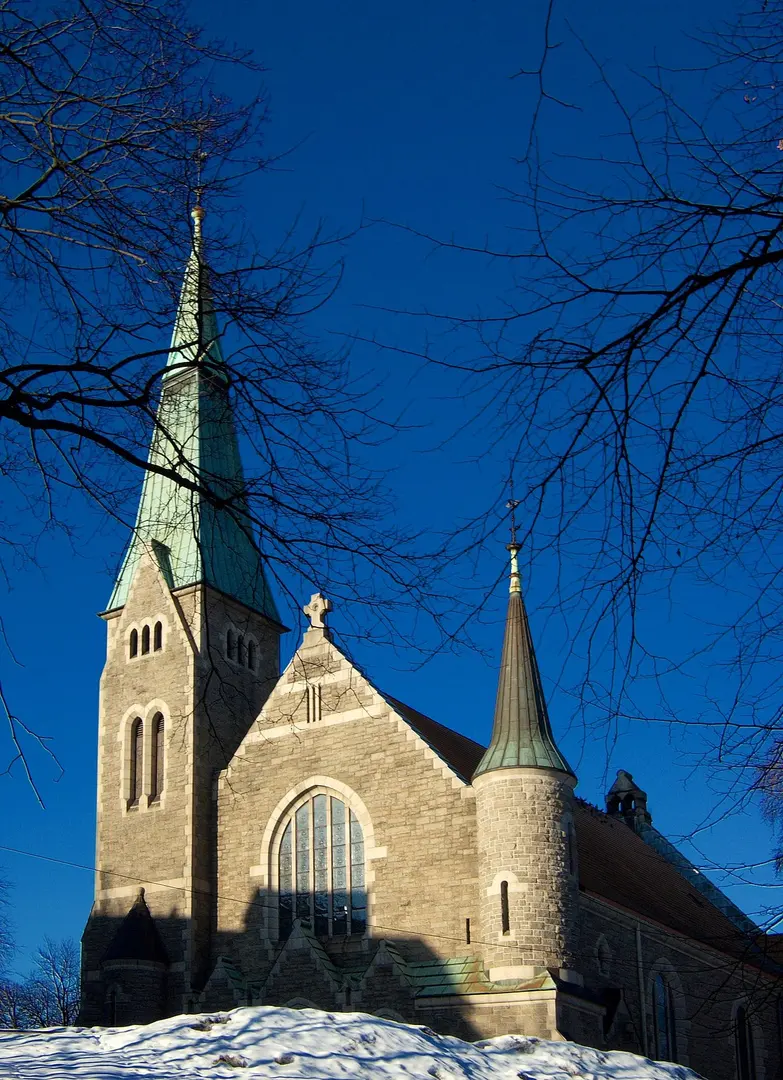
    Fagerborg kirke stands in the Fagerborg district of Oslo, just southwest of Stensparken. This listed building was completed in 1903 and belongs to the Fagerborg parish, founded in 1898, within the Diocese of Oslo of the Evangelical Lutheran Church of Norway. The church is a fine example of Norwegian historicist architecture from the turn of the twentieth century, characterized by its articulated brick exterior. Beyond regular services, it serves as a venue for concerts and community events, making it a living part of western Oslo's neighbourhood life.

  • Fetsund Booms

    Fetsund Booms

    Oslo

    naturehistory

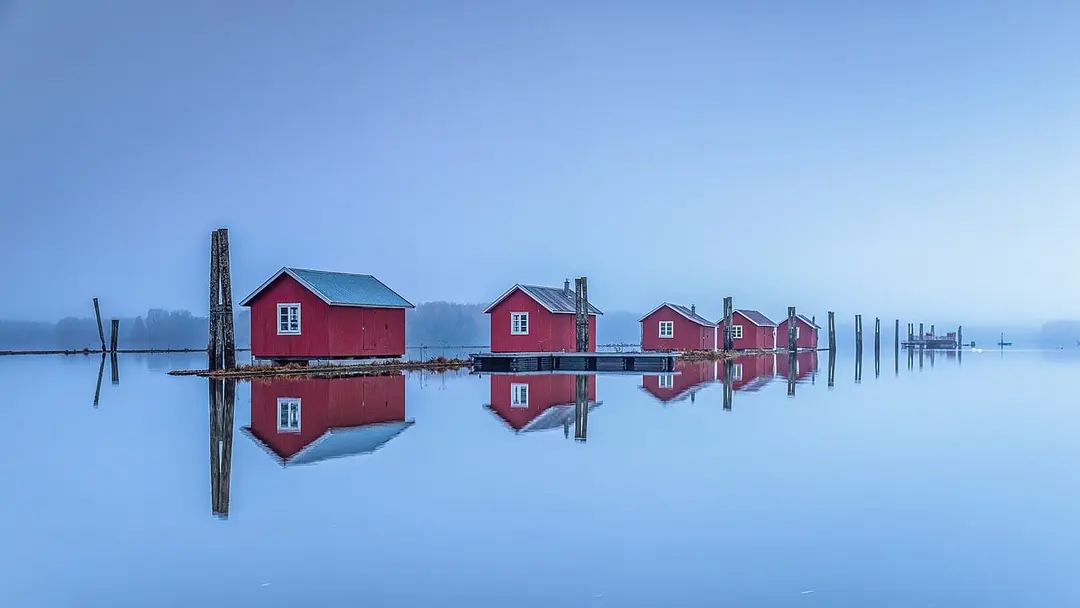
    At the mouth of the Glomma River where it meets Lake Øyeren, about 30 kilometres east of Oslo, lies Fetsund Lenser — a remarkable relic of Norway's timber industry. Established in 1861, the site used floating booms called "lenser" to sort and channel thousands of logs per day drifting downstream from the vast Glomma catchment, all without machinery — just water, timber, and human skill. Operations continued until 1985, when log driving on the Glomma was abandoned. Today the site is protected as a national heritage monument and open-air museum, part of the Akershus Museum network. Visitors can explore the historic sorting infrastructure along the riverbank and learn how the timber trade shaped Norwegian rural society for more than a century. The surrounding wetland reserve is also a haven for migratory birds, making it a rewarding stop for nature lovers year-round.

  • Folketeateret

    Folketeateret

    Oslo

    architecturehistorylocal gems

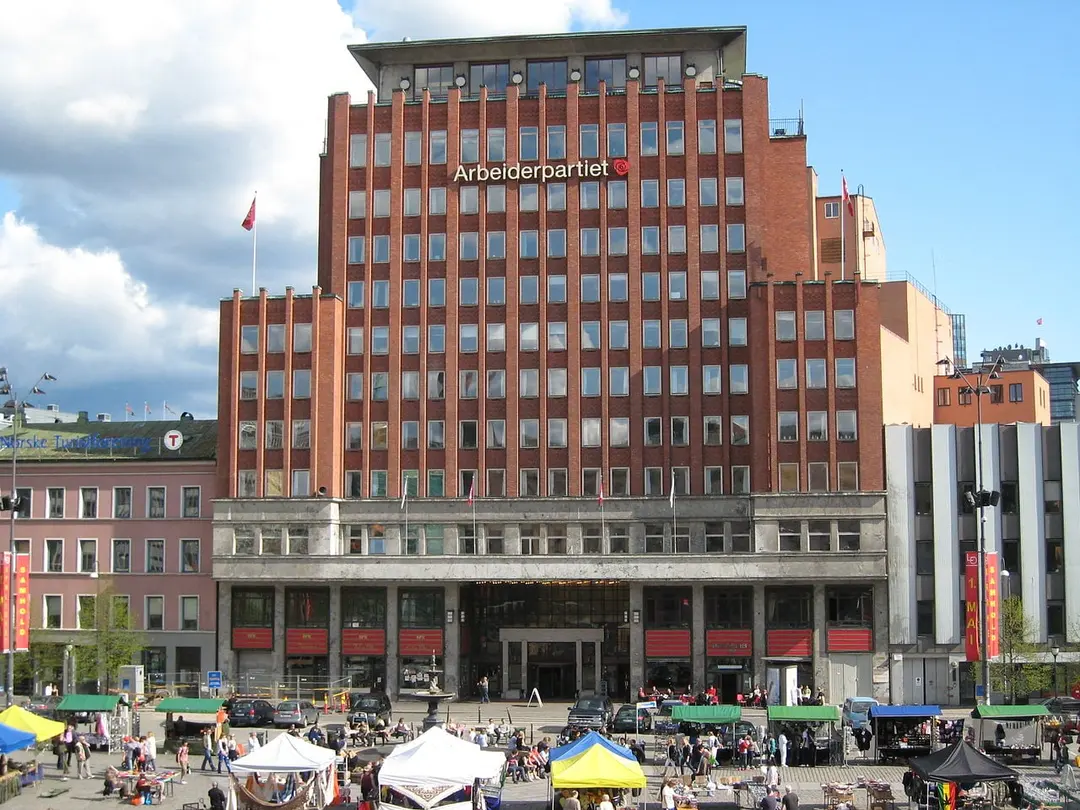
    Folketeaterbygningen is a prominent office and cultural building in the heart of Oslo, situated between the lively Youngstorget square and Storgata. Inaugurated on 2 April 1935, it houses two significant tenants under one roof: the headquarters of the social-democratic Labour Party (Arbeiderpartiet) and the Folketeateret, one of Norway's most important people's theatres. The co-location of political labour movement and popular culture is deliberate — the building embodies the close relationship between Norwegian social democracy and the country's cultural life. It has been a listed heritage building since 2009.

  • Fram Museum

    Fram Museum

    Oslo

    naturehistorylocal gems

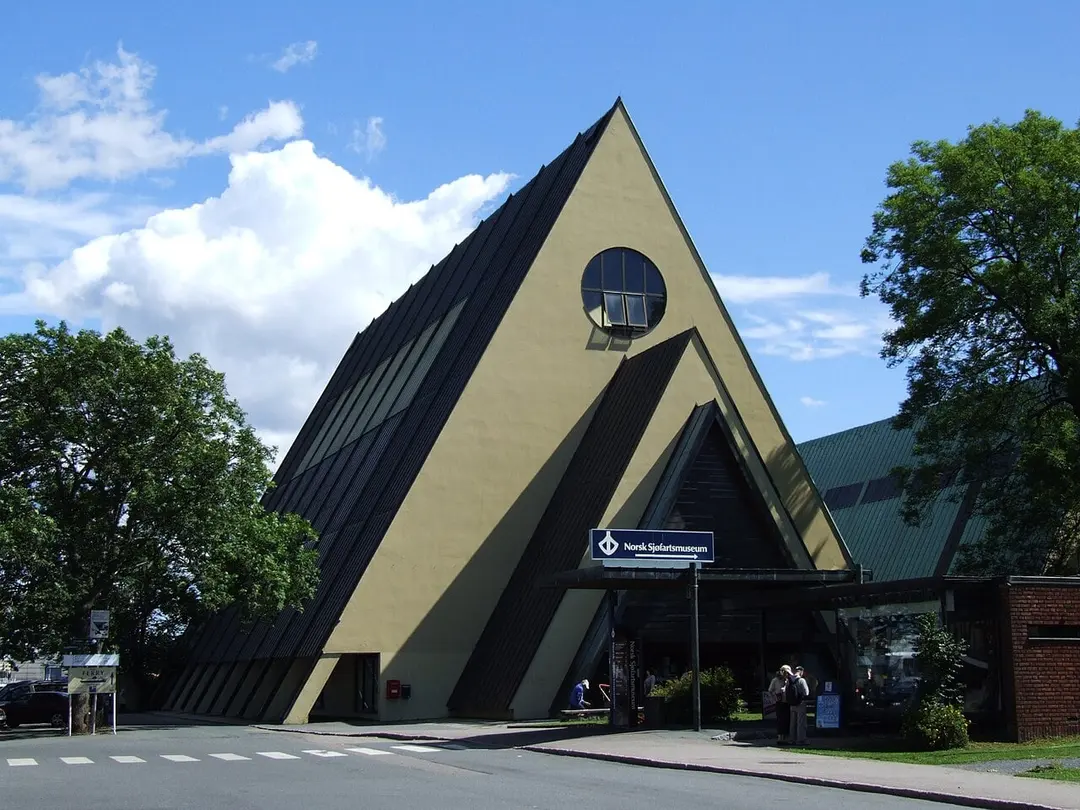
    On the Bygdøy peninsula in Oslo, a short ferry or bus ride from the city centre, the Fram Museum was built around one of the most extraordinary objects ever to sail the seas: the Fram, the strongest wooden ship ever constructed. Built in 1892, the Fram sailed farther north and farther south than any other ship in history — first with Fridtjof Nansen on an Arctic drift across the polar sea, then with Otto Sverdrup to explore the Canadian Arctic islands, and finally in 1910–1912 with Roald Amundsen, who launched the first successful expedition to the South Pole from her decks. The museum, which opened in 1936, lets visitors board the fully preserved ship, walk through the cramped crew quarters, and get close to the original polar equipment. It consistently ranks among Norway''s most visited museums.

  • Frogner Park

    Frogner Park

    Oslo

    naturefamily outings

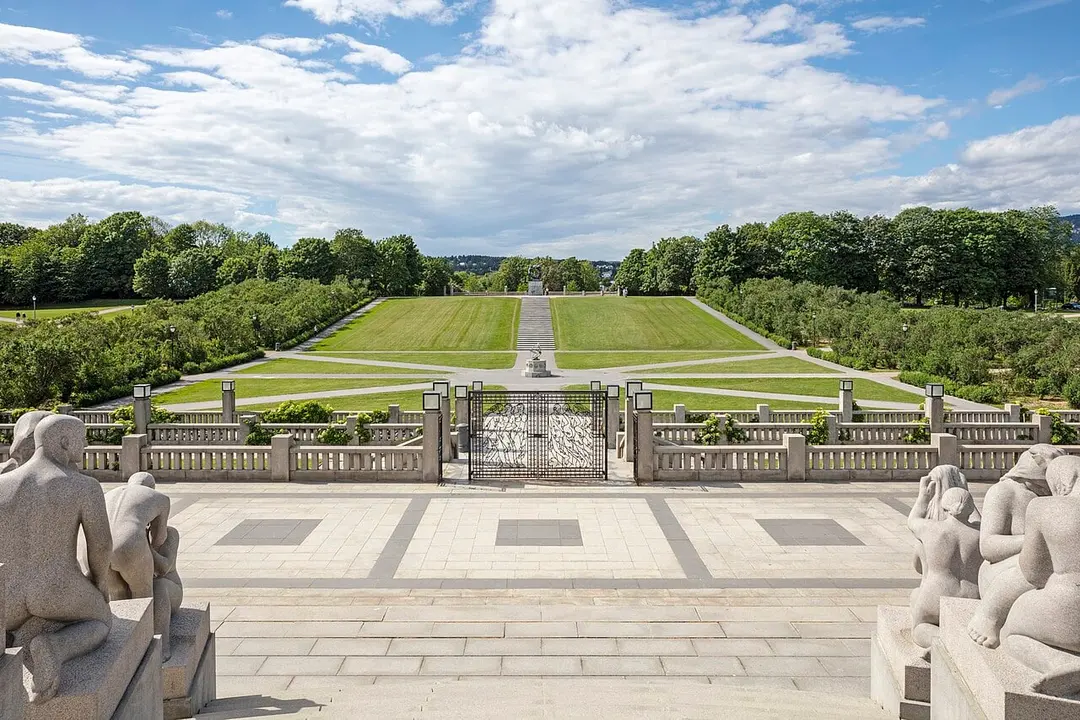
    Frogner Park is Oslo's largest and most famous public park, home to one of the world's most extraordinary outdoor art installations: the Vigeland Sculpture Park. Norwegian sculptor Gustav Vigeland created more than 200 sculptures in bronze, granite and cast iron between 1926 and 1942, all exploring a single theme — the human life cycle from birth to death. The centrepiece is the towering Monolith, a 17-metre granite column covered in intertwined human figures. The park is free to enter year-round and a beloved gathering place for Oslo residents who come to walk, exercise and picnic.

  • Grave of Christian and Oda Krohg

    Grave of Christian and Oda Krohg

    Oslo

    history

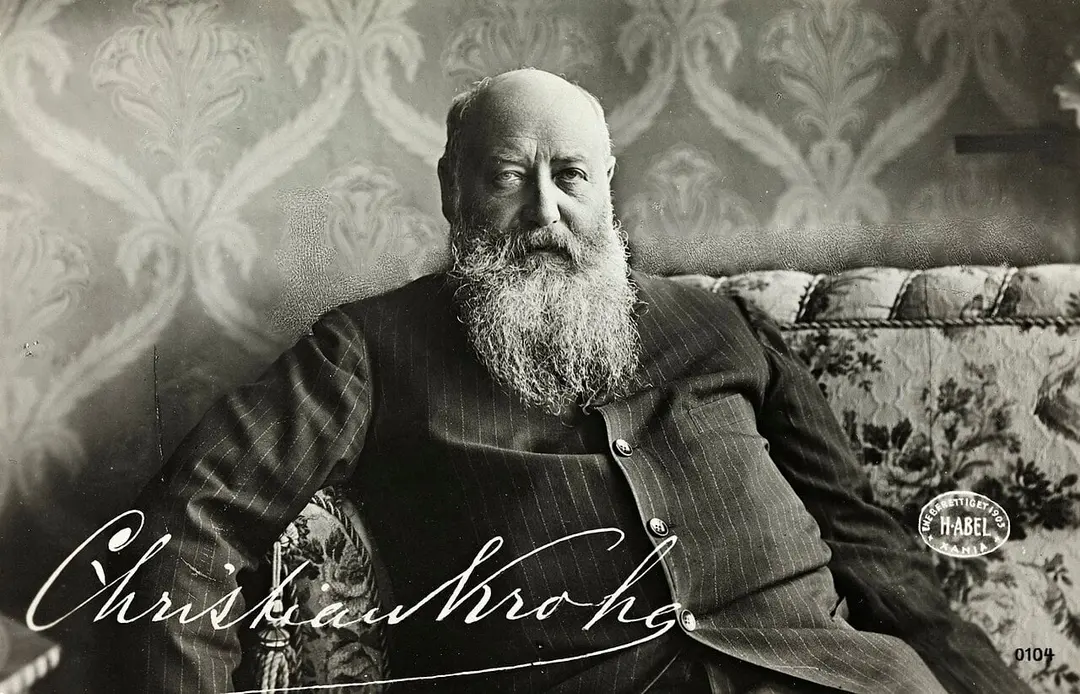
    Christian Krohg (1852–1925) was a leading Norwegian Realist painter, journalist, and member of the Skagen artists' colony in Denmark. His 1886 painting Albertine, depicting prostitution in Kristiania, caused a national scandal and remains one of the defining works of Norwegian art. His wife Oda Krohg (1860–1935) was also a painter and a prominent figure in Oslo's artistic life around the turn of the century. Their shared grave in Oslo is a quiet memorial to two individuals who shaped Scandinavian cultural history.

  • Grave of Erik and Sofie Werenskiold

    Grave of Erik and Sofie Werenskiold

    Oslo

    history

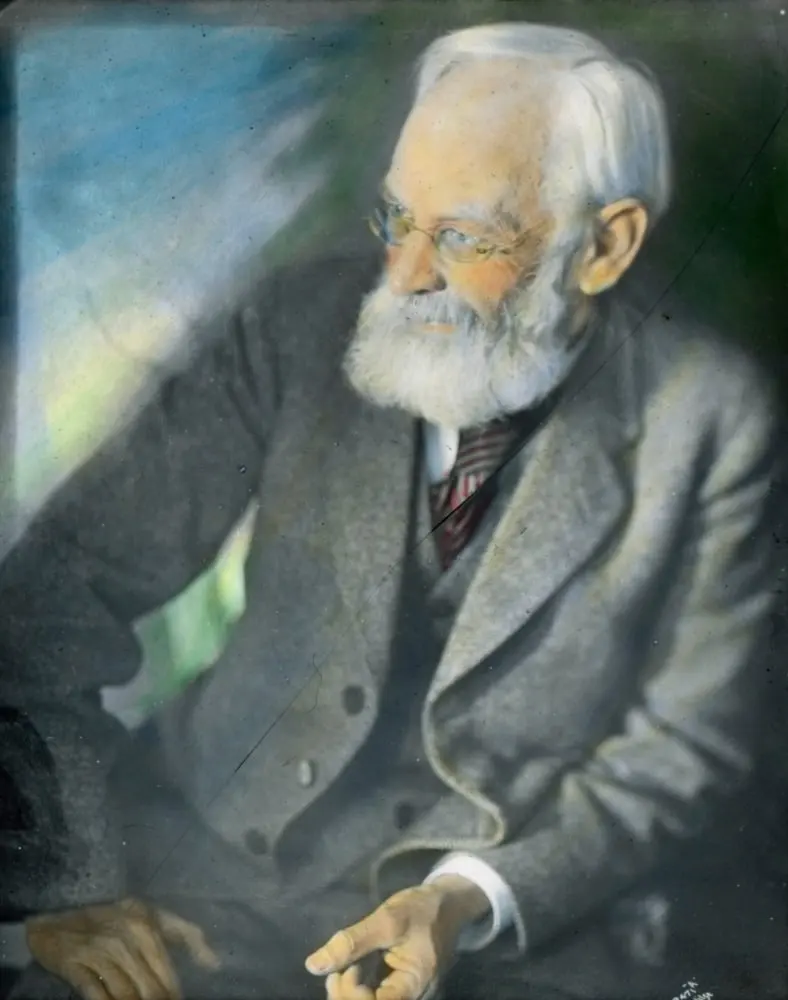
    Erik Theodor Werenskiold (1855–1938) is one of the most important Norwegian painters and illustrators of the 19th and early 20th centuries. He is particularly celebrated for his drawings accompanying Asbjørnsen and Moe's collection of Norwegian folk tales and his illustrations for Snorre's Kings' Sagas — works that shaped the visual imagination of Norwegian mythology and history for generations. He is buried together with his mother Sofie Werenskiold (1840–1926) at a cemetery in Oslo. The grave offers a quiet memorial to an artist whose imagery remains present in Norwegian schoolbooks and cultural institutions to this day.

  • Grini Museum

    Grini Museum

    Oslo

    history

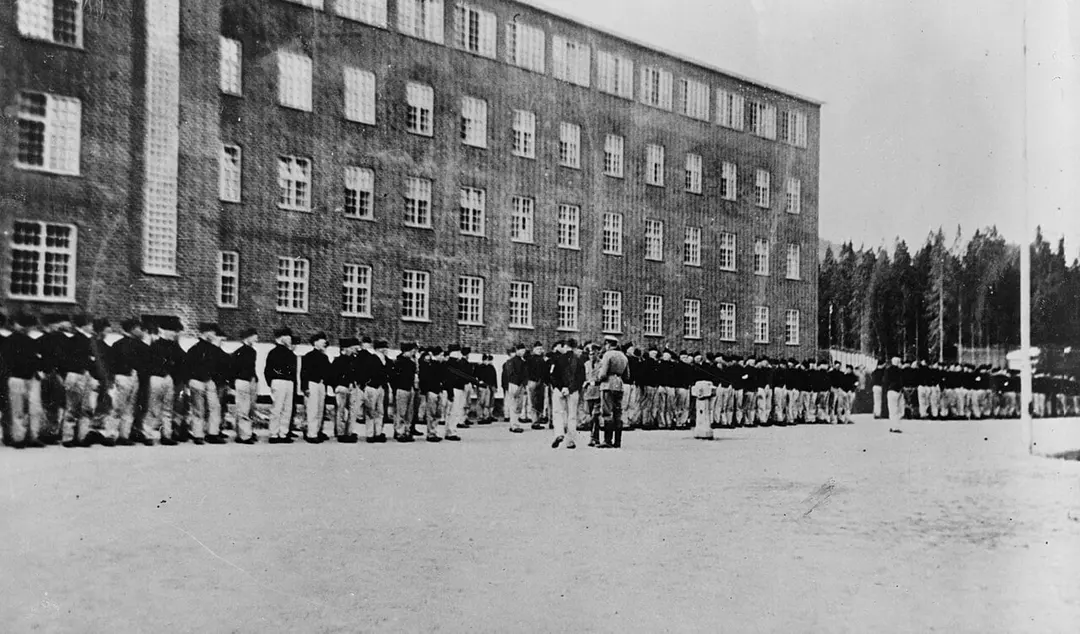
    The Grini Museum in the municipality of Bærum, southwest of Oslo, commemorates the largest Nazi concentration camp on Norwegian soil. The site was originally built in 1939 as a women's prison but was quickly repurposed after Germany's occupation of Norway in 1940. From 14 June 1941 the SS operated a concentration camp here, in which around 19,000 people were imprisoned until the end of the war – including resistance fighters, political prisoners and Jews. The museum documents the fate of the prisoners through original artefacts, photographs and personal testimonies, serving as a sober reminder of the crimes of the occupation era. A visit is an essential part of understanding Norway's wartime history.

  • Gude Family Burial Site

    Gude Family Burial Site

    Oslo

    historymystery

    This burial site in Oslo commemorates Hans Fredrik Gude (1825–1903), one of Norway's most celebrated 19th-century painters. Associated with the Düsseldorf School, Gude created romantic landscape and marine paintings depicting Norwegian fjords and coastal scenes with an atmospheric quality ahead of his time. His work played a formative role in shaping a distinctly Norwegian visual tradition before the era of National Romanticism. The family grave is a quiet place of remembrance for an artist whose paintings still hang in major Scandinavian museums.

  • Henie-Onstad Art Centre

    Henie-Onstad Art Centre

    Oslo

    nature

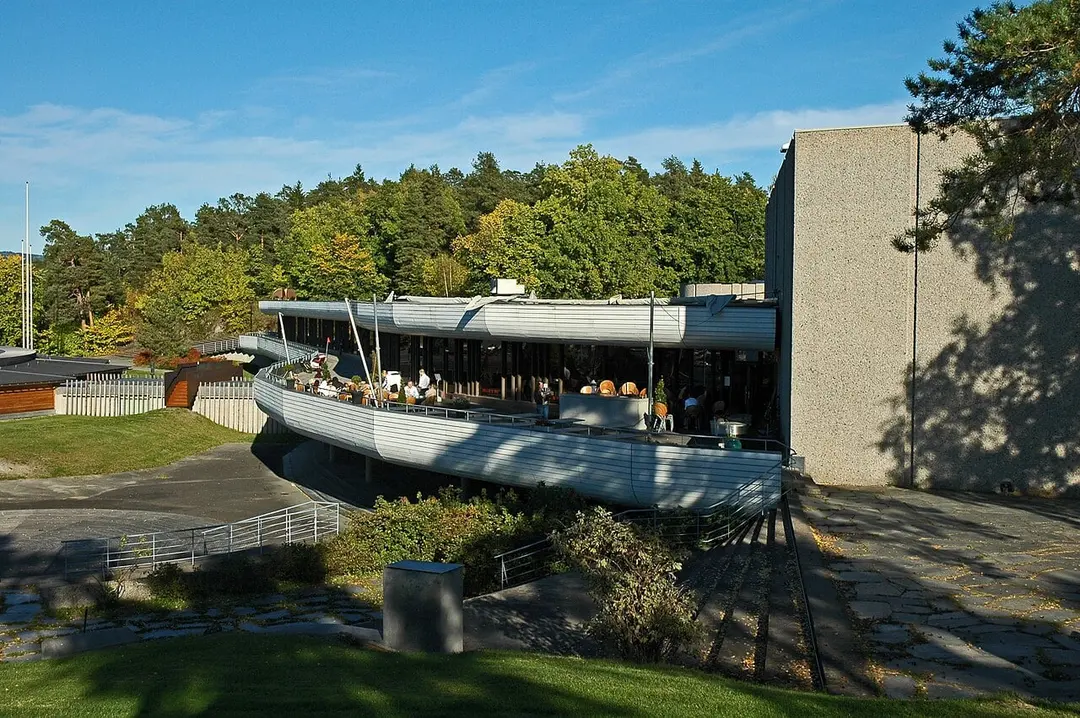
    The Henie Onstad Art Centre (HOK) sits on the Høvikodden peninsula just 15 minutes from Oslo and is one of Norway's leading museums of modern and contemporary art. Founded in 1968 by ice-skating champion and film actress Sonja Henie and her husband Niels Onstad, who donated their extensive private collection to the public, the museum holds over 8,000 works including important pieces by Henri Matisse, Joan Miró, Pablo Picasso, and Norwegian artists. The expansive sculpture park along the fjord coastline is a destination in itself, as is the constantly changing exhibition program. Yayoi Kusama's permanent installation "Hymn of Life" is a highlight.

Keep exploring

These places are just the beginning.

Rate places with a swipe — TravelType learns from your tags what you love and curates your own map. Private until you choose to share.

Create your profile