TravelType

knowledge

Knowledge & learning in Oslo

Oslo has shaped Norwegian intellectual and cultural life through a remarkable range of figures and places. The public library Deichman Bjørvika offers open access to knowledge in the heart of the city, while Bankplassen and Blaafarveværket speak to the city's commercial and industrial heritage. Thinkers such as Carl Paul Caspari and Christopher Bruun, writers Arne Garborg and Arnulf Øverland, and composer Edvard Grieg all left lasting marks on Norwegian society. Painters Albert Nordengen and Amaldus Nielsen, engineer Carl Abraham Pihl, and the Cora Sandel Monument round out a layered portrait of knowledge and creativity in Oslo.

19 places · Oslo, Norway · Editorially curated

  • Albert Nordengen

    Albert Nordengen

    Oslo

    history

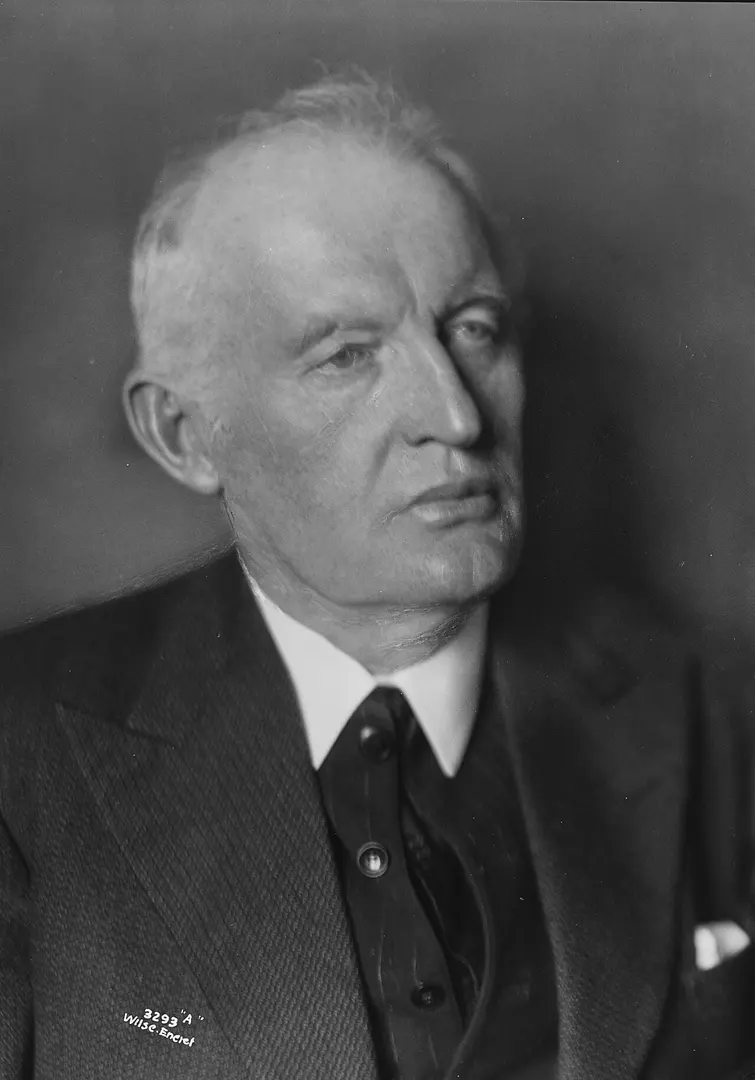
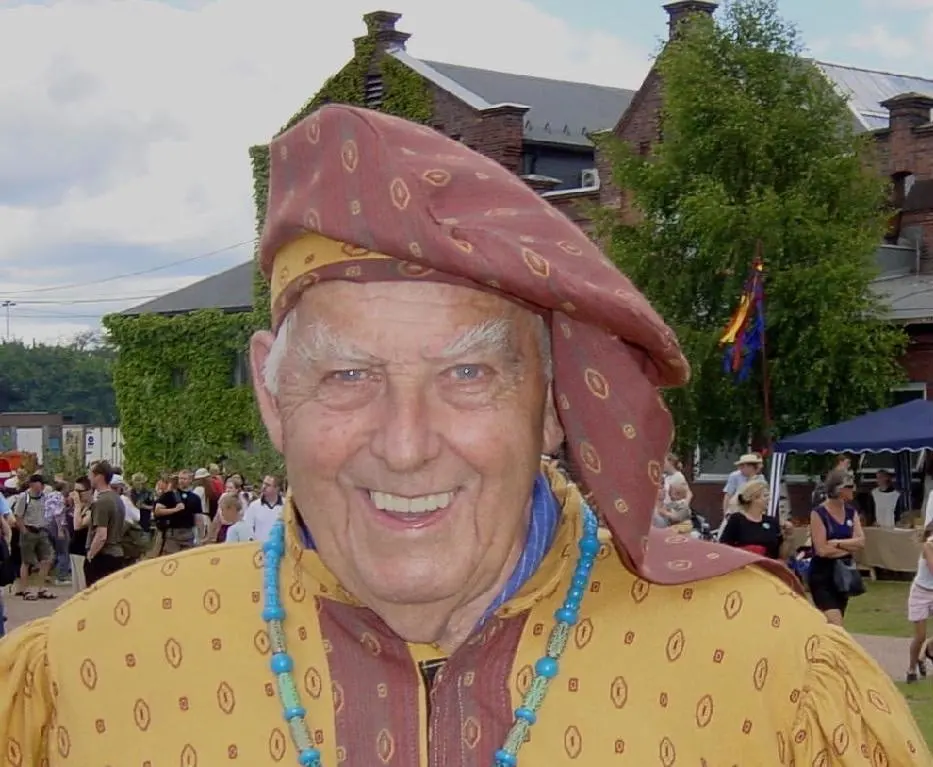
    Albert Nordengen was a Norwegian politician who served as Mayor of Oslo from 1976 to 1990, one of the longest tenures in the city's modern history. His time in office coincided with Oslo's transformation from an industrial harbour city to a modern European capital. Representing the Conservative Party, he oversaw major urban planning decisions that shaped the city's contemporary layout. Though not a monument or building himself, his legacy is woven into the administrative and architectural decisions of late 20th-century Oslo. He represents an important chapter in the city's political memory.
  • Amaldus Nielsen

    Amaldus Nielsen

    Oslo

    culturehistory

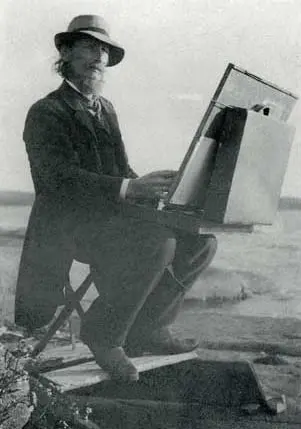
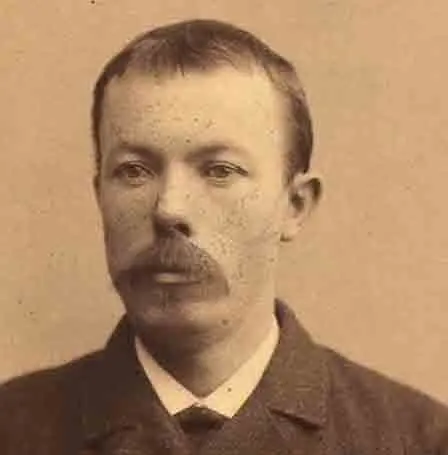
    Amaldus Clarin Nielsen was a notable Norwegian painter of the 19th century, part of a generation of Nordic artists who studied in Düsseldorf and Paris and brought impressionist influences back to Scandinavia. His paintings, often depicting coastal landscapes and atmospheric natural scenes, display a sensitive handling of light characteristic of the period. Today his works can be found in museum collections across Norway, representing an important chapter in Norwegian art history when painters sought and achieved international recognition. His legacy is part of the rich tradition of Norwegian landscape painting.

  • Arne Garborg

    Arne Garborg

    Oslo

    culture

    Arne Garborg was one of the most important Norwegian authors of the late 19th and early 20th centuries. His defining mission was championing Nynorsk — the written form of Norwegian synthesised from rural dialects by Ivar Aasen — as both a literary and political vehicle. Garborg wrote novels, poetry and essays that explored the tension between rural tradition and urban modernity, a theme that continues to resonate in Norwegian culture. He is a key figure in Norwegian language politics and literary history, representing the movement that gave Nynorsk its status as an official written standard.

  • Arnulf Øverland (1889–1968)

    Arnulf Øverland (1889–1968)

    Oslo

    culture

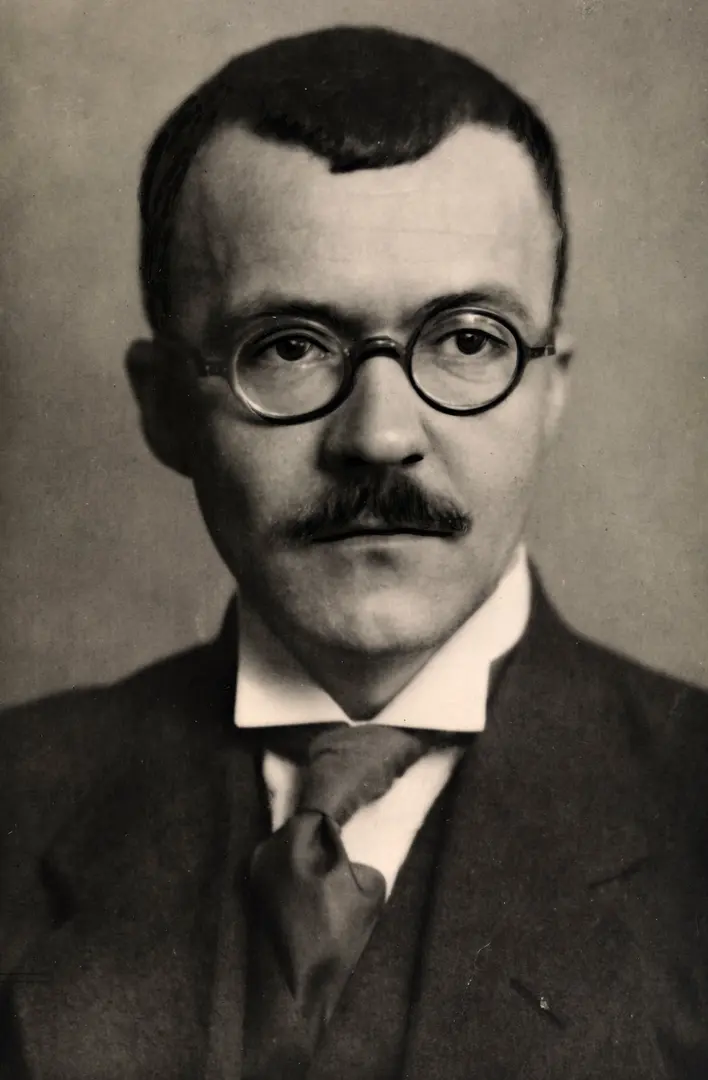
    Arnulf Øverland was one of Norway's most important poets and writers of the 20th century, also active as a painter and translator. He became particularly celebrated for his courageous resistance against Nazism during the German occupation of Norway — he was arrested by the Gestapo in 1941 and deported to Sachsenhausen concentration camp. His poem "Du må ikke sove" (You Must Not Sleep) became an iconic text of the Norwegian resistance movement. After the war, he returned to become one of Norway's most widely read poets. His life represents the intersection of artistic and civic courage.

  • Bankplassen

    Bankplassen

    Oslo

    architecturelocal gems

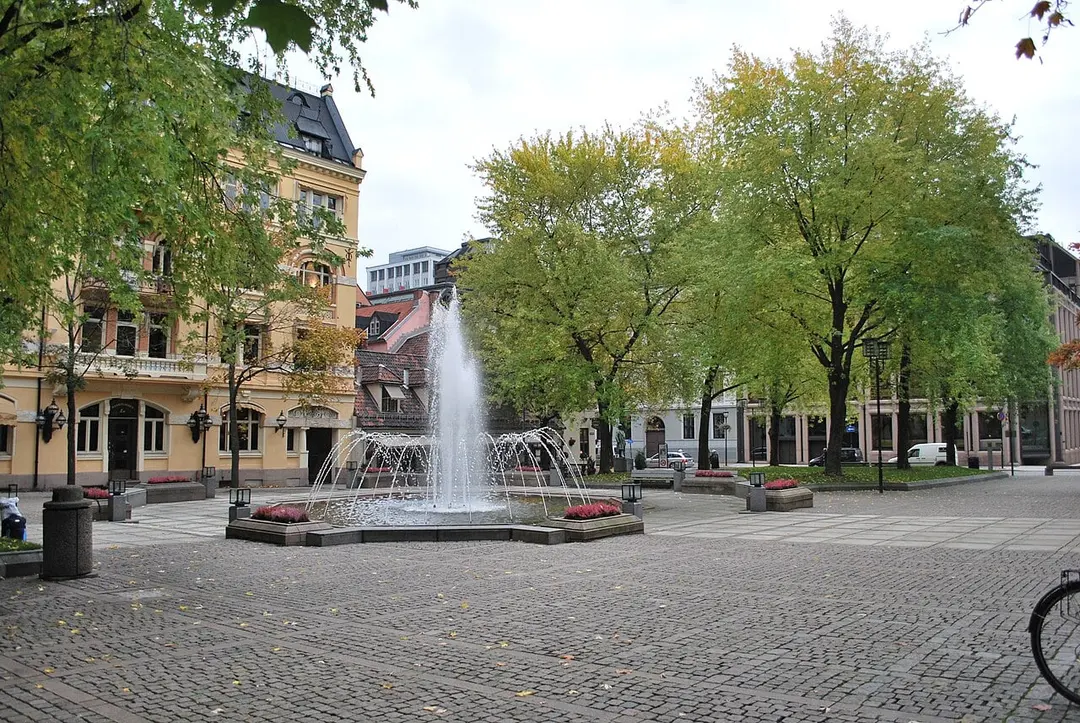
    Bankplassen is a well-kept public square in the heart of Oslo's Sentrum district. Its name comes from Norges Bank, Norway's central bank, which built several of its key buildings here over the years — including its current headquarters, a neoclassical structure dating to the nineteenth century. The square is framed by historic architecture that reflects Norway's economic rise. Today Bankplassen is a pleasant urban retreat, with cafés and offices nearby. It sits close to the Oslofjord waterfront, making it a calm spot amid the city's busier streets.

  • Blaafarveværket

    Blaafarveværket

    Oslo

    culturehistory

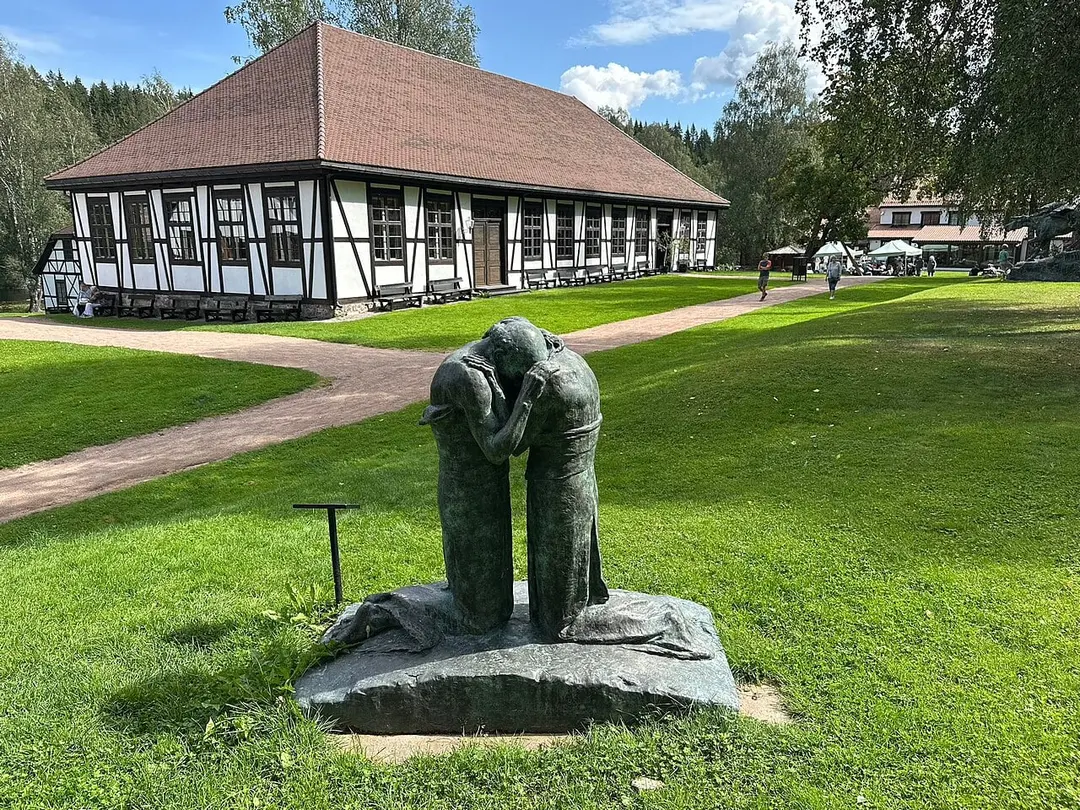
    Blaafarveværket (the Cobalt Works at Modum) was founded in 1773 in Modum, Buskerud province, as a royal manufactory and was Scandinavia's first large-scale chemical enterprise. The works produced cobalt blue — a sought-after pigment used across Europe for porcelain, glass, and paintings — and supplied buyers as far away as China. At the height of production it was one of the largest operations of its kind in the world. As demand for cobalt pigments collapsed in the late nineteenth century, the site was gradually repurposed, eventually becoming a protected cultural monument, open-air museum, and art gallery. Today Blaafarveværket is considered one of Norway's most important cultural heritage sites and welcomes thousands of visitors each year with changing exhibitions and guided historical tours.

  • Carl Abraham Pihl (1825–1897)

    Carl Abraham Pihl (1825–1897)

    Oslo

    history

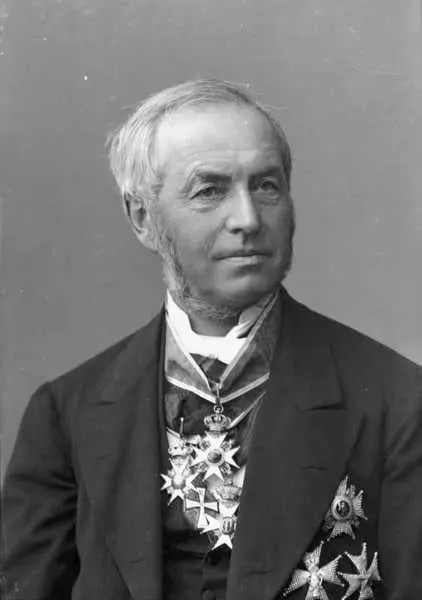
    Carl Abraham Pihl was Norway's leading railway engineer in the second half of the 19th century. He shaped the development of the Norwegian railway network during an era decisive for the country's modernization and economic opening. His work in Oslo left lasting marks on Norway's infrastructure.

  • Carl Paul Caspari (1814–1892)

    Carl Paul Caspari (1814–1892)

    Oslo

    architecturehistory

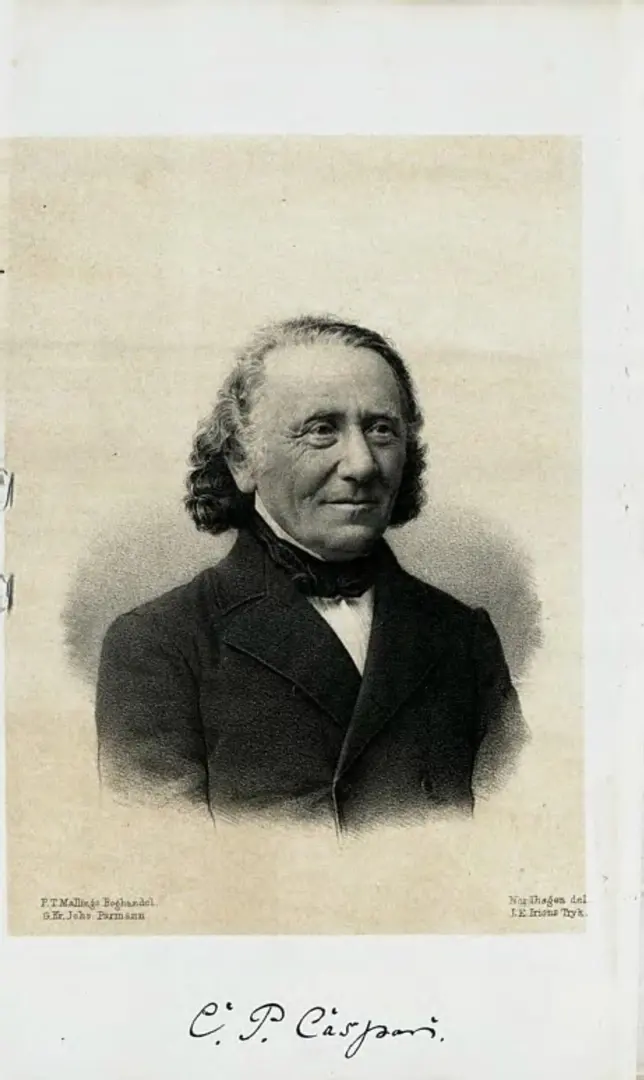
    Carl Paul Caspari was a German-Norwegian evangelical-Lutheran theologian and orientalist of the 19th century. Born in Dessau in 1814, he studied theology and oriental languages, converted from Judaism to Christianity, and in 1857 was appointed professor of Old Testament and oriental languages at the University of Christiania, today's Oslo, where he taught until his death in 1892. Caspari was regarded as one of the foremost Old Testament scholars of his era. The monument in Oslo commemorates a scholar who bridged German and Norwegian intellectual life across the 19th century.

  • Christopher Bruun (1839–1920)

    Christopher Bruun (1839–1920)

    Oslo

    history

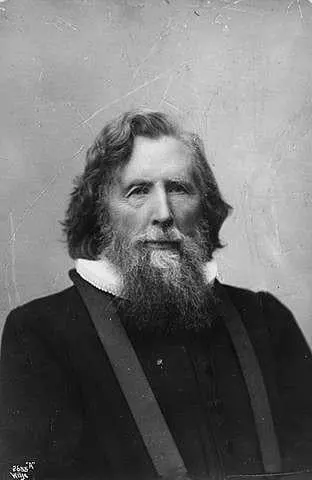
    Christopher Arndt Bruun was a Norwegian clergyman and folk school teacher who lived from 1839 to 1920. As a pastor and teacher at a folk high school he contributed to the folk education movement in late 19th-century Norway, which was inspired by the ideas of Danish theologian N. F. S. Grundtvig. Folk high schools of this kind aimed to bring education out of elite institutions and into the hands of ordinary people.

  • Cora Sandel Monument Oslo

    Cora Sandel Monument Oslo

    Oslo

    architectureculture

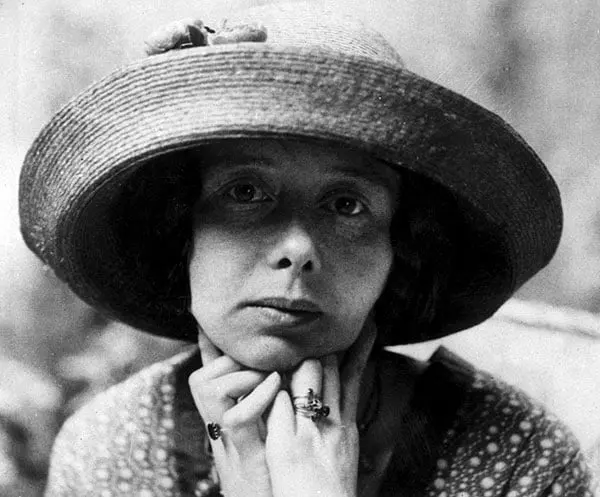
    Cora Sandel was a significant Norwegian author who wrote in Riksmål and is best known for her Alberta trilogy. Born in 1880 in Oslo as Sara Cecilia Görvell Fabricius, she spent many years in France before returning to Norway. Her works vividly portray the lives of Nordic women caught between self-determination and social constraints. The monument dedicated to her in Oslo honors one of the most important voices in 20th-century Norwegian literature, who despite international recognition remains little known in the wider world.

  • Deichman Bjørvika

    Deichman Bjørvika

    Oslo

    architectureculturelocal gems

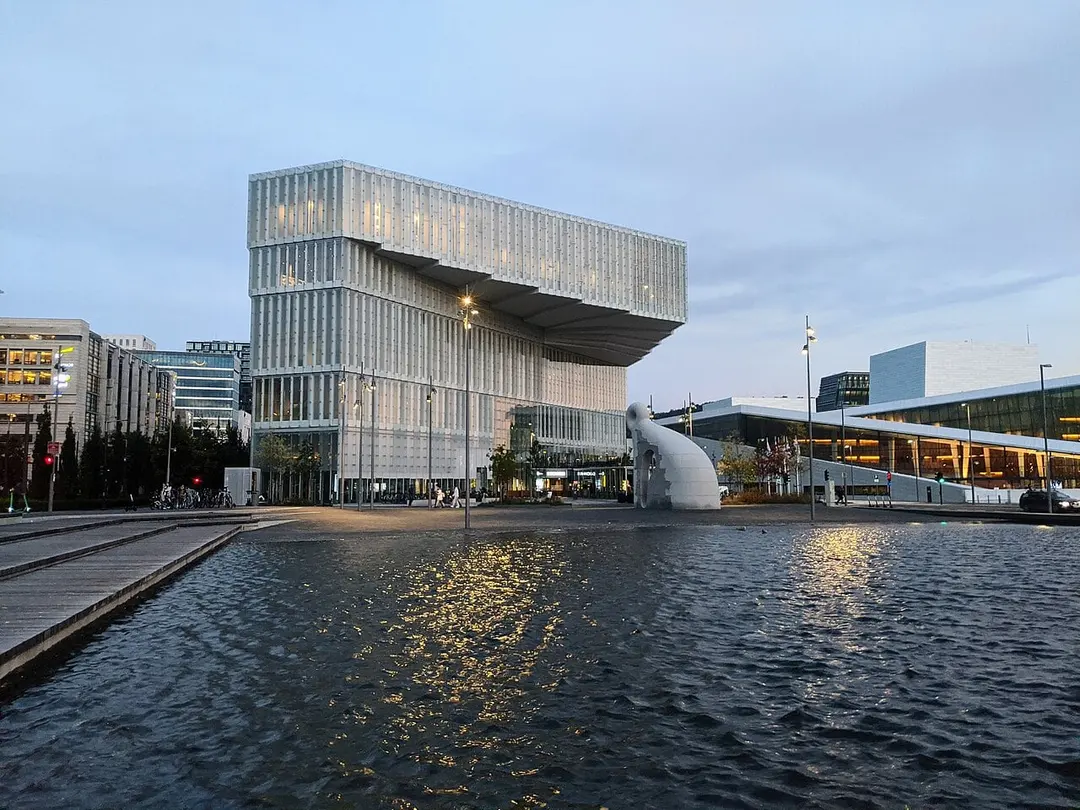
    Deichman Bjørvika is Oslo's new main public library, opened in 2020 directly on the fjord in the regenerated Bjørvika district — steps from the Opera House and the Munch Museum. Designed by Atelier Oslo and Lundhagem, the building is defined by its stepped, green-topped terraces that open towards the fjord. Inside, visitors find around 450,000 items across generous reading rooms, a café, makerspaces, children's play areas, and event spaces. Deichman is one of Norway's oldest public libraries — founded in 1785 — and now serves simultaneously as a modern community hub and cultural institution. Entry is free, and the architecture alone makes it a worthwhile destination in Oslo's evolving waterfront.

  • Edvard Grieg

    Edvard Grieg

    Oslo

    culture

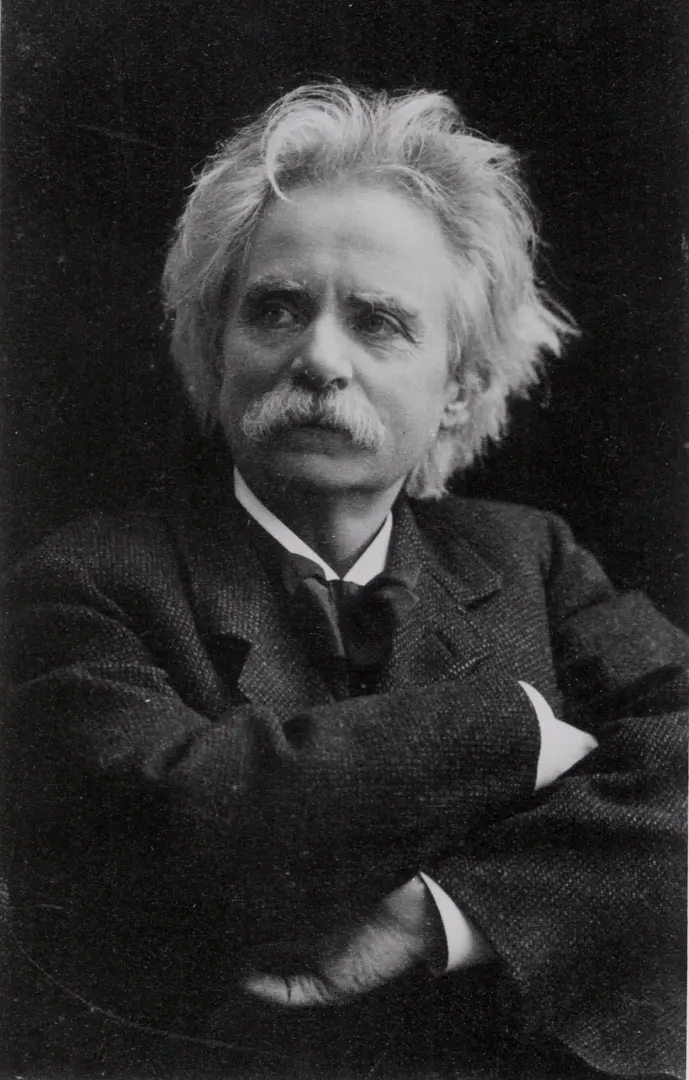
    Edvard Grieg (1843–1907) is Norway's most celebrated composer and one of the leading figures of Romantic-era music. Born in Bergen, he is best known for the Peer Gynt Suites – orchestral works derived from his incidental music to Henrik Ibsen's play of the same name. Grieg's compositions are deeply rooted in Norwegian folk music traditions, giving them a distinctively national character. A statue in Oslo commemorates the national artist. His former home Troldhaugen near Bergen is today a popular museum and concert venue.

  • Edvard Munch's Grave

    Edvard Munch's Grave

    Oslo

    culturehistory

    The grave of Edvard Munch is located at Vår Frelsers gravlund, one of Oslo's oldest and most significant cemeteries. Munch, who died in Oslo in 1944, is considered one of the most influential painters of the modern era — his work shaped Expressionism and left a lasting mark on the art history of the twentieth century. His output encompasses over 1,700 paintings as well as countless prints and drawings, including the iconic work "The Scream". His grave is a simple, dignified resting place visited by art lovers and Munch admirers from around the world. The cemetery itself is a green oasis in the heart of the city and is also the final resting place of other significant figures in Norwegian history.

  • Gjermundbo find

    Gjermundbo find

    Oslo

    history

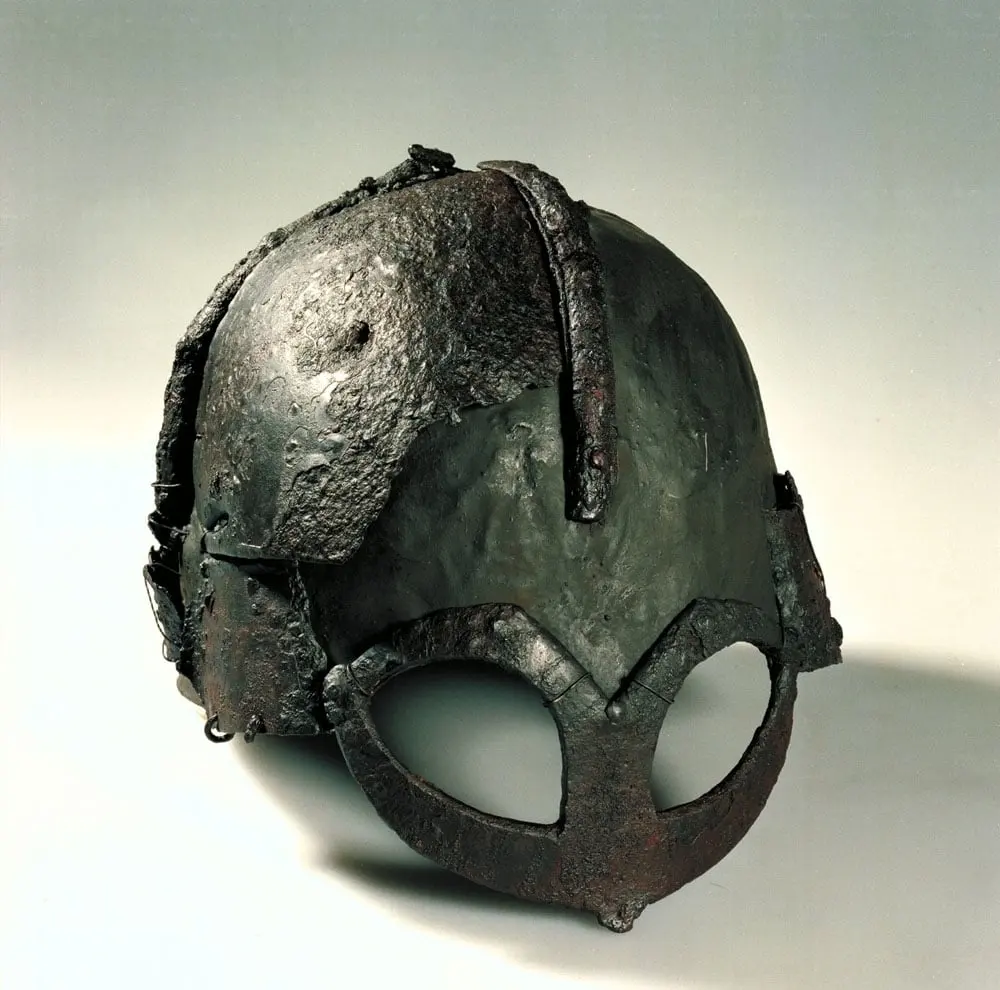
    The Gjermundbu find is one of Norway's most significant Viking Age archaeological discoveries. The helmet it yielded — a spectacle helmet or Nordic ridge helmet — is the only complete Viking helmet in existence, making it an priceless testament to Norse warrior culture from the 10th century. Discovered in 1943 at Gjermundbu in the Ringerike region, the helmet is now held at the University Museum in Oslo. Often wrongly associated with horns, it was in fact plain and functional in design. Part of the Museum of Cultural History collection, it is essential viewing for anyone fascinated by the Viking Age.

  • Gol Stave Church

    Gol Stave Church

    Oslo

    architecturehistory

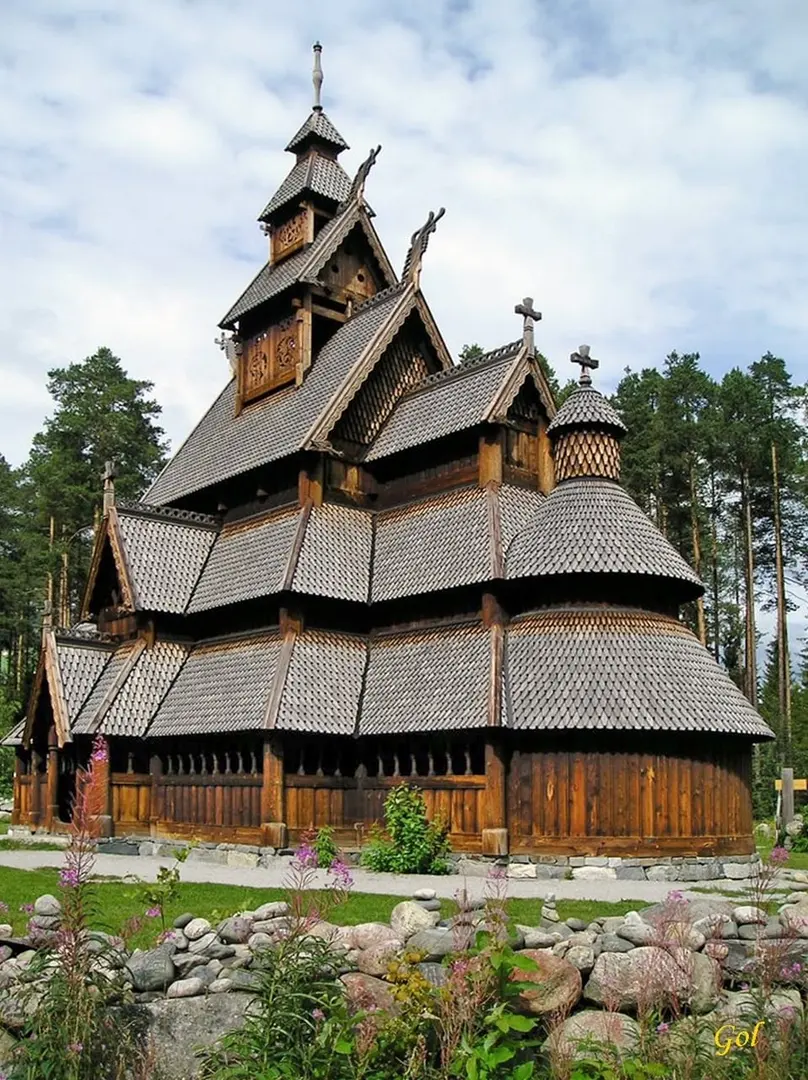
    The Gol Stave Church is one of Norway's oldest surviving stave churches and now stands within the Norsk Folkemuseum in Oslo. Originally built in the 13th century in Gol in the Buskerud region, it was relocated to Oslo in 1884 to preserve it for future generations. Architect Waldemar Hansteen reconstructed it in 1885, modelling it on the well-known Borgund stave church. The 14-mast structure of dark wood, adorned with curving dragon carvings along the rooflines, is a compelling testament to medieval Norwegian craftsmanship. Medieval paintings in the choir and apse lend the interior a profound sense of dignity. A unique piece of Norwegian spirituality and artisanship.

  • Kon-Tiki Museum

    Kon-Tiki Museum

    Oslo

    historyoutdoor activitieslocal gems

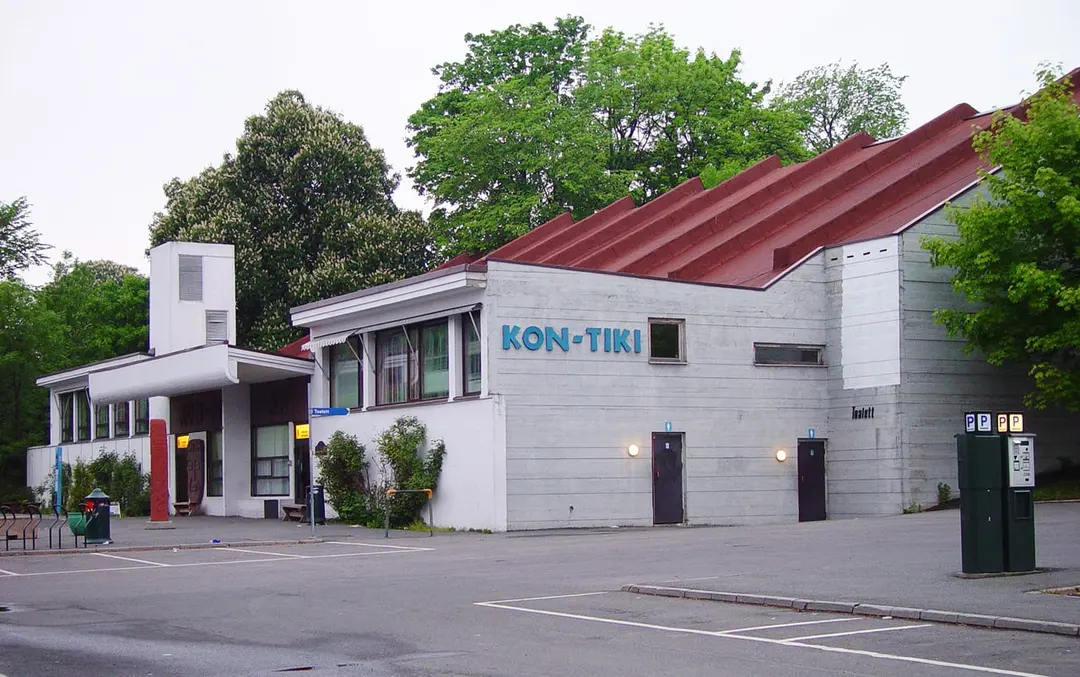
    The Kon-Tiki Museum on Oslo's Bygdøy peninsula displays the original balsa raft from the legendary 1947 Kon-Tiki expedition, on which Thor Heyerdahl crossed the Pacific to support his theory of Polynesian origins. Alongside the raft, the museum — opened in 1949 — holds the papyrus boat Ra II, maps, artefacts, and an extensive library. It stands as a symbol of Norwegian exploratory spirit and is part of Bygdøy's maritime museum mile.

  • MUNCH (Munch Museum Oslo)

    MUNCH (Munch Museum Oslo)

    Oslo

    culturelocal gems

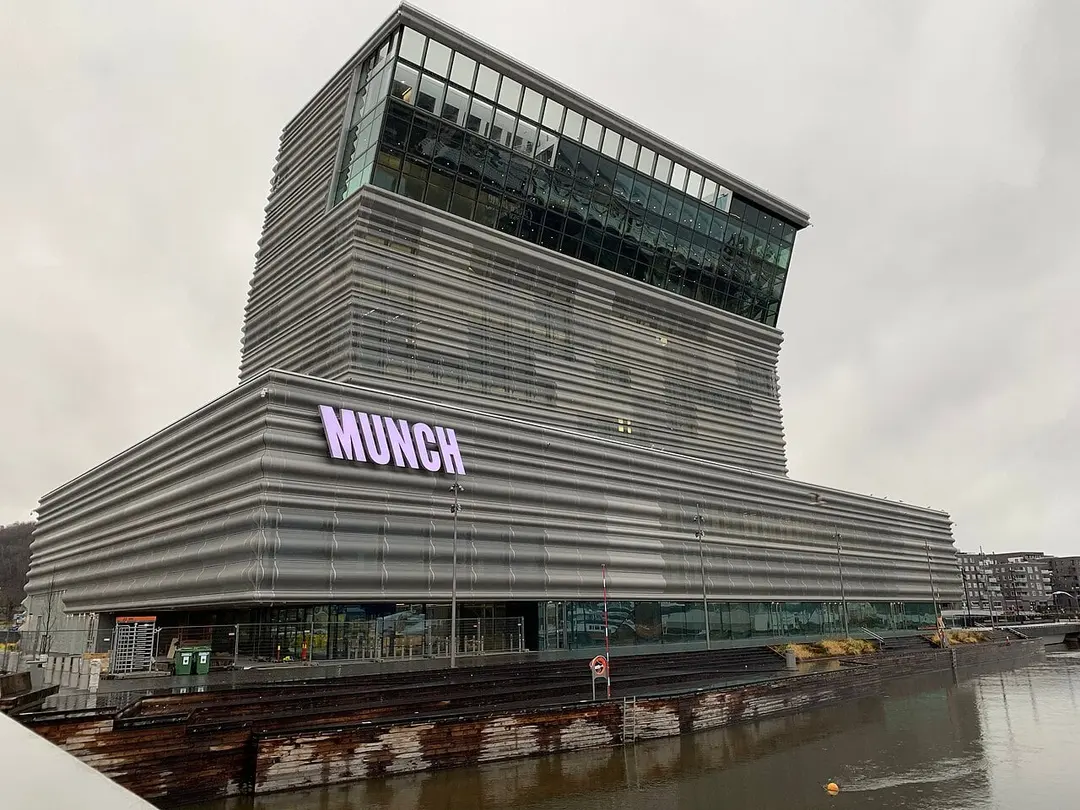
    MUNCH in Oslo is one of the world's largest museums dedicated to a single artist. It holds the bequest of Edvard Munch — approximately 28,000 works that the painter left to the city of Oslo in 1940. Since 2021, the museum has been housed in a striking new building in the Bjørvika waterfront district: a 13-storey tower with a tilted profile rising above the Oslofjord. Beyond The Scream and other iconic works, the museum displays a rotating programme of sketches, prints, and rarely shown early pieces. The building itself, with its views over the Oslo Opera House and the fjord, is an experience in its own right.

  • University Botanical Garden

    University Botanical Garden

    Oslo

    naturehistory

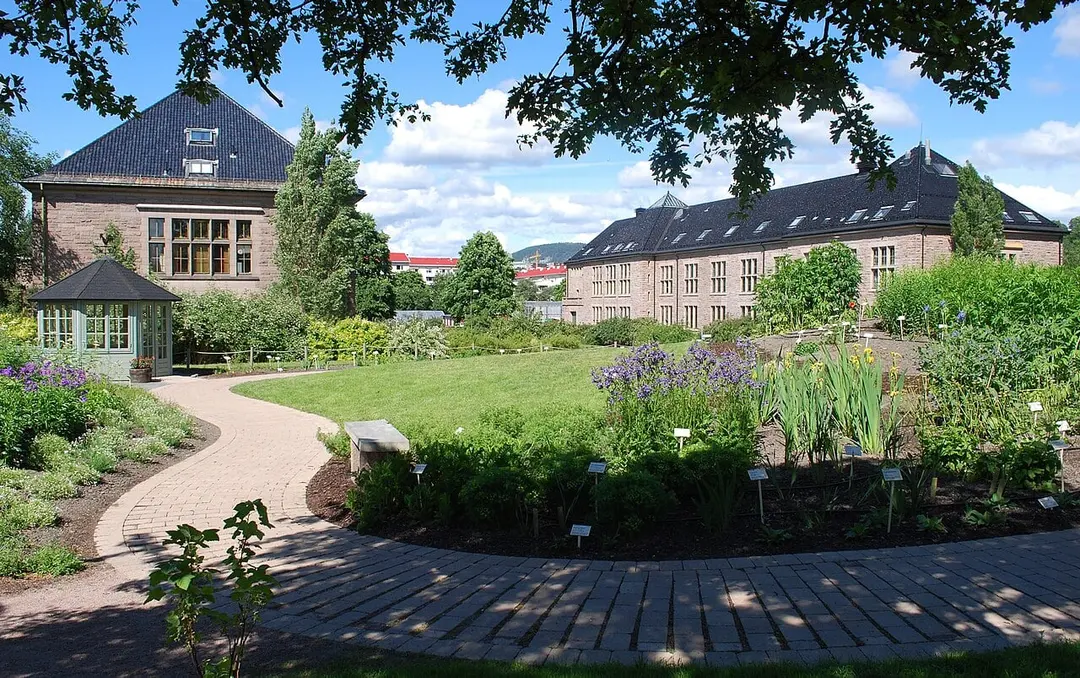
    The Oslo Botanical Garden in the Tøyen neighbourhood is Norway's oldest botanical garden, established in 1814 alongside the founding of the University of Oslo. Spread across a generous site, it hosts thousands of plant species from around the world — from Arctic specimens and alpine plants to tropical greenhouse collections. The garden is part of the University of Oslo and serves an important scientific role as a research and teaching institution. At the same time, it is a popular recreation spot for locals: in summer, flowering beds and peaceful green paths draw visitors, while the glasshouses offer a warm retreat during Scandinavian winters.

Keep exploring

These places are just the beginning.

Rate places with a swipe — TravelType learns from your tags what you love and curates your own map. Private until you choose to share.

Create your profile