TravelType

history

History in Sofia

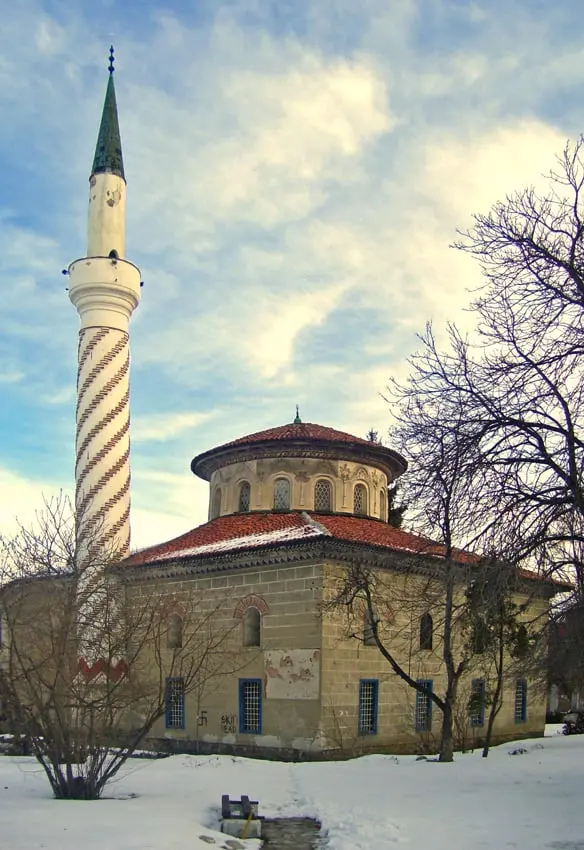
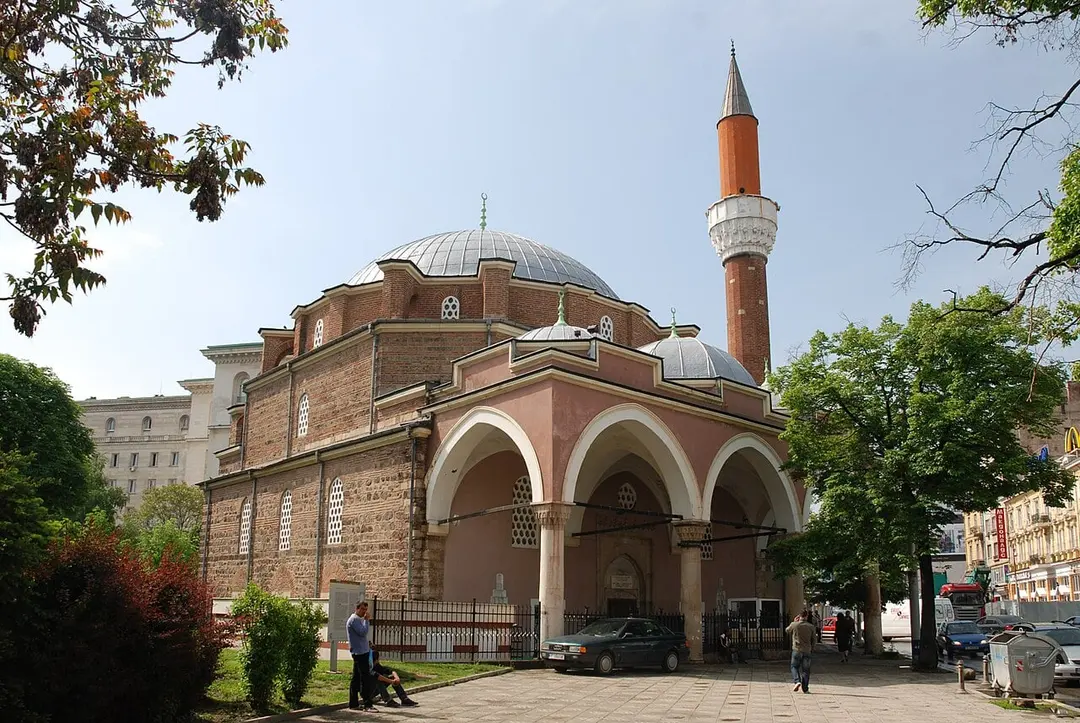
Sofia layers its history openly across the city. The Amphitheatre of Serdica preserves the Roman foundations of the settlement, while the Banya Bashi Mosque and Bayrakli Mosque stand as reminders of the Ottoman period. The Central Synagogue of Sofia and the Alexander Nevsky Cathedral reflect the capital's religious plurality. The Battenberg Mausoleum marks Bulgaria's early years of modern statehood after 1878. A short distance from the centre, Dragalevtsi Monastery offers a quieter medieval perspective. The Central Sofia Cemetery and Borisova Gradina add further layers to a city whose past stretches across many centuries.

10 places · Sofia, Bulgaria · Editorially curated

  • Alexander Nevsky Cathedral

    Alexander Nevsky Cathedral

    Sofia

    architectureculture

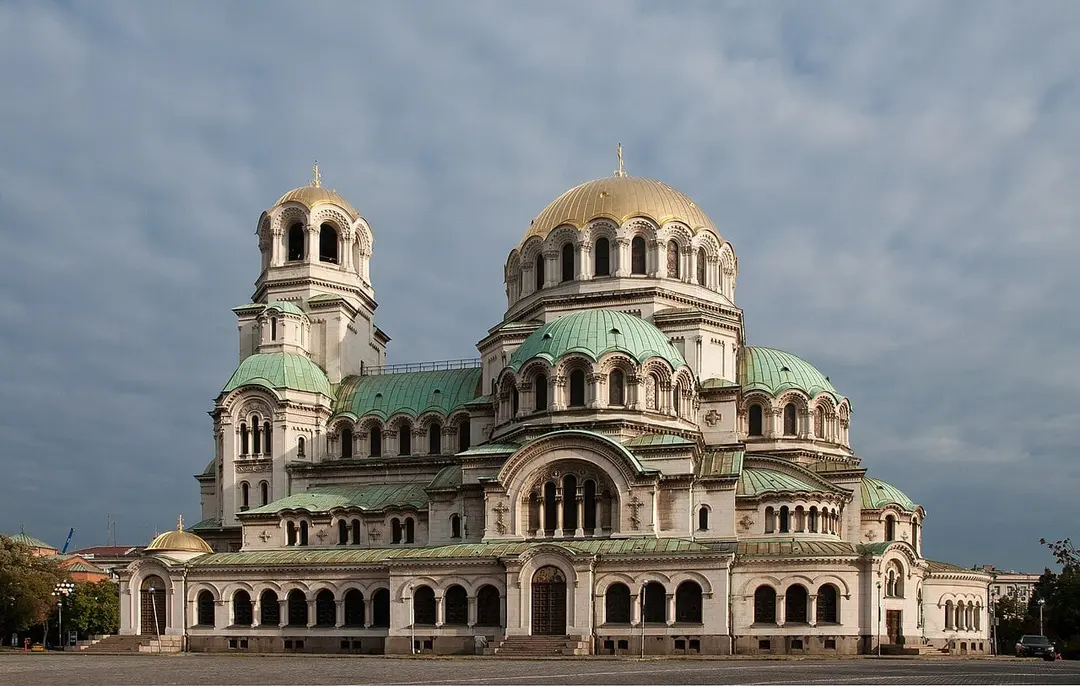
    The Alexander Nevsky Cathedral in Sofia is one of the largest Orthodox cathedrals in the world and the most recognizable landmark of the Bulgarian capital. Built between 1882 and 1912 by Russian architect Alexander Pomerantsev in the Neo-Byzantine style, it seats up to 5,000 worshippers and serves as the seat of the Bulgarian Orthodox Patriarchate. The gilded and green domes have defined Sofia's skyline for over a century. In the crypt below, one of Bulgaria's most important icon collections is on permanent display — works drawn from medieval monasteries across the country, spanning centuries of religious painting. Today the cathedral is the first stop for most visitors to Sofia. The surrounding square hosts a weekly flea market where coins, icons, and books from across the region change hands.
  • Amphitheatre of Serdica

    Amphitheatre of Serdica

    Sofia

    cultureknowledge

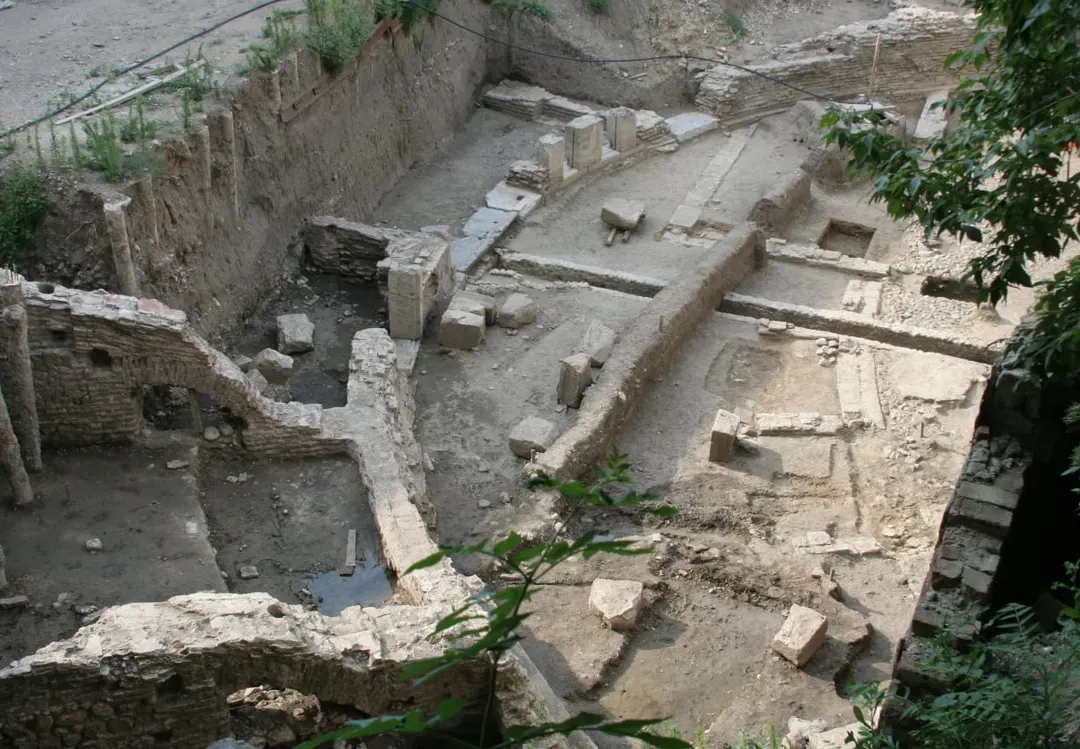
    The Amphitheatre of Serdica was a Roman-era venue in the ancient city of Ulpia Serdica, now Sofia, Bulgaria. Built in the 3rd–4th century AD over the foundations of an earlier theatre, it hosted gladiatorial contests and public spectacles. Discovered only in 2004 and partially excavated in 2005–2006, its ruins lie across two adjacent sites in the modern city centre. The site offers a rare glimpse into the urban life of a major Roman provincial capital.

  • Battenberg Mausoleum Sofia

    Battenberg Mausoleum Sofia

    Sofia

    architectureculture

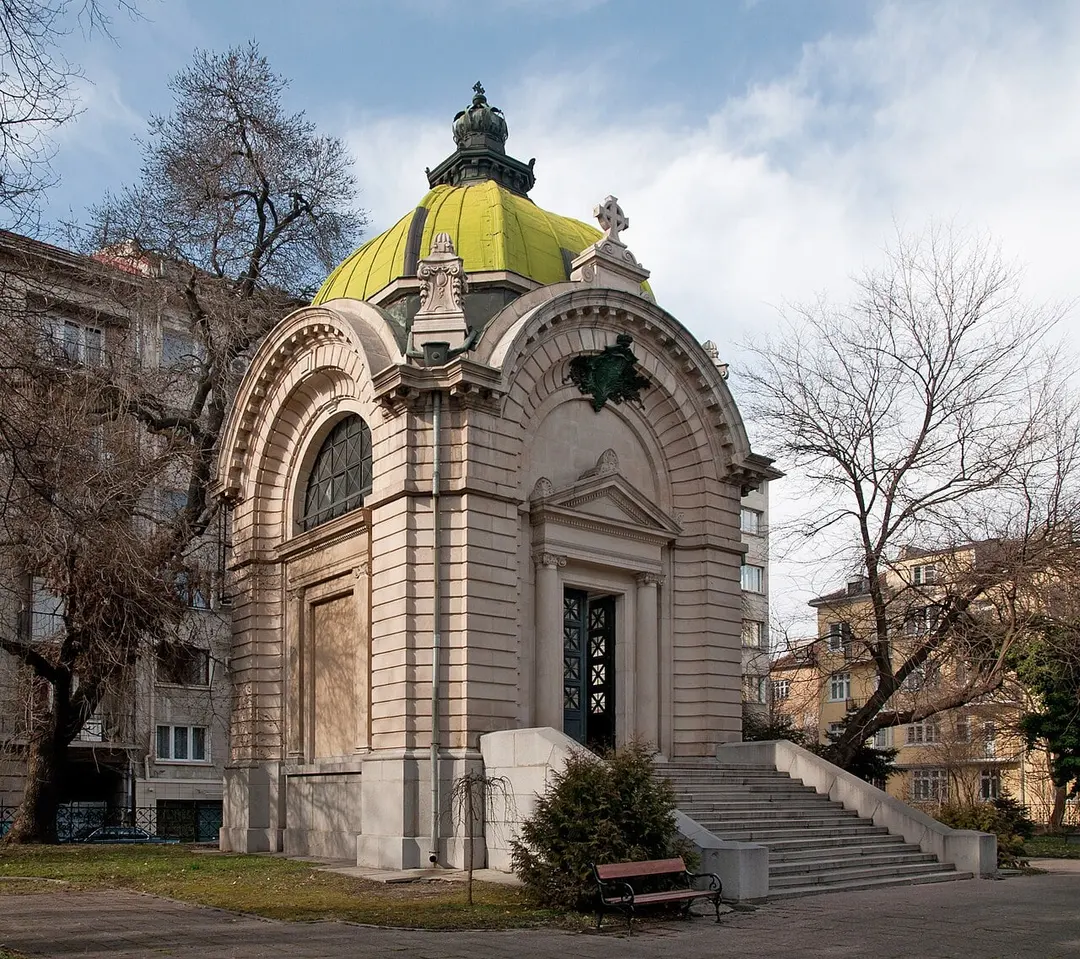
    The Battenberg Mausoleum in Sofia is the final resting place of Prince Alexander I of Bulgaria (1857–1893), the first head of state of the modern Bulgarian principality established after the Congress of Berlin in 1878. Alexander, a prince of the House of Battenberg and nephew of the Russian Tsar, led Bulgaria through a brief, turbulent reign: he initiated the unification with Eastern Rumelia in 1885 but was forced to abdicate in 1886 following a Russian-backed coup. The mausoleum was built in 1897 on the grounds of the Alexander Nevsky Cathedral – a quiet, rarely visited site embodying a significant chapter of European national history.

  • Borisova Gradina

    Borisova Gradina

    Sofia

    naturelocal gems

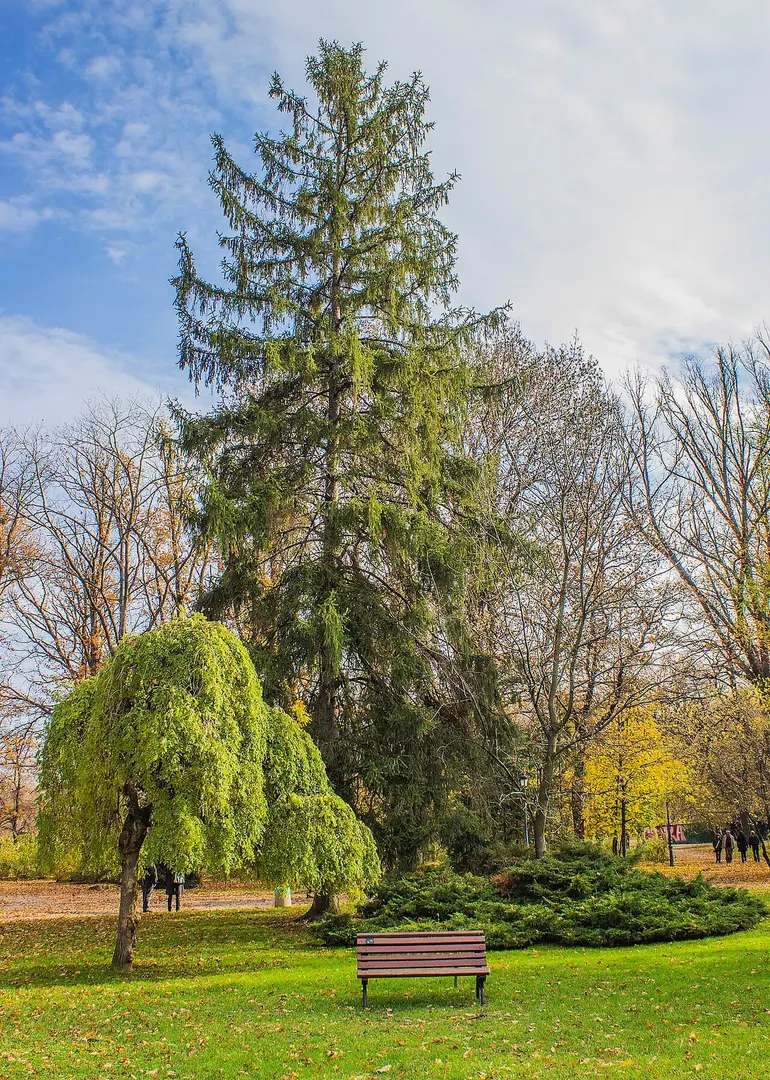
    Borisova Gradina is the oldest and best-known park in Sofia, Bulgaria's capital. Laid out in 1884 and named after Tsar Boris III, the sprawling park offers tree-lined avenues, sports facilities, and quiet spots in the heart of the city. It remains the most important recreation area for Sofia's residents, popular with families, joggers, and casual walkers alike.

Keep exploring

These places are just the beginning.

Rate places with a swipe — TravelType learns from your tags what you love and curates your own map. Private until you choose to share.

Create your profile