TravelType

great views

Viewpoints in Budapest

Budapest spreads its finest viewpoints across both banks of the Danube. From Gellért Hill and Buda Castle, the curve of Elisabeth Bridge and the Hungarian Parliament Building come into full view. The Fisherman's Bastion in the Castle District frames the Pest skyline like a stone theatre set. For quieter panoramas, the wooded summits of Hármashatárhegy, Adlerberg, and Dobogó-kő offer broad vistas stretching well beyond the city. The Liberty Statue crowning Gellért Hill and the Erdélyi bástya round out a range of perspectives that moves between lively urban overlooks and peaceful hilltop scenery.

8 places · Budapest, Hungary · Editorially curated

  • Buda Castle

    Buda Castle

    Budapest

    architectureculturehistory+1

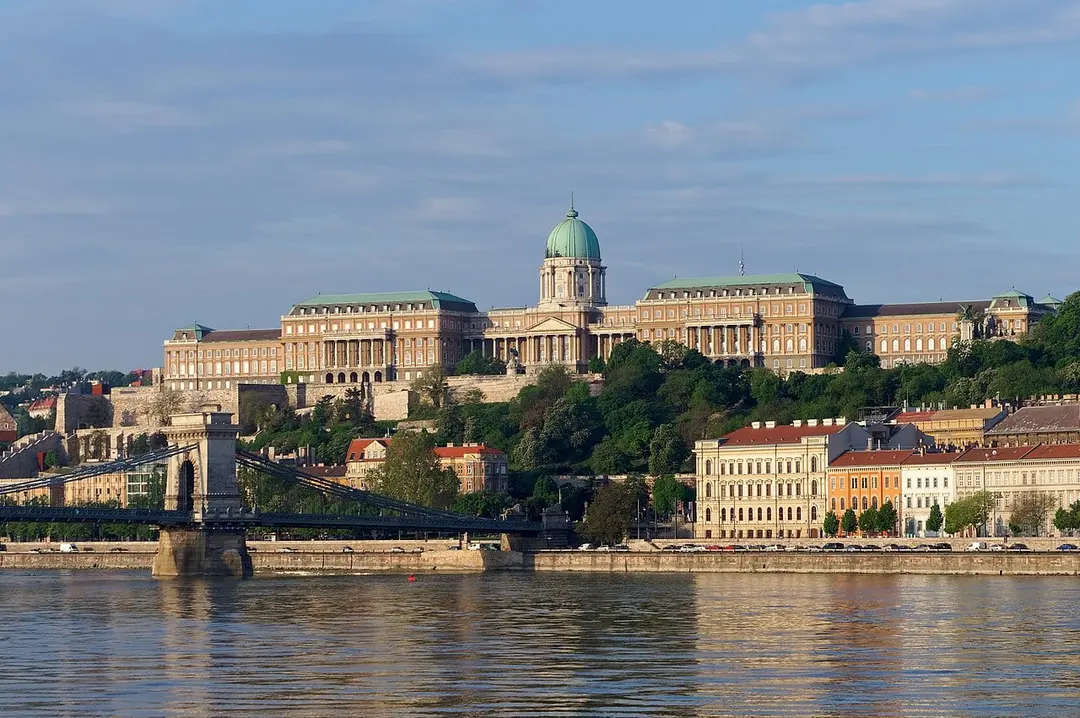
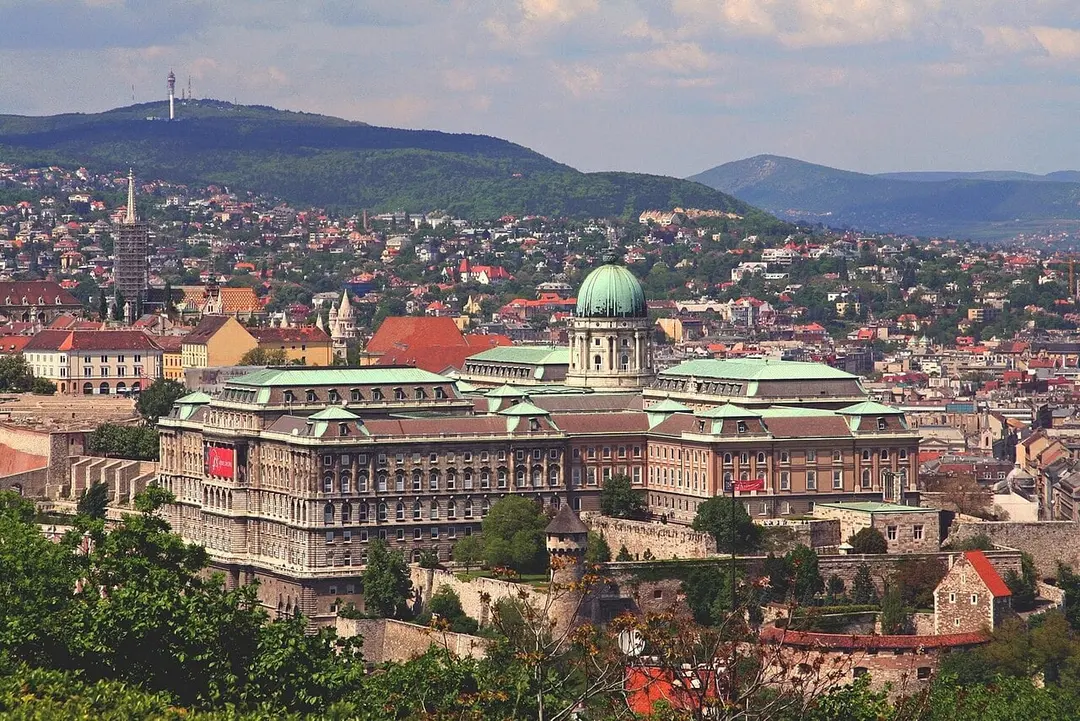
    Perched high above the Danube, Buda Castle was the royal residence of Hungary's Apostolic Kings from 1265 to 1918. The sprawling complex atop Castle Hill is Budapest's highest and largest building, inscribed as a UNESCO World Heritage Site in 1987. Over the centuries it was occupied by Ottomans, restored by the Habsburgs, and heavily damaged in World War II, each era leaving its mark on the architecture. Today the palace houses the Hungarian National History Museum and the National Gallery, while its terraces offer sweeping panoramas across both sides of the city.
  • Castle District

    Castle District

    Budapest

    architecturehistorylocal gems+1

    The Castle District crowns Buda Hill in Budapest's first district and stands as one of Central Europe's most impressive historic ensembles. The old Buda town core stretches from the Vienna Gate to Szent György Square, packed with medieval churches, palatial residences, and narrow cobblestone lanes. Despite being almost completely destroyed twice — most recently during World War II — the district was meticulously rebuilt in its Baroque character, which now defines its skyline. Today a UNESCO World Heritage Site, it draws visitors to the Royal Palace, the sweeping Fisherman's Bastion viewpoint, and a wealth of museums tracing Hungarian history.

  • Elisabeth Bridge

    Elisabeth Bridge

    Budapest

    architectureculturehistory+1

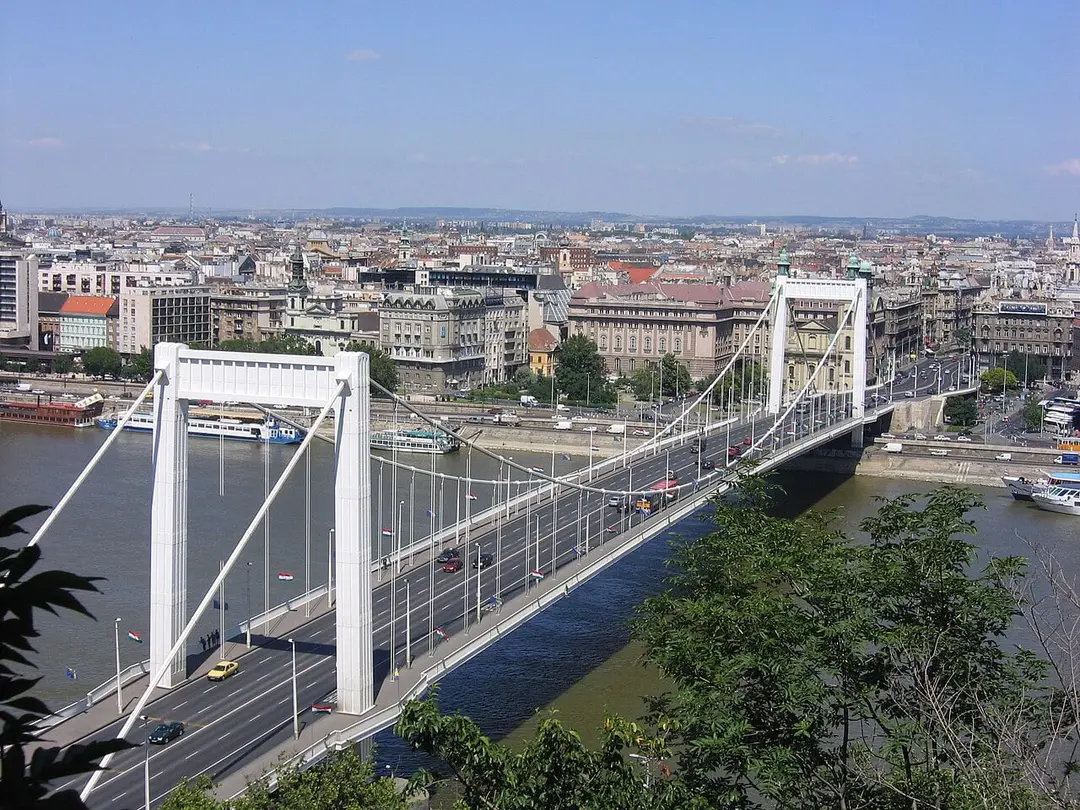
    Elisabeth Bridge is one of nine road bridges connecting Buda and Pest across the Danube. Stretching 290 metres, it spans the river between Gellért Hill on the Buda side and the Square of 15 March in Pest. The current bridge dates from 1964, making it the youngest of Budapest's major Danube crossings – a sleek modern structure that replaced its predecessor destroyed during World War II. Walking across the bridge offers striking views of the Castle District, Gellért Hill and the Pest city centre.

  • Fisherman's Bastion

    Fisherman's Bastion

    Budapest

    architectureculturenature+1

    Perched atop Castle Hill in Buda, the Fisherman''s Bastion is one of Budapest''s most enchanting landmarks — a neo-Romanesque terrace designed by architect Frigyes Schulek between 1895 and 1902. It stands on the site of the medieval fish market, and its name recalls the fishermen''s guild that once defended this stretch of the old city walls. Schulek''s design is deliberately theatrical: seven conical towers represent the seven Magyar tribes who swept into the Carpathian Basin in the 9th century. The gleaming white stone terraces and arched galleries frame one of the finest panoramas in Europe, with the Danube sweeping below and the grand Parliament building rising on the Pest side. After dark, when the whole structure is illuminated, it takes on an almost fairy-tale quality. Both locals and visitors gravitate here for the views and the atmosphere, making it one of the liveliest spots on the Buda side of the city.

  • Gellért Hill

    Gellért Hill

    Budapest

    architecturenaturelocal gems+1

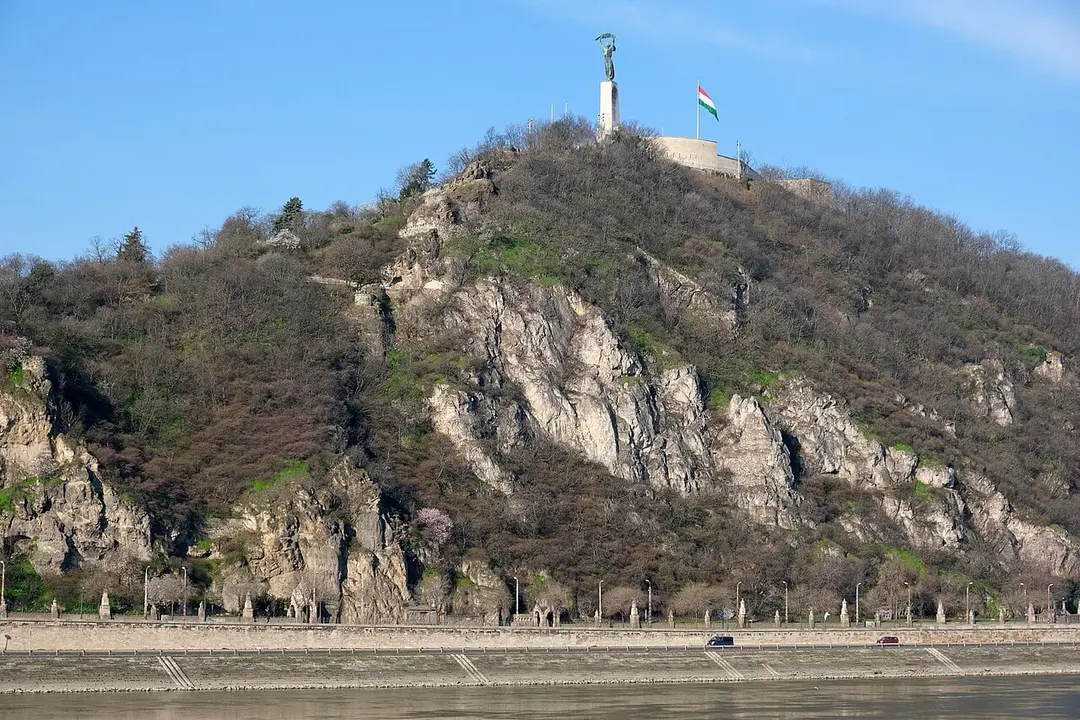
    Gellért Hill rises 235 metres above the Danube and offers one of the most spectacular panoramas in Budapest — across both halves of the city, the Chain Bridge, Parliament, and Buda Castle. It is named after the Venetian bishop Gellért who, according to legend, was thrown into the Danube in a barrel from this very hill in the 11th century. In folk tradition the hill long served as a Blocksberg — a gathering place for witches on Walpurgis Night. Today the summit is crowned by the Habsburg-era Citadel and the Liberty Statue. The park on its slopes invites leisurely walks with sweeping city views.

  • Hármashatárhegy (Three-Border Hill)

    Hármashatárhegy (Three-Border Hill)

    Budapest

    natureoutdoor activities

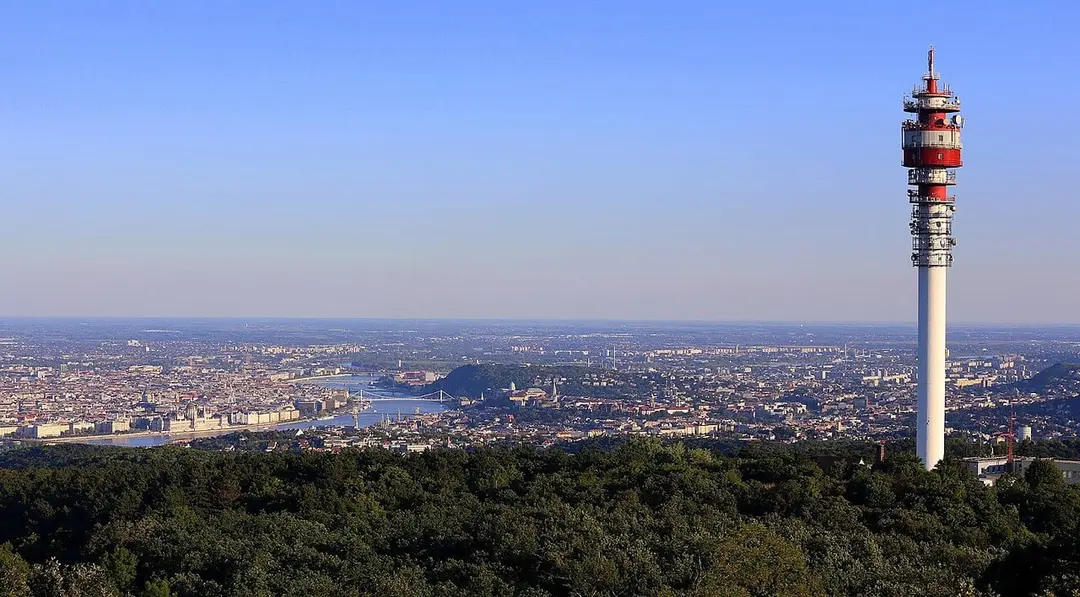
    Rising to 495 metres above sea level on the Buda side of Budapest, Hármashatárhegy — Three-Border Hill — is one of the highest summits in the Buda Hills. Its name recalls the point where three historic villages once met at their boundaries. Today the wide summit plateau is a favourite launch site for paragliders and hang-gliders, who catch thermals rising off the hillside on clear days. Hiking trails wind through beech forest and across open limestone ridges, offering panoramic views over the city and the surrounding hills.

  • Hungarian Parliament Building

    Hungarian Parliament Building

    Budapest

    architecturenaturehistory

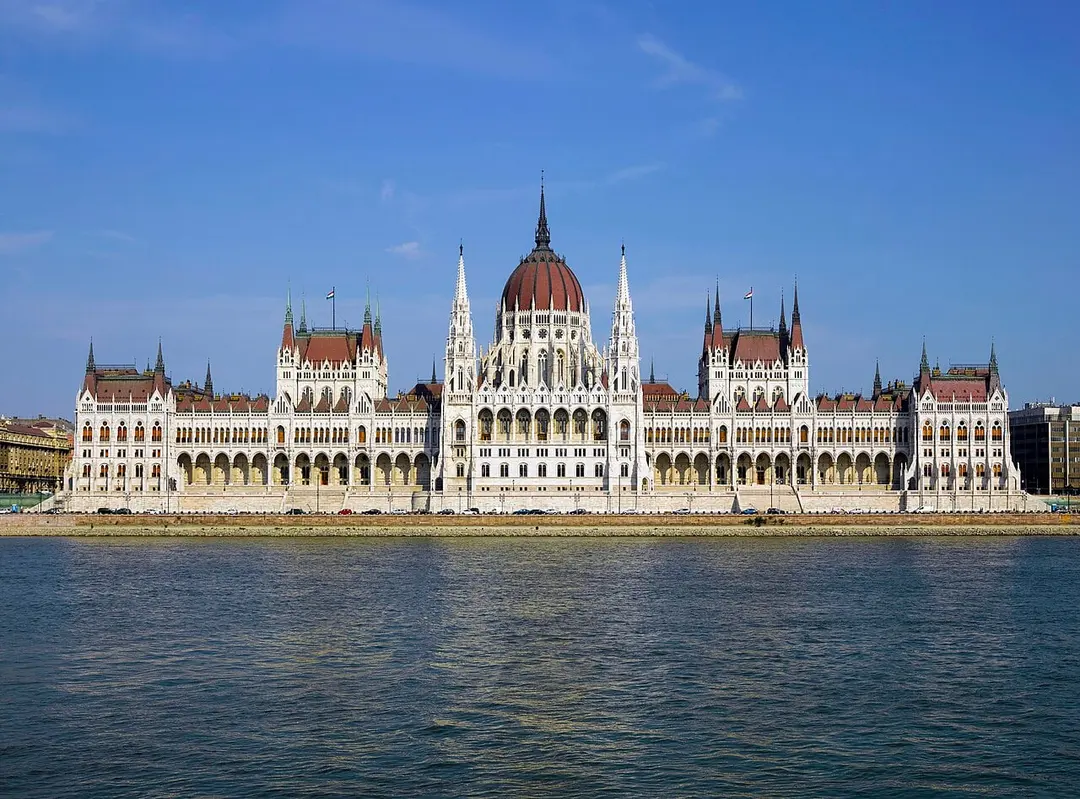
    The Hungarian Parliament Building on Kossuth Square in Budapest is one of the largest parliament buildings in the world and Hungary's most recognized landmark. Architect Imre Steindl designed the neo-Gothic structure, inaugurated in 1902, which has been Hungary's largest building ever since. The asymmetric complex features 96 turrets, a central dome, and a magnificent hall housing the Hungarian Holy Crown — best viewed from the opposite Danube bank. Guided tours through the dome hall and state rooms are available year-round.

  • Liberty Statue

    Liberty Statue

    Budapest

    architecturehistory

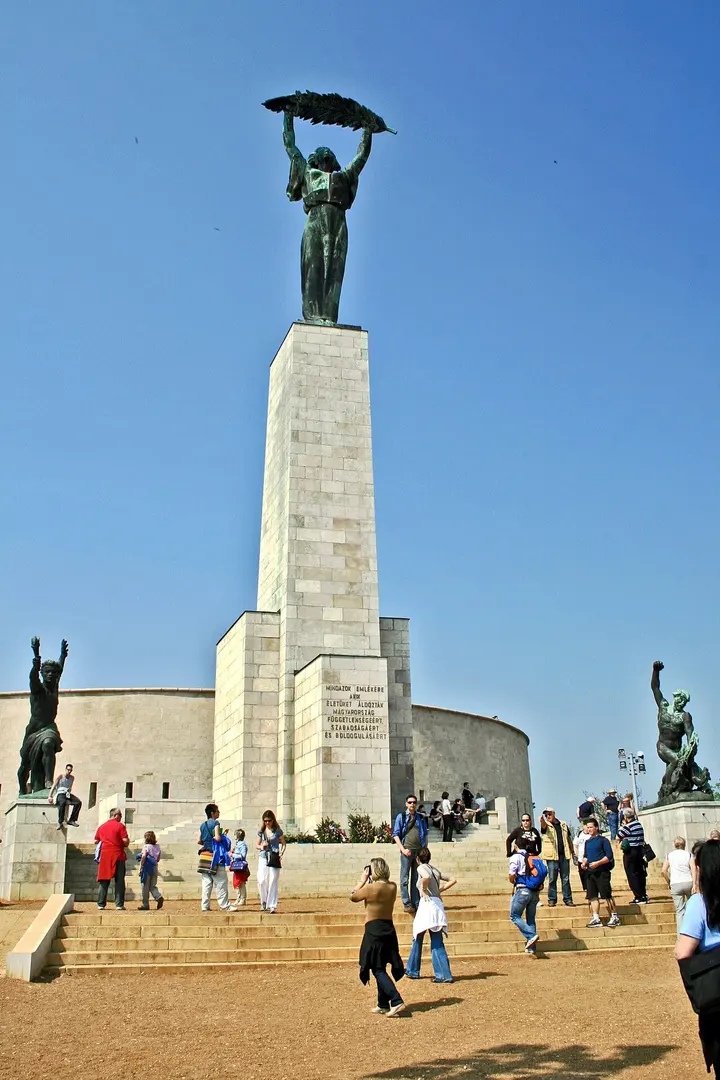
    The Liberty Statue atop Gellért Hill is one of Budapest's most iconic landmarks. The 14-metre bronze figure — a woman raising a palm frond to the sky — was erected in 1947 to honour the soldiers who liberated Hungary at the end of World War II. Sculptor Zsigmond Kisfaludi Strobl positioned it so that it is visible from almost every point in the city. The climb to Gellért Hill rewards visitors with a spectacular panoramic view over Buda, Pest, the Danube, and the Chain Bridge. After 1989 the surrounding ensemble was redesigned to remove Soviet iconography, and the statue now carries a broader meaning as a monument to freedom.

Keep exploring

These places are just the beginning.

Rate places with a swipe — TravelType learns from your tags what you love and curates your own map. Private until you choose to share.

Create your profile