TravelType

nature

Nature in Budapest

Budapest weaves green spaces throughout its urban fabric in ways that reward exploration. Margaret Island sits in the middle of the Danube, offering meadows and shaded paths at the city's core, while Gellért Hill rises above Liberty Bridge with open views across the river. Hármashatárhegy to the northwest provides accessible trails beyond the built-up centre. The City Park stretches near landmark buildings such as the Hungarian Parliament Building and Fisherman's Bastion, blending history with open space. The Fiume Road Graveyard and Klauzál tér illustrate how nature appears in quieter corners of the city, and the Kiskunság National Park extends the region's natural range into the surrounding lowlands.

8 places · Budapest, Hungary · Editorially curated

  • Fisherman's Bastion

    Fisherman's Bastion

    Budapest

    architectureculturegreat views+1

    Perched atop Castle Hill in Buda, the Fisherman''s Bastion is one of Budapest''s most enchanting landmarks — a neo-Romanesque terrace designed by architect Frigyes Schulek between 1895 and 1902. It stands on the site of the medieval fish market, and its name recalls the fishermen''s guild that once defended this stretch of the old city walls. Schulek''s design is deliberately theatrical: seven conical towers represent the seven Magyar tribes who swept into the Carpathian Basin in the 9th century. The gleaming white stone terraces and arched galleries frame one of the finest panoramas in Europe, with the Danube sweeping below and the grand Parliament building rising on the Pest side. After dark, when the whole structure is illuminated, it takes on an almost fairy-tale quality. Both locals and visitors gravitate here for the views and the atmosphere, making it one of the liveliest spots on the Buda side of the city.
  • Fiume Road Graveyard

    Fiume Road Graveyard

    Budapest

    architecturehistory

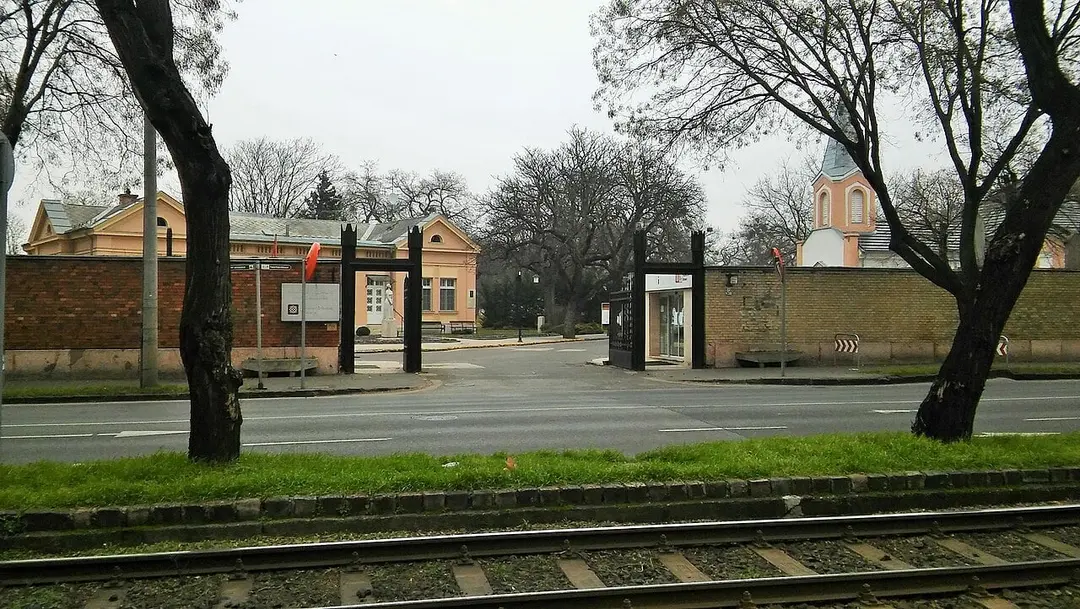
    The Fiumei Úti Sírkert — formerly known as Kerepesi temető — is one of Hungary's most significant cemeteries and a kind of national pantheon. Since its opening in 1847, it has been the resting place of numerous Hungarian statesmen, poets, composers, and revolutionaries, including Lajos Kossuth, the leader of the 1848 freedom struggle. Magnificent mausoleums, ivy-covered tombstones, and shady avenues make it an unusual place caught between mourning and garden art. The cemetery lies in the 8th district of Józsefváros, near Keleti railway station, and is freely accessible.

  • Gellért Hill

    Gellért Hill

    Budapest

    architecturelocal gemsgreat views+1

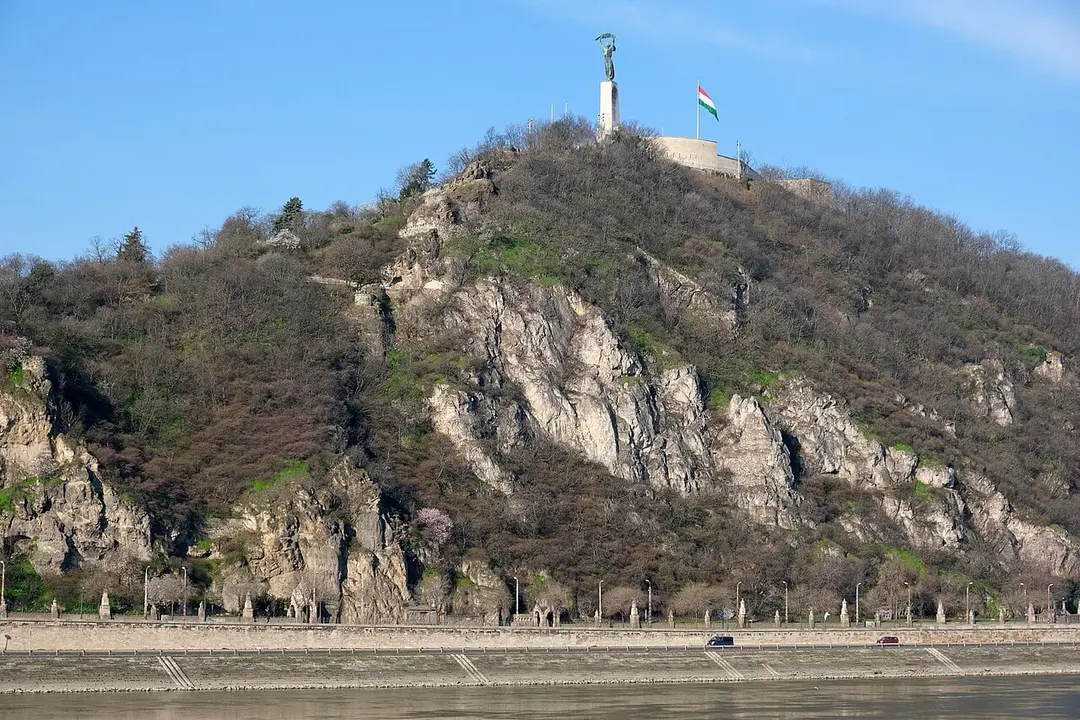
    Gellért Hill rises 235 metres above the Danube and offers one of the most spectacular panoramas in Budapest — across both halves of the city, the Chain Bridge, Parliament, and Buda Castle. It is named after the Venetian bishop Gellért who, according to legend, was thrown into the Danube in a barrel from this very hill in the 11th century. In folk tradition the hill long served as a Blocksberg — a gathering place for witches on Walpurgis Night. Today the summit is crowned by the Habsburg-era Citadel and the Liberty Statue. The park on its slopes invites leisurely walks with sweeping city views.

  • Hármashatárhegy (Three-Border Hill)

    Hármashatárhegy (Three-Border Hill)

    Budapest

    outdoor activitiesgreat views

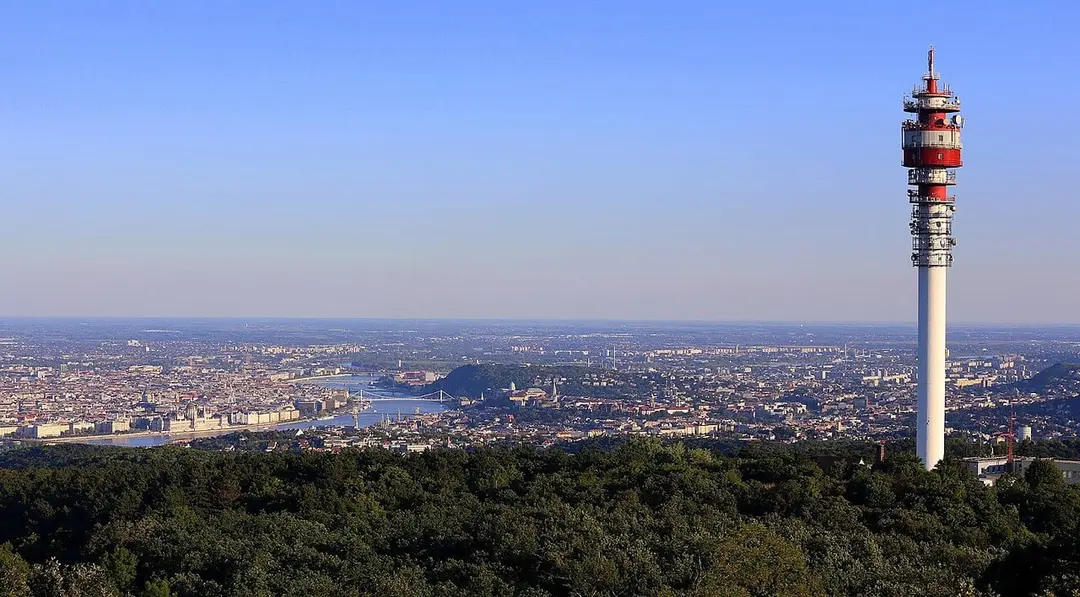
    Rising to 495 metres above sea level on the Buda side of Budapest, Hármashatárhegy — Three-Border Hill — is one of the highest summits in the Buda Hills. Its name recalls the point where three historic villages once met at their boundaries. Today the wide summit plateau is a favourite launch site for paragliders and hang-gliders, who catch thermals rising off the hillside on clear days. Hiking trails wind through beech forest and across open limestone ridges, offering panoramic views over the city and the surrounding hills.

  • Hungarian Parliament Building

    Hungarian Parliament Building

    Budapest

    architecturehistorygreat views

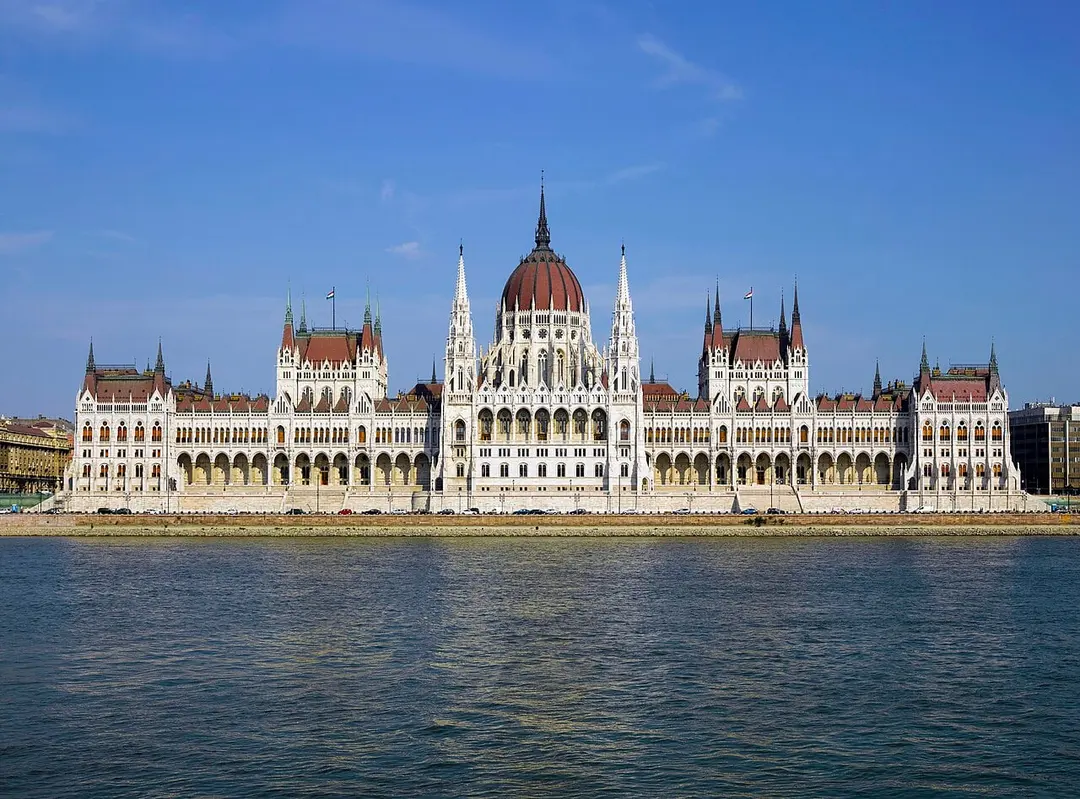
    The Hungarian Parliament Building on Kossuth Square in Budapest is one of the largest parliament buildings in the world and Hungary's most recognized landmark. Architect Imre Steindl designed the neo-Gothic structure, inaugurated in 1902, which has been Hungary's largest building ever since. The asymmetric complex features 96 turrets, a central dome, and a magnificent hall housing the Hungarian Holy Crown — best viewed from the opposite Danube bank. Guided tours through the dome hall and state rooms are available year-round.

  • Kiskunság National Park

    Kiskunság National Park

    Budapest

    outdoor activities

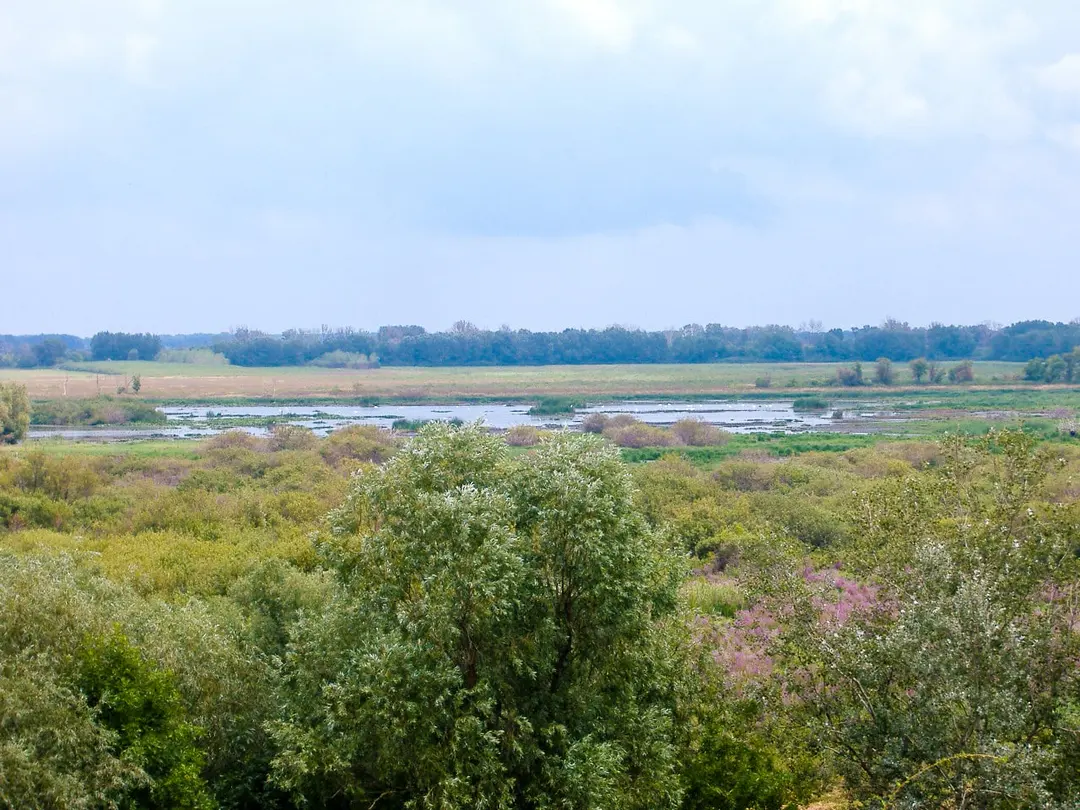
    Kiskunság National Park — Little Cumania — lies in the Great Hungarian Plain between the Danube and Tisza rivers, covering over 530 km² across nine separate territory units. Founded in 1975 and designated a UNESCO Biosphere Reserve, it protects a mosaic of habitats: shifting sand dunes, alkaline steppe meadows, wetlands, and juniper scrubland. The park is a refuge for rare species of the Pannonian steppe, including the Hungarian Grey Cattle and numerous wading bird species. Its vast, sparsely populated landscapes offer an exceptional glimpse of original Central European nature.

  • Liberty Bridge

    Liberty Bridge

    Budapest

    architecturecultureromance

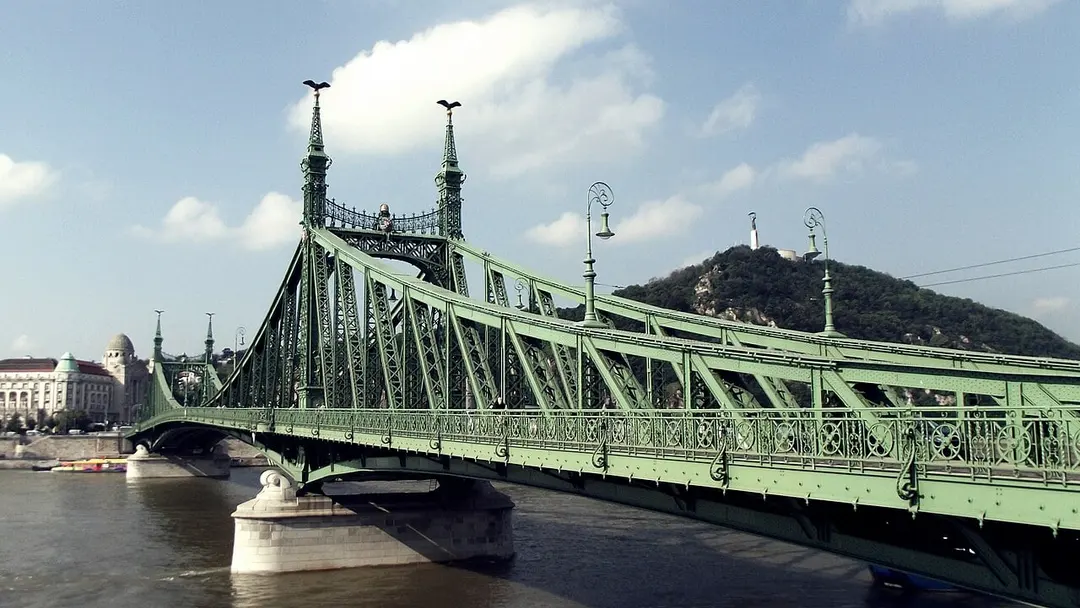
    Liberty Bridge — Szabadság híd in Hungarian — is one of Budapest's most elegant Danube crossings. It links the Buda side at Gellért Square with the Pest side at Fővám Square, where the Great Market Hall and Corvinus University stand. Originally built for Hungary's millennium celebrations in 1896, the bridge dazzles with its ornate Art Nouveau ironwork painted a vibrant green. Its current name was adopted after World War II; before that it was known as Franz Joseph Bridge. On warm evenings locals gather on the railings to relax — making it one of the city's most spontaneous social spots.

  • Vajdahunyad Castle

    Vajdahunyad Castle

    Budapest

    architectureculturehistory

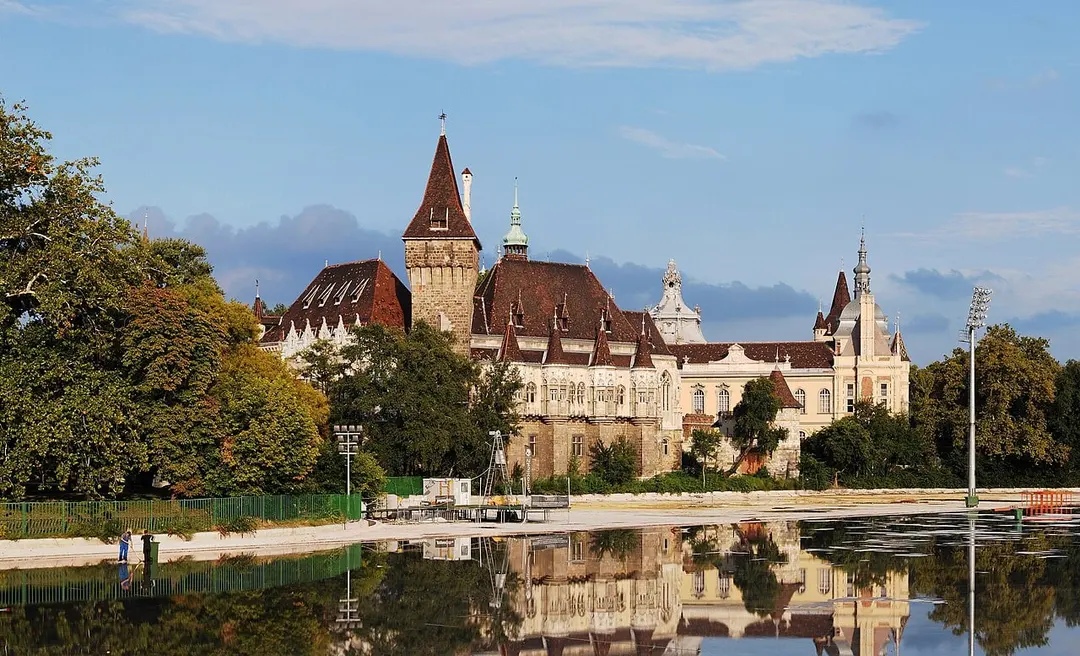
    Vajdahunyad Castle rises picturesquely in Városliget, Budapest's great city park, and is one of the most captivating examples of historicist architecture in Hungary. Originally conceived in 1896 as a temporary wooden model for the Millennial Exhibition — marking 1,000 years of Hungarian statehood — the building so enchanted visitors that it was reconstructed in permanent stone form between 1901 and 1907. Architect Ignác Alpár drew inspiration from historical building styles across the entire Carpathian Basin, blending Romanesque, Gothic, Renaissance, and Baroque elements into a single, fantastical whole. Today the castle houses the Hungarian Agricultural Museum and, in winter, becomes the backdrop for one of the city's most beloved outdoor ice rinks. In front of the entrance stands the famous statue of the anonymous medieval chronicler "Anonymus" — an iconic photo stop.

Keep exploring

These places are just the beginning.

Rate places with a swipe — TravelType learns from your tags what you love and curates your own map. Private until you choose to share.

Create your profile