TravelType

knowledge

Knowledge & learning in Budapest

Budapest layers its history across an exceptionally varied set of knowledge sites. The Aquincum Museum documents the Roman settlement alongside the nearby Civil Amphitheatre, while the Ethnographic Museum explores Hungarian folk culture. The Franz Liszt Academy of Music represents a living tradition of learning, and the Underground Railway Museum traces the city's transport heritage. The House of Terror and the Hospital in the Rock Nuclear Bunker Museum illuminate the turbulent twentieth century. The Castle District, the Dohány Street Synagogue, and Batthyány's sanctuary lamp each add further depth to a city where the past remains tangible.

14 places · Budapest, Hungary · Editorially curated

  • Aquincum

    Aquincum

    Budapest

    culturehistory

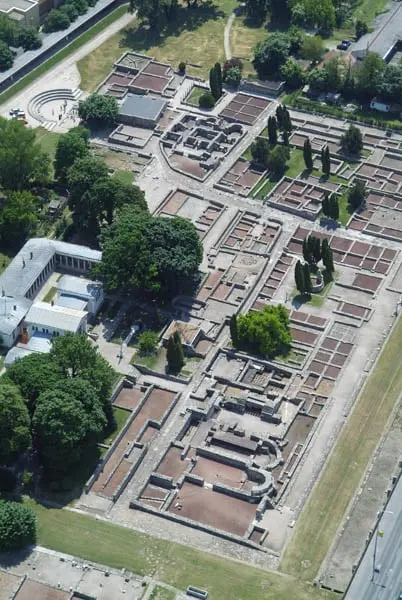
    Aquincum was the Roman predecessor city of Budapest, established from the early 1st century CE on the right bank of the Danube. As capital of Pannonia inferior province, it was seat of the governor and a legionary garrison, growing to a city of around 40,000 inhabitants with baths, an amphitheatre, aqueduct, and city walls. The excavated remains in the modern 3rd District are among the most significant Roman archaeological sites in Central Europe.
  • Aquincum Civil Amphitheatre

    Aquincum Civil Amphitheatre

    Budapest

    architecturehistory

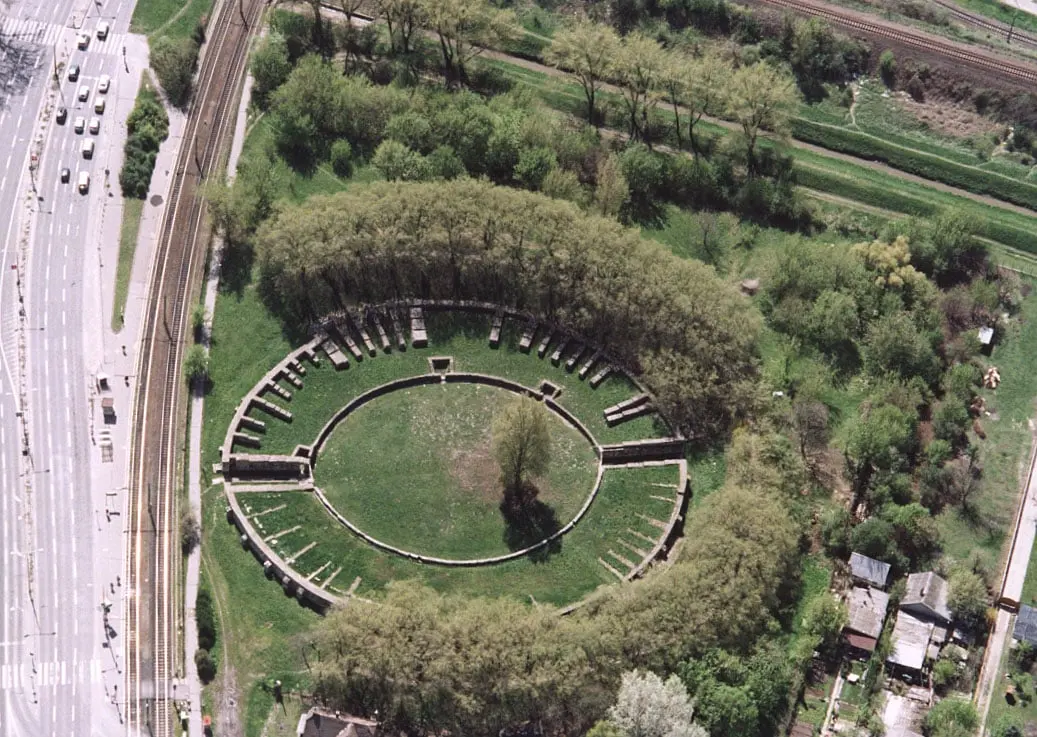
    The Civil Amphitheatre of Aquincum was built in the 2nd century CE in the northern section of the Roman civilian city, serving alongside the larger military amphitheatre to the south. With a capacity of around 6,000 spectators, it was a significant cultural venue for Roman Pannonia. The surviving ruins are located in Budapest's 3rd District.

  • Aquincum Museum

    Aquincum Museum

    Budapest

    culturehistory

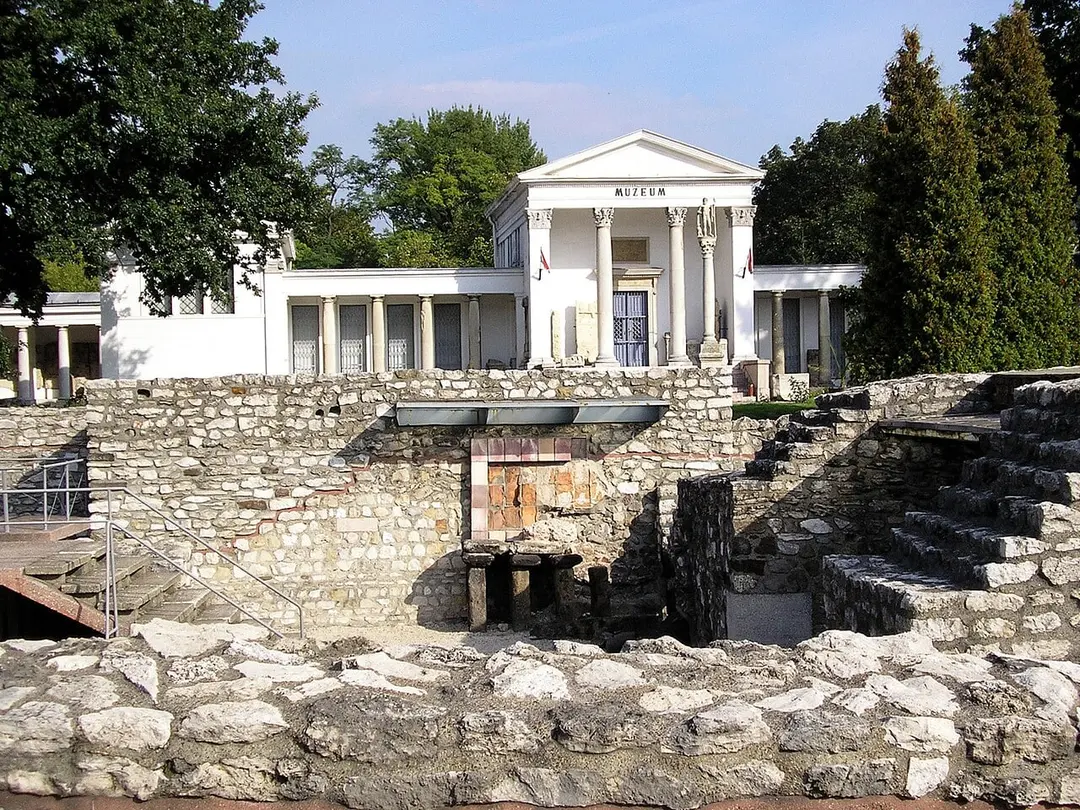
    The Aquincum Museum in Budapest's 3rd District presents the history and archaeology of Roman Aquincum, Budapest's ancient predecessor city. A branch of the Budapest History Museum, it displays finds from on-site excavations: mosaics, sculptures, everyday objects, and inscriptions. The open-air site surrounding the museum includes exposed ruins of the Roman civilian city.

  • Batthyány's sanctuary lamp

    Batthyány's sanctuary lamp

    Budapest

    architectureculture

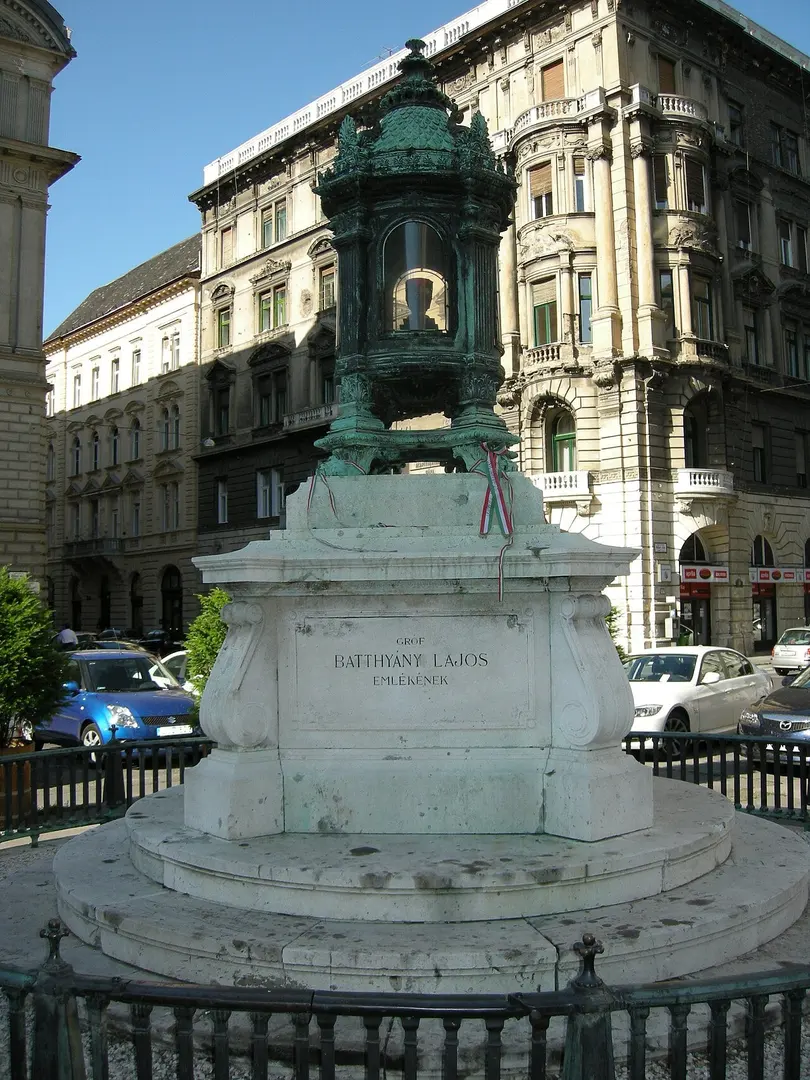
    The Batthyány Eternal Flame is a memorial in Budapest's 5th district commemorating Count Lajos Batthyány — Hungary's first Prime Minister, executed by Austrian troops in 1849. The memorial was created by sculptor Móric Pogány and marks the exact site of the execution. An eternal flame burns here as a symbol of the Hungarian freedom struggle of 1848/49. The simple yet powerful monument lies close to the Parliament and stands as a quiet counterpoint to the city's political center.

  • Castle District

    Castle District

    Budapest

    architecturehistorylocal gems+1

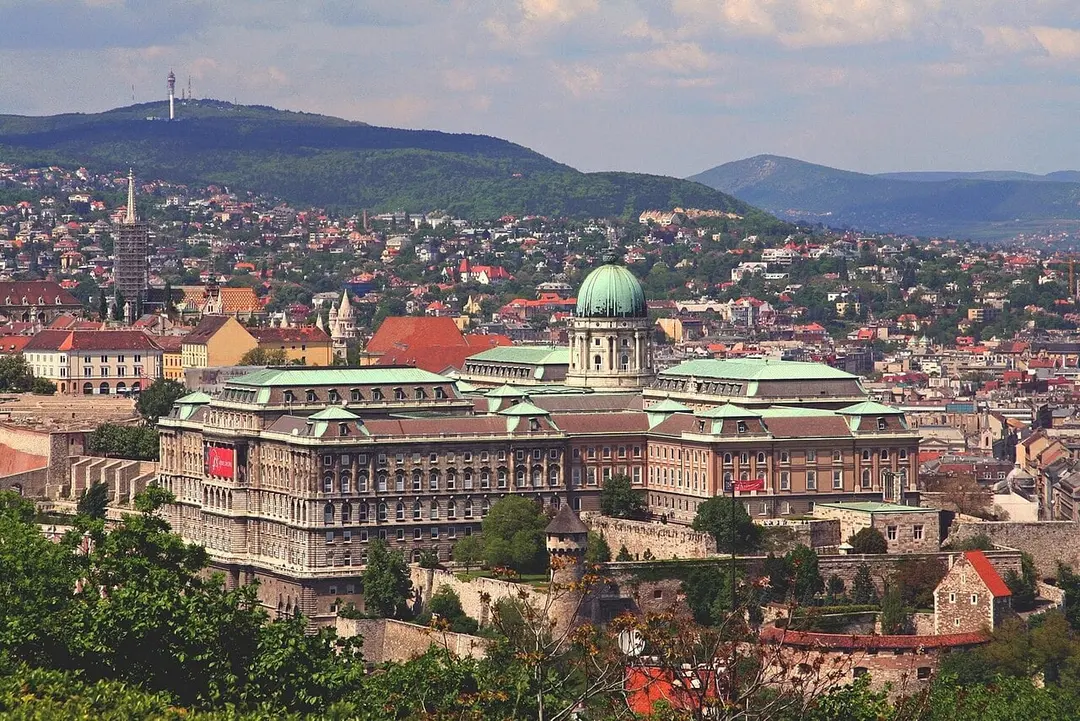
    The Castle District crowns Buda Hill in Budapest's first district and stands as one of Central Europe's most impressive historic ensembles. The old Buda town core stretches from the Vienna Gate to Szent György Square, packed with medieval churches, palatial residences, and narrow cobblestone lanes. Despite being almost completely destroyed twice — most recently during World War II — the district was meticulously rebuilt in its Baroque character, which now defines its skyline. Today a UNESCO World Heritage Site, it draws visitors to the Royal Palace, the sweeping Fisherman's Bastion viewpoint, and a wealth of museums tracing Hungarian history.

  • Dohány Street Synagogue

    Dohány Street Synagogue

    Budapest

    architectureculture

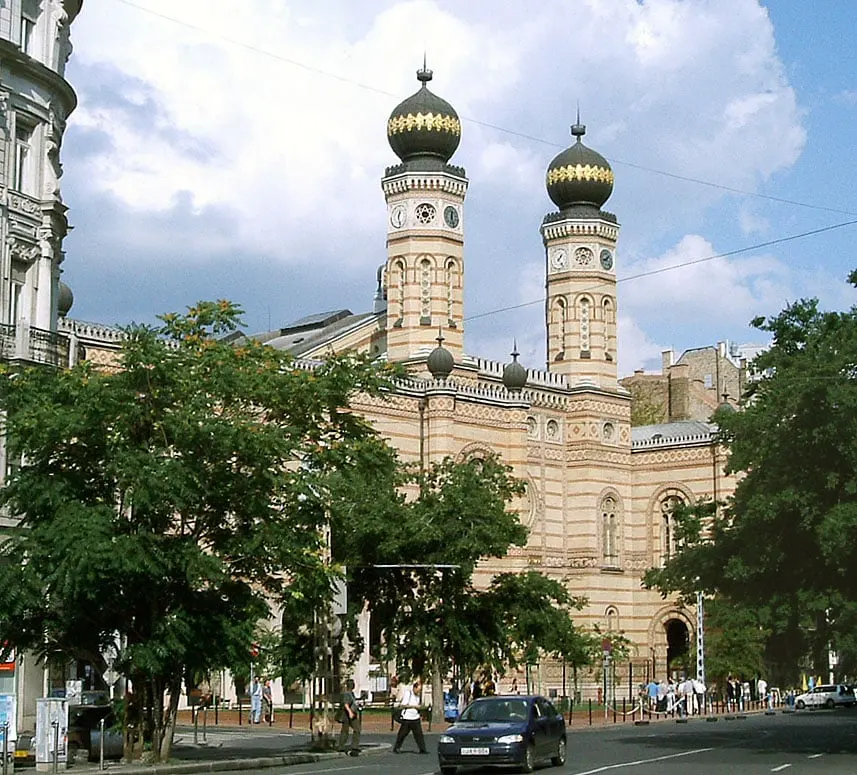
    The Great Synagogue on Dohány Street is Europe's largest synagogue, seating nearly 3,000 worshippers, and one of Budapest's most striking religious landmarks. Designed by Viennese architect Ludwig Förster in the Moorish Revival style, it was built between 1854 and 1859 under the direction of Ignaz Wechselmann for the Neolog Jewish community of Pest – a Hungarian form of Reform Judaism. During World War II, the building served as the center of the Budapest Ghetto; more than 2,000 victims are buried in the adjacent cemetery. Today the complex combines the synagogue itself, a Jewish Museum, and a memorial garden featuring a weeping willow sculpture in memory of Hungarian Holocaust victims.

  • Ethnographic Museum

    Ethnographic Museum

    Budapest

    culturelocal gems

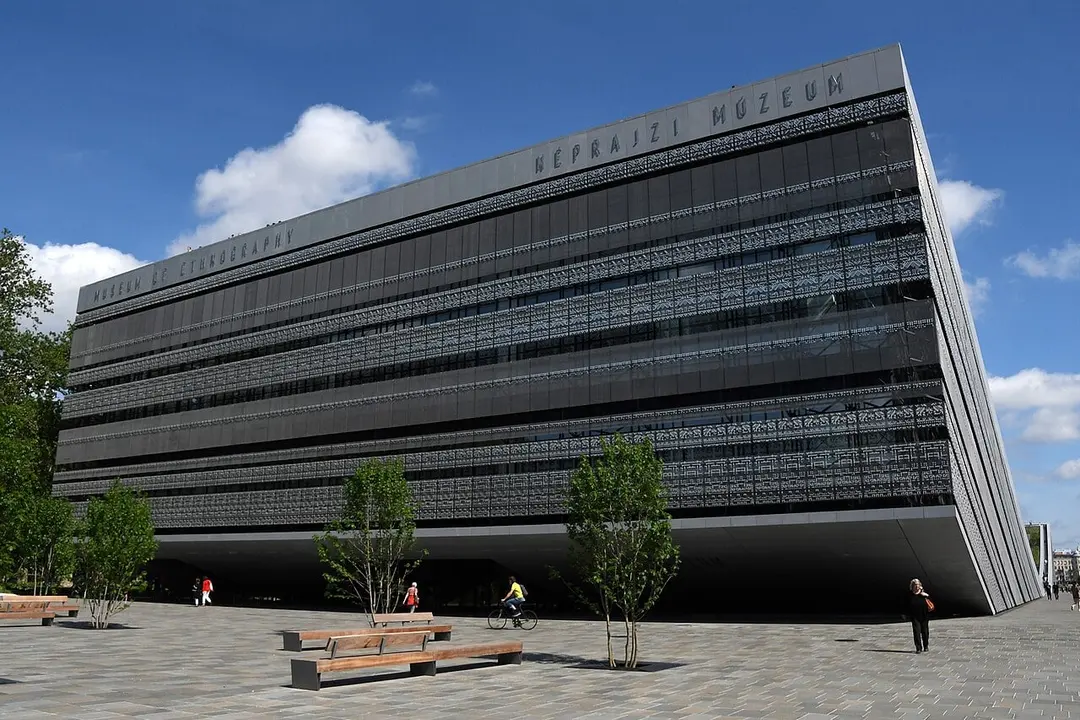
    The Ethnographic Museum Budapest ranks among the largest ethnological museums in Europe. Founded in 1872 under its first director János Xántus, it now holds nearly 200,000 exhibits — including around 140,000 Hungarian objects such as traditional costumes, everyday items, and folk art, alongside 60,000 international artifacts from around the world. The museum is located at Dózsa György út 35 in Budapest's 14th district. Its collection documents centuries of rural and urban Hungarian life and places it within a global cultural context. Special exhibitions explore themes from folk rituals to contemporary urban ethnography. A visit combines curiosity about everyday culture with remarkable depth of collection.

  • Ferenc Herczeg

    Ferenc Herczeg

    Budapest

    culture

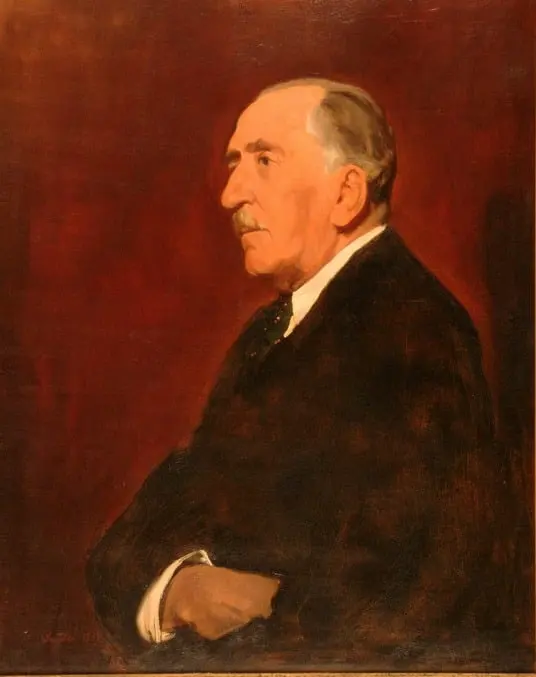
    Ferenc Herczeg (1863–1954) was one of the most influential voices in Hungarian literature around the turn of the century. Born to ethnic German parents in present-day Serbia, he wrote in Hungarian and became the defining figure of Hungarian literary conservatism. His prolific output spans novels, plays, and social satires. Herczeg was also a journalist and member of parliament, exercising considerable influence over the cultural life of his era. He is regarded as an important, though politically complex, figure of the Hungarian modern period.

  • Franz Liszt Academy of Music

    Franz Liszt Academy of Music

    Budapest

    architectureculturehistory

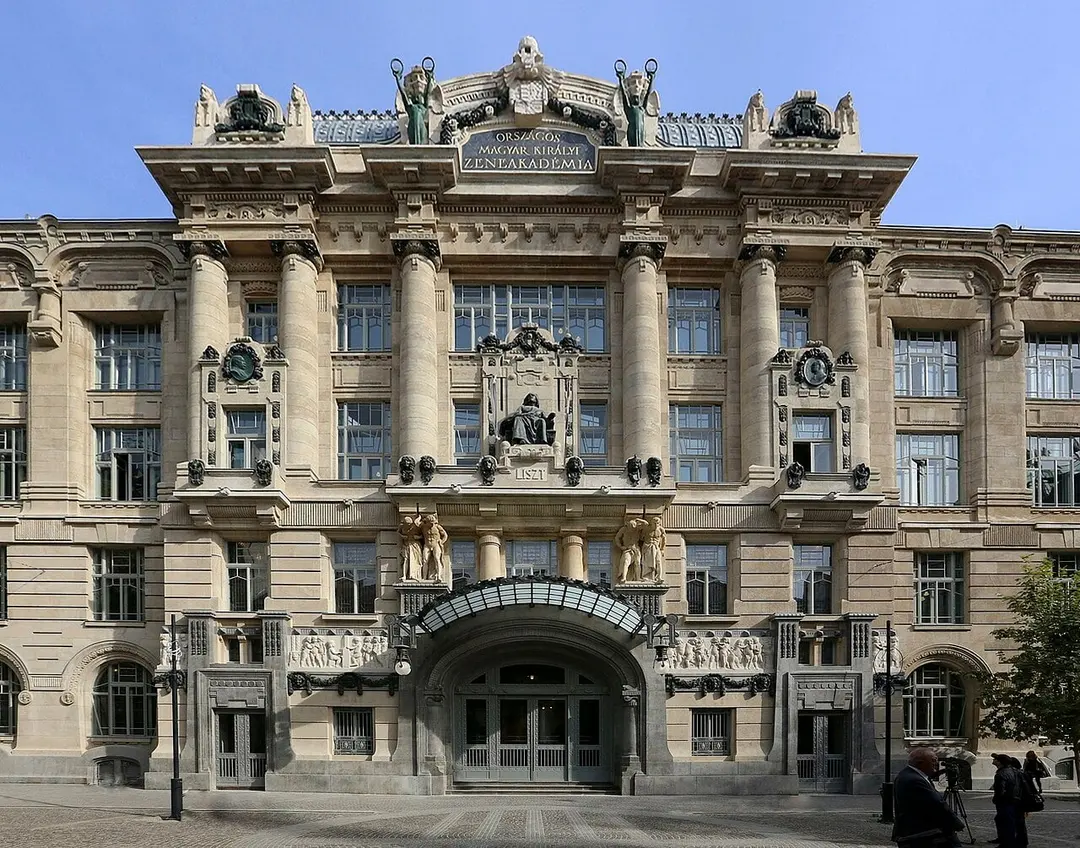
    The Franz Liszt Academy of Music in Budapest ranks among Europe's most prestigious music conservatories. Founded in 1875 by composer Franz Liszt himself, it today enrols around 900 students and is Hungary's largest music university. Its magnificent Art Nouveau building on Liszt Ferenc Square, inaugurated in 1907, is one of Budapest's finest architectural gems. Alongside its educational mission, the academy hosts frequent public concerts — welcoming audiences into one of the city's most acoustically superb halls. Following extensive restoration, the building now shines with renewed splendour.

  • Hospital in the Rock Nuclear Bunker Museum

    Hospital in the Rock Nuclear Bunker Museum

    Budapest

    historymystery

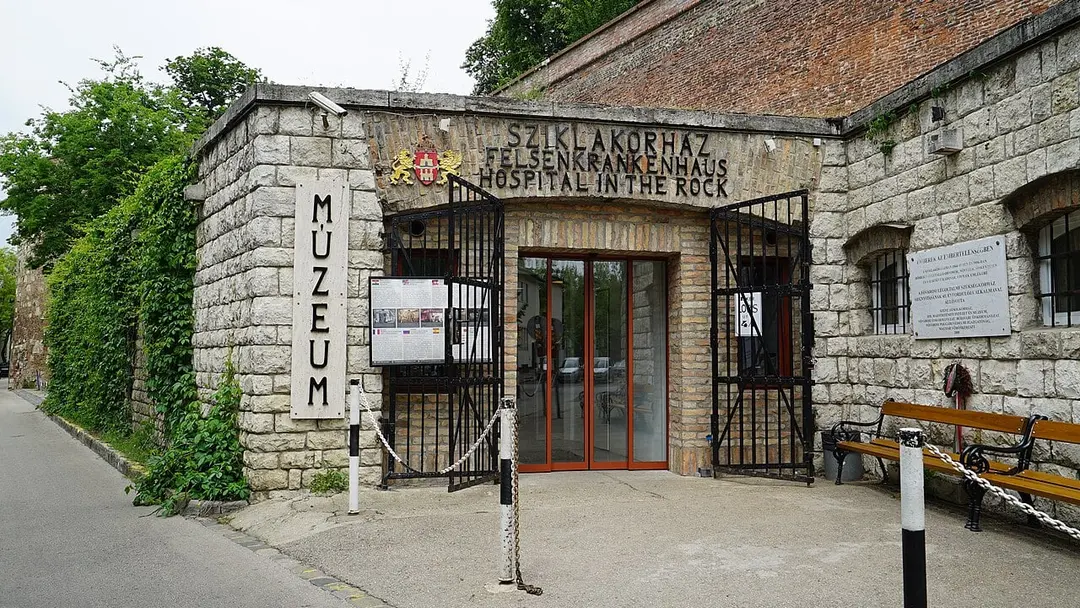
    Deep beneath Budapest's Buda Castle district, a 2,300-square-meter underground labyrinth from the Second World War awaits: the Hospital in the Rock. Secret medical facilities were established within these cave passages to treat the wounded as Budapest endured bombing raids during World War II. During the Hungarian Uprising of 1956, it again served as an emergency field hospital. In the Cold War, the complex was expanded into a nuclear bunker with its own power and ventilation systems. Today the museum is fitted with lifelike wax figures, surgical instruments, and reconstructed operating rooms. Guided tours reveal the grim history of this hidden facility, kept strictly secret for decades.

  • House of Terror Museum

    House of Terror Museum

    Budapest

    historymystery

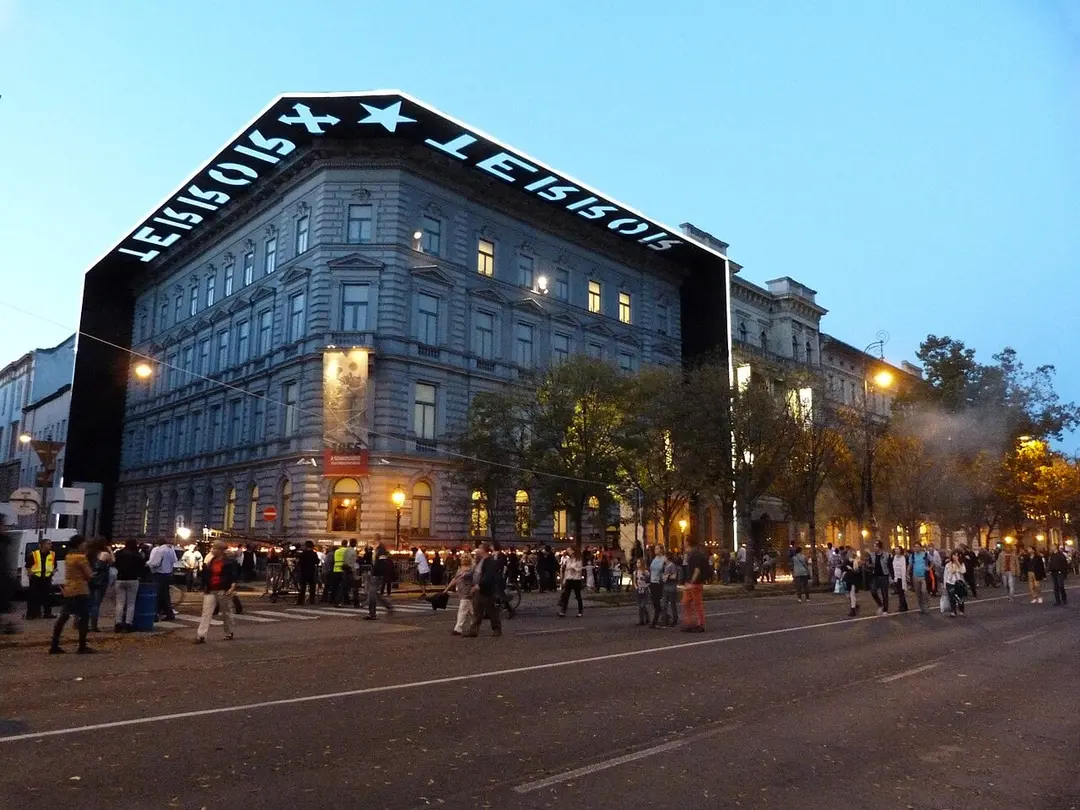
    The House of Terror is one of Europe's most powerful museums, occupying the very building on Andrássy út where the secret police of both Hungary's fascist Arrow Cross regime and the communist state security service ÁVH interrogated and tortured their victims. Opened in 2002, the exhibition spans several floors to document both terror regimes that plagued Hungary from 1944 to 1989. Original basement cells, interrogation rooms, and personal stories make history viscerally tangible. The museum deliberately pursues emotional intensity, functioning simultaneously as a memorial and a historical institution. Anyone visiting Budapest should set aside time for this visit — it stays with you.

  • Underground Railway Museum

    Underground Railway Museum

    Budapest

    culturehistorylocal gems+1

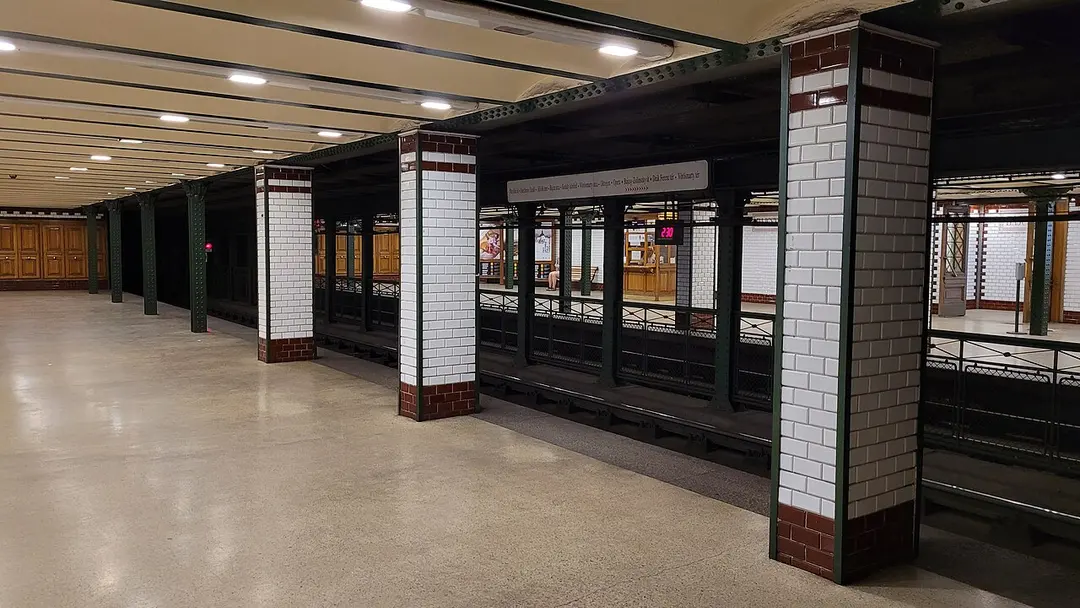
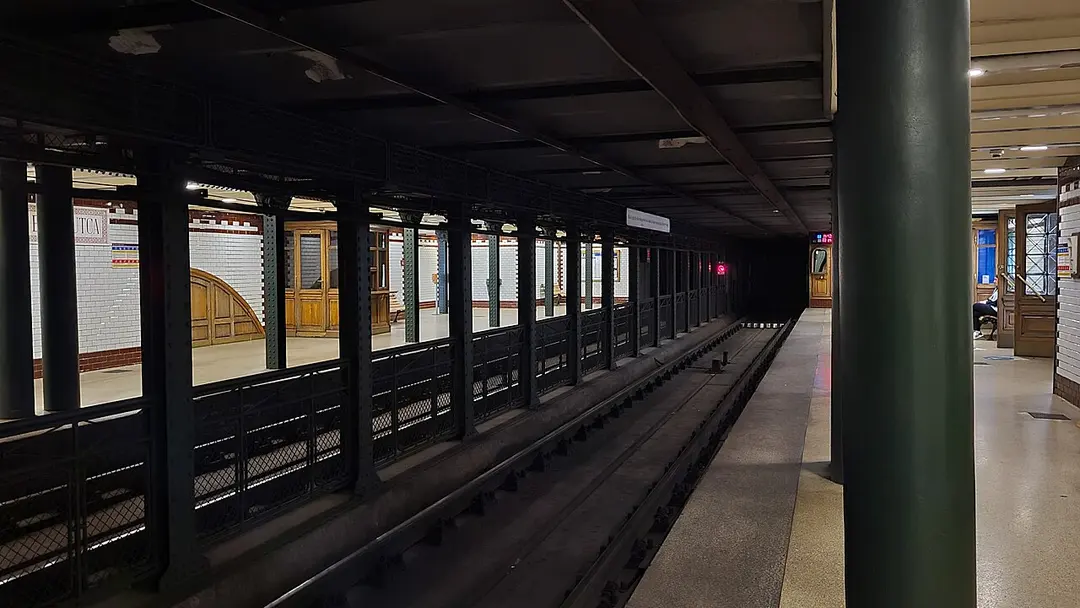
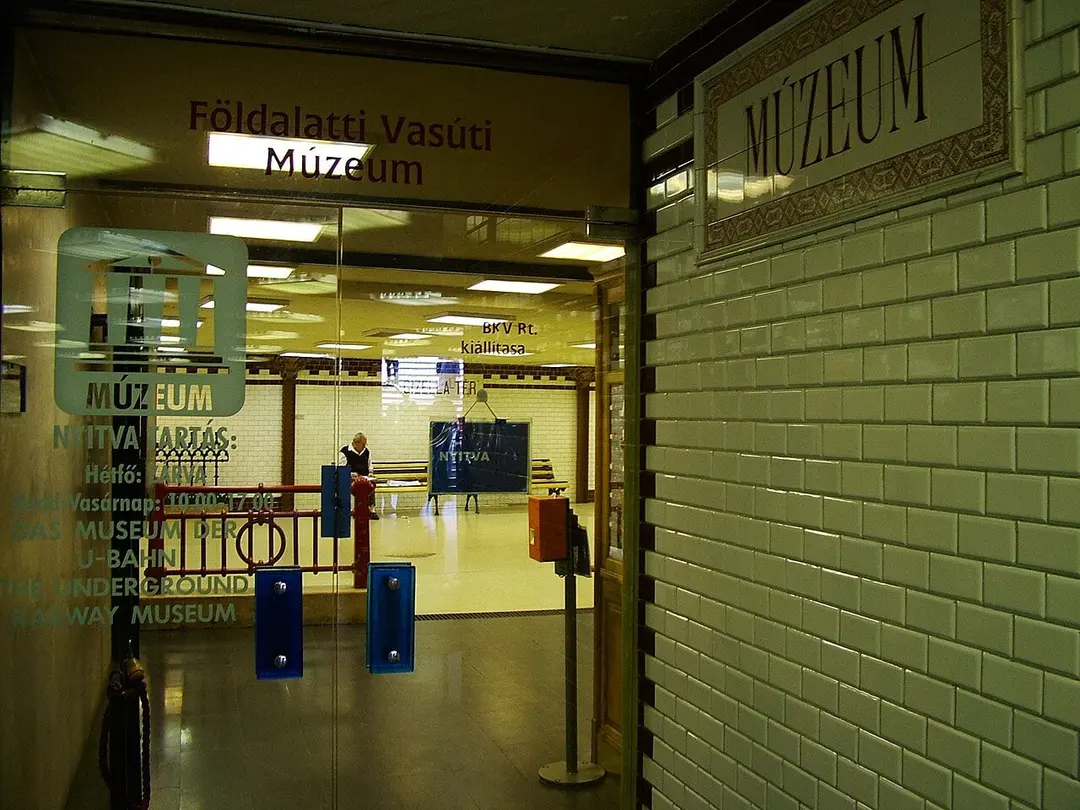
    The Földalatti Vasúti Múzeum, or Underground Railway Museum, is a unique specialist museum housed in a disused section of Line M1 — the oldest electric metro on the European continent. The M1 opened in 1896 for Hungary's millennium celebrations and still runs between Deák tér and Széchenyi Fürdő. Inside the museum, visitors can explore historic carriages from different decades, examine signalling equipment, and follow the full history of Budapest public transport from its Victorian origins to the present day. Opened in 1975, the museum forms part of the UNESCO World Heritage Andrássy út corridor.

  • Zero Kilometre Stone

    Zero Kilometre Stone

    Budapest

    architectureculturehistory+1

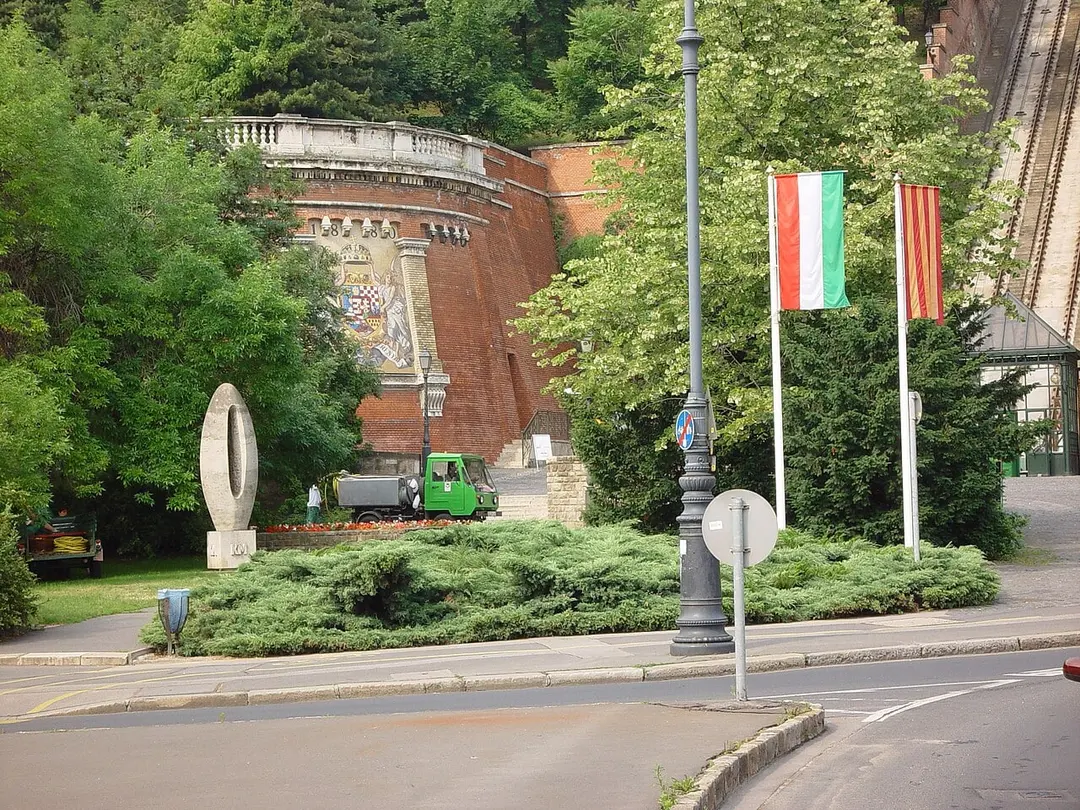
    The Zero Kilometre Stone is a 3-metre limestone sculpture by Hungarian artist Miklós Borsos, unveiled in 1975 near the Széchenyi Chain Bridge in Budapest. It marks Hungary's official kilometre zero — the reference point from which all road distances in the country are measured. Borsos rendered the concept as an abstract zero sign with a simple 'KM' inscription, deliberately understated for such a foundational marker. The stone was originally positioned at the threshold of Buda Royal Palace before being relocated to its current riverside spot.

Keep exploring

These places are just the beginning.

Rate places with a swipe — TravelType learns from your tags what you love and curates your own map. Private until you choose to share.

Create your profile