TravelType

culture

Culture in Budapest

Budapest offers a remarkable depth of culture on both banks of the Danube. Its Roman past comes alive at Aquincum and the Aquincum Museum, while Buda Castle stands as an enduring landmark above the city. Religious heritage spans the Dohány Street Synagogue, the Bethlen Square Status-Quo Ante Synagogue, and Batthyány's sanctuary lamp. The Ethnographic Museum documents Hungarian folk traditions, and the performing arts scene is represented by the Erkel Theatre, the Comedy Theatre of Budapest, the Budapest Puppet Theatre, and the Bozsik Arena. The Elisabeth Bridge ties together the districts that collectively shape this layered cultural landscape.

25 places · Budapest, Hungary · Editorially curated

  • Aquincum

    Aquincum

    Budapest

    historyknowledge

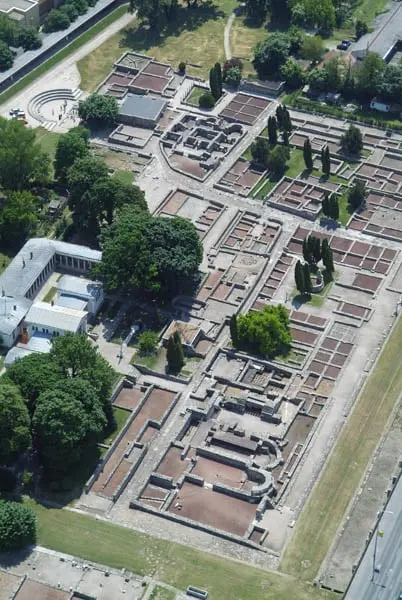
    Aquincum was the Roman predecessor city of Budapest, established from the early 1st century CE on the right bank of the Danube. As capital of Pannonia inferior province, it was seat of the governor and a legionary garrison, growing to a city of around 40,000 inhabitants with baths, an amphitheatre, aqueduct, and city walls. The excavated remains in the modern 3rd District are among the most significant Roman archaeological sites in Central Europe.
  • Aquincum Museum

    Aquincum Museum

    Budapest

    historyknowledge

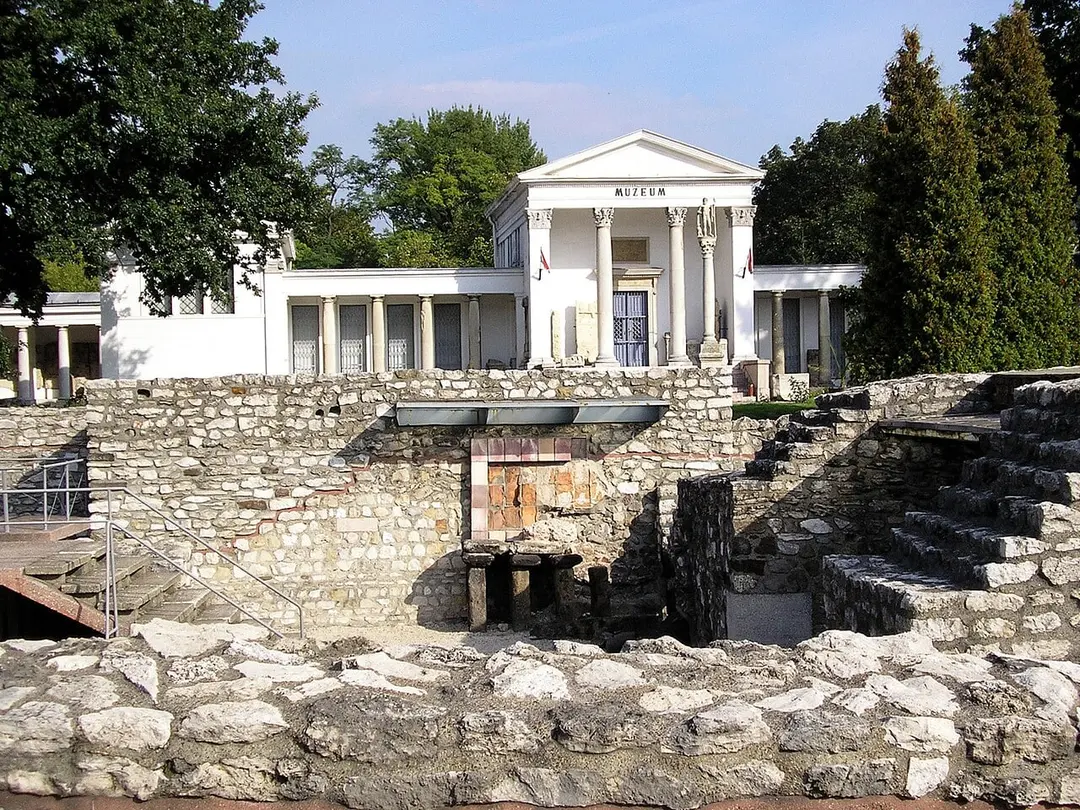
    The Aquincum Museum in Budapest's 3rd District presents the history and archaeology of Roman Aquincum, Budapest's ancient predecessor city. A branch of the Budapest History Museum, it displays finds from on-site excavations: mosaics, sculptures, everyday objects, and inscriptions. The open-air site surrounding the museum includes exposed ruins of the Roman civilian city.

  • Batthyány's sanctuary lamp

    Batthyány's sanctuary lamp

    Budapest

    architectureknowledge

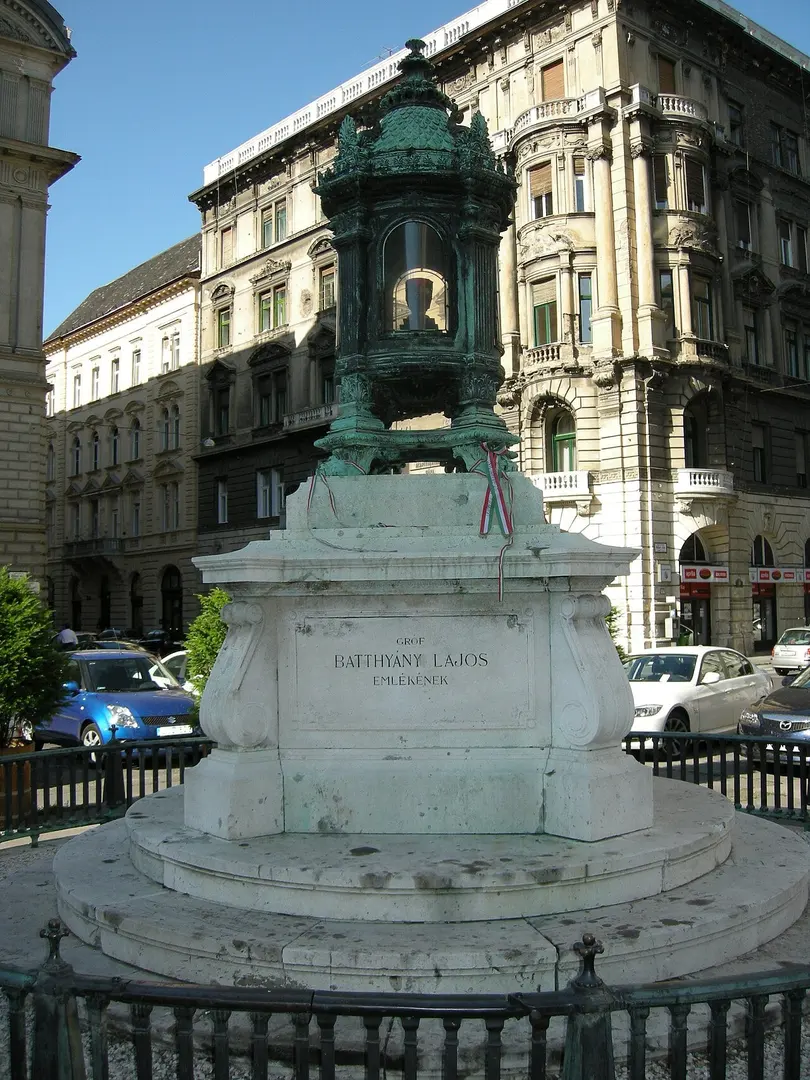
    The Batthyány Eternal Flame is a memorial in Budapest's 5th district commemorating Count Lajos Batthyány — Hungary's first Prime Minister, executed by Austrian troops in 1849. The memorial was created by sculptor Móric Pogány and marks the exact site of the execution. An eternal flame burns here as a symbol of the Hungarian freedom struggle of 1848/49. The simple yet powerful monument lies close to the Parliament and stands as a quiet counterpoint to the city's political center.

  • Bethlen Square Status-Quo Ante Synagogue, Budapest

    Bethlen Square Status-Quo Ante Synagogue, Budapest

    Budapest

    architecturehistory

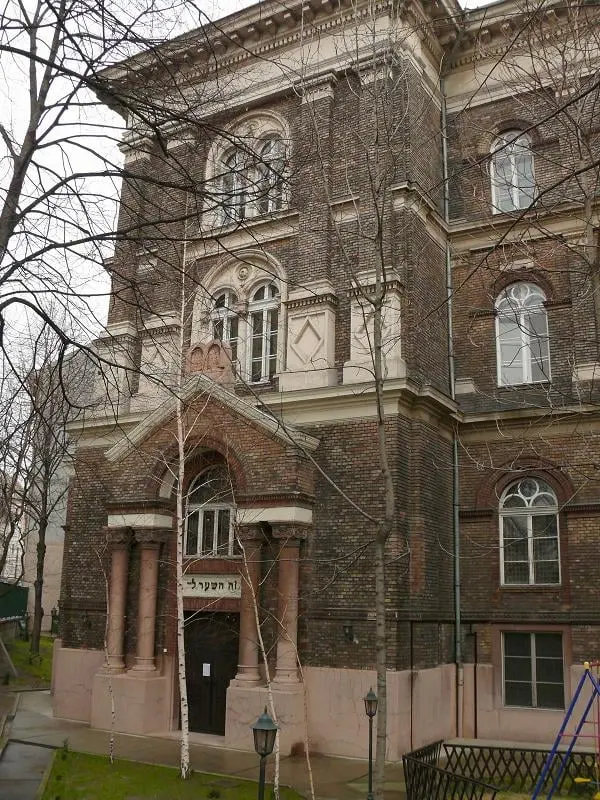
    The Bethlen Square Synagogue stands on Bethlen Gábor tér in Budapest's VII district, the city's historic Jewish quarter. Built in the 1930s in a conservative style, it belongs to the Status-quo-ante congregation — one of the three main streams of Hungarian Judaism. The building, with its distinctive facade and galleried interior, reflects the rich Jewish cultural history of Budapest. The city was once home to one of the largest Jewish communities in Europe, and synagogues like this one bear witness to that remarkable history. The Bethlen Square Synagogue remains in active religious use today and is part of Budapest's living Jewish heritage.

  • Bozsik Arena

    Bozsik Arena

    Budapest

    architectureoutdoor activitieslocal gems

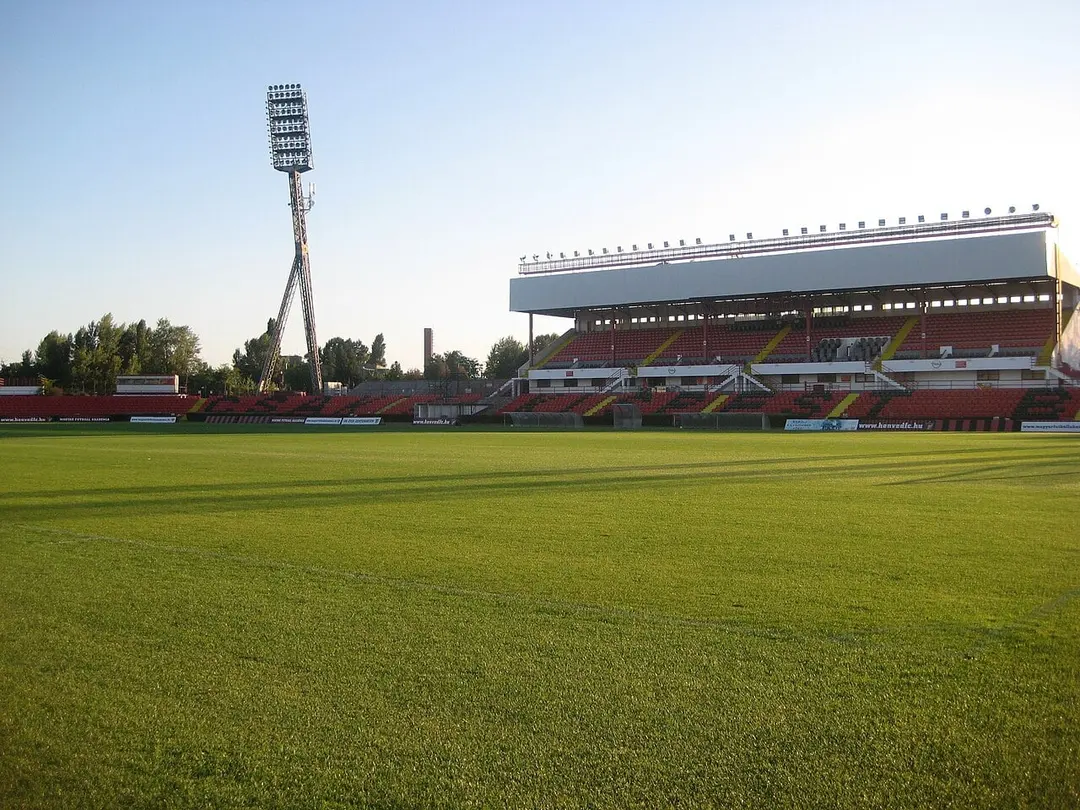
    Bozsik Arena in Budapest's 19th district Kispest is the home ground of historic football club Honvéd Budapest. Named after Hungarian football icon József Bozsik, a key player in the legendary "Golden Team" of the 1950s, the stadium carries a piece of Hungarian sporting history in its name. After extensive renovation it now offers 8,200 seats to modern standards and served as a venue for the 2021 UEFA European Under-21 Championship, bringing it international attention. The stadium is deeply rooted in the working-class neighborhood of Kispest and reflects the area's enduring passion for football.

  • Buda Castle

    Buda Castle

    Budapest

    architecturehistorylocal gems+1

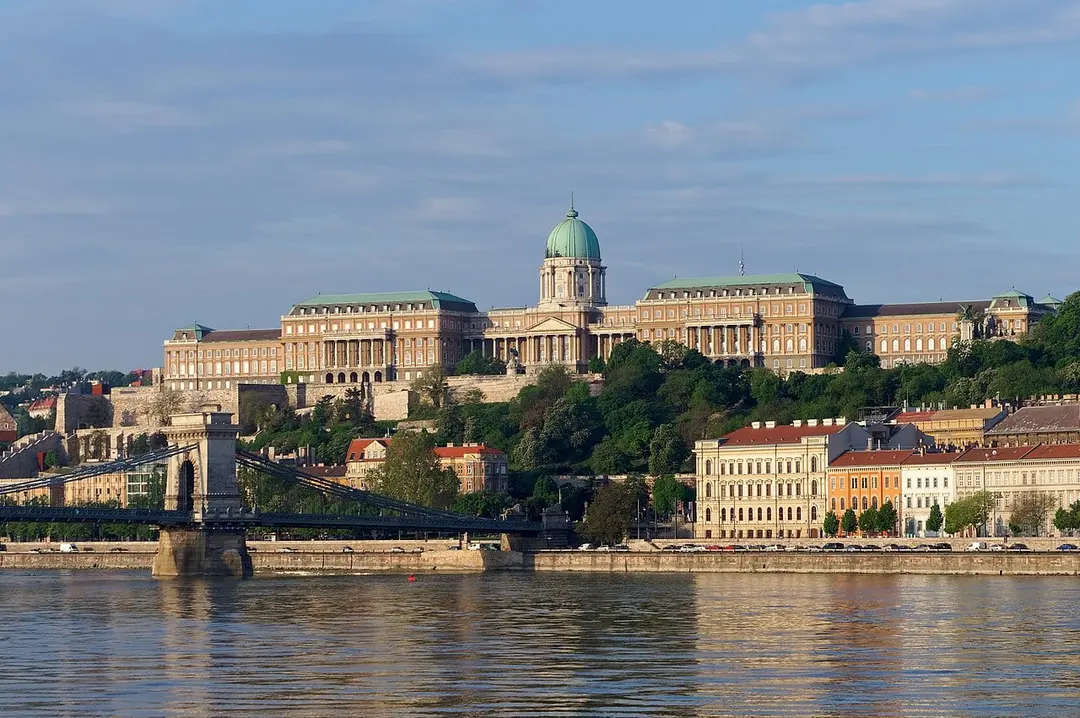
    Perched high above the Danube, Buda Castle was the royal residence of Hungary's Apostolic Kings from 1265 to 1918. The sprawling complex atop Castle Hill is Budapest's highest and largest building, inscribed as a UNESCO World Heritage Site in 1987. Over the centuries it was occupied by Ottomans, restored by the Habsburgs, and heavily damaged in World War II, each era leaving its mark on the architecture. Today the palace houses the Hungarian National History Museum and the National Gallery, while its terraces offer sweeping panoramas across both sides of the city.

  • Budapest Puppet Theatre

    Budapest Puppet Theatre

    Budapest

    family outings

    The Budapest Puppet Theatre is one of the largest and most distinguished puppet theatres in Europe, housed in an elegant building at Andrássy út 69 in the VI district of the Hungarian capital. Founded in 1949, it stages productions for both children and adults — from classic fairy tales to modern puppetry forms that captivate grown-up audiences too. The exceptional craftsmanship of its puppets and inventive staging have earned the theatre an international reputation. Located on Budapest's most important cultural boulevard, close to other major institutions, it is an integral part of the city's cultural life.

  • Dohány Street Synagogue

    Dohány Street Synagogue

    Budapest

    architectureknowledge

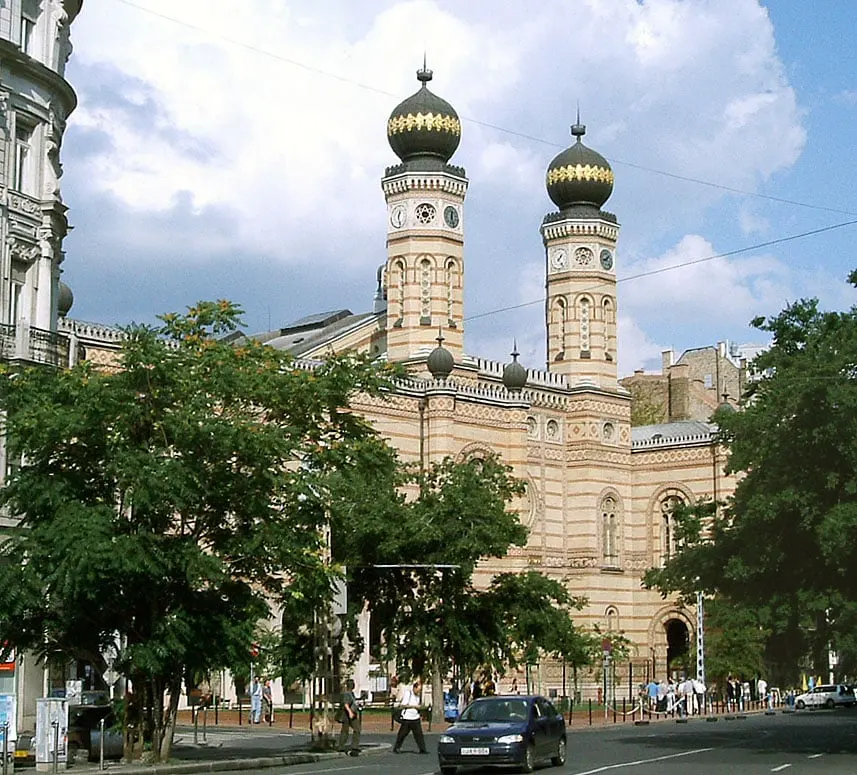
    The Great Synagogue on Dohány Street is Europe's largest synagogue, seating nearly 3,000 worshippers, and one of Budapest's most striking religious landmarks. Designed by Viennese architect Ludwig Förster in the Moorish Revival style, it was built between 1854 and 1859 under the direction of Ignaz Wechselmann for the Neolog Jewish community of Pest – a Hungarian form of Reform Judaism. During World War II, the building served as the center of the Budapest Ghetto; more than 2,000 victims are buried in the adjacent cemetery. Today the complex combines the synagogue itself, a Jewish Museum, and a memorial garden featuring a weeping willow sculpture in memory of Hungarian Holocaust victims.

  • Elisabeth Bridge

    Elisabeth Bridge

    Budapest

    architecturehistorylocal gems+1

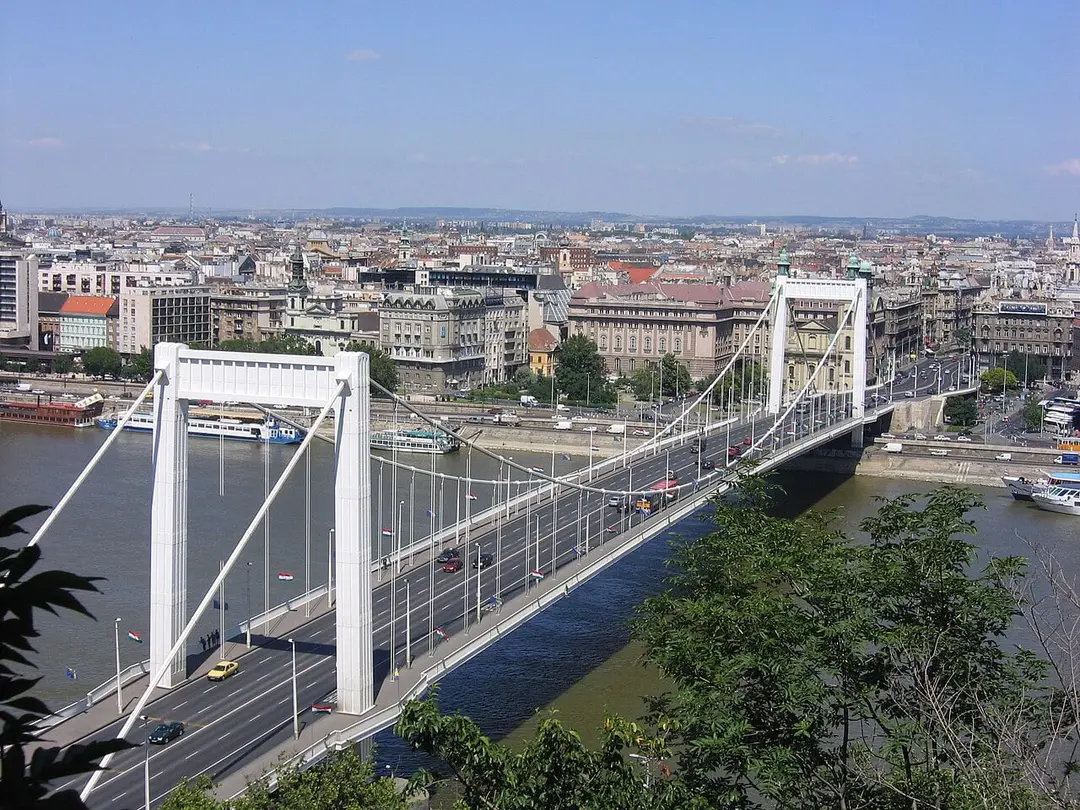
    Elisabeth Bridge is one of nine road bridges connecting Buda and Pest across the Danube. Stretching 290 metres, it spans the river between Gellért Hill on the Buda side and the Square of 15 March in Pest. The current bridge dates from 1964, making it the youngest of Budapest's major Danube crossings – a sleek modern structure that replaced its predecessor destroyed during World War II. Walking across the bridge offers striking views of the Castle District, Gellért Hill and the Pest city centre.

  • Erkel Theatre

    Erkel Theatre

    Budapest

    local gems

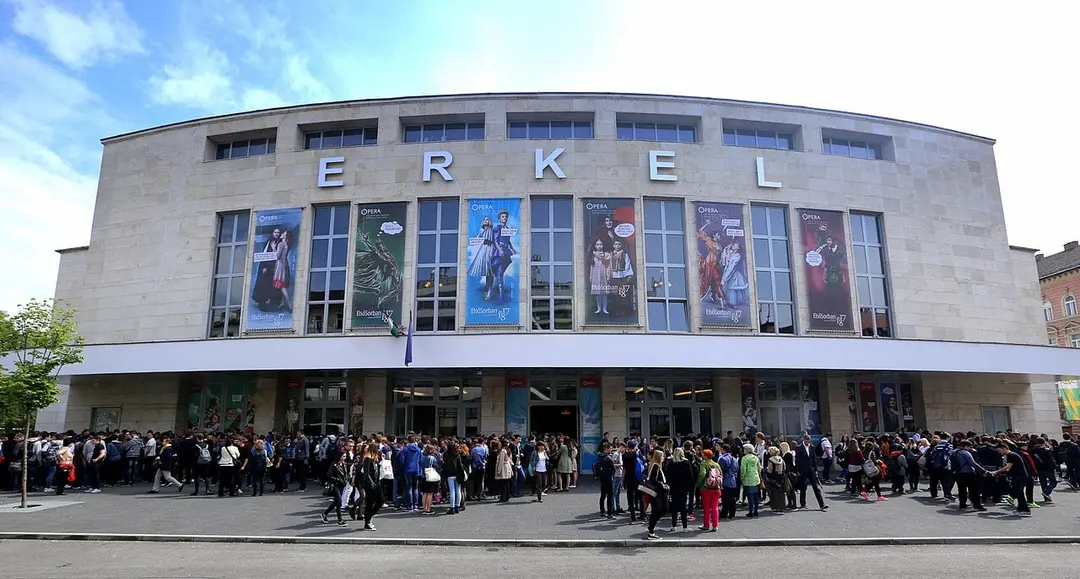
    The Erkel Theatre is Budapest's second major opera stage, named after Hungarian national composer Ferenc Erkel, who created the first Hungarian national opera and composed the melody of the national anthem. The venue complements the Hungarian State Opera House for large-scale productions, offering a broad repertoire from classical opera to musicals. With a capacity exceeding that of the historic opera house, it is one of Hungary's largest theatre halls. Today it serves as an alternative venue and for special productions of the State Opera, remaining a vibrant part of Budapest's cultural life.

  • Ethnographic Museum

    Ethnographic Museum

    Budapest

    local gemsknowledge

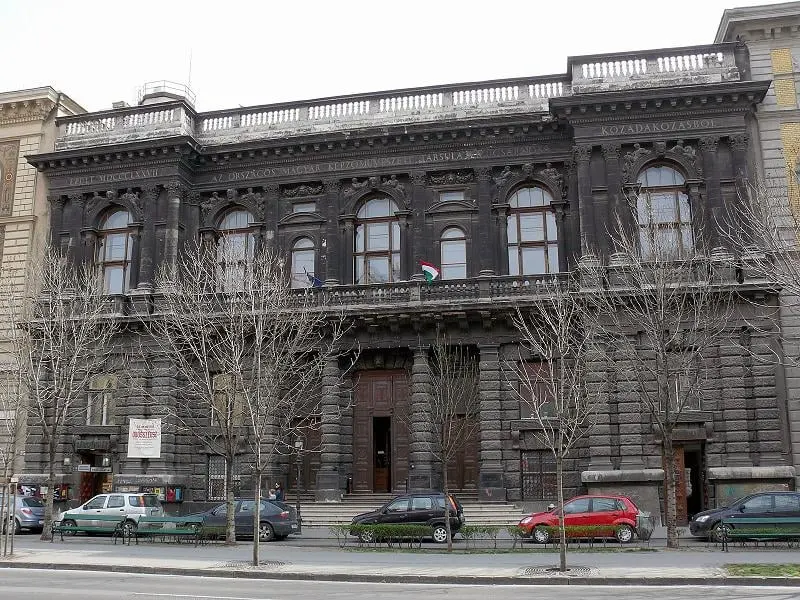
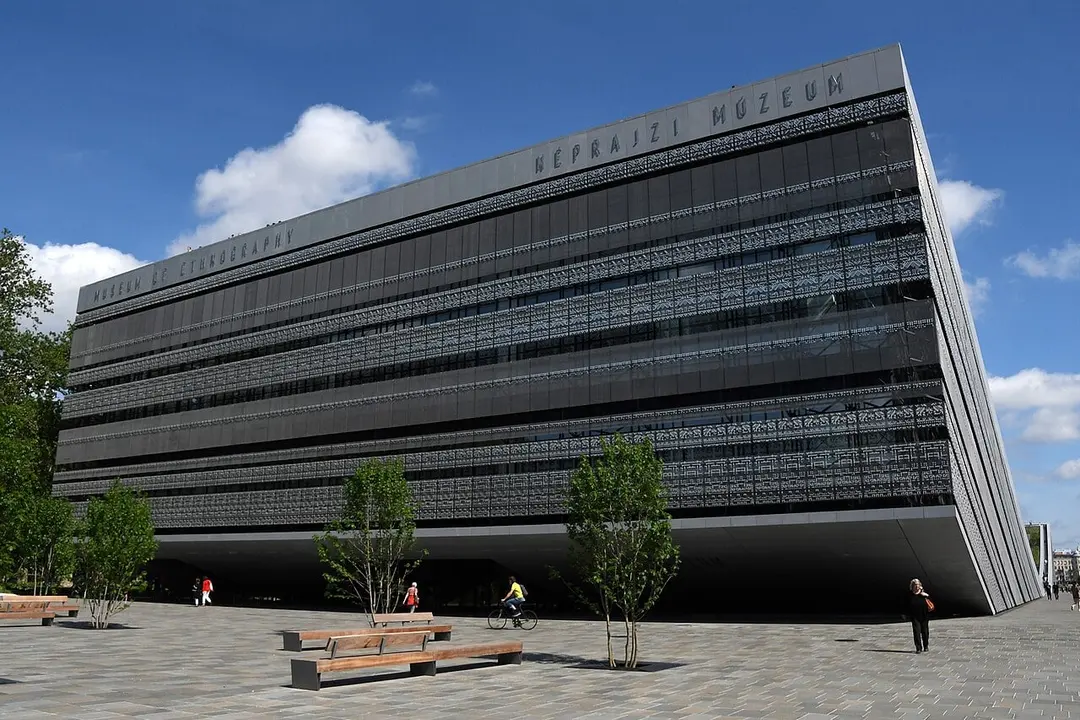
    The Ethnographic Museum Budapest ranks among the largest ethnological museums in Europe. Founded in 1872 under its first director János Xántus, it now holds nearly 200,000 exhibits — including around 140,000 Hungarian objects such as traditional costumes, everyday items, and folk art, alongside 60,000 international artifacts from around the world. The museum is located at Dózsa György út 35 in Budapest's 14th district. Its collection documents centuries of rural and urban Hungarian life and places it within a global cultural context. Special exhibitions explore themes from folk rituals to contemporary urban ethnography. A visit combines curiosity about everyday culture with remarkable depth of collection.

  • Ferenc Herczeg

    Ferenc Herczeg

    Budapest

    knowledge

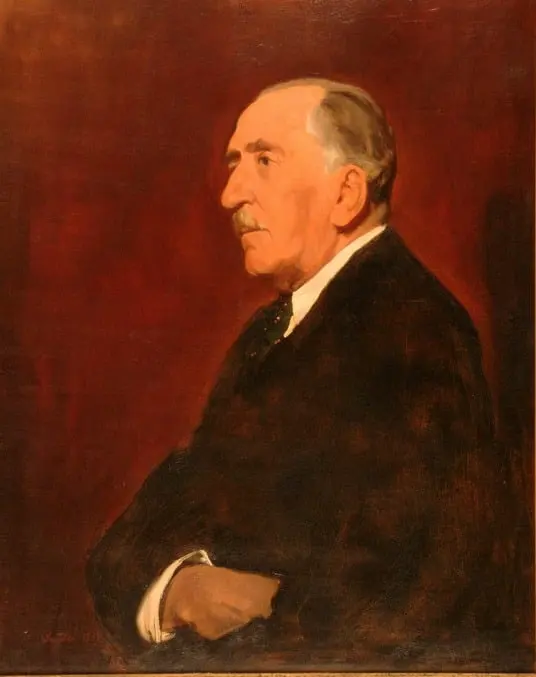
    Ferenc Herczeg (1863–1954) was one of the most influential voices in Hungarian literature around the turn of the century. Born to ethnic German parents in present-day Serbia, he wrote in Hungarian and became the defining figure of Hungarian literary conservatism. His prolific output spans novels, plays, and social satires. Herczeg was also a journalist and member of parliament, exercising considerable influence over the cultural life of his era. He is regarded as an important, though politically complex, figure of the Hungarian modern period.

  • Fisherman's Bastion

    Fisherman's Bastion

    Budapest

    architecturenaturegreat views+1

    Perched atop Castle Hill in Buda, the Fisherman''s Bastion is one of Budapest''s most enchanting landmarks — a neo-Romanesque terrace designed by architect Frigyes Schulek between 1895 and 1902. It stands on the site of the medieval fish market, and its name recalls the fishermen''s guild that once defended this stretch of the old city walls. Schulek''s design is deliberately theatrical: seven conical towers represent the seven Magyar tribes who swept into the Carpathian Basin in the 9th century. The gleaming white stone terraces and arched galleries frame one of the finest panoramas in Europe, with the Danube sweeping below and the grand Parliament building rising on the Pest side. After dark, when the whole structure is illuminated, it takes on an almost fairy-tale quality. Both locals and visitors gravitate here for the views and the atmosphere, making it one of the liveliest spots on the Buda side of the city.

  • Franz Liszt Academy of Music

    Franz Liszt Academy of Music

    Budapest

    architecturehistoryknowledge

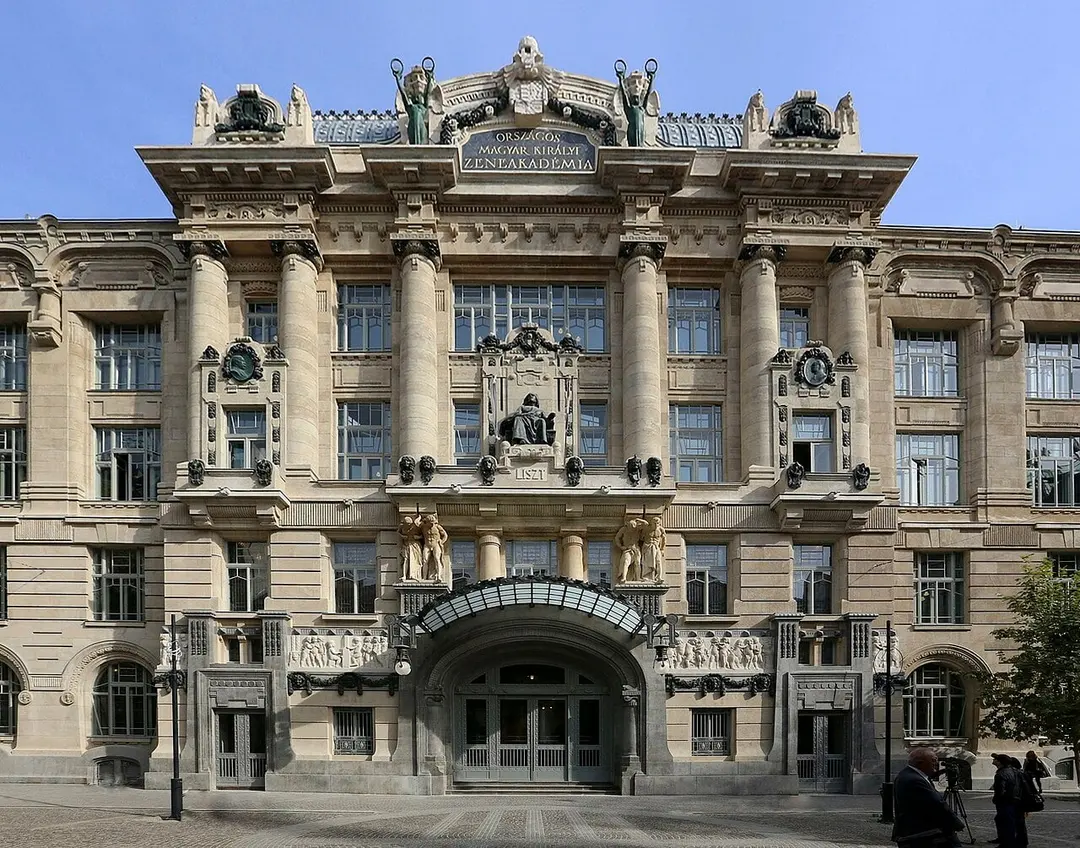
    The Franz Liszt Academy of Music in Budapest ranks among Europe's most prestigious music conservatories. Founded in 1875 by composer Franz Liszt himself, it today enrols around 900 students and is Hungary's largest music university. Its magnificent Art Nouveau building on Liszt Ferenc Square, inaugurated in 1907, is one of Budapest's finest architectural gems. Alongside its educational mission, the academy hosts frequent public concerts — welcoming audiences into one of the city's most acoustically superb halls. Following extensive restoration, the building now shines with renewed splendour.

  • Gloria Victis Memorial

    Gloria Victis Memorial

    Budapest

    history

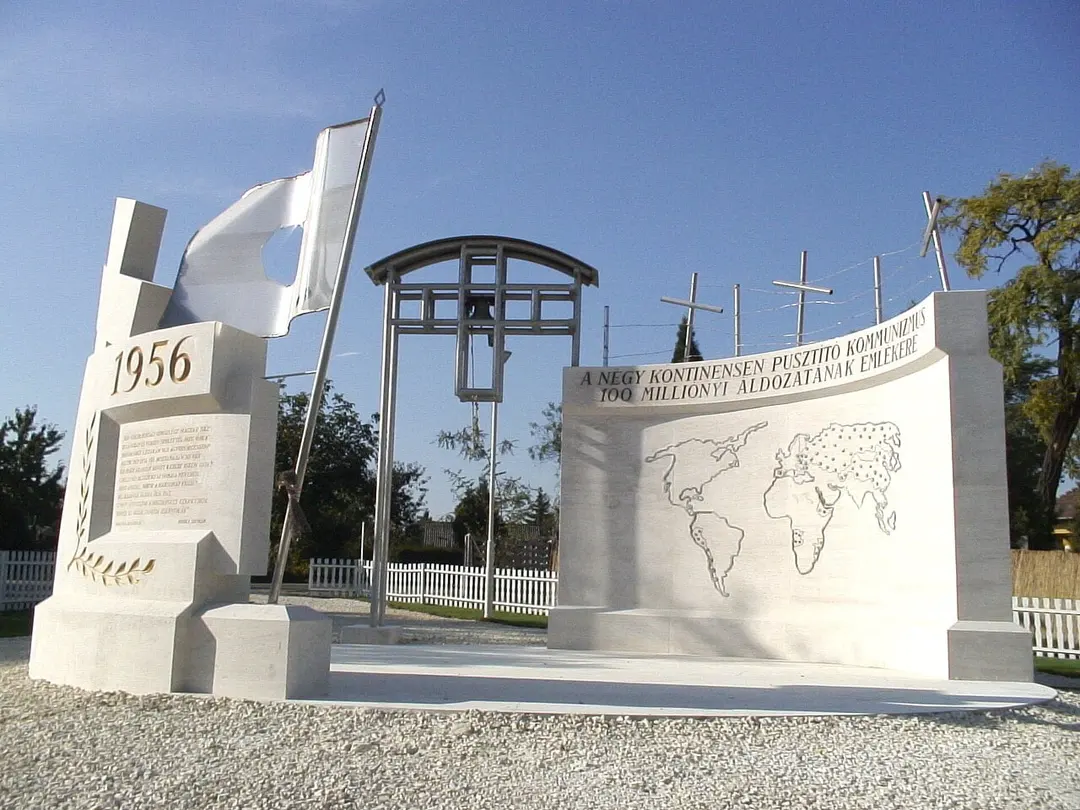
    The Gloria Victis memorial was established to mark the 50th anniversary of the 1956 Hungarian uprising and is located in the municipality of Csömör on the northeastern outskirts of Budapest. It honours the victims of Hungary's communist regime and commemorates the more than 100 million people who lost their lives under communism worldwide. The name "Gloria Victis" — glory to the defeated — is an ancient Roman commemorative motto also used for memorials at European battlefields. The site combines sculptures, inscriptions and green spaces into a quiet place for reflection on a dark chapter of European history.

  • Gresham Palace

    Gresham Palace

    Budapest

    architecturelocal gems

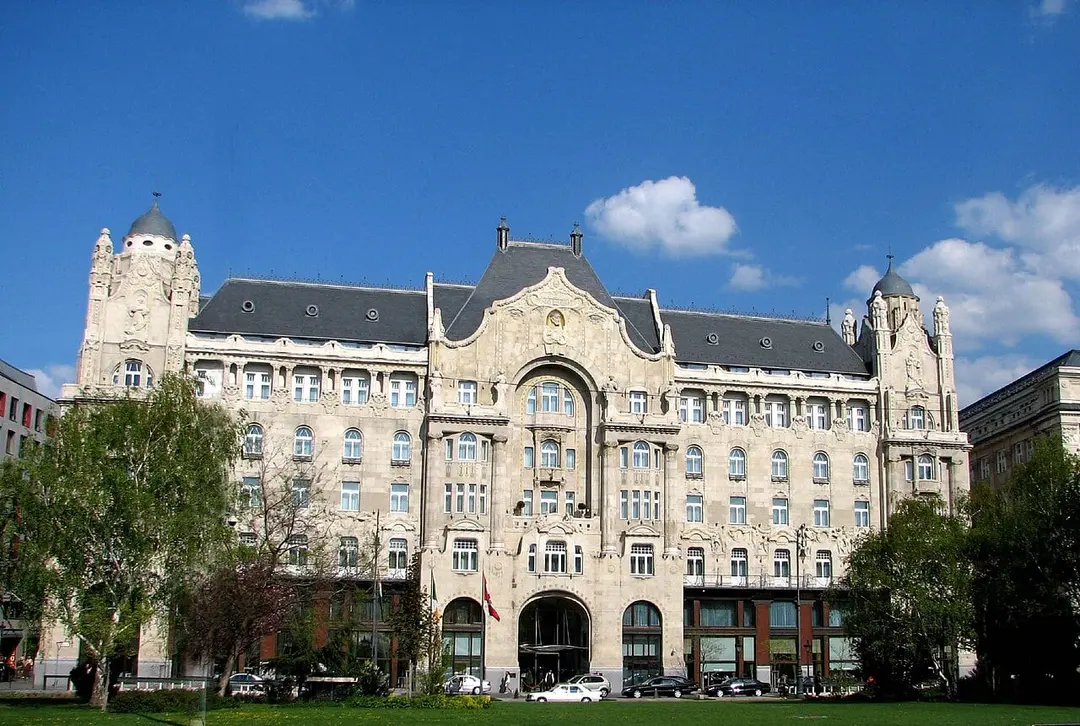
    Gresham Palace is one of Budapest's most magnificent Art Nouveau buildings, occupying an unrivalled position at Széchenyi István Square — the Pest bridgehead of the famous Chain Bridge. The building was designed by Zsigmond Quittner and completed in 1907 in Secessionist style, featuring richly ornamented façades, elaborate mosaics and a spectacular glass-roofed courtyard. It was commissioned by the English Gresham Life Assurance Company, named after Tudor financier Thomas Gresham. Over the 20th century the palace suffered from neglect and wartime damage before being meticulously restored and reopened in 2004 as a five-star hotel under the Four Seasons brand. Today visitors can admire the breathtaking façade and step into the publicly accessible lobby — an unmissable stop for anyone interested in architecture in Budapest.

  • Hamza Bey Mosque (Érd Minaret)

    Hamza Bey Mosque (Érd Minaret)

    Budapest

    architecturehistory

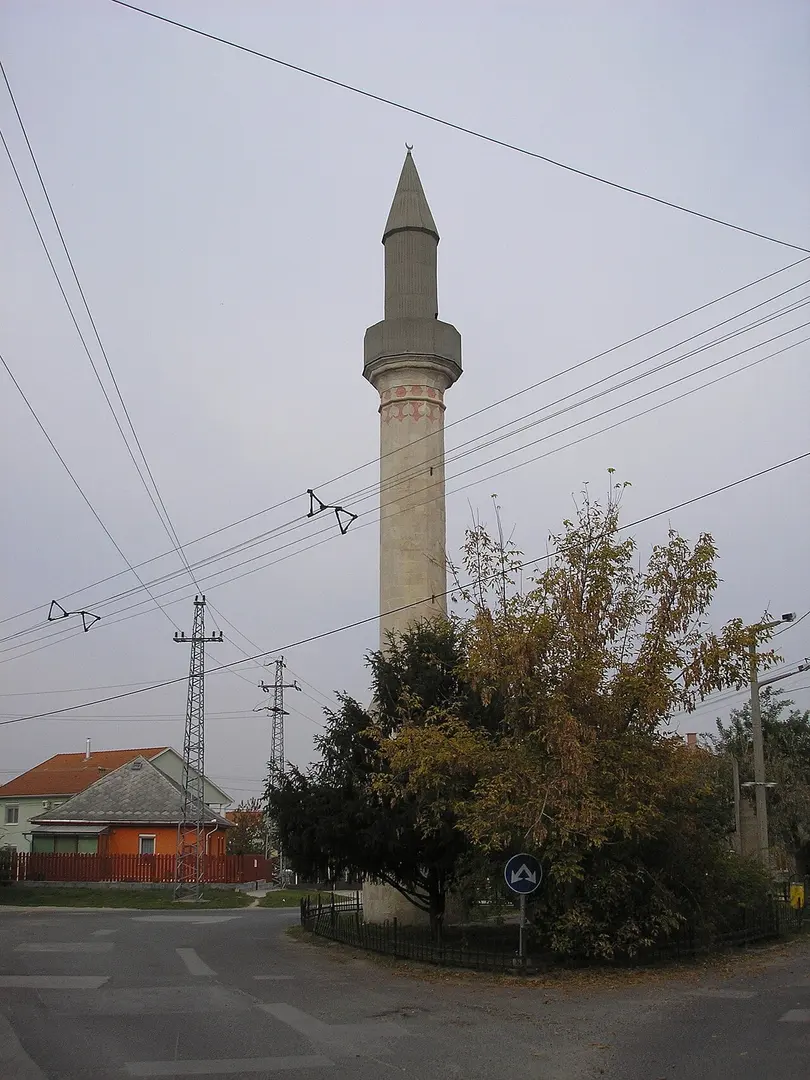
    The Érd minaret is one of only three surviving Ottoman-era minarets in Hungary, the others being in Eger and Pécs. It is the last remnant of the Hamza Bey Mosque that once stood in the old village core of Érd. The 23-metre tower and a preserved mihrab niche are all that remain of the original mosque. The structure stands as rare evidence of the Ottoman occupation of Hungary during the 16th and 17th centuries. Today it is a protected monument, offering a largely overlooked window into Hungarian history just outside Budapest.

  • Heroes' Square

    Heroes' Square

    Budapest

    historylocal gems

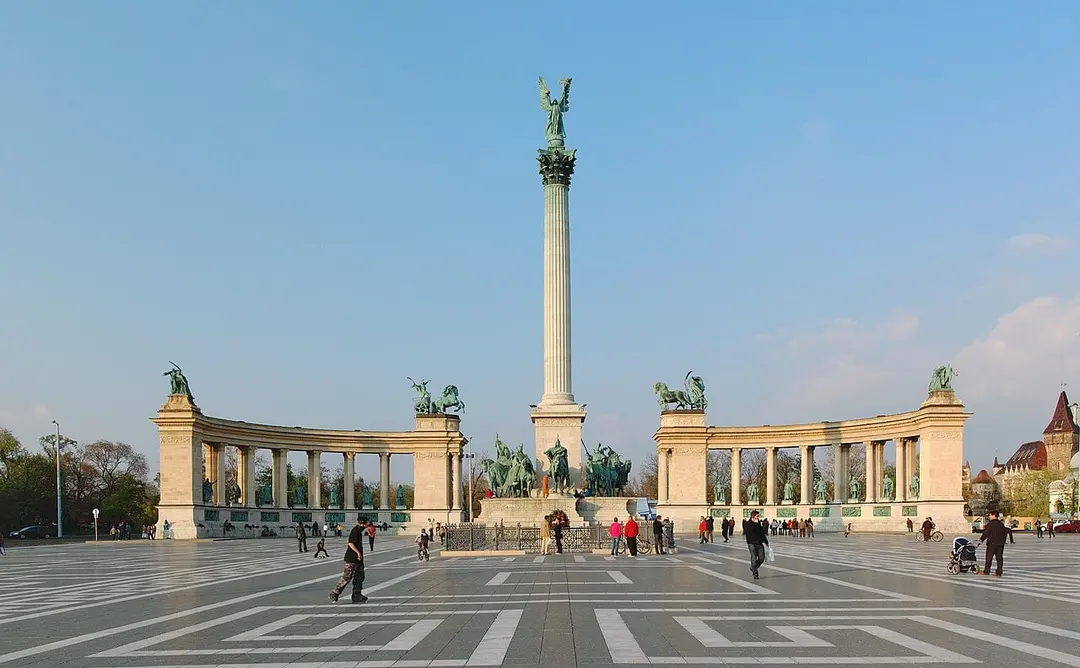
    Heroes' Square in Budapest's 14th district is one of Hungary's most significant public spaces and part of the UNESCO World Heritage Site. It forms the grand finale of the Andrássy Avenue and serves as the gateway to City Park (Városliget). The centrepiece is the Millennium Monument with its 36-metre central column topped by the Archangel Gabriel, erected in 1896 to celebrate 1,000 years of Hungarian history. The colonnade semicircle features life-size equestrian statues of the seven Magyar chieftains and bronze reliefs of important Hungarian rulers and statesmen. The square is flanked by the Museum of Fine Arts and Kunsthalle Budapest. It functions both as a major tourist attraction and as the stage for important state and sporting events.

  • Liberty Bridge

    Liberty Bridge

    Budapest

    architecturenatureromance

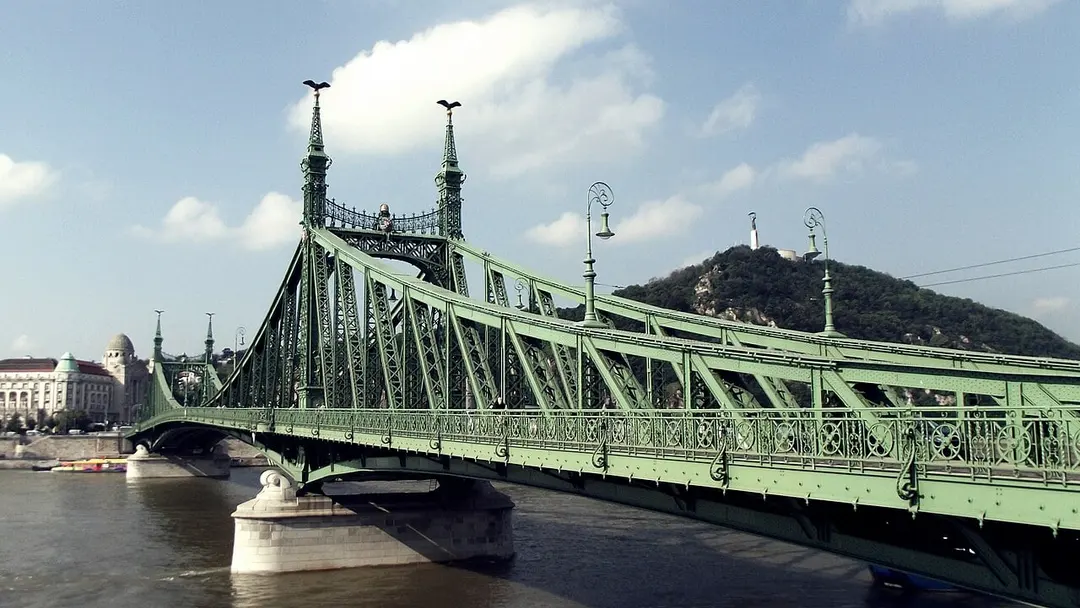
    Liberty Bridge — Szabadság híd in Hungarian — is one of Budapest's most elegant Danube crossings. It links the Buda side at Gellért Square with the Pest side at Fővám Square, where the Great Market Hall and Corvinus University stand. Originally built for Hungary's millennium celebrations in 1896, the bridge dazzles with its ornate Art Nouveau ironwork painted a vibrant green. Its current name was adopted after World War II; before that it was known as Franz Joseph Bridge. On warm evenings locals gather on the railings to relax — making it one of the city's most spontaneous social spots.

  • Little Princess Statue

    Little Princess Statue

    Budapest

    local gems

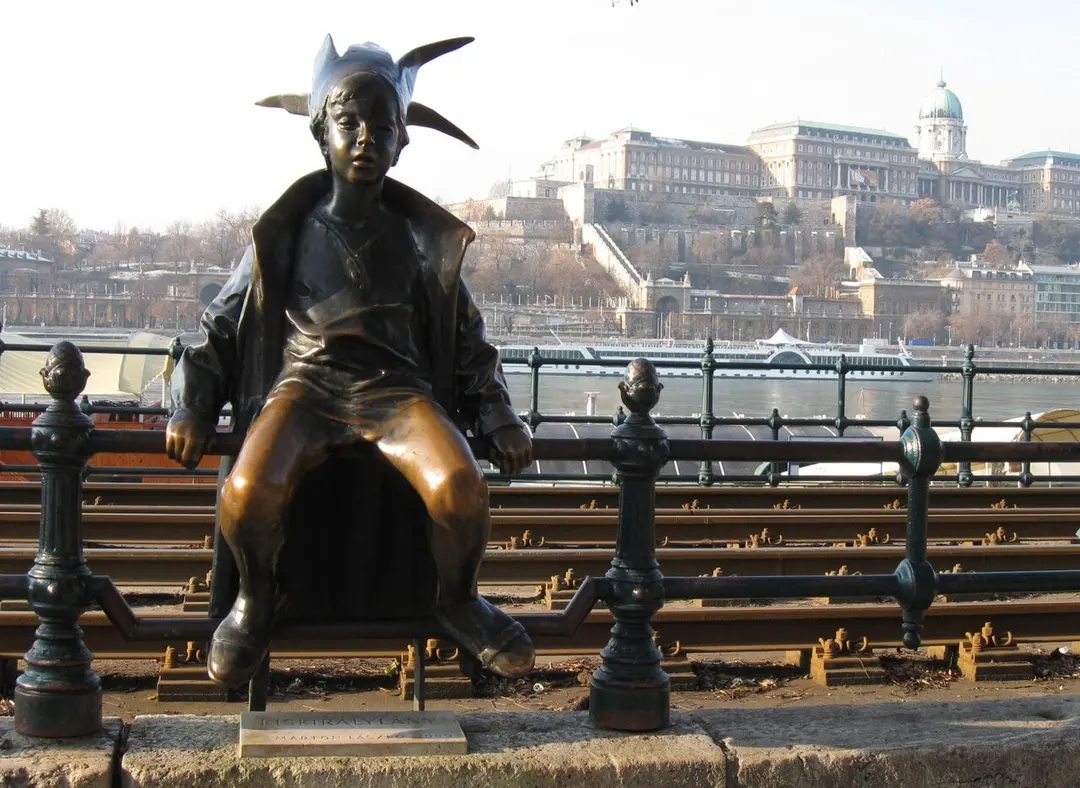
    The Little Princess (Kiskirálylány) is a charming bronze sculpture perched on the railings of Budapest's Danube promenade. Hungarian sculptor László Marton created the original 50 cm statuette in 1972; today a life-size version sits along the Kossuth promenade, gazing toward the Parliament building. The figure — a girl with a crown of leaves — is one of Budapest's most photographed spots and a delightful fixture on any riverside walk.

  • Memorial for the victims of the German occupation

    Memorial for the victims of the German occupation

    Budapest

    historylocal gemsmystery

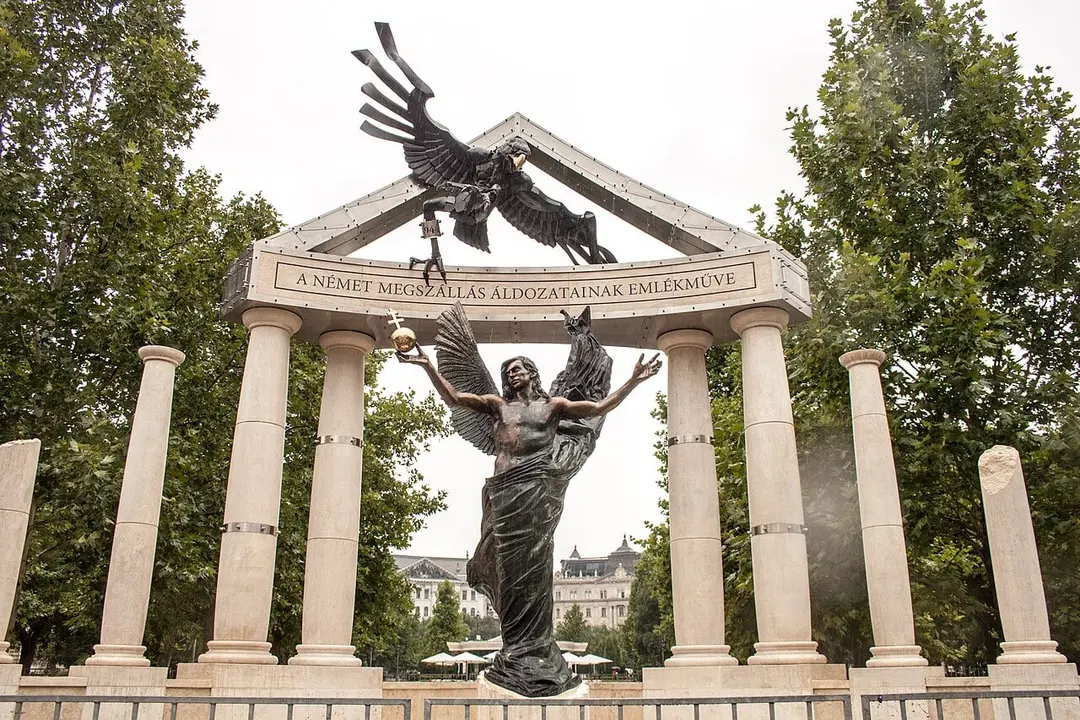
    The Memorial for the Victims of the German Occupation stands on Liberty Square in Budapest and was unveiled on 19 March 2014, the 70th anniversary of the Wehrmacht entering Hungary. The monument shows a column group with reliefs and two bronze figures: Hungary as the protective archangel Gabriel, and the German occupation as an eagle. It has been deeply controversial since its erection — critics see it as an attempt to obscure Hungary's own role in the Holocaust. Directly opposite, citizens and survivors have assembled an unofficial counter-memorial of photos, documents, and stones that challenges the official narrative.

  • Our Lady of Hungary Basilica

    Our Lady of Hungary Basilica

    Budapest

    architecture

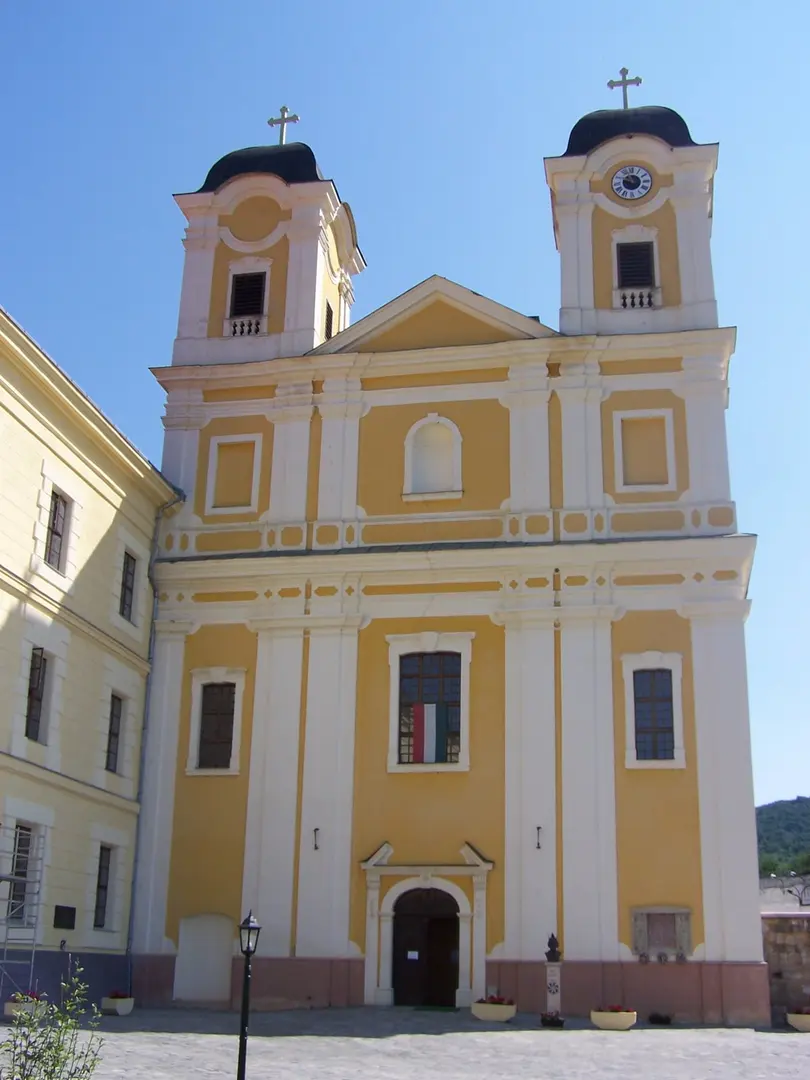
    The Basilica of Our Lady Queen of Hungary stands in Márianosztra in Pest County, roughly 60 kilometres north of Budapest. This Roman Catholic parish church belongs to the Diocese of Vác and holds the honorary title of minor basilica. Dedicated to the Virgin Mary, it was originally part of a Franciscan monastery — the former monastic church is today a protected listed monument in Hungary. Márianosztra has been a Marian pilgrimage site for centuries, drawing the faithful from Hungary and the wider region. The church's peaceful setting amid the northern Hungarian hills makes it a destination for visitors seeking quiet reflection, prayer, and a glimpse of Hungarian ecclesiastical history.

  • Underground Railway Museum

    Underground Railway Museum

    Budapest

    historylocal gemsknowledge+1

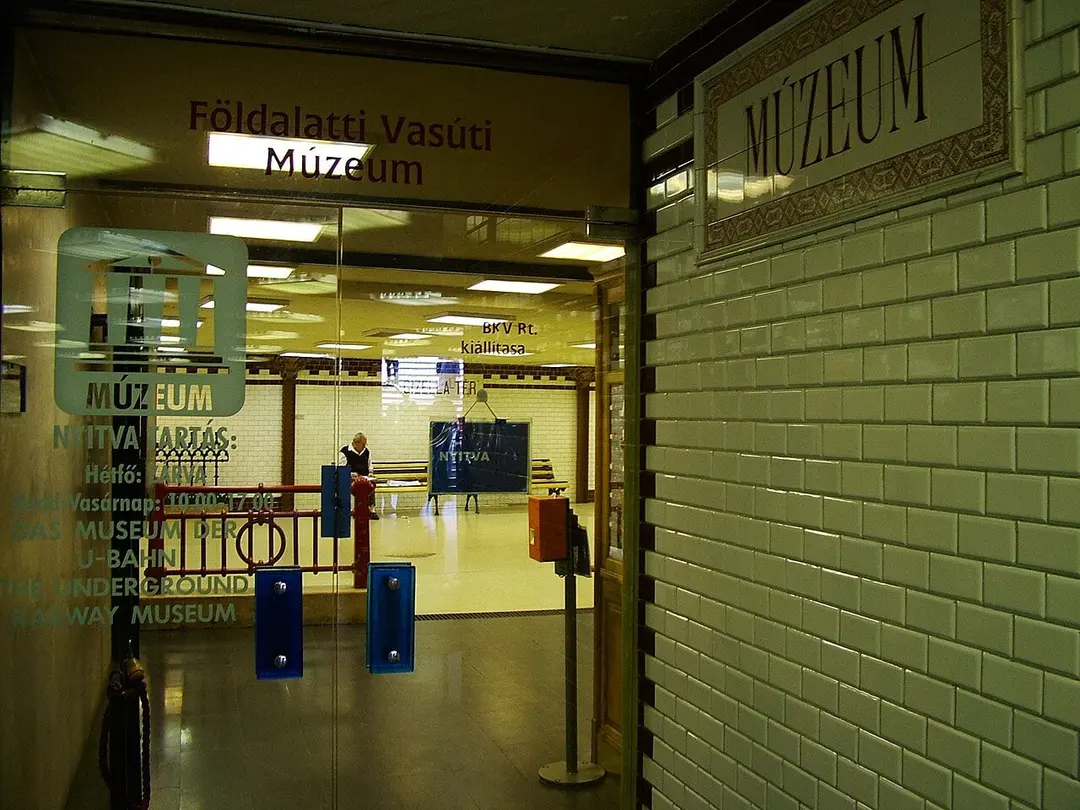
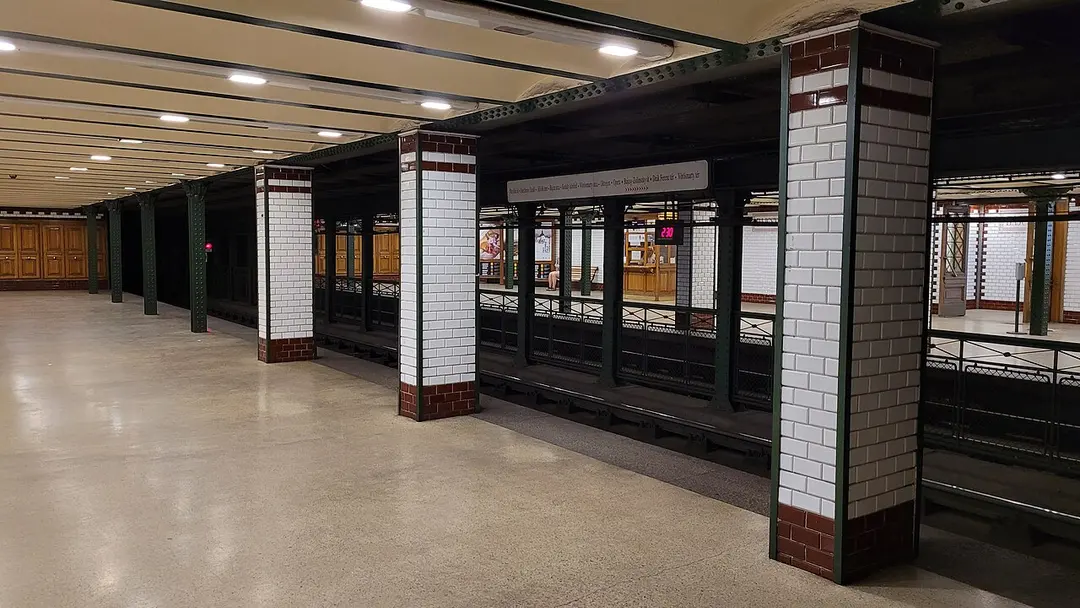
    The Földalatti Vasúti Múzeum, or Underground Railway Museum, is a unique specialist museum housed in a disused section of Line M1 — the oldest electric metro on the European continent. The M1 opened in 1896 for Hungary's millennium celebrations and still runs between Deák tér and Széchenyi Fürdő. Inside the museum, visitors can explore historic carriages from different decades, examine signalling equipment, and follow the full history of Budapest public transport from its Victorian origins to the present day. Opened in 1975, the museum forms part of the UNESCO World Heritage Andrássy út corridor.

  • Vajdahunyad Castle

    Vajdahunyad Castle

    Budapest

    architecturenaturehistory

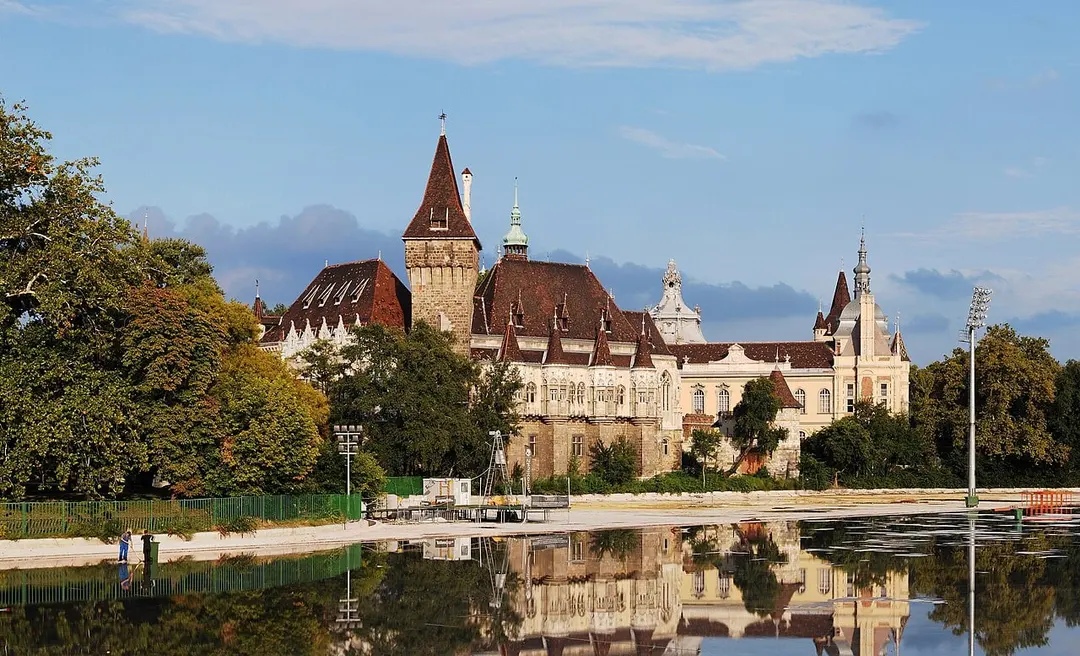
    Vajdahunyad Castle rises picturesquely in Városliget, Budapest's great city park, and is one of the most captivating examples of historicist architecture in Hungary. Originally conceived in 1896 as a temporary wooden model for the Millennial Exhibition — marking 1,000 years of Hungarian statehood — the building so enchanted visitors that it was reconstructed in permanent stone form between 1901 and 1907. Architect Ignác Alpár drew inspiration from historical building styles across the entire Carpathian Basin, blending Romanesque, Gothic, Renaissance, and Baroque elements into a single, fantastical whole. Today the castle houses the Hungarian Agricultural Museum and, in winter, becomes the backdrop for one of the city's most beloved outdoor ice rinks. In front of the entrance stands the famous statue of the anonymous medieval chronicler "Anonymus" — an iconic photo stop.

  • Zero Kilometre Stone

    Zero Kilometre Stone

    Budapest

    architecturehistorylocal gems+1

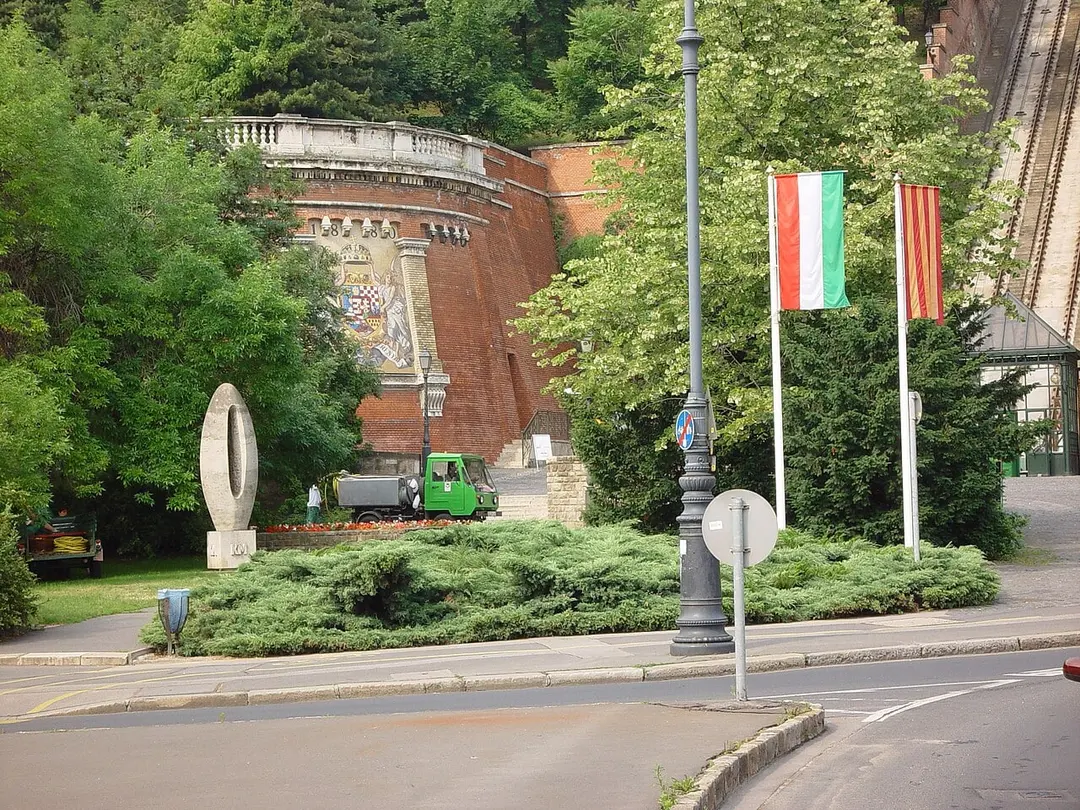
    The Zero Kilometre Stone is a 3-metre limestone sculpture by Hungarian artist Miklós Borsos, unveiled in 1975 near the Széchenyi Chain Bridge in Budapest. It marks Hungary's official kilometre zero — the reference point from which all road distances in the country are measured. Borsos rendered the concept as an abstract zero sign with a simple 'KM' inscription, deliberately understated for such a foundational marker. The stone was originally positioned at the threshold of Buda Royal Palace before being relocated to its current riverside spot.

Keep exploring

These places are just the beginning.

Rate places with a swipe — TravelType learns from your tags what you love and curates your own map. Private until you choose to share.

Create your profile