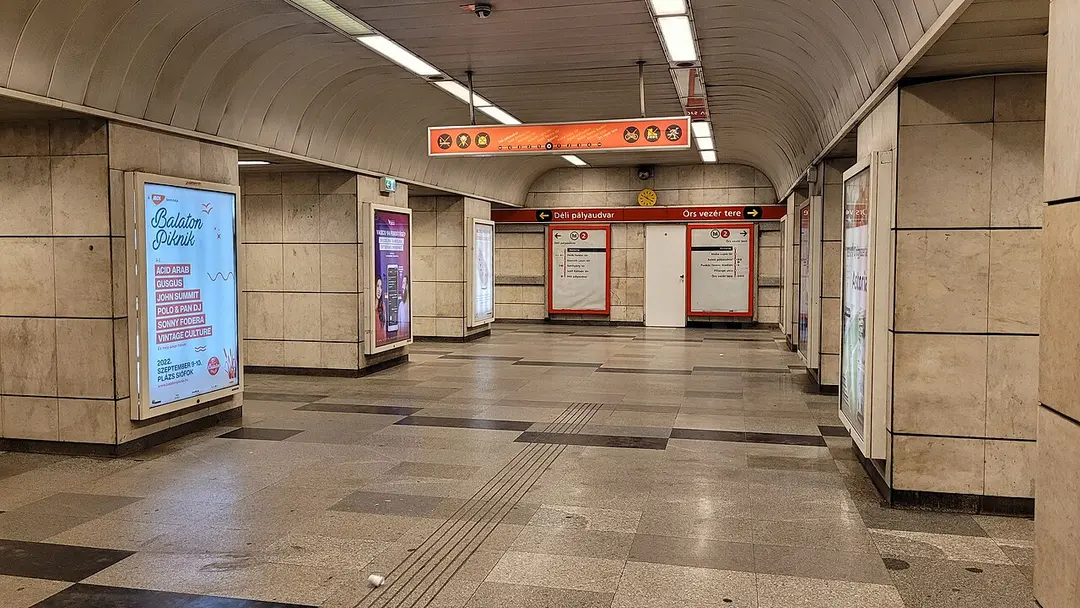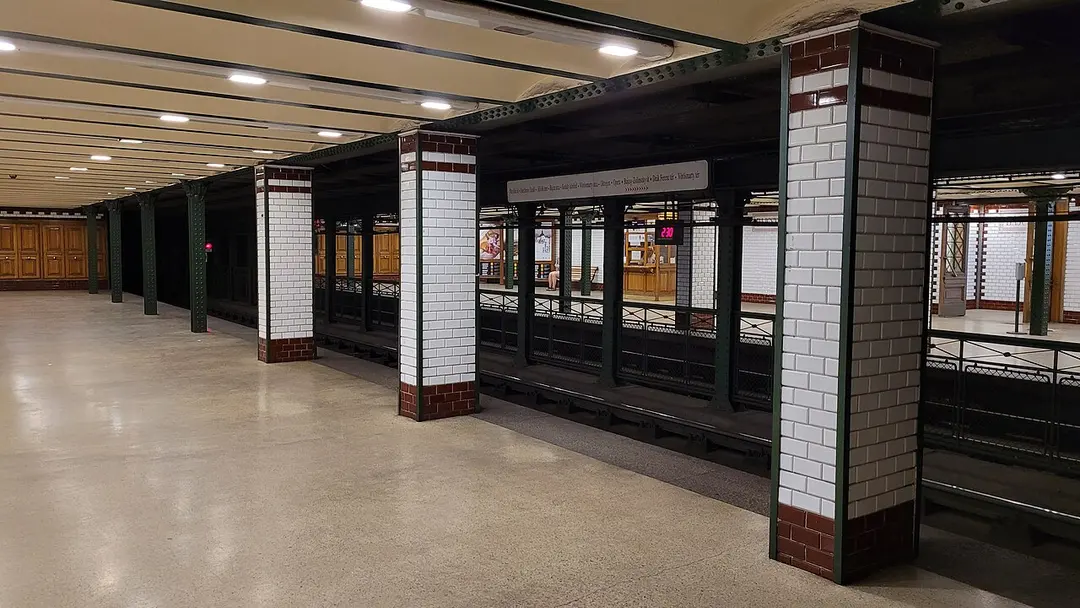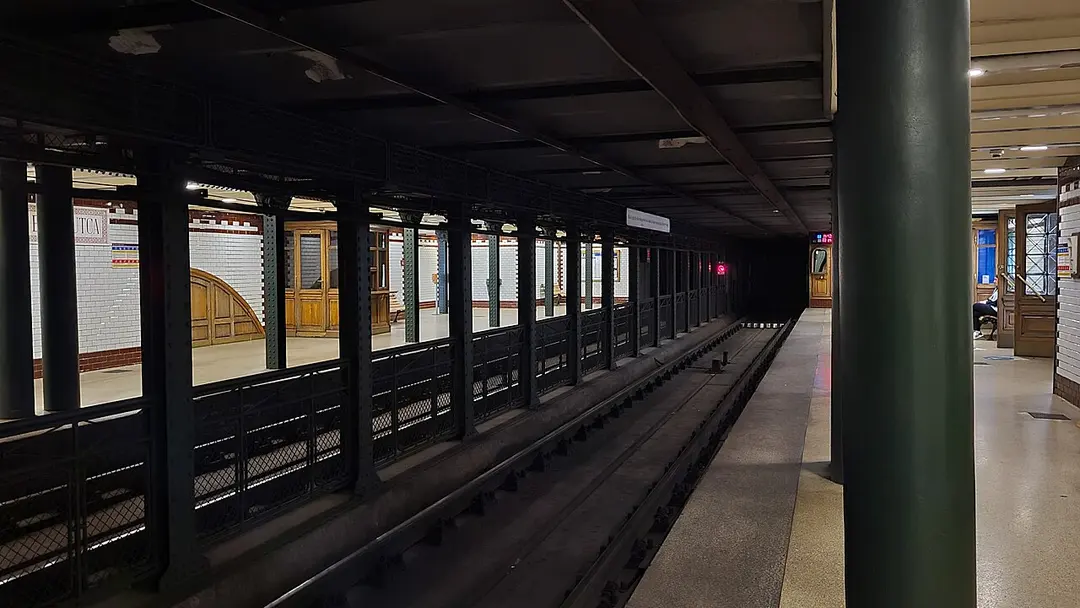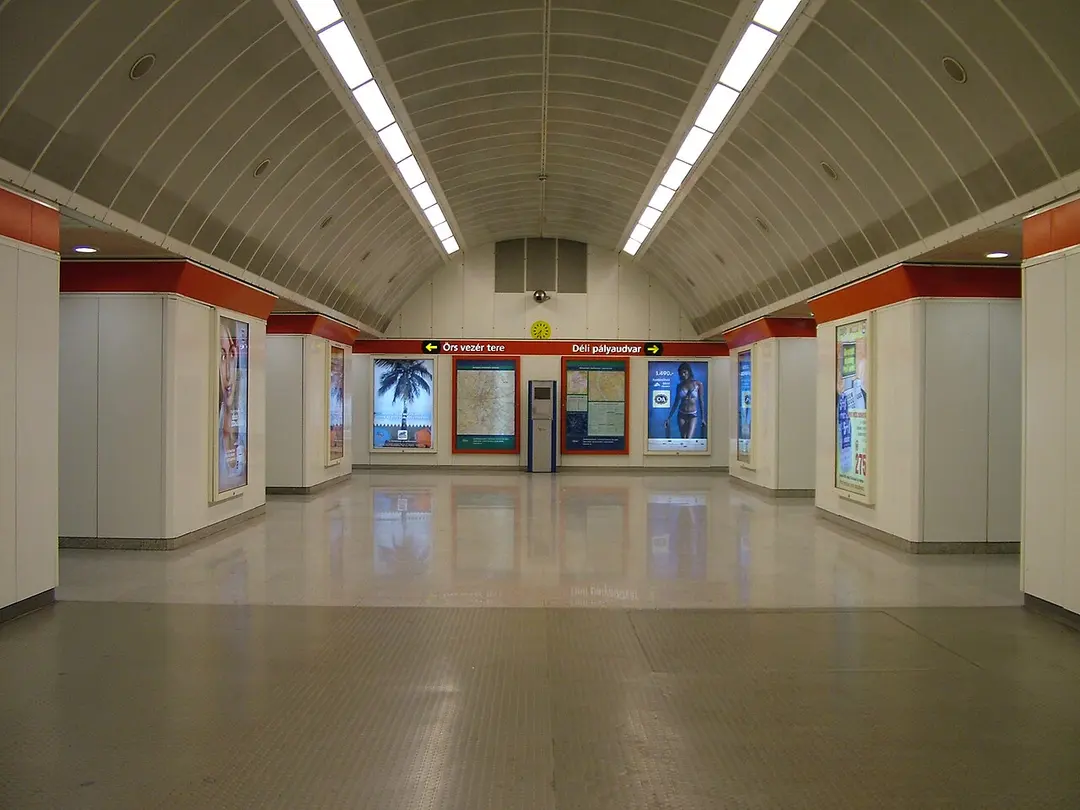
Arany János utca
Budapest
architecture
local gems
Budapest, Hungary's capital on the Danube, rewards those who look beyond the obvious. The Castle District and Buda Castle offer quieter corners away from the crowds, while Gellért Hill provides sweeping views across Elisabeth Bridge at any hour. In the city centre, Deák Ferenc tér and Ferenciek tere are ideal spots for watching everyday Budapest life unfold. The Great Market Hall draws locals as much as visitors, and the Ethnographic Museum offers a grounded look at Hungarian folk culture. The ornate Gresham Palace, the Erkel Theatre, the grand Keleti Station, and the neighbourhood-rooted Bozsik Arena each reveal a different, less-toured layer of the city.
23 places · Budapest, Hungary · Editorially curated
Budapest
Budapest
Budapest
Budapest
Budapest
Budapest
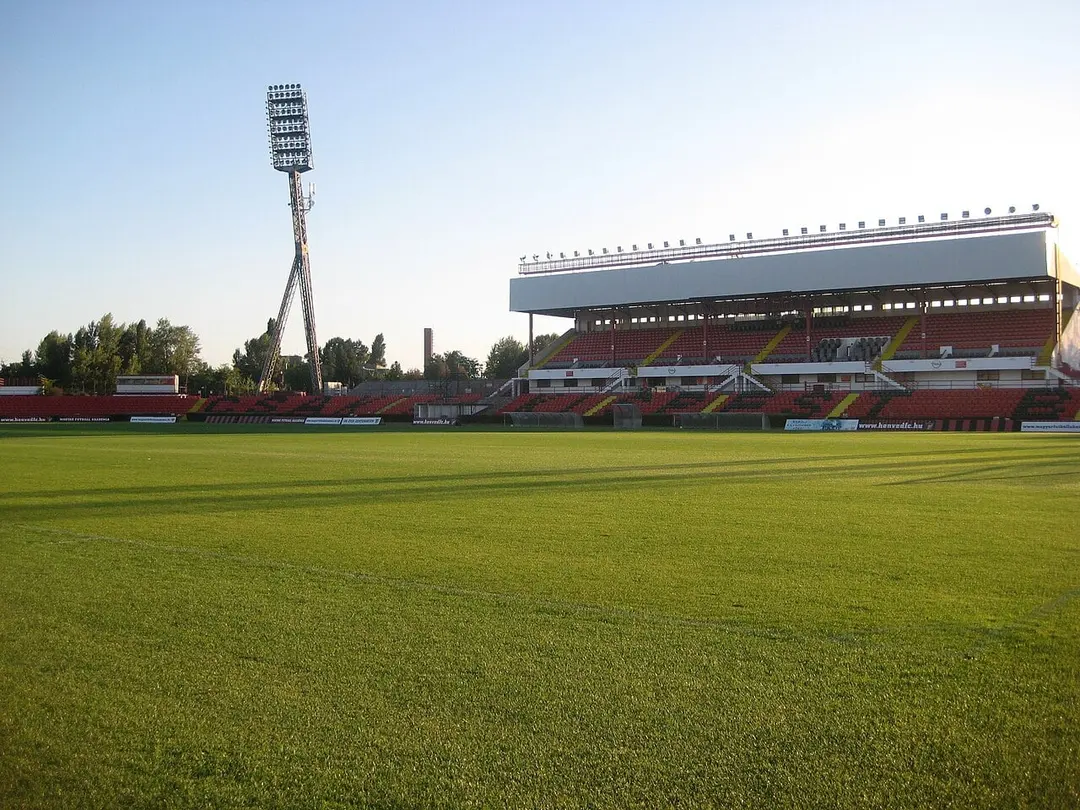
Bozsik Arena in Budapest's 19th district Kispest is the home ground of historic football club Honvéd Budapest. Named after Hungarian football icon József Bozsik, a key player in the legendary "Golden Team" of the 1950s, the stadium carries a piece of Hungarian sporting history in its name. After extensive renovation it now offers 8,200 seats to modern standards and served as a venue for the 2021 UEFA European Under-21 Championship, bringing it international attention. The stadium is deeply rooted in the working-class neighborhood of Kispest and reflects the area's enduring passion for football.
Budapest
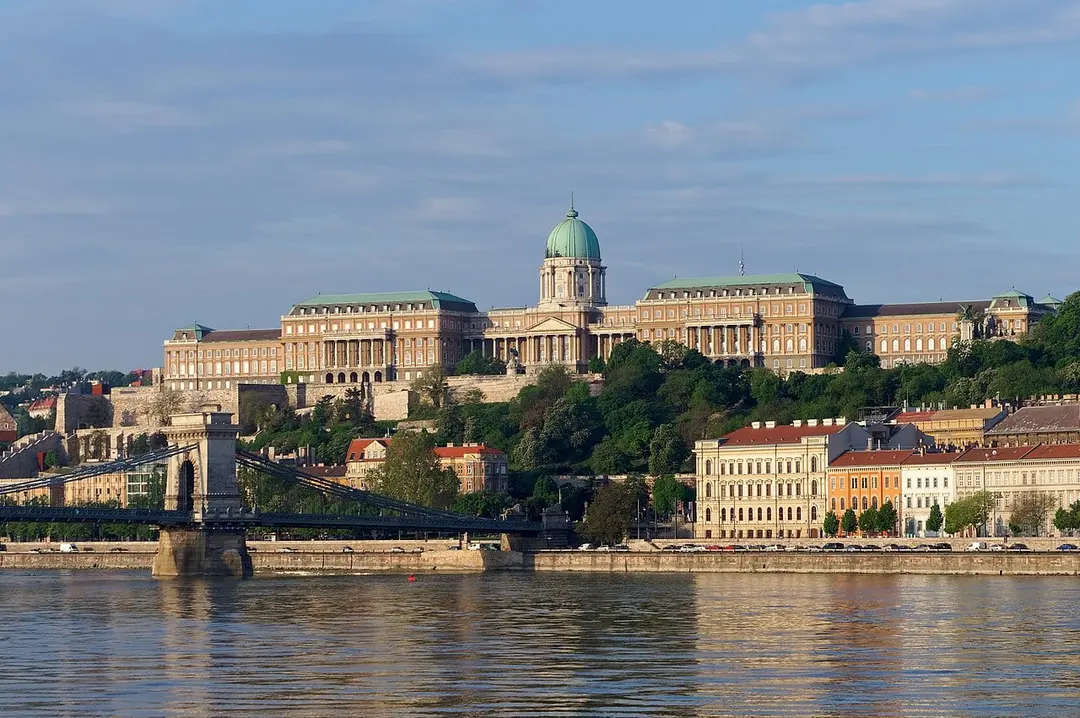
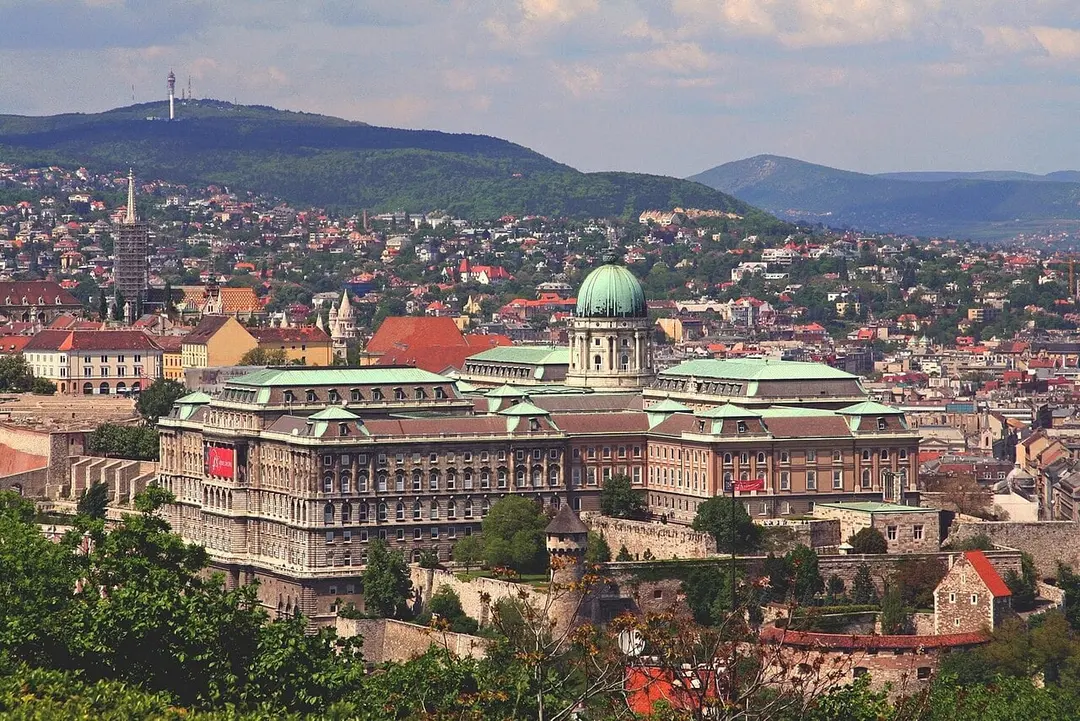
Perched high above the Danube, Buda Castle was the royal residence of Hungary's Apostolic Kings from 1265 to 1918. The sprawling complex atop Castle Hill is Budapest's highest and largest building, inscribed as a UNESCO World Heritage Site in 1987. Over the centuries it was occupied by Ottomans, restored by the Habsburgs, and heavily damaged in World War II, each era leaving its mark on the architecture. Today the palace houses the Hungarian National History Museum and the National Gallery, while its terraces offer sweeping panoramas across both sides of the city.
Budapest
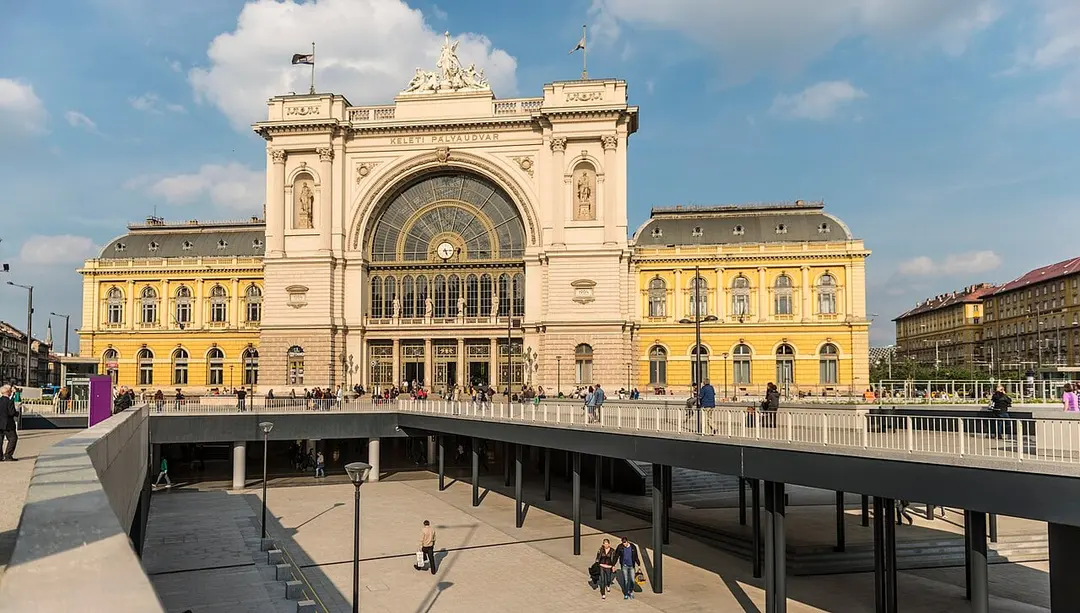
Budapest Keleti, the Eastern Station, is the most important international mainline terminus in the Hungarian capital and one of the architecturally most impressive railway stations in Central Europe. Built between 1881 and 1884 to designs by János Feketeházy in a historicist eclectic style, the building presents a grand facade with a wide arched hall, sculptural ornamentation, and frescoes commemorating Columbus and Stephenson. The booking hall, with its tall glass cupolas and cast-iron structures, still radiates the glamour of 19th-century rail travel. Keleti is the departure point for international trains to Vienna, Belgrade, Bucharest, and Istanbul, making it the most used gateway into the city. For visitors, it is simultaneously the starting point and the first great architectural experience Budapest has to offer.
Budapest
The Castle District crowns Buda Hill in Budapest's first district and stands as one of Central Europe's most impressive historic ensembles. The old Buda town core stretches from the Vienna Gate to Szent György Square, packed with medieval churches, palatial residences, and narrow cobblestone lanes. Despite being almost completely destroyed twice — most recently during World War II — the district was meticulously rebuilt in its Baroque character, which now defines its skyline. Today a UNESCO World Heritage Site, it draws visitors to the Royal Palace, the sweeping Fisherman's Bastion viewpoint, and a wealth of museums tracing Hungarian history.
Budapest
Deák Ferenc tér is Budapest's central hub — the only square in the city where all three metro lines converge. It is named after the Hungarian statesman Ferenc Deák, who played a pivotal role in negotiating the Austro-Hungarian Compromise of 1867 and earned the title "Sage of the Nation." Located in the V. district close to the Danube, the square is surrounded by cafés, tourist information offices, and both Calvinist and Lutheran churches. For visitors, it serves as the practical centre of the inner city: Andrássy Avenue, the Great Synagogue, and the Parliament building are all within a few minutes' walk.
Budapest
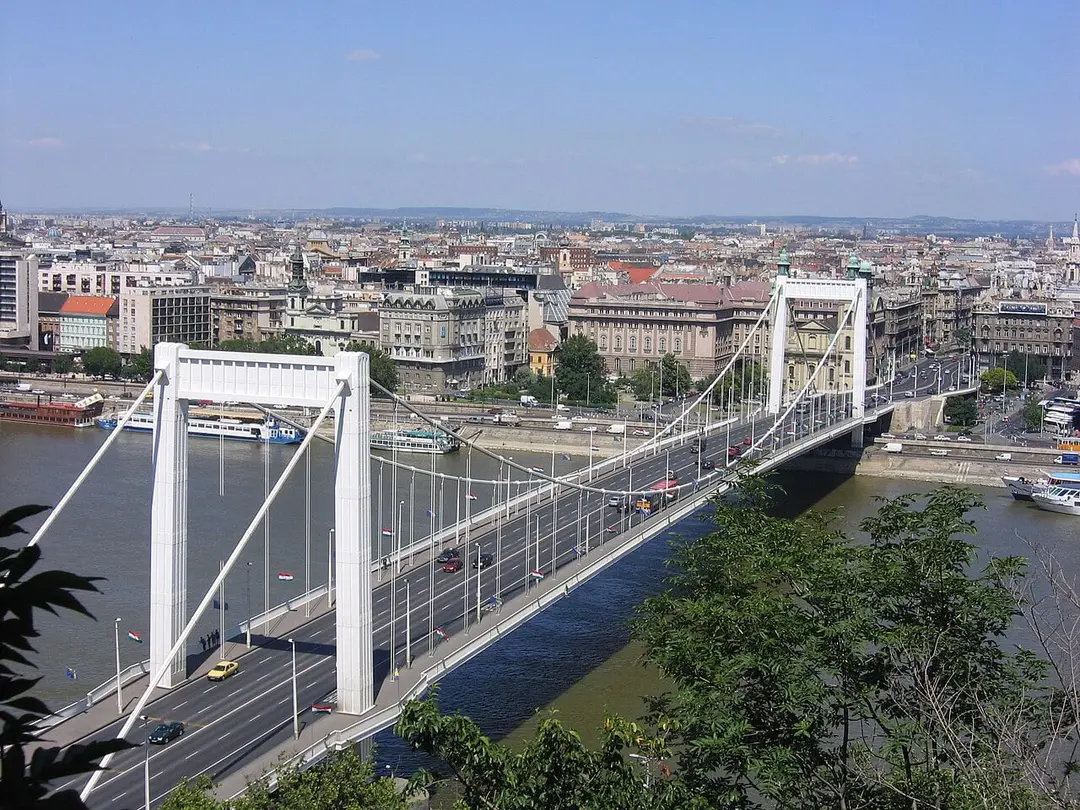
Elisabeth Bridge is one of nine road bridges connecting Buda and Pest across the Danube. Stretching 290 metres, it spans the river between Gellért Hill on the Buda side and the Square of 15 March in Pest. The current bridge dates from 1964, making it the youngest of Budapest's major Danube crossings – a sleek modern structure that replaced its predecessor destroyed during World War II. Walking across the bridge offers striking views of the Castle District, Gellért Hill and the Pest city centre.
Budapest
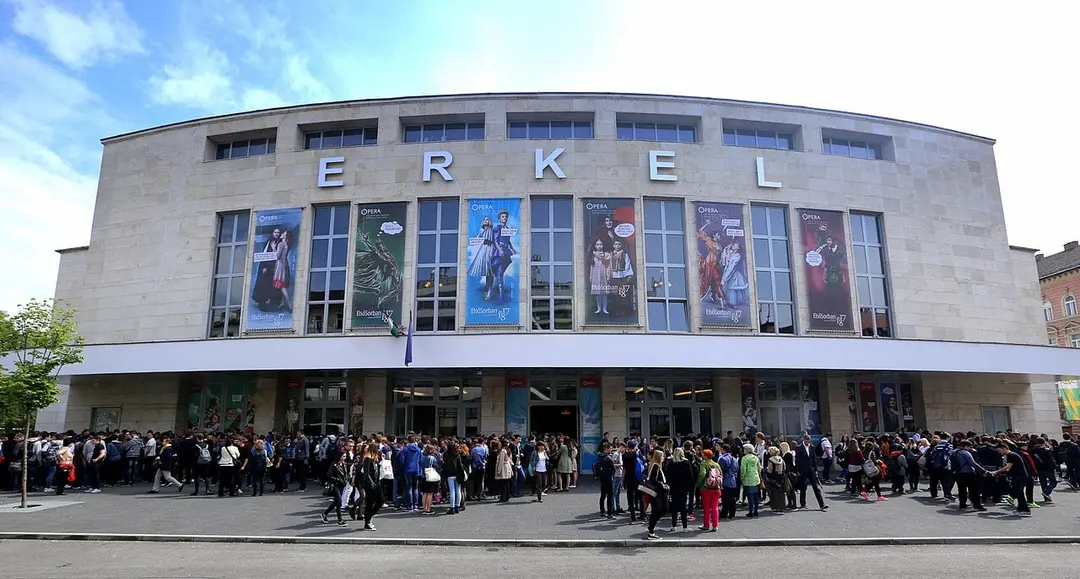
The Erkel Theatre is Budapest's second major opera stage, named after Hungarian national composer Ferenc Erkel, who created the first Hungarian national opera and composed the melody of the national anthem. The venue complements the Hungarian State Opera House for large-scale productions, offering a broad repertoire from classical opera to musicals. With a capacity exceeding that of the historic opera house, it is one of Hungary's largest theatre halls. Today it serves as an alternative venue and for special productions of the State Opera, remaining a vibrant part of Budapest's cultural life.
Budapest
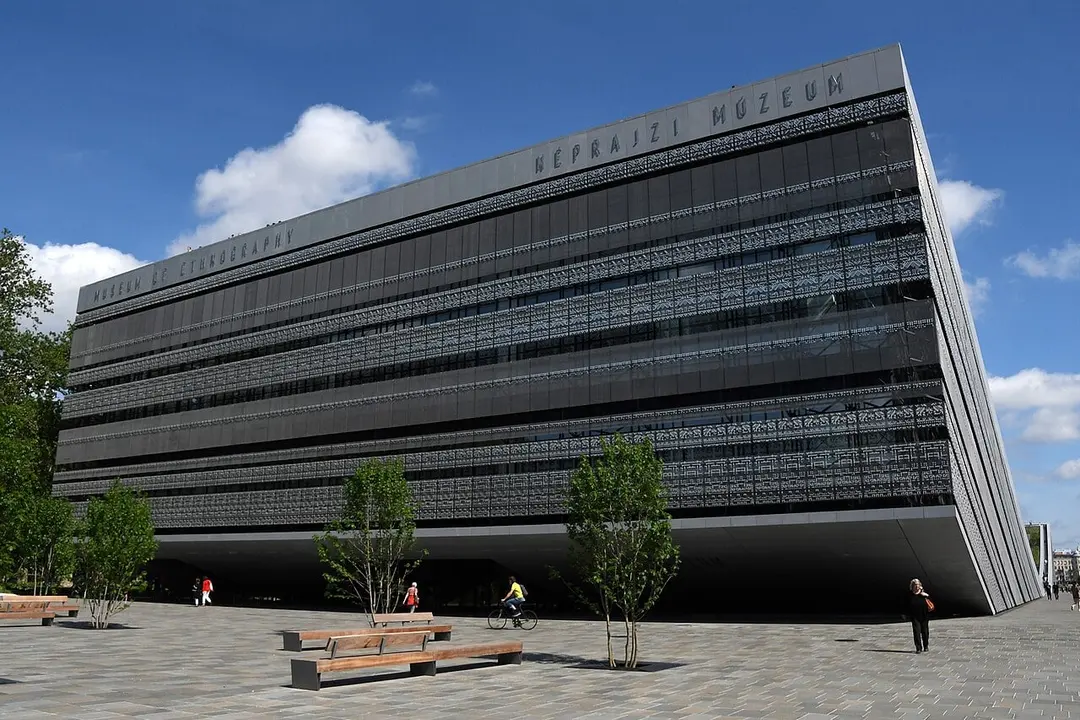
The Ethnographic Museum Budapest ranks among the largest ethnological museums in Europe. Founded in 1872 under its first director János Xántus, it now holds nearly 200,000 exhibits — including around 140,000 Hungarian objects such as traditional costumes, everyday items, and folk art, alongside 60,000 international artifacts from around the world. The museum is located at Dózsa György út 35 in Budapest's 14th district. Its collection documents centuries of rural and urban Hungarian life and places it within a global cultural context. Special exhibitions explore themes from folk rituals to contemporary urban ethnography. A visit combines curiosity about everyday culture with remarkable depth of collection.
Budapest
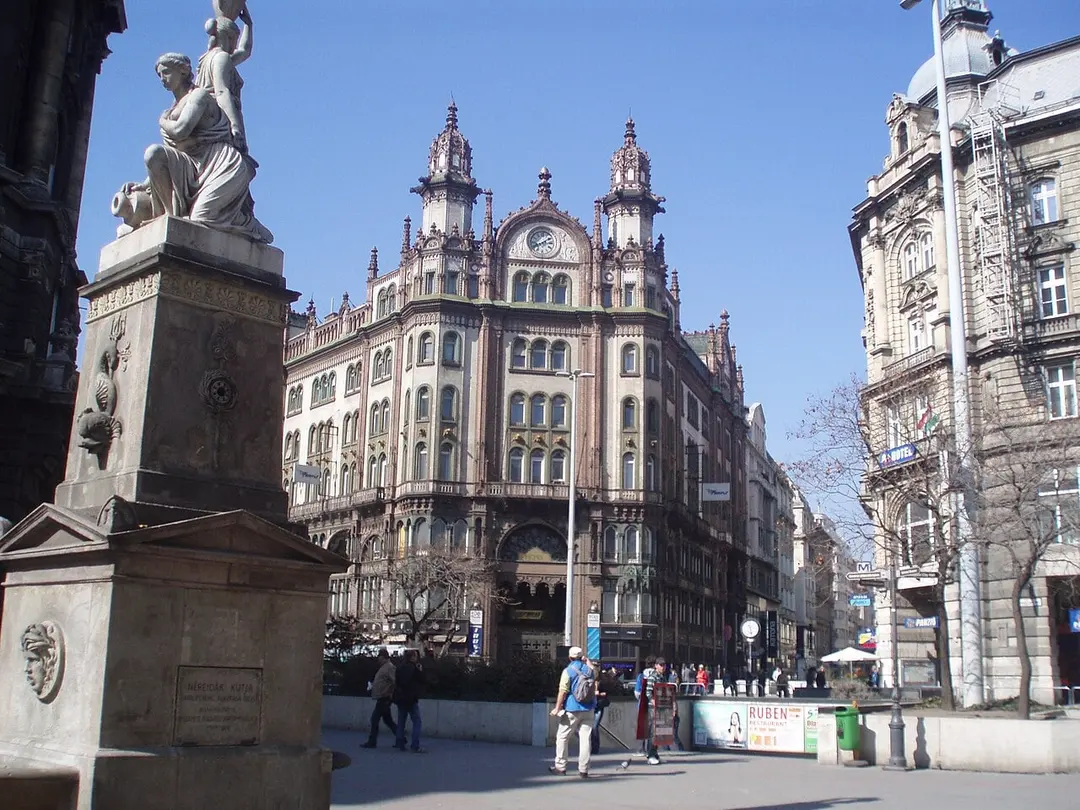
Ferenciek tere — Franciscans Square in English — is one of the most vibrant squares in Budapest's 5th district, set at the heart of the historic city centre. The square takes its name from the magnificent Baroque Franciscan Church that dominates its character. It also serves as a major transport hub: the Ferenciek tere station of metro line M3 sits directly below, connecting the centre to the entire city. Surrounding cafés, bookshops, and pedestrian shopping streets make it a natural gathering point for locals and tourists alike. The blend of historic architecture and everyday urban life makes Ferenciek tere an essential Budapest experience.
Budapest
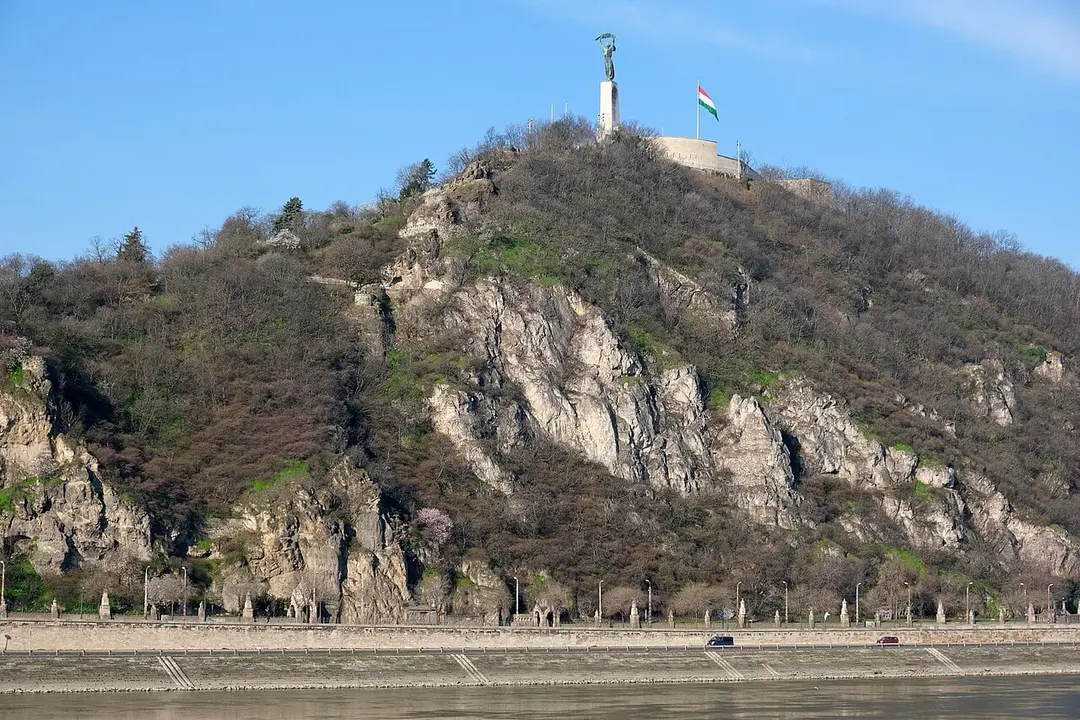
Gellért Hill rises 235 metres above the Danube and offers one of the most spectacular panoramas in Budapest — across both halves of the city, the Chain Bridge, Parliament, and Buda Castle. It is named after the Venetian bishop Gellért who, according to legend, was thrown into the Danube in a barrel from this very hill in the 11th century. In folk tradition the hill long served as a Blocksberg — a gathering place for witches on Walpurgis Night. Today the summit is crowned by the Habsburg-era Citadel and the Liberty Statue. The park on its slopes invites leisurely walks with sweeping city views.
Budapest
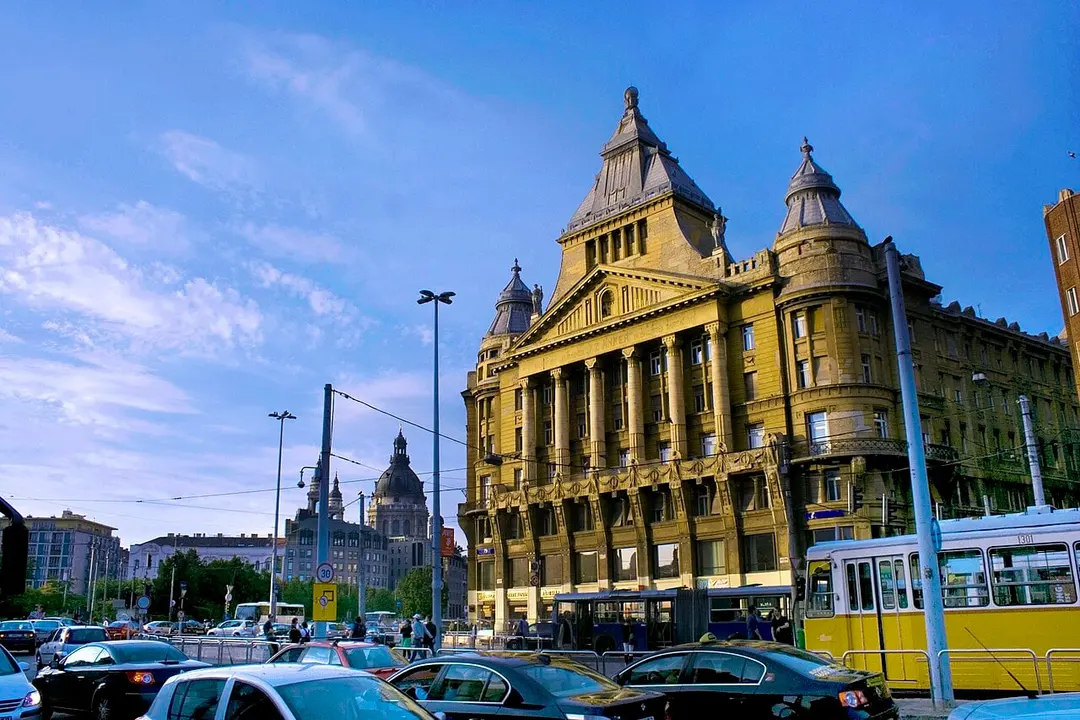
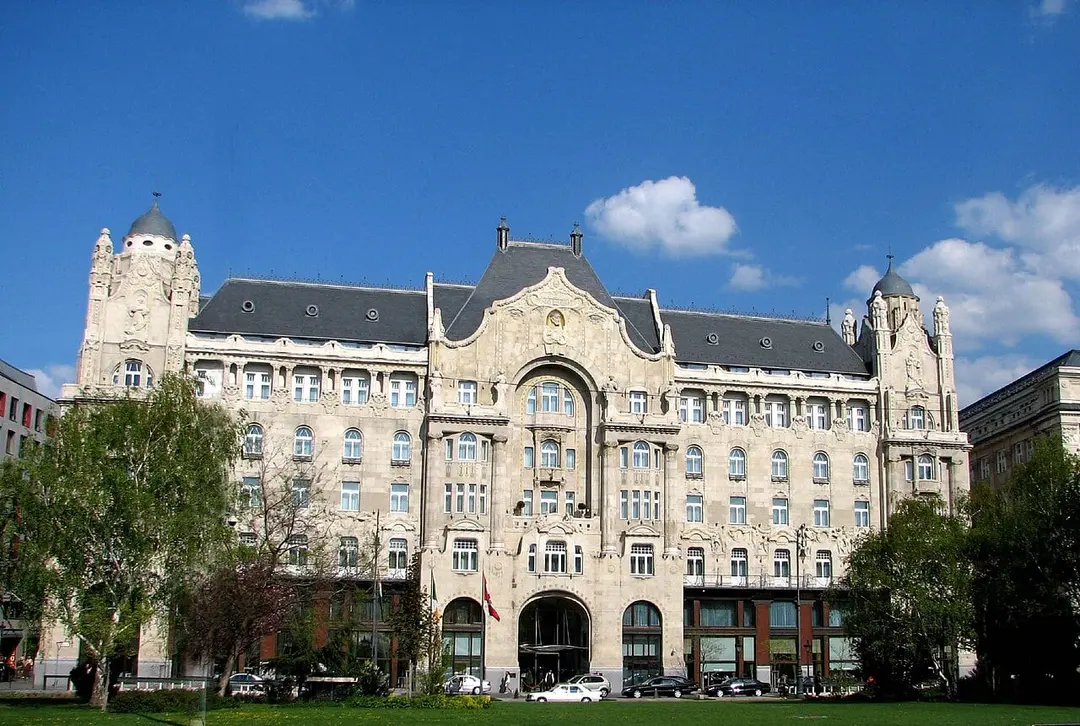
Gresham Palace is one of Budapest's most magnificent Art Nouveau buildings, occupying an unrivalled position at Széchenyi István Square — the Pest bridgehead of the famous Chain Bridge. The building was designed by Zsigmond Quittner and completed in 1907 in Secessionist style, featuring richly ornamented façades, elaborate mosaics and a spectacular glass-roofed courtyard. It was commissioned by the English Gresham Life Assurance Company, named after Tudor financier Thomas Gresham. Over the 20th century the palace suffered from neglect and wartime damage before being meticulously restored and reopened in 2004 as a five-star hotel under the Four Seasons brand. Today visitors can admire the breathtaking façade and step into the publicly accessible lobby — an unmissable stop for anyone interested in architecture in Budapest.
Budapest
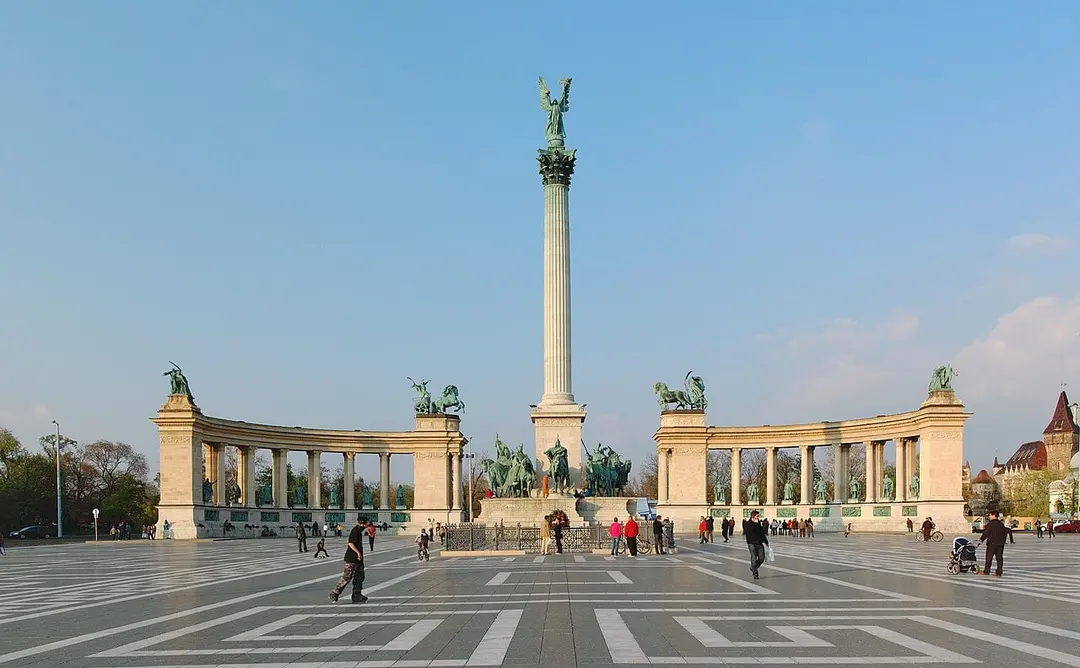
Heroes' Square in Budapest's 14th district is one of Hungary's most significant public spaces and part of the UNESCO World Heritage Site. It forms the grand finale of the Andrássy Avenue and serves as the gateway to City Park (Városliget). The centrepiece is the Millennium Monument with its 36-metre central column topped by the Archangel Gabriel, erected in 1896 to celebrate 1,000 years of Hungarian history. The colonnade semicircle features life-size equestrian statues of the seven Magyar chieftains and bronze reliefs of important Hungarian rulers and statesmen. The square is flanked by the Museum of Fine Arts and Kunsthalle Budapest. It functions both as a major tourist attraction and as the stage for important state and sporting events.
Budapest
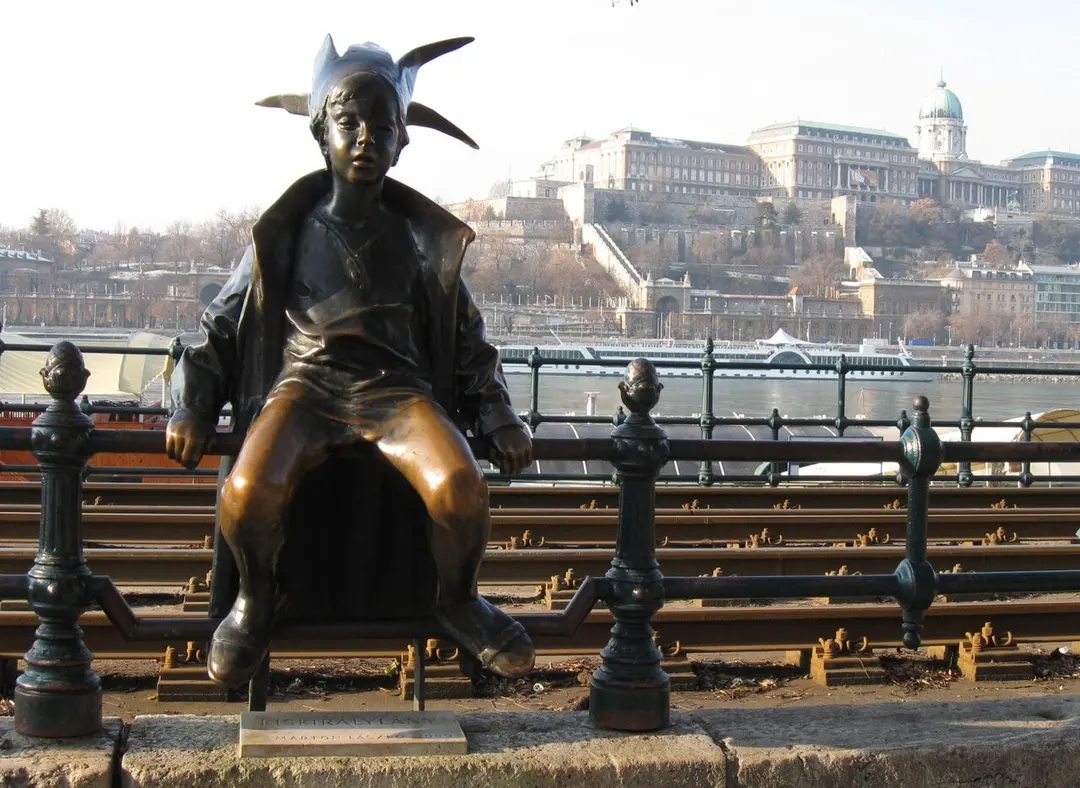
The Little Princess (Kiskirálylány) is a charming bronze sculpture perched on the railings of Budapest's Danube promenade. Hungarian sculptor László Marton created the original 50 cm statuette in 1972; today a life-size version sits along the Kossuth promenade, gazing toward the Parliament building. The figure — a girl with a crown of leaves — is one of Budapest's most photographed spots and a delightful fixture on any riverside walk.
Budapest
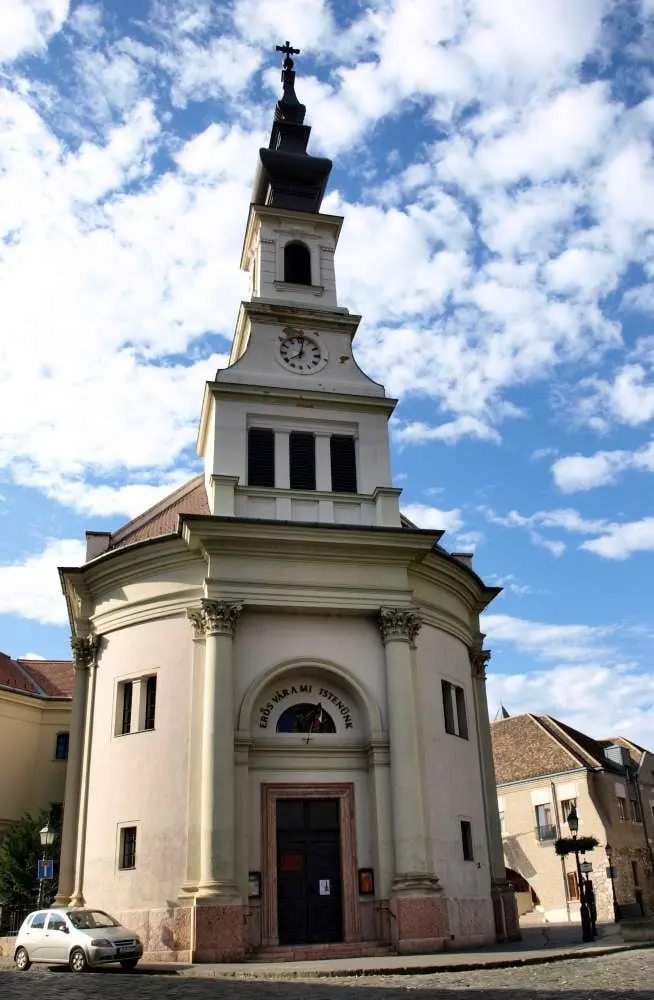
The Lutheran Church in the Castle District is one of the few Protestant churches in Budapest's historic Buda Castle quarter. It was built in 1895 to plans by architect Mór Kallina and stands at Táncsics Mihály utca 28, at the corner of Bécsi kapu tér — the Vienna Gate Square, one of the most beautiful squares in the Castle District. The church combines elements of historicism and neo-Gothic style, blending harmoniously into the medieval streetscape of the 1st District. The interior is simple and bright, preserving the Lutheran tradition of plain worship. The Castle District is a UNESCO World Heritage Site and one of Budapest's most visited neighbourhoods.
Budapest
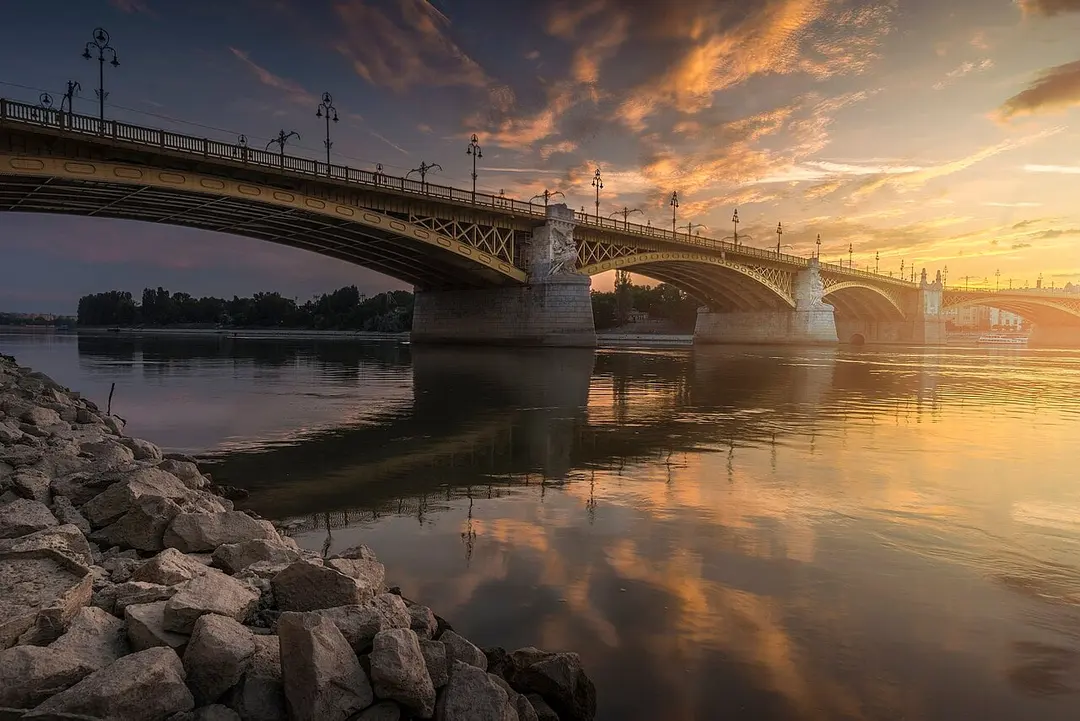
Margaret Bridge is one of nine road bridges across the Danube in Budapest, connecting Buda and Pest. Unusually, it is a three-way bridge that also links Margaret Island directly to both banks. The current structure dates from 2011, making it the most recently rebuilt of Budapest's historic bridges. With stone river piers, it is among the few bridges of its type that have survived in Budapest.
Budapest
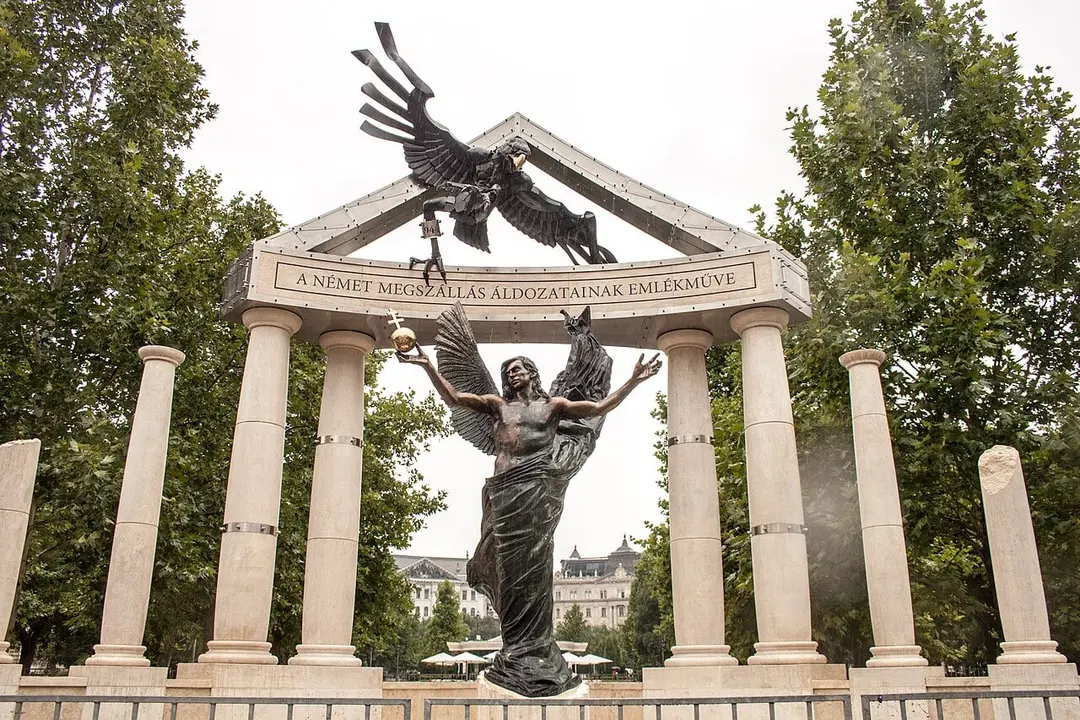
The Memorial for the Victims of the German Occupation stands on Liberty Square in Budapest and was unveiled on 19 March 2014, the 70th anniversary of the Wehrmacht entering Hungary. The monument shows a column group with reliefs and two bronze figures: Hungary as the protective archangel Gabriel, and the German occupation as an eagle. It has been deeply controversial since its erection — critics see it as an attempt to obscure Hungary's own role in the Holocaust. Directly opposite, citizens and survivors have assembled an unofficial counter-memorial of photos, documents, and stones that challenges the official narrative.
Budapest
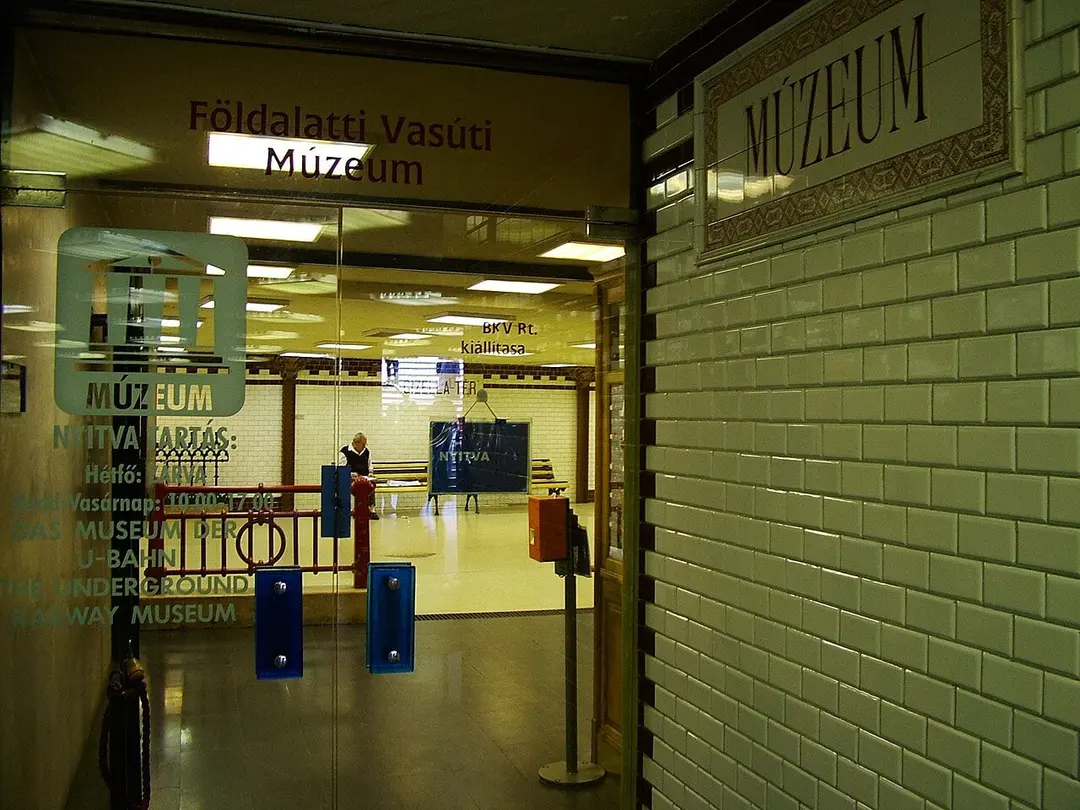
The Földalatti Vasúti Múzeum, or Underground Railway Museum, is a unique specialist museum housed in a disused section of Line M1 — the oldest electric metro on the European continent. The M1 opened in 1896 for Hungary's millennium celebrations and still runs between Deák tér and Széchenyi Fürdő. Inside the museum, visitors can explore historic carriages from different decades, examine signalling equipment, and follow the full history of Budapest public transport from its Victorian origins to the present day. Opened in 1975, the museum forms part of the UNESCO World Heritage Andrássy út corridor.
Budapest
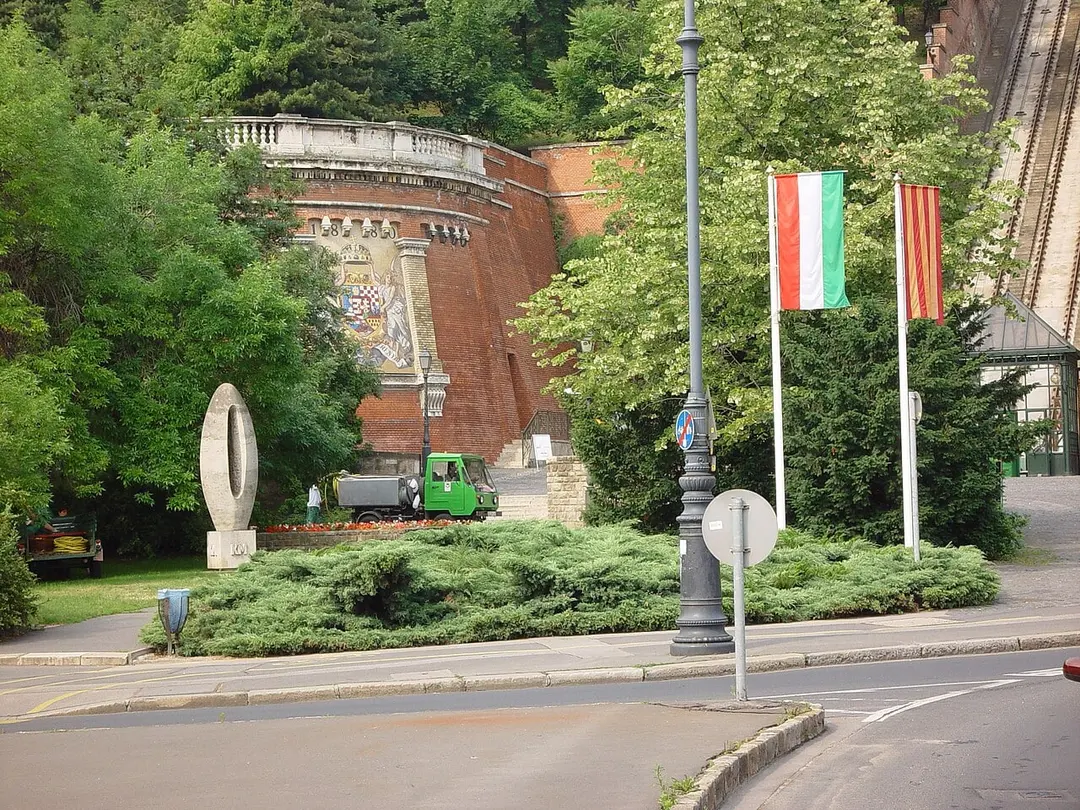
The Zero Kilometre Stone is a 3-metre limestone sculpture by Hungarian artist Miklós Borsos, unveiled in 1975 near the Széchenyi Chain Bridge in Budapest. It marks Hungary's official kilometre zero — the reference point from which all road distances in the country are measured. Borsos rendered the concept as an abstract zero sign with a simple 'KM' inscription, deliberately understated for such a foundational marker. The stone was originally positioned at the threshold of Buda Royal Palace before being relocated to its current riverside spot.
Keep exploring
Rate places with a swipe — TravelType learns from your tags what you love and curates your own map. Private until you choose to share.