TravelType

history

History in Budapest

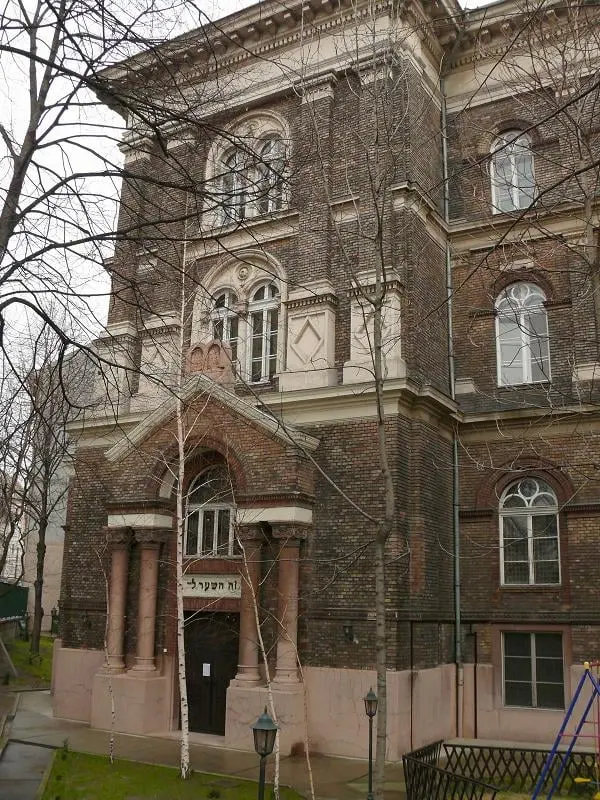
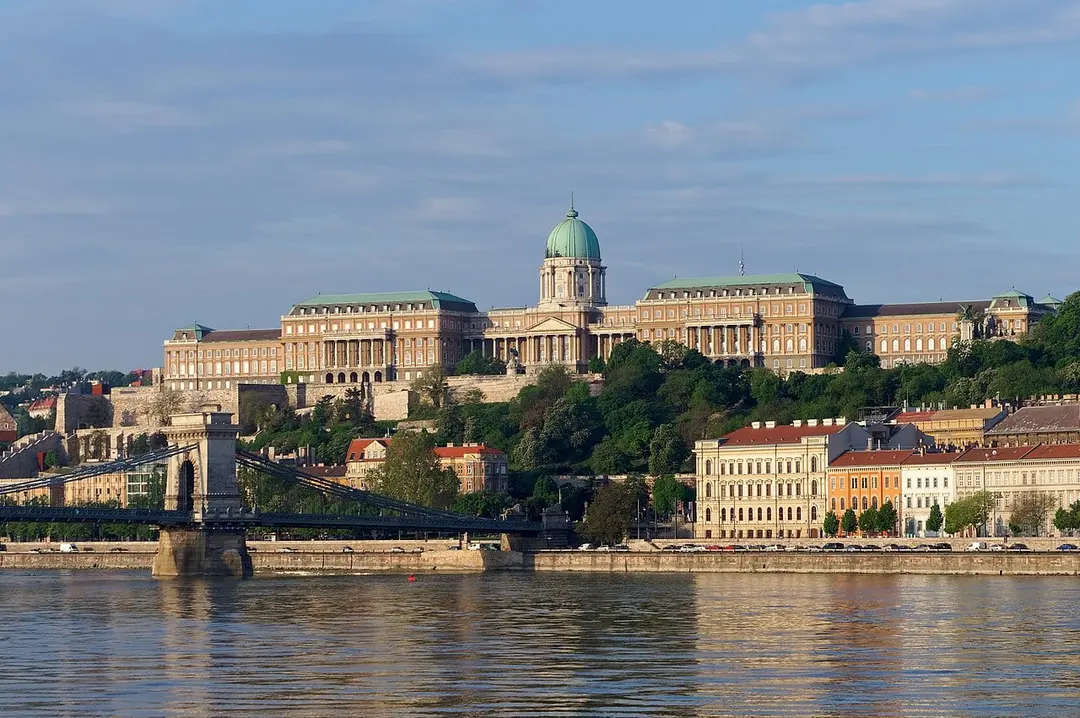
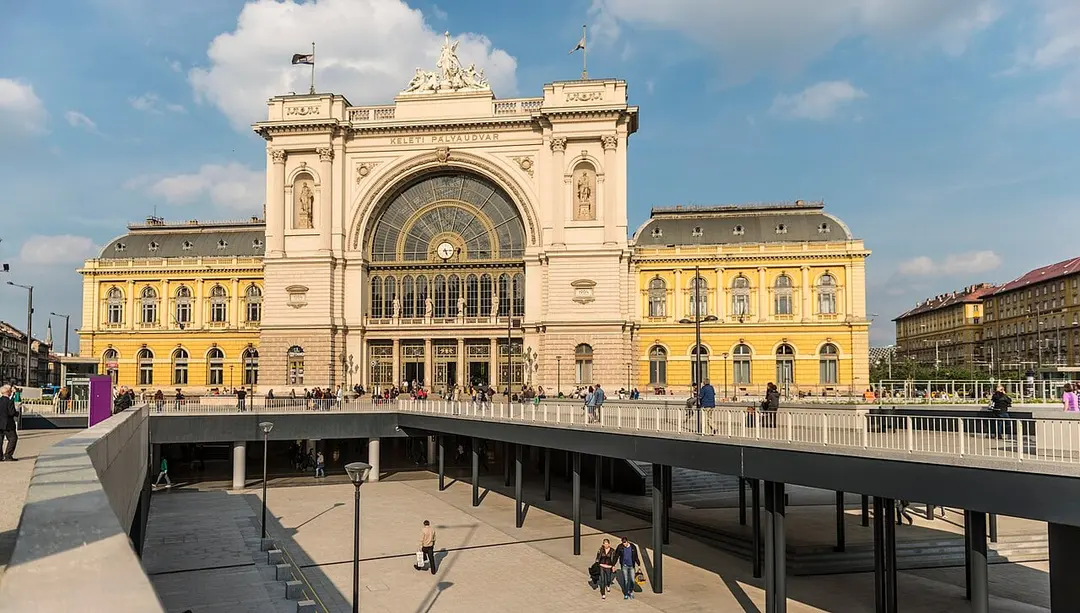
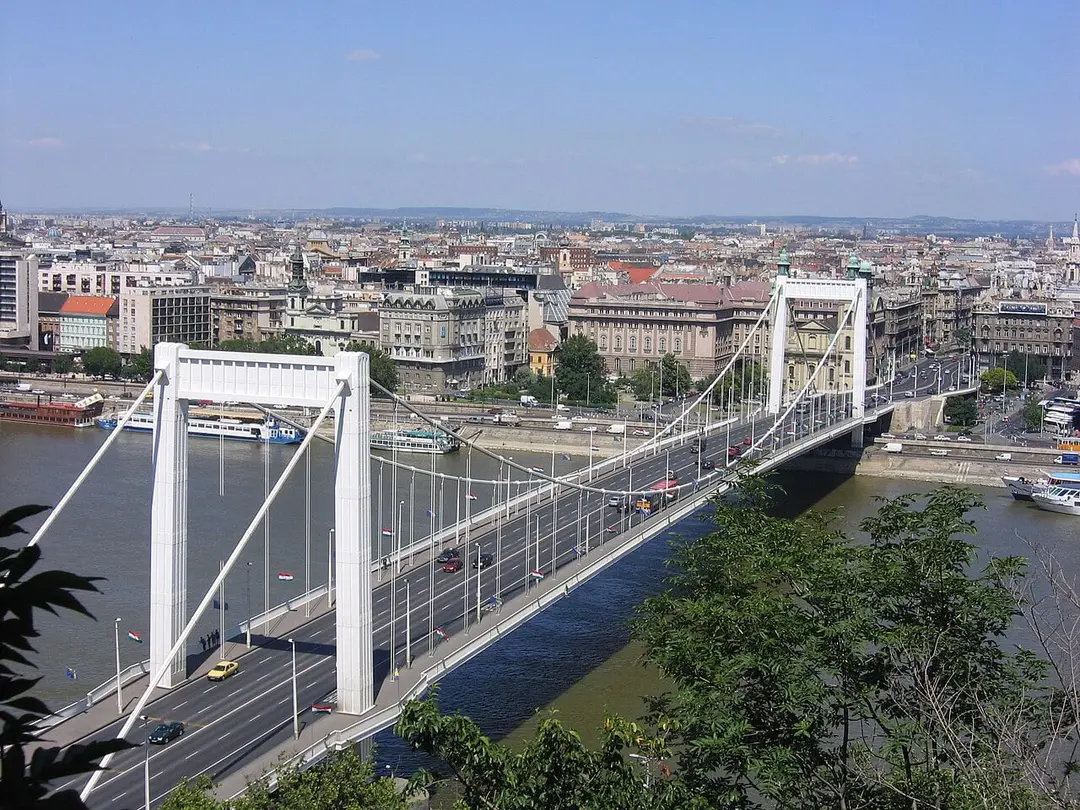
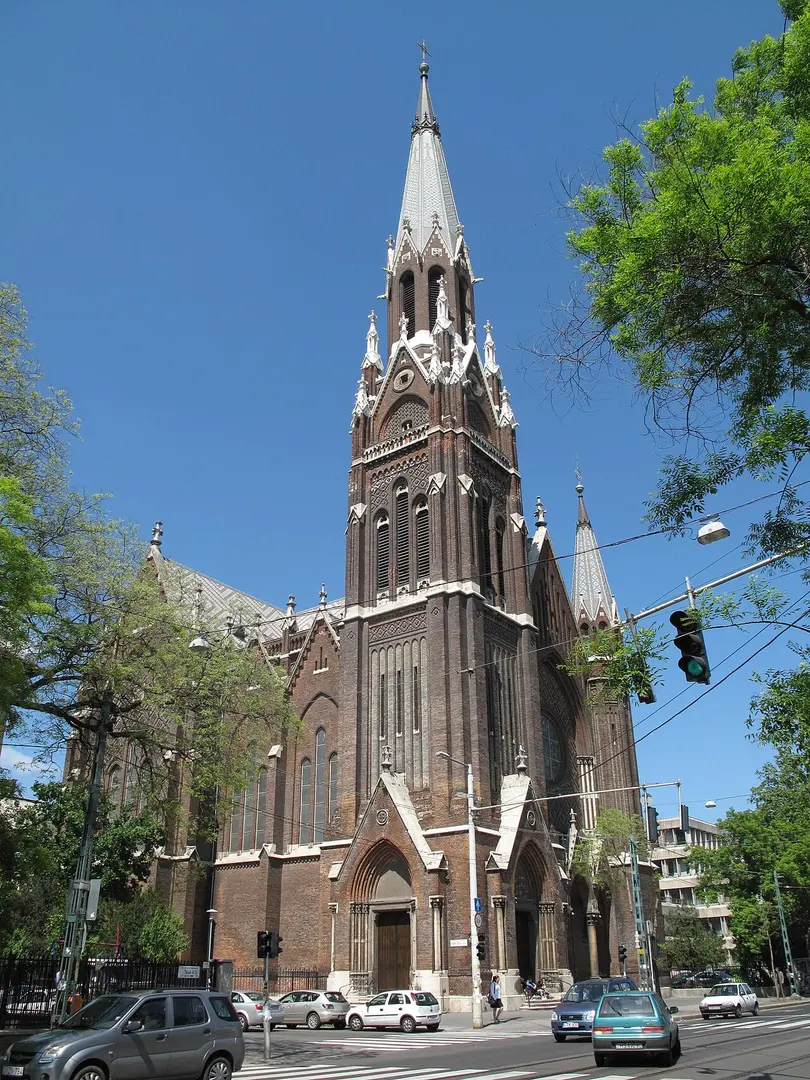
Budapest preserves its history in distinct layers. In the north, the Roman settlement of Aquincum survives through its museum, civil amphitheatre, and military amphitheatre, remnants of the former provincial capital of Pannonia inferior. The medieval Castle District rises above the Danube, anchored by Buda Castle and overlooked by the Citadel. Religious heritage surfaces at the Bethlen Square Status-Quo Ante Synagogue and the Dózsa György Street Synagogue. At street level, Deák Ferenc tér has served as a civic crossroads across several eras, while Budapest Keleti Station reflects the city's 19th-century ambitions. Elisabeth Bridge ties these many periods together across the river.

28 places · Budapest, Hungary · Editorially curated

  • Aquincum

    Aquincum

    Budapest

    cultureknowledge

    Aquincum was the Roman predecessor city of Budapest, established from the early 1st century CE on the right bank of the Danube. As capital of Pannonia inferior province, it was seat of the governor and a legionary garrison, growing to a city of around 40,000 inhabitants with baths, an amphitheatre, aqueduct, and city walls. The excavated remains in the modern 3rd District are among the most significant Roman archaeological sites in Central Europe.
  • Aquincum Civil Amphitheatre

    Aquincum Civil Amphitheatre

    Budapest

    architectureknowledge

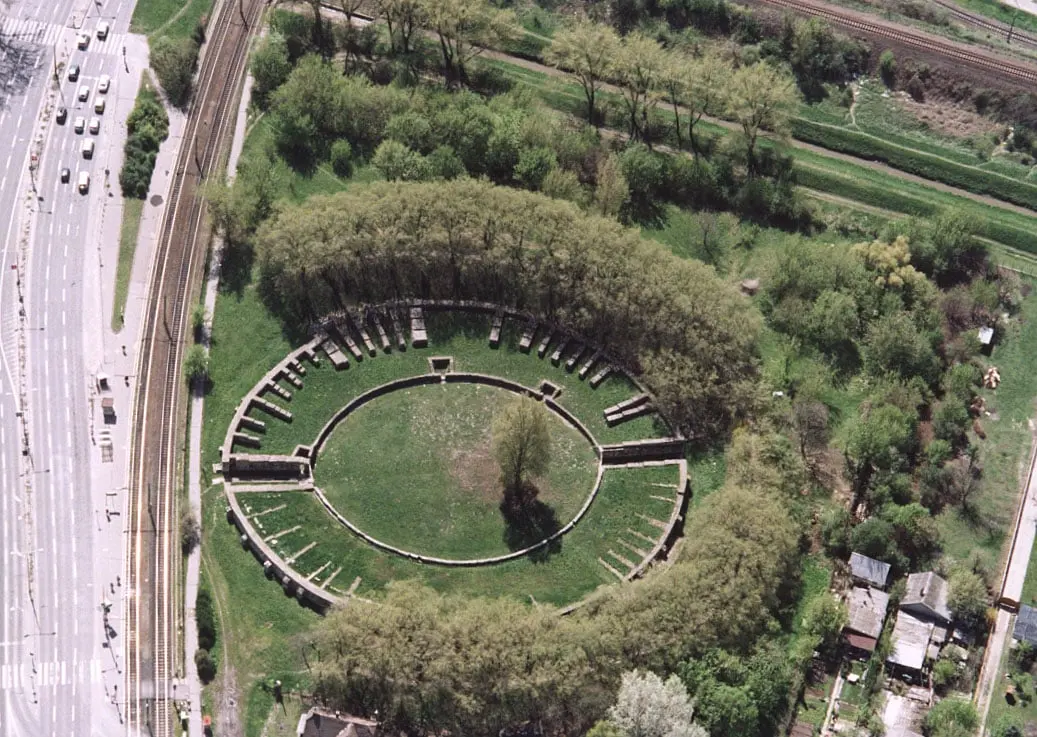
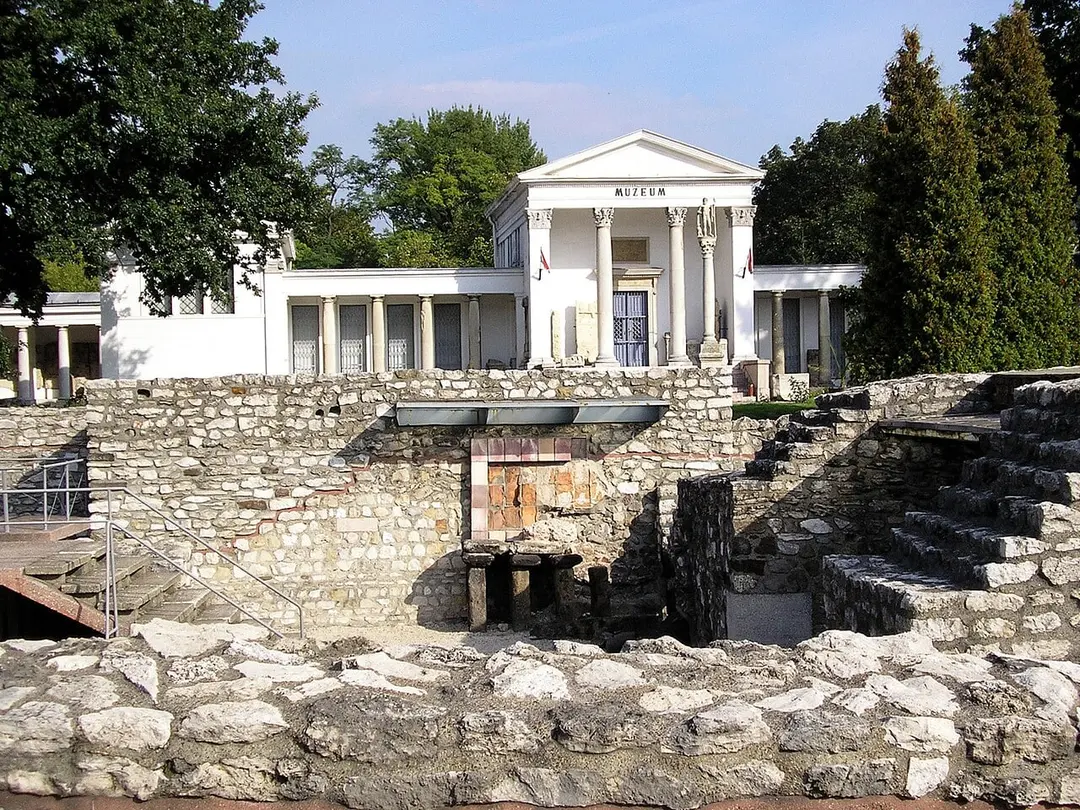
    The Civil Amphitheatre of Aquincum was built in the 2nd century CE in the northern section of the Roman civilian city, serving alongside the larger military amphitheatre to the south. With a capacity of around 6,000 spectators, it was a significant cultural venue for Roman Pannonia. The surviving ruins are located in Budapest's 3rd District.

  • Aquincum Museum

    Aquincum Museum

    Budapest

    cultureknowledge

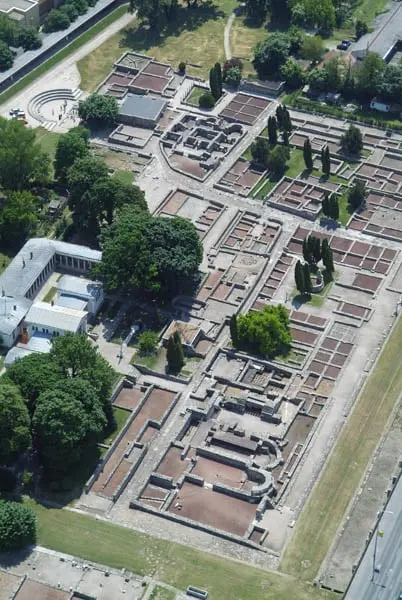
    The Aquincum Museum in Budapest's 3rd District presents the history and archaeology of Roman Aquincum, Budapest's ancient predecessor city. A branch of the Budapest History Museum, it displays finds from on-site excavations: mosaics, sculptures, everyday objects, and inscriptions. The open-air site surrounding the museum includes exposed ruins of the Roman civilian city.

  • Bethlen Square Status-Quo Ante Synagogue, Budapest

    Bethlen Square Status-Quo Ante Synagogue, Budapest

    Budapest

    architectureculture

    The Bethlen Square Synagogue stands on Bethlen Gábor tér in Budapest's VII district, the city's historic Jewish quarter. Built in the 1930s in a conservative style, it belongs to the Status-quo-ante congregation — one of the three main streams of Hungarian Judaism. The building, with its distinctive facade and galleried interior, reflects the rich Jewish cultural history of Budapest. The city was once home to one of the largest Jewish communities in Europe, and synagogues like this one bear witness to that remarkable history. The Bethlen Square Synagogue remains in active religious use today and is part of Budapest's living Jewish heritage.

  • Buda Castle

    Buda Castle

    Budapest

    architectureculturelocal gems+1

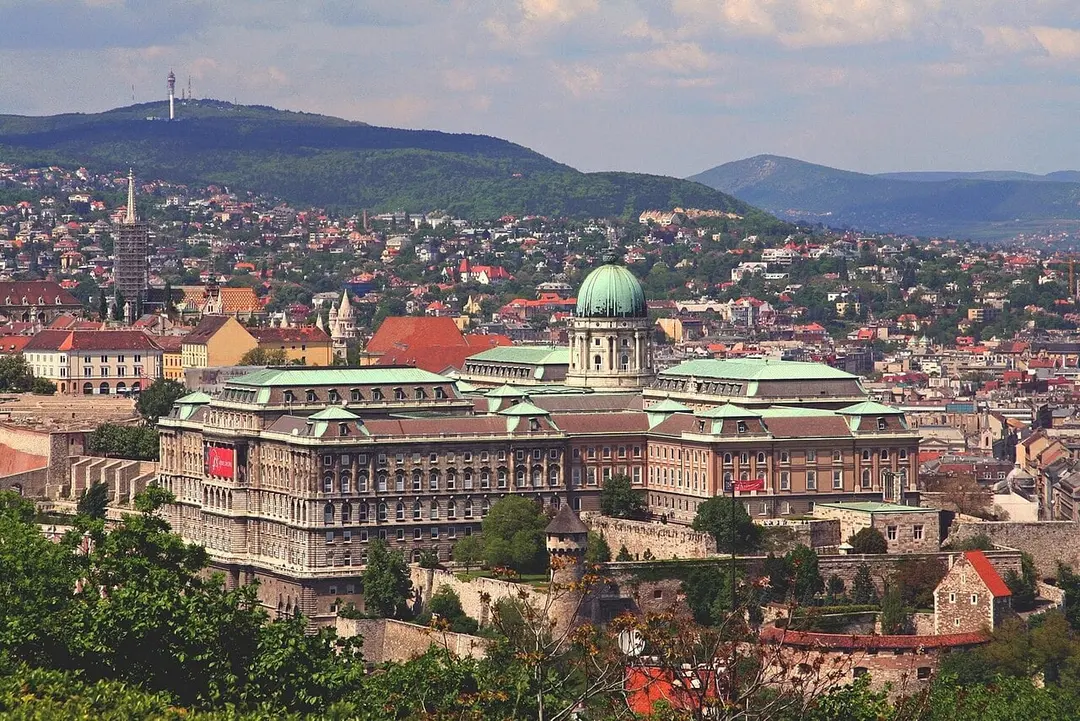
    Perched high above the Danube, Buda Castle was the royal residence of Hungary's Apostolic Kings from 1265 to 1918. The sprawling complex atop Castle Hill is Budapest's highest and largest building, inscribed as a UNESCO World Heritage Site in 1987. Over the centuries it was occupied by Ottomans, restored by the Habsburgs, and heavily damaged in World War II, each era leaving its mark on the architecture. Today the palace houses the Hungarian National History Museum and the National Gallery, while its terraces offer sweeping panoramas across both sides of the city.

  • Budapest Keleti Station

    Budapest Keleti Station

    Budapest

    architecturelocal gems

    Budapest Keleti, the Eastern Station, is the most important international mainline terminus in the Hungarian capital and one of the architecturally most impressive railway stations in Central Europe. Built between 1881 and 1884 to designs by János Feketeházy in a historicist eclectic style, the building presents a grand facade with a wide arched hall, sculptural ornamentation, and frescoes commemorating Columbus and Stephenson. The booking hall, with its tall glass cupolas and cast-iron structures, still radiates the glamour of 19th-century rail travel. Keleti is the departure point for international trains to Vienna, Belgrade, Bucharest, and Istanbul, making it the most used gateway into the city. For visitors, it is simultaneously the starting point and the first great architectural experience Budapest has to offer.
  • Castle District

    Castle District

    Budapest

    architecturelocal gemsknowledge+1

    The Castle District crowns Buda Hill in Budapest's first district and stands as one of Central Europe's most impressive historic ensembles. The old Buda town core stretches from the Vienna Gate to Szent György Square, packed with medieval churches, palatial residences, and narrow cobblestone lanes. Despite being almost completely destroyed twice — most recently during World War II — the district was meticulously rebuilt in its Baroque character, which now defines its skyline. Today a UNESCO World Heritage Site, it draws visitors to the Royal Palace, the sweeping Fisherman's Bastion viewpoint, and a wealth of museums tracing Hungarian history.

  • Deák Ferenc tér

    Deák Ferenc tér

    Budapest

    architecturelocal gems

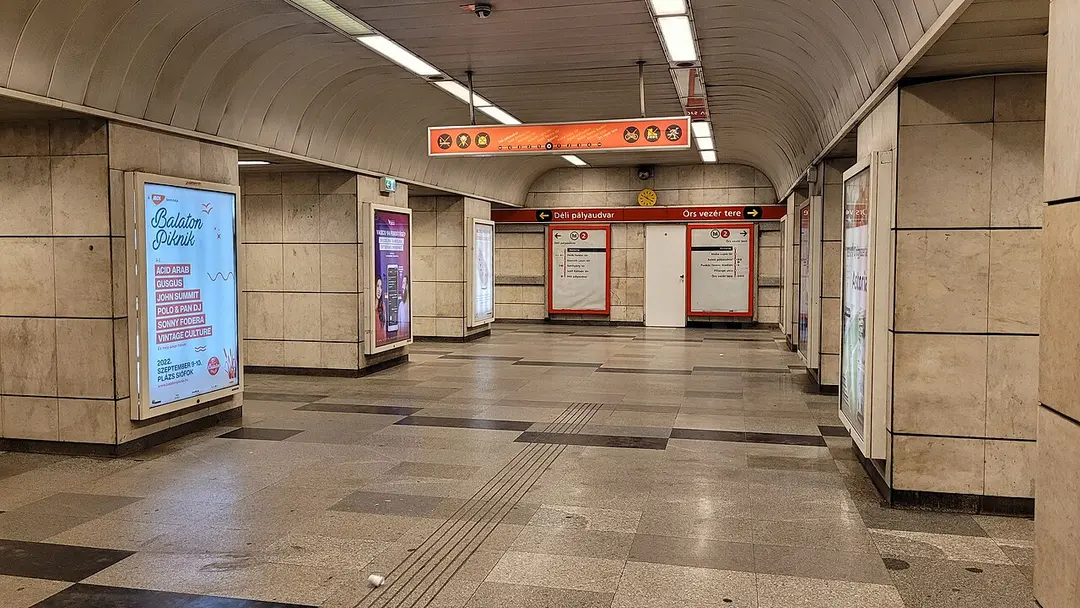
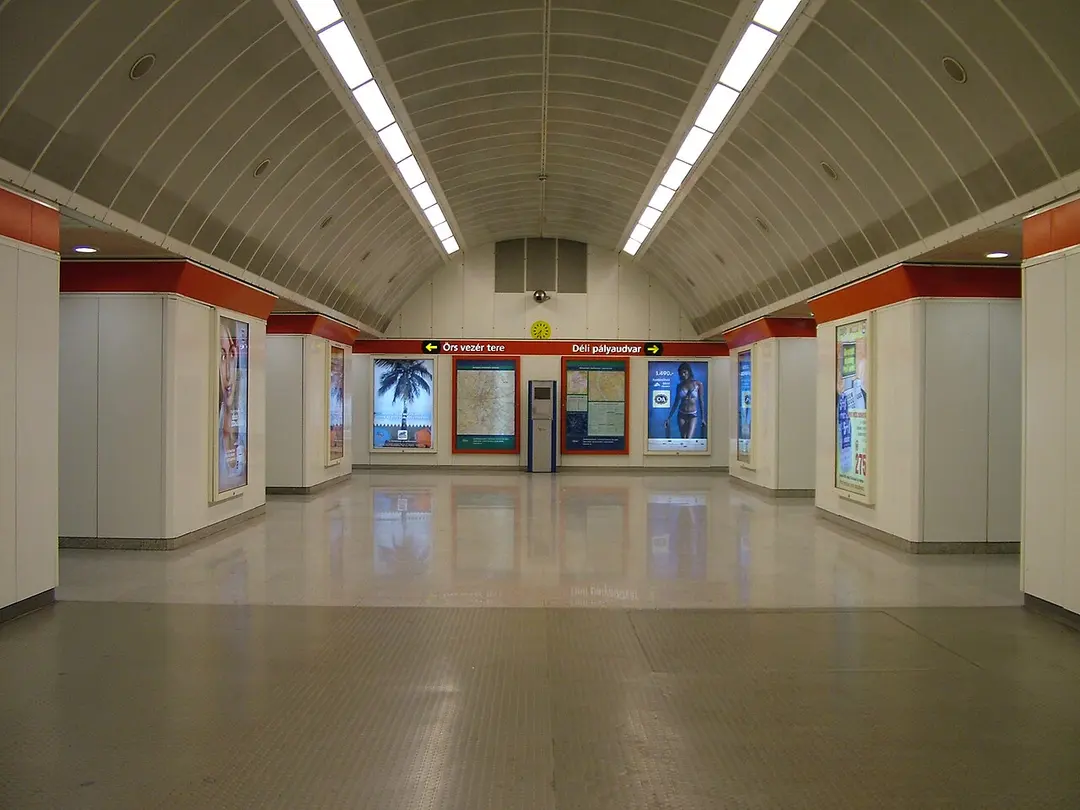
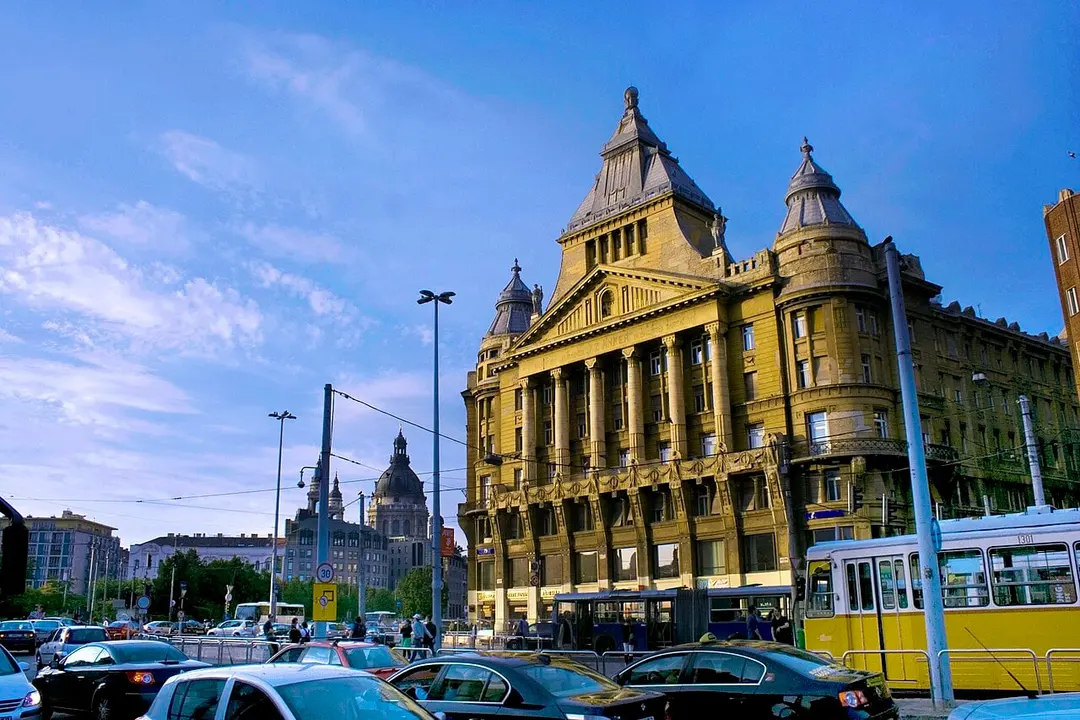
    Deák Ferenc tér is Budapest's central hub — the only square in the city where all three metro lines converge. It is named after the Hungarian statesman Ferenc Deák, who played a pivotal role in negotiating the Austro-Hungarian Compromise of 1867 and earned the title "Sage of the Nation." Located in the V. district close to the Danube, the square is surrounded by cafés, tourist information offices, and both Calvinist and Lutheran churches. For visitors, it serves as the practical centre of the inner city: Andrássy Avenue, the Great Synagogue, and the Parliament building are all within a few minutes' walk.

  • Elisabeth Bridge

    Elisabeth Bridge

    Budapest

    architectureculturelocal gems+1

    Elisabeth Bridge is one of nine road bridges connecting Buda and Pest across the Danube. Stretching 290 metres, it spans the river between Gellért Hill on the Buda side and the Square of 15 March in Pest. The current bridge dates from 1964, making it the youngest of Budapest's major Danube crossings – a sleek modern structure that replaced its predecessor destroyed during World War II. Walking across the bridge offers striking views of the Castle District, Gellért Hill and the Pest city centre.

  • Farkasréti Cemetery

    Farkasréti Cemetery

    Budapest

    architectureromance

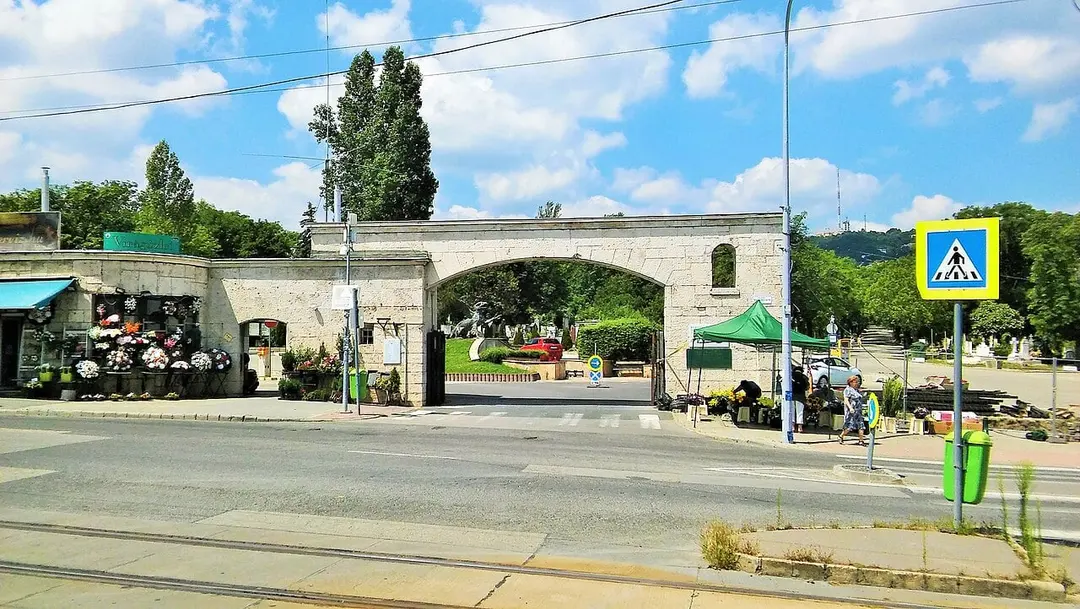
    Farkasrét Cemetery in Budapest's 12th district (Hegyvidék) is one of the city's most significant burial grounds. Since its opening in 1894 it has been the final resting place of many of Hungary's greatest figures — composers, writers, and artists among them. Its most architecturally remarkable feature is the mortuary chapel designed in 1975 by Hungarian architect Imre Makovecz in his signature organic style. The sweeping wooden forms evoke a felled tree and are considered one of Makovecz's masterworks. The cemetery offers a calm, almost meditative atmosphere and serves as a quiet testament to Hungarian cultural history.

  • Fiume Road Graveyard

    Fiume Road Graveyard

    Budapest

    architecturenature

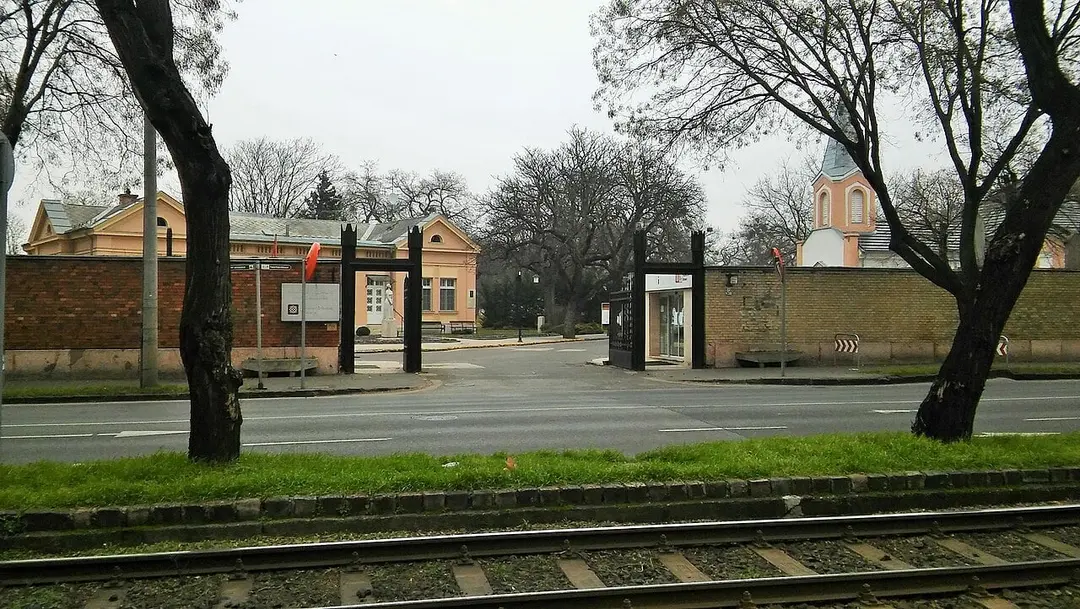
    The Fiumei Úti Sírkert — formerly known as Kerepesi temető — is one of Hungary's most significant cemeteries and a kind of national pantheon. Since its opening in 1847, it has been the resting place of numerous Hungarian statesmen, poets, composers, and revolutionaries, including Lajos Kossuth, the leader of the 1848 freedom struggle. Magnificent mausoleums, ivy-covered tombstones, and shady avenues make it an unusual place caught between mourning and garden art. The cemetery lies in the 8th district of Józsefváros, near Keleti railway station, and is freely accessible.

  • Franz Liszt Academy of Music

    Franz Liszt Academy of Music

    Budapest

    architecturecultureknowledge

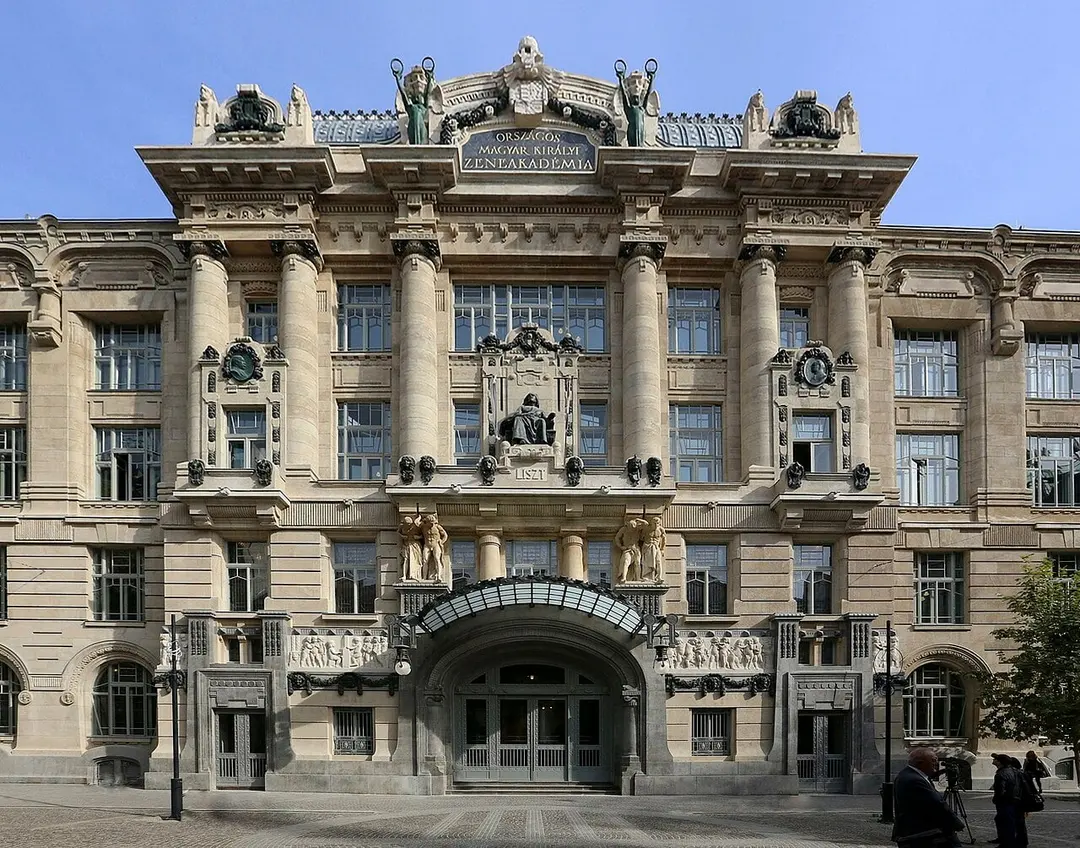
    The Franz Liszt Academy of Music in Budapest ranks among Europe's most prestigious music conservatories. Founded in 1875 by composer Franz Liszt himself, it today enrols around 900 students and is Hungary's largest music university. Its magnificent Art Nouveau building on Liszt Ferenc Square, inaugurated in 1907, is one of Budapest's finest architectural gems. Alongside its educational mission, the academy hosts frequent public concerts — welcoming audiences into one of the city's most acoustically superb halls. Following extensive restoration, the building now shines with renewed splendour.

  • Glass House

    Glass House

    Budapest

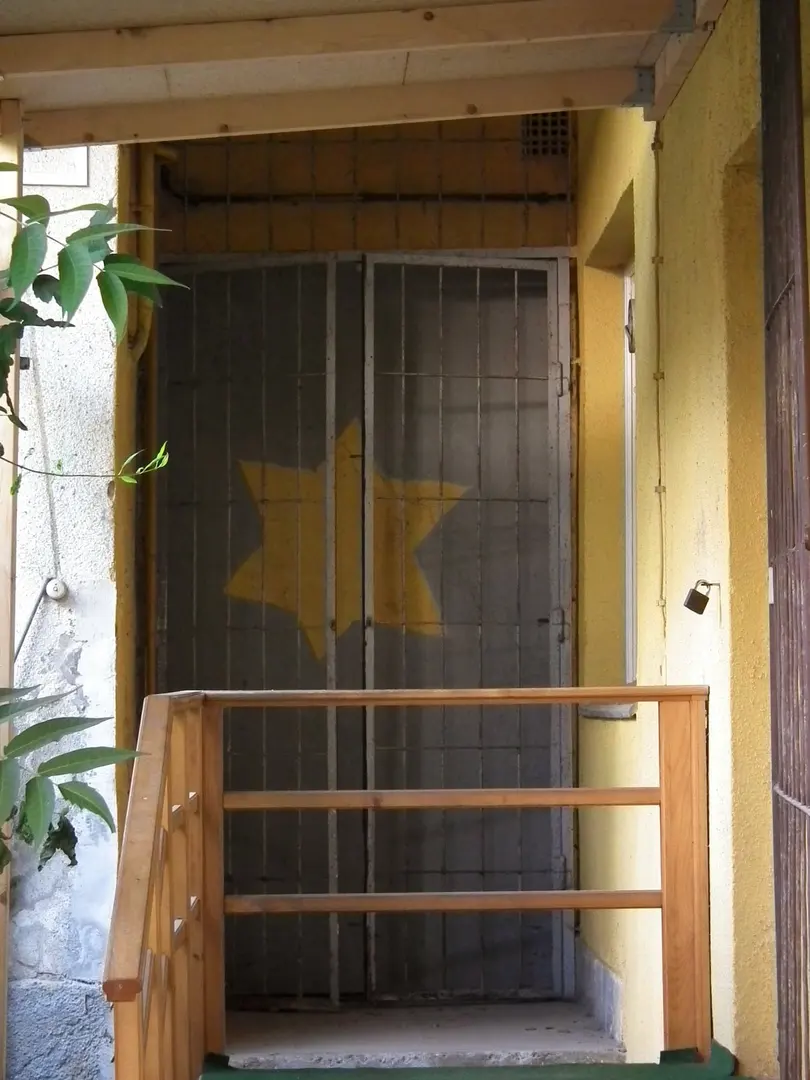
    The Glass House at 29 Vadász utca in Budapest's 5th district is a quiet but haunting testament to humanitarian courage during World War II. In the summer of 1944, as Hungary's Jewish population was being deported en masse to Auschwitz, Swiss diplomat Carl Lutz declared the building — then the offices of the Swiss consulate — a place of sanctuary. Thousands of persecuted Jews found refuge here from the Arrow Cross militias and the SS. Lutz issued protective passes and is estimated to have saved around 62,000 lives — the largest rescue operation carried out by a single diplomat during the Holocaust. Today a memorial inside the building commemorates this history, with small exhibitions and plaques documenting the events of 1944. Visitors come here to understand how a city building became a lifeline for tens of thousands.

  • Gloria Victis Memorial

    Gloria Victis Memorial

    Budapest

    culture

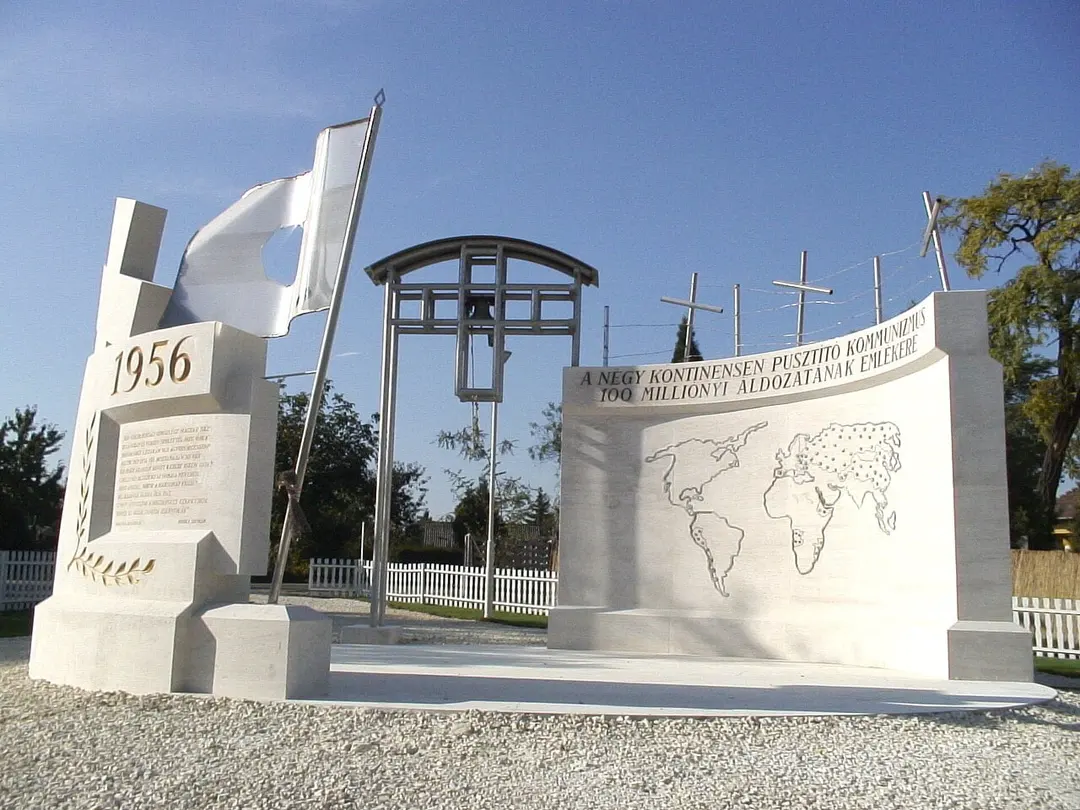
    The Gloria Victis memorial was established to mark the 50th anniversary of the 1956 Hungarian uprising and is located in the municipality of Csömör on the northeastern outskirts of Budapest. It honours the victims of Hungary's communist regime and commemorates the more than 100 million people who lost their lives under communism worldwide. The name "Gloria Victis" — glory to the defeated — is an ancient Roman commemorative motto also used for memorials at European battlefields. The site combines sculptures, inscriptions and green spaces into a quiet place for reflection on a dark chapter of European history.

  • Hamza Bey Mosque (Érd Minaret)

    Hamza Bey Mosque (Érd Minaret)

    Budapest

    architectureculture

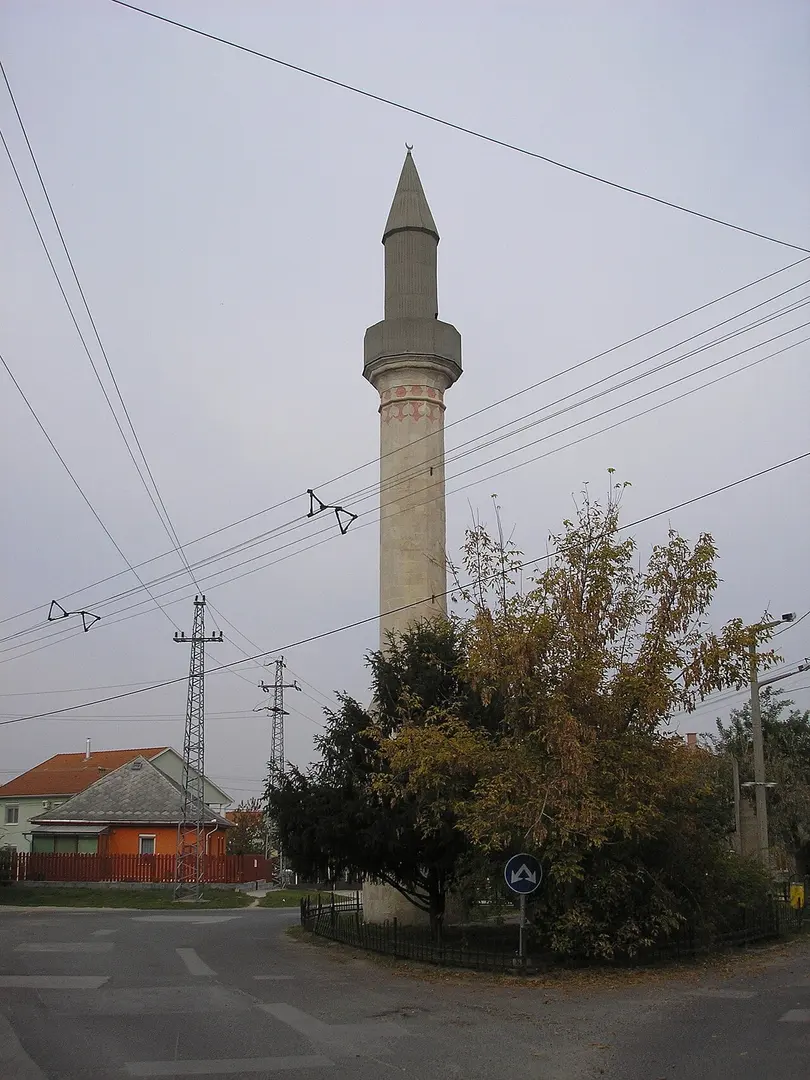
    The Érd minaret is one of only three surviving Ottoman-era minarets in Hungary, the others being in Eger and Pécs. It is the last remnant of the Hamza Bey Mosque that once stood in the old village core of Érd. The 23-metre tower and a preserved mihrab niche are all that remain of the original mosque. The structure stands as rare evidence of the Ottoman occupation of Hungary during the 16th and 17th centuries. Today it is a protected monument, offering a largely overlooked window into Hungarian history just outside Budapest.

  • Heroes' Square

    Heroes' Square

    Budapest

    culturelocal gems

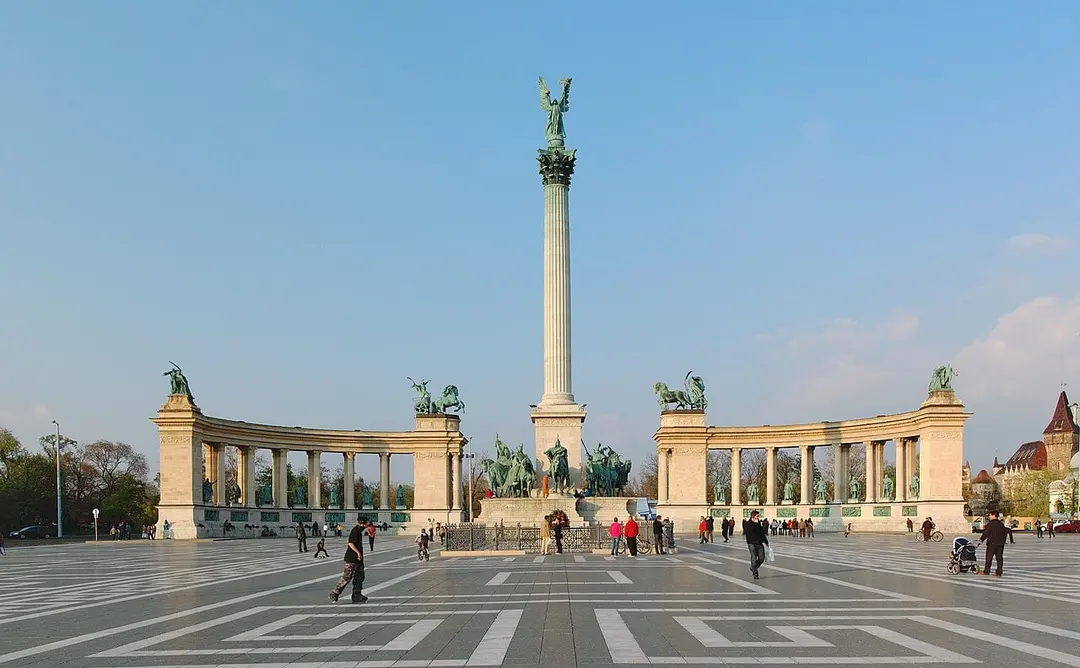
    Heroes' Square in Budapest's 14th district is one of Hungary's most significant public spaces and part of the UNESCO World Heritage Site. It forms the grand finale of the Andrássy Avenue and serves as the gateway to City Park (Városliget). The centrepiece is the Millennium Monument with its 36-metre central column topped by the Archangel Gabriel, erected in 1896 to celebrate 1,000 years of Hungarian history. The colonnade semicircle features life-size equestrian statues of the seven Magyar chieftains and bronze reliefs of important Hungarian rulers and statesmen. The square is flanked by the Museum of Fine Arts and Kunsthalle Budapest. It functions both as a major tourist attraction and as the stage for important state and sporting events.

  • Hospital in the Rock Nuclear Bunker Museum

    Hospital in the Rock Nuclear Bunker Museum

    Budapest

    knowledgemystery

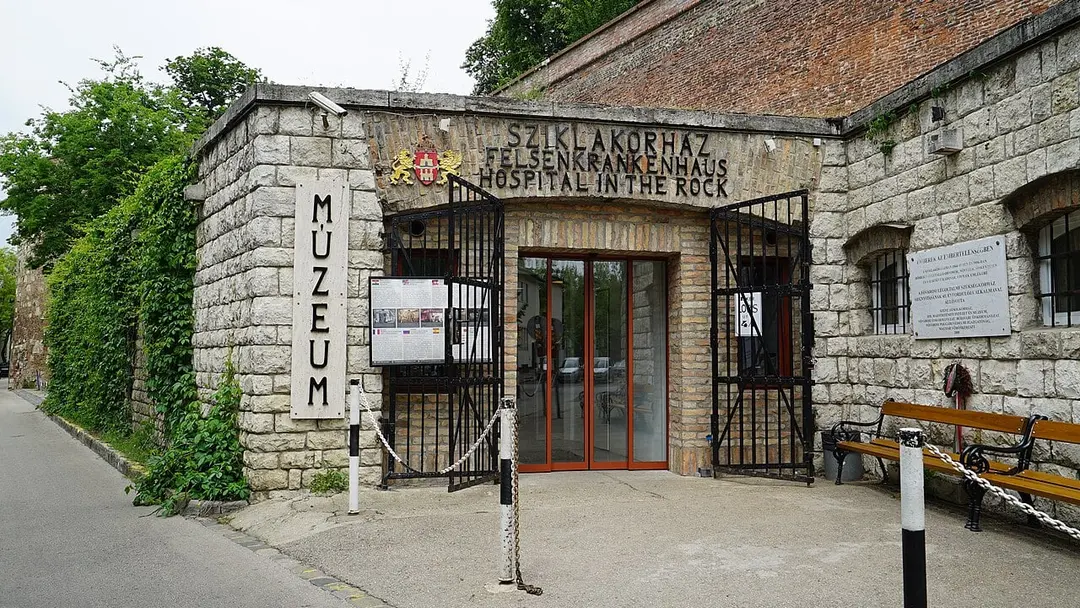
    Deep beneath Budapest's Buda Castle district, a 2,300-square-meter underground labyrinth from the Second World War awaits: the Hospital in the Rock. Secret medical facilities were established within these cave passages to treat the wounded as Budapest endured bombing raids during World War II. During the Hungarian Uprising of 1956, it again served as an emergency field hospital. In the Cold War, the complex was expanded into a nuclear bunker with its own power and ventilation systems. Today the museum is fitted with lifelike wax figures, surgical instruments, and reconstructed operating rooms. Guided tours reveal the grim history of this hidden facility, kept strictly secret for decades.

  • House of Terror Museum

    House of Terror Museum

    Budapest

    knowledgemystery

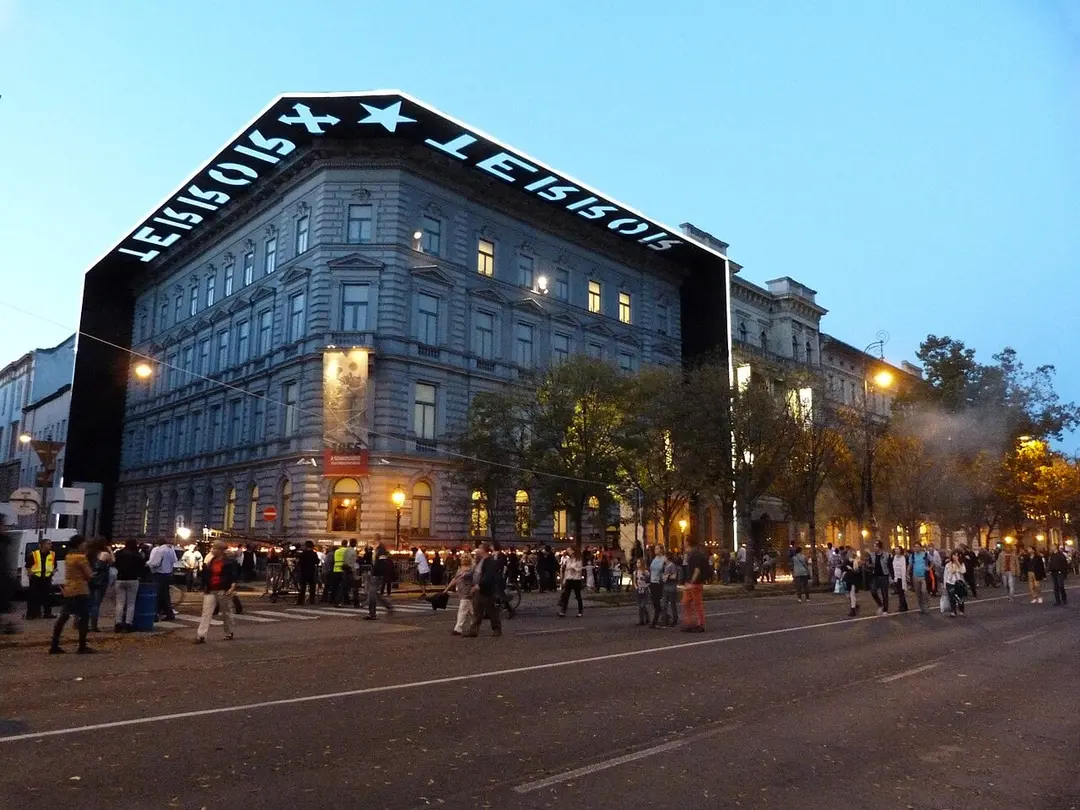
    The House of Terror is one of Europe's most powerful museums, occupying the very building on Andrássy út where the secret police of both Hungary's fascist Arrow Cross regime and the communist state security service ÁVH interrogated and tortured their victims. Opened in 2002, the exhibition spans several floors to document both terror regimes that plagued Hungary from 1944 to 1989. Original basement cells, interrogation rooms, and personal stories make history viscerally tangible. The museum deliberately pursues emotional intensity, functioning simultaneously as a memorial and a historical institution. Anyone visiting Budapest should set aside time for this visit — it stays with you.

  • Hungarian Parliament Building

    Hungarian Parliament Building

    Budapest

    architecturenaturegreat views

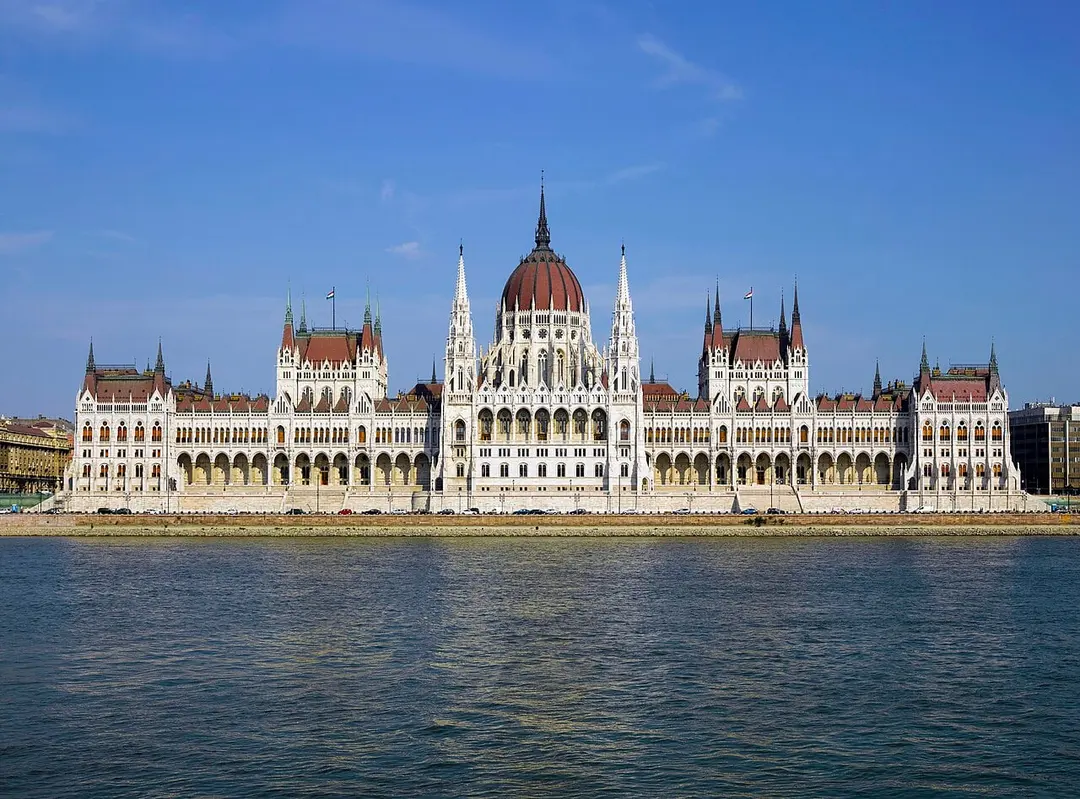
    The Hungarian Parliament Building on Kossuth Square in Budapest is one of the largest parliament buildings in the world and Hungary's most recognized landmark. Architect Imre Steindl designed the neo-Gothic structure, inaugurated in 1902, which has been Hungary's largest building ever since. The asymmetric complex features 96 turrets, a central dome, and a magnificent hall housing the Hungarian Holy Crown — best viewed from the opposite Danube bank. Guided tours through the dome hall and state rooms are available year-round.

  • Liberty Statue

    Liberty Statue

    Budapest

    architecturegreat views

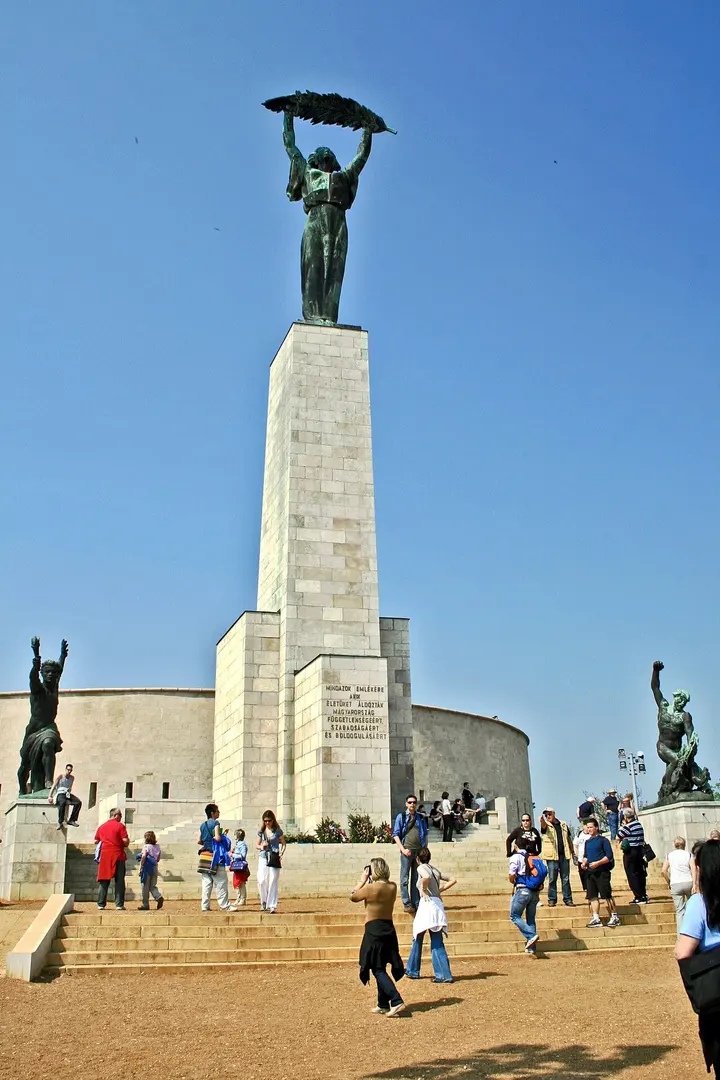
    The Liberty Statue atop Gellért Hill is one of Budapest's most iconic landmarks. The 14-metre bronze figure — a woman raising a palm frond to the sky — was erected in 1947 to honour the soldiers who liberated Hungary at the end of World War II. Sculptor Zsigmond Kisfaludi Strobl positioned it so that it is visible from almost every point in the city. The climb to Gellért Hill rewards visitors with a spectacular panoramic view over Buda, Pest, the Danube, and the Chain Bridge. After 1989 the surrounding ensemble was redesigned to remove Soviet iconography, and the statue now carries a broader meaning as a monument to freedom.

  • M2 expressway

    M2 expressway

    Budapest

    architecture

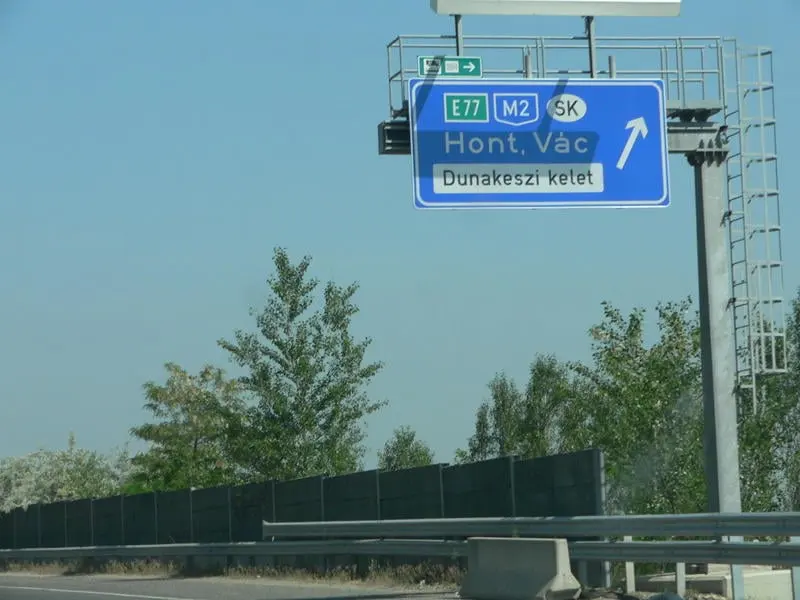
    The M2 motorway is a Hungarian motorway running northward from Budapest toward Vac, forming part of European route E77. An extension to the Slovak border is planned.

  • Memorial for the victims of the German occupation

    Memorial for the victims of the German occupation

    Budapest

    culturelocal gemsmystery

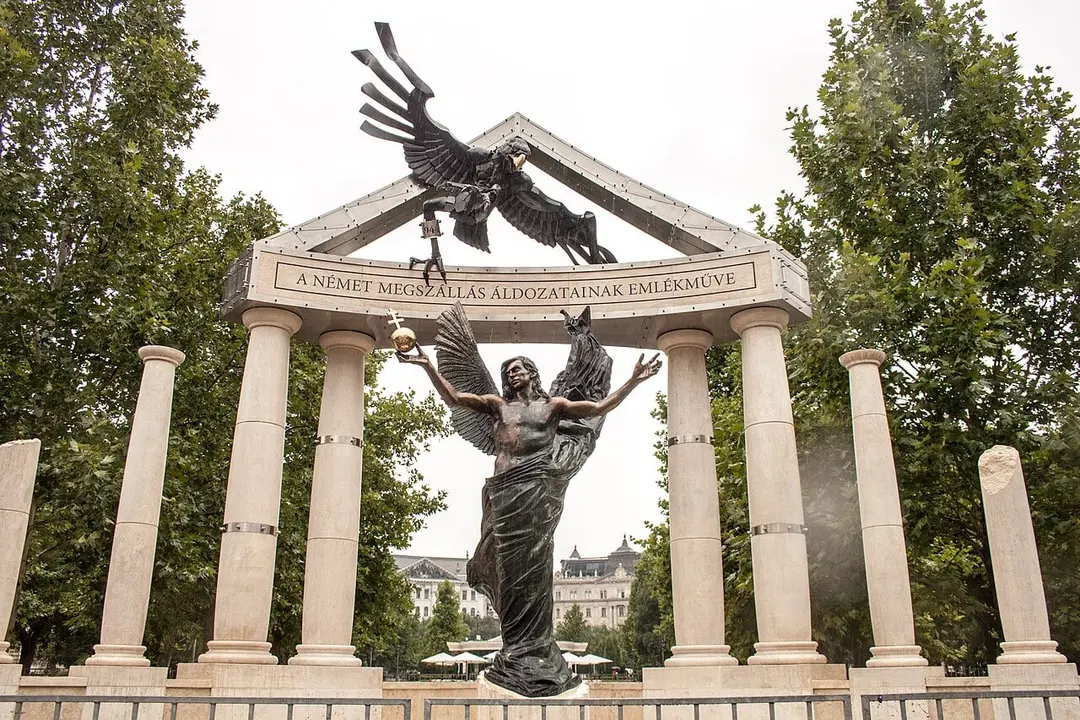
    The Memorial for the Victims of the German Occupation stands on Liberty Square in Budapest and was unveiled on 19 March 2014, the 70th anniversary of the Wehrmacht entering Hungary. The monument shows a column group with reliefs and two bronze figures: Hungary as the protective archangel Gabriel, and the German occupation as an eagle. It has been deeply controversial since its erection — critics see it as an attempt to obscure Hungary's own role in the Holocaust. Directly opposite, citizens and survivors have assembled an unofficial counter-memorial of photos, documents, and stones that challenges the official narrative.

  • Tomb of Gülbaba

    Tomb of Gülbaba

    Budapest

    romance

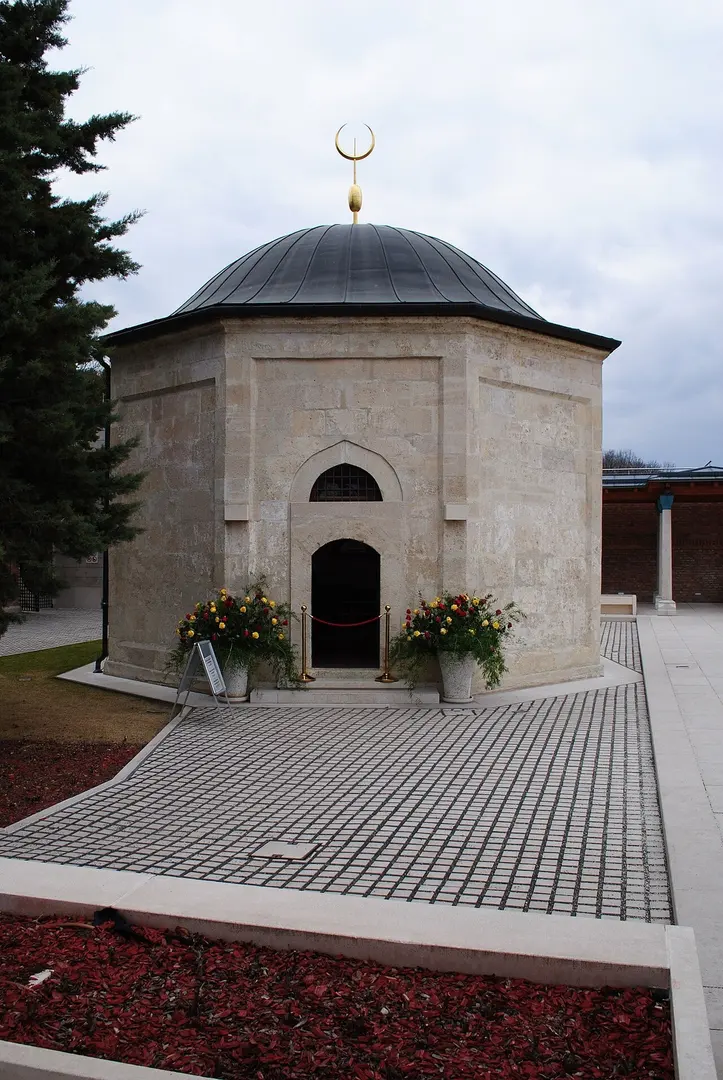
    The Gül Baba Türbe on the slopes of Rose Hill (Rózsadomb) in Budapest's 2nd district is considered the northernmost Islamic pilgrimage site in Europe. It is the burial place of the Turkish Bektashi dervish and poet Gül Baba — whose name literally means "Father of Roses" — who died in 1541 during Suleiman the Magnificent's capture of Buda. The türbe, an octagonal domed building in Ottoman style, was constructed shortly after his death. During Ottoman rule over Buda it was a significant religious centre; after the Habsburg reconquest the building fell into disrepair and served various purposes over the centuries. Following extensive restoration co-funded by Turkey, the türbe was returned to its full splendour in 2018. Muslim pilgrims from around the world visit the tomb; non-Muslims are warmly welcome too.

  • Underground Railway Museum

    Underground Railway Museum

    Budapest

    culturelocal gemsknowledge+1

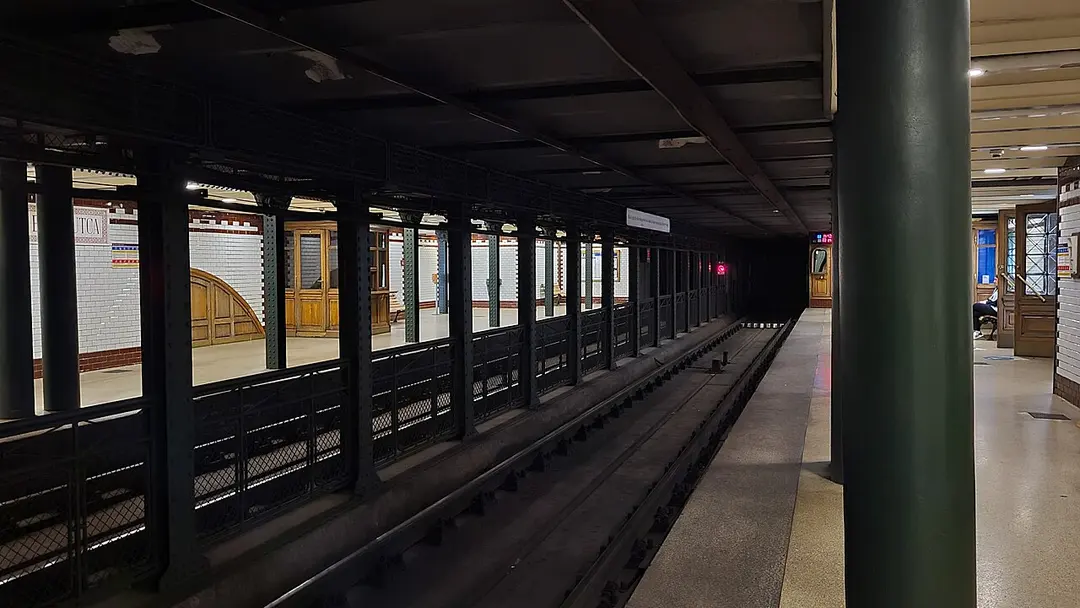
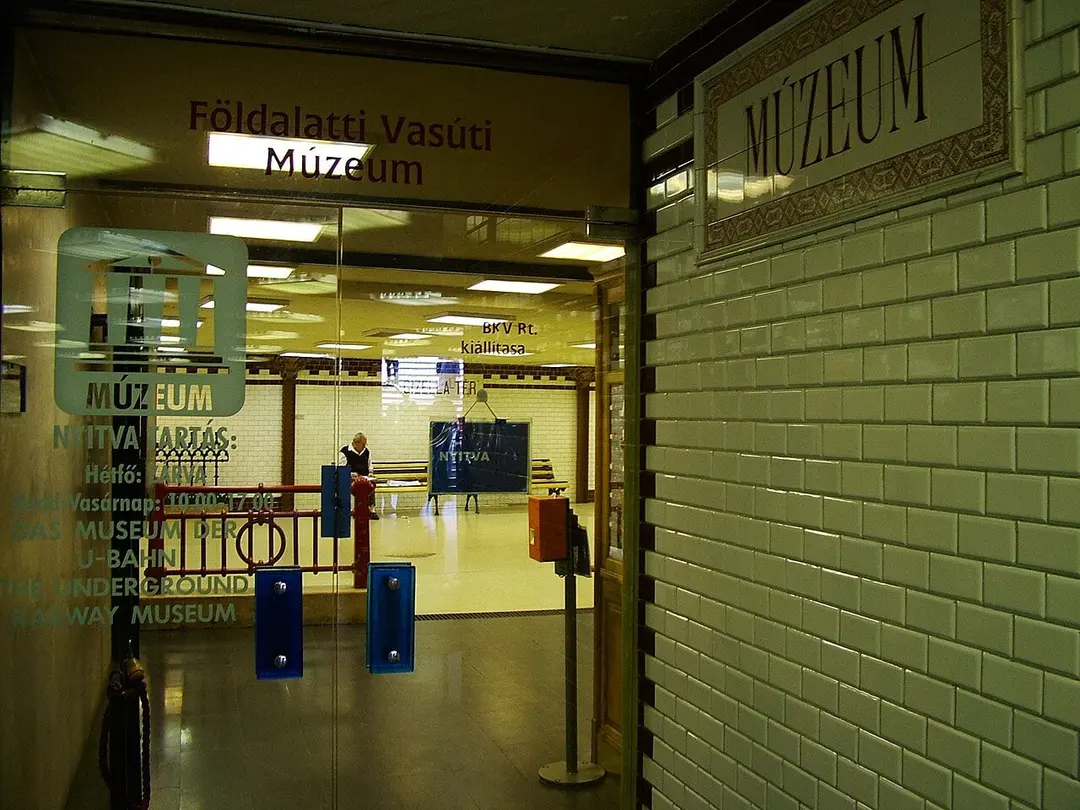
    The Földalatti Vasúti Múzeum, or Underground Railway Museum, is a unique specialist museum housed in a disused section of Line M1 — the oldest electric metro on the European continent. The M1 opened in 1896 for Hungary's millennium celebrations and still runs between Deák tér and Széchenyi Fürdő. Inside the museum, visitors can explore historic carriages from different decades, examine signalling equipment, and follow the full history of Budapest public transport from its Victorian origins to the present day. Opened in 1975, the museum forms part of the UNESCO World Heritage Andrássy út corridor.

  • Vajdahunyad Castle

    Vajdahunyad Castle

    Budapest

    architectureculturenature

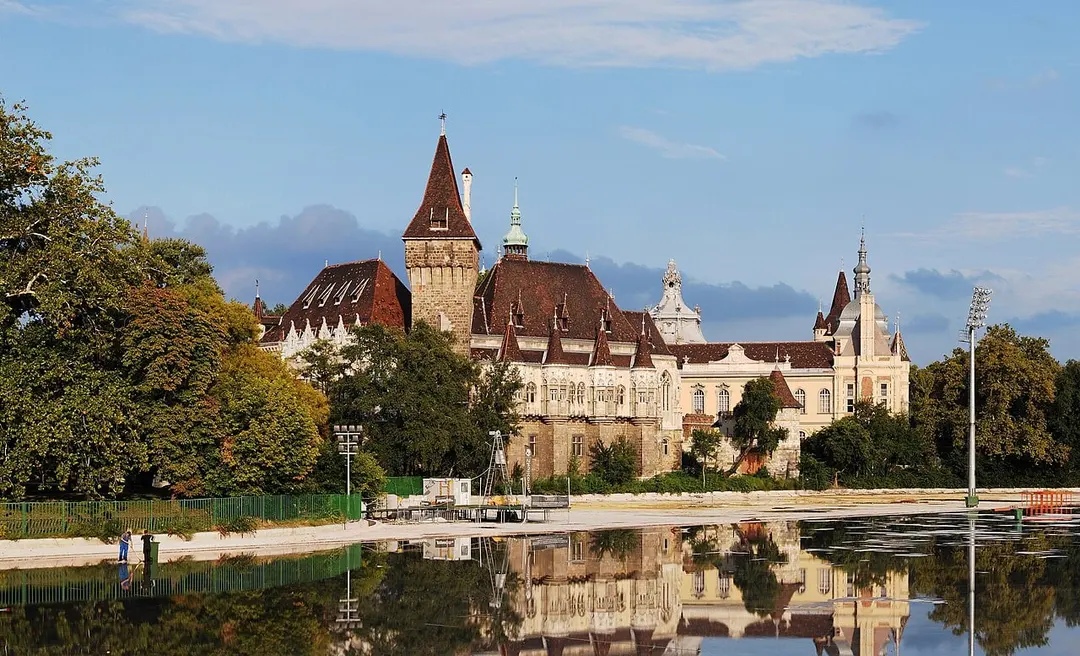
    Vajdahunyad Castle rises picturesquely in Városliget, Budapest's great city park, and is one of the most captivating examples of historicist architecture in Hungary. Originally conceived in 1896 as a temporary wooden model for the Millennial Exhibition — marking 1,000 years of Hungarian statehood — the building so enchanted visitors that it was reconstructed in permanent stone form between 1901 and 1907. Architect Ignác Alpár drew inspiration from historical building styles across the entire Carpathian Basin, blending Romanesque, Gothic, Renaissance, and Baroque elements into a single, fantastical whole. Today the castle houses the Hungarian Agricultural Museum and, in winter, becomes the backdrop for one of the city's most beloved outdoor ice rinks. In front of the entrance stands the famous statue of the anonymous medieval chronicler "Anonymus" — an iconic photo stop.

  • Zero Kilometre Stone

    Zero Kilometre Stone

    Budapest

    architectureculturelocal gems+1

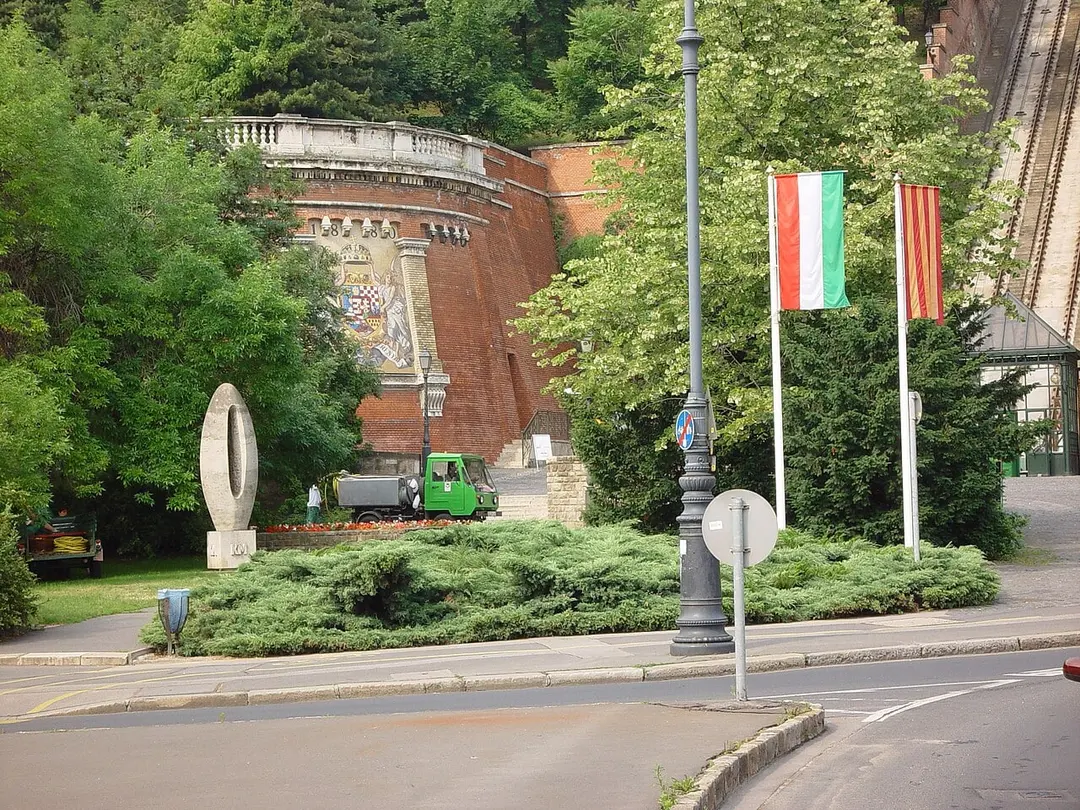
    The Zero Kilometre Stone is a 3-metre limestone sculpture by Hungarian artist Miklós Borsos, unveiled in 1975 near the Széchenyi Chain Bridge in Budapest. It marks Hungary's official kilometre zero — the reference point from which all road distances in the country are measured. Borsos rendered the concept as an abstract zero sign with a simple 'KM' inscription, deliberately understated for such a foundational marker. The stone was originally positioned at the threshold of Buda Royal Palace before being relocated to its current riverside spot.

Keep exploring

These places are just the beginning.

Rate places with a swipe — TravelType learns from your tags what you love and curates your own map. Private until you choose to share.

Create your profile