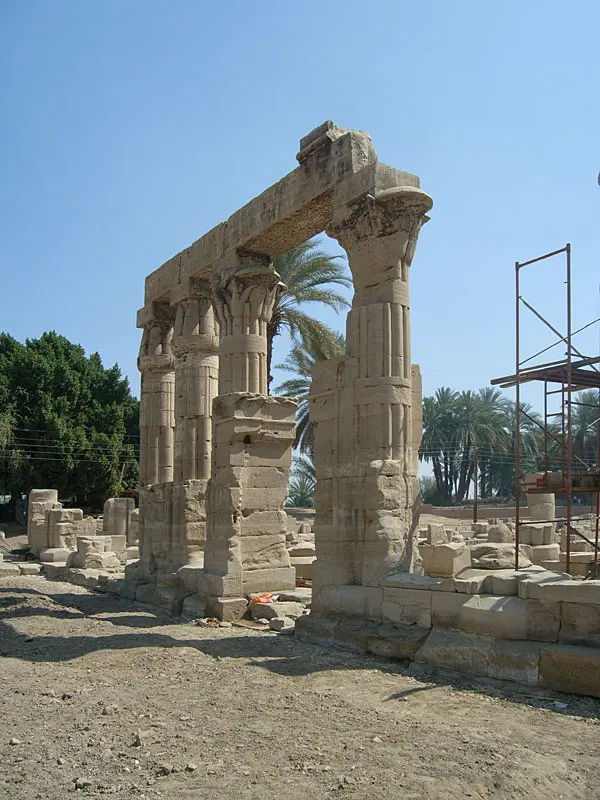
Medamud
PharaonicArchaeologyTemple Complex+5
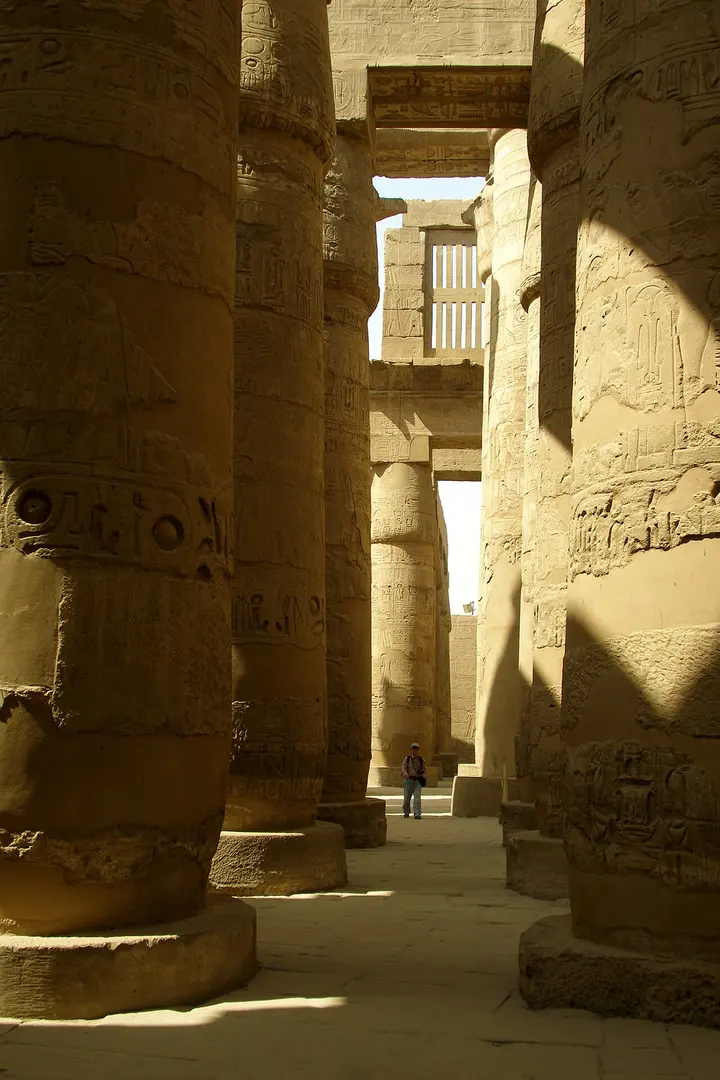
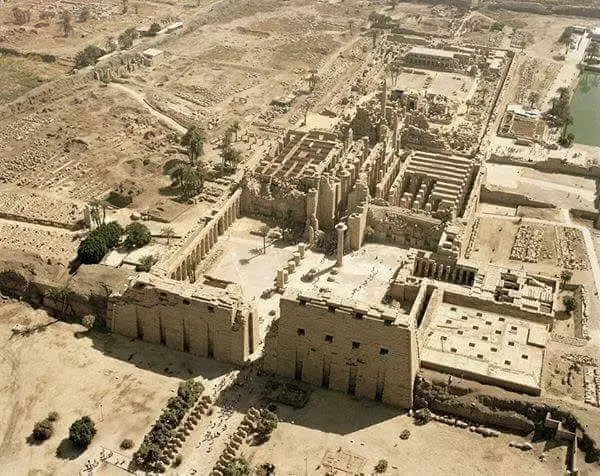
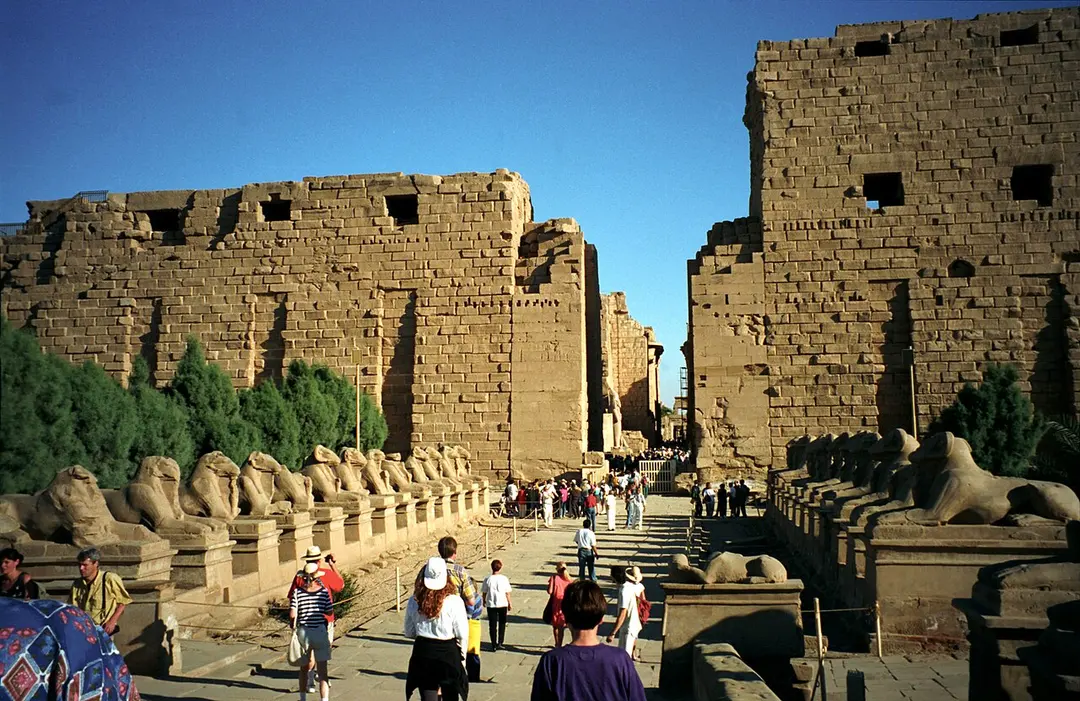
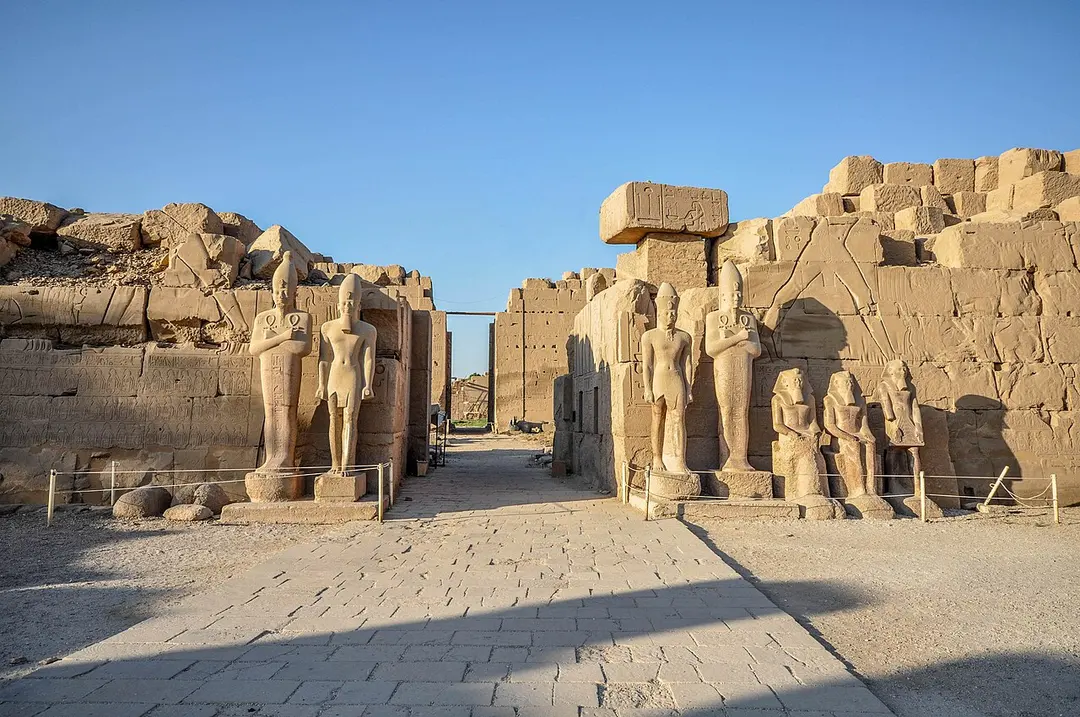
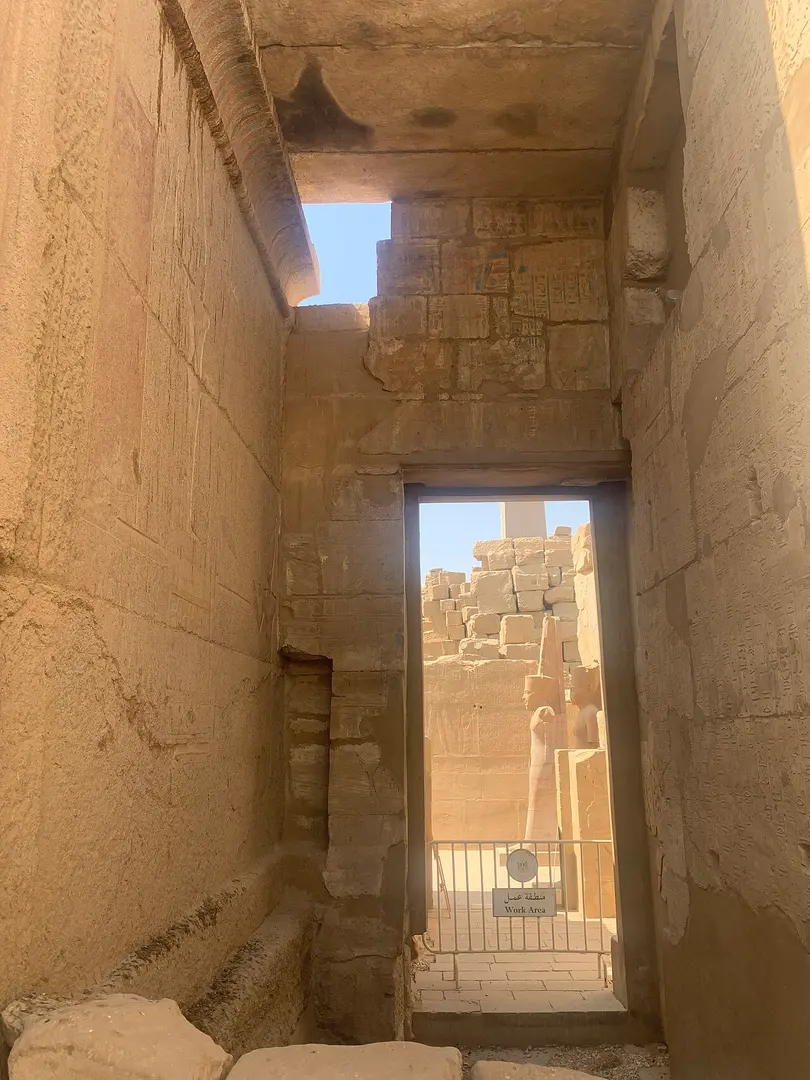
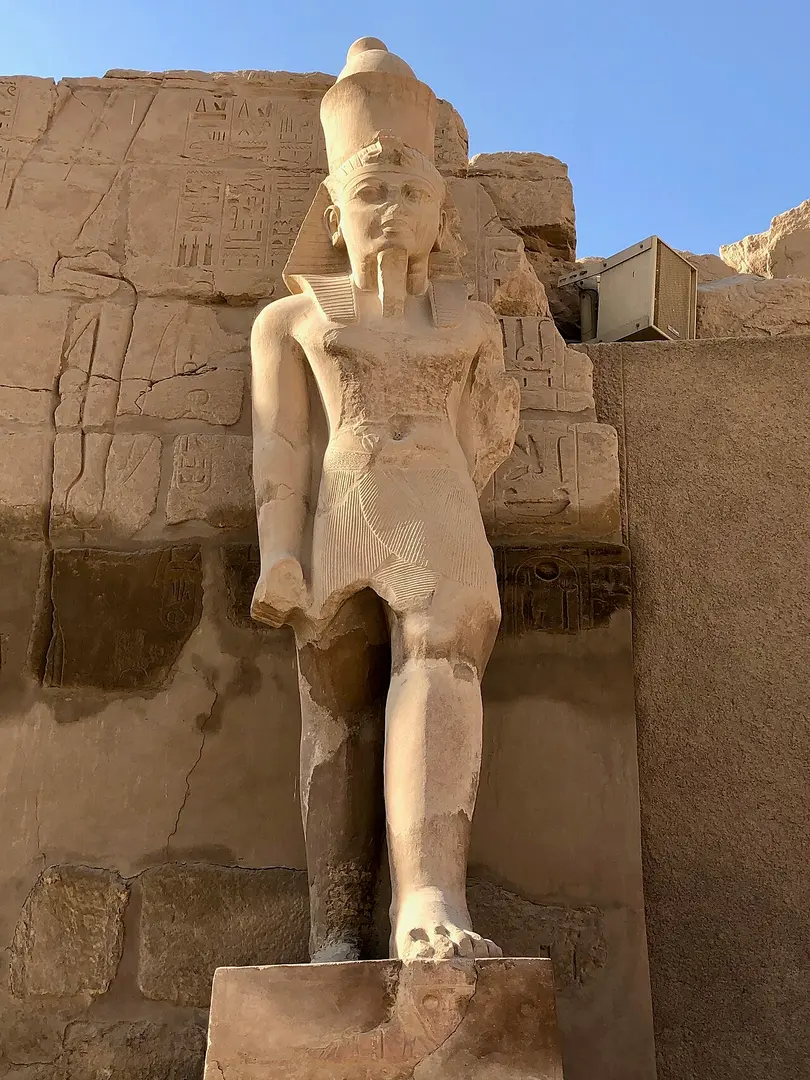
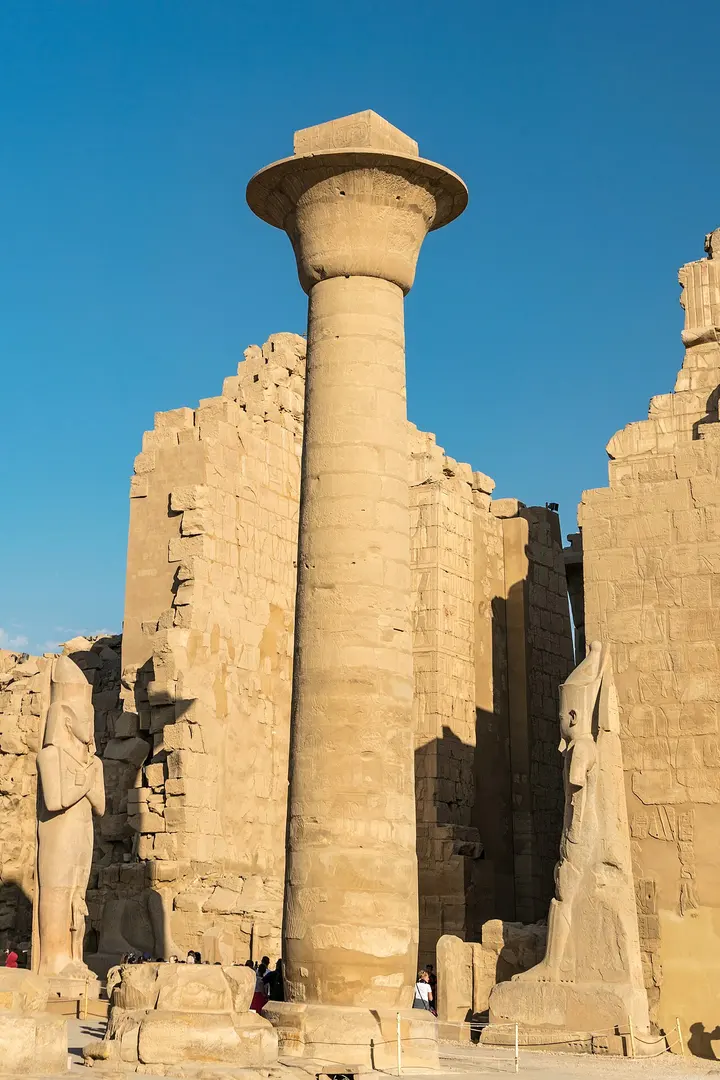
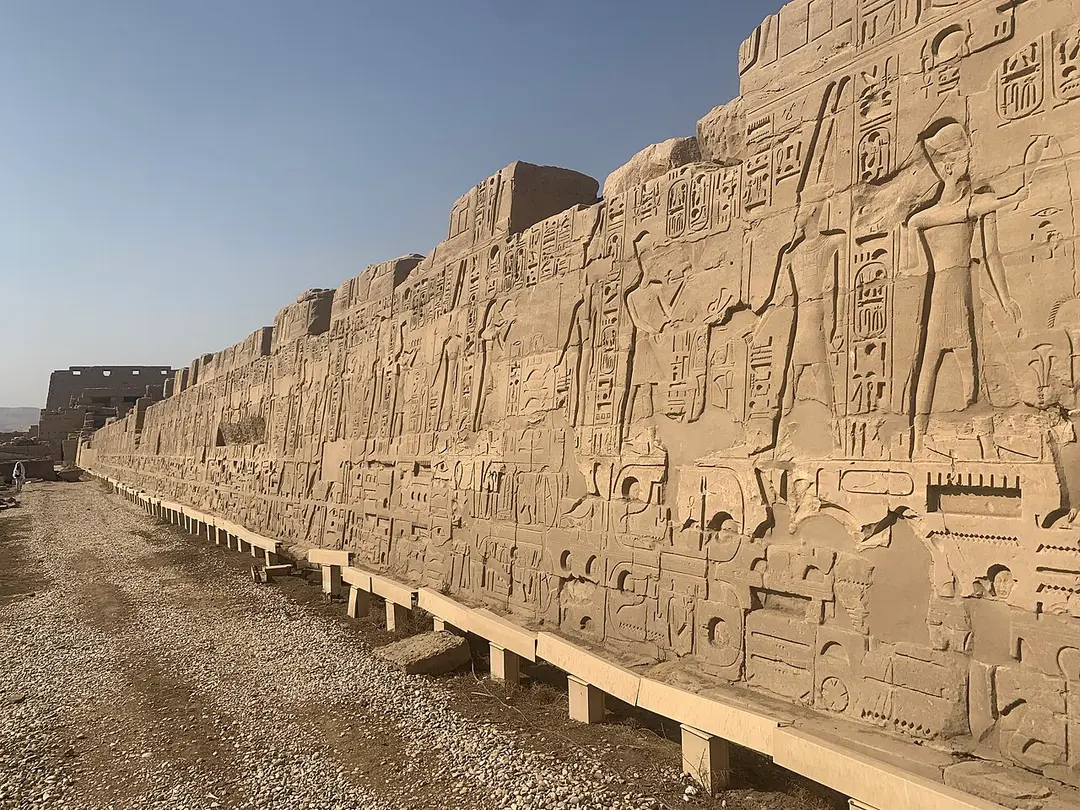
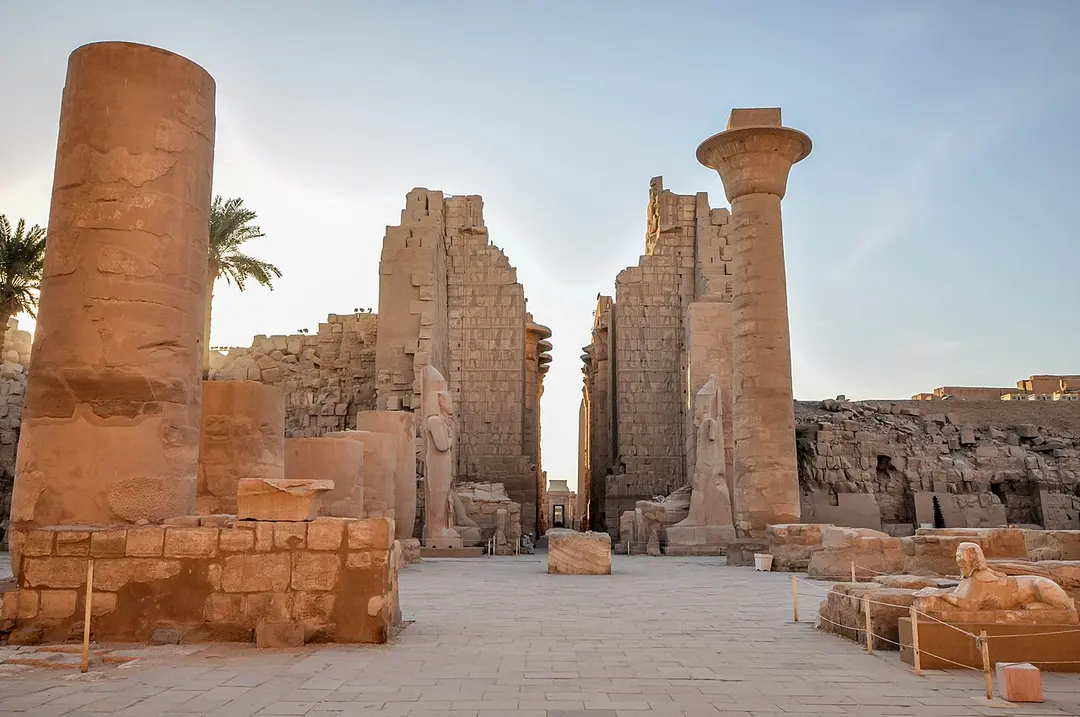
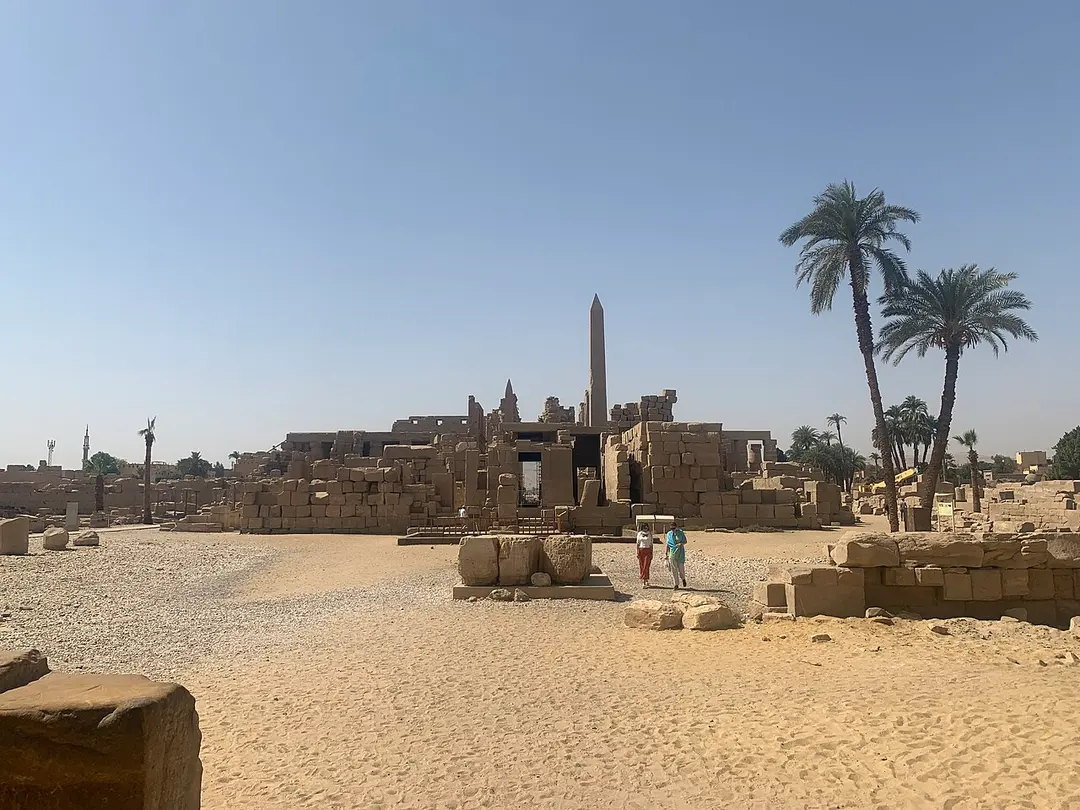
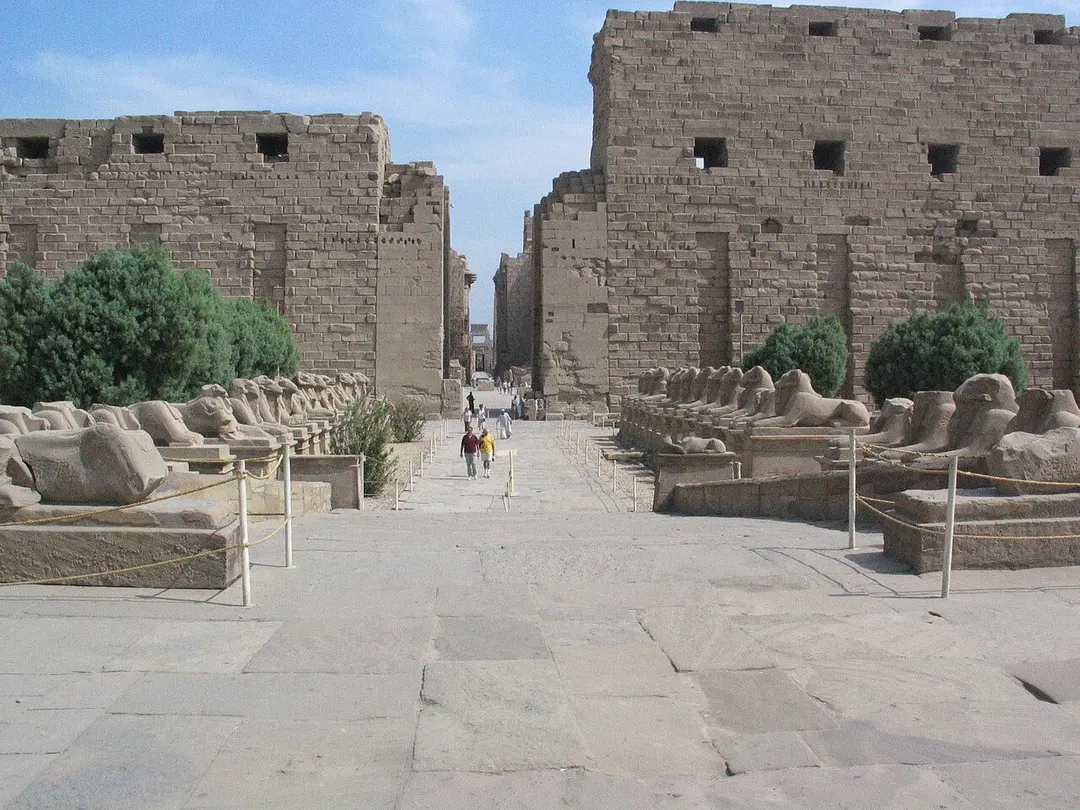
The Karnak Temple Complex is the largest religious site in ancient Egypt, covering more than 100 hectares on the east bank of the Nile just north of Luxor. Built incrementally by some 30 pharaohs over nearly 2,000 years — from the Middle Kingdom through the Ptolemaic period — it served as the principal sanctuary of the god Amun-Ra and accumulated layer upon layer of pylons, obelisks, chapels, and sacred lakes. Its Great Hypostyle Hall, with 134 towering sandstone columns spread across 5,000 square meters, remains one of the most awe-inducing enclosed spaces in the ancient world. Hatshepsut's two pink-granite obelisks, among the tallest surviving examples from antiquity, still punctuate the skyline of the complex. Visitors today walk the avenue of ram-headed sphinxes, read millennia-old hieroglyphic inscriptions, and can attend the nightly Sound and Light Show that projects the pharaohs' stories onto the ancient stone facades.
Sign in to rate this place.
Sign inAswan
Dairut
Mansoura
Cairo