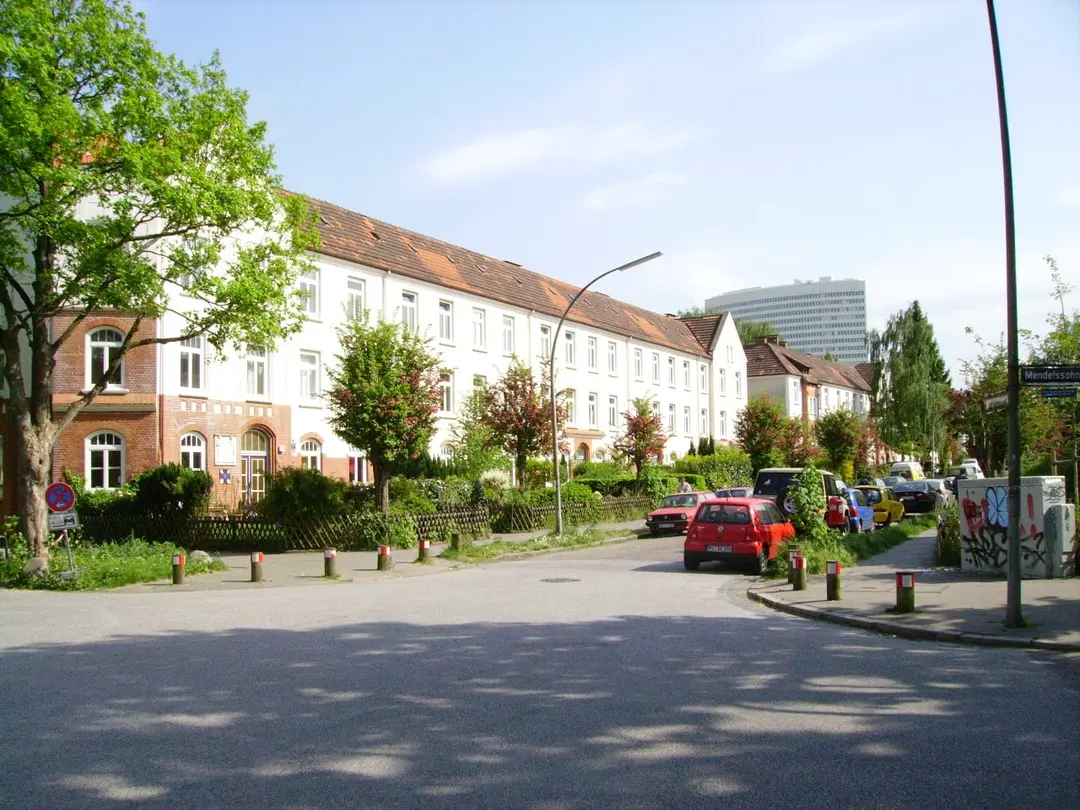
Bahrenfeld
Residential Quarter
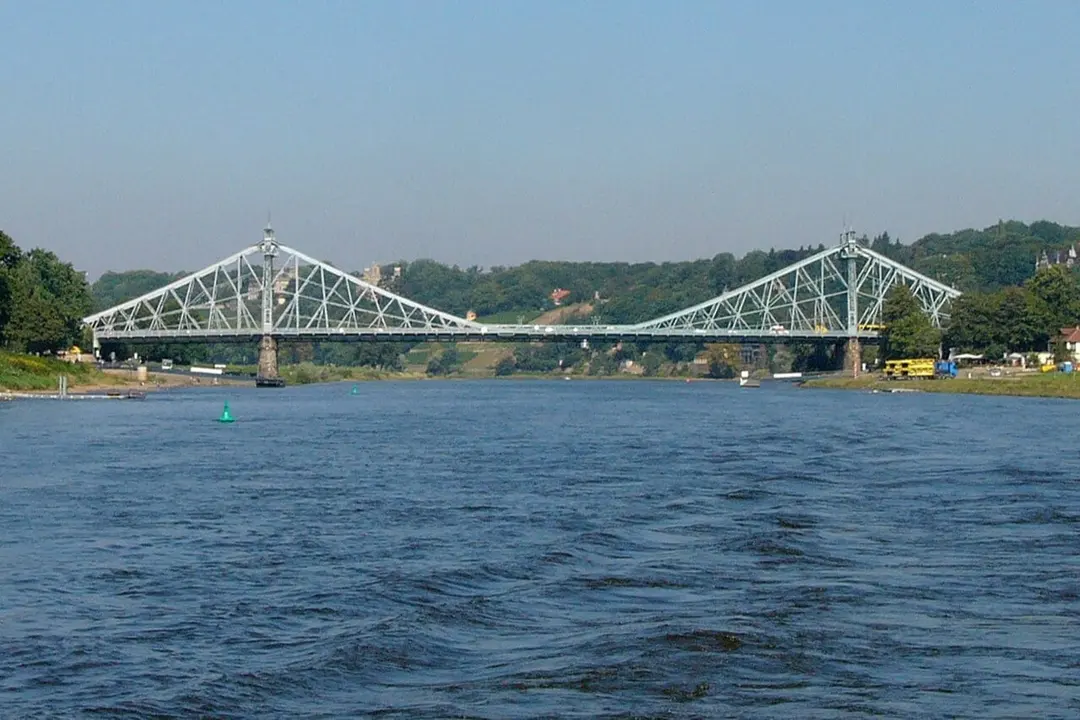
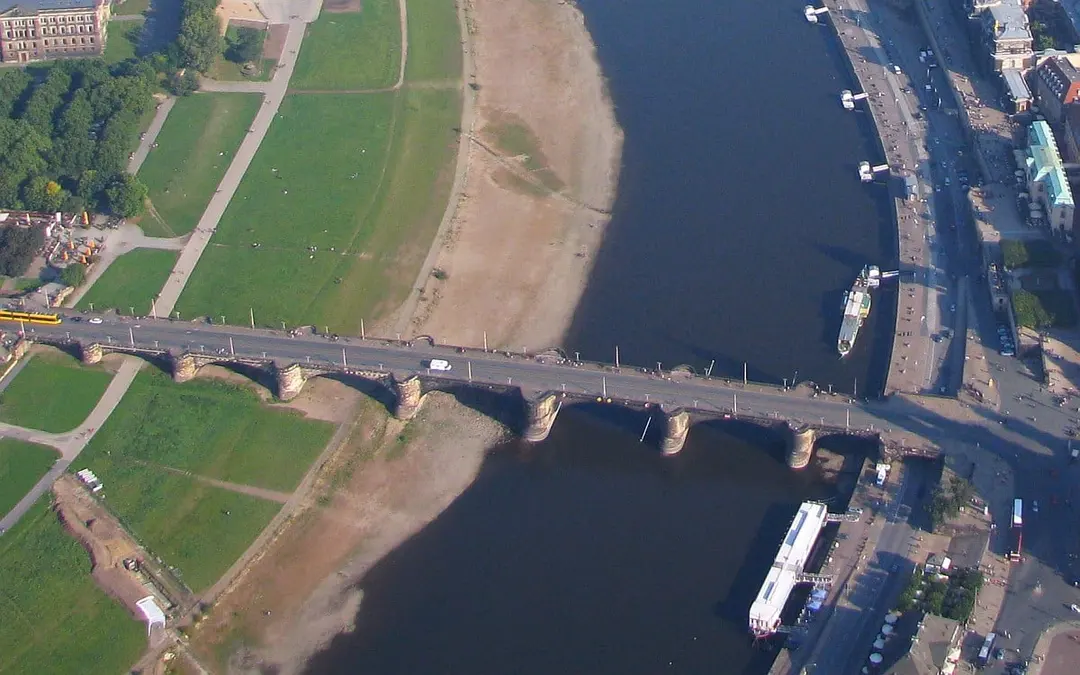
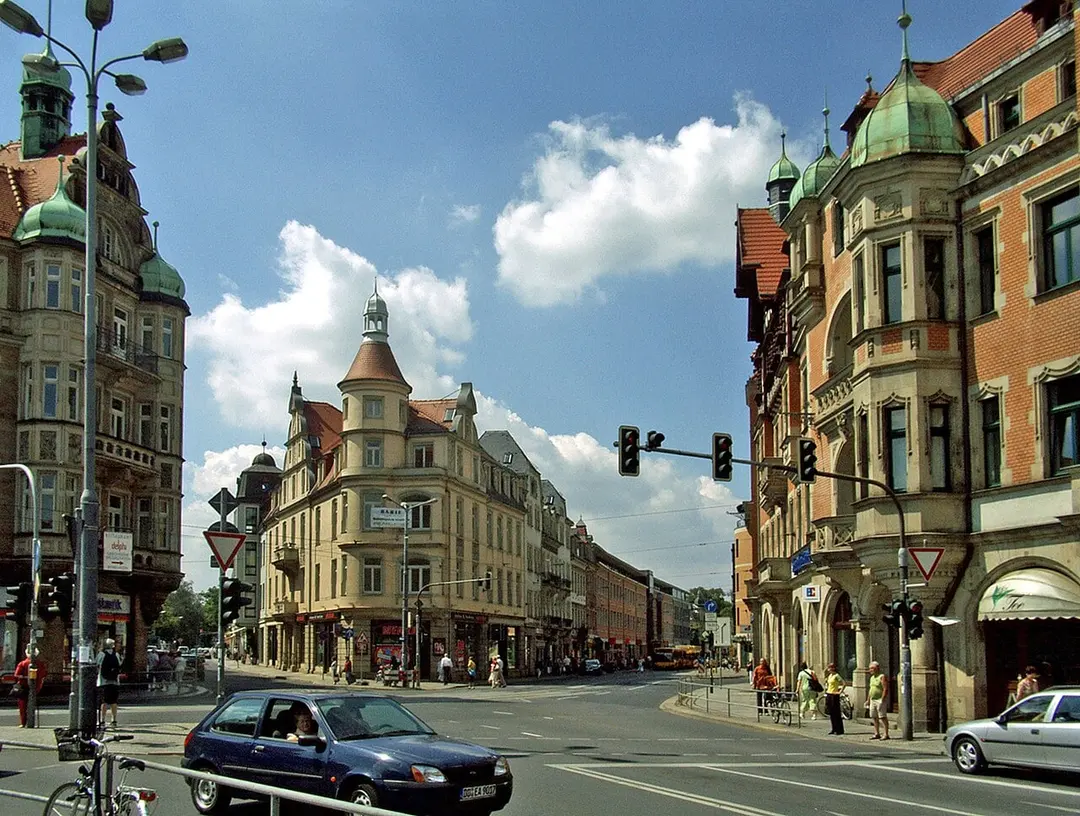
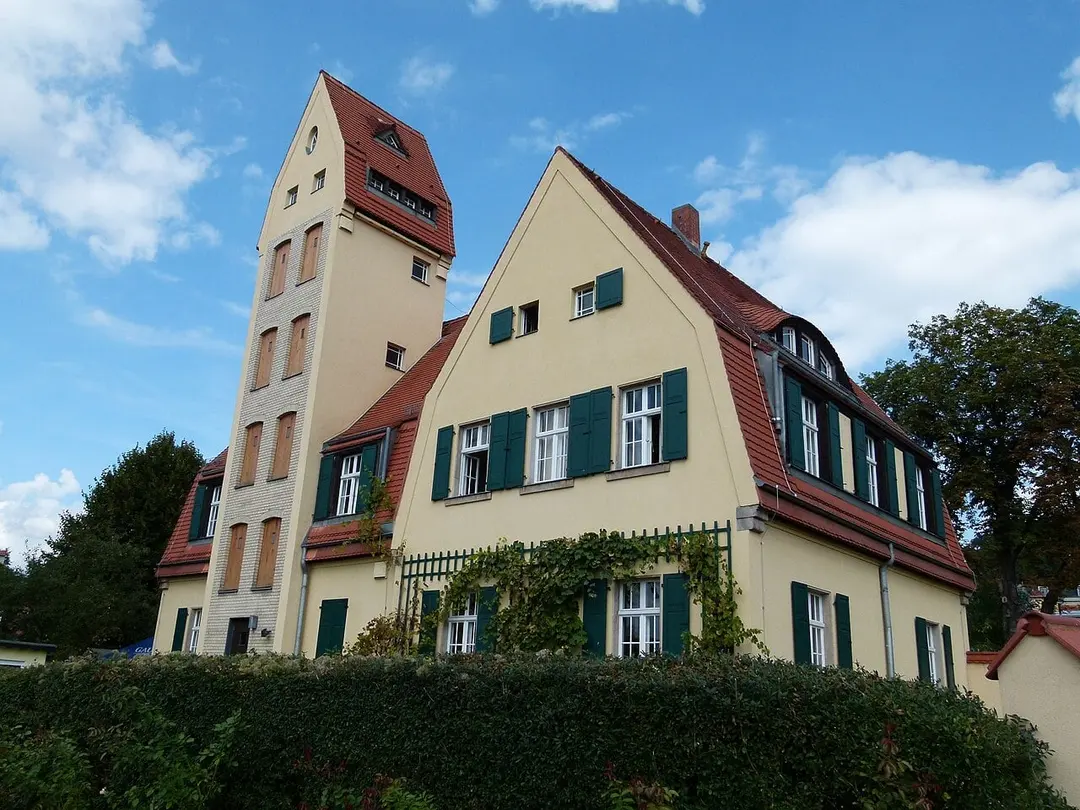
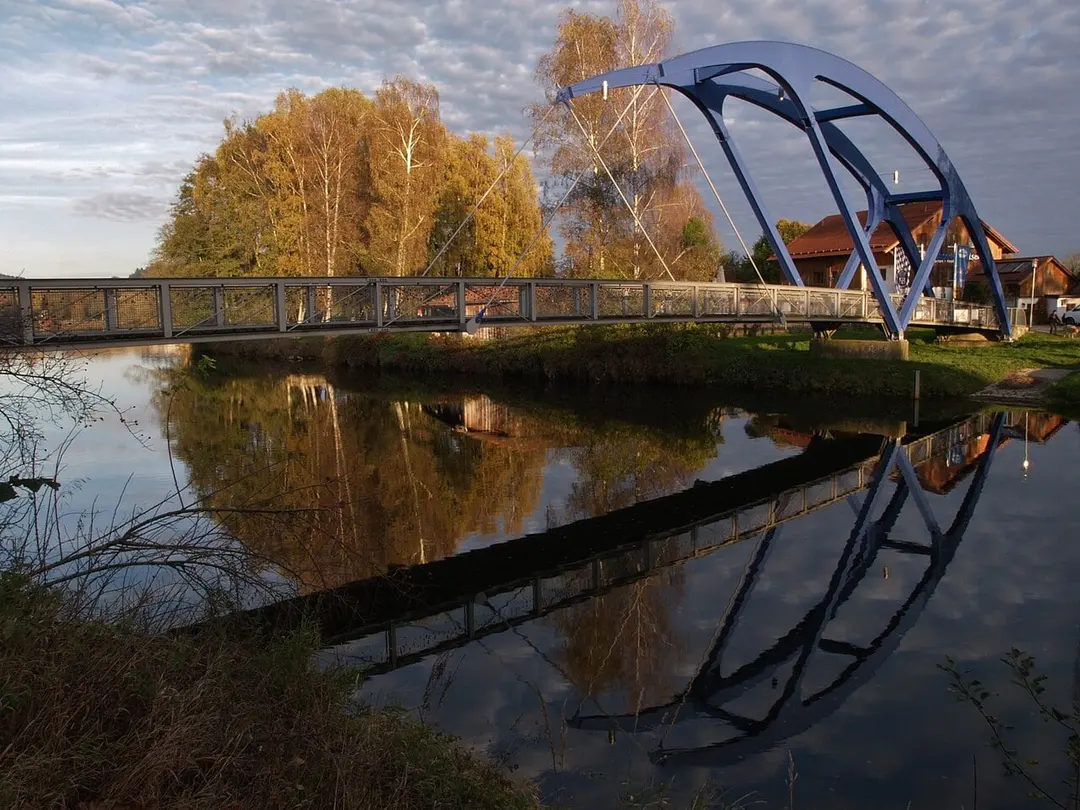
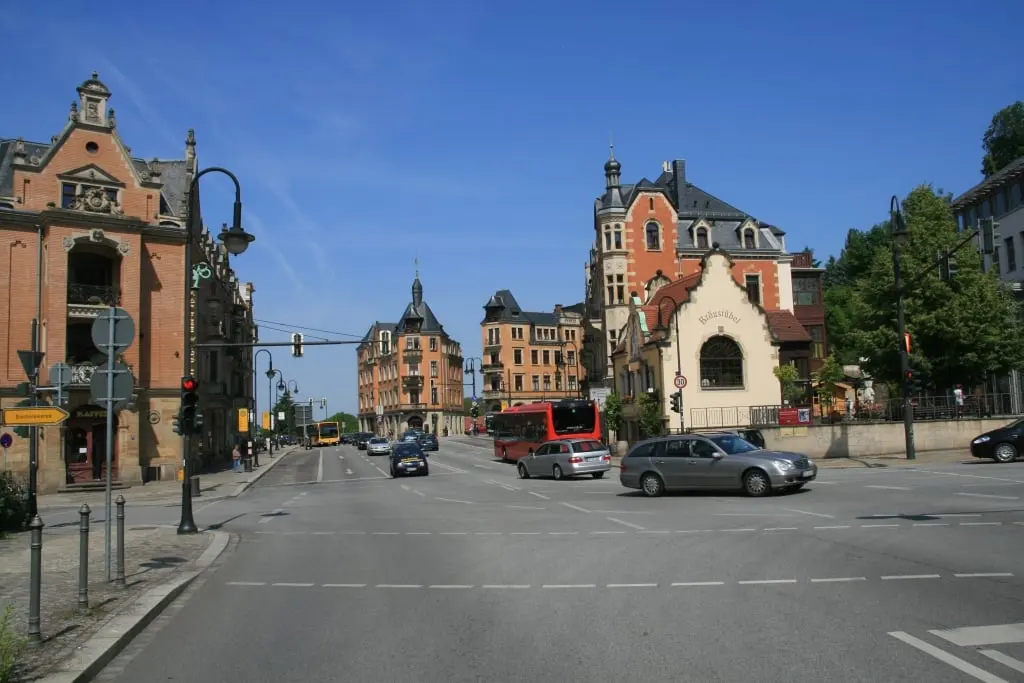
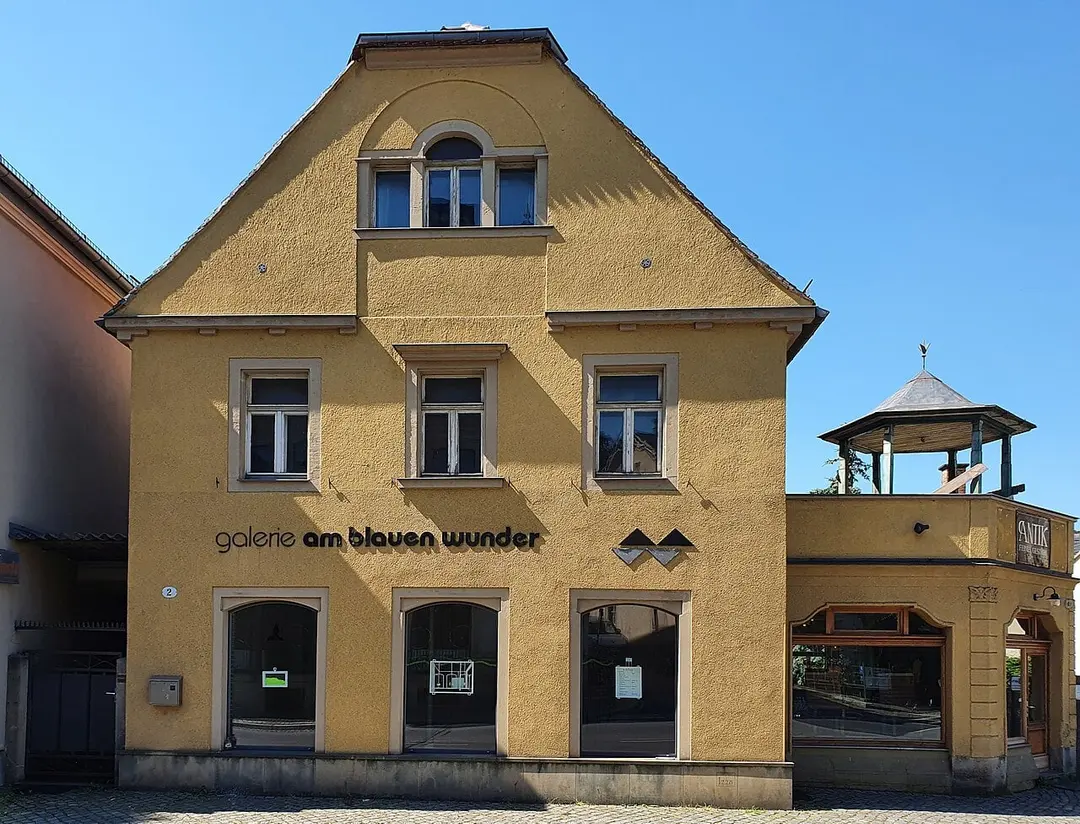
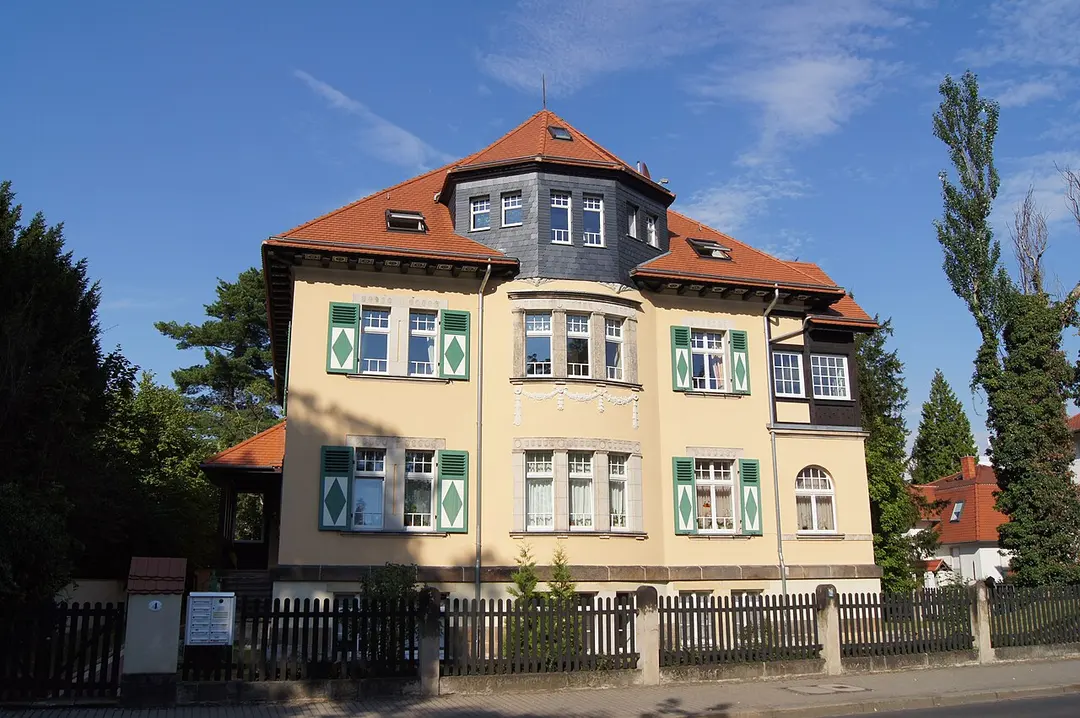
Blasewitz is a late-19th-century villa suburb in eastern Dresden, developed along the left bank of the Elbe as a prosperous retreat for the imperial-era bourgeoisie. Its streets retain a dense stock of Historismus villas — elaborate stucco facades, generous gardens, and ornate iron railings — making it one of Saxony's most intact examples of patrician suburban planning from the Gründerzeit. The neighbourhood's defining landmark is the Loschwitzer Brücke of 1893, universally known as the Blaues Wunder (Blue Wonder): a steel suspension bridge erected without centring over the river, a feat of Wilhelmine engineering that left contemporary observers astonished. During World War II the bridge was slated for demolition but survived intact, one of few such structures in Dresden to do so. Today the Elbe promenade offers open views across the valley, a passenger ferry still crosses near the bridgehead, and the Elbradweg cycle path passes through en route along the river.
Sign in to rate this place.
Sign in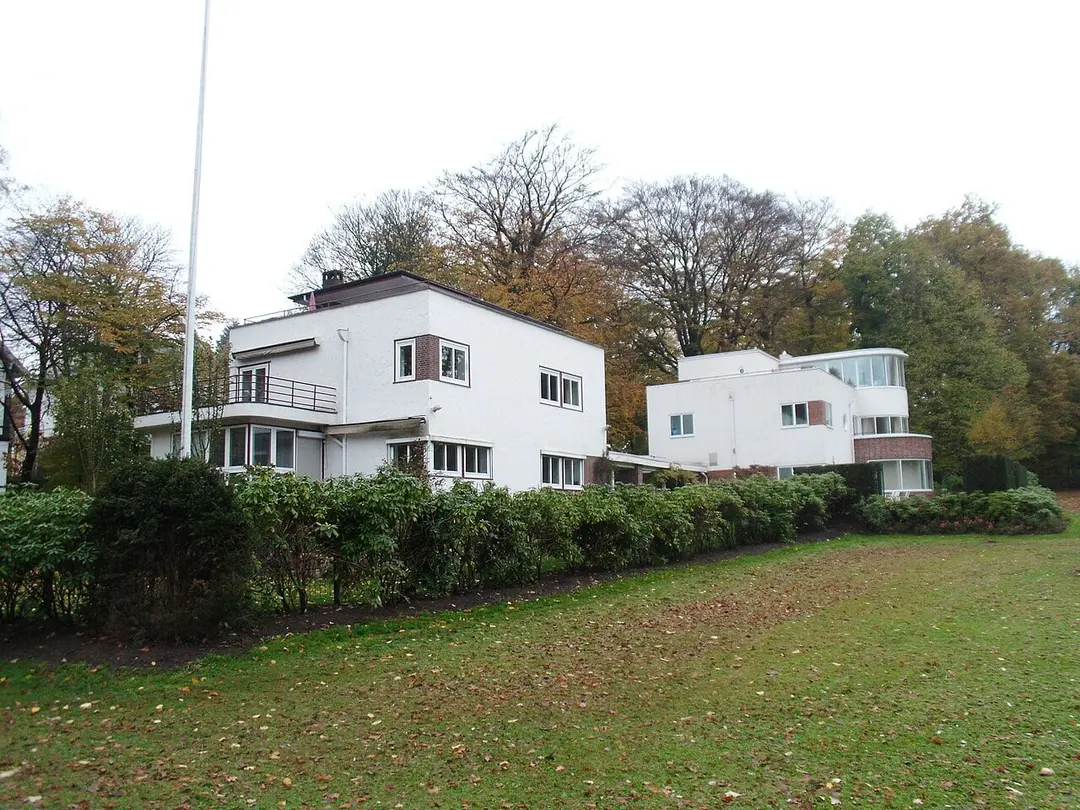
New York metropolitan area
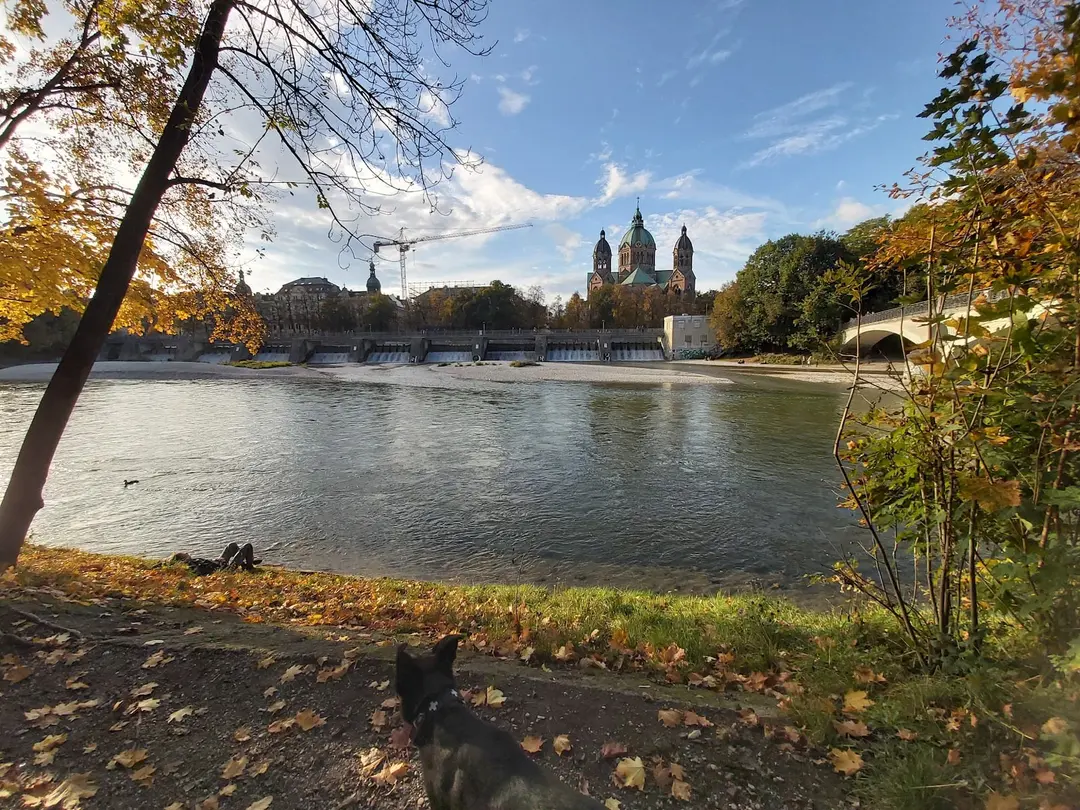
Munich