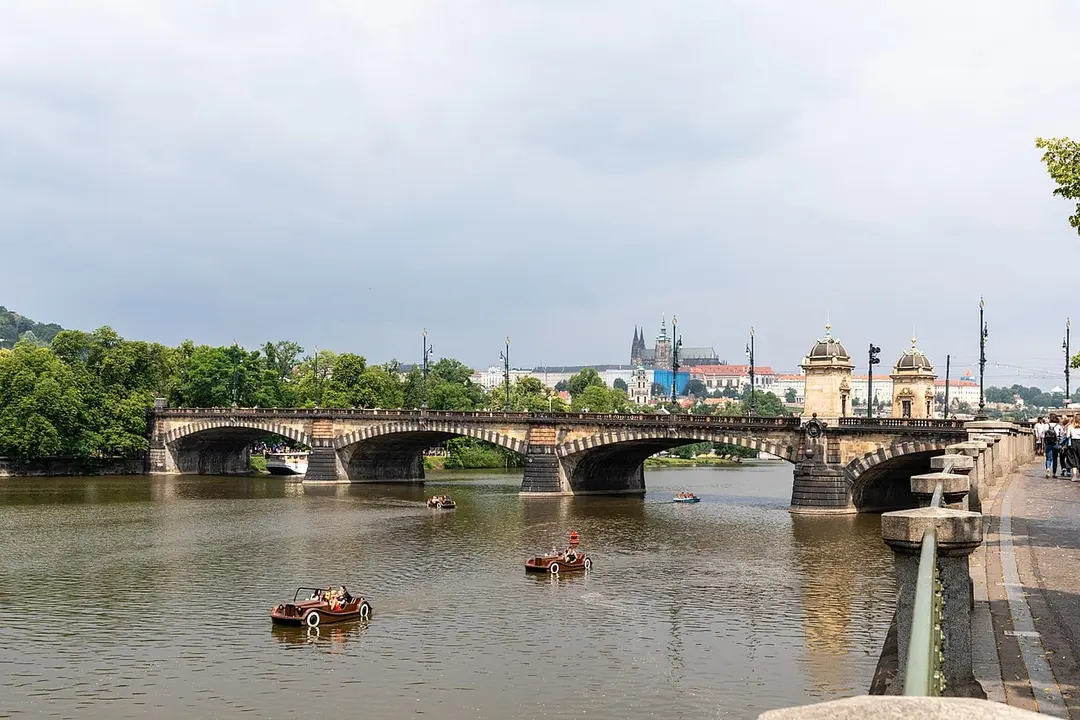
Bridge of Legions
Prague
architecturenaturelocal gems
history
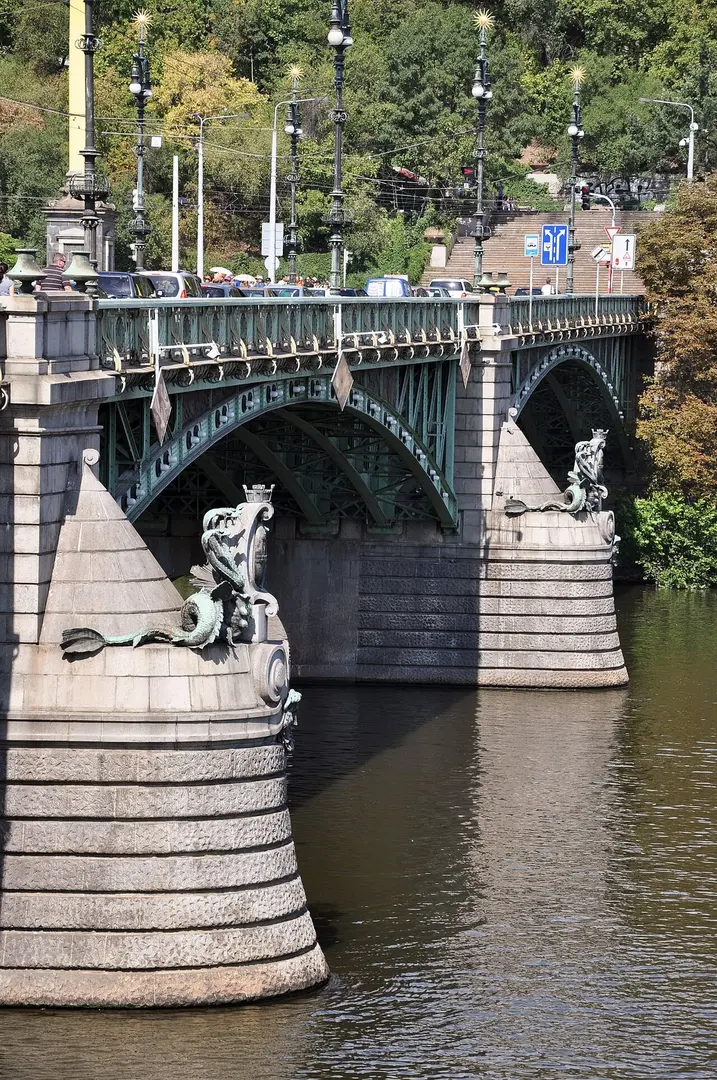
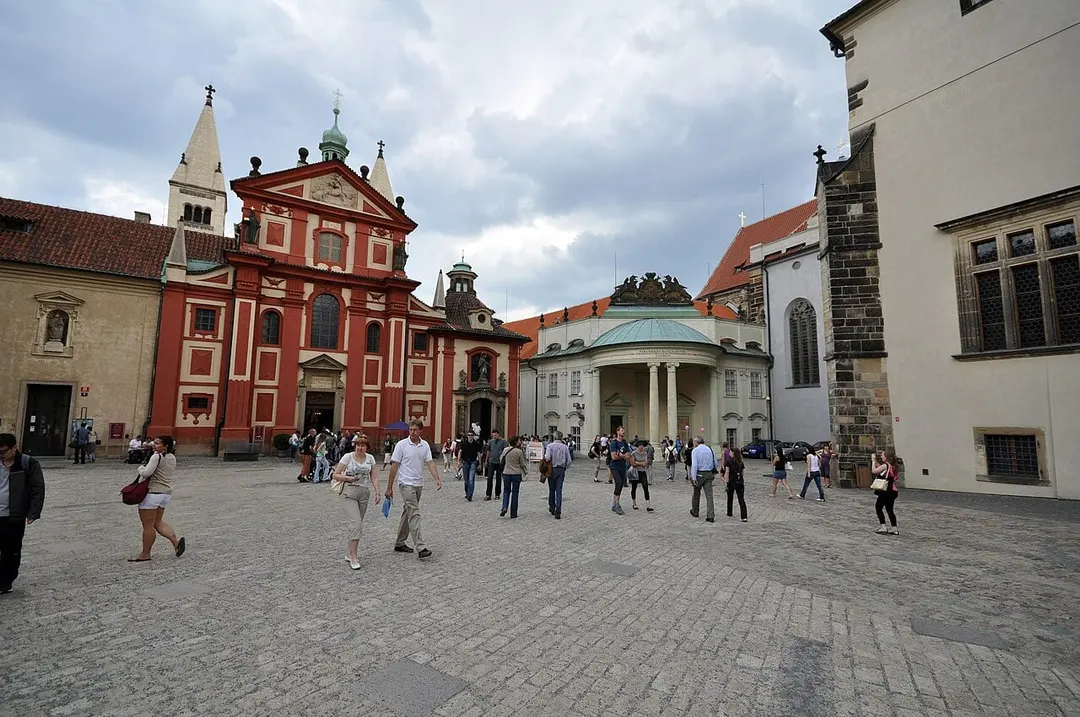
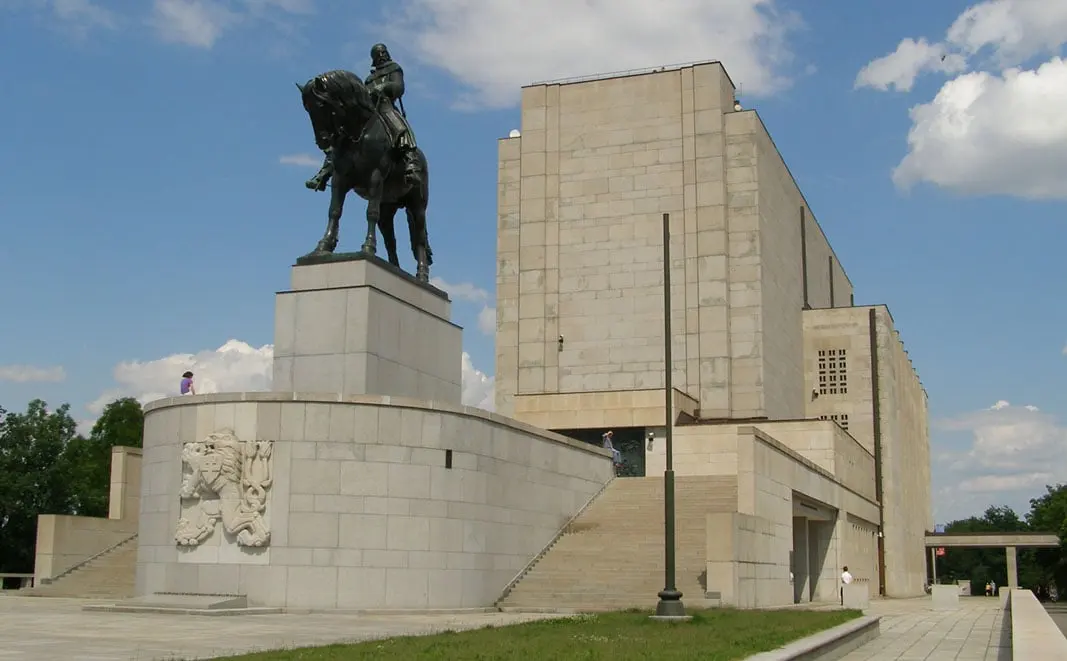
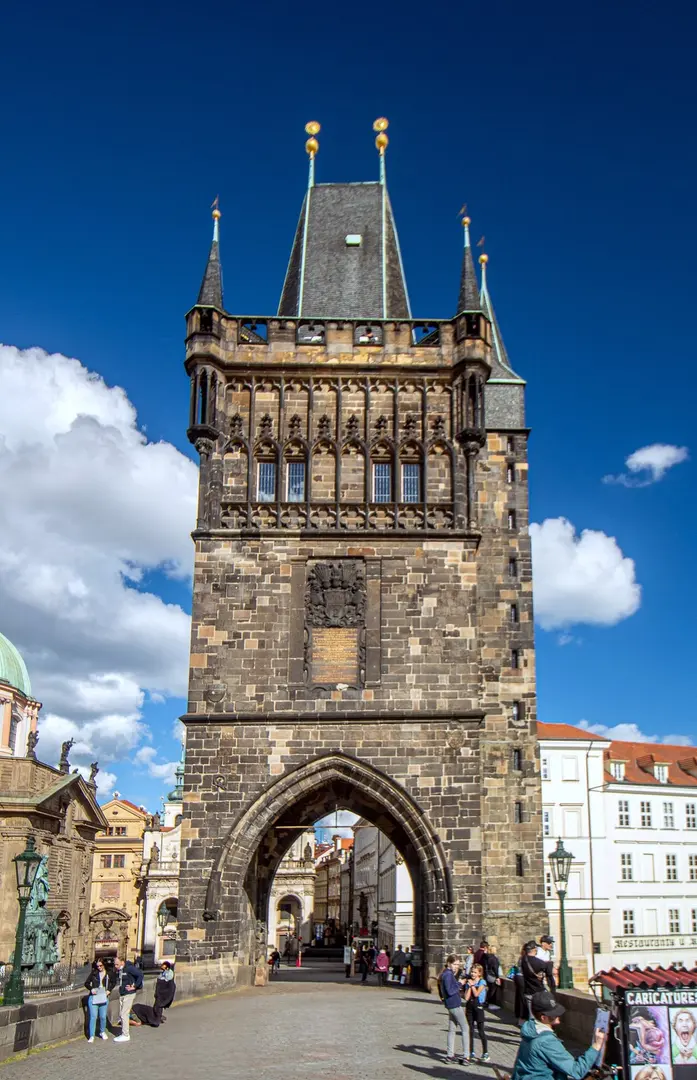
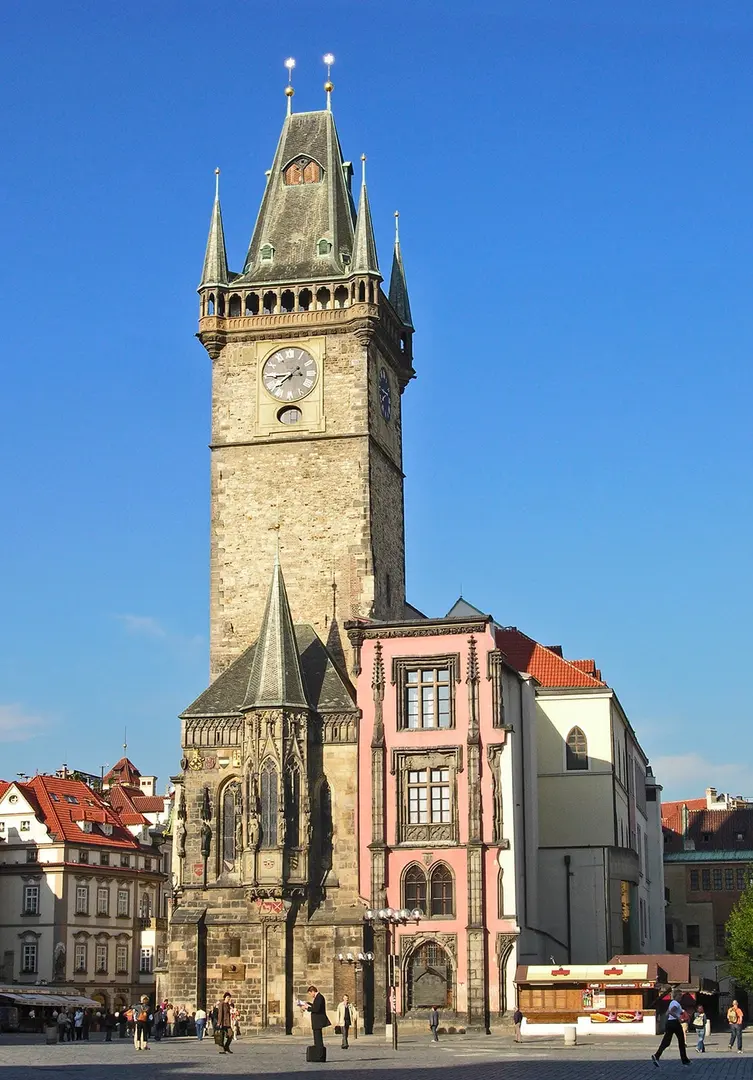
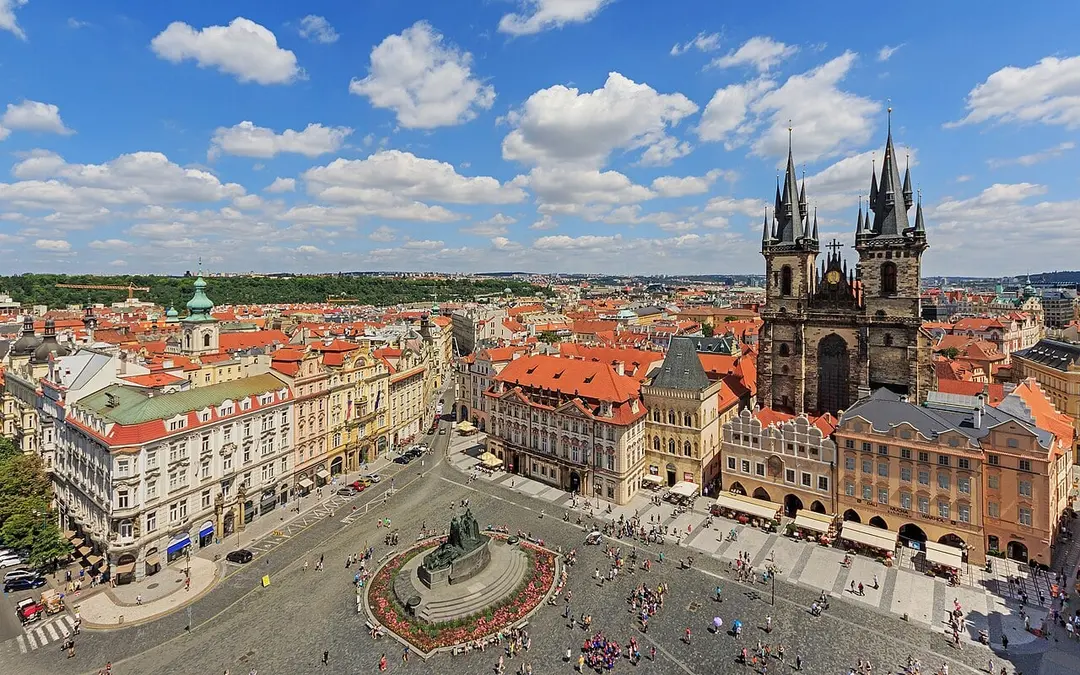
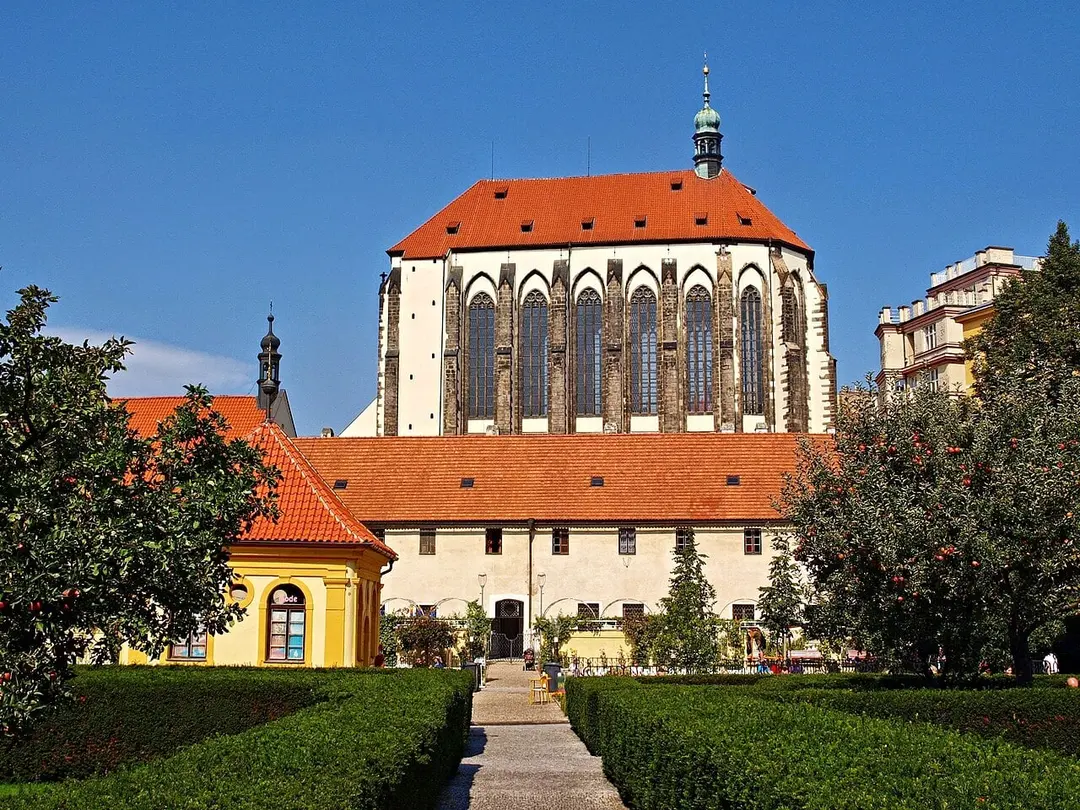
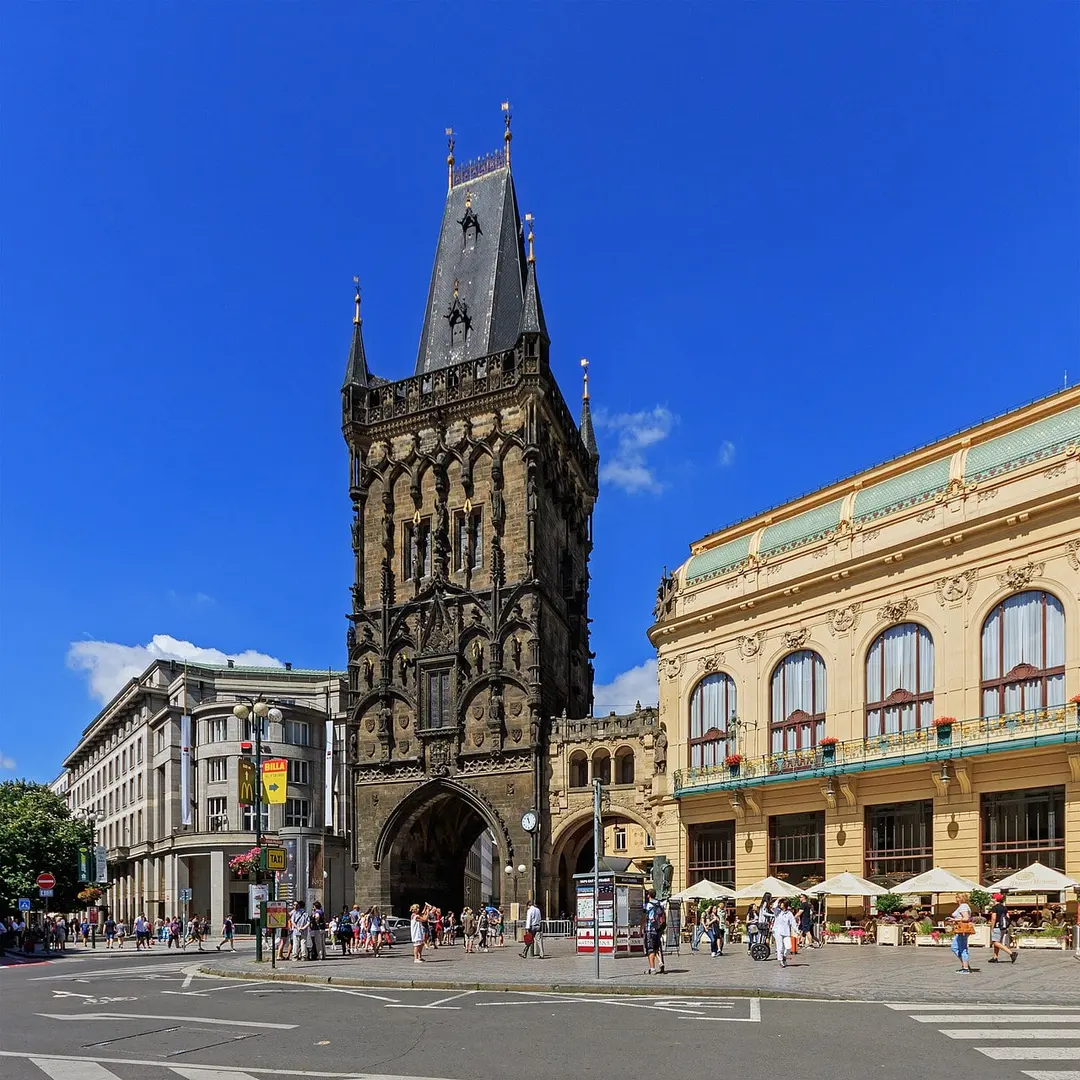
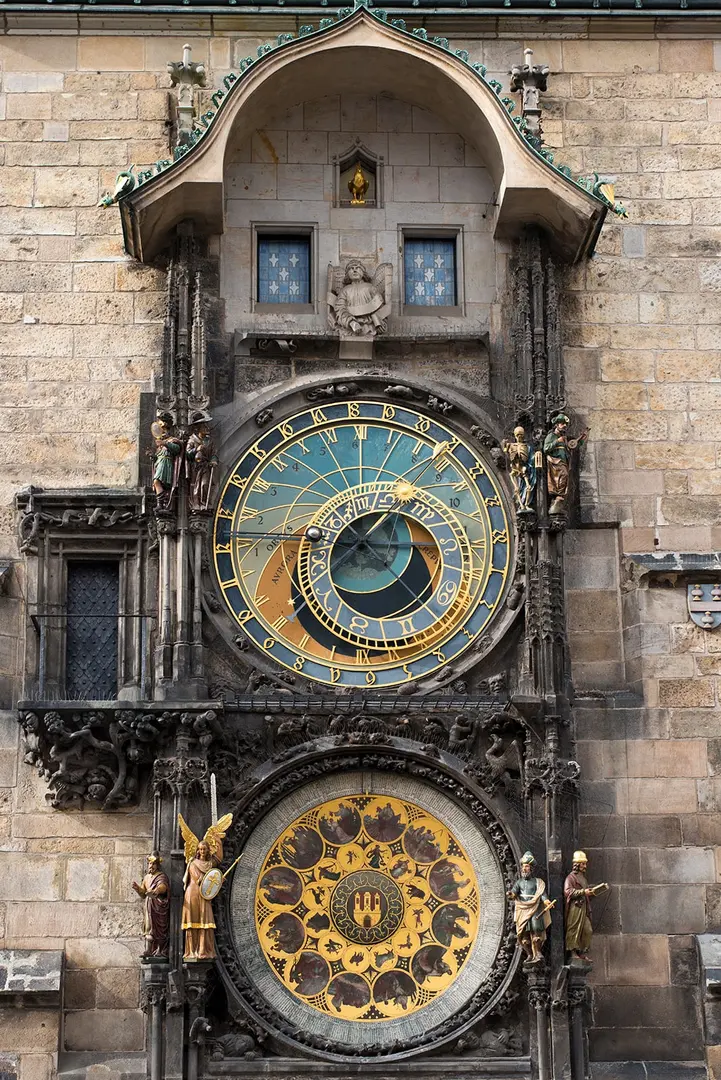
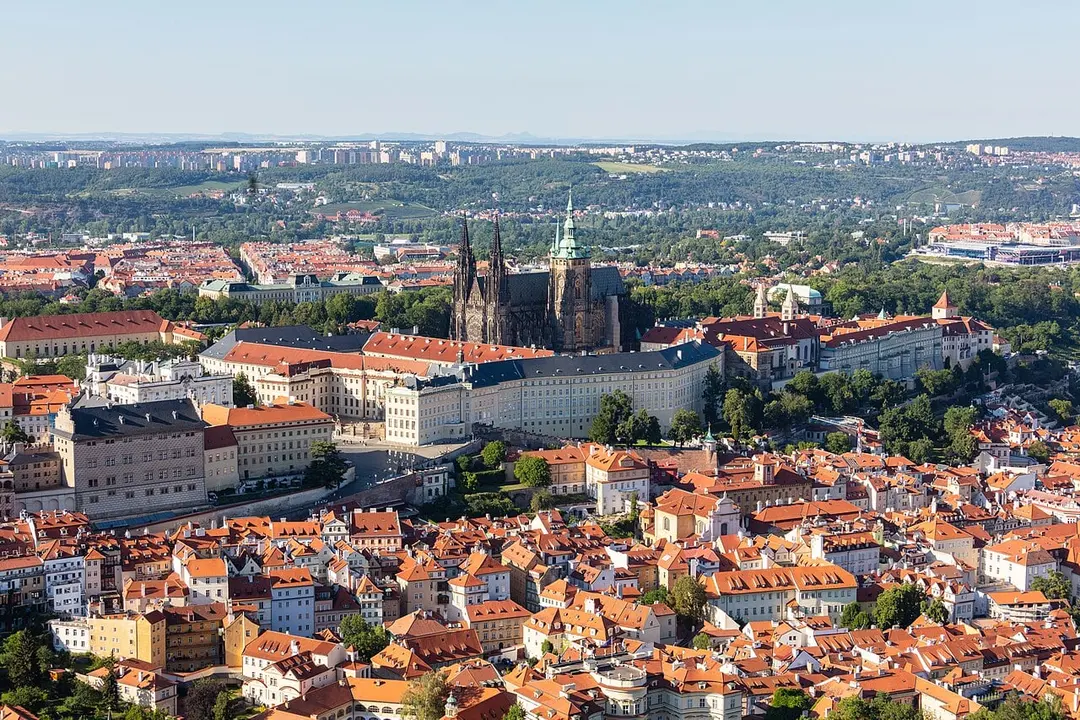
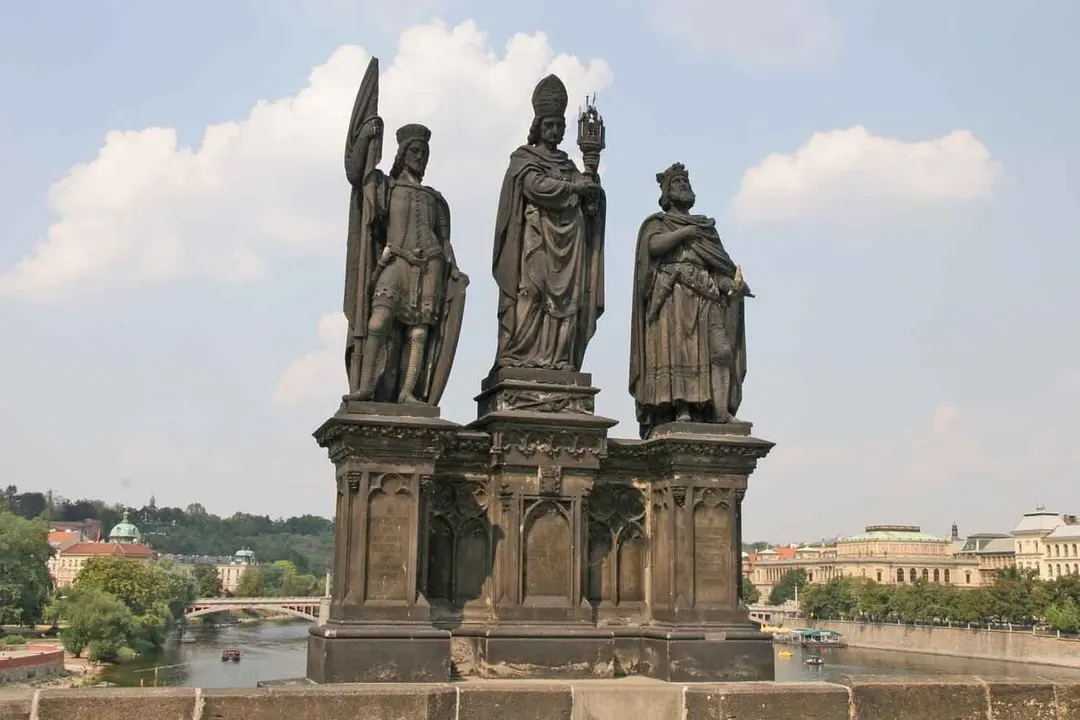
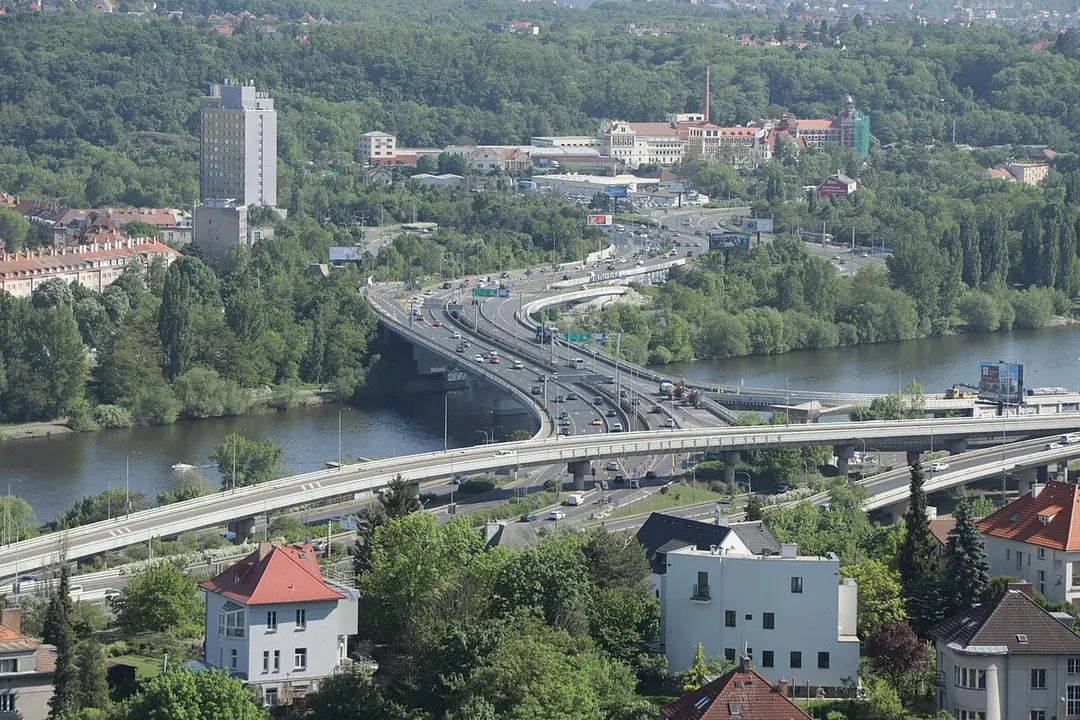
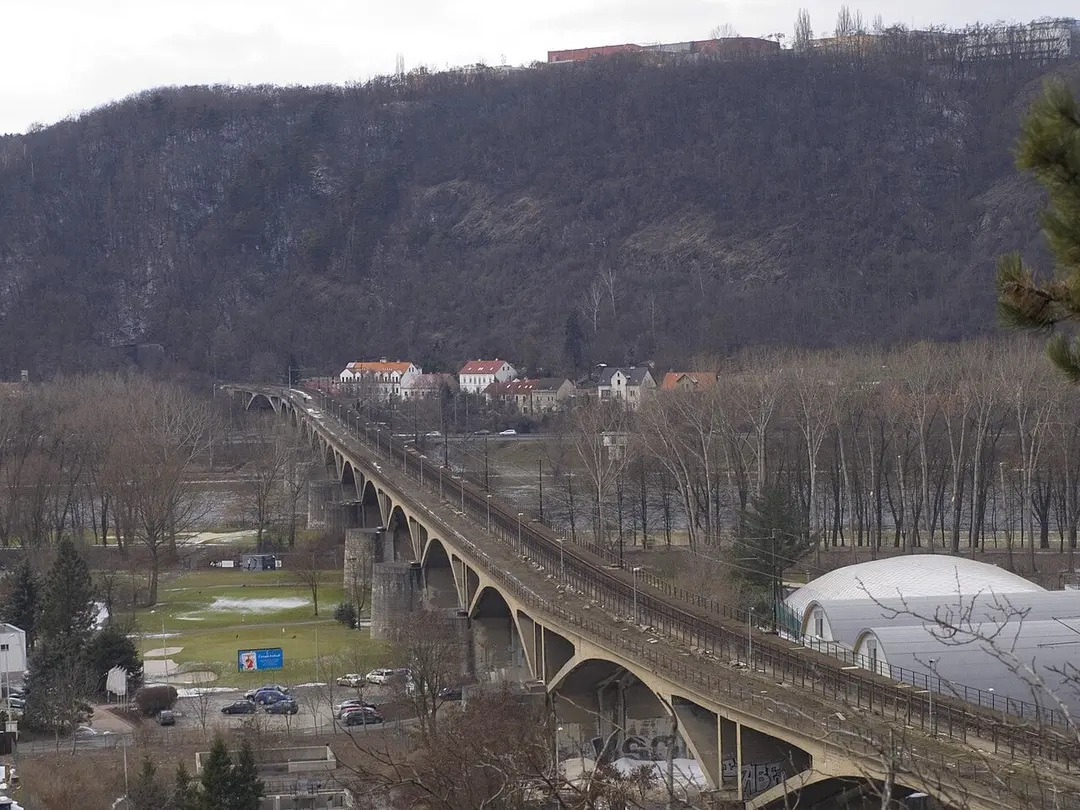
Prague, the capital of the Czech Republic, holds its history in stone, iron and open squares. The Old Town Square anchors the city's medieval core, where the Old Town Hall and its Astronomical Clock have marked time for centuries. The Old Town Bridge Tower stands at the historic crossing of the Vltava, flanked by later spans such as the Bridge of Legions and Čech Bridge. The Powder Tower recalls the city's medieval fortifications, while Our Lady of the Snows reflects its Gothic heritage. The Národní památník na Vítkově speaks to the twentieth century, the National Technical Museum to industrial history, and the saints Norbert, Wenceslaus and Sigismund to Prague's deep religious traditions.
113 places · Prague, Czechia · Editorially curated
Prague
Prague
Prague
Prague
Prague
Prague
Prague
Prague
Prague
Prague
Prague
Prague
Prague
Prague
Prague
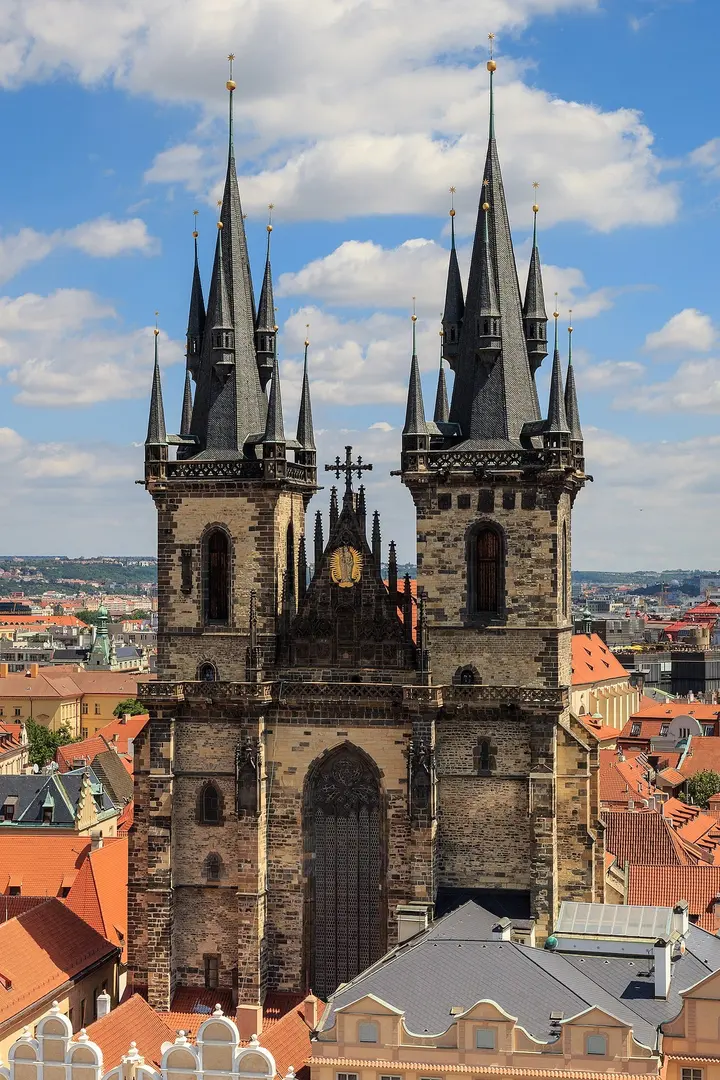
The Church of Our Lady before Tyn on Old Town Square is one of Prague's most recognizable landmarks. Its two asymmetric towers soar 80 metres and are each topped by eight smaller spires, defining the Old Town skyline since the late Middle Ages. Construction began in the 14th century and stretched into the early 16th. Inside are fine altarpieces and the tomb of astronomer Tycho Brahe. For generations the church was the center of the Hussite faith, and it remains one of the most important Gothic religious buildings in Central Europe.
Prague
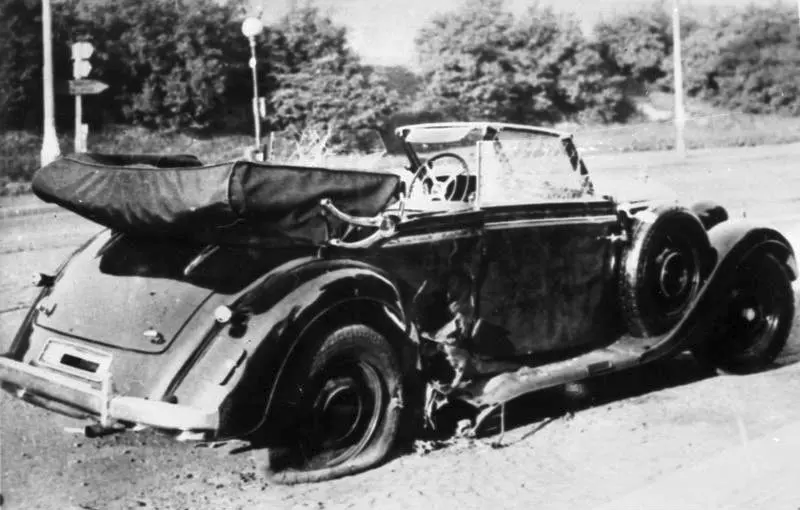
This site marks where Jan Kubiš and Jozef Gabčík parachuted into occupied Czechoslovakia on the night of 28–29 December 1941. Both were non-commissioned officers of the Czechoslovak government-in-exile, inserted as part of Operation Anthropoid — a mission to assassinate Reinhard Heydrich, the acting Reichsprotektor and a principal architect of the Holocaust. The attack succeeded on 27 May 1942; Heydrich died of his wounds eight days later. It remains one of the very few successful assassinations of a high-ranking Nazi official. The drop site commemorates the starting point of one of the most daring resistance operations of the Second World War.
Prague
Prague
Prague
Prague
Prague
Prague
Prague
Prague
Prague
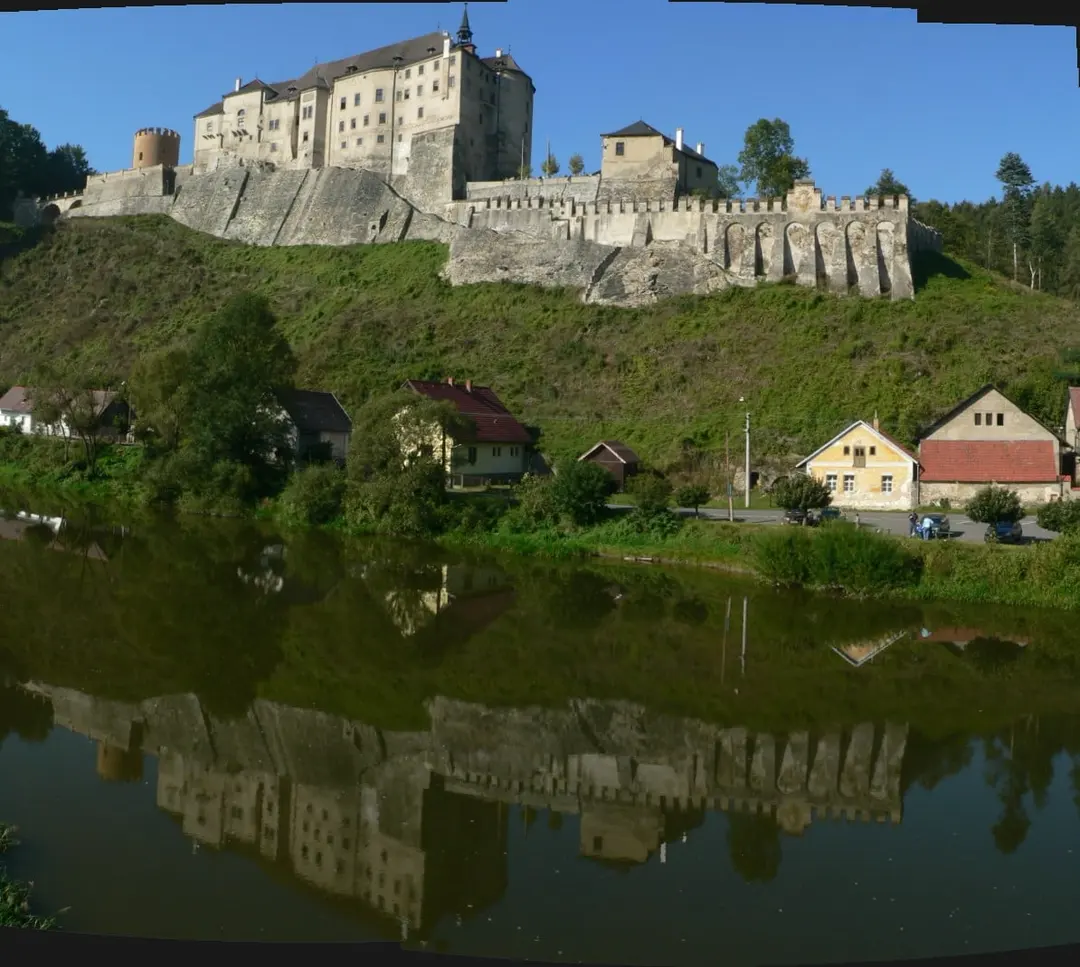
Perched on a massive rocky spur above the Sázava River valley, Český Šternberk Castle stands about 50 kilometres southeast of Prague on the historic royal road to Brno. The castle dates back to 1241, when Zdeslav ze Šternberka initiated its construction, making it one of the oldest surviving fortifications in Bohemia. What sets it apart is that it remains in the possession of the Counts of Sternberg, who still live there — a rare continuity of nearly 800 years of family history. Open to visitors, the castle offers Gothic and Baroque interiors alongside dramatic views over the forested river gorge. A classic day-trip destination from Prague.
Prague
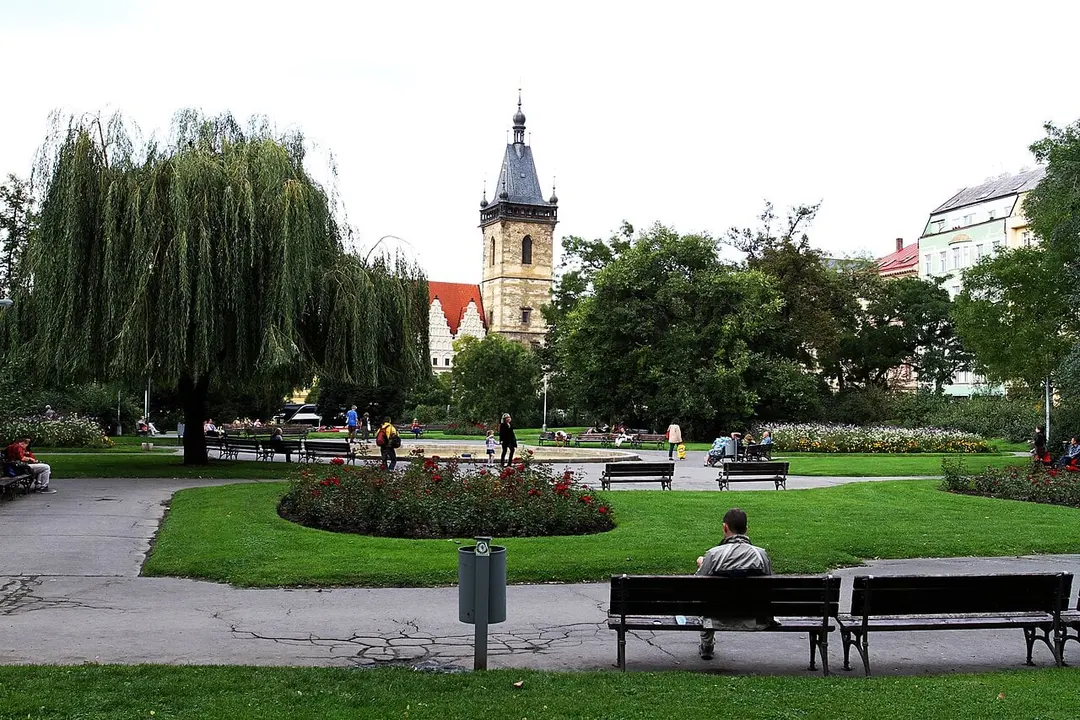
Charles Square (Karlovo náměstí) in Prague's New Town was founded in 1348 by Emperor Charles IV and, at around 80,000 square metres, was one of the largest market squares in medieval Europe. It served as the main cattle market and trading hub of the New Town. Since the 19th century its central area has been a landscaped park with fountains and statues. Today it blends historic city architecture with everyday urban life at the heart of Prague.
Prague
Prague
Prague
Prague
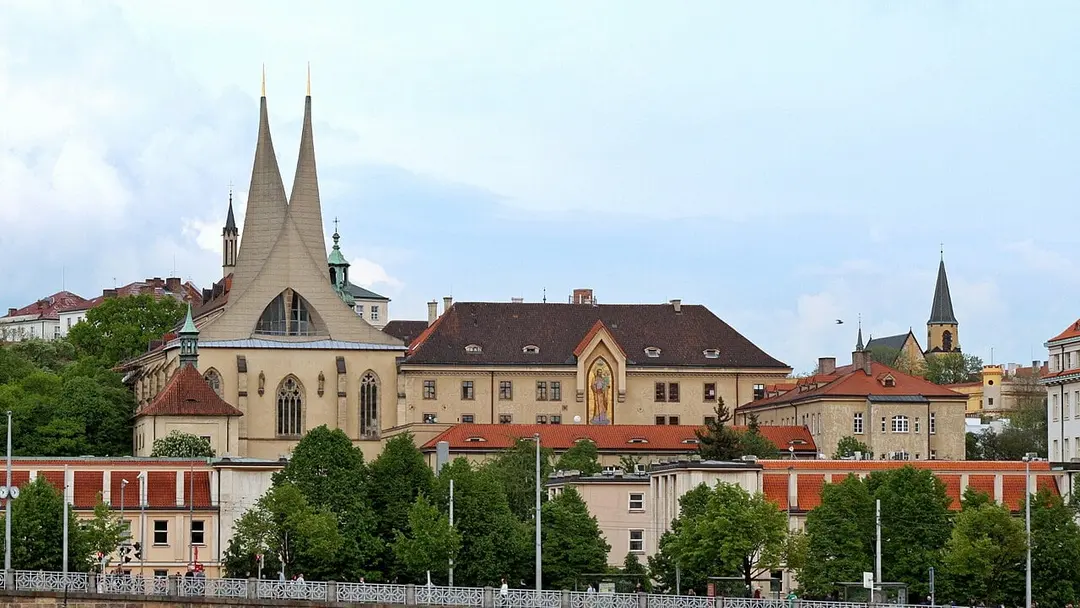
Emmaus Monastery — officially Kloster Na Slovanech — was founded in 1347 by Emperor Charles IV and ranks among the most important medieval monastic complexes in Prague. Charles established it for Slavic Benedictine monks who celebrated the liturgy in Old Church Slavonic, a unique privilege within the Latin Church. The monastery church and Gothic cloisters with their frescoes are among the art-historical treasures of Bohemia. The complex was severely damaged by bombing in the Second World War; the distinctive modern towers were added during reconstruction and now define the silhouette of the Vyšehrad district. The Benedictines continue to maintain the monastery as an active community, and the complex is open to visitors.
Keep exploring
Rate places with a swipe — TravelType learns from your tags what you love and curates your own map. Private until you choose to share.