Piazza San Marco
Venice
architectureculturenature+7
mystery
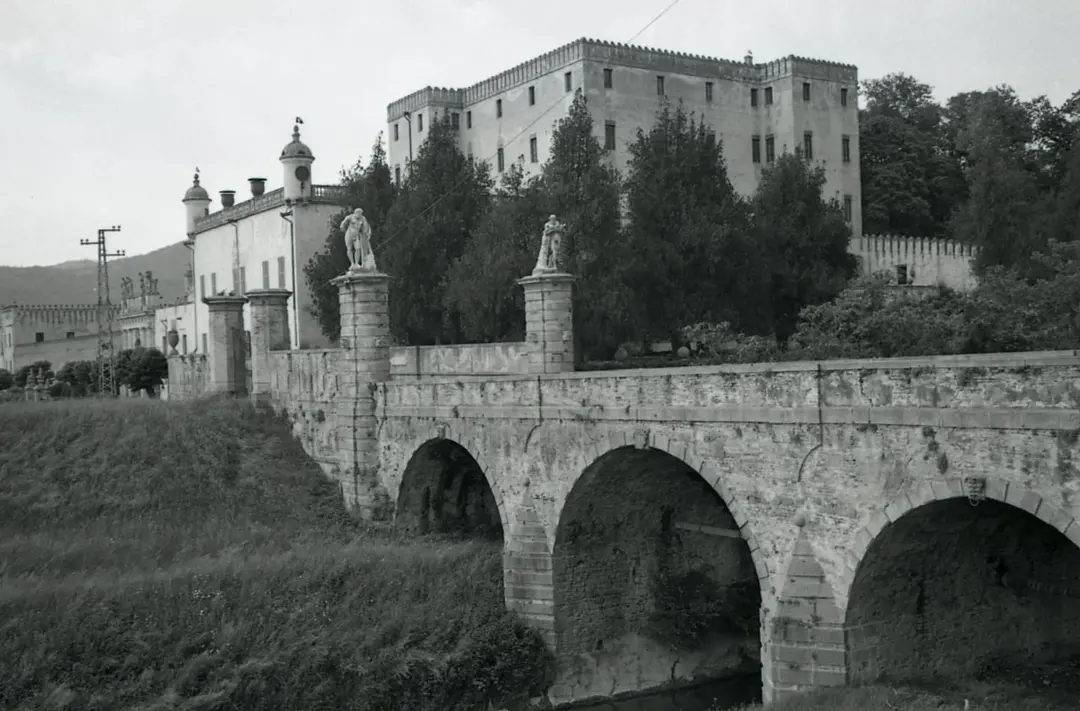
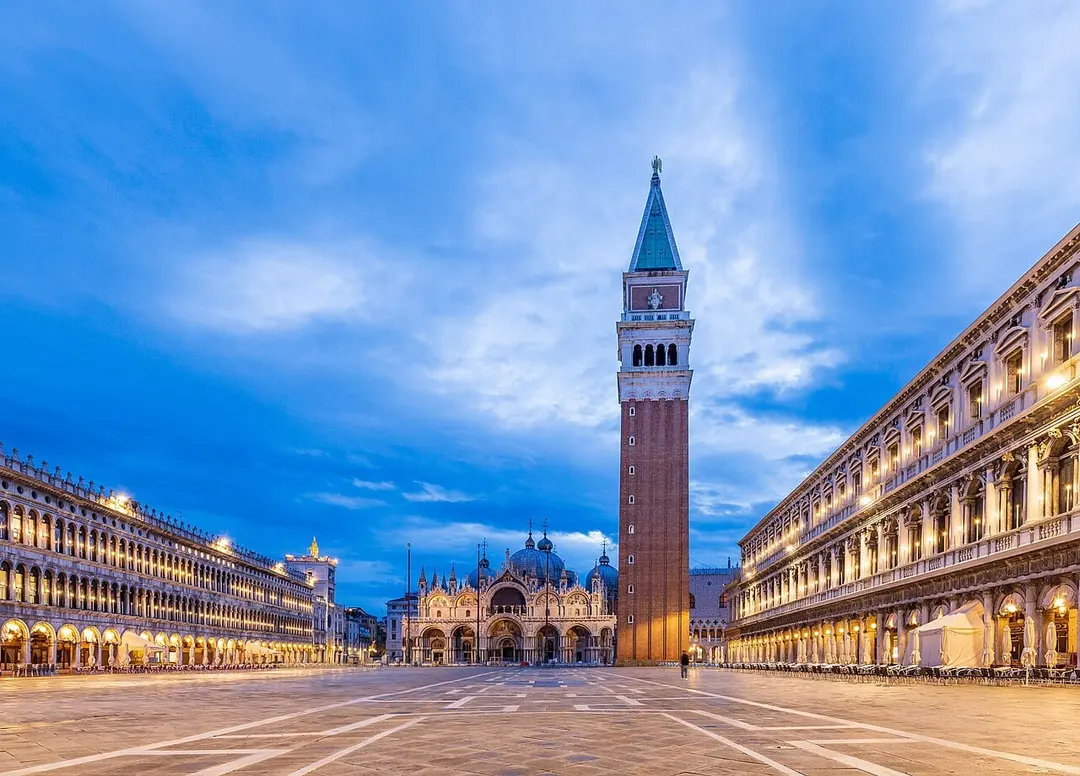
Venice conceals layers of mystery behind its waterways and weathered facades. The Piazza San Marco and its Battistero speak of ritual and power, while Il Gobbo di Rialto — the crouching stone figure near the market — has gathered folklore for centuries. Quieter corners such as the Chiesa di San Giacomo dall'Orio and the Chiesa di San Giovanni di Malta hold their own shadowed histories. The submerged ruins of Altinum, the Castello del Catajo, and the Cappella Ovetari extend the region's enigmatic reach well beyond the lagoon itself.
12 places · Venice, Italy · Editorially curated
Venice
Venice
Osteria Ai Pioppi in Nervesa della Battaglia, northern Italy, is both a restaurant and one of the strangest amusement parks in the world. Bruno Ferrin, who opened it with his wife Marisa in 1969, spent decades building over 50 attractions entirely by hand — and completely without motors. All the rides — swings, slides, centrifuges, loops — run purely on human power, gravity, and physics. Bruno was not an engineer but a curious tinkerer who created complex mechanical structures from simple materials. Entry remains free to this day. Diners eat surrounded by bizarre hand-built steel contraptions in a lush garden. An utterly idiosyncratic, unforgettable mix of food, art, and physics.
Venice
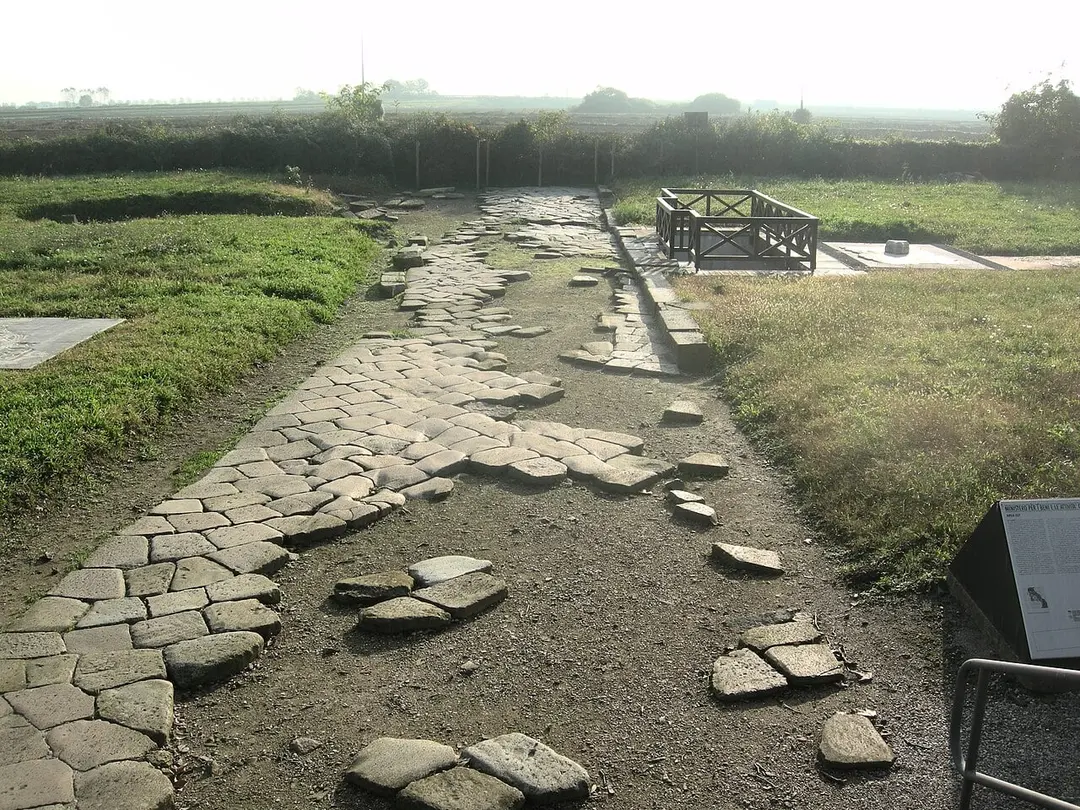
Altinum was a prominent city of the Veneti in what is now northeastern Italy, situated near the Venetian Lagoon. Its origins go back to the 8th century BC, and under Roman rule it flourished as a busy trading port with around 20,000 inhabitants. In the 5th century, Attila the Hun's raid sent many residents fleeing to the lagoon islands — laying the groundwork for Venice itself. Final abandonment came around 900 AD due to Magyar invasions. Today the sunken city lies mostly under farmland and has been mapped through aerial archaeology and laser scanning.
Venice
The church of Santa Margherita in the Dorsoduro sestiere is one of Venice's oldest religious buildings, possibly dating back to the 9th century. Originally dedicated to Saint Margaret of Antioch, one of the Fourteen Holy Helpers, it was secularised during the Napoleonic era. Since then the building has served various secular purposes and today functions as an auditorium and event space for the University of Venice. Visitors passing through the lively Campo Santa Margherita find here a quiet contrast to the busy square outside.
Venice
Venice
Venice
Venice
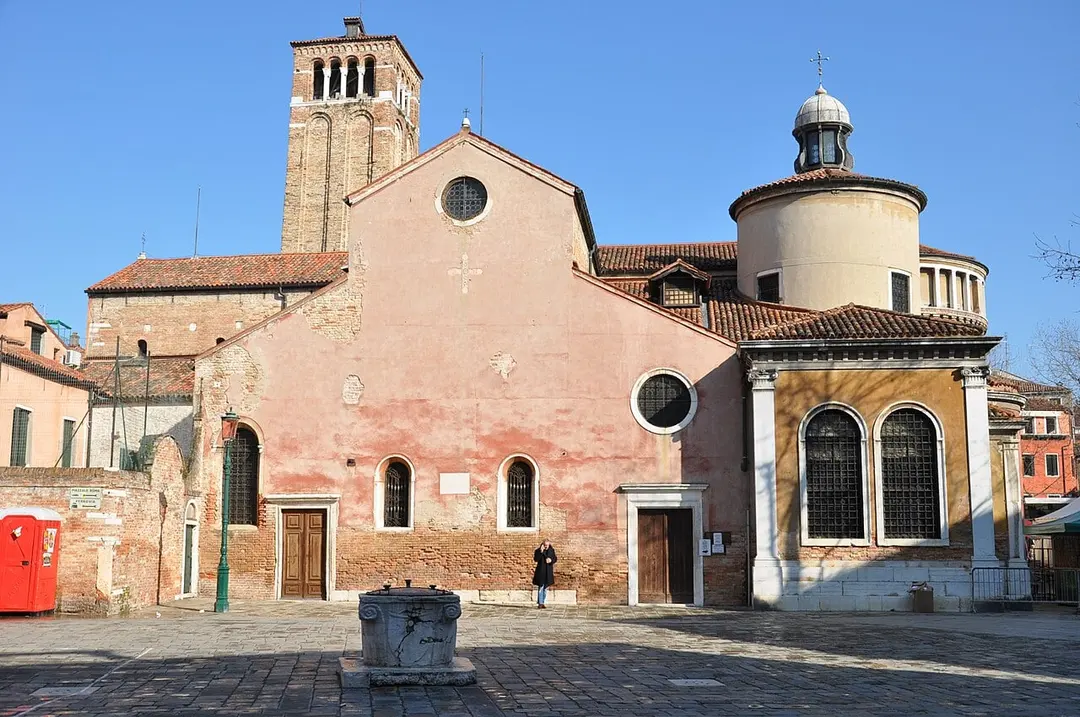
San Giacomo dall''Orio is one of Venice''s oldest churches, dating to 976, located in the Santa Croce sestiere. It is a prime example of Venetian church architecture that evolved over centuries: a Romanesque core with Gothic additions and Renaissance modifications. The church houses the tomb of Giambattista Pittoni, one of the most important Venetian painters of the 18th century, who died in 1767. Situated on a lively campo, it remains an active part of neighbourhood life rather than a set-piece tourist attraction.
Venice
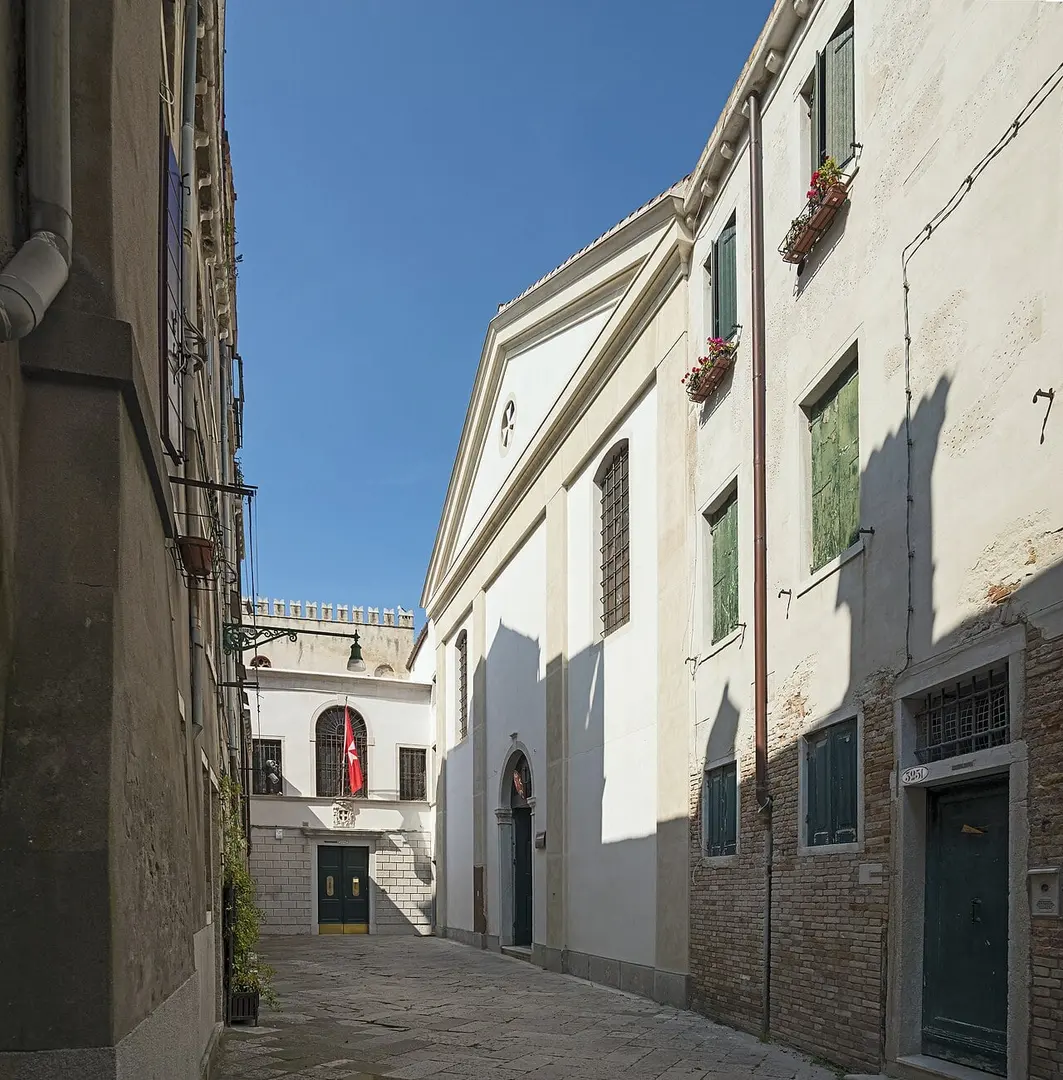
San Giovanni di Malta sits in the quiet eastern reaches of the Castello sestiere in Venice, well away from the main tourist circuits. Founded in the 11th century, the church fell under the influence of the Knights Templar before passing to the Knights Hospitaller — later the Order of Malta — after the Templars were dissolved in 1312. Its current form dates from around 1565. The complex includes several buildings around a tranquil garden courtyard, which serves as the Grand Priory of the Order of Malta in Venice. The church is rarely crowded, offering unusual quiet in the middle of the city.
Venice
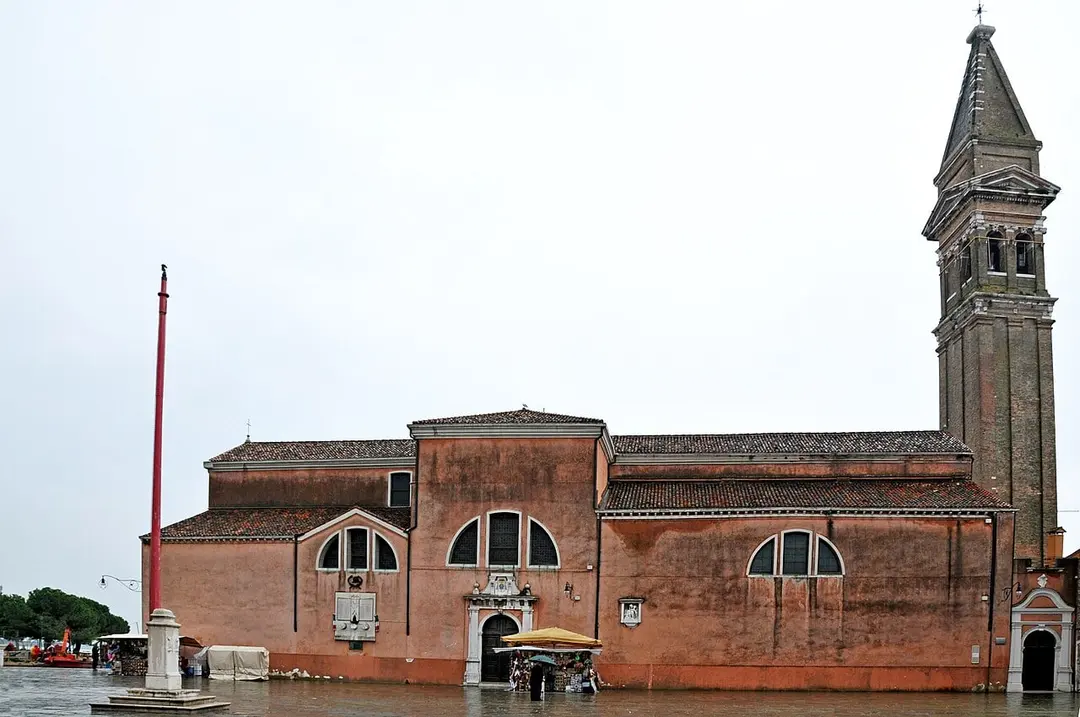
The church of San Martino stands on the Piazza Galuppi at the heart of Burano, the colorful island in the northern part of the Venetian lagoon. The church dates to the 16th century and was reconsecrated in 1630 after alterations; its patron is Martin of Tours. Far more recognized than the church itself is its detached bell tower from 1703 to 1714, which leans visibly to one side — a local landmark caused by the soft, shifting soil of the lagoon. Alongside Burano's famous painted houses, the tilting campanile has become one of the island's defining images.
Venice
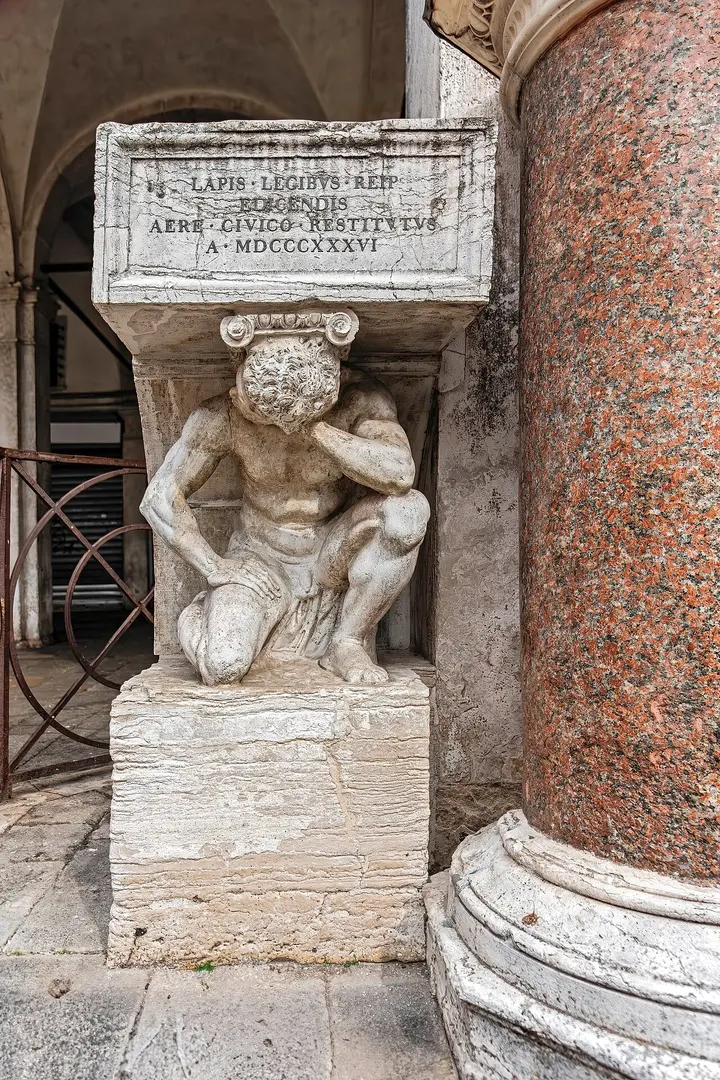
Il Gobbo di Rialto – the Hunchback of the Rialto – is a marble statue carved from Istrian stone, standing opposite the Church of San Giacomo di Rialto in Venice. Sculpted in the 16th century by Pietro da Salò, it depicts a crouching, naked hunchback supporting a small flight of steps from which public proclamations were once read aloud. The figure is one of Venice's most unusual landmarks and closely tied to the folk culture of the Rialto district.
Venice
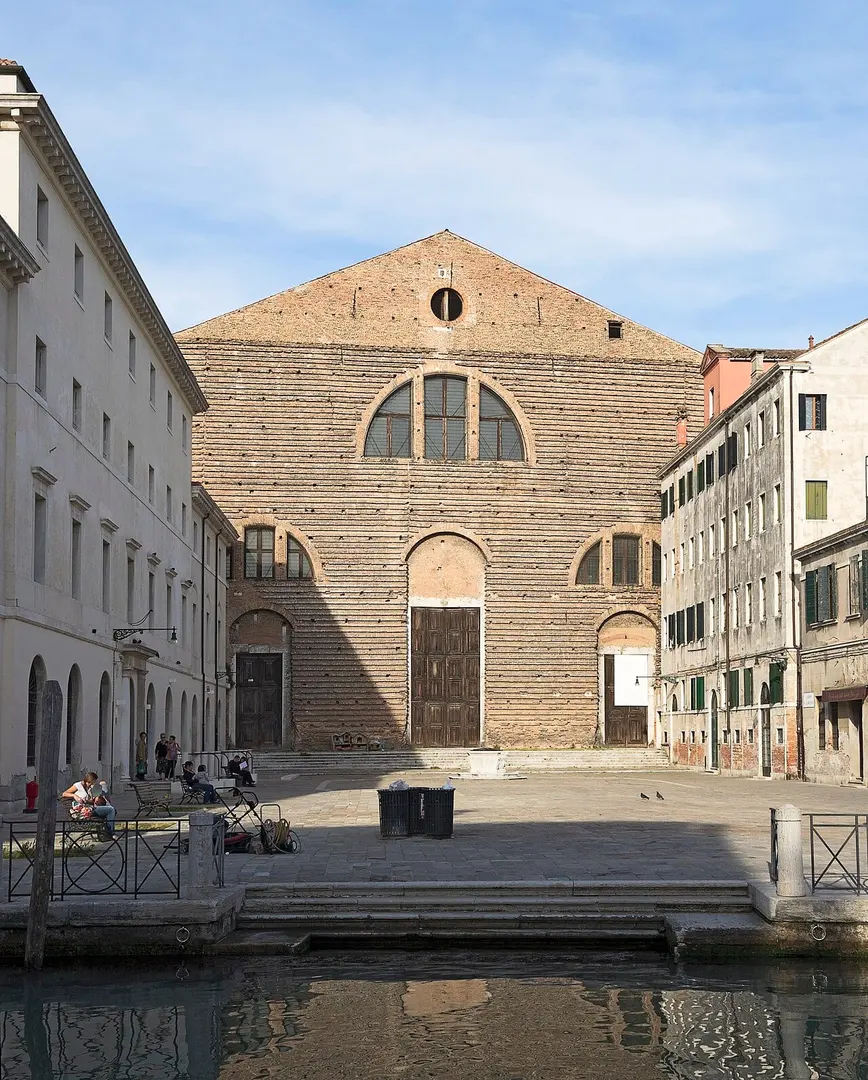
San Lorenzo is a deconsecrated church on the Campo San Lorenzo in Venice's Castello sestiere. Its history stretches back to the 7th century, though the present structure dates mainly from around 1600. Together with the chapel of San Sebastiano it formed part of a Benedictine convent. Progressively deconsecrated from 1812, it formally lost its parish status in 1868 and today stands closed to the public. The church is sometimes cited as the possible burial site of Marco Polo, though this remains historically unverified.
Keep exploring
Rate places with a swipe — TravelType learns from your tags what you love and curates your own map. Private until you choose to share.