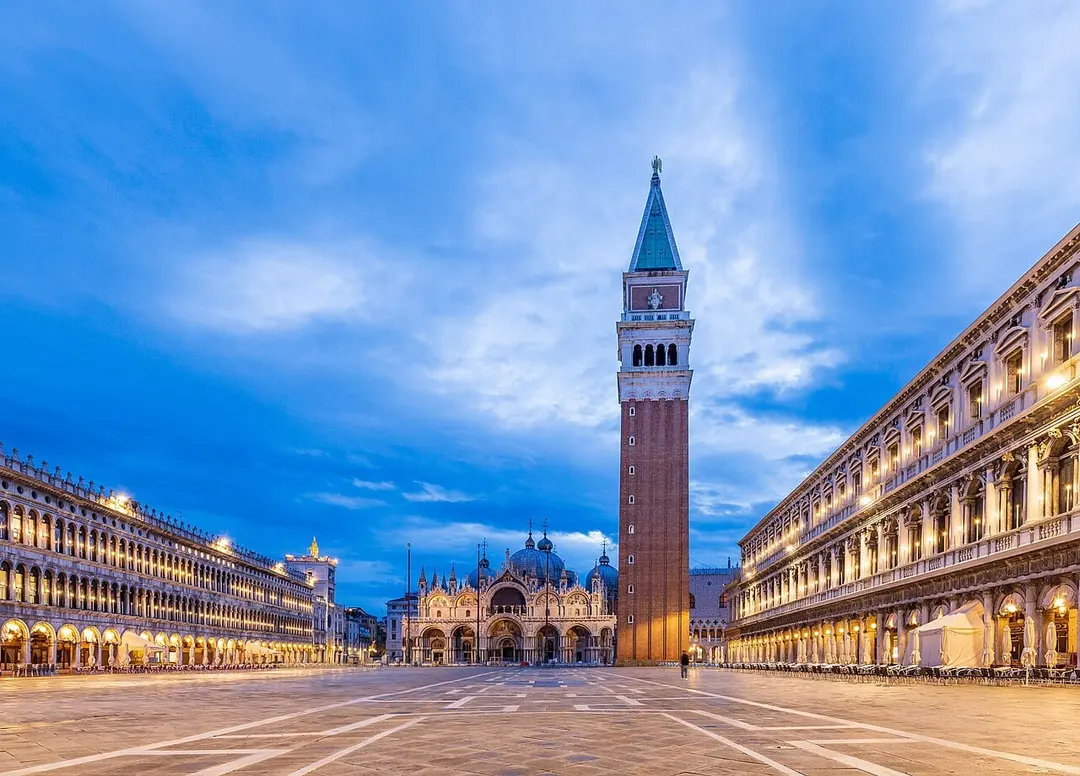
Piazza San Marco
Venice
architectureculturehistory+7
nature
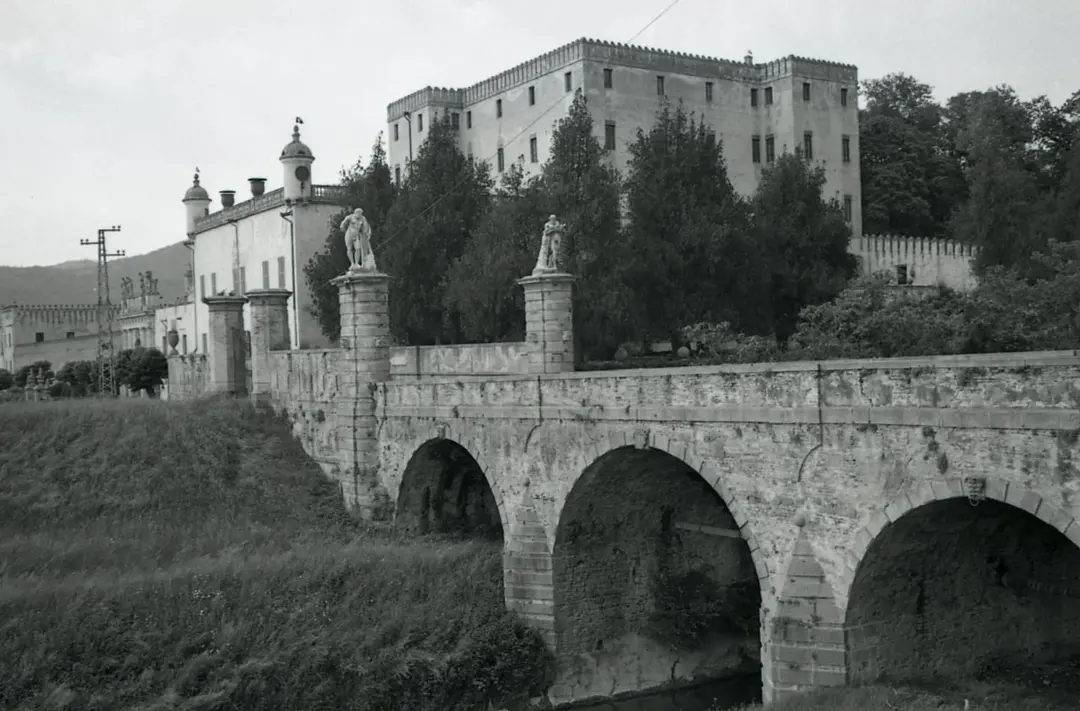
Venice and its wider region hold more natural character than its famous canals might suggest. The Laguna del Mort stretches as a quiet coastal waterway along the northern lagoon, while the rivers Brenta, Bacchiglione and Adige wind through the mainland. Green retreats such as the Giardini Papadopoli in the city and the Giardino Eden Hundertwasser offer a quieter pace. Further into the hinterland, Castello del Catajo, Ai Pioppi and the contemplative Brion tomb sit within open countryside. On the islands of Torcello and in Chioggia, the two cathedrals of Santa Maria Assunta each stand in notably tranquil, unhurried surroundings.
9 places · Venice, Italy · Editorially curated
Venice
Venice
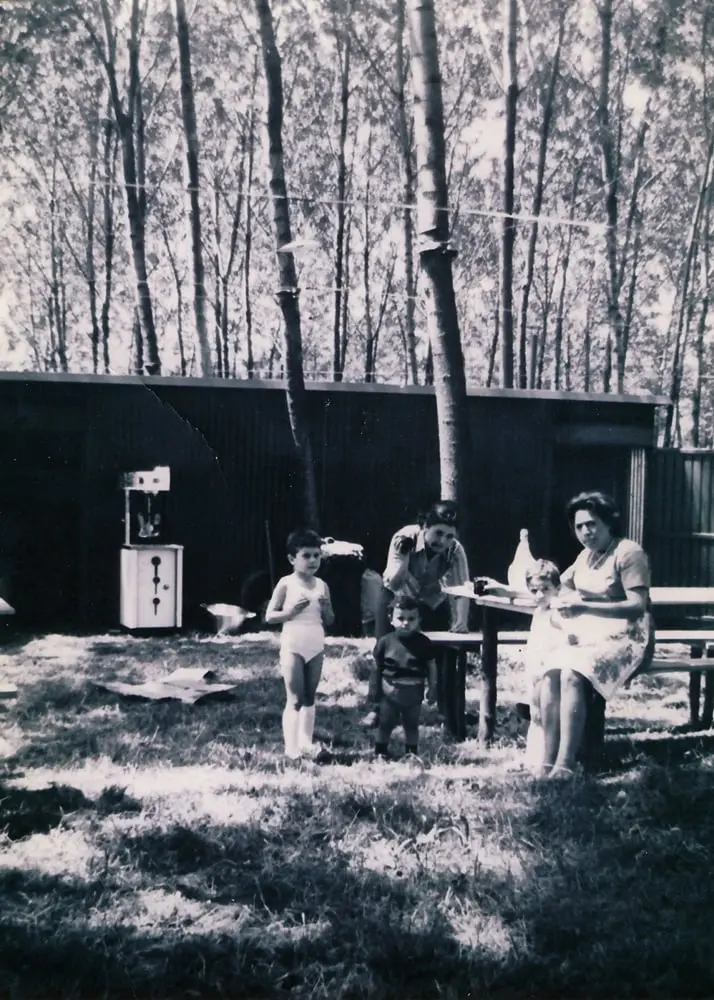
Osteria Ai Pioppi in Nervesa della Battaglia, northern Italy, is both a restaurant and one of the strangest amusement parks in the world. Bruno Ferrin, who opened it with his wife Marisa in 1969, spent decades building over 50 attractions entirely by hand — and completely without motors. All the rides — swings, slides, centrifuges, loops — run purely on human power, gravity, and physics. Bruno was not an engineer but a curious tinkerer who created complex mechanical structures from simple materials. Entry remains free to this day. Diners eat surrounded by bizarre hand-built steel contraptions in a lush garden. An utterly idiosyncratic, unforgettable mix of food, art, and physics.
Venice
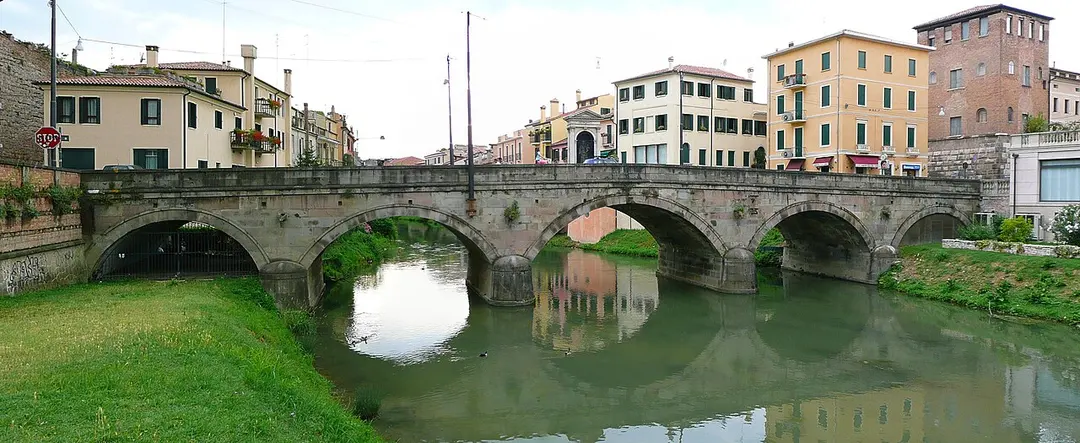
The Bacchiglione is a river in the northern Italian region of Veneto, flowing from the Alps through Vicenza and Padua before emptying into the Brenta near Chioggia. For centuries it served as an important waterway as far as Vicenza, above which it is no longer navigable. In the 19th century it was connected to the Adige by a canal. Along its banks lie historic town centers and bridges that shaped the link between the Alpine region and the Adriatic coast.
Venice
Venice
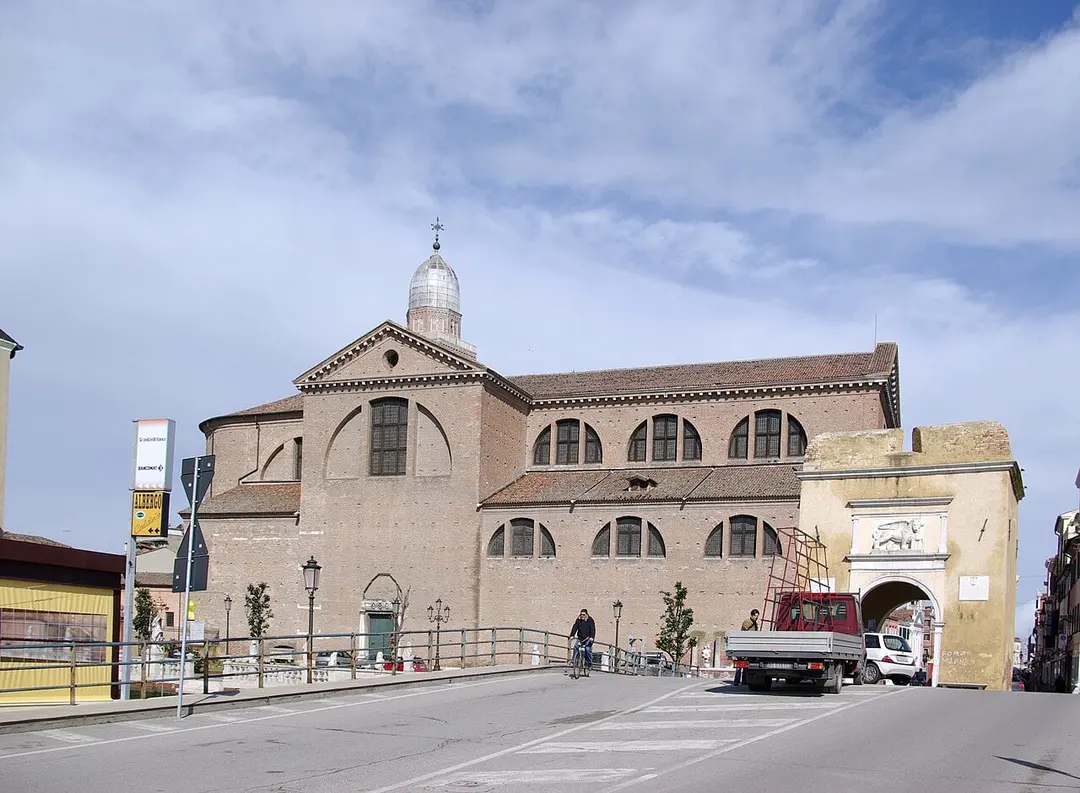
The Cathedral of Chioggia serves as the main church of the Diocese of Chioggia and is the largest building in this small fishing town at the southern tip of the Venetian Lagoon. The current Baroque structure was begun in 1627, replacing an earlier church. Chioggia is often called the smaller, more authentic Venice — tourists rarely make it here, and locals dominate the streets and canals. Inside the cathedral are numerous artworks including paintings by Venetian masters of the 17th and 18th centuries. The surrounding canals and fish market lanes make a visit a quieter counterpoint to the bustle of the Serenissima.
Venice
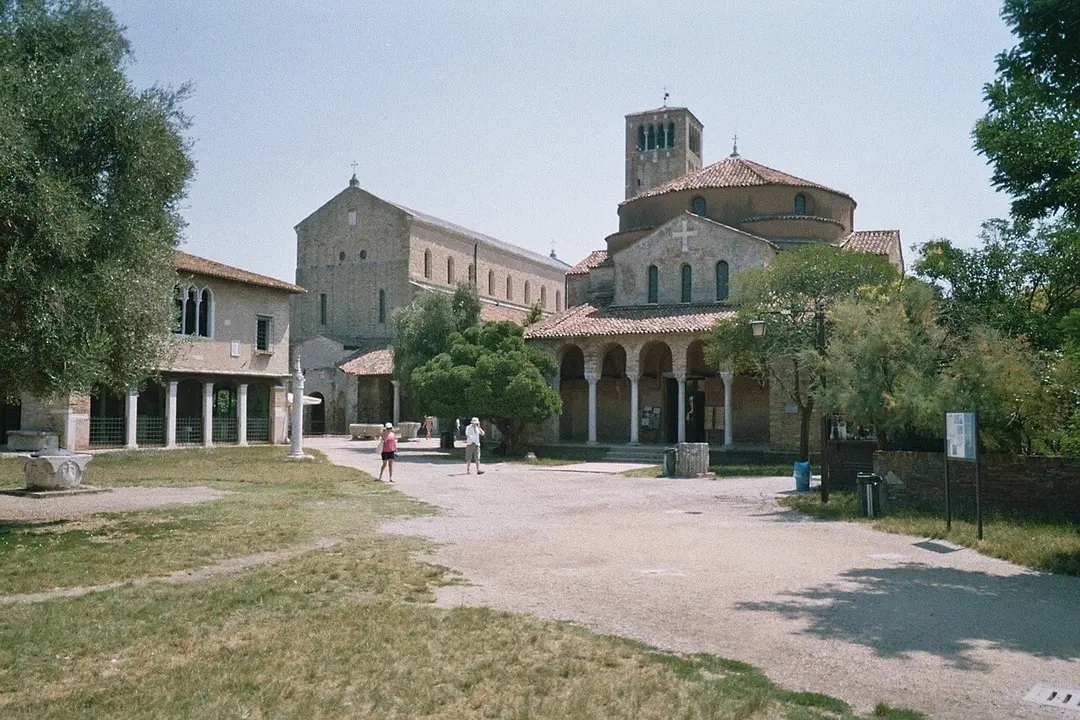
The Cathedral of Santa Maria Assunta on the lagoon island of Torcello is one of the oldest and most important religious buildings in the Veneto. The first church was built in the 7th century, when Torcello was still a thriving city of tens of thousands — long before Venice rose to prominence. Inside, the earliest surviving mosaics of the lagoon cover the walls: a monumental Last Judgment fills the west wall, while the apse shows an enthroned Madonna, both dating to the 11th and 12th centuries. Today Torcello is nearly deserted, and this silence makes a visit particularly moving. The island is part of the UNESCO World Heritage site of Venice and its Lagoon.
Venice
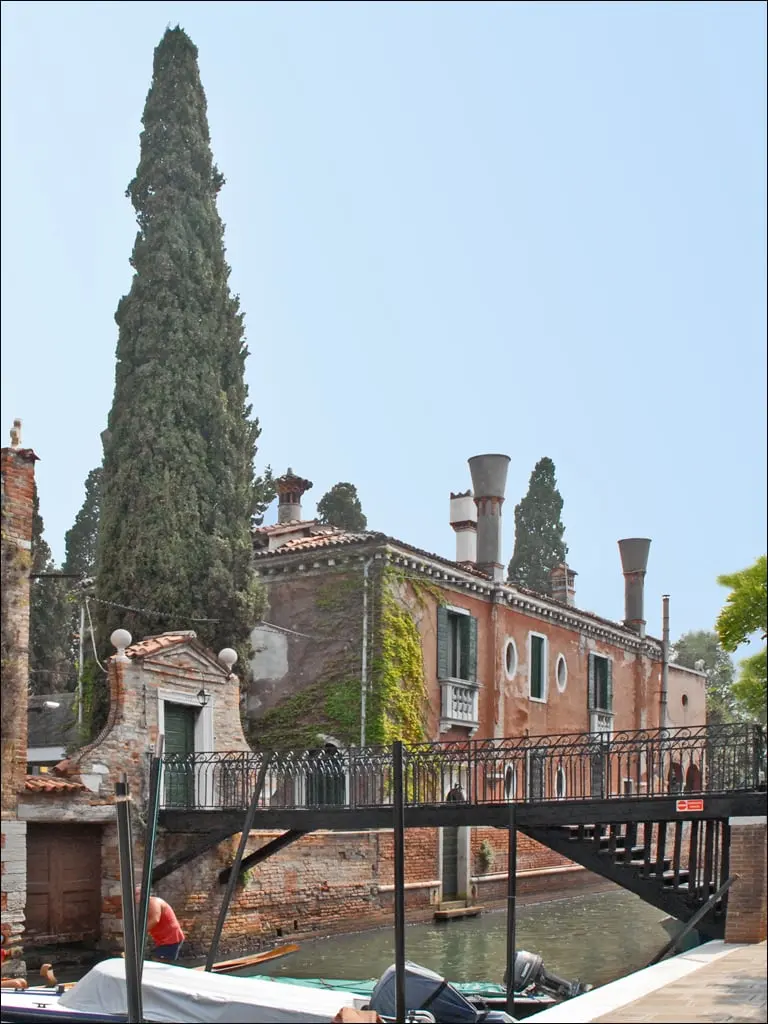
The Garden of Eden is a legendary historic garden on Venice's Giudecca island. English landscape gardener Frederic Eden created it in 1884 as a lush, slightly wild retreat. It later passed to Princess Aspasia of Greece and Queen Alexandra of Yugoslavia. From 1979 to 2000 the artist Friedensreich Hundertwasser lived and worked here, deliberately surrendering the garden to nature. The extensive private property is rarely open to the public, yet its extraordinary story makes it one of Venice's most intriguing off-the-beaten-path destinations.
Venice
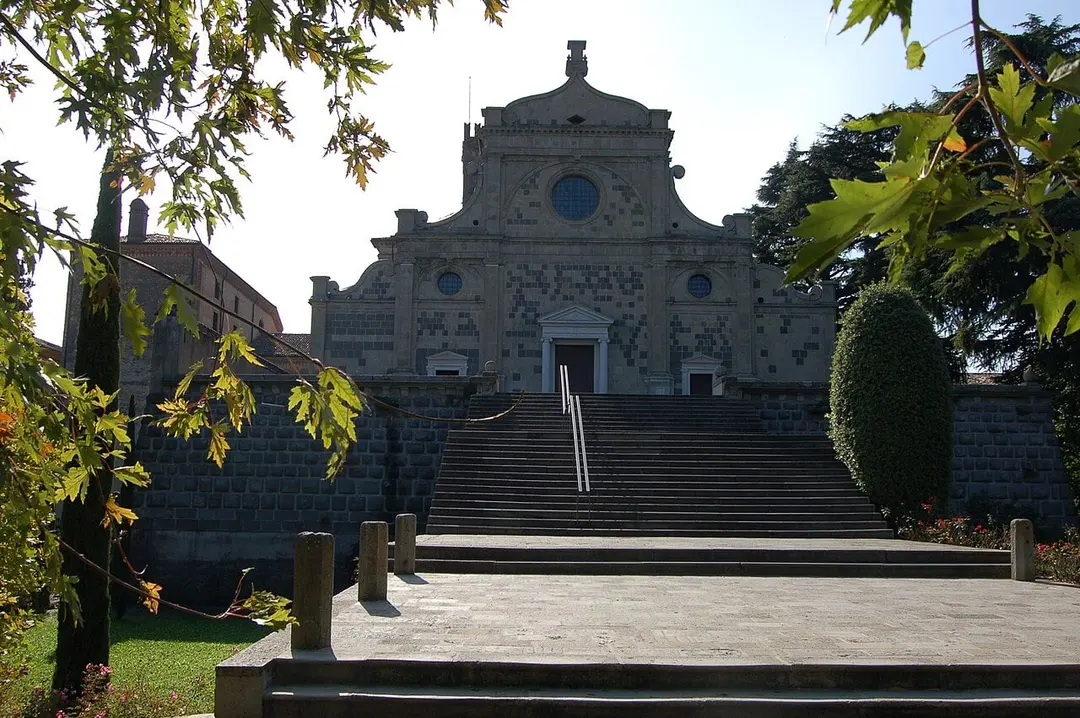
Praglia Abbey sits at the foot of the Euganean Hills, about twelve kilometres southwest of Padua. This Benedictine monastery traces its origins to the 11th century and remains one of the most important active monasteries in northern Italy. It is especially known for its workshop dedicated to restoring old books and manuscripts — monks here have kept the craft of book restoration alive for centuries. Visitors can tour the cloisters, the Gothic-Romanesque church, and the Baroque library; the abbey also offers spiritual retreat programmes for those seeking quiet.
Venice
Keep exploring
Rate places with a swipe — TravelType learns from your tags what you love and curates your own map. Private until you choose to share.