Piazza San Marco
Venice
culturenaturehistory+7
architecture
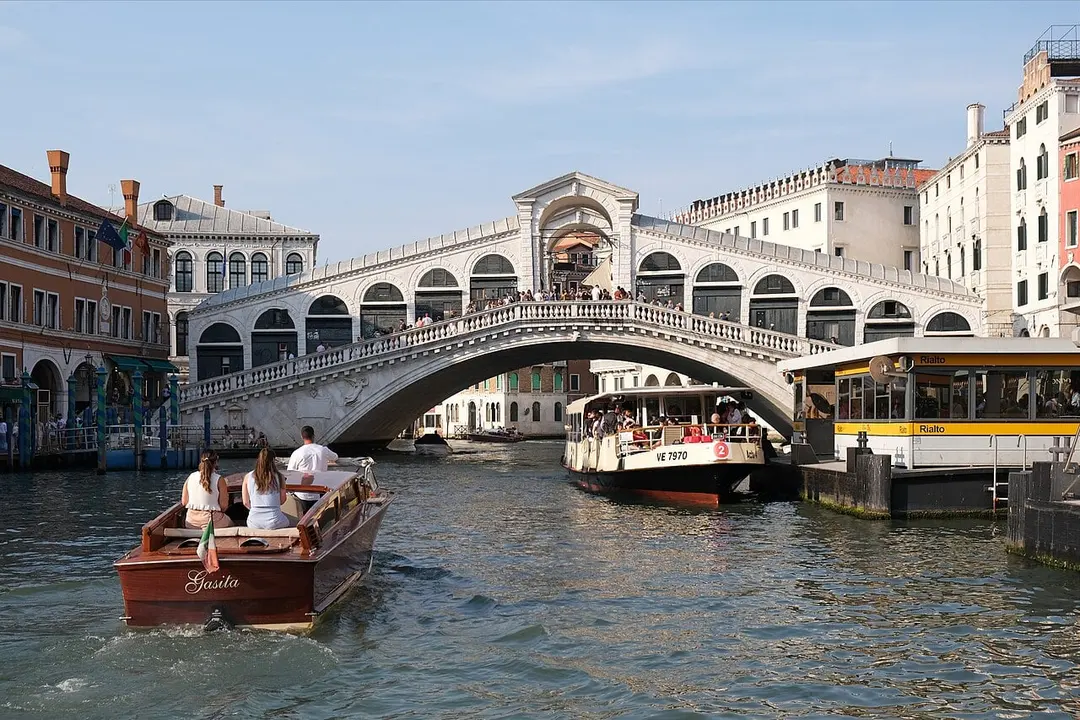
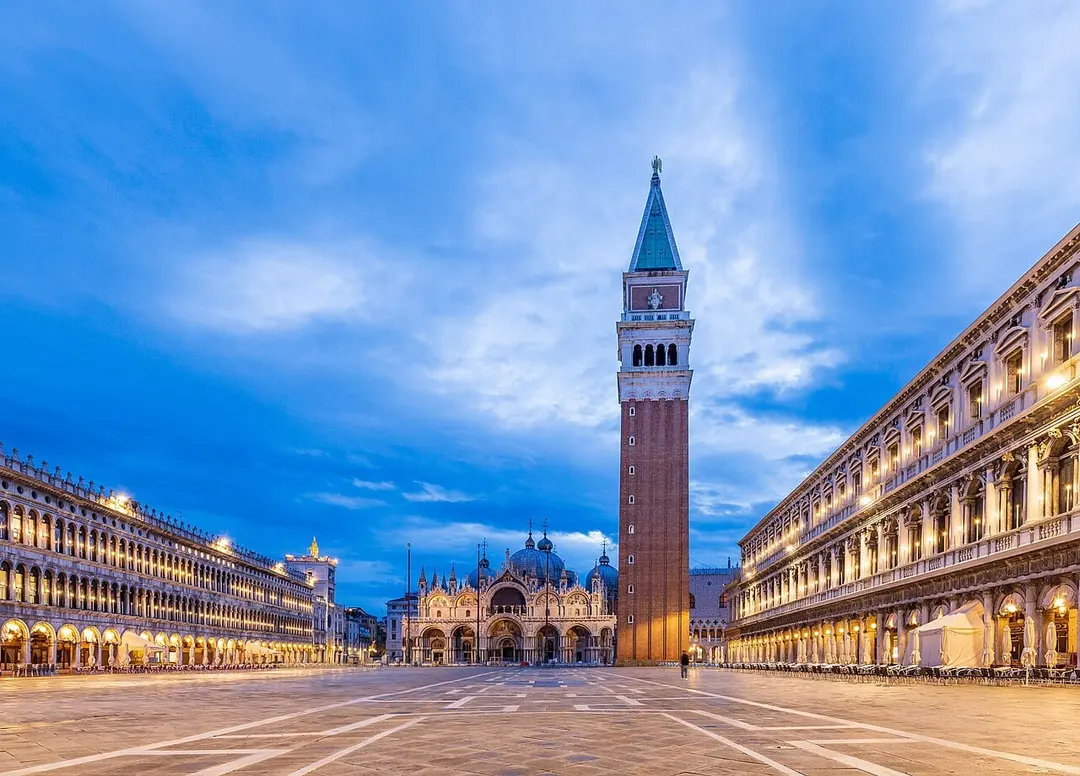
Venice, the lagoon city of northern Italy, brings together a remarkable range of architecture within a compact urban fabric. The Piazza San Marco anchors the city's civic life, while the Rialto Bridge is among the oldest and most recognisable structures spanning the Grand Canal. The Ponte della Costituzione offers a contrasting example of contemporary engineering. Religious buildings shape the cityscape throughout: the Basilica dei Frari, the Basilica dei Santi Giovanni e Paolo, the domed San Simeone Piccolo, and Santa Maria di Nazareth each represent distinct periods and styles. On the island of Murano, the Basilica dei Santi Maria e Donato adds another layer to the city's architectural story.
72 places · Venice, Italy · Editorially curated
Venice
Venice
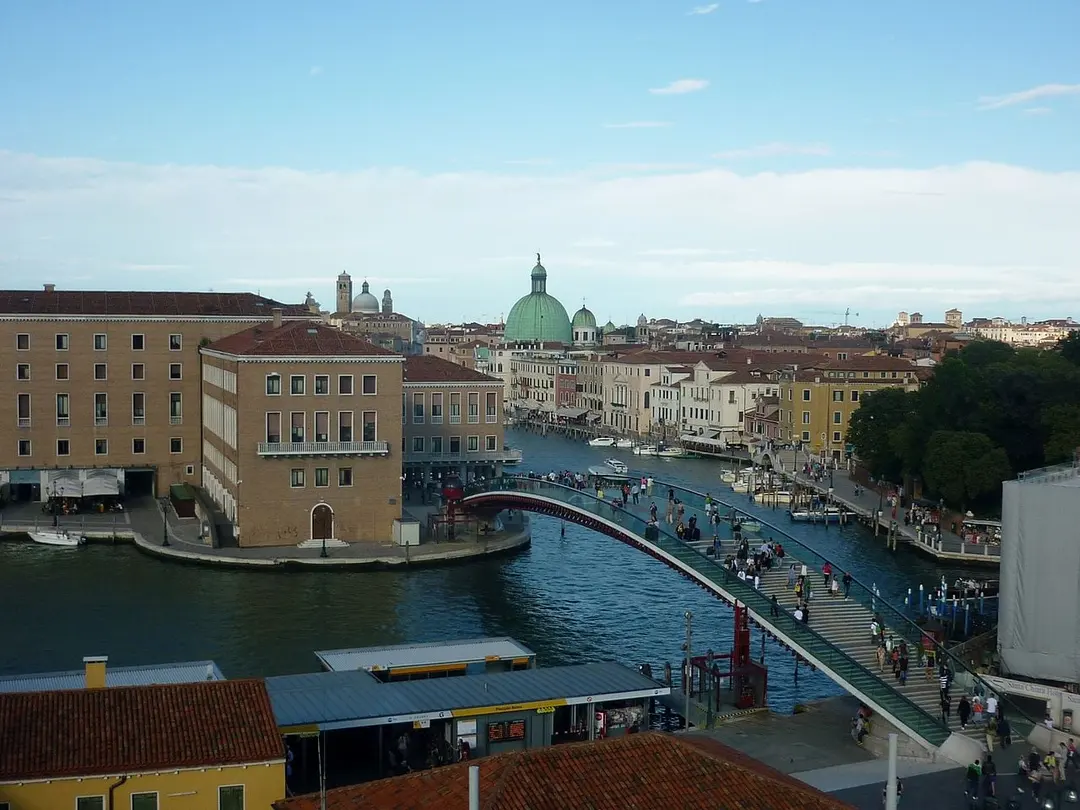
The Ponte della Costituzione is the fourth bridge over the Grand Canal in Venice, designed by Spanish architect Santiago Calatrava. Inaugurated in 2008, it connects Santa Lucia railway station with Piazzale Roma as a pedestrian bridge. The 94-metre arched bridge was controversial from the start: critics raised concerns about accessibility, the glass balustrade, and the sweeping form contrasting with Venice's historic cityscape. Today, despite all controversies, it is an everyday link for millions of travellers and a striking example of contemporary architecture set against a historic backdrop.
Venice
Venice
Venice
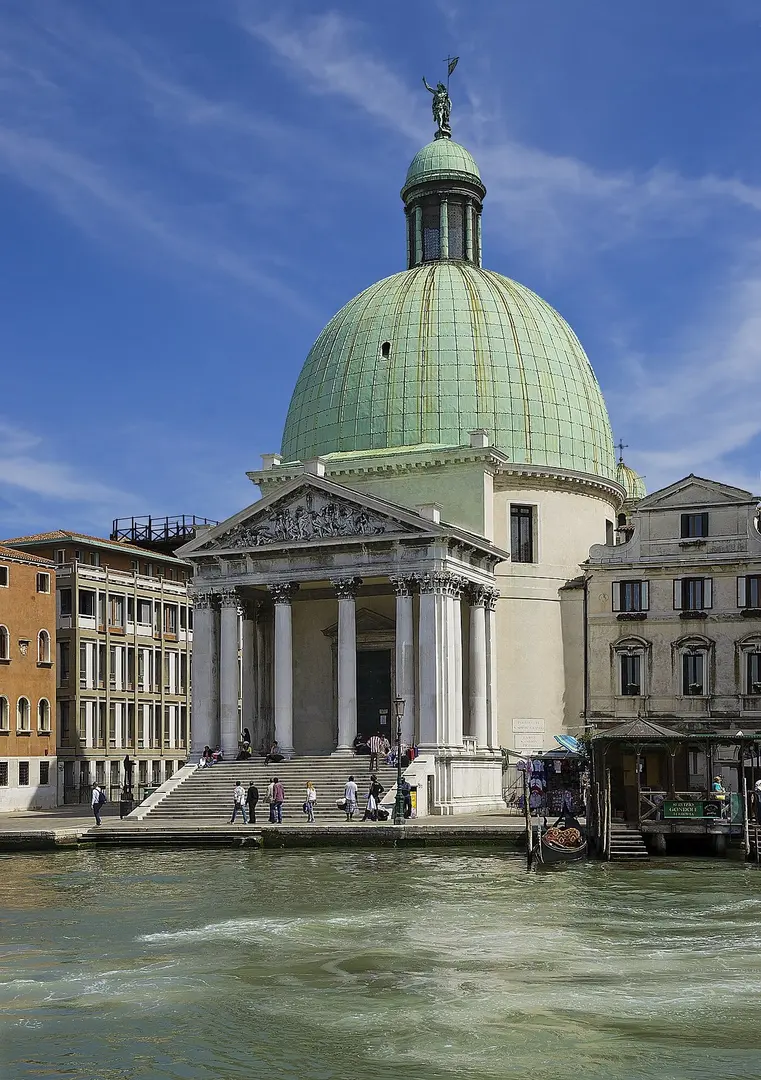
San Simeone Piccolo is a church in Venice's Santa Croce sestiere, with origins reaching back to the 9th century. It stands directly on the Grand Canal, facing the Santa Lucia railway station, making it the first image of Venice for most arriving visitors — its green copper dome and neoclassical portico are instantly recognisable. The church is dedicated to the lesser of two saints named Simeon, distinguishing it from the nearby San Simeone Profeta. Despite its modest scale, its domed silhouette defines the Grand Canal skyline.
Venice
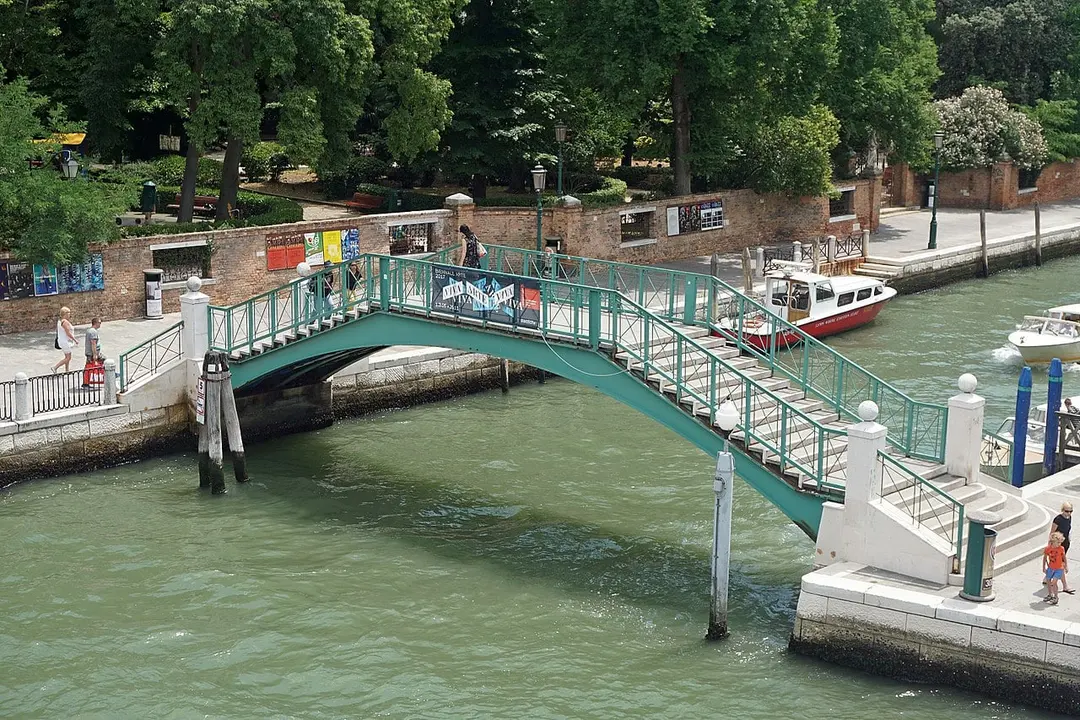
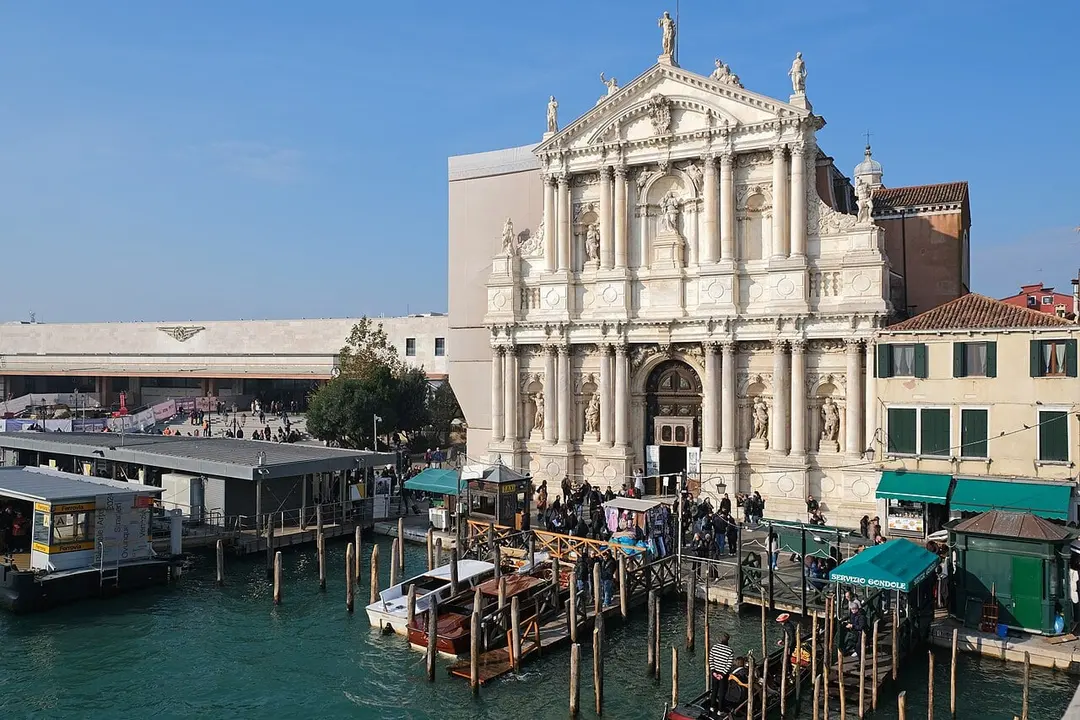
Santa Maria di Nazareth, commonly called the Scalzi, is the church of the Discalced Carmelite order in Venice's Cannaregio sestiere, sitting directly beside Venezia Santa Lucia railway station. Designed by Baldassarre Longhena, construction began in the mid-17th century and was completed by the late 1600s; the ornate Baroque façade by Giuseppe Sardi was added in 1683. Right beside the church the Ponte degli Scalzi crosses the Grand Canal — one of the few bridges spanning the waterway. The church and bridge share the name of the Scalzi (barefoot) friars. Arriving by train, visitors encounter this imposing façade as one of their first sights of Venice.
Venice
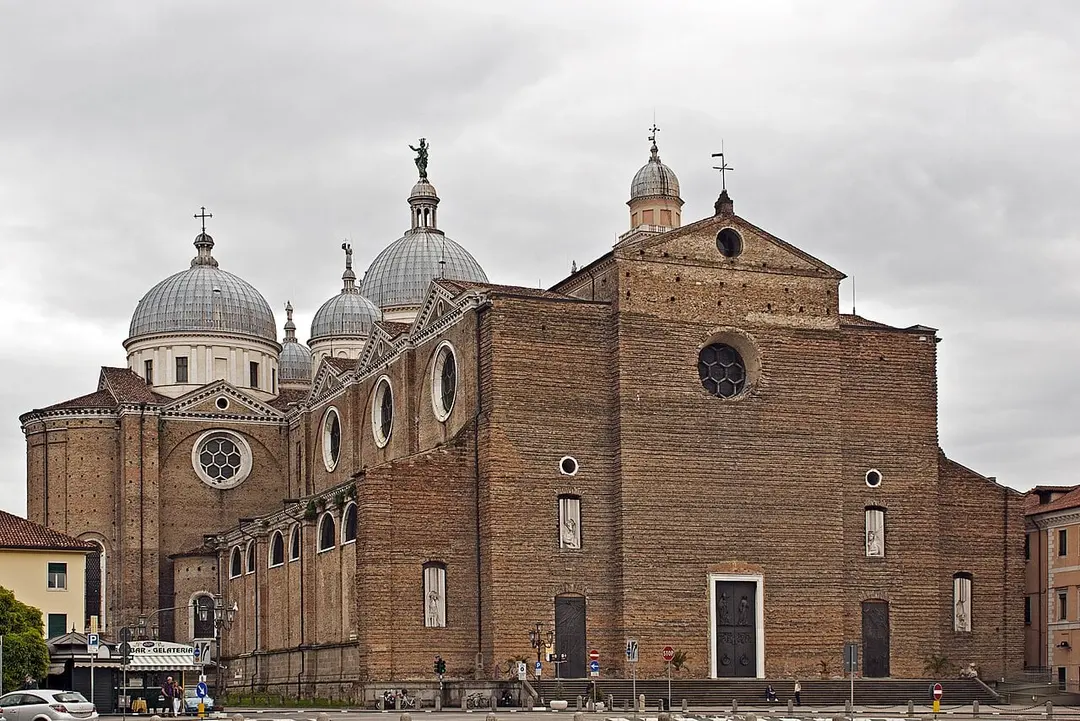
The Basilica of Santa Giustina in Padua is one of the largest churches in the world and the most important Renaissance building in the Veneto. The Benedictine abbey dates to the 10th century; the current church with its eight monumental domes was begun in 1530 and only completed in the 17th century. The facade remains bare and unplastered – a deliberate sign of Benedictine modesty, setting it apart from the ornate Basilica of Saint Anthony nearby. Inside are significant Venetian paintings and the relics of Saint Justina and the Evangelist Luke. The abbey sits directly on the Prato della Valle, one of Europe's largest city squares.
Venice
The church of Santa Margherita in the Dorsoduro sestiere is one of Venice's oldest religious buildings, possibly dating back to the 9th century. Originally dedicated to Saint Margaret of Antioch, one of the Fourteen Holy Helpers, it was secularised during the Napoleonic era. Since then the building has served various secular purposes and today functions as an auditorium and event space for the University of Venice. Visitors passing through the lively Campo Santa Margherita find here a quiet contrast to the busy square outside.
Venice
Venice
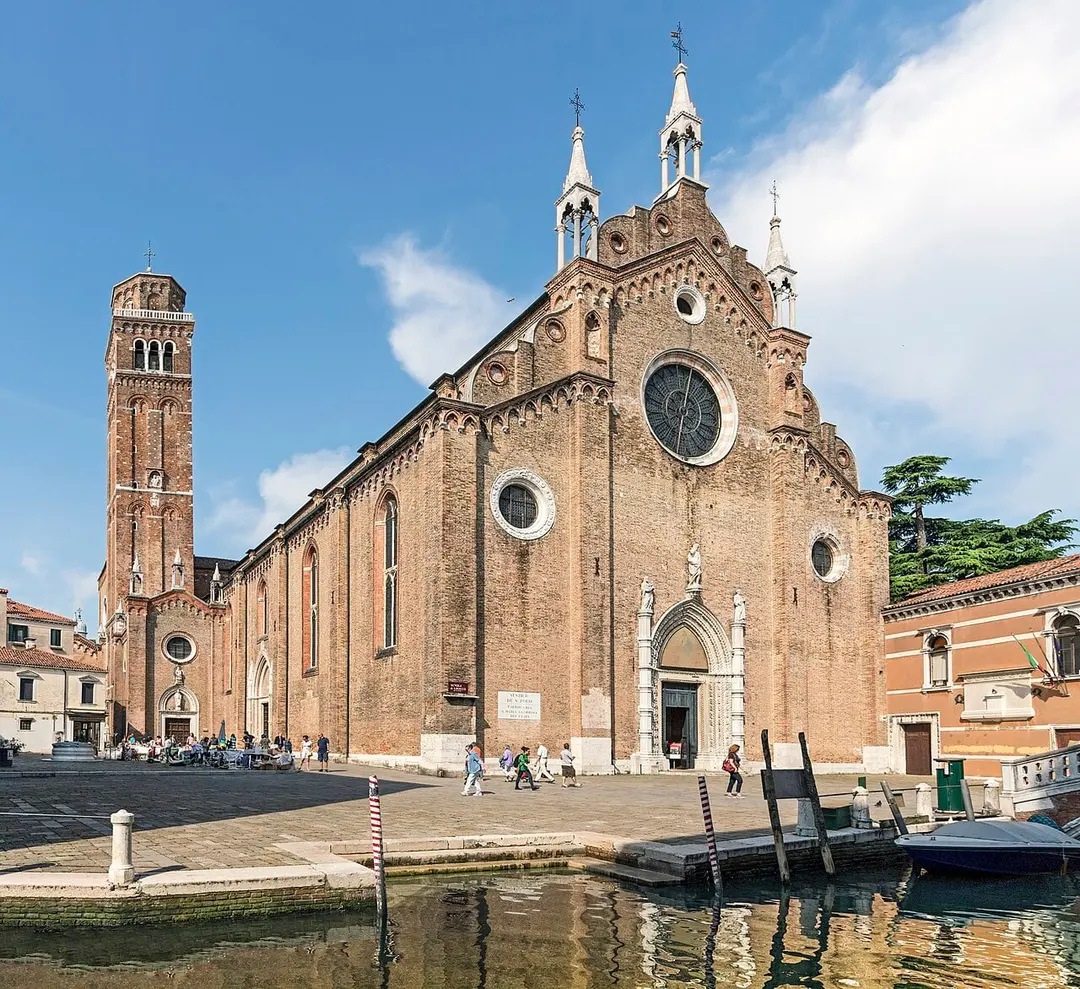
Santa Maria Gloriosa dei Frari – the Frari – is Venice's largest and art-historically richest Gothic church alongside San Zanipolo. Construction of the Franciscan church in the San Polo sestiere began around 1250 and stretched over two centuries. Inside are two major works by Titian: the celebrated Assumption of the Virgin above the high altar and the Madonna di Ca' Pesaro. The church also holds tombs of many distinguished Venetians, including Titian's own grand monument. The adjoining monastery buildings have housed the Venetian State Archive since 1817, storing millions of documents from the age of the Serenissima.
Venice
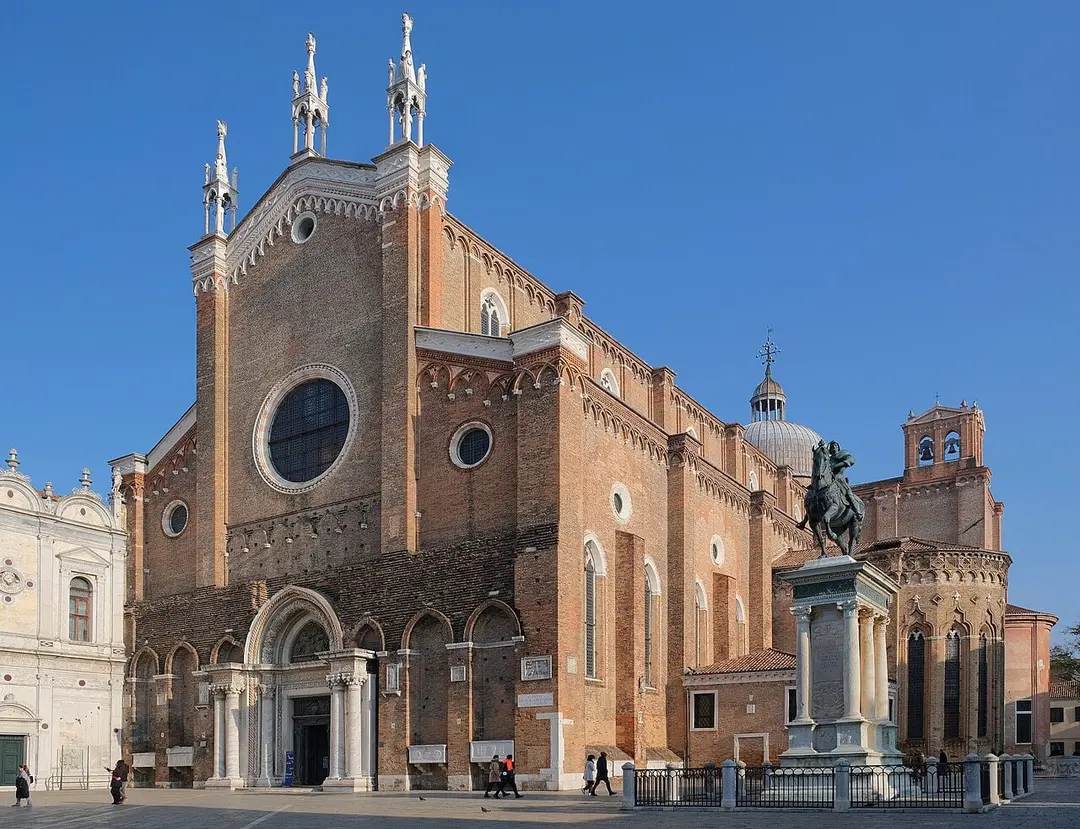
Santi Giovanni e Paolo — known in Venetian dialect as San Zanipolo — is one of Venice's largest churches, stretching nearly 100 metres. This Gothic brick church in the Castello sestiere was built by the Dominicans from the 13th century onwards. It serves as the pantheon of Venetian doges: more than 25 doges are buried here, and their elaborate tombs line the interior walls. The monumental funerary monument to Doge Pietro Mocenigo at the main portal is particularly striking. Part of the UNESCO World Heritage site of Venice, San Zanipolo is a place where art history and civic history stand side by side.
Venice
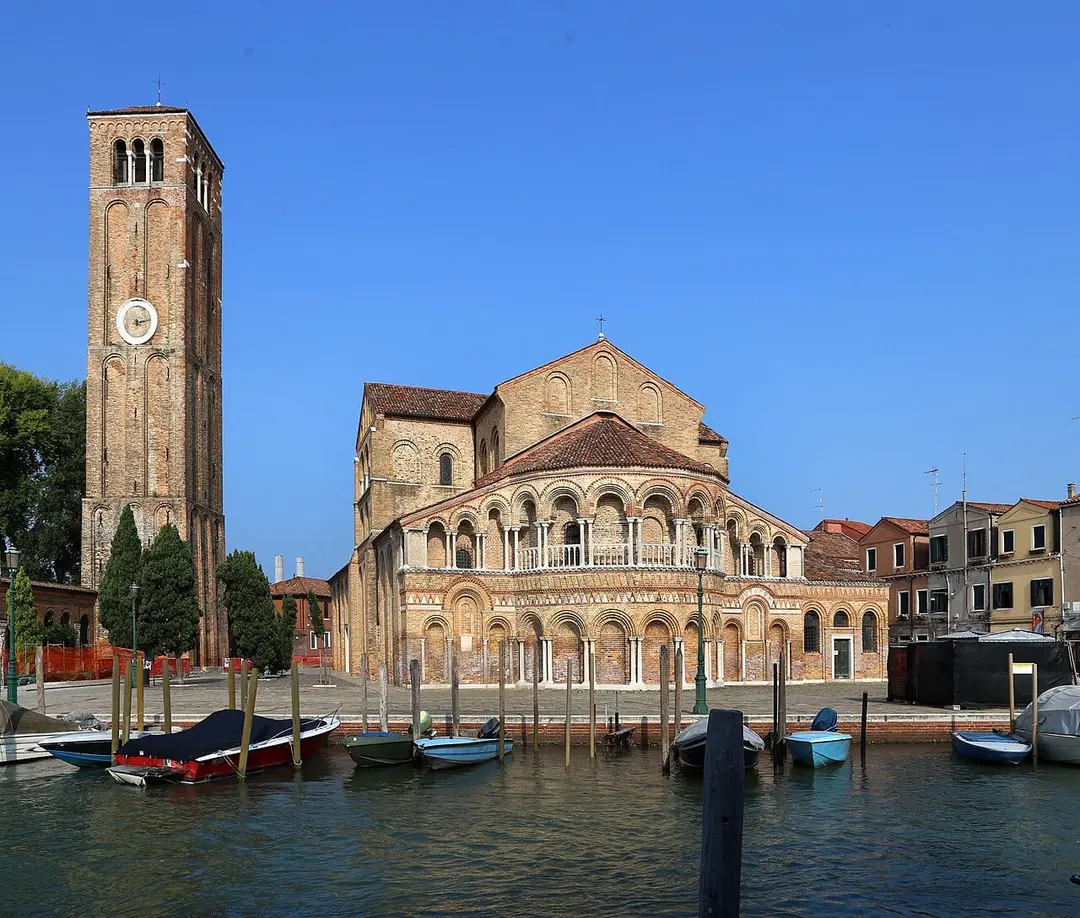
The Basilica dei Santi Maria e Donato on the glass island of Murano is one of the oldest and most impressive churches in the lagoon. Its origins date to the 7th century; the current Romanesque building is largely from the 12th century. The church is famous for its floor: a 12th-century Byzantine mosaic pavement depicting animals, geometric motifs and sacred scenes in vivid colours. Behind the altar, bones are kept that legend says came from a dragon slain by Saint Donatus. As part of the UNESCO World Heritage site of Venice and its Lagoon, this church ranks among Italy's most significant medieval buildings.
Venice
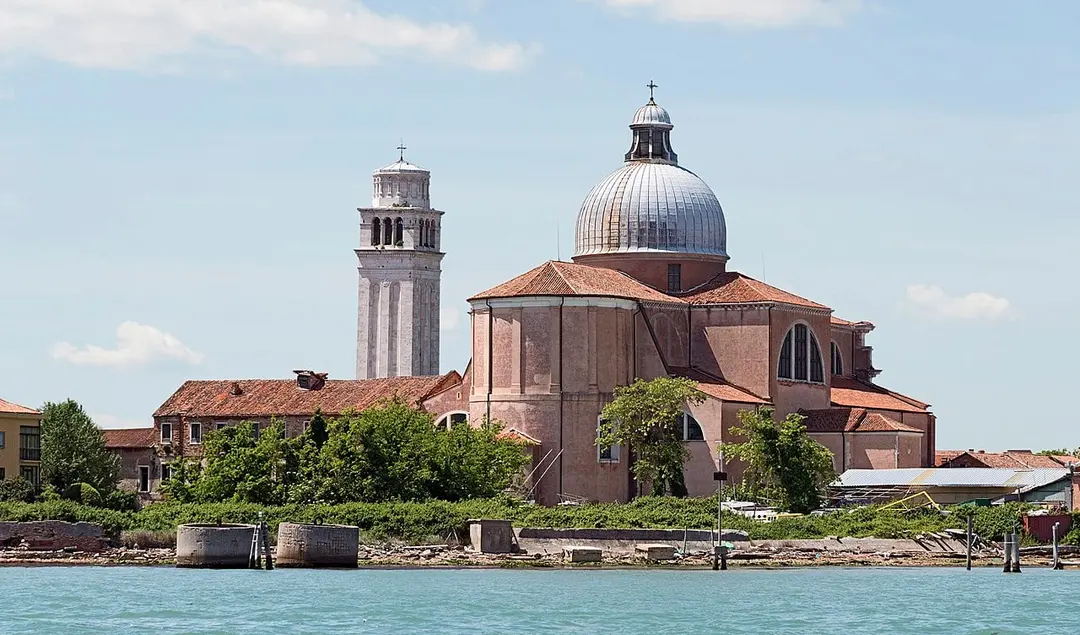
San Pietro di Castello stands on a small island at the far eastern edge of Venice, far from the bustle of San Marco. The current Renaissance building dates to the 16th century, but a church has occupied this site since at least the 7th century. From 1451 to 1807 San Pietro was Venice's official cathedral — a fact that surprises many visitors, since San Marco was actually the doge's private chapel rather than the diocese's seat. The façade was one of Andrea Palladio's first church commissions in Venice. Today the church is quiet and rarely crowded, a peaceful corner in one of the world's most visited cities.
Venice
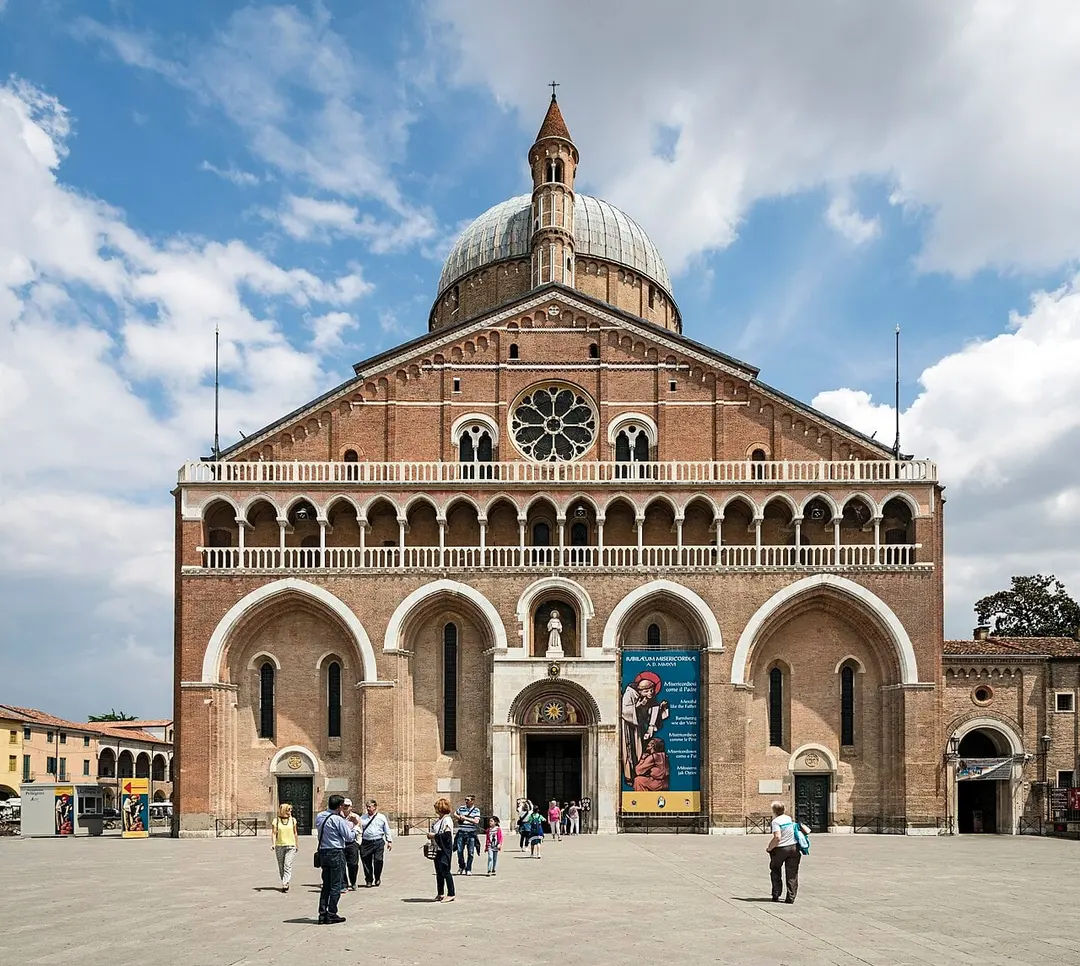
The Basilica of Saint Anthony in Padua is one of the most important shrines in the Catholic world. Construction began in 1232 to house the tomb of Saint Anthony of Padua, who died in 1231, combining Romanesque and Gothic elements into an impressive whole. Its eight domes echo Byzantine prototypes; it is the first large vaulted church on the Terra Ferma. Millions of pilgrims visit each year to pray at the saint's tomb. Parts of the complex are included in Padua's UNESCO World Heritage designation.
Venice
Venice
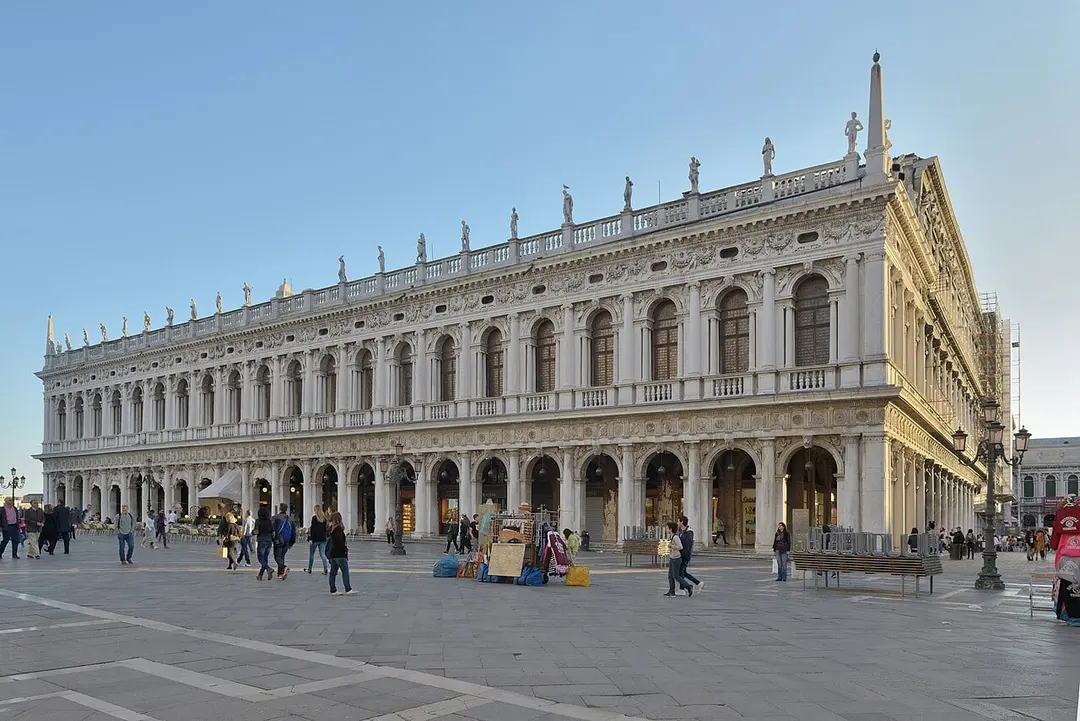
The Biblioteca Nazionale Marciana – the National Library of St Mark – is one of the oldest public libraries in Italy and one of the world's most important collections of Greek, Latin and Oriental manuscripts. It traces its origins to 1468, when Cardinal Bessarion bequeathed his extensive manuscript collection to the city of Venice. The building on the southern edge of St Mark's Square was designed by Jacopo Sansovino and is considered a masterpiece of Venetian Renaissance architecture. Today the Marciana is the only institution that has survived from the age of the Venetian Republic.
Venice
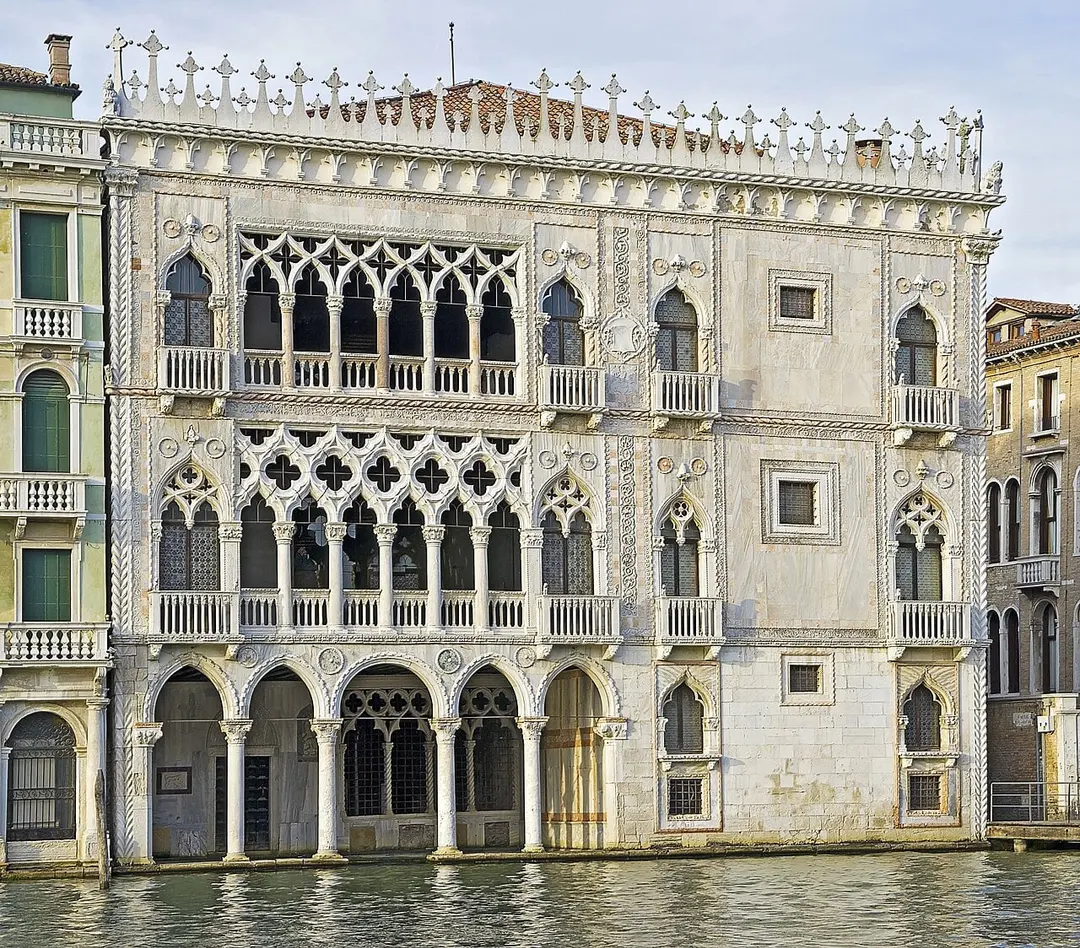
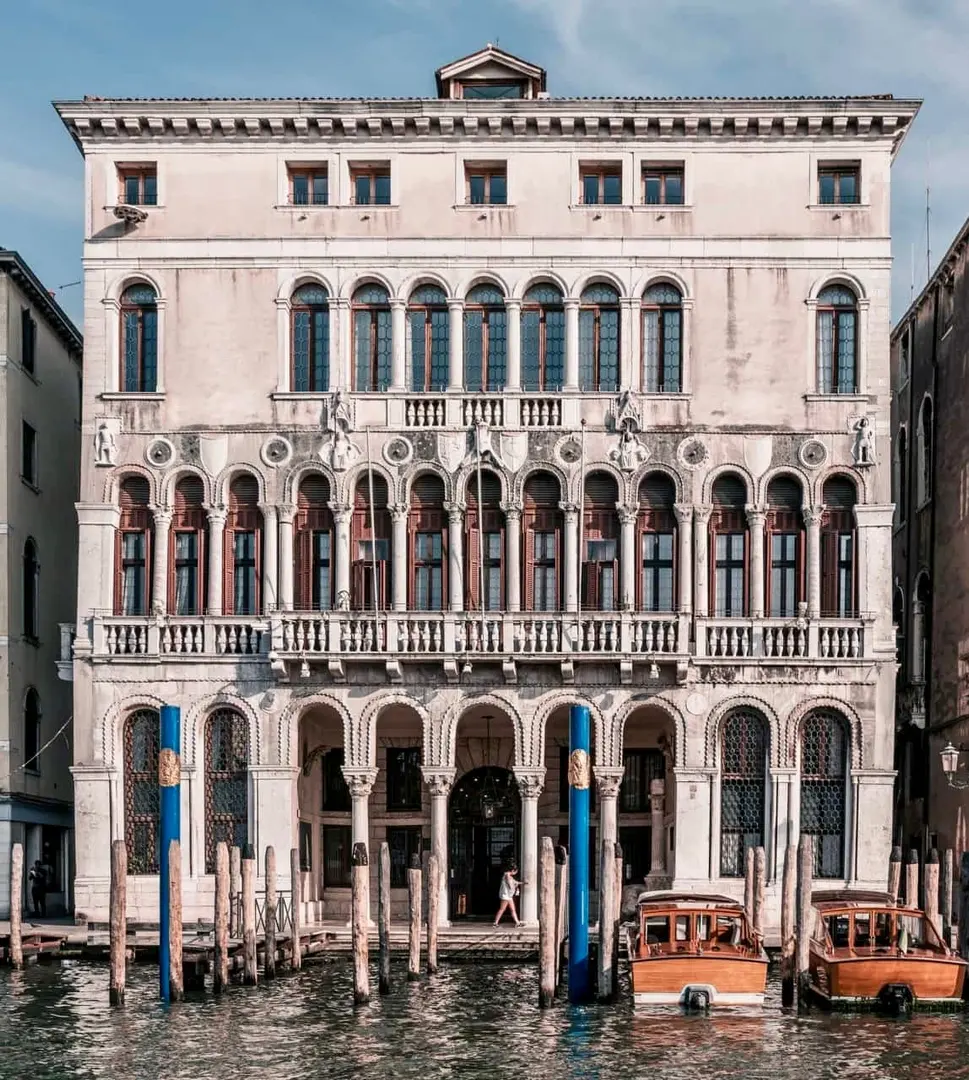
The Ca d Oro — "Golden House" in Venetian — is one of the finest Gothic palaces on the Grand Canal in Venice. Built between 1421 and 1440 for the patrician Marino Contarini, its facade was originally decorated with ultramarine, vermilion, and real gold leaf, earning its name. Today the restored palace houses the Galleria Giorgio Franchetti, displaying medieval sculptures alongside Renaissance paintings by Mantegna and Titian. The loggia of the palace offers a front-row seat to the continuous movement of the Grand Canal.
Venice
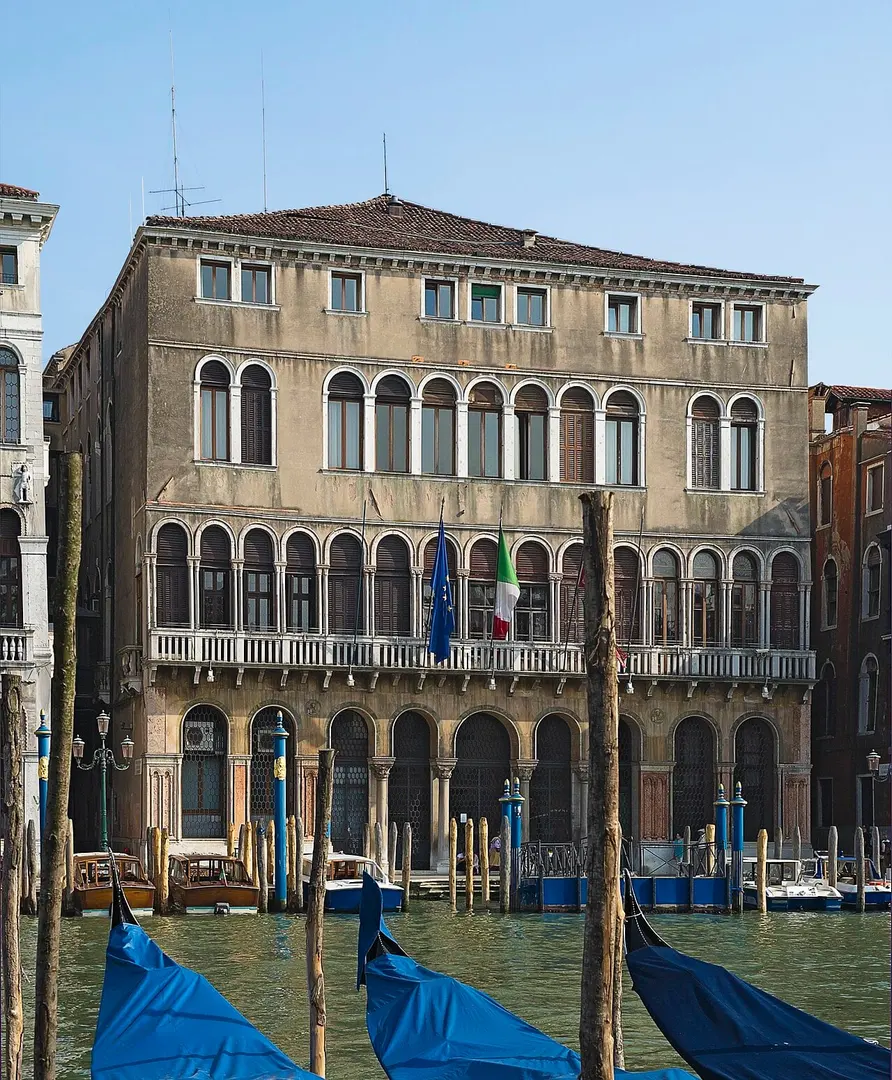
Ca Farsetti is one of the oldest palaces on the Grand Canal in Venice, standing close to the Rialto Bridge. Built after 1200 by Ranieri Dandolo, son of the famous Doge Enrico Dandolo, it is an early example of Venetian Gothic with multi-lancet windows facing the canal. In the 17th century the Farsetti family purchased the building; in 1826 the municipality acquired it and has used it as city hall ever since. Passing by on the Grand Canal today, the heavy stone facade in the shadow of the Rialto is one of the oldest layers of the lagoon city.
Venice
Venice
Venice
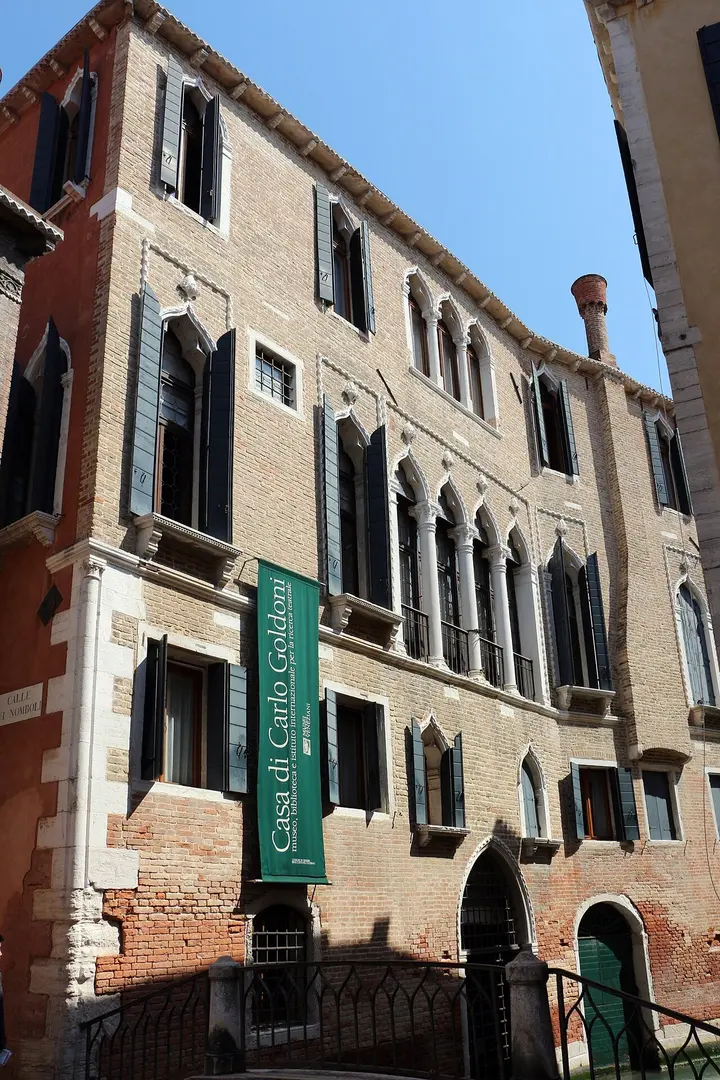
The Casa di Carlo Goldoni is the birthplace and memorial museum of Venetian playwright Carlo Goldoni (1707–1793), who transformed the Commedia dell'arte and helped shape the modern comedy of manners. Located in a small palazzo in the San Polo sestiere, the building has housed a museum and theatre studies library since 1931. Visitors can see historical costumes, stage models, and documents from Goldoni's career, as well as the building's characteristic Venetian interior staircase. Goldoni's plays — including The Servant of Two Masters — remain standard repertoire on European stages today.
Venice
Venice
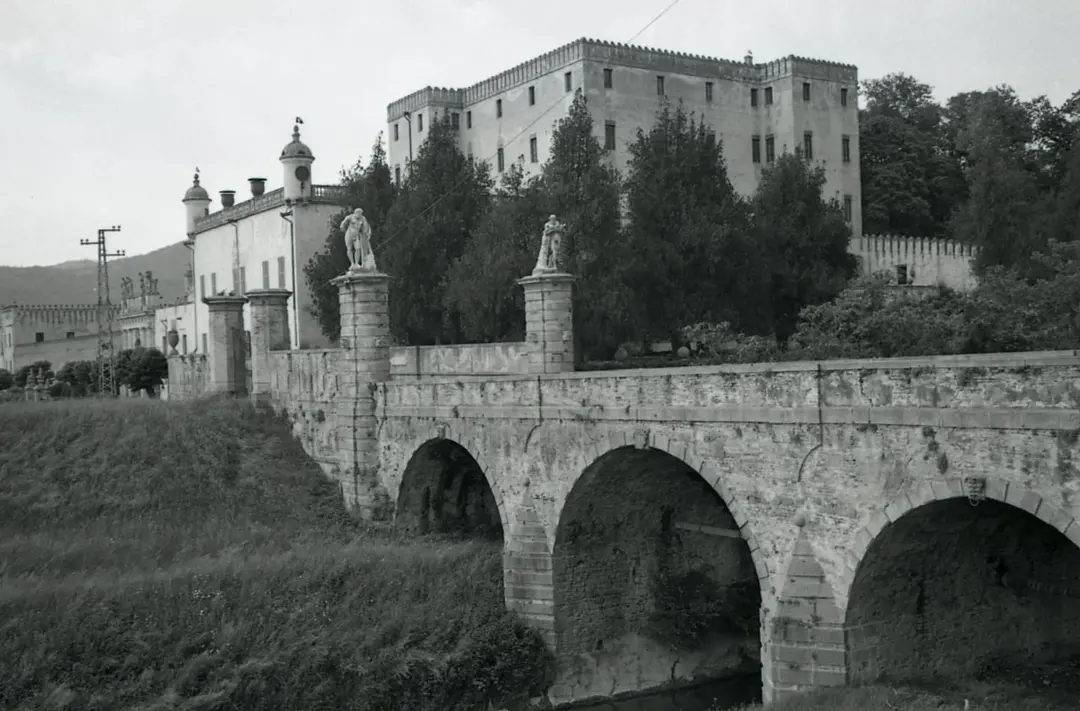
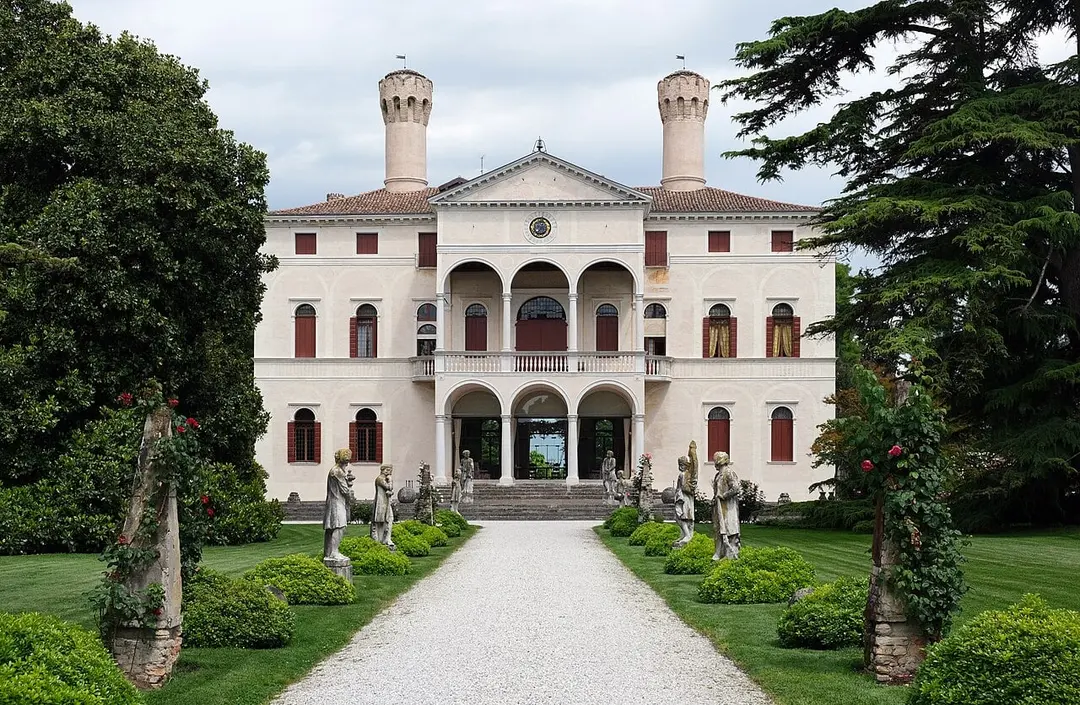
Castello di Roncade, formally the Villa Giustinian Ciani Bassetti, is a Venetian villa near Treviso in the Veneto region that presents the appearance of a medieval fortress through its turreted outer walls and towers. The fortifications were never military – they were built purely as aristocratic display, imitating a castle to project noble prestige. Today the property operates as a working winery and has been recognized as an Italian national monument. Visitors can taste wines and explore the estate, which reflects the theatrical grandeur of Venetian nobility.
Venice
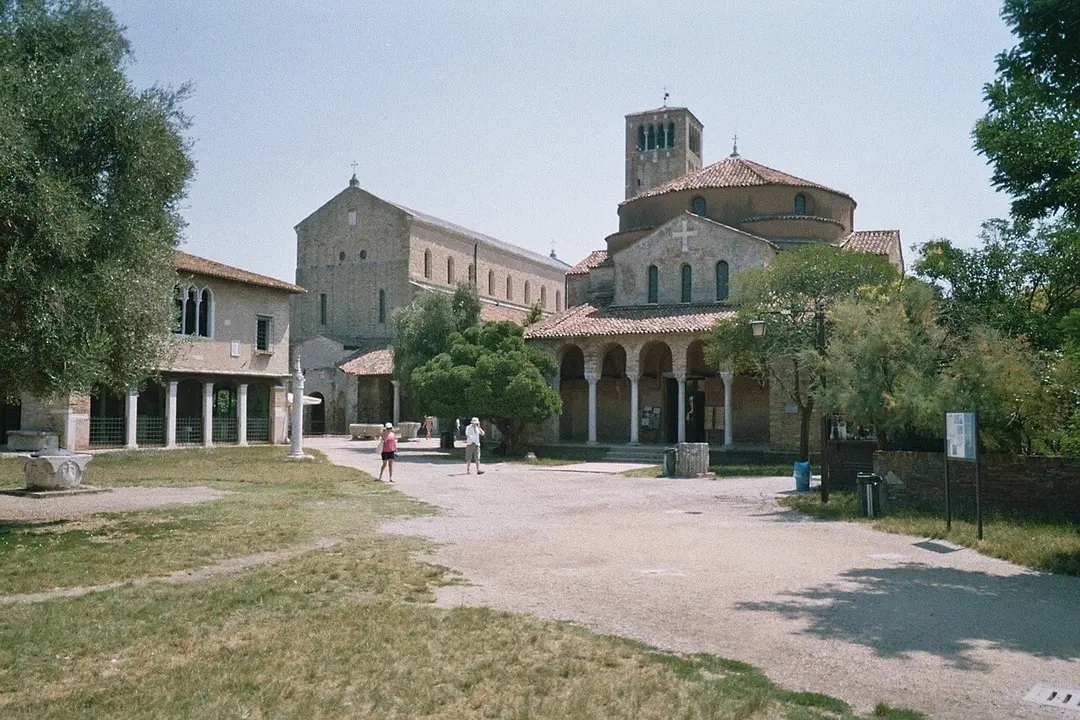
The Cathedral of Santa Maria Assunta on the lagoon island of Torcello is one of the oldest and most important religious buildings in the Veneto. The first church was built in the 7th century, when Torcello was still a thriving city of tens of thousands — long before Venice rose to prominence. Inside, the earliest surviving mosaics of the lagoon cover the walls: a monumental Last Judgment fills the west wall, while the apse shows an enthroned Madonna, both dating to the 11th and 12th centuries. Today Torcello is nearly deserted, and this silence makes a visit particularly moving. The island is part of the UNESCO World Heritage site of Venice and its Lagoon.
Venice
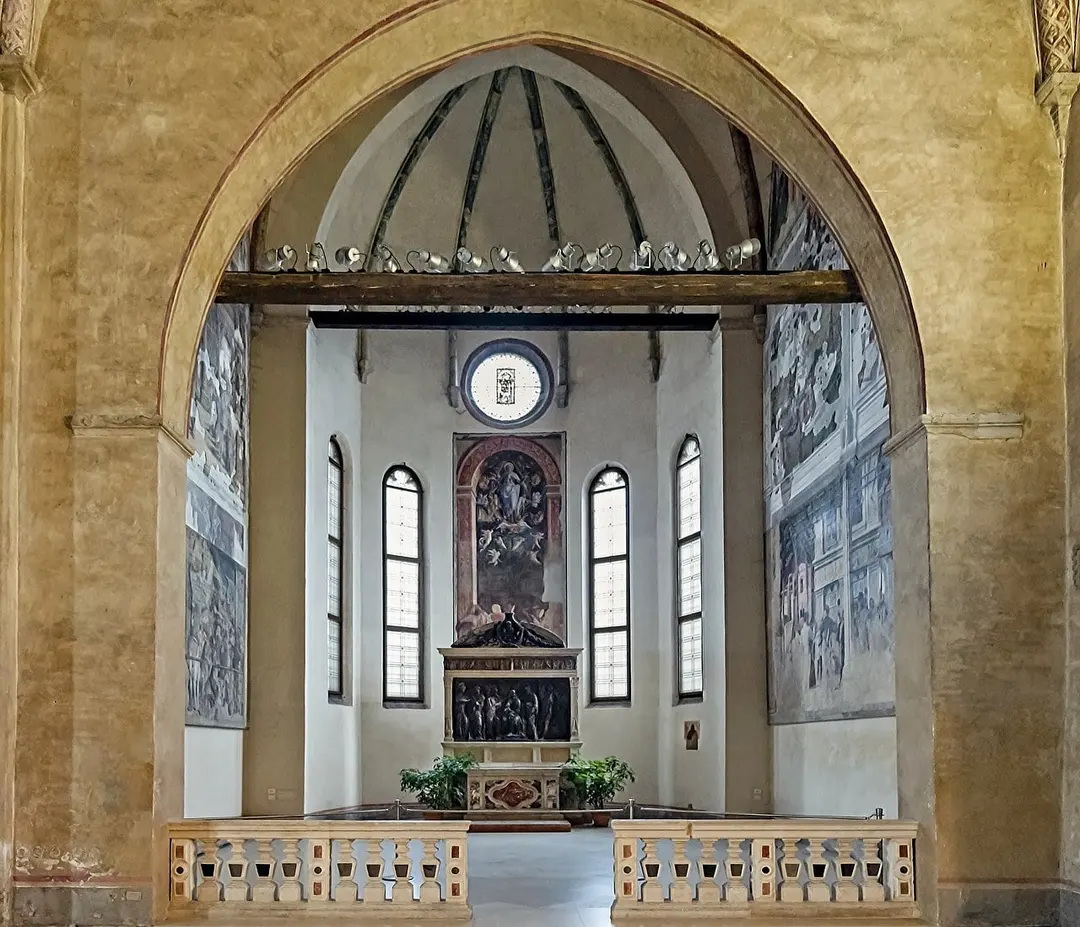
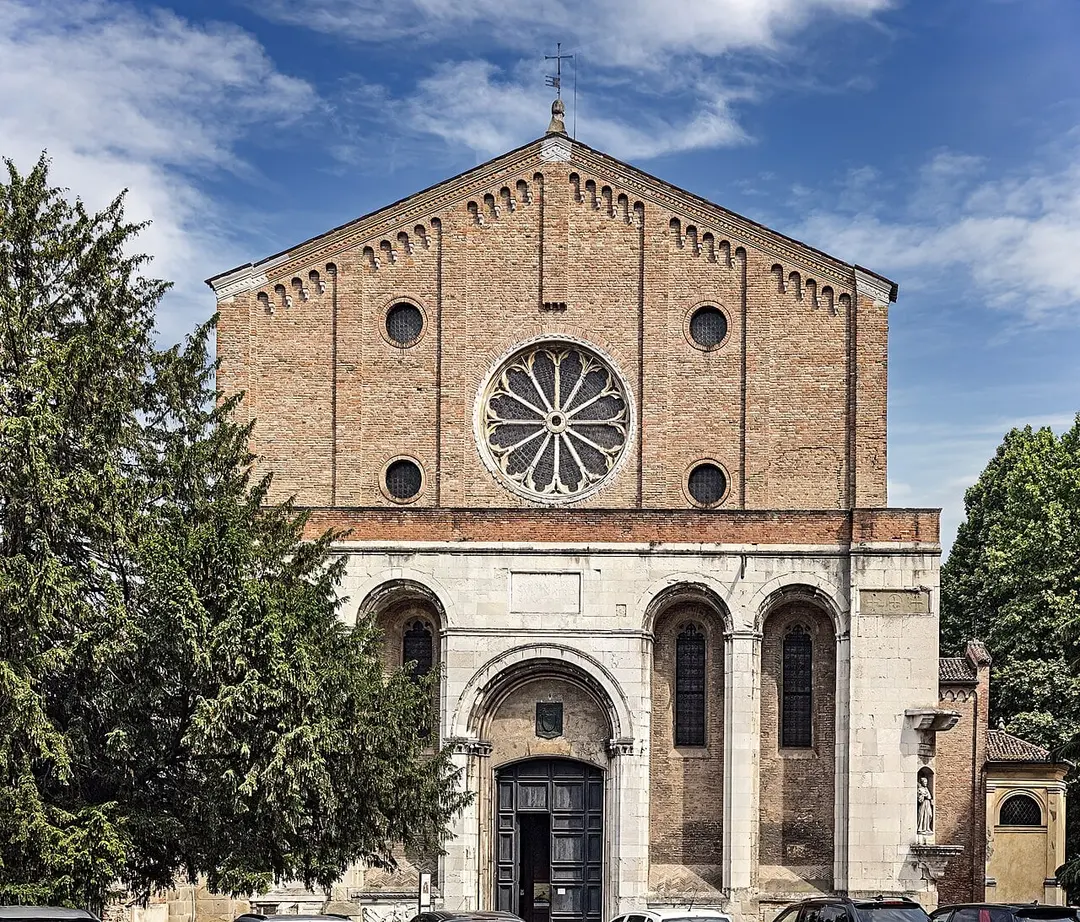
The Church of the Eremitani in Padua is a 13th-century Gothic church dedicated to the apostles Philip and James, built by the Augustinian Hermits adjacent to the Civic Museums and the Scrovegni Chapel. On March 11, 1944, an Allied bombing raid nearly destroyed the church, taking with it most of Andrea Mantegna's early frescoes in the Ovetari Chapel. Only a few fragments survived and were painstakingly reassembled. The fresco program is part of the UNESCO World Heritage Site recognizing Padua's 14th-century fresco cycles.
Venice
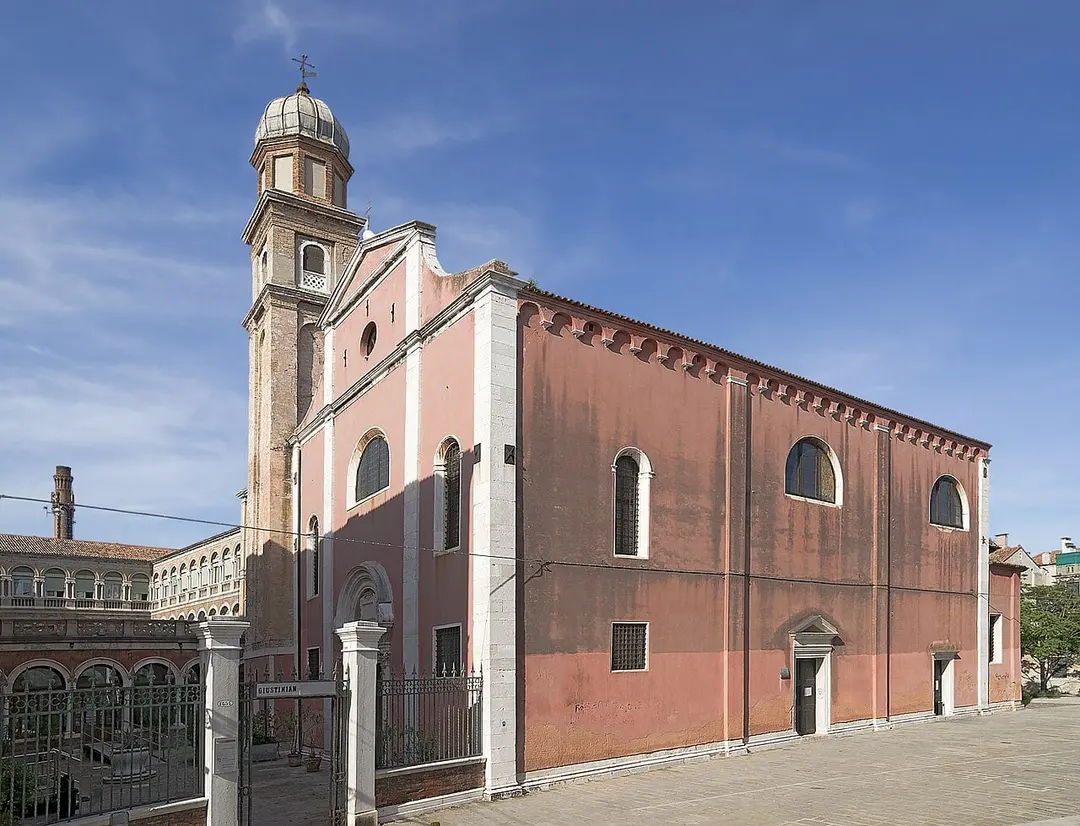
The Chiesa degli Ognissanti is a church in Venice's Dorsoduro sestiere dedicated to All Saints. Its history reaches back to the 15th century. The adjacent convent was founded by Cistercian nuns from Torcello, later converted to a Benedictine convent that operated until 1807. A bequest in 1888 allowed the decaying complex to be repurposed — first as a hospice, then as a hospital. The surrounding fondamenta and the Rio del Ognissanti still carry the complex's name. The church sits in quieter southern Venice, away from the main tourist routes through the tranquil Dorsoduro.
Venice
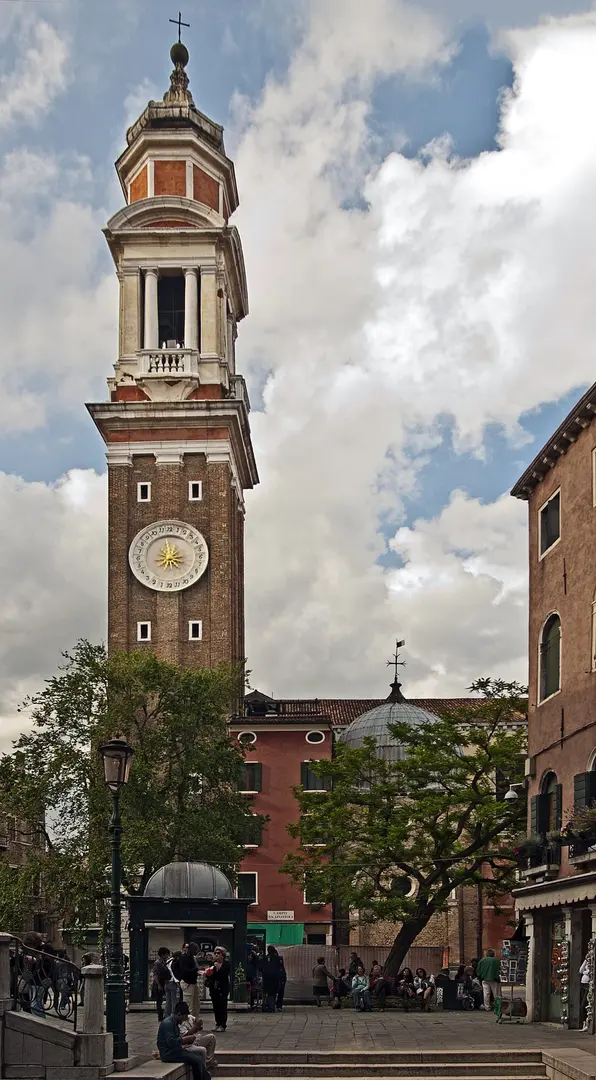
Santi Apostoli is one of Venice's oldest churches, located in the Cannaregio sestiere with origins in the 7th century. The current building results from a major reconstruction of 1575. Particularly notable is the Cornaro Chapel, added in the late 15th century by Mauro Codussi — one of the leading figures of Venetian Early Renaissance — serving as the burial place for several members of the powerful Cornaro family. Works by Tiepolo and the location on Campo SS. Apostoli near the Strada Nova make it a worthwhile detour off the main tourist routes.
Venice
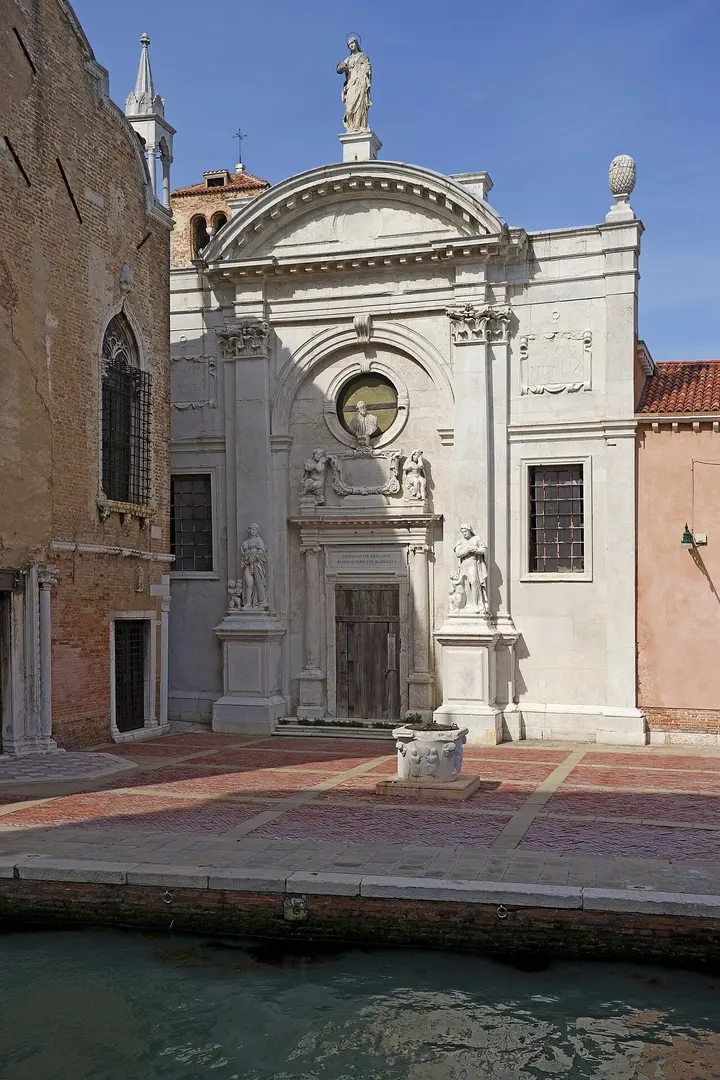
The Abbey of Misericordia is a Venetian church complex in the northern Cannaregio sestiere with origins in the 10th century. Originally called Santa Maria di Val Verde, it comprised a church, a hospice for poor women, and one of Venice's lay confraternities — the Scuola, founded in 1310. The legendary founding year of 939 is historically disputed; the Moro family held patronage rights. After 1828 the church was restored, then changed hands several times and served different purposes over the centuries. Today the complex sits quietly on the Fondamenta de l'Abazia, north of the Sacca della Misericordia — off the beaten path in the northernmost reaches of Cannaregio.
Venice
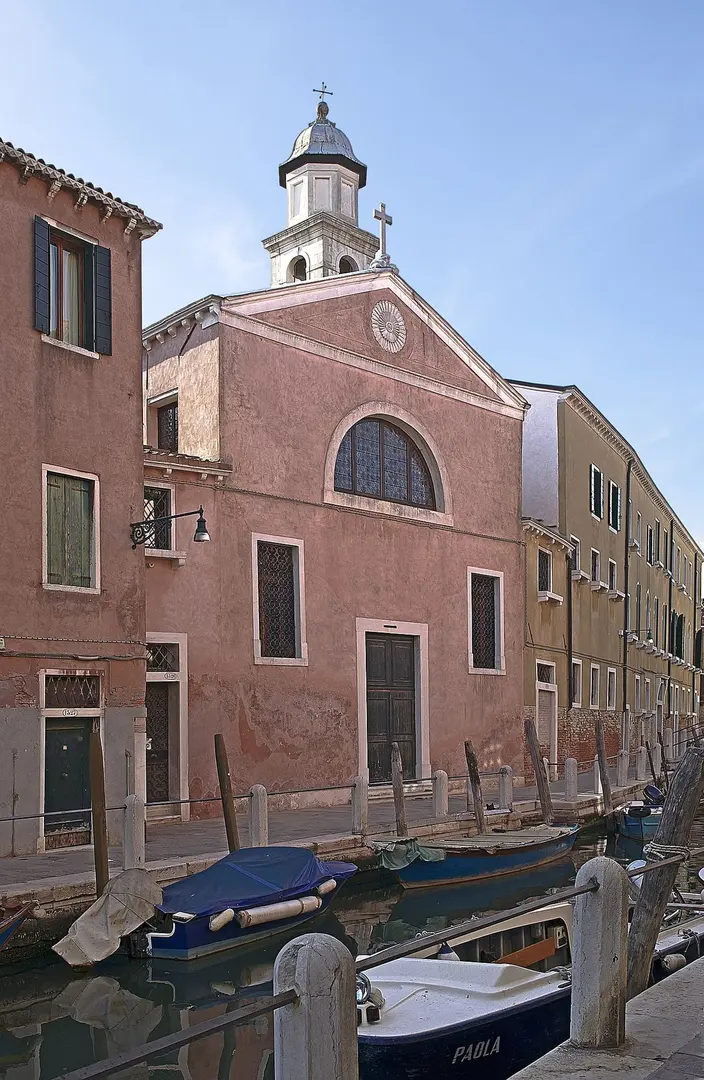
The Chiesa delle Eremite, also known as Le Romite, is a small Catholic church in the Dorsoduro district of Venice, built for Augustinian nuns and completed in 1694. The larger complex included a convent and schools that educated children from infancy through to high school, continuing until the mid-20th century. The church is dedicated to Jesus, Mary and Joseph, and sits along the Rio de le Romite. It is one of Venice''s quieter, less-visited churches, away from the main tourist paths, retaining a sense of neighbourhood calm.
Venice
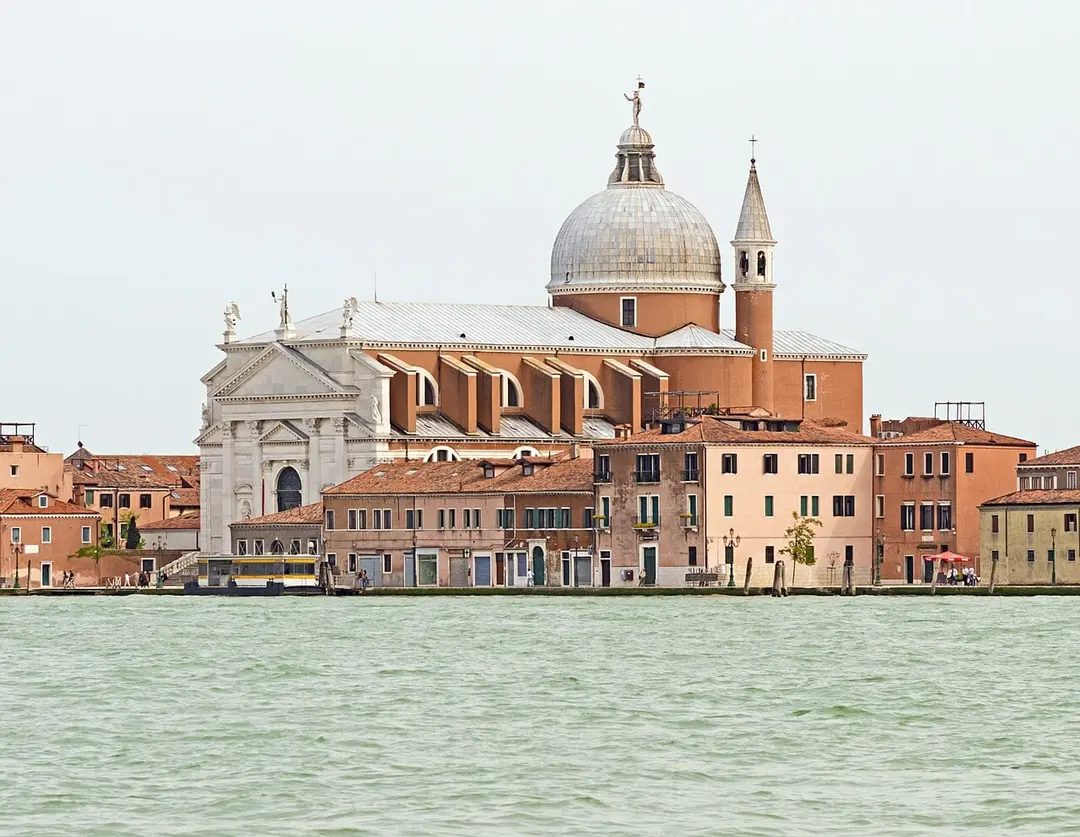
Il Redentore – the Church of the Redeemer – is one of Andrea Palladio's most celebrated works, standing on the island of Giudecca in Venice. The Republic of Venice commissioned it in 1577 as a votive offering after the plague killed roughly a third of the city's population. To this day, the Festa del Redentore is celebrated every third Sunday of July: a pontoon bridge connects Giudecca to the Piazzetta, and thousands of Venetians cross it on foot. The white facade with its classical portico is considered a masterpiece of Venetian classicism.
Keep exploring
Rate places with a swipe — TravelType learns from your tags what you love and curates your own map. Private until you choose to share.