Piazza San Marco
Venice
architectureculturenature+7
knowledge
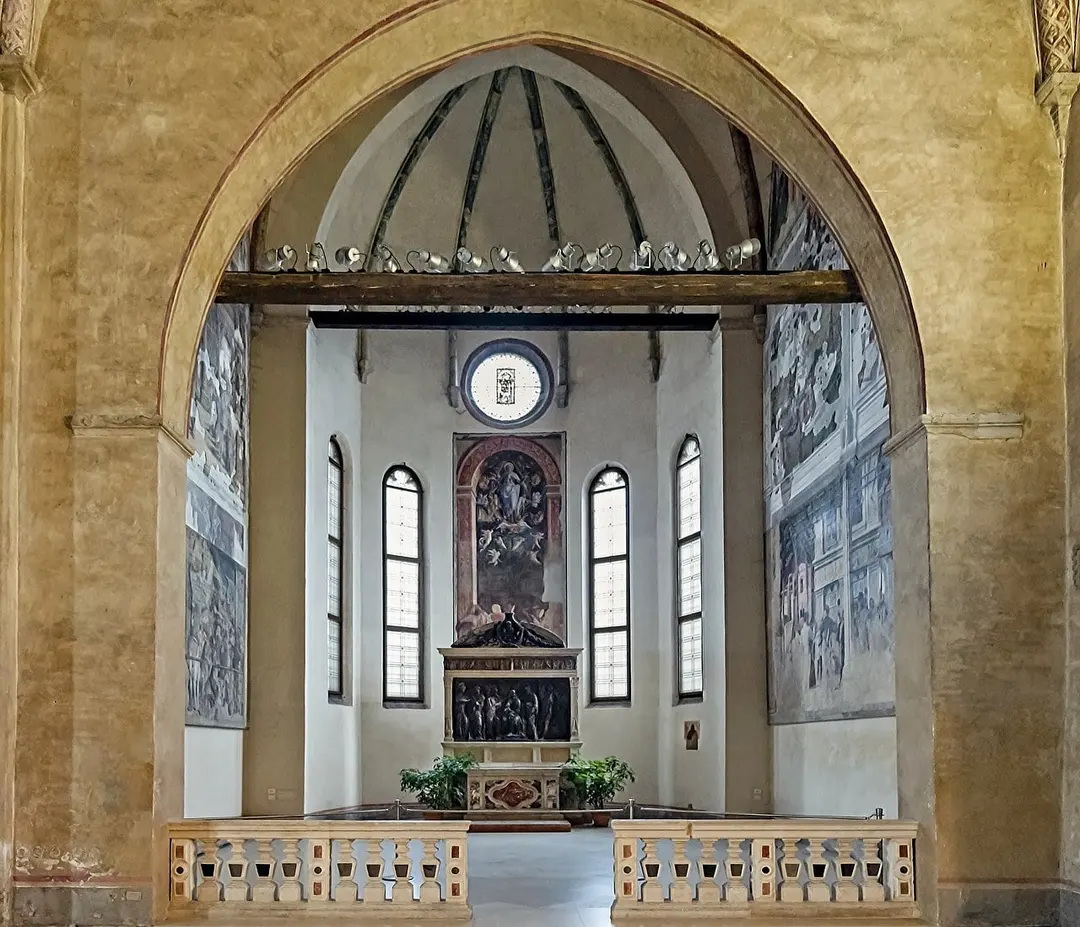
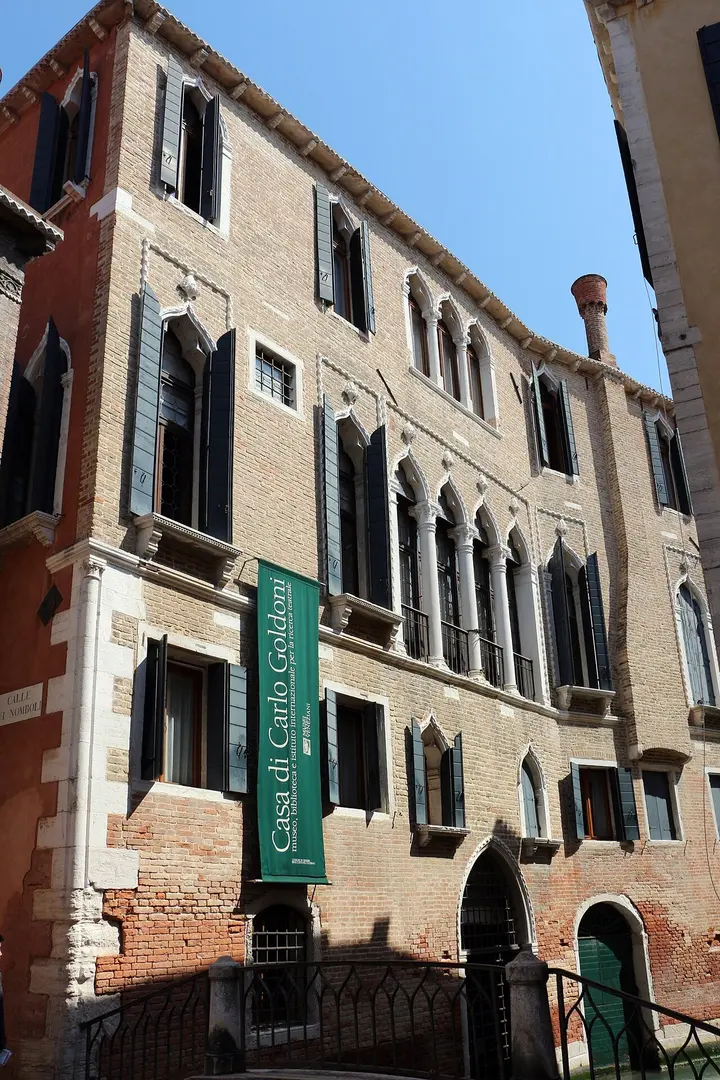
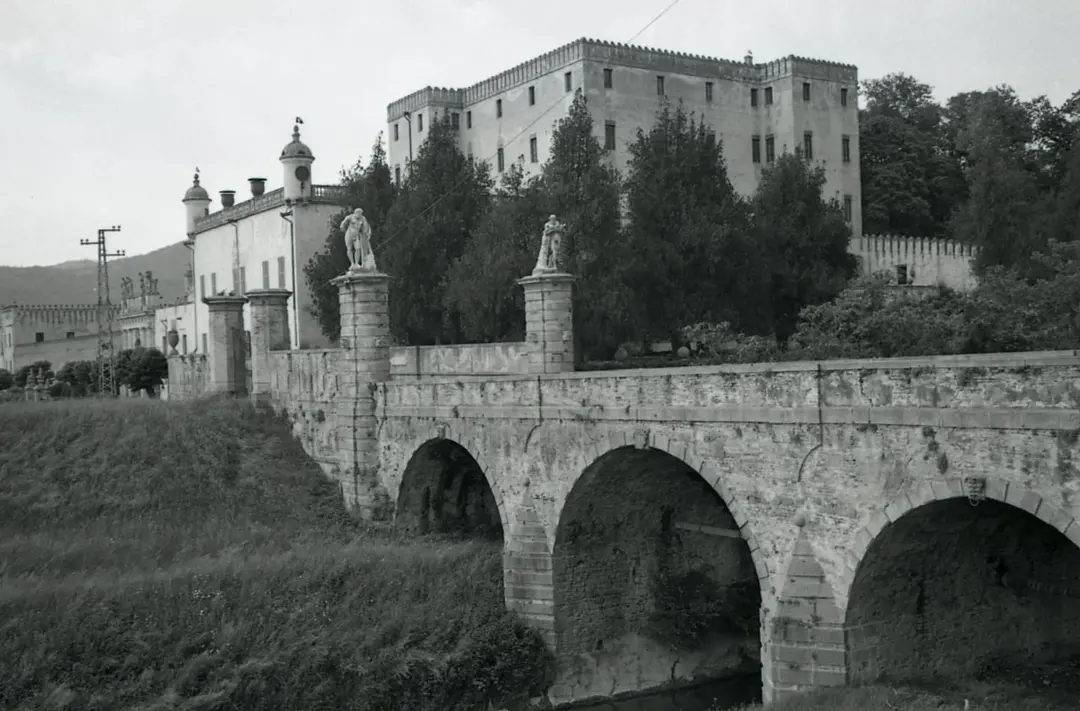
Venice, set in the lagoon of northeastern Italy, holds a remarkable concentration of places tied to knowledge and culture. The Biblioteca Nazionale Marciana on Piazza San Marco is one of Italy's foremost libraries, and the Fondazione Giorgio Cini on San Giorgio Maggiore brings together scholarship and the arts. The Casa di Carlo Goldoni preserves the memory of the playwright who shaped Venetian theatre. Beyond these, Ca' Loredan, the Cappella Ovetari, and the Castello del Catajo speak to centuries of civic and artistic life. Churches including Sant'Eufemia and Santa Maria delle Penitenti, alongside the locomotive known as Signorina, round out a layered portrait of the city.
12 places · Venice, Italy · Editorially curated
Venice
Venice
Venice
Venice
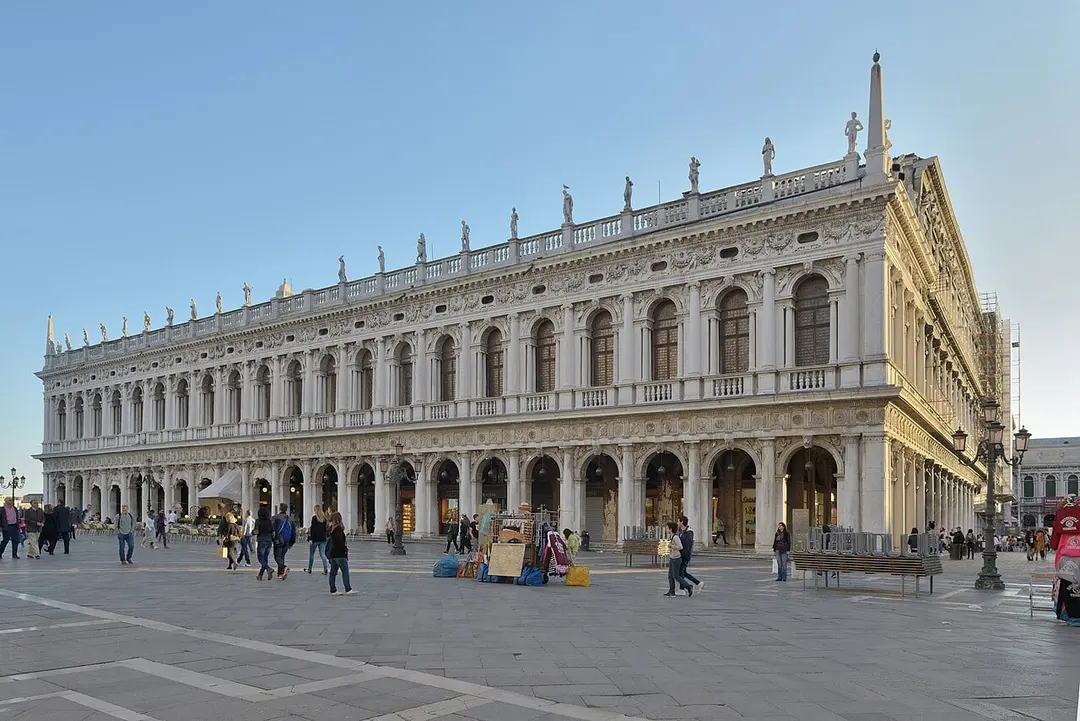
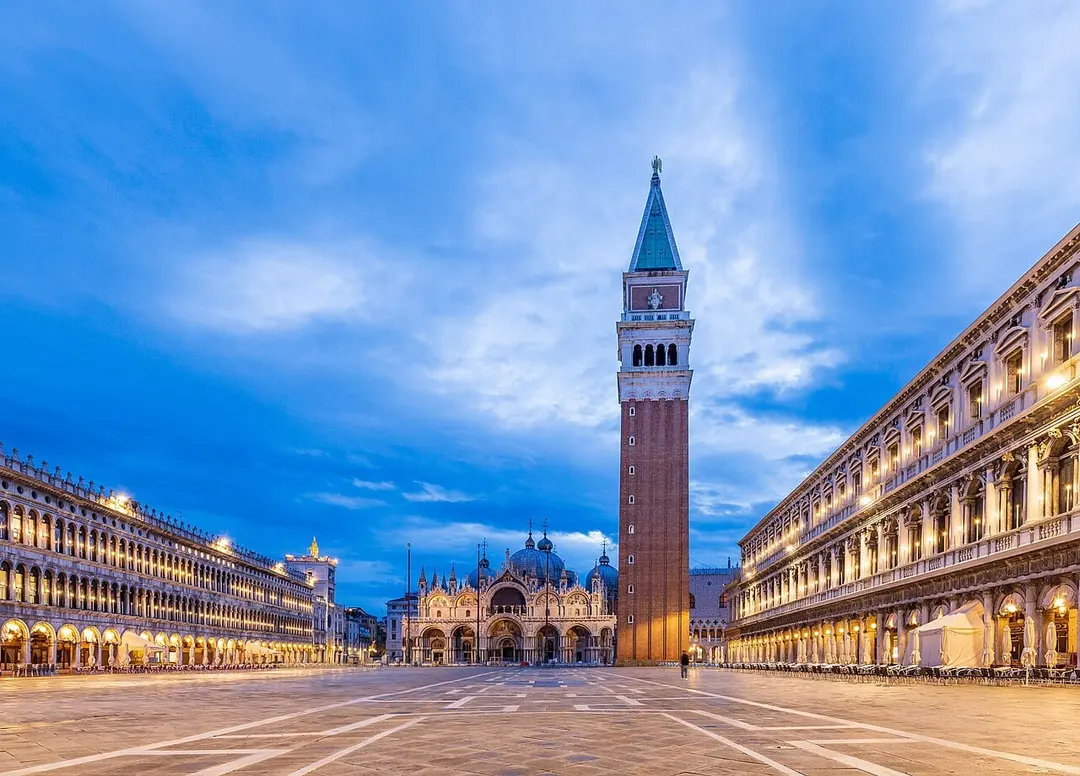
The Biblioteca Nazionale Marciana – the National Library of St Mark – is one of the oldest public libraries in Italy and one of the world's most important collections of Greek, Latin and Oriental manuscripts. It traces its origins to 1468, when Cardinal Bessarion bequeathed his extensive manuscript collection to the city of Venice. The building on the southern edge of St Mark's Square was designed by Jacopo Sansovino and is considered a masterpiece of Venetian Renaissance architecture. Today the Marciana is the only institution that has survived from the age of the Venetian Republic.
Venice
Venice
Venice
The Casa di Carlo Goldoni is the birthplace and memorial museum of Venetian playwright Carlo Goldoni (1707–1793), who transformed the Commedia dell'arte and helped shape the modern comedy of manners. Located in a small palazzo in the San Polo sestiere, the building has housed a museum and theatre studies library since 1931. Visitors can see historical costumes, stage models, and documents from Goldoni's career, as well as the building's characteristic Venetian interior staircase. Goldoni's plays — including The Servant of Two Masters — remain standard repertoire on European stages today.
Venice
Venice
Santa Maria delle Penitenti is a church complex on the Canale di Cannaregio, built from 1730 as a refuge for women seeking to leave prostitution. The institution, referred to by contemporaries as a conservatorio, provided housing, work, and religious guidance to these women. After the dissolution in 1797, the complex served elderly women for centuries, then refugees from Istria and Dalmatia after 1945, and today provides care for those in need. The building faces the Canale di Cannaregio and represents a chapter of Venetian urban history that reaches far beyond art and architecture.
Venice
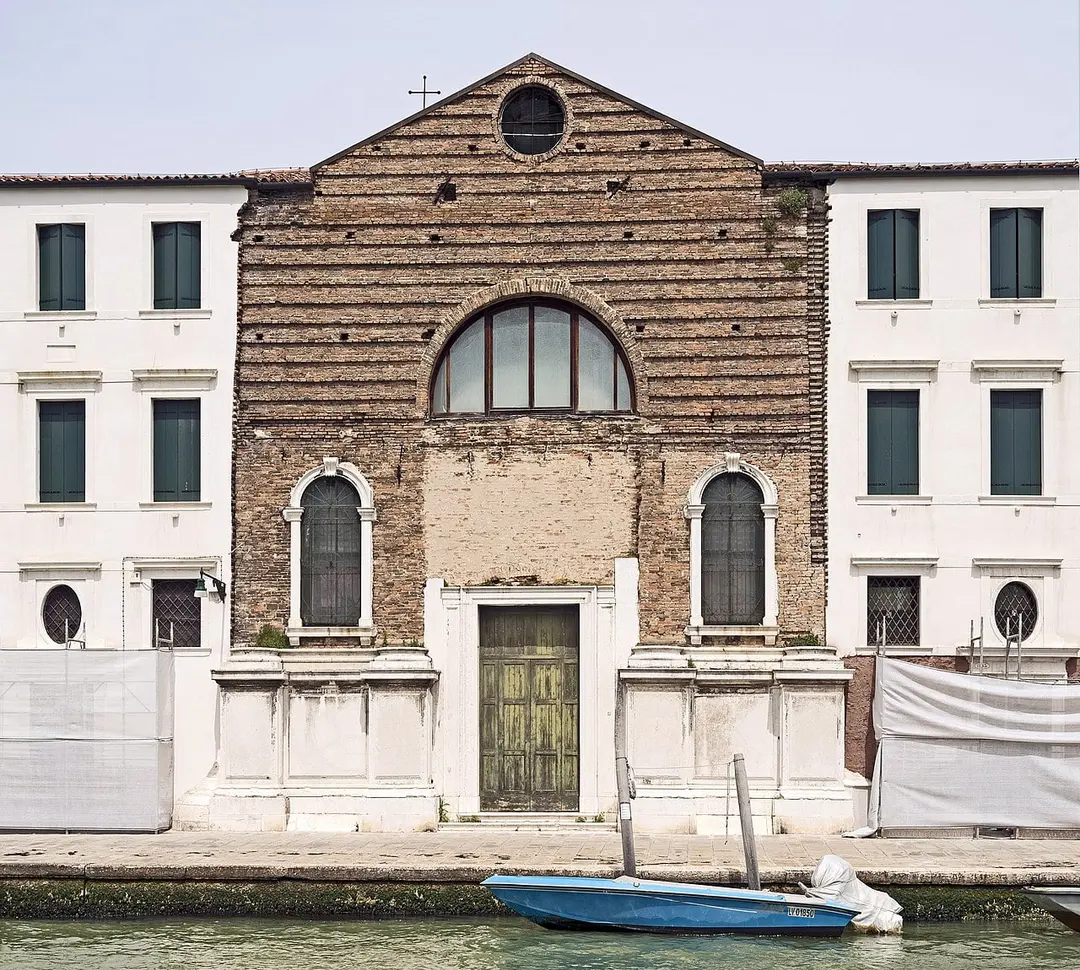
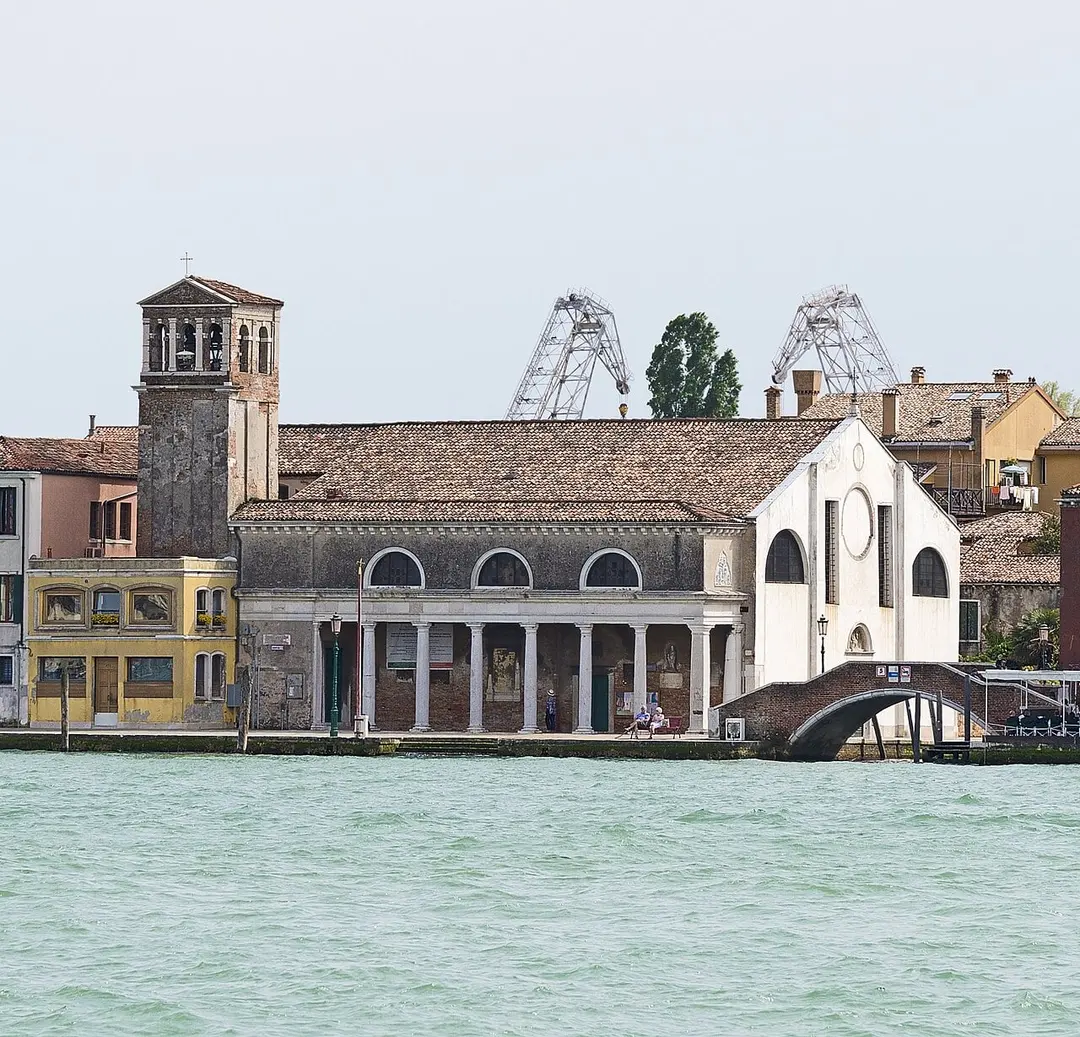
Sant'Eufemia is one of Venice's oldest churches, with origins tracing back to the 9th century. It stands on the island of Giudecca, across the eponymous canal from the main city, in a quieter neighborhood mostly overlooked by tourists. The current appearance dates from the early 18th century — an inscription confirms the church was rebuilt in 1733, and a more recent restoration was completed in 2012. Inside, a notable shrine houses the relics of Saint Euphemia, an early Christian martyr venerated since late antiquity. Today the church serves its local parish community, offering a genuinely calm atmosphere compared to Venice's more visited sacred sites.
Venice
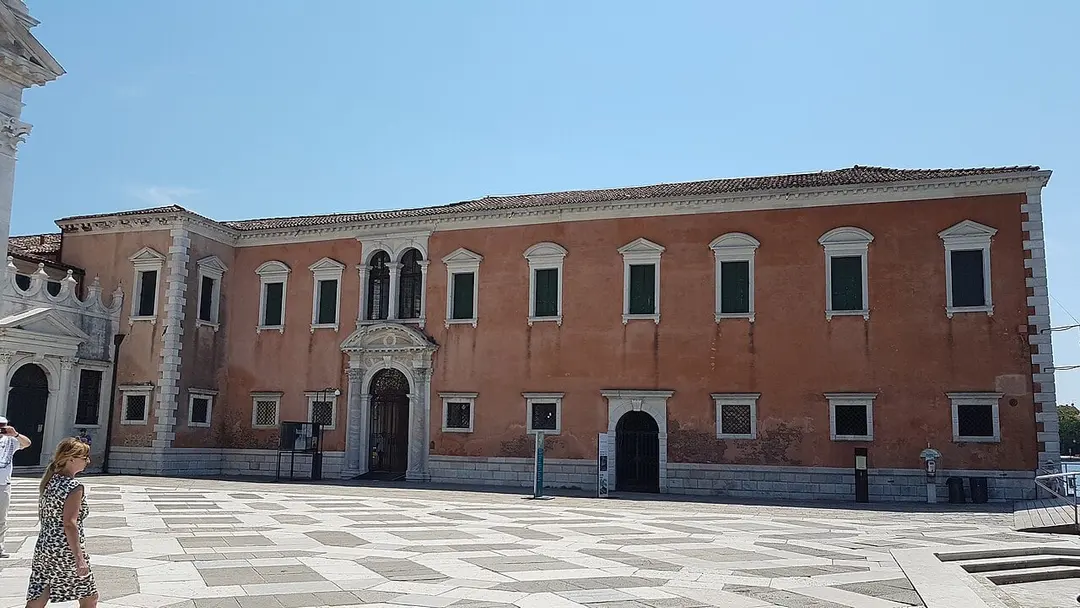
The Fondazione Giorgio Cini was established on 20 April 1951 by the industrialist and politician Vittorio Cini on the island of San Giorgio Maggiore in Venice, in memory of his son Giorgio who died in a plane crash near Cannes in August 1949. Based in the former Benedictine monastery complex on the island, the foundation runs an internationally regarded research and cultural centre with a library, archives and exhibition spaces. Regular conferences, concerts and scholarly projects on Venetian history and art define its programme.
Venice
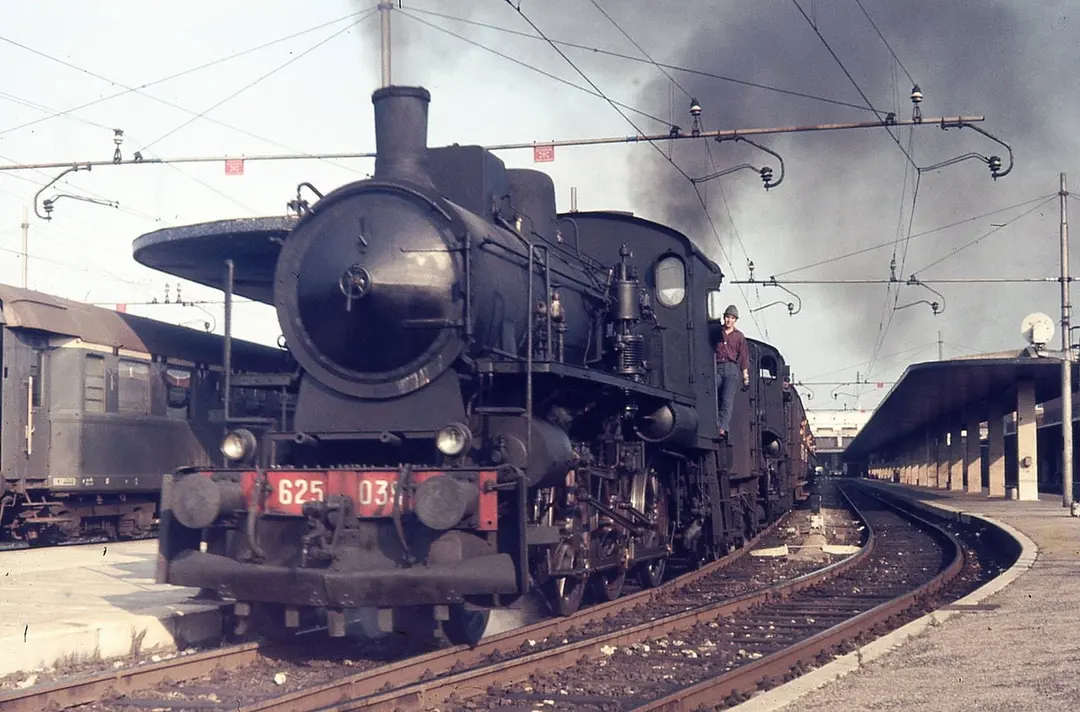
The Locomotiva 625.091 is a preserved example of the Italian FS Class 625, a tender steam locomotive for light express and passenger train services of the Italian State Railways. The Class 625 was developed as a superheated steam variant of the older compound locomotives of Class 600 and was known for its graceful appearance – the public affectionately nicknamed them Signorine (Young Ladies). The locomotive is now preserved as an exhibit, a reminder of the early golden age of Italian railways in the early 20th century.
Keep exploring
Rate places with a swipe — TravelType learns from your tags what you love and curates your own map. Private until you choose to share.