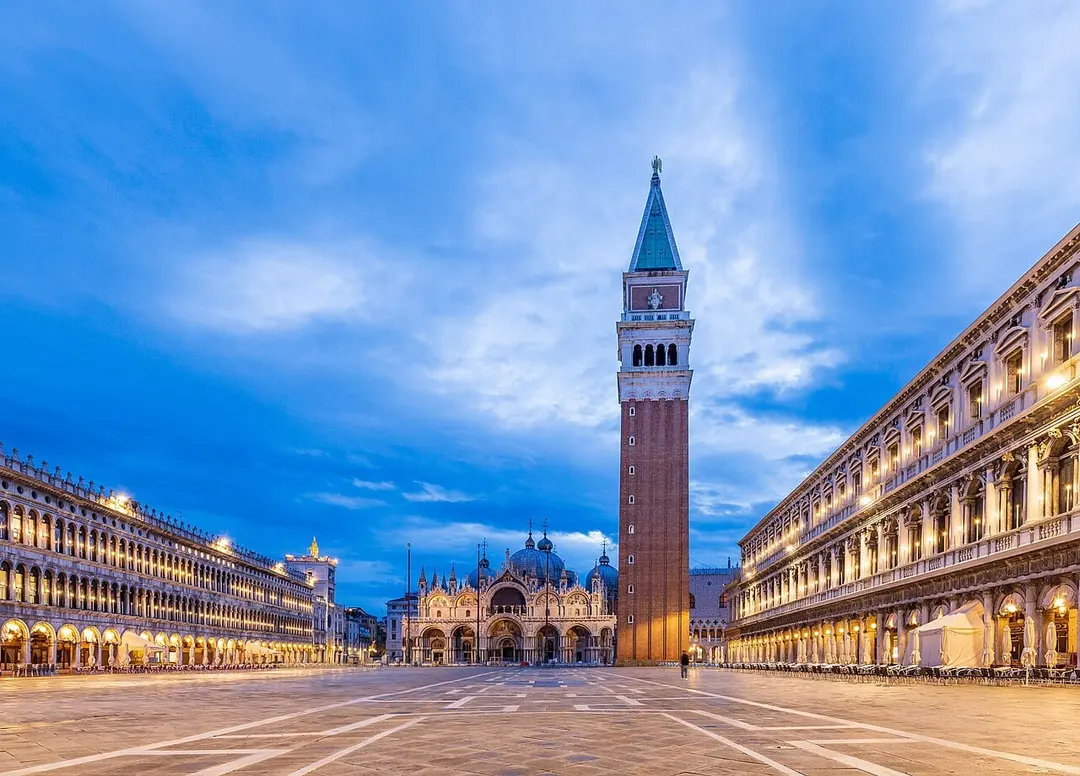
Piazza San Marco
Venice
architectureculturenature+7
history
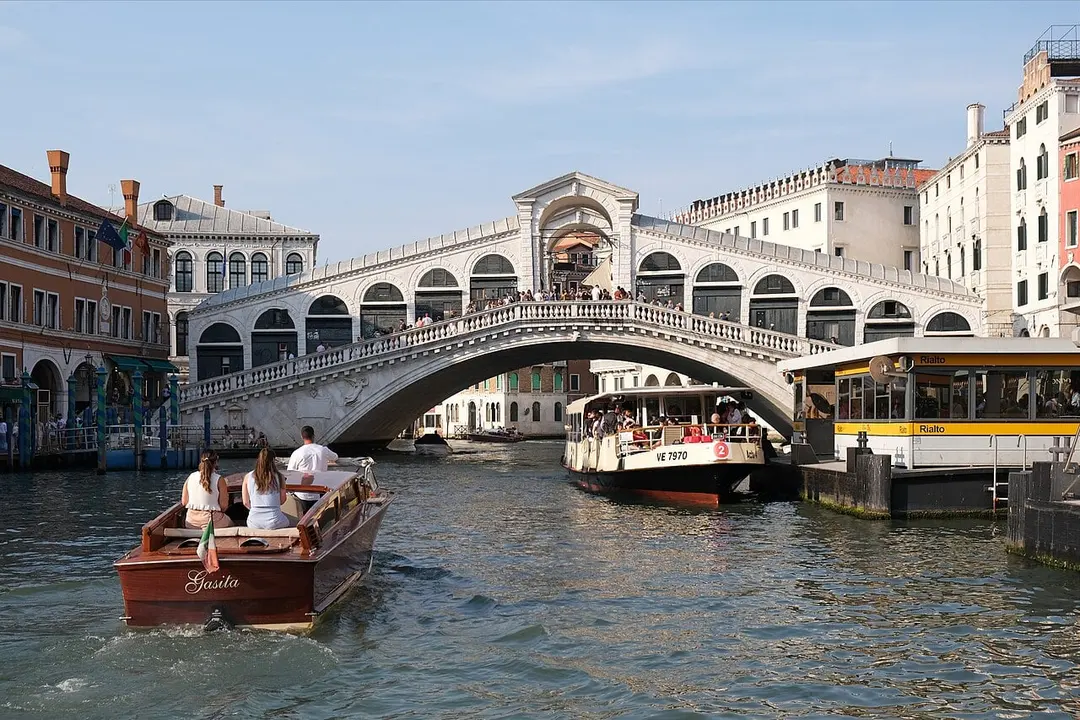
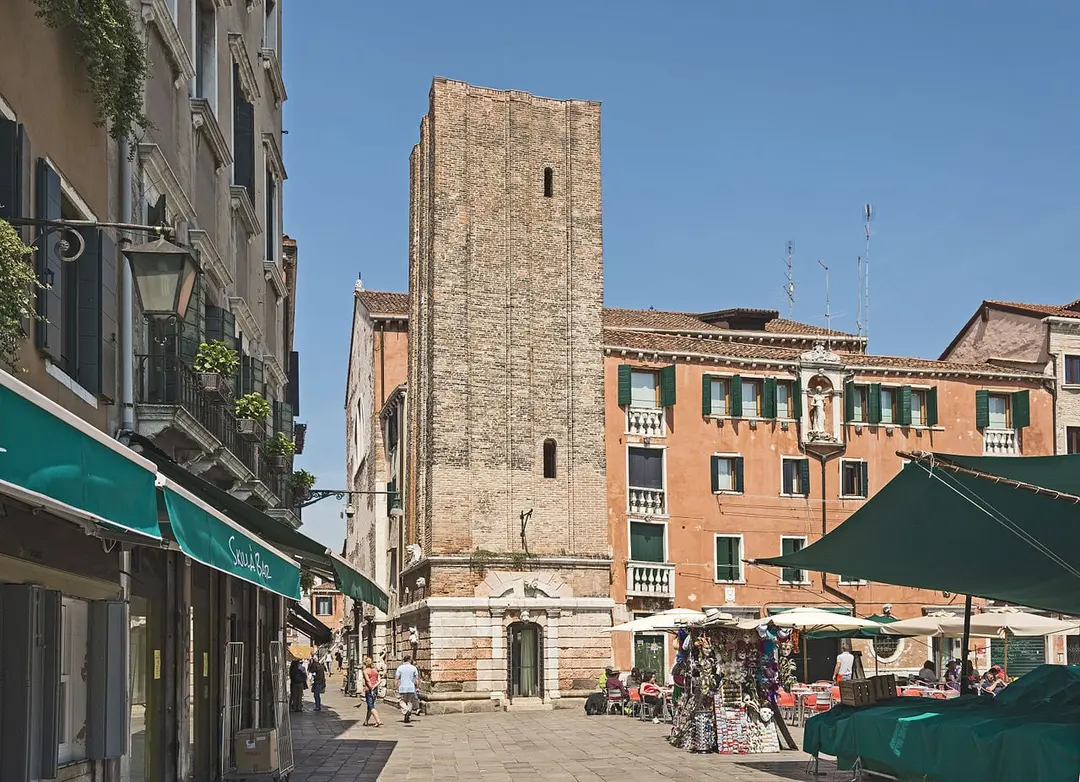
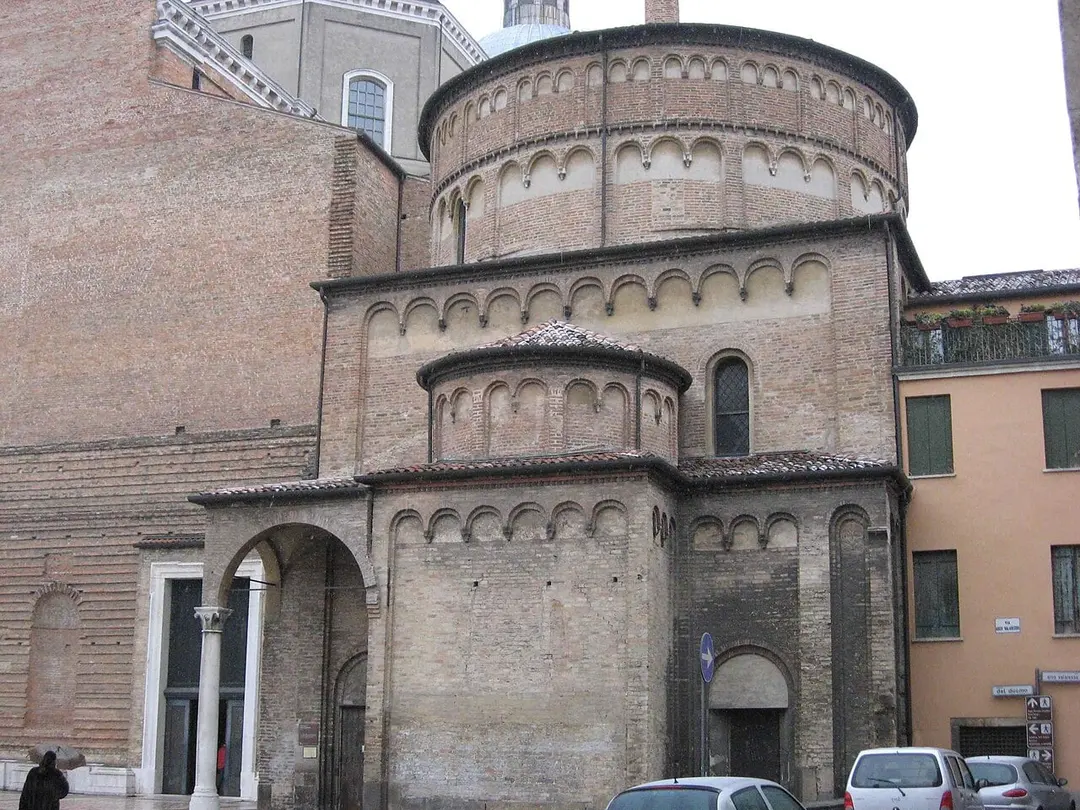
Venice layers its history across stone, water, and lagoon. Piazza San Marco, home to the Battistero and the Biblioteca Nazionale Marciana, was the civic and intellectual centre of the former republic. The Arsenale di Venezia reflects centuries of naval power, while the Rialto Bridge has anchored trade and daily life since the Middle Ages. The Basilica dei Santi Giovanni e Paolo honours doges and noble families. The ancient Roman settlement of Altinum marks the region's deeper roots. The Bridge of Sighs, the Abbazia di Santa Giustina, and the river Bacchiglione each add another layer to Venice's long and complex past.
50 places · Venice, Italy · Editorially curated
Venice
Venice
Venice
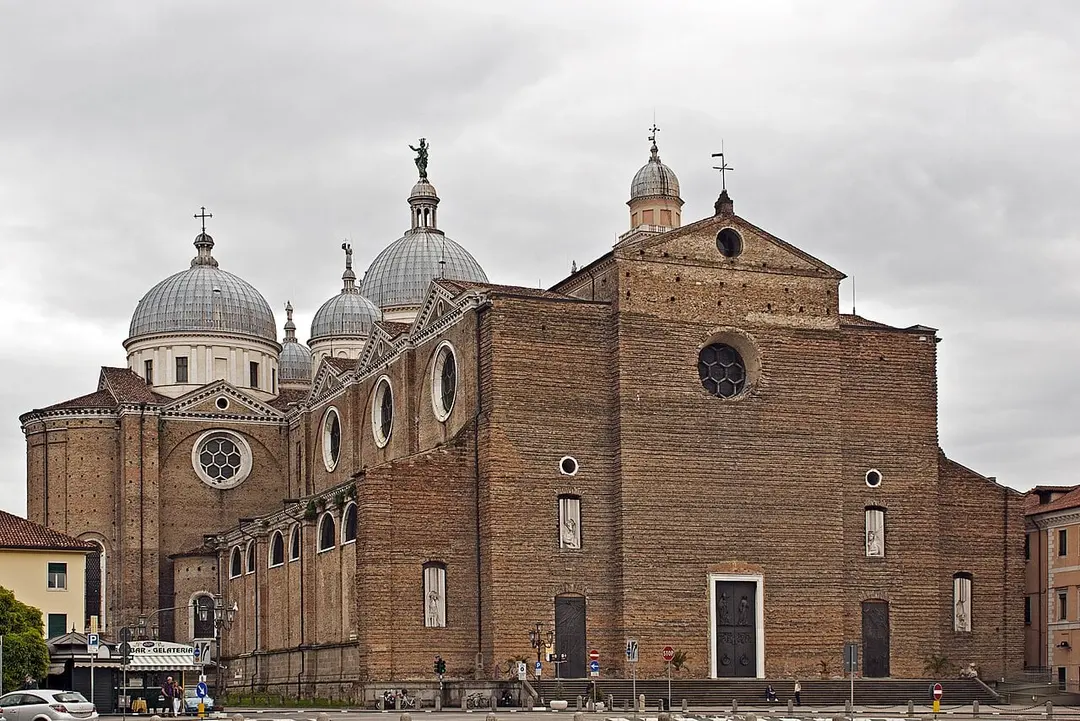
The Basilica of Santa Giustina in Padua is one of the largest churches in the world and the most important Renaissance building in the Veneto. The Benedictine abbey dates to the 10th century; the current church with its eight monumental domes was begun in 1530 and only completed in the 17th century. The facade remains bare and unplastered – a deliberate sign of Benedictine modesty, setting it apart from the ornate Basilica of Saint Anthony nearby. Inside are significant Venetian paintings and the relics of Saint Justina and the Evangelist Luke. The abbey sits directly on the Prato della Valle, one of Europe's largest city squares.
Venice
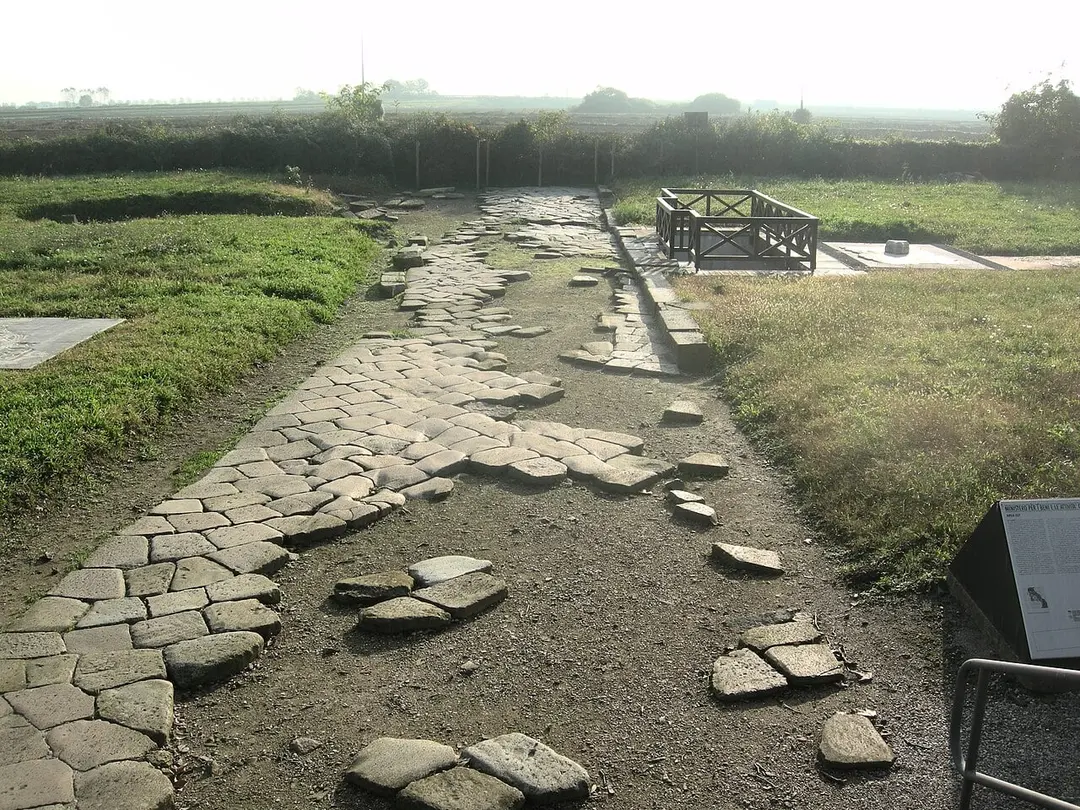
Altinum was a prominent city of the Veneti in what is now northeastern Italy, situated near the Venetian Lagoon. Its origins go back to the 8th century BC, and under Roman rule it flourished as a busy trading port with around 20,000 inhabitants. In the 5th century, Attila the Hun's raid sent many residents fleeing to the lagoon islands — laying the groundwork for Venice itself. Final abandonment came around 900 AD due to Magyar invasions. Today the sunken city lies mostly under farmland and has been mapped through aerial archaeology and laser scanning.
Venice
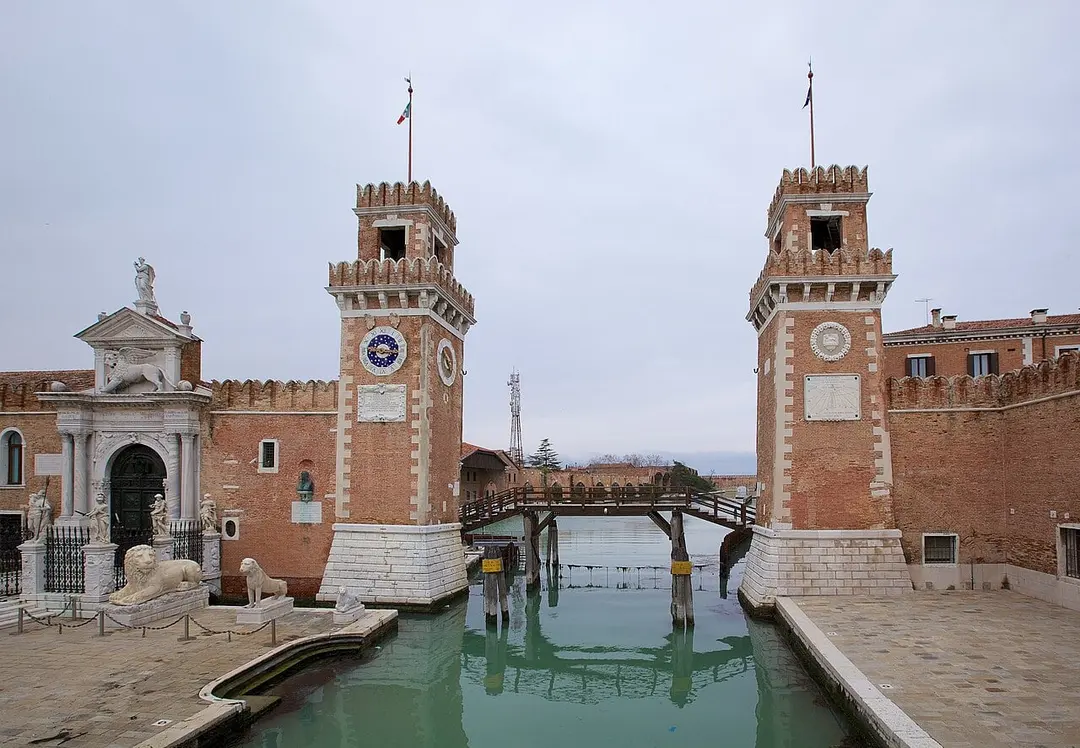
The Arsenale di Venezia was for centuries the industrial heart of the Serenissima: a sprawling complex of shipyards, armouries and warehouses where the galleys of the Venetian war fleet were built, equipped and maintained. In the Middle Ages it was one of the earliest large-scale industrial enterprises in all of Europe. The word arsenal itself derives from the Arabic Dār aṣ-ṣināʿa, reflecting the Lagoon City's deep Mediterranean connections. Today the largely restricted site serves as exhibition space for the Venice Biennale and stands as one of the most impressive urban monuments of the Venetian Republic.
Venice
The church of Santa Margherita in the Dorsoduro sestiere is one of Venice's oldest religious buildings, possibly dating back to the 9th century. Originally dedicated to Saint Margaret of Antioch, one of the Fourteen Holy Helpers, it was secularised during the Napoleonic era. Since then the building has served various secular purposes and today functions as an auditorium and event space for the University of Venice. Visitors passing through the lively Campo Santa Margherita find here a quiet contrast to the busy square outside.
Venice
Venice
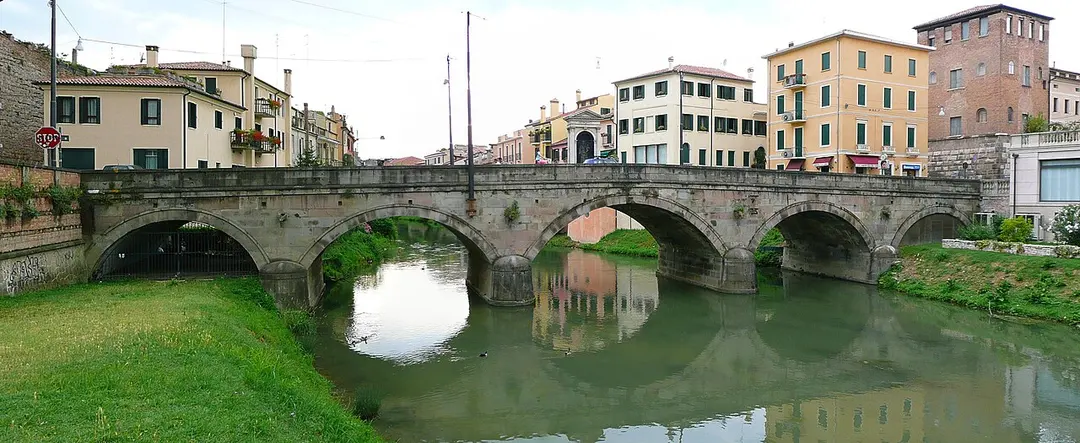
The Bacchiglione is a river in the northern Italian region of Veneto, flowing from the Alps through Vicenza and Padua before emptying into the Brenta near Chioggia. For centuries it served as an important waterway as far as Vicenza, above which it is no longer navigable. In the 19th century it was connected to the Adige by a canal. Along its banks lie historic town centers and bridges that shaped the link between the Alpine region and the Adriatic coast.
Venice
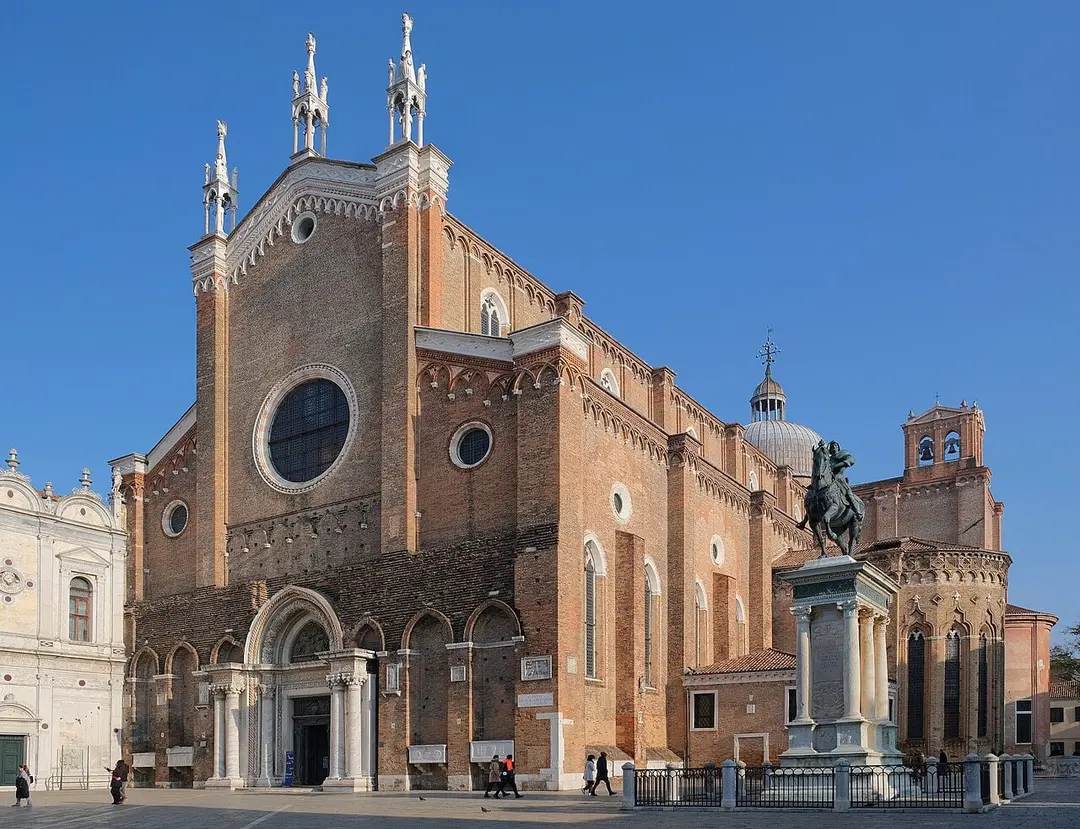
Santi Giovanni e Paolo — known in Venetian dialect as San Zanipolo — is one of Venice's largest churches, stretching nearly 100 metres. This Gothic brick church in the Castello sestiere was built by the Dominicans from the 13th century onwards. It serves as the pantheon of Venetian doges: more than 25 doges are buried here, and their elaborate tombs line the interior walls. The monumental funerary monument to Doge Pietro Mocenigo at the main portal is particularly striking. Part of the UNESCO World Heritage site of Venice, San Zanipolo is a place where art history and civic history stand side by side.
Venice
Venice
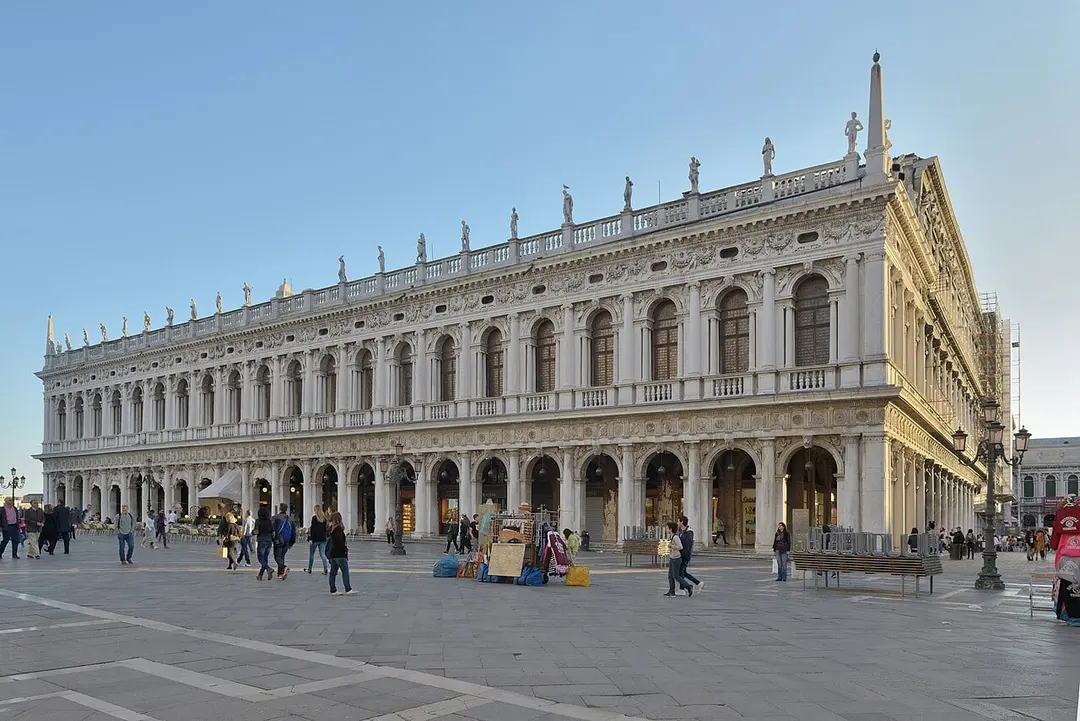
The Biblioteca Nazionale Marciana – the National Library of St Mark – is one of the oldest public libraries in Italy and one of the world's most important collections of Greek, Latin and Oriental manuscripts. It traces its origins to 1468, when Cardinal Bessarion bequeathed his extensive manuscript collection to the city of Venice. The building on the southern edge of St Mark's Square was designed by Jacopo Sansovino and is considered a masterpiece of Venetian Renaissance architecture. Today the Marciana is the only institution that has survived from the age of the Venetian Republic.
Venice
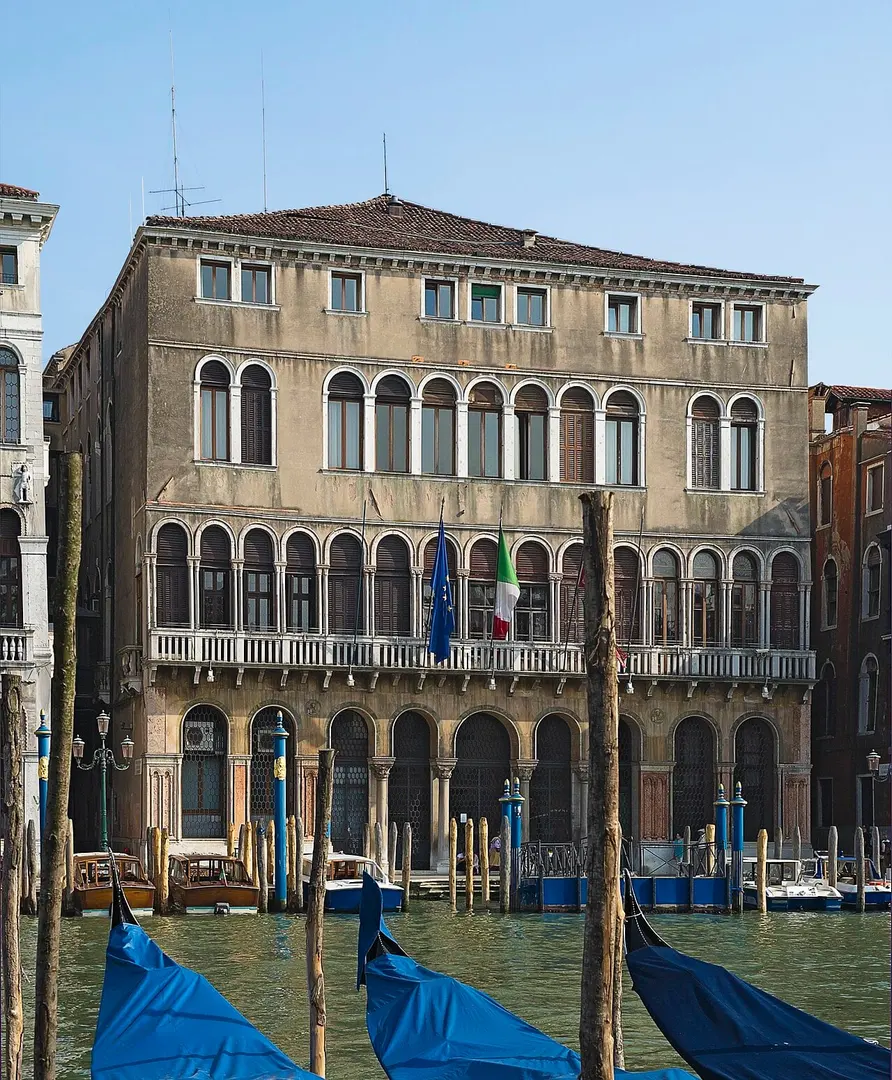
Ca Farsetti is one of the oldest palaces on the Grand Canal in Venice, standing close to the Rialto Bridge. Built after 1200 by Ranieri Dandolo, son of the famous Doge Enrico Dandolo, it is an early example of Venetian Gothic with multi-lancet windows facing the canal. In the 17th century the Farsetti family purchased the building; in 1826 the municipality acquired it and has used it as city hall ever since. Passing by on the Grand Canal today, the heavy stone facade in the shadow of the Rialto is one of the oldest layers of the lagoon city.
Venice
Venice
Venice
Venice
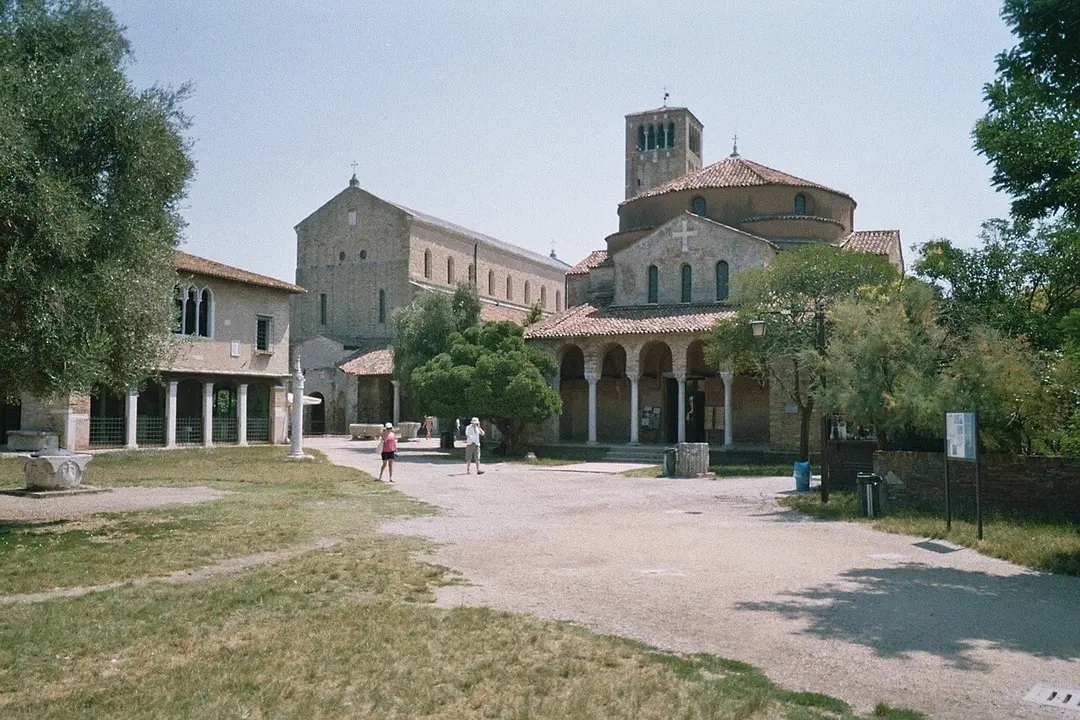
The Cathedral of Santa Maria Assunta on the lagoon island of Torcello is one of the oldest and most important religious buildings in the Veneto. The first church was built in the 7th century, when Torcello was still a thriving city of tens of thousands — long before Venice rose to prominence. Inside, the earliest surviving mosaics of the lagoon cover the walls: a monumental Last Judgment fills the west wall, while the apse shows an enthroned Madonna, both dating to the 11th and 12th centuries. Today Torcello is nearly deserted, and this silence makes a visit particularly moving. The island is part of the UNESCO World Heritage site of Venice and its Lagoon.
Venice
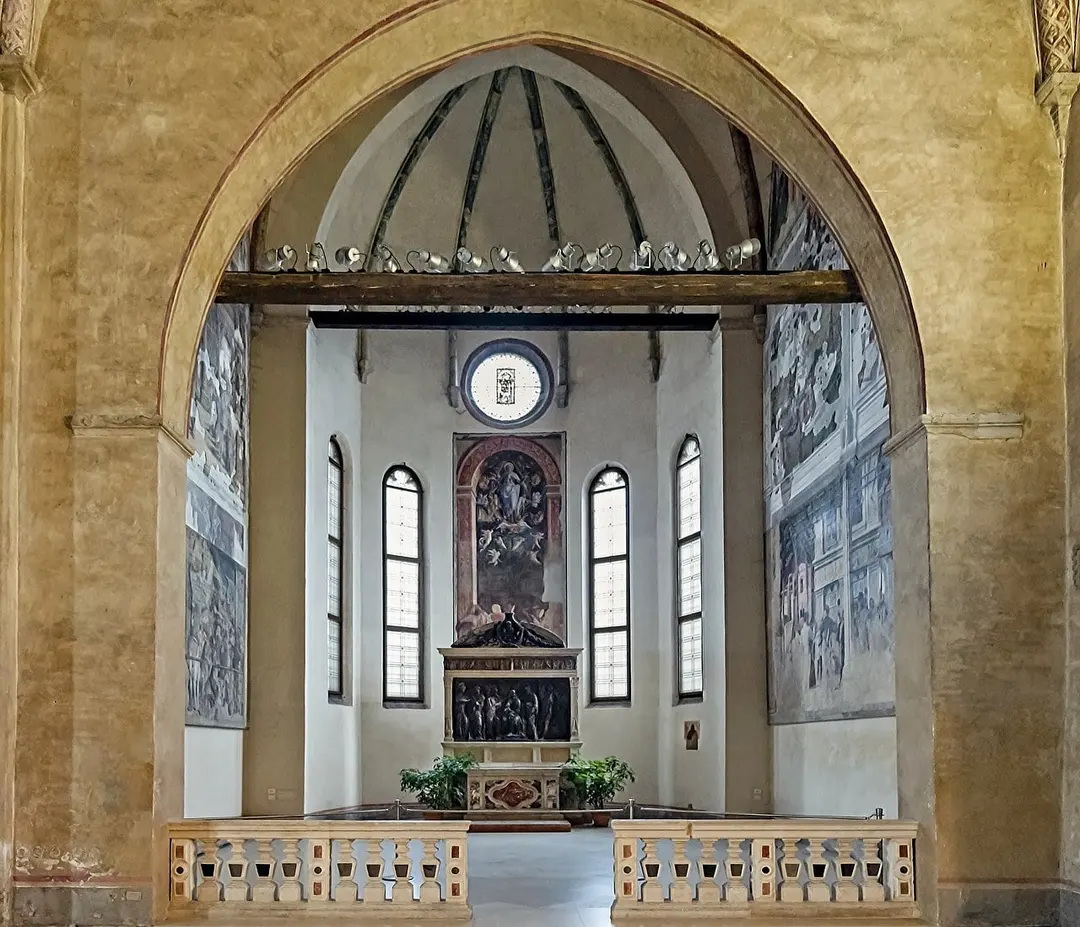
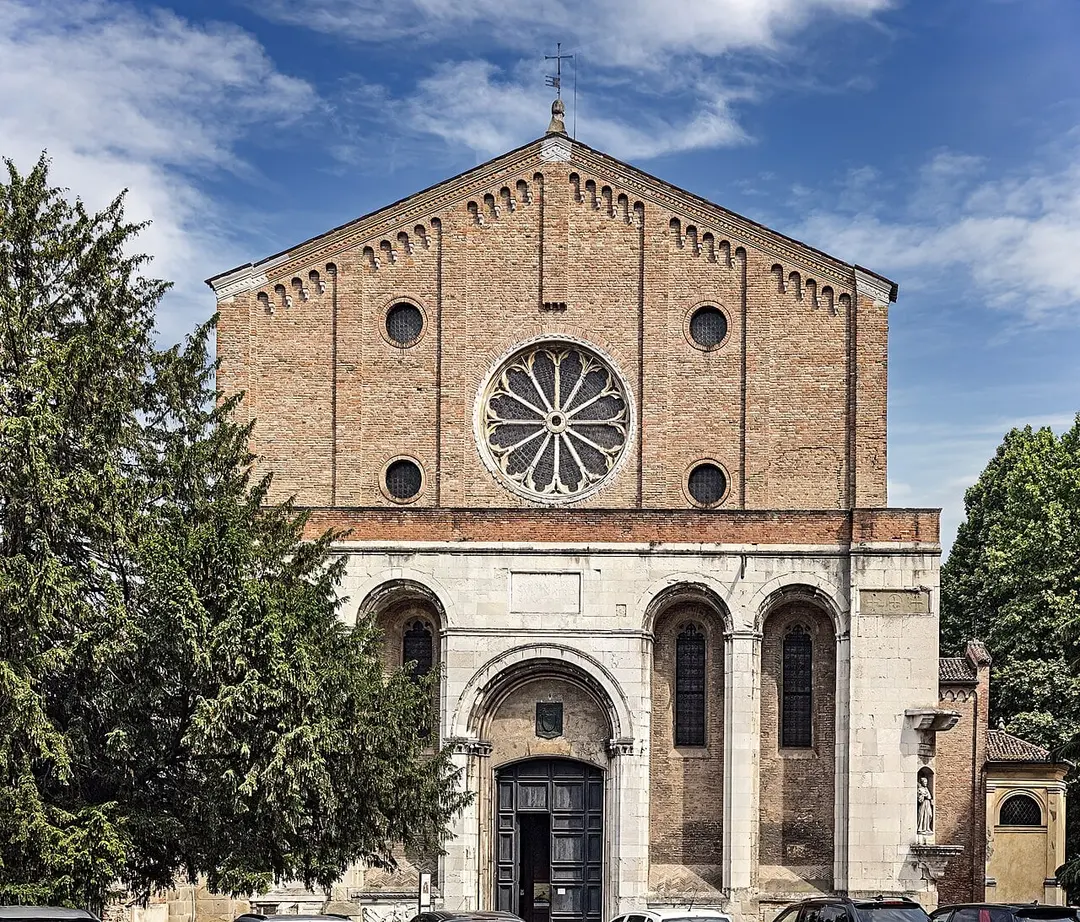
The Church of the Eremitani in Padua is a 13th-century Gothic church dedicated to the apostles Philip and James, built by the Augustinian Hermits adjacent to the Civic Museums and the Scrovegni Chapel. On March 11, 1944, an Allied bombing raid nearly destroyed the church, taking with it most of Andrea Mantegna's early frescoes in the Ovetari Chapel. Only a few fragments survived and were painstakingly reassembled. The fresco program is part of the UNESCO World Heritage Site recognizing Padua's 14th-century fresco cycles.
Venice
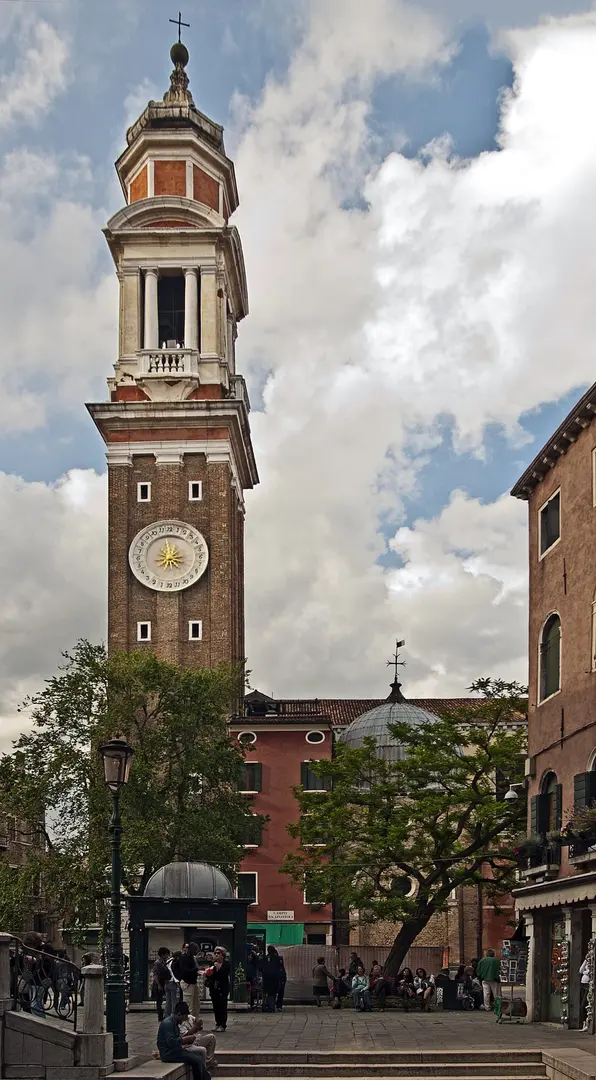
Santi Apostoli is one of Venice's oldest churches, located in the Cannaregio sestiere with origins in the 7th century. The current building results from a major reconstruction of 1575. Particularly notable is the Cornaro Chapel, added in the late 15th century by Mauro Codussi — one of the leading figures of Venetian Early Renaissance — serving as the burial place for several members of the powerful Cornaro family. Works by Tiepolo and the location on Campo SS. Apostoli near the Strada Nova make it a worthwhile detour off the main tourist routes.
Venice
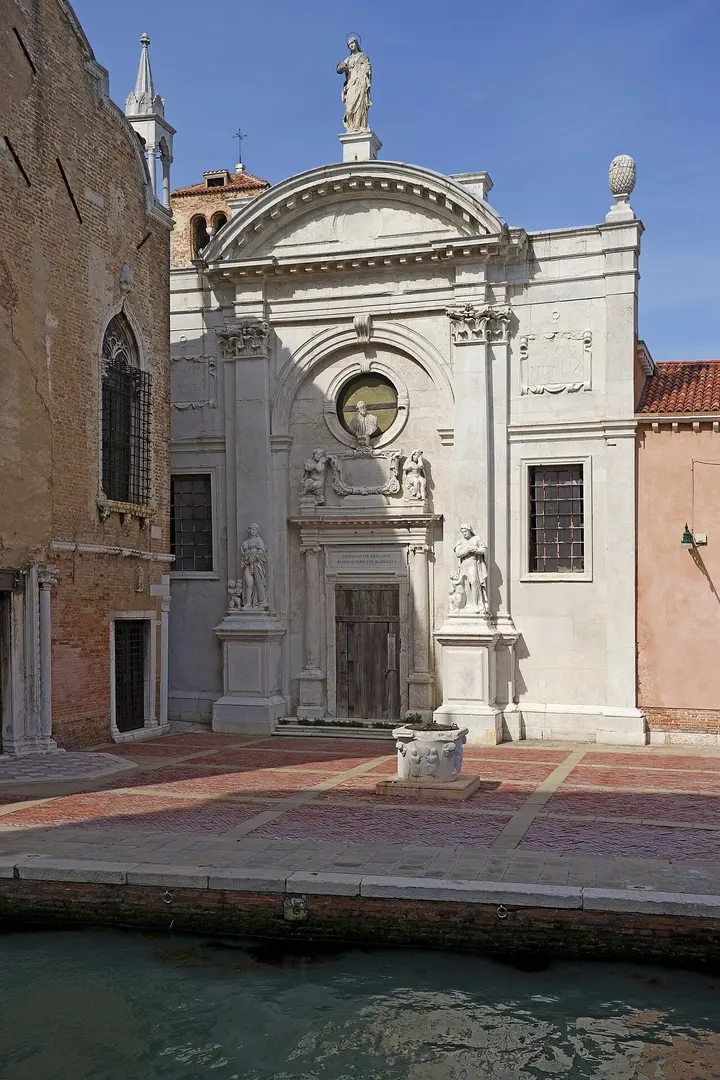
The Abbey of Misericordia is a Venetian church complex in the northern Cannaregio sestiere with origins in the 10th century. Originally called Santa Maria di Val Verde, it comprised a church, a hospice for poor women, and one of Venice's lay confraternities — the Scuola, founded in 1310. The legendary founding year of 939 is historically disputed; the Moro family held patronage rights. After 1828 the church was restored, then changed hands several times and served different purposes over the centuries. Today the complex sits quietly on the Fondamenta de l'Abazia, north of the Sacca della Misericordia — off the beaten path in the northernmost reaches of Cannaregio.
Venice
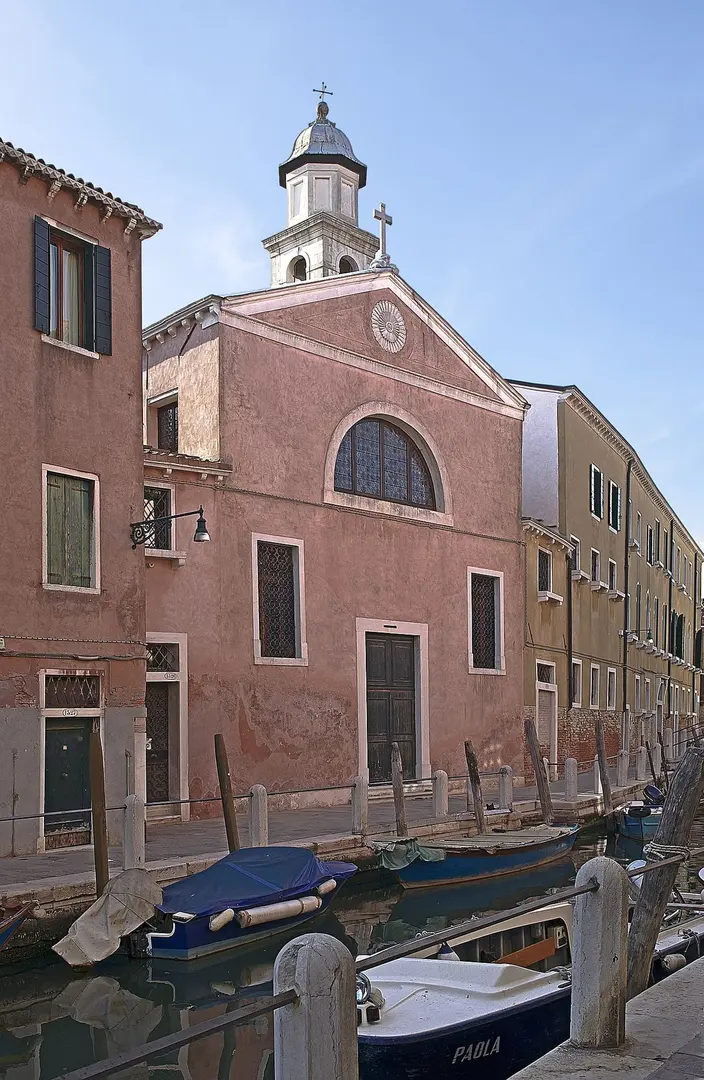
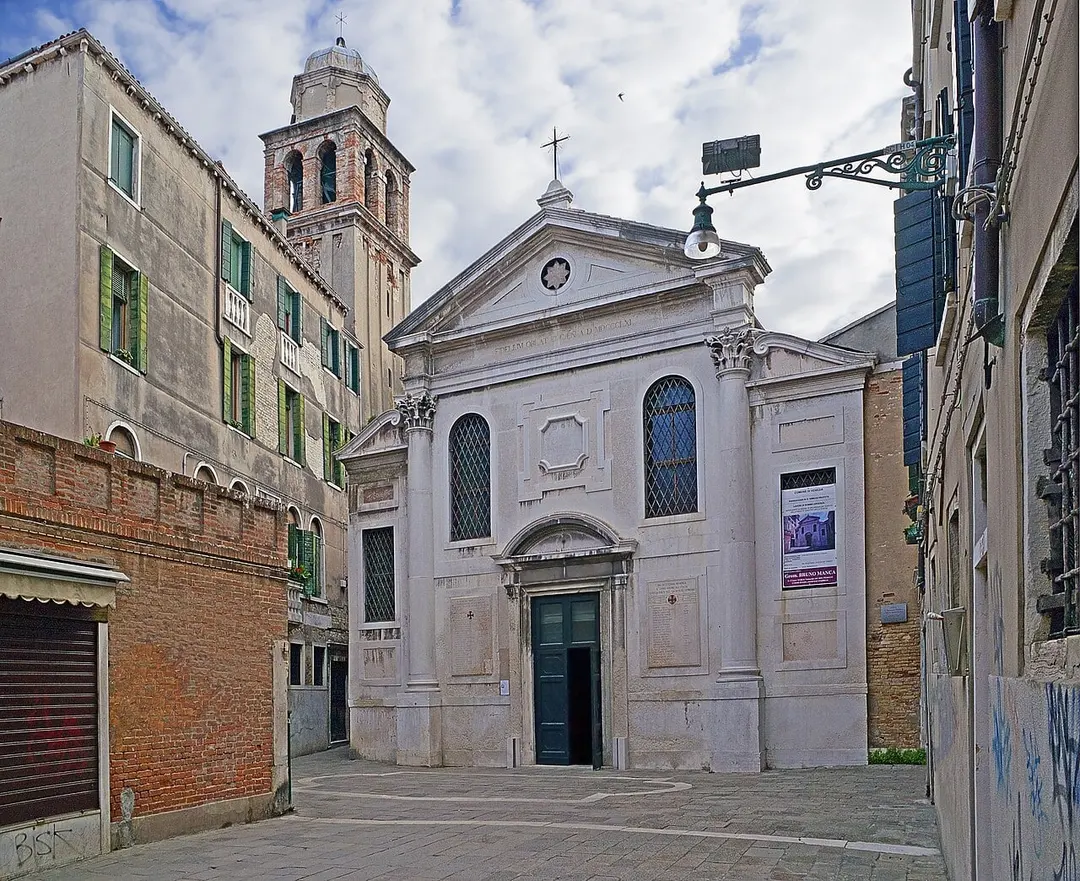
The Chiesa delle Eremite, also known as Le Romite, is a small Catholic church in the Dorsoduro district of Venice, built for Augustinian nuns and completed in 1694. The larger complex included a convent and schools that educated children from infancy through to high school, continuing until the mid-20th century. The church is dedicated to Jesus, Mary and Joseph, and sits along the Rio de le Romite. It is one of Venice''s quieter, less-visited churches, away from the main tourist paths, retaining a sense of neighbourhood calm.
Venice
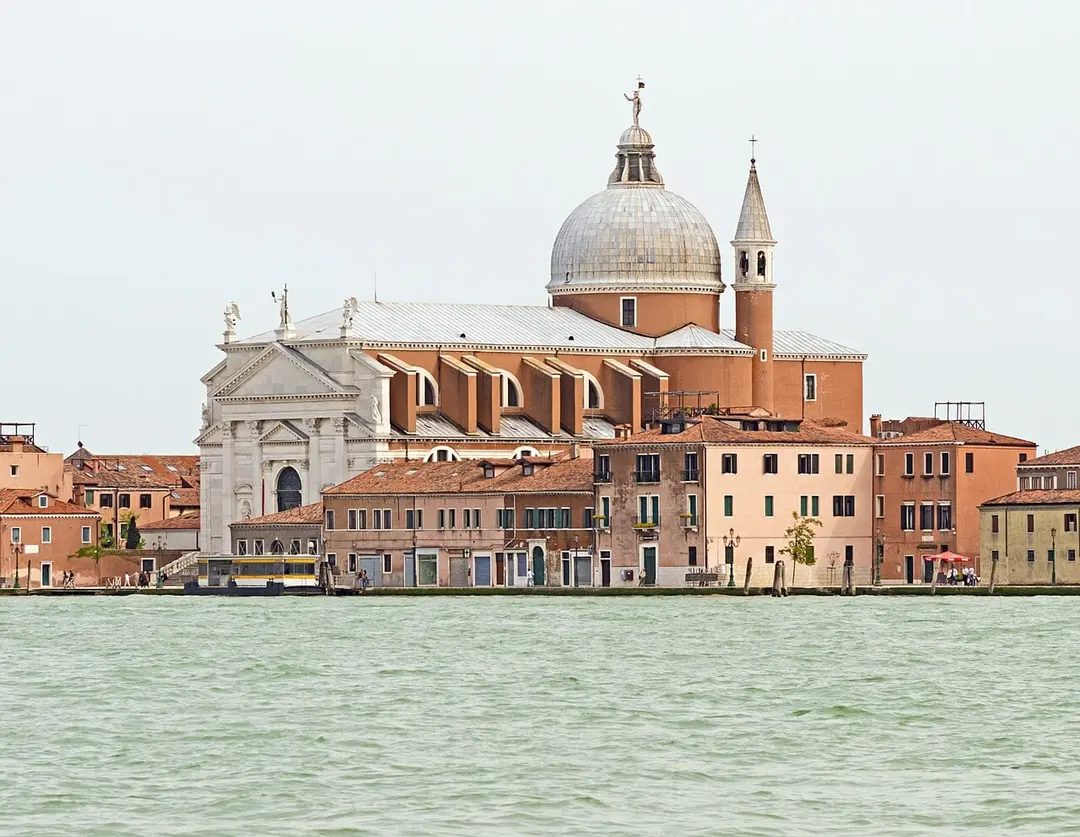
Il Redentore – the Church of the Redeemer – is one of Andrea Palladio's most celebrated works, standing on the island of Giudecca in Venice. The Republic of Venice commissioned it in 1577 as a votive offering after the plague killed roughly a third of the city's population. To this day, the Festa del Redentore is celebrated every third Sunday of July: a pontoon bridge connects Giudecca to the Piazzetta, and thousands of Venetians cross it on foot. The white facade with its classical portico is considered a masterpiece of Venetian classicism.
Venice
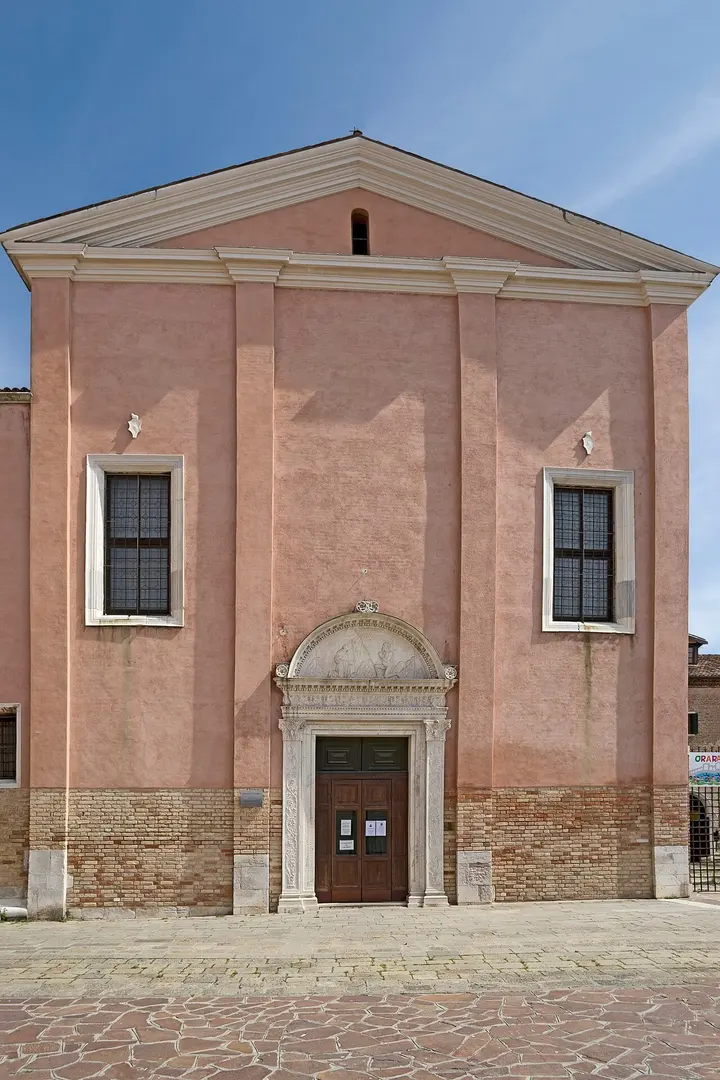
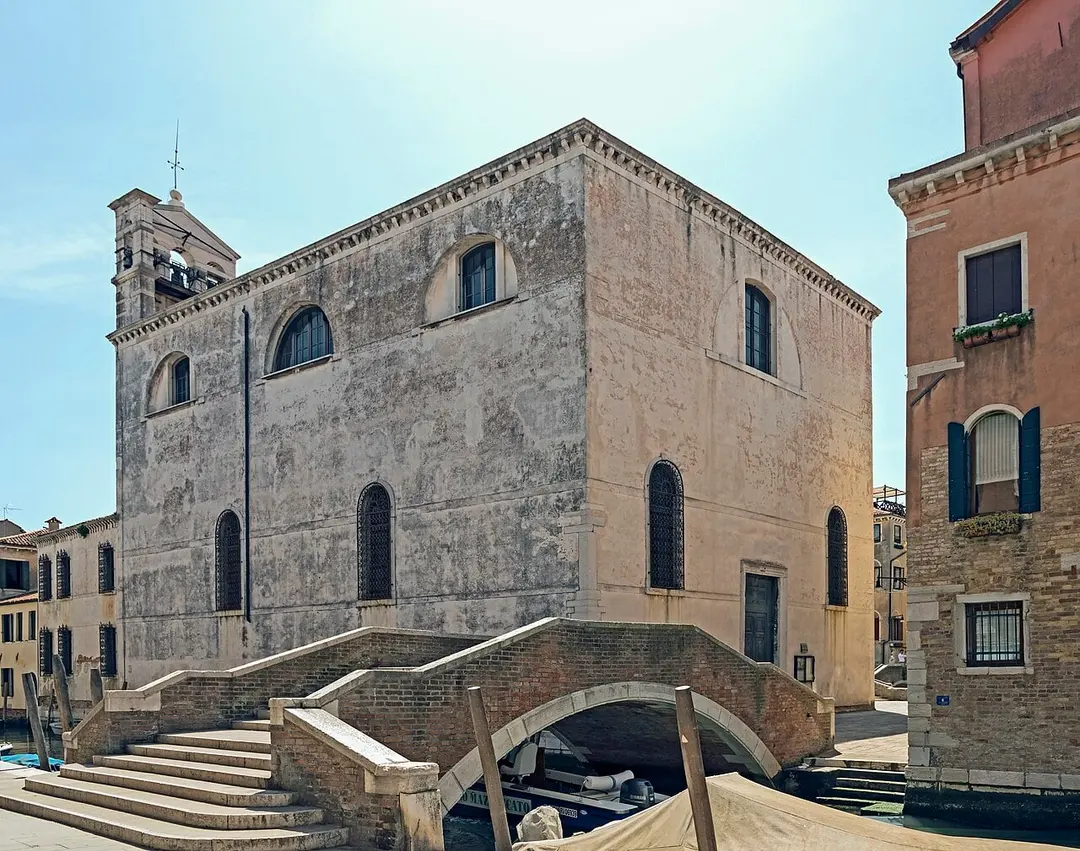
The Chiesa di Cristo Re alla Celestia stands on the site of the former Cistercian convent of Santa Maria della Celestia in Venice's eastern Castello district. The convent was founded in the 13th century and survived until the early 19th century, when it was suppressed under Napoleon. The original church was dedicated to the Assumption of Mary. Little of the old structure survives today – the building now serves as a local parish church. The site lies off the main tourist routes, close to the Arsenal.
Venice
San Bartolomeo is a church on the Campo San Bartolomeo in Venice, just steps from the Rialto Bridge in the sestiere of San Marco. Legendarily founded in 840, it was for centuries closely tied to the German-speaking merchants who resided in the nearby Fondaco dei Tedeschi. These traders from the Holy Roman Empire richly endowed the church and made it their community center. The present building is an early Baroque structure from the early 18th century. Since the 1980s, the church has been deconsecrated and repurposed as a secular cultural venue for exhibitions.
Venice
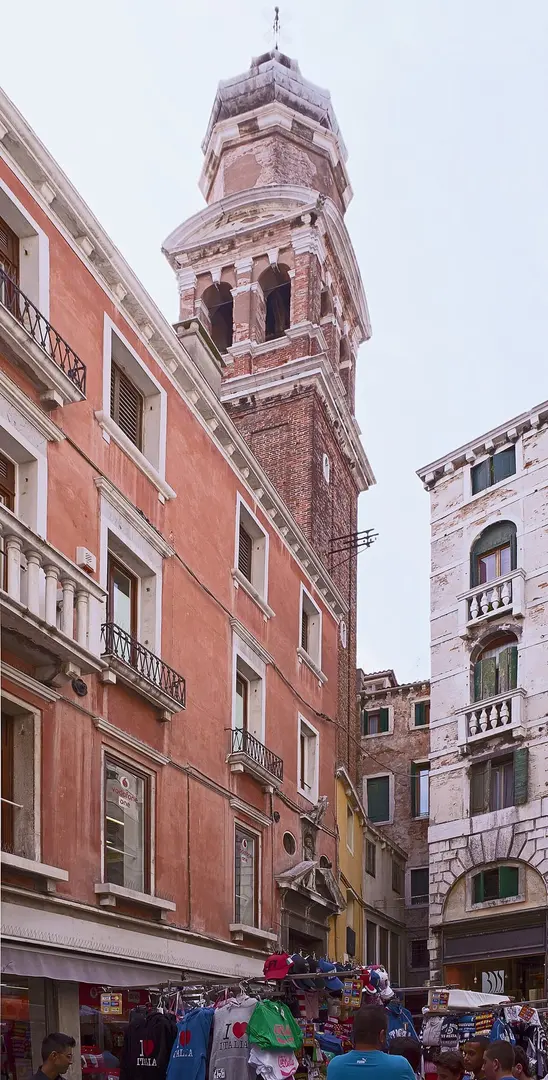
San Giobbe is a late Gothic–early Renaissance monastery church in western Cannaregio, Venice's northernmost district. The complex was founded through the initiative of Giovanni Contarini in the late 14th century; the church itself was expanded in the 15th century with involvement from architect Pietro Lombardo. It served as the burial site of doges Cristoforo Moro and Pietro Loredan, as well as dogaressa Dea Morosini. The 46-metre campanile defines the ensemble. The neighbourhood around San Giobbe is today one of the quietest corners of Venice.
Venice
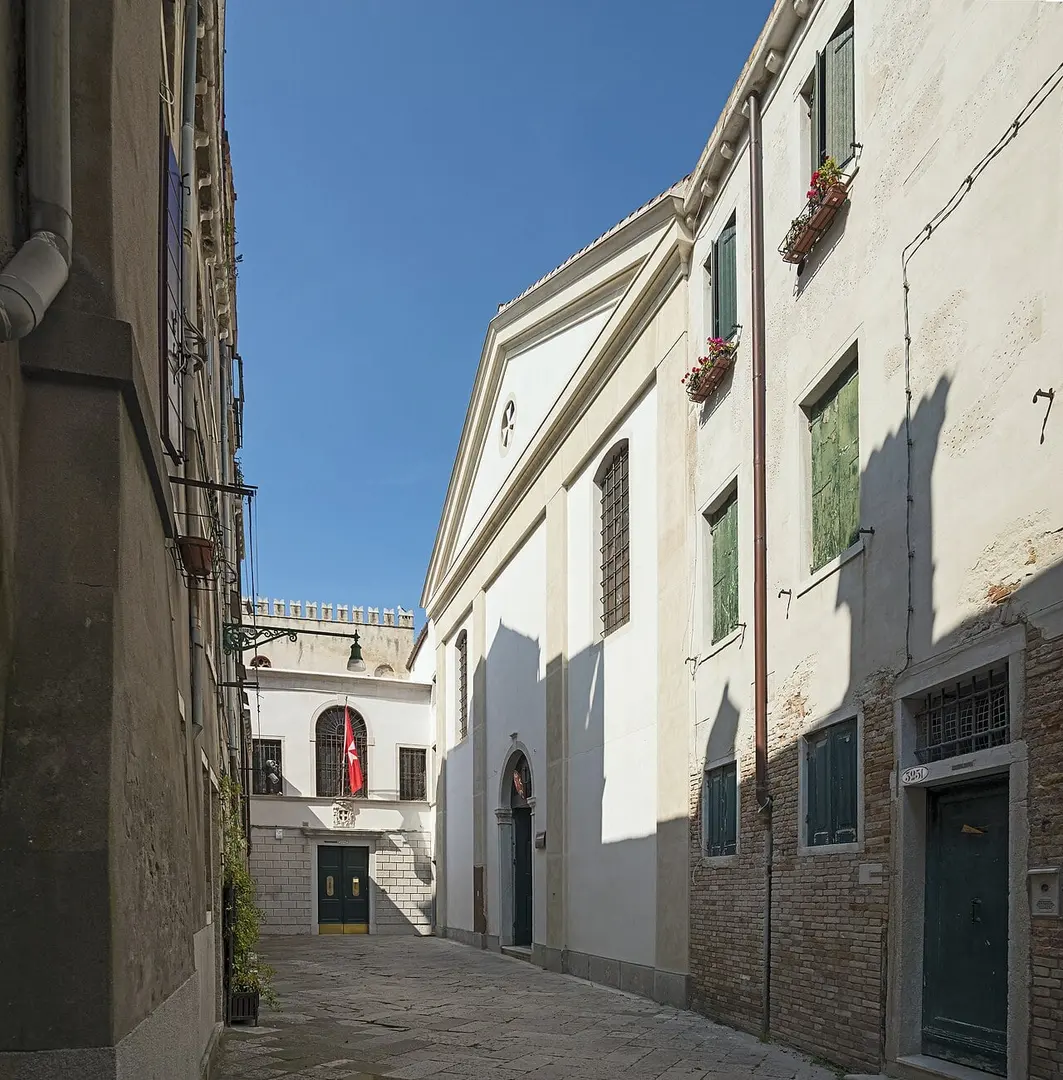
San Giovanni di Malta sits in the quiet eastern reaches of the Castello sestiere in Venice, well away from the main tourist circuits. Founded in the 11th century, the church fell under the influence of the Knights Templar before passing to the Knights Hospitaller — later the Order of Malta — after the Templars were dissolved in 1312. Its current form dates from around 1565. The complex includes several buildings around a tranquil garden courtyard, which serves as the Grand Priory of the Order of Malta in Venice. The church is rarely crowded, offering unusual quiet in the middle of the city.
Venice
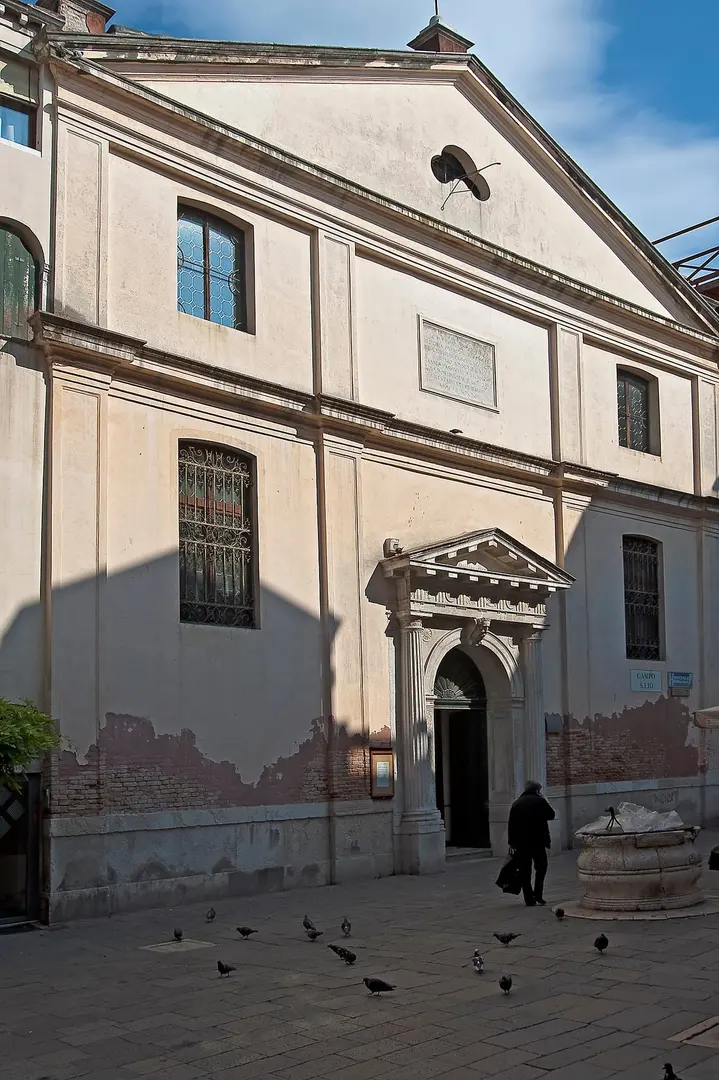
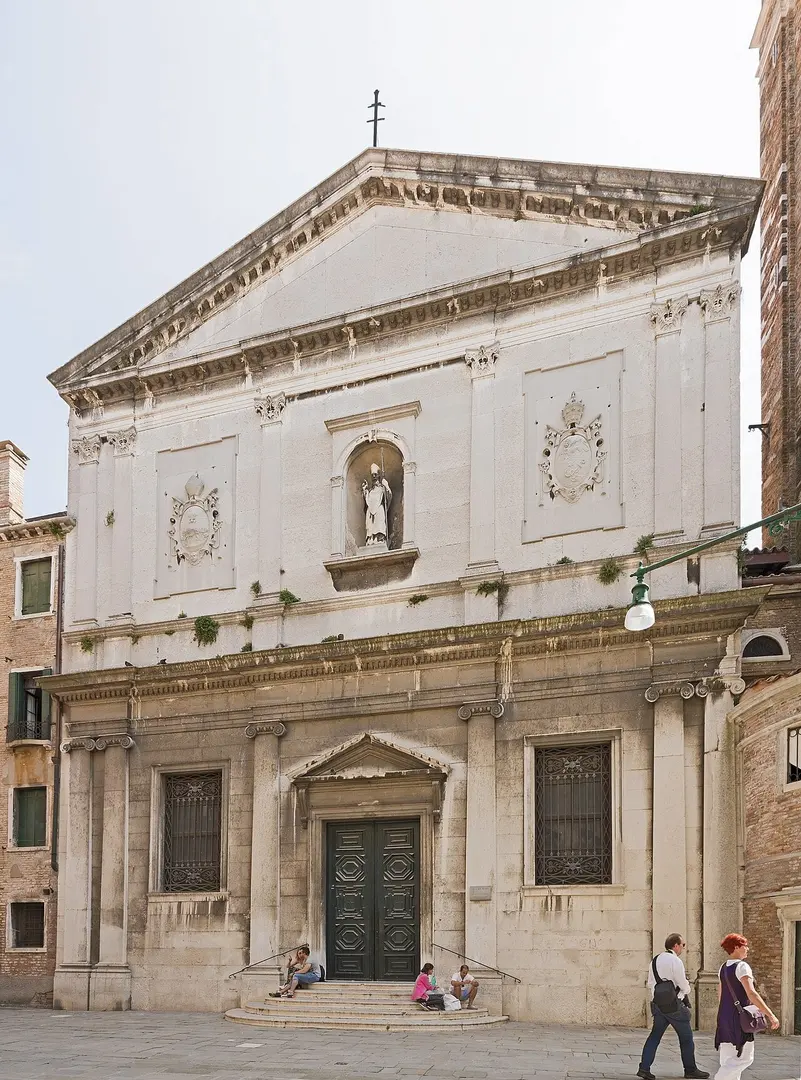
San Lio is one of Venice's oldest parish churches – the first church on this site in the Castello district is thought to date back to the 10th century. The building was rebuilt several times over the centuries and underwent a radical neoclassical renovation in 1783. It stands east of the Rialto Bridge on its own small campo. The exterior is plain; the interior was remodelled in the 18th century. For visitors interested in Venetian layered architecture – a thousand years at one address – San Lio is a quiet example.
Venice
San Marziale is a parish church in the Venetian sestiere of Cannaregio, dedicated to Saint Martial, the 3rd-century bishop of Limoges. The church's origins date to the 9th century, though the current building has been remodelled several times. Inside are ceiling paintings by Sebastiano Ricci from the early 18th century, among his most notable works in Venice. Located away from the main tourist routes in northern Cannaregio, the church is surrounded by canals and bridges that reflect Venetian everyday life.
Venice
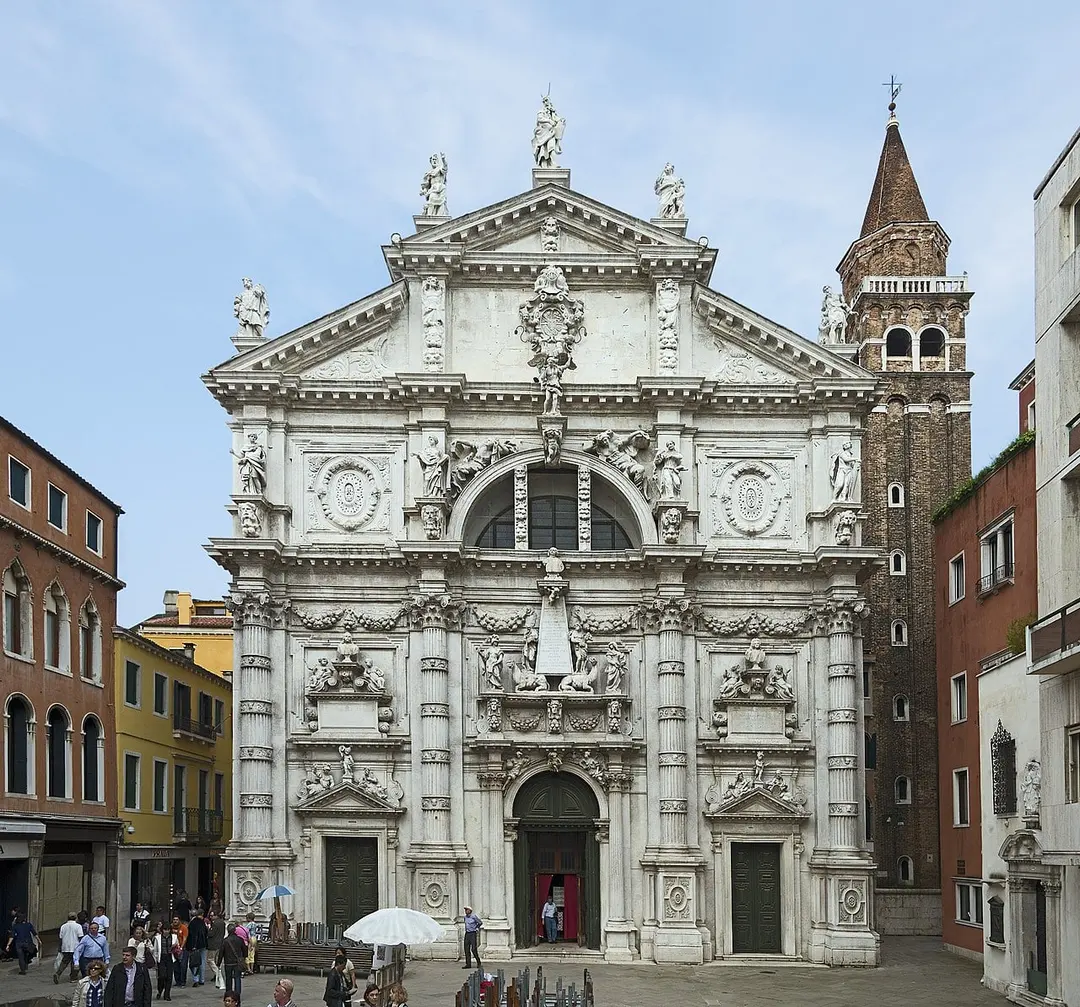
San Moisè is a Roman Catholic Baroque church near Piazza San Marco in the sestiere of San Marco, dedicated to the Old Testament prophet Moses. The current Baroque facade from 1683 was donated by the patrician Molin family and features an unusual detail: portrait busts of family members — a rare form of secular self-promotion on a Venetian religious building. The interior contains paintings by Tintoretto and Palma il Giovane, as well as an altar by Jacopo Sansovino. Despite its central location, the church is overlooked by many visitors hurrying toward the nearby Salute or St. Mark's Basilica.
Venice
San Silvestro is one of Venice''s older churches, located in the San Polo sestiere near the Grand Canal. Its dedication honours Sylvester I, Bishop of Rome in the early 4th century. The church may date as far back as the 9th century, but it has been significantly rebuilt multiple times. One unusual feature: the orientation was actually reversed at some point – the church originally faced the Grand Canal but was turned to face the Rio terà San Silvestro instead. Such reorientations within Venice''s dense urban fabric are rarely documented, making it of interest to architecture enthusiasts.
Venice
San Simeone Profeta, also known as San Simeone Grande, is a church in the western Sestiere Santa Croce in Venice with origins in the 10th century. It stands a short distance from Santa Lucia railway station but on the opposite bank of the Grand Canal. The name Grande distinguishes it from the nearby San Simeone Piccolo, which was the smaller of the two until its 18th-century Baroque reconstruction. The adjacent Palazzo Gradenigo and Palazzo Soranzo Cappello complete the local ensemble. The Campiello San Simeone Grande opens directly in front of the church — a quiet square away from the bustle of the nearby station.
Keep exploring
Rate places with a swipe — TravelType learns from your tags what you love and curates your own map. Private until you choose to share.