TravelType

nature

Nature in Saint Petersburg

Sankt Petersburg in northwestern Russia is shaped by the Neva River and its many waterways. The city's relationship with nature is most visible along its bridges and riverbanks — from the ornate Bank Bridge and the broad Blue Bridge to the sweeping Bolshoi Obukhovsky Bridge and the Exchange Bridge. The Field of Mars provides open green space near the city centre. Tree-lined burial grounds such as Bogoslovskoe Cemetery and Lazarev Cemetery, along with the green grounds surrounding Alexander Nevsky Lavra, offer quieter pockets of nature. To the west, the Lakhta Center marks where the Neva opens toward the Gulf of Finland.

13 places · Saint Petersburg, Russia · Editorially curated

  • Alexander Nevsky Bridge

    Alexander Nevsky Bridge

    Saint Petersburg

    architectureculturehistory

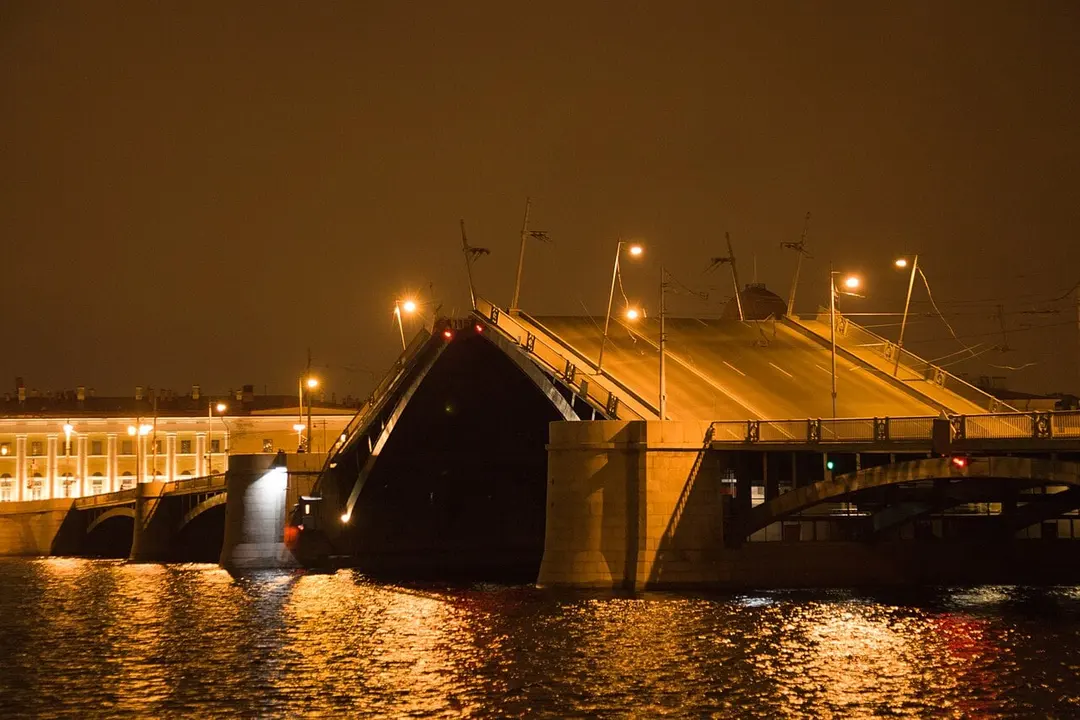
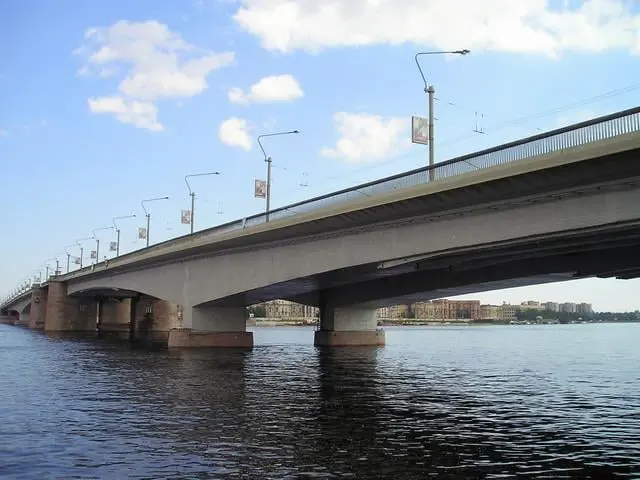
    The Alexander Nevsky Bridge crosses the Neva in St. Petersburg, linking Alexander Nevsky Square with Zanevsky Prospect. At 906 metres, it was the longest bridge across the Neva until the Big Obukhovsky Bridge opened in 2004. Built in 1965 and named after the medieval prince Alexander Nevsky who defeated the Swedes nearby in 1240, it is one of the city's major bascule bridges, raised during summer nights to allow shipping.
  • Alexander Nevsky Lavra

    Alexander Nevsky Lavra

    Saint Petersburg

    architectureculturehistory+1

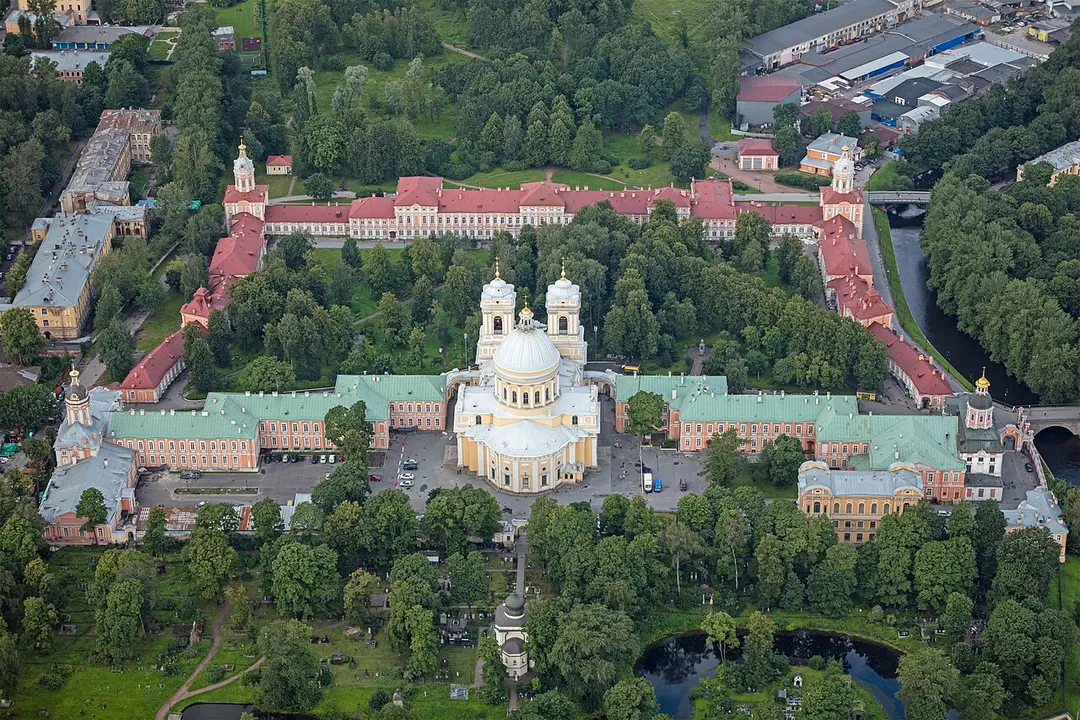
    Alexander Nevsky Lavra is St. Petersburg's most significant religious institution, holding the highest rank in Russian Orthodox monasticism — only four monasteries worldwide bear the lavra designation. Founded by Peter the Great in 1710 at the eastern end of Nevsky Prospekt, it houses the relics of the national saint Alexander Nevsky. The Tikhvin and Lazarus cemeteries within the complex contain the graves of Tchaikovsky, Dostoyevsky, Rimsky-Korsakov, and other luminaries of Russian culture.

  • Anichkov Palace

    Anichkov Palace

    Saint Petersburg

    architectureculturehistory

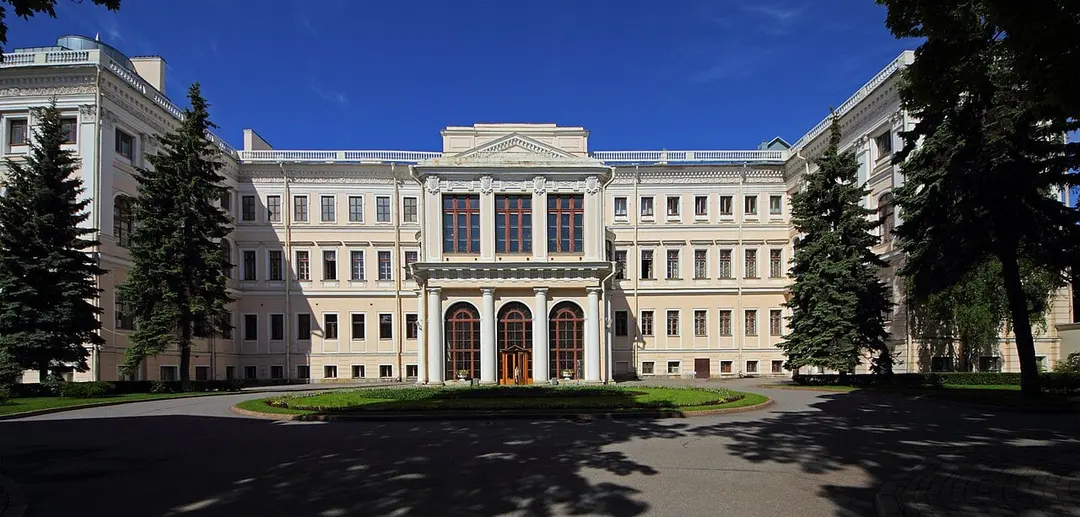
    The Anichkov Palace on Nevsky Prospect is one of St. Petersburg's oldest and most historically resonant palaces, built in 1754 under Empress Elizabeth. Originally Baroque, it received its neoclassical form at the end of the 18th century. Multiple Russian rulers gifted and inhabited it — Nicholas I presented it to his wife as a Christmas gift, and Nicholas II spent his childhood here. Today it houses the Palace of Youth Creativity.

  • Arctic and Antarctic Museum

    Arctic and Antarctic Museum

    Saint Petersburg

    architecturehistoryknowledge

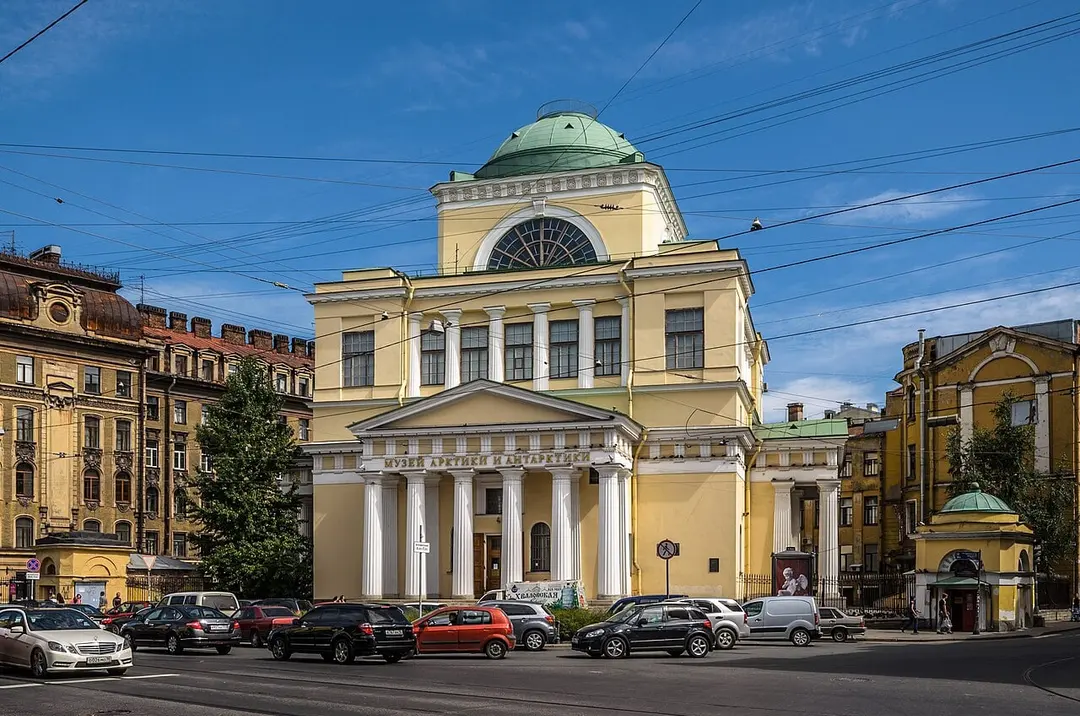
    The Arctic and Antarctic Museum in St. Petersburg is the world's largest museum dedicated to polar exploration. Housed in a former Orthodox church repurposed in 1930 and opened in January 1937, its collection covers expedition equipment, maps, ship models, and documents Soviet pioneering achievements in Arctic and Antarctic exploration.

  • Bank Bridge

    Bank Bridge

    Saint Petersburg

    architecturehistory

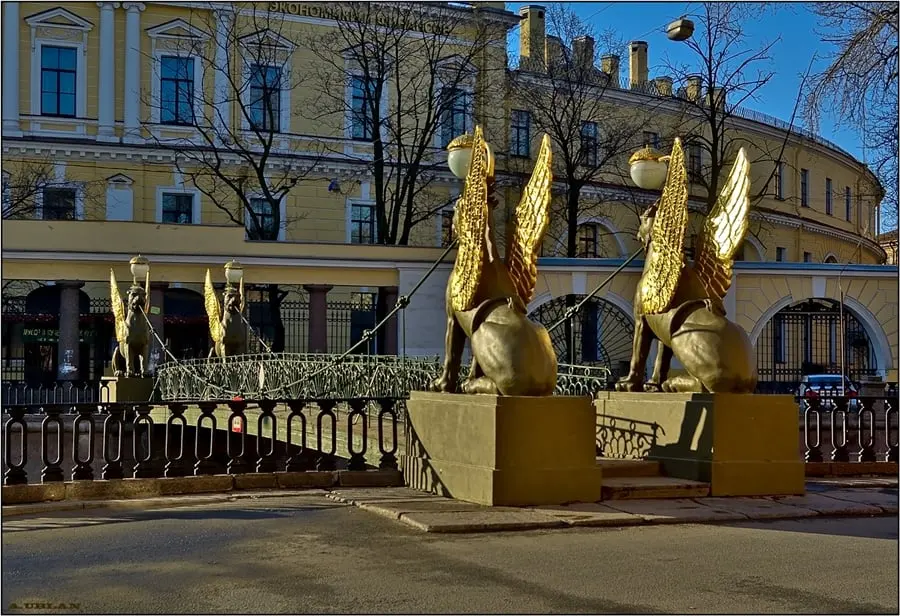
    The Bank Bridge is one of the most delightful small structures in Saint Petersburg. Completed in 1826 to a design by the Baden engineer Wilhelm von Traitteur, this 25-metre pedestrian chain bridge crosses the Gribojedov Canal near the Kazan Cathedral. Its defining feature is four gilded cast-iron griffins whose wings conceal the iron chains that support the bridge deck – an exquisite piece of Empire-style decorative engineering. The bridge sits at the heart of the historic centre, connecting the old banking quarter with the surrounding canal streets. Local tradition holds that touching the griffins brings good luck.

  • Blue Bridge

    Blue Bridge

    Saint Petersburg

    architectureculturehistory+1

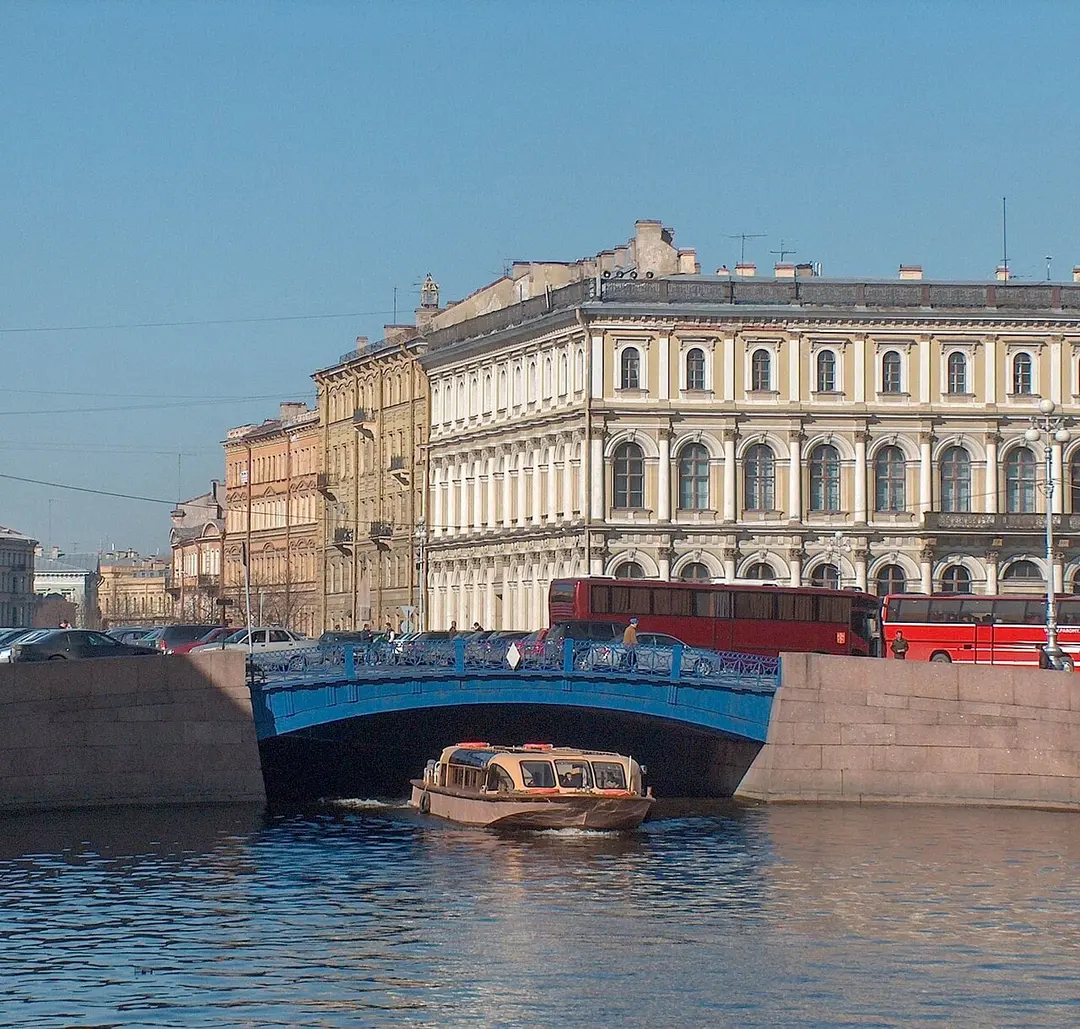
    The Blue Bridge over the Moika River in Saint Petersburg is one of the city's most remarkable structures: at nearly 100 metres wide, it is the broadest bridge in the entire city and looks more like a wide square than a bridge when viewed from a distance. Its name comes from the blue paint that distinguishes it from the neighbouring coloured bridges over the Moika — together with the Red, Yellow, and Green bridges, it forms the group known as the "Colour Bridges." The reinforced concrete structure connects Isaakievskaya Square with the far bank and offers a fine view of Saint Isaac's Cathedral. Today it is a popular meeting point and a highlight of the classic inner-city walking route.

  • Bogoslovskoe cemetery

    Bogoslovskoe cemetery

    Saint Petersburg

    history

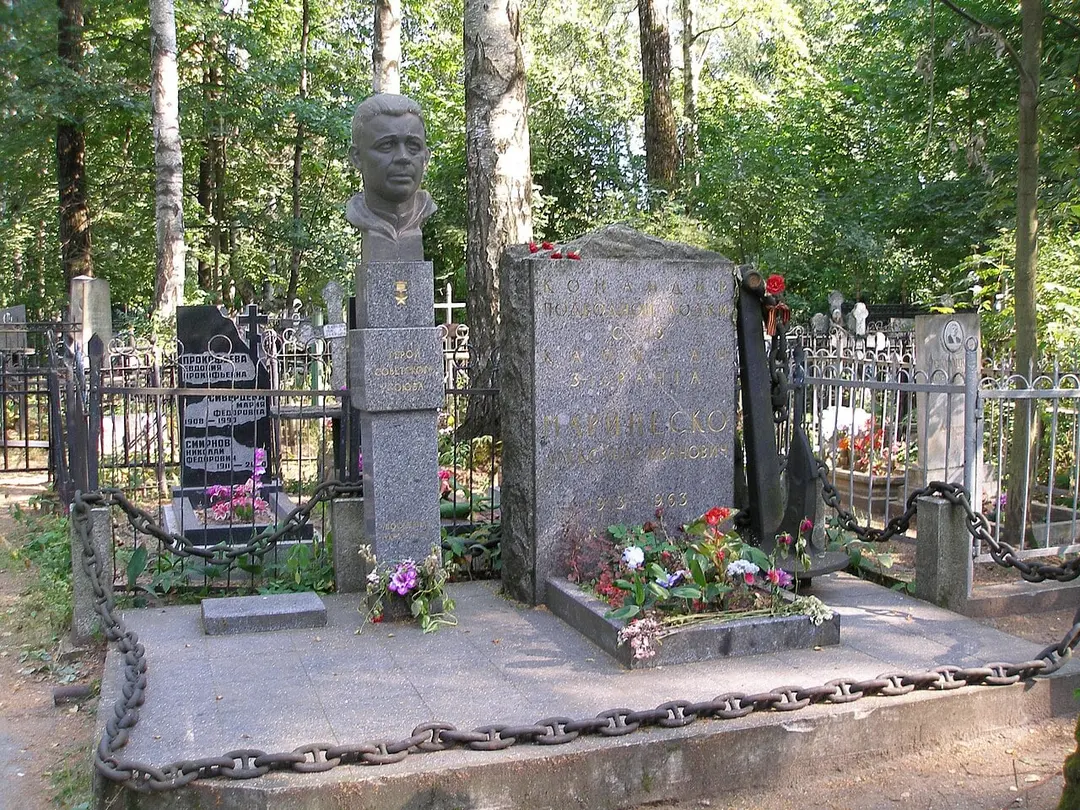
    Bogoslovskoye Cemetery is one of the oldest surviving cemeteries in St. Petersburg. Founded in 1701 and named after the Apostle John the Theologian, it lies in the Vyborg district. Its paths lead to the graves of writers, scholars, and artists whose names are woven into the city's cultural history. Unlike the grander Alexander Nevsky Monastery necropolis, it retains a quiet, civic atmosphere among old trees. It is perhaps best known as the burial place of the poet and actor Vladimir Vysotsky, whose grave has become one of the most visited pilgrimage sites in the city.

  • Bolshoi Obukhovsky Bridge

    Bolshoi Obukhovsky Bridge

    Saint Petersburg

    architectureknowledge

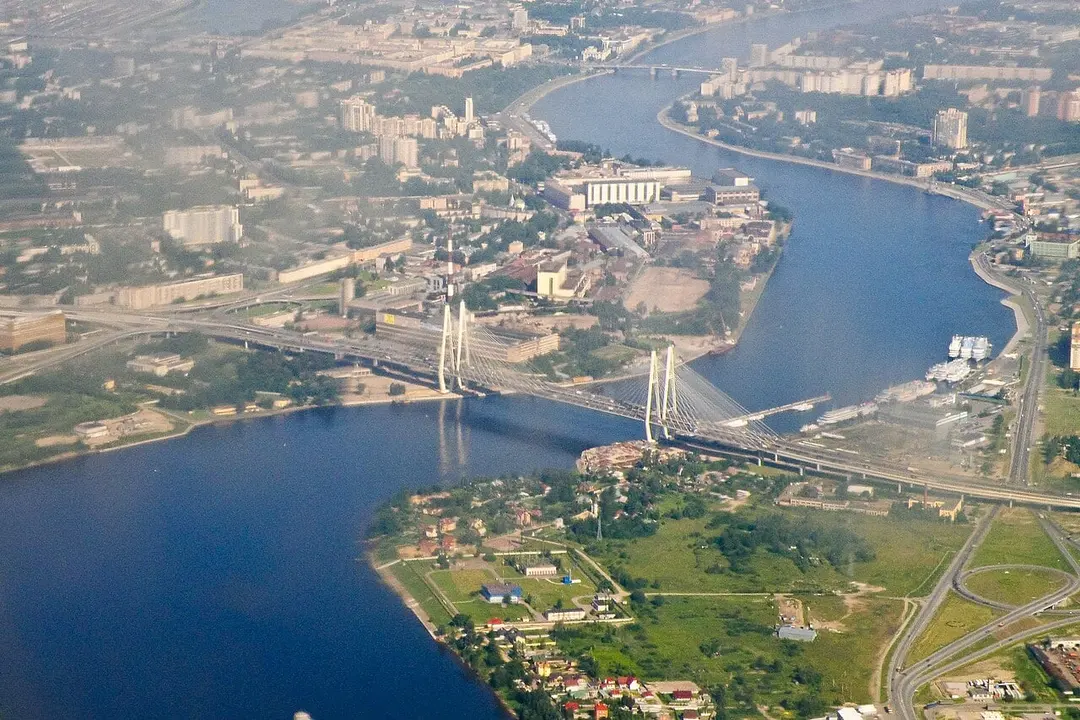
    The Bolshoi Obukhovsky Bridge, colloquially known as the "Cable-Stay Bridge," spans the Neva River at the eastern edge of Saint Petersburg. Opened in 2004 as part of the KAD ring road, it is one of the longest bridges in Russia. Unlike the historic drawbridges in the city center that open nightly for river traffic, the Obukhovsky Bridge is built high enough to remain permanently passable. From the roadway, it offers broad views across the Neva and the flat surrounding landscape – a striking example of modern Russian engineering on the outskirts of the former imperial capital.

  • Exchange Bridge

    Exchange Bridge

    Saint Petersburg

    architectureculturelocal gems

    The Exchange Bridge spans the Little Neva in St. Petersburg, linking the eastern tip of Vasilyevsky Island — the famous Strelka with its Stock Exchange and Rostral Columns — to Petrograd Island. At 239 metres long and 27 metres wide, it is one of the city's most striking crossings. Originally built as a wooden bridge in 1896, it was replaced mid-20th century by a modern reinforced-concrete structure that still respects the city's classicist skyline. Walking across it offers an unmatched view of the iconic Exchange rotunda and the gilded spire of the Peter and Paul Fortress.

  • Field of Mars

    Field of Mars

    Saint Petersburg

    history

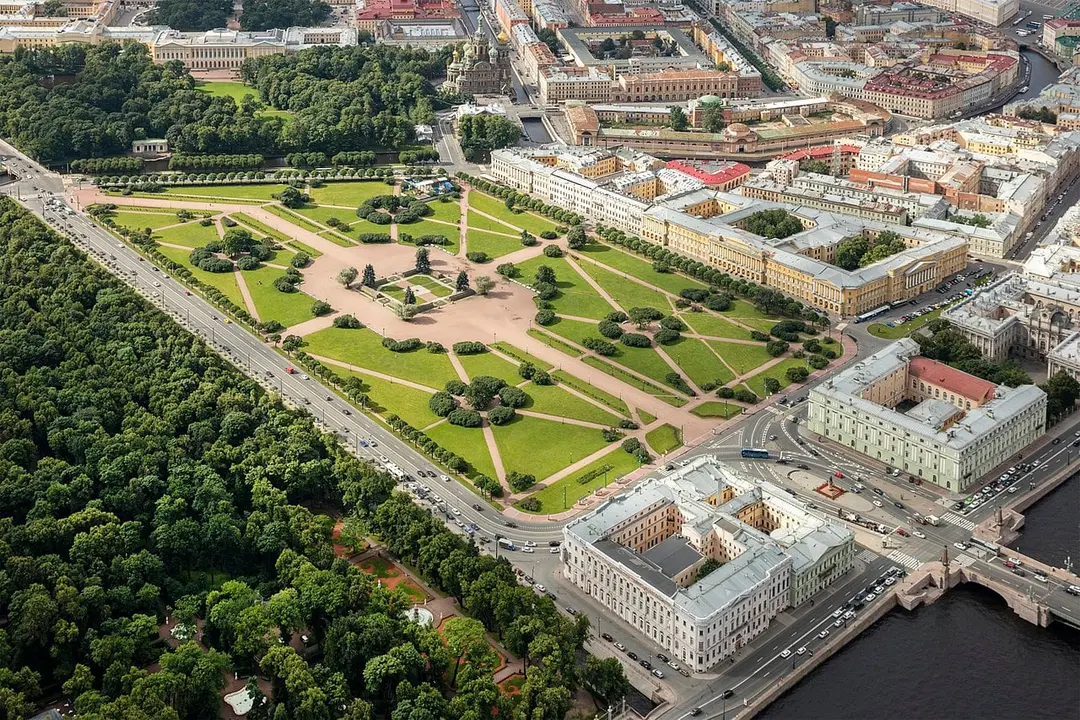
    The Field of Mars is a roughly twelve-hectare green space in the heart of Saint Petersburg, between the Moika Canal and the Summer Garden. Its history spans from an imperial parade ground in the 18th century to a revolutionary pantheon: after the February Revolution of 1917, 180 fallen fighters were buried here, and further graves were added during the Civil War. Since 1957 an Eternal Flame has burned in the center. Today the Field of Mars serves as both a place of remembrance and a popular recreation area – a quiet green island amid St. Petersburg's Baroque cityscape.

  • Lakhta Center

    Lakhta Center

    Saint Petersburg

    architecturegreat views

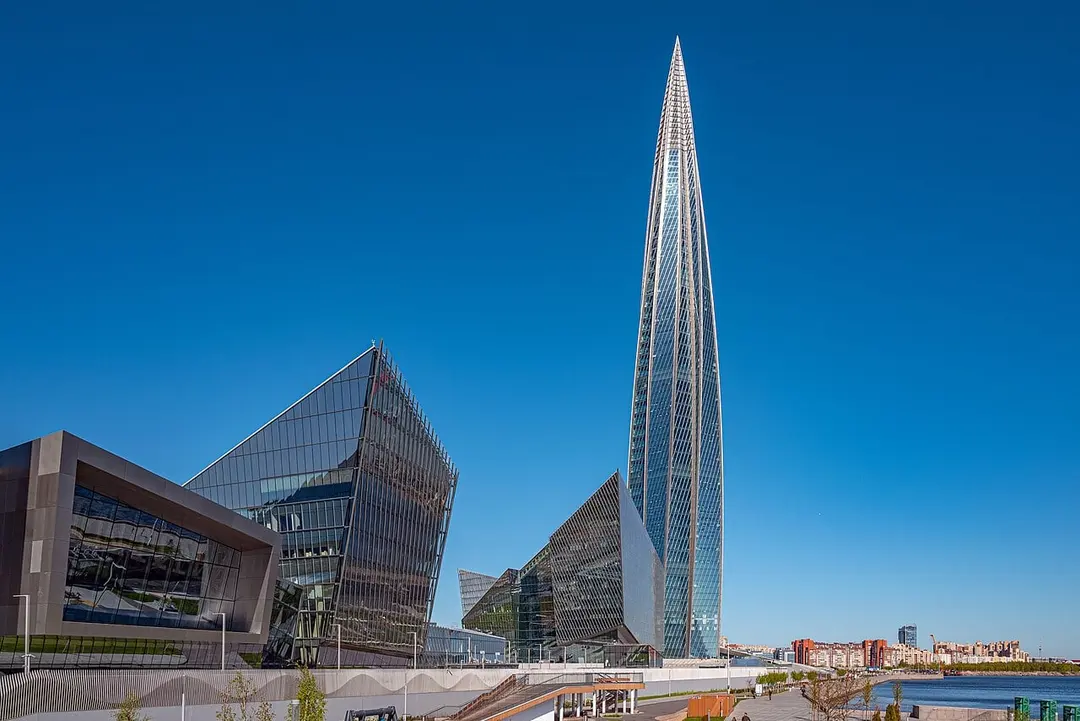
    Lakhta Center in the northwestern Lakhta district of Saint Petersburg stands 462 metres tall, making it the tallest building in Europe and the northernmost skyscraper in the world. The 87-storey tower, completed in 2018, serves as Gazprom's headquarters and includes areas dedicated to public and cultural use. Its striking twisted glass facade sits directly on the shore of the Gulf of Finland and fundamentally reshapes St. Petersburg's skyline.

  • Oreshek Fortress

    Oreshek Fortress

    Saint Petersburg

    history

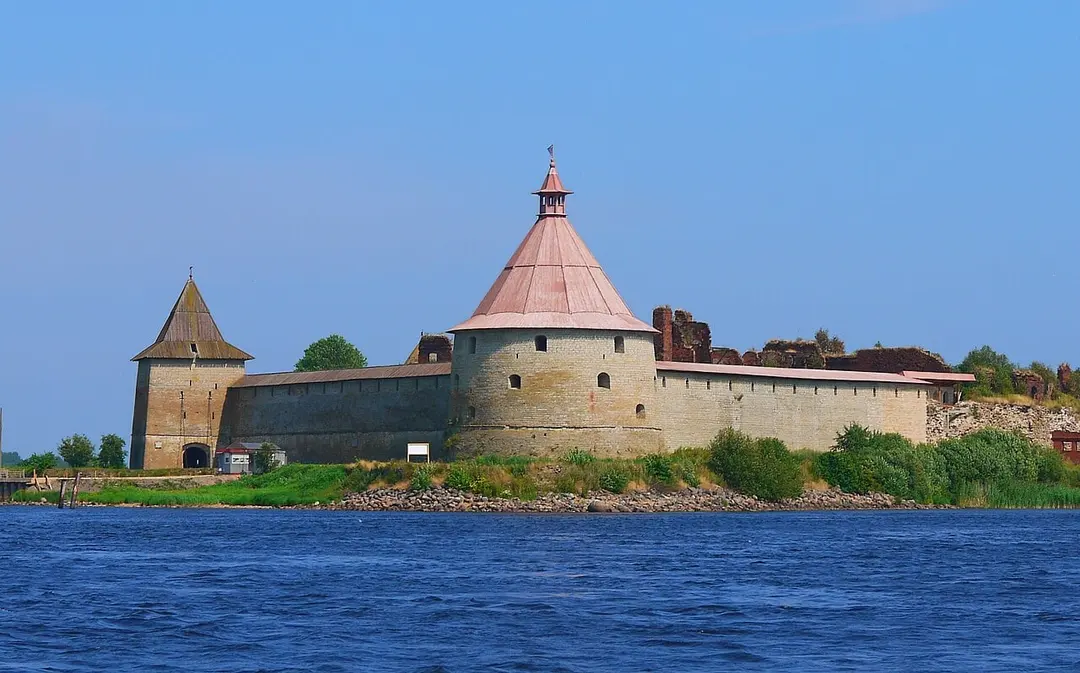
    Shlisselburg Fortress stands on a small island at the point where the Neva flows out of Lake Ladoga, 35 kilometres east of Saint Petersburg. Founded in 1323 by the Novgorodian prince Yuri Danilovich as a border fortress against Sweden, it was recaptured by Peter the Great in 1702 after a long Swedish occupation — a decisive blow in the Great Northern War. The name "Schlüsselburg" (Key City) points to its strategic role as the key to the Neva. In the 18th and 19th centuries the fortress served as a notorious political prison: Decembrists, anarchists and finally Lenin's brother Alexander Ulyanov were held here; he was executed in 1887 after a failed assassination attempt on the Tsar. Today the fortress complex is a museum reachable by ferry.

  • Peter the Great Botanical Garden

    Peter the Great Botanical Garden

    Saint Petersburg

    historyknowledge

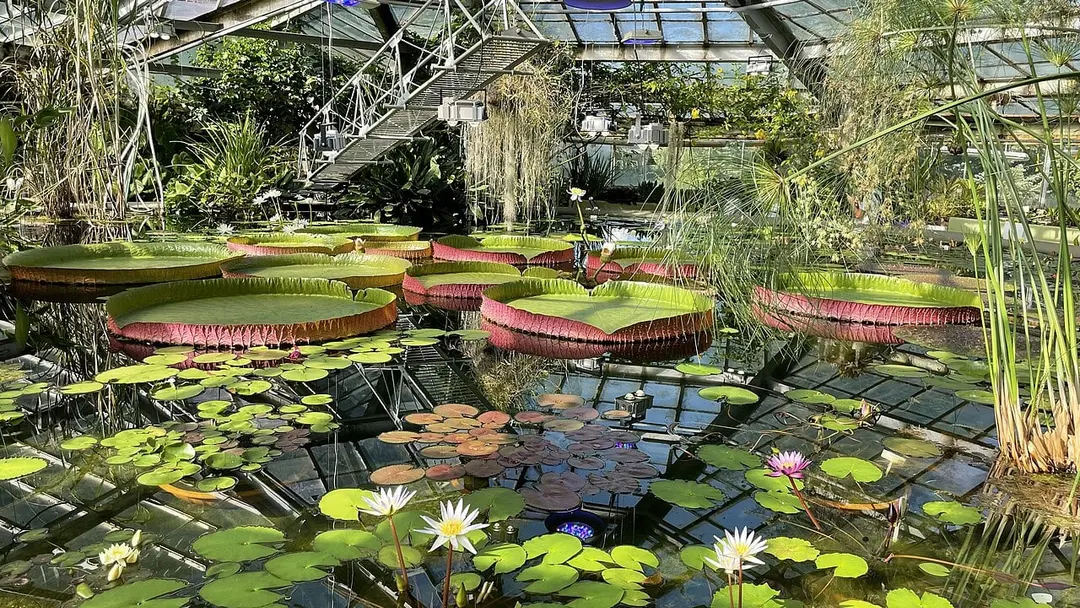
    The Peter the Great Botanical Garden in Saint Petersburg is the oldest botanical garden in Russia and one of the most significant in Europe. Founded in 1714 under Tsar Peter the Great as an apothecary garden to supply the city with medicinal plants, it grew over centuries into a world-renowned scientific institution. Today it is affiliated with the Komarov Botanical Institute of the Russian Academy of Sciences and houses one of the largest plant collections in the northern hemisphere. Spread across a large site on the Petrograd side of Saint Petersburg, the garden contains thousands of species from all climate zones, including tropical greenhouses, rose gardens, and an impressive living tree collection. The garden uniquely combines nature experience, scientific research, and the history of the Petrine era.

Keep exploring

These places are just the beginning.

Rate places with a swipe — TravelType learns from your tags what you love and curates your own map. Private until you choose to share.

Create your profile