TravelType

knowledge

Knowledge & learning in Saint Petersburg

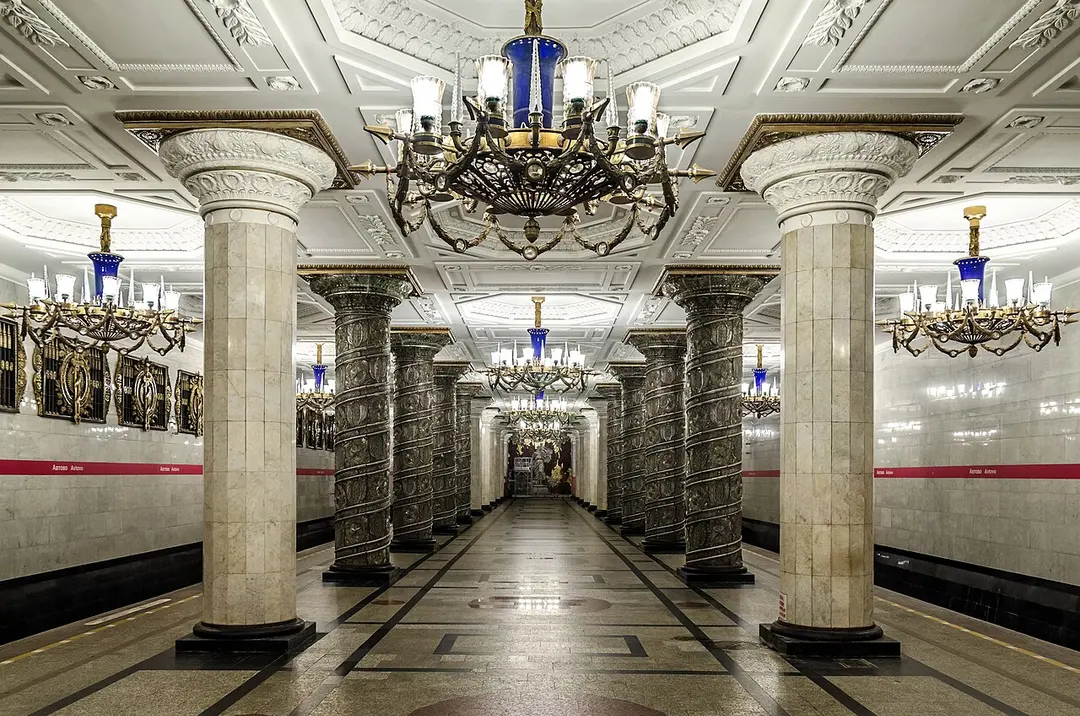
Sankt Petersburg, Russia, offers a remarkably broad range of ways to encounter knowledge. The Hermitage Museum inside the Grand Palace holds one of the world's most extensive art collections, while the Arctic and Antarctic Museum documents the history of polar exploration. The Artillery Museum brings military history to life through exhibits such as the 2A36 Giatsint-B Field Gun, the 85mm Anti-Aircraft Gun 52-K, and the BTR-80 Armoured Personnel Carrier. The Alexandrinsky Theatre and the Bolshoi Kamenny Theatre reflect the city's deep performing-arts tradition, and the Academic Chapel preserves its choral heritage. The Il-18 Crash Memorial and the Bolshoi Obukhovsky Bridge add further layers to this city's story.

21 places · Saint Petersburg, Russia · Editorially curated

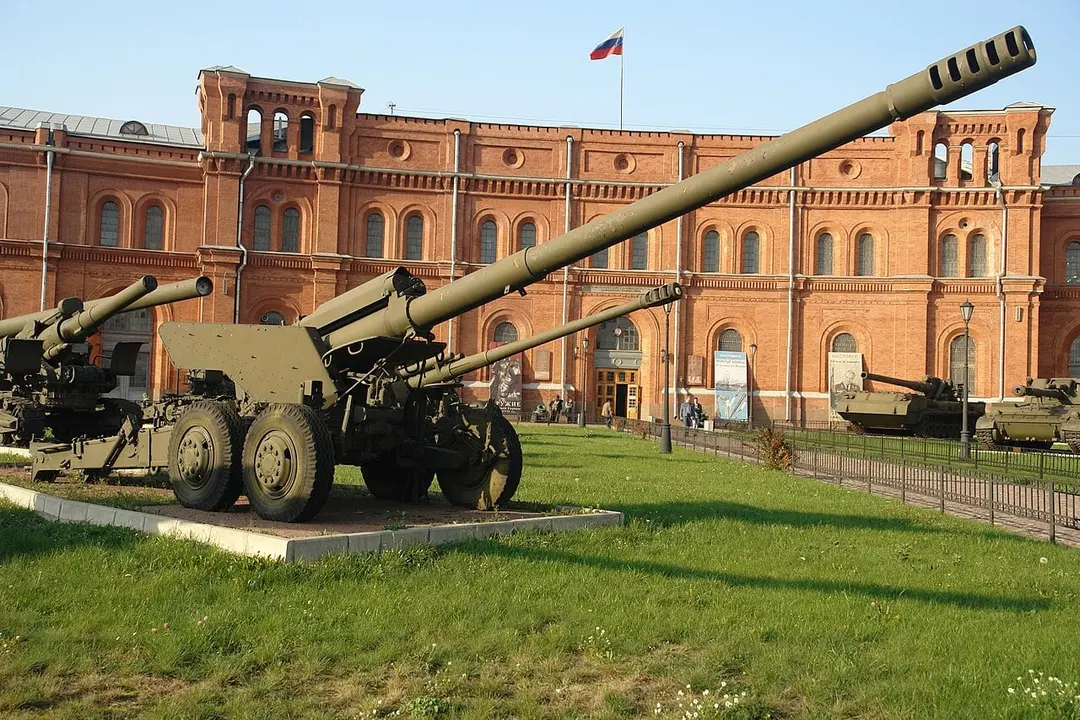
  • 2A36 Giatsint-B Field Gun

    2A36 Giatsint-B Field Gun

    Saint Petersburg

    culturehistory

    The 2A36 Giatsint-B is a Soviet towed 152mm field gun that entered service in 1976. At its introduction it had the longest effective range of any Soviet field gun, earning NATO attention as M1976. The St. Petersburg exhibit illustrates Cold War-era artillery development at scale.
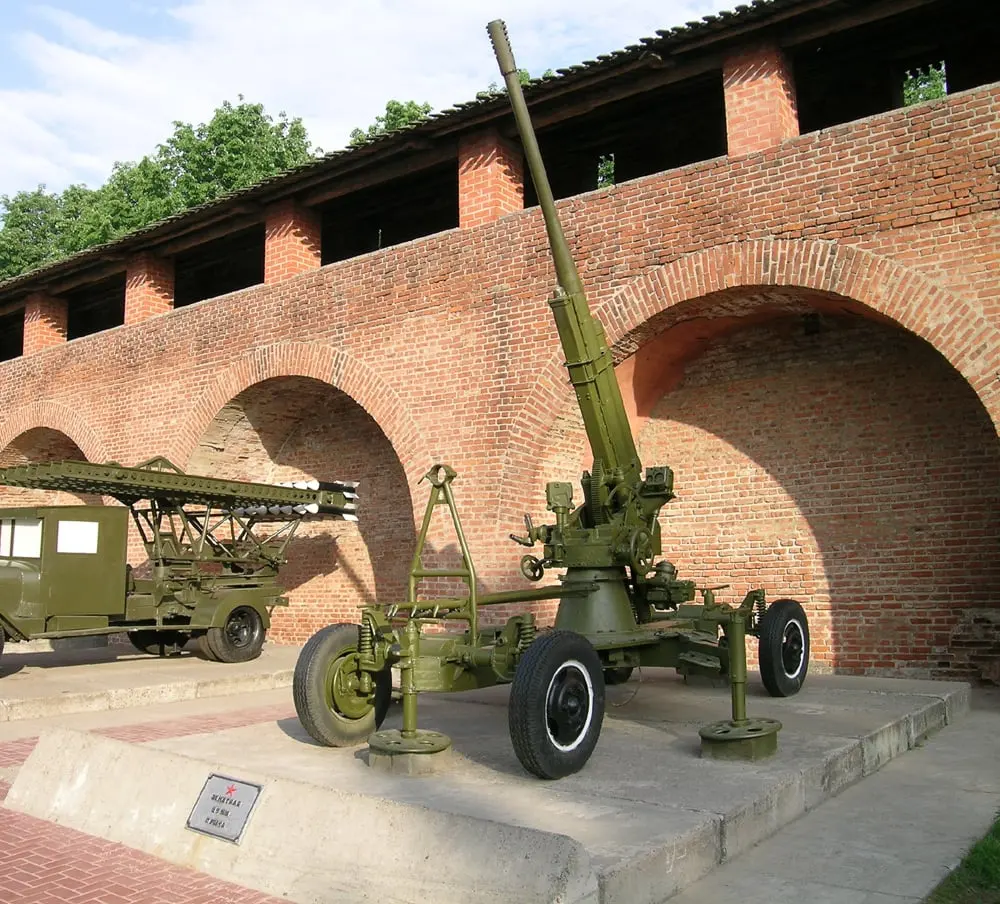
  • 85mm Anti-Aircraft Gun 52-K

    85mm Anti-Aircraft Gun 52-K

    Saint Petersburg

    culturehistory

    The Soviet 85mm anti-aircraft gun M1939 (52-K) was the Red Army's heavy AA weapon in World War II, capable of engaging targets at altitudes up to 10 kilometres. Like Germany's 88mm Flak, it was also used in an anti-tank role with devastating effect. The gun's 85mm calibre directly inspired the tank gun later fitted to the T-34/85. The St. Petersburg exhibit illustrates the robust pragmatism of Soviet wartime artillery design.

  • Academic Chapel

    Academic Chapel

    Saint Petersburg

    architectureculturehistory

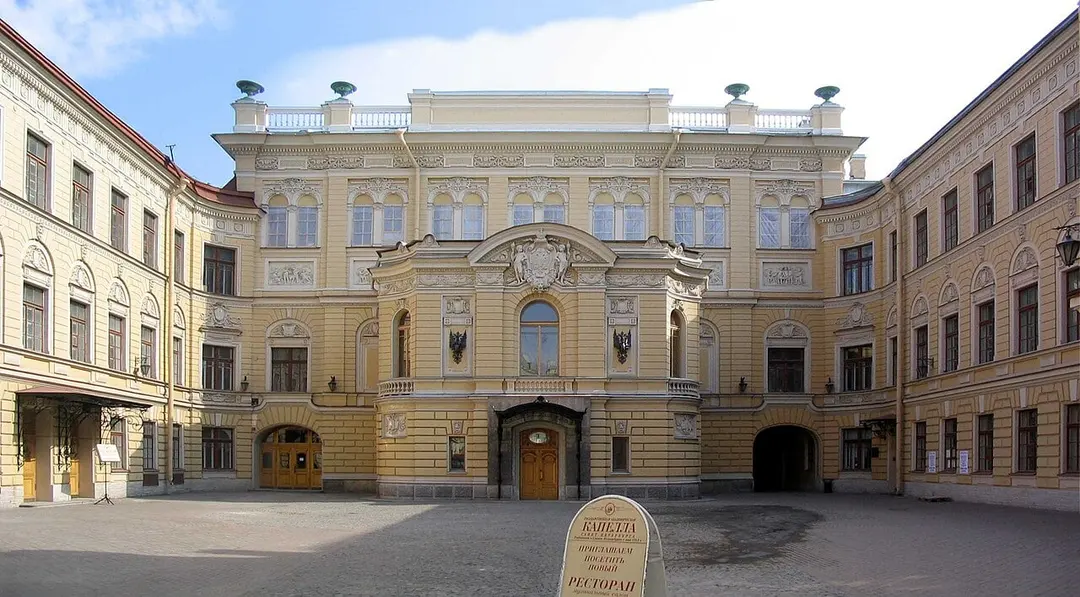
    The St. Petersburg State Academic Capella — the Glinka Capella — is Russia's oldest professional music institution, its history tracing to 1479 as the Tsar's court choir. Under the Romanov dynasty it became the Imperial Court Chapel and trained generations of Russian musicians. Today it operates as a prestigious concert hall on the Moika River embankment in central St. Petersburg, home to one of Russia's finest chamber choirs.

  • Alexandrinsky Theatre

    Alexandrinsky Theatre

    Saint Petersburg

    architectureculture

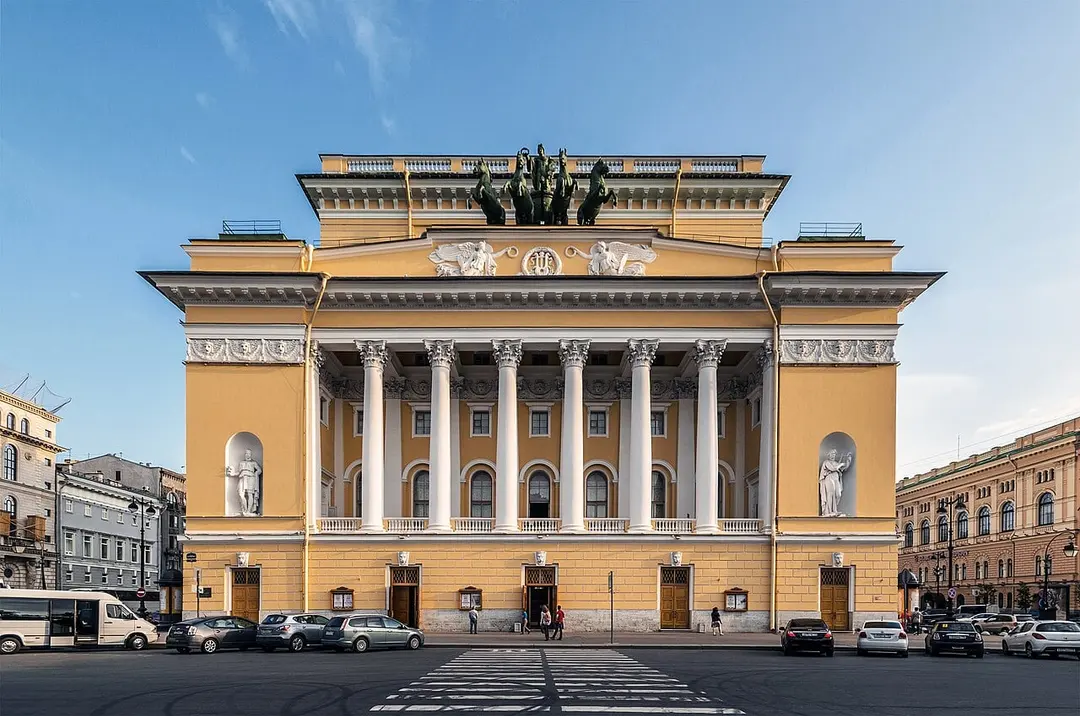
    The Alexandrinsky Theatre on Ostrovsky Square in St. Petersburg is one of Russia's oldest and most important theatres, founded 1756. The building, designed by Carlo Rossi and inaugurated in 1832, is a masterpiece of neoclassicism with an impressive Apollo quadriga above the portico. World premieres here include Gogol's The Government Inspector (1836) and Chekhov's The Seagull (1896). Today it serves as Russia's National Drama Theatre.

  • Arctic and Antarctic Museum

    Arctic and Antarctic Museum

    Saint Petersburg

    architecturenaturehistory

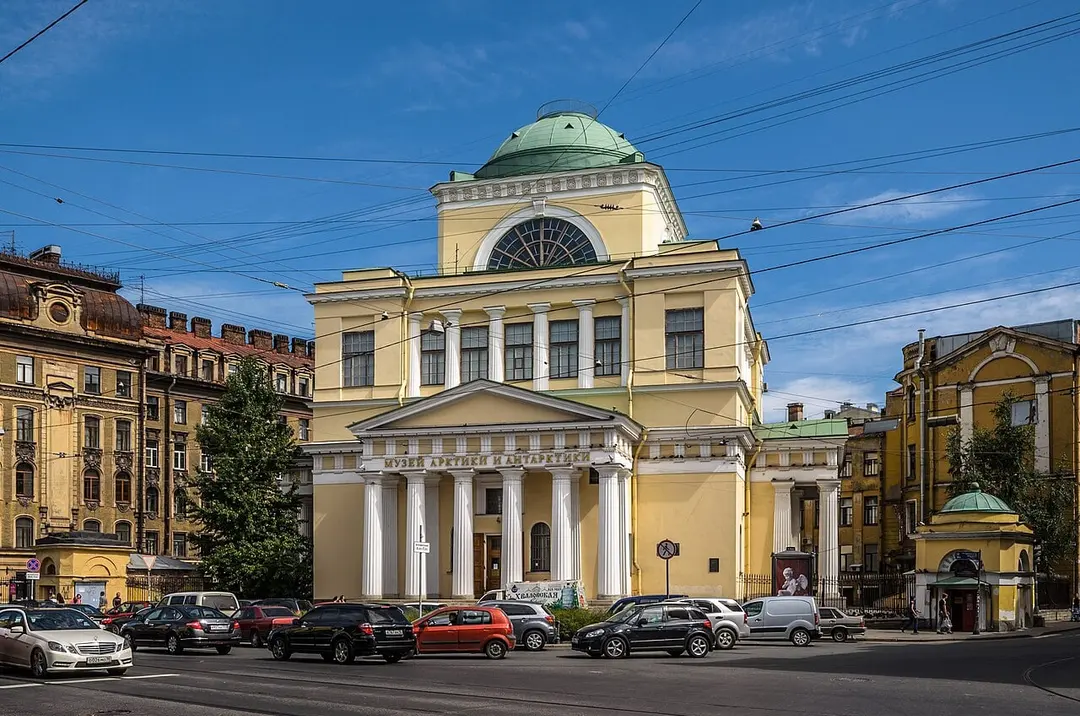
    The Arctic and Antarctic Museum in St. Petersburg is the world's largest museum dedicated to polar exploration. Housed in a former Orthodox church repurposed in 1930 and opened in January 1937, its collection covers expedition equipment, maps, ship models, and documents Soviet pioneering achievements in Arctic and Antarctic exploration.

  • Artillery Museum

    Artillery Museum

    Saint Petersburg

    culturehistory

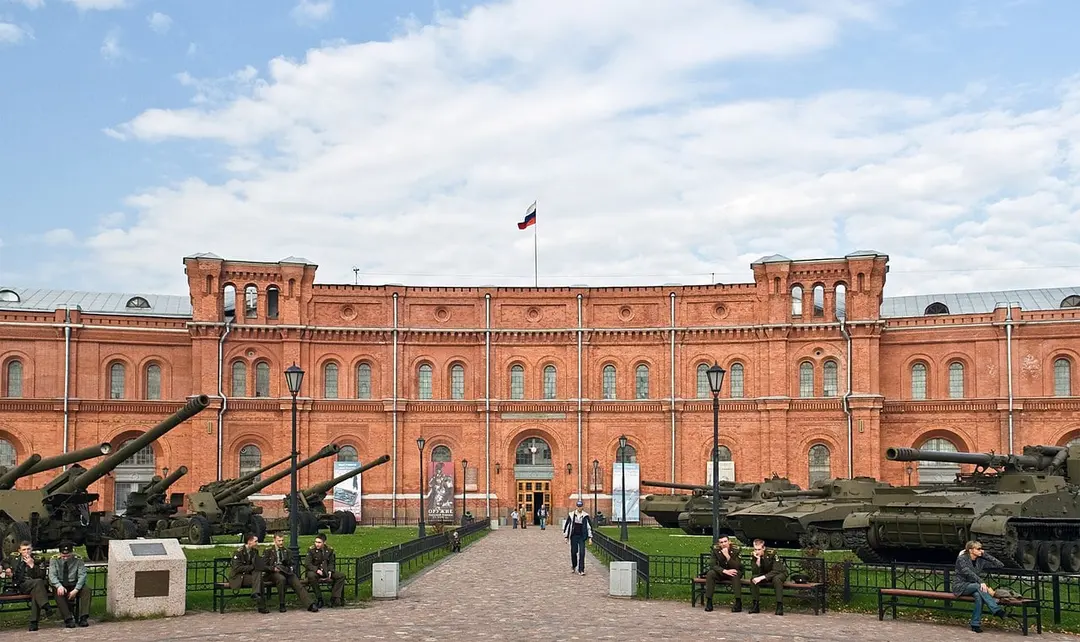
    The Artillery Museum in St. Petersburg is Russia's oldest military museum, founded by Peter the Great in 1703. Located in the Kronwerk fortification opposite the Peter and Paul Fortress, its collection includes over 850 artillery pieces spanning the 14th century to the present, plus military technology, uniforms, and maps. It is one of the world's most significant museums of its kind.

  • Bolshoi Kamenny Theatre

    Bolshoi Kamenny Theatre

    Saint Petersburg

    culturehistory

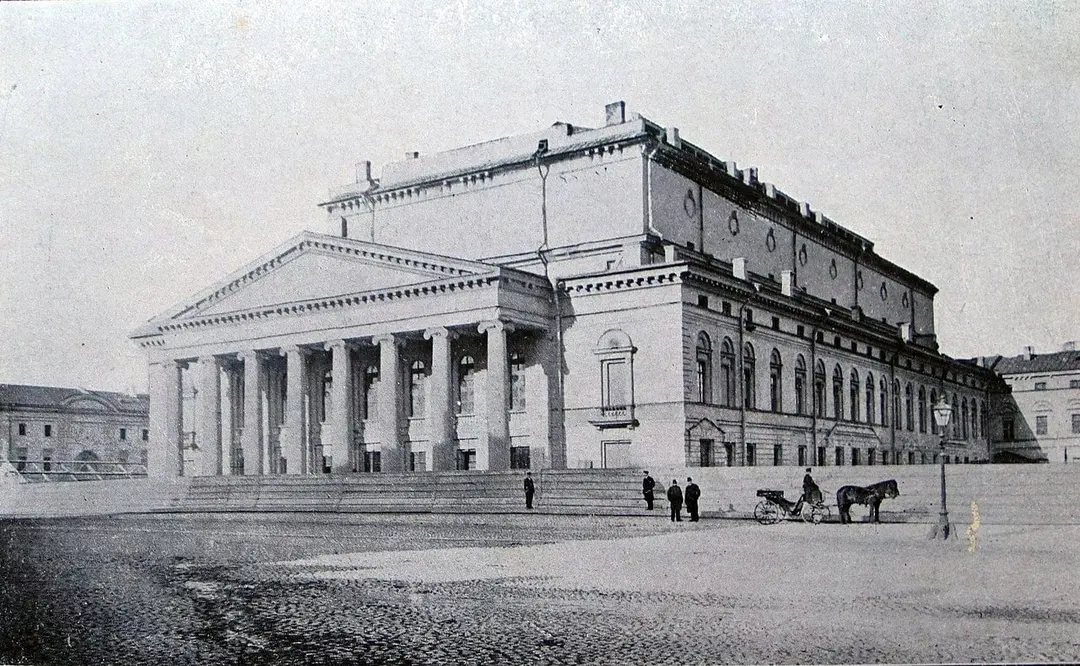
    The Bolshoi Theatre in Saint Petersburg, also known as the Kamenny Theatre (Stone Theatre), was one of the most important opera and ballet venues of the Russian imperial era. Opened in 1783 under Catherine the Great, it quickly became a cultural cornerstone of the city. The stage played a decisive role in shaping Russian musical theatre and hosted numerous significant premieres. The building no longer exists in its original form, but its influence on Russian cultural history of the 18th and 19th centuries was lasting. As a historical predecessor of the Mariinsky Theatre, it is a key site for understanding Saint Petersburg's rich theatrical tradition.

  • Bolshoi Obukhovsky Bridge

    Bolshoi Obukhovsky Bridge

    Saint Petersburg

    architecturenature

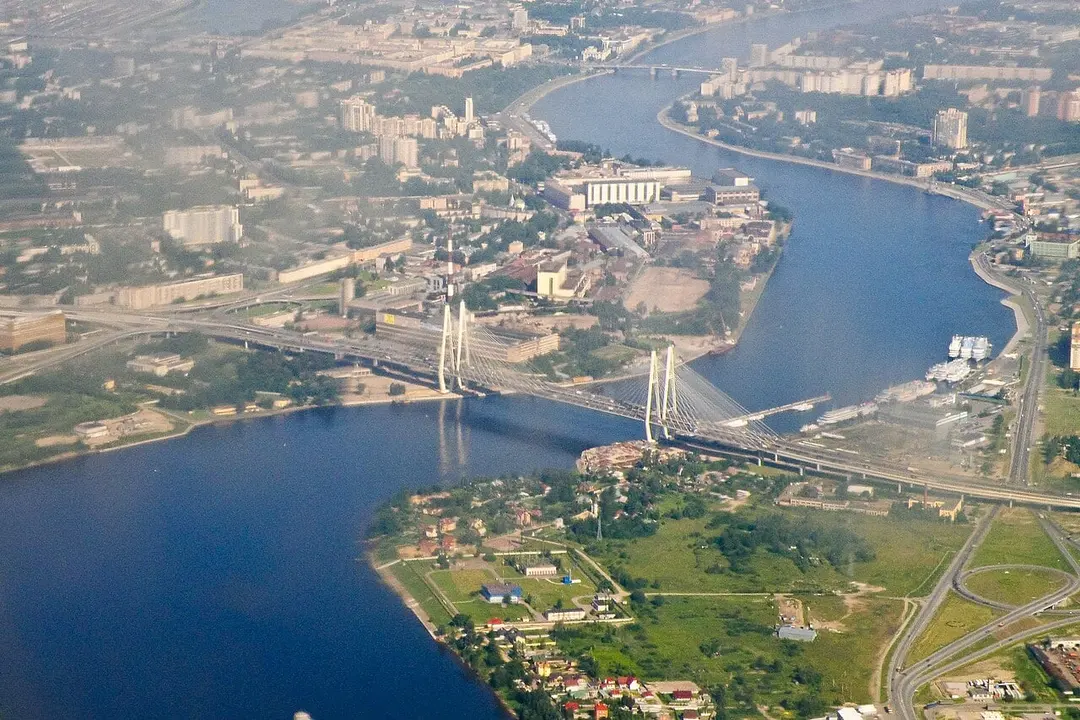
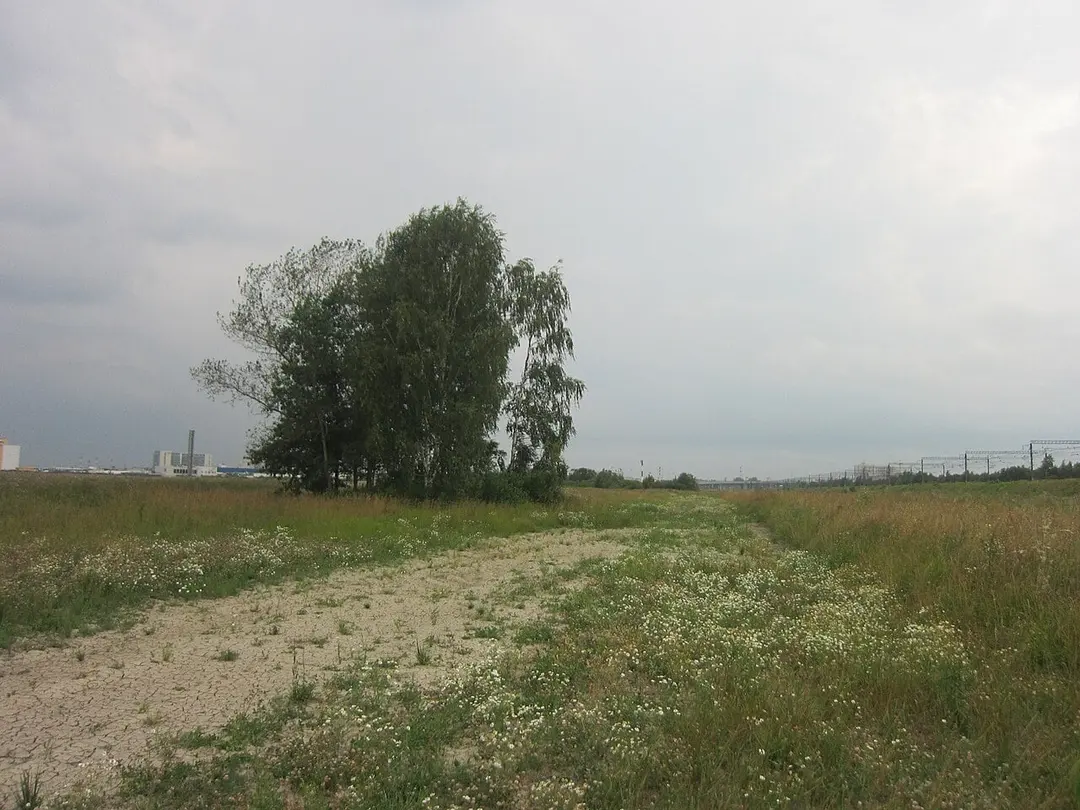
    The Bolshoi Obukhovsky Bridge, colloquially known as the "Cable-Stay Bridge," spans the Neva River at the eastern edge of Saint Petersburg. Opened in 2004 as part of the KAD ring road, it is one of the longest bridges in Russia. Unlike the historic drawbridges in the city center that open nightly for river traffic, the Obukhovsky Bridge is built high enough to remain permanently passable. From the roadway, it offers broad views across the Neva and the flat surrounding landscape – a striking example of modern Russian engineering on the outskirts of the former imperial capital.

  • BTR-80 Armoured Personnel Carrier

    BTR-80 Armoured Personnel Carrier

    Saint Petersburg

    culturehistory

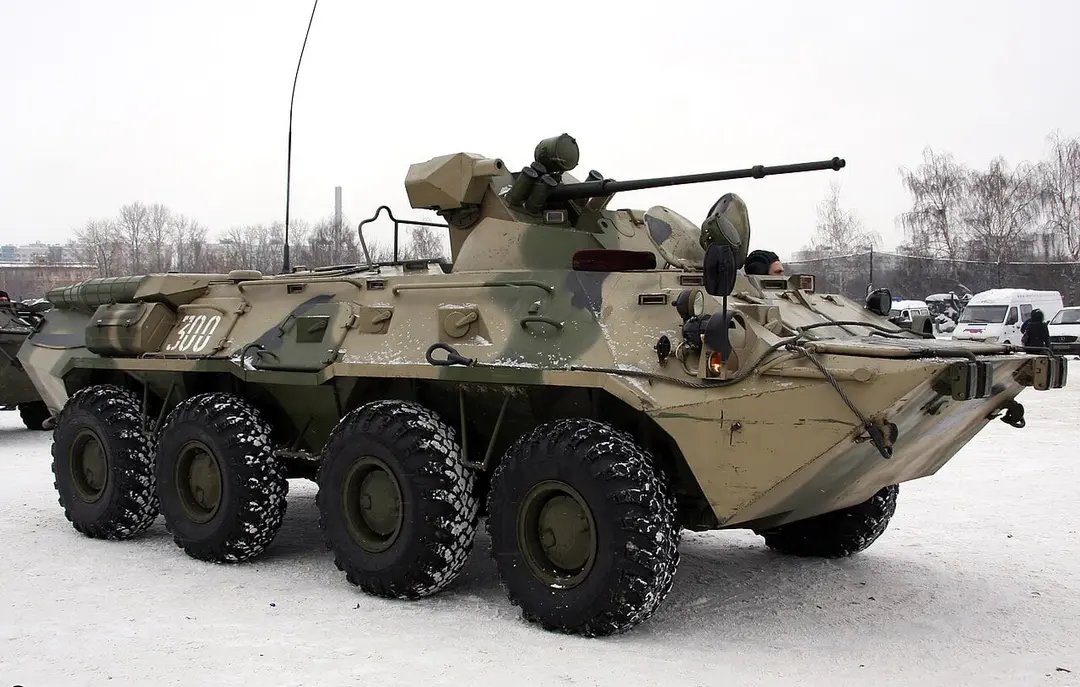
    The BTR-80 is a Soviet 8×8 wheeled amphibious APC introduced in 1985 to replace the BTR-60 and BTR-70. A diesel engine replaced the problematic twin-petrol setup of predecessors, dramatically improving reliability. First deployed during the Soviet-Afghan War, it remains in widespread service globally today.

  • Grand Palace

    Grand Palace

    Saint Petersburg

    architectureculturehistory

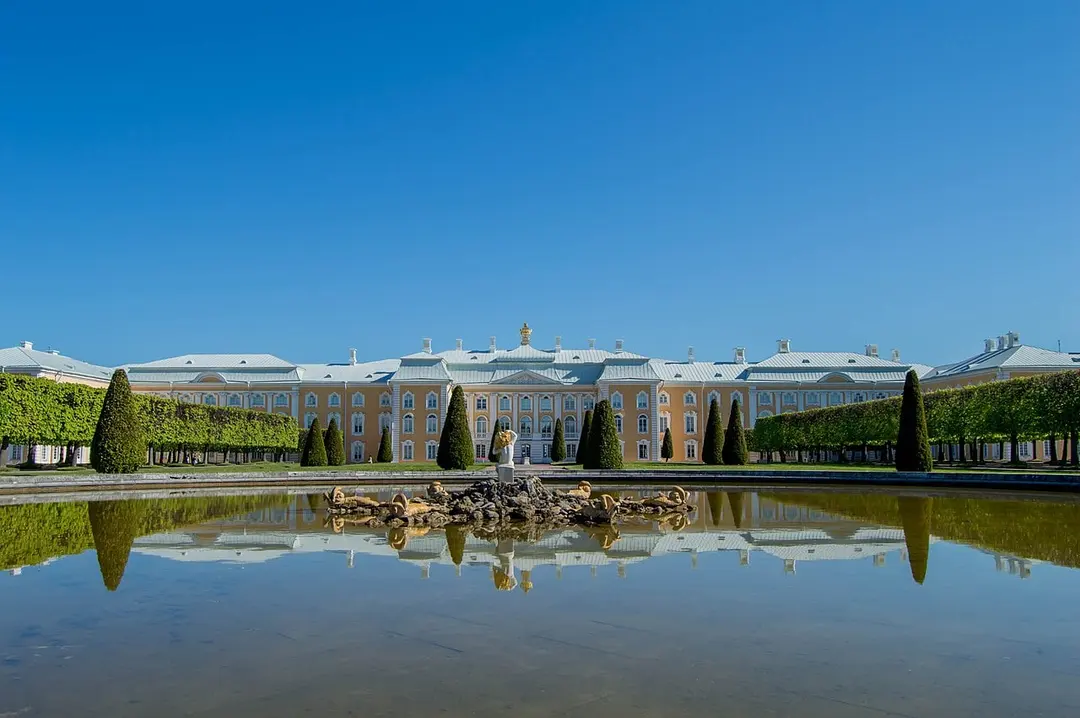
    The Grand Palace of Peterhof is the magnificent centrepiece of the former summer residence of the Russian tsars on the Gulf of Finland, about 25 kilometres west of St. Petersburg. Tsar Peter the Great commissioned the complex from 1714 onwards — inspired by Versailles, yet Peterhof surpasses its French model in the density and spectacle of its water features. More than 150 fountains and over 2,000 gilded sculptures animate the sweeping gardens that cascade from the palace terrace down to the sea canal. The Grand Palace itself was rebuilt in lavish Baroque style by Bartolomeo Rastrelli under Empress Elizabeth I and today houses state apartments with gilded ceremonial rooms. The entire ensemble has been a UNESCO World Heritage Site since 1990. Heavily damaged in World War II, the palace was restored to its former splendour through decades of painstaking work.

  • Hermitage Museum

    Hermitage Museum

    Saint Petersburg

    culturehistory

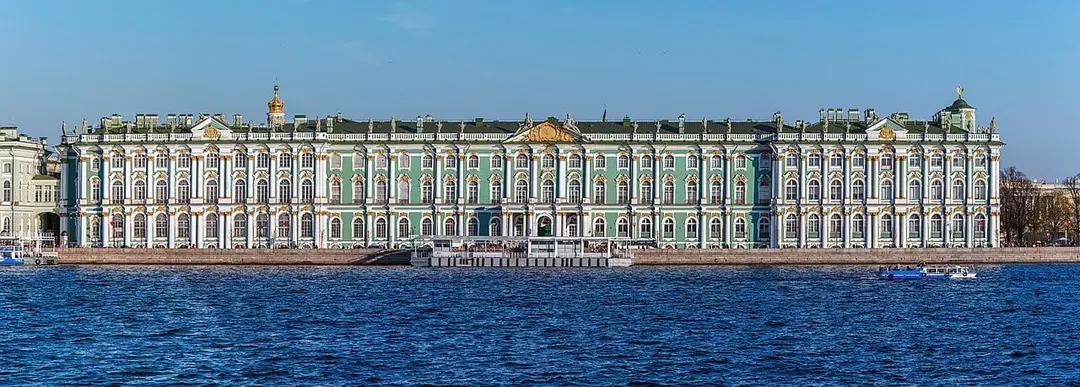
    The State Hermitage in Saint Petersburg ranks among the world's largest and most significant art museums. Over three million exhibits — paintings by Rembrandt, Leonardo da Vinci, and Matisse, Egyptian mummies, Greek vases, and Scythian gold — are spread across more than 350 rooms. At its heart stands the magnificent Winter Palace, completed in 1762 as a residence for Empress Elizabeth and used by the Tsar's family until the 1917 Revolution. The entire building complex along the Neva is part of the UNESCO World Heritage Site of central St Petersburg. Walking through its gold-white-turquoise halls today is one of the most concentrated cultural experiences in Europe.

  • Il-18 Crash Memorial

    Il-18 Crash Memorial

    Saint Petersburg

    architecturehistory

    This memorial commemorates the 109 victims of the Aeroflot crash of 27 April 1974, when an Ilyushin Il-18 lost control near Leningrad following an engine fire. Like many Soviet aviation disasters, the incident received little public attention at the time.

  • Peter the Great Botanical Garden

    Peter the Great Botanical Garden

    Saint Petersburg

    naturehistory

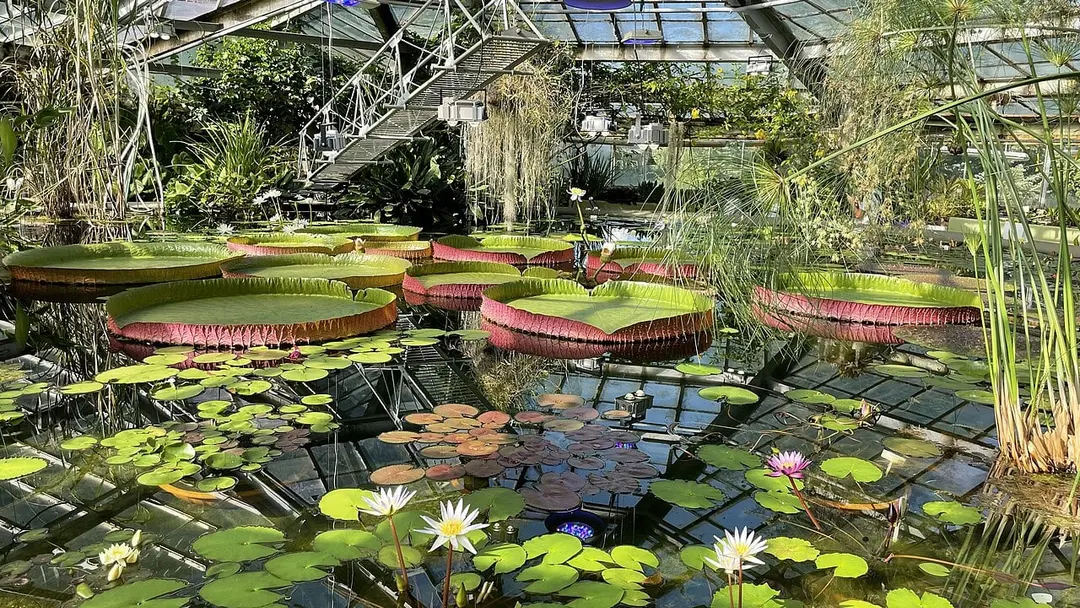
    The Peter the Great Botanical Garden in Saint Petersburg is the oldest botanical garden in Russia and one of the most significant in Europe. Founded in 1714 under Tsar Peter the Great as an apothecary garden to supply the city with medicinal plants, it grew over centuries into a world-renowned scientific institution. Today it is affiliated with the Komarov Botanical Institute of the Russian Academy of Sciences and houses one of the largest plant collections in the northern hemisphere. Spread across a large site on the Petrograd side of Saint Petersburg, the garden contains thousands of species from all climate zones, including tropical greenhouses, rose gardens, and an impressive living tree collection. The garden uniquely combines nature experience, scientific research, and the history of the Petrine era.

  • Russian Railway Museum (St. Petersburg)

    Russian Railway Museum (St. Petersburg)

    Saint Petersburg

    culturefamily outings

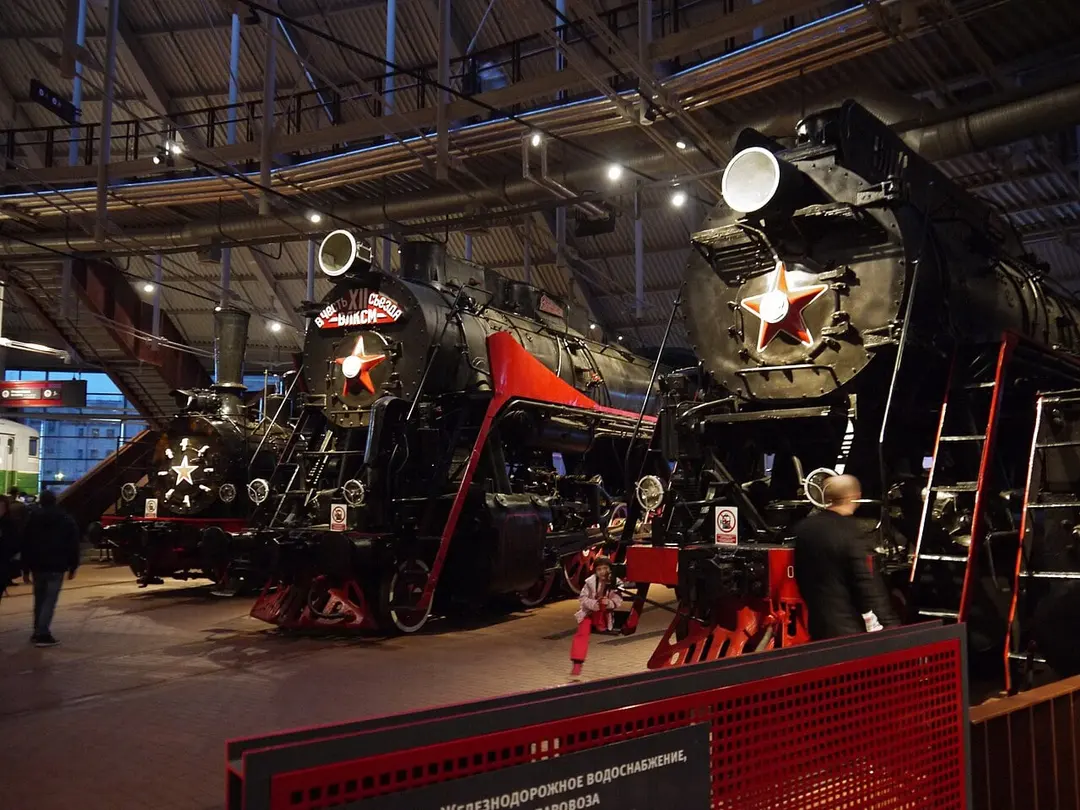
    The Russian Railway Museum in Saint Petersburg is one of Russia's most important technology museums, located next to Baltiysky railway station. Thoroughly renewed in 2017, the exhibition uses a historic locomotive shed from 1857 as its main building, supplemented by modern extensions and a large open-air area. Exhibits include historic steam locomotives, passenger carriages from the Tsarist and Soviet eras, signalling equipment, and model railway displays. The outdoor area allows visitors to get close to full-size locomotives, making it a compelling destination for technology enthusiasts and families.

  • T-34 Tank

    T-34 Tank

    Saint Petersburg

    culturehistory

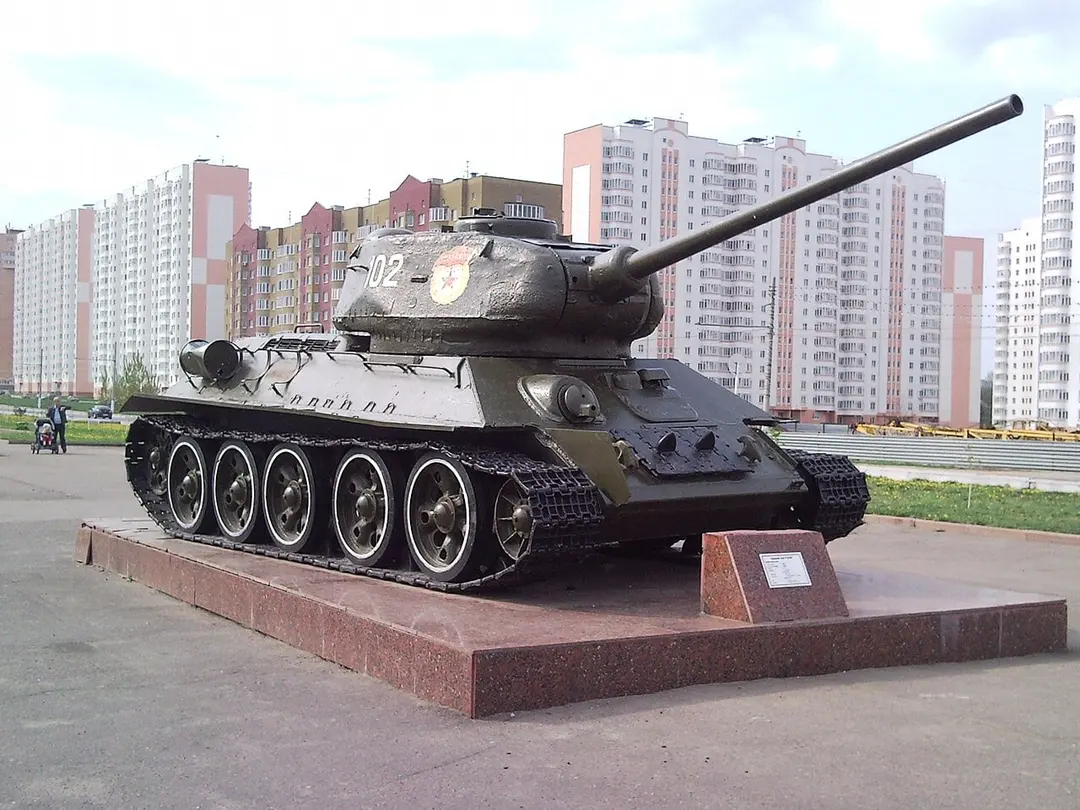
    The T-34 is the defining Soviet tank of World War II — one of the most produced armoured vehicles in history with over 80,000 built. Its sloped armour and 76mm gun shocked German forces during Operation Barbarossa. The design prioritized mass production, a deliberately decisive choice.

  • T-55 Main Battle Tank

    T-55 Main Battle Tank

    Saint Petersburg

    culturehistory

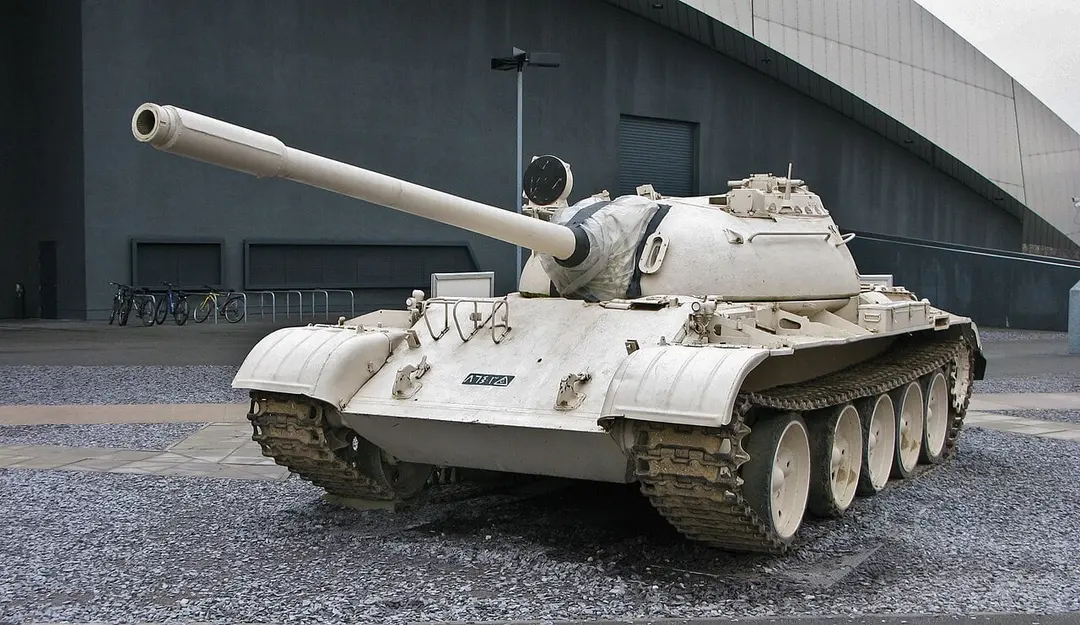
    The T-55 is one of the most-produced tanks in history — over 100,000 built between 1958 and the 1980s. A development of the T-54, it added improved protection against nuclear blast and radiation while retaining the same 100mm gun. Standard equipment of Warsaw Pact armies including the East German NVA, the T-55 saw combat in dozens of conflicts worldwide. The St. Petersburg exhibit represents the sheer scale of Soviet post-war tank production.

  • T-62 Main Battle Tank

    T-62 Main Battle Tank

    Saint Petersburg

    culturehistory

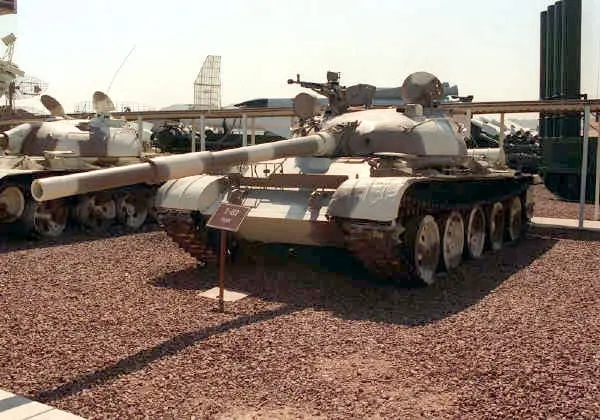
    The T-62 was the world's first tank equipped with a 115mm smoothbore gun — a breakthrough weapon firing fin-stabilized projectiles with greater penetration than the T-55's rifled cannon. Produced from 1962 to 1975, it evolved from the T-55 while retaining a similar silhouette. Technically superior to its predecessor, it was quickly superseded by the more advanced T-64.

  • T-80 Main Battle Tank

    T-80 Main Battle Tank

    Saint Petersburg

    architectureculturehistory

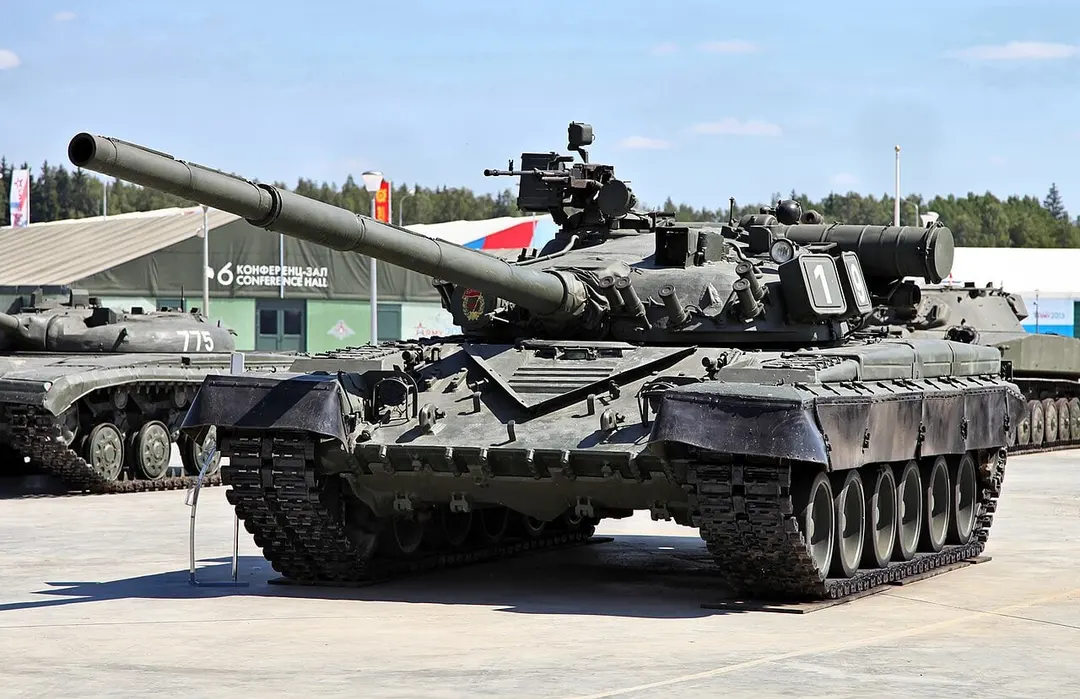
    The T-80 was the world's first production tank powered solely by a gas turbine engine. Entering service in 1976 on the T-64 platform, the turbine gave exceptional acceleration but consumed twice the fuel of diesel counterparts. The last Soviet main battle tank produced in significant numbers, it became the basis for Ukraine's T-84. The St. Petersburg exhibit represents Cold War-era ambition — impressive technology with real operational trade-offs.

  • T-90 Main Battle Tank

    T-90 Main Battle Tank

    Saint Petersburg

    culturehistory

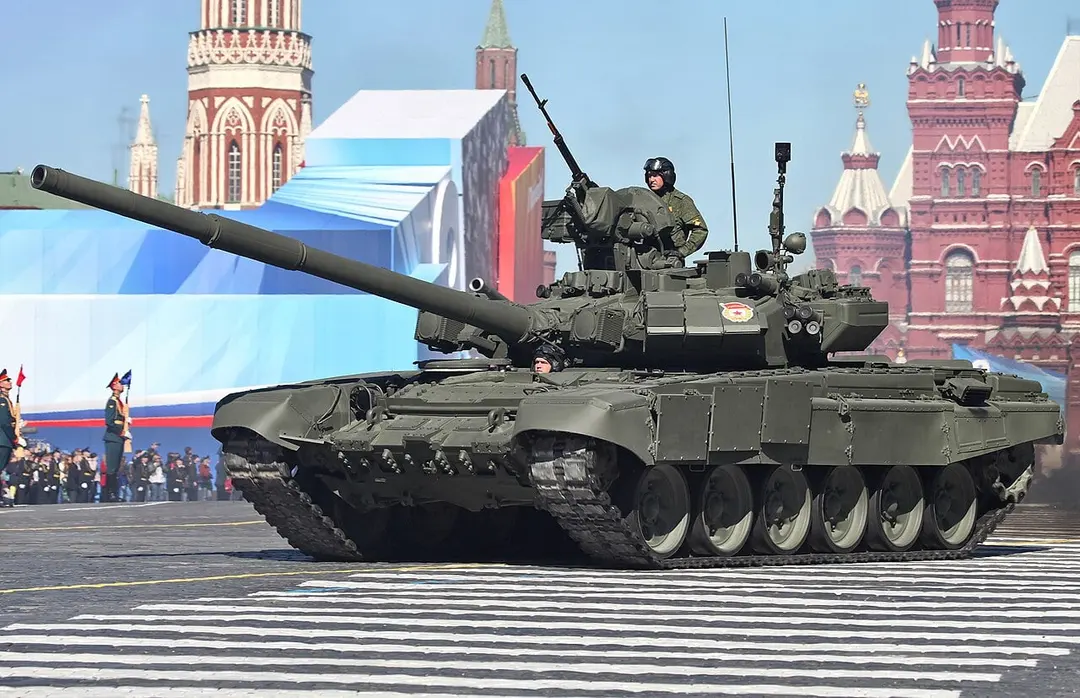
    Introduced in 1992, the T-90 is Russia's primary export tank — a T-72 evolution featuring Kontakt-5 explosive reactive armour, an improved fire control system, and the Shtora infrared jammer against anti-tank missiles. Exported in the hundreds, including to India which manufactures it as the T-90S. The exhibit represents Russian tank design of the post-Soviet 1990s.

Keep exploring

These places are just the beginning.

Rate places with a swipe — TravelType learns from your tags what you love and curates your own map. Private until you choose to share.

Create your profile