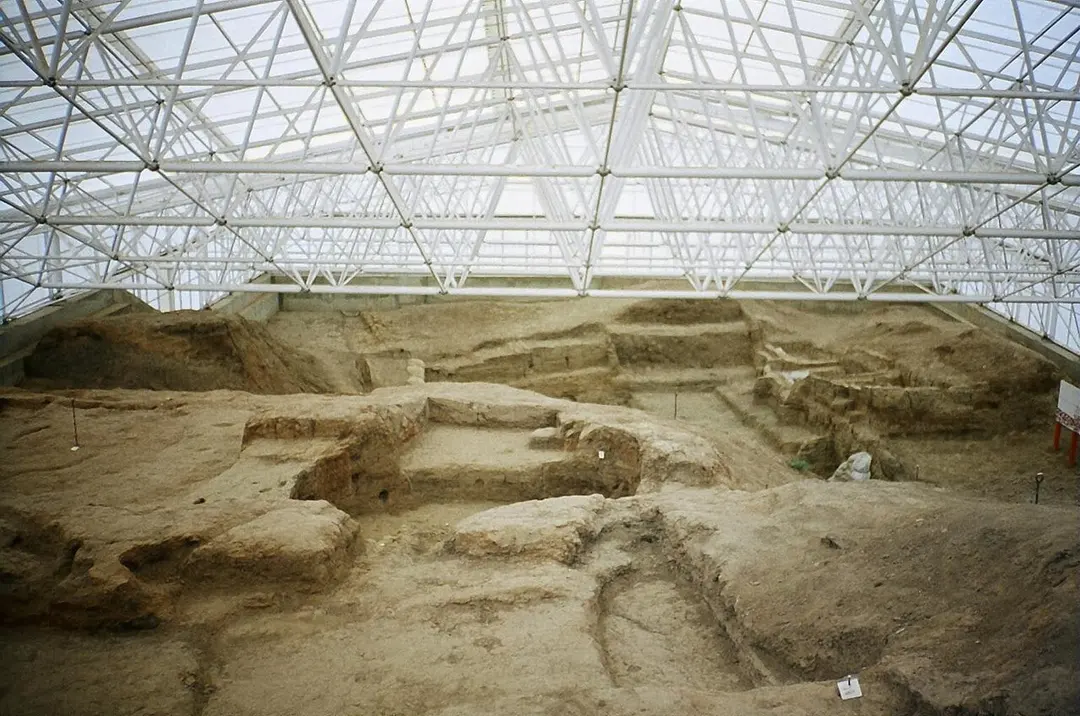
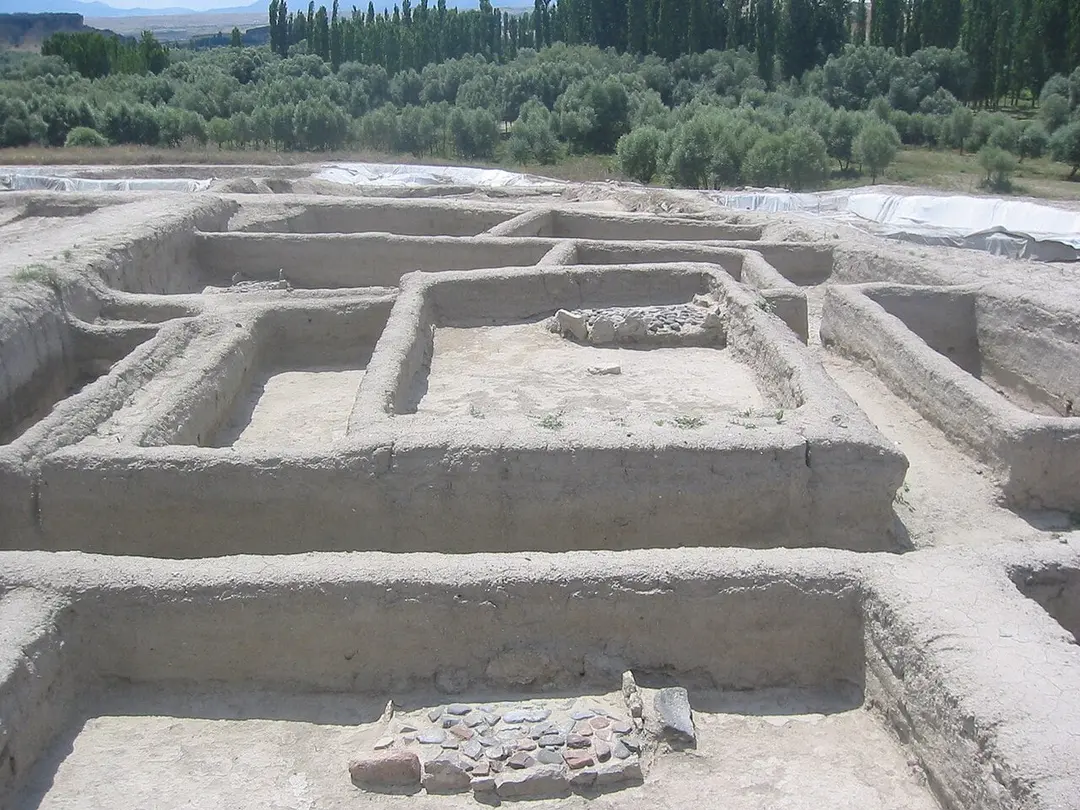
Aşıklı Höyük
ArchaeologyExcavation SiteRiverbank+1
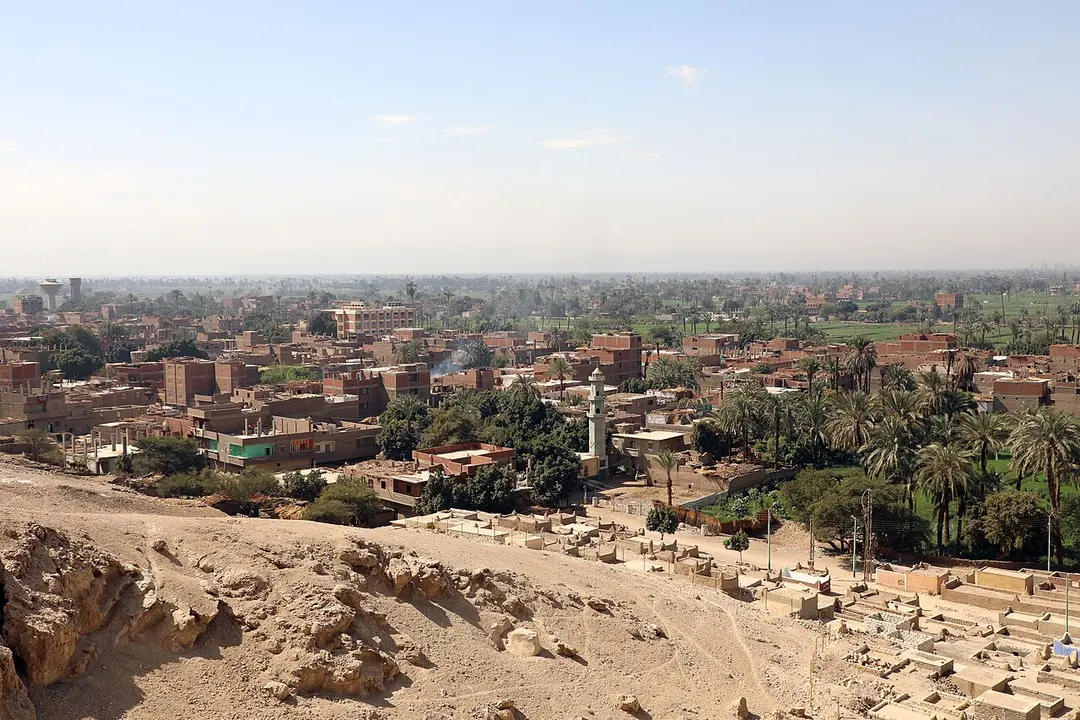
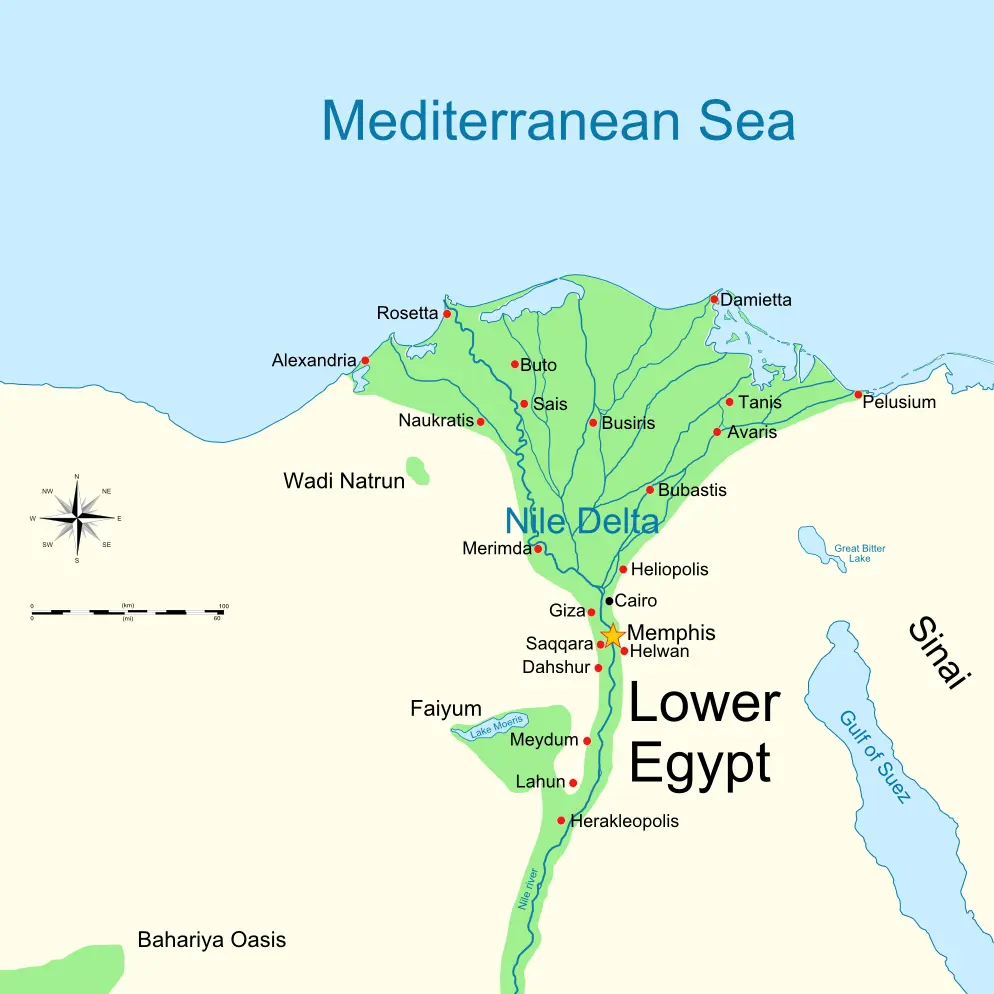
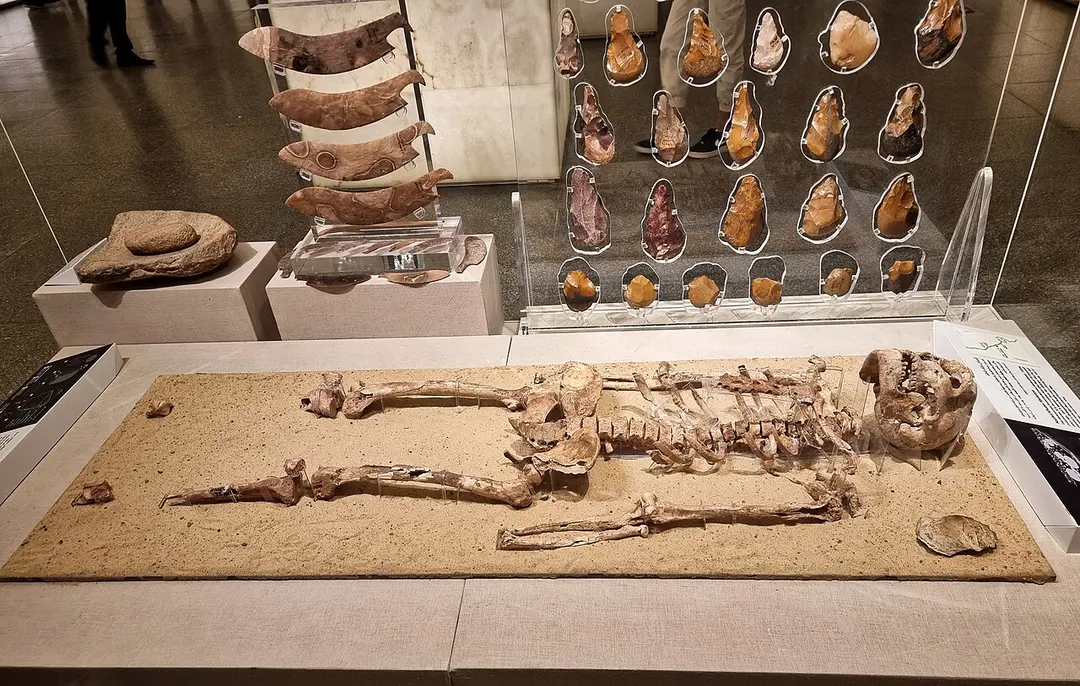
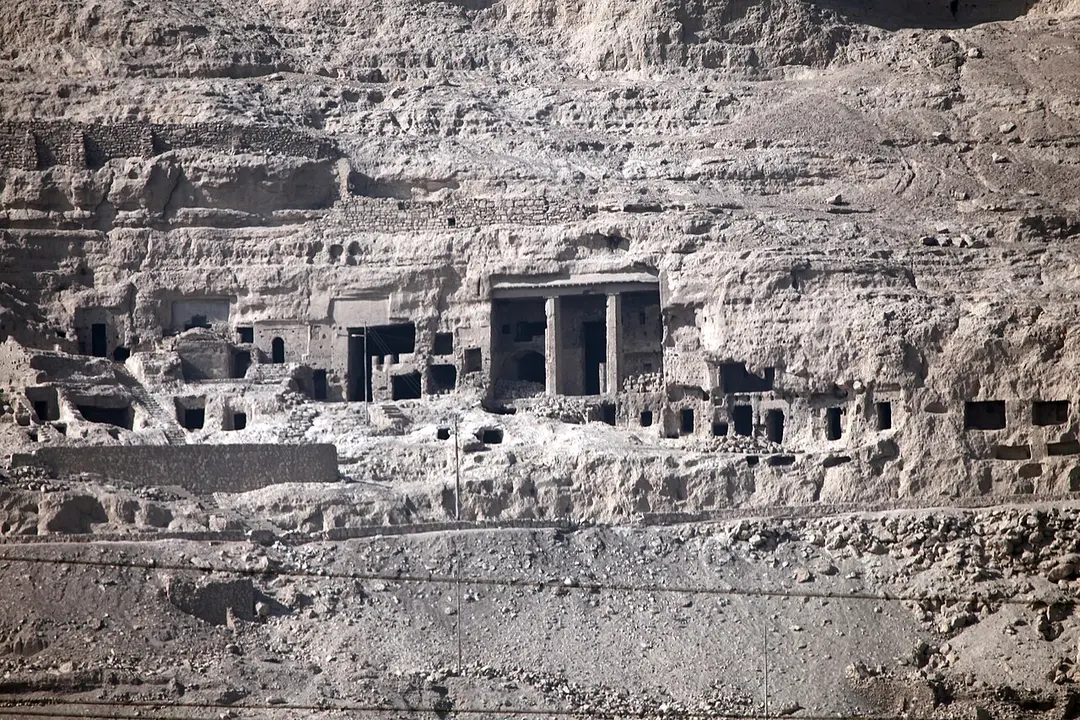
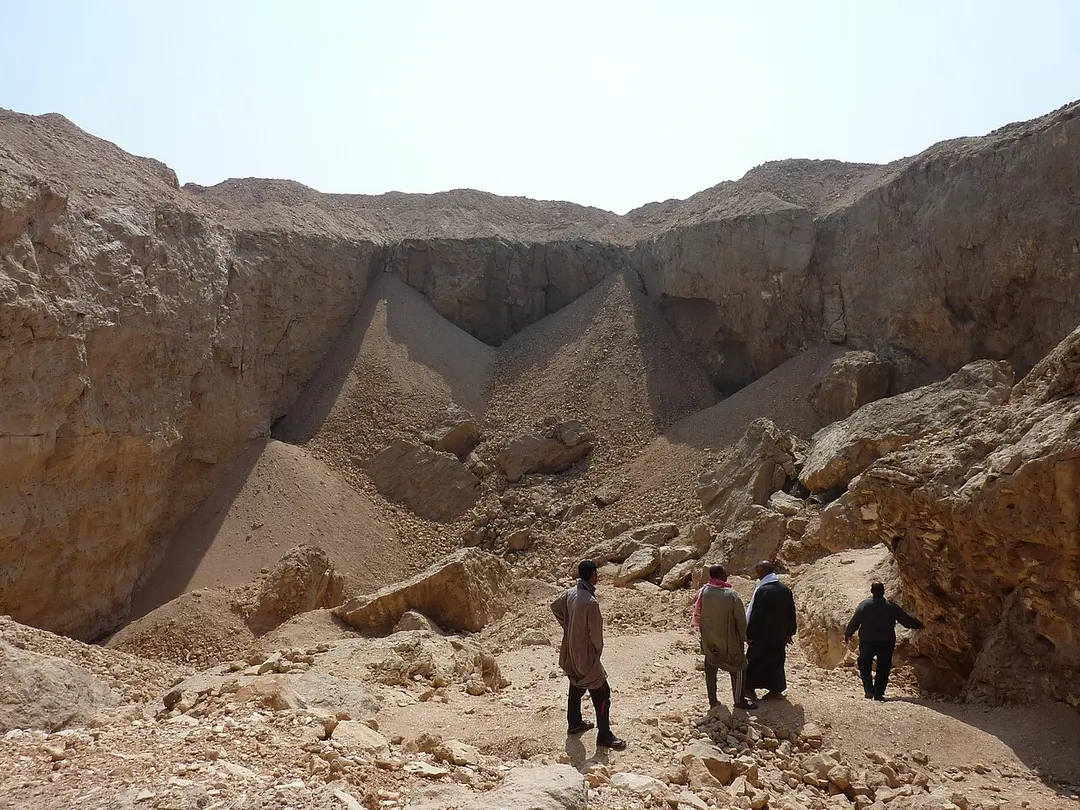
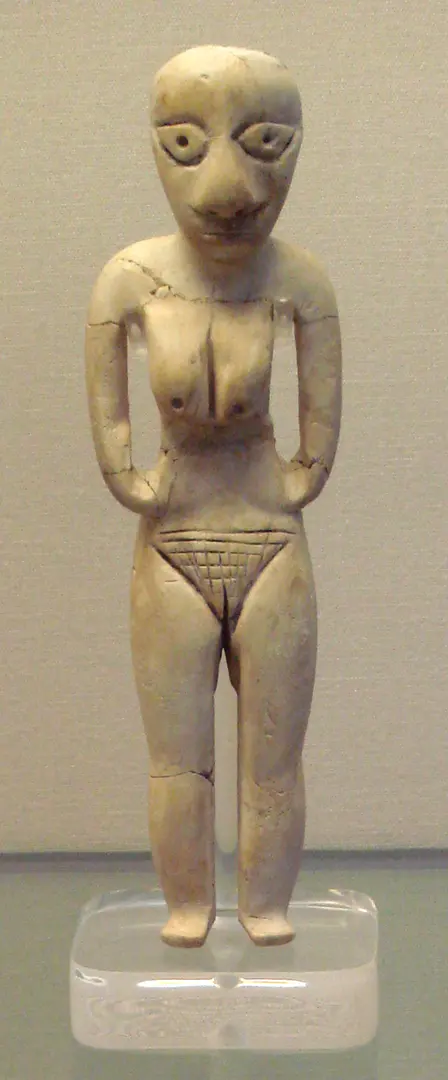
The Badari culture is a Neolithic archaeological culture of predynastic Upper Egypt, dating from roughly 4500 to 4000 BCE and named after the town of Badari on the east bank of the Nile southeast of Asyut. It succeeded the Merimda culture and represents one of the earliest identifiable cultural phases in Egyptian prehistory. Excavations yielded distinctive black-topped rippled pottery, ivory figurines, and carefully prepared burials with grave goods — evidence of an already developed conception of the afterlife long before the pharaonic era. Settlements occupied the low desert fringe at the edge of the Nile floodplain, a strip offering shelter while remaining close to fertile agricultural land. As a cultural designation rather than a single monument, Badari's material legacy is best encountered in Cairo's Egyptian Museum, where key finds from the region are held.
Sign in to rate this place.
Sign inEl Badari
Xi'an
Dairut
Dairut
Dairut
Dairut
Dairut