TravelType

culture

Culture in Kyiv

Kyiv's cultural landscape spans a remarkable range of sites. The Ivan Honchar Museum holds a substantial collection of Ukrainian folk art and traditions, while the Khanenko Museum brings together European and Eastern art under one roof. The Kyiv History Museum traces the city's layered past, and the Ivan Franko National Academic Drama Theater anchors a long theatrical tradition. Sites such as Askold's Grave, the Brodsky Synagogue, and the Co-Cathedral of St. Alexander reflect the city's religious plurality. The House with Chimeras stands out for its expressive Art Nouveau facade, and the Babi Yar monument offers a place of sober remembrance.

27 places · Kyiv, Ukraine · Editorially curated

  • Askold's Grave

    Askold's Grave

    Kyiv

    naturehistoryromance

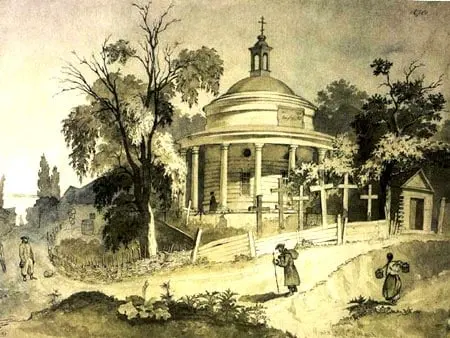
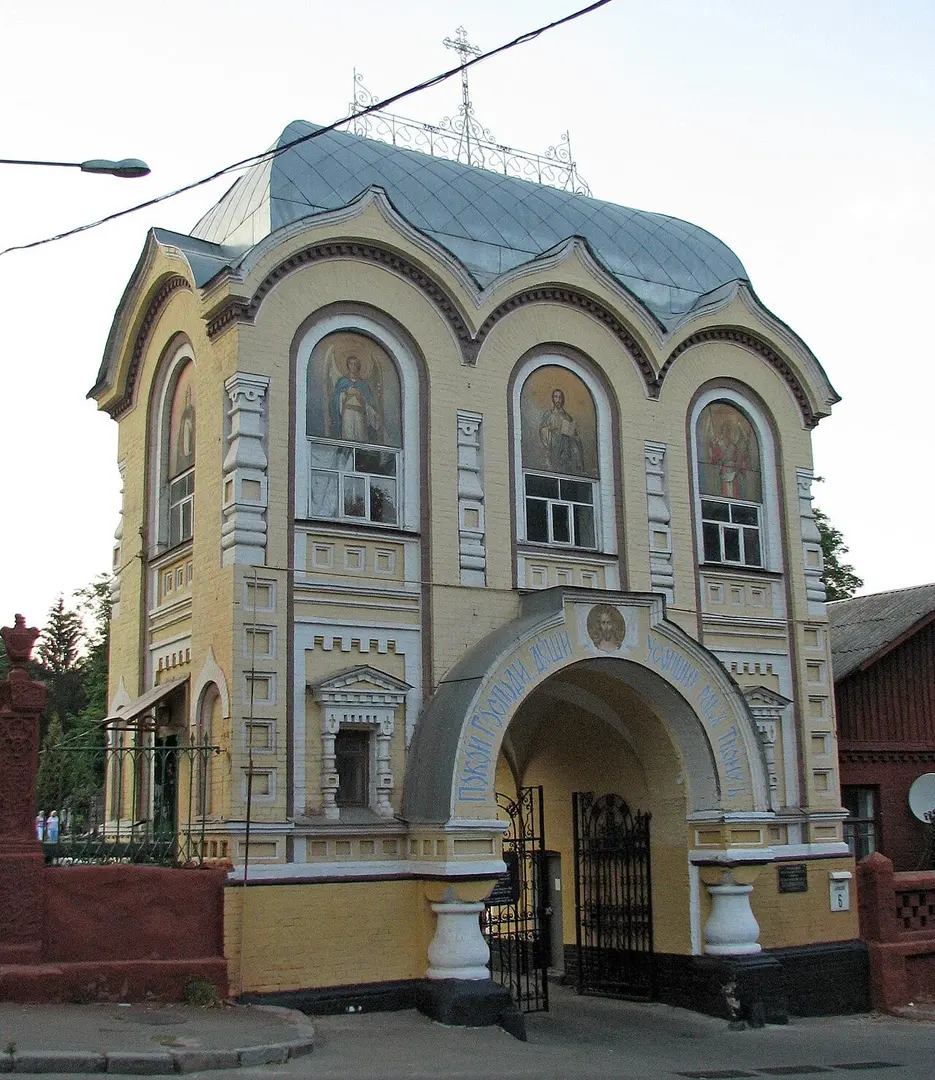
    Askold's Grave is a historic park in Kyiv's Pechersk district and a national cultural monument of Ukraine. According to the Nestor Chronicle, this is the burial site of Varangian princes Askold and Dir, killed by Prince Oleg in 882. A 19th-century rotunda chapel stands over the presumed grave. The park on the bluff above the Dnipro offers a picturesque river view.
  • Babi Yar monument

    Babi Yar monument

    Kyiv

    history

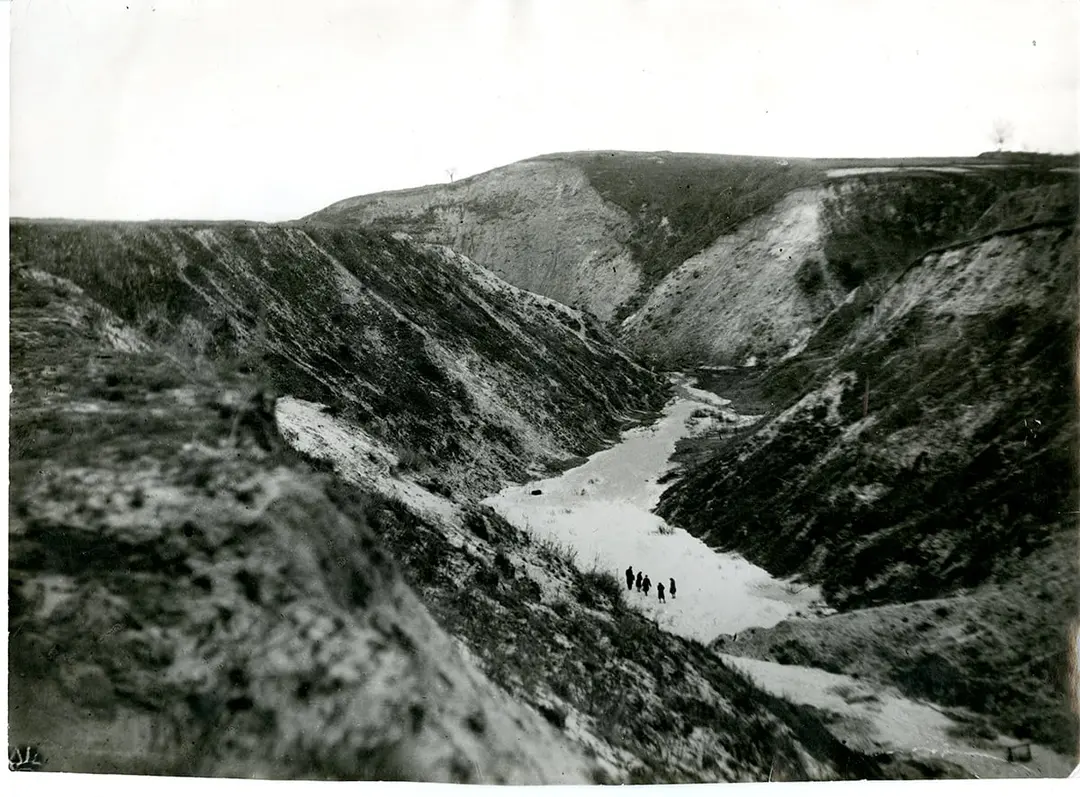
    The Babi Yar monument commemorates one of the largest single massacres of the Holocaust. On 29 and 30 September 1941, SS Einsatzgruppen and German police units murdered 33,771 Jewish men, women and children in the ravine of Babyn Jar on the outskirts of Kyiv. The site has a complex memorial history: during the Soviet era, the killings were long suppressed or framed only as a general war crime. It was not until after Ukrainian independence that proper memorials were established. Babyn Yar stands today as one of the most sobering Holocaust memorial sites in Eastern Europe — a place of silence, grief and the imperative of memory.

  • Baikove Cemetery

    Baikove Cemetery

    Kyiv

    architecturehistory

    Founded in 1833, Baikove Cemetery is one of the oldest and most significant burial grounds in Ukraine. Its tree-lined paths hold the graves of poets, scientists, politicians and figures central to Ukrainian national identity, making a walk through the grounds a quiet tour of the country's cultural memory. The funerary sculpture is particularly notable: elaborate monuments commissioned from accomplished 19th and early 20th-century artists stand alongside simpler, more recent graves. Open to visitors, the cemetery draws both those tracing specific lives and those seeking a contemplative space away from the city's noise.

  • BRDM-2

    BRDM-2

    Kyiv

    history

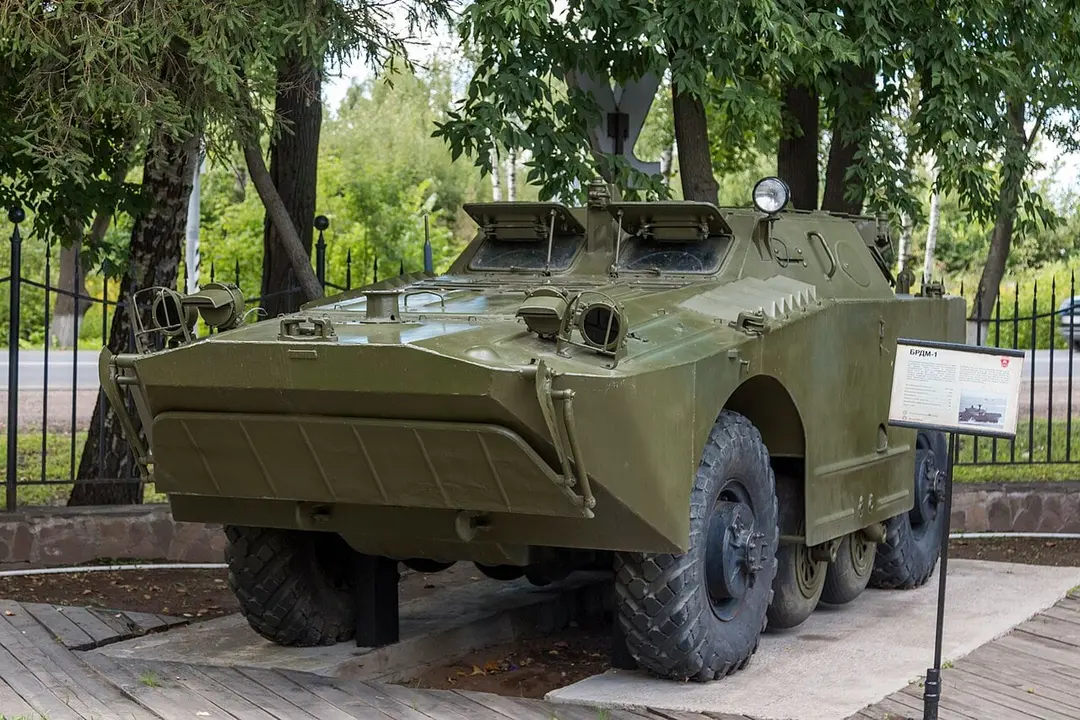
    The BRDM-2 is a fully amphibious Soviet armored scout car from the Cold War era. It replaced the BRDM-1 in the 1960s and was produced in large numbers. As an outdoor exhibit in Kyiv, it represents an important piece of Soviet military history. The vehicle features four-wheel drive, an armored hull, and was designed for reconnaissance and security duties. In the Ukrainian context it carries particular historical resonance at the intersection of Soviet heritage and national identity.

  • Brodsky Synagogue

    Brodsky Synagogue

    Kyiv

    architecturehistory

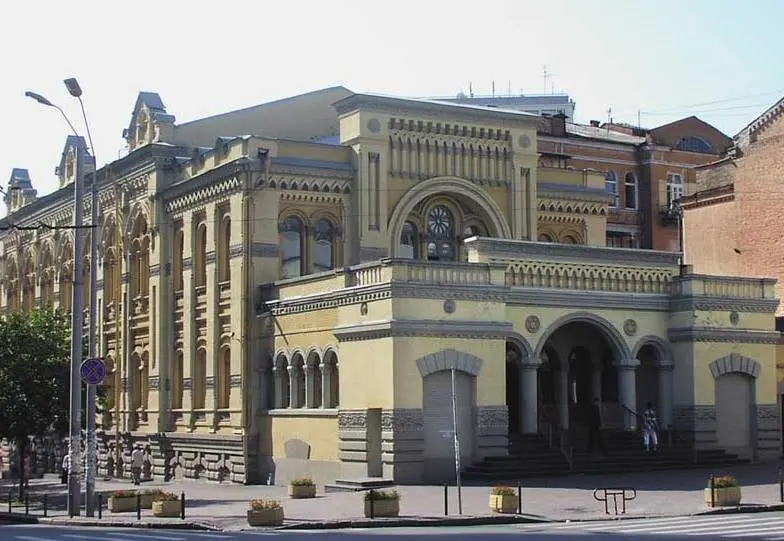
    The Brodsky Synagogue — also known as the Choral Synagogue — is one of Kyiv's oldest and most significant Jewish places of worship. Built in 1898 at the initiative of Lazar Brodsky, a prominent Jewish-Ukrainian sugar magnate, it features a striking Moorish-Romantic design: horseshoe arches, oriental ornament, and a grand dome. The 20th century brought severe disruption: Soviet authorities repurposed the building as a puppet theatre, and the Jewish community of Kyiv was devastated by the Holocaust and subsequent emigration. Reconsecrated as a synagogue in 2000, it serves once again as a spiritual home for Kyiv's Jewish community — and stands as a testament to the city's rich and turbulent Jewish history.

  • Co-Cathedral of St. Alexander, Kyiv

    Co-Cathedral of St. Alexander, Kyiv

    Kyiv

    architecture

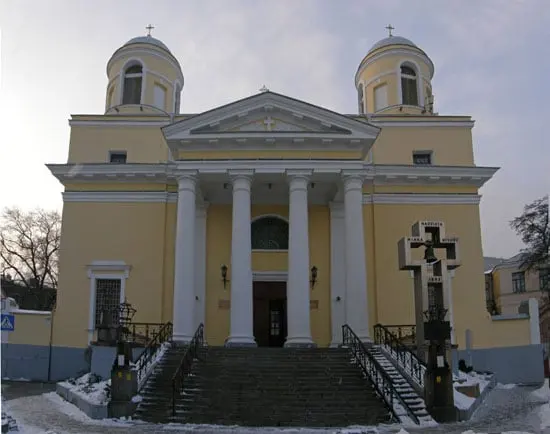
    St. Alexander's is the oldest and most prominent Roman Catholic church in Kyiv, built in 1817 in neoclassical style. Serving as co-cathedral of the Roman Catholic Diocese of Kyiv, it is the centre of the Latin Church in the Ukrainian capital. Its neoclassical facade with portico distinguishes it clearly from the city's Orthodox church architecture.

  • House with Chimeras

    House with Chimeras

    Kyiv

    architecturemystery

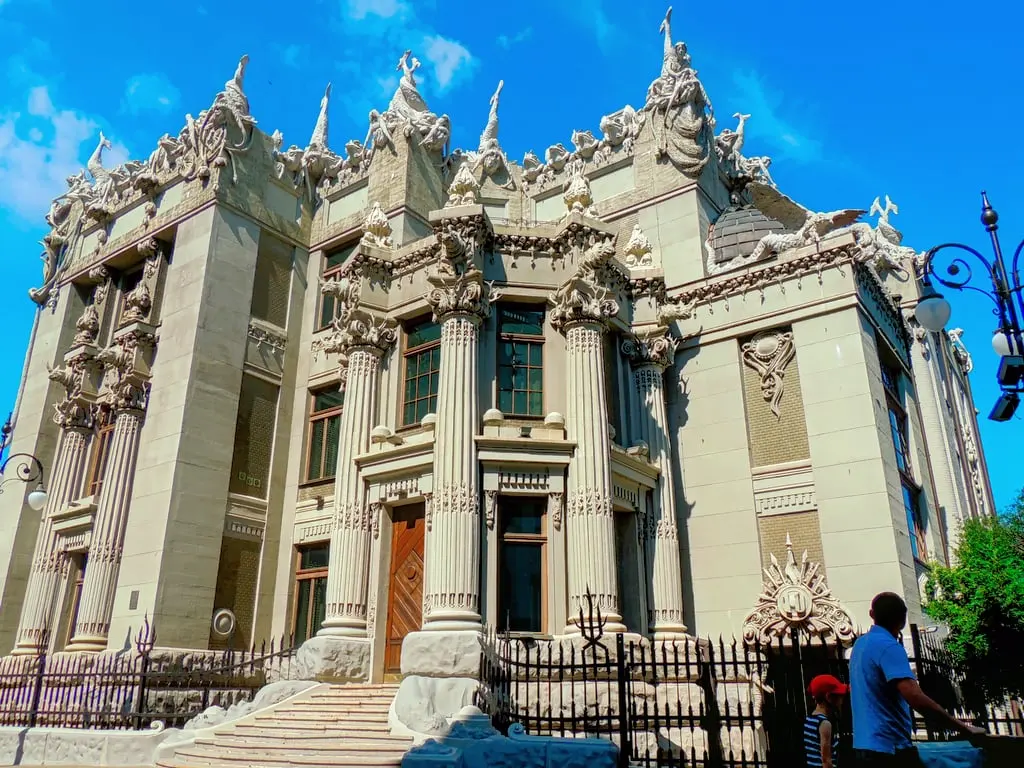
    The House with Chimeras in Kyiv is one of the strangest and most captivating buildings in Eastern Europe. Architect Władysław Horodecki had it built in 1902 in Art Nouveau style and covered the facade with a veritable menagerie of stone fantasy creatures: rhinoceroses, elephants, frogs, mermaids, and chimeras crowd the balconies, cornices, and bay windows. Built on a sloping plot near Kyiv's government quarter, the house was originally Horodecki's own residence. Over the twentieth century it changed hands and uses several times — at various points serving the Soviet state as accommodation for official guests. Today it belongs to the Ukrainian presidential administration and is used for official receptions; viewing from outside remains possible.

  • IL-62

    IL-62

    Kyiv

    historyknowledge

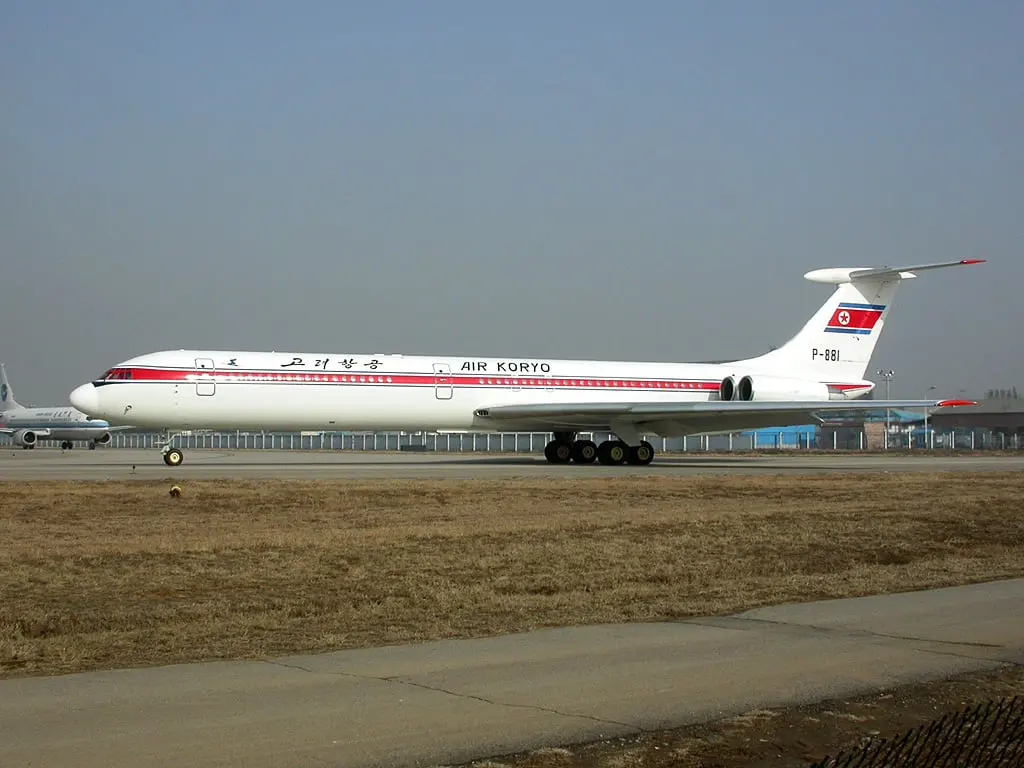
    The Ilyushin Il-62 was the Soviet Union's first long-range jet airliner and the world's largest jet aircraft when it first flew in 1963. A successor to the turboprop Tu-114, it entered Aeroflot service in 1967, connecting the USSR to intercontinental destinations. Production continued at the Kazan plant until 1999 — 292 total built. The Kyiv exhibit represents Soviet civil aviation's ambition to compete with Western designs like the Boeing 707.

  • Ivan Franko National Academic Drama Theater

    Ivan Franko National Academic Drama Theater

    Kyiv

    knowledge

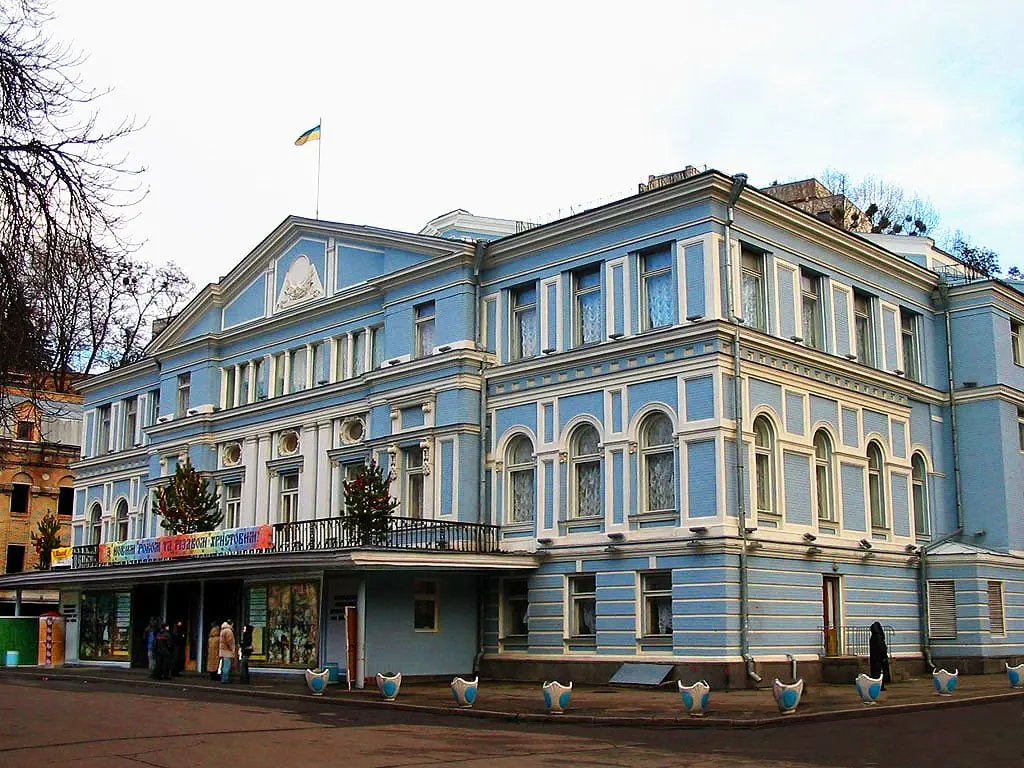
    The Ivan Franko National Academic Drama Theater is the most prominent drama venue in Kyiv, founded in 1920. Named after Ukrainian writer and national hero Ivan Franko, the theater has long served as a home for Ukrainian language, stage art, and cultural identity. Its repertoire spans Ukrainian and international classics, performed on both the main stage and the chamber stage. Great actors such as Bohdan Benyuk and Natalia Sumskaya have shaped the ensemble over the decades. Today the theater stands as a symbol of Ukrainian cultural resilience.

  • Ivan Honchar Museum

    Ivan Honchar Museum

    Kyiv

    history

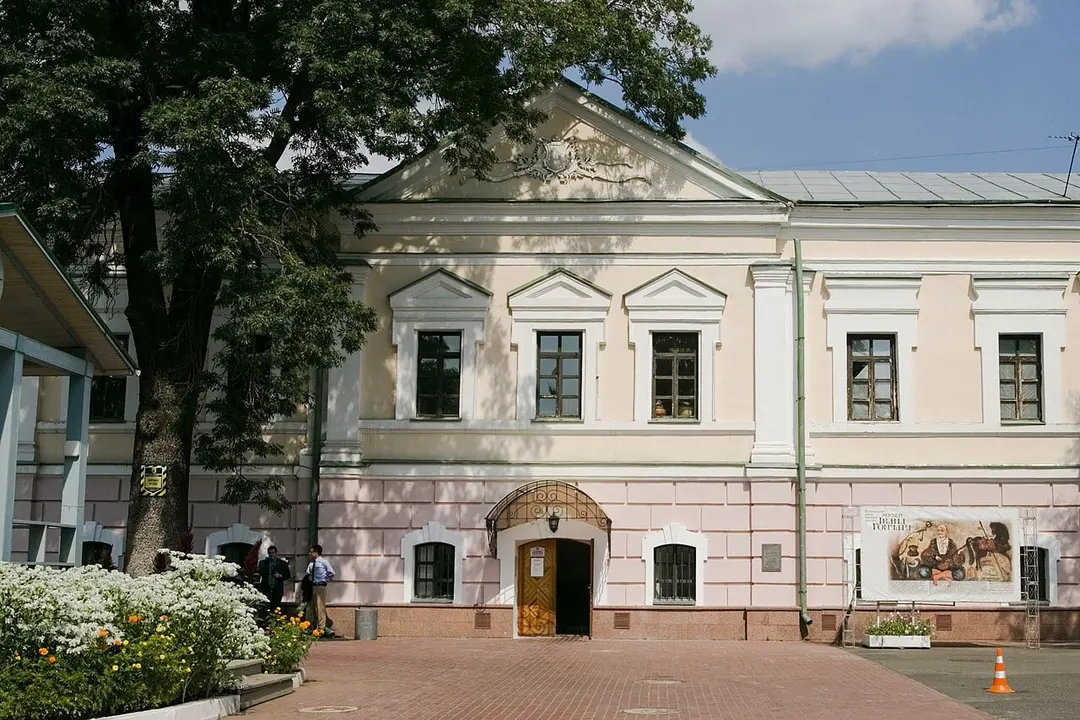
    The Ivan Honchar Museum in Kyiv is a museum and research centre dedicated to Ukrainian folk culture, founded in 1993 by ceramicist and cultural activist Ivan Honchar, who opened his private collection of traditional Ukrainian objects to the public. The holdings include folk costumes, embroidery, ceramics, icons, and other evidence of Ukrainian folk life. The museum actively pursues research and educational programs, seeing itself as a guardian of cultural heritage. In the context of the ongoing war, it has taken on heightened symbolic importance as a place of Ukrainian identity preservation.

  • Kyiv History Museum

    Kyiv History Museum

    Kyiv

    historyknowledge

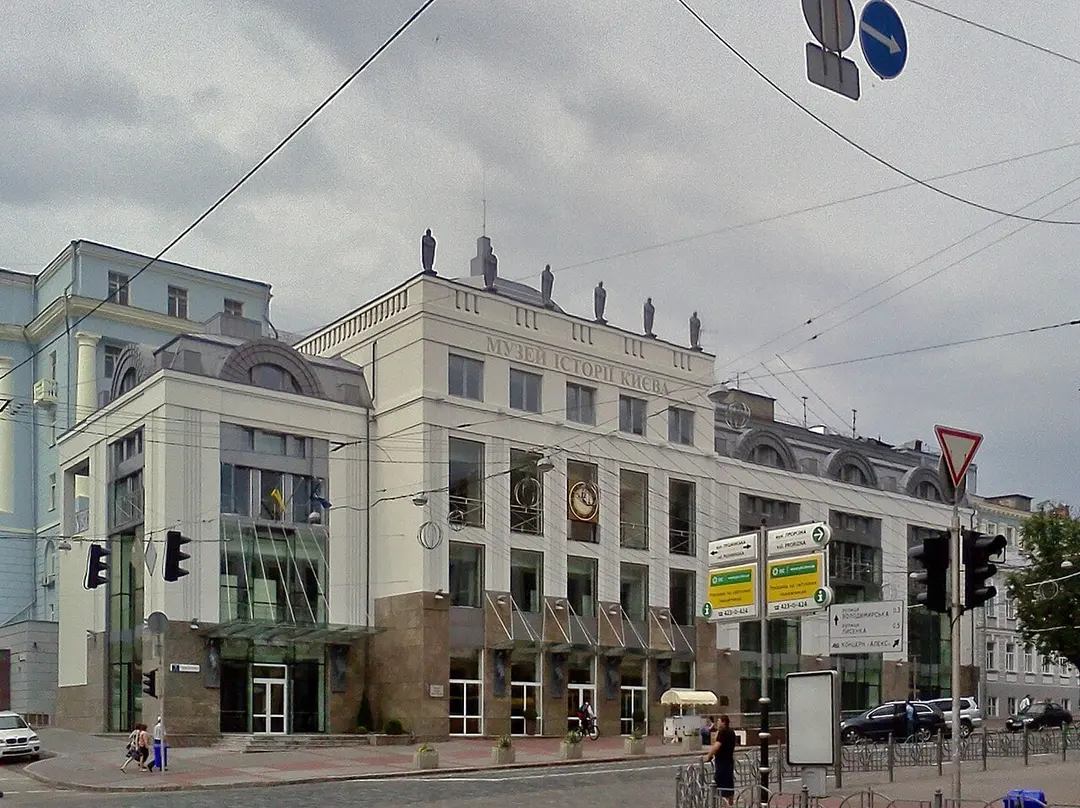
    The Kyiv History Museum is dedicated to the story of one of Eastern Europe's oldest cities. The collection spans from the Kyivan Rus and the Mongol period through the Cossack era, Tsarist rule, the Soviet period, and into the present. The museum's particular strength lies in archaeological finds and everyday objects that bring life in the city across centuries into tangible focus. For visitors wanting to understand Kyiv beyond its monuments and landmarks, the museum provides essential historical context — including for the events that have shaped Ukraine since 2022.

  • Kyiv Zoo

    Kyiv Zoo

    Kyiv

    naturehistory

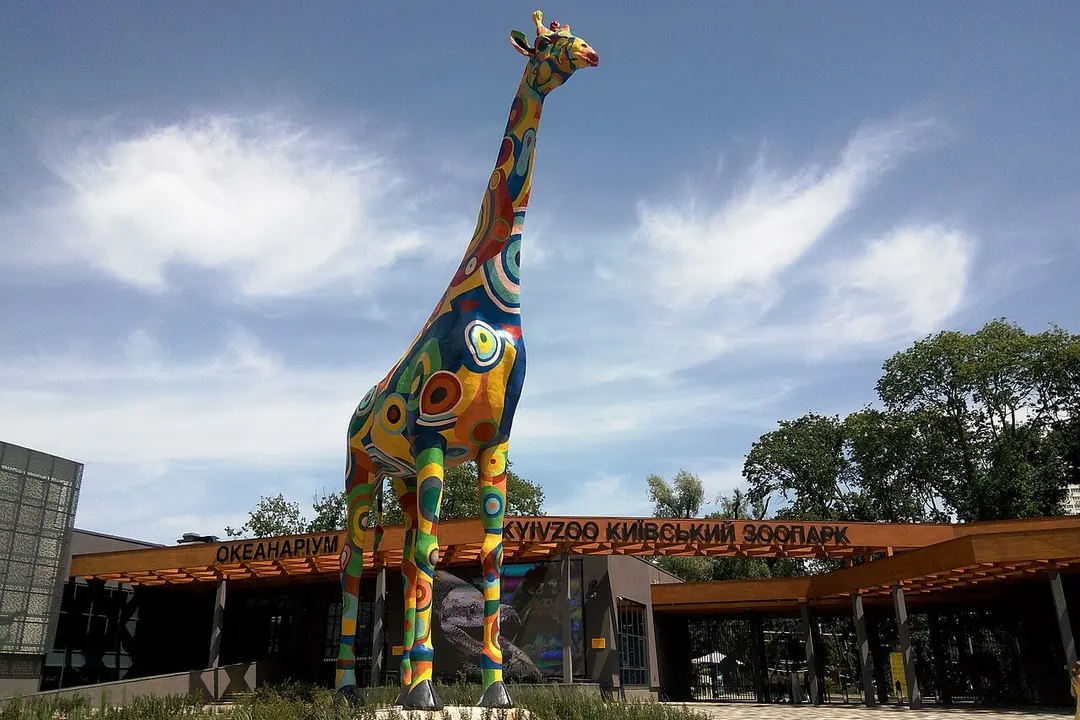
    The Kyiv Zoo is the only national zoological garden in Ukraine's capital, founded in 1909 during the Tsarist era. Spread across about 40 hectares, it is home to approximately 2,500 animals from over 270 species, including rare big cats, elephants and endangered native species of the Eastern European steppe. The spacious grounds are a favourite family destination, offering botanical plantings alongside animal enclosures. Even during the ongoing Russian war against Ukraine, the zoo has largely maintained its operations.

  • Let L-410 Turbolet

    Let L-410 Turbolet

    Kyiv

    historyknowledge

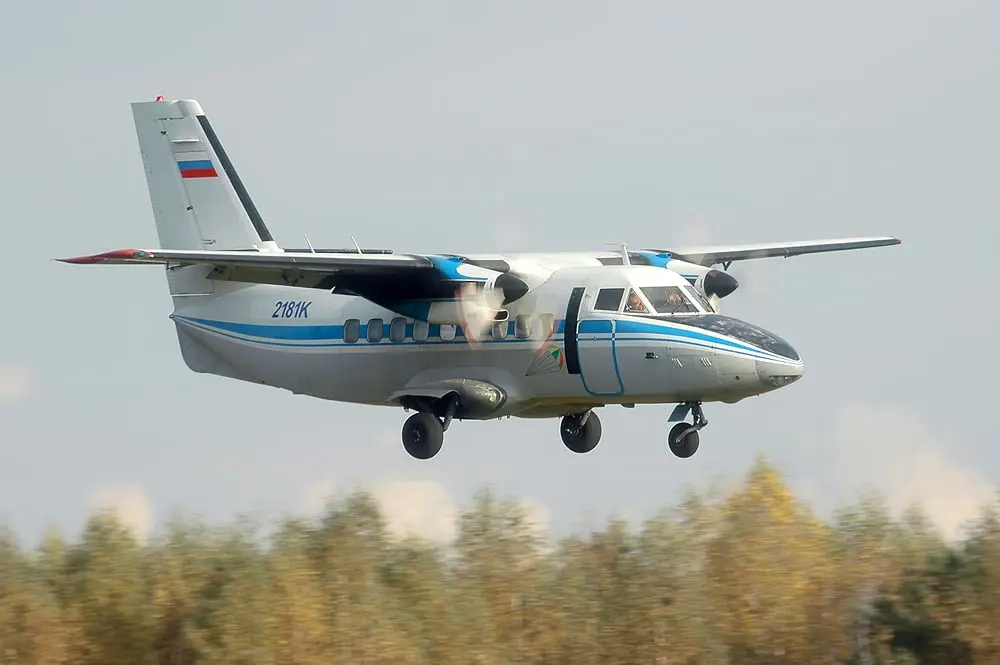
    The Let L-410 Turbolet is a Czechoslovak twin-turboprop short-haul transport from the 1970s, widely used across the Soviet Union and developing world. Designed for short unpaved runways, it served regional routes inaccessible to larger aircraft. The Kyiv exhibit represents Comecon-era aviation pragmatism: utility over elegance.

  • Mariinskyi Palace

    Mariinskyi Palace

    Kyiv

    architecturehistorygreat views

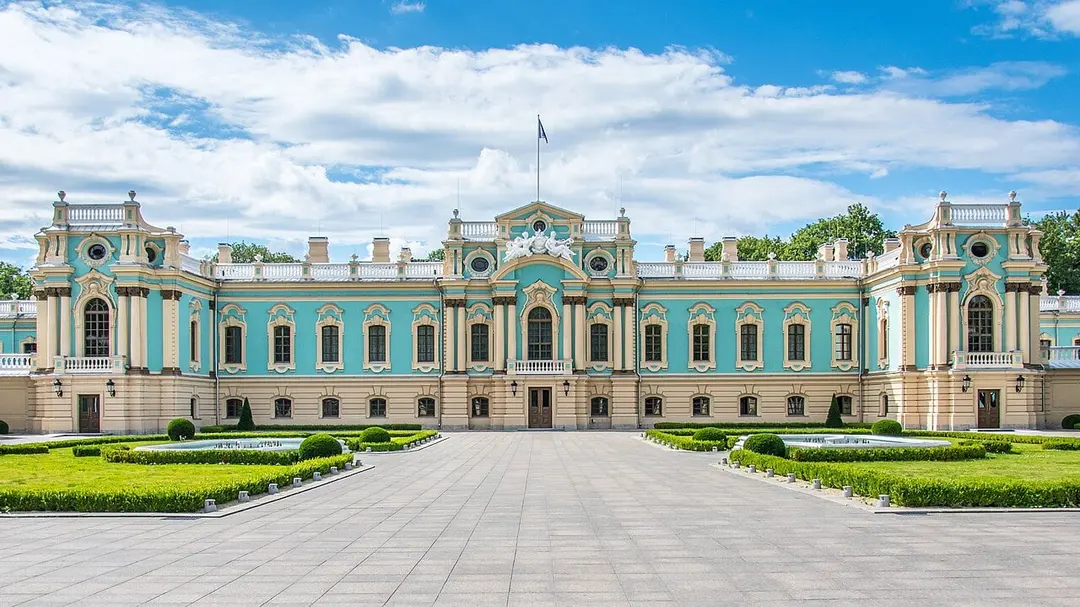
    The Mariinskyi Palace stands on the steep right bank of the Dnipro River in Kyiv, one of the finest examples of Elizabethan Baroque architecture in Ukraine. Built in 1752 under Empress Elizabeth, it served as an imperial summer residence before falling into disuse and later being restored. Today it functions as the official ceremonial residence of the President of Ukraine and is a protected architectural monument. The palace's vivid blue facade with white stucco ornaments is the work of architect Bartolomeo Rastrelli — the same architect behind the Winter Palace in Saint Petersburg. Its location directly beside the Verkhovna Rada, Ukraine's parliament, gives the site unusual political and symbolic weight.

  • Monument to the Founders of Kyiv

    Monument to the Founders of Kyiv

    Kyiv

    naturehistory

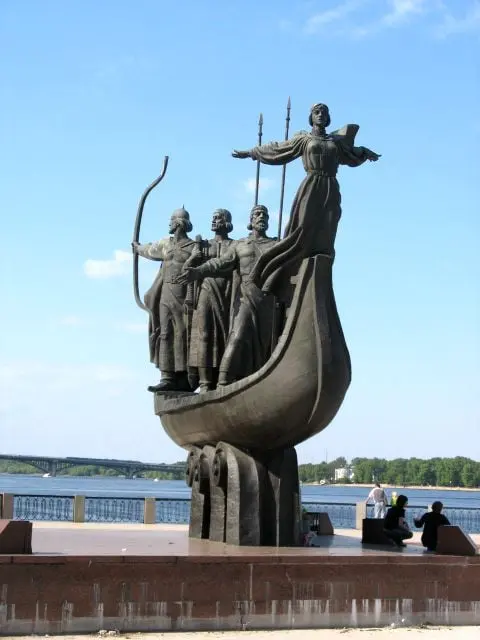
    The Monument to the Founders of Kyiv stands on the banks of the Dnipro and is one of the most distinctive landmarks of the Ukrainian capital. Unveiled on May 22, 1982, to mark Kyiv's 1500th anniversary, the bronze sculpture group depicts the city's legendary founders: brothers Kyi, Shchek, and Khoryv, and their sister Lybid, shown on a boat. Created during the Soviet era as a national symbol, the monument has taken on profound new significance since Russia's full-scale invasion in 2022 — it now stands as a symbol of Kyiv's resolve to preserve its identity and independence.

  • Museum of money the National Bank of Ukraine

    Museum of money the National Bank of Ukraine

    Kyiv

    historyknowledge

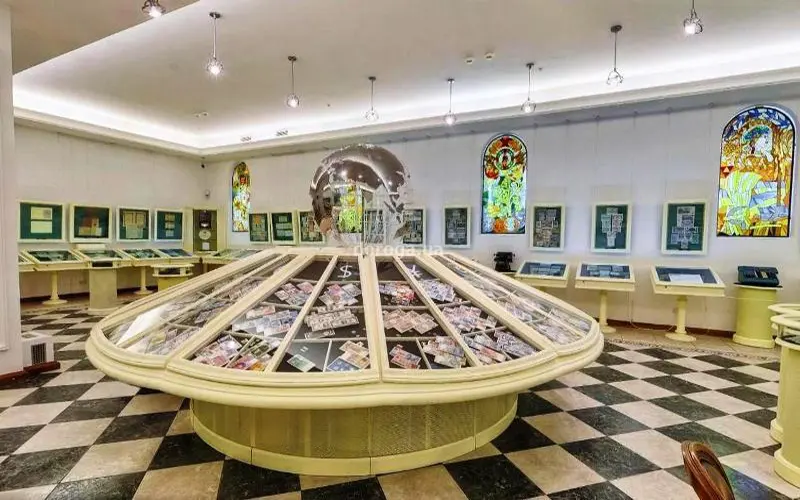
    The Museum of Money of the National Bank of Ukraine is housed in the bank's historic building in Kyiv and opened in 2004. It traces the history of money and payment on the territory of modern Ukraine — from ancient coins and medieval means of exchange to contemporary banknotes and commemorative mintings. The collection includes rare numismatic pieces, banknotes, and documents that reflect the country's economic development. For visitors it offers an engaging look behind the scenes of banking and the deeper significance of money as an object, a symbol, and a tool of power.

  • Mystetskyi Arsenal

    Mystetskyi Arsenal

    Kyiv

    knowledge

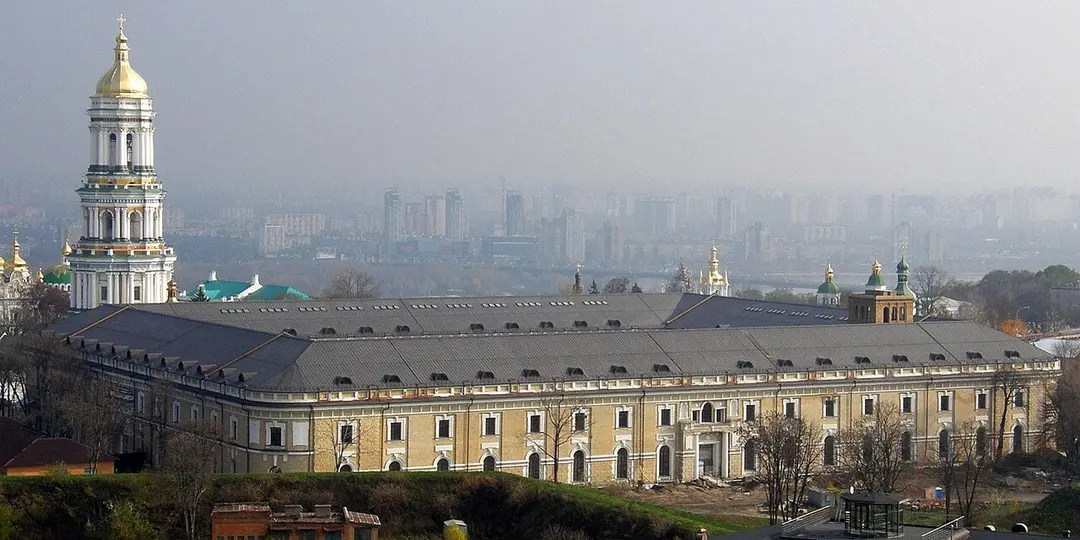
    The Mystetskyi Arsenal is a large art and cultural complex in the Pechersk district of Kyiv, housed in a historic 18th-century arsenal building. Converted into a cultural center in 2006, it hosts rotating major exhibitions and collections focused on Ukrainian contemporary art. In 2012, it became the venue for Ukraine's first international art biennale, "Arsenale." Today it stands as a key meeting point of Ukraine's cultural scene, where Soviet industrial architecture meets vibrant contemporary expression.

  • S-125 Neva Missile System

    S-125 Neva Missile System

    Kyiv

    historyknowledge

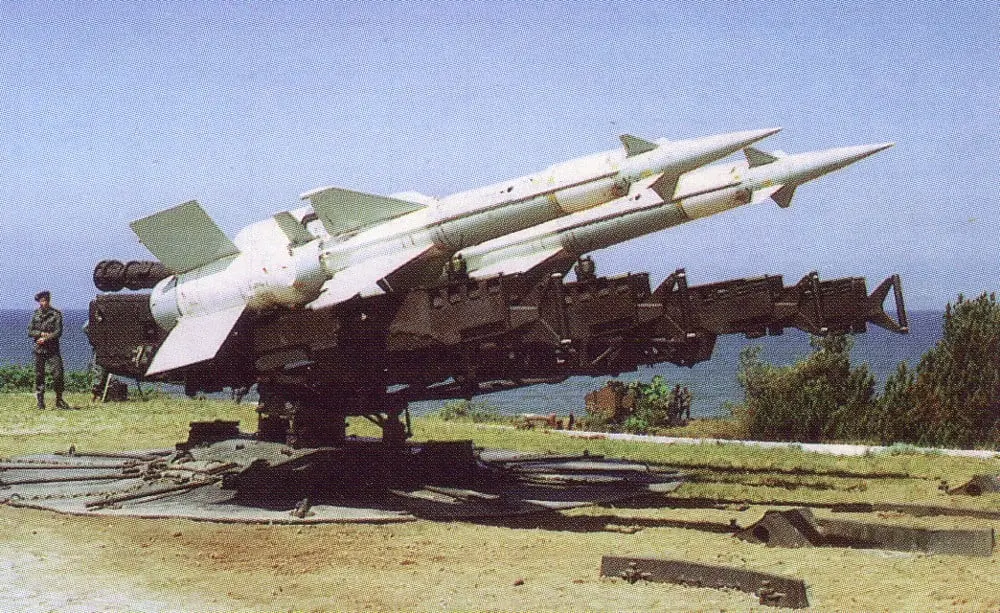
    The S-125 Neva is a Soviet radar-guided surface-to-air missile system that entered service with Warsaw Pact forces in 1961. Optimized for low-flying and highly maneuverable targets, it offered significantly better ECM resistance than its predecessors. The Kyiv exhibit represents Cold War arms buildup — a weapons system exported to dozens of countries that remained operational for decades.

  • Saint Vladimir Monument

    Saint Vladimir Monument

    Kyiv

    naturehistorygreat views

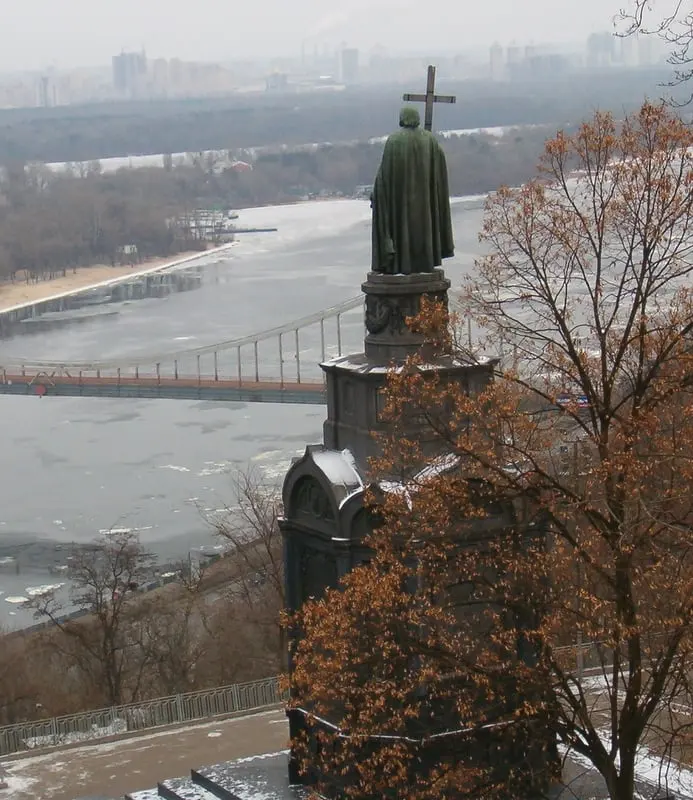
    Perched on a bluff above the Dnipro River, the bronze figure of Prince Vladimir the Great has watched over Kyiv since the 19th century, making it the city's oldest surviving sculptural monument. Vladimir, who in 988 converted the Kievan Rus to Christianity, stands with an upraised cross that remains visible across much of the city. The pedestal and surrounding terrace offer sweeping views of the river and the left bank districts. Locals gather here at dusk, and the illuminated monument becomes a quiet landmark of Kyiv nights.

  • State Museum of Toys, Kyiv

    State Museum of Toys, Kyiv

    Kyiv

    family outings

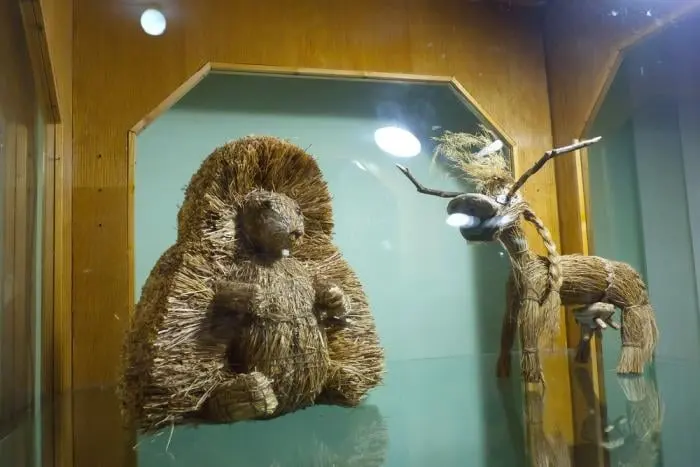
    The State Museum of Toys in Kyiv was founded in 2005 and is one of the more unusual museums in the Ukrainian capital. Under the auspices of the Ministry of Education, it displays historical and contemporary toys from Ukraine and around the world. The collection includes traditional Ukrainian folk toys, dolls, and mechanical objects that shed light on children's culture across generations. The museum is explicitly aimed at families and incorporates interactive elements. A visit offers a charming look at childhood through a historical lens.

  • St. Cyril's Church Kyiv

    St. Cyril's Church Kyiv

    Kyiv

    architecturehistory

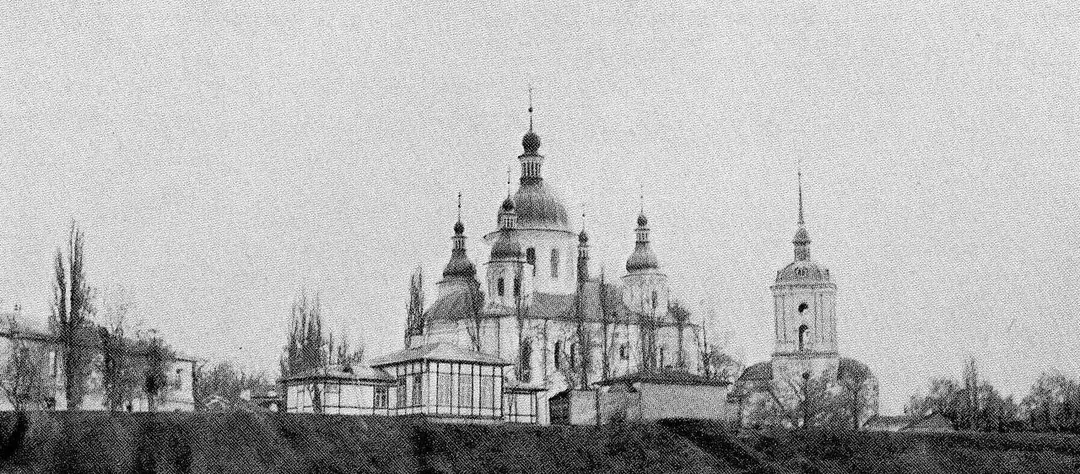
    St. Cyril's Church is a medieval monastery in the northwestern part of Kyiv's historic centre, representing one of the finest surviving examples of 12th-century Kievan Rus architecture. The church combines its original Romanesque-Byzantine interior structure with a Ukrainian Baroque exterior added in later centuries. Notably preserved are 12th-century frescoes alongside 19th-century additions by Mikhail Vrubel, one of the most celebrated Symbolist artists of Eastern Europe. The complex is a protected heritage site and part of the UNESCO World Heritage Sites of Kyiv.

  • SU-100 Tank Destroyer

    SU-100 Tank Destroyer

    Kyiv

    historyknowledge

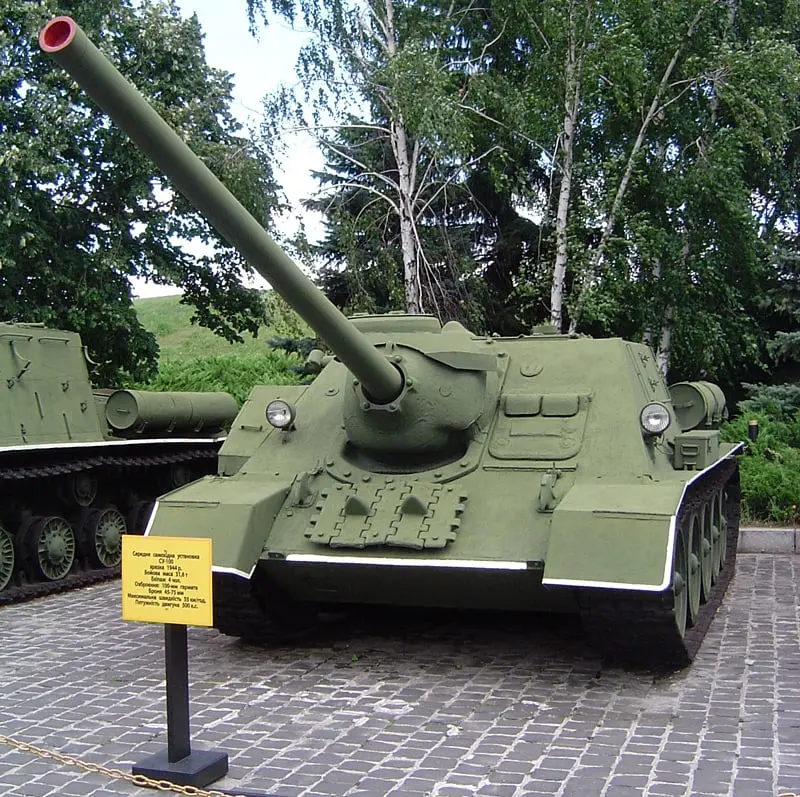
    The SU-100 is a Soviet tank destroyer from World War II, displayed as a static outdoor exhibit in Kyiv. Armed with a 100mm anti-tank gun, it was among the most powerful Soviet armoured fighting vehicles of the war's final phase, entering service in January 1945. An evolution of the earlier SU-85, it could reliably engage the heaviest German armour of the period.

  • T-64 Main Battle Tank

    T-64 Main Battle Tank

    Kyiv

    architecturehistoryknowledge

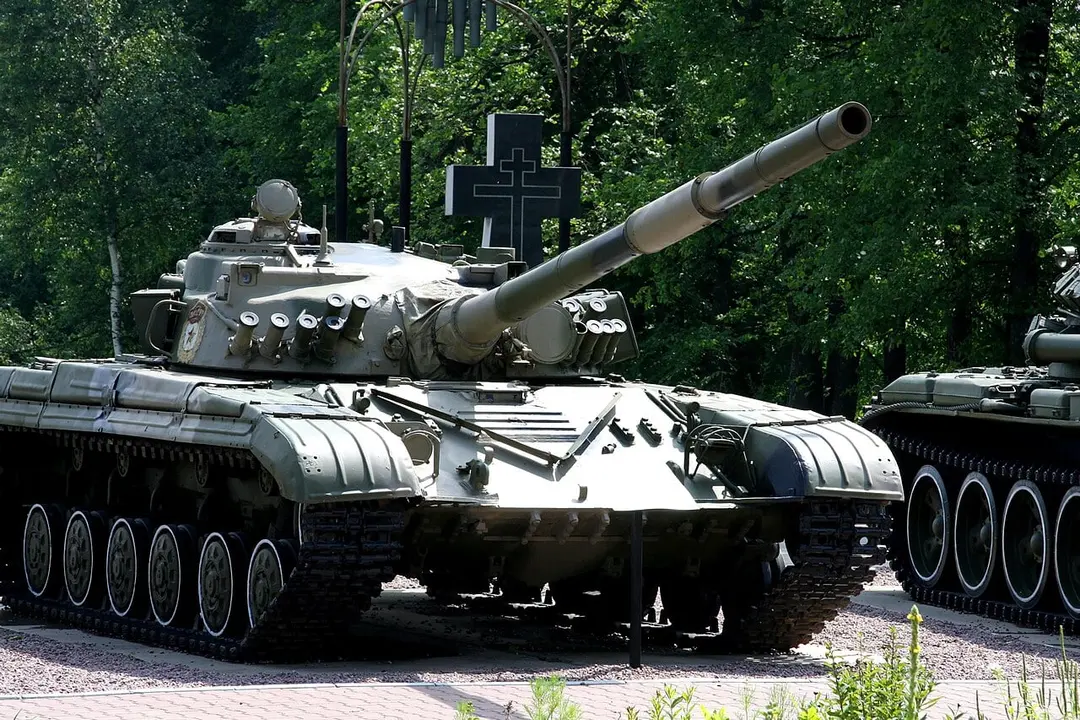
    The T-64 was a quantum leap in Soviet tank design: the first vehicle to combine composite armour, a compact engine, an autoloader, and a 125mm smoothbore gun — all in a 38-tonne package. Developed in Kharkiv by Alexander Morozov, it was significantly more advanced than the concurrent T-62 and T-72. Unlike those tanks, the T-64 was never exported and served exclusively in Soviet tank divisions.

  • Yakovlev Yak-52

    Yakovlev Yak-52

    Kyiv

    historyoutdoor activitiesknowledge

    The Yakovlev Yak-52 is a Soviet primary aerobatic trainer from the 1970s, used in the DOSAAF pre-military training organization. Manufactured in Romania from 1977 under Comecon licensing, it became the standard Eastern Bloc trainer. Its aerobatic credentials remain strong enough to have its own FAI World Aerobatic Championship class.

  • ZiS-2 Anti-Tank Gun

    ZiS-2 Anti-Tank Gun

    Kyiv

    history

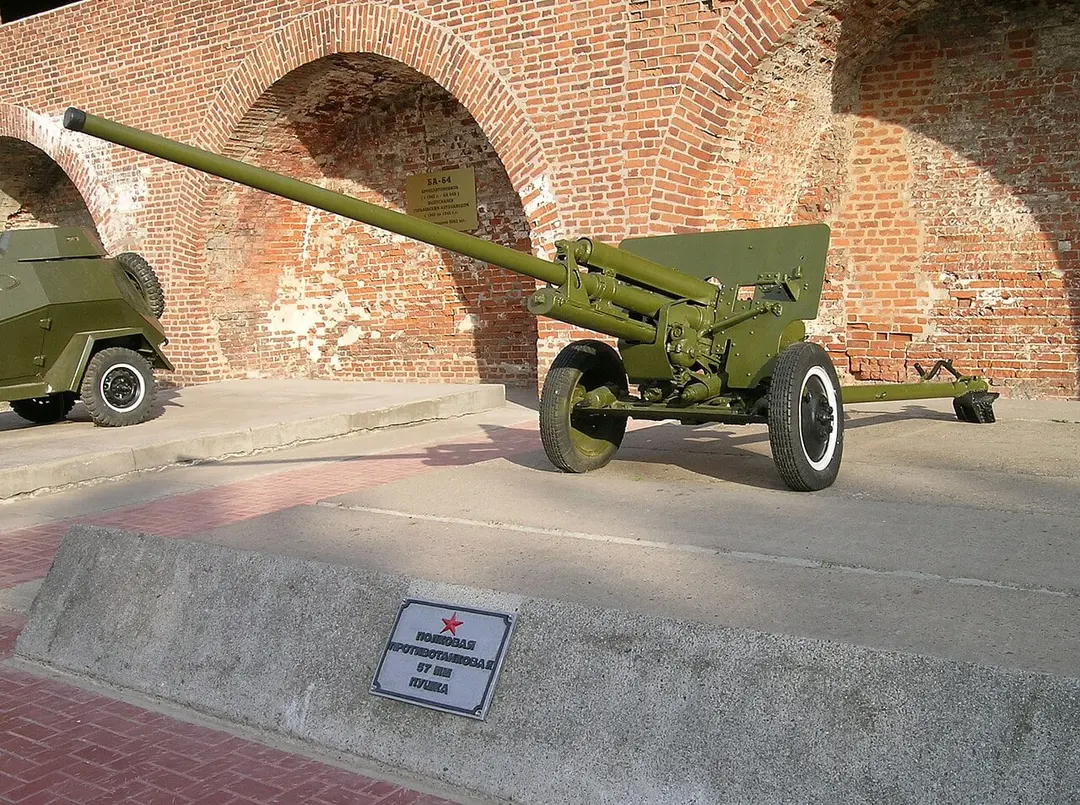
    The ZiS-2 was a Soviet 57 mm anti-tank gun used during World War II. Developed to counter heavily armored German vehicles, it was one of the most effective anti-tank weapons of its time when introduced in 1941. A tank-mounted version, the ZiS-4, was also developed. Examples are on outdoor display in Kyiv as part of memorials to the Eastern Front. The weapon represents a key step in the development of Soviet wartime arms production.

  • ZiS-3 Field Gun

    ZiS-3 Field Gun

    Kyiv

    history

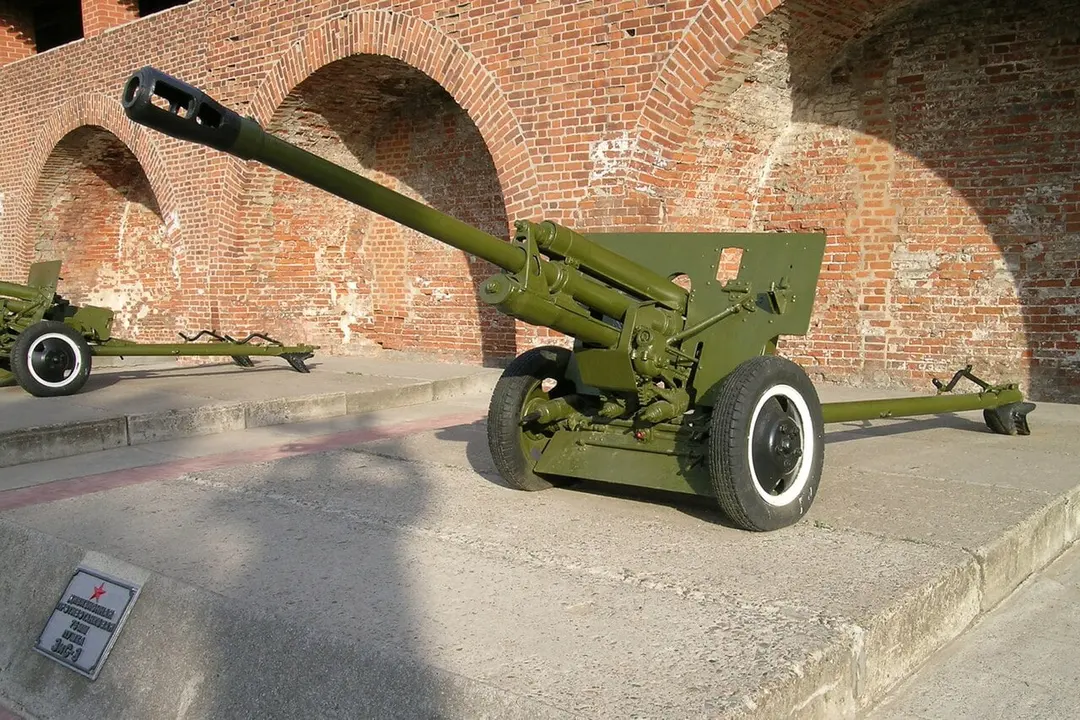
    The ZiS-3 was one of the most widely produced Soviet artillery pieces of World War II. Introduced in 1942, the 76.2 mm divisional gun was known for its reliability and ease of use. ZiS stood for Zavod imeni Stalina, the official designation of the artillery factory. Examples of this gun are displayed as outdoor exhibits in Kyiv, commemorating the Eastern Front campaigns. It is considered an iconic symbol of Soviet wartime industry and a defining weapon of the conflict on the Eastern Front.

  • Monument of the Great October Revolution

    Monument of the Great October Revolution

    Kyiv

    history

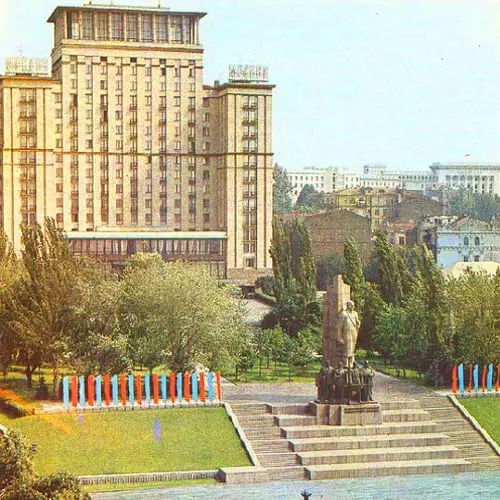
    The Monument of the Great October Revolution stood on October Revolution Square in Kyiv from 1977 until 1991. It was demolished as part of Ukraine's decommunisation process following the collapse of the Soviet Union. The monument commemorated the 1917 Russian Revolution and was a typical example of Soviet propaganda architecture from the Brezhnev era. Its removal marked a symbolic turning point in Kyiv's urban history.

Keep exploring

These places are just the beginning.

Rate places with a swipe — TravelType learns from your tags what you love and curates your own map. Private until you choose to share.

Create your profile