TravelType

history

History in Kyiv

Kyiv, Ukraine's capital, carries its history across centuries of stone, faith, and remembrance. The Golden Gate, a remnant of medieval fortifications, and the Dormition Cathedral speak to the city's deep roots, while Askold's Grave marks an even earlier chapter. The Brodsky Synagogue and Galitska Synagogue reflect the city's Jewish heritage, and the Babi Yar monument stands as a sobering reminder of wartime atrocities. Baikove Cemetery holds generations of the city's story. The Arch of Freedom of the Ukrainian People and a displayed BRDM-2 bring the narrative closer to the present, together tracing Kyiv's layered and enduring past.

34 places · Kyiv, Ukraine · Editorially curated

  • Arch of Freedom of the Ukrainian people

    Arch of Freedom of the Ukrainian people

    Kyiv

    great viewsmystery

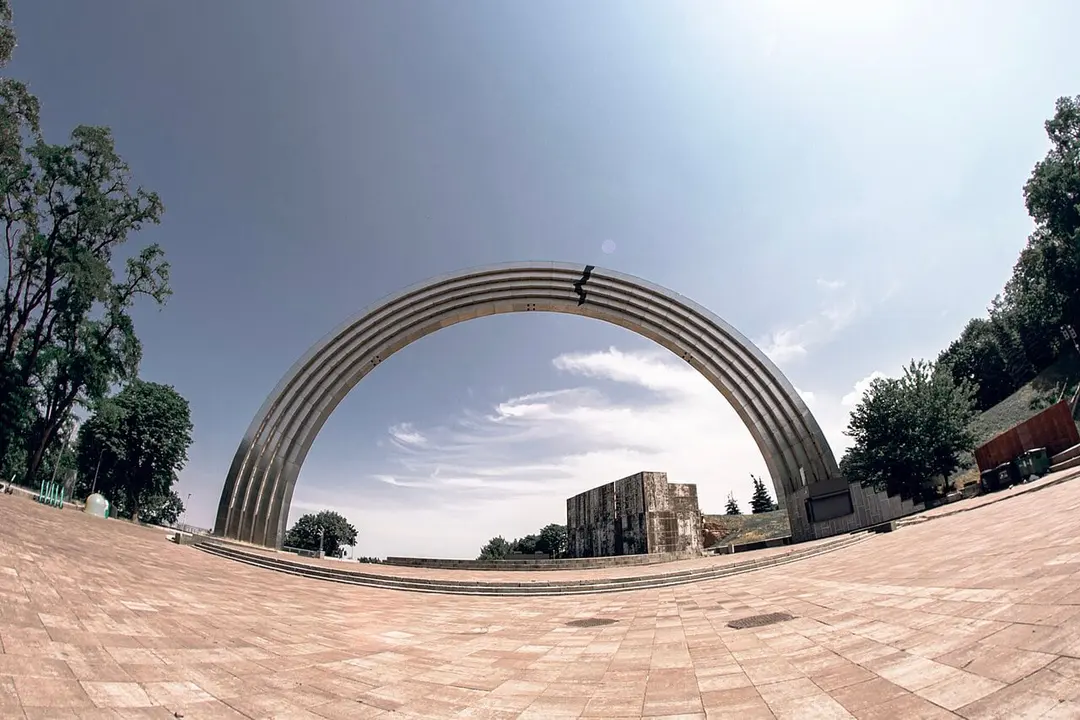
    The massive titanium arch soaring over Kyiv's Pechersk district carries decades of contested history in its steel. Erected in 1982 by the Soviet Union as the "Arch of People's Friendship", it was meant to celebrate the supposed brotherhood between Russians and Ukrainians — a narrative shattered by Russia's full-scale invasion in 2022. Since then, the monument has been renamed the Arch of Freedom of the Ukrainian People, its Soviet inscription removed and its figures dismantled. What remains is an imposing landmark rising above the Dnipro riverbank park, offering sweeping views of the river and the Kyiv skyline — and standing today as a symbol of Ukraine's struggle to define its own identity.
  • Askold's Grave

    Askold's Grave

    Kyiv

    culturenatureromance

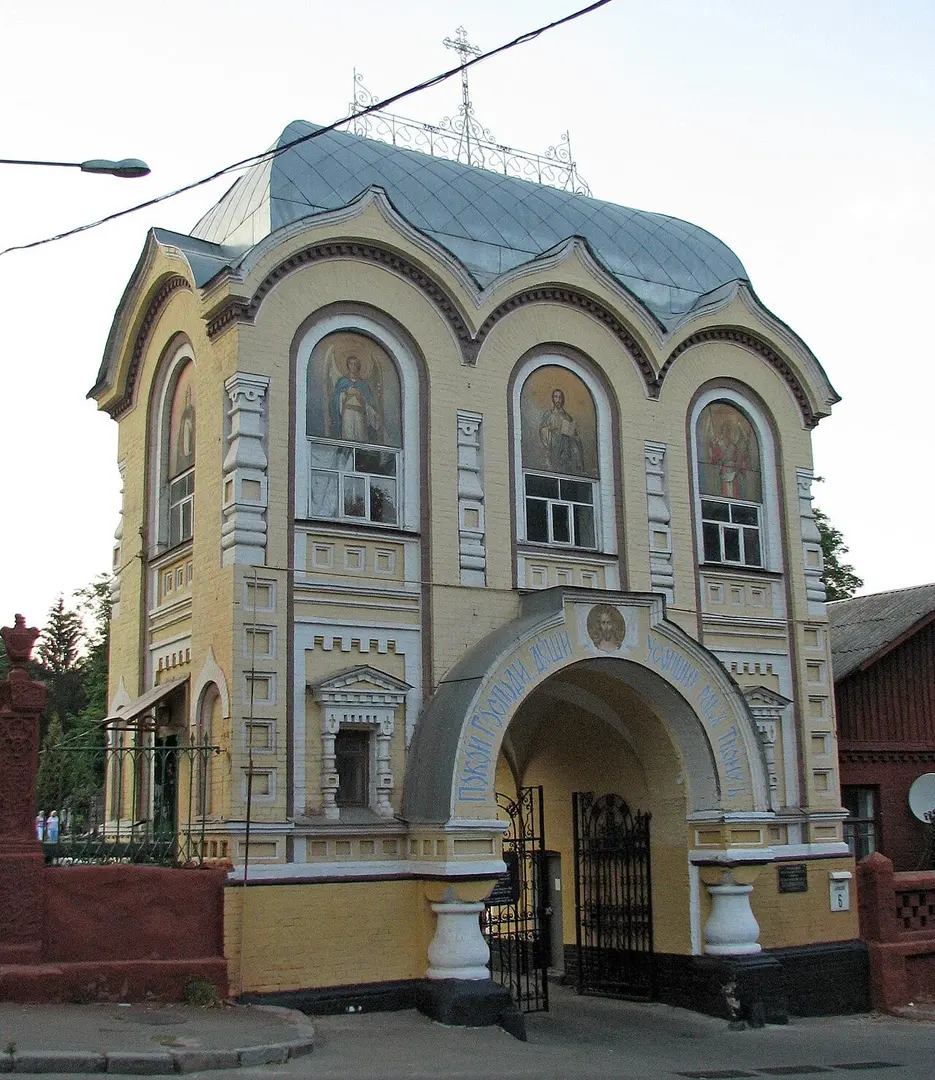
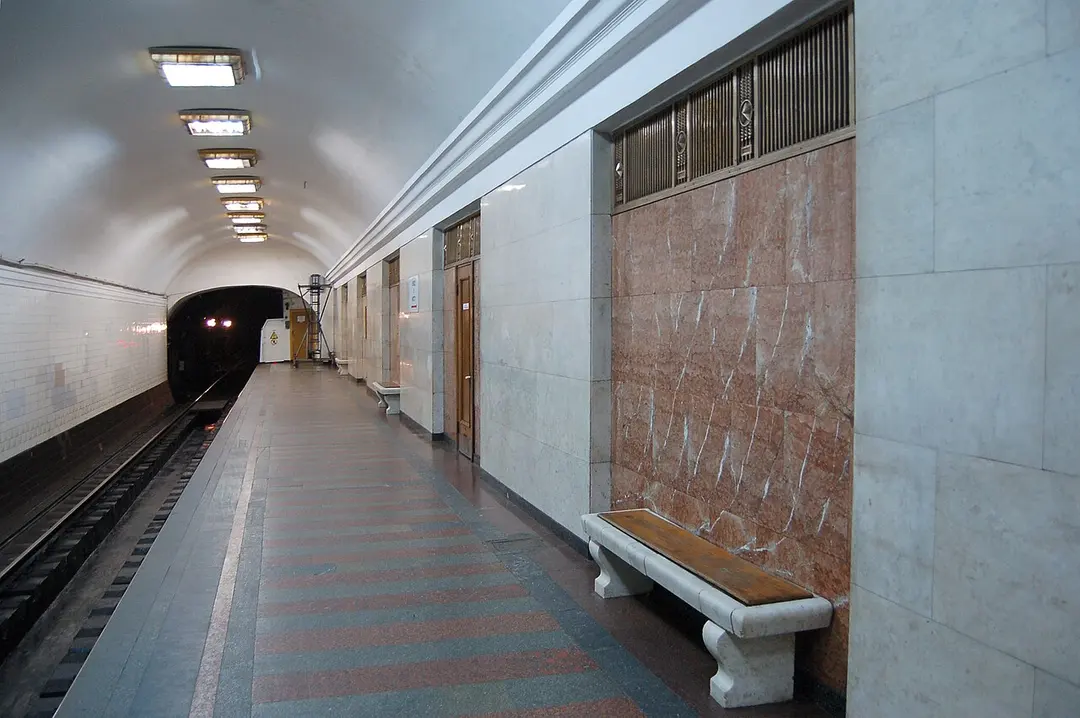
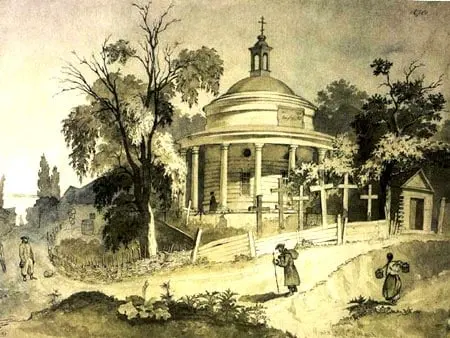
    Askold's Grave is a historic park in Kyiv's Pechersk district and a national cultural monument of Ukraine. According to the Nestor Chronicle, this is the burial site of Varangian princes Askold and Dir, killed by Prince Oleg in 882. A 19th-century rotunda chapel stands over the presumed grave. The park on the bluff above the Dnipro offers a picturesque river view.

  • A.V. Fomin Botanical Garden

    A.V. Fomin Botanical Garden

    Kyiv

    naturelocal gemsknowledge

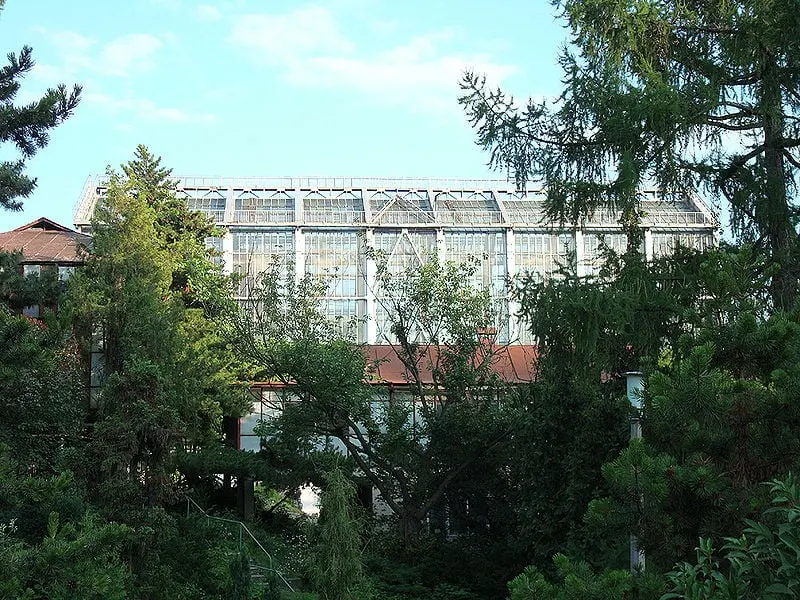
    The A. V. Fomin Botanical Garden in Kyiv, often called the Old Botanical Garden, is one of Ukraine's oldest scientific garden institutions. Founded in 1839 as part of the biology faculty of the then Vladimir University, it was later named after its long-serving director Alexander Fomin. Across 22.7 hectares grow thousands of plant species from every climatic zone on earth, from Mediterranean herbs to Siberian conifers. The garden is a beloved green retreat for Kyiv residents amid the metropolis, especially in spring when cherry trees bloom. Since the Russian war of aggression, it has also become a quiet symbol of the preservation of nature and culture.

  • Babi Yar monument

    Babi Yar monument

    Kyiv

    culture

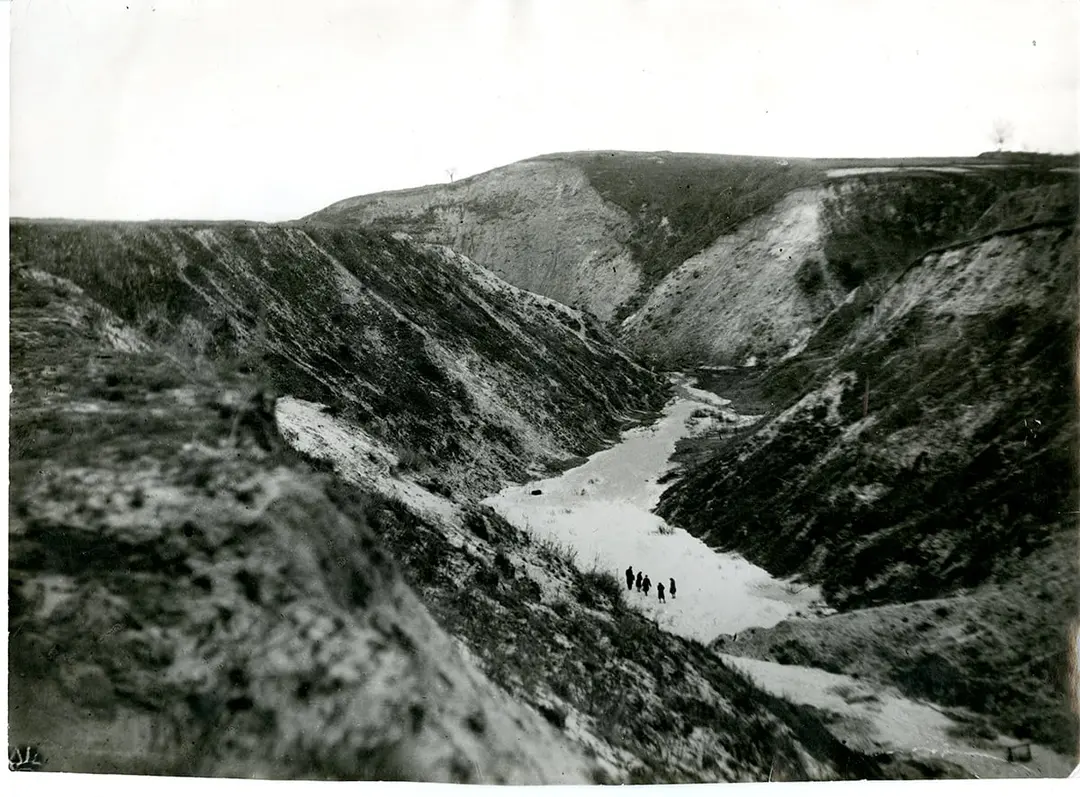
    The Babi Yar monument commemorates one of the largest single massacres of the Holocaust. On 29 and 30 September 1941, SS Einsatzgruppen and German police units murdered 33,771 Jewish men, women and children in the ravine of Babyn Jar on the outskirts of Kyiv. The site has a complex memorial history: during the Soviet era, the killings were long suppressed or framed only as a general war crime. It was not until after Ukrainian independence that proper memorials were established. Babyn Yar stands today as one of the most sobering Holocaust memorial sites in Eastern Europe — a place of silence, grief and the imperative of memory.

  • Baikove Cemetery

    Baikove Cemetery

    Kyiv

    architectureculture

    Founded in 1833, Baikove Cemetery is one of the oldest and most significant burial grounds in Ukraine. Its tree-lined paths hold the graves of poets, scientists, politicians and figures central to Ukrainian national identity, making a walk through the grounds a quiet tour of the country's cultural memory. The funerary sculpture is particularly notable: elaborate monuments commissioned from accomplished 19th and early 20th-century artists stand alongside simpler, more recent graves. Open to visitors, the cemetery draws both those tracing specific lives and those seeking a contemplative space away from the city's noise.

  • BRDM-2

    BRDM-2

    Kyiv

    culture

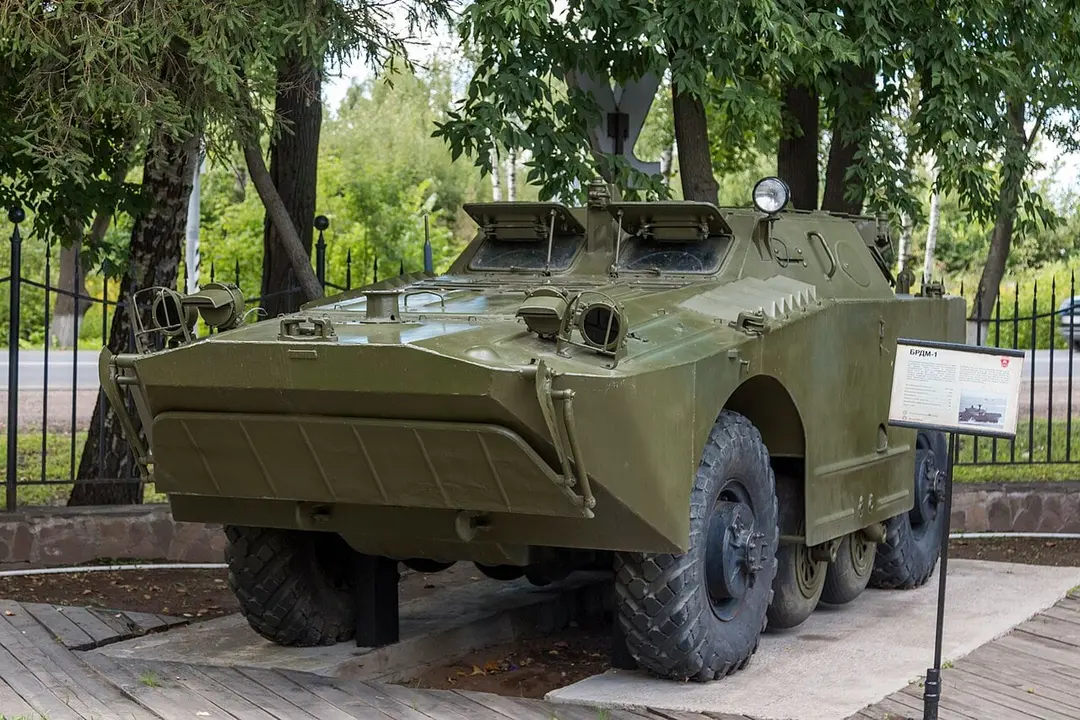
    The BRDM-2 is a fully amphibious Soviet armored scout car from the Cold War era. It replaced the BRDM-1 in the 1960s and was produced in large numbers. As an outdoor exhibit in Kyiv, it represents an important piece of Soviet military history. The vehicle features four-wheel drive, an armored hull, and was designed for reconnaissance and security duties. In the Ukrainian context it carries particular historical resonance at the intersection of Soviet heritage and national identity.

  • Brodsky Synagogue

    Brodsky Synagogue

    Kyiv

    architectureculture

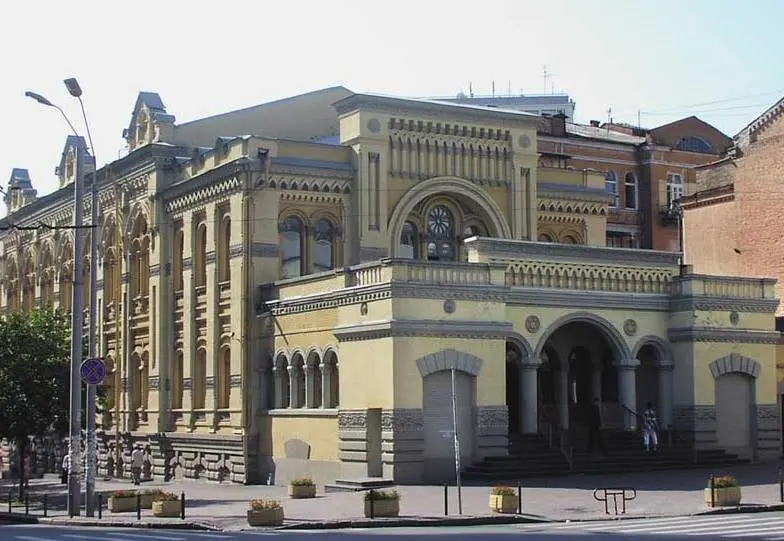
    The Brodsky Synagogue — also known as the Choral Synagogue — is one of Kyiv's oldest and most significant Jewish places of worship. Built in 1898 at the initiative of Lazar Brodsky, a prominent Jewish-Ukrainian sugar magnate, it features a striking Moorish-Romantic design: horseshoe arches, oriental ornament, and a grand dome. The 20th century brought severe disruption: Soviet authorities repurposed the building as a puppet theatre, and the Jewish community of Kyiv was devastated by the Holocaust and subsequent emigration. Reconsecrated as a synagogue in 2000, it serves once again as a spiritual home for Kyiv's Jewish community — and stands as a testament to the city's rich and turbulent Jewish history.

  • Golden Gate

    Golden Gate

    Kyiv

    architecture

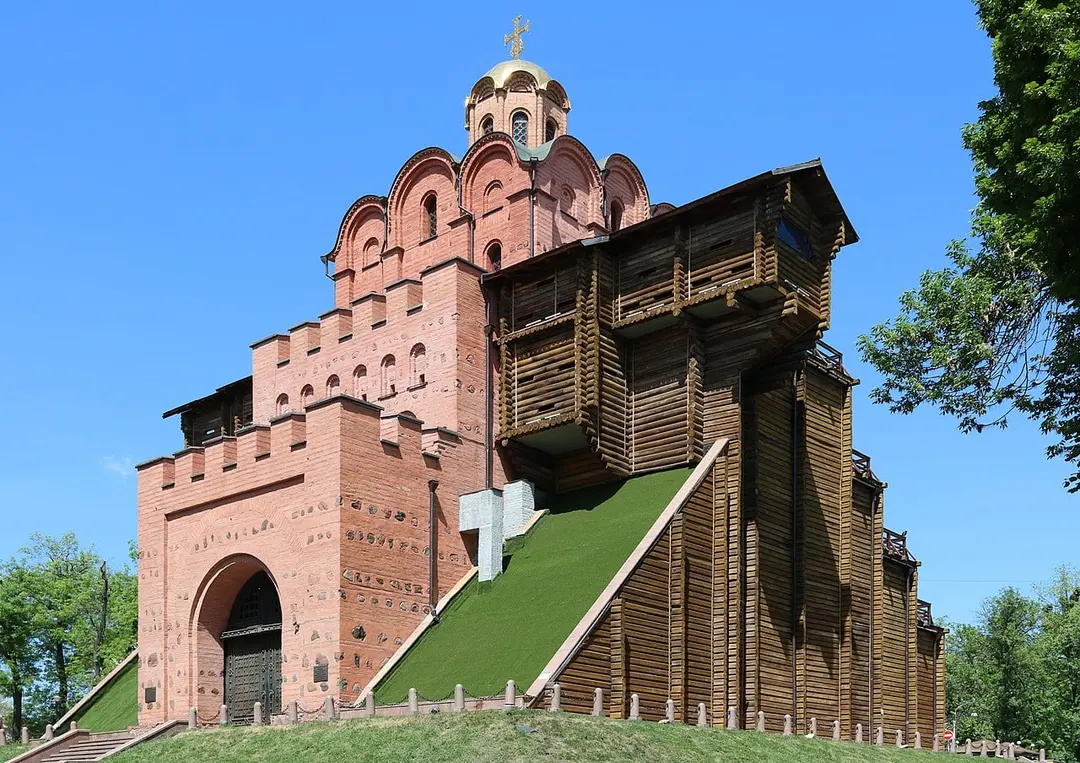
    The Golden Gate is one of the most significant medieval monuments in Ukraine, representing the golden age of Kievan Rus. Built around 1018 under Prince Yaroslav the Wise as the main entrance to Kyiv's upper city, it was named after the Golden Gate of Constantinople. The imposing fortified gateway was designed both to provide military protection and to demonstrate the power and prosperity of the Kievan realm. Over the centuries the structure fell into ruin before an extensive reconstruction was completed in 1982, incorporating surviving medieval remains. Today the gate houses a museum of Kievan Rus history and is one of the city's most visited historical monuments.

  • Halytska Square, Kyiv

    Halytska Square, Kyiv

    Kyiv

    local gems

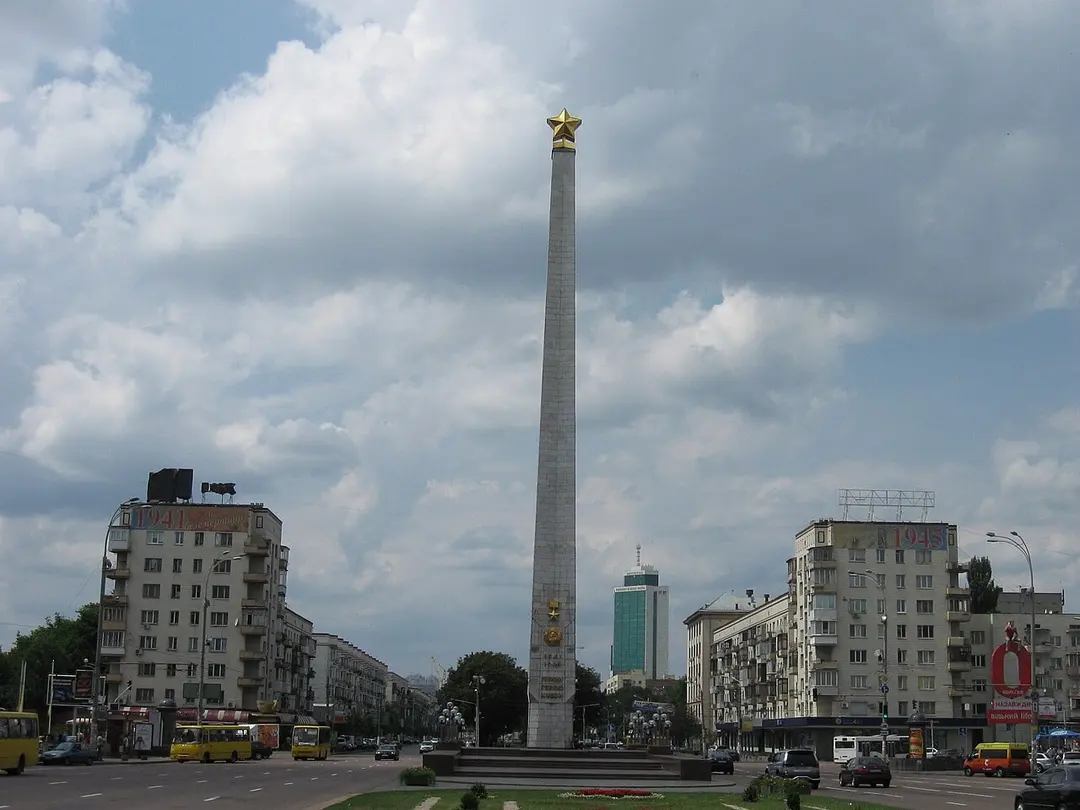
    Halytska Square (Halytska Ploscha) is a city square in the Ukrainian capital Kyiv. Until 2023 it was known as Victory Square (Peremohy Square) — the renaming took place as part of Ukraine's ongoing decommunisation and deoccupation process, which accelerated sharply following Russia's full-scale invasion in 2022. The new name references the historic region of Halychyna (Galicia), which covers much of western Ukraine and is deeply embedded in Ukrainian national identity. The square thus reflects Kyiv's broader cultural and political reorientation since 2022, as the city actively reclaims its own distinct identity.

  • IL-62

    IL-62

    Kyiv

    cultureknowledge

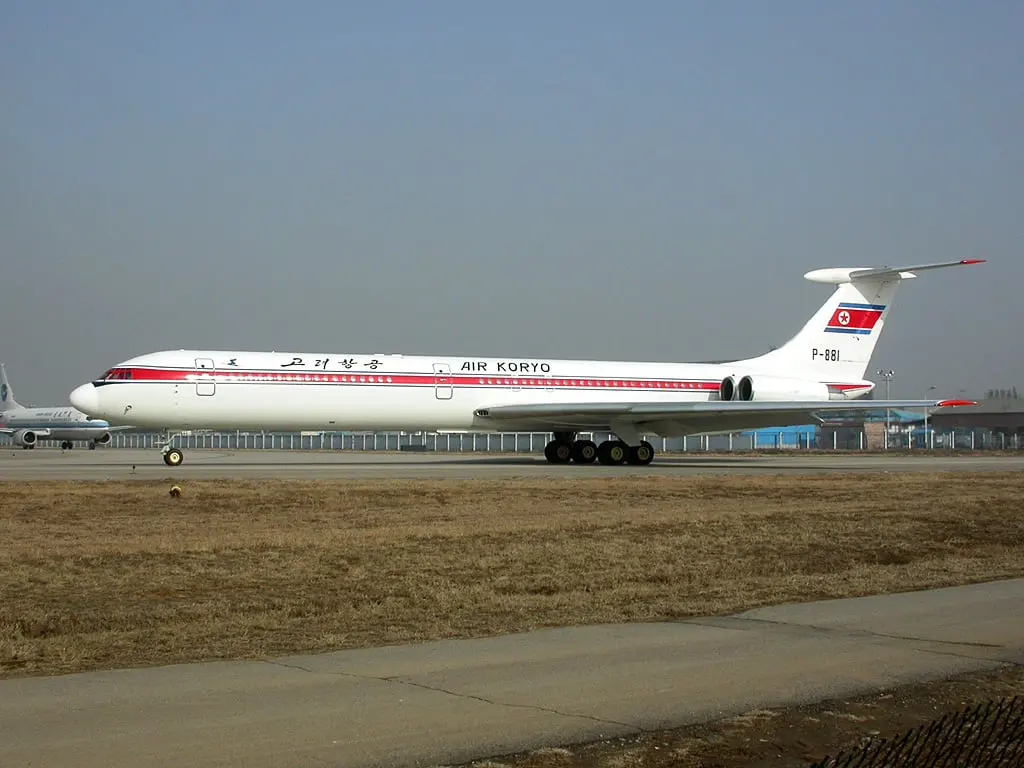
    The Ilyushin Il-62 was the Soviet Union's first long-range jet airliner and the world's largest jet aircraft when it first flew in 1963. A successor to the turboprop Tu-114, it entered Aeroflot service in 1967, connecting the USSR to intercontinental destinations. Production continued at the Kazan plant until 1999 — 292 total built. The Kyiv exhibit represents Soviet civil aviation's ambition to compete with Western designs like the Boeing 707.

  • Ivan Honchar Museum

    Ivan Honchar Museum

    Kyiv

    culture

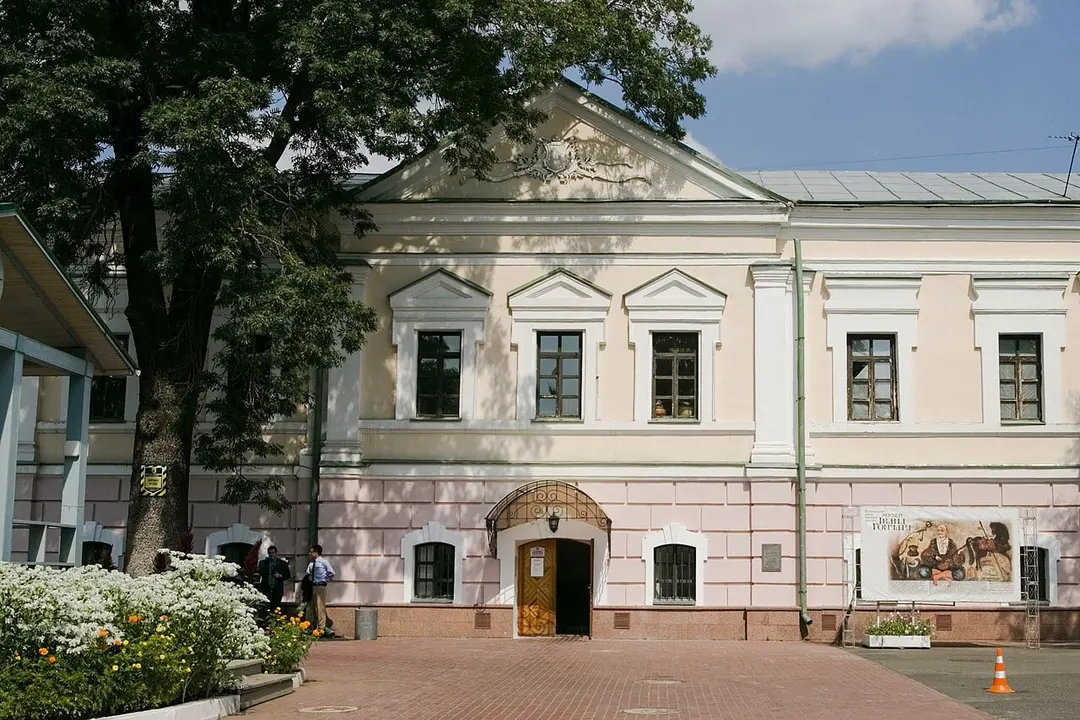
    The Ivan Honchar Museum in Kyiv is a museum and research centre dedicated to Ukrainian folk culture, founded in 1993 by ceramicist and cultural activist Ivan Honchar, who opened his private collection of traditional Ukrainian objects to the public. The holdings include folk costumes, embroidery, ceramics, icons, and other evidence of Ukrainian folk life. The museum actively pursues research and educational programs, seeing itself as a guardian of cultural heritage. In the context of the ongoing war, it has taken on heightened symbolic importance as a place of Ukrainian identity preservation.

  • Kiev TV Tower

    Kiev TV Tower

    Kyiv

    architecturegreat views

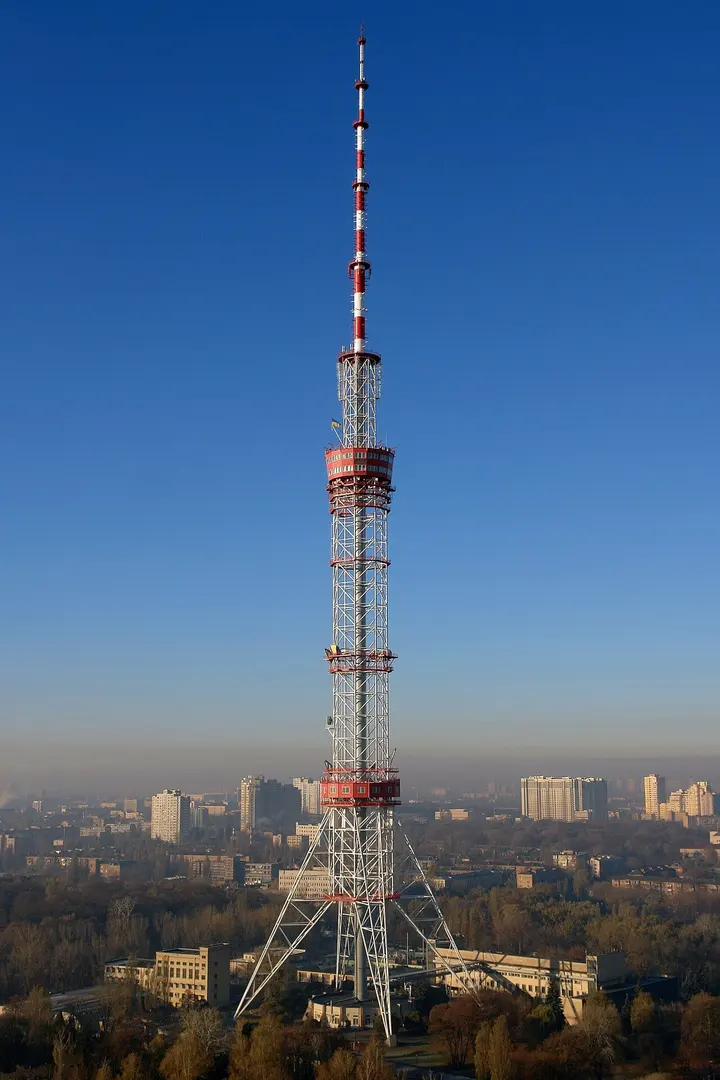
    The Kyiv TV Tower soars 385 meters above the Ukrainian capital and is the world's tallest free-standing steel lattice tower — a record it has held since its completion in 1973. The delicate steel lattice construction is a masterpiece of Soviet engineering: despite its slender appearance, the tower is designed to withstand winds of up to 37 m/s and earthquakes. It serves as a broadcasting station for FM radio and television. The tower is located in the Syrets district in northwestern Kyiv and is clearly visible from far away. Although it has no public observation deck, it is a remarkable landmark of city skyline and engineering heritage.

  • Kyiv Arsenal

    Kyiv Arsenal

    Kyiv

    knowledge

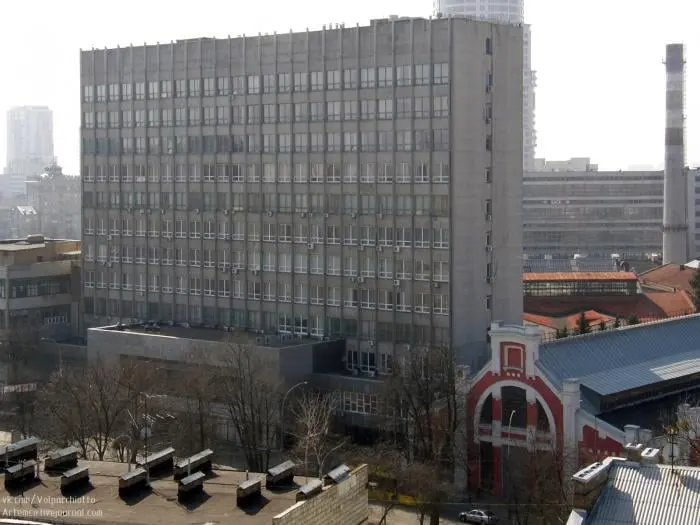
    The Kyiv Arsenal is one of Ukraine's oldest factories, founded in 1764 as a Tsarist armaments plant. Historically significant for the Arsenal Uprising of January 1918, when Arsenal workers launched a Bolshevik insurrection that was suppressed by Ukrainian nationalist forces after three days of street fighting. Legendary sniper Lyudmila Pavlichenko worked here before World War II. Today the historic factory complex serves as a cultural centre.

  • Kyiv History Museum

    Kyiv History Museum

    Kyiv

    cultureknowledge

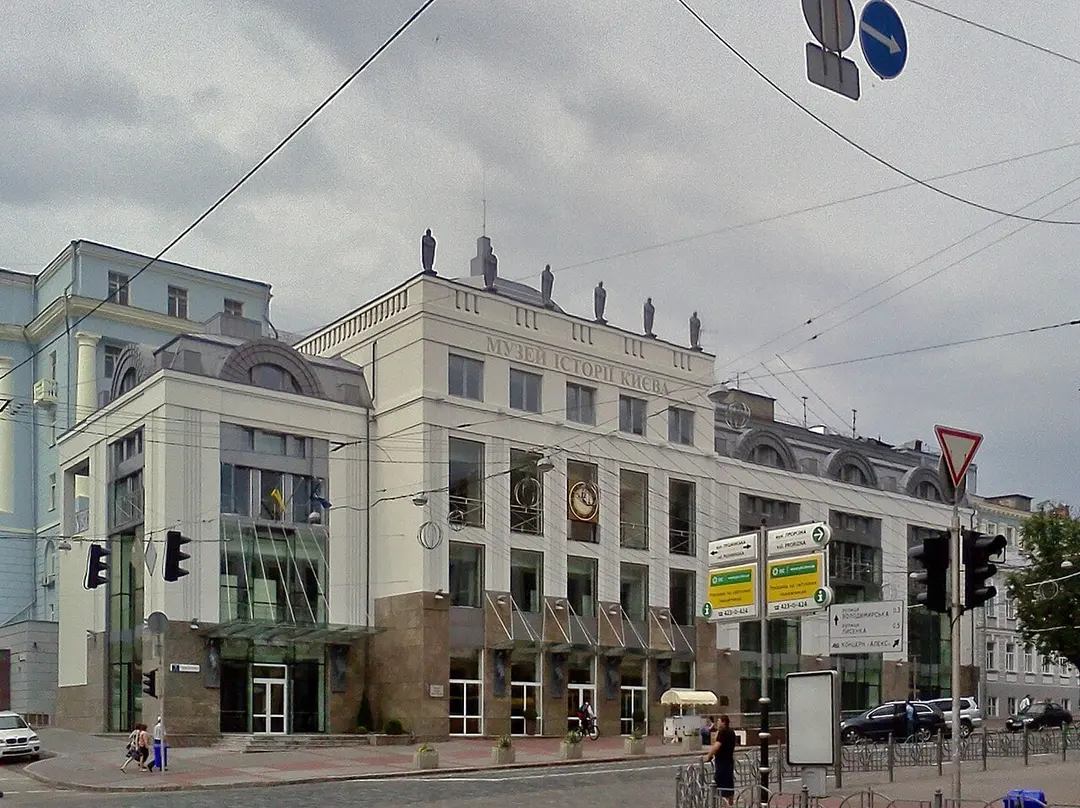
    The Kyiv History Museum is dedicated to the story of one of Eastern Europe's oldest cities. The collection spans from the Kyivan Rus and the Mongol period through the Cossack era, Tsarist rule, the Soviet period, and into the present. The museum's particular strength lies in archaeological finds and everyday objects that bring life in the city across centuries into tangible focus. For visitors wanting to understand Kyiv beyond its monuments and landmarks, the museum provides essential historical context — including for the events that have shaped Ukraine since 2022.

  • Kyiv Zoo

    Kyiv Zoo

    Kyiv

    culturenature

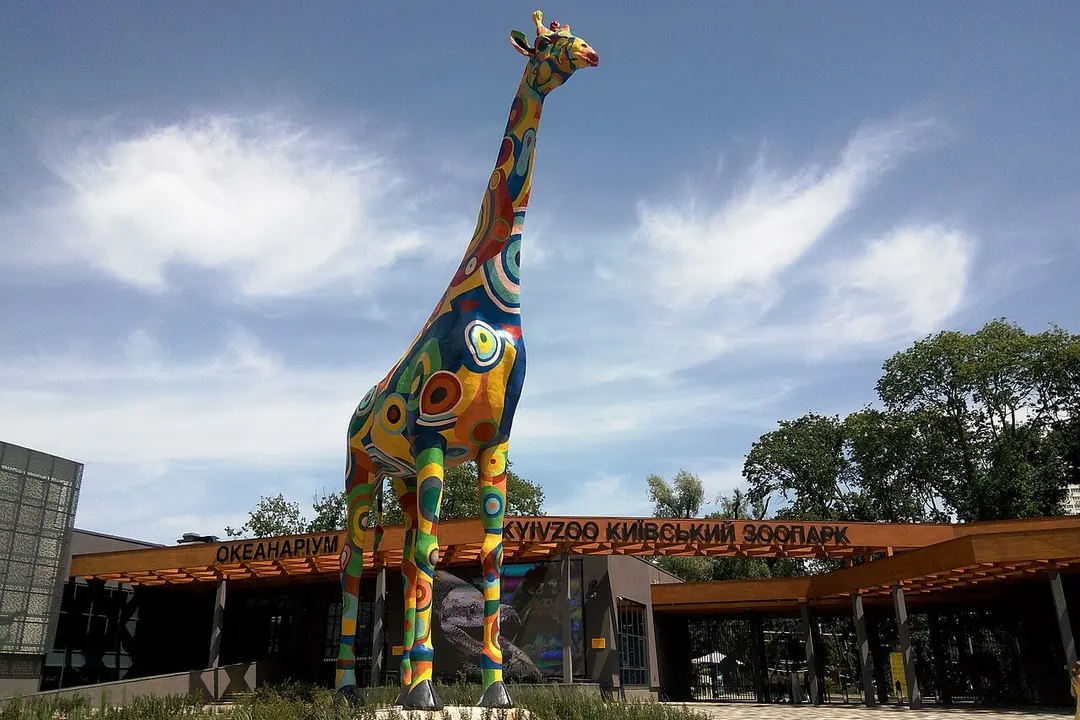
    The Kyiv Zoo is the only national zoological garden in Ukraine's capital, founded in 1909 during the Tsarist era. Spread across about 40 hectares, it is home to approximately 2,500 animals from over 270 species, including rare big cats, elephants and endangered native species of the Eastern European steppe. The spacious grounds are a favourite family destination, offering botanical plantings alongside animal enclosures. Even during the ongoing Russian war against Ukraine, the zoo has largely maintained its operations.

  • Let L-410 Turbolet

    Let L-410 Turbolet

    Kyiv

    cultureknowledge

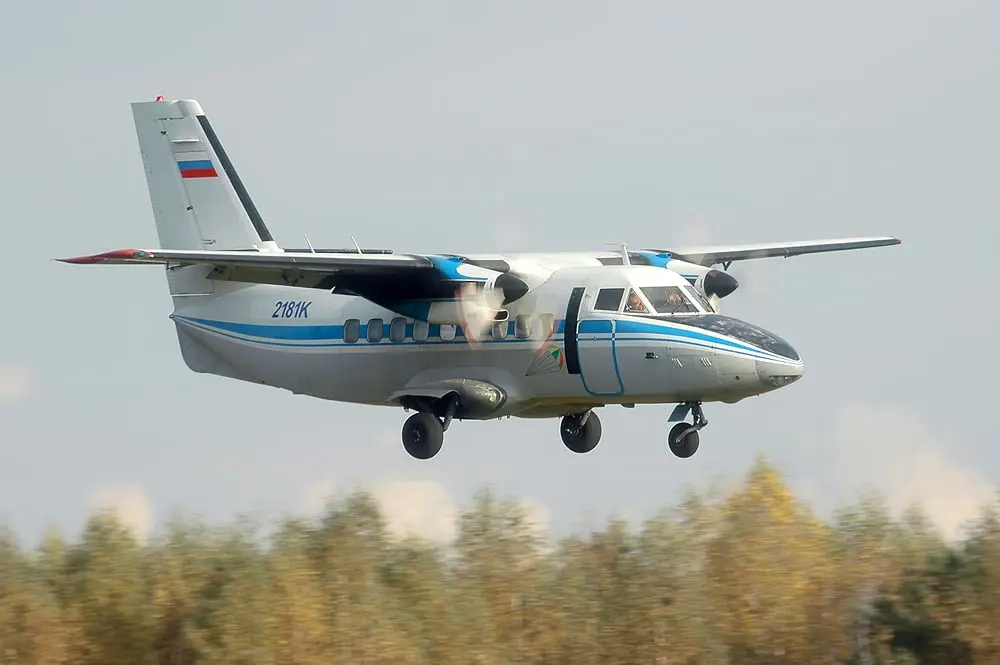
    The Let L-410 Turbolet is a Czechoslovak twin-turboprop short-haul transport from the 1970s, widely used across the Soviet Union and developing world. Designed for short unpaved runways, it served regional routes inaccessible to larger aircraft. The Kyiv exhibit represents Comecon-era aviation pragmatism: utility over elegance.

  • Mariinskyi Palace

    Mariinskyi Palace

    Kyiv

    architectureculturegreat views

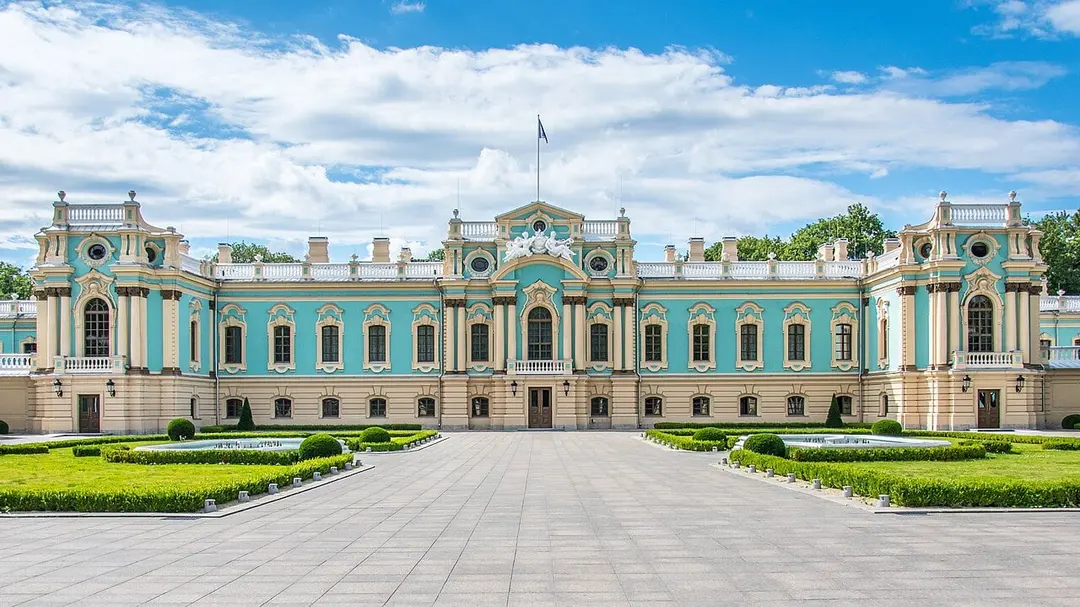
    The Mariinskyi Palace stands on the steep right bank of the Dnipro River in Kyiv, one of the finest examples of Elizabethan Baroque architecture in Ukraine. Built in 1752 under Empress Elizabeth, it served as an imperial summer residence before falling into disuse and later being restored. Today it functions as the official ceremonial residence of the President of Ukraine and is a protected architectural monument. The palace's vivid blue facade with white stucco ornaments is the work of architect Bartolomeo Rastrelli — the same architect behind the Winter Palace in Saint Petersburg. Its location directly beside the Verkhovna Rada, Ukraine's parliament, gives the site unusual political and symbolic weight.

  • Monument to Bohdan Khmelnytsky in Kyiv

    Monument to Bohdan Khmelnytsky in Kyiv

    Kyiv

    architecturelocal gems

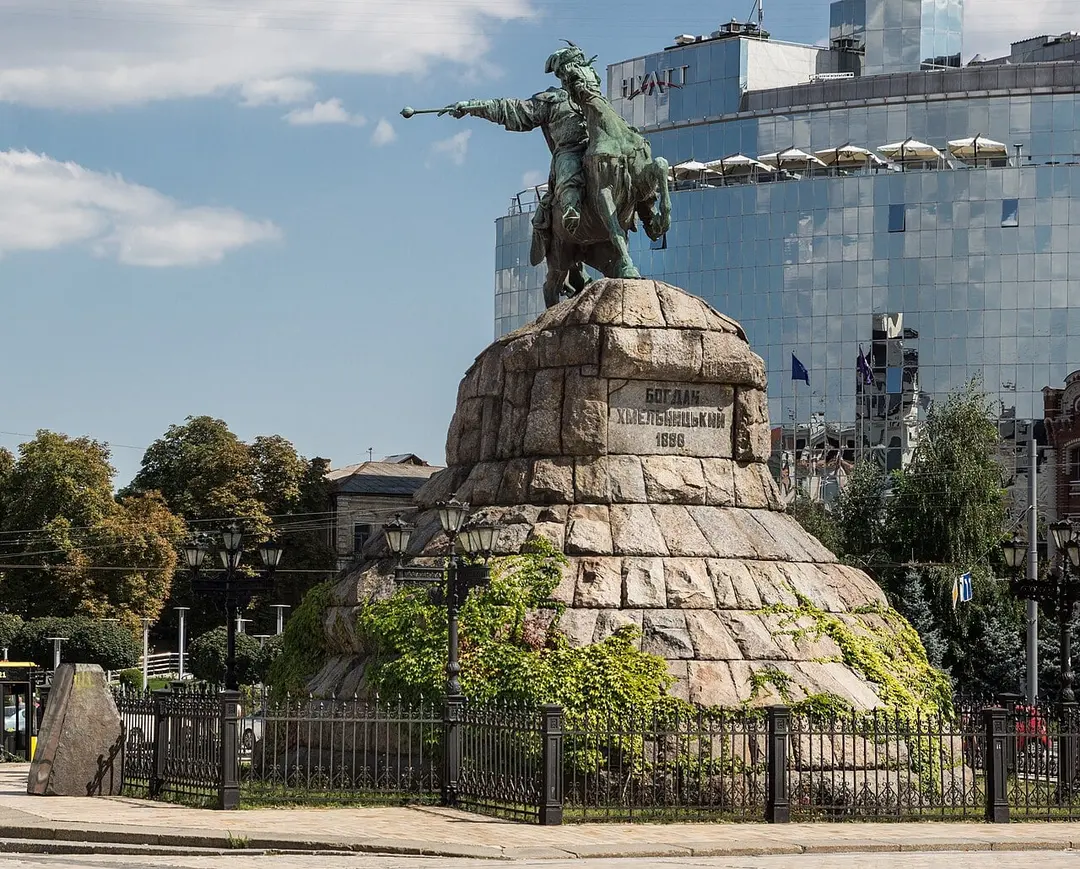
    The Bohdan Khmelnytsky Monument on Sofiyivska Square in Kyiv is one of the most iconic landmarks of the Ukrainian capital. Unveiled in 1888, the equestrian statue depicts the Cossack Hetman Bohdan Khmelnytsky, who in the 17th century led the uprising against Polish noble rule and founded the Zaporizhian Hetmanate. With his mace raised, he appears to point into the distance — historically interpreted as a gesture toward Russia, but today read as a symbol of Ukrainian strength and independence. The monument stands close to Saint Sophia's Cathedral and is a key point of interest for locals and visitors alike.

  • Monument to the Founders of Kyiv

    Monument to the Founders of Kyiv

    Kyiv

    culturenature

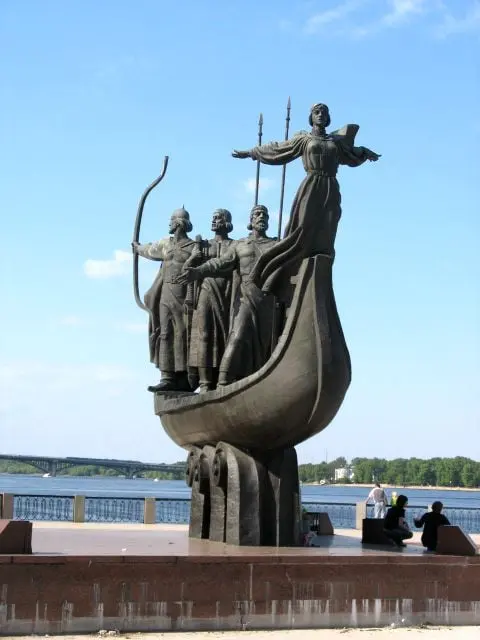
    The Monument to the Founders of Kyiv stands on the banks of the Dnipro and is one of the most distinctive landmarks of the Ukrainian capital. Unveiled on May 22, 1982, to mark Kyiv's 1500th anniversary, the bronze sculpture group depicts the city's legendary founders: brothers Kyi, Shchek, and Khoryv, and their sister Lybid, shown on a boat. Created during the Soviet era as a national symbol, the monument has taken on profound new significance since Russia's full-scale invasion in 2022 — it now stands as a symbol of Kyiv's resolve to preserve its identity and independence.

  • Monument to the Magdeburg Rights

    Monument to the Magdeburg Rights

    Kyiv

    architecturelocal gemsknowledge

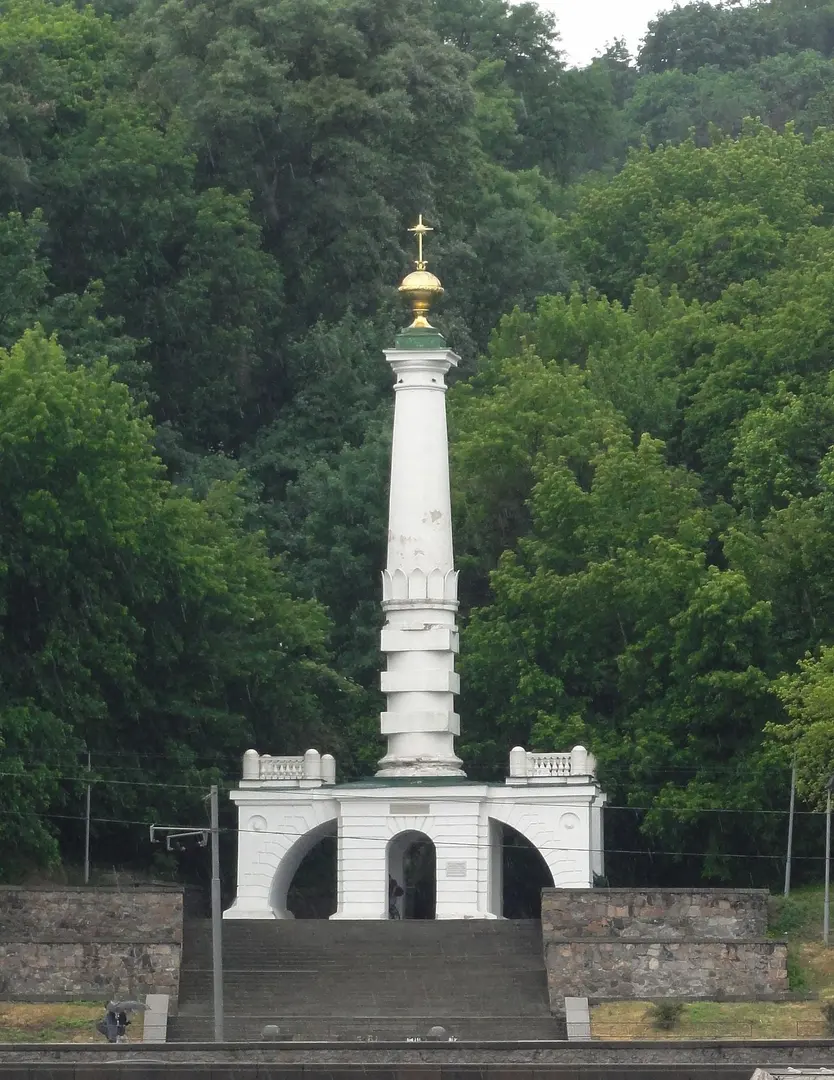
    The Monument to the Magdeburg Rights on the Kyiv bank of the Dnipro is considered the oldest surviving monument in the Ukrainian capital. The neoclassical white stone column was erected in 1802 to commemorate the city charter that Kyiv received in the 15th century, based on the Magdeburg Law — one of the most important documents of medieval self-governance in Eastern Europe. The monument stands in the Podil district directly on the riverbank, connecting the memory of Kyivan Rus, the city's Christian heritage and the history of civic freedoms. The location also offers a pleasant view of the river.

  • Motherland Monument

    Motherland Monument

    Kyiv

    architecturegreat views

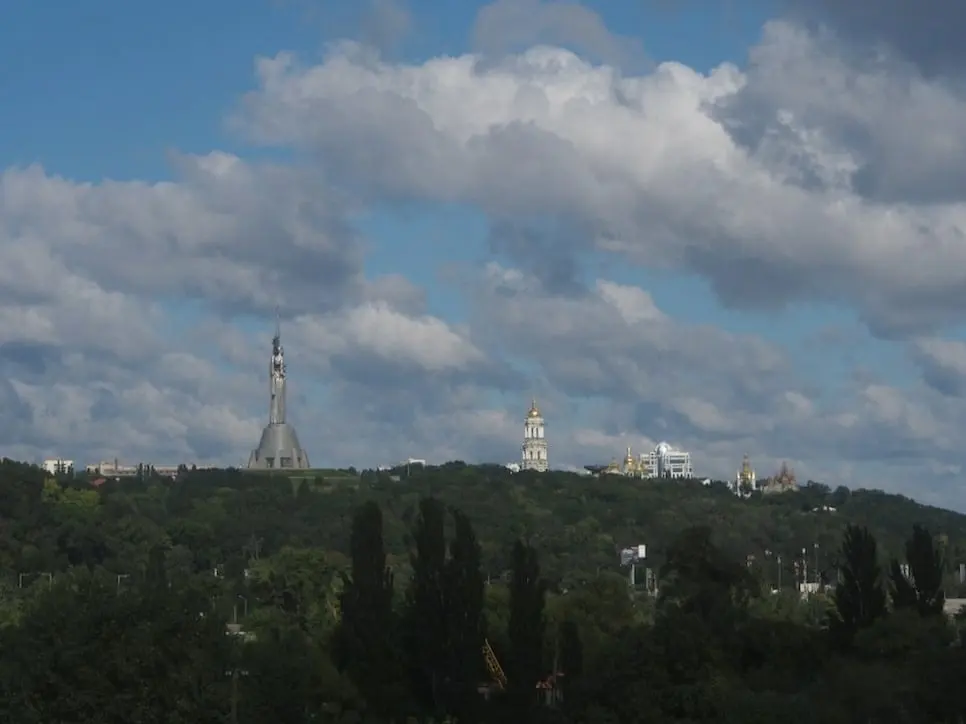
    The Motherland Monument — known in Ukrainian as Rodina-Mat — stands 102 metres tall and is the highest statue in Europe. Erected in 1981 as the centrepiece of the National Museum of the History of Ukraine in the Second World War, the stainless steel colossus depicts a woman raising a sword and shield. Conceived as a Soviet symbol of victory over Nazi Germany, it underwent a symbolic transformation in 2023 amid the Russo-Ukrainian War: the Soviet coat of arms on the shield was replaced with Ukraine's national emblem, the tryzub. Set on a museum hill above the Dnipro River, it is visible from much of Kyiv.

  • Museum of money the National Bank of Ukraine

    Museum of money the National Bank of Ukraine

    Kyiv

    cultureknowledge

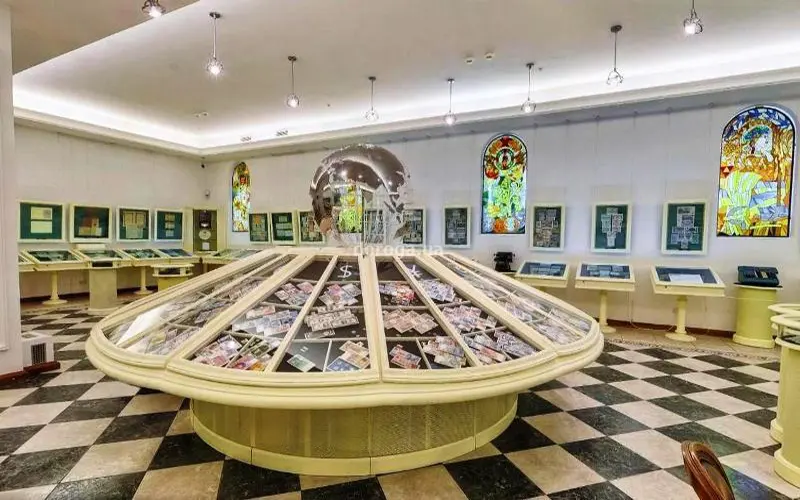
    The Museum of Money of the National Bank of Ukraine is housed in the bank's historic building in Kyiv and opened in 2004. It traces the history of money and payment on the territory of modern Ukraine — from ancient coins and medieval means of exchange to contemporary banknotes and commemorative mintings. The collection includes rare numismatic pieces, banknotes, and documents that reflect the country's economic development. For visitors it offers an engaging look behind the scenes of banking and the deeper significance of money as an object, a symbol, and a tool of power.

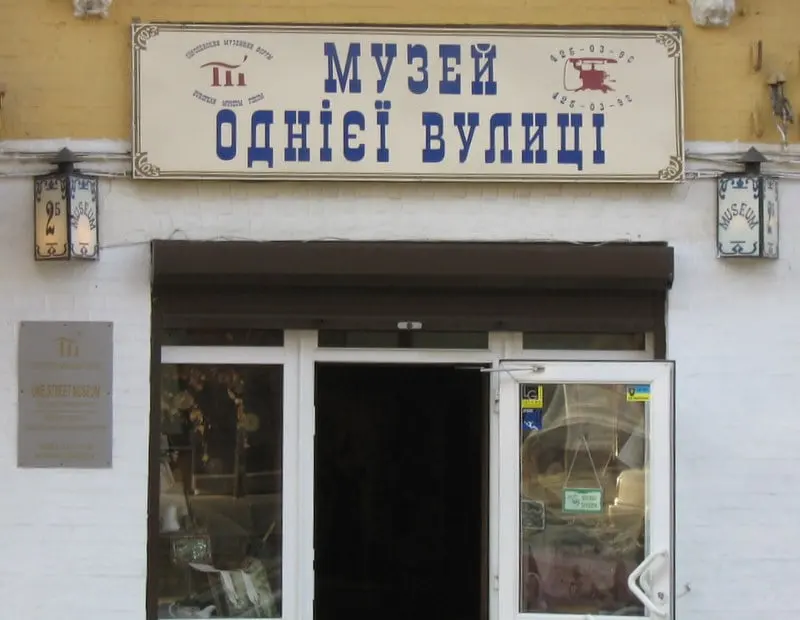
  • One Street Museum

    One Street Museum

    Kyiv

    local gemsknowledge

    Tucked into the historic Podil neighbourhood — one of Kyiv's oldest and most characterful districts — the One Street Museum is dedicated entirely to the life of a single street and its residents across the 19th and 20th centuries. Founded in 1991, it presents everyday objects, archival photographs and personal documents that together paint an intimate portrait of urban life in old Kyiv. The deliberately modest, personal approach sets it apart from grander city museums: this is the history of ordinary people in one block, not of empires or rulers. A quiet counterpoint to Podil's busier tourist trail.

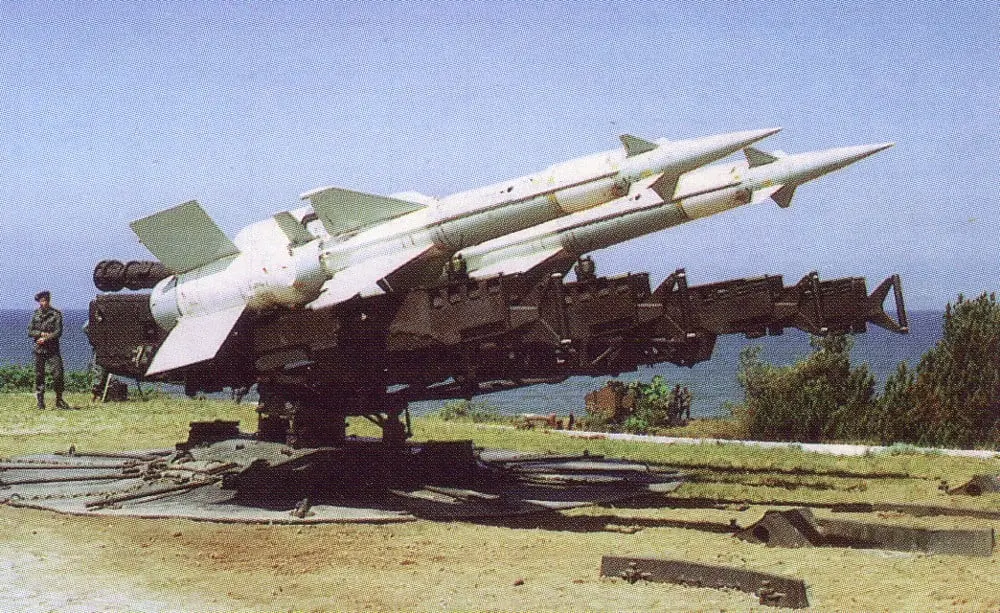
  • S-125 Neva Missile System

    S-125 Neva Missile System

    Kyiv

    cultureknowledge

    The S-125 Neva is a Soviet radar-guided surface-to-air missile system that entered service with Warsaw Pact forces in 1961. Optimized for low-flying and highly maneuverable targets, it offered significantly better ECM resistance than its predecessors. The Kyiv exhibit represents Cold War arms buildup — a weapons system exported to dozens of countries that remained operational for decades.

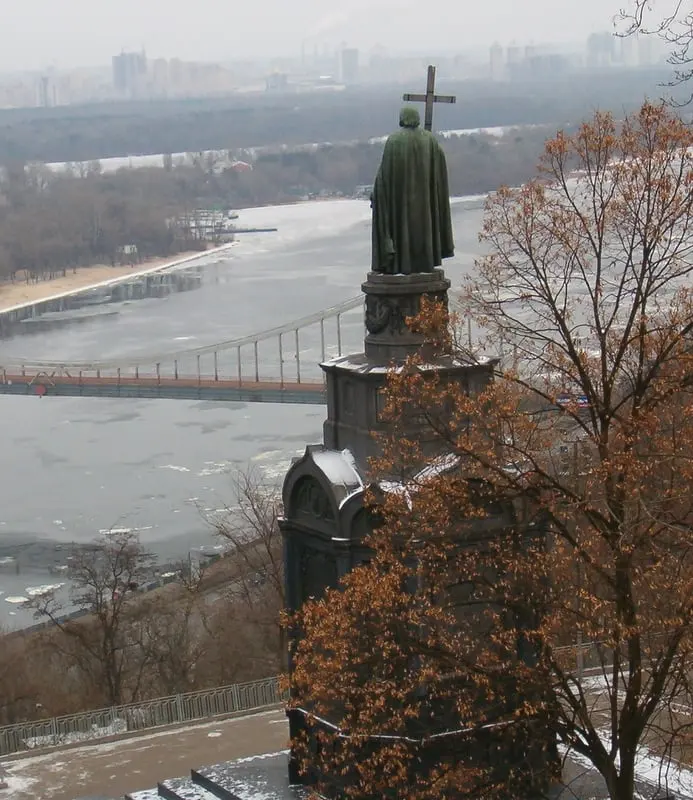
  • Saint Vladimir Monument

    Saint Vladimir Monument

    Kyiv

    culturenaturegreat views

    Perched on a bluff above the Dnipro River, the bronze figure of Prince Vladimir the Great has watched over Kyiv since the 19th century, making it the city's oldest surviving sculptural monument. Vladimir, who in 988 converted the Kievan Rus to Christianity, stands with an upraised cross that remains visible across much of the city. The pedestal and surrounding terrace offer sweeping views of the river and the left bank districts. Locals gather here at dusk, and the illuminated monument becomes a quiet landmark of Kyiv nights.

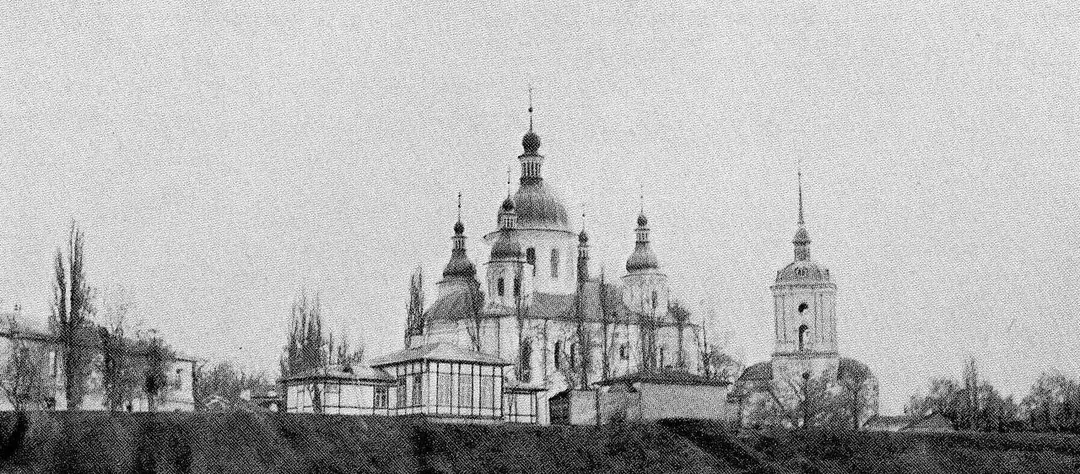
  • St. Cyril's Church Kyiv

    St. Cyril's Church Kyiv

    Kyiv

    architectureculture

    St. Cyril's Church is a medieval monastery in the northwestern part of Kyiv's historic centre, representing one of the finest surviving examples of 12th-century Kievan Rus architecture. The church combines its original Romanesque-Byzantine interior structure with a Ukrainian Baroque exterior added in later centuries. Notably preserved are 12th-century frescoes alongside 19th-century additions by Mikhail Vrubel, one of the most celebrated Symbolist artists of Eastern Europe. The complex is a protected heritage site and part of the UNESCO World Heritage Sites of Kyiv.

  • SU-100 Tank Destroyer

    SU-100 Tank Destroyer

    Kyiv

    cultureknowledge

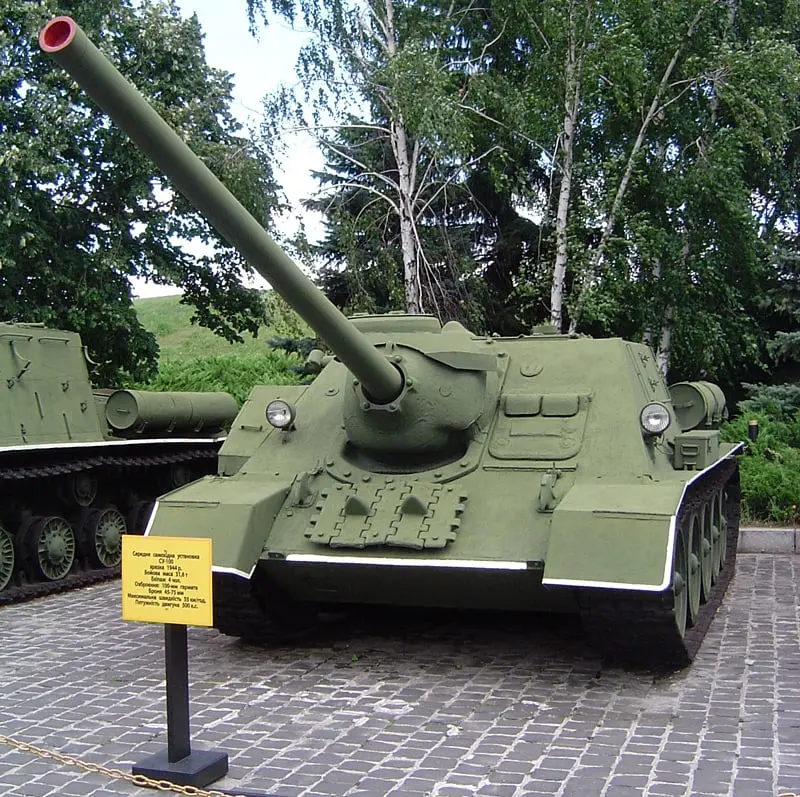
    The SU-100 is a Soviet tank destroyer from World War II, displayed as a static outdoor exhibit in Kyiv. Armed with a 100mm anti-tank gun, it was among the most powerful Soviet armoured fighting vehicles of the war's final phase, entering service in January 1945. An evolution of the earlier SU-85, it could reliably engage the heaviest German armour of the period.

  • T-64 Main Battle Tank

    T-64 Main Battle Tank

    Kyiv

    architecturecultureknowledge

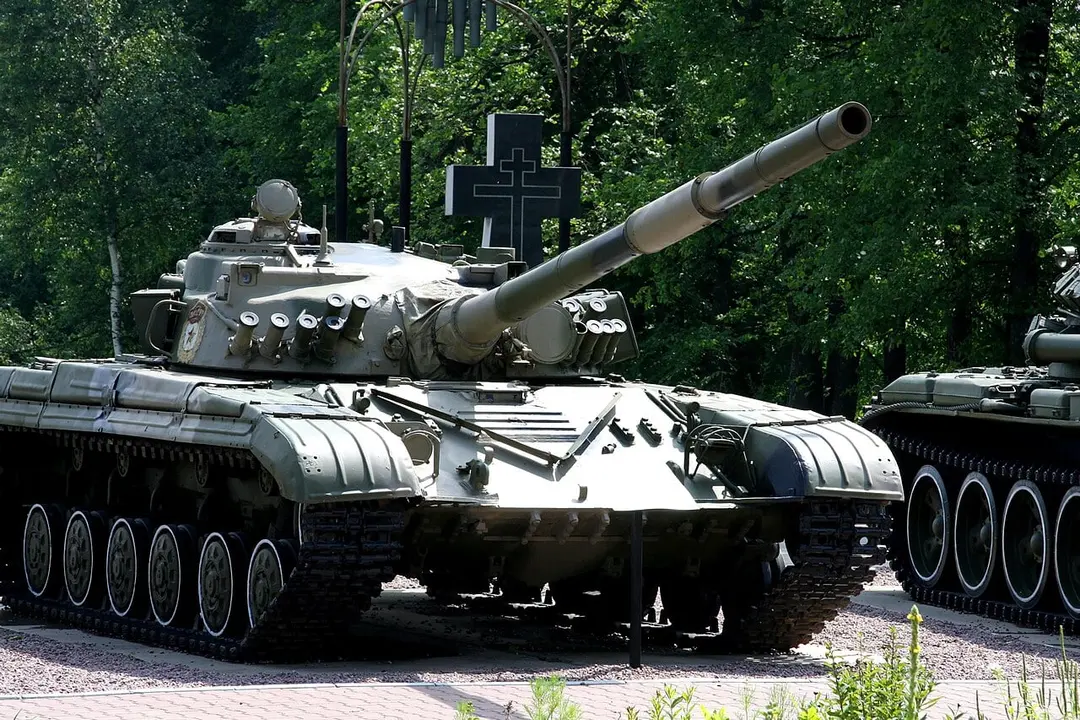
    The T-64 was a quantum leap in Soviet tank design: the first vehicle to combine composite armour, a compact engine, an autoloader, and a 125mm smoothbore gun — all in a 38-tonne package. Developed in Kharkiv by Alexander Morozov, it was significantly more advanced than the concurrent T-62 and T-72. Unlike those tanks, the T-64 was never exported and served exclusively in Soviet tank divisions.

  • Yakovlev Yak-52

    Yakovlev Yak-52

    Kyiv

    cultureoutdoor activitiesknowledge

    The Yakovlev Yak-52 is a Soviet primary aerobatic trainer from the 1970s, used in the DOSAAF pre-military training organization. Manufactured in Romania from 1977 under Comecon licensing, it became the standard Eastern Bloc trainer. Its aerobatic credentials remain strong enough to have its own FAI World Aerobatic Championship class.

Keep exploring

These places are just the beginning.

Rate places with a swipe — TravelType learns from your tags what you love and curates your own map. Private until you choose to share.

Create your profile