Google · Florencia Chueke
Haidhausen French Quarter
Munich
architecturenaturehistory+5
Neighborhood named after French cities (Pariser, Bordeauxplatz), brick tenements and a big weekly market — creative Munich.
shopping
Munich's shopping scene spans a broad range of neighbourhoods and streets. The Haidhausen French Quarter draws visitors with its independent boutiques and relaxed atmosphere, while Donnersbergerstraße, Fürstenrieder Straße and Freihamer Allee offer everyday retail along well-connected routes. Gabelsbergerstraße sits close to cultural landmarks such as the Alte Pinakothek and Pinakothek der Moderne, making it easy to combine a browse with a gallery visit. The Auer Dult, a long-established flea and goods market, adds a traditional dimension, and the areas around the Bavarian National Museum, Lenbachhaus and Munich City Museum each have their own distinct retail character.
12 places · Munich, Germany · Editorially curated
Munich
Neighborhood named after French cities (Pariser, Bordeauxplatz), brick tenements and a big weekly market — creative Munich.
Munich
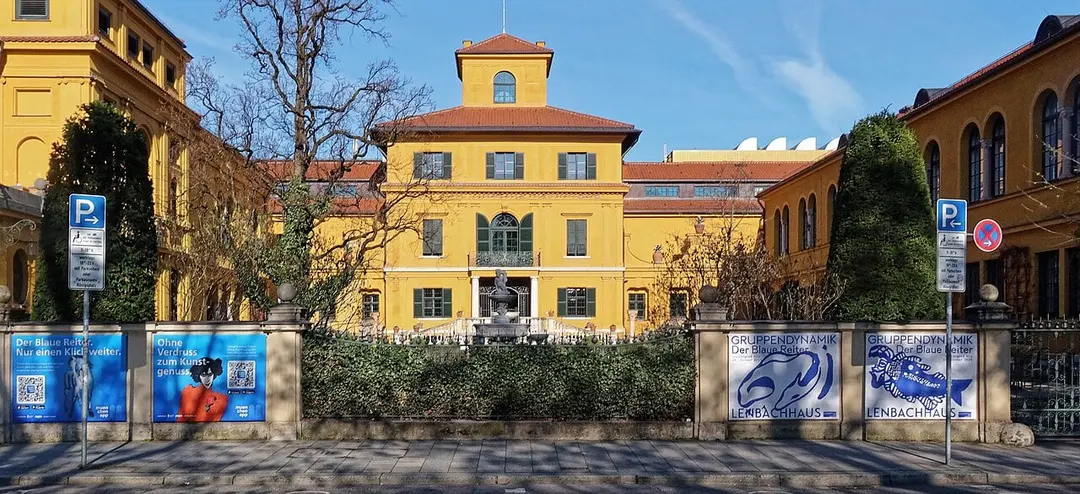
Franz von Lenbach's former villa houses the world's largest Blaue Reiter collection — Kandinsky, Marc, Münter.
Munich
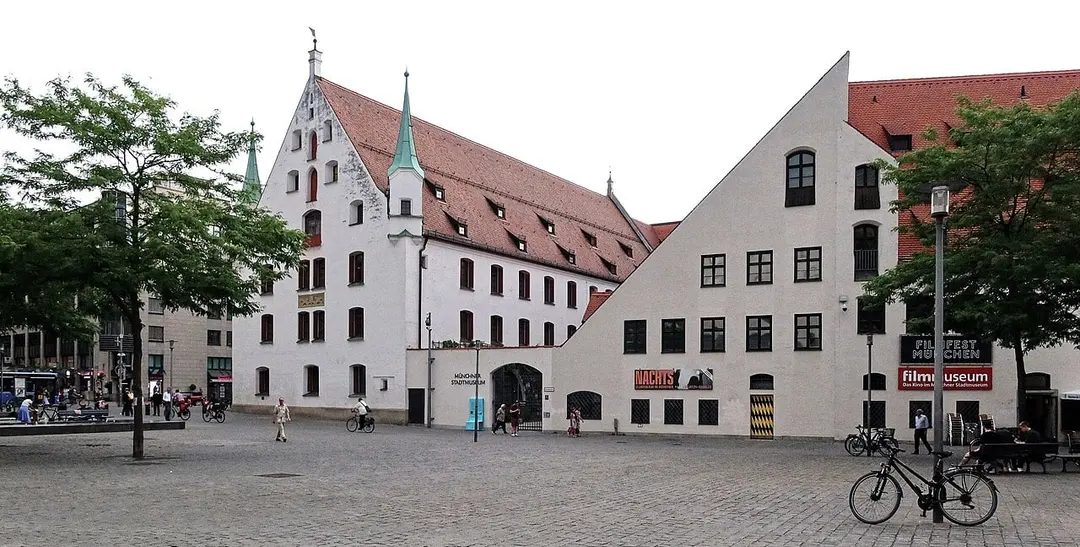
Collection of Munich city history from the Middle Ages to today — fashion, photo, the film museum and the Moriskentänzer cabinet.
Munich
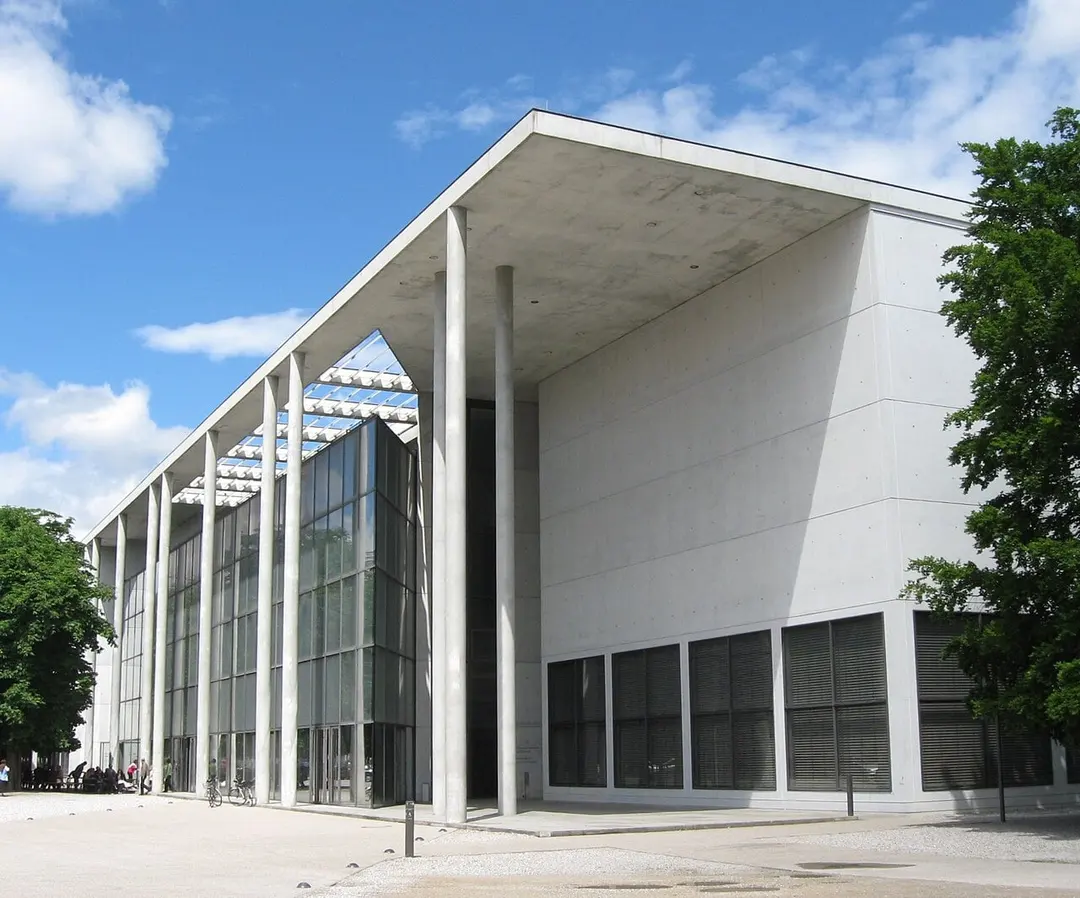
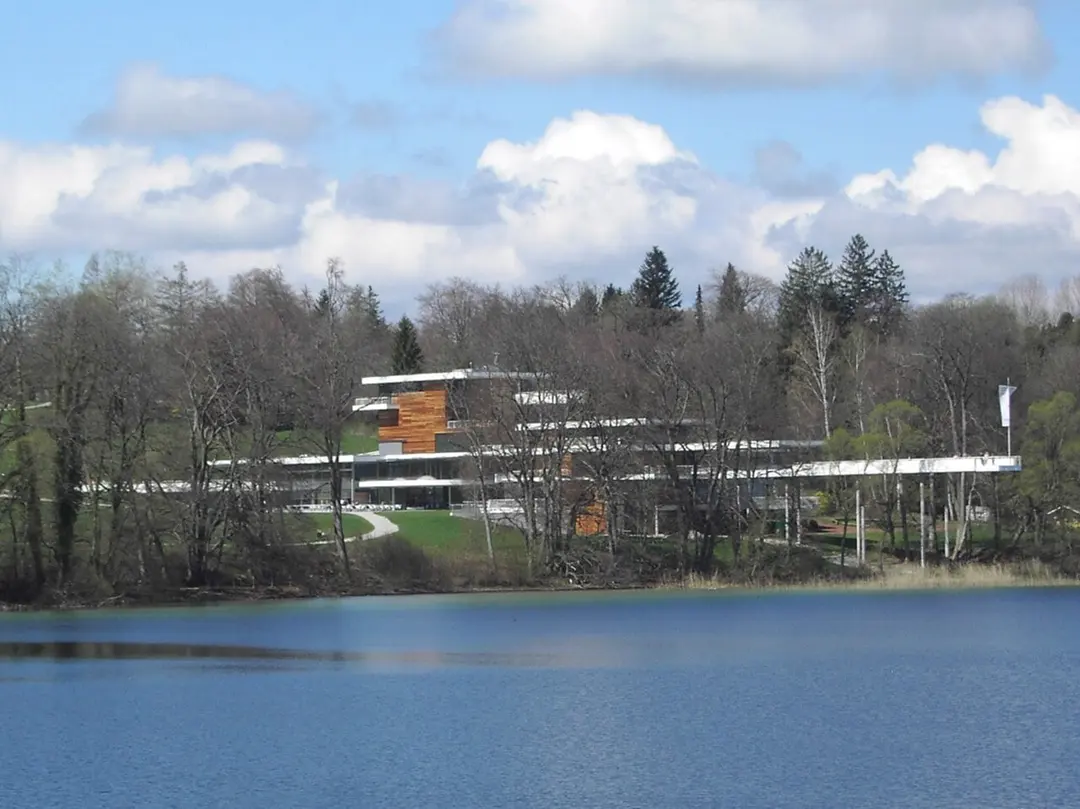
Stephan Braun's 2002 glass rotunda with four collections under one roof: art, design, architecture, works on paper.
Munich
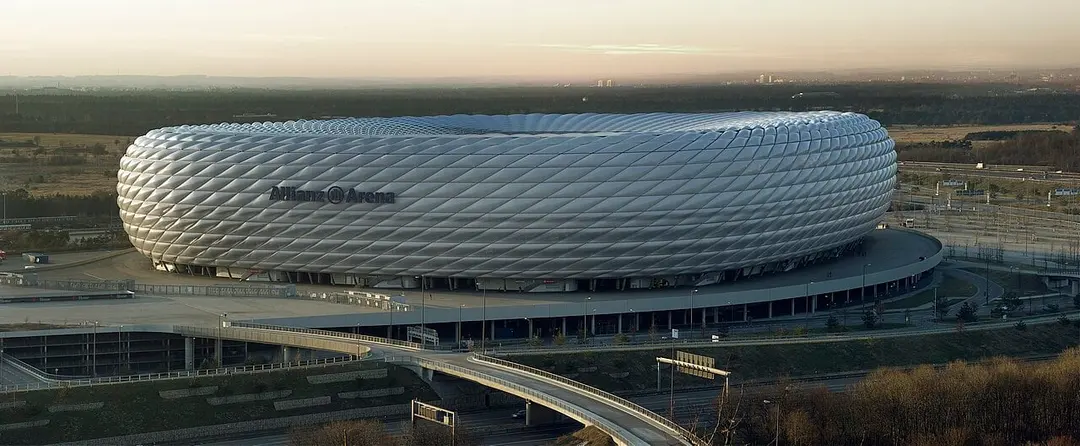
Bayern Munich's home ground, 75,000 seats wrapped in ETFE cushions that glow red, white or blue at night.
Munich
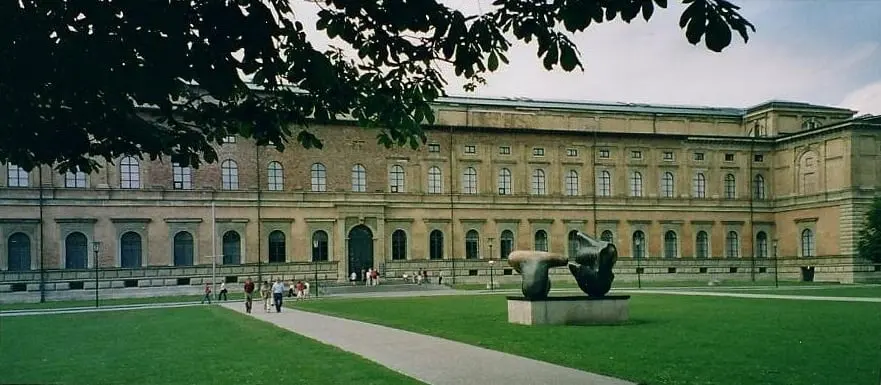
One of the world's largest old-master collections: Dürer, Rubens, Rembrandt, Leonardo, Titian under one roof. Built in 1836 as the first public museum at this scale.
Munich
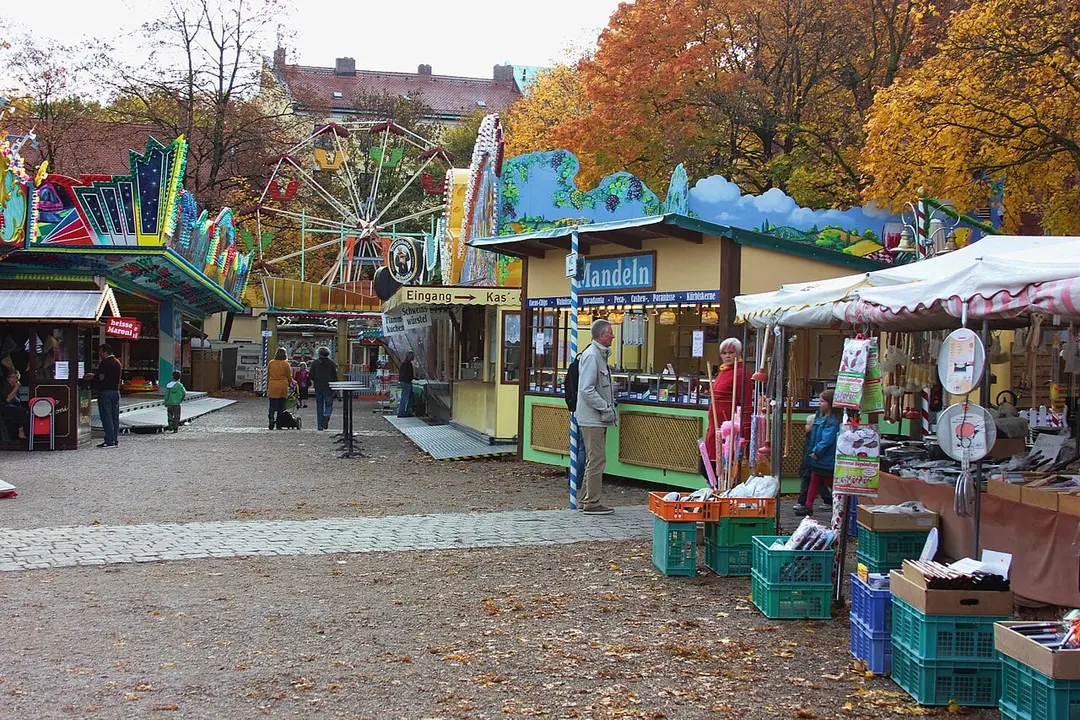
The Auer Dult is one of Munich's oldest and most beloved markets. Three times a year — as the Maidult, Jakobidult and Kirchweihdult — it transforms Mariahilfplatz in the Au district into a lively gathering of flea market stalls, antiques, household goods and traditional fairground rides. Each Dult lasts nine days, drawing collectors, bargain hunters and families alike. Between old porcelain, beer steins and unusual finds, surprises are never far away. The folk-festival atmosphere makes the Dult a genuine piece of Munich city life, well away from the main tourist crowds.
Munich
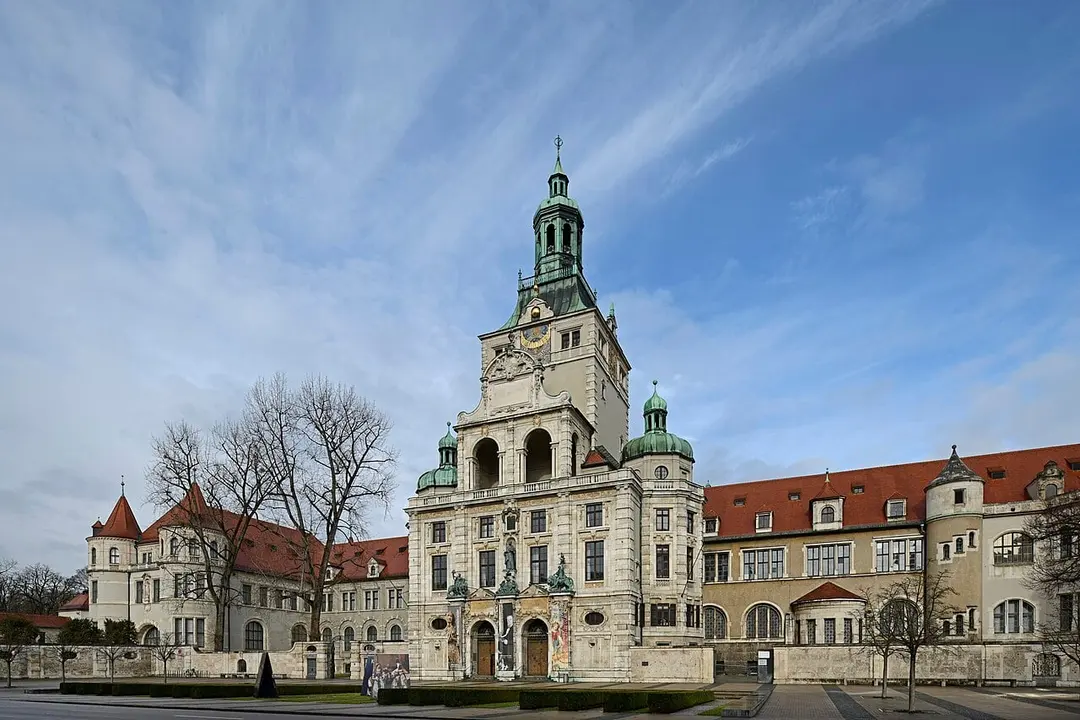
The Bavarian National Museum on Munich's Prinzregentenstraße is one of Europe's most important museums of decorative arts. Across some 13,000 m² of exhibition space, it presents art and cultural-history collections from the early Middle Ages to the 20th century: European sculpture, textiles, ceramics and glasswork. It is especially known for its folklore department in the basement, home to one of the world's largest nativity scene collections. The building itself, founded in 1855 and opened in its current form in 1900, is a grand historicist structure whose façades cycle through styles from Romanesque to Renaissance.
Munich
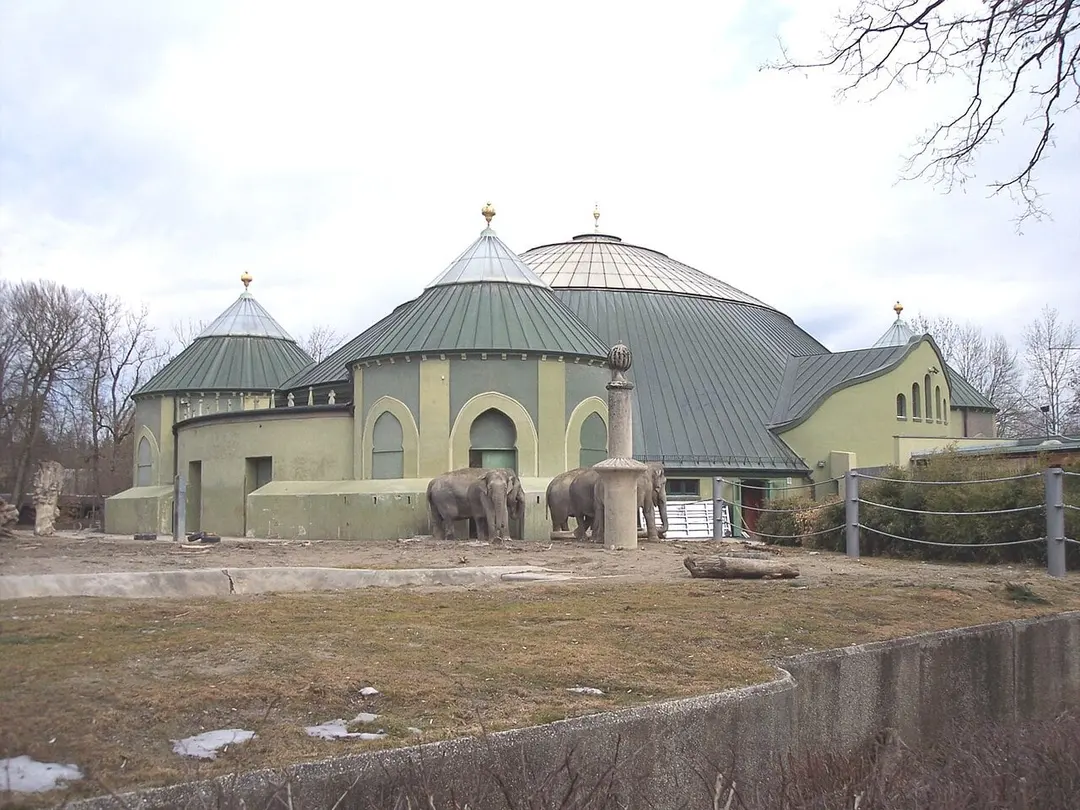
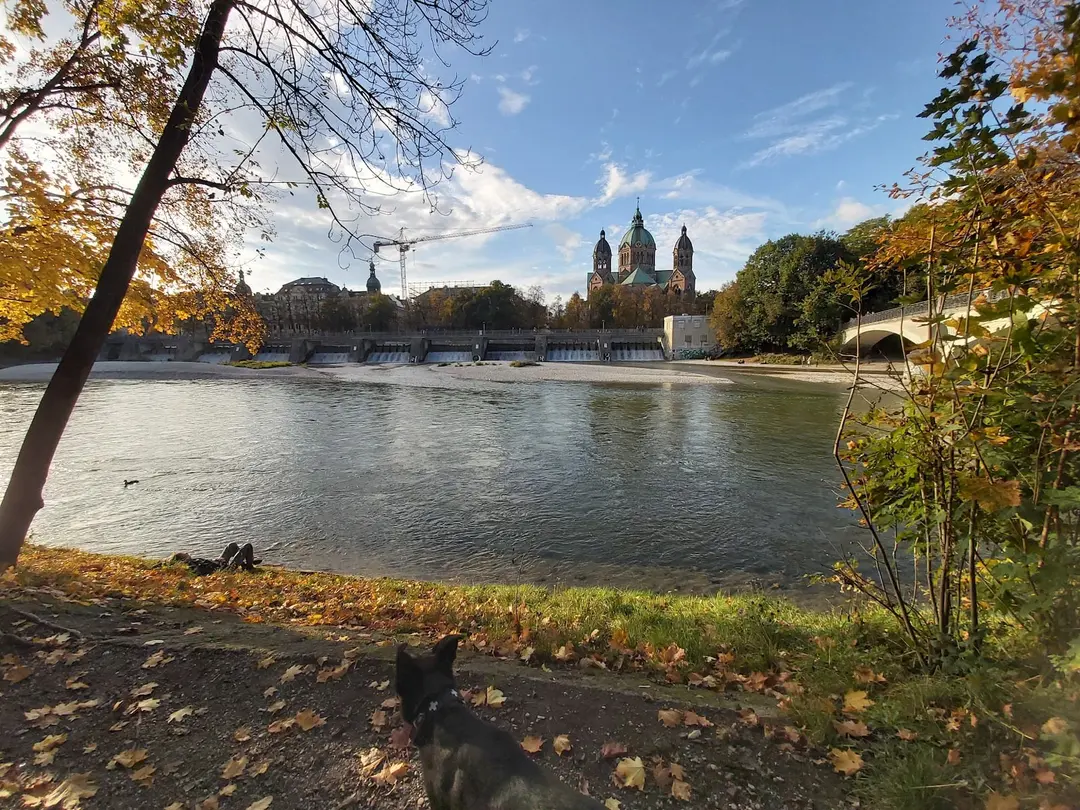
World's first geozoo (1928): 760 species arranged by habitat instead of cage row, set in the Isar floodplain forest.
Munich
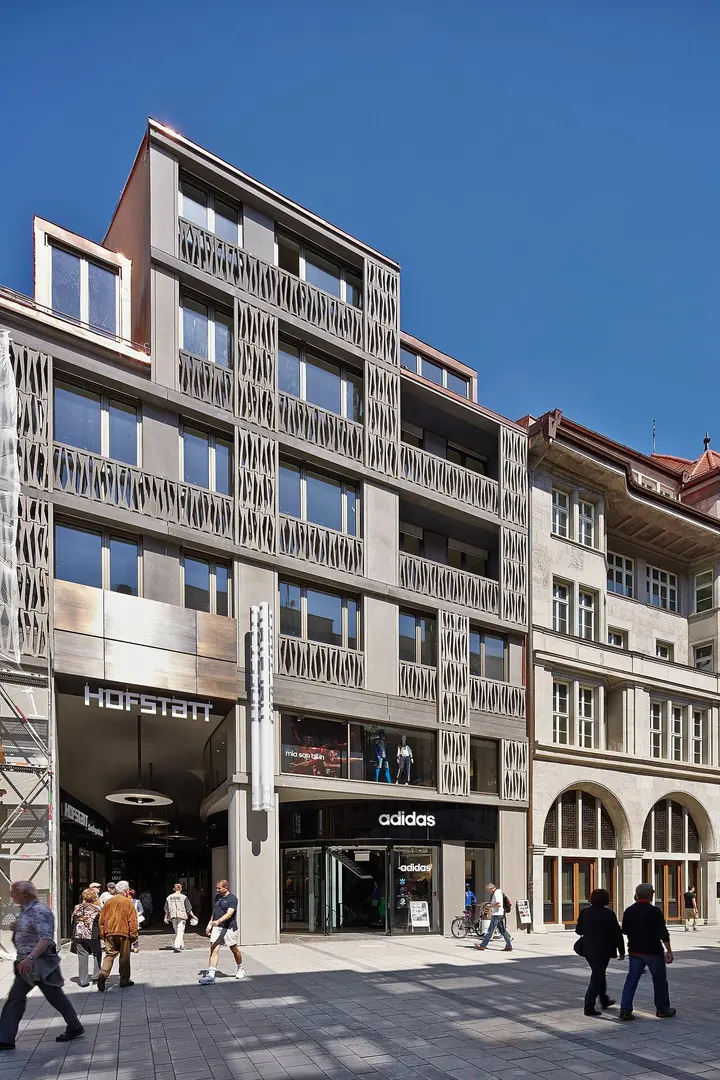
The Hofstatt is a shopping arcade that opened in 2013 in Munich's old town on Sendlinger Straße. What makes it distinctive is its location on the former site of the Süddeutscher Verlag publishing house, with the development integrating two historic existing buildings — the neoclassical editorial building by architect Max Littmann from the Gründerzeit era and the characteristic brick structure of the old print works. This fusion of publishing history and contemporary retail makes the Hofstatt an architecturally interesting place to shop. The offering includes national and international fashion brands as well as dining options. Situated between Marienplatz and Sendlinger Tor, it is a natural stop on any stroll through Munich's city centre.
Munich
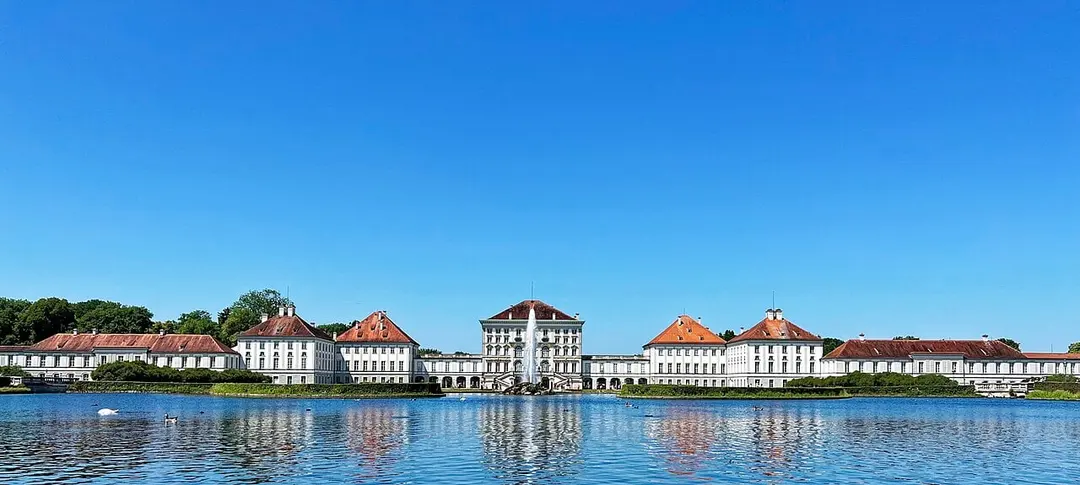
Wittelsbach summer residence with 500 acres of gardens, the Gallery of Beauties and the Marstall carriage museum.
Munich
Keep exploring
Rate places with a swipe — TravelType learns from your tags what you love and curates your own map. Private until you choose to share.