Google · Florencia Chueke
Haidhausen French Quarter
Munich
architecturehistoryoutdoor activities+5
Neighborhood named after French cities (Pariser, Bordeauxplatz), brick tenements and a big weekly market — creative Munich.
nature
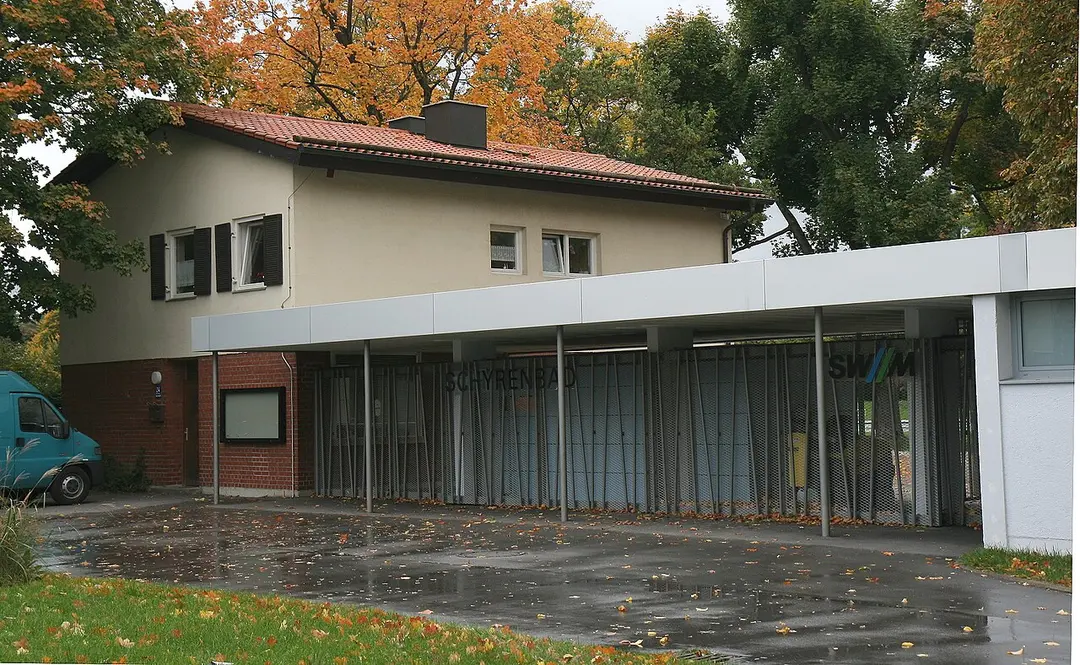
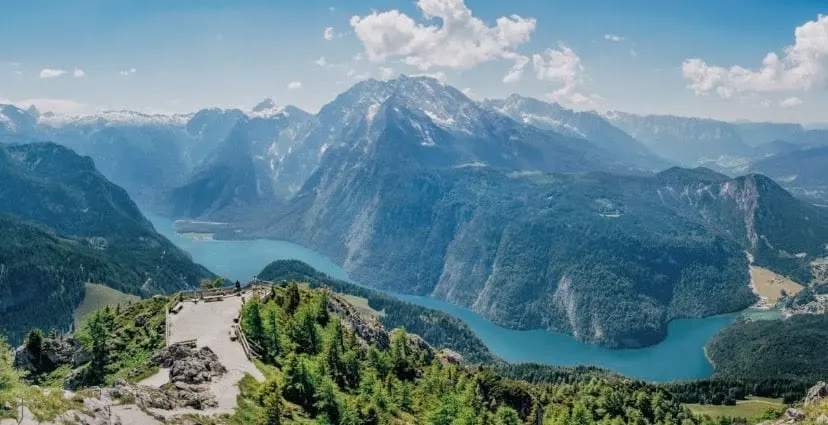
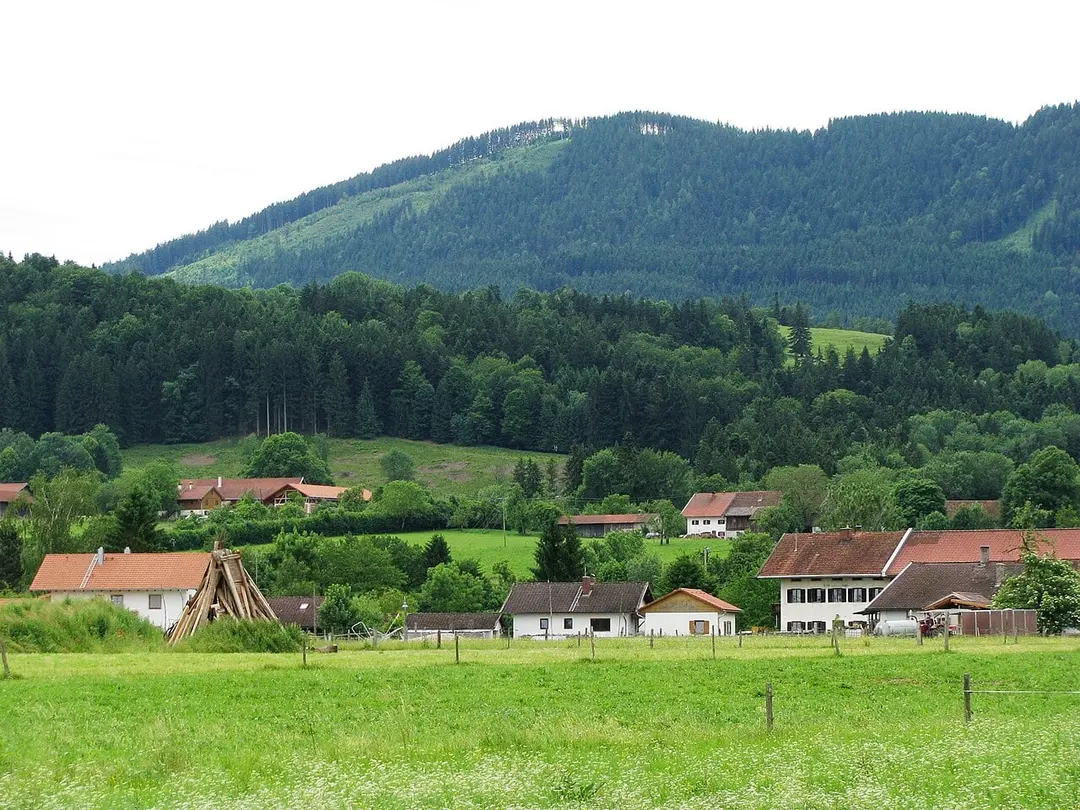
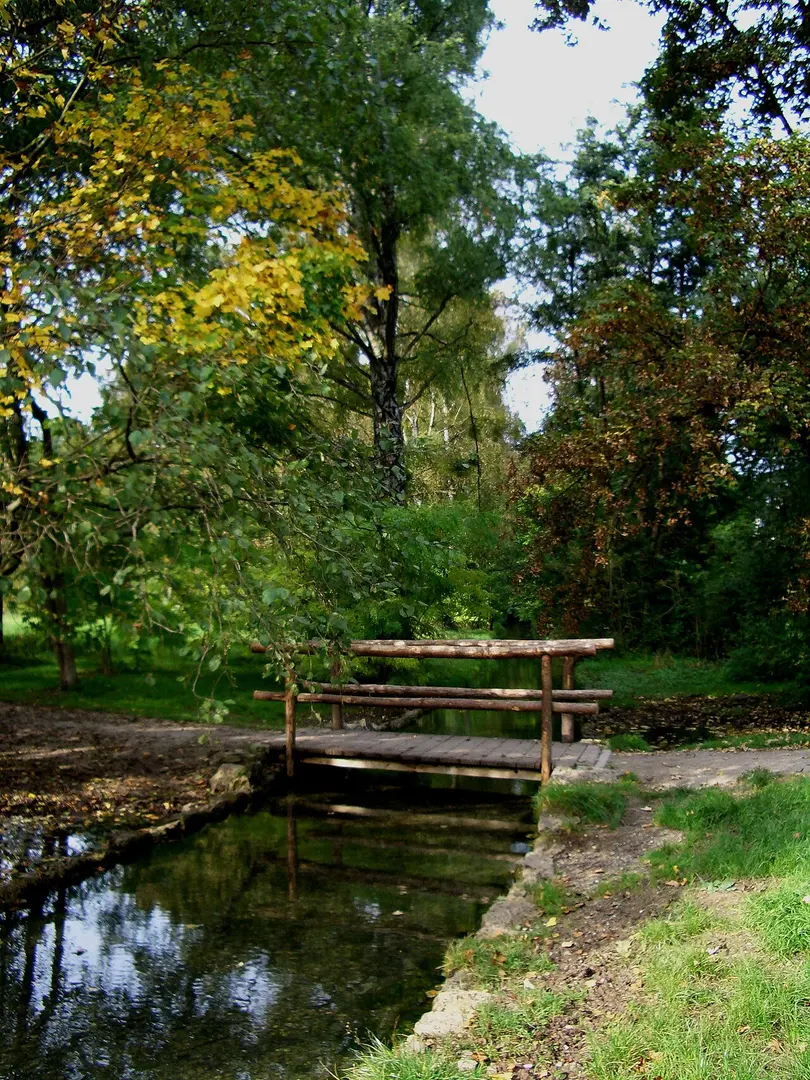
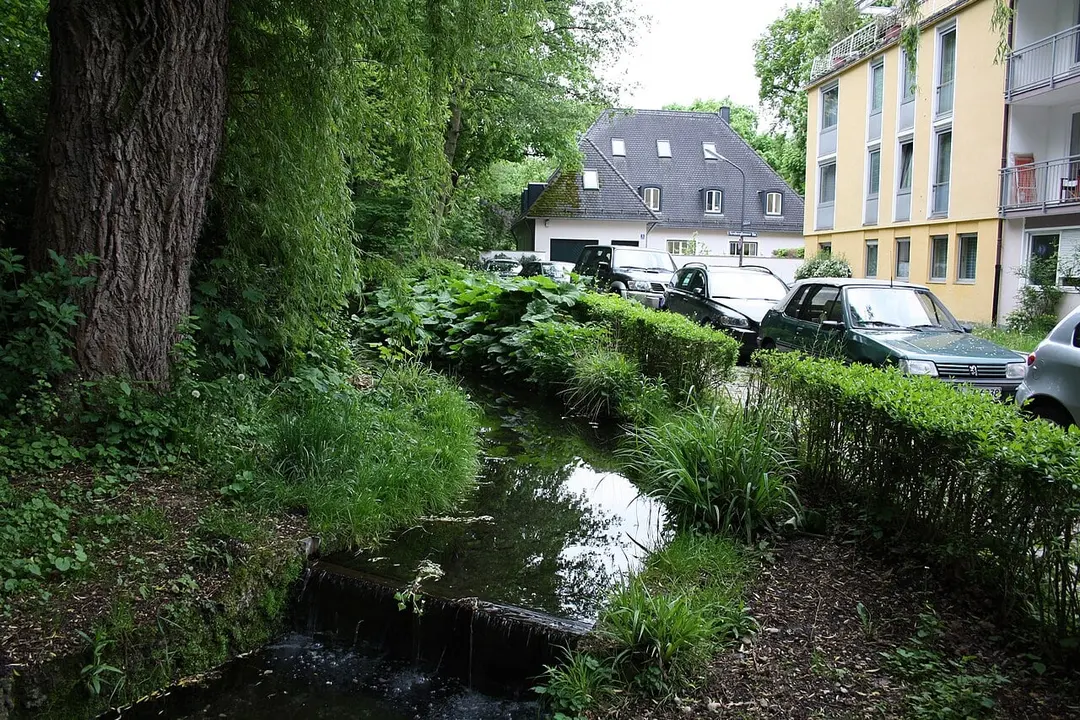
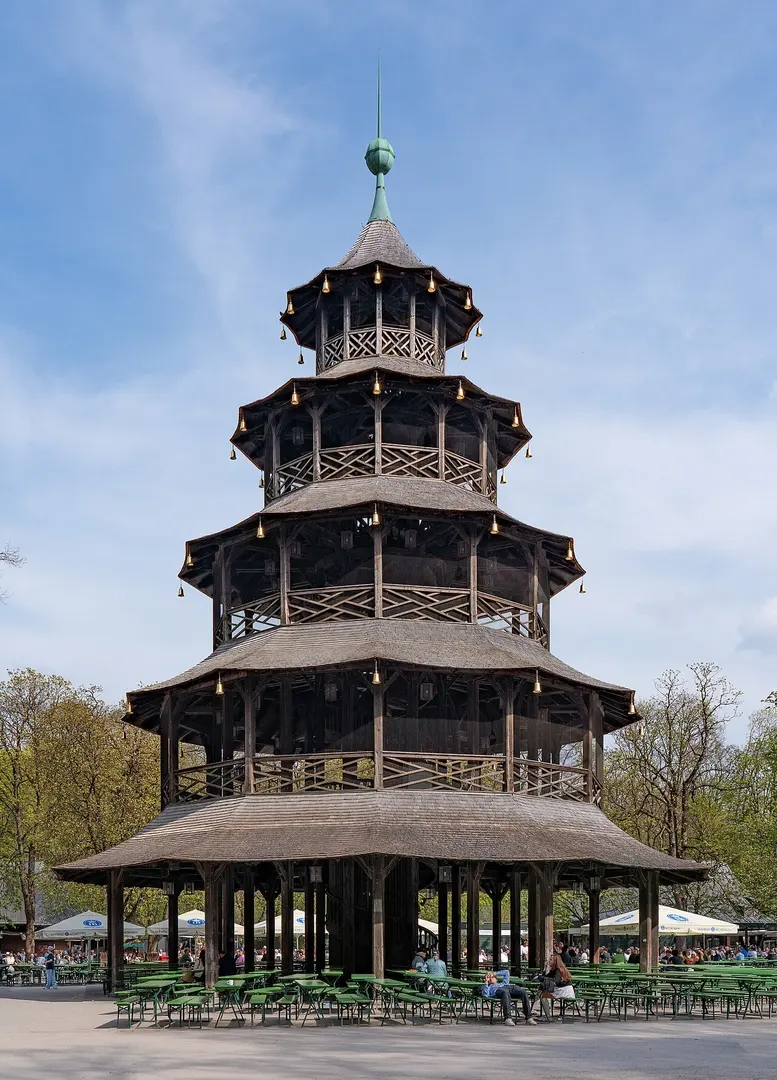
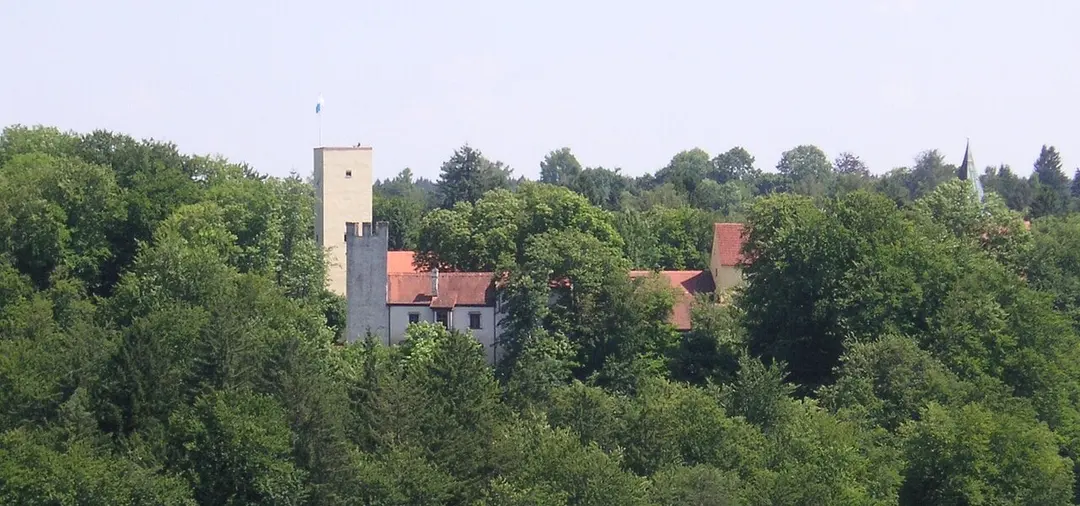
Munich sits within easy reach of a varied natural landscape. In the city itself, Schyrenbad offers an urban bathing spot, and the Chinese Tower stands amid the greenery of the English Garden. A short distance away, the Bavarian Alps provide rewarding terrain, including the Blomberg Westgipfel summit, while the shores of Ammersee offer a quieter pace. Small waterways such as Brunnbach and Brunnthaler Quellbach wind through the surrounding countryside, and Berg Castle looks out over the Starnberger See — all comfortably accessible from the city centre.
28 places · Munich, Germany · Editorially curated
Munich
Neighborhood named after French cities (Pariser, Bordeauxplatz), brick tenements and a big weekly market — creative Munich.
Munich
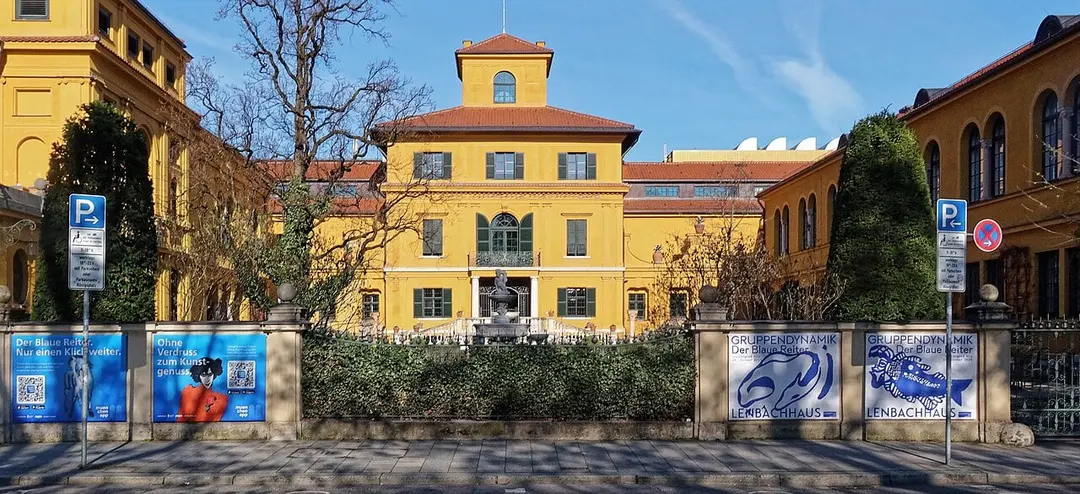
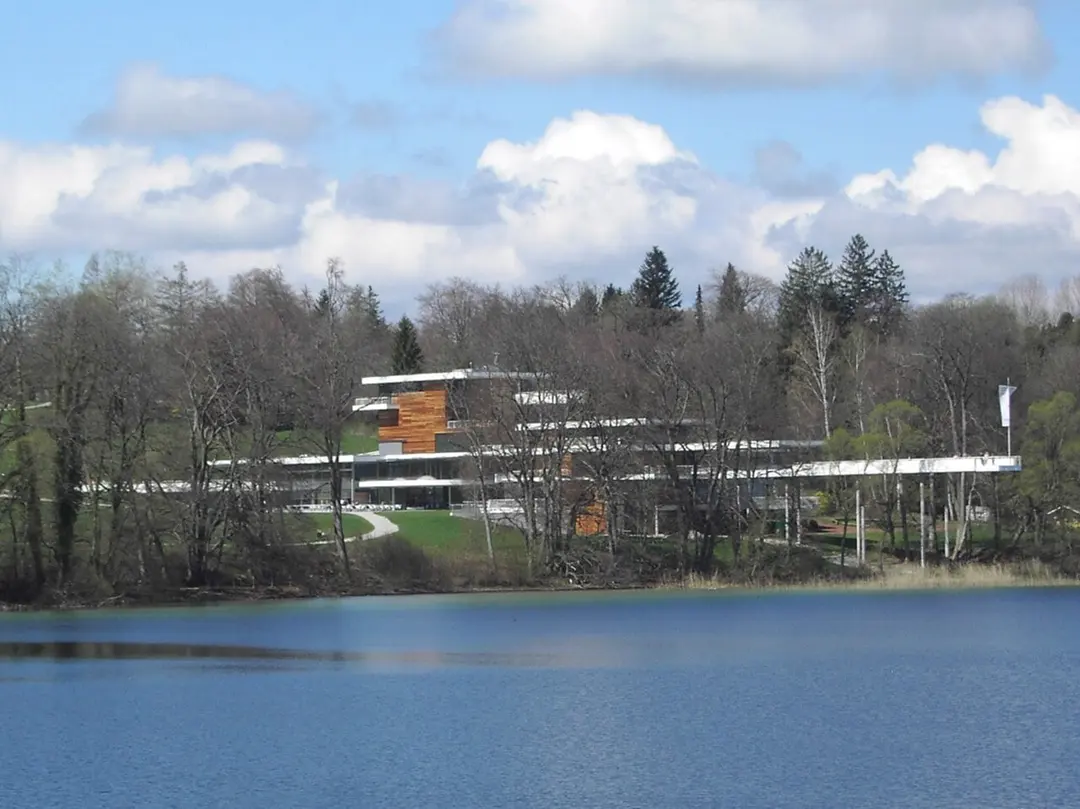
Franz von Lenbach's former villa houses the world's largest Blaue Reiter collection — Kandinsky, Marc, Münter.
Munich
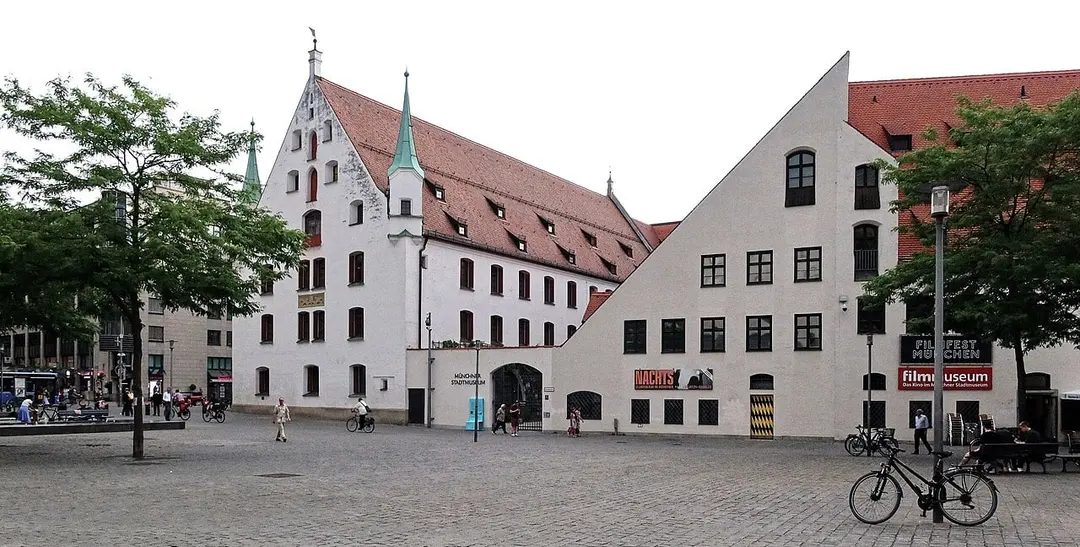
Collection of Munich city history from the Middle Ages to today — fashion, photo, the film museum and the Moriskentänzer cabinet.
Munich
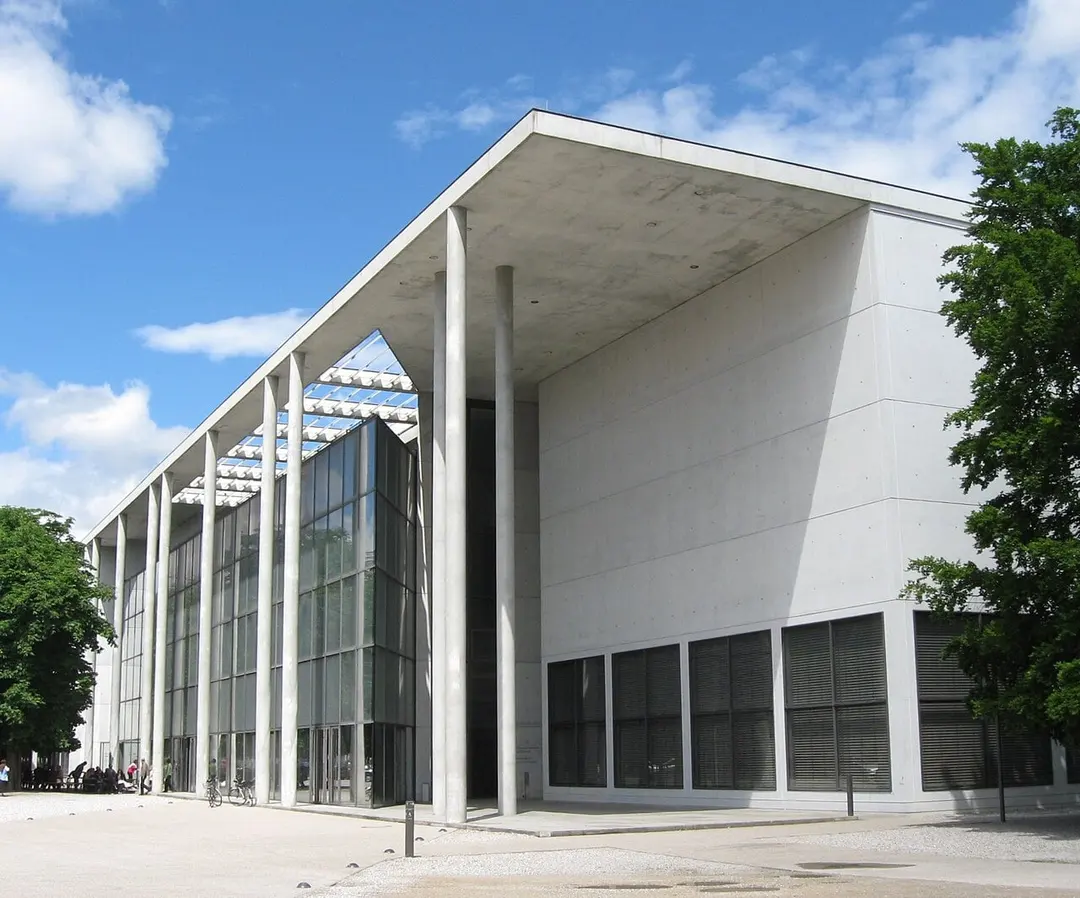
Stephan Braun's 2002 glass rotunda with four collections under one roof: art, design, architecture, works on paper.
Munich
Munich's oldest outdoor pool complex, neoclassical 1930s architecture, large lawn, diving tower — a local favorite.
Munich
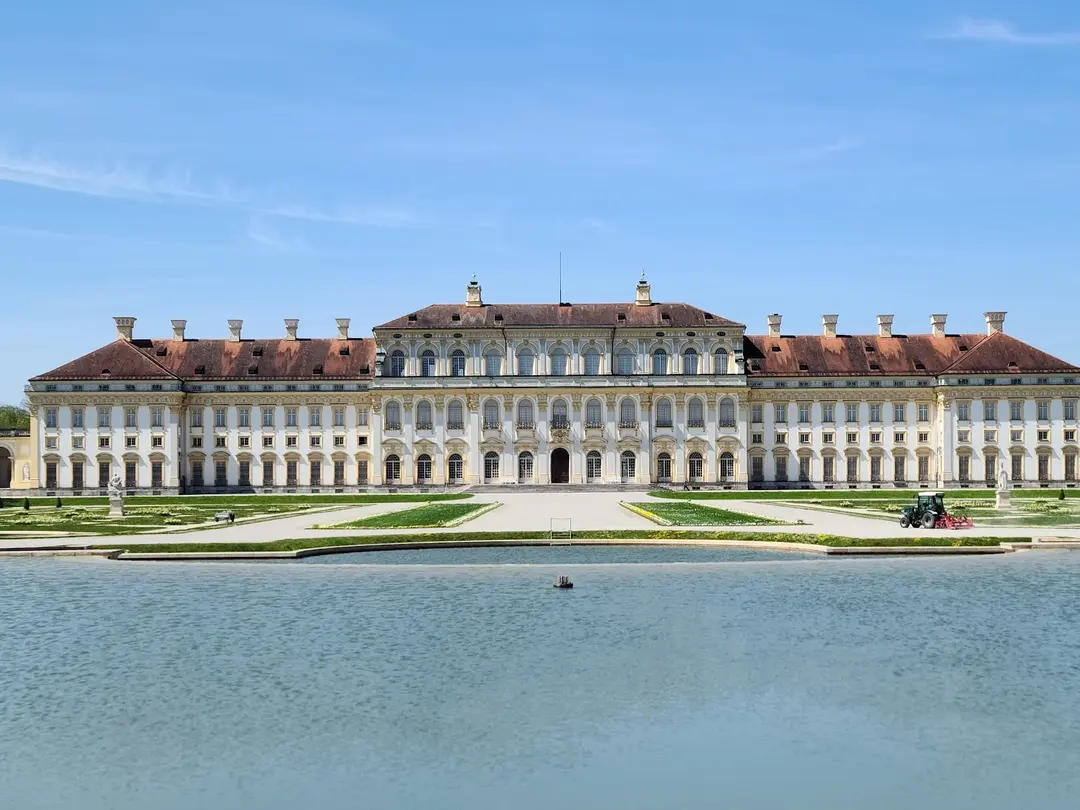
Baroque three-palace complex with French garden, Great Hall and old gallery — Munich's mini-Versailles.
Munich
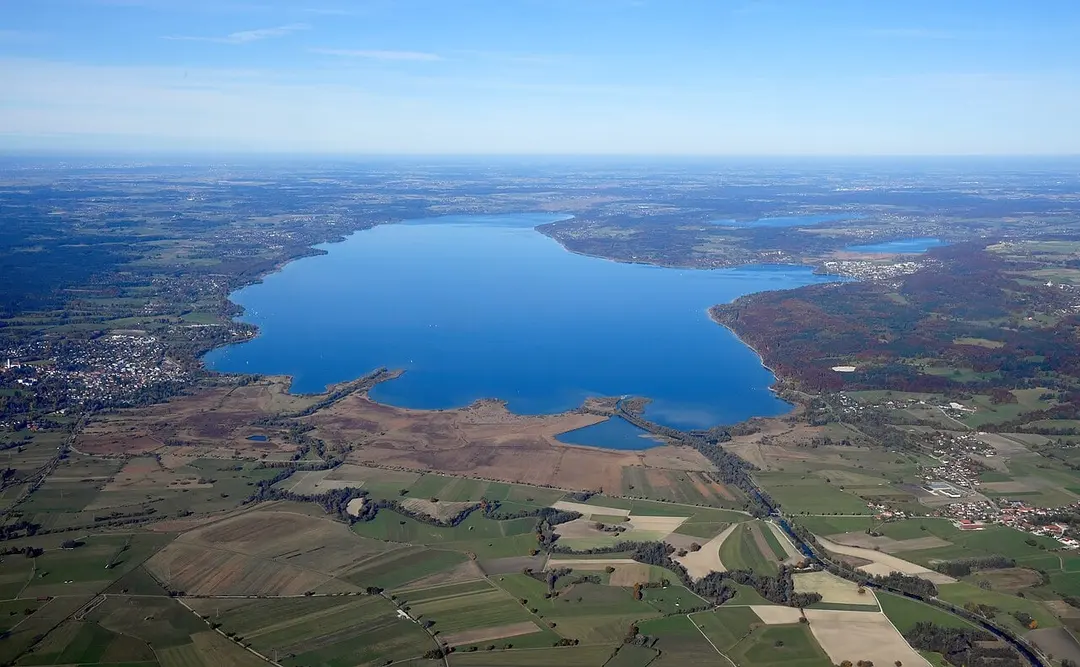
Ammersee is Bavaria's third-largest pre-Alpine lake, covering around 47 square kilometres and lying just an hour south-west of Munich. Owned by the Free State of Bavaria and administered by the Palace Administration, the lake enjoys strong environmental protection. Picturesque villages like Herrsching, Diessen, and Utting line its shores, offering beer gardens, jetties, and swimming spots. Whether you come to sail, surf, cycle the shoreline, or simply take a dip in clean water, Ammersee is a classic Munich day-trip destination that draws families, couples, and outdoor enthusiasts throughout the summer months.
Munich
Munich
Munich
Munich
Munich
The Chinese Tower is a 25-metre wooden structure in the style of a Chinese pagoda, built between 1789 and 1790 in Munich's Englischer Garten. At the park's opening in 1792 it served as an observation deck; today it is best known for the surrounding beer garden, one of Munich's largest, which can seat several thousand guests. The tower burned down during World War II but was faithfully reconstructed in 1952. It combines 18th-century exoticism with Bavarian beer garden tradition in a way that somehow works perfectly.
Munich
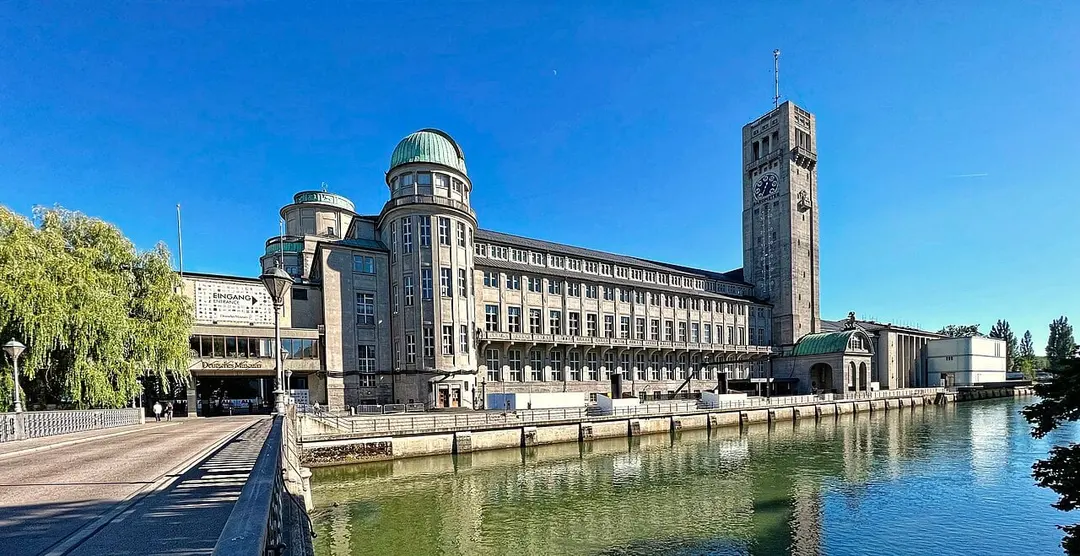
On the Isar's Museumsinsel — 28,000 objects from Galileo's pendulum to a U-boat — one of the world's largest science museums.
Munich
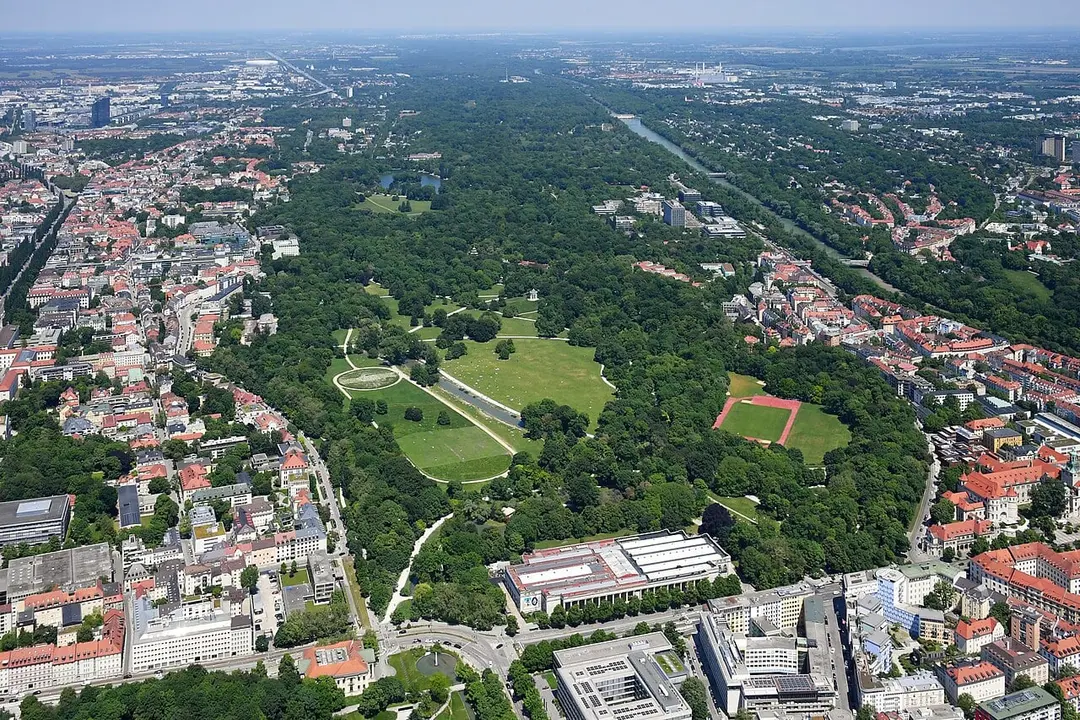
925 acres — one of Europe's largest inner-city parks. The Eisbach standing wave at the south end, Chinese Tower with beer garden, open meadows out to Hirschau beach.
Munich
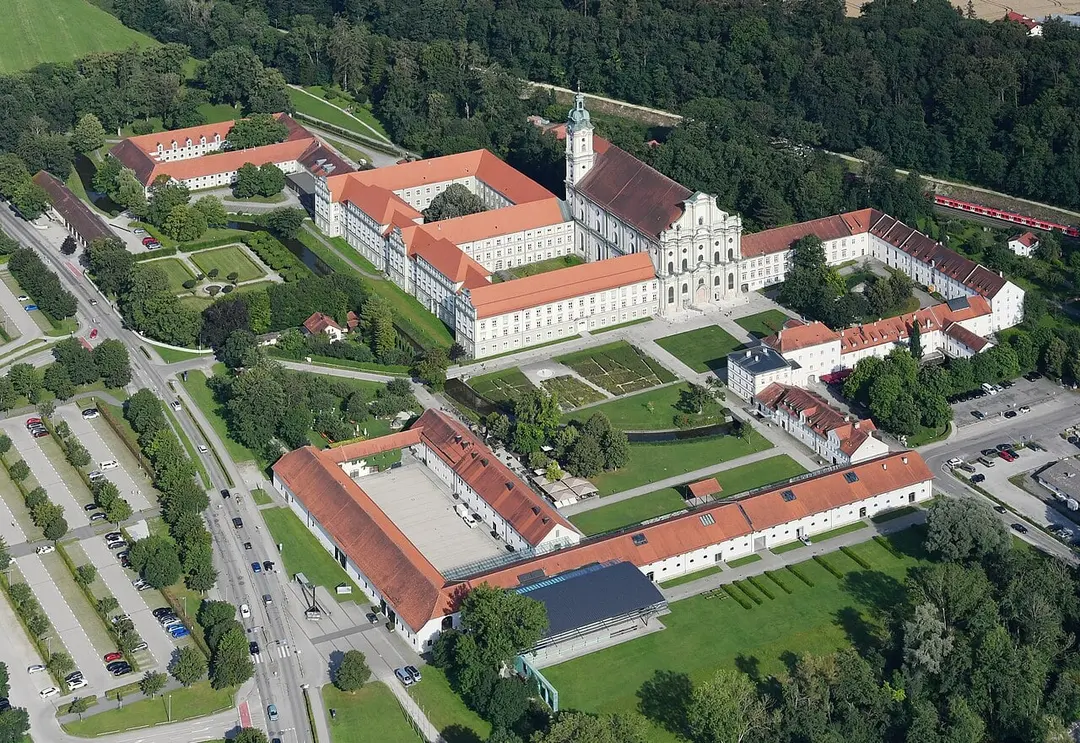
Fuerstenfeld Abbey in Fuerstenfeldbruck is a former Cistercian monastery founded in 1258 by Duke Ludwig II of Bavaria as penance for the murder of his first wife. The current baroque abbey church, built between 1701 and 1741, is considered one of the most magnificent baroque churches in Bavaria. The complex includes the church, convent buildings, and extensive grounds used today for concerts and cultural events. Listed as a historic monument in Bavaria, it welcomes visitors through guided tours and public programming.
Munich
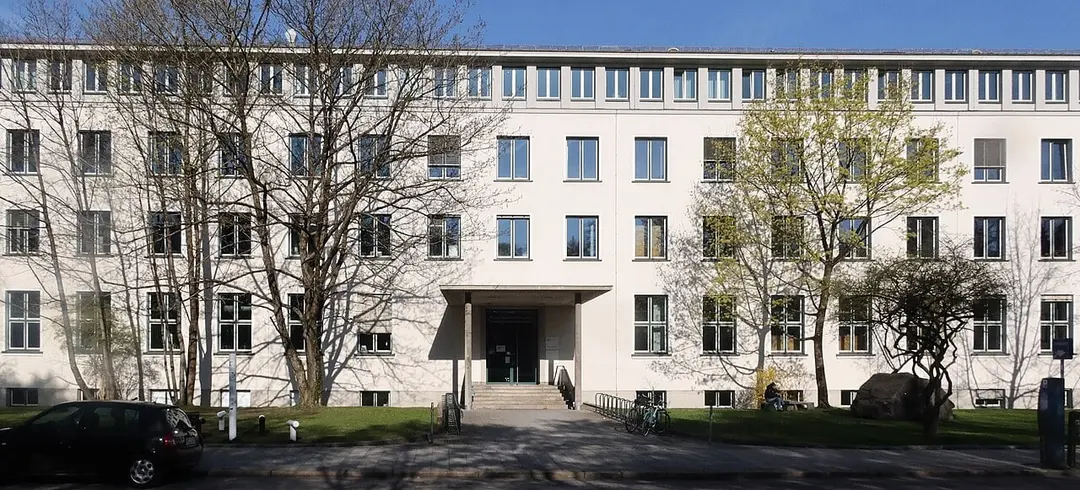
The Geologisches Museum München in the Maxvorstadt district is the publicly accessible showcase of the Bavarian State Collection for Palaeontology and Geology — one of the most significant geoscientific collections in Germany. The permanent exhibition displays minerals, rocks, and fossils from Bavaria and around the world, including impressive dinosaur finds from the Jurassic period. The museum is particularly renowned for its ichthyosaur skeletons and fossils from the Solnhofen limestone, one of the world's most important fossil sites. Admission is free, making it a genuine insider tip for curious visitors of all ages. The museum is located in the Maxvorstadt museum district, easily walkable from the Pinakothek galleries.
Munich
Munich
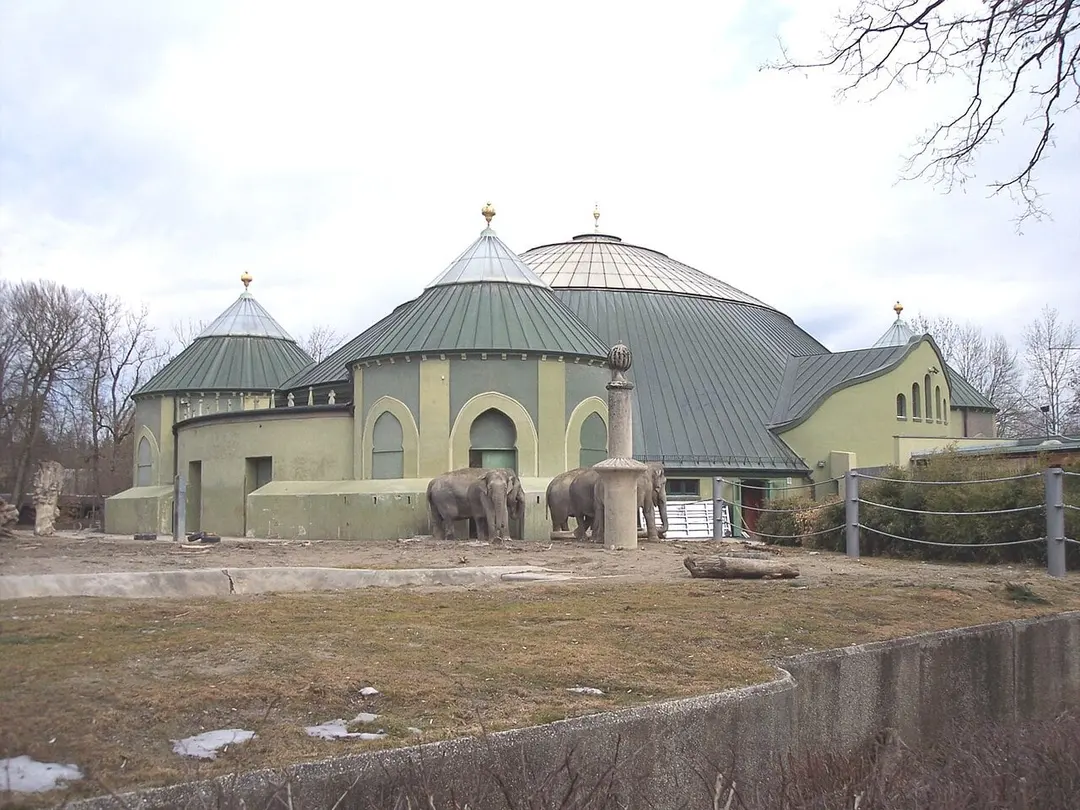
World's first geozoo (1928): 760 species arranged by habitat instead of cage row, set in the Isar floodplain forest.
Munich
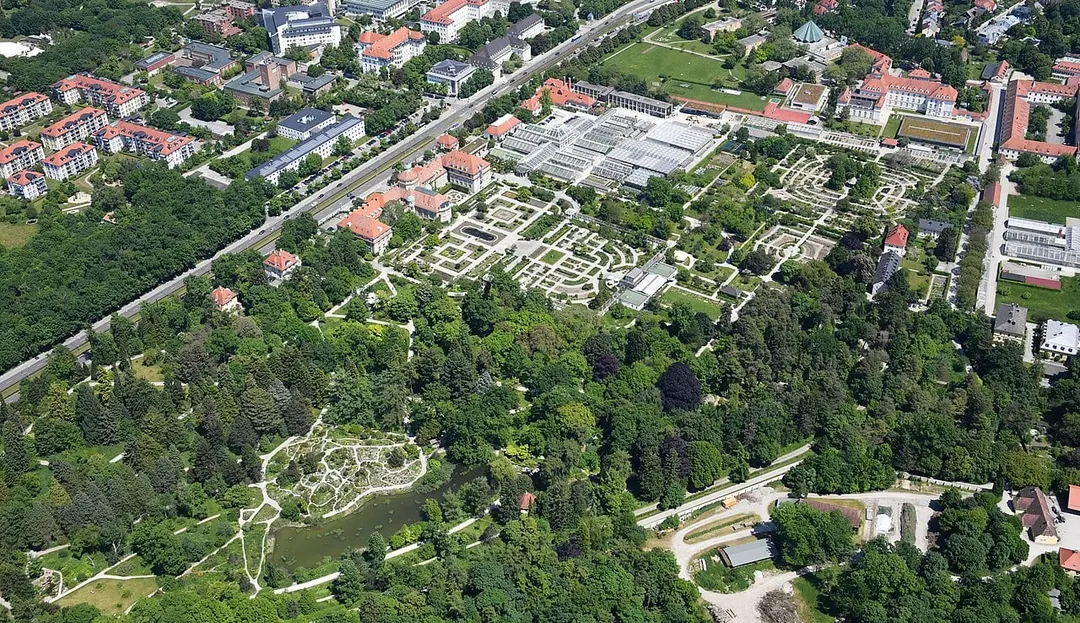
The Botanischer Garten München-Nymphenburg, also known as the New Botanical Garden, lies north of Nymphenburg Palace Park and covers around 21 hectares. Opened in 1914, it is one of the larger botanical gardens in Germany, attracting over 350,000 visitors a year. The garden houses more than 14,000 plant species from around the world and is today part of the Bavarian State Natural Science Collections. The greenhouses, alpinum, and rose gardens are particularly popular. The grounds offer relaxation, scientific insights, and a pleasant walk along the Nymphenburg palace axis.
Munich
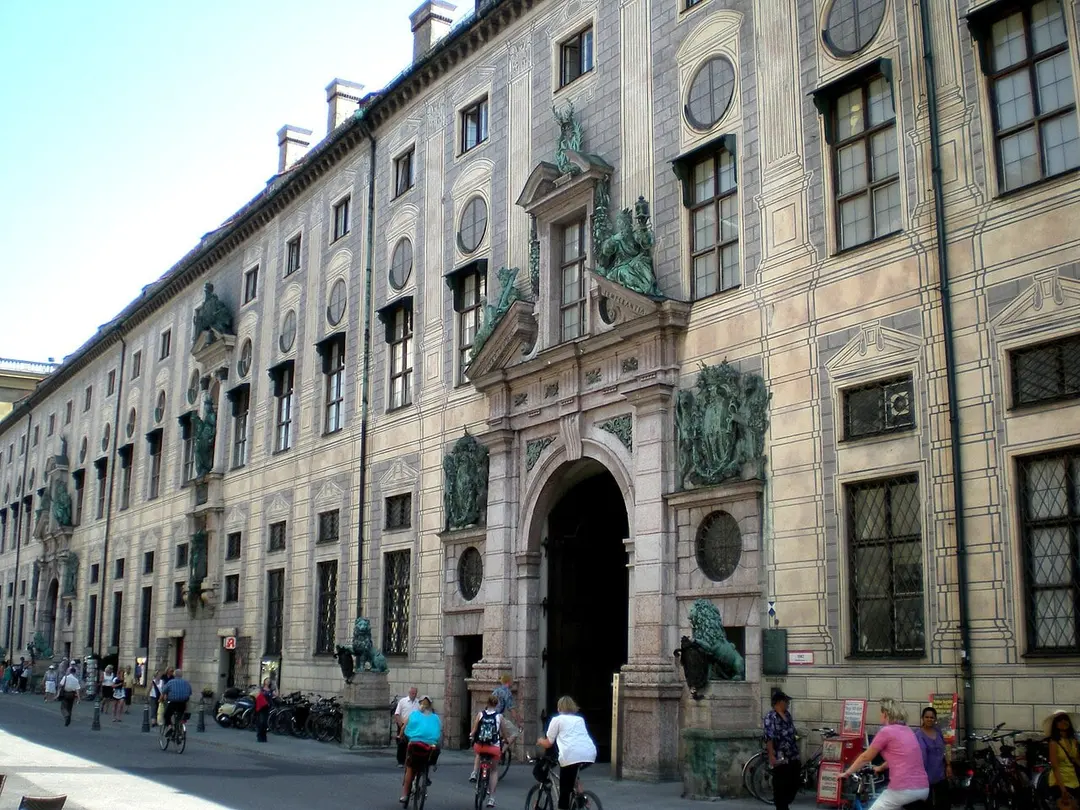
Former city palace of the Bavarian dukes and kings — 130 rooms from the Antiquarium to the Cuvilliés-Theater.
Munich
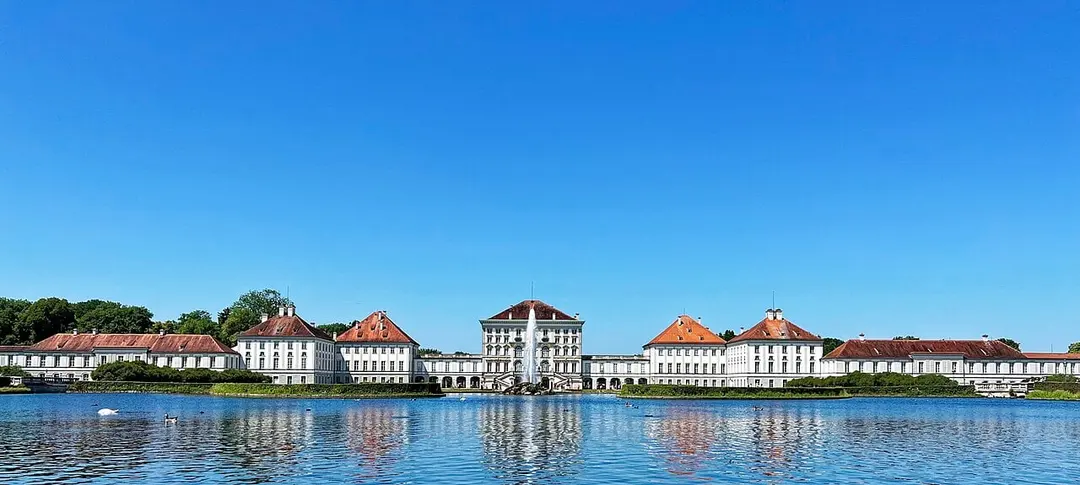
Wittelsbach summer residence with 500 acres of gardens, the Gallery of Beauties and the Marstall carriage museum.
Munich
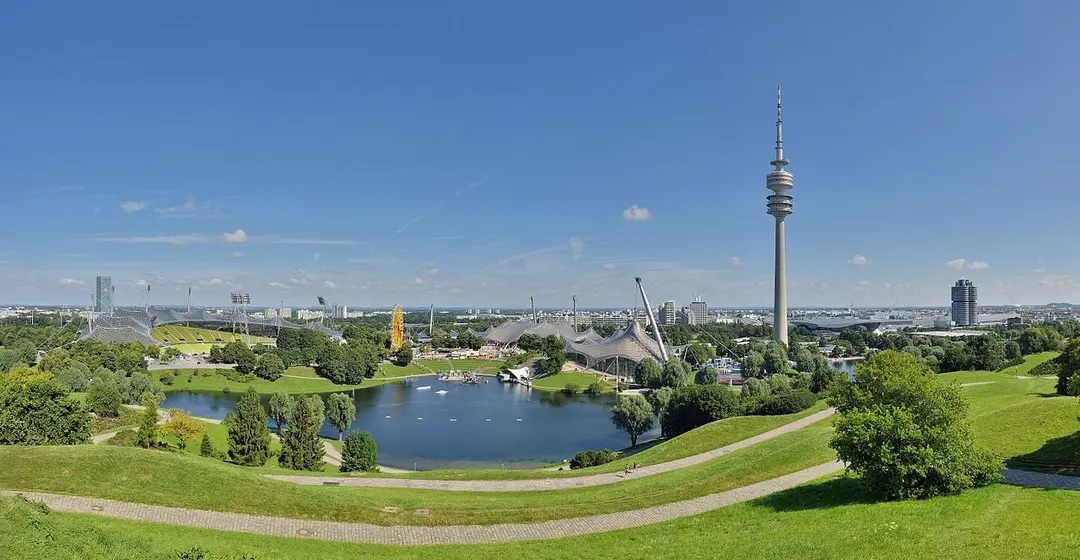
Iconic 1972 Summer Games venue — Frei Otto's floating tent-roof architecture, Olympiaberg viewpoint over the city, 14 km of running trails around the grounds.
Munich
Munich
Munich
Munich
Munich
Munich
Keep exploring
Rate places with a swipe — TravelType learns from your tags what you love and curates your own map. Private until you choose to share.